Best Views of the Golden Gate Bridge: 3 Stops & Parking
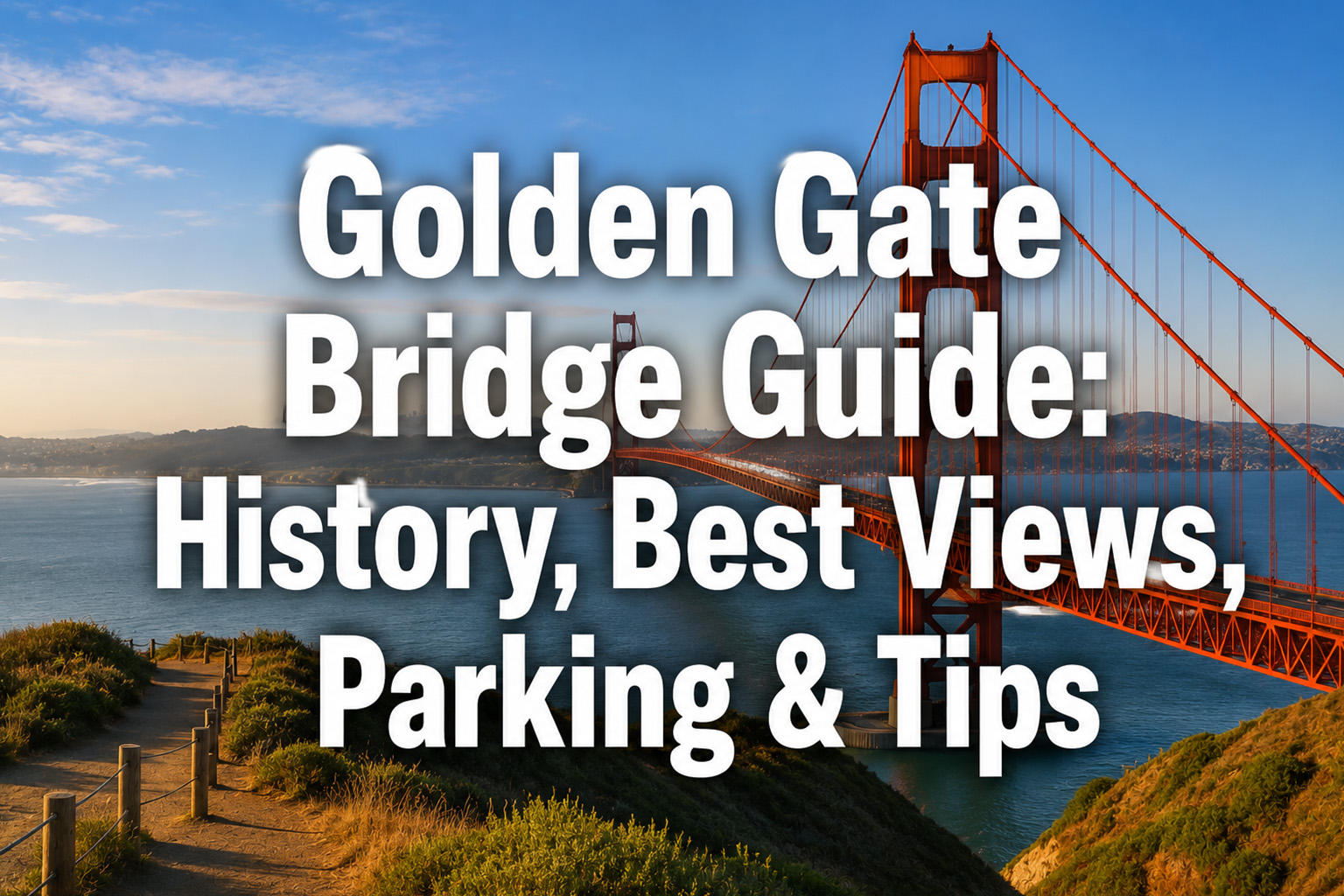
Looking for the best views of the Golden Gate Bridge? Below we compare three stops that each show the bridge in a different way — Battery Spencer, North Vista Point, and the Round House Cafe area at the south end.
We also cover parking, the toll, and how fog changes what you’ll see, so you can pick the right stop before you go.
Table of Contents
Best Views of the Golden Gate Bridge: 3 Stops Compared
All three stops are close to the bridge, but the angle, the parking situation, and the effort involved are quite different.
Here’s a quick side-by-side before we get into each one.
| Spot | What you see | Parking | Walk from parking | Best for |
|---|---|---|---|---|
| Battery Spencer | From a hilltop on the Marin side, looking across the bridge toward the San Francisco skyline | Free roadside spaces on Conzelman Road; limited and often full | A short walk from the nearest roadside spaces; the distance depends on where you park | The classic postcard shot |
| North Vista Point | From the overlook at the north end, looking along the bridge toward San Francisco | Free lot with a 4-hour limit; closed to private cars on some peak weekends | Steps from the lot | A quick photo stop right after crossing northbound |
| Round House Cafe / South End | From the San Francisco side, looking north along the bridge toward the Marin hills | Paid Welcome Center lot ($5/hour, 3-hour max); small and closed on some peak weekends | A few steps up from the plaza lot | Walking onto the bridge, coffee, and restrooms |
Parking details are based on the Golden Gate Bridge District’s information as of September 2026 and can change. See the parking section below for closure dates.
Battery Spencer
Battery Spencer on Google Maps
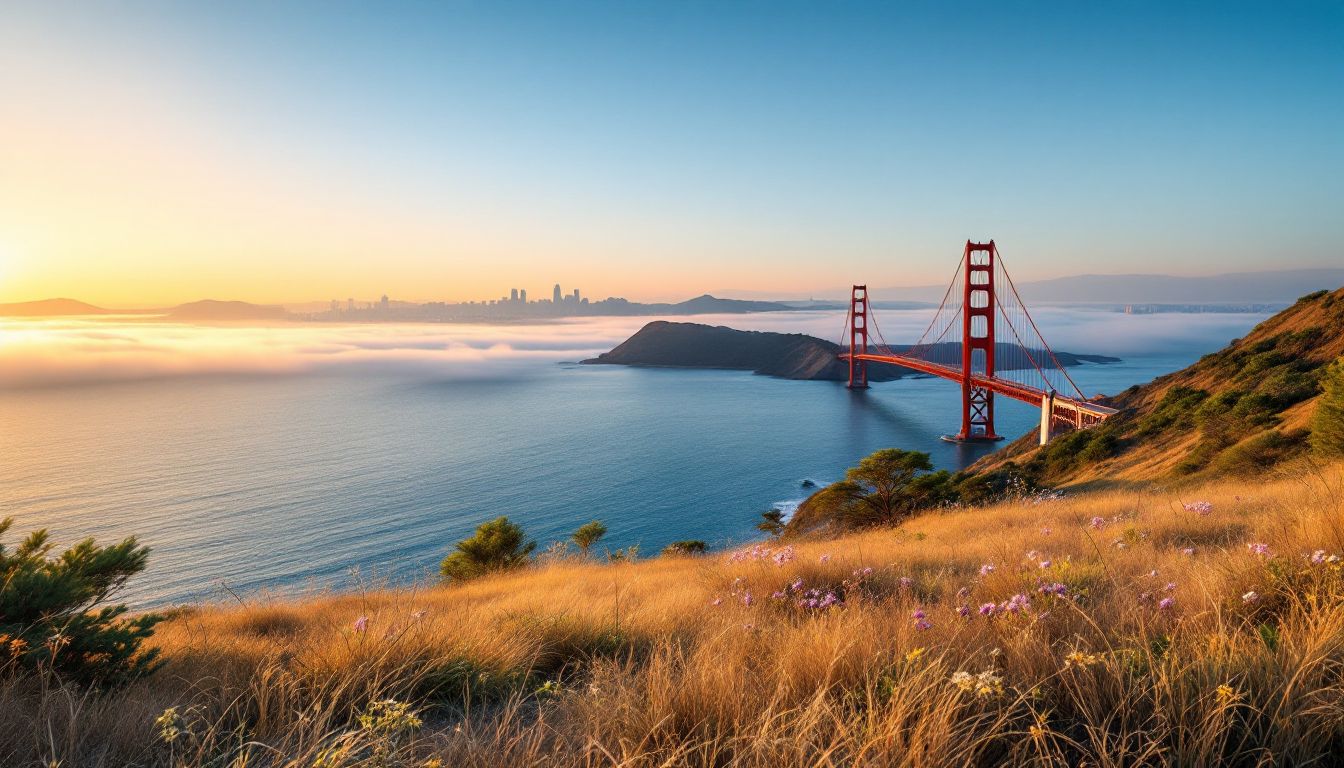
Battery Spencer is one of the most iconic viewpoints for photographing the Golden Gate Bridge.
It gives you the shot everyone knows — the bridge running across the frame with the San Francisco skyline behind it.
The overlook sits on a cliff top almost 500 feet above the bay, according to the National Park Service, so you’re looking across at the towers rather than straight up at them.
Getting there: It’s on Conzelman Road in the Marin Headlands, just above the north end of the bridge. From San Francisco, cross the bridge northbound and follow signs toward the Marin Headlands. Traffic patterns on Conzelman Road have been changed in recent years, so follow the posted signs and your navigation app rather than an old route.
Parking: The National Park Service notes that parking along Conzelman Road at the battery is limited and often full, so be prepared to walk a little. Finding a space can be difficult on weekends and near sunset.
Which way you’re shooting: You face roughly southeast, across the bridge toward the city. As a rule of thumb, afternoon light falls on the side of the bridge you’re looking at. Morning light can create backlit views, depending on the season and your framing.
Fog: Because the overlook is high up, on some days low fog covers the roadway while the tops of the towers stick out above it. On other days the whole bridge disappears, so check a live webcam or the forecast before you drive up.
The site itself is a late-19th-century coastal defense battery that once held 12-inch guns, and its concrete remains are still visible.
If you have time afterward, Point Bonita Lighthouse is also in the Marin Headlands.
North Vista Point (H. Dana Bowers Rest Area)
North Vista Point on Google Maps
This overlook gives you a close view along the bridge from its north end, with San Francisco in the distance.
There’s a free parking lot and restrooms on site, so it works well as a quick stop before you head up into the Marin Headlands or on to Sausalito.
Getting there: Drive north across the bridge on U.S. 101 and take the first exit, signed “Vista Point.” The lot is right there. It’s set up for northbound traffic, so if you’re coming from Marin toward San Francisco, you’ll need to cross the bridge (and pay the southbound toll) and come back.
Parking: Parking is free with a four-hour limit. On designated weekends and holidays in the busy season, the lot closes to private cars in the middle of the day (see the parking section below).
Which way you’re shooting: You’re looking south along the bridge’s east side, toward the city. As a rule of thumb, morning light falls on the side of the bridge facing you.
Fog: Fog can hide the bridge at this stop too; see the weather and fog tips below.
Crowds: Tour buses stop here during the day, so it can get busy around midday.
The waterfront town of Sausalito is just a short drive north if you want to keep going.
Round House Cafe and the South-End Views
Round House Cafe on Google Maps
The south end of the bridge, on the San Francisco side, is where most people start a walk across the bridge.
The Round House is a 1938 Art Deco building that first opened as a diner, and today it houses a small cafe. You get wide, wraparound views of the bridge and the bay through its windows.
Getting there: The cafe is at the Golden Gate Bridge Plaza, just a few steps up from the plaza parking lot and restrooms, on the pedestrian route onto the bridge. The Golden Gate Bridge Welcome Center is on the same plaza and has history displays worth a look before you set out.
Parking: The Welcome Center lot is small (37 spaces in total, according to the Bridge District) and costs $5 an hour with a three-hour maximum. It’s open 7 a.m. to 9 p.m. but closes on some peak weekends and holidays.
Which way you’re shooting: From here you look north along the bridge toward the Marin hills. Morning light can illuminate the bridge’s east-facing side from the plaza, though conditions depend on the season, fog, and where you stand.
Fog: When the fog is in, the towers can vanish just a short distance from the plaza; see the weather and fog tips below.
Crowds: The plaza can be crowded, especially around midday on weekends. Cafe hours can change, so check the current opening times before you go.
Golden Gate Bridge Parking & Driving Tips
Tolls
The toll only applies southbound — heading into San Francisco.
- Northbound (San Francisco to Marin): no toll
- Southbound (Marin to San Francisco): tolled. Tolls are collected electronically, and you can’t pay cash at the bridge; you pay with FasTrak, a license plate account, a one-time payment, or a mailed invoice. The amount depends on how you pay and is adjusted periodically, so check the Bridge District’s current toll rates and payment options before you cross
Driving a rental car? See the FAQ below for how the toll works.
Where to Park
- Welcome Center lot (south end, San Francisco side): $5/hour, up to 3 hours, open 7 a.m.–9 p.m. Only 37 spaces
- Battery Spencer (Marin Headlands): free roadside parking on Conzelman Road, but very limited, especially on weekends and around sunset
- Vista Point (north end, Marin side): free, with a four-hour limit
Weekend and holiday lot closures
According to the Golden Gate Bridge District, the Welcome Center lot and the Vista Point lot close to private vehicles from 11 a.m. to about 5 p.m. on Saturdays, Sundays, and holidays, from Memorial Day weekend through Monday, October 12, 2026.
The dates change every year, so check the Bridge District’s current parking closure notice before you go.
If the lots are closed, the District suggests these alternatives:
- Park in the overflow lots along Merchant Avenue, Lincoln Boulevard, and in the Presidio, and walk to the bridge
- Take public transit or a tour bus, or use a taxi or rideshare to reach the Welcome Center. During these closures, taxis and rideshares can’t enter Vista Point
- Head to a different viewpoint, such as Battery Spencer
Safety Notes
- Don’t leave valuables in your car — break-ins are common around the bridge viewpoints, even for short stops
- On windy days, keep a hand on your hat and your camera
- When the fog comes in, visibility drops fast, so drive the headland roads slowly and take care on foot too
Best Time to Visit: Weather & Fog
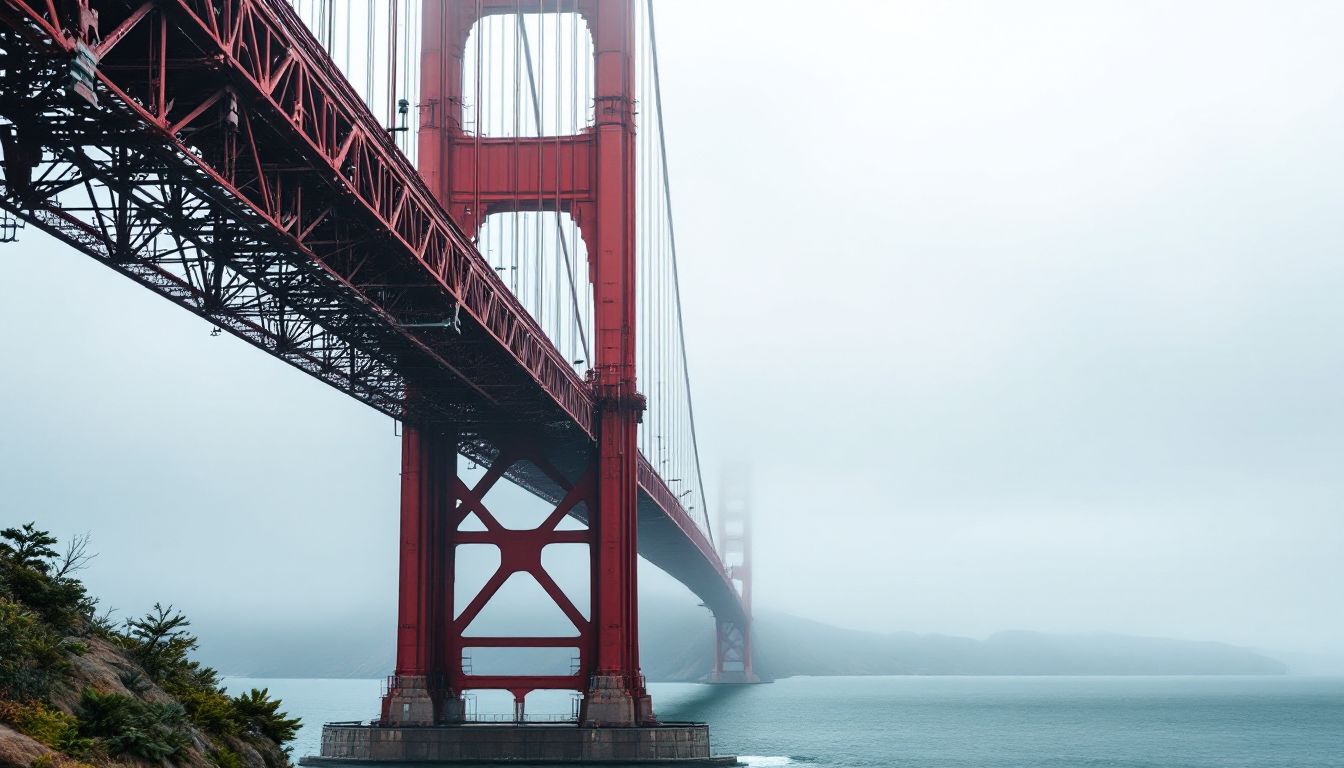
Fog is part of the bridge’s character, but it can also hide it completely. Whether you’ll get a clear view depends a lot on the season and the time of day.
By Season
- Spring (March–May): mild weather, and often less fog than summer
- Summer (June–August): peak tourist season, but also peak fog
- Fall: September and October often bring the clearest skies of the year; rain becomes more likely in November
- Winter (December–February): fewer crowds, and the clear air after a rain can be spectacular
By Time of Day
- Sunrise: fog and early light together can be very atmospheric
- Morning: often good for east-side views, including North Vista Point and the south-end plaza
- Late afternoon: western light brings out the orange on the west side, which suits Battery Spencer
- Sunset: golden hour on the bridge, and parking in the Headlands gets tight
Sunrise and sunset shift by several hours between summer and winter, so check the times for your date.
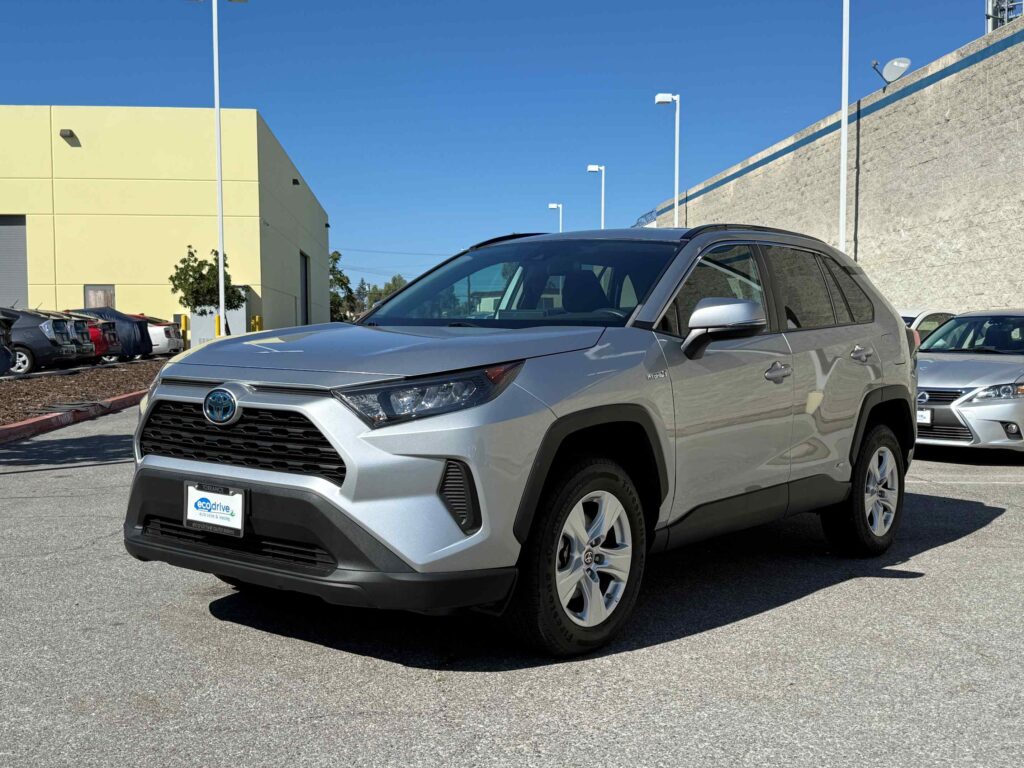
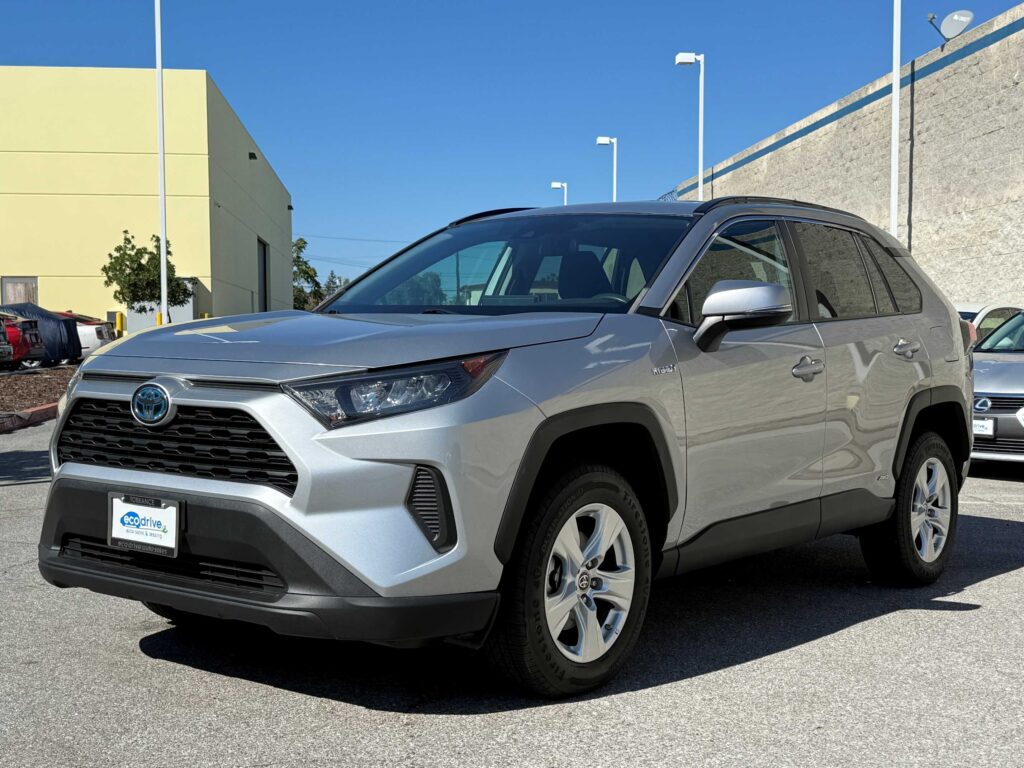
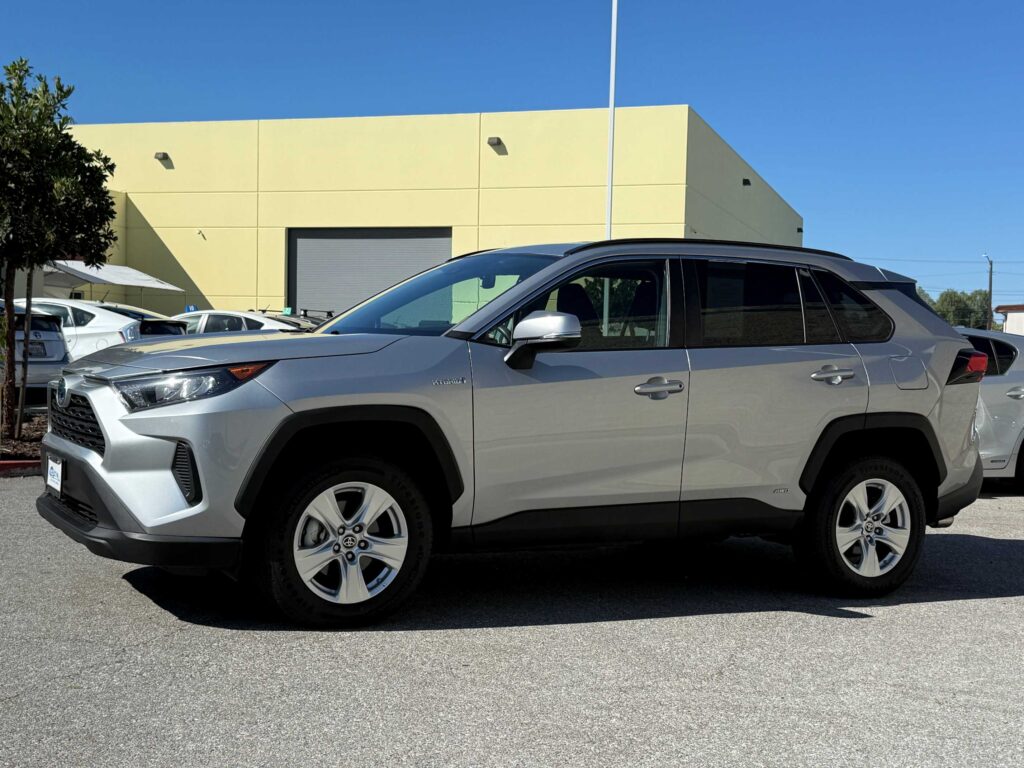
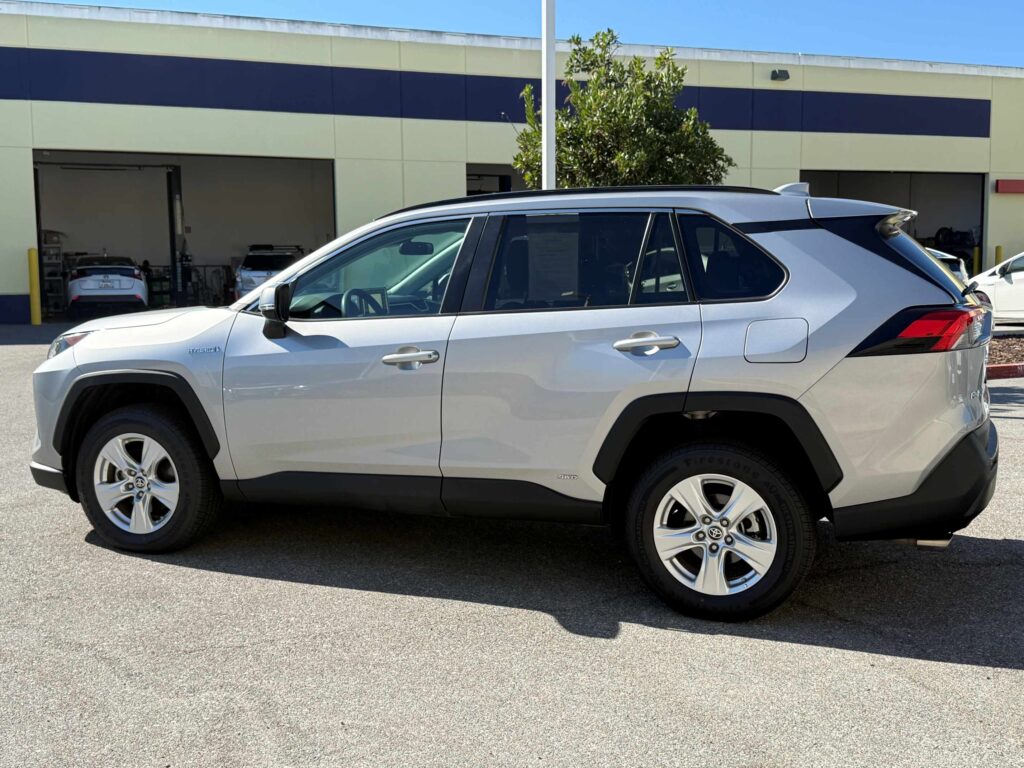
New Arrivals
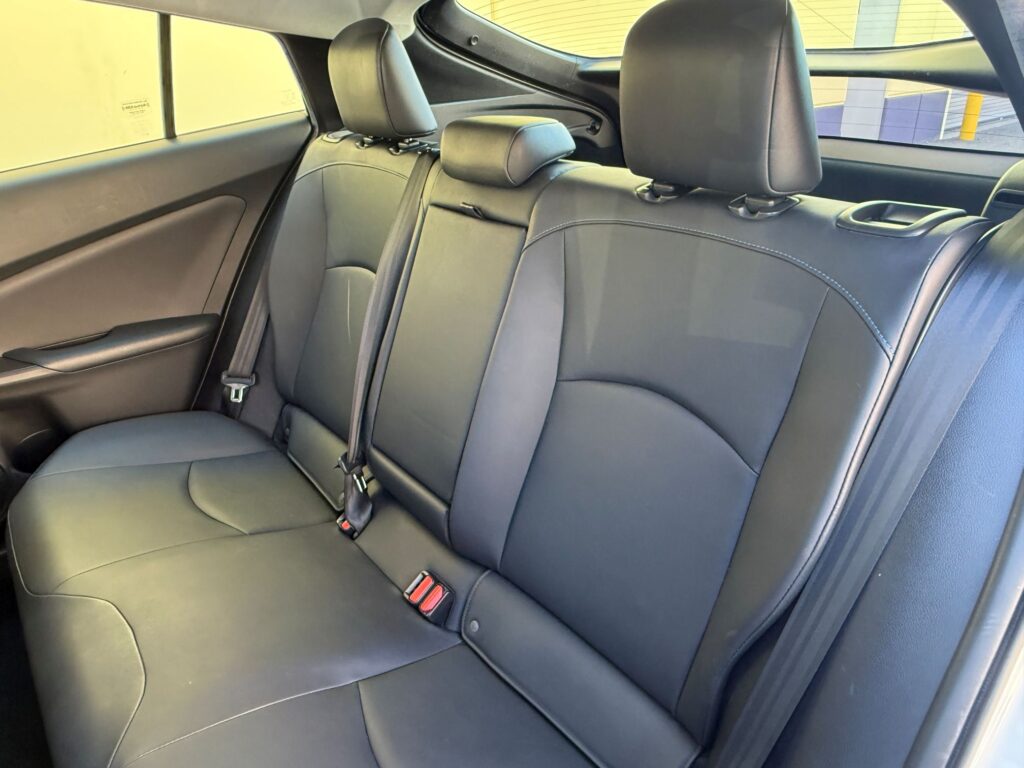
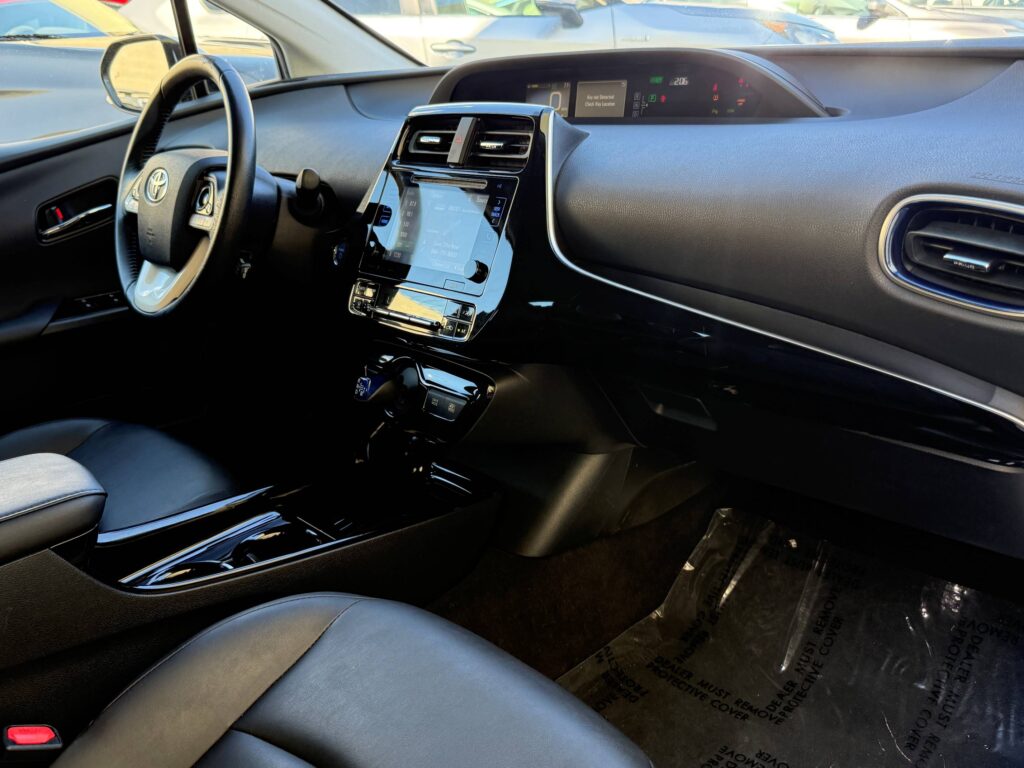
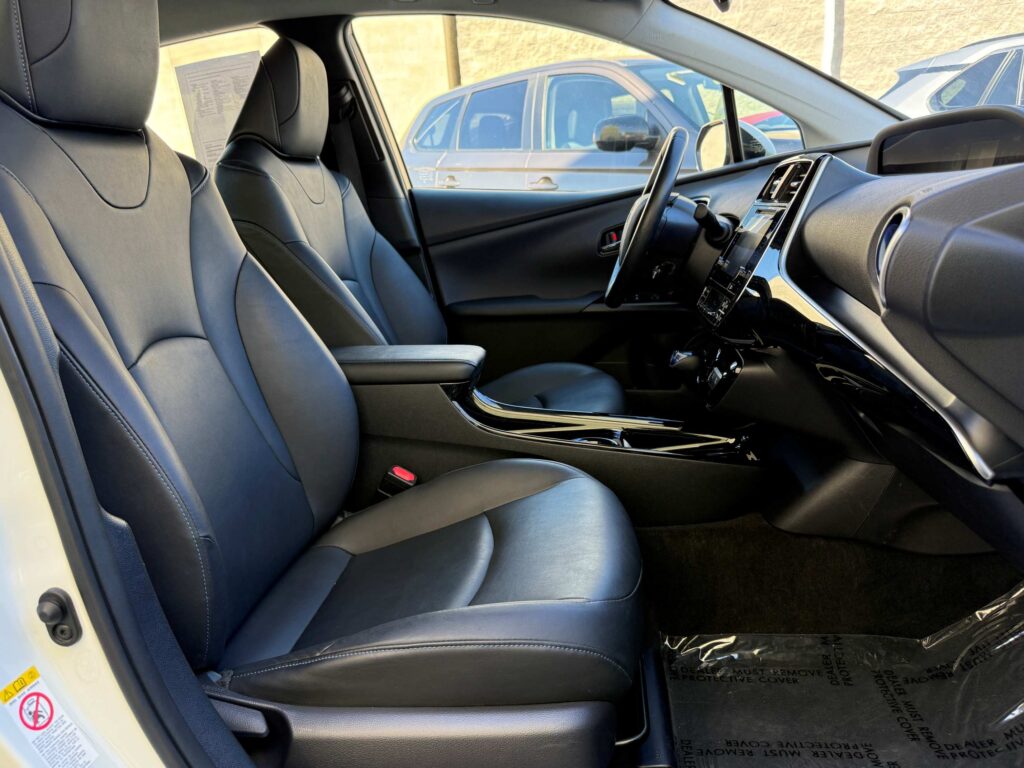
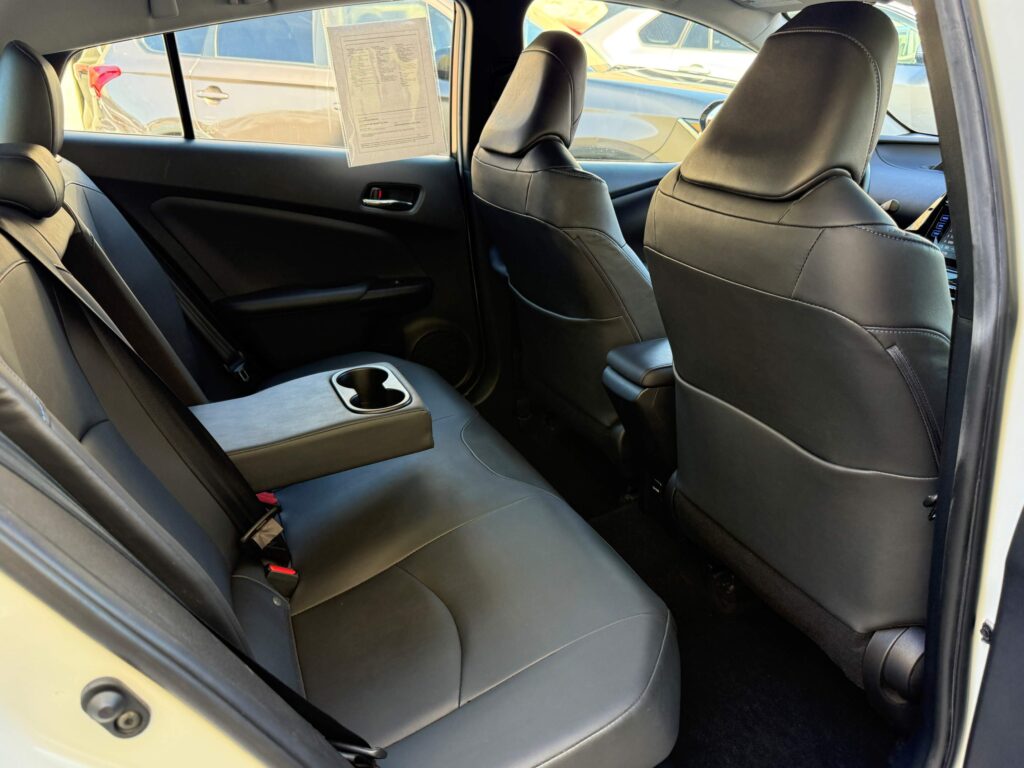
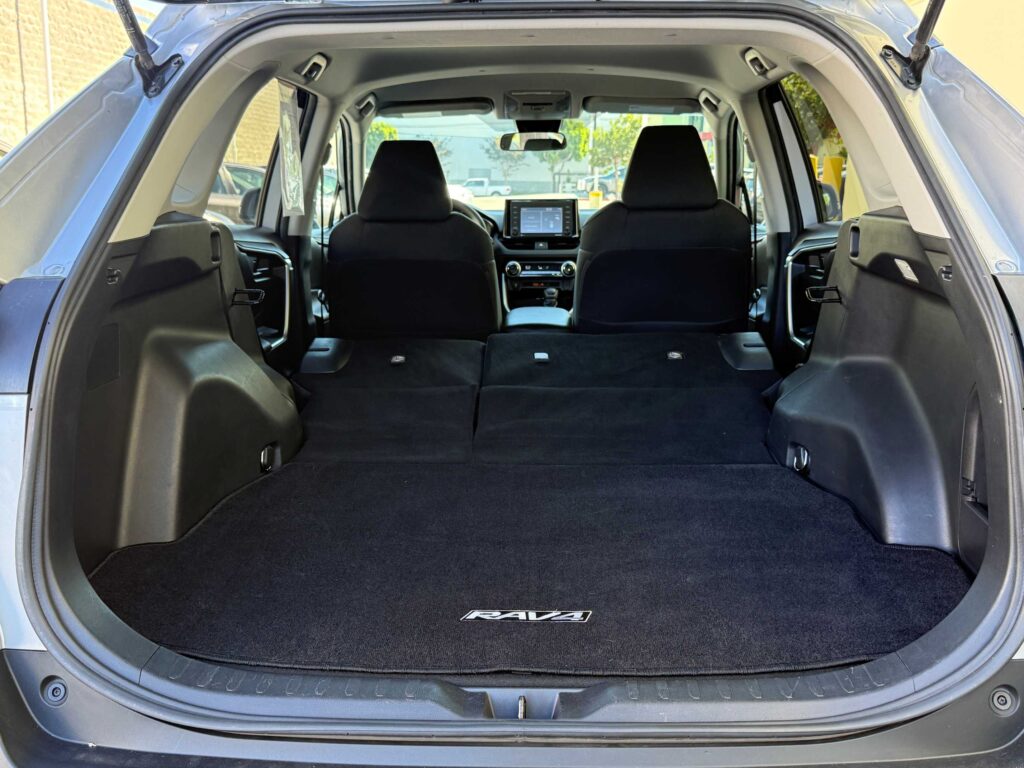
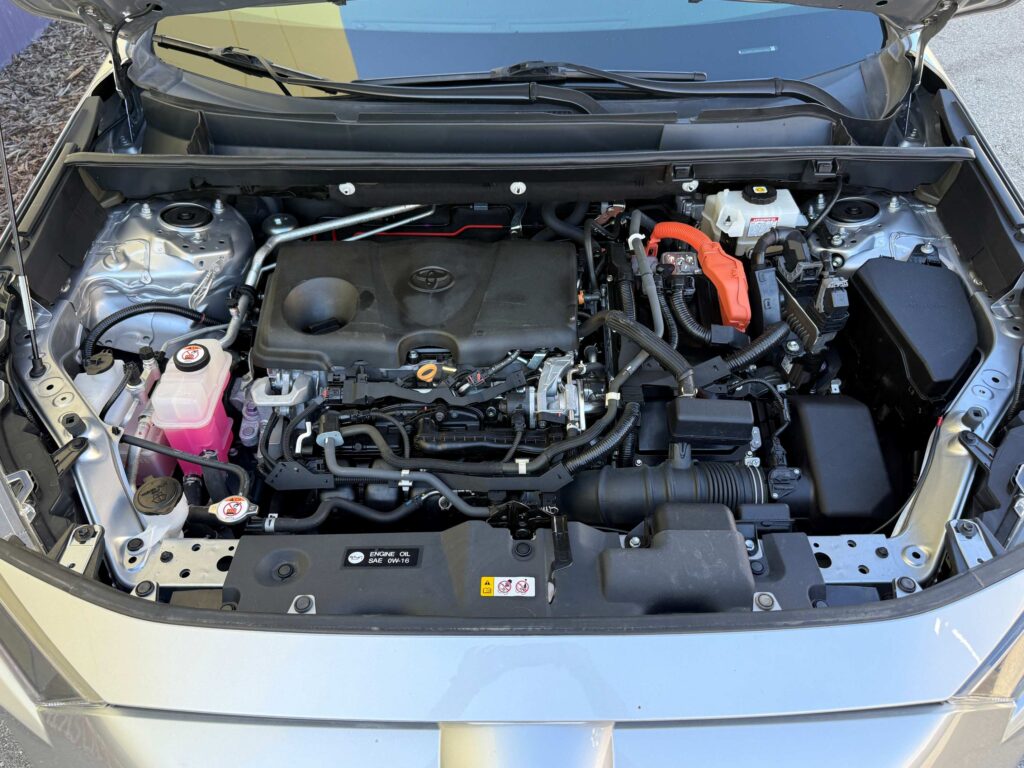
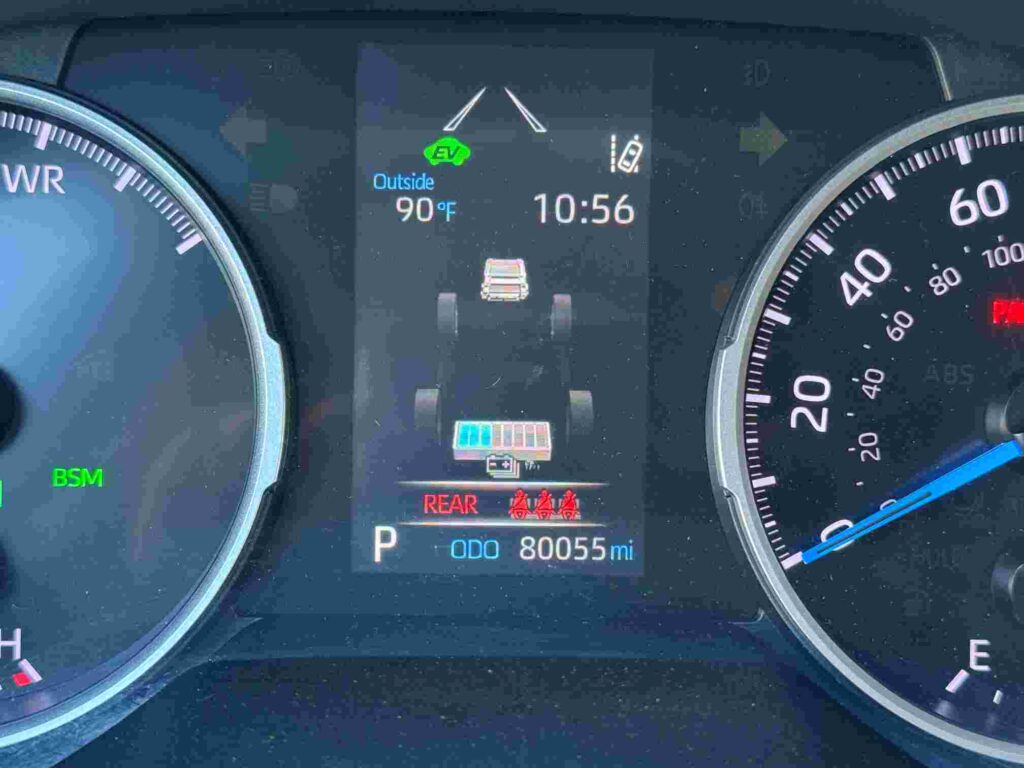
Discover our newest arrivals—available now!
Golden Gate Bridge History & Key Facts
Why It Was Built
The Gold Rush of 1849 turned San Francisco from a small settlement into a major city. The population grew from roughly 800 in 1848 to 342,782 by 1900.
For Highway 101 — the main north-south route along the California coast — to work as a continuous route, something had to cross the Golden Gate strait.
As bridge sites go, the strait had nearly everything working against it: strong tides and currents, frequent high winds, heavy fog, saltwater corrosion, and the San Andreas Fault just offshore.
Funded in the Middle of the Great Depression
When the Great Depression hit in 1929, public works money was scarce.
Even so, voters across six Northern California counties approved the bonds to fund the bridge. The structure itself cost $27,125,000, and the total project came to $35 million.
Joseph Strauss’s first proposal in 1921 was a hybrid cantilever-and-suspension design. After outside engineers weighed in, the more elegant all-suspension design was adopted, and the bridge we know today took shape.
Key Facts
- Construction began: January 5, 1933
- Opened: May 1937
- Total length including approaches: 1.7 miles (2,737 m)
- Main span (distance between towers): 4,200 ft (1,280 m)
- Tower height: 746 ft (227 m) above the water, 500 ft (152 m) above the roadway
- Longest suspension span in the world from 1937 until New York’s Verrazzano-Narrows Bridge opened in 1964
Safety During Construction
Safety on the job was taken far more seriously than was typical for the era. Workers wore hard hats, and a huge safety net was strung beneath the bridge.
The net saved 19 men, who became known as the “Halfway-to-Hell Club.”
Even so, eleven men died during construction. Ten of them were killed on February 17, 1937, when a section of scaffold fell through the safety net.
Why Is the Golden Gate Bridge Orange?
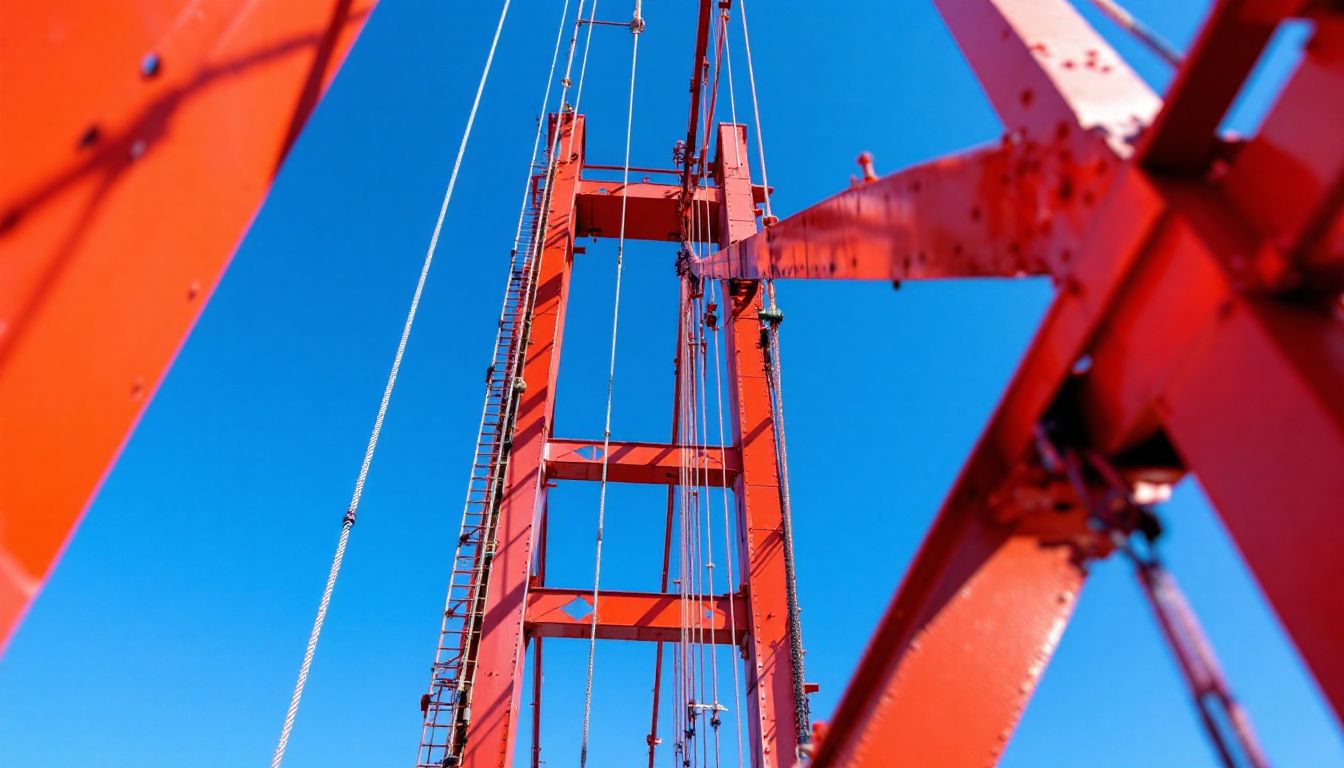
The color started almost by accident.
The steel was coated with a red lead primer when it was fabricated back east, and that warm color was never meant to be the final finish.
But consulting architect Irving Morrow, who watched the towers rise from the ferry on his commute, was inspired by it. He carried out color studies that led to the bridge’s official color: International Orange.
According to the Bridge District, Morrow rejected carbon black and steel gray. The warm orange blends with the warm colors of the surrounding land, stands apart from the cool colors of the sky and sea, and also makes the bridge more visible to passing ships.
If the U.S. Navy had had its way, the bridge might have been painted in black and yellow stripes for even greater visibility.
On Screen and on Instagram
The bridge has appeared in countless films and TV shows, including Hitchcock’s Vertigo (1958), A View to a Kill (1985), Godzilla (2014), and the opening credits of Full House — see our Full House filming locations guide for more.
The bridge looks completely different depending on the weather, the light, and the angle, which is exactly why choosing your viewpoint matters.
With so many visitors, the Bridge District encourages people to come by public transit, tour bus, or rideshare when they can, especially on busy weekends.
FAQ
What’s the single best spot to see the Golden Gate Bridge?
For the classic postcard view with the city behind the bridge, Battery Spencer is hard to beat. If parking there is full or you’d rather walk onto the bridge, the south end near the Round House Cafe is the easiest alternative.
Where can I park near the Golden Gate Bridge?
The main options are the paid Welcome Center lot at the south end ($5/hour, 3-hour max), the free Vista Point lot at the north end (4-hour limit), and limited roadside parking at Battery Spencer. The two lots close to private cars midday on many weekends and holidays in the busy season, so check the Bridge District’s closure notice before you go.
How do I pay the Golden Gate Bridge toll in a rental car?
The toll is charged southbound only and collected electronically. Check your rental company’s toll program first; if you opt out following the company’s instructions, the Bridge District lets you make a One-Time Payment up to 30 days before or within 48 hours after crossing. EcoDrive’s hybrid rentals come with a FasTrak account; the tolls themselves aren’t included in the rental rate, so ask us at pickup how they’re charged.
Can you walk across the Golden Gate Bridge?
Yes. Pedestrians use the east, bay-facing sidewalk, normally open 5 a.m.–9 p.m. during daylight saving time and 5 a.m.–6:30 p.m. during standard time; construction can bring an earlier closing on some nights, so check the current sidewalk information before an evening visit. The bridge is about 1.7 miles long including the approaches, so a full out-and-back crossing is roughly 3.4 miles, plus the walk from your parking spot.
When was the Golden Gate Bridge built?
Construction started on January 5, 1933, and the bridge opened in May 1937. It was the longest suspension span in the world until 1964.
Final Thoughts
Battery Spencer gives you the classic postcard shot, Vista Point is the easiest stop right after crossing northbound, and the south end is where you can walk onto the bridge itself.
If you can, give yourself time for more than one of them — the bridge looks surprisingly different from each side.
For more ideas around the city, see our guide to the best things to do in San Francisco.
Explore Hybrid Rentals in Los Angeles
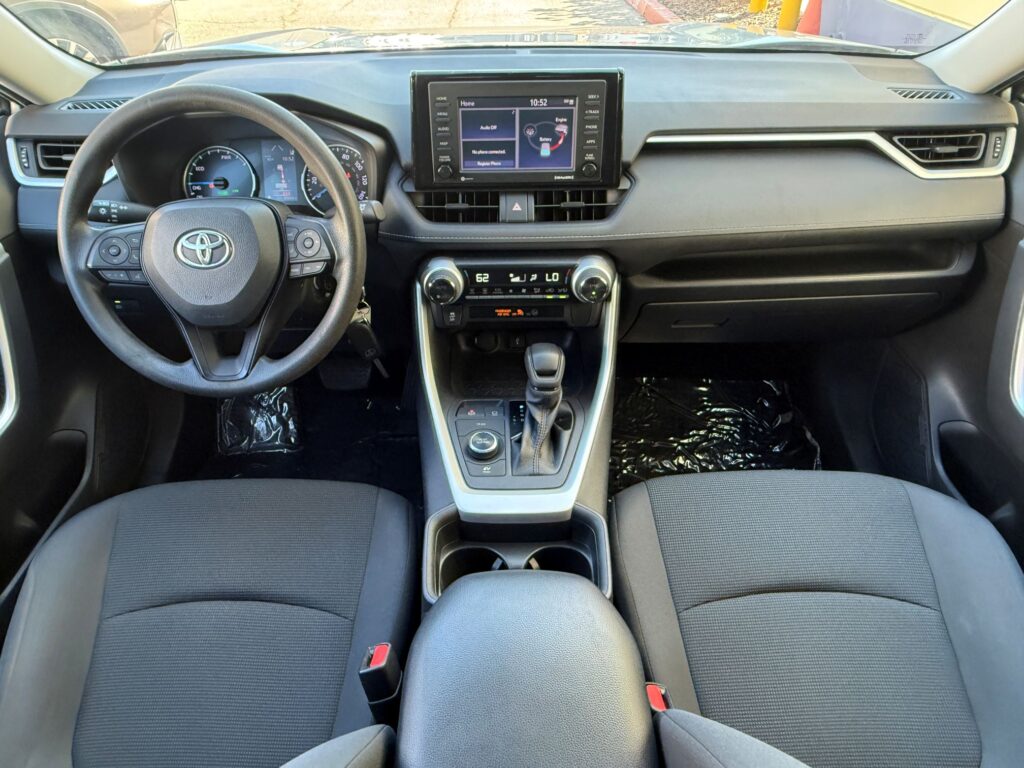
Driving up from Southern California? It’s a long trip north, and fuel costs add up fast. EcoDrive rents hybrid vehicles in the Los Angeles area, and every rental comes with a FasTrak account for the bridge toll (toll charges aren’t included). You can see the current lineup and rental terms on our Hybrid Rental page.
We share more of our favorite spots on Instagram — come take a look!
About the Information in This Article
This article was checked in September 2026, mainly against information from the Golden Gate Bridge, Highway and Transportation District and the National Park Service. Tolls, parking rates, lot closures, transit service, sidewalk hours, and cafe hours are all subject to change. Please check the relevant official websites for current details before your visit.
You May Also Like