Sausalito Day Trip: Skyline Views, Houseboats & Great Food
Sausalito: The Bay Area’s Standout Waterfront Town
San Francisco needs no introduction — the Golden Gate Bridge, Alcatraz, and a long list of landmarks that show up on everyone’s itinerary.
This guide is about what’s on the other side of that bridge: Sausalito, the town you reach by heading north across the Golden Gate.
It pairs beautifully with a San Francisco trip, and there’s more to do there than most first-time visitors expect.
1. What Is Sausalito?
The Town Itself
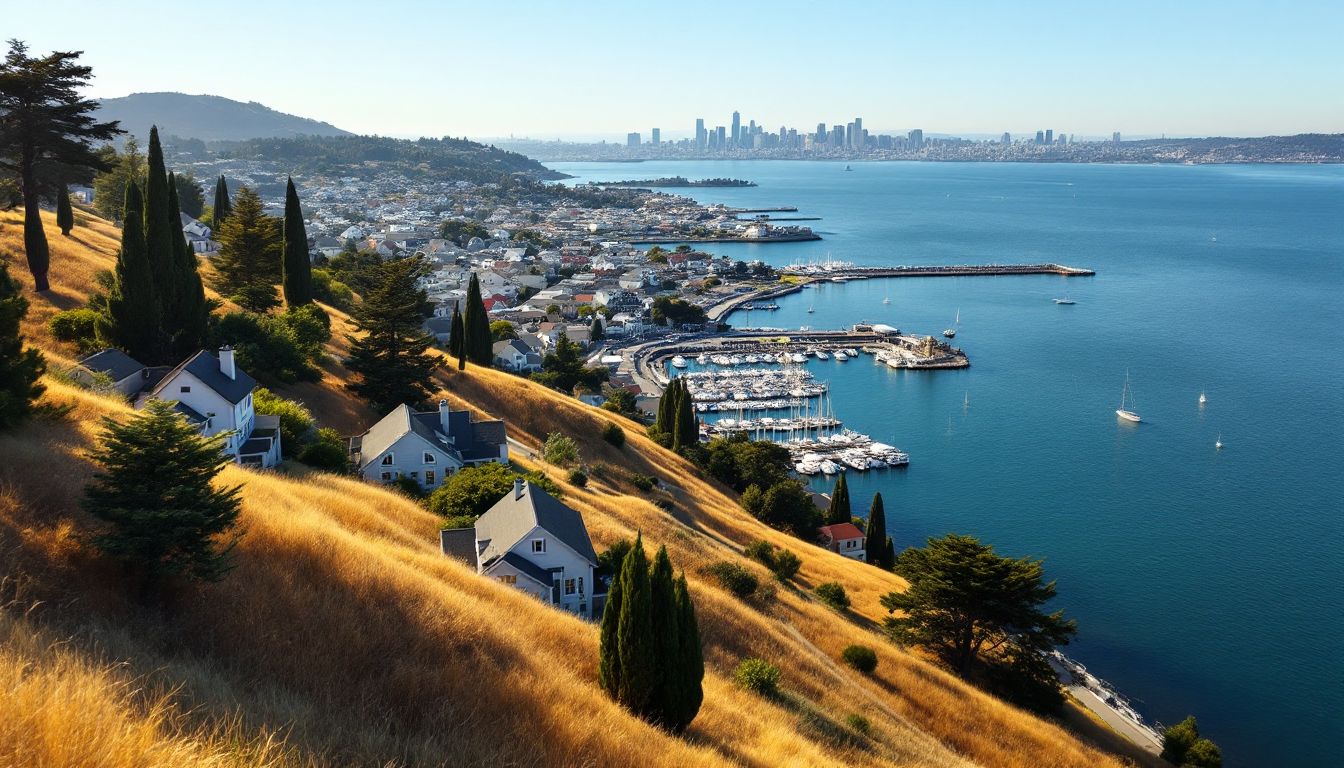
Sausalito sits in Marin County, just north of the Golden Gate Bridge.
Pastel houses stack up the hillsides above Richardson Bay, which is why the town gets compared to the Mediterranean coast.
The population is small — around 7,000 — but the waterfront is packed with galleries, boutiques, and seafood restaurants.
It’s the kind of place where you can wander for a few hours with the sea breeze at your back — small enough to cover on foot in an afternoon, with more than enough on the waterfront to fill one.
What really stays with you is the San Francisco skyline seen from Sausalito’s south-facing shoreline.
In the morning the towers float above the fog; at sunset the whole skyline gets wrapped in pink and orange.
Yachts rock gently in the quiet inlet, and you can watch the sun go down with a glass of wine at a patio table right over the water.
It moves at a completely different pace than the city across the bay.
Getting There from San Francisco
By car it’s roughly 9 miles (15 km) north of downtown San Francisco, and in light traffic the drive takes about 25 to 30 minutes. During rush hour or on a busy summer weekend, budget closer to an hour.
That makes it easy to combine with a drive across the Golden Gate Bridge rather than planning a separate day around it.
Worth knowing: the bridge toll is charged southbound only, so the trip up to Sausalito is toll-free and you pay on the way back. It’s all electronic — FasTrak or license-plate billing — with no cash booths, so if you’re in a rental car, check the rental company’s toll policy before you drive it.
There’s also a ferry. Golden Gate Ferry runs between Sausalito and the San Francisco Ferry Building, and most crossings take roughly 30 minutes, though some scheduled trips run longer. Blue & Gold Fleet’s Fisherman’s Wharf (Pier 41) route has been suspended since May 2026 for pier work and environmental cleanup at its base, with no restart announced as of July 2026 — so check the current schedule before planning your day around it.
And if you’re into cycling, riding over the bridge to Sausalito is a genuinely great way to do it.
Cross one bridge and you’re somewhere else entirely — that’s a big part of the appeal.
Even a half-day detour in the middle of a San Francisco stay is enough to feel it, so it’s worth building into your Bay Area plans.
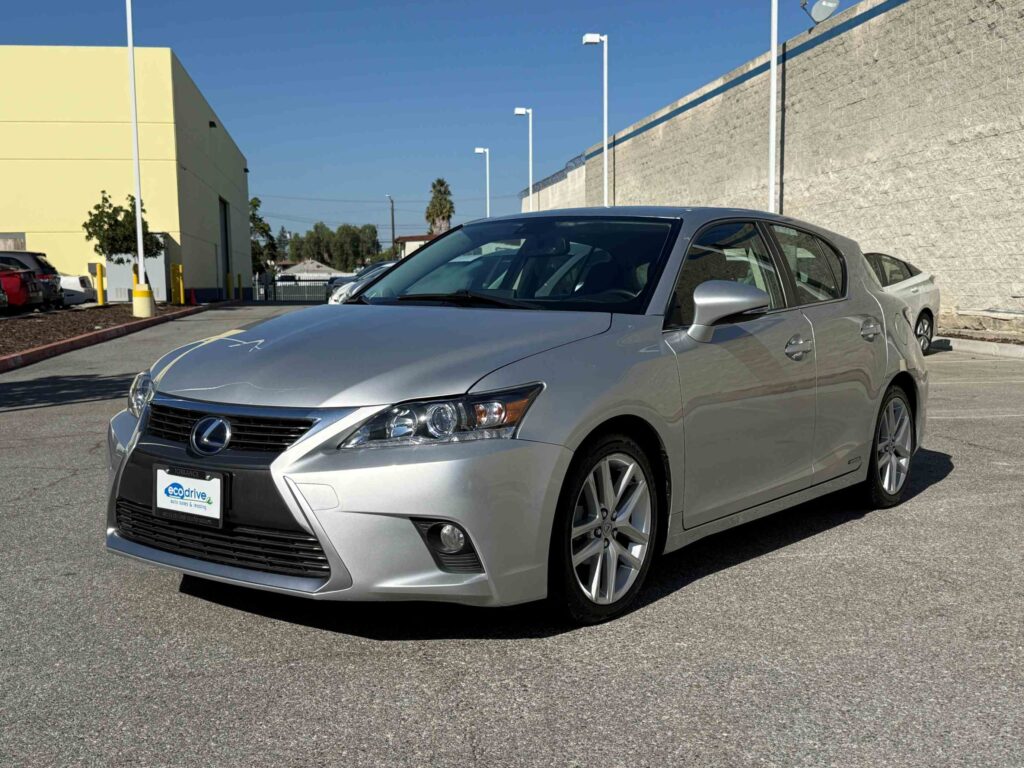
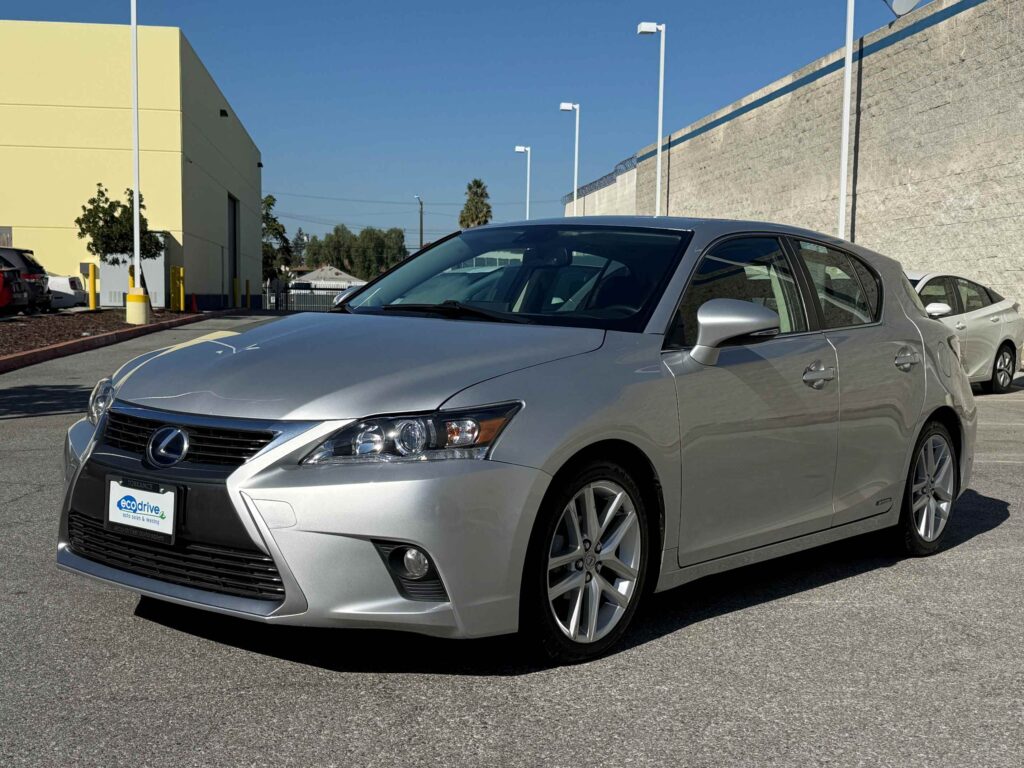
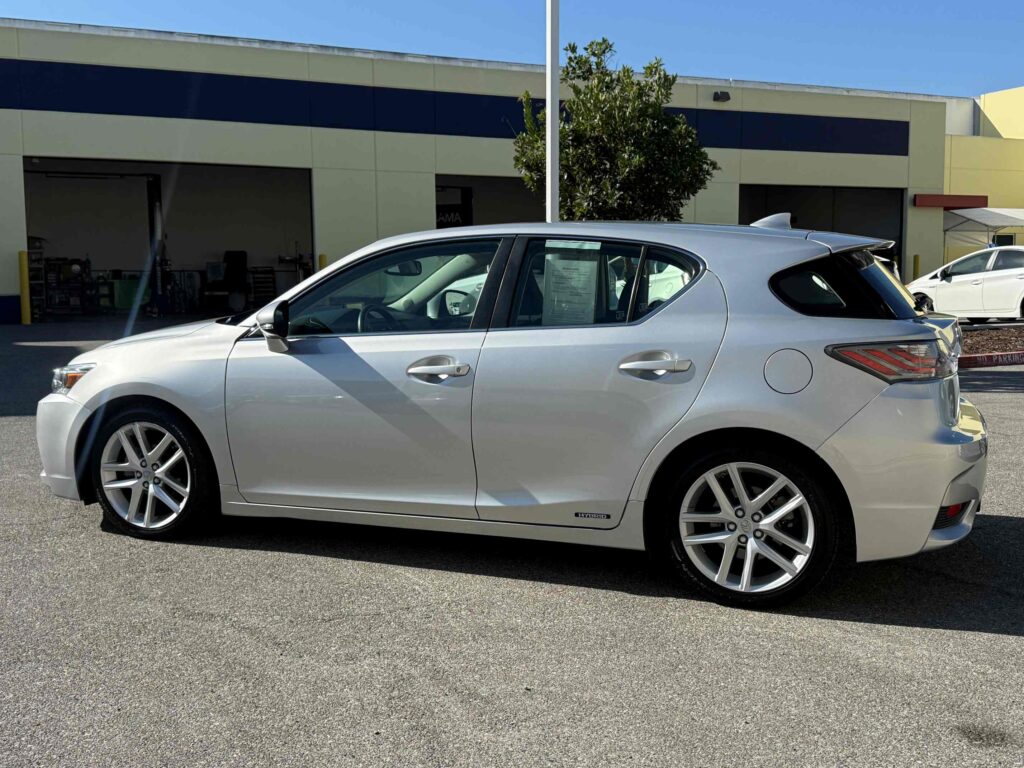
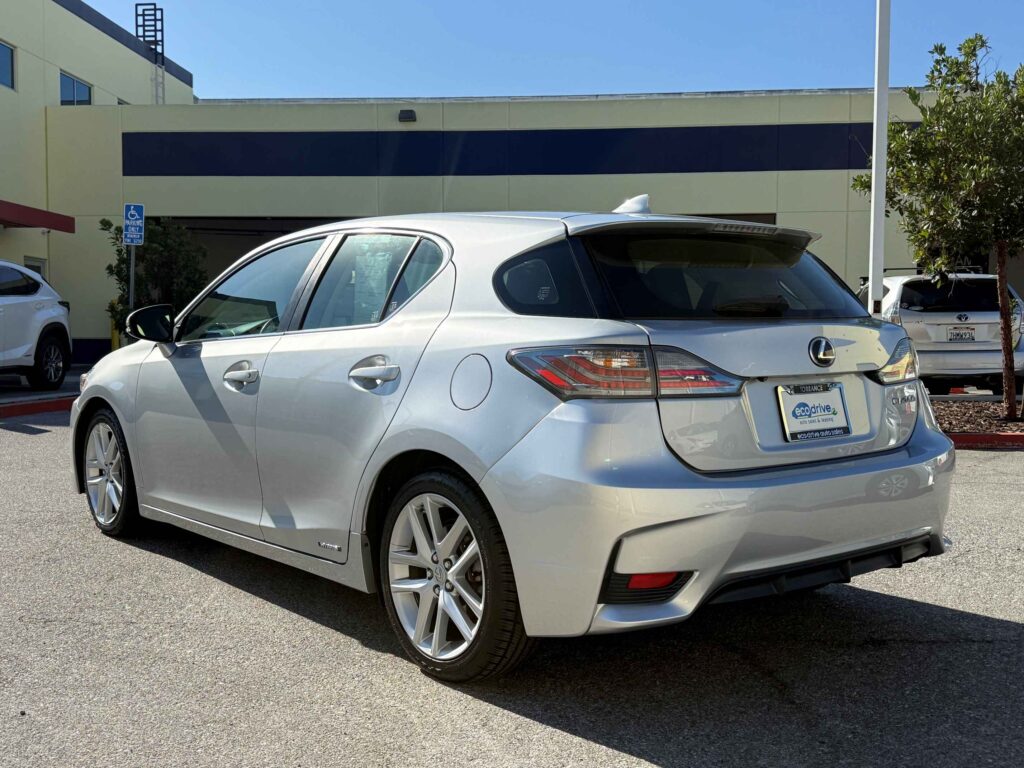
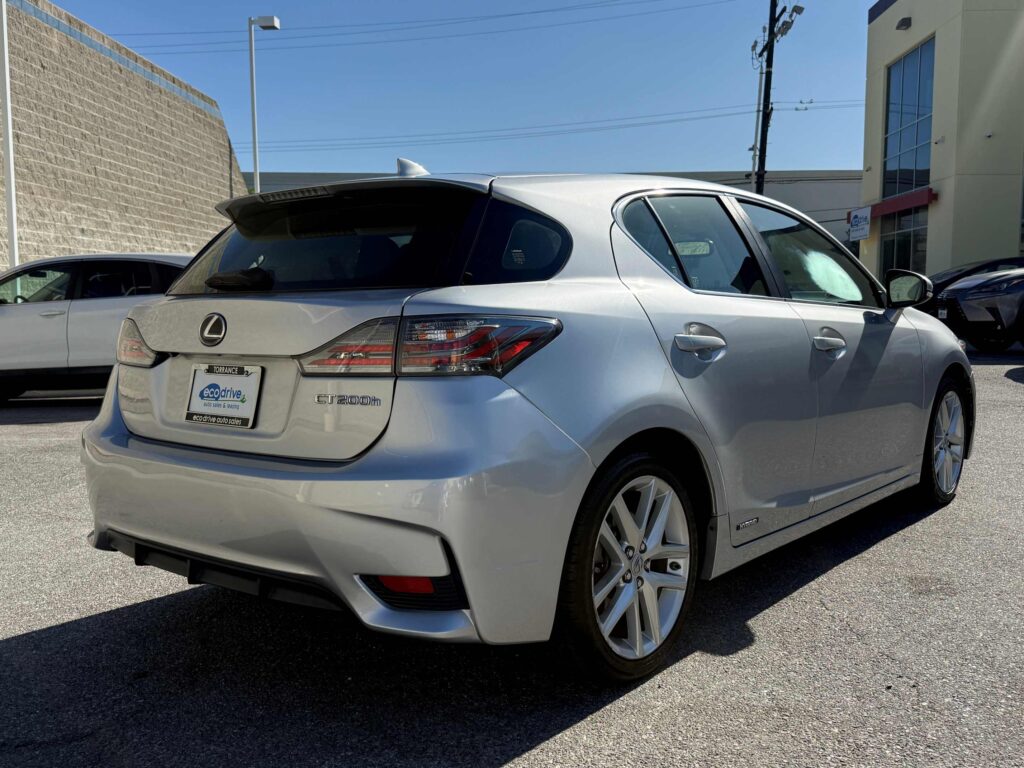
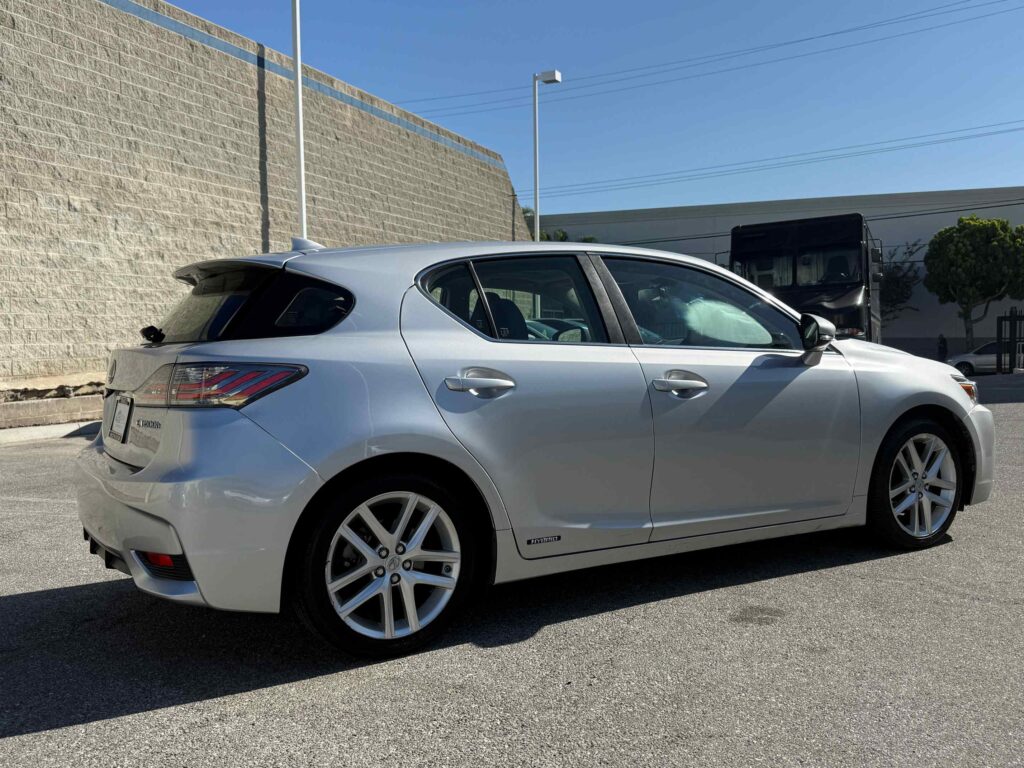
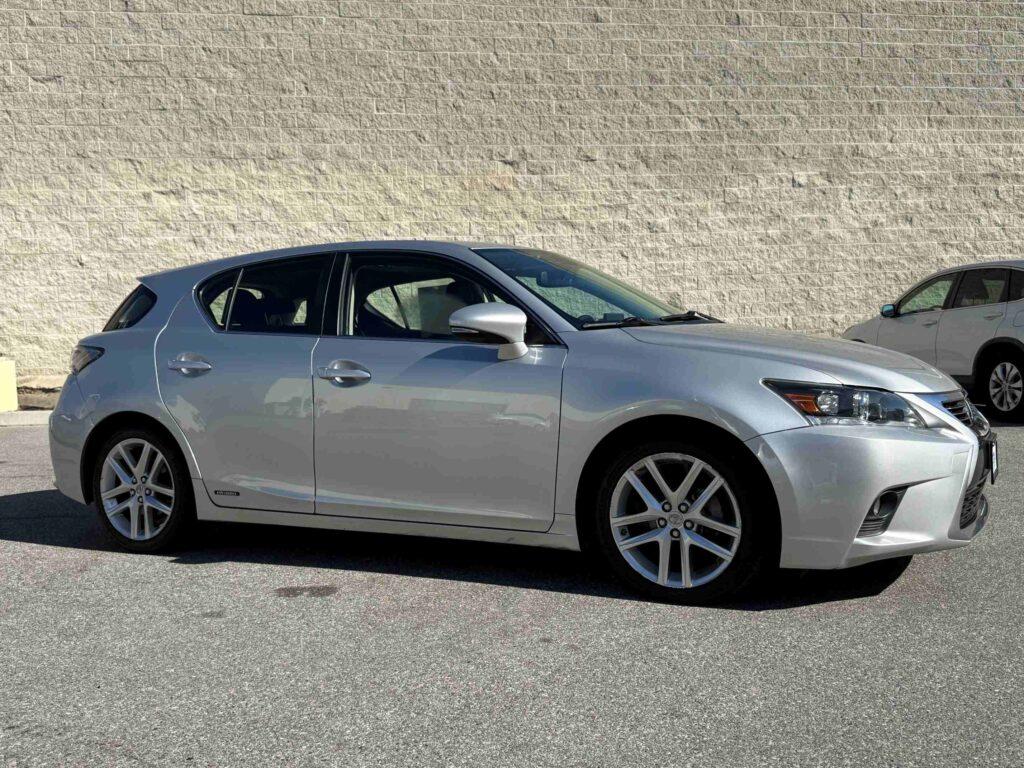
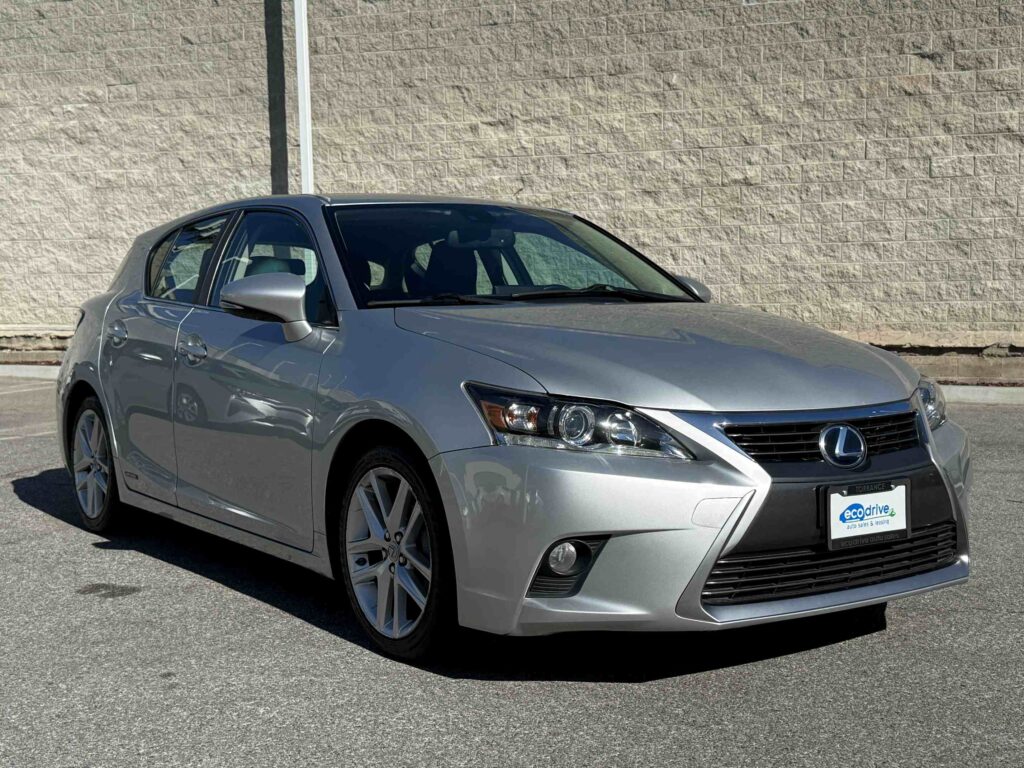
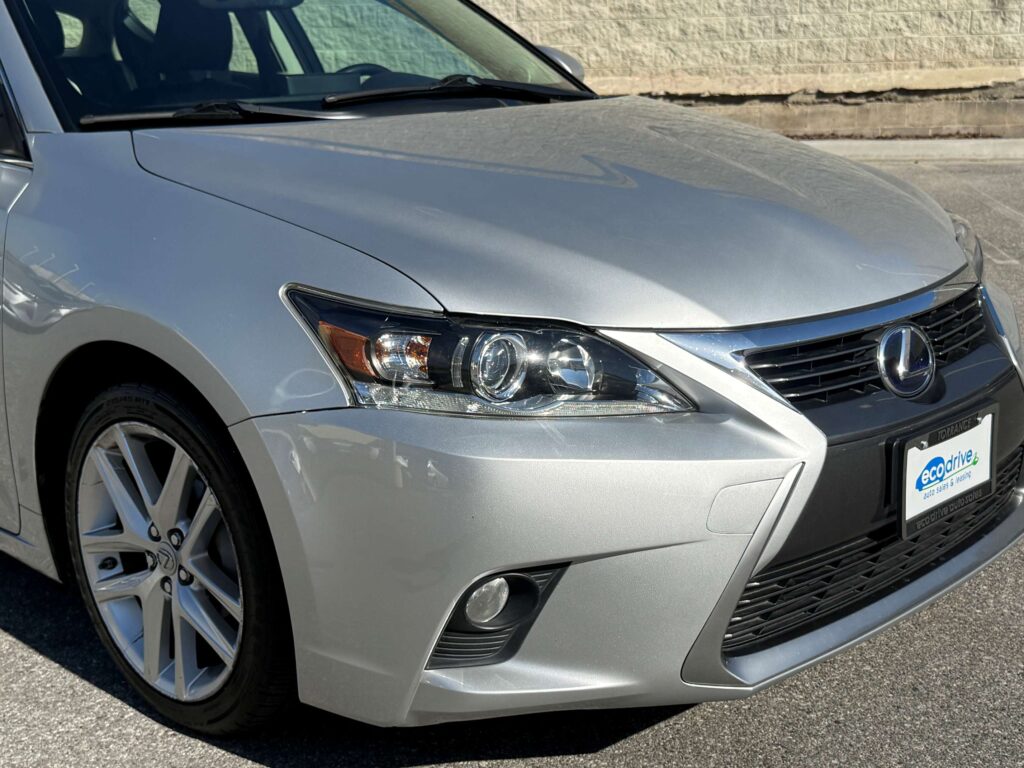
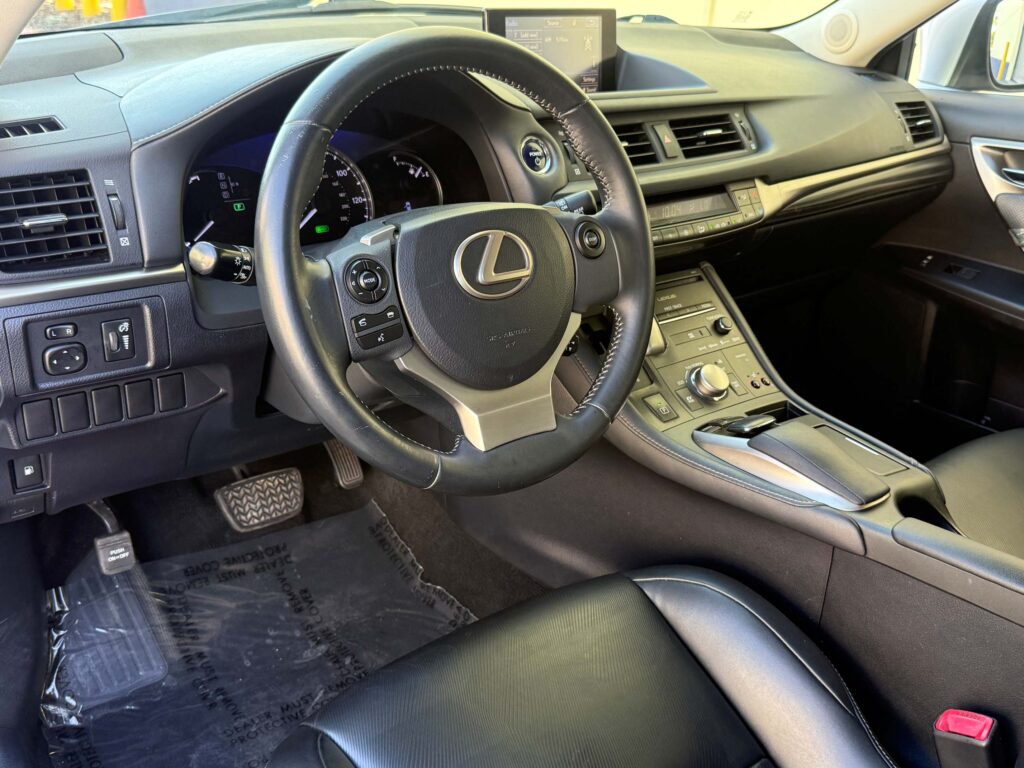
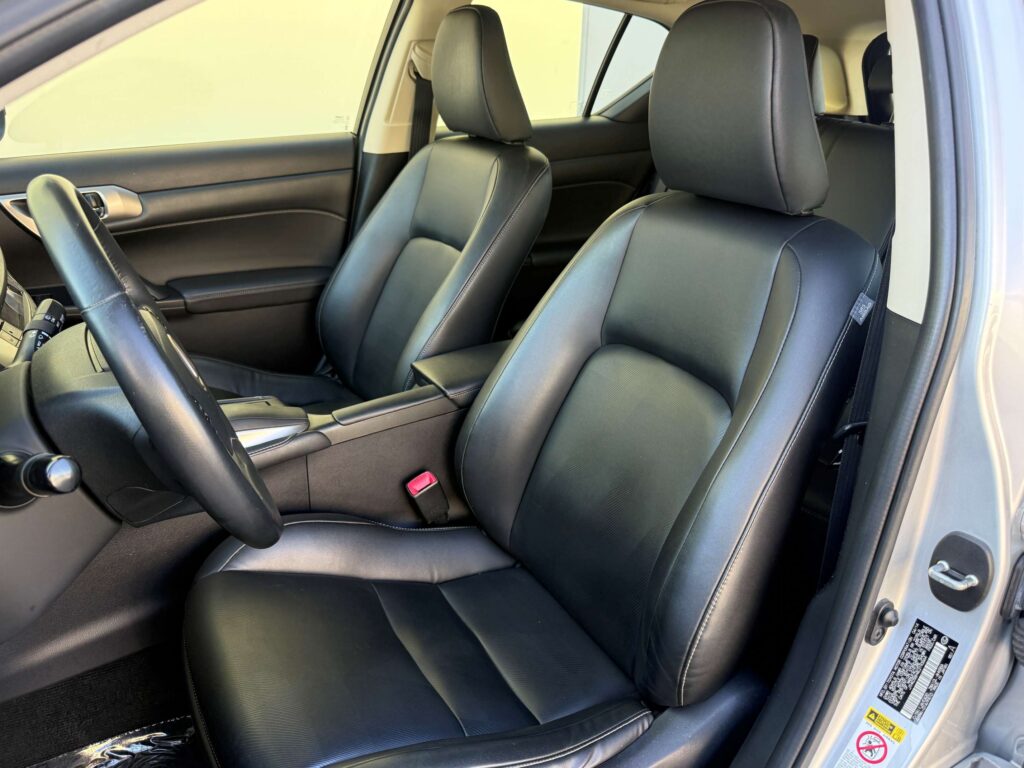
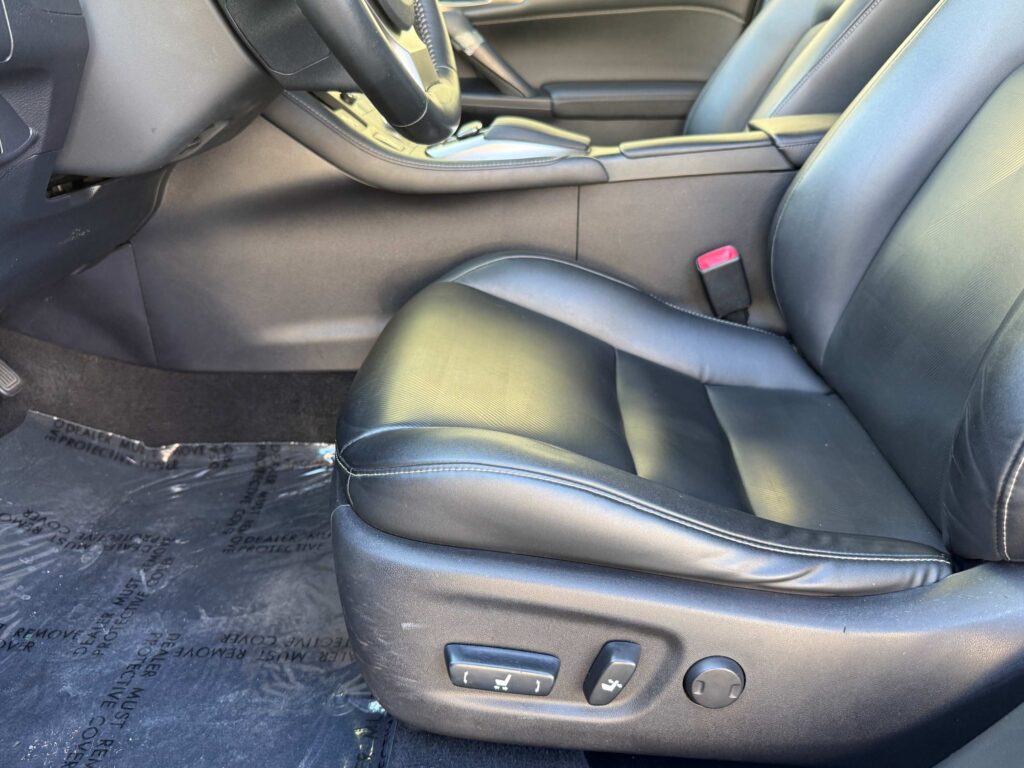
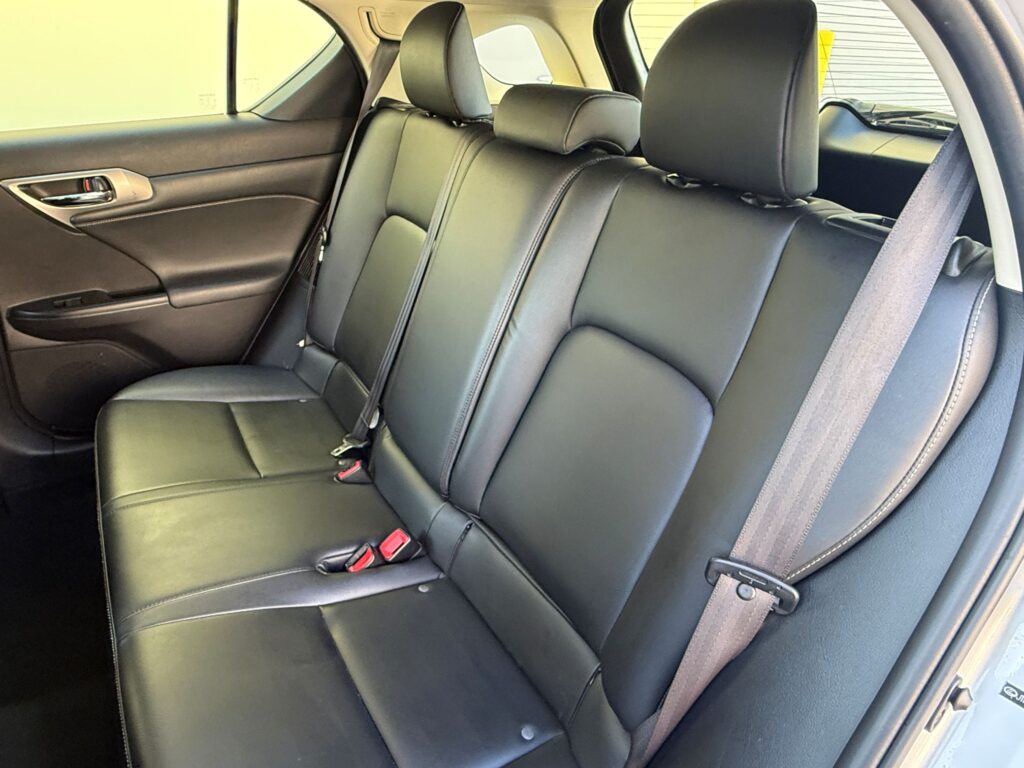
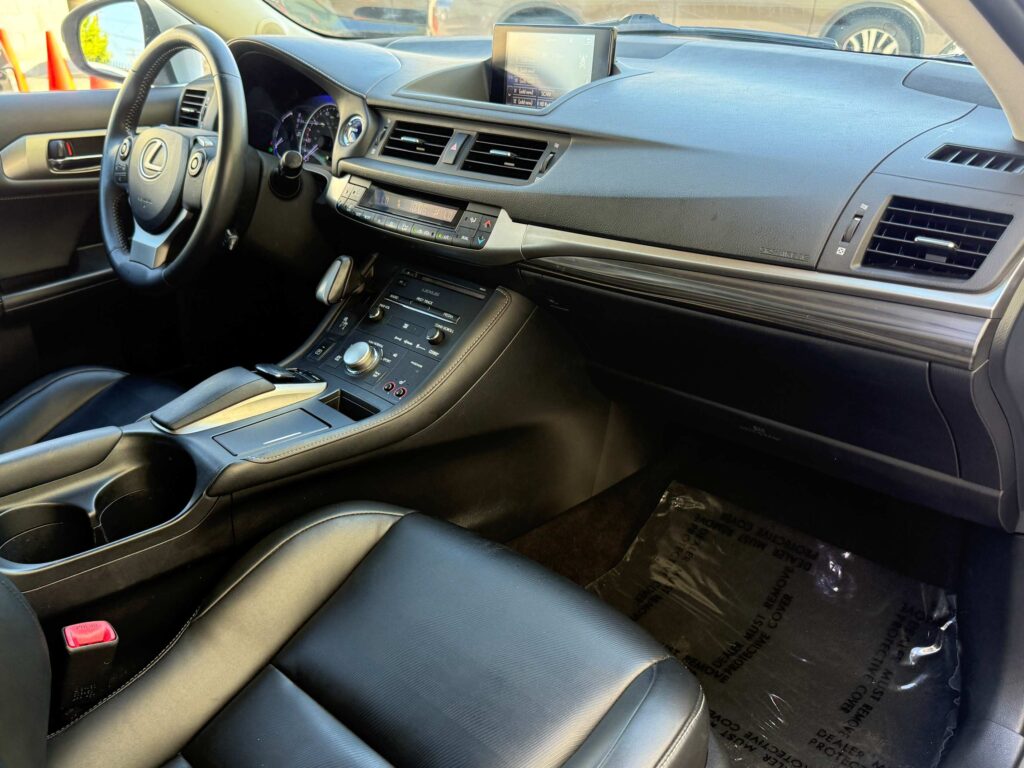
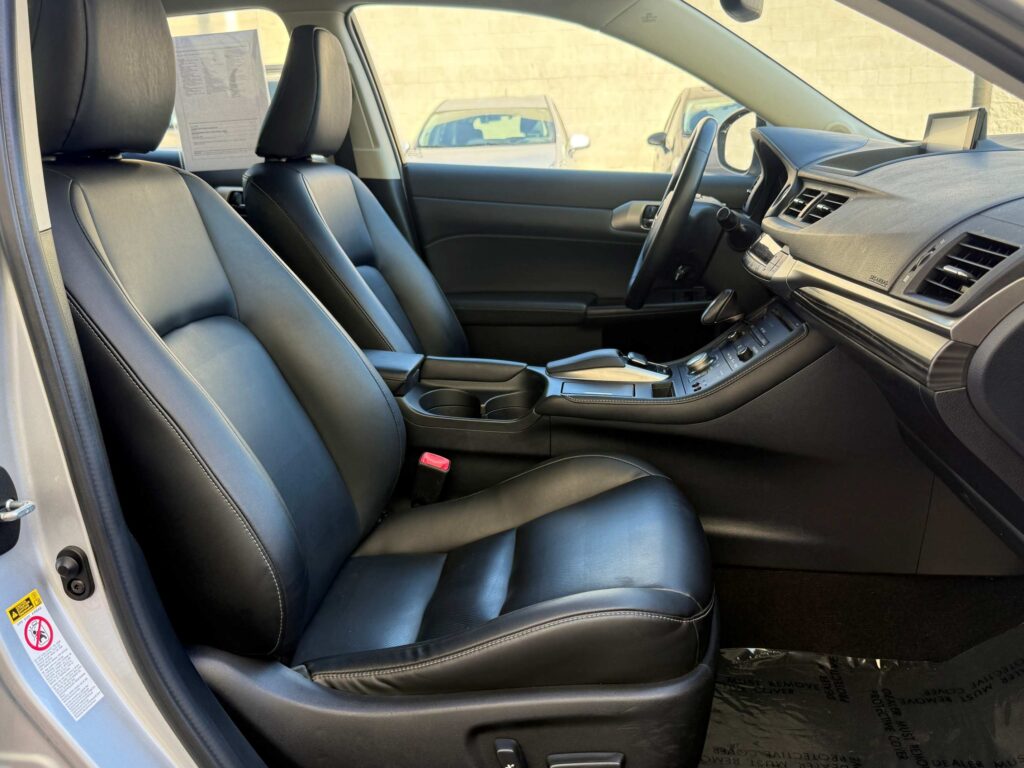
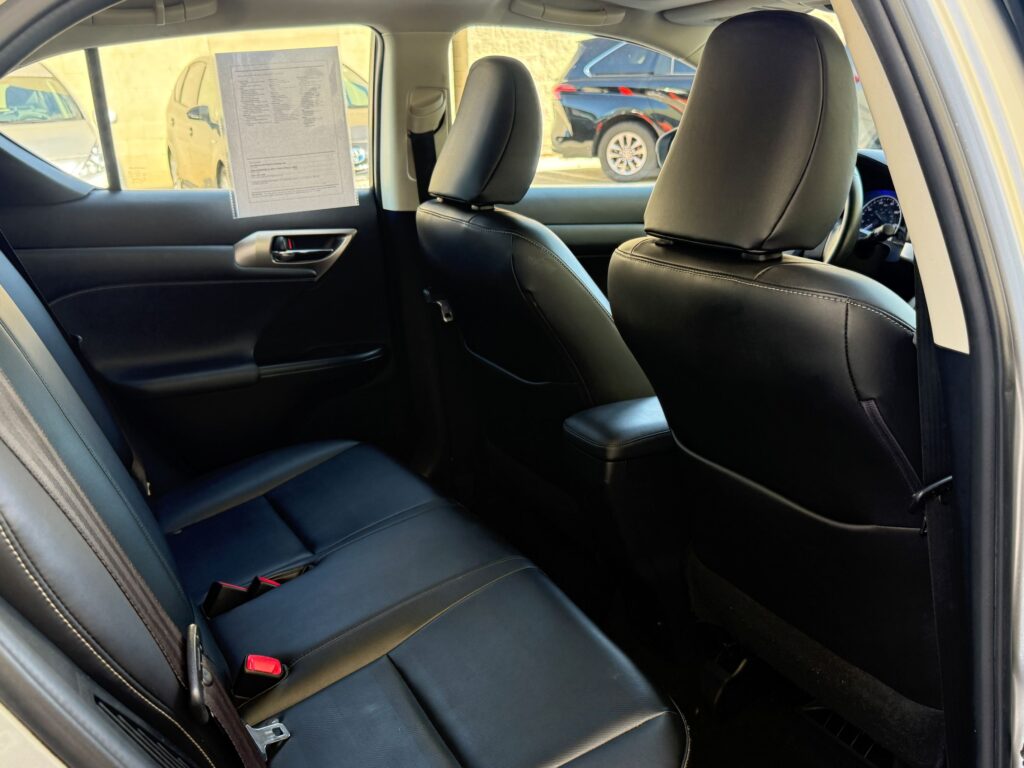
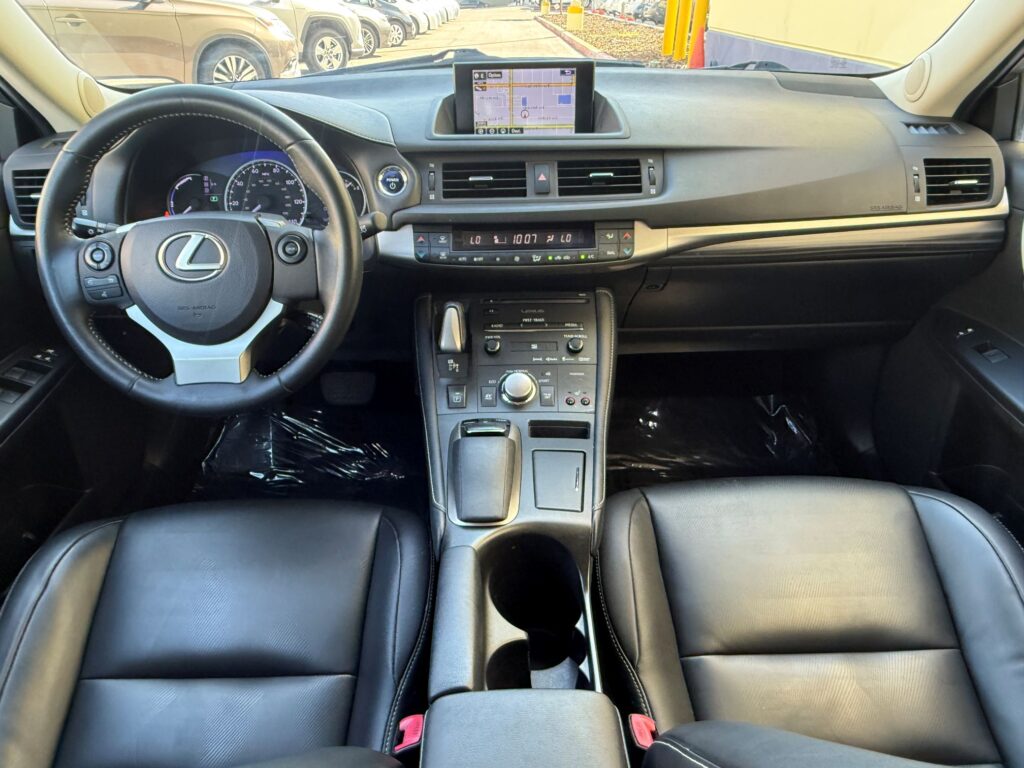
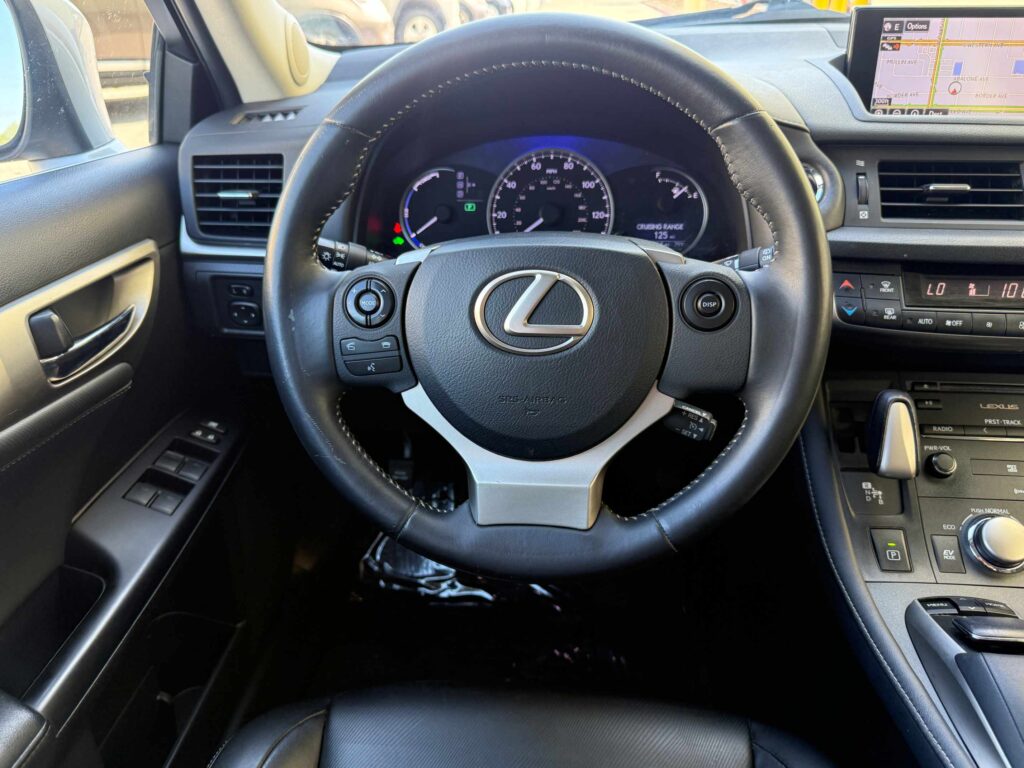
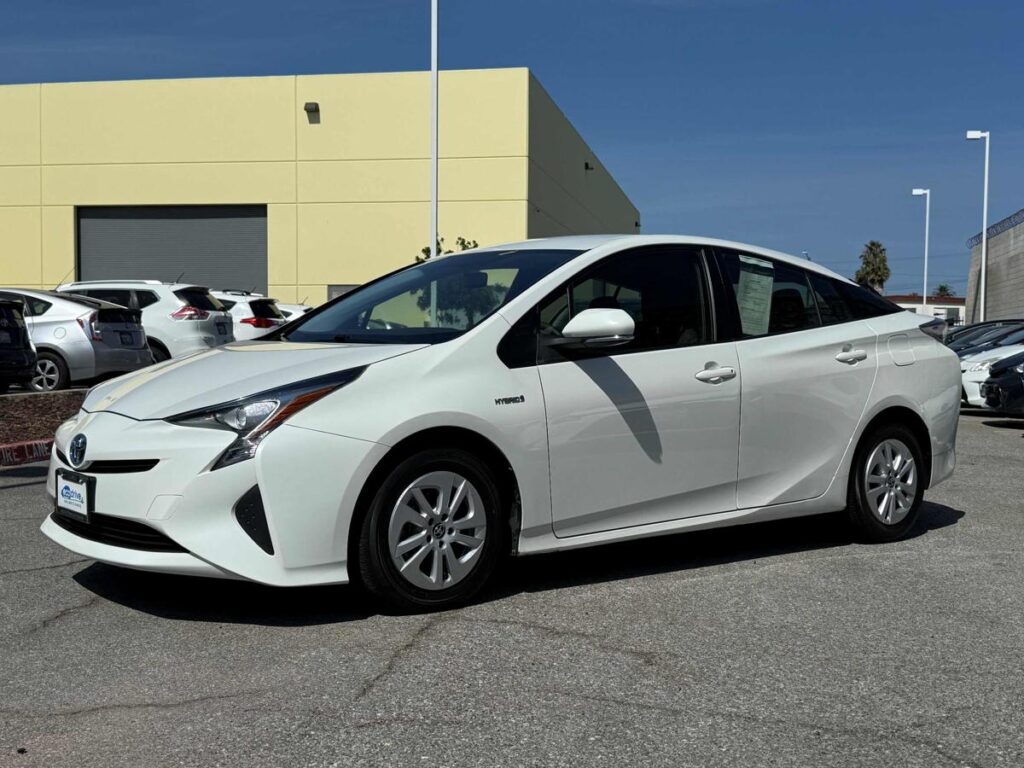
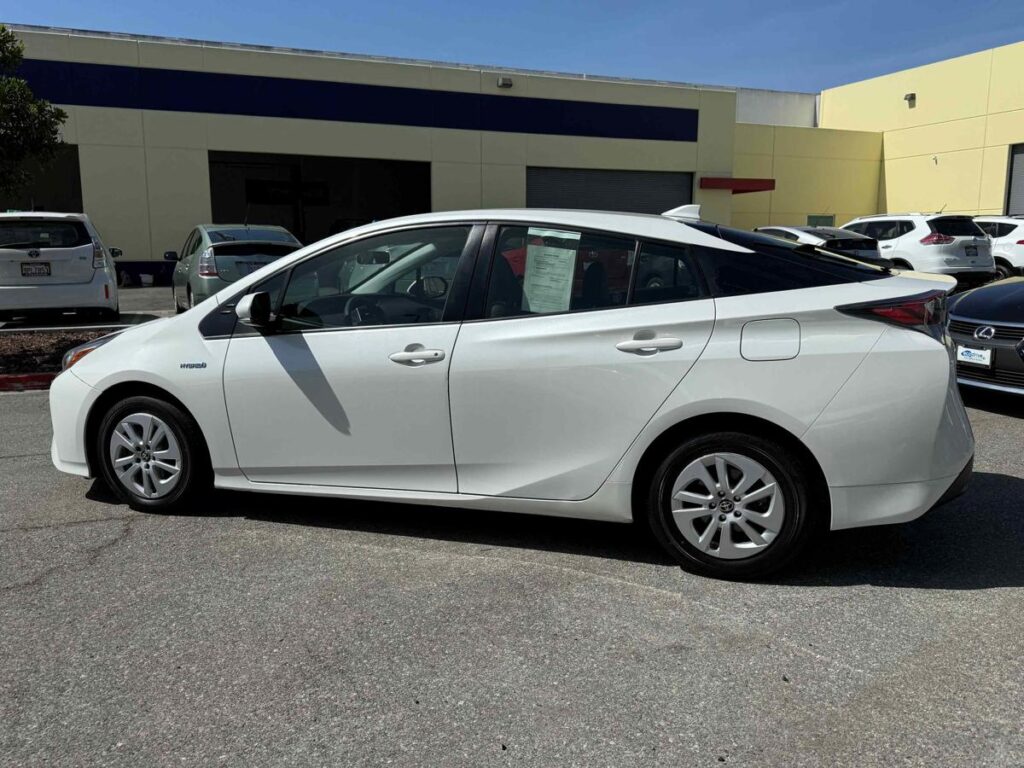
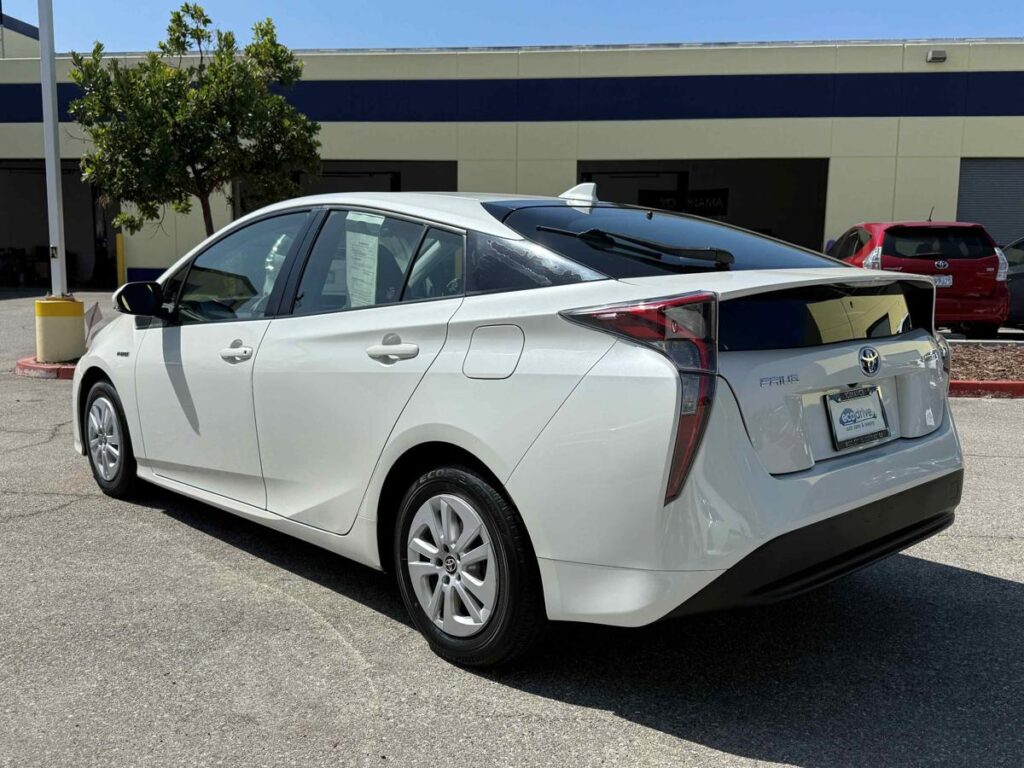
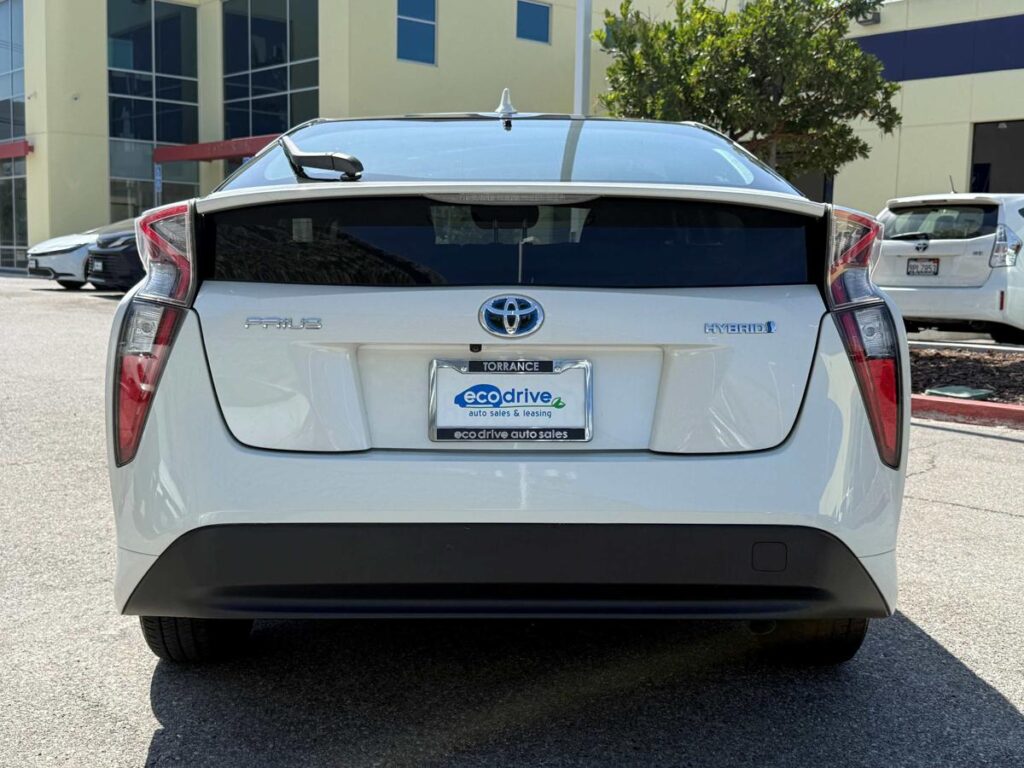
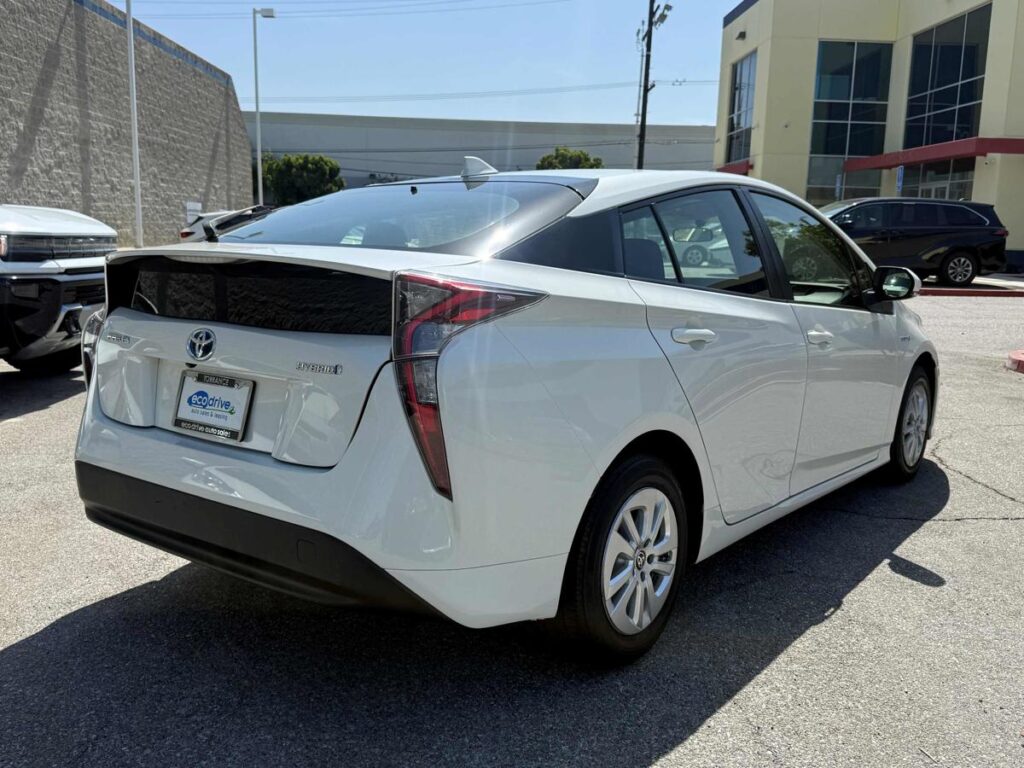
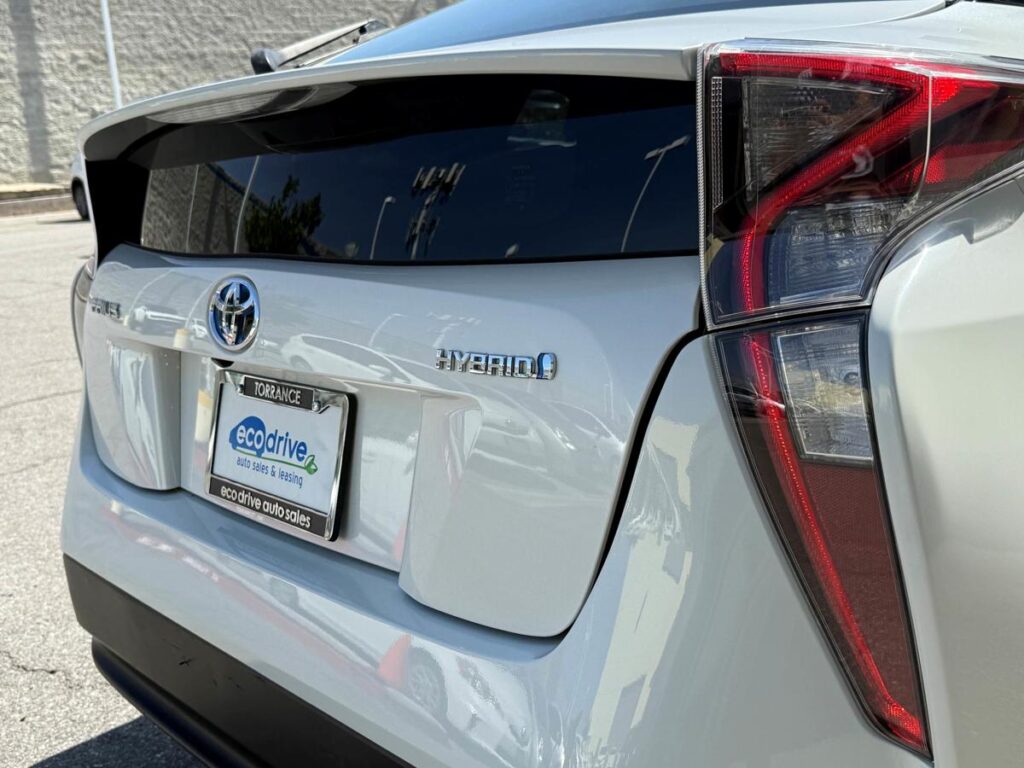
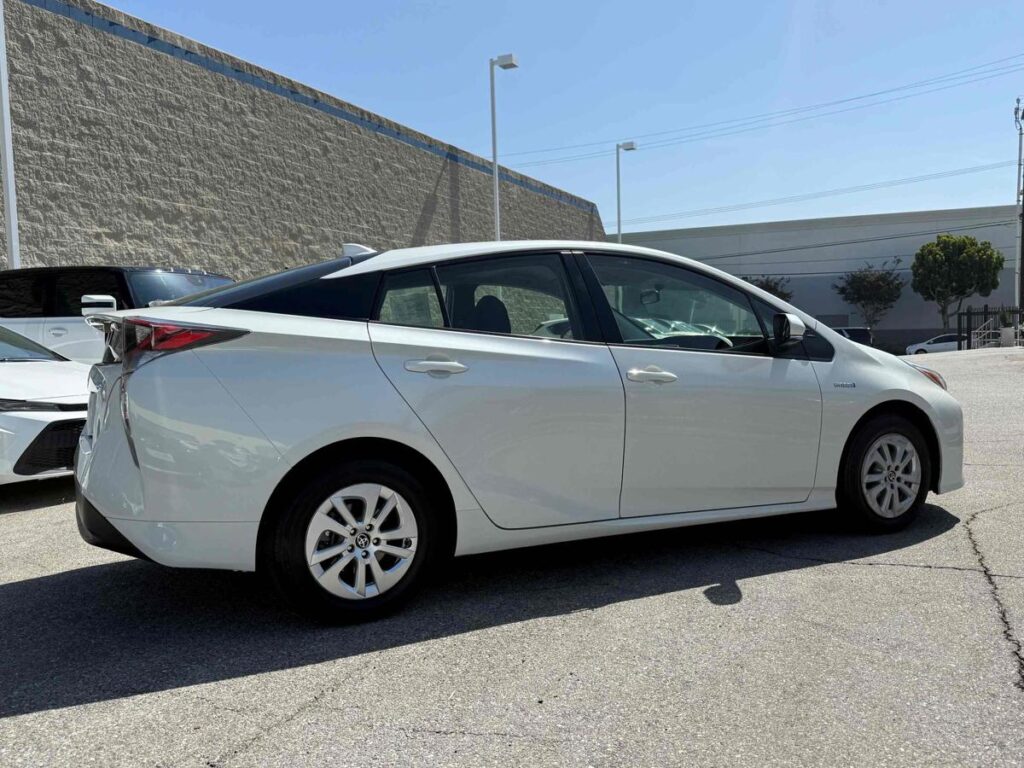
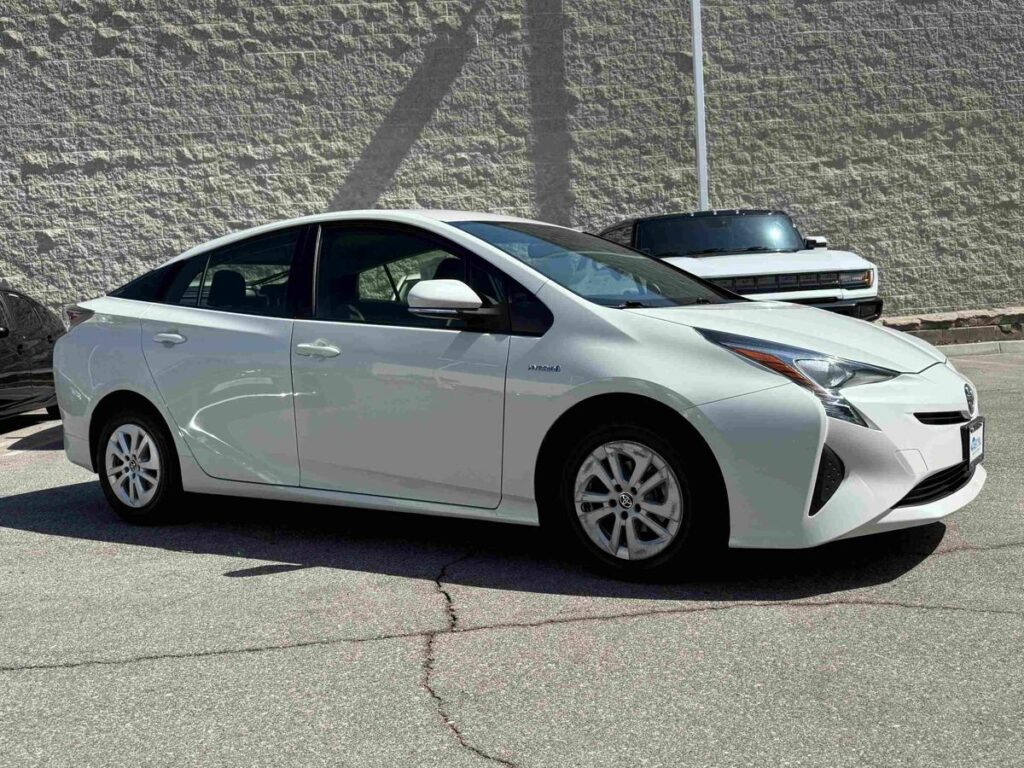
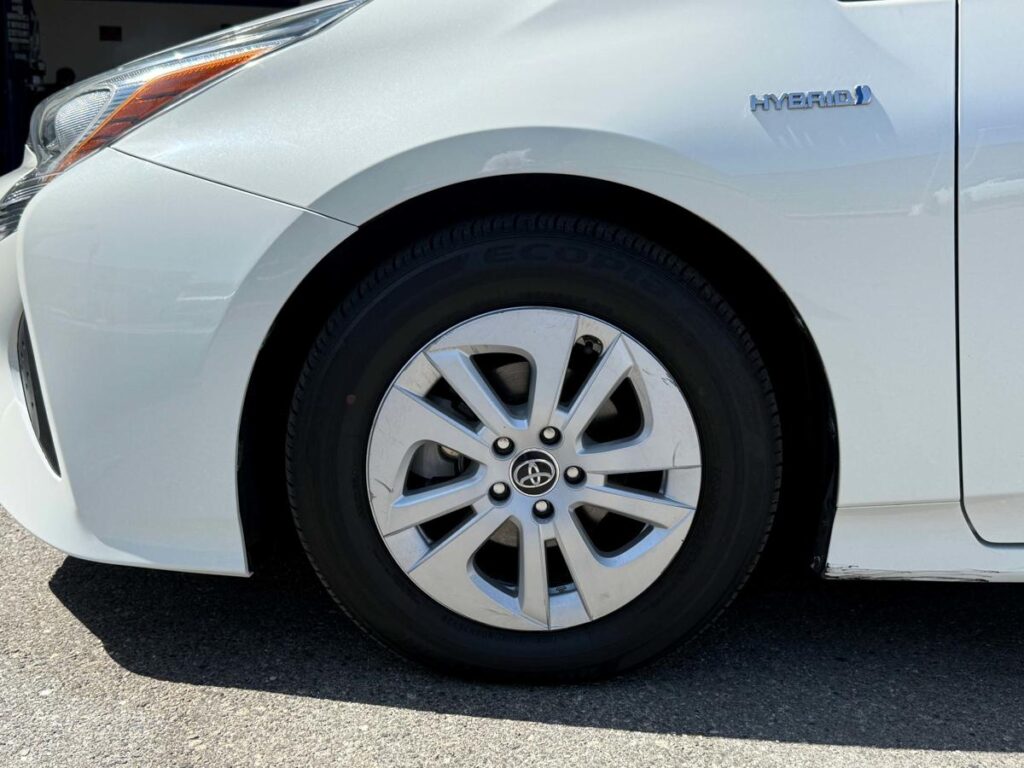
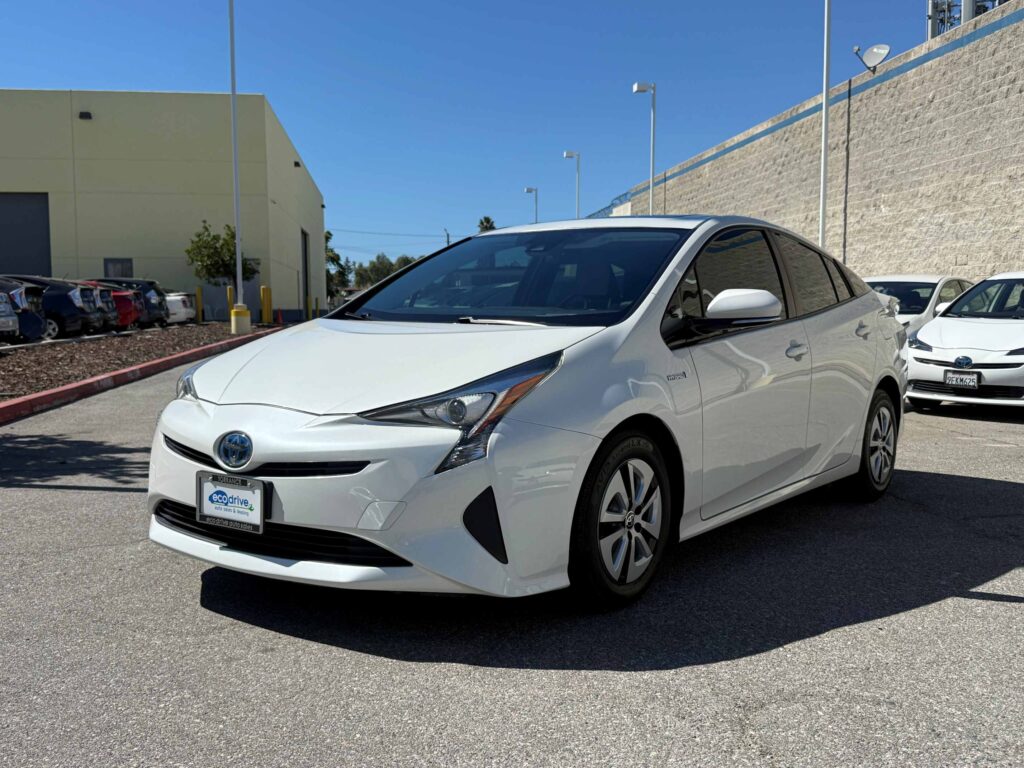
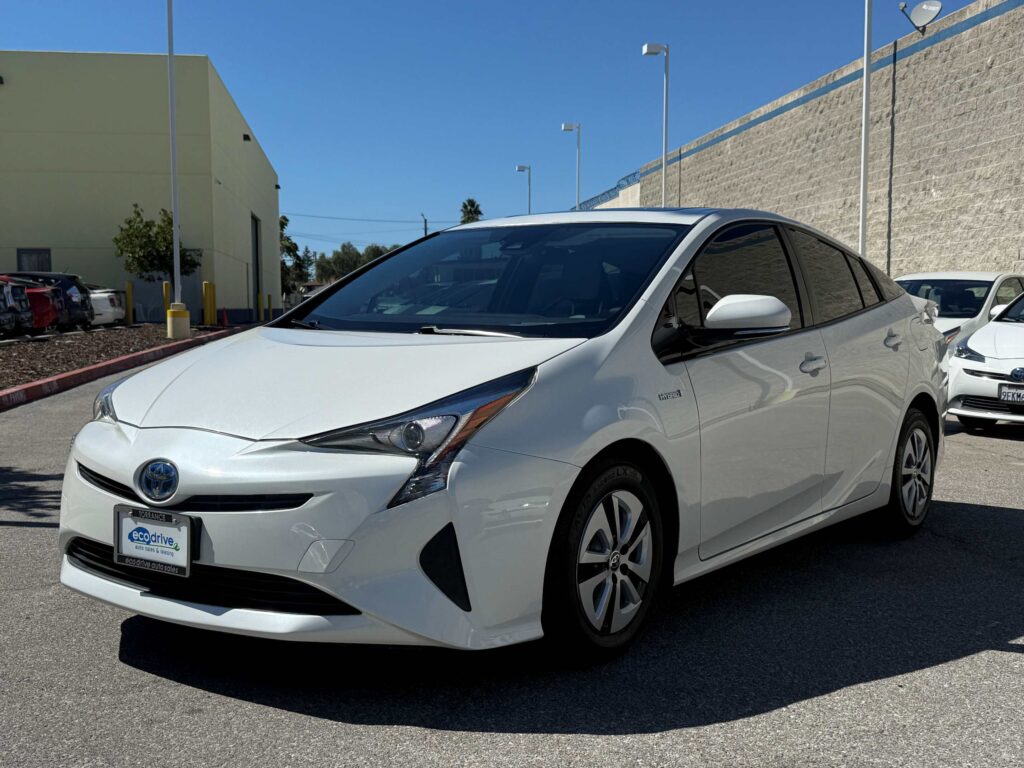
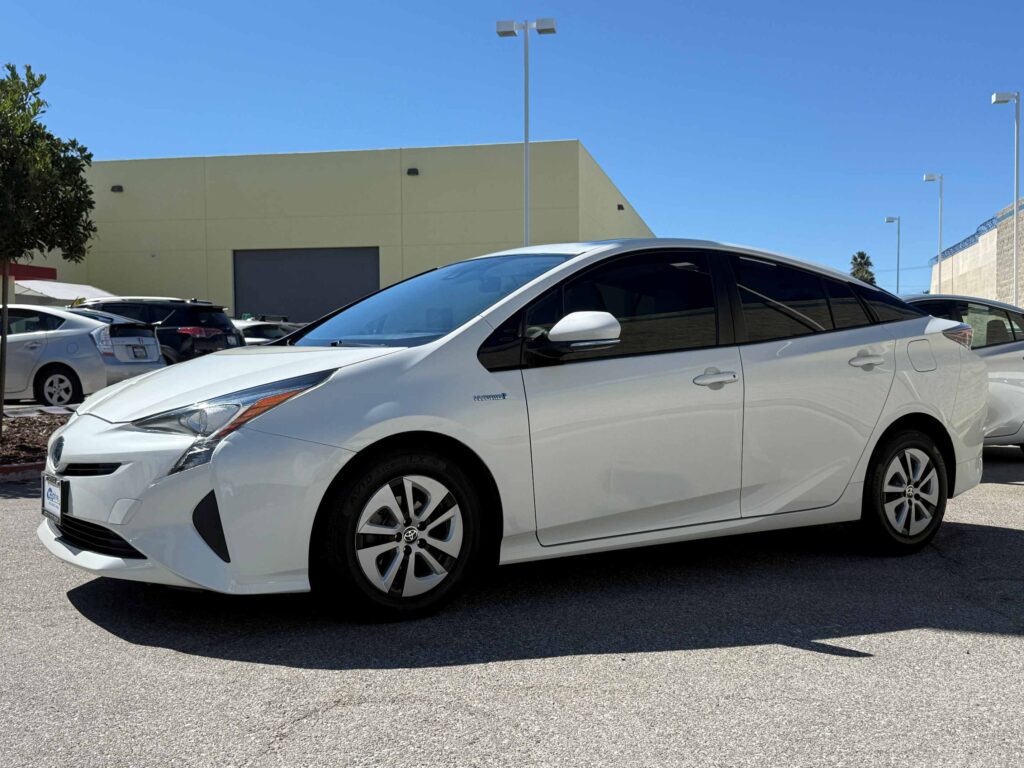
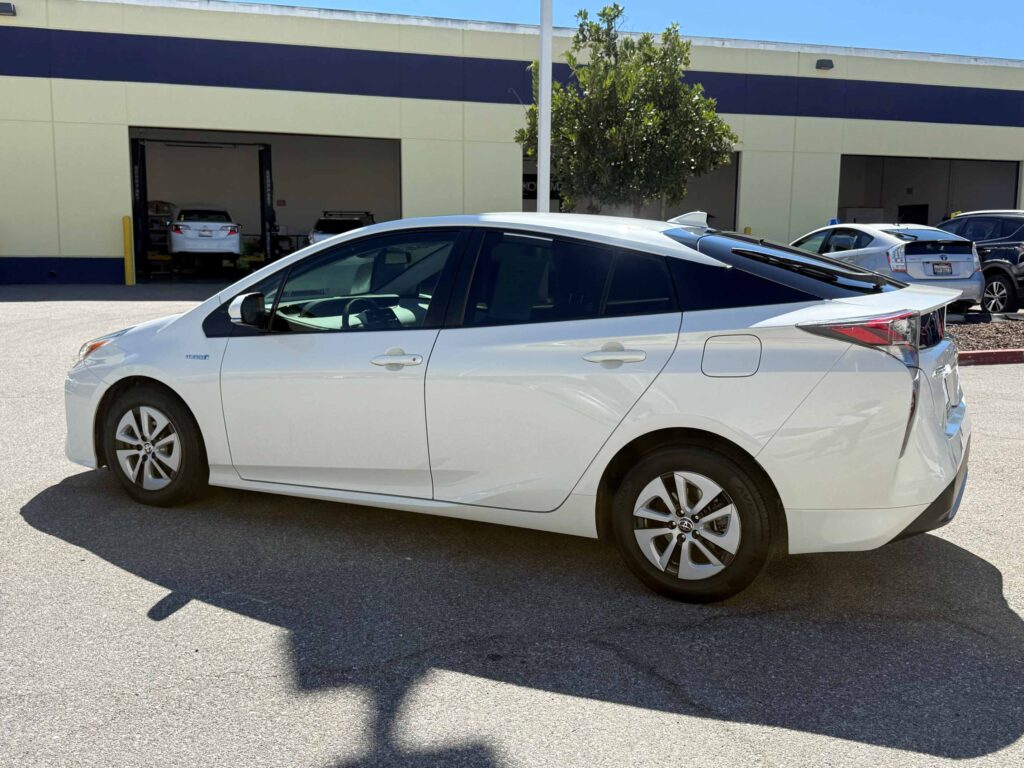
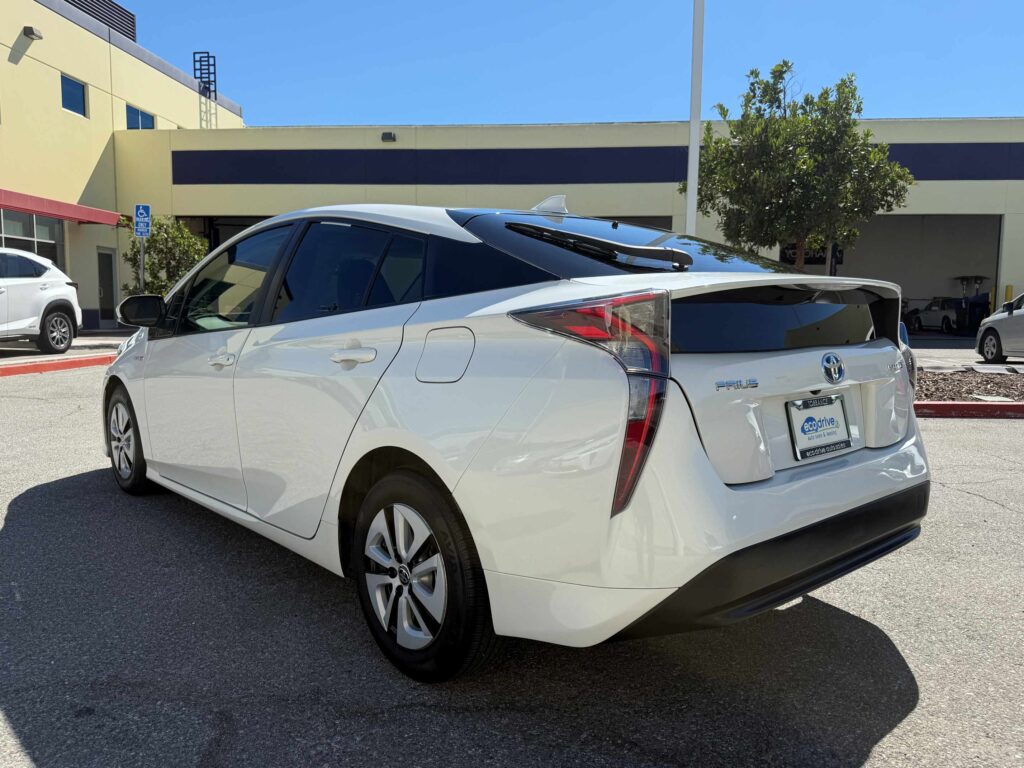
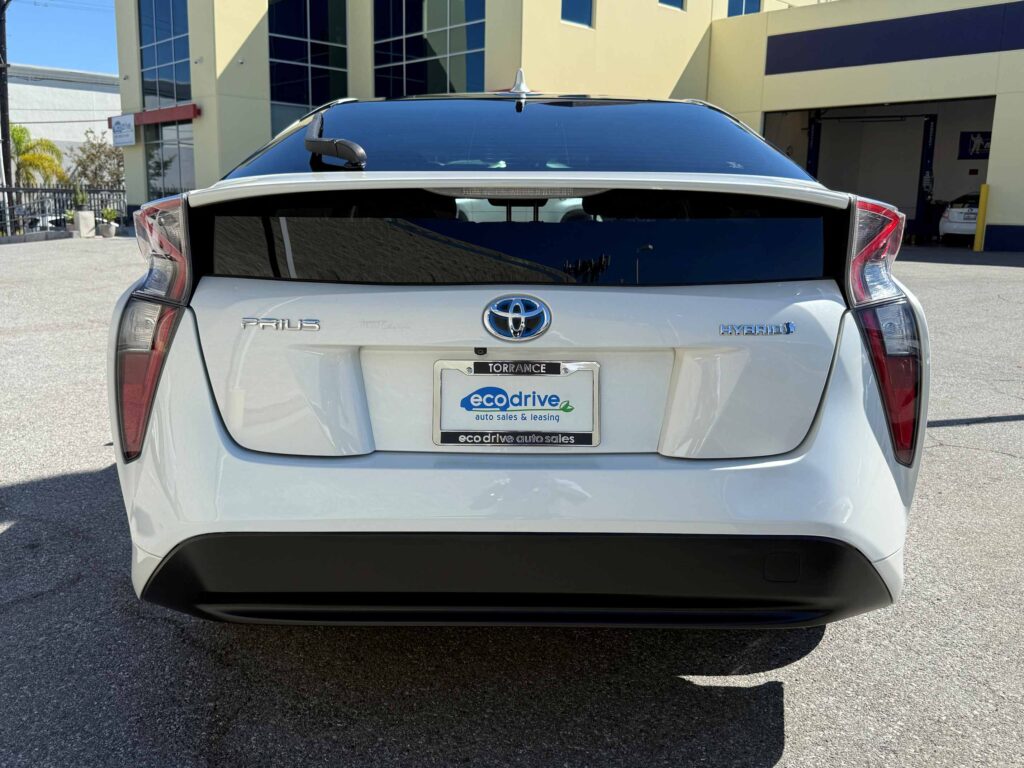
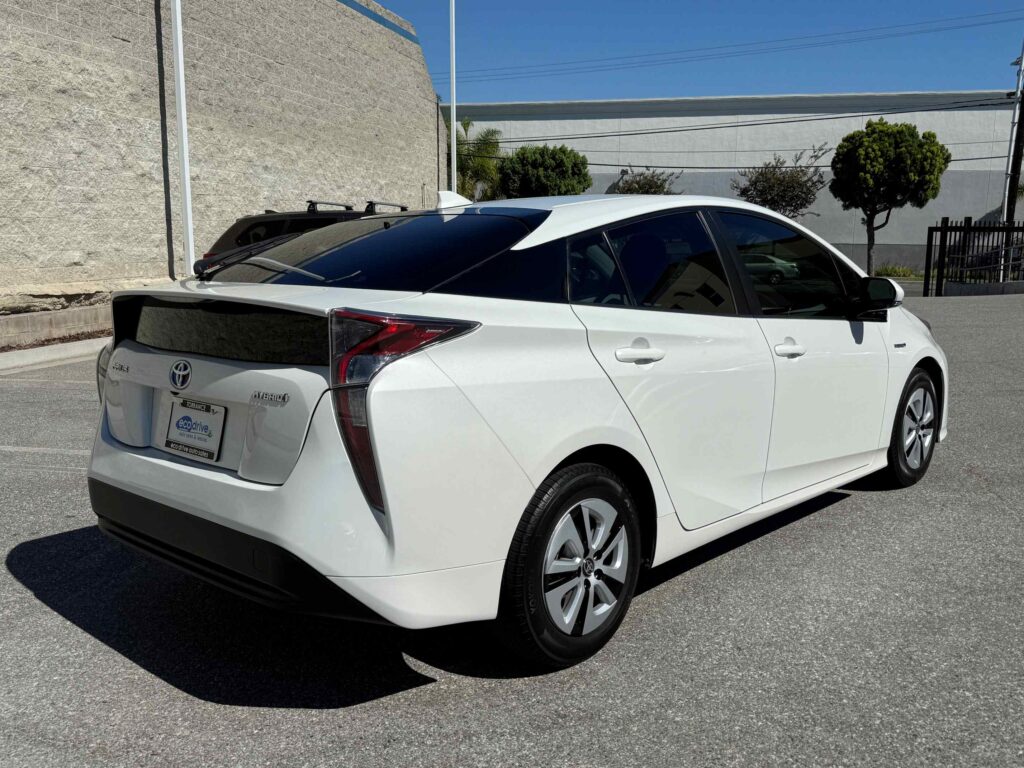
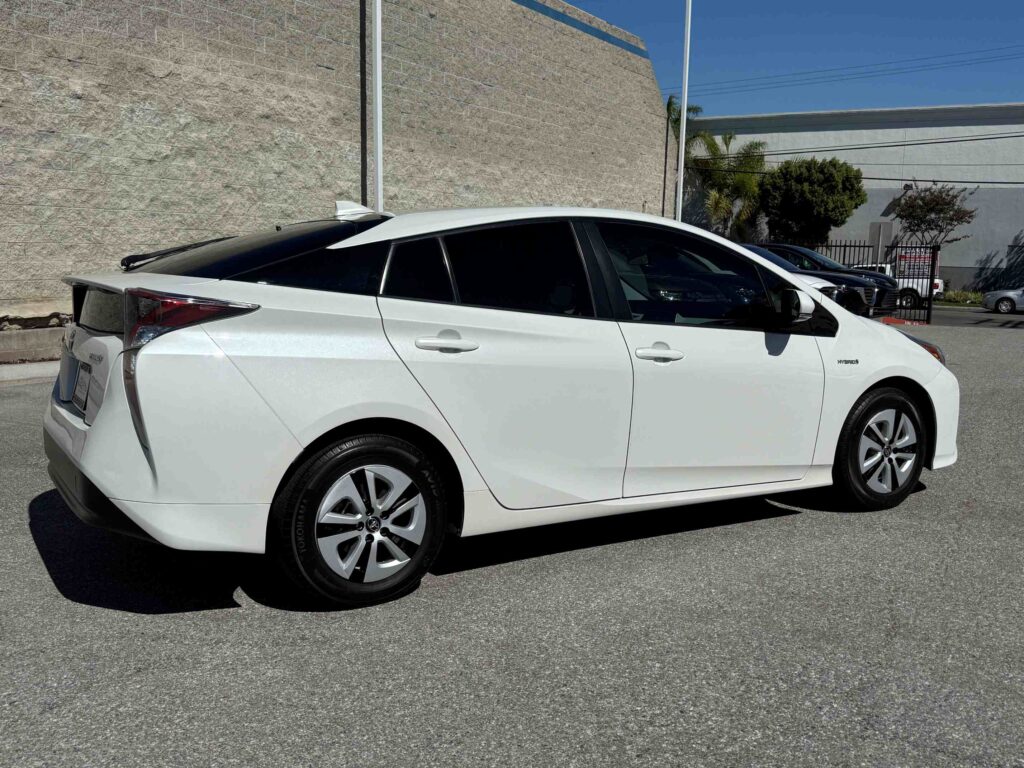
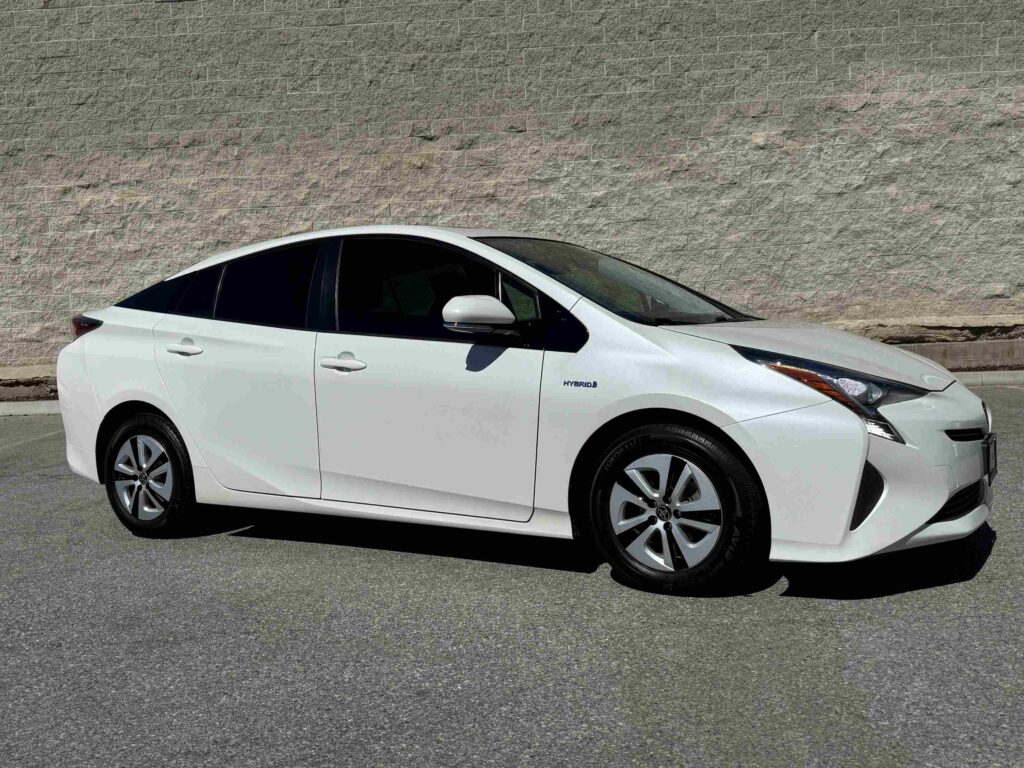
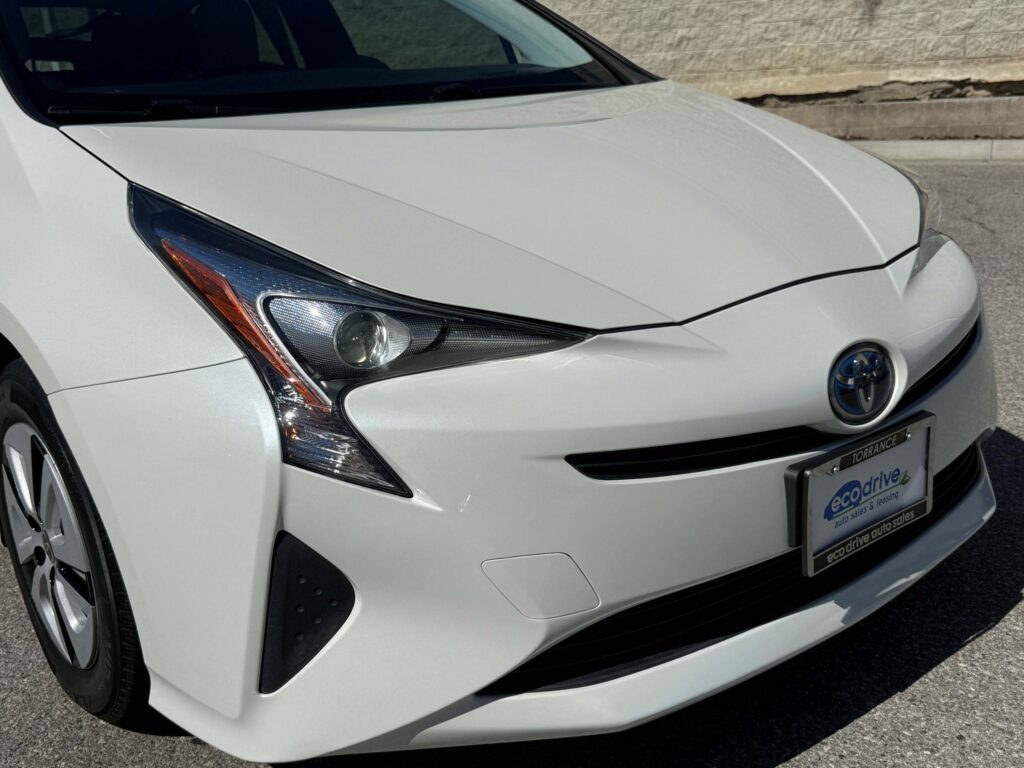
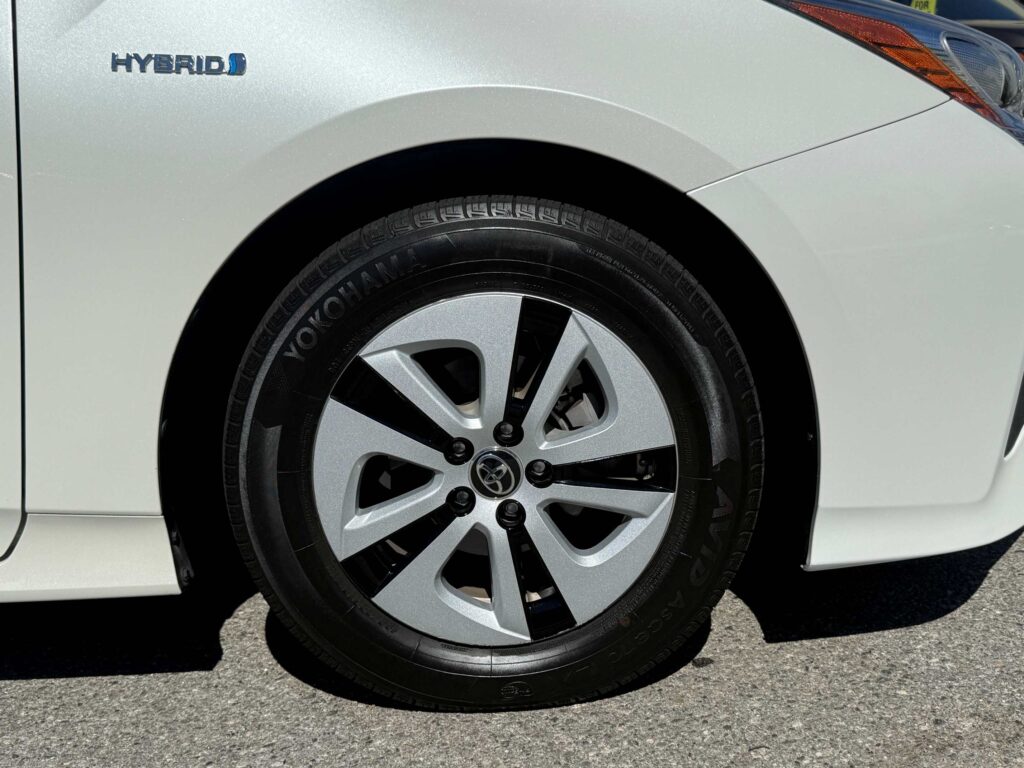
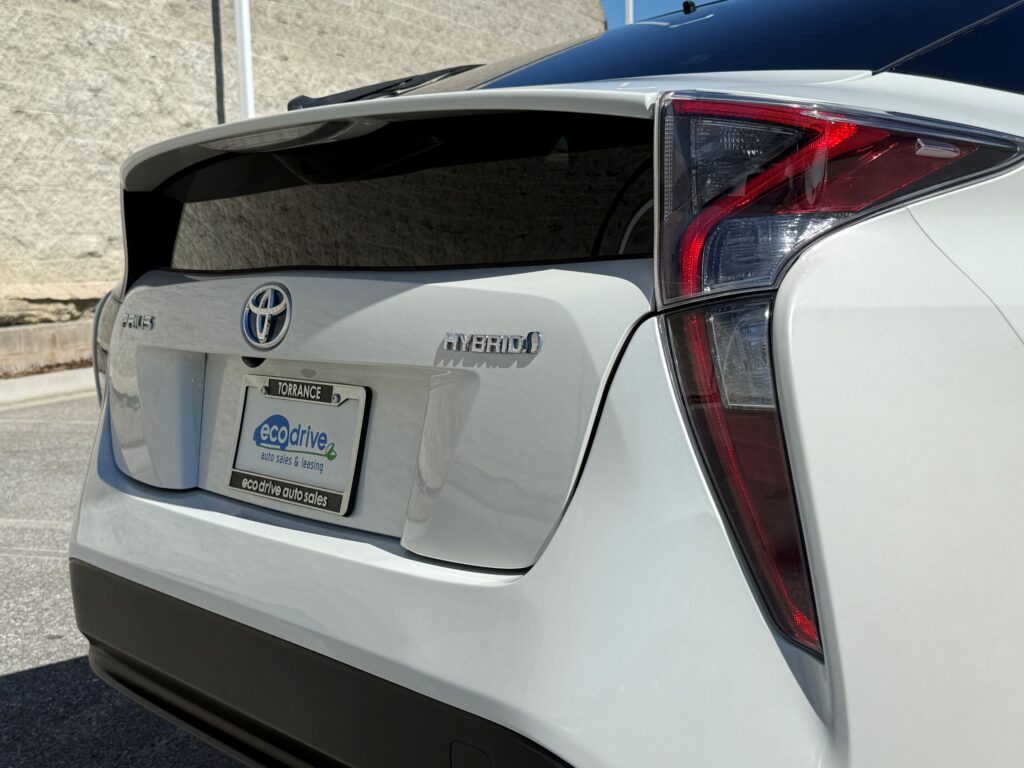
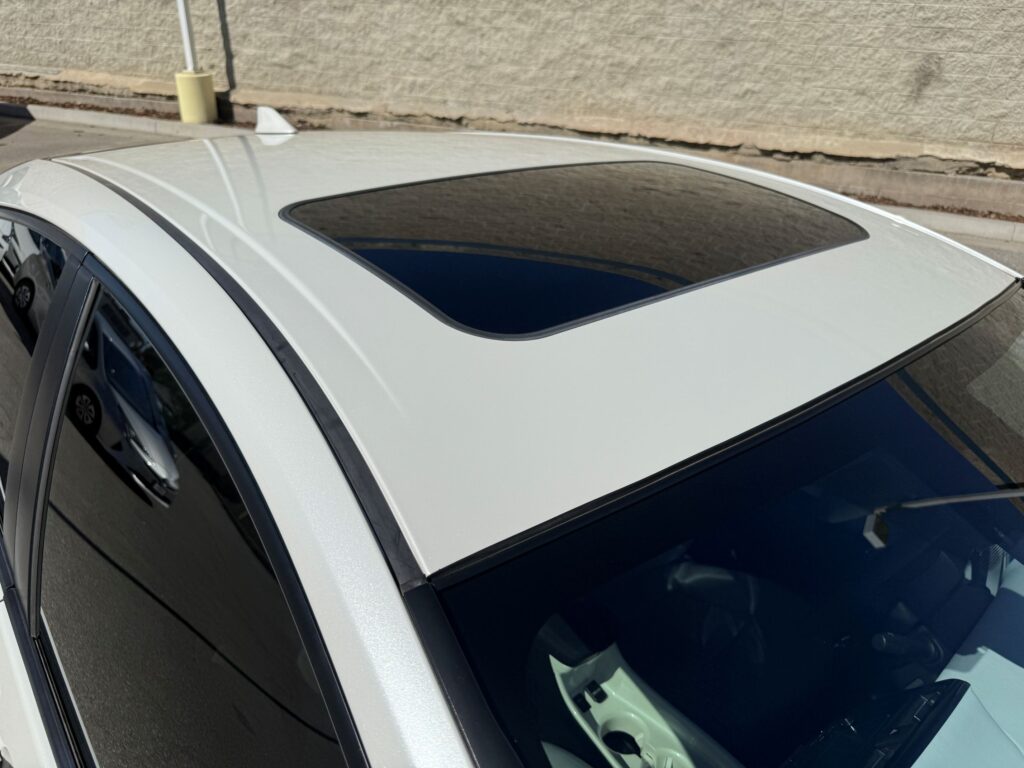
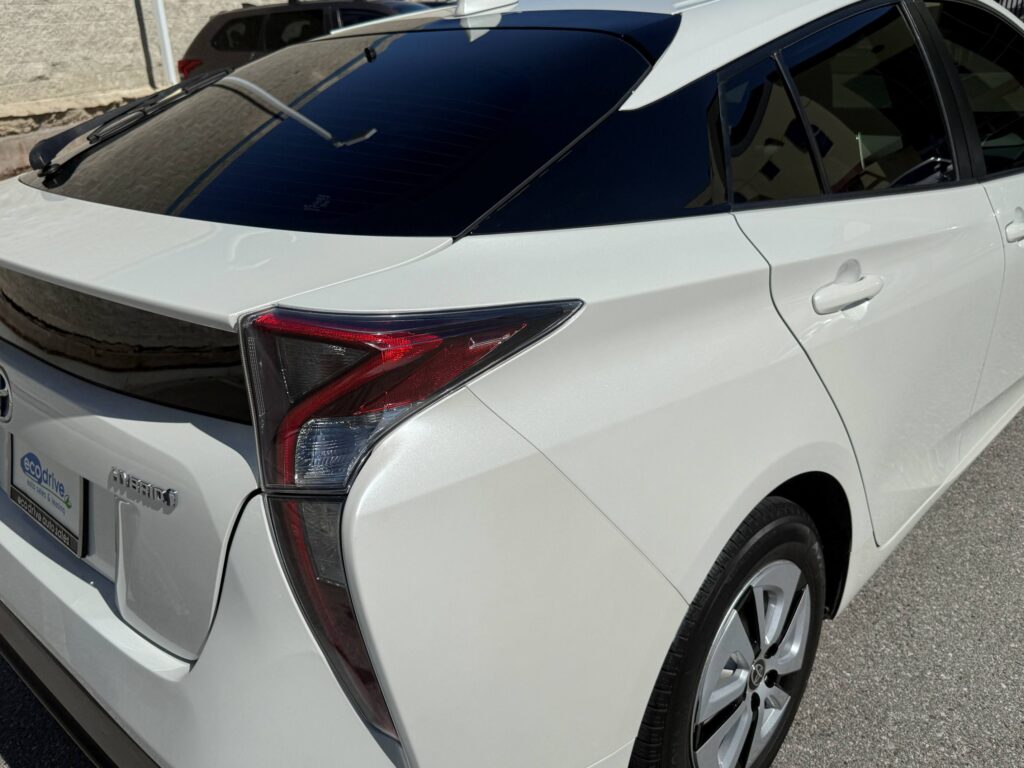
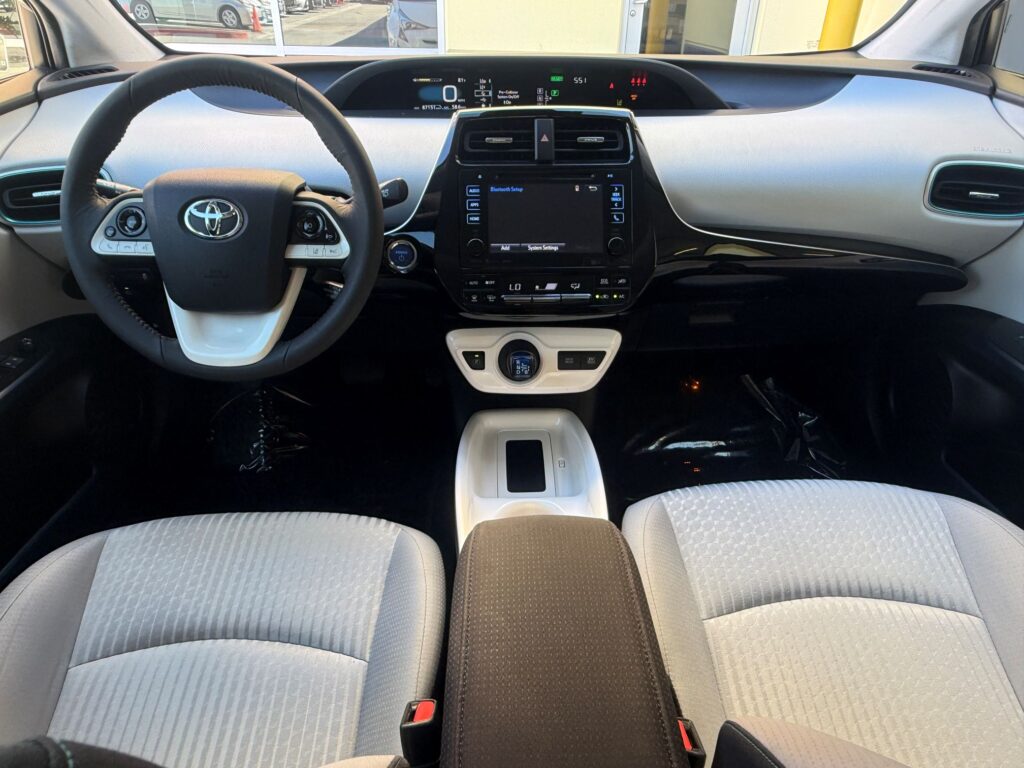
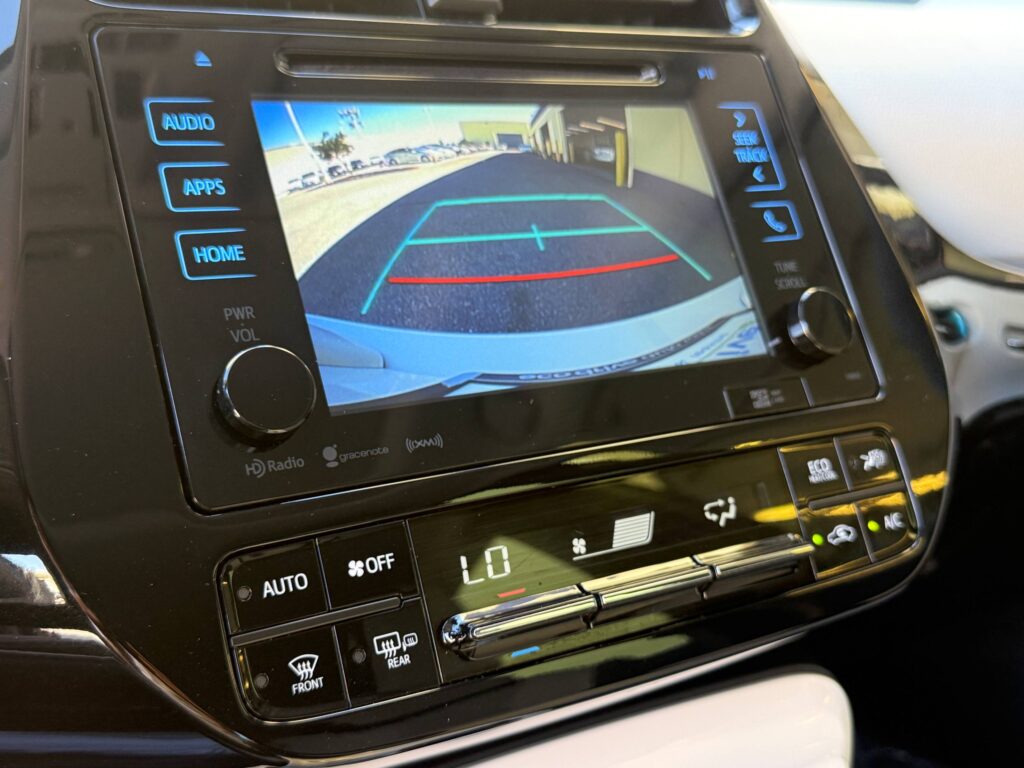
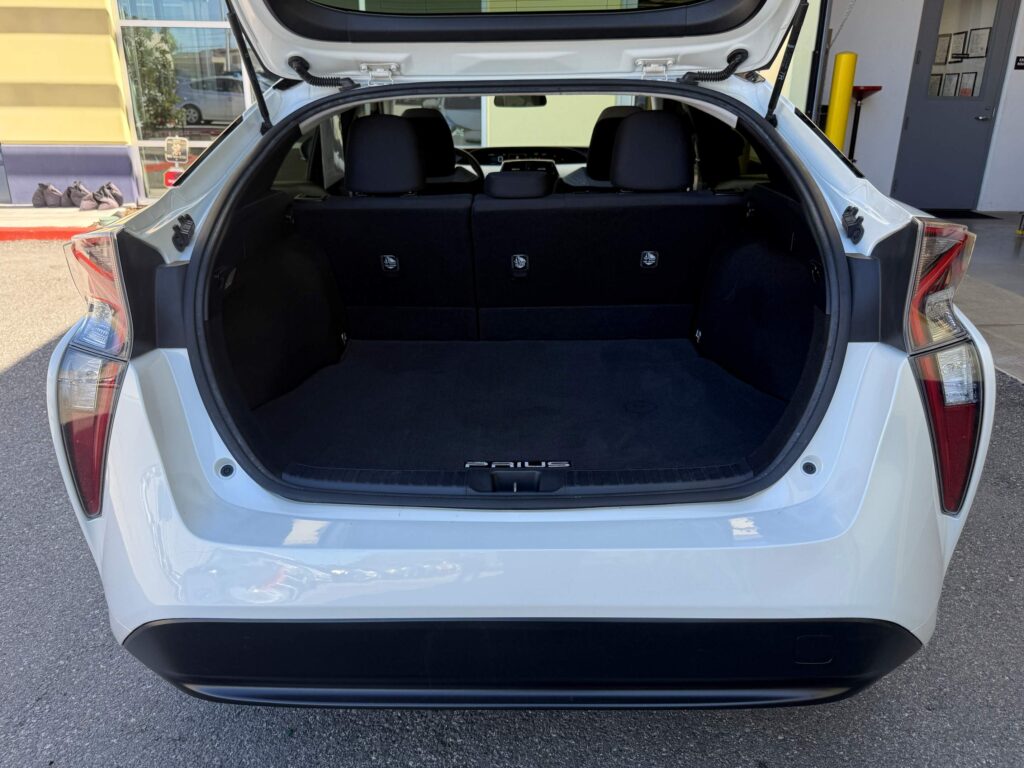
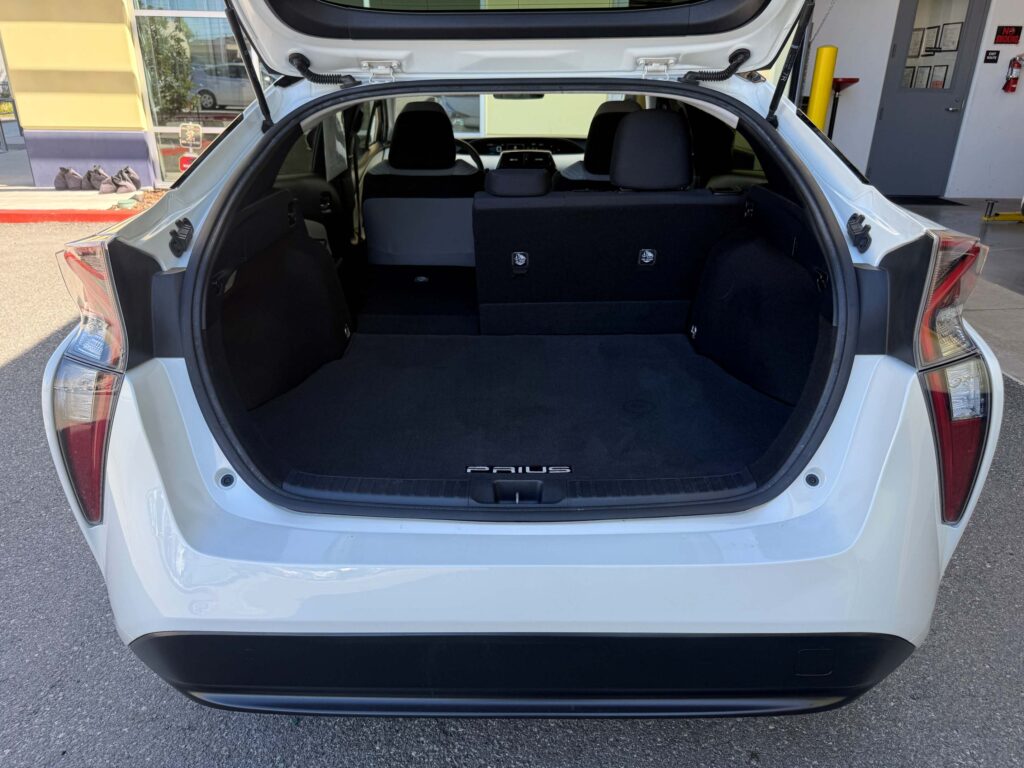
Starting your California road trip in Los Angeles? A car is the easiest way to combine Sausalito with the rest of Marin — Muir Woods, Point Bonita, and the headlands are all short hops from here. Our Hybrid Rental picks up at our Torrance location in the Los Angeles area and includes 200 miles per day, with an unlimited-mileage option worth considering if you’re driving the length of the state. One planning note: Muir Woods requires a parking or shuttle reservation, so book that before you drive up.
2. A Short History of Sausalito
Long before Europeans arrived, Coast Miwok communities lived along this shoreline and in the hills behind it.
When the Spanish ship San Carlos entered San Francisco Bay in 1775, the crew noted the willow scrub along the shore. The place name worked through forms like “Saucito” and “Saucelito” before settling into Sausalito — little willow grove.
In 1838, under Mexican rule, William A. Richardson — a British-born mariner who went on to serve as captain of the port of San Francisco — received the roughly 19,700-acre Rancho Saucelito land grant, and the area was developed for cattle grazing and firewood.
Steamships and rail arrived in the late 19th century, and wealthy San Franciscans started building second homes here. The town grew into a port with two faces: shipping and leisure.
World War II changed everything.
In 1942 the Marinship yard opened on filled tideland at the north end of town, and in about three years of production it turned out 15 Liberty ships and 78 T2 tankers — 93 ships in all.
At its peak, roughly 20,000 workers came from across the country and kept the yard running around the clock.
When the war ended, the yard shut down and the vast shipways sat empty.
Sausalito already had a scattering of live-aboard arks and houseboats, but the empty yard — and the surplus hulls and lumber left behind — turned that into something much larger.
Artists and hippies moved into the space, building homes on the water out of salvaged material, and that became the floating-home community the town is known for now.
Through the 1960s and into the ’70s it was a center of Bohemian culture.
From 1971 onward, developers and local authorities moved to clear out unpermitted moorings, and the standoff with residents became known as the “Houseboat Wars.”
It was settled over the years that followed: negotiation and litigation brought recognized moorings, utilities, permanent docks, and building standards. Part of the original anchor-out community was displaced along the way — the outcome was a negotiation, not a clean win.
From the 1980s, tech offices and restaurants moved onto the old shipyard land, galleries and boutiques followed, and the town became the destination it is now.
Shipbuilding and a stubborn independent streak shaped this place, and you can still feel both in a town that runs on art and visitors.
3. What About the Famous Houseboats?
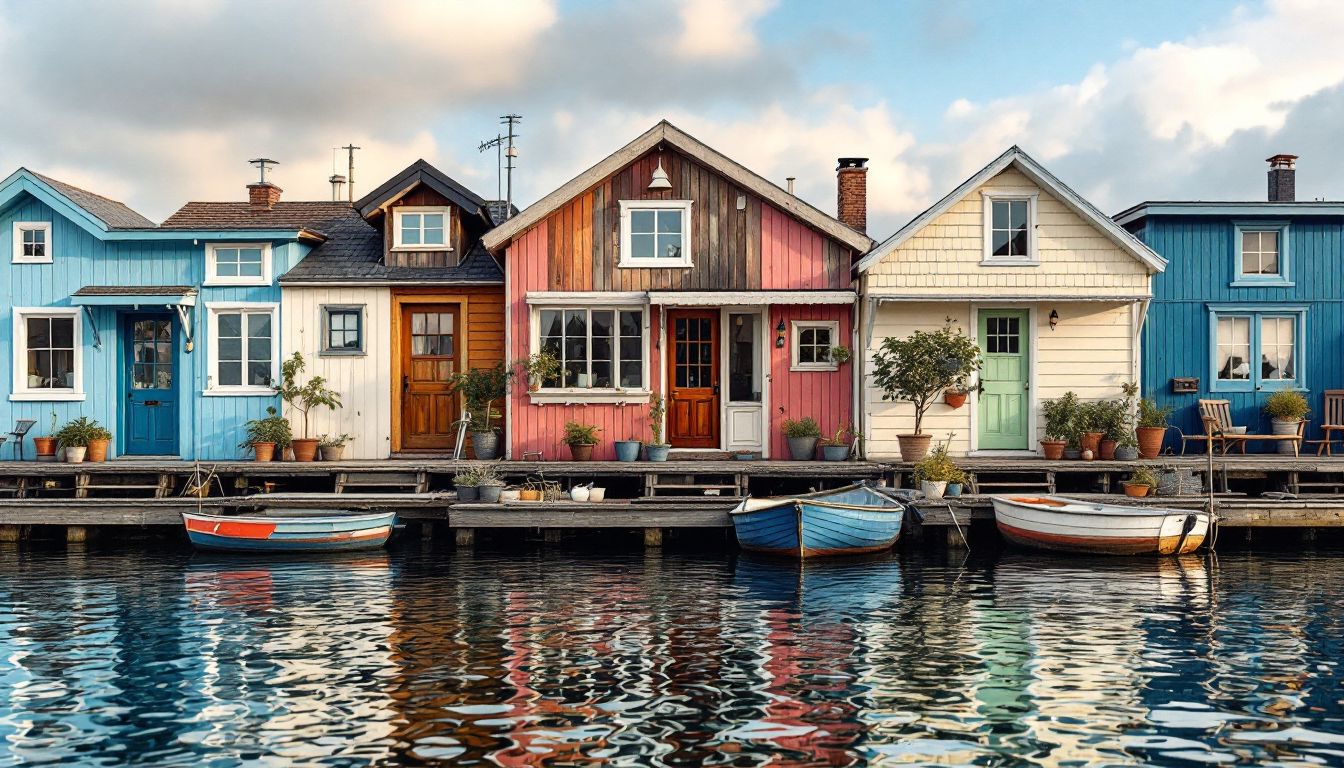
Along Richardson Bay in northern Sausalito, more than 400 floating homes — usually called houseboats, though most are permanently moored legal residences — are spread across a string of docks around Gate 5 Road and Waldo Point Harbor at Gate 6.
Depending on the dock, it’s roughly two to two and a half miles from the ferry terminal, so factor that in if you’re arriving on foot.
As above, the community grew out of the postwar shipyard — people converting hulls with salvaged material and simply living on the water.
One is painted like a Mondrian canvas, and plenty of the others have been built and decorated to their owners’ own designs. The whole stretch reads like an outdoor art gallery.
The eviction fight with developers in the early 1970s — the Houseboat Wars — ended in a negotiated settlement that recognized the docks as legal housing.
These are real addresses today, with water, sewer, and power connected and property taxes assessed. Artists and remote workers are part of the mix, alongside long-time residents from every other line of work.
These are private residences, not a public promenade. Some docks have posted public access; others are private or gated.
Walk only where public access is clearly allowed, follow the signage, keep your voice down, stay off residents’ decks, and don’t photograph into anyone’s home. Several docks also ask visitors to leave dogs and bikes behind at the top of the ramp.
If you want a look inside one, the Floating Homes Association opens a group of homes to visitors once a year — worth checking their current schedule if your trip lines up with it.
New Arrivals
Discover our newest arrivals—available now!





















4. Where to Eat and Drink
4-1. Sausalito Bakery & Cafe
A small breakfast-and-lunch spot on Bridgeway with a long list of house-made pastries and croissants, alongside bagels, salads, and sandwiches.
There are a handful of sidewalk tables out on the Bridgeway promenade with a view out to the bay, which makes it an easy first stop if you’ve just come in on the morning ferry.
It generally closes by late afternoon, so treat it as a morning or midday plan rather than a dinner one, and check current hours before you go.
4-2. Hamburgers Sausalito
A burger counter at 737 Bridgeway that’s been going since the late 1970s, with a rotating flame grill turning in the front window where you can watch it from the sidewalk.
Everything is cooked to order, so there’s usually a line — but that faint char the patties pick up is exactly why people keep coming back.
The inside is extremely narrow, with only a few small tables, so most people take it across to the waterfront and eat looking at the bay. It’s mainly a lunch spot and the hours shift with the season, so call ahead if you’re planning a late-afternoon stop.
4-3. Le Garage
A French bistro in a converted warehouse over at 85 Liberty Ship Way, in the Marinship area rather than downtown. Exposed beams, high ceilings, and a patio right on the marina.
Mussels and clams are the signature — as of July 2026 the menu offers them in a choice of preparations, served with fries — and weekend brunch runs Saturday and Sunday from late morning into the early afternoon.
A glass of something cold while you watch the boats is a very easy way to spend an hour.
We went with the burger on our own visit — a French bistro take on an American classic, and genuinely excellent. The menu does change with the season, so it may not be on it when you go.
Hours and menus shift with the season, so check the restaurant directly before you go.
5. Things to Know Before You Go
Bring a windbreaker or another light layer, even in summer — the wind off the water stays cold year-round.
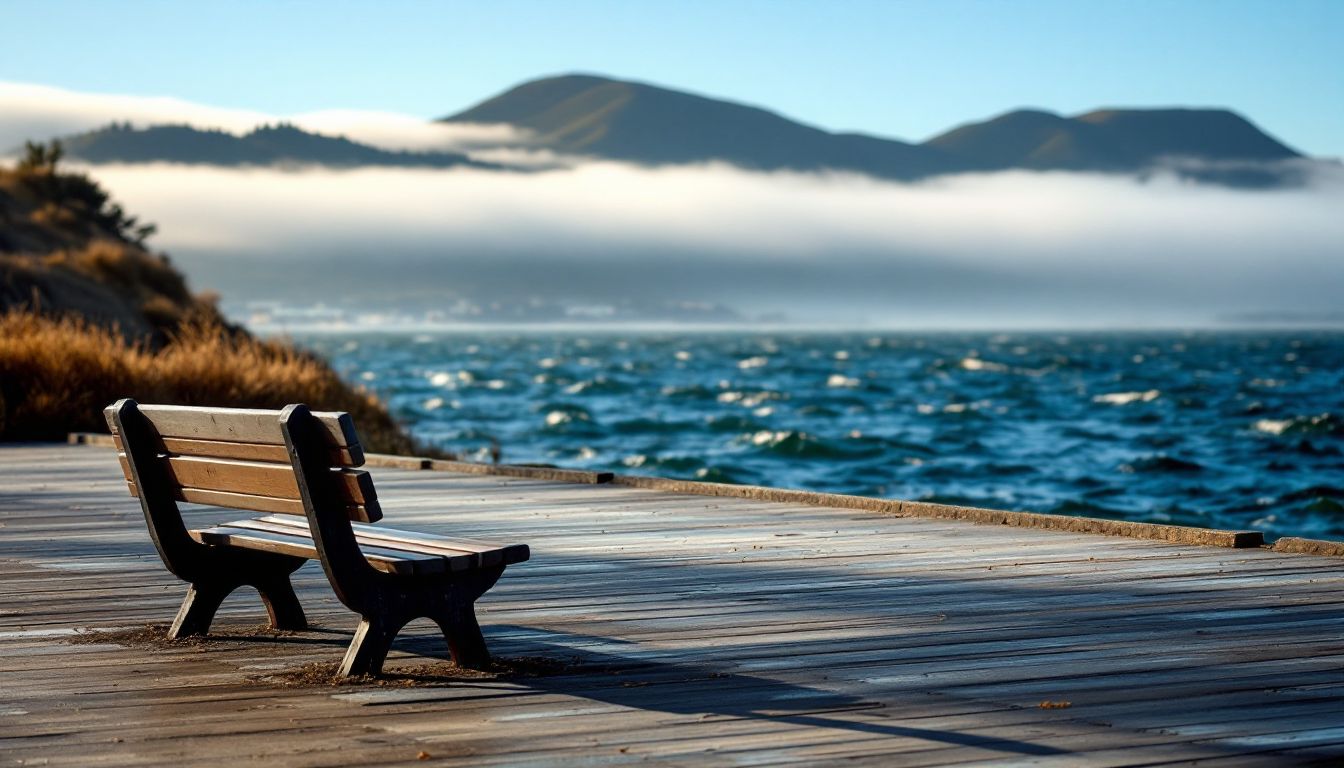
Mornings often bring fog across the bay, which can hide the bridge and the city skyline entirely.
It typically burns off by late morning and rolls back in during the late afternoon, so midday through early afternoon is usually the best window if the view is what you came for — though some days it never lifts at all, so check the forecast the morning of your visit.
One nice quirk: Sausalito sits in the shelter of the Marin Headlands and often stays sunny while San Francisco is socked in. September and October tend to be the clearest months, though conditions change day to day.
Parking is the thing most visitors get wrong. As of July 2026, metered street parking downtown has a three-hour maximum, enforced daily from 9 a.m. to 6 p.m. and free overnight, and enforcement is strict enough that you shouldn’t plan on overstaying the limit.
One useful option: Lot #5 at Locust and Bridgeway offers three hours free during the day (permit holders only overnight), while the other municipal lots are paid and get expensive in high season.
The Bay Model Visitor Center on Bridgeway also has free parking for people visiting the center, though it keeps limited hours and is closed Sundays and Mondays.
The city began replacing its lot pay stations in 2026 and payment now runs through the ParkMobile app, text-to-pay, or a pay station, so read the signage rather than relying on how it worked last time. Rates and rules change — check the City of Sausalito’s current parking page before you go.
The floating-home docks are largely private property. Walk only where public access is posted, and don’t step onto residents’ decks or photograph into their homes or windows.
One thing worth checking before you plan around it: the Sausalito Art Festival has been on hiatus since 2021, and as of July 2026 the foundation’s official site lists no 2026 edition. Smaller arts and waterfront events run in its place.
Bridgeway is downtown’s main north–south corridor, so traffic backs up fast whenever something is on — on event days the ferry or the bus is the easier call.
Window and patio tables are the ones everyone wants, and they fill up fast around sunset.
If you want the best shot at one, book ahead through the restaurant’s reservation platform or call directly — though a specific table usually isn’t guaranteed.
6. Final Thoughts
Cross the Golden Gate Bridge and the pace changes completely — Sausalito trades San Francisco’s noise for something slower, against a coastline that genuinely does feel Mediterranean.
Here, shipbuilding history meets artist counterculture, one-of-a-kind floating homes, and cafes and restaurants built out over the water.
Half a day here is enough to feel like you went somewhere else.
It’s easy to reach by ferry or by bike, so it slots into a Bay Area itinerary without much effort.
Go for the San Francisco skyline framed by that blue inlet, and stay for the unhurried rhythm only a harbor town has.
Bring a camera. The coffee smells better with salt air in it.
About the Information in This Article
This article was written in July 2026, drawing on the City of Sausalito, Golden Gate Ferry, Blue & Gold Fleet, and the businesses’ own published information.
Hours, prices, parking rules, ferry schedules, and event dates all change. Please confirm with the official sources before you travel.
Follow @frontier_ecodrive on Instagram for more California day-trip ideas.
You May Also Like