Olmsted Point Yosemite: Half Dome Views & Tioga Road
Olmsted Point Yosemite: Half Dome Views & Tioga Road
When people think of Yosemite, popular spots like Half Dome, Glacier Point, and Mariposa Grove usually come to mind first.
This time, we’re featuring Olmsted Point, a hidden gem with one of the finest views in the park.
It’s a beautiful place where a white, almost lunar landscape spreads out in front of you, and it’s well worth a stop on your next Yosemite trip.
What Is Olmsted Point?
Olmsted Point is a scenic viewpoint in Yosemite National Park, California.
It sits in the high country of the park’s northern section, at an elevation of over 8,000 feet (about 2,500 meters), along Tioga Road (California State Route 120).
It’s well over an hour’s drive from Yosemite Valley, and it lies along Tioga Road, west of the park’s east entrance at Tioga Pass.
The area is high alpine terrain surrounded by granite domes and forest, and in summer the air is clear enough to see a long way.
It’s one of the must-see viewpoints in Yosemite National Park, and the scenery below is often described as “postcard-perfect.”
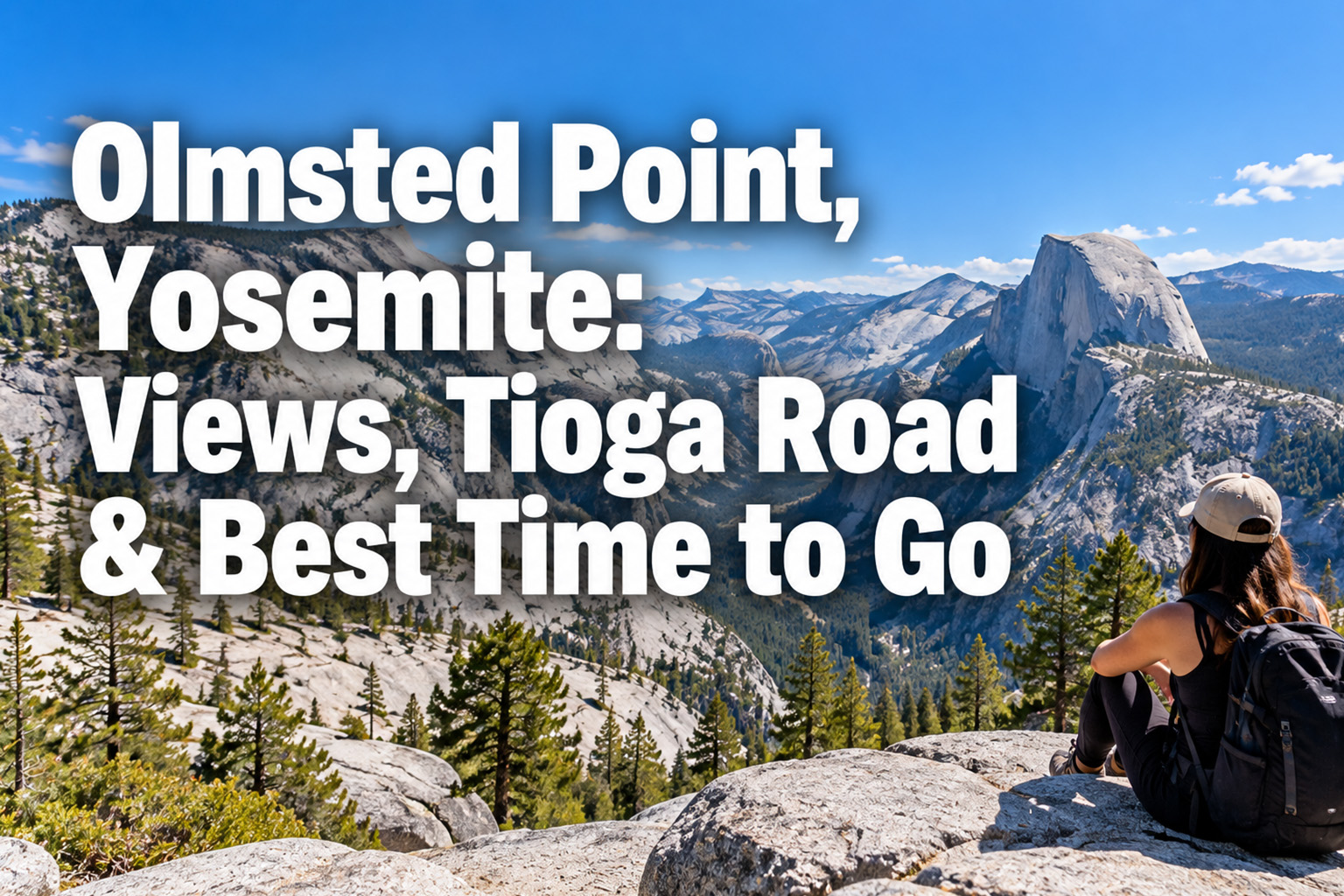
From Olmsted Point, the view offers a memorable perspective on Half Dome, Yosemite’s signature rock formation, and the surrounding peaks.
What to See at Olmsted Point
The biggest draw of Olmsted Point is the sweeping panorama, one of the best in Yosemite.
Looking down Tenaya Canyon, you can see the back of Half Dome, with Clouds Rest rising nearby.
To the east, Tenaya Lake’s deep-blue water is framed by forest and granite domes, with the peaks of the High Sierra beyond.
From the Yosemite Valley side, you normally see Half Dome’s sheer face, but Olmsted Point shows you Half Dome from a completely different angle, so you’re sure to see it in a whole new light.
Because Half Dome is far away, you might not spot it right away, but its distinctive silhouette really stands out against the surrounding ridgelines.
Olmsted Point also has a short, somewhat hilly path from the parking lot to the viewpoint.
A short walk from the parking lot rewards you with sweeping views of Yosemite’s high country.
Yosemite has plenty of incredible views, like the waterfalls along the Mist Trail, that you can only reach after a lot of walking, so another big plus here is that you can enjoy a stunning view with almost no walking at all.
The History Behind Olmsted Point
Olmsted Point is named after the famous 19th-century American landscape architect Frederick Law Olmsted and his son, Frederick Law Olmsted Jr.
The elder Olmsted is best known for designing Central Park in New York, but he was also deeply involved in protecting Yosemite.
In 1864, during the Civil War, Congress passed legislation that set aside Yosemite Valley and the Mariposa Grove of giant sequoias as protected state park land, and Olmsted was closely involved in Yosemite’s early protection.
It’s often described as the first time the U.S. government protected land for its scenic value, and this landmark legislation helped lay the groundwork for the national park system.
The viewpoint, which looks out over Yosemite’s landscape from high above, was named in honor of the Olmsteds’ contributions.
Olmsted Jr. was also a landscape conservation planner who worked on planning for Yosemite National Park and contributed to national park administration throughout his life.
Olmsted Point was developed as a viewpoint along with the construction and improvement of Tioga Road, which crosses the park.
Tioga Road started out as a mining road built in the late 19th century, and in the 20th century it was rebuilt as a scenic national park road.
Today, Olmsted Point is set up as a viewpoint with a parking lot, signs, and a walking path.
In the 2000s, the viewing area was renovated, and there’s also a bronze relief map (a tactile topographic model), so visitors can enjoy the scenery more safely and understand it more easily.
Thanks to these efforts, Olmsted Point is now one of the top scenic spots in Yosemite National Park and a favorite with many travelers.
Geology
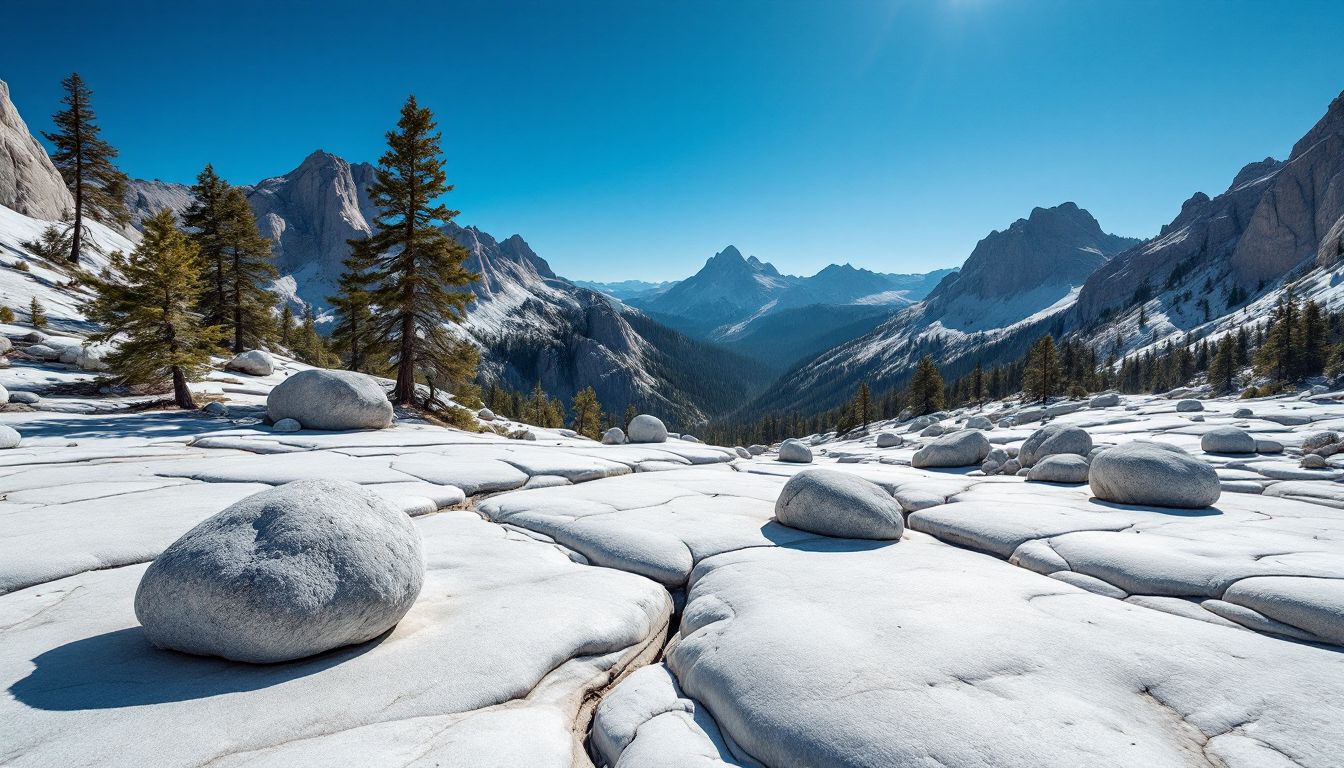
The smooth white bedrock exposed around Olmsted Point is glacier-polished granite, the same rock found throughout the park.
During the Pleistocene ice ages, huge glaciers moved across this area, polishing the granite and helping carve landforms like the U-shaped Tenaya Canyon.
When the glaciers retreated, they left behind giant boulders they had carried from far away.
These scattered boulders are called glacial erratics, and they’re clear evidence that glaciers once reached this far.
You’ll see glacial erratics of all sizes scattered on the slopes around Olmsted Point.
Take a moment to enjoy this otherworldly landscape of pale granite and scattered trees.
Seasonal Highlights and the Best Time to Visit
The best time to visit Olmsted Point is generally considered to be summer through fall (around June to October).
Tioga Road itself closes in winter, so you can only drive there from around late May or June until around November in a typical year.
That makes summer and fall, when the road is open, the time to go.
Early Summer (around June)
Right after Tioga Road opens in early summer, the crisp alpine air and lingering snow make for beautiful scenery.
Snow still remains in the shadows of the surrounding mountains, and snowmelt flows into Tenaya Lake, so the water is high and the lake looks especially blue.
At this elevation, mornings and evenings are cool, but the midday sun can be intense.
You can see lingering snow and fresh greenery at the same time, making this a great season for photography.
Midsummer (July–August)
Summer is the best season for exploring Yosemite’s high country.
The weather is generally stable with lots of clear days, so you can enjoy crisp views far into the distance.
Alpine plants are in bloom, and in places like Tuolumne Meadows you can see fields of wildflowers.
Daytime temperatures are comfortable at around 68–77°F (about 20–25°C), but because of the elevation the direct sun is very strong, so a hat and sunscreen are a must.
Afternoon mountain thunderstorms also develop on some days, so visit early in the day and keep an eye on the weather.
Midsummer is also when the crowds are biggest, but the high country is so vast that it doesn’t feel as packed as the valley, and you can take in the views at a relatively relaxed pace.
Fall (September–October)
As fall deepens, the high country gradually gets colder, but the clear air and quiet atmosphere are something special.
September often brings sunny days, while the summer crowds begin to thin.
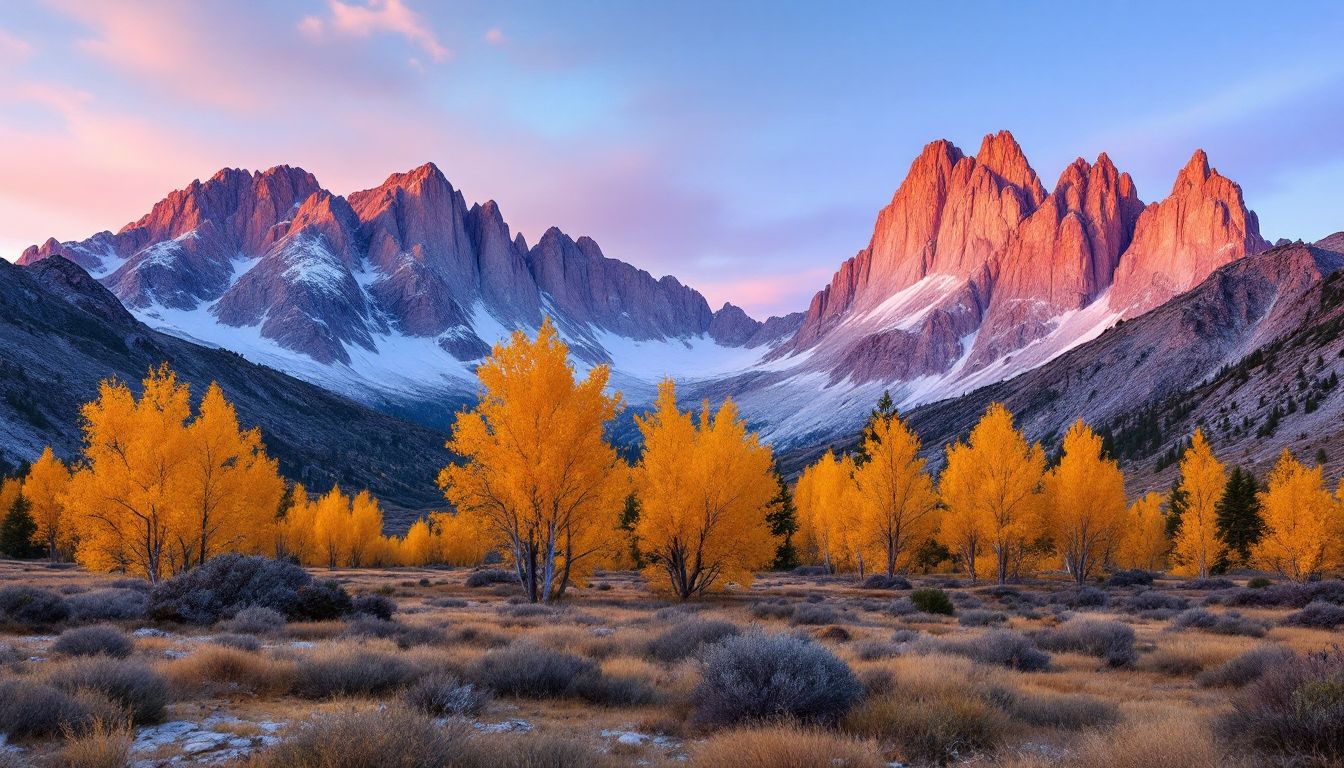
In October, the leaves (mostly aspens and shrubs) turn yellow and orange, and you can enjoy fall colors in the high country.
At dusk, the mountains turn golden in the soft light, and the alpenglow (a reddish glow) lighting up the granite is breathtaking.
It’s a perfect season for hiking, but temperatures drop fast after sunset, so we recommend bringing warm layers.
When Tioga Road closes for the season depends on snowfall, so if you’re visiting late in the season, check road conditions ahead of time.
Winter to Spring (November–May)
Tioga Road typically closes after the first significant snowfall, sometime in November, and doesn’t reopen until spring snow removal and road work are finished.
While Tioga Road is closed, you can’t drive to Olmsted Point.
Other parts of the park (like Yosemite Valley) are open year-round, but the high-country viewpoints go into a long winter sleep.
That said, some experienced backcountry skiers cross-country ski along Tioga Road to visit Olmsted Point in the snow.
Either way, it’s generally the off-season, so keep that in mind when planning your trip.
As you can see, the best season is summer to early fall, but each season shows you a different side of Olmsted Point.
Pick the timing that best fits what you want out of your trip.
Getting There
Driving is the main way to get to Olmsted Point.
It’s in one of the higher-elevation areas of Yosemite National Park, and public transportation is limited, so most people visit in a rental car or their own car.
By car from Yosemite Valley
Starting from Yosemite Valley (the valley floor), the park’s main sightseeing hub, drive northwest to the Crane Flat junction and turn onto Tioga Road.
From there, continue east to reach the Olmsted Point parking lot.
The drive takes well over an hour. The road climbs as it winds through the mountains, but there are viewpoints and rest stops all along the way, so you can take your time and enjoy the scenery as you drive.
From the San Francisco area
Enter the park through one of the west-side entrances (such as the Big Oak Flat Entrance or the Arch Rock Entrance) and head to Tioga Road.
For example, from San Francisco it’s a drive of several hours to reach the western edge of the park via Highway 120, and then you continue east on Tioga Road.
A day trip makes for a very long day, so it’s a good idea to stay the night before near the park or combine your visit with a stay in Yosemite Valley.
From the east side (Mono Lake / Mammoth Lakes area)
If you enter through the Tioga Pass Entrance on the east side of the park, drive west on Tioga Road from the entrance gate to reach Olmsted Point.
On the east side, you can come from bases like Lee Vining or Mammoth Lakes along US 395.
This route is only available when Tioga Road is open.
Road Conditions and Precautions
Tioga Road is a mountain road, and even outside the winter closure it’s affected by the weather.
Even when the road is open, watch for ice, lingering snow, and rockfall, especially near the beginning and end of the season.
Speed limits in the park are also on the low side, and wild animals (like bears and deer) can suddenly dart into the road.
Take your time, drive safely, and enjoy the scenery along the way.
We found that Tesla’s Full Self-Driving (Supervised) made the drive less tiring. The driver still needs to monitor the road continuously and be ready to take over.
You’ll need to plan your charging stops, but we reached Olmsted Point without any issues and really enjoyed the trip.
Check out this YouTube video for more details (with English subtitles)!
Curious what FSD feels like on a mountain road? If you’d like to try it on your own Sierra road trip, take a look at our Tesla / FSD Rental.
New Arrivals
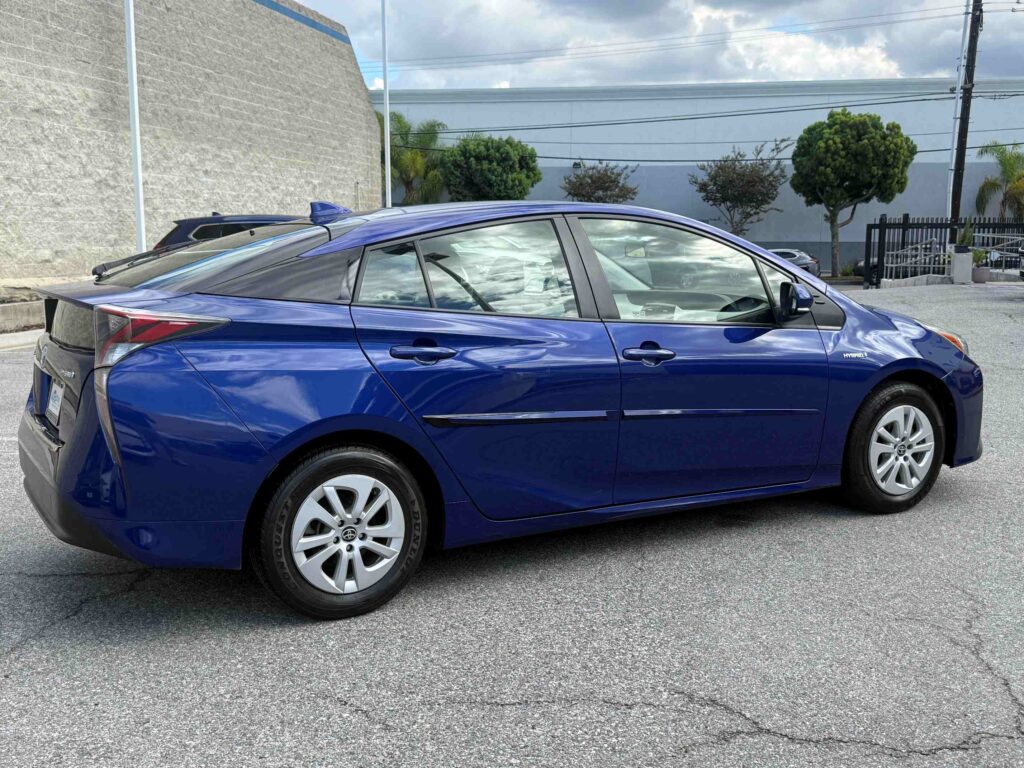
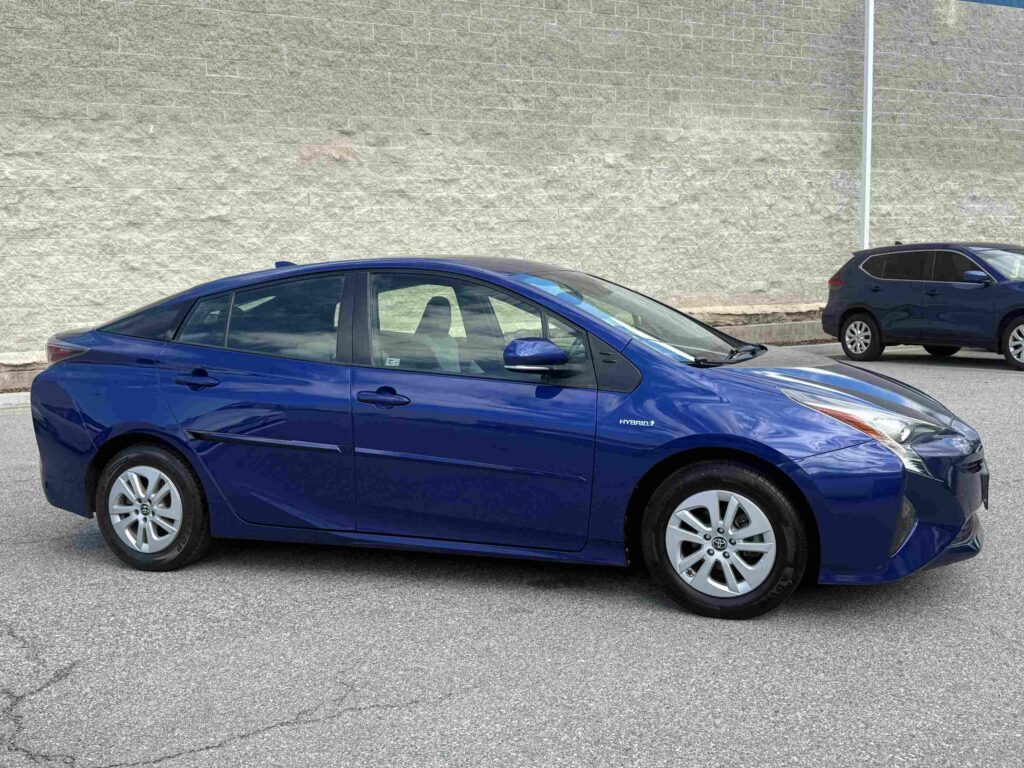
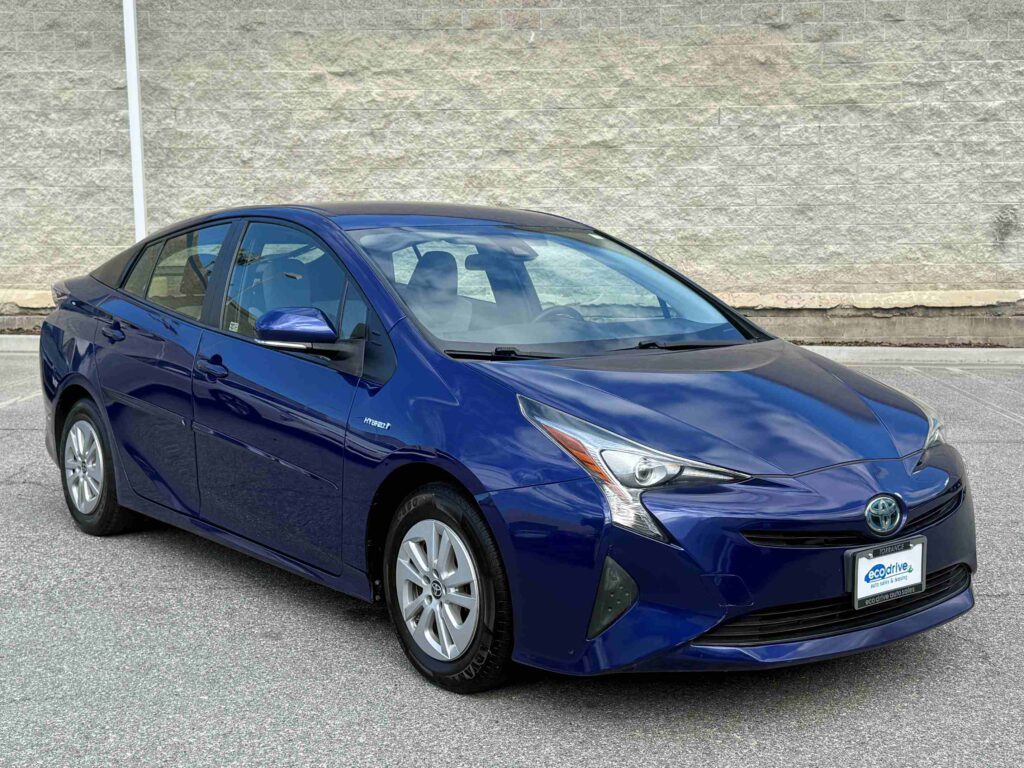
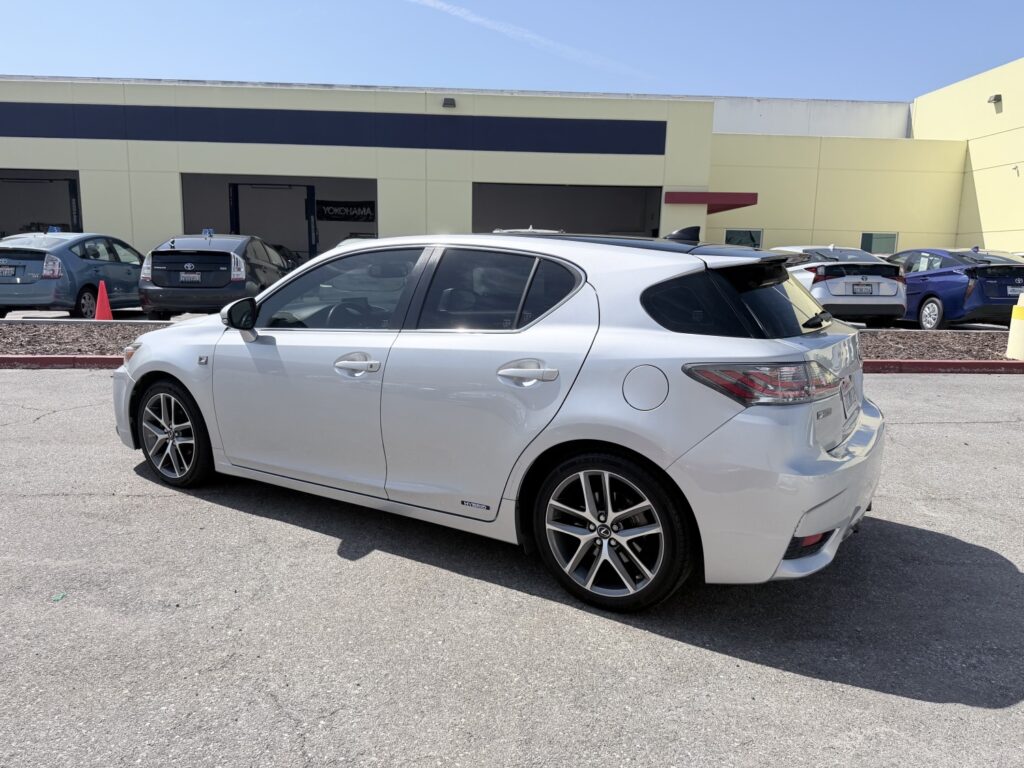
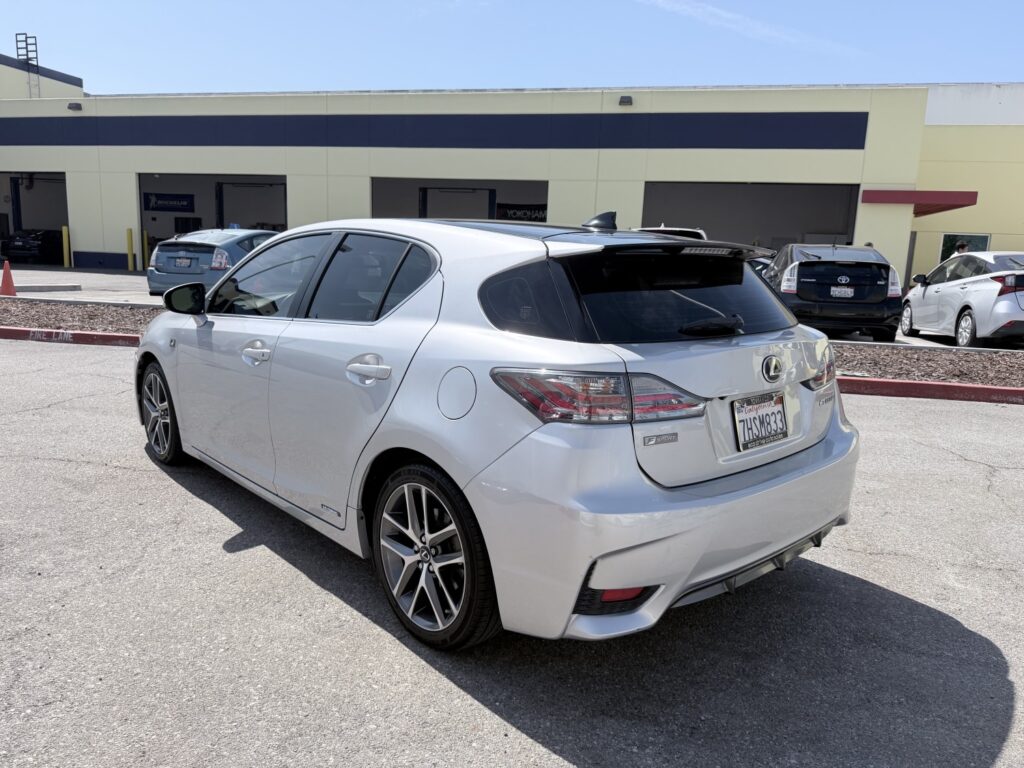
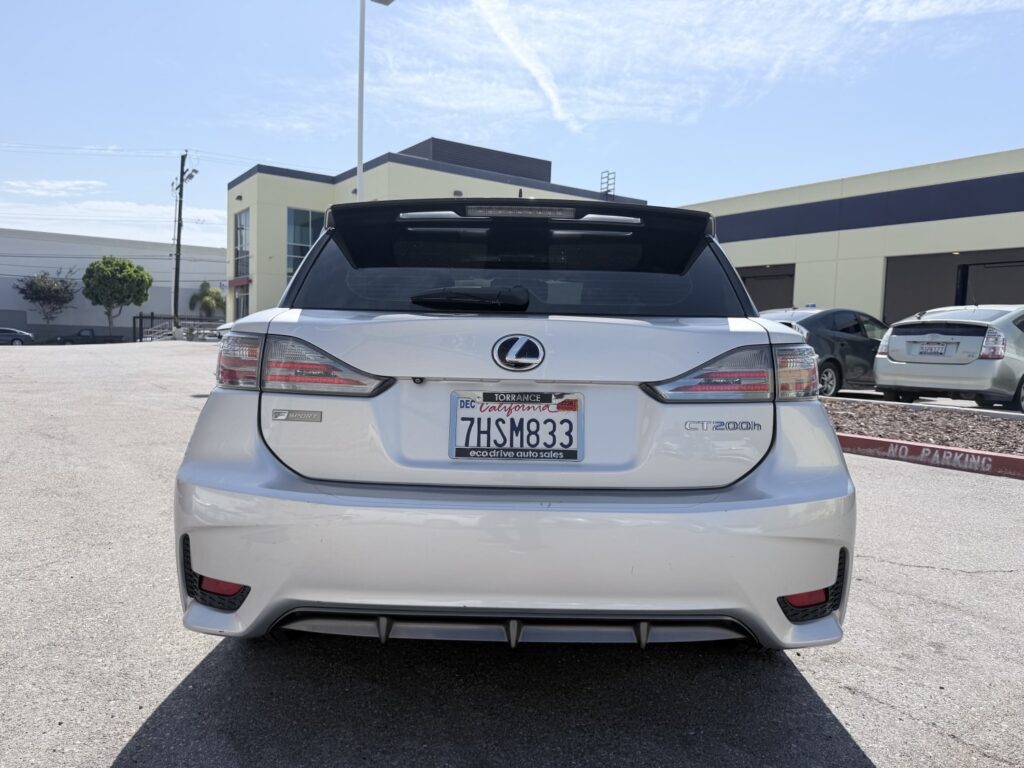
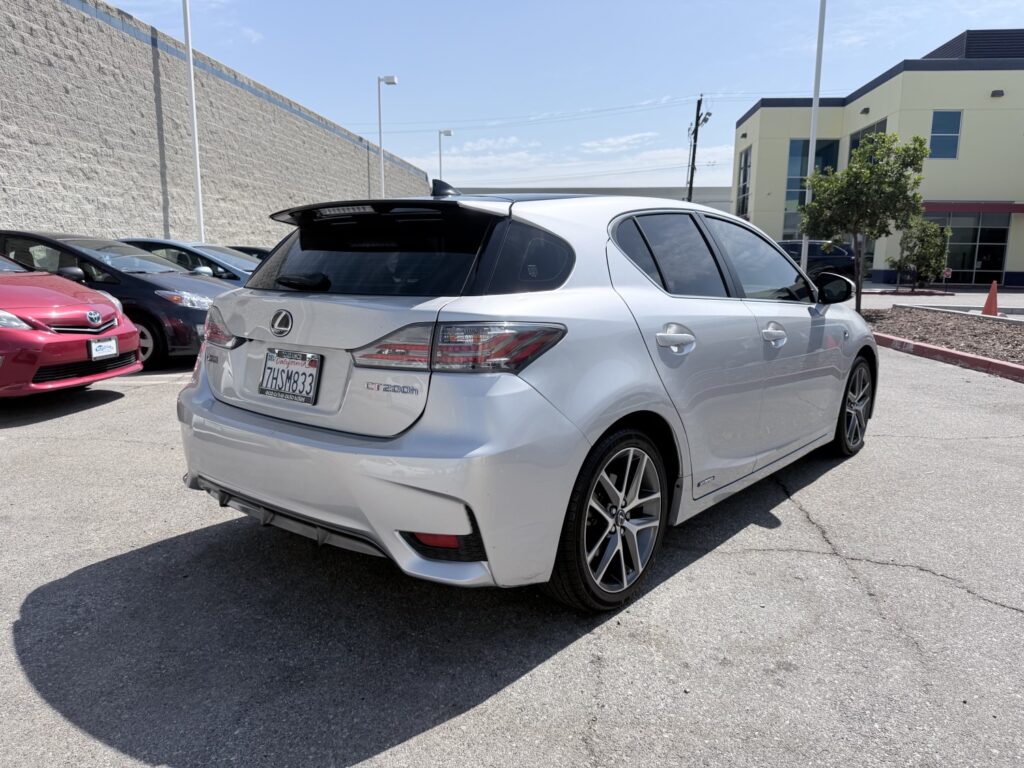
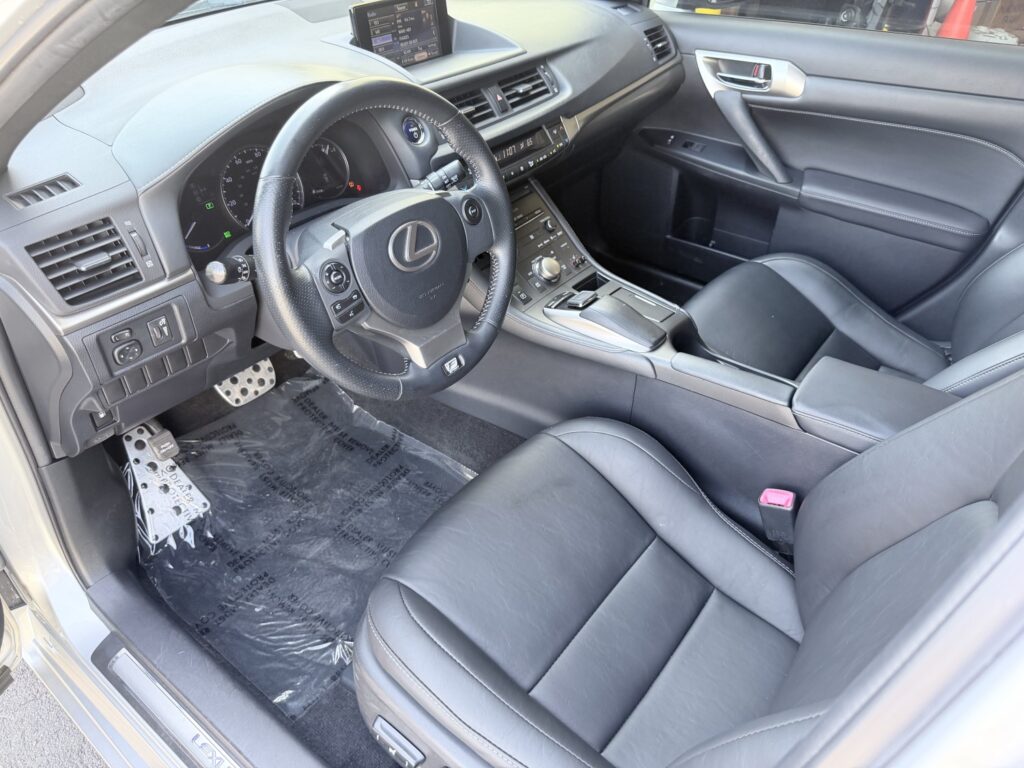
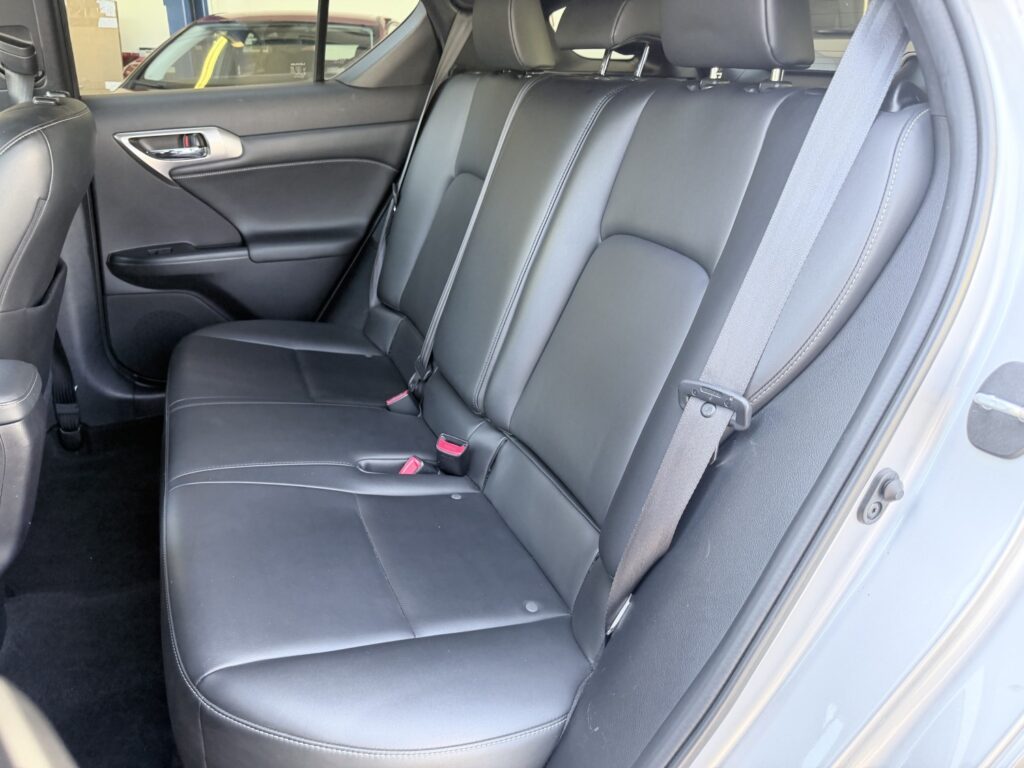
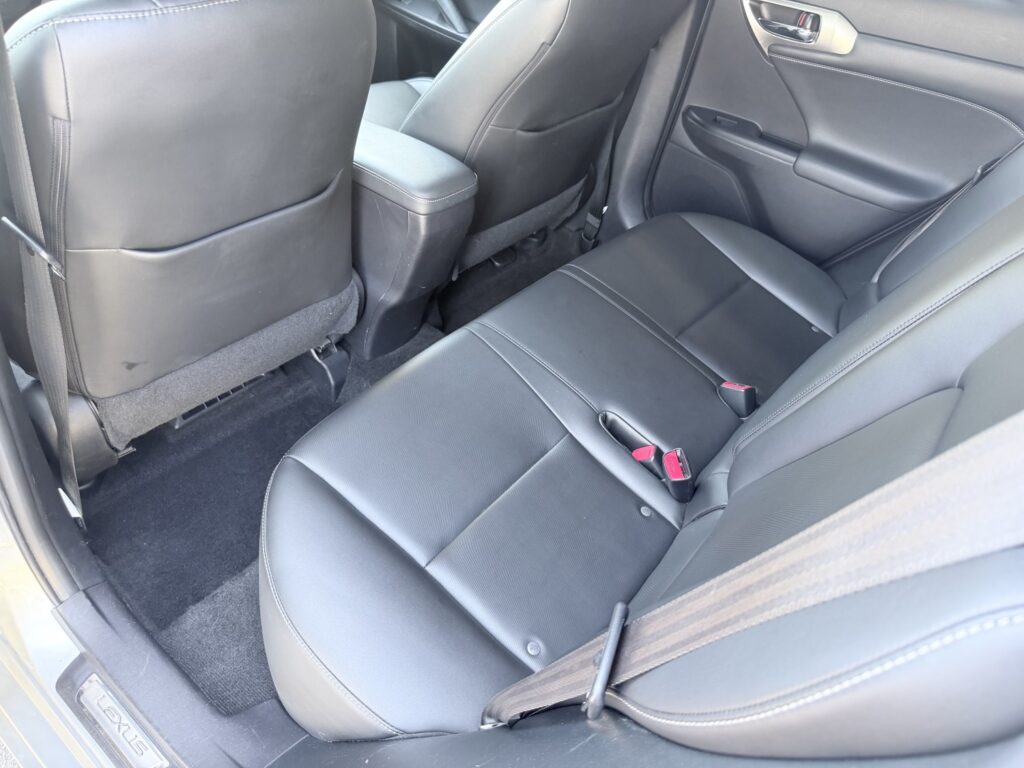
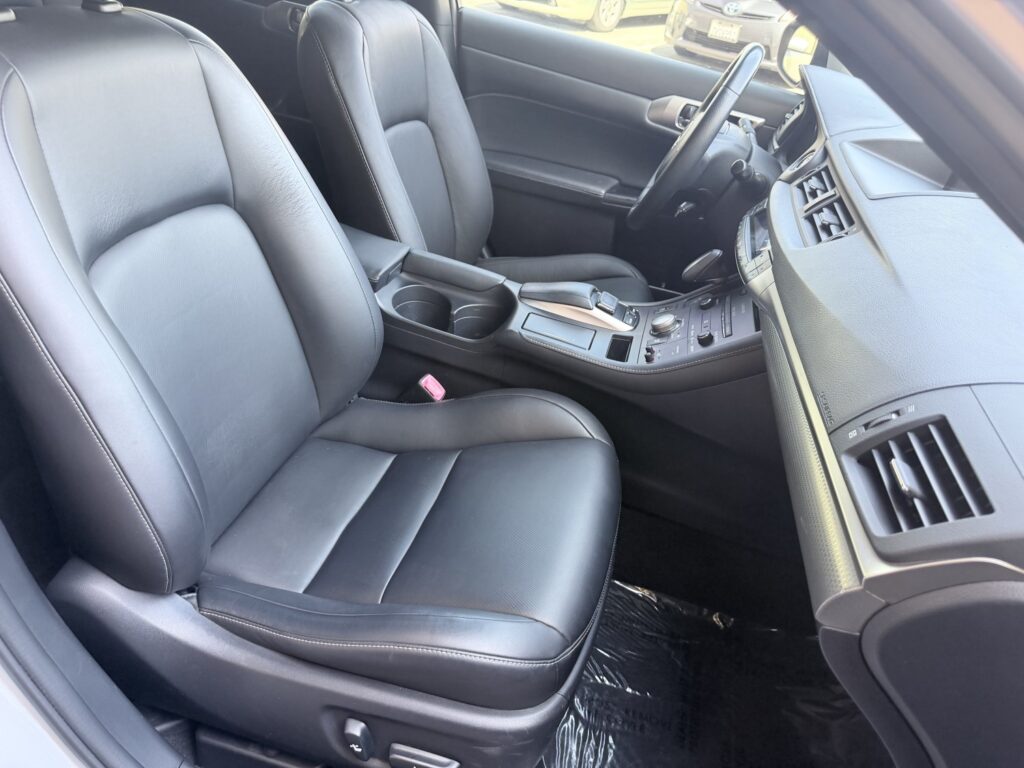
Discover our newest arrivals—available now!




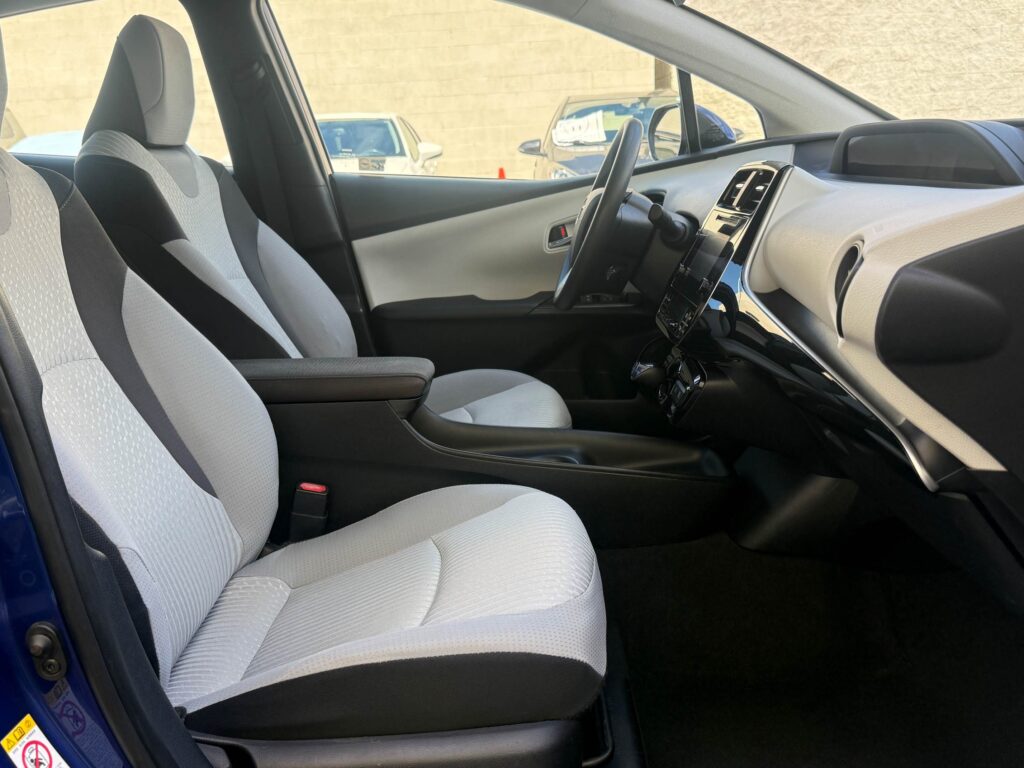
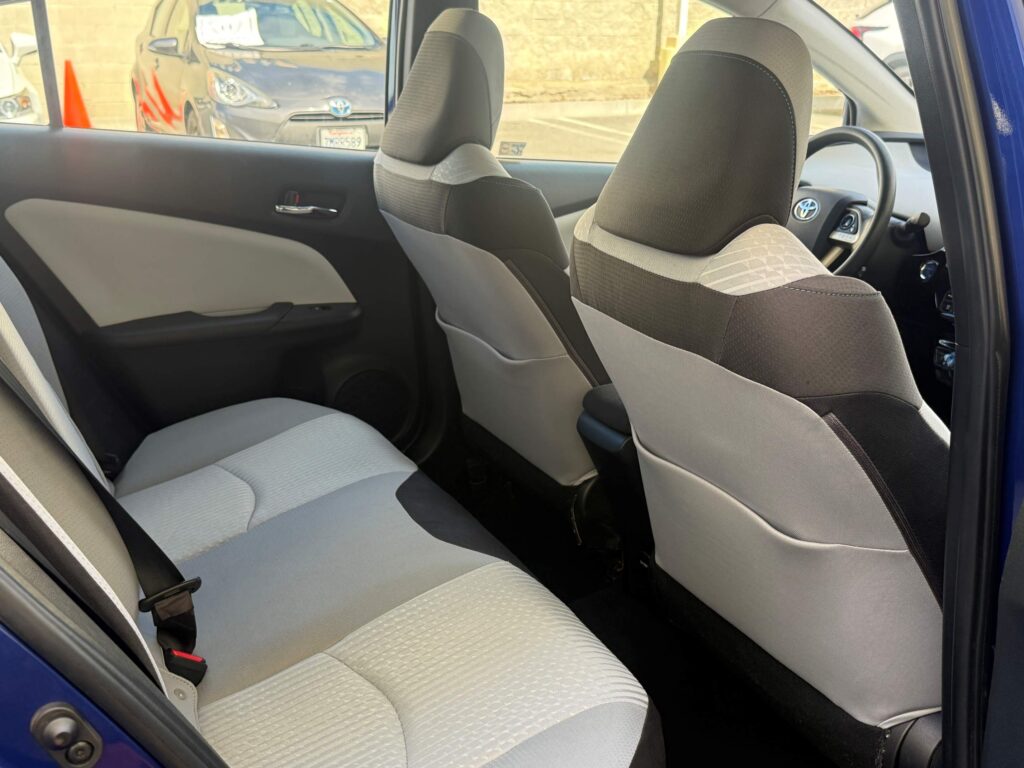

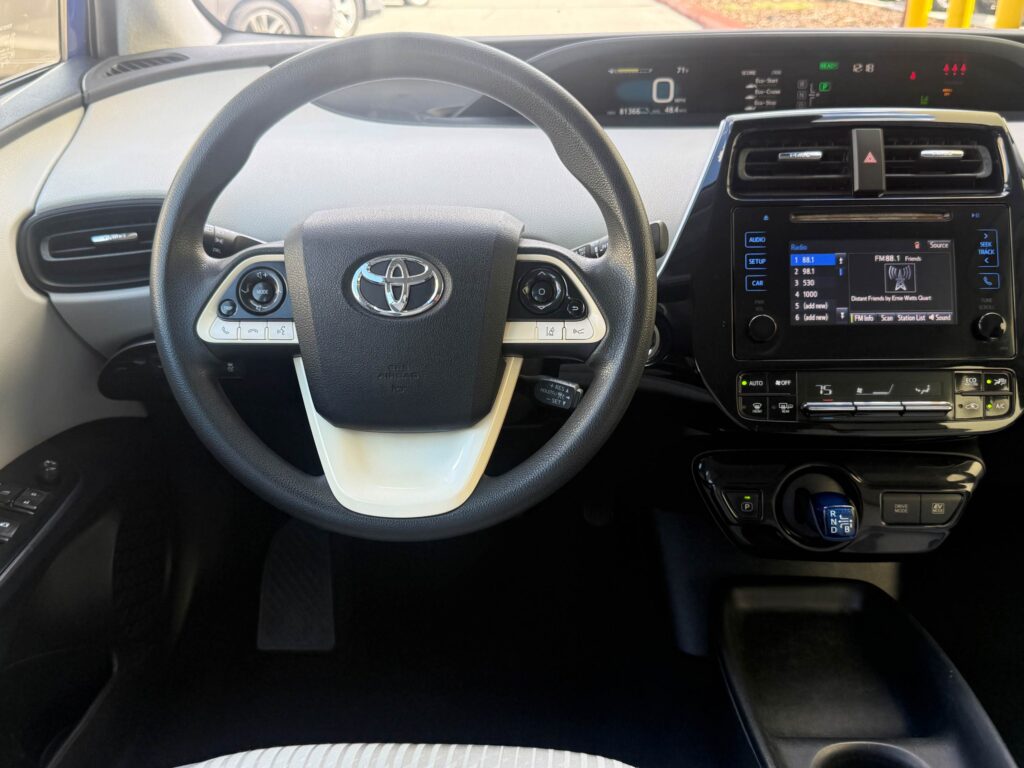
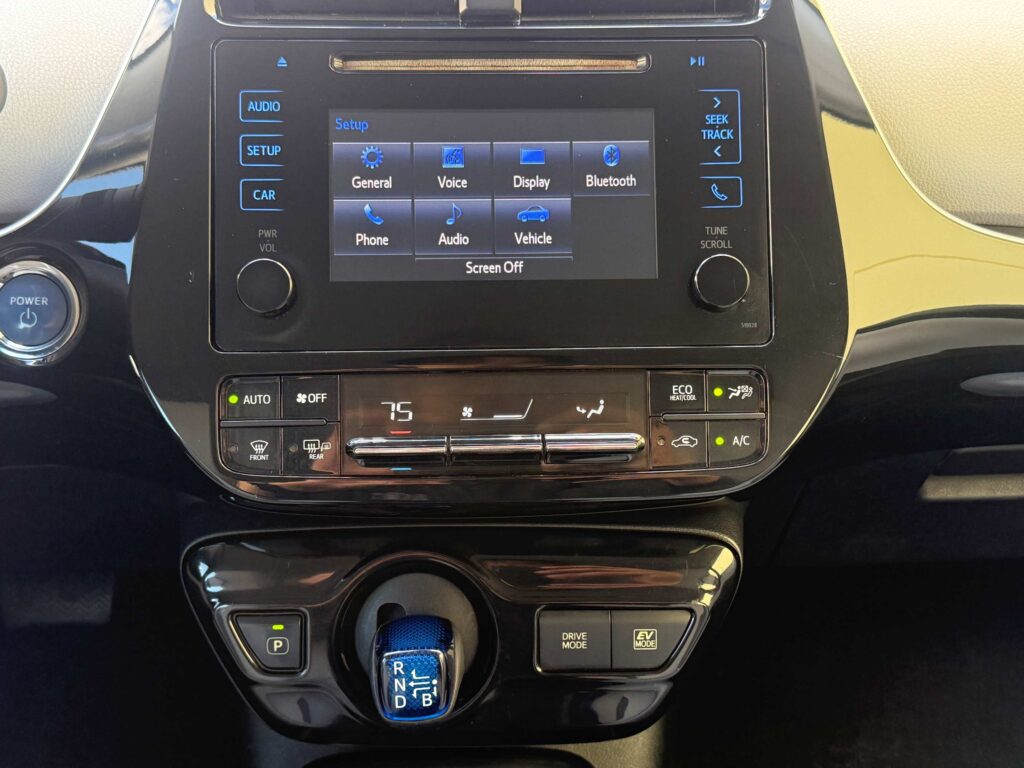
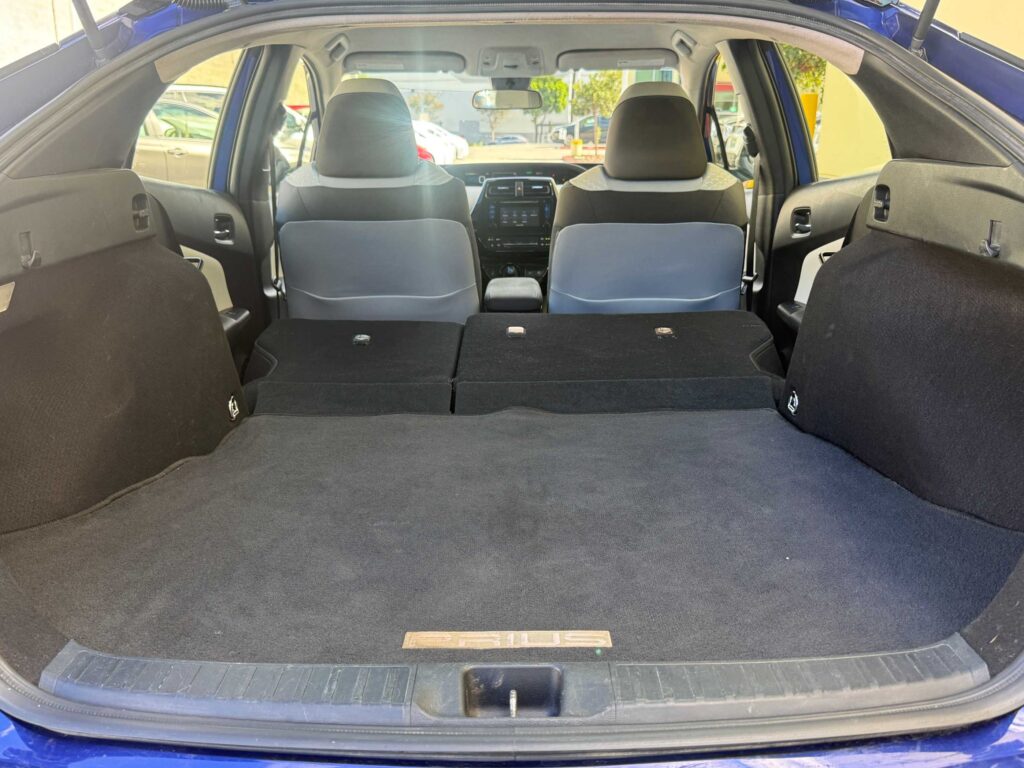


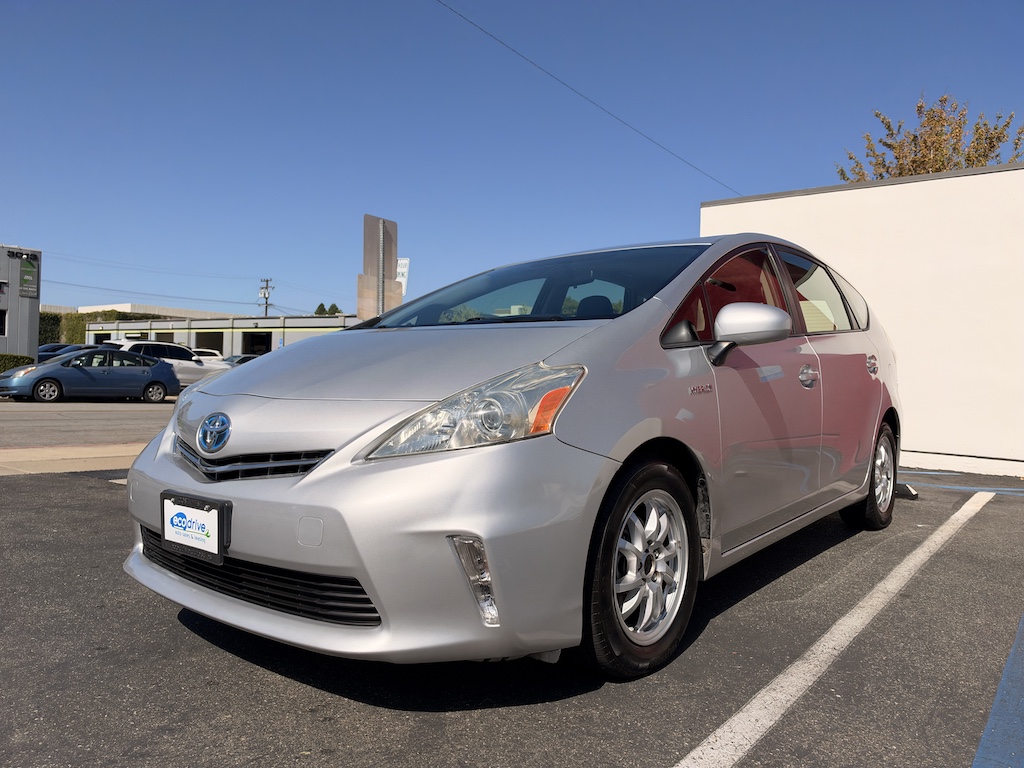
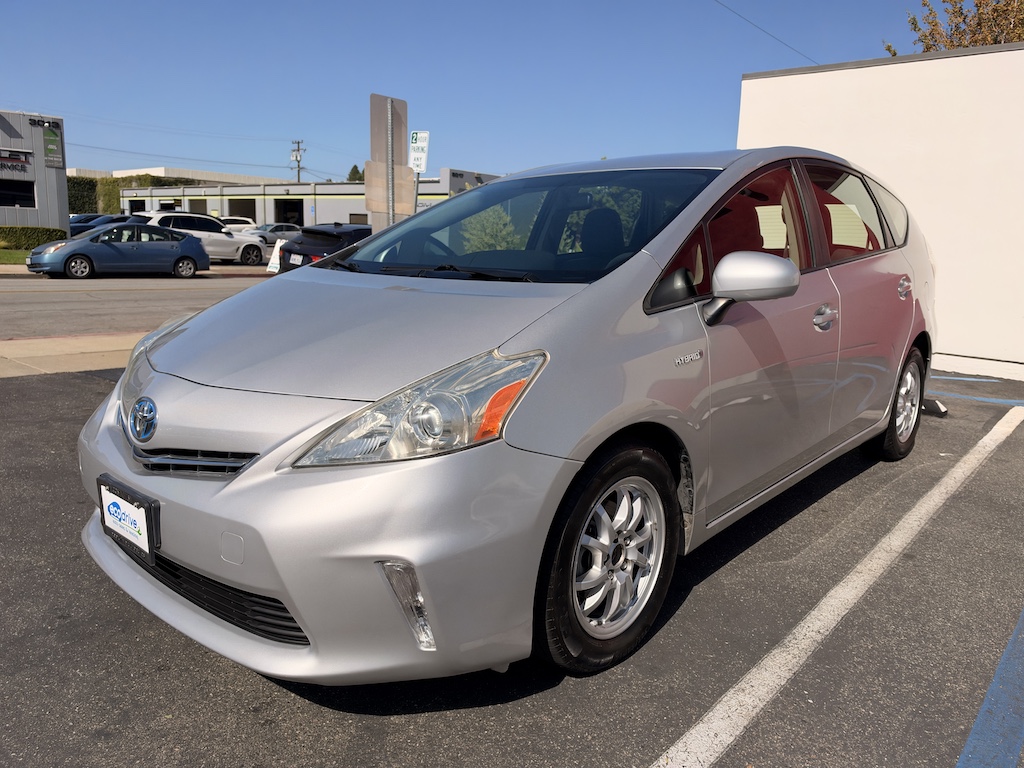







Trail Difficulty, Accessibility, and Safety
Getting to Olmsted Point only takes a very short walk from the parking lot, so it’s a spot that everyone from beginner hikers to families with small kids and older visitors can enjoy.
The path is short, though somewhat hilly, so the round trip doesn’t take long.
You can enjoy spectacular views here without a long hike.
You can enjoy the view as if you were just out for a short stroll.
That said, the path runs over natural, unpaved bedrock, with some slopes and steps.
Some spots are slippery, so wear comfortable shoes and walk carefully.
If you have small kids with you, keep in mind that curious children tend to run around on the rocks, so we recommend holding their hands and keeping them away from cliff edges and steep slopes.
Olmsted Point also has some accessible features for wheelchair users.
The parking lot has accessible parking spaces, and next to the lot there’s a bronze 3D map (a tactile model) of the surrounding terrain.
The trail out to the point is not wheelchair-accessible, but you can enjoy the views from the parking area and the paved, accessible walkways beside it.
If walking is difficult for you, there’s no need to push all the way to the end; enjoy the view at your own pace and within your limits.
Because of the high elevation, the air is thinner than at sea level and you may get short of breath on the slopes, so take breaks as needed and walk slowly.
Photography Tips
Olmsted Point is a popular spot with photographers.
During the day, there are all kinds of shots to try, from photos with Half Dome and Clouds Rest in the background to wide-angle panoramas that take in Tenaya Lake.
An especially popular composition features a lone pine tree rooted in the bedrock, framed together with the erratic boulders.
This tree has endured strong winds and harsh conditions and has grown bent sideways, and it’s a go-to subject that many photographers put in the foreground.
Placing a small tree within the vast landscape adds a sense of scale and gives you a shot that could only come from Yosemite’s high country.
Parking, Restrooms, and Nearby Services
The area around Olmsted Point is protected, and only minimal facilities are provided, so plan ahead.
Parking
There’s a parking area right next to the viewpoint.
There are no streetlights at night, so if you’re visiting after dark to stargaze, watch your footing.
Restrooms
Don’t count on restrooms at Olmsted Point itself.
There are vault toilets at the Tenaya Lake picnic area, a short drive to the east.
It’s not far, but watch the road signs so you don’t miss it.
Other restroom options along Tioga Road are spread out, so don’t wait until the last minute.
It’s a good idea to use the restroom in Yosemite Valley or elsewhere before your visit, or take a break and use the restrooms at Tenaya Lake.
Stores and Food
There are no stores or places to eat around Olmsted Point.
There are no vending machines either, so bring drinks and snacks with you.
It’s a good idea to stock up ahead of time at a place like the Village Store in Yosemite Valley.
Gas Stations
Don’t count on finding gas in the high country along Tioga Road (between Crane Flat and Tioga Pass).
Fill up before heading into the high country (for example, at Wawona or El Portal) or in the town of Lee Vining on the east side of the park.
Especially if you’re coming in from the east side, it’s important to have plenty of fuel before crossing Tioga Pass.
What to Wear, Bring, and Watch Out For
To enjoy Olmsted Point comfortably and safely, keep the following points in mind.
What to Bring
The high-altitude sun is intense, so bring a wide-brimmed hat, sunglasses, and sunscreen.
Staying hydrated is important too. You can’t get water nearby, so carry plenty of drinking water.
Snacks are also a good idea (but be careful how you store food, as explained below).
What to Wear
Even in summer, the weather in the high country can change quickly, and mornings and evenings get chilly.
Keep a light jacket or windbreaker in your bag.
For footwear, non-slip sneakers or hiking shoes are best.
A rain layer (a lightweight rain jacket) will also help if a sudden afternoon shower rolls in.
UV levels are high at this elevation, so keep your skin covered; long sleeves and long pants are your best bet.
Visiting at High Altitude
At this elevation, the air is thin, and some people get a mild headache or shortness of breath compared with lower elevations.
If you’re feeling unwell, don’t push yourself.
Get a good night’s sleep the night before, drink plenty of water, and take it slow during your visit.
If you develop altitude sickness symptoms like dizziness or nausea, head down to a lower elevation early and rest.
Wildlife
Around Olmsted Point you may see squirrels and marmots, and bears live in the park too.
Even if the cute squirrels come close, don’t feed them.
Getting used to human food harms their health and can also attract larger animals (like bears).
Never leave food unattended, follow the park’s food storage rules, and never leave food in your car after dark.
Always pack out your trash, and watch wildlife from a proper distance.
The chance of running into a bear is low, but if you do see one, even far away, the key is not to approach it.
Weather and Safety
Even in summer, thunderclouds tend to build in the afternoon, and staying on high, rocky ground during a thunderstorm is very dangerous.
If a thunderstorm is approaching, leave exposed areas and take shelter inside a hard-topped vehicle with the windows closed.
Be especially careful on exposed rock, where lightning strikes are more likely.
When it rains, the bedrock gets slippery, so watch your step.
It also gets dark quickly after sunset, so ideally wrap up by early evening.
If you stay after dark for stargazing, come fully prepared with warm clothes and a light, and be careful driving when there are few other cars on the road.
Pair Your Visit With Nearby Tenaya Lake
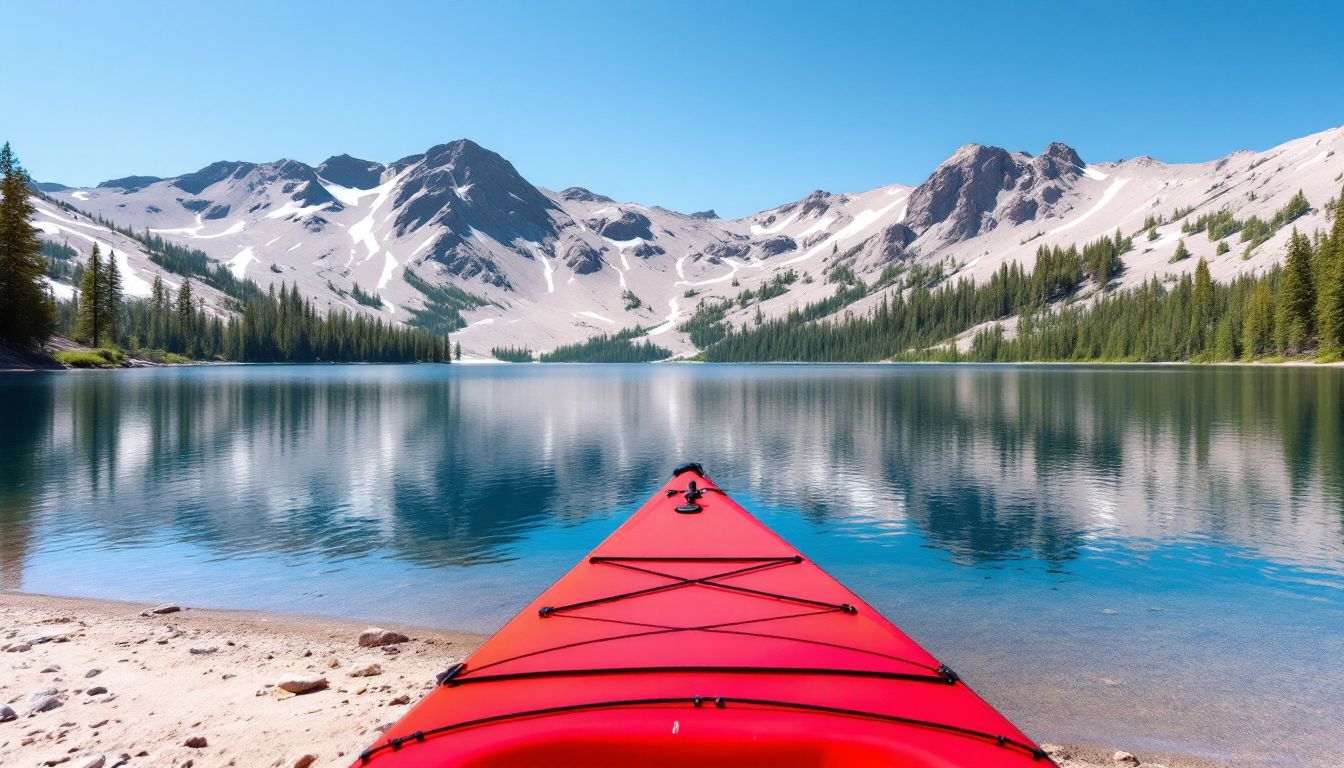
Since Olmsted Point is on Tioga Road, we recommend combining it with other sights along the same route.
Tenaya Lake
This glacial lake is just a short drive east of Olmsted Point.
Tenaya Lake is one of the largest lakes in Yosemite National Park, a stunning spot surrounded by granite domes and conifer forest.
Its clear blue water is beautiful, and in summer it’s busy with people picnicking, strolling the shore, and playing in the water.
The lake also has a sandy, beach-like shore where you can cool off in the shallows or put in a canoe or kayak.
It’s well worth combining a stop at Tenaya Lake with your visit to Olmsted Point.
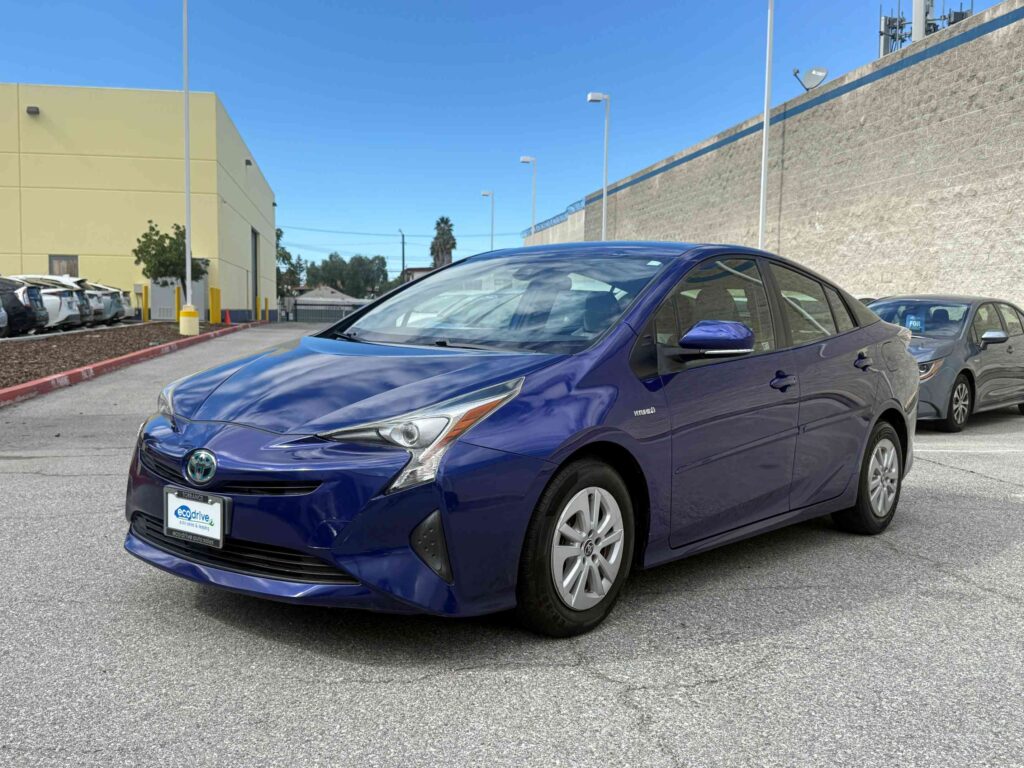
Planning a Yosemite road trip from Southern California? On a long drive to Yosemite’s high country, good fuel economy can make a real difference. Explore our hybrid rental options for your next multi-day trip.
Final Thoughts
Compared with Yosemite National Park’s other famous viewpoints (like Glacier Point and Tunnel View), Olmsted Point gets fewer visitors, which makes it a wonderful place to take in a spectacular view in peace.
On your Yosemite trip, make the detour to Olmsted Point and enjoy a world of white rock that’s a little different from the Yosemite you usually see.
We share great sightseeing spots on Instagram, so be sure to check it out!
You May Also Like