Point Bonita Lighthouse: A Hidden Gem Just Past the Golden Gate
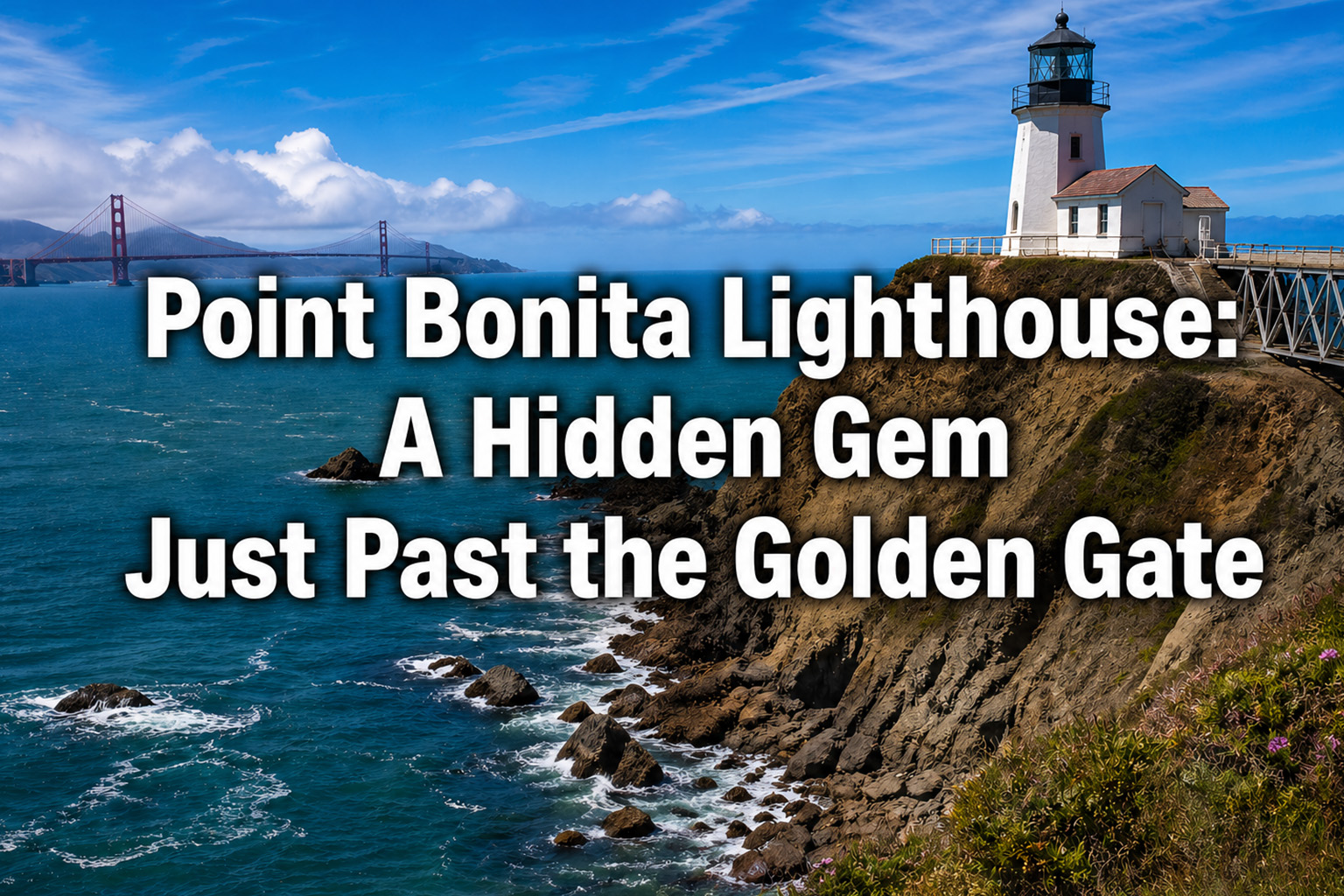
San Francisco’s Hidden Gem: The Stunning Point Bonita Lighthouse
When most people think of San Francisco Bay, the first thing that comes to mind is the Golden Gate Bridge.
But did you know there are several spots around the bridge with absolutely jaw-dropping views?
Today, we’re heading to one of those hidden gems — a historic lighthouse perched on the cliffs to the northwest of the Golden Gate Bridge.
It’s the Point Bonita Lighthouse, standing dramatically on the rugged cliffs of the Marin Headlands.
It may not be as famous as the Golden Gate Bridge, but watching this lighthouse guide ships through crashing Pacific waves and thick fog is genuinely moving — the kind of view that stays with you.
In this post, we’ll take you on a virtual walk through Point Bonita Lighthouse, sharing what makes it special and how to get there.
1. What Is Point Bonita Lighthouse?
Point Bonita Lighthouse is a historic lighthouse located in the Marin Headlands in Marin County, California.
Sitting at the western edge of San Francisco Bay, it has long served as a critical landmark for ships entering and leaving the Pacific.
What sets this lighthouse apart from most tourist spots is the journey to reach it — you have to walk through a small tunnel and across a suspension bridge to get there.
That bit of effort to get there, combined with the breathtaking scenery, gives the place a real off-the-beaten-path, hidden-corner feel.
With rugged cliffs and the wide open Pacific as the backdrop, it’s a place where you can really feel the scale of nature.
2. A Quick Look at Its History
Point Bonita Lighthouse first lit up back in 1855, making it one of the oldest lighthouses on the entire West Coast.
For some context, other lighthouses built around the same era include Alcatraz Island Light (1854), Old Point Loma Lighthouse in San Diego (1855), and Point Pinos Lighthouse on the Monterey Peninsula (1855).
Of those, Point Pinos is said to be the oldest continuously operating lighthouse on the West Coast — it’s never been rebuilt.
When this lighthouse was built, California was in the wake of the Gold Rush, and ship traffic into San Francisco Bay had exploded.
To safely guide all those vessels in and out of the bay, the area needed a sturdy, highly visible lighthouse.
Back to Point Bonita: the original lighthouse was perched on top of a high cliff and first lit on May 2, 1855.
However, the thick summer-to-fall fog meant the high-mounted light couldn’t reach down to the water — making it nearly invisible to ships, which became a serious problem.
Until it was eventually relocated in 1877, keepers tried everything from upkeep to adding a fog horn, but in the end they realized the entire light position needed to be rethought.
The last keeper left in 1981, and since then the lighthouse has been fully automated. Today, the U.S. Coast Guard and the National Park Service (NPS) work together to preserve it as a cultural landmark and keep it operational.
3. The Challenges of the Original Lighthouse
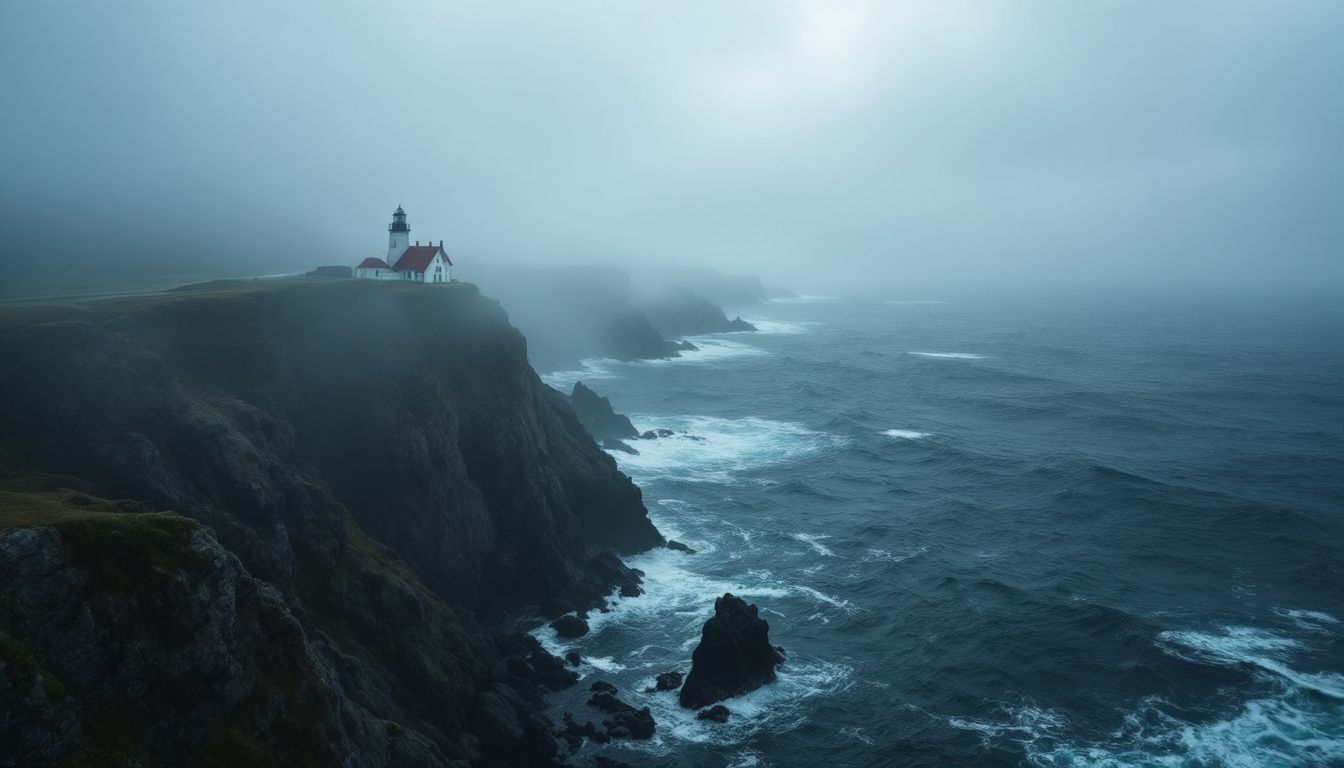
You can’t tell the story of Point Bonita without talking about the fog.
The waters around San Francisco Bay are notorious for thick summer fog that can reduce visibility dramatically.
Because the original lighthouse sat so high up, the fog completely swallowed its light, and ships repeatedly ran aground as a result.
4. The Rebuild and a New Location
So the U.S. Lighthouse Board decided to rebuild the lighthouse in a spot much closer to the water.
They picked a position right on the edge of the coast, next to the rocks where the waves crash, and the current Point Bonita Lighthouse went into operation on February 1, 1877.
With the light placed lower, it could now reach down to the water level even in heavy fog.
A fog signal (fog horn) was also added so ships could be guided by sound when visibility dropped.
5. Modernization and Preservation
Over time, the lighthouse’s equipment has been upgraded — the lens and lamp were electrified, and operations were eventually automated.
Point Bonita Lighthouse is also an important piece of American maritime history, and a lot of effort has gone into preserving and restoring it in recent years.
In 2012, the aging suspension bridge leading out to the lighthouse was rebuilt, dramatically improving both safety and the visitor experience.
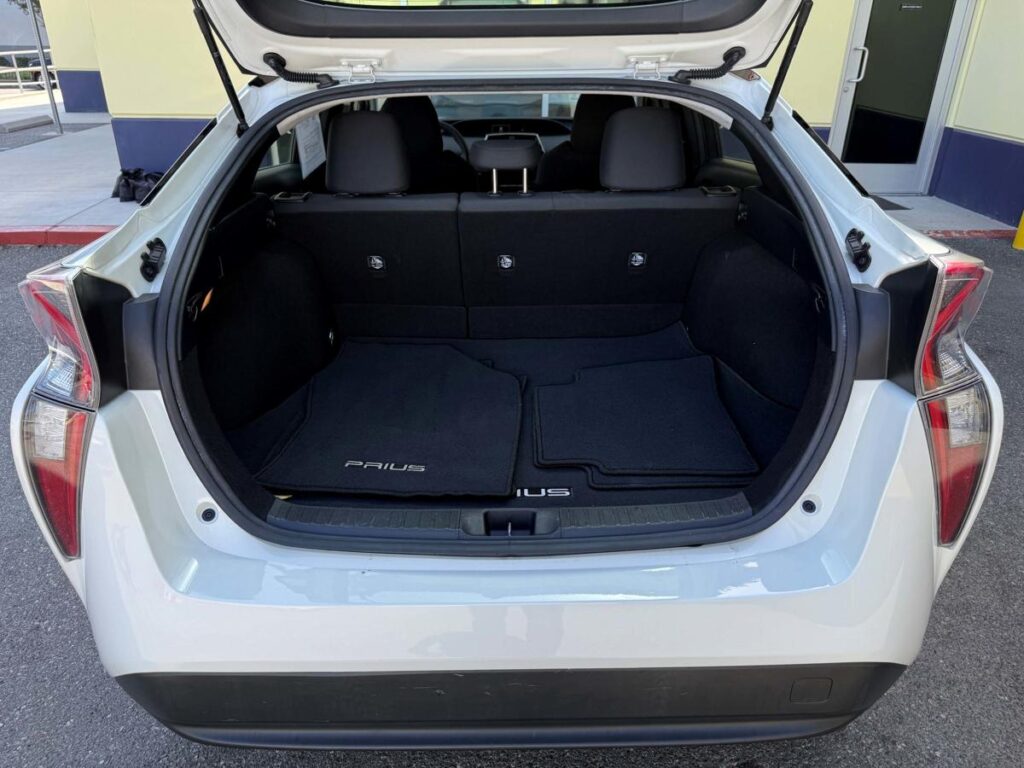
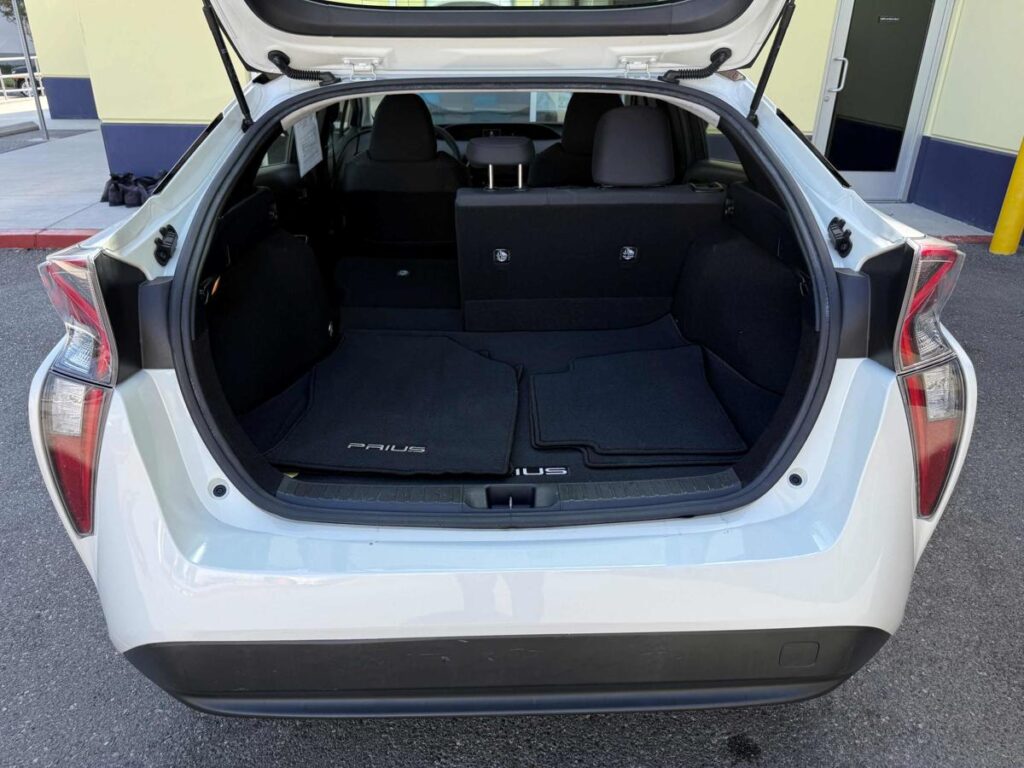
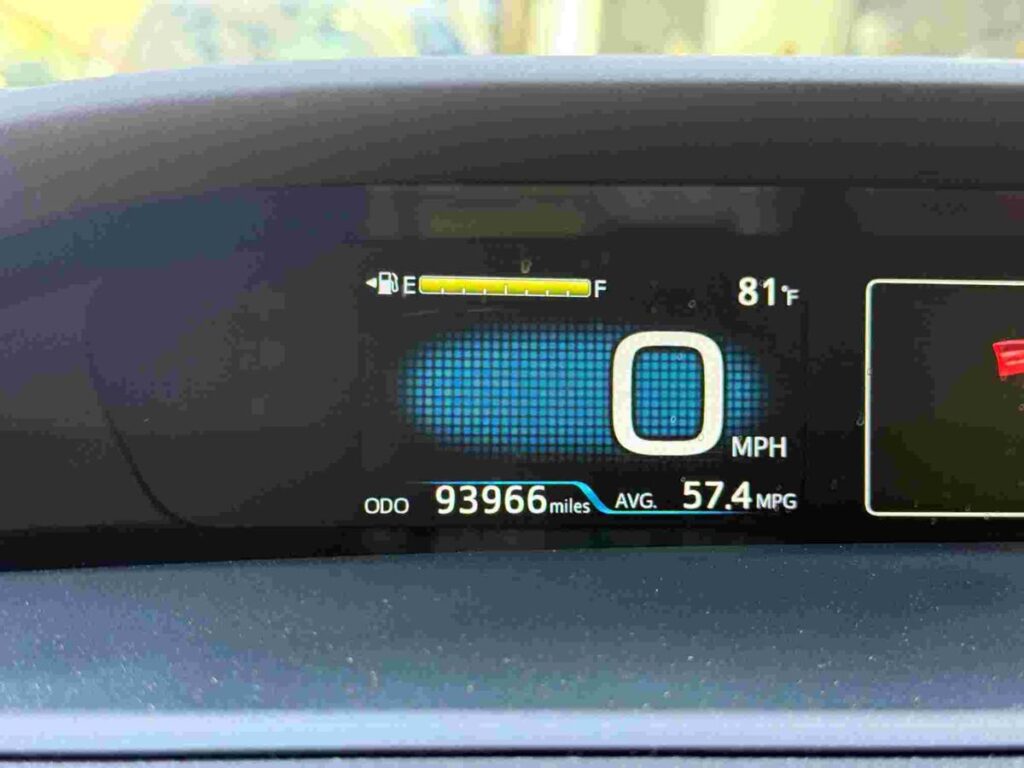
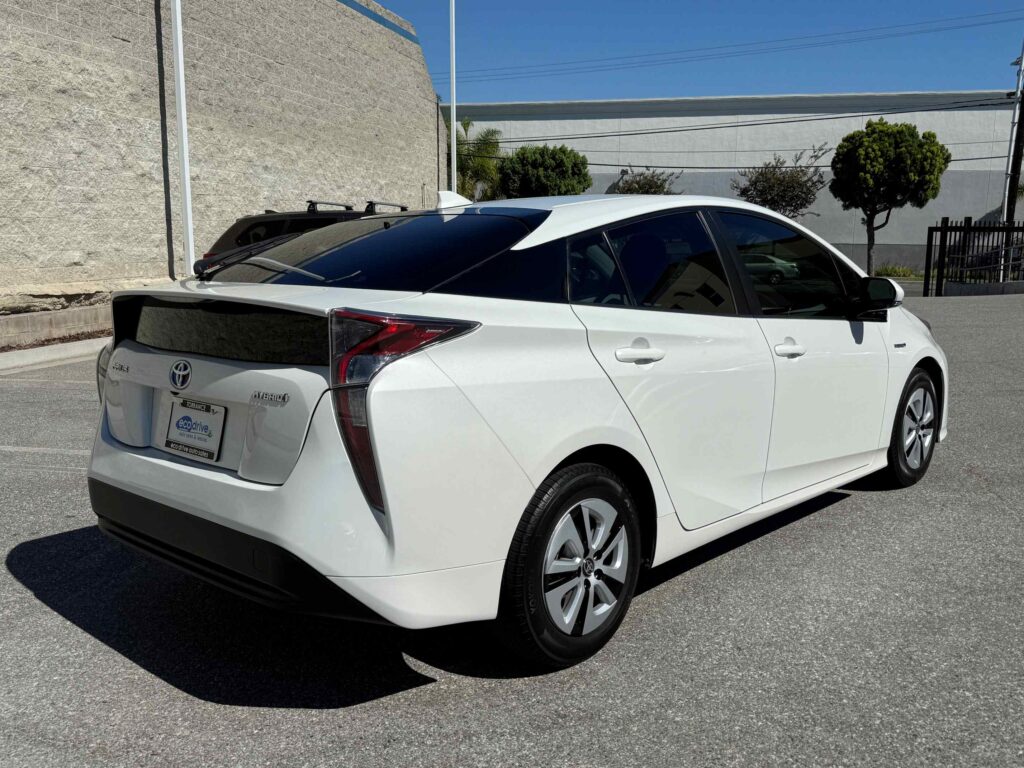
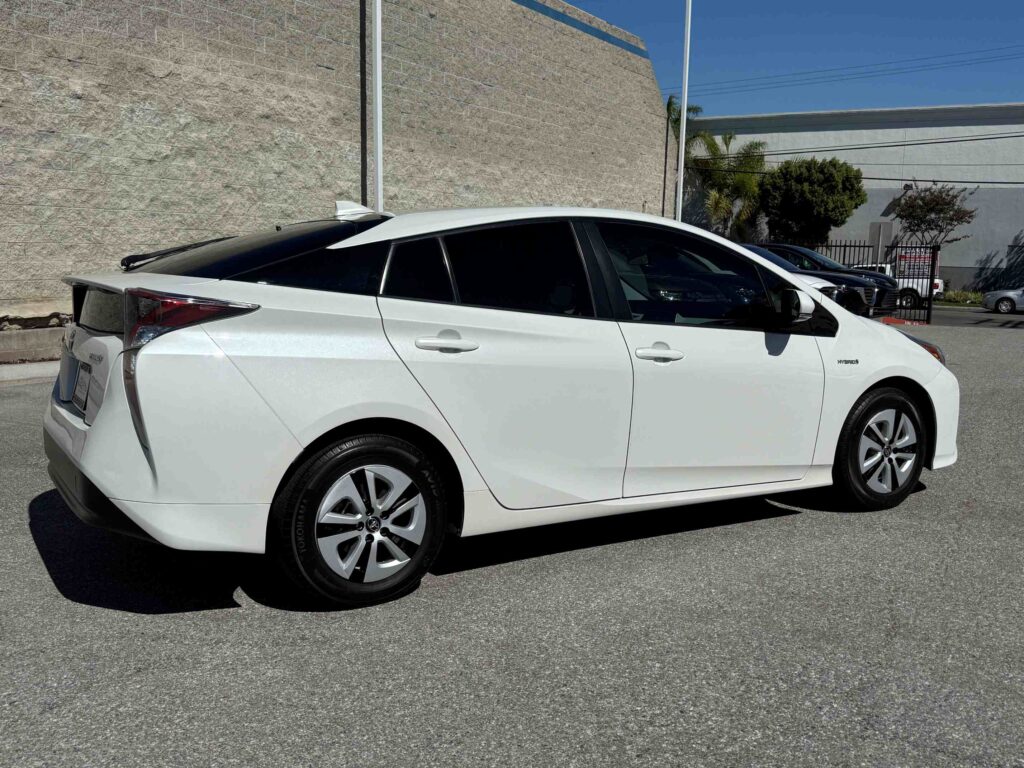
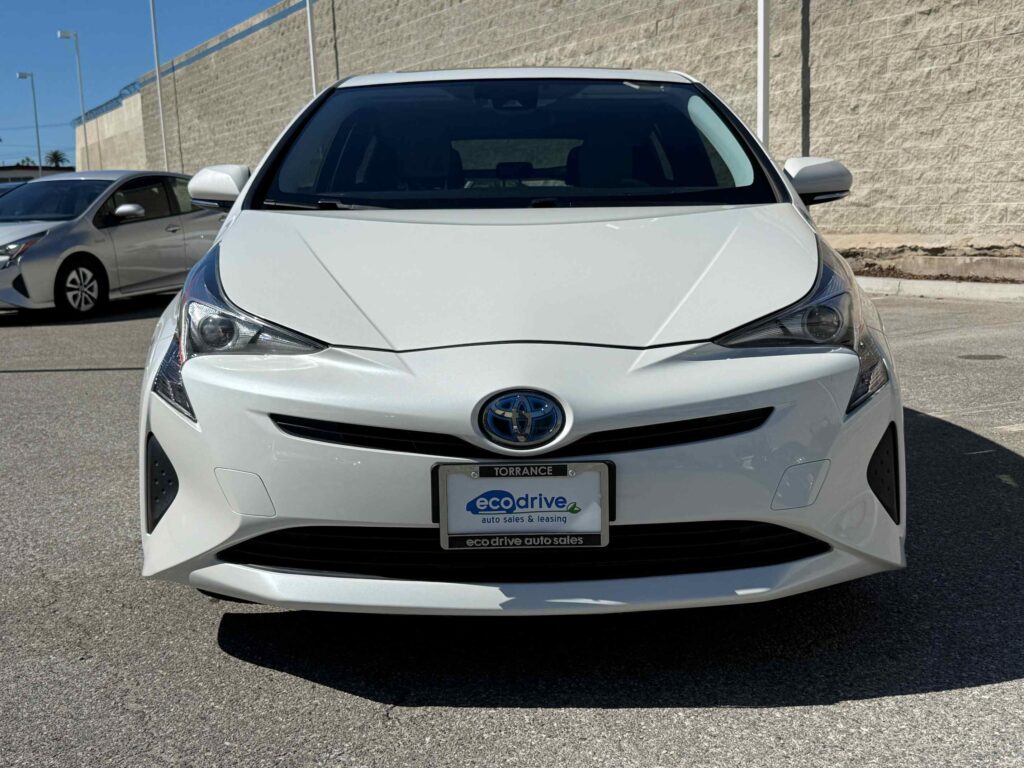
New Arrivals
Discover our newest arrivals—available now!






















































6. How to Get There
To reach Point Bonita Lighthouse, you’ll drive out of San Francisco across the Golden Gate Bridge and head into Marin County.
From the parking lot, it’s about a 0.5-mile (0.8-kilometer) walk to the lighthouse itself.
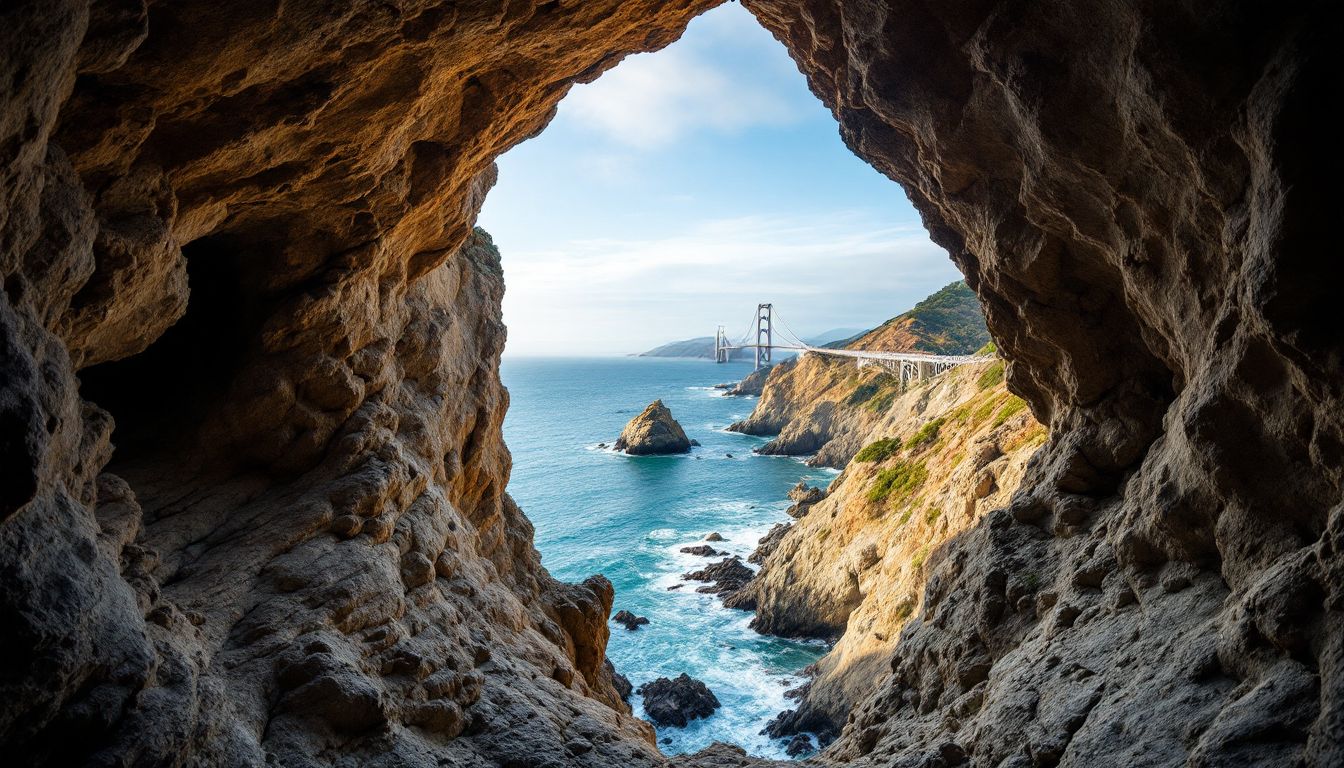
The trail starts as a gentle downhill path, but the real highlights come at the very end: a hand-cut tunnel and a narrow suspension bridge.
The tunnel was carved straight through the rock face, and as you step out the other side, the open Pacific cliffs and the lighthouse come into view.
The suspension bridge is just barely wide enough for two people to pass each other, but since it was recently rebuilt, it’s perfectly safe.
That said, the bridge does occasionally close for maintenance work, so check ahead before you go.
Even if you stop just before the bridge, the views are still spectacular — just keep an eye on the trail conditions.
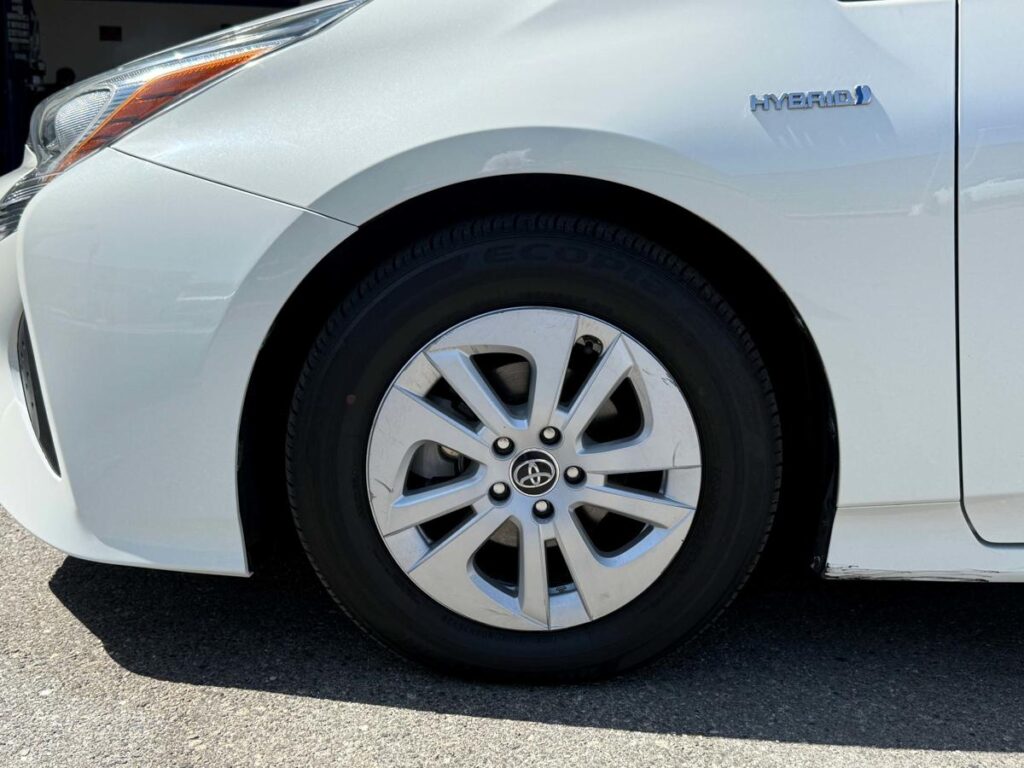
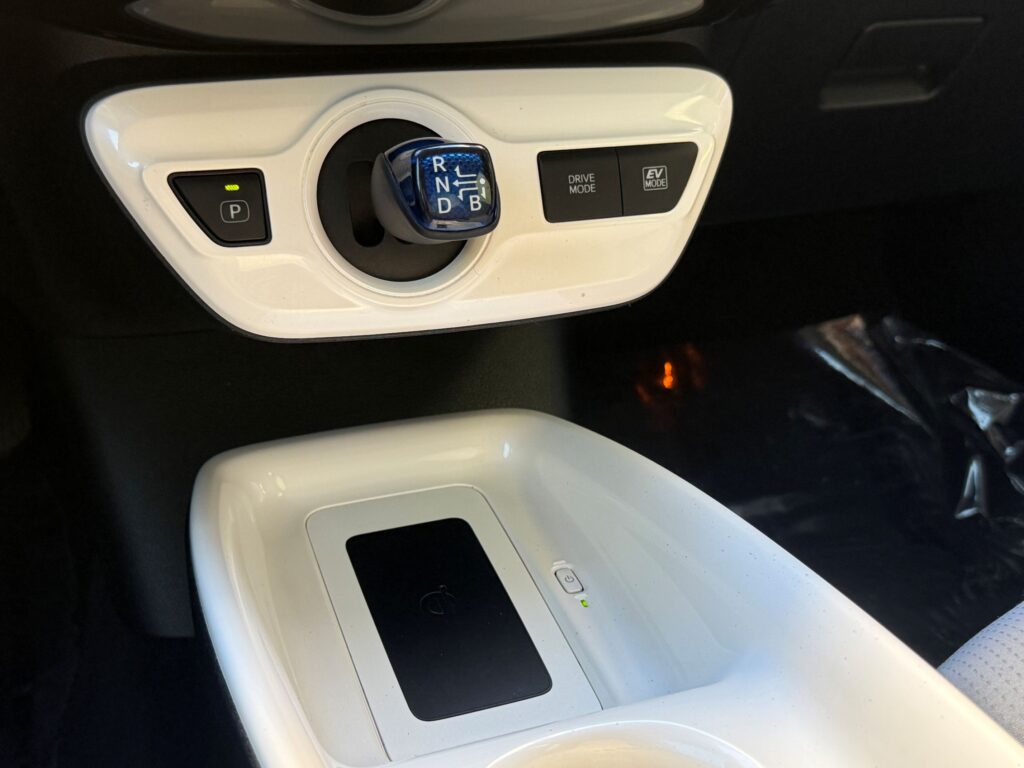
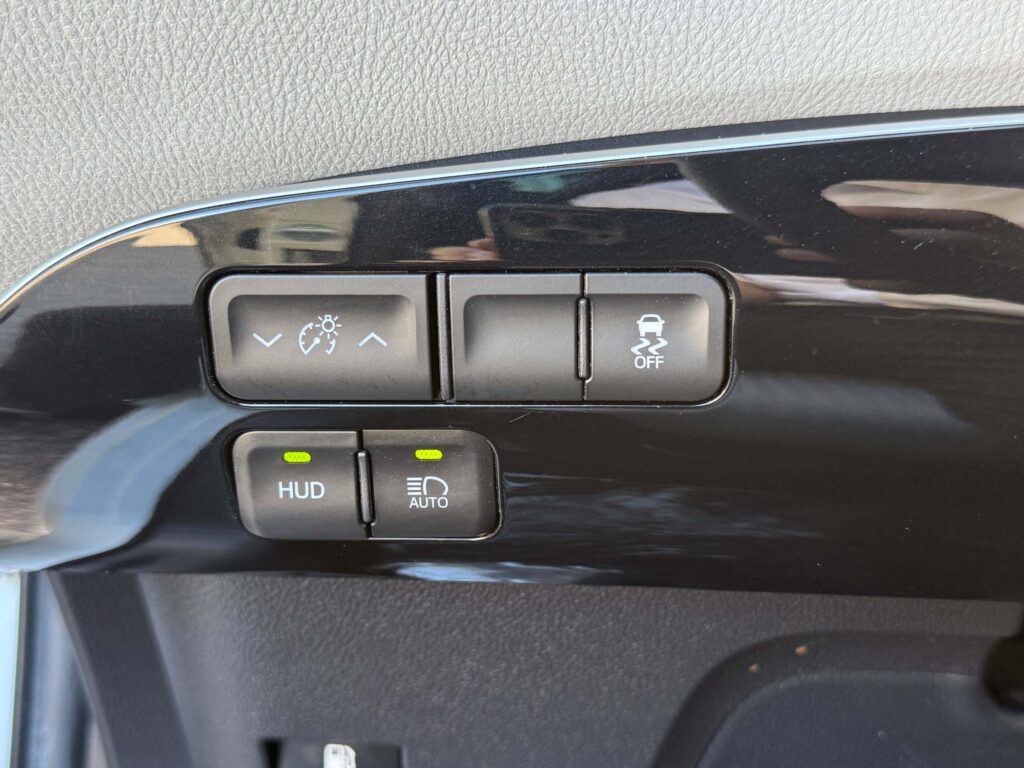
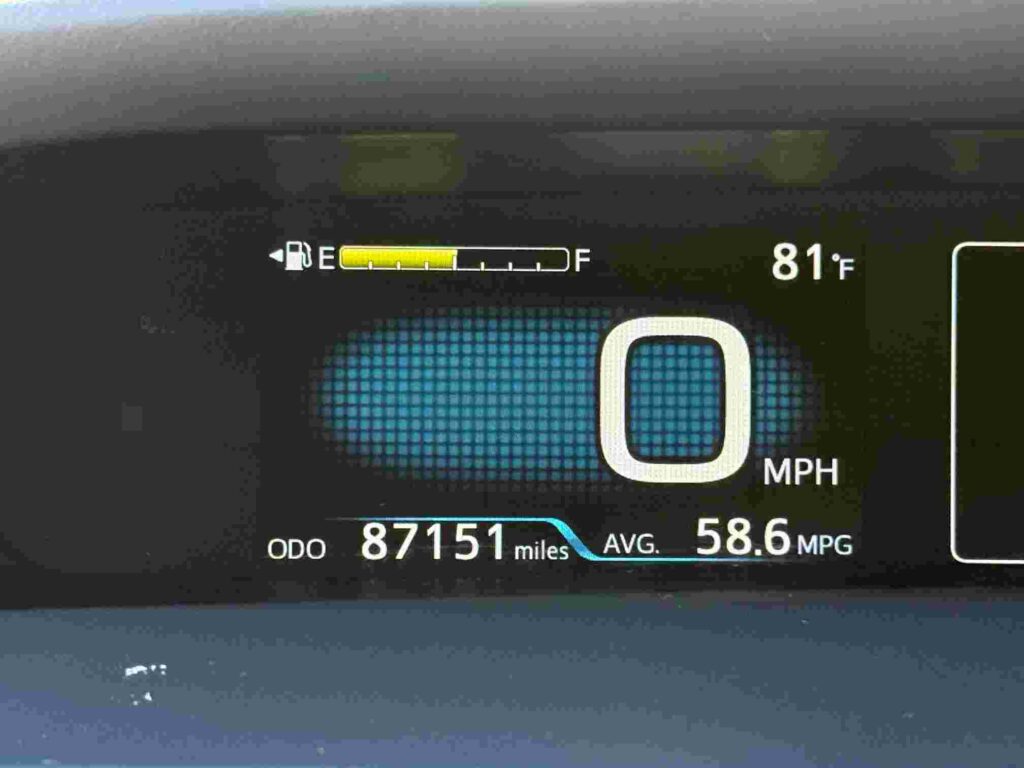
Planning a coastal road trip from LA? The Pacific Coast all the way up to the Bay Area makes for a memorable drive. Our Hybrid Rental is built for trips like this — great mileage, comfortable for long miles, and easy on the gas budget.
7. Highlights and What Makes It Special
1. The Iconic White Tower with a Sense of History
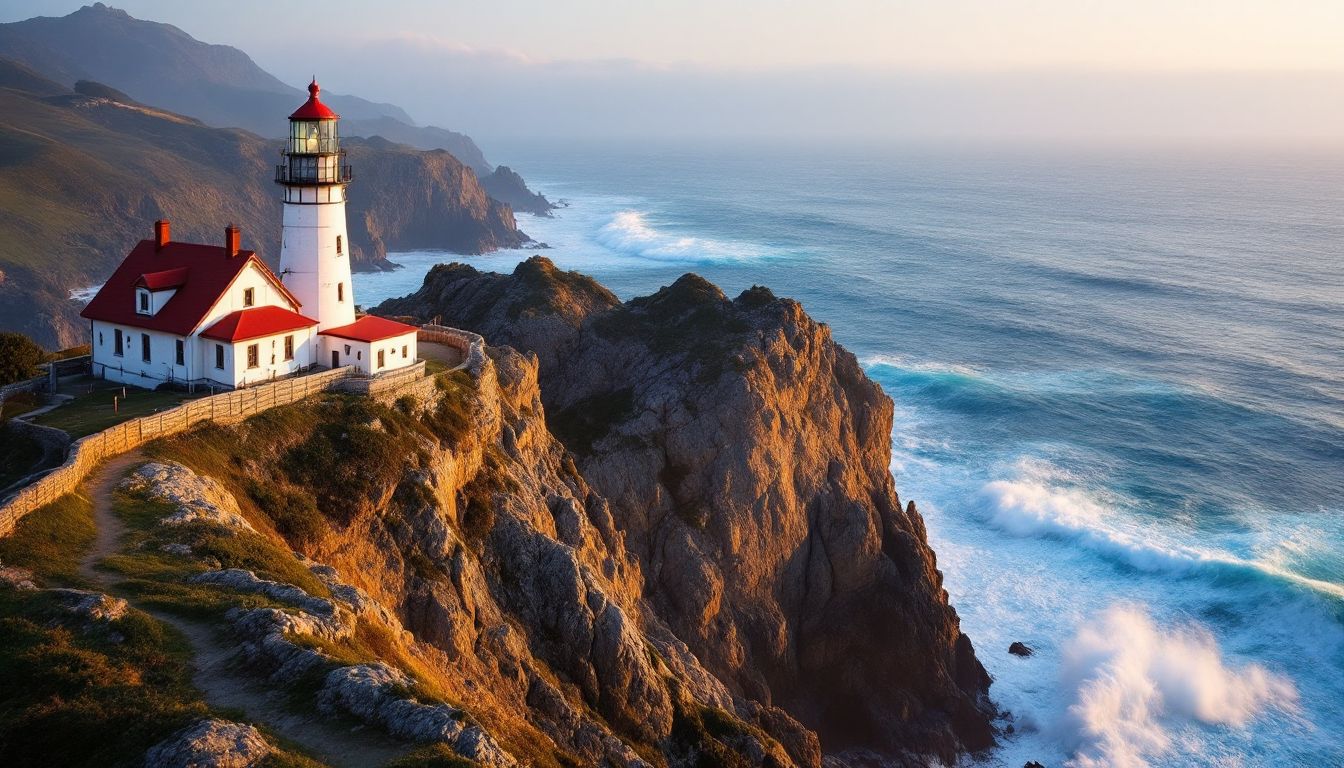
Point Bonita Lighthouse is instantly recognizable thanks to its bright white walls and red roof.
Standing tall against the crashing surf, it has guided sailors for over 150 years — and you can really feel that history when you see it in person.
Beyond the views, stepping inside lets you take in the architectural details and read the historical info panels, giving you a much deeper sense of the lighthouse’s story.
2. Sweeping Views of the Pacific and the Golden Gate Bridge
Because the lighthouse sits on a cliff overlooking the ocean, on a clear day you can see the Pacific stretch all the way to the horizon.
Look back to the east and you’ll get a postcard view of the Golden Gate Bridge and the San Francisco skyline — easily one of the best vantage points around.
The contrast between sea and city — and that dreamlike quality when fog rolls in — means the place looks completely different depending on the time of day or season.
3. Wildlife and a Rich Coastal Ecosystem
The Marin Headlands and surrounding area are also known for their wildlife.
If you’re lucky, you might spot sea lions or harbor seals along the shoreline.
When we filmed there, we could actually hear sea lions barking, and we caught them lounging on the surf-splashed rocks and swimming nearby!
8. Things to Keep in Mind When Visiting
1. Watch the Operating Hours
The lighthouse area can close in bad weather, and even on good days it generally closes by late afternoon.
Check the official site or the National Park Service (NPS) page before you go.
Aiming for a sunny day and arriving early is your safest bet.
2. Don’t Forget to Bundle Up
San Francisco Bay is famously cool year-round.
And because the lighthouse sits up on a cliff, the sea breeze can be strong and temperatures noticeably colder.
Even in summer, it’s worth bringing a light jacket.
3. Mind Your Footing — Wear Comfortable Shoes
Some parts of the trail are paved, but there are also narrow, steep stretches, the tunnel, and rocky areas — so comfortable, sturdy shoes are a must.
The suspension bridge can also get crowded, so watch your step and don’t rush.
4. Respect the Natural Environment
The Marin Headlands are part of the Golden Gate National Recreation Area and protect a rare coastal ecosystem.
Pack out your trash and stay out of restricted areas — leave it as you found it.
9. The Best Time to Visit and How to Enjoy It
Point Bonita Lighthouse looks completely different from one season to the next.
Summer brings the famous fog, which creates that dreamy, atmospheric look — but temperatures stay cool and you may feel chilly.
Fall and winter, on the other hand, often have stretches of clear weather, with deep blue skies that are perfect for photography — sometimes the best season to visit.
Since bad weather can shut the area down entirely, your best bet is a sunny fall morning.
10. Final Thoughts
From the power of crashing waves and the dramatic shifts of the fog, to the thrill of crossing a windy suspension bridge, Point Bonita Lighthouse offers experiences you simply can’t get anywhere else.
If you’re heading up to San Francisco, don’t just stop at the famous Golden Gate Bridge viewpoints — make it out to Point Bonita Lighthouse, too.
You’ll find yourself moved in a way that no photo or guidebook can capture.
We share more local spots over on Instagram — feel free to come take a look.
You May Also Like