High-Pressure Sales Tactics That Backfire: 4 Lessons From Pushy Sales Calls
Nobody likes a pushy salesperson, right?
But what about an “enthusiastic” salesperson?
Don’t you sometimes catch yourself thinking, “Maybe I’ll buy from this person”?
They’re both trying to make a sale, yet the experience feels completely different.
I really can’t stand the pushy kind myself.
In this first part, I want to break down what kinds of sales behavior come across as “pushy” rather than “enthusiastic”.
I’ll start with the sales calls I actually received from one company here in the U.S.
If you work in sales and want to make sure you’re not slipping into high-pressure sales tactics without realizing it, I think this is a more important topic than it might seem.
Watch the video version here (with English subtitles):
The videos in this article are narrated in Japanese.
First, Let’s Pin Down What “Pushy” Really Means
Before I get into the story, there’s one thing I want to clear up.
Pushiness isn’t just about how often someone contacts you.
It’s Not Just About How Often They Contact You
Whether a salesperson is pushy isn’t decided simply by the number of times they reach out.
Even with the same number of contacts, the impression changes if the salesperson checks whether it’s a good time, makes the purpose clear, and respects the person’s decision when they say no.
On the other hand, even a single phone call can turn into a sales pitch that makes the other person feel pressured if the caller keeps talking when the other person wants to end the conversation, or leaves them no room to say no.
What matters is whether the other person still gets to decide whether the conversation continues.
One Day, a $40 Check Showed Up
What got me thinking about this topic was actually a check I received from that company.
It wasn’t a big amount — about $40.
It turned out to be my share of a class-action settlement involving the company, which was being paid out to class members.
In other words, it seems I was one of the class members covered by that settlement.
I never expected a string of sales calls to end with a check in the mail.
And it’s not some small outfit, either — it’s a pretty big company.
And this company’s sales calls were truly awful.
They kept calling my cell phone, trying one approach after another.
I also give a quick version of this check story in the short video “The pushy sales calls and the check that showed up.”
When I first got the check, I took it to mean, “So they were recording my conversations without asking?”
But the lawsuit concerned how calls were recorded, and nothing was established about my own calls specifically.
And the fact that a settlement was reached doesn’t mean the court made a final finding that the company acted illegally or is legally liable.
A Side Note: Keep the “Pushiness” of Sales Separate From What the Lawsuit Was About
In this case, the repeated calls and the difficulty of ending the conversation were exhausting for the person on the receiving end — they certainly were for me.
Meanwhile, the central legal issue in the class action wasn’t the frequency of the calls itself, but how the calls were recorded and whether people were notified and gave consent.
In other words, a sales-etiquette problem and a legal problem can be related, but they aren’t the same thing.
Before Even Saying Who They Were: “Are You in Front of a Computer Right Now?”
So the phone rings, right?
And then they just won’t let you hang up.
Normally, a sales call starts with something like, “Is now a good time to talk?”
But they don’t ask that.
The very first thing they say is “Are you in front of a computer right now?”
When I answer “Yes,” they immediately go, “OK, then go to www….”
I also cover this opening line in the short video “The first thing an over-the-top pushy sales caller says.”
Whoa, whoa, whoa — hold on.
Who are you, anyway?
Does my time mean nothing to you?
Without even introducing themselves, they try to get you to open their company’s website.
Before Starting Your Pitch, Ask Whether It’s a Good Time
Sales calls often come at times the other person didn’t plan for, so the first step is to check whether they’re in a position to talk.
From there, briefly stating your company name, your own name, why you’re calling, and roughly how much time you need makes it easier for the other person to decide whether to listen.
If you ask someone to do something without explaining enough first, the person on the other end tends to become wary and distrustful.
Checking whether the other person can talk before you start your pitch is the basic starting point for the conversation.
Help Them Understand Why Before Asking Them to Act
Even if a set of instructions feels efficient from the salesperson’s perspective, it can feel like a one-sided order if the other person doesn’t understand the purpose.
When you ask someone to open a website, look at materials, or do something on their screen, it’s important to first explain “why this is needed” and “what they’ll learn by looking at it.”
Explaining the purpose first and letting the other person decide whether to act makes the same instructions easier to accept.
Say You’re Not Buying, and They Come Right Back With a Rebuttal

The people making these calls — call center reps, I guess you’d call them — are very well trained.
Even when I said, “I’m not buying that product,” they’d come back with one rebuttal after another.
So how did it end? It would turn into what felt like an actual argument over the phone, and I’d be the one to hang up on them.
That was the pattern every single time.
Otherwise, they just wouldn’t let me off the phone.
Not Every “No” From a Customer Is an Obstacle to Argue Against
In sales, asking why a customer said no can sometimes clear up a misunderstanding.
But if you try to overturn every “I don’t need it,” “I can’t talk right now,” or “Please don’t contact me again” with a rebuttal, it stops being a conversation and turns into pressure — the kind of aggressive sales tactics that drive customers away.
If the person keeps clearly saying no even after you’ve asked their reason once, it’s important not to keep pushing back against their decision.
A “no” isn’t fuel for keeping your pitch going — it’s also information that tells you what the other person wants.
The Value of Sales Skills Depends on What You Use Them For
Product knowledge, the ability to ask good questions, handling objections, keeping a conversation going — these skills are meant to help resolve a customer’s questions and concerns.
But when they’re used with only closing rates or call time in mind, they can turn into techniques for keeping a conversation from ending even though the other person has said no.
This isn’t only about an individual salesperson’s personality — it can also come from performance metrics, sales scripts, and management policies.
The purpose of sales skills isn’t to keep the other person from getting away — it’s to give them the information they need to make a decision.
New Arrivals
Discover our newest arrivals—available now!


















Block the Number, and They Call From a Different One
After hanging up, naturally, I’d block that number.
But then, on another day, they’d call again from a different phone number.
It just kept repeating like that.
I’ve lost count of how many times it happened.
I talk about how this all played out in the short video “The over-the-top pushy sales calls and how it all ended.”
Looking back on all of this — was that “enthusiastic”?
No, it wasn’t.
However you look at it, it wasn’t enthusiastic. It was pushy.
Chasing Someone Through Other Channels Can Cost You Their Trust
Not answering the phone, blocking a number, asking you to stop contacting them — these are strong signs that the person may not want to hear from you.
If you keep reaching out after that from different numbers or through other channels, it can look to the person like you’re trying to get around their “no”.
In the long run, chasing someone anyway and losing their trust in your company and your brand can cost you more than simply letting the contact end.
In sales, you need not only the skill to keep in contact, but also criteria for deciding when to stop.
How Should Sales Results Be Measured?

More Contact Doesn’t Necessarily Build More Trust
In sales, contacting people more often can create more chances to talk and pitch in the short term.
But if you focus only on contacting people more often while ignoring the other person’s schedule and wishes, they may start avoiding not just your product but your whole company.
That’s why you need to look not only at how many calls you made or how many minutes you talked, but at whether the other person was willing to have another conversation with you.
It’s not about adding more touchpoints — it’s about creating touchpoints that make the other person want to talk to you again. That’s what builds trust over the long term.
4 Lessons to Check Whether You’re Using High-Pressure Sales Tactics
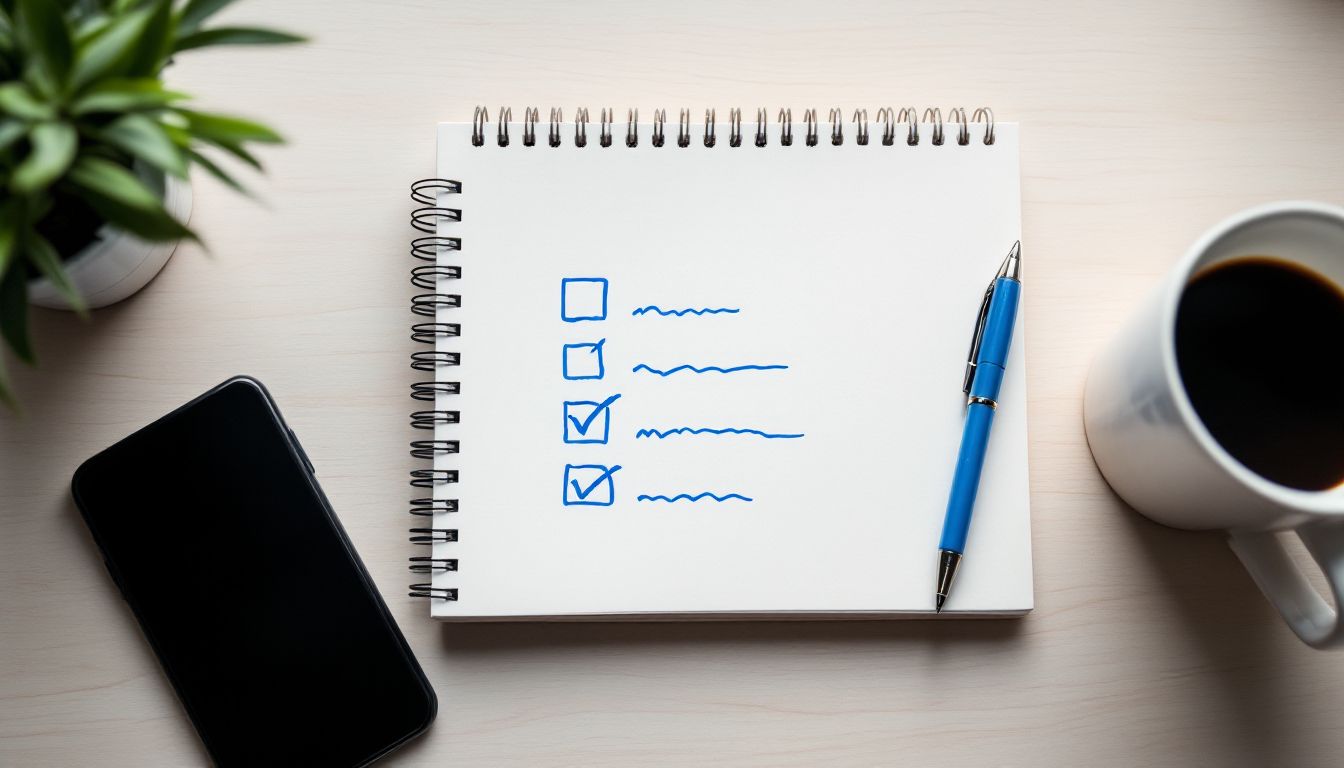
- Are you checking whether it’s a good time for them?
Assume your call is unexpected, and ask whether they can talk right now - Are you explaining why you’re reaching out up front?
Briefly give your company name, your name, the purpose, and how much time you need - Are you respecting their decision to say no?
Make sure you’re not chasing them with rebuttals or calls from other numbers after a clear no - Can the other person end the conversation?
Don’t keep all the control of the conversation to yourself — leave the other person a choice
The difference between a pushy and an enthusiastic sales approach shows up not so much in how much you do as in whether you respect the other person’s wishes.
Wrapping Up
What I wanted to get across in this first part is that no matter how much effort you put in, if you ignore the other person’s wishes, you can’t call it “enthusiastic”.
Not checking whether it’s a good time.
Asking the person to do something before even saying who you are.
Arguing back even after they say no.
Making it hard for them to end the conversation.
Continuing to call from different numbers even after being blocked.
The sales calls I experienced had every one of these.
High-pressure sales tactics all have one thing in common: the other person doesn’t get to choose whether the conversation continues.
So what makes an enthusiastic sales approach different?
I’ll talk about that in Part 2: How to Sell Without Being Pushy.
Thanks for reading all the way to the end.
About the information in this article: This article was written based on publicly available court records and news reports, as checked in August 2026. The details regarding the lawsuit and settlement may change as a result of later proceedings. If you’d like to look into the details, please refer to primary sources such as the court’s public records.
You May Also Like