Renting Cars to Uber Eats Drivers: How 70 Unsold Cars Pushed Us Into the Rental Business
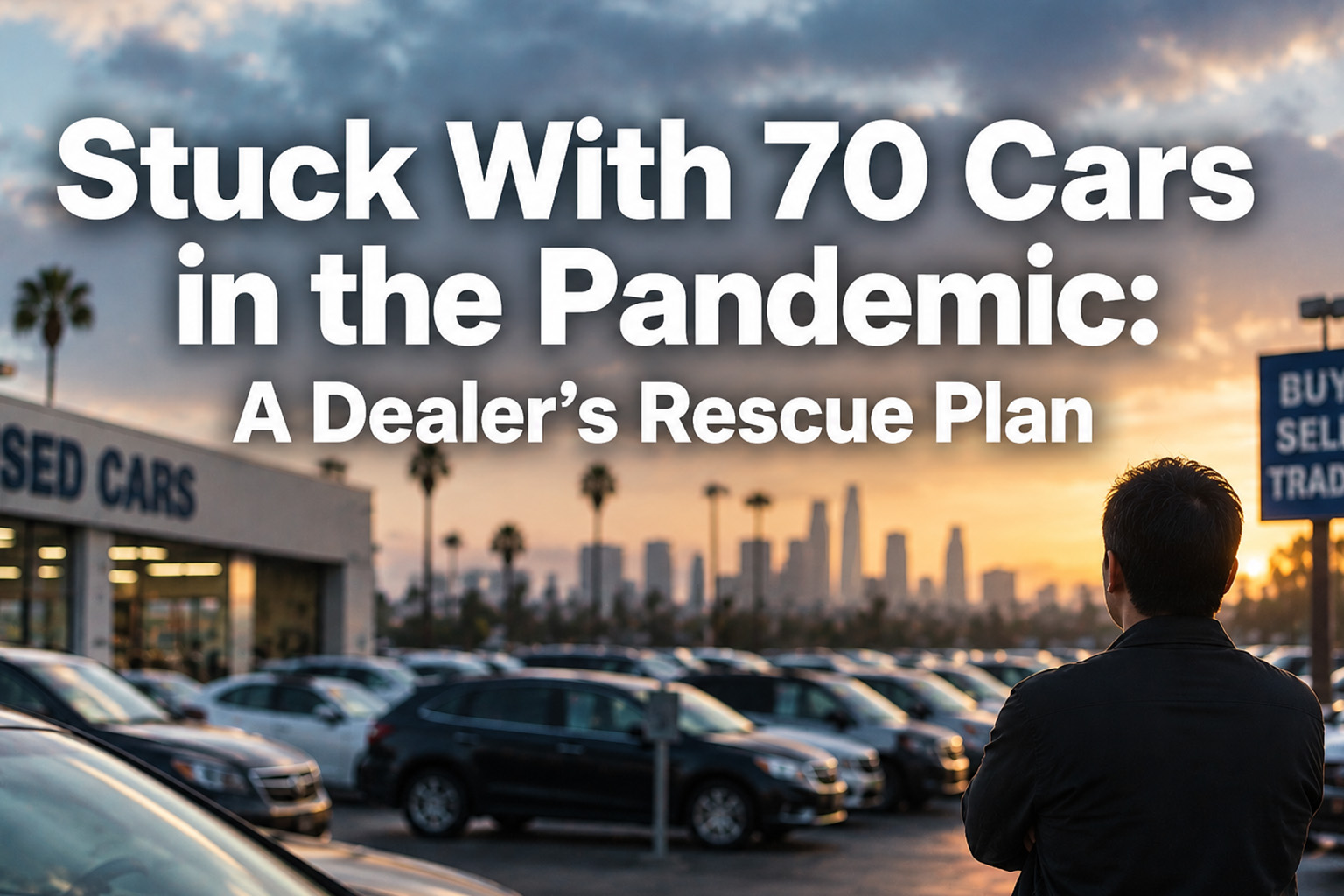
Stuck With 70 Cars in the Pandemic: The Survival Plan That Turned Into Our Worst Miscalculation
Introduction
Hi everyone — I’m Suzuki from Eco Drive.
What comes to mind when you hear the word “failure”?
For most of us it’s something to avoid, something we’d rather not revisit.
This article is about a stretch when Eco Drive — a used-car business here in the U.S. — was sitting on 70 cars in the middle of the pandemic, and the move we made to survive it: renting our inventory out to drivers.
It looked like a perfectly rational play. So how did it turn into the worst miscalculation we’ve made?
Here I’ll walk you through everything up to the moment we pulled the trigger, exactly as I lived it.
Nobody enjoys failing. It’s exhausting, and given the choice, most of us would skip it entirely.
I get that. But the way I see it, failure is just what happens after you actually do something.
Doing nothing at all is the far bigger failure.
So let’s start there, and work our way to the painful one Eco Drive lived through.
Watch the video version here (with English subtitles):
Is Failing Really Such a Bad Thing?
How do you think about failure?
It stings, right? It’s frustrating, and in the moment you’ll grab onto anything that helps.
I’m no different. The moment something falls apart is genuinely rough.
But failing means you took action. You tried something.
Compared to the failure of having done nothing, I’ll take it every time.
Standing still is, to me, the biggest failure of all — the opportunity you never gave yourself.
There’s real value in talking about what didn’t work
In business, the stories that didn’t work out often teach more than the success stories.
That’s because a failure usually contains the assumptions behind a decision, the risks that were easy to miss, and the pitfall nobody saw coming.
When conditions are shifting fast, looking at why a call was made — not just how it turned out — is what makes it useful the next time around.
And we’ve made plenty of mistakes at Eco Drive over the years.
One of them still stings, so I’d like to put it on the table and see what we can both take from it.
Stuck With 70 Cars in the Middle of the Pandemic
This was right in the middle of COVID. We were sitting on a mountain of inventory with no idea what to do about it.
If I remember right, we had something like 70 cars on the lot.
And we still had to keep the lights on.
So we were selling cars for next to nothing. That was hard to swallow.
These were cars in great condition, and I kept asking myself why on earth we had to let them go at those numbers.
That said, I have nothing but gratitude for the customers who bought from us then.
I spent that whole stretch with a knot in my stomach.
Profit? There was essentially none.
We were scrambling to generate cash, and there was no time to think about what any one car earned us.
Cash Came First — Profit Came Second
What we prioritized in that moment wasn’t profit. It was cash.
Just turn it into cash — that was the only thought in my head.
Side note: when money gets tight, cash can matter more than profit
In any business that carries inventory, the number you watch in normal times isn’t the number you watch in an emergency.
Normally it’s gross margin and profitability. When cash gets tight, though, the priority can shift to getting cash in the door and keeping the business running.
Inventory also tends to cost you the longer you hold it — storage, upkeep — and it quietly squeezes your cash as time passes.
So even with good inventory, there are stretches where getting paid sooner wins and chasing margin on each car simply isn’t on the table.
Then Delivery Demand Exploded

Let me back up and set the scene here in the U.S. at the time.
You probably remember it.
Uber Eats was suddenly everywhere.
Uber Eats, DoorDash — a whole set of companies went from background noise to part of daily life almost overnight.
I can’t speak to what was happening in Japan at the time, but here, delivery was booming.
When conditions change fast, demand that was sitting still can take off
When the economy or the way people live shifts sharply, demand for services that nobody paid much attention to can spike.
That’s especially true when daily routines change suddenly: demand can climb fast in some corners of the economy while it falls off in others. In our case, the one that took off was food delivery.
A shift like that looks like an opening. It also means the usual assumptions don’t necessarily apply to it.
Remember, this was the stretch when lockdowns had dining rooms largely shut down.
So a lot more people were ordering takeout and delivery instead.
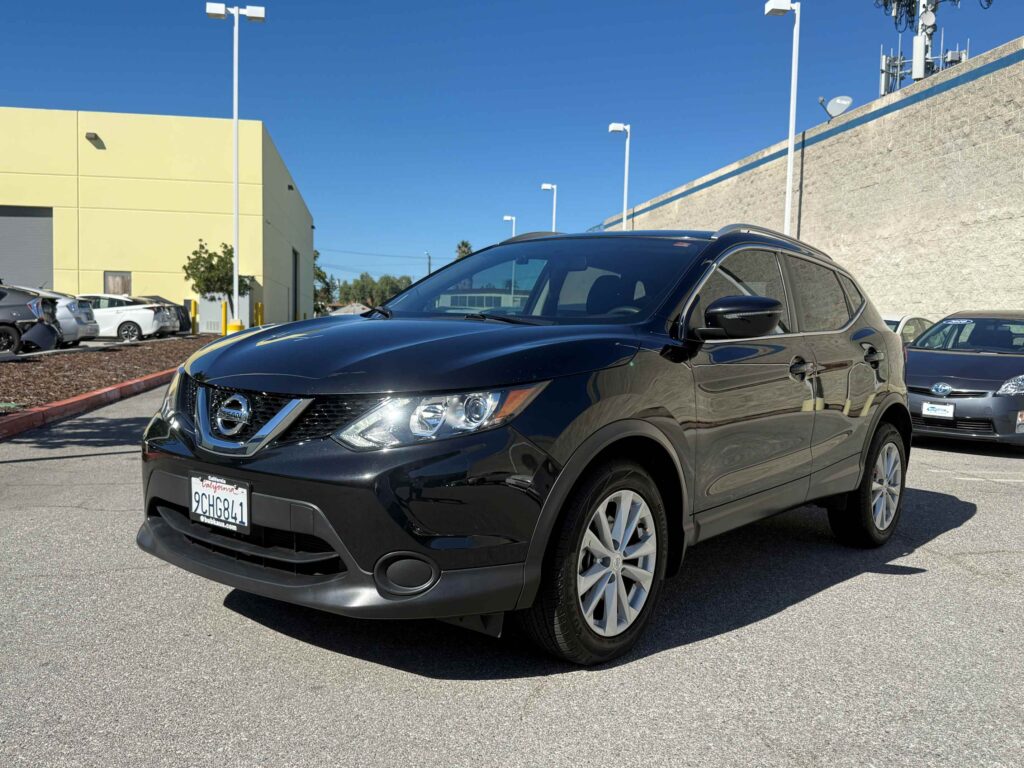
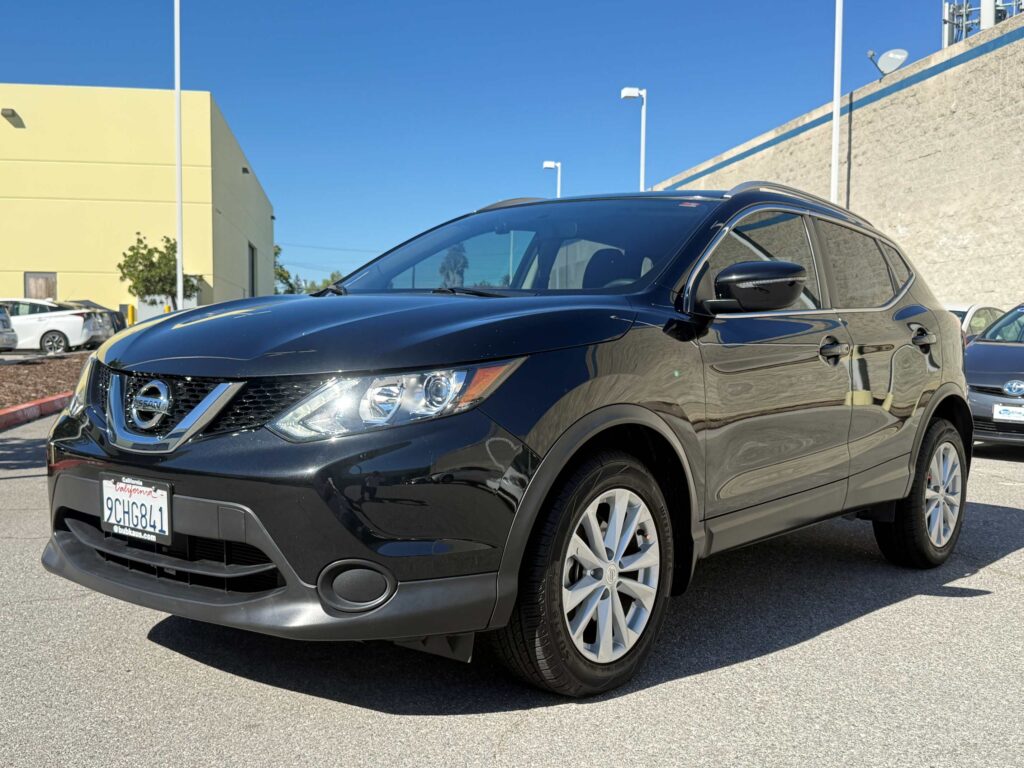
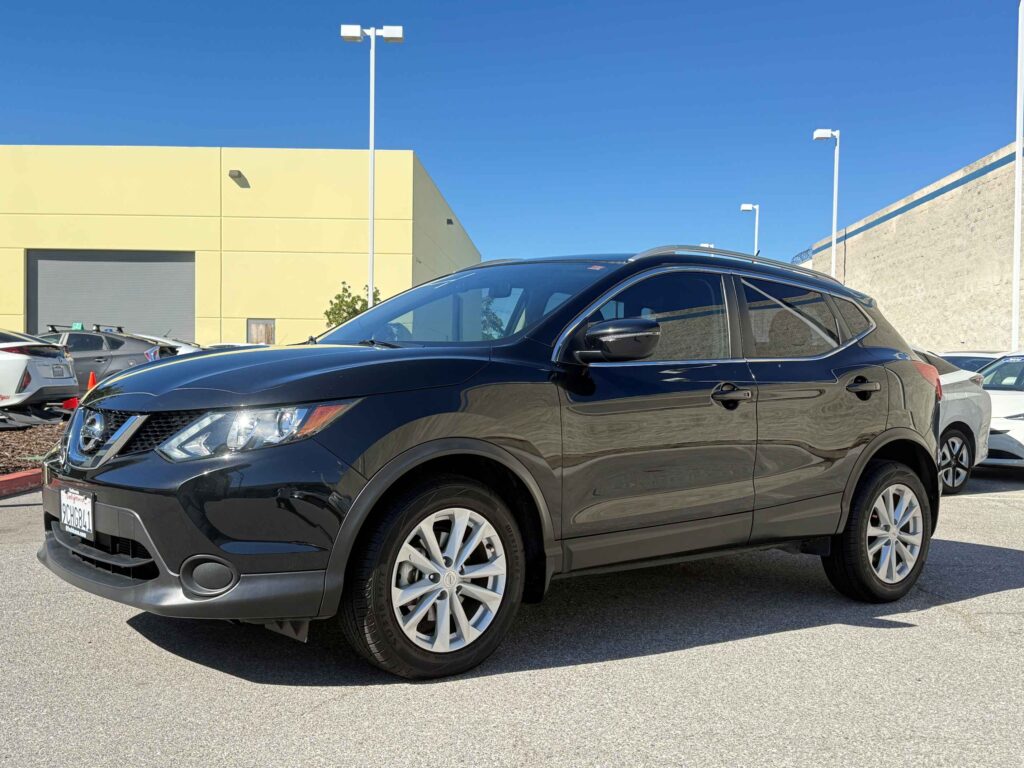
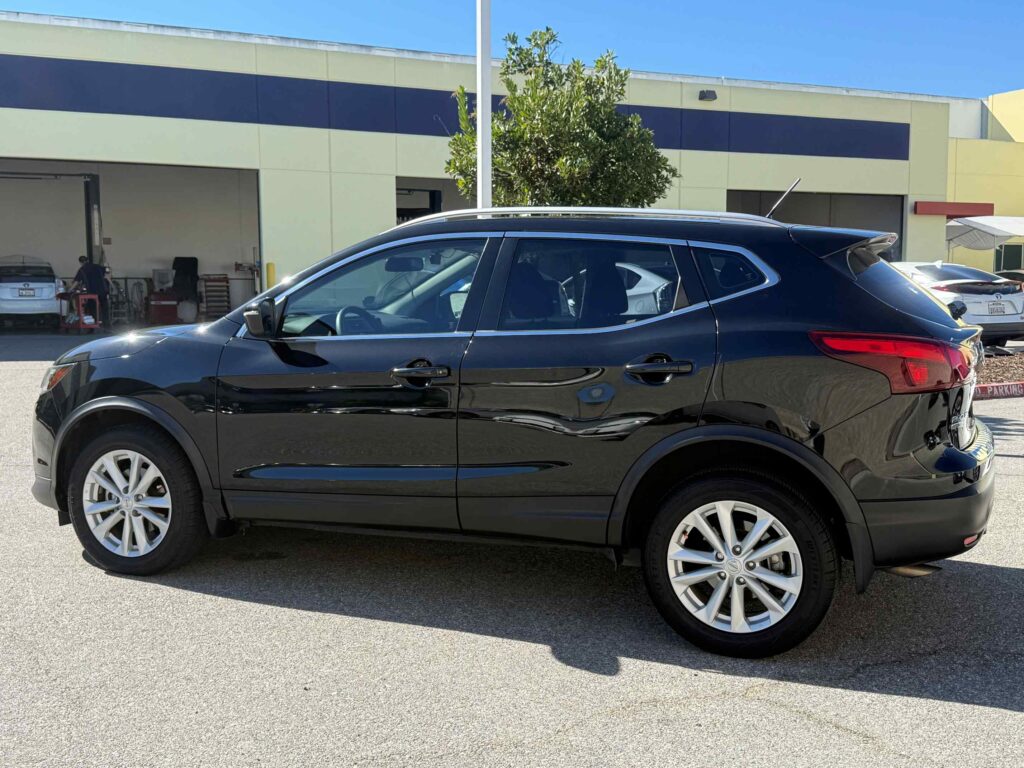
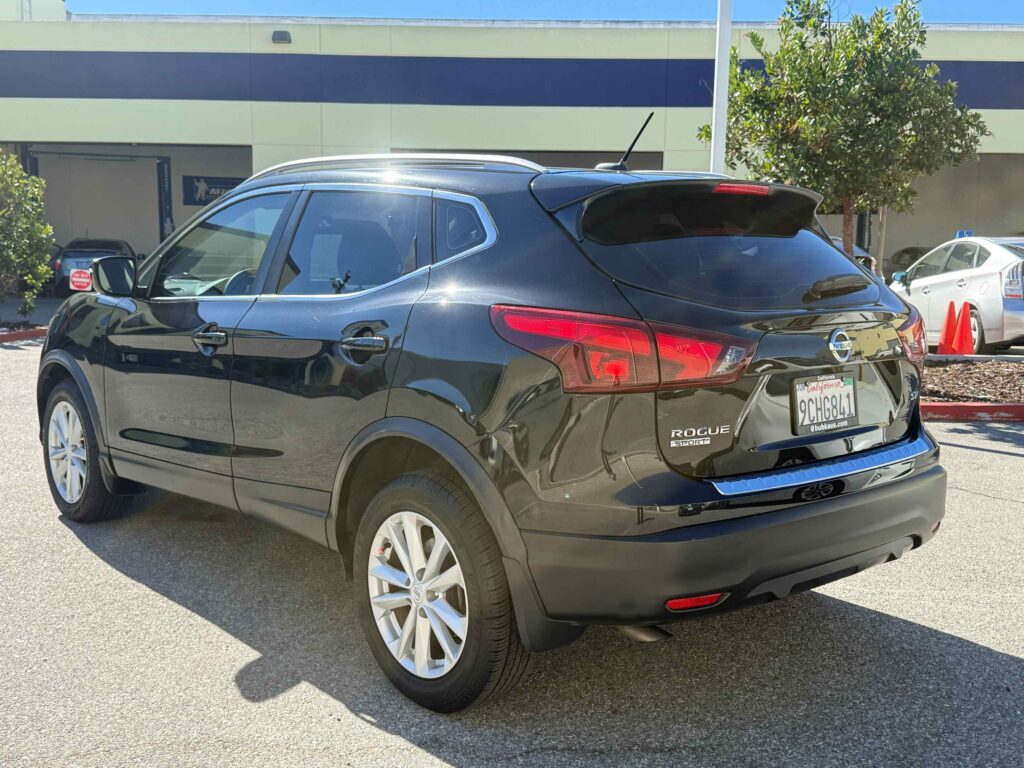
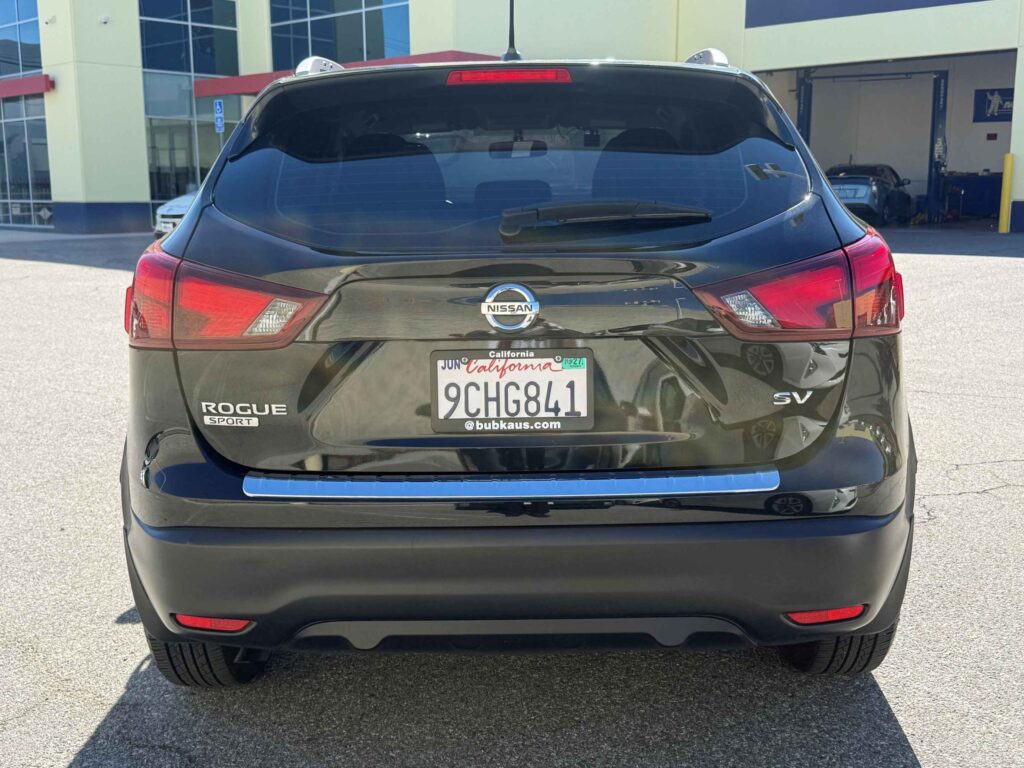
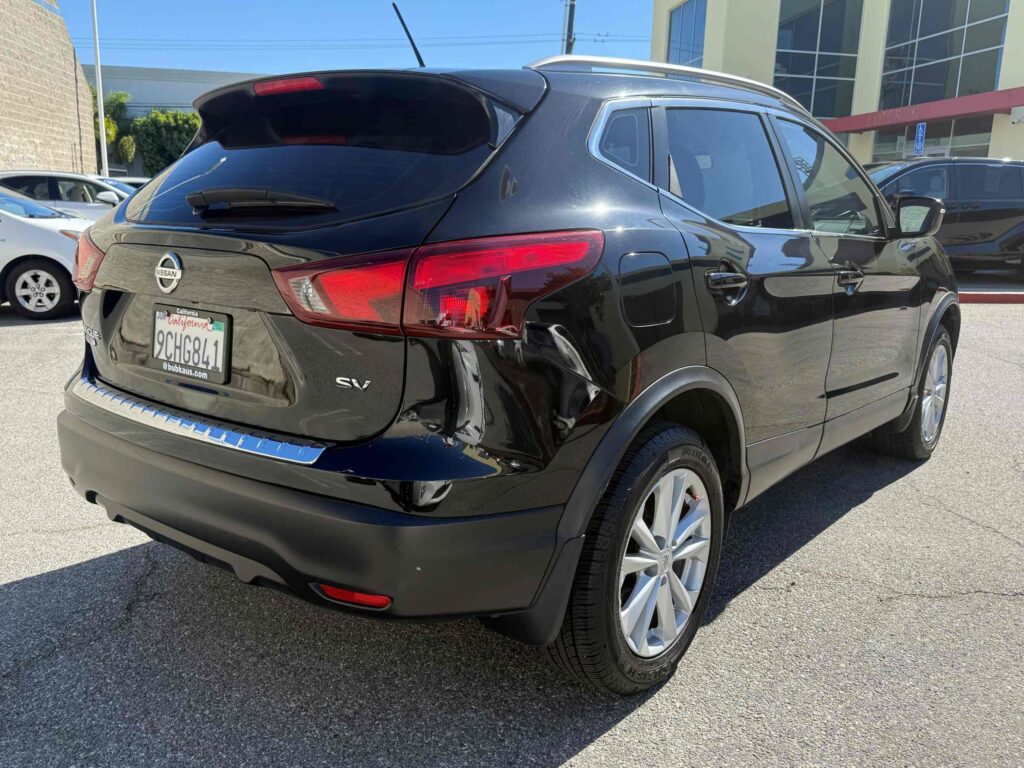
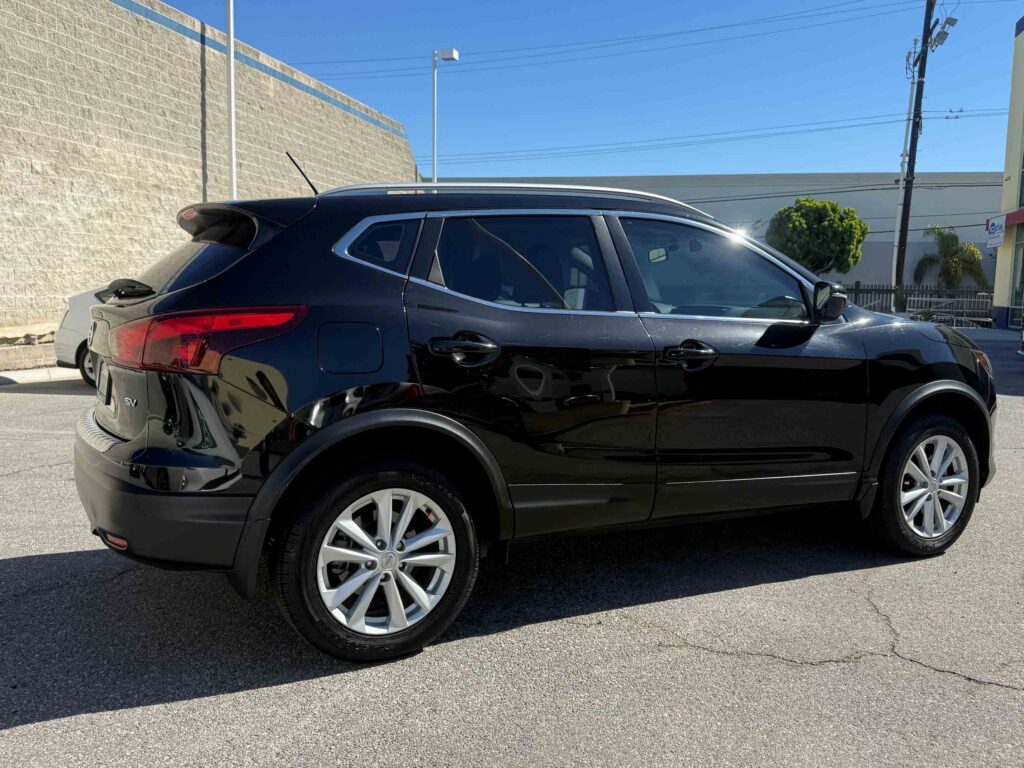
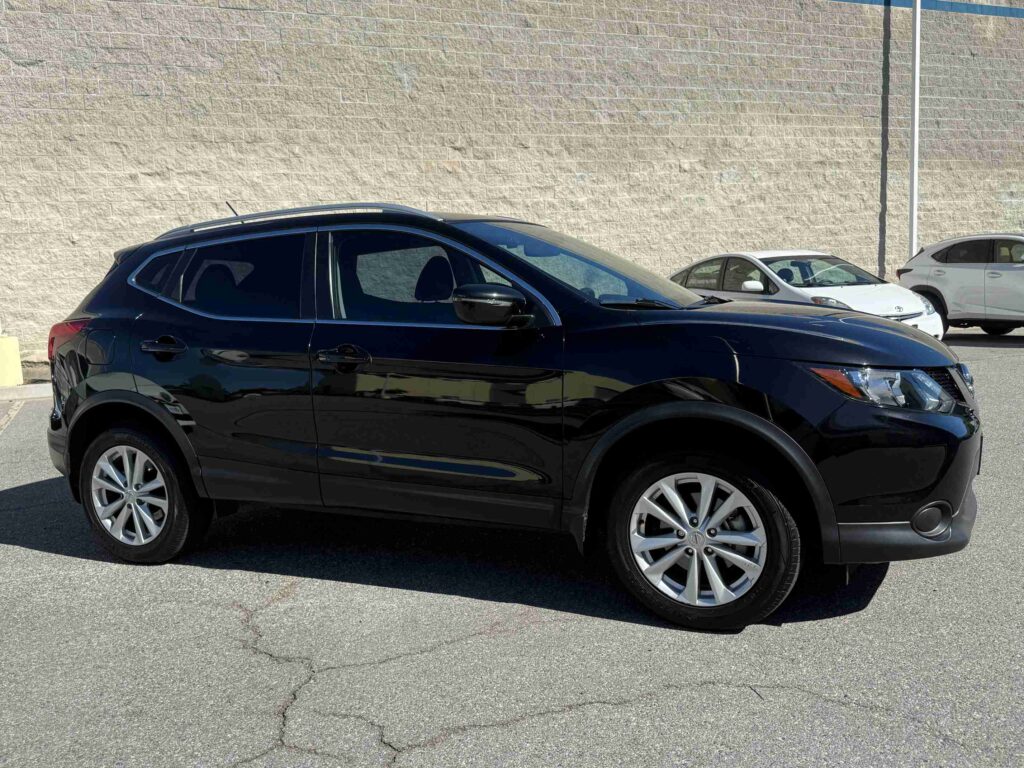
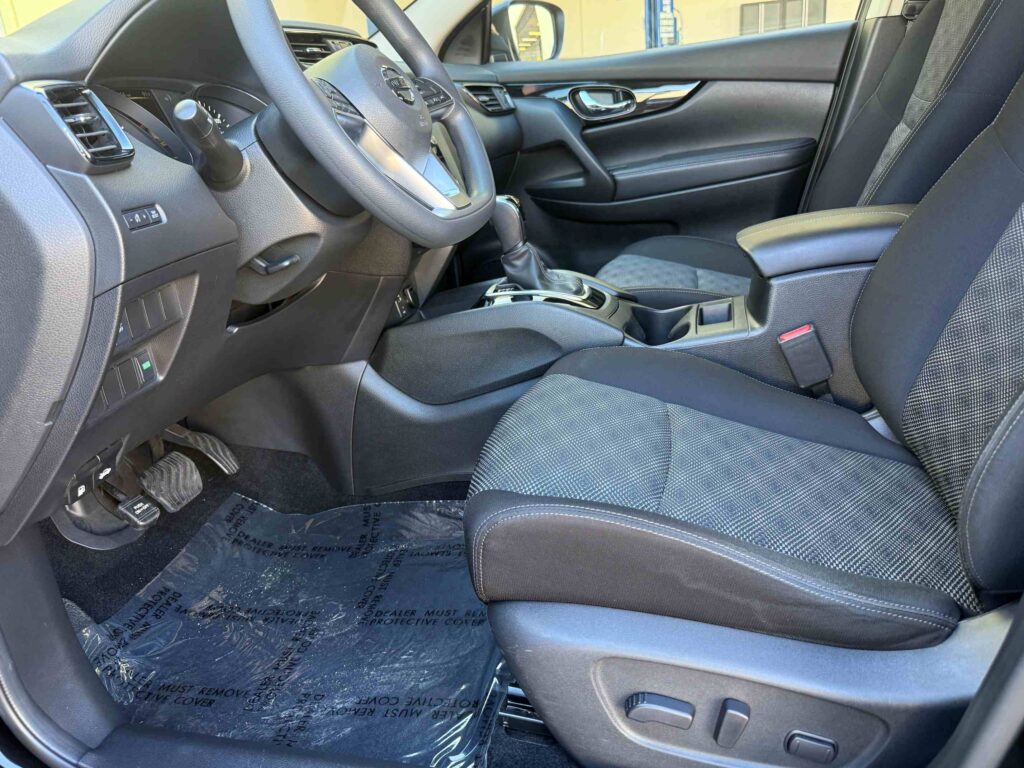
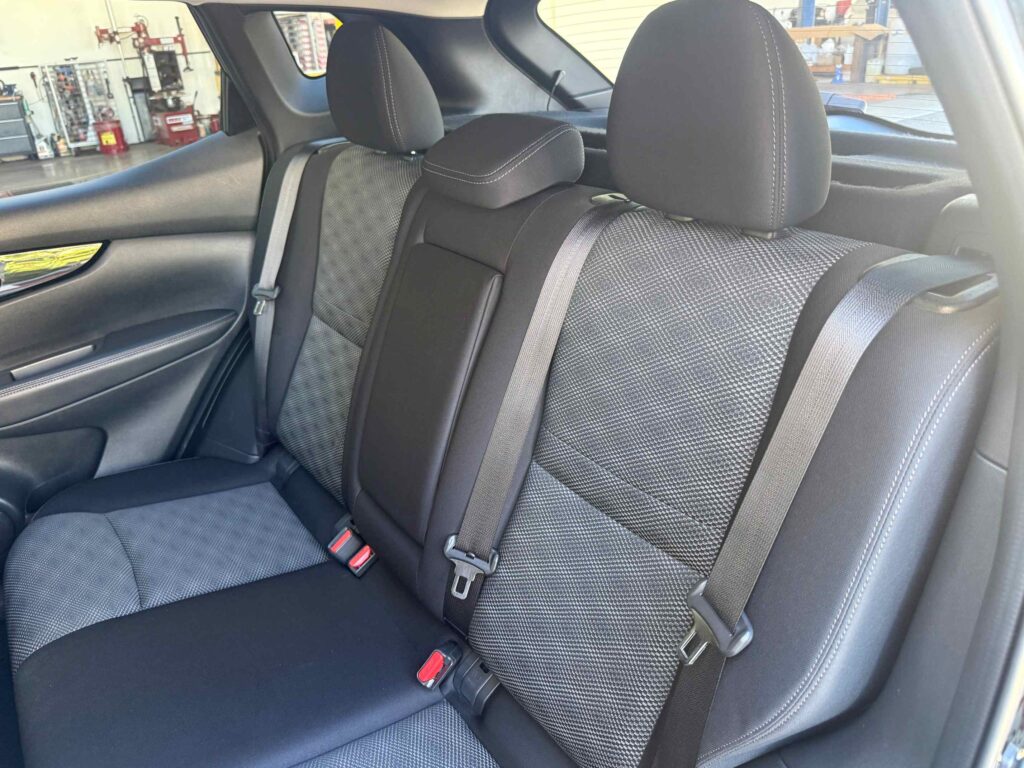
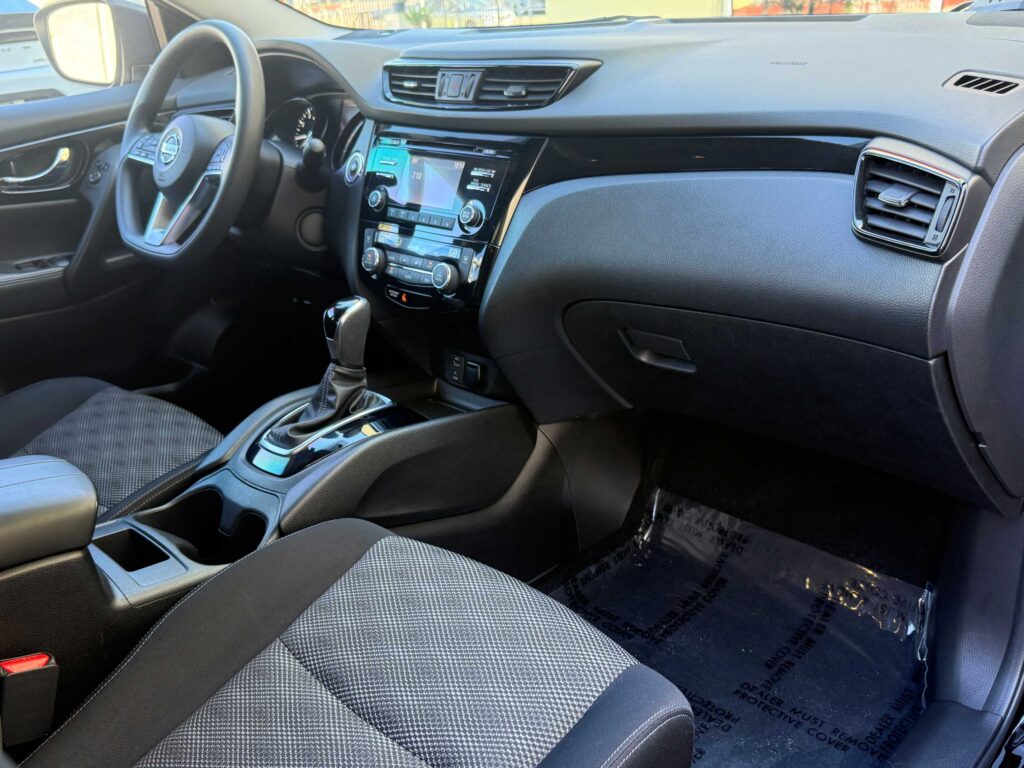
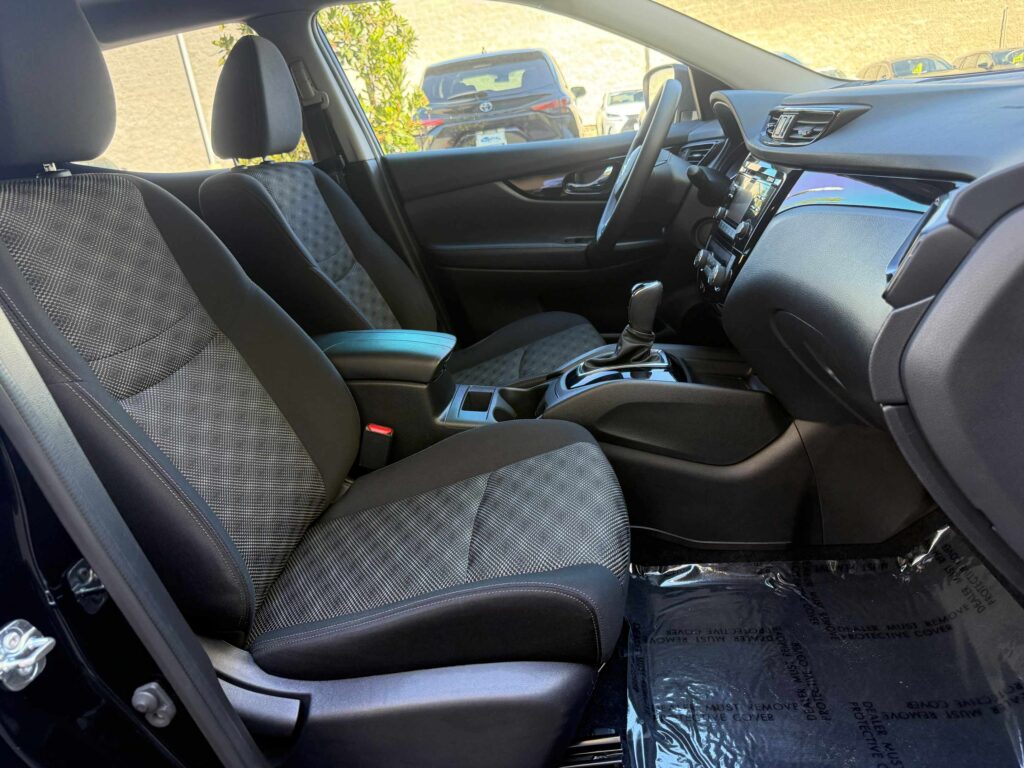
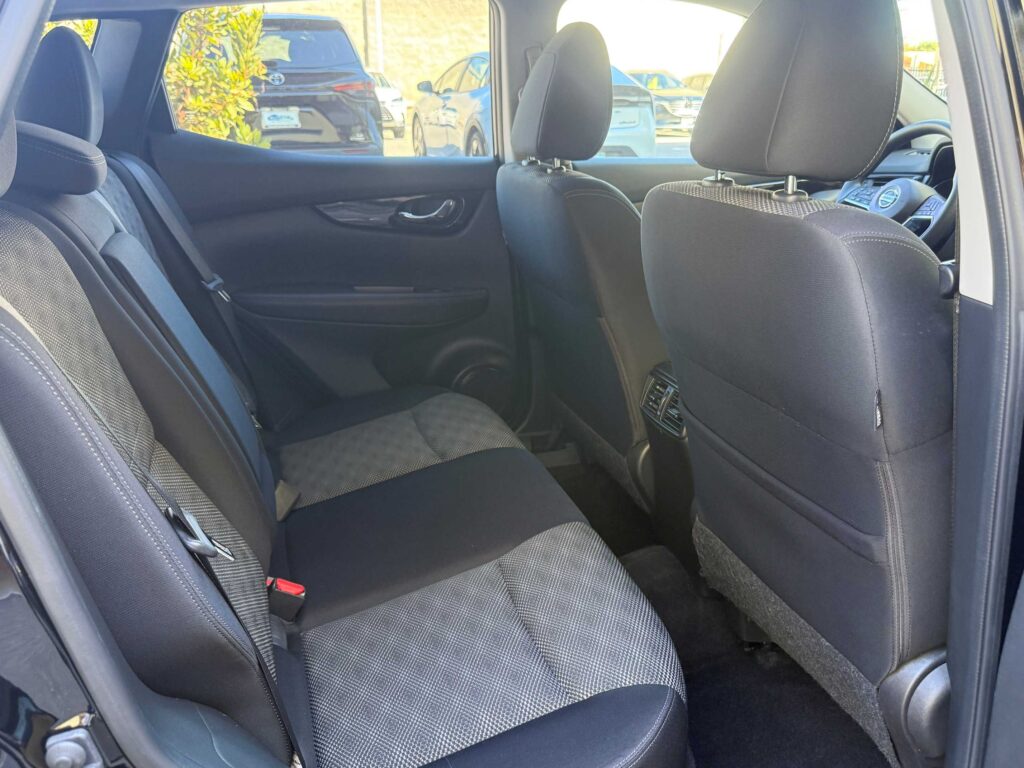
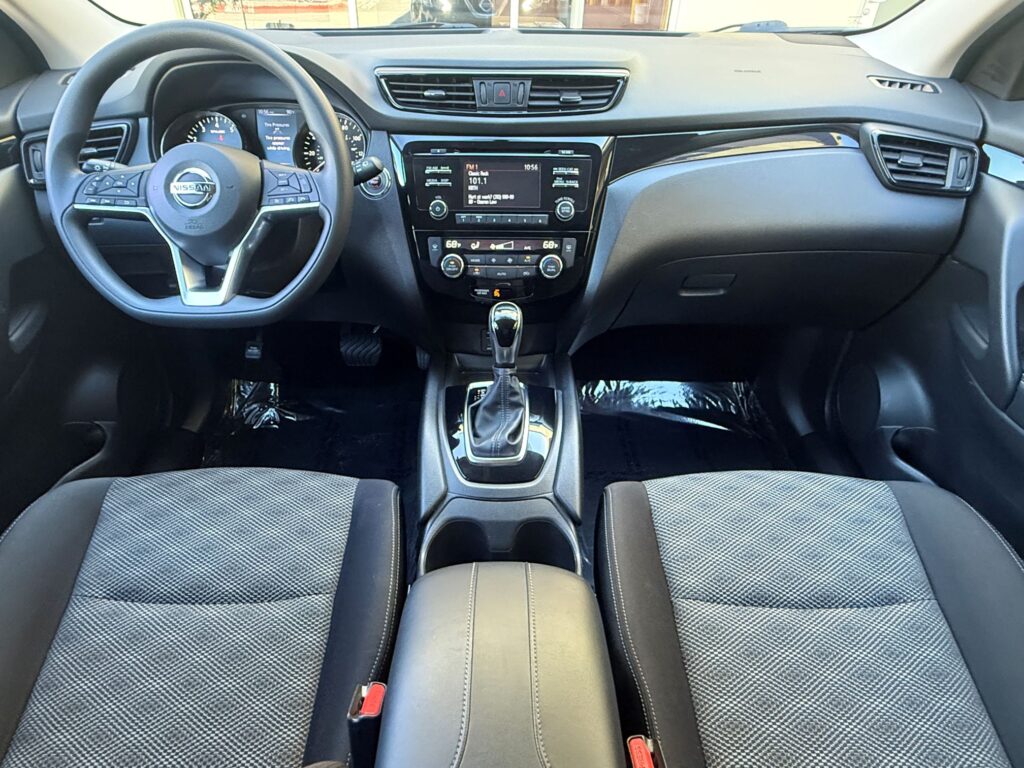
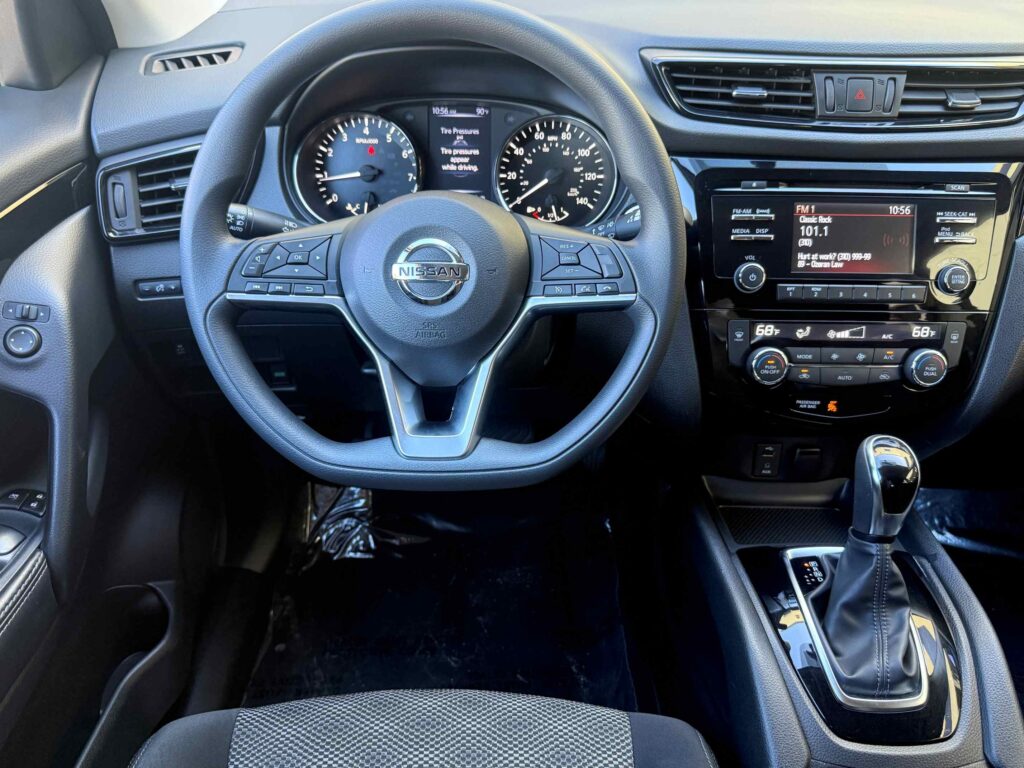
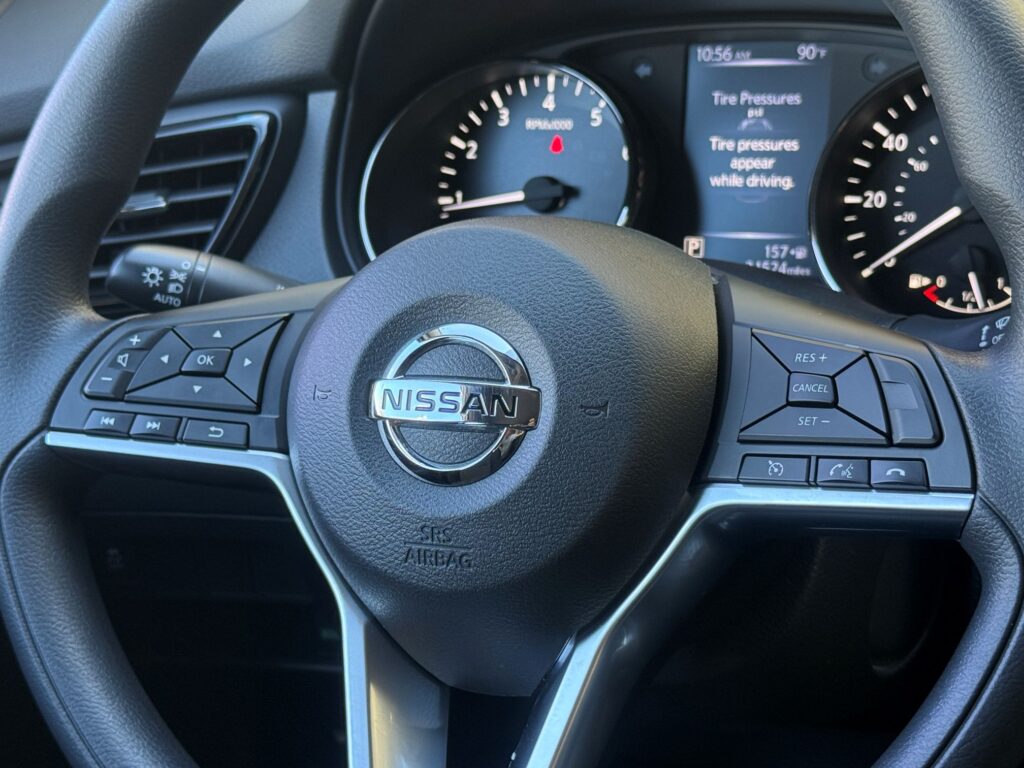
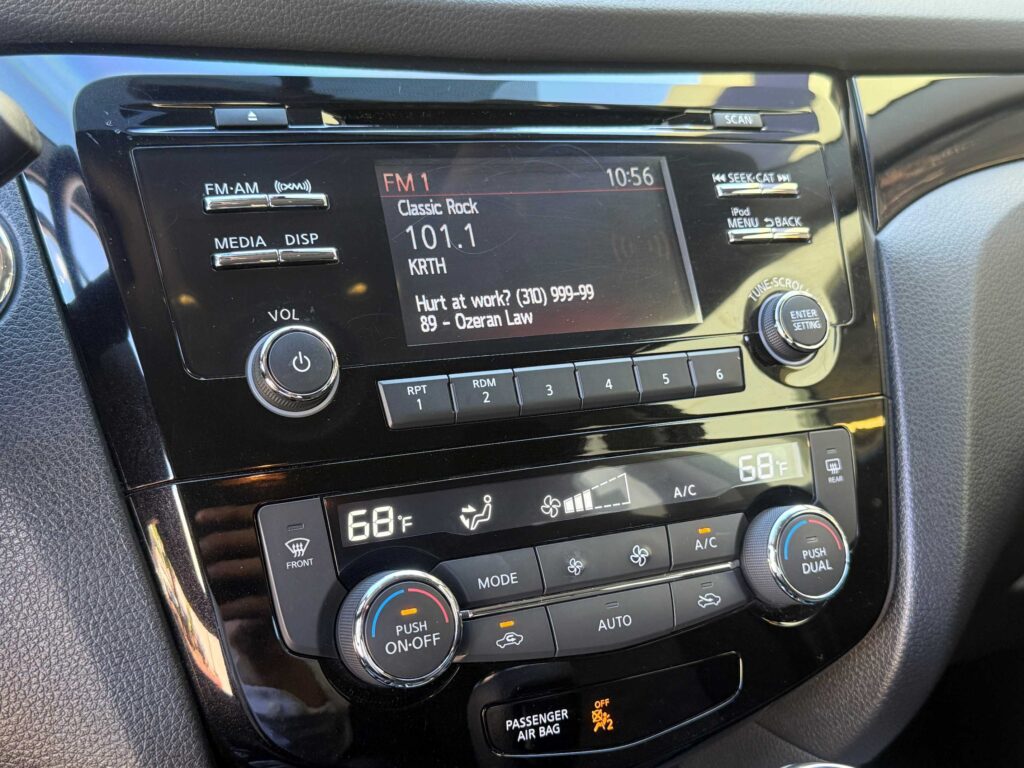
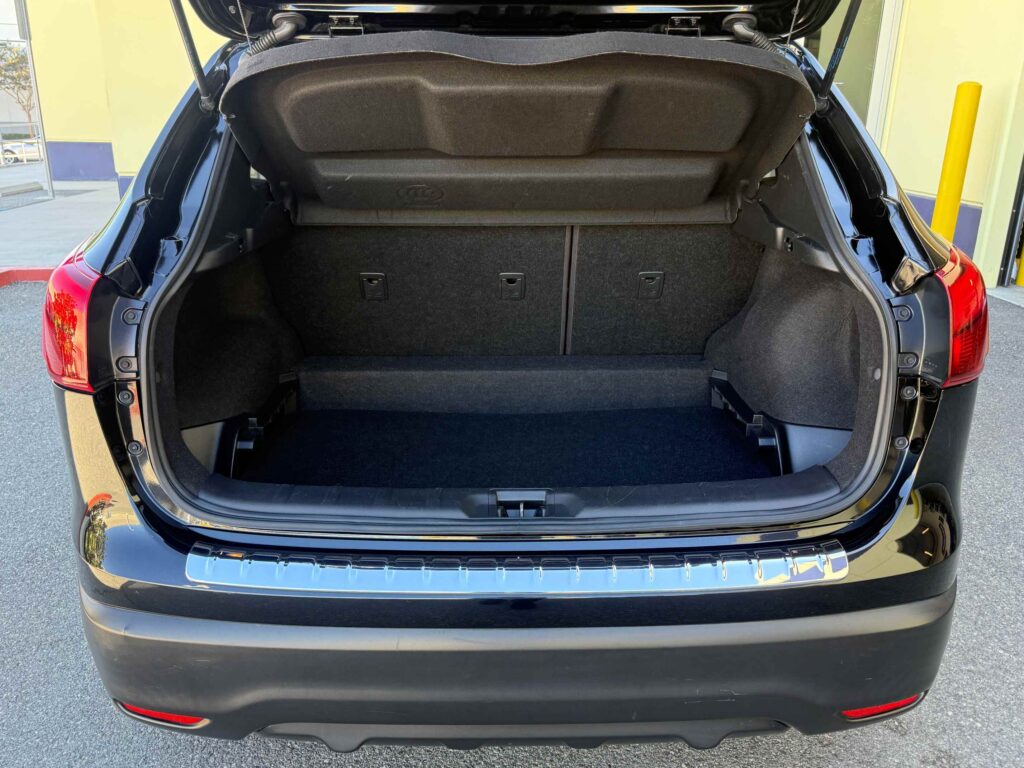
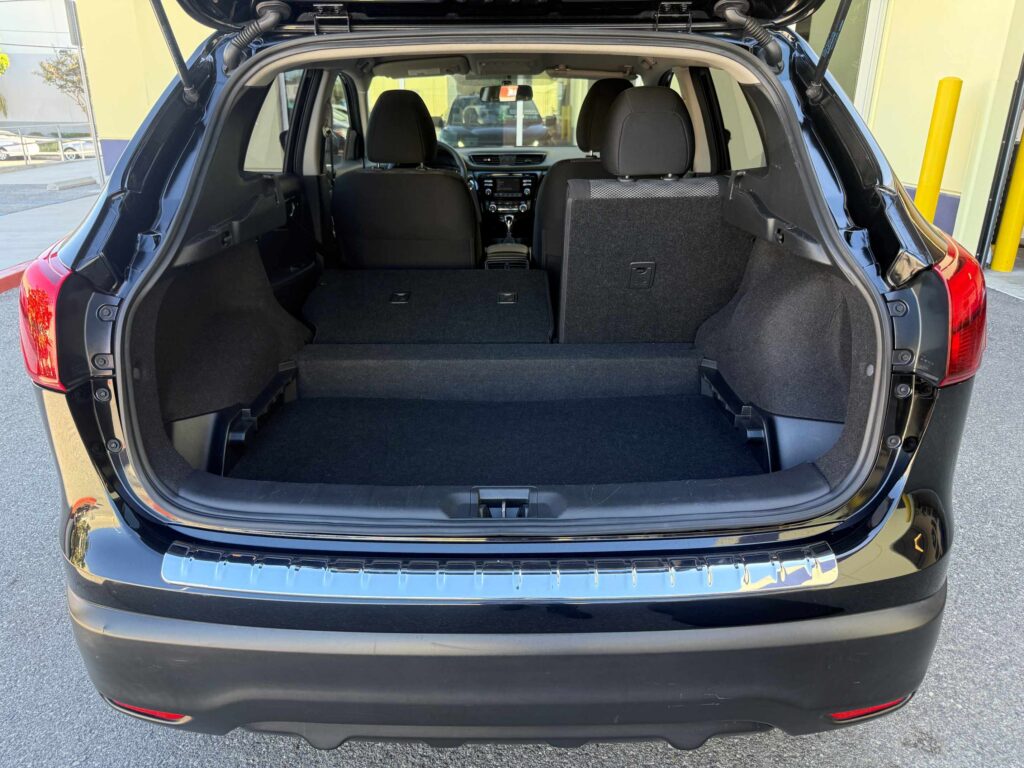
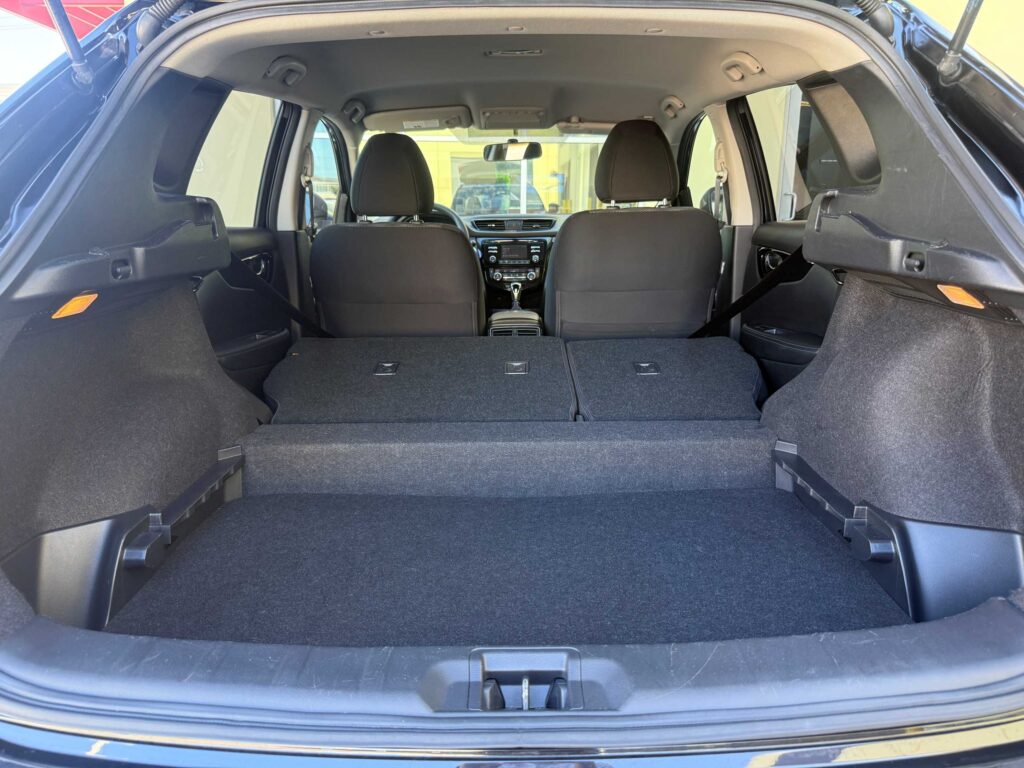
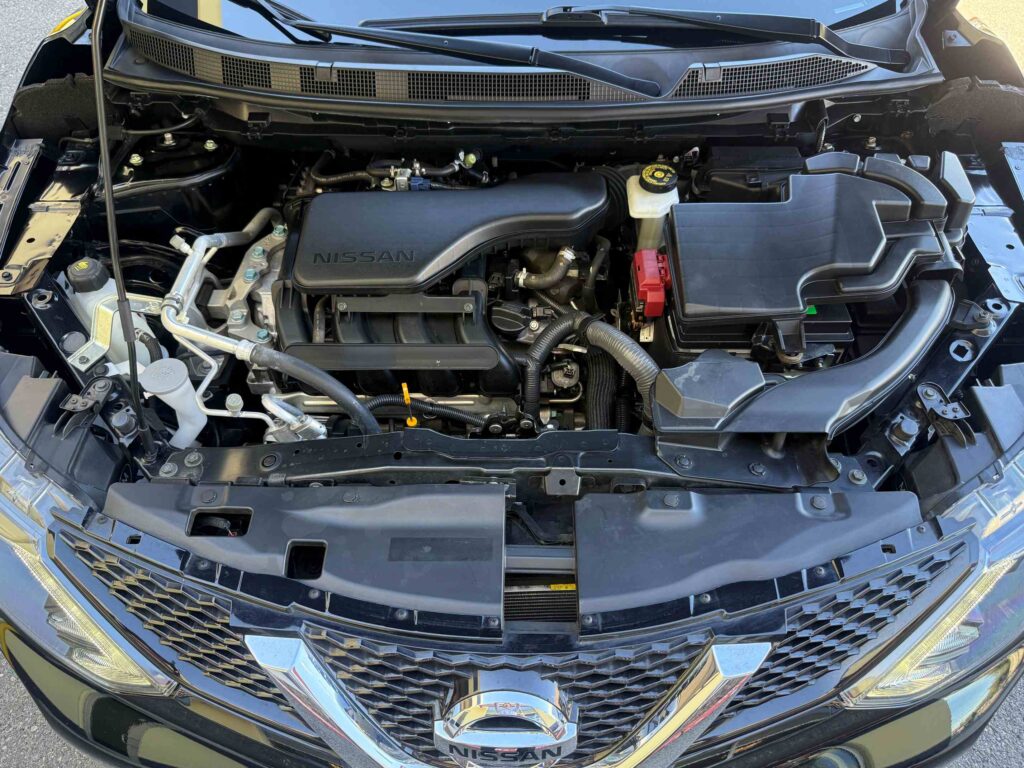
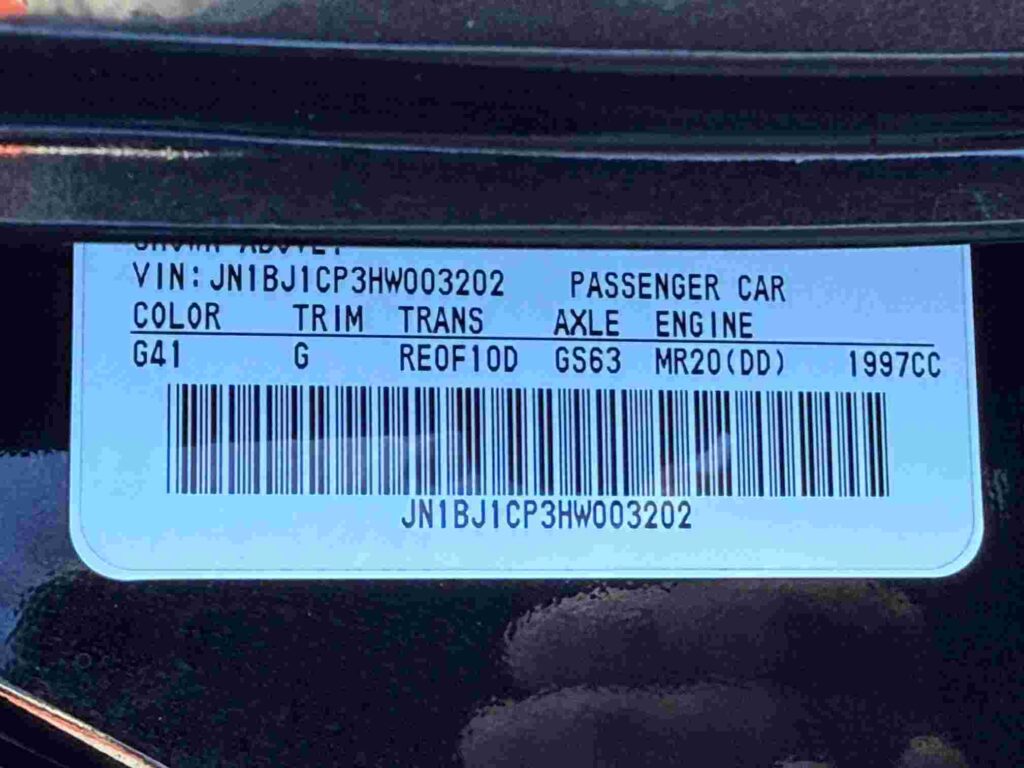
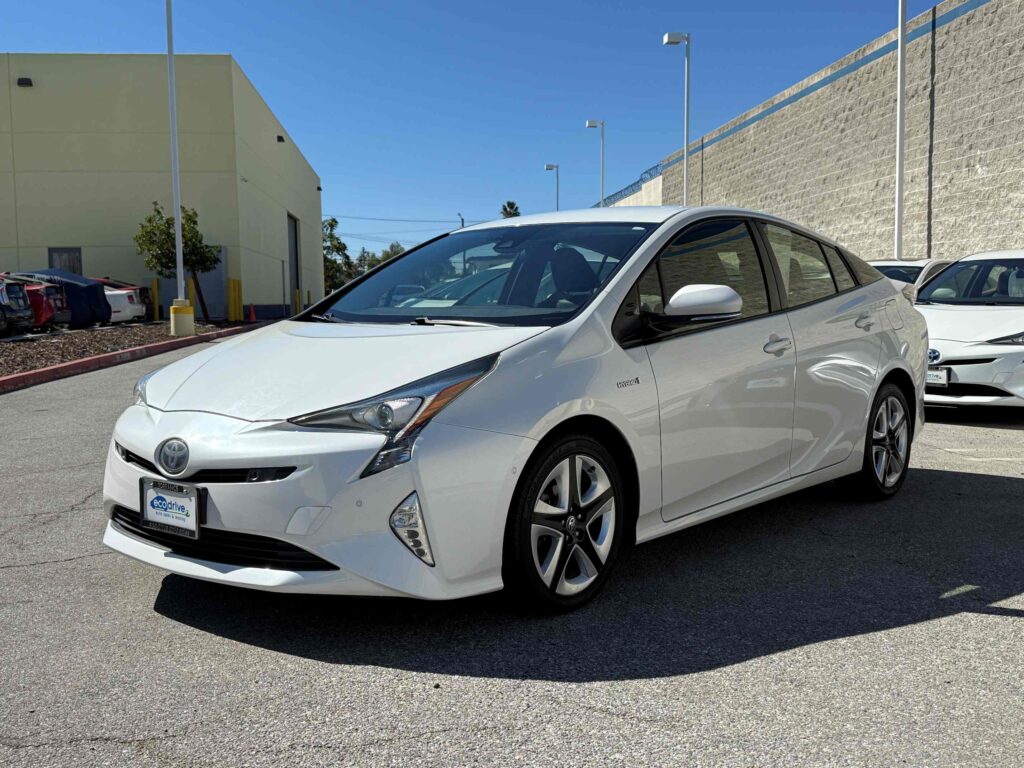
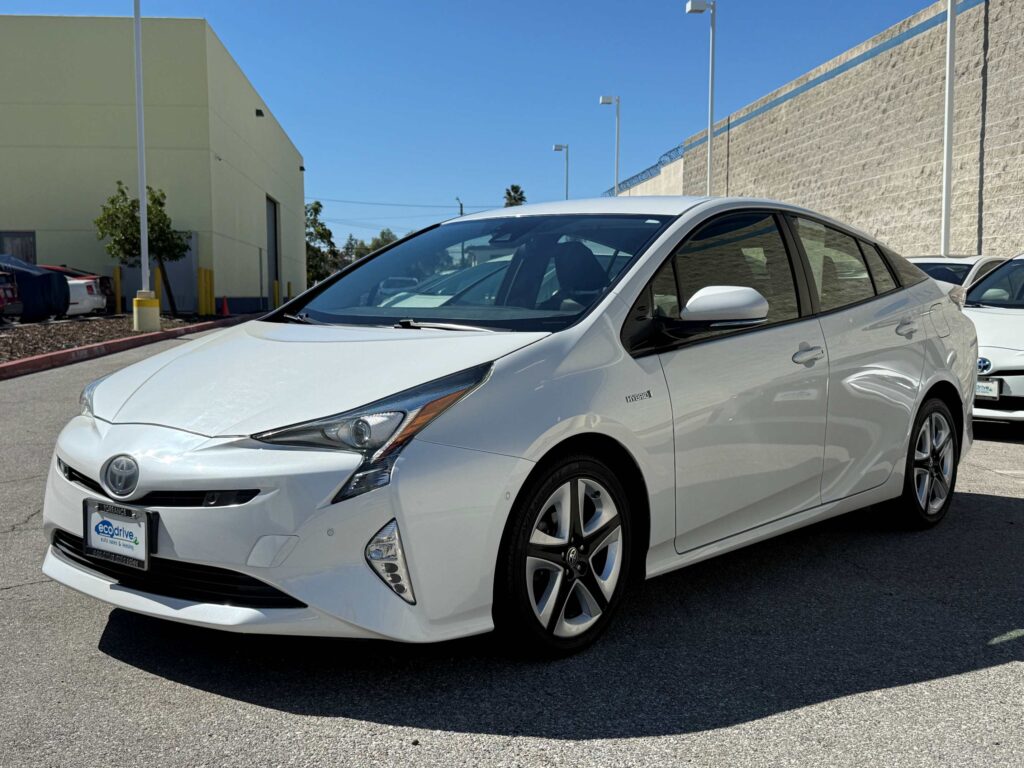
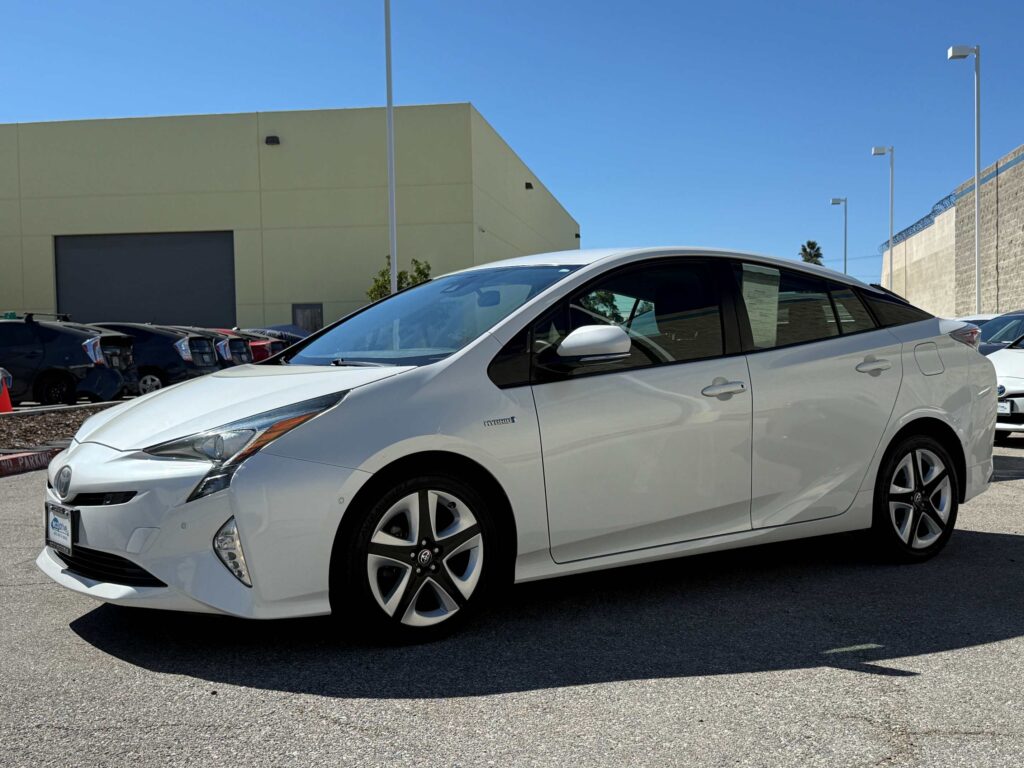
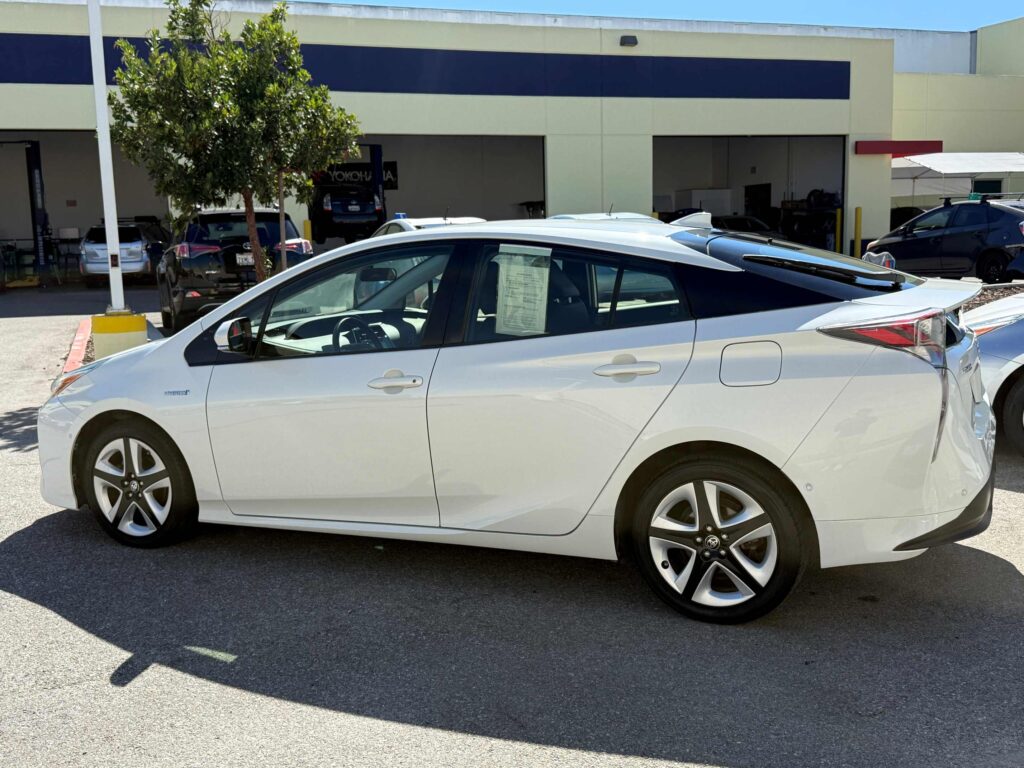
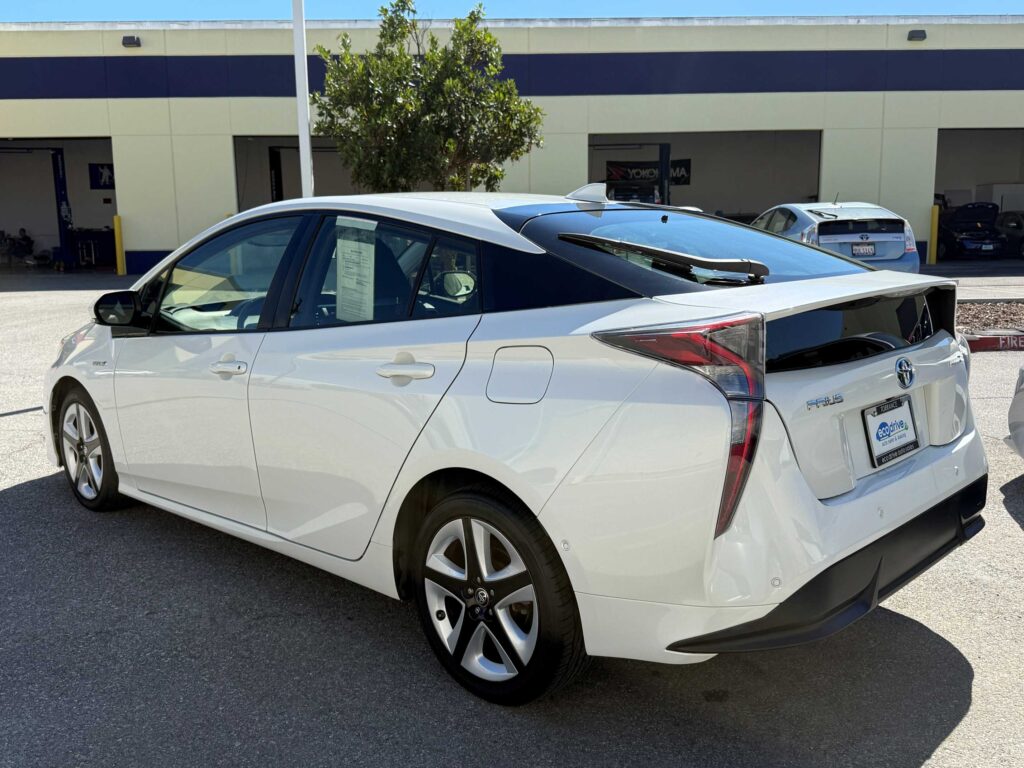
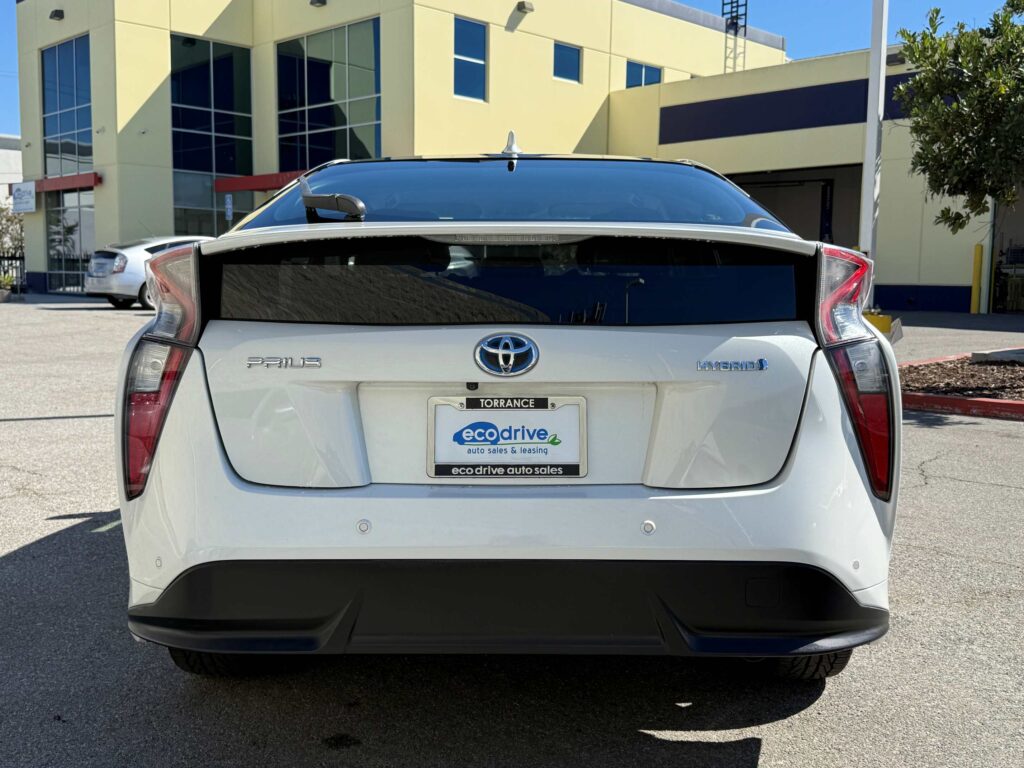
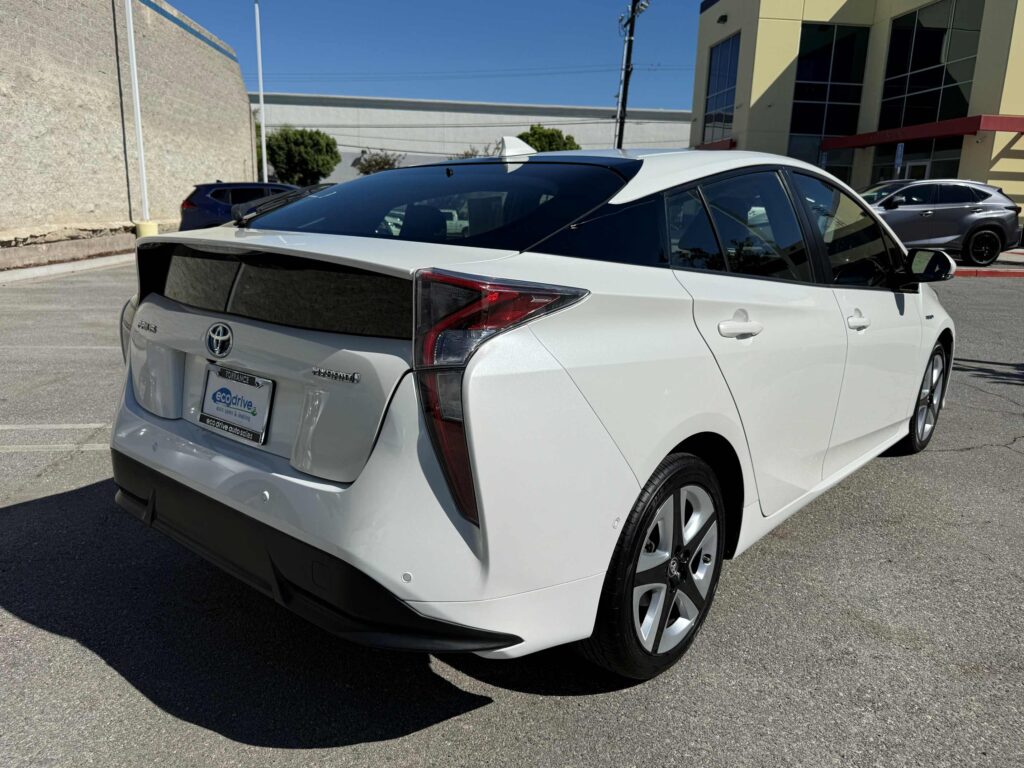
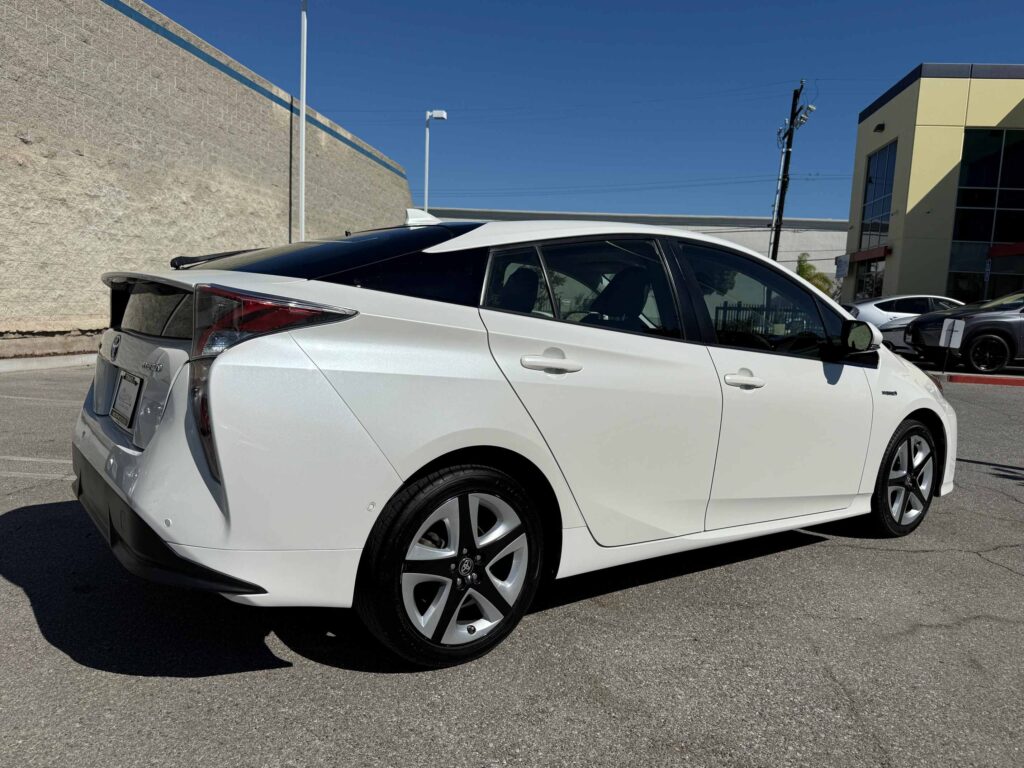
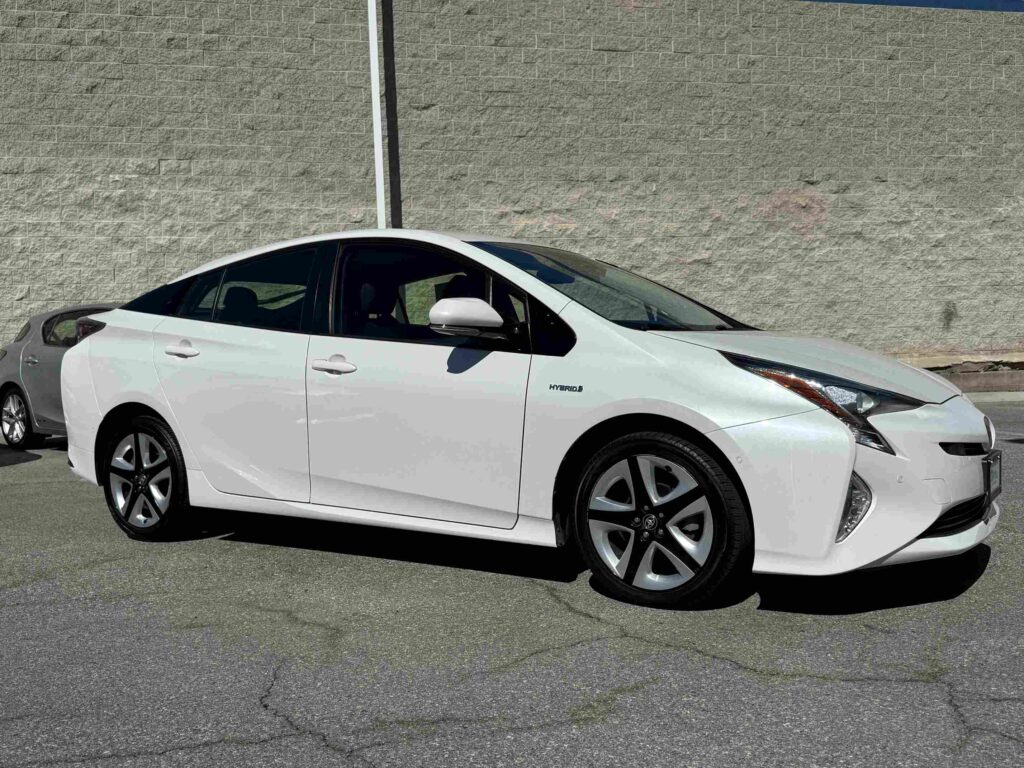
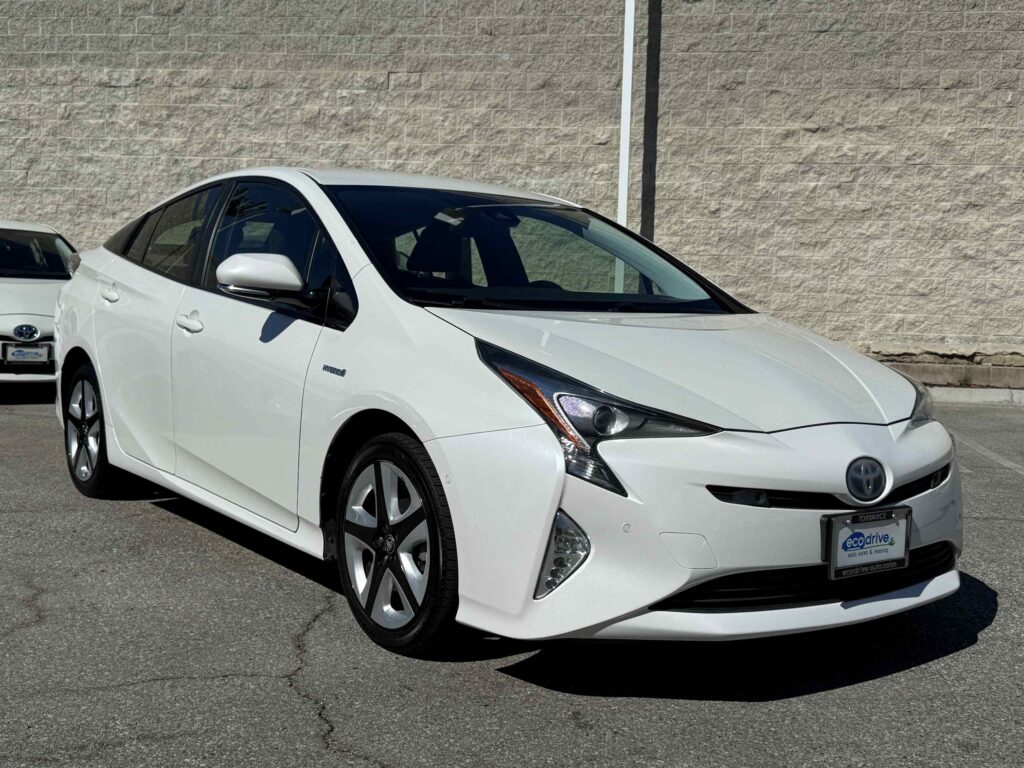
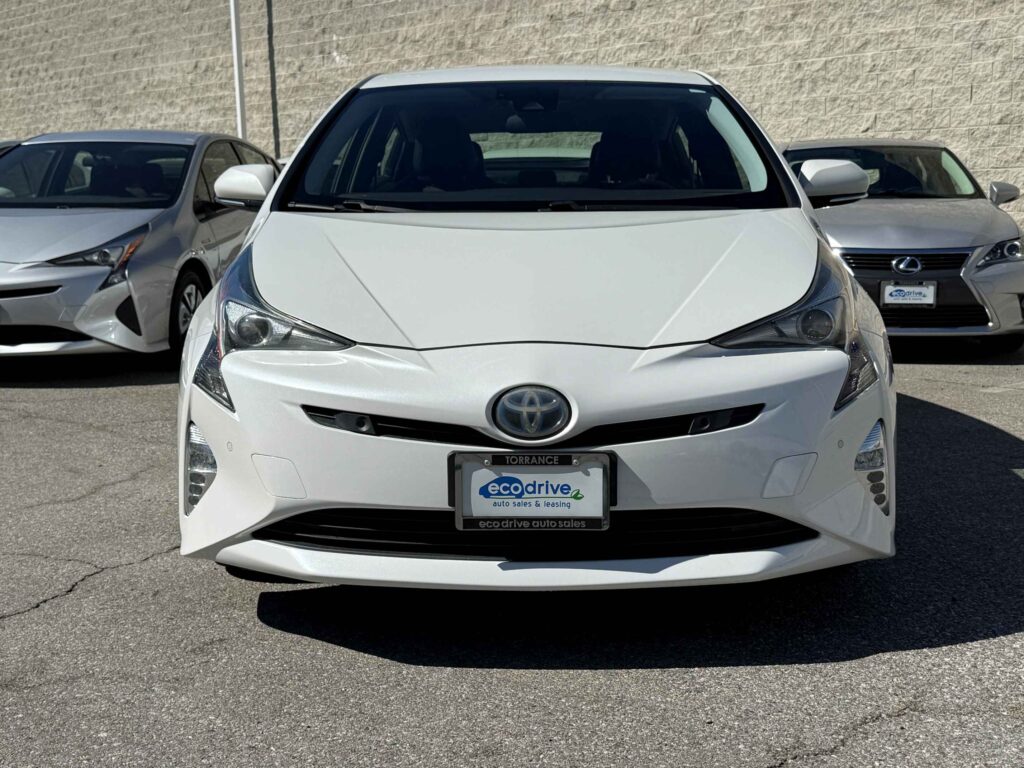
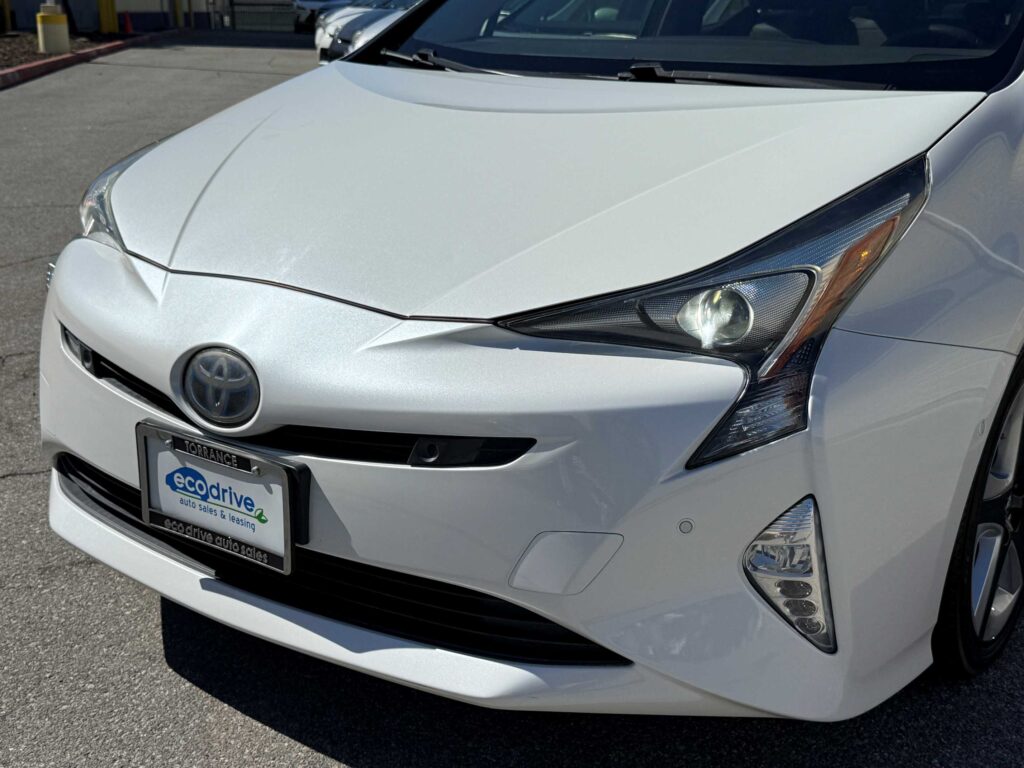
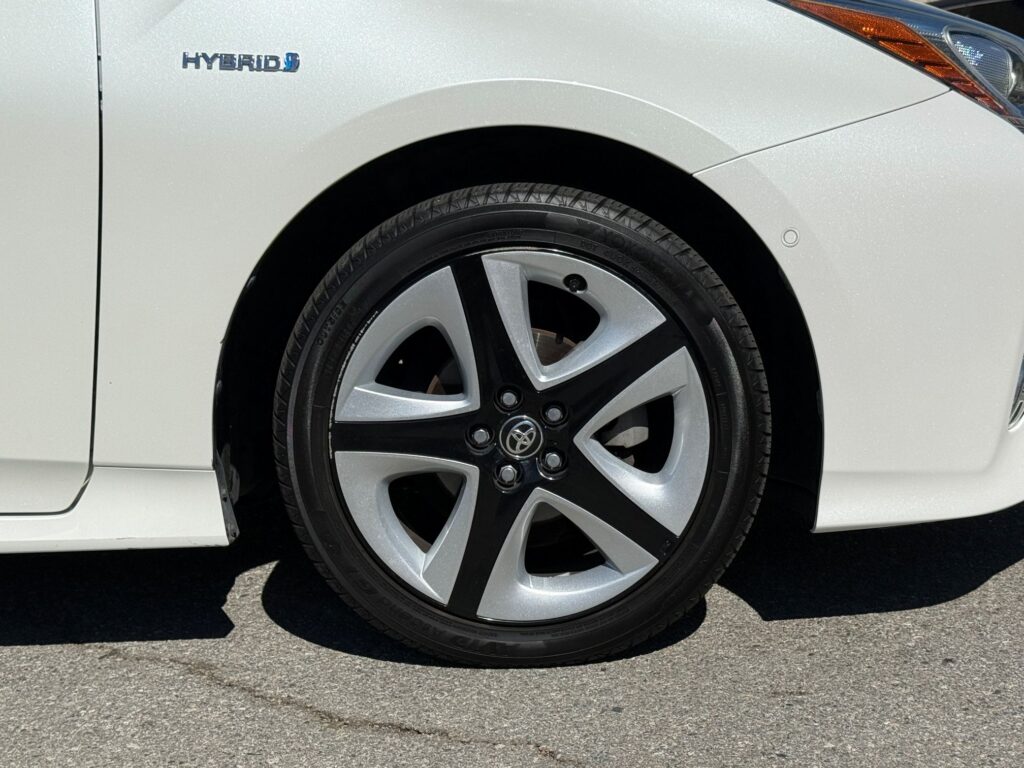
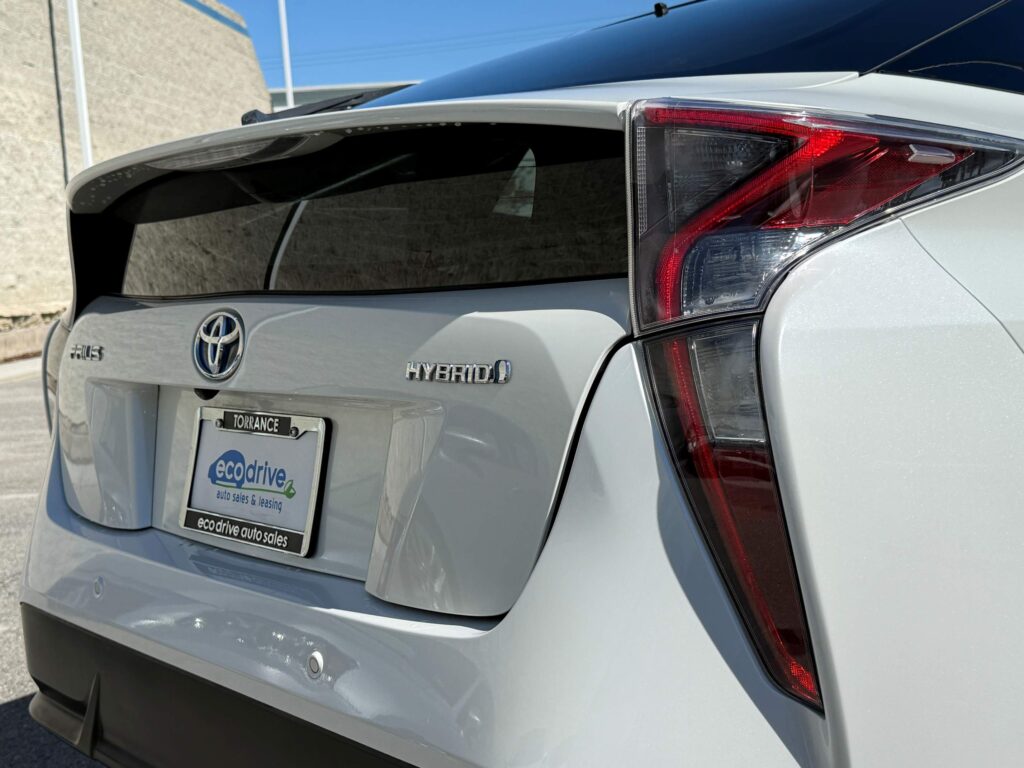
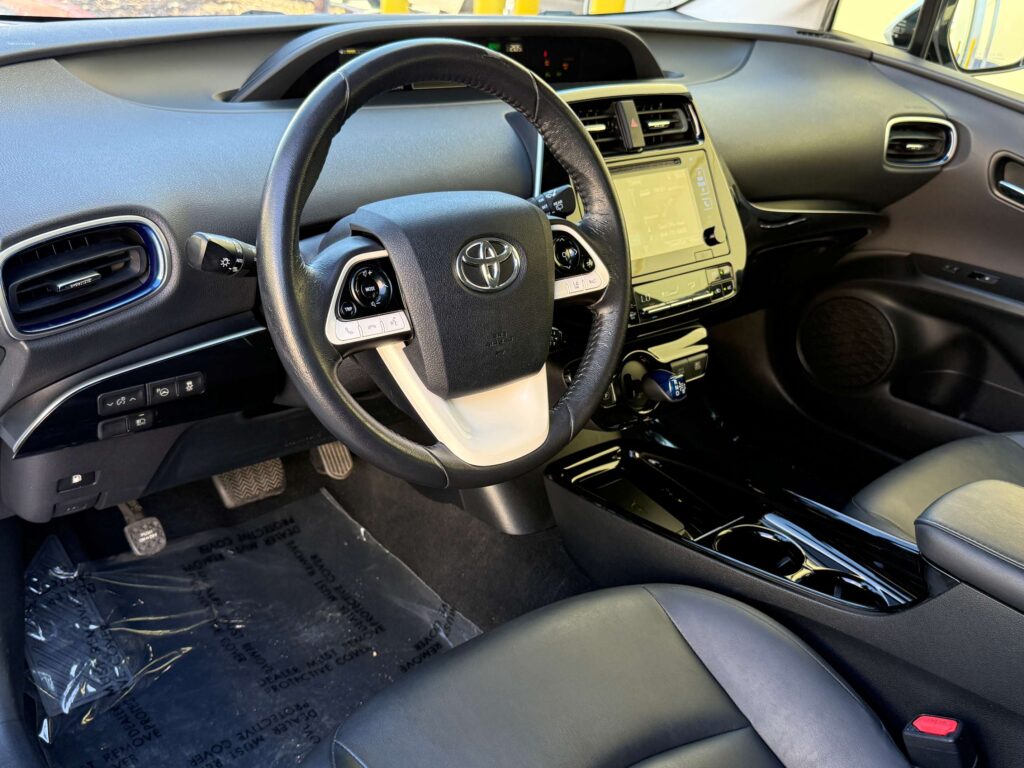
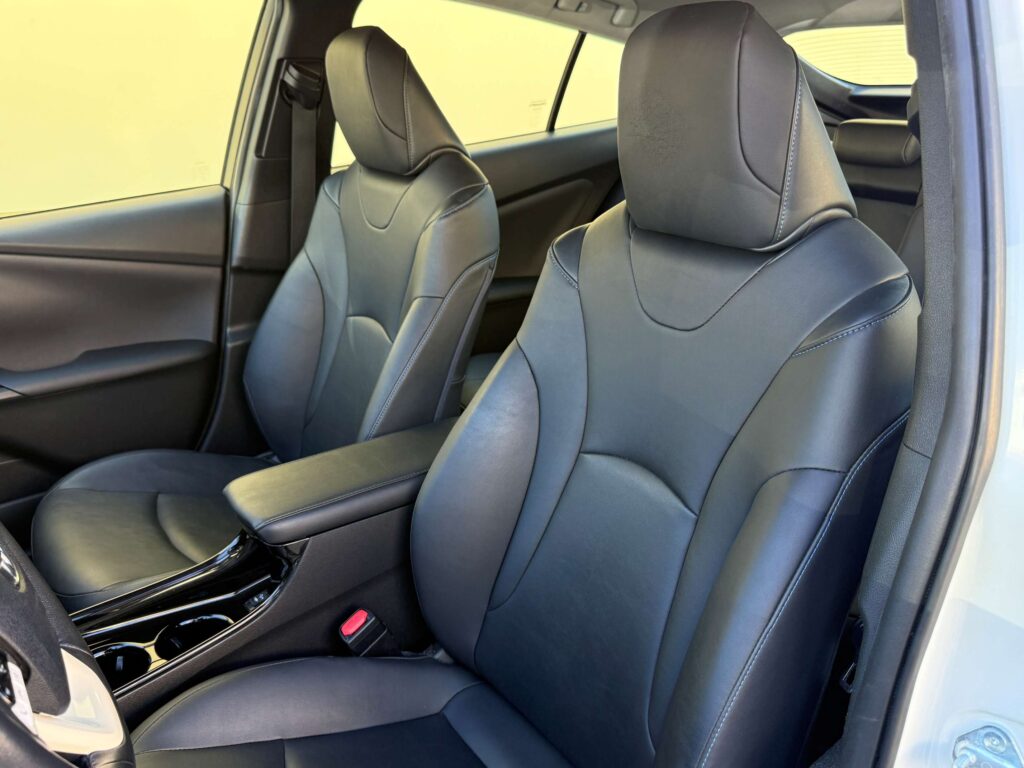
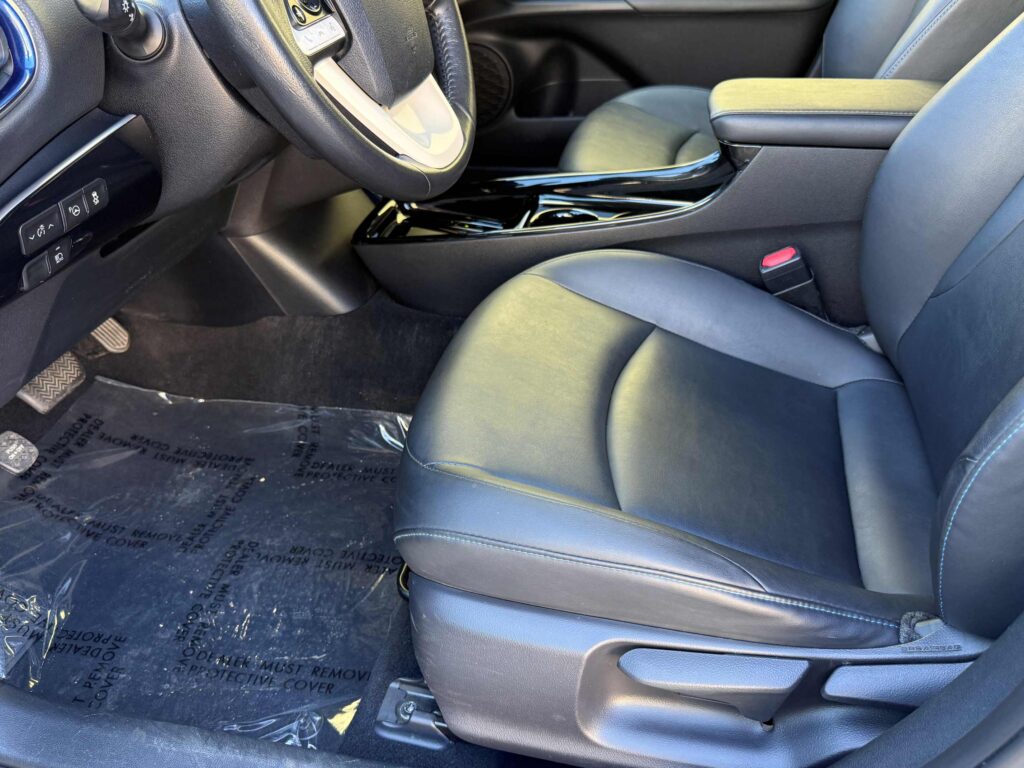
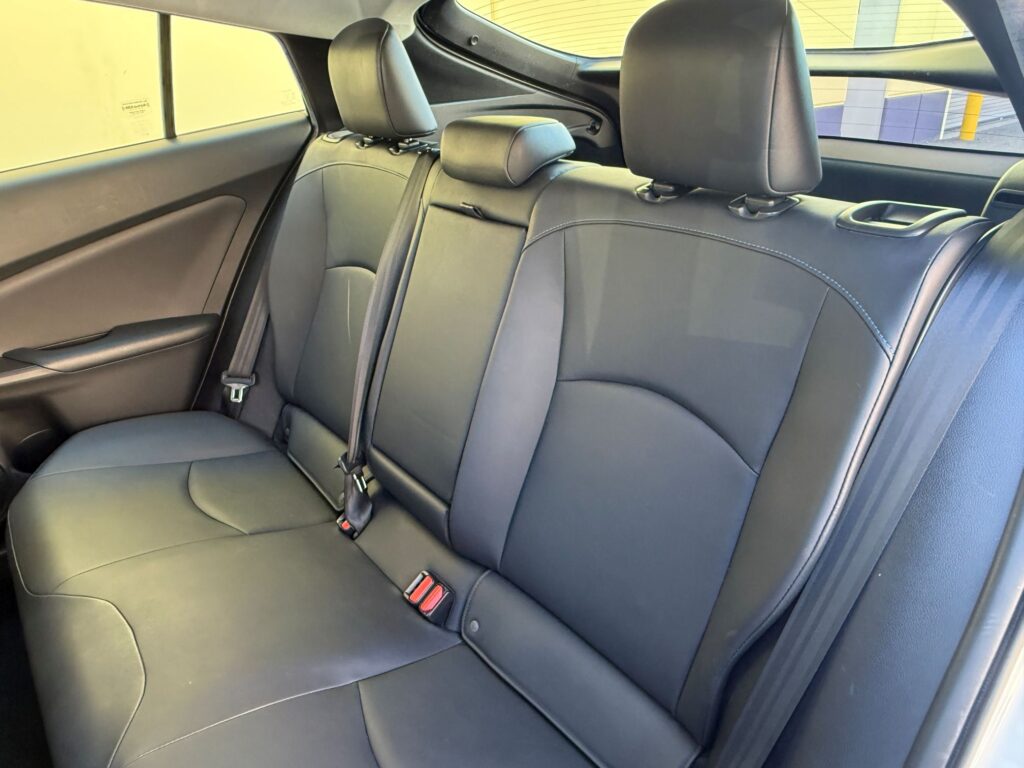
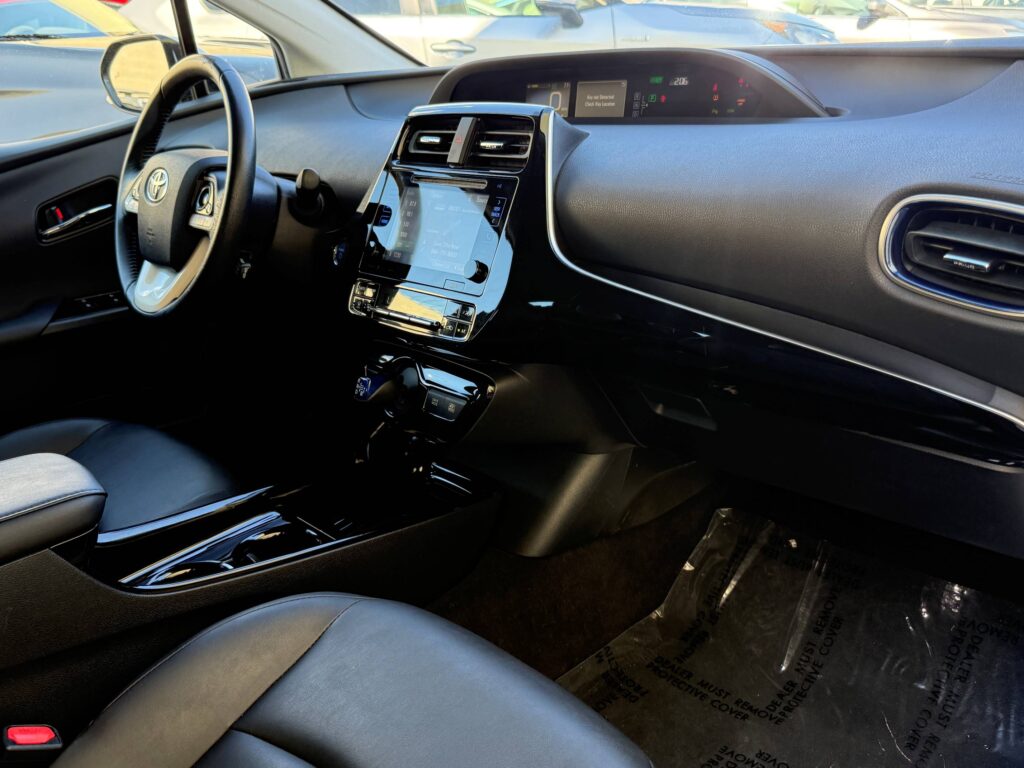
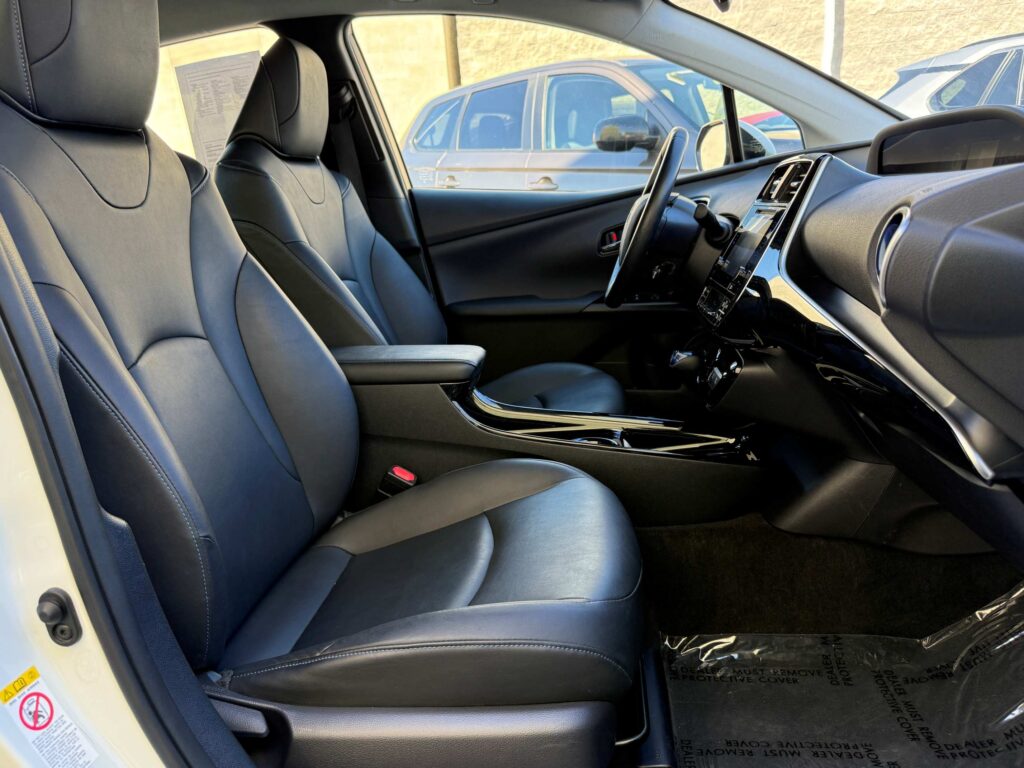
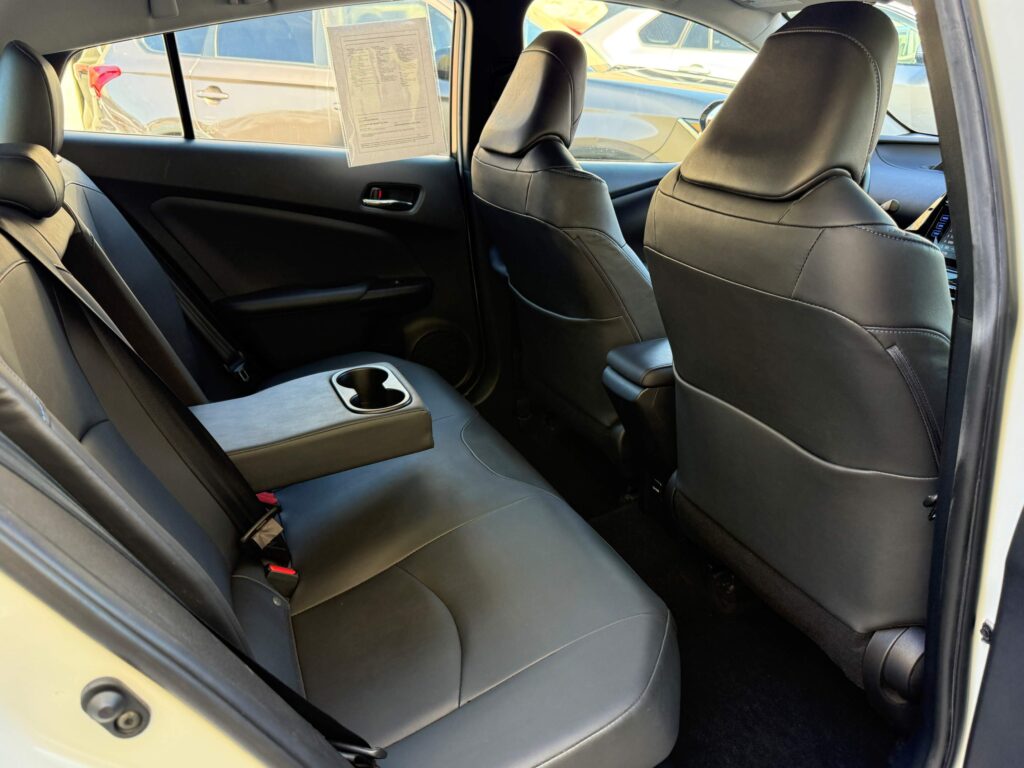
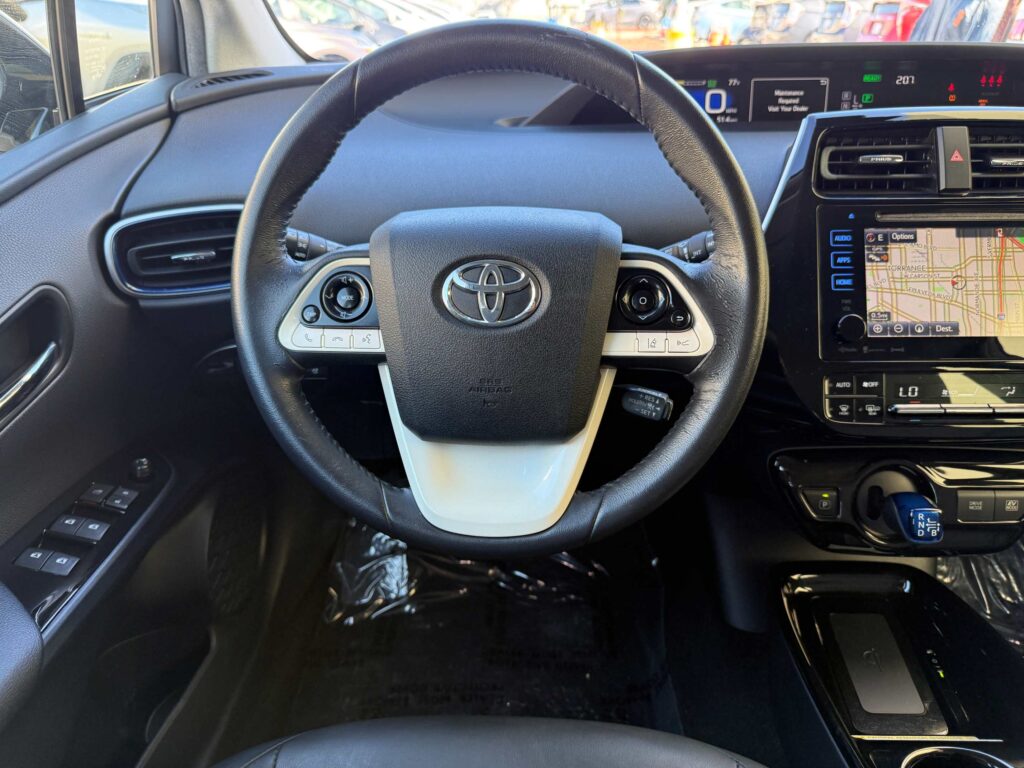
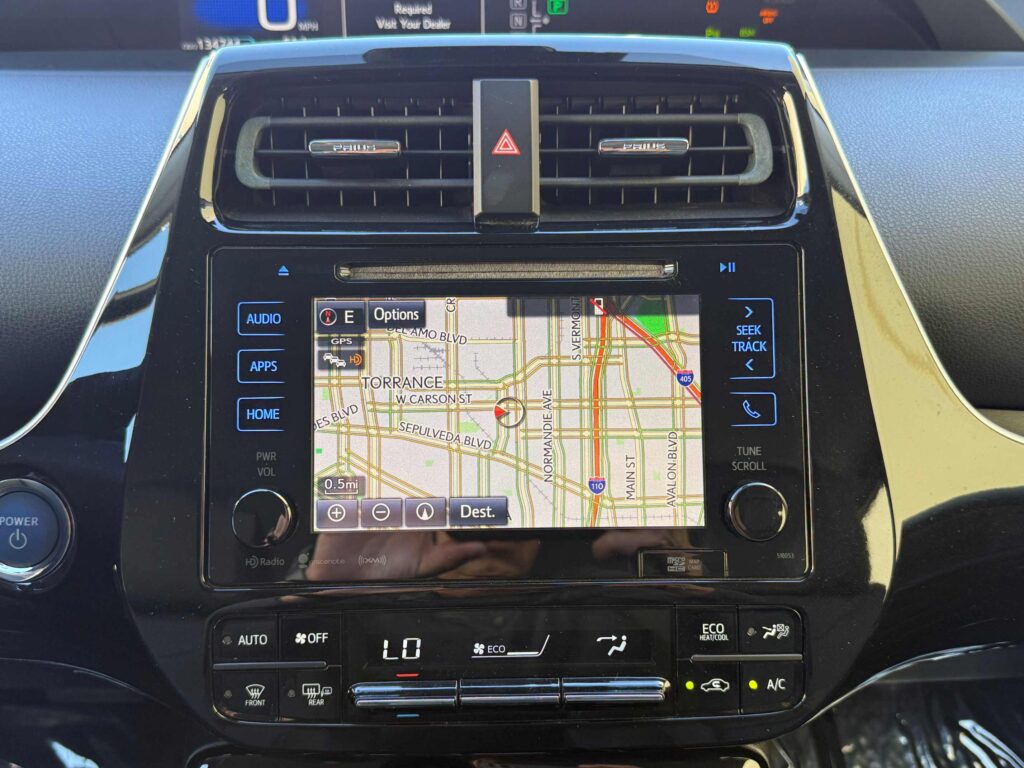
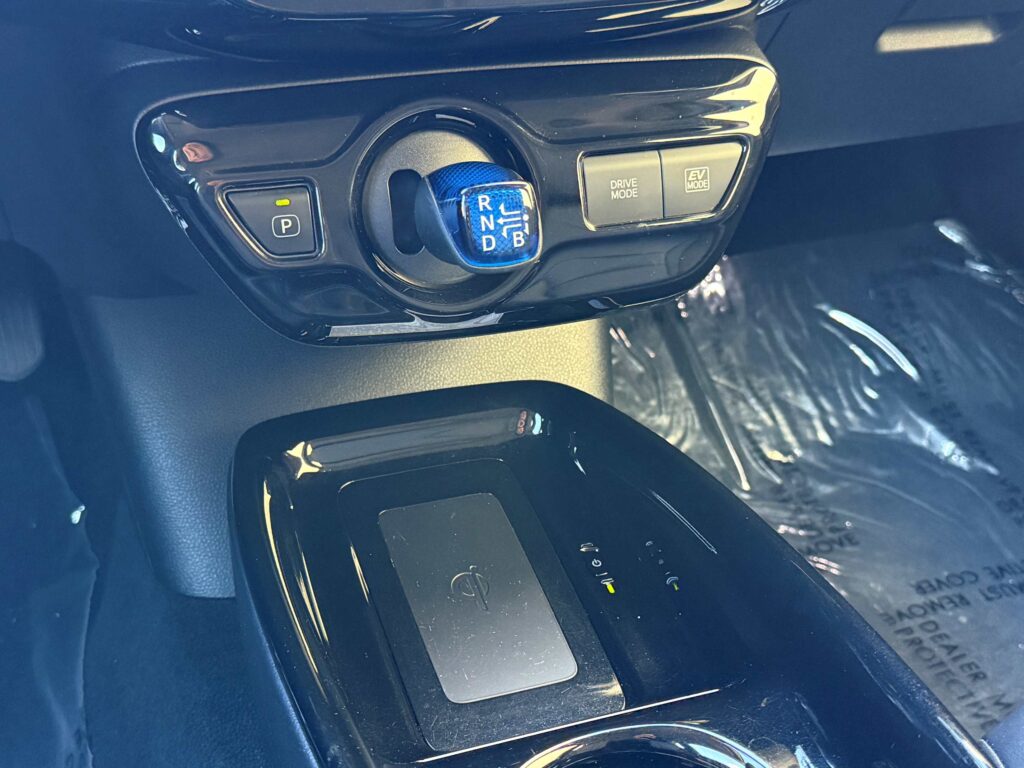
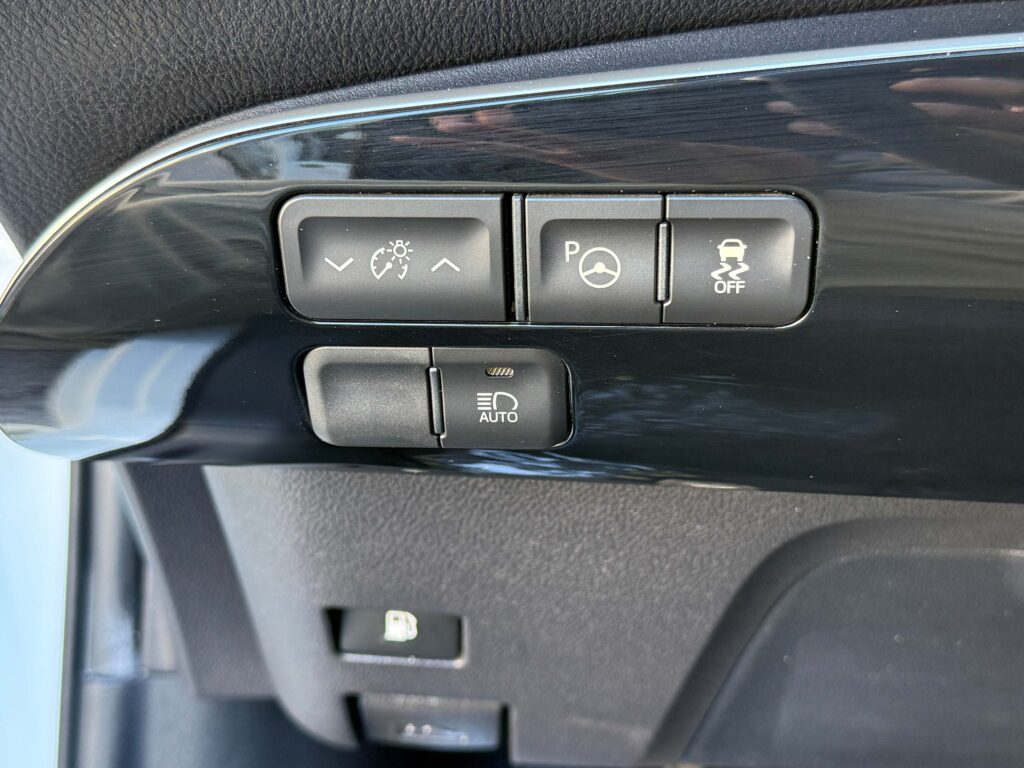
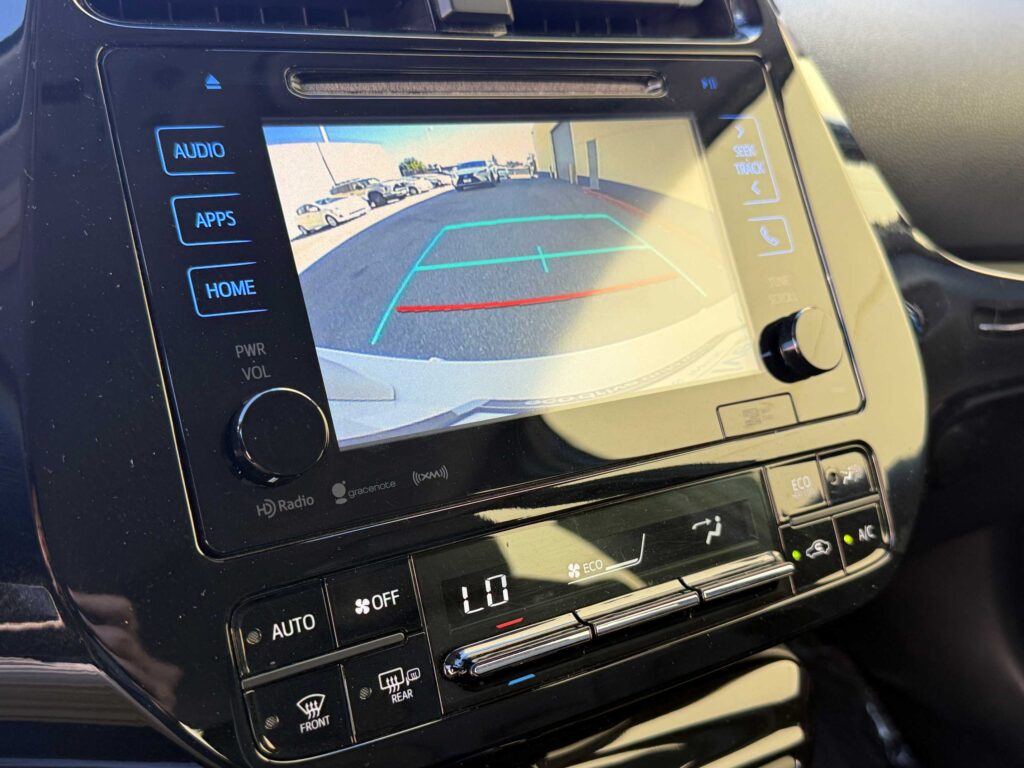
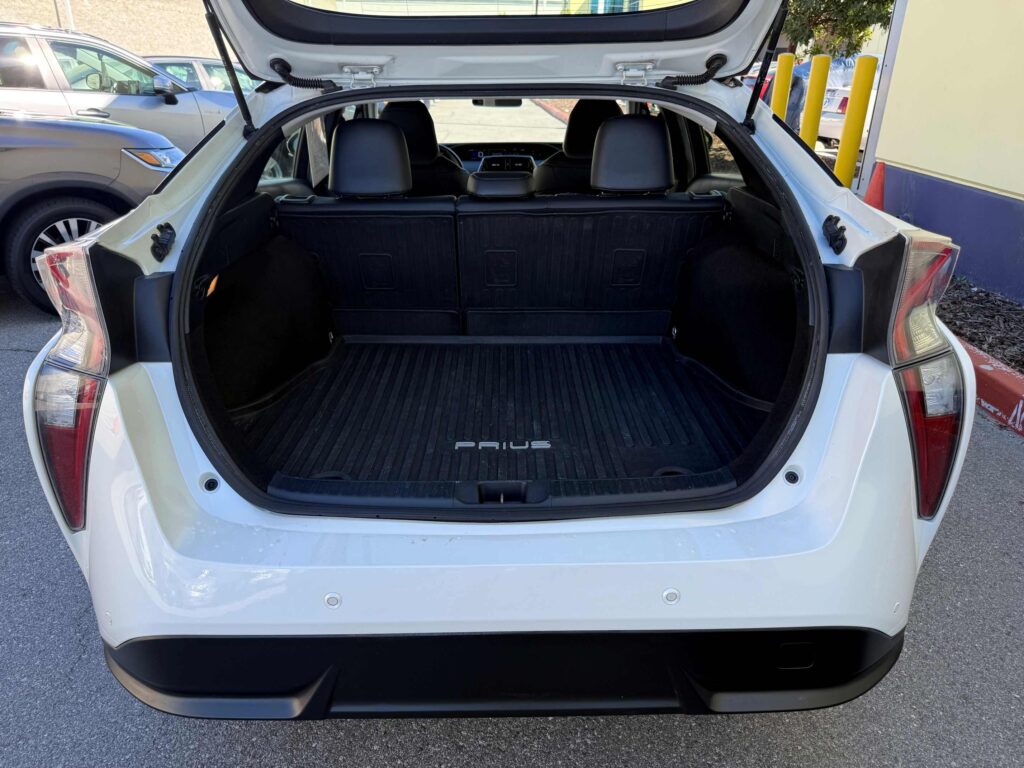
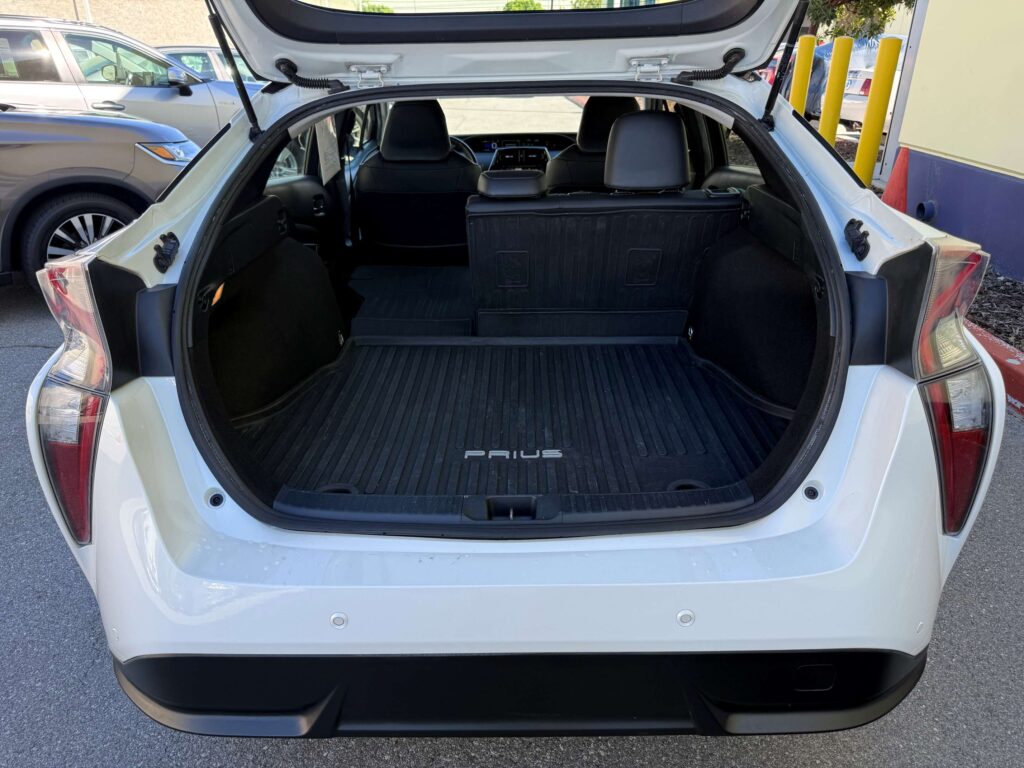
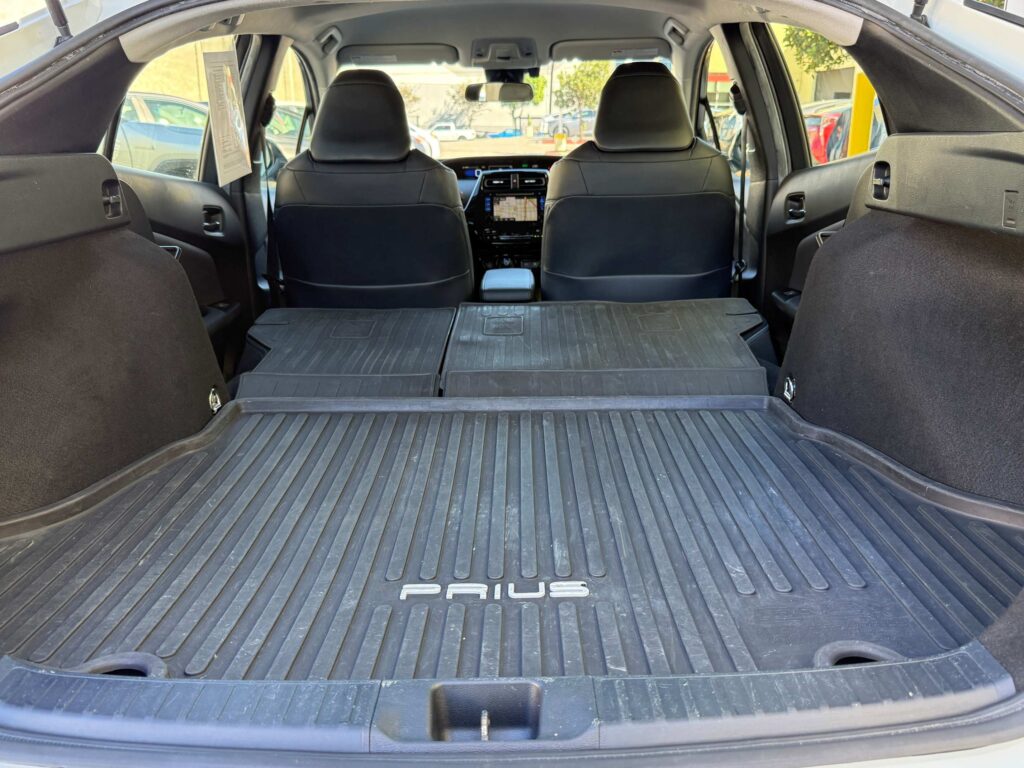
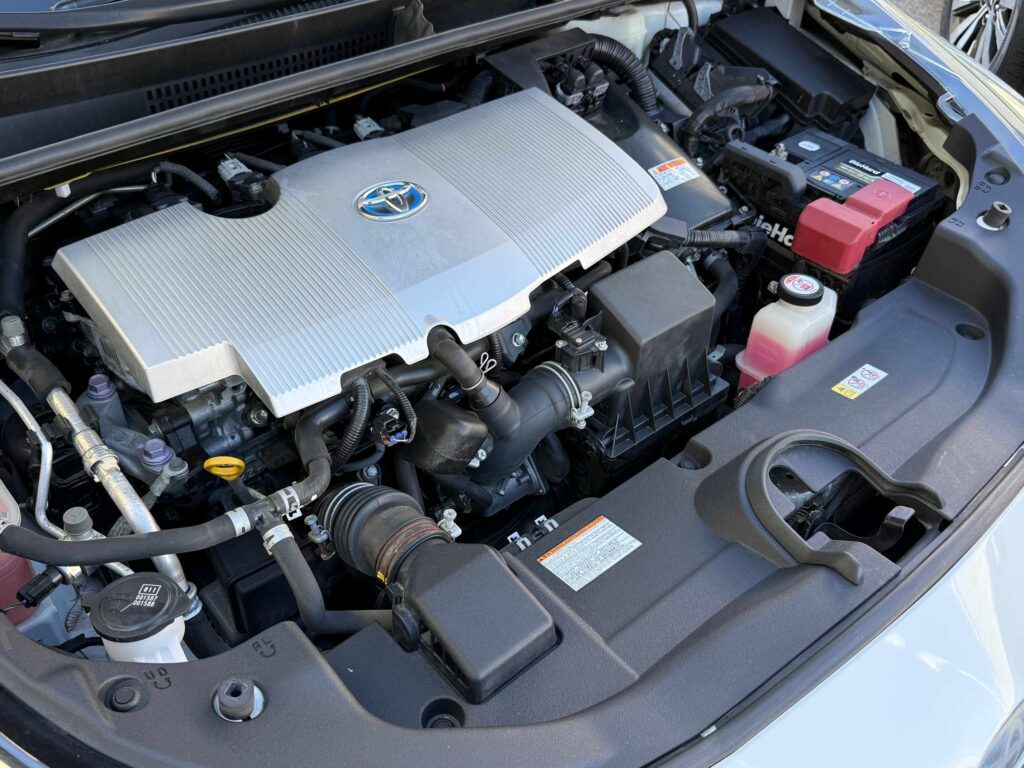
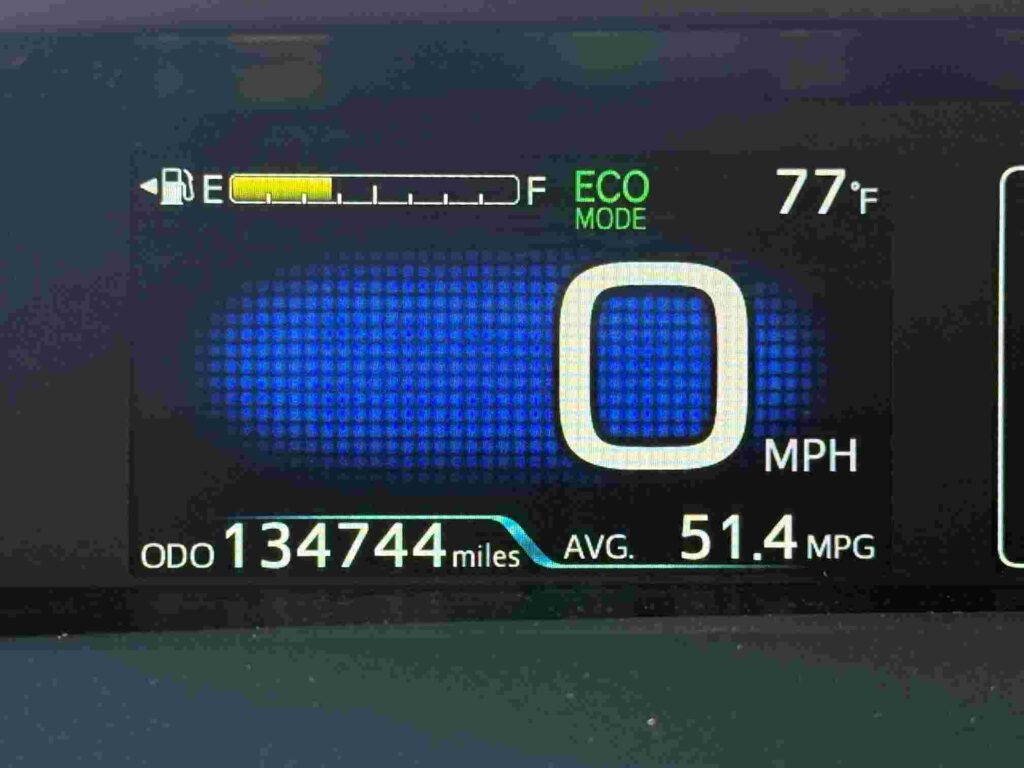
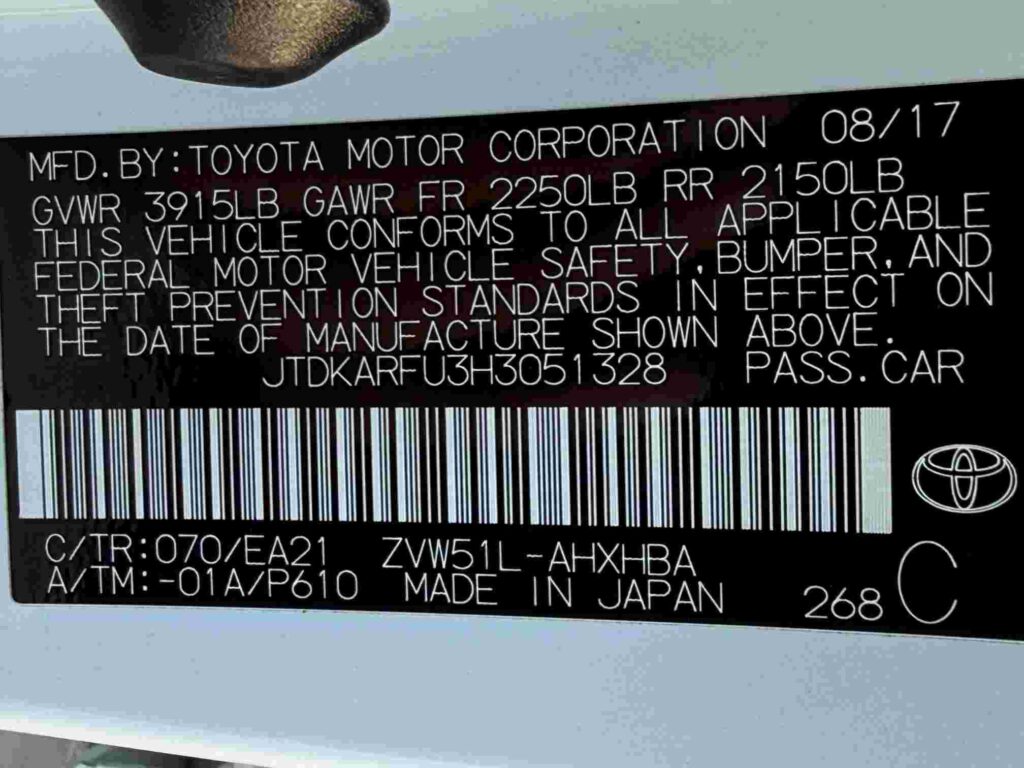
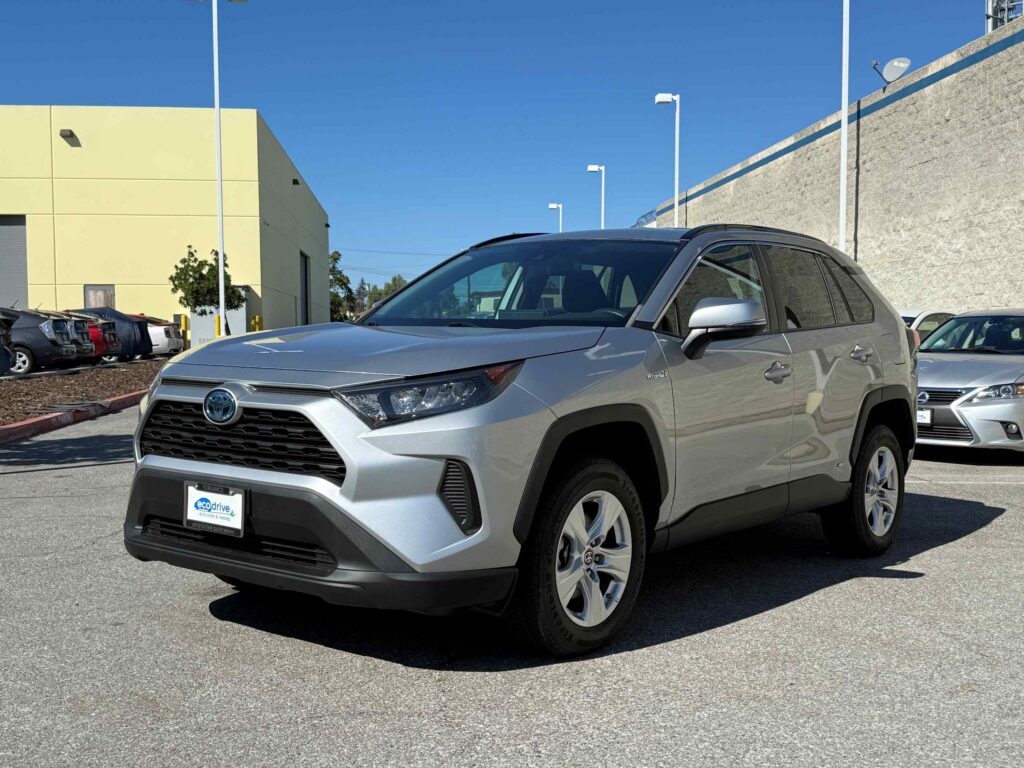
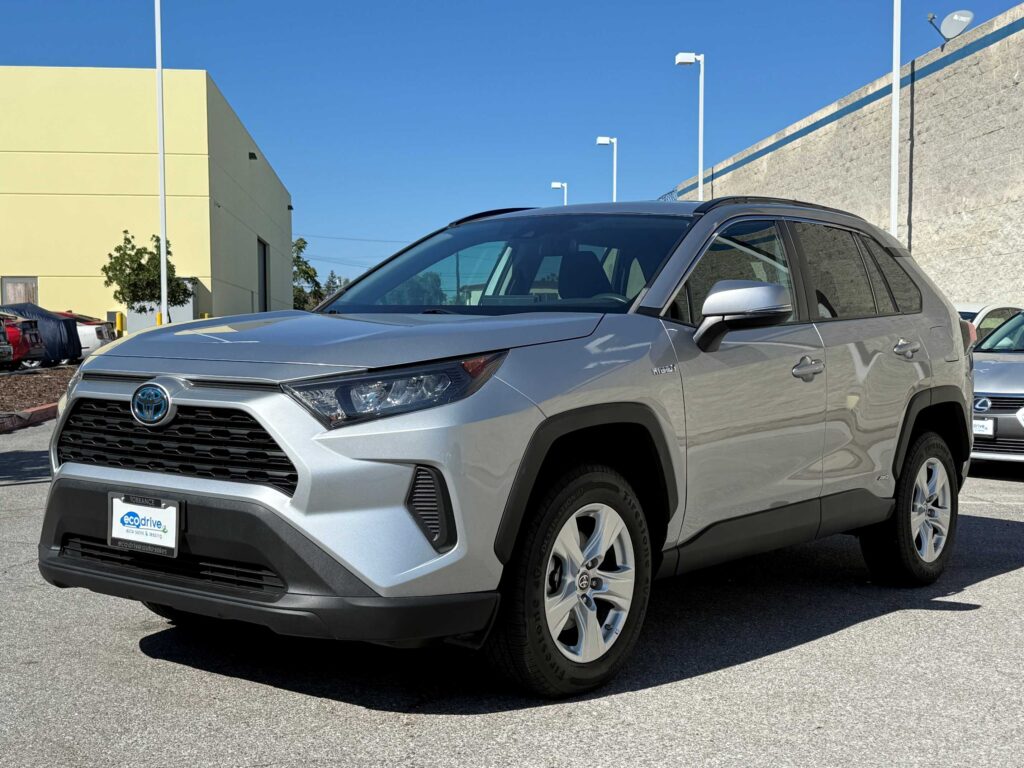
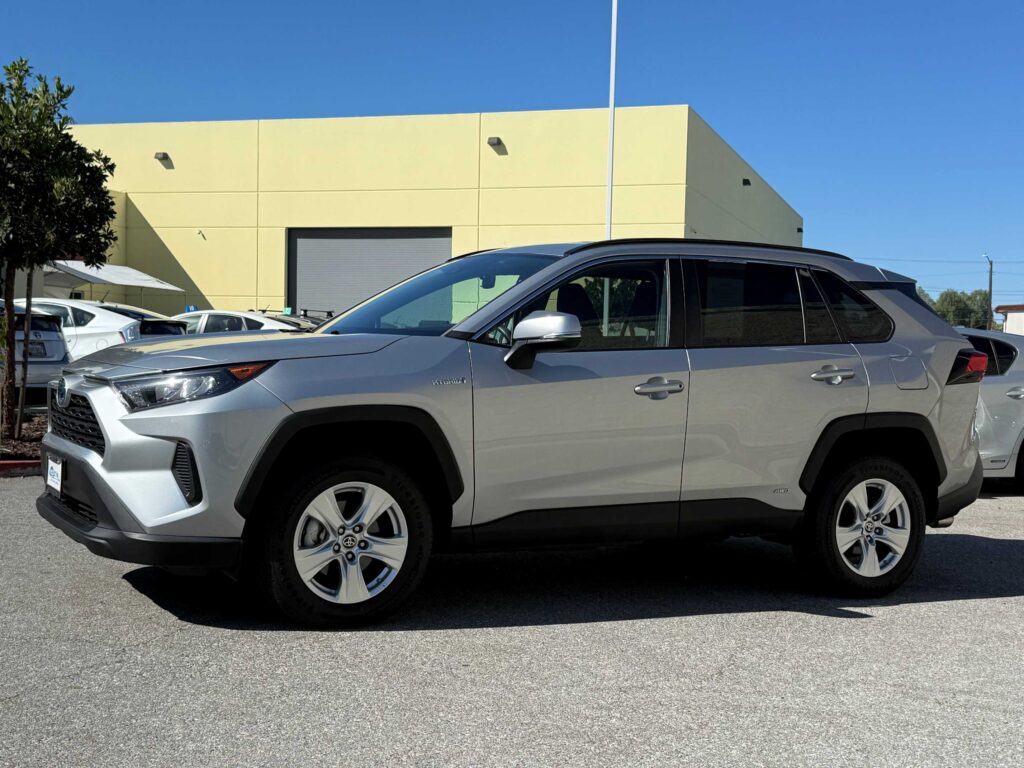
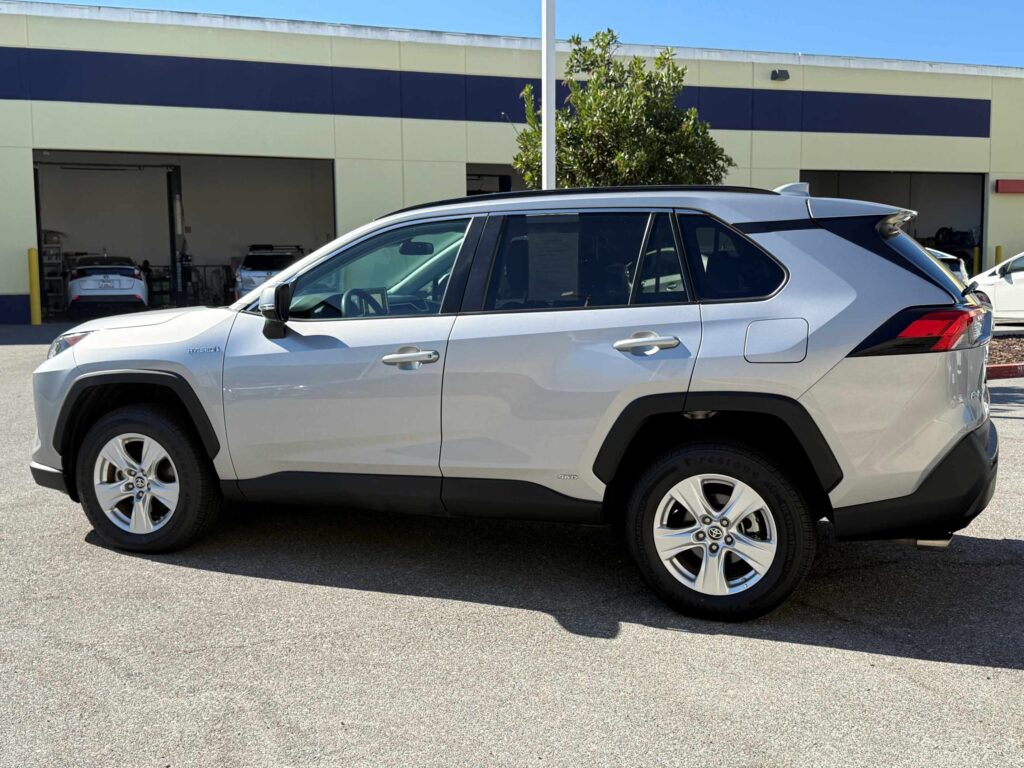
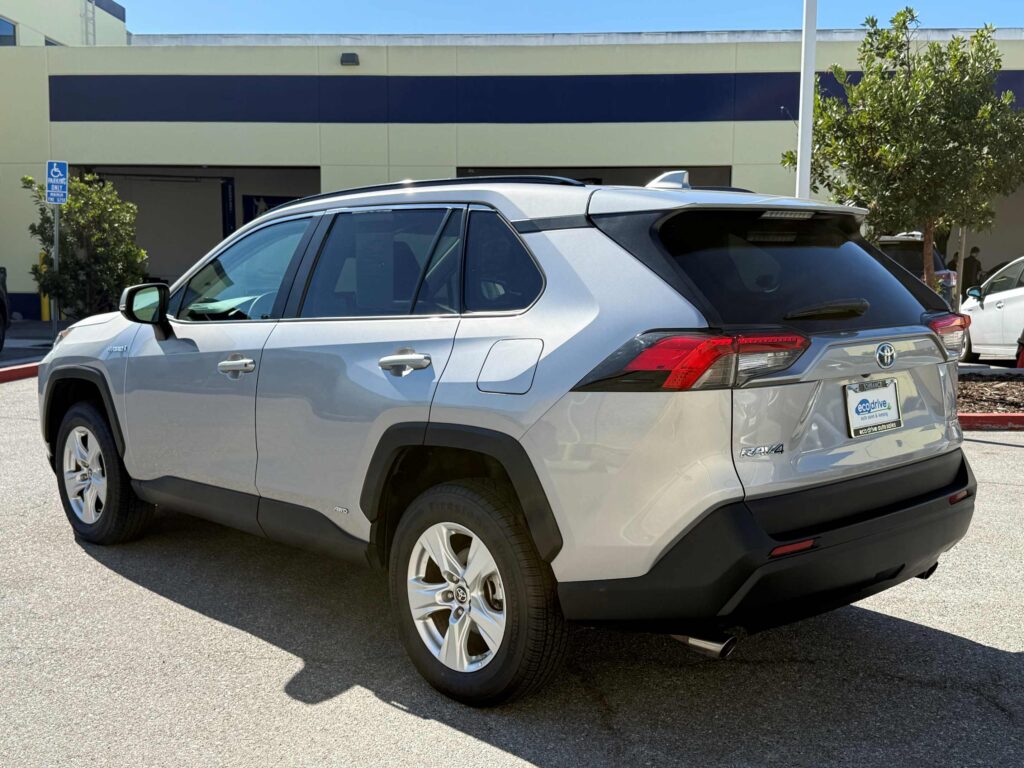
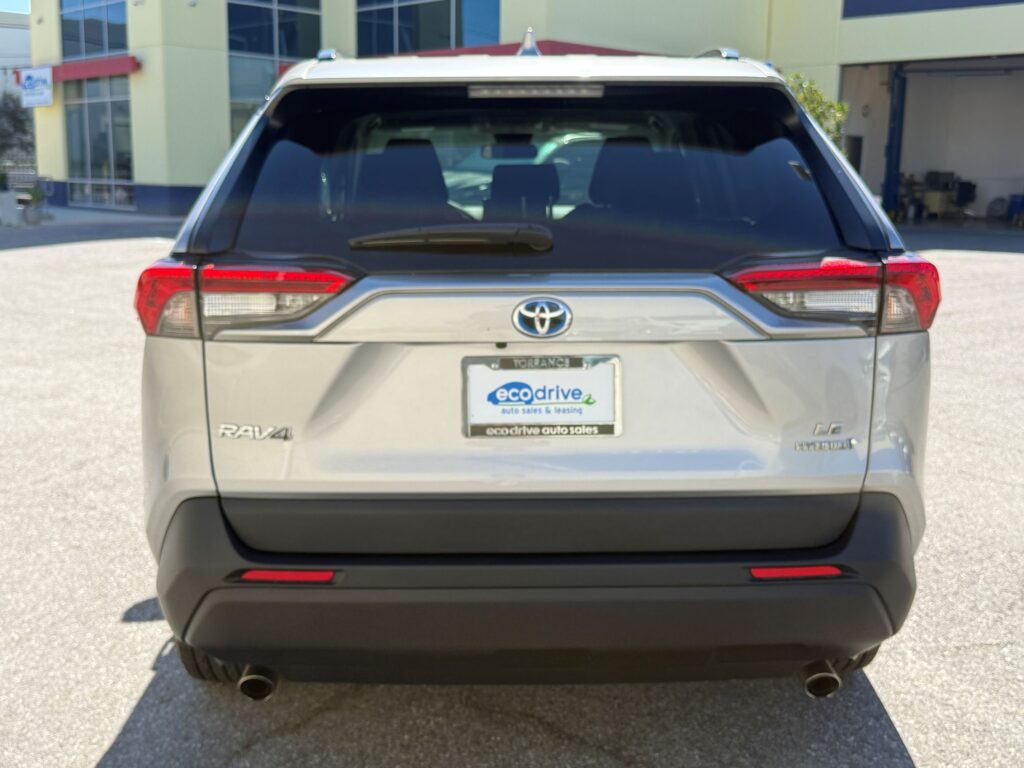
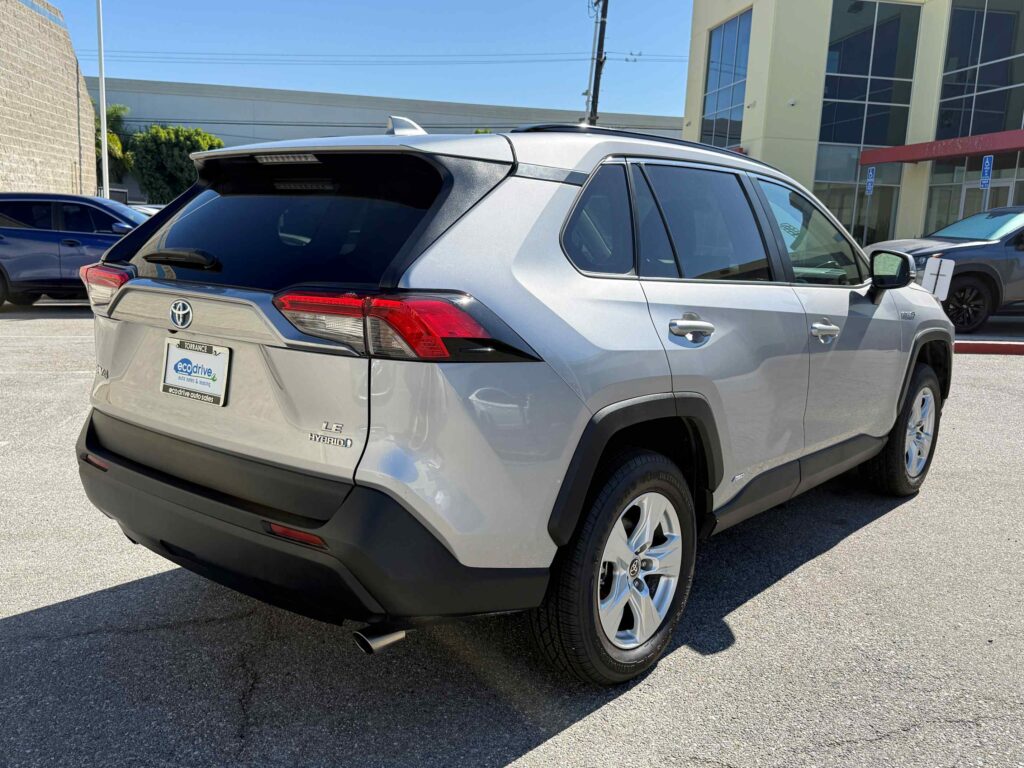
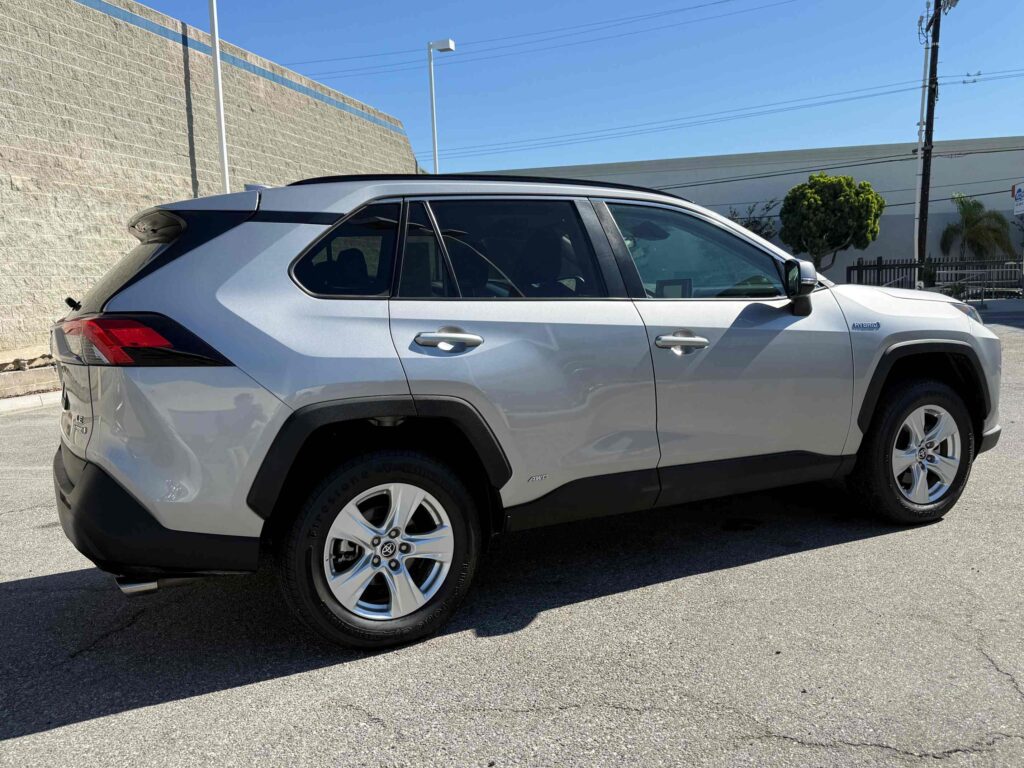
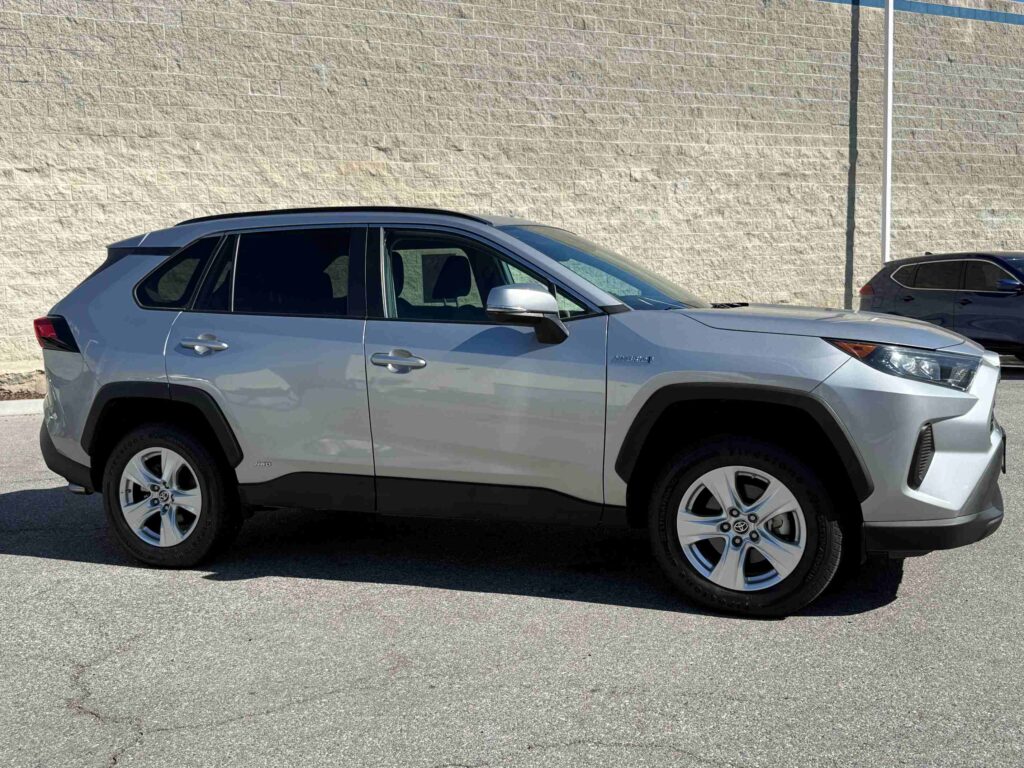
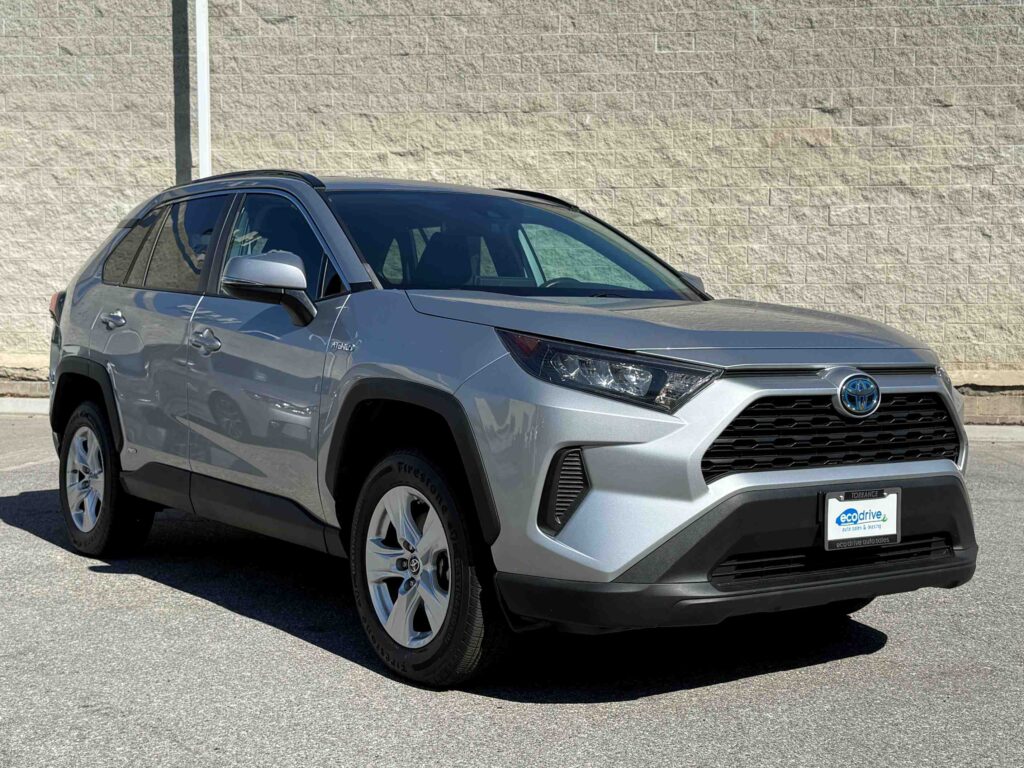
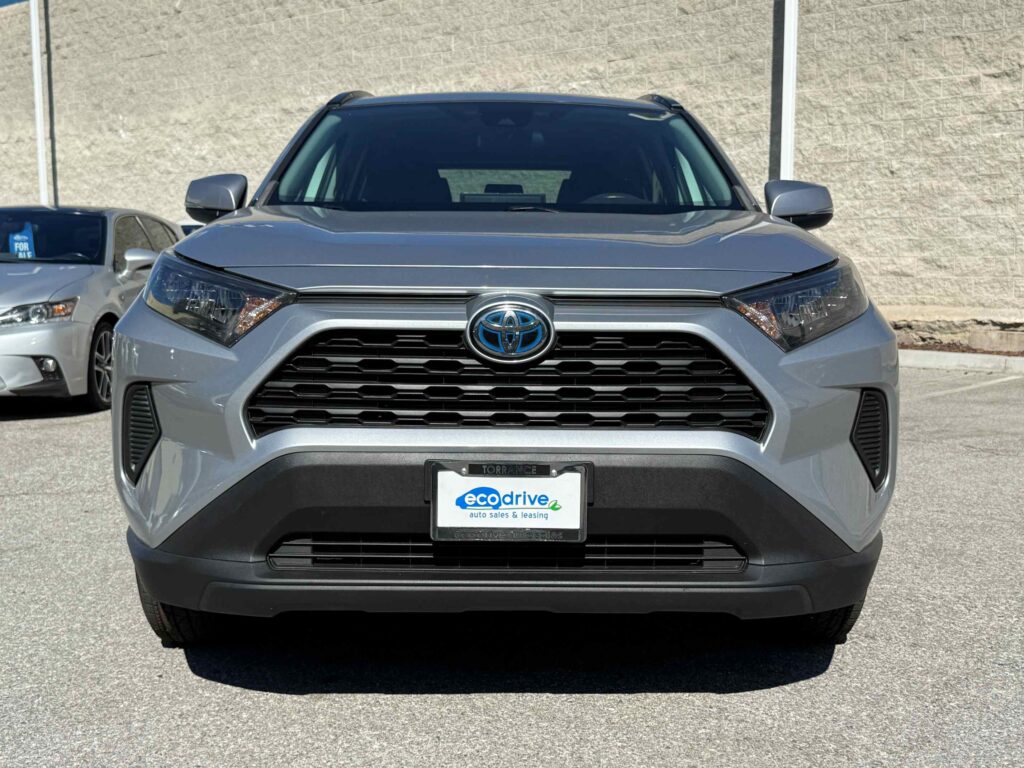
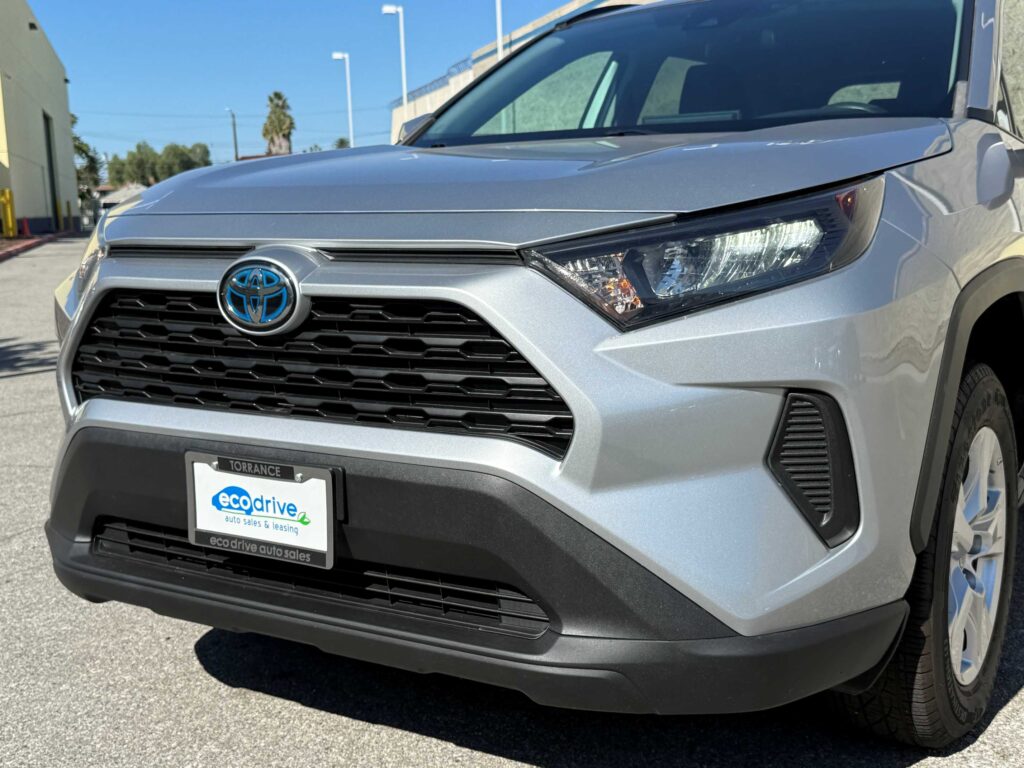
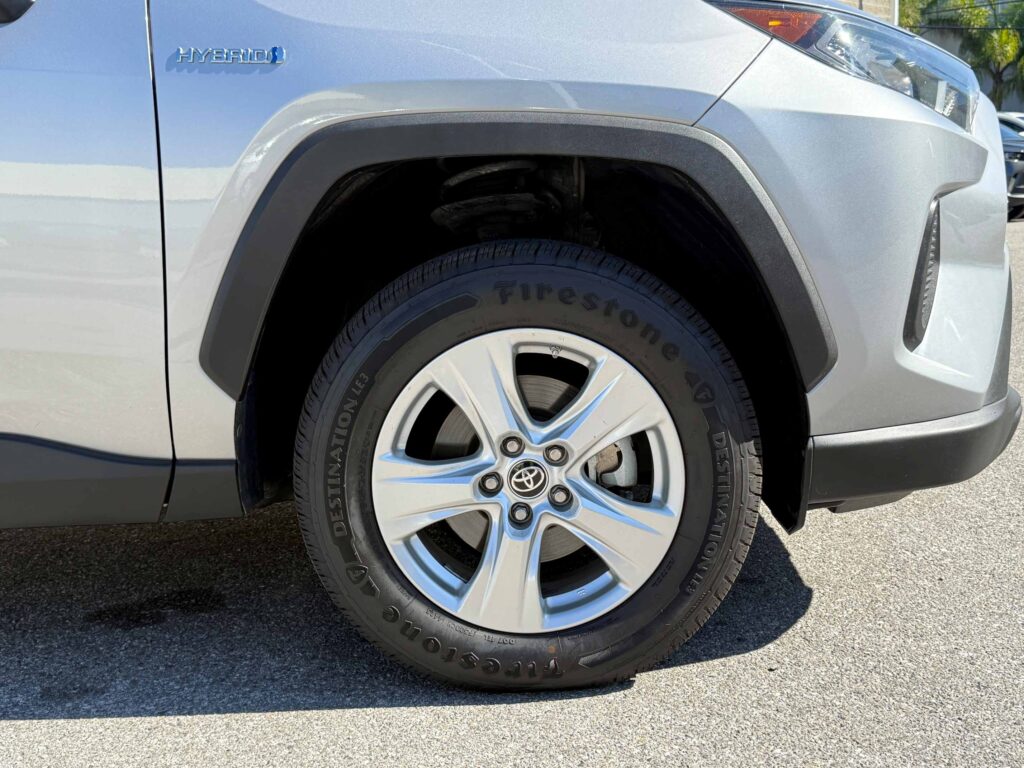
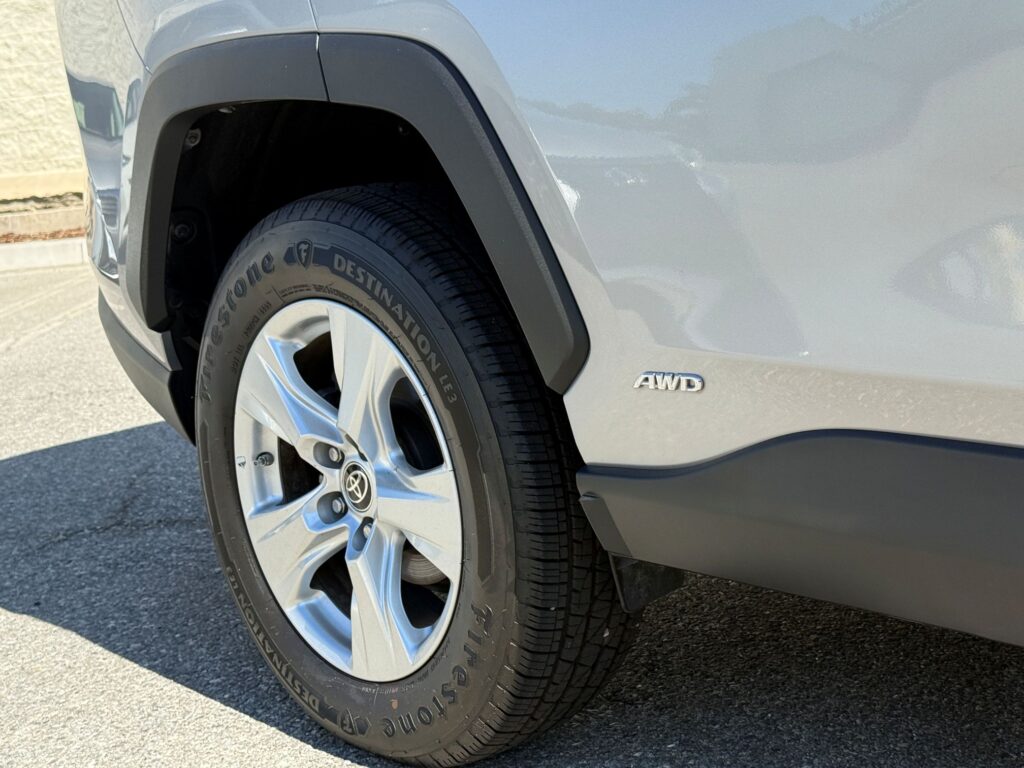
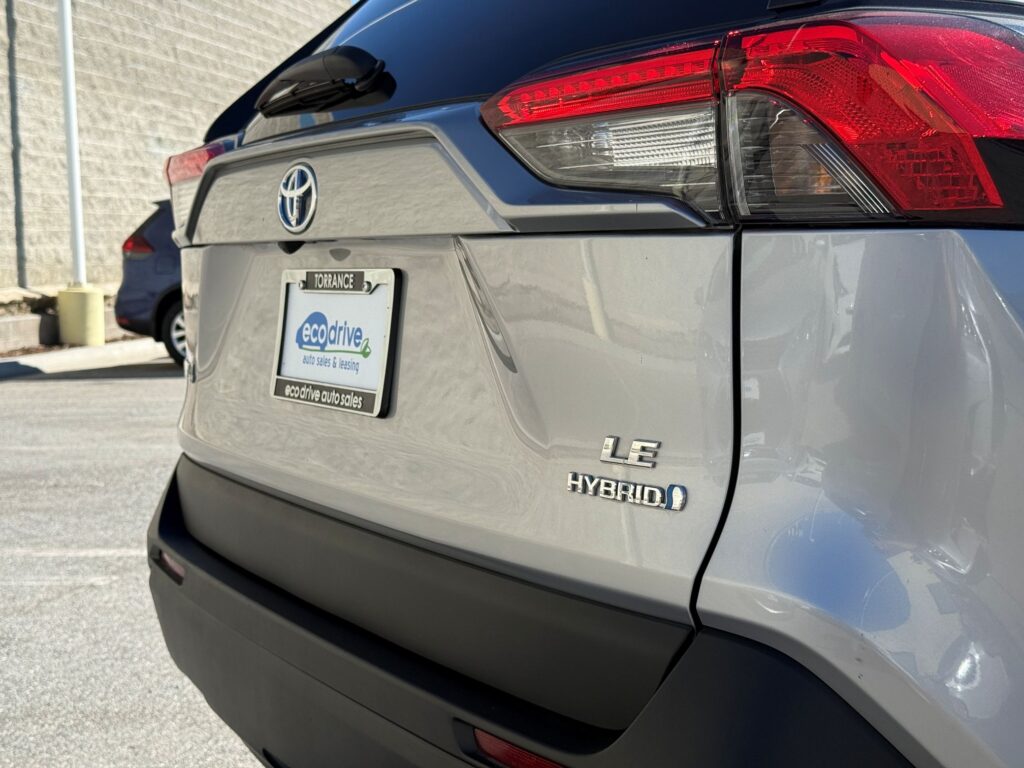
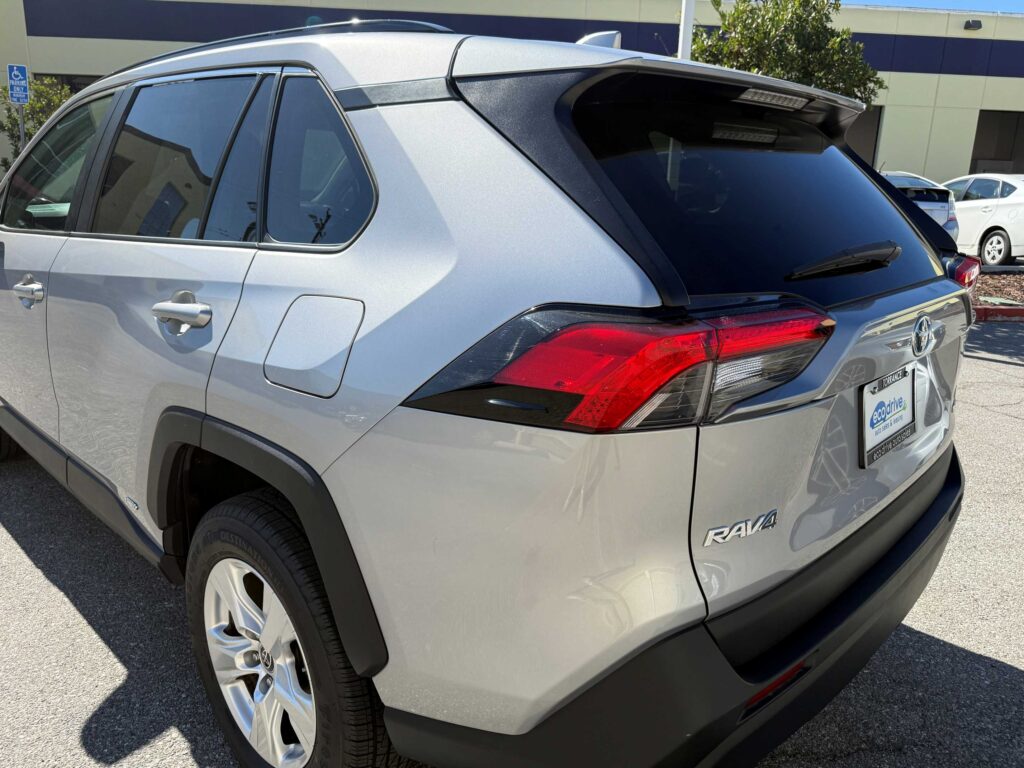
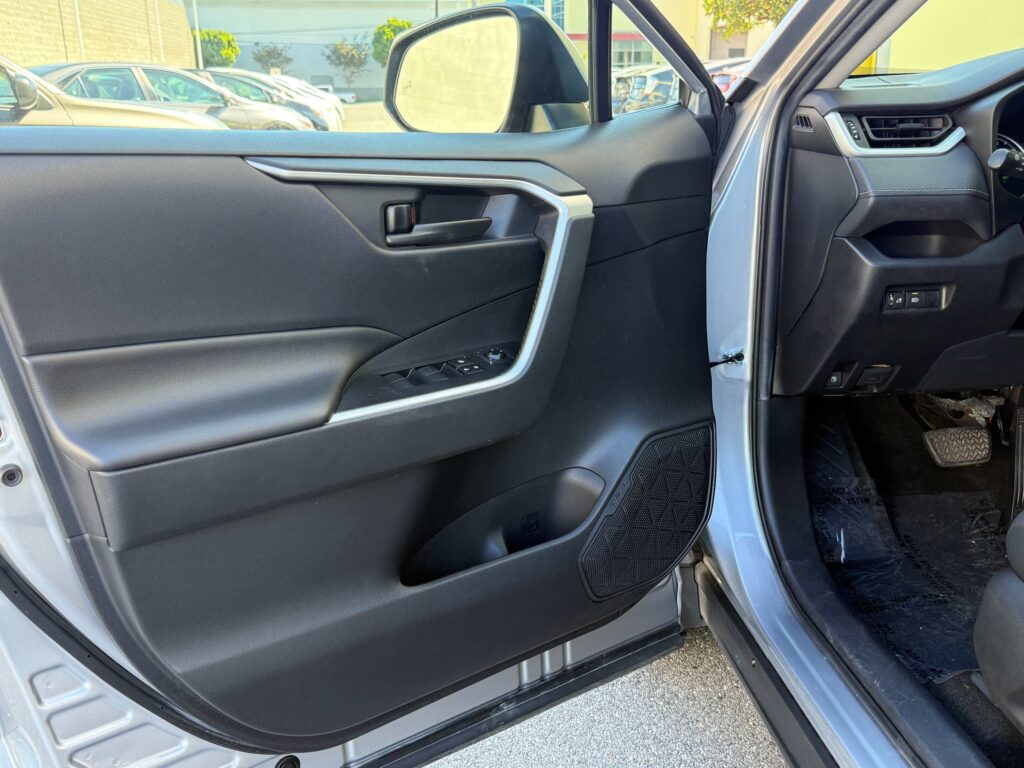
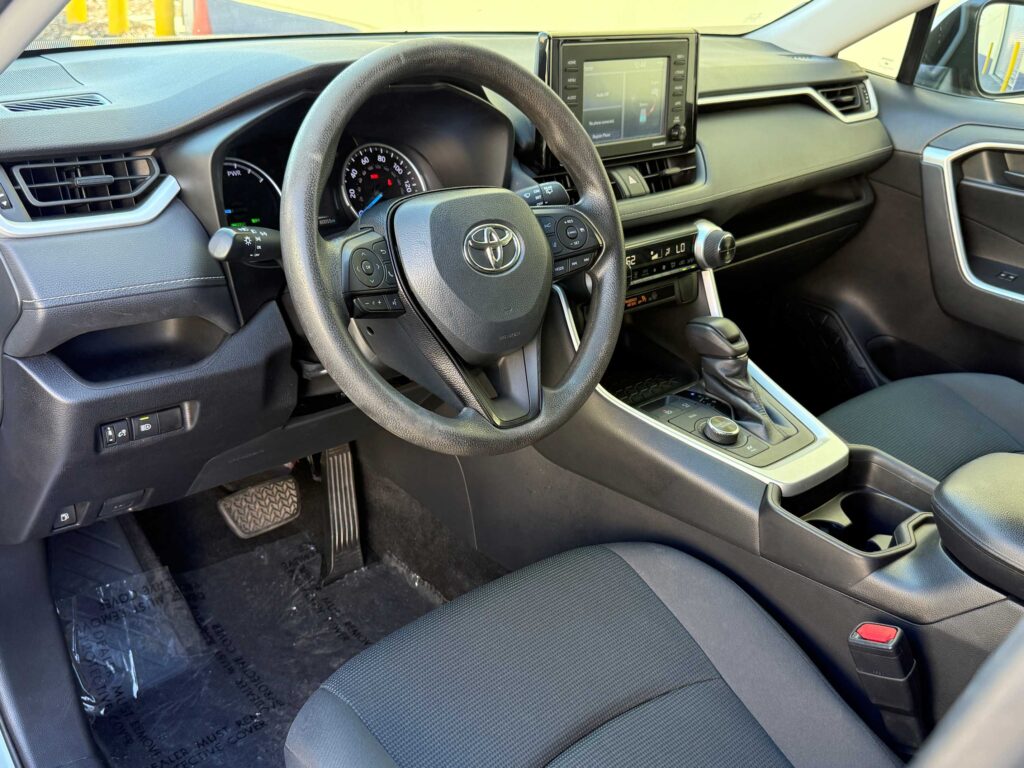
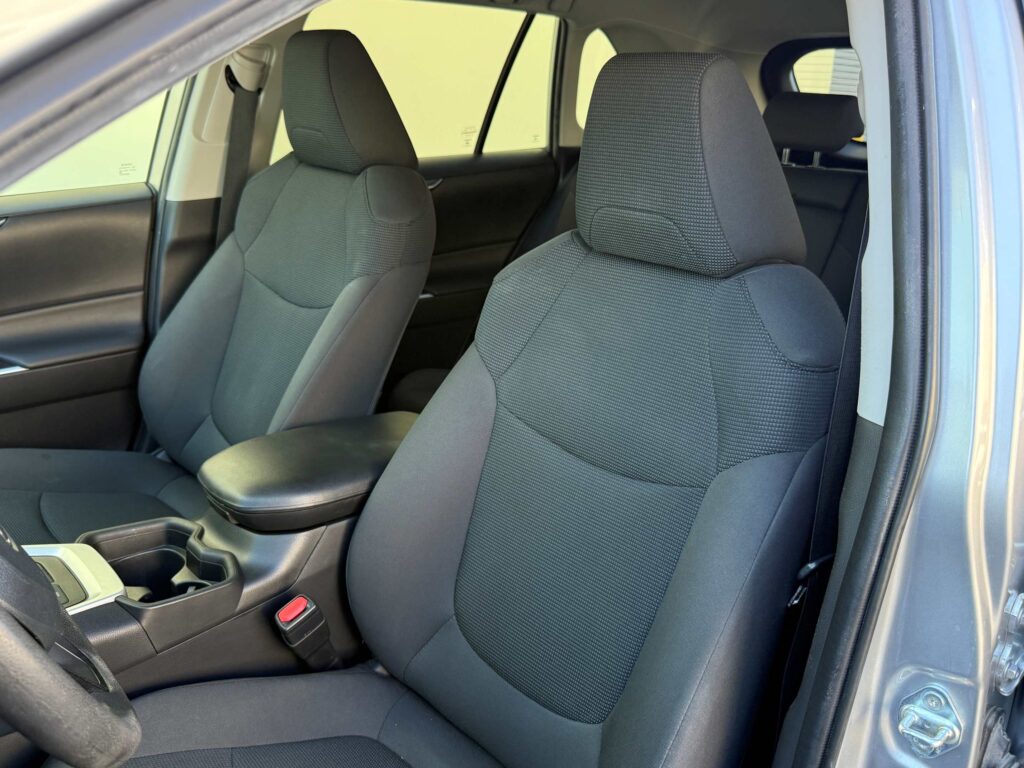
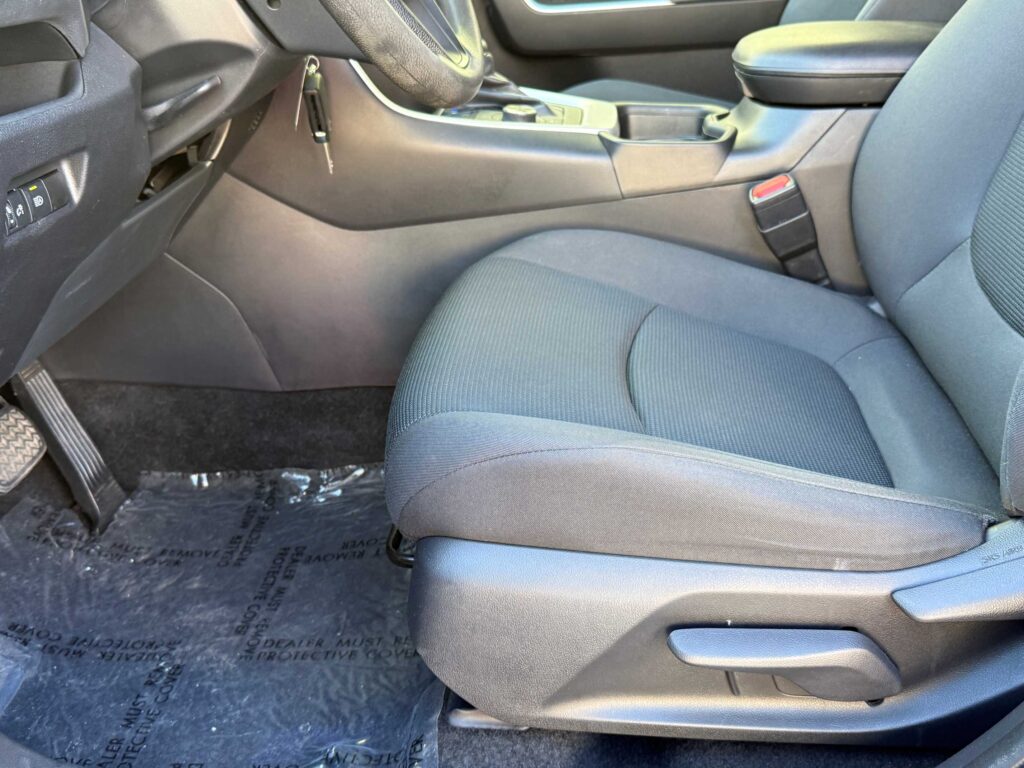
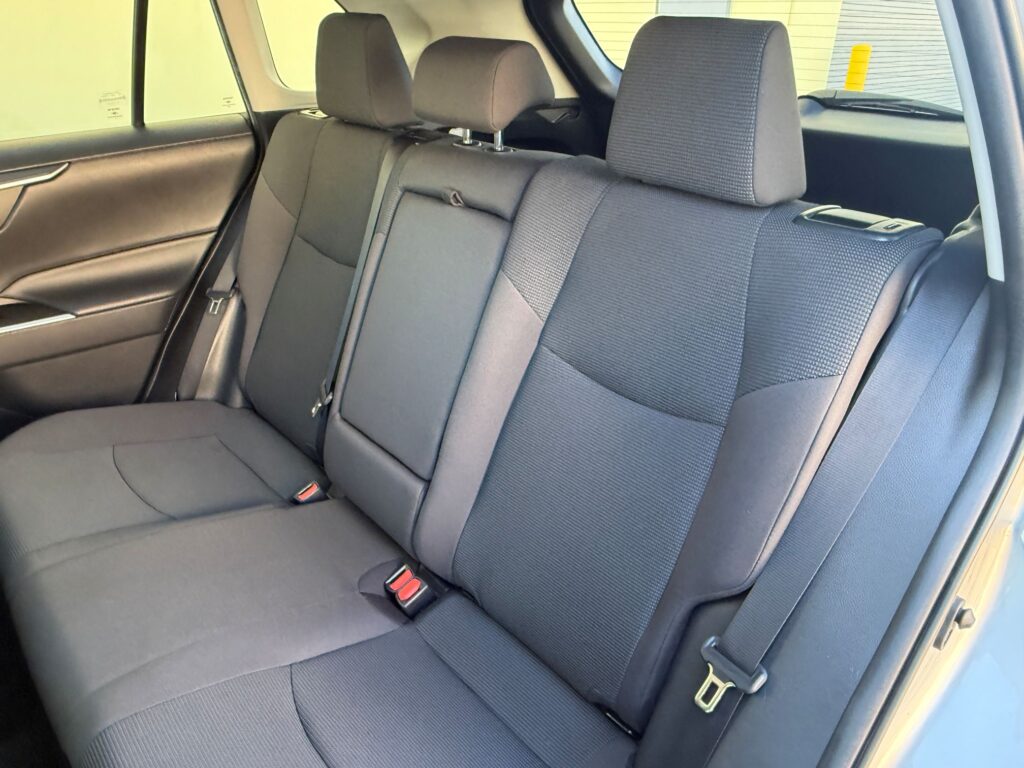
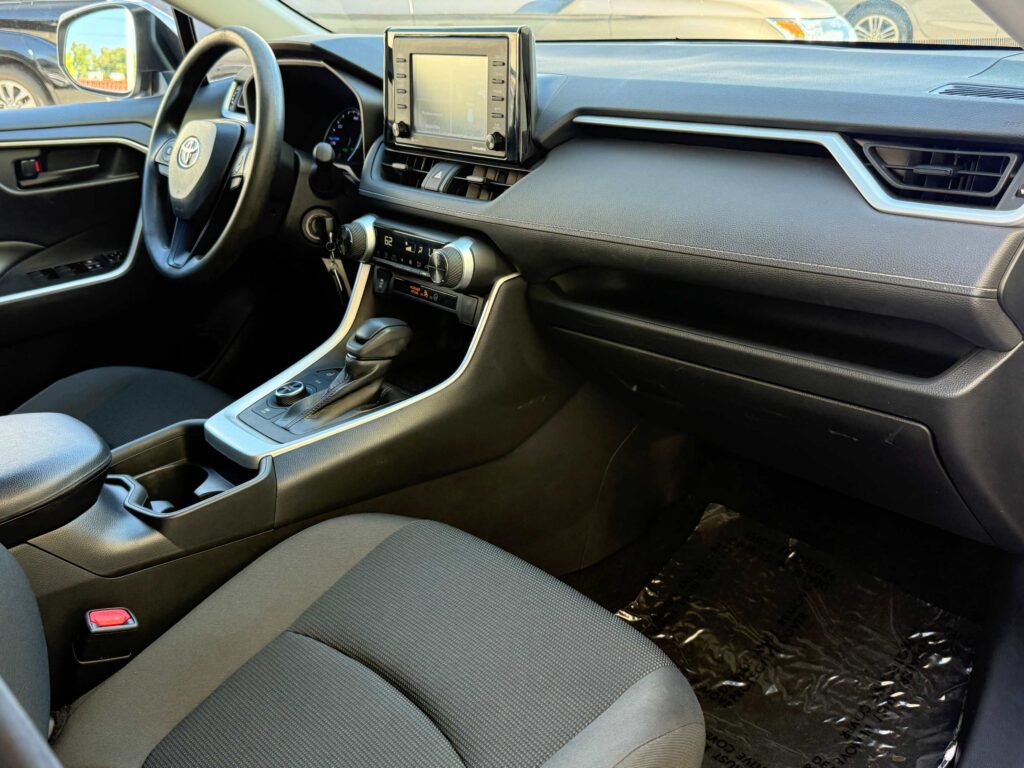
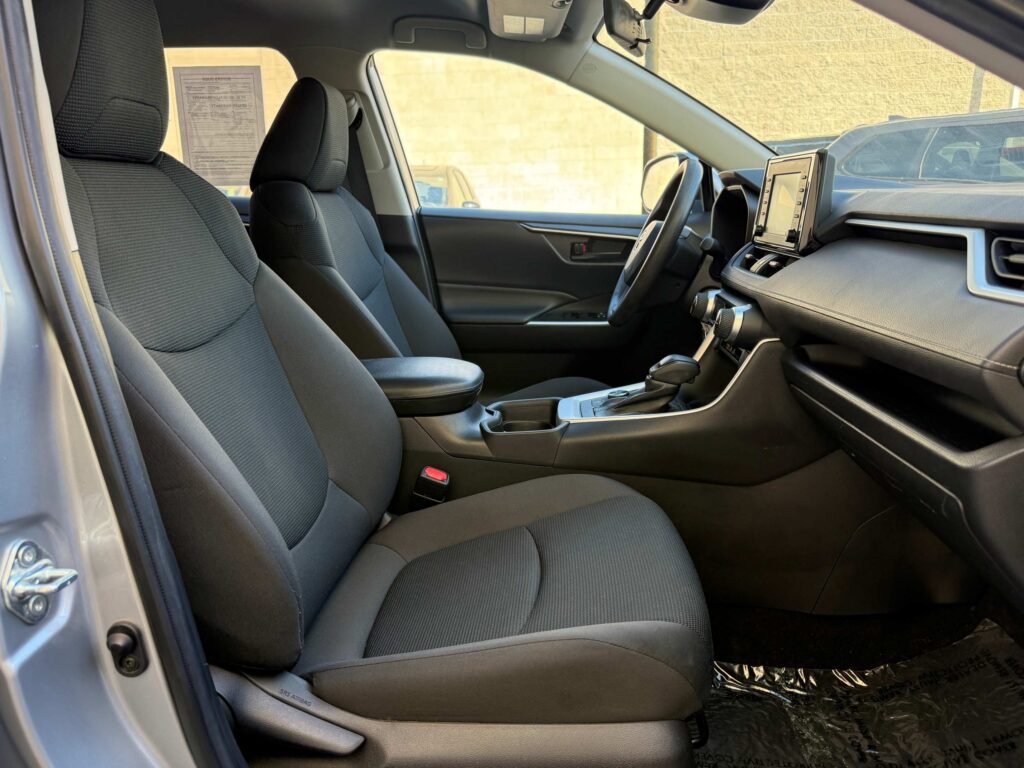
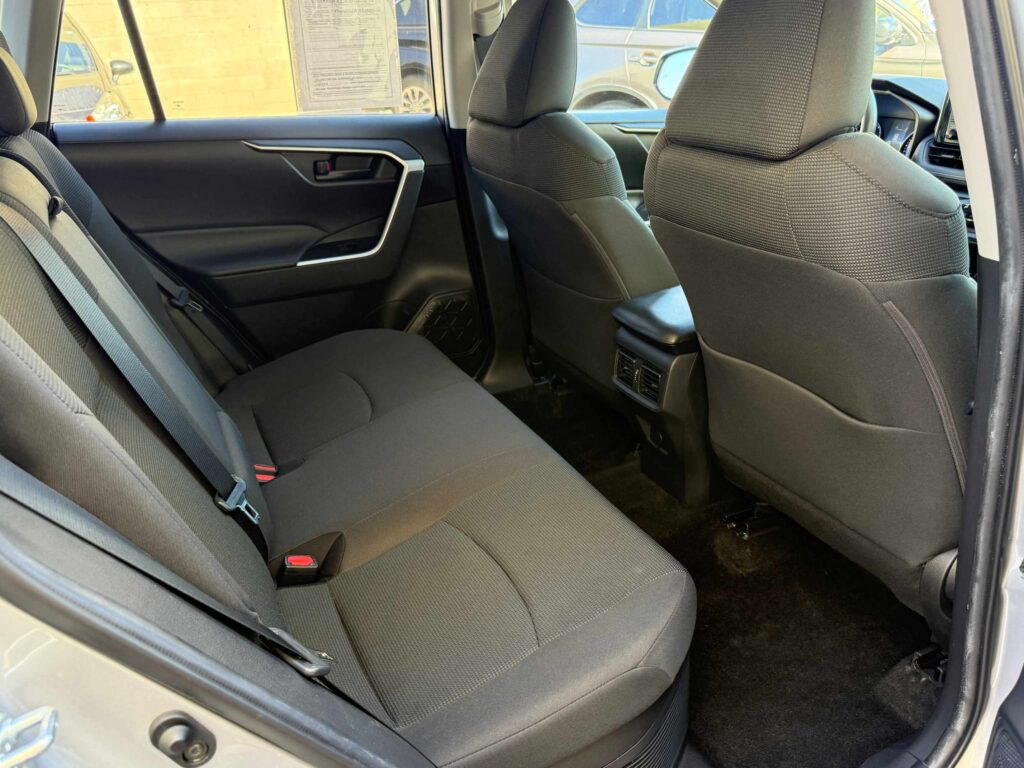
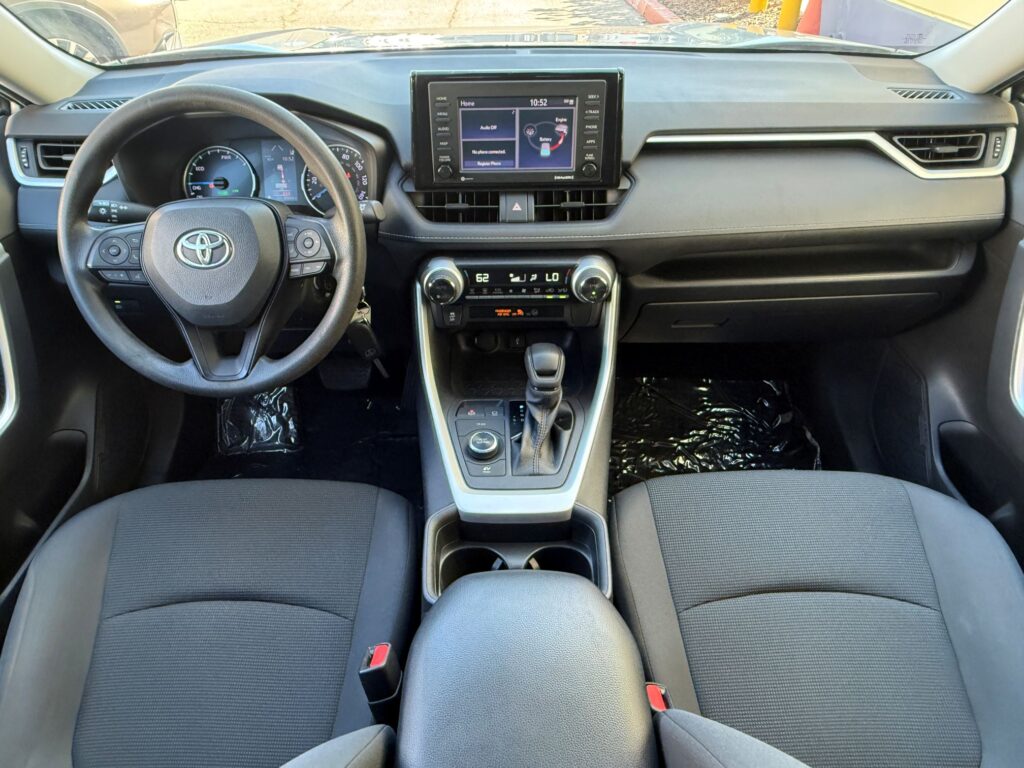
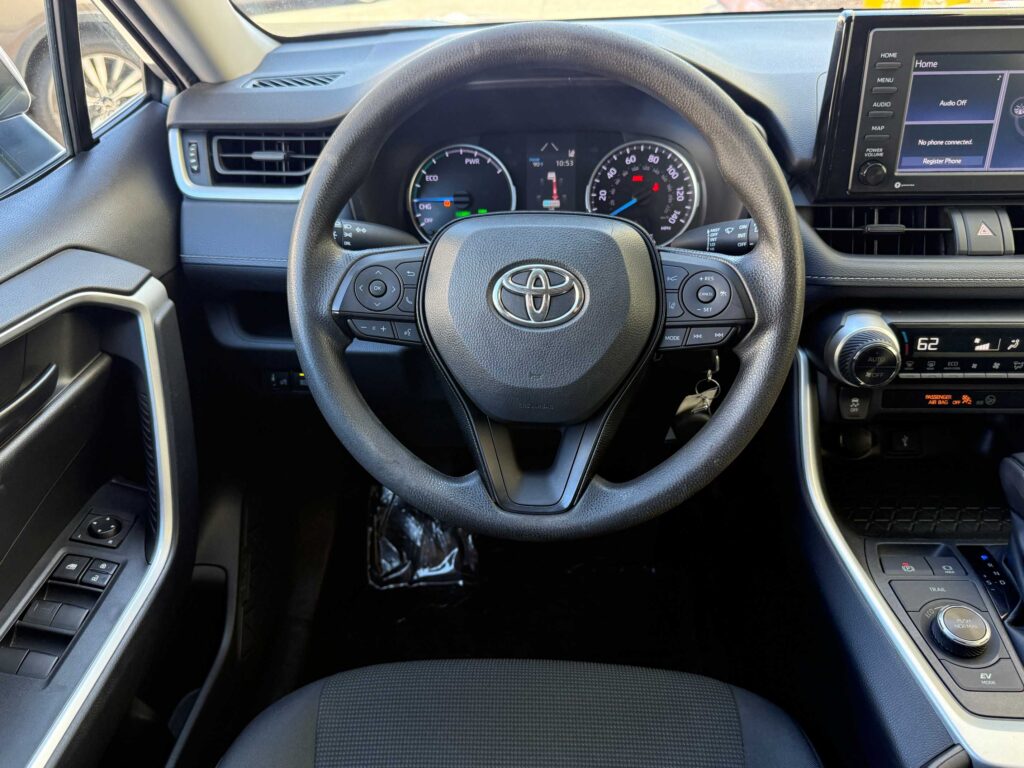
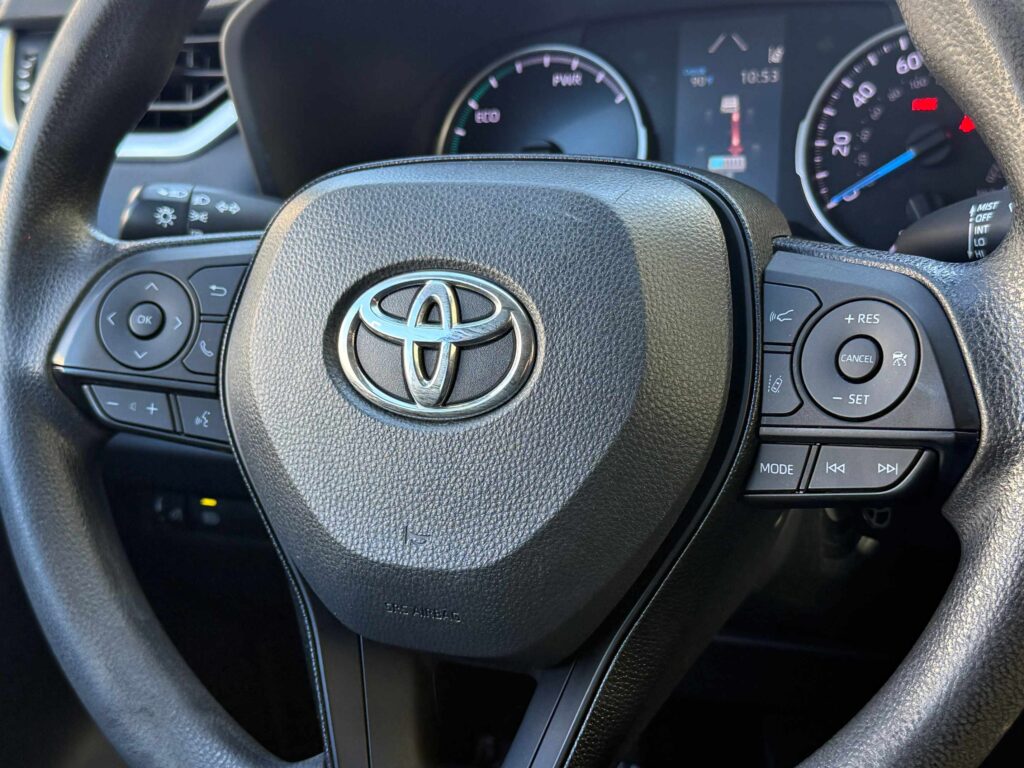
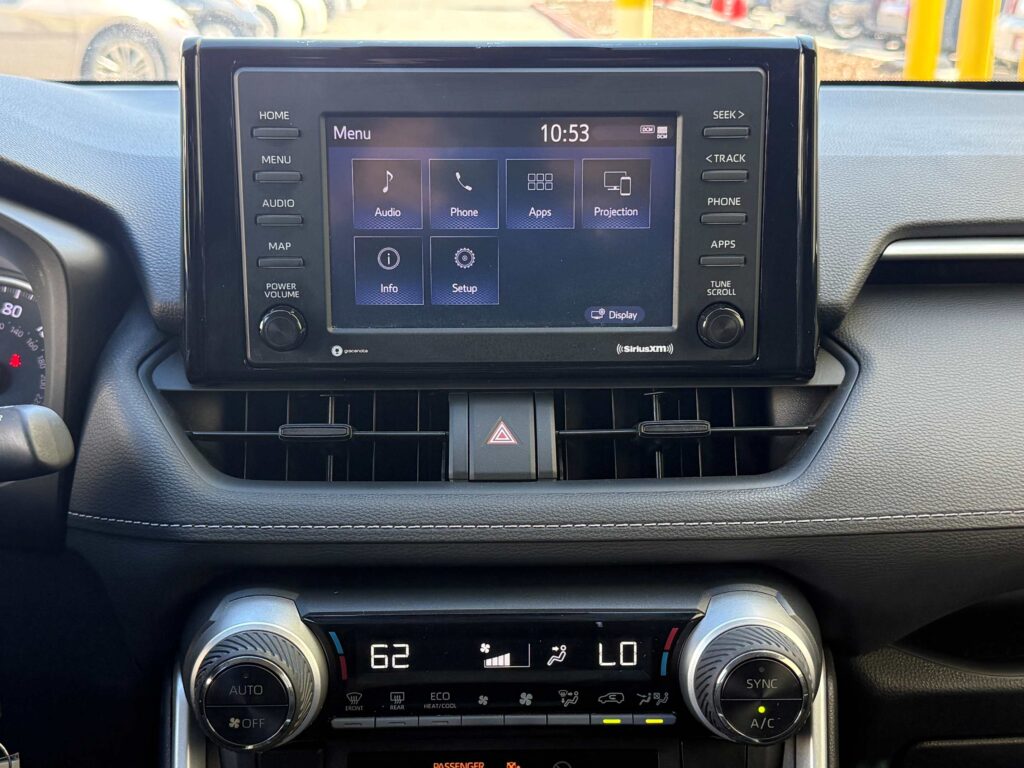
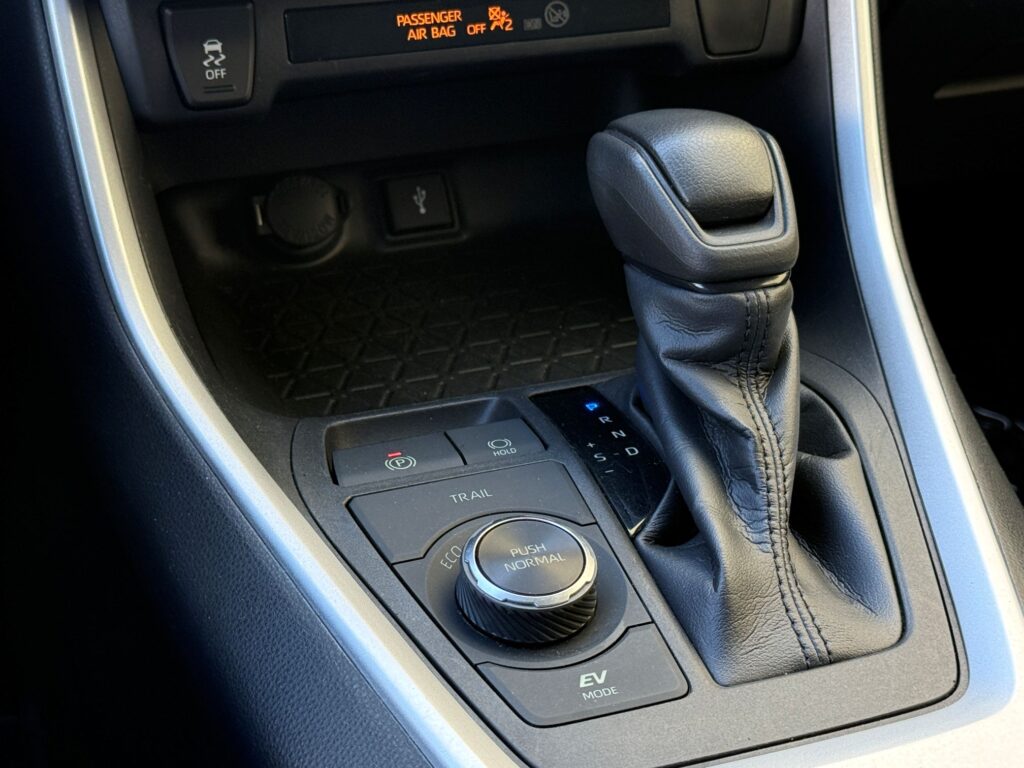
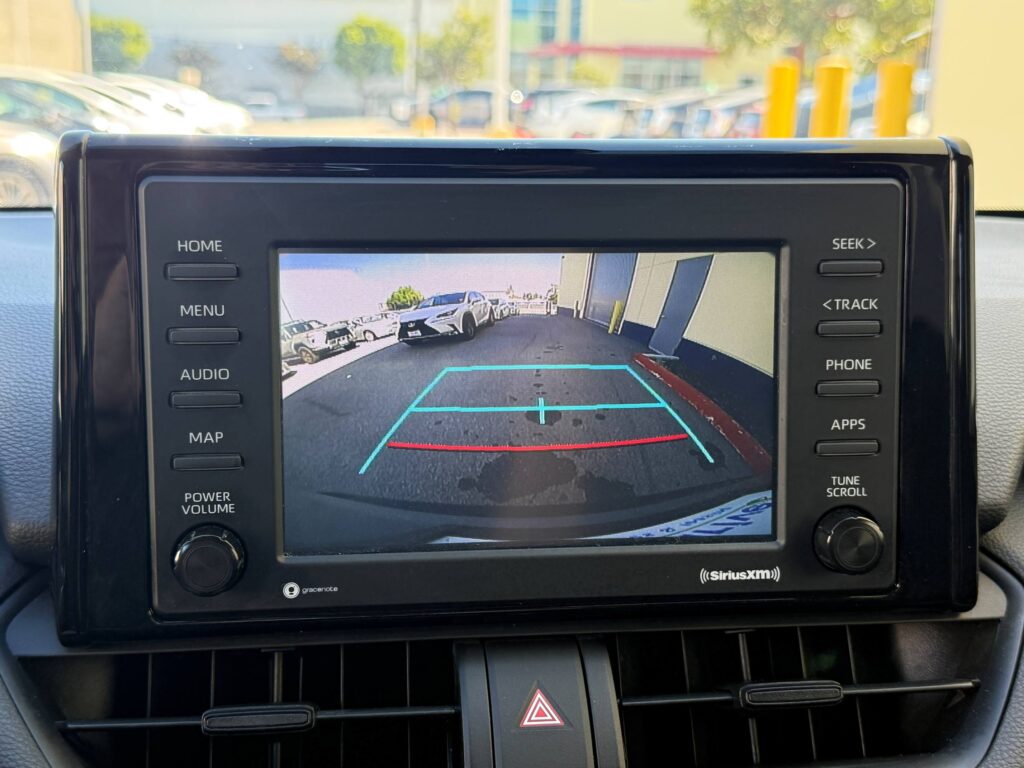
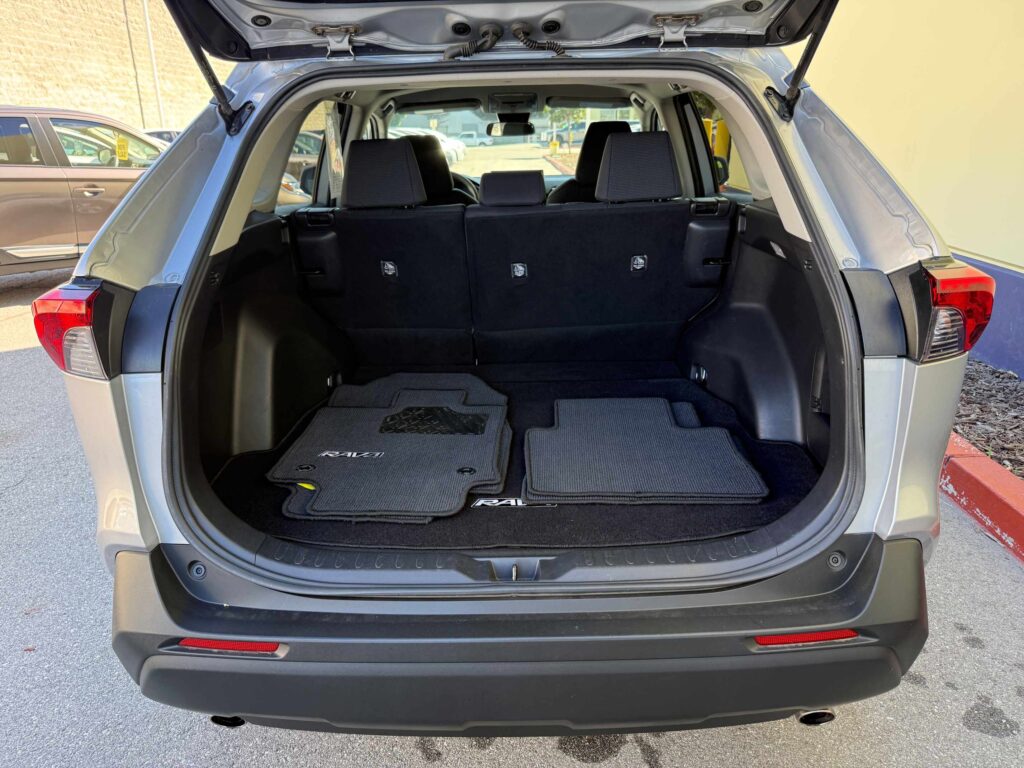
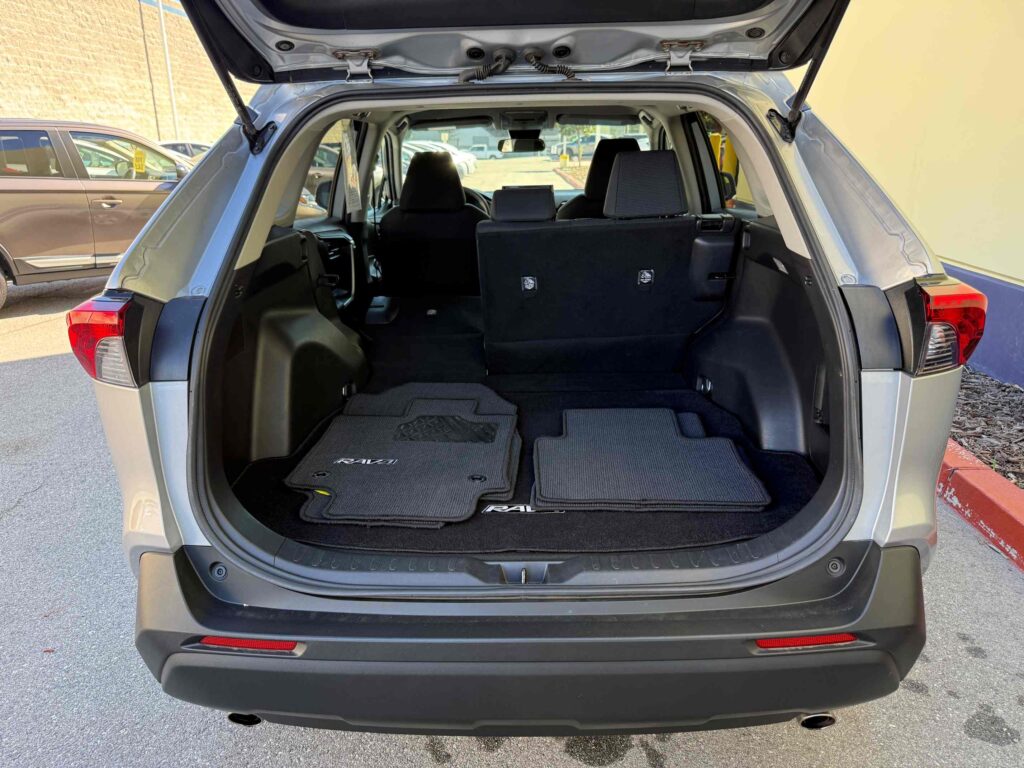
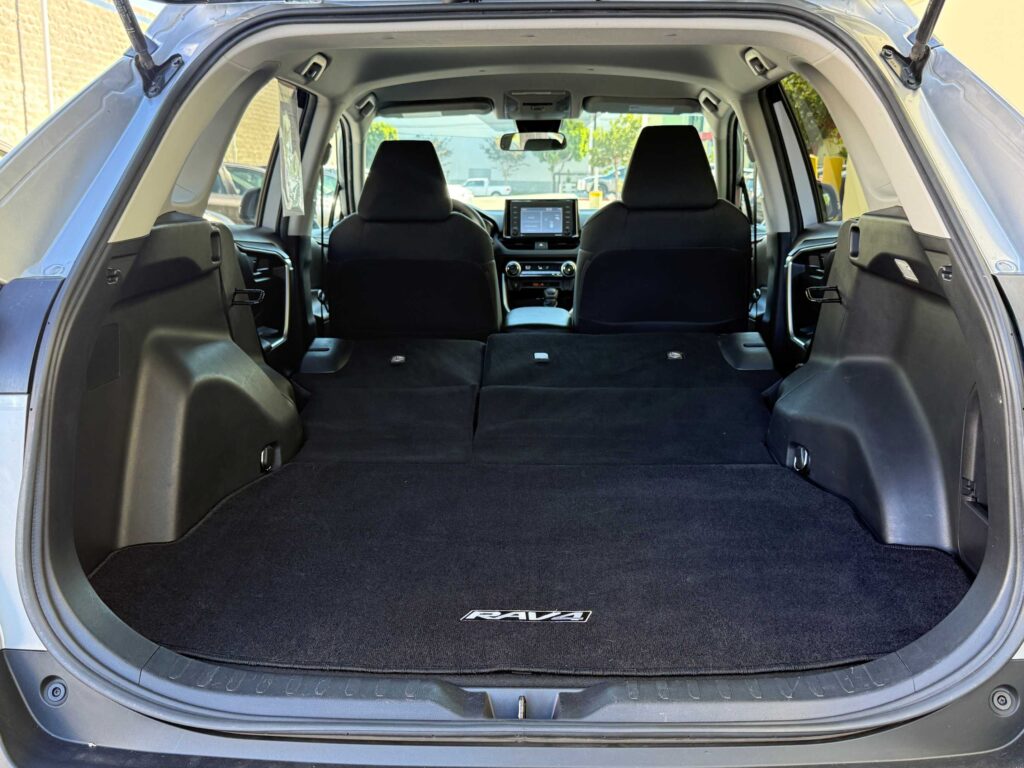
New Arrivals
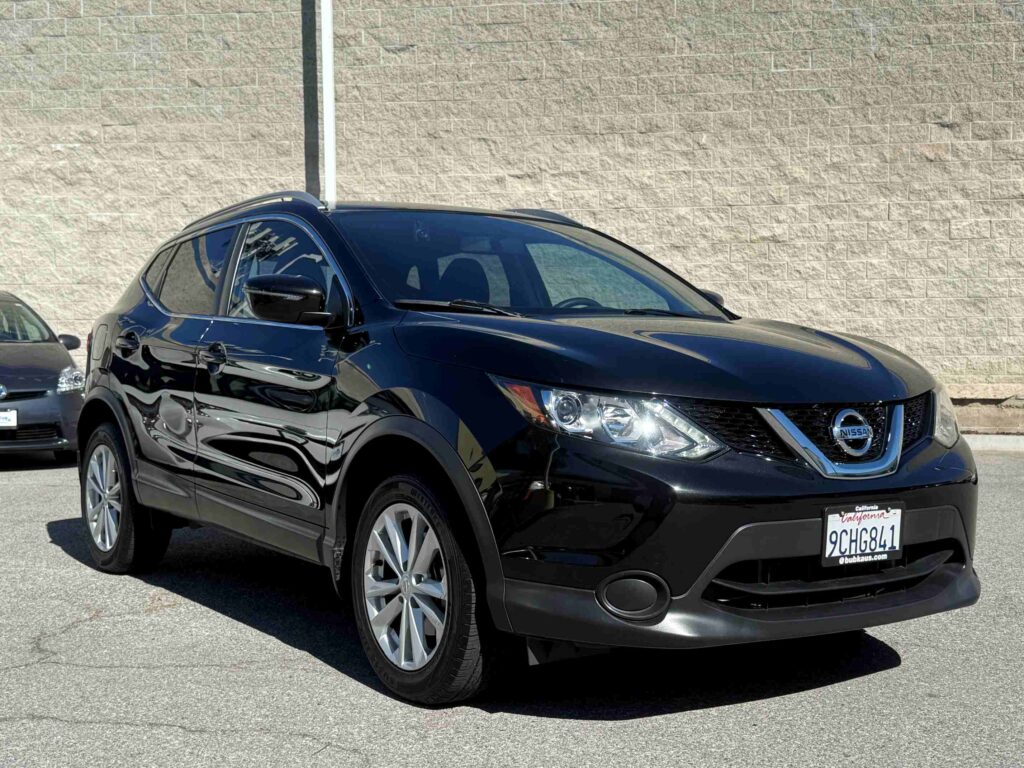
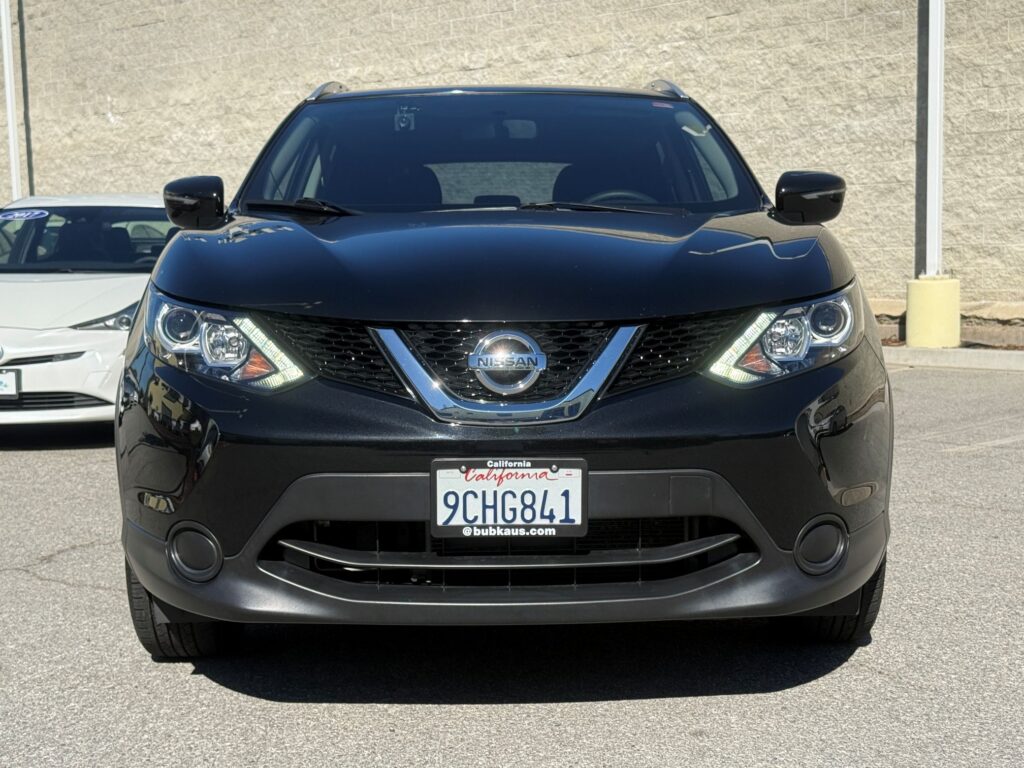
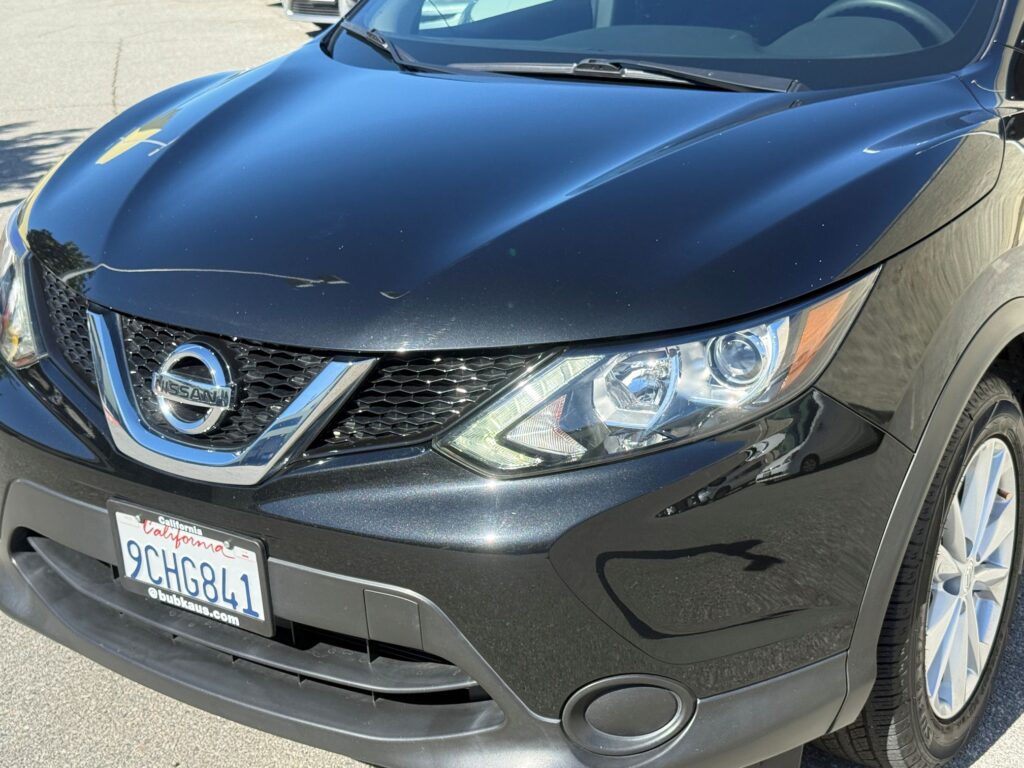
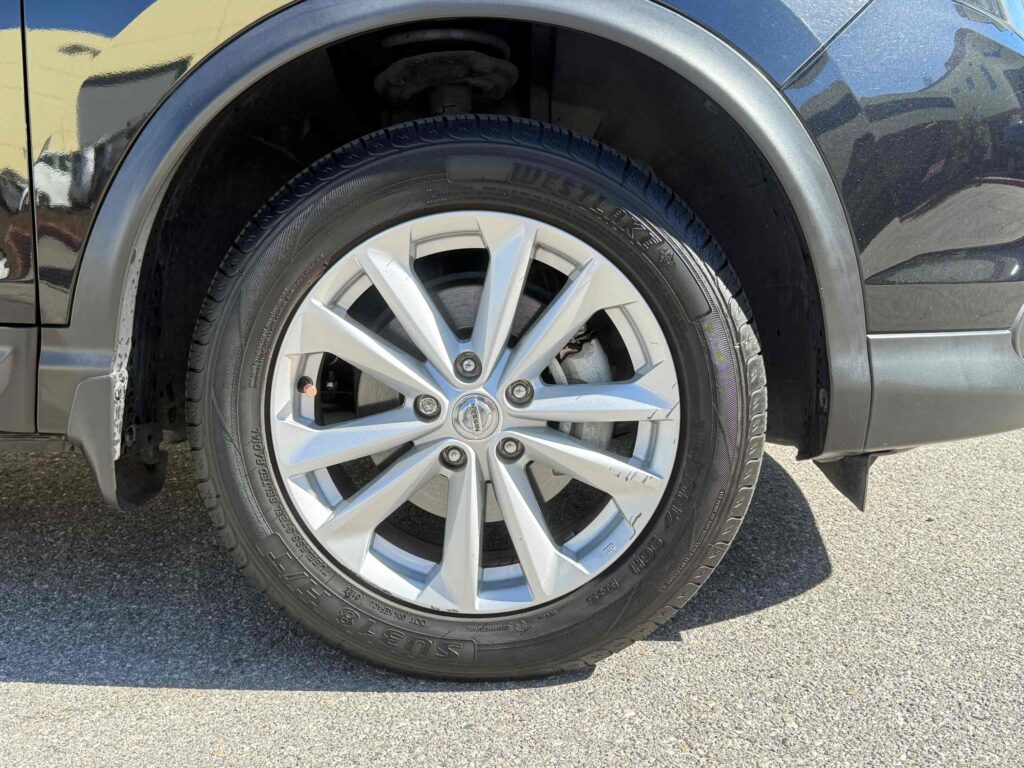
Discover our newest arrivals—available now!
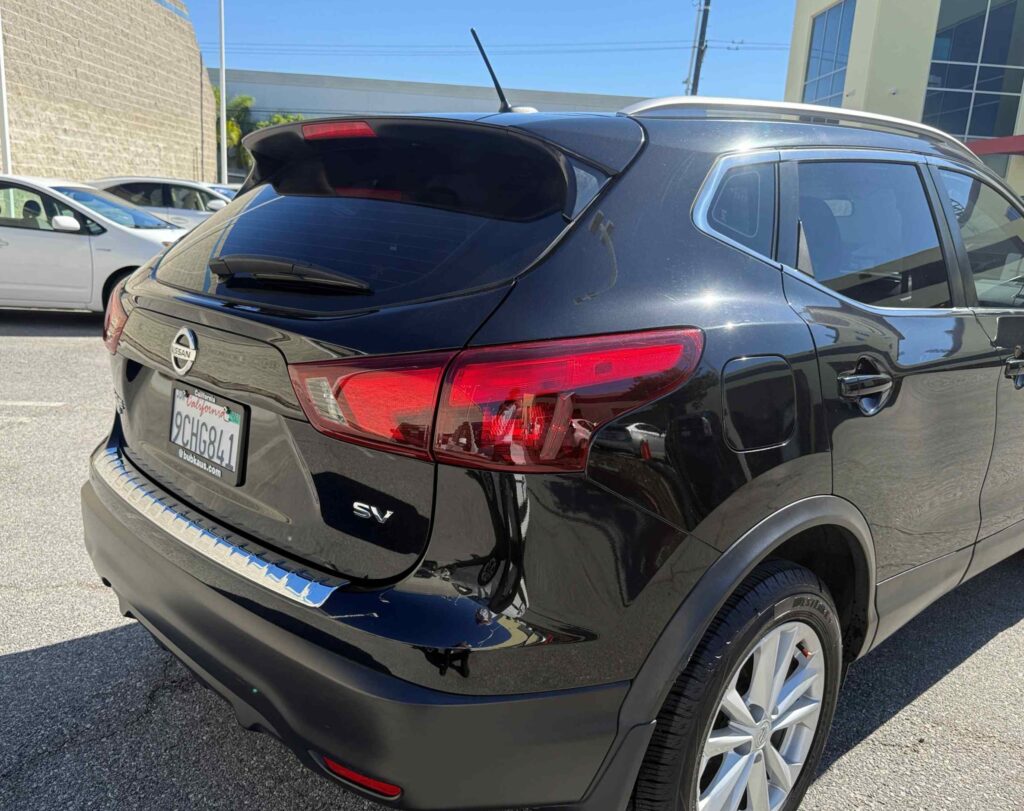
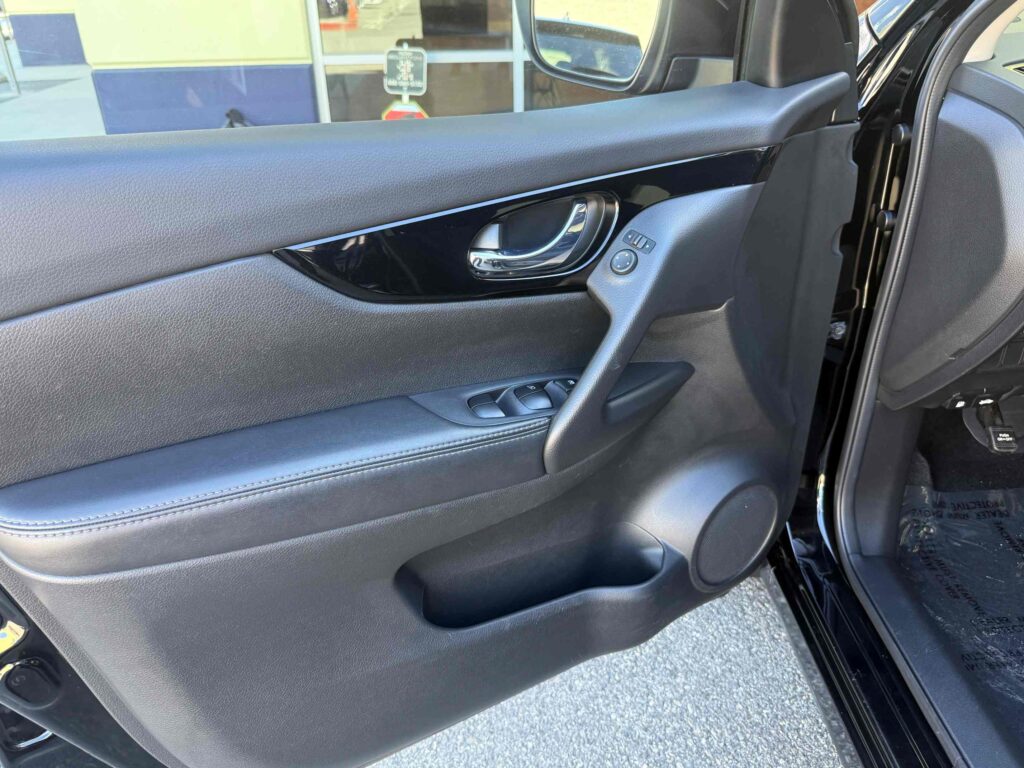
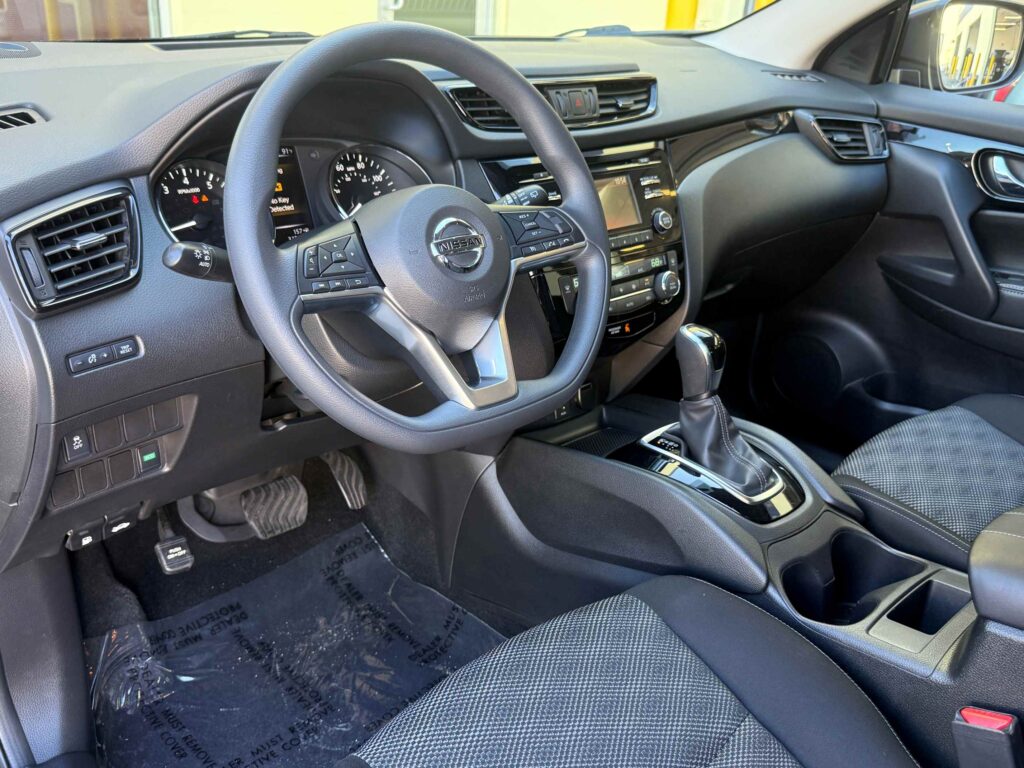
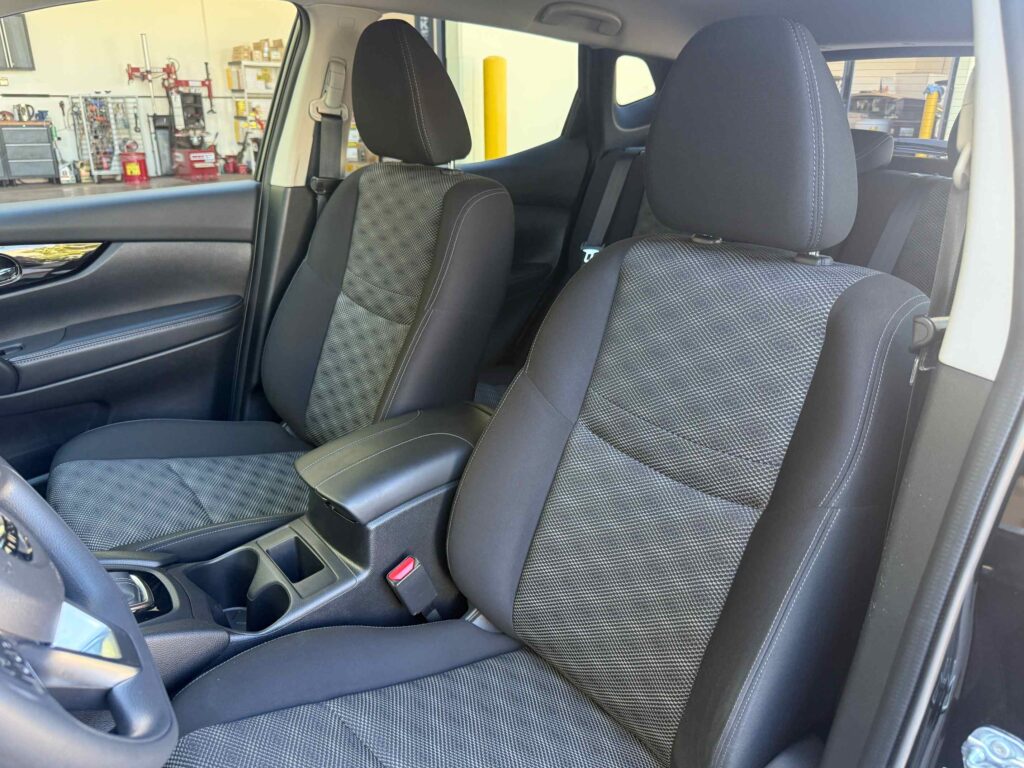
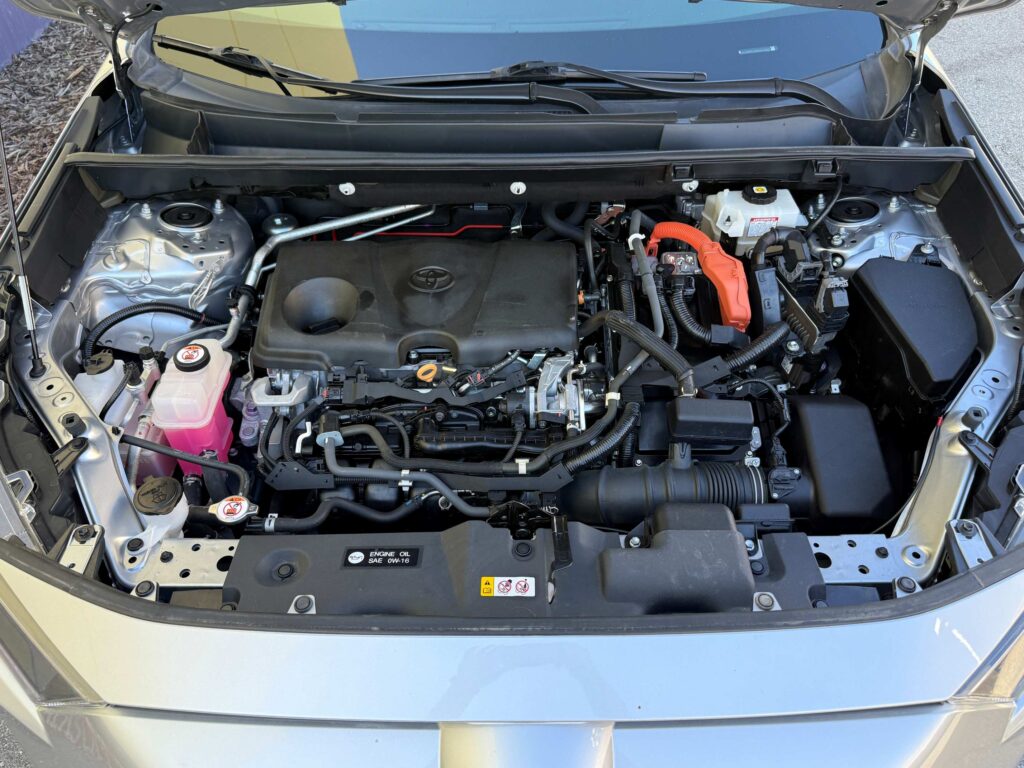
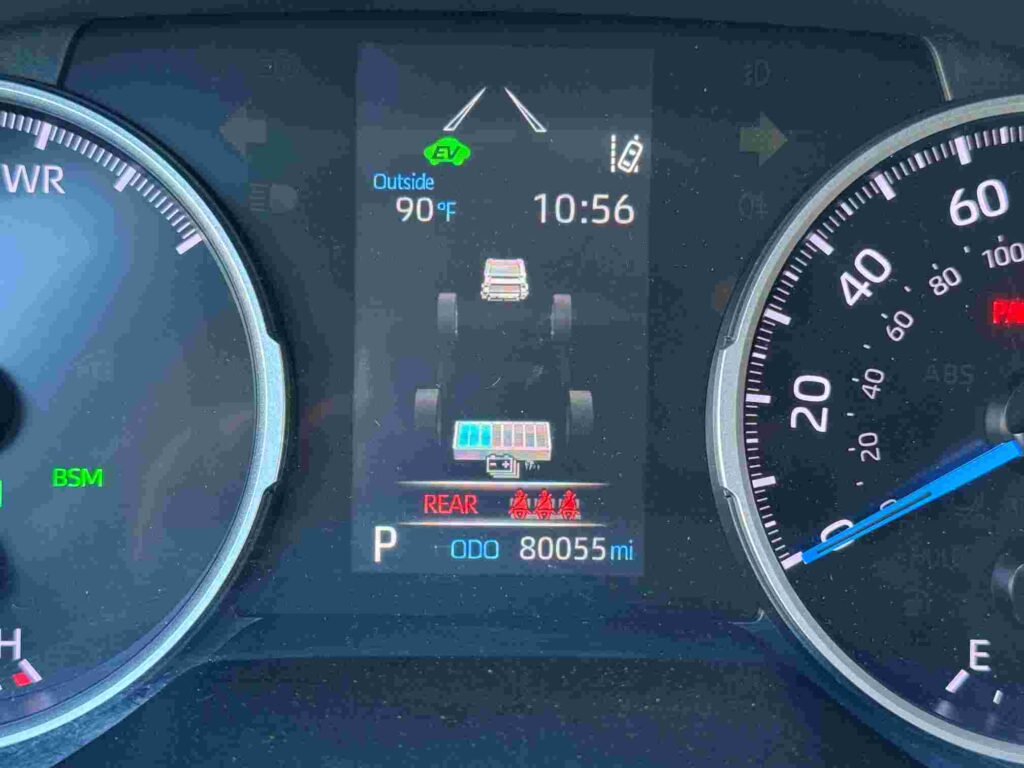
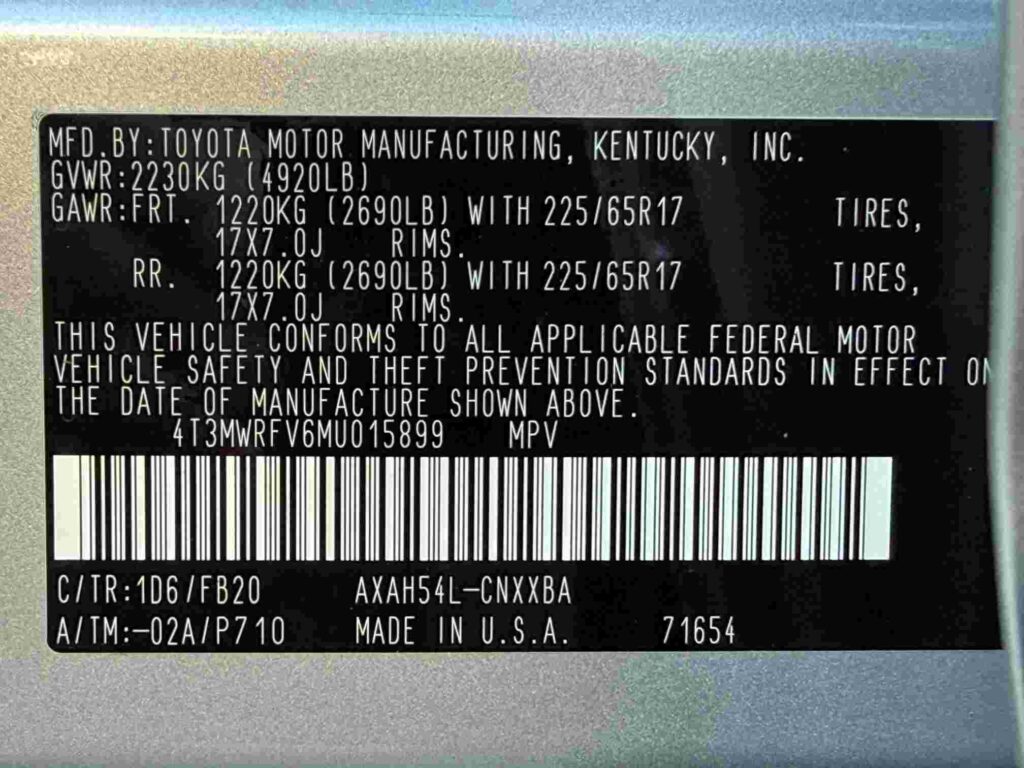
The Idea: Rent Out Our Cars to Delivery Drivers
Back then there were a lot of people driving for Uber Eats, DoorDash, and the rest.
Meanwhile, we were still sitting on all that inventory.
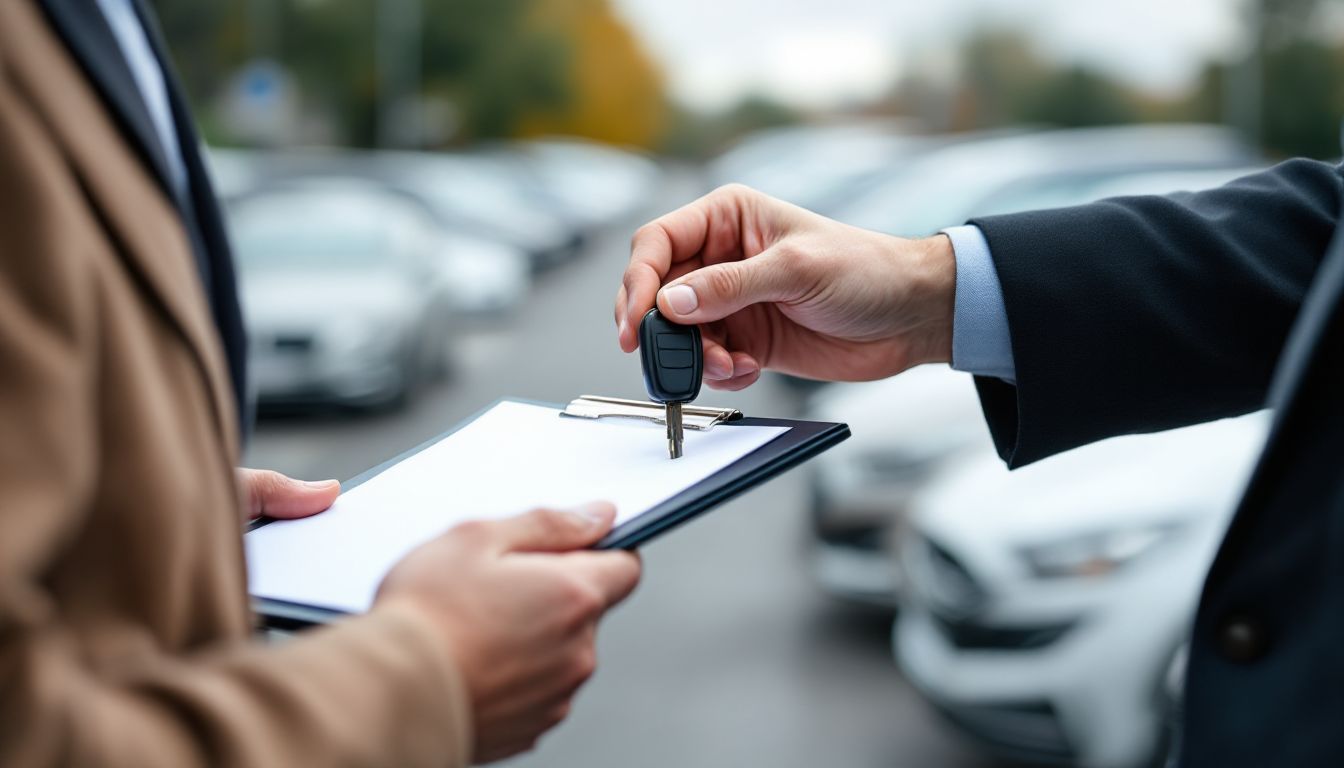
As we talked it over, we landed on this: what if we rented cars out to food-delivery drivers?
Most people delivering by car are using their own vehicle to do it.
When you rely on your car for work, the costs go beyond gas
For anyone who drives for work — delivery, sales — the cost isn’t just gas.
It’s the wear from all those extra miles, the maintenance, the risk of a breakdown, and the resale value draining away.
So under the right conditions, using a car only for as long as you need it starts to look better than owning one.
In other words, from the driver’s side of the table, renting can genuinely pencil out.
Which led us to this: what if we rented cars out with everything bundled in?
Gas would be on the driver, but insurance and maintenance would be baked into the price.
Idle inventory plus unmet demand looks a lot like an opportunity
When market conditions shift sharply, inventory and equipment that had stopped moving can suddenly be worth something in a different role.
And when a business sitting on idle cars lines up with drivers who need a vehicle for work, it’s easy to see a new play built on assets you already own.
We Built an All-Inclusive Package
We got everyone in a room right away.
There was no way to know without trying it.
So we built an all-inclusive rental package aimed at Uber Eats drivers.
All-inclusive is simple for the customer and complicated for you
Bundling insurance, servicing, and maintenance into one price makes the offer easy to understand and easy to compare.
From the provider’s side, though, every item you fold into that price makes operations, collections, and maintenance harder to manage.
So a package can be attractive on paper and still create a different kind of difficulty once it’s running.
We threw a website together at top speed and started advertising immediately.
The phone did not stop ringing. We were slammed.
Thirty Cars Went Out, and We Could Breathe Again
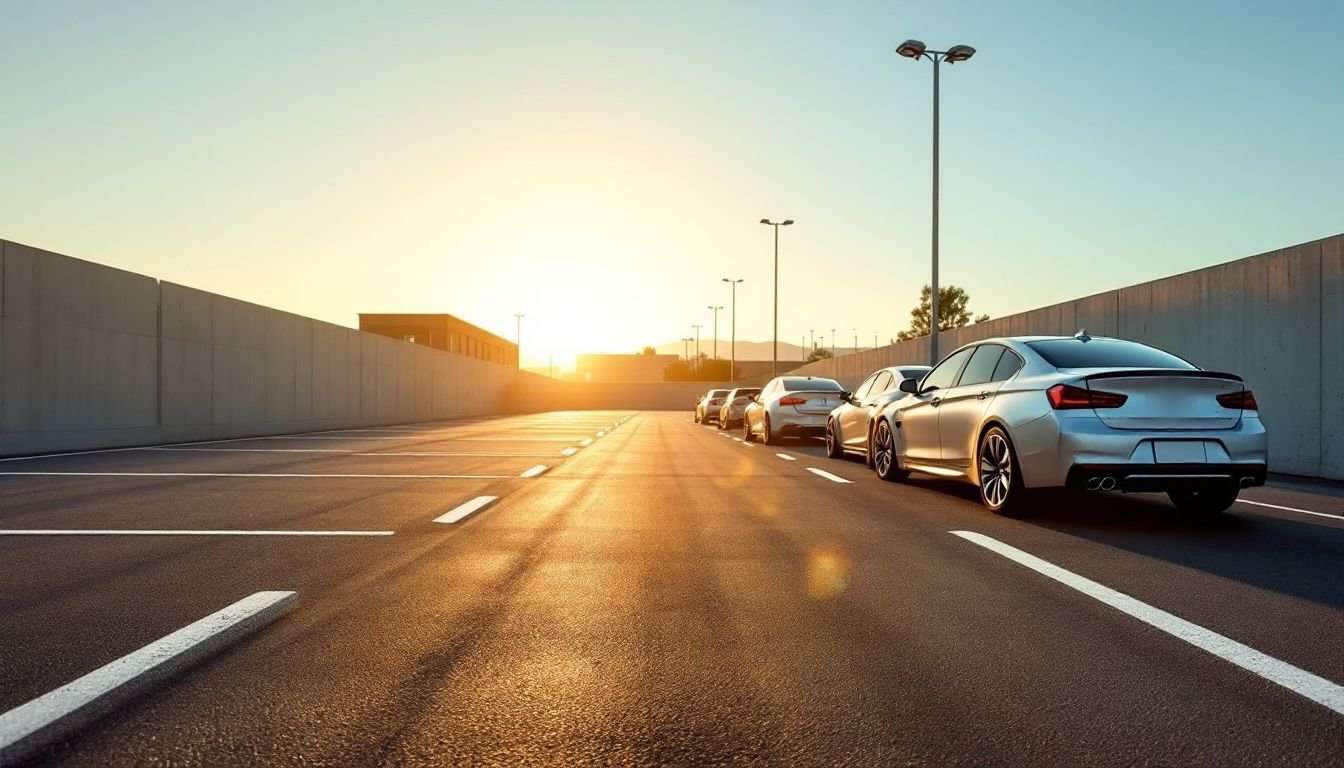
All told, we rented out about 30 cars in that first rush.
At that point I thought, this is going to get us through.
We’d hung on by the skin of our teeth, and the whole team was celebrating.
Side note: the better the first response, the harder you should look at what happens next
When something new takes off immediately, that alone can make it look like a win.
But a pile of inquiries and signed contracts in week one isn’t the same thing as a business that keeps bringing payments in.
Judge it on the early response alone, and the collections, the management, and the day-to-day operating risk tend to surface later.
And This Is Where It Started to Go Wrong
Up to this point, it sounds like a sharp move made under pressure.
At the time, we believed that too. It felt like the rational call.
But this is where the trouble actually started.
How a plan that was supposed to make money turned into the worst miscalculation we’ve made is the harder half of this story.
We made it through, and the lot is still here. Eco Drive came out the other side of that stretch and still sells used cars in Southern California. If you’re shopping, you can browse our current inventory here.
Wrapping Up
Today I walked through how Eco Drive went from being stuck with 70 cars during the pandemic to renting those cars out to delivery drivers.
We had to put cash ahead of profit just as delivery demand went vertical, and for a moment our inventory and that demand looked like a perfect fit.
Taken one at a time, I don’t think any of those calls were off base.
If anything, it was a constructive move: we were cornered, and we were trying to put the assets we already had to work.
Even so, things took a turn we didn’t see coming.
Failure is evidence that you acted, and there’s always something to take from it.
You May Also Like