The Real Cost of Owning a Car in the U.S. — 2025 Breakdown

Introduction
Hi everyone, this is Suzuki from Eco Drive.
Today we’re breaking down how much it actually costs to own a car in the U.S.
I’ve been living in the U.S. for about 20 years now, and that entire time I’ve been working in the auto industry.
I’ve personally driven a wide range of cars over the years — starting with American cars, then German cars, and Japanese cars.
In this article, I’ll walk through the real cost of owning a car in the U.S. in the clearest way I can.
Watch the video version below:
How Vehicle Inspection Works in the U.S.
When folks think about the cost of owning a car, the usual suspects come to mind: maintenance, repairs, insurance, and taxes.
If you’re coming from Japan, you’d probably also factor in shaken (vehicle inspection) as a big ongoing expense.
Here, things work differently. There’s no nationwide vehicle inspection system.
More precisely, there’s no federally mandated inspection program — instead, each state runs its own system.
Some states have annual mechanical inspection programs, but in places like California, emissions regulations take the place of a full mechanical inspection.
In California, a smog check is required every two years in most cases, measuring the concentration of harmful pollutants in your tailpipe emissions.
The Cost-to-Own (CTO) Concept
There’s a useful framework called Cost-to-Own (you’ll also see it written as “Cost to Own” or “cost per mile”) that breaks down what a car really costs you.
It shows you how much it costs to drive each mile when you factor everything in.
The lower the number, the cheaper the car is to keep on the road; the higher the number, the more expensive.
The formula looks like this: (Total ownership cost over the first 5 years) ÷ 75,000 miles
That 75,000 miles assumes 15,000 miles per year over 5 years — roughly the average annual mileage in the U.S.
CTO bundles in the following cost categories:
1. Depreciation (value drop)
2. Finance charges (interest — $0 if you pay cash)
3. Fuel
4. Auto insurance
5. Taxes and fees
6. Maintenance and repair
Add all of these up and you’ve got your 5-year total cost.
The Annual Data Published by AAA
One organization publishes Cost-to-Own data every year, and you’ve probably heard of them if you’ve owned a car here.
That’s the American Automobile Association.
Better known as AAA (Triple-A), they’re probably familiar to anyone who’s owned a car here for any length of time.
AAA is best known for roadside assistance, but they also sell auto insurance and offer a wide range of member services.
AAA is a federation of motor clubs and is widely regarded as a trusted data source in the auto industry.
New Arrivals
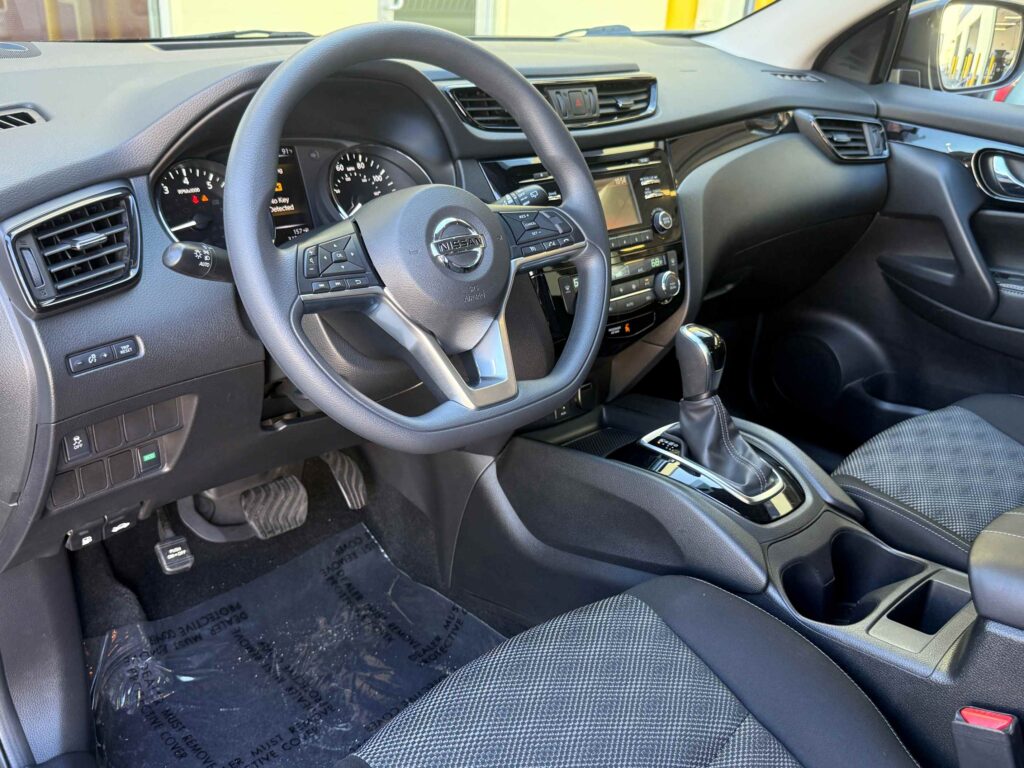
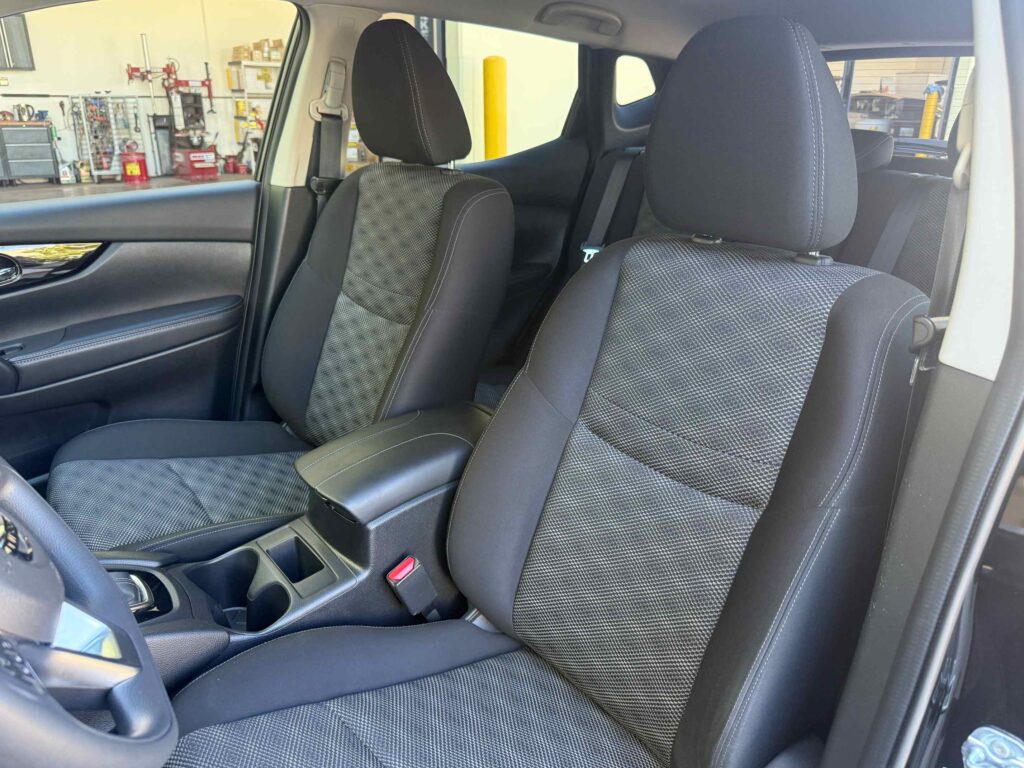
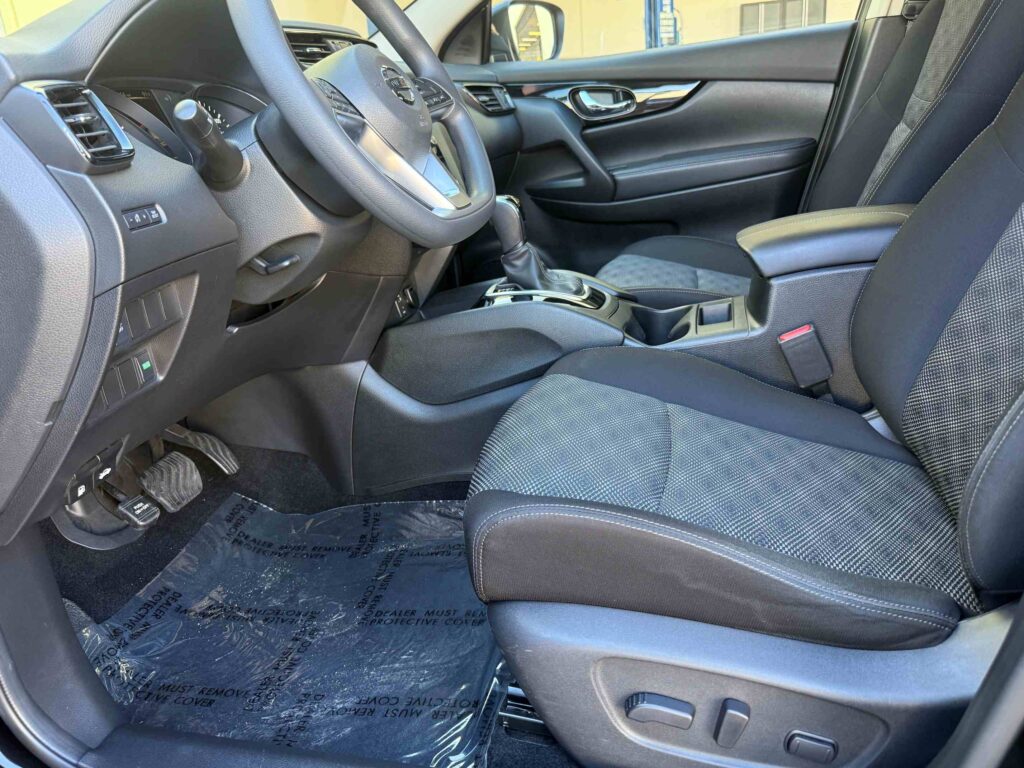
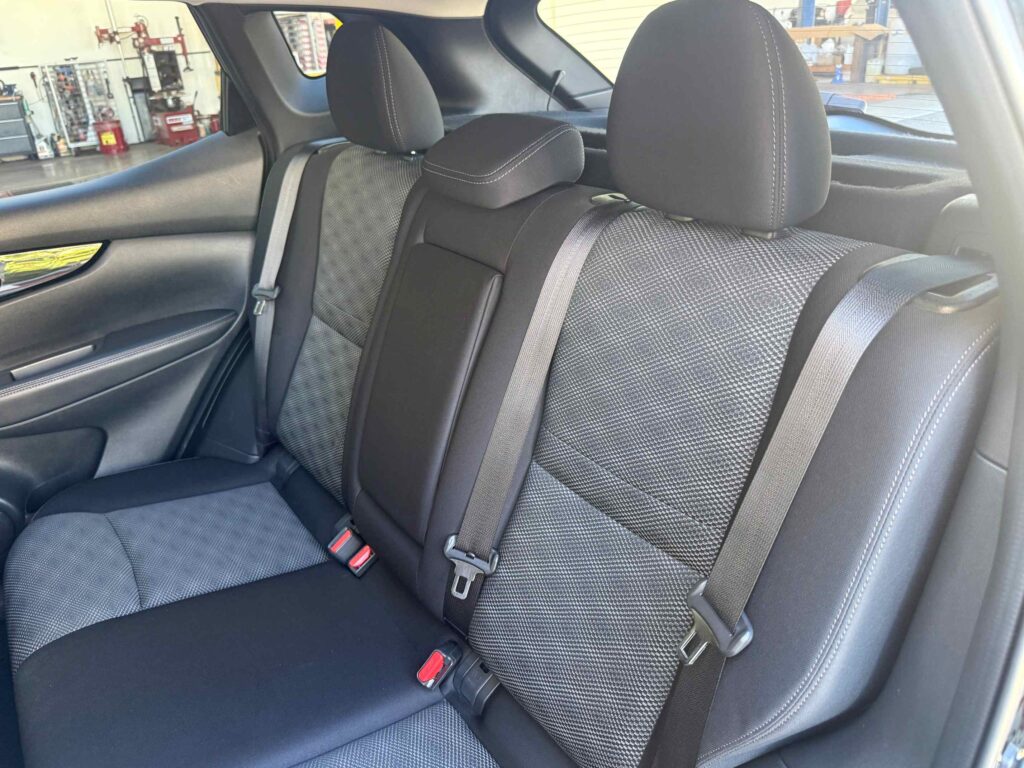
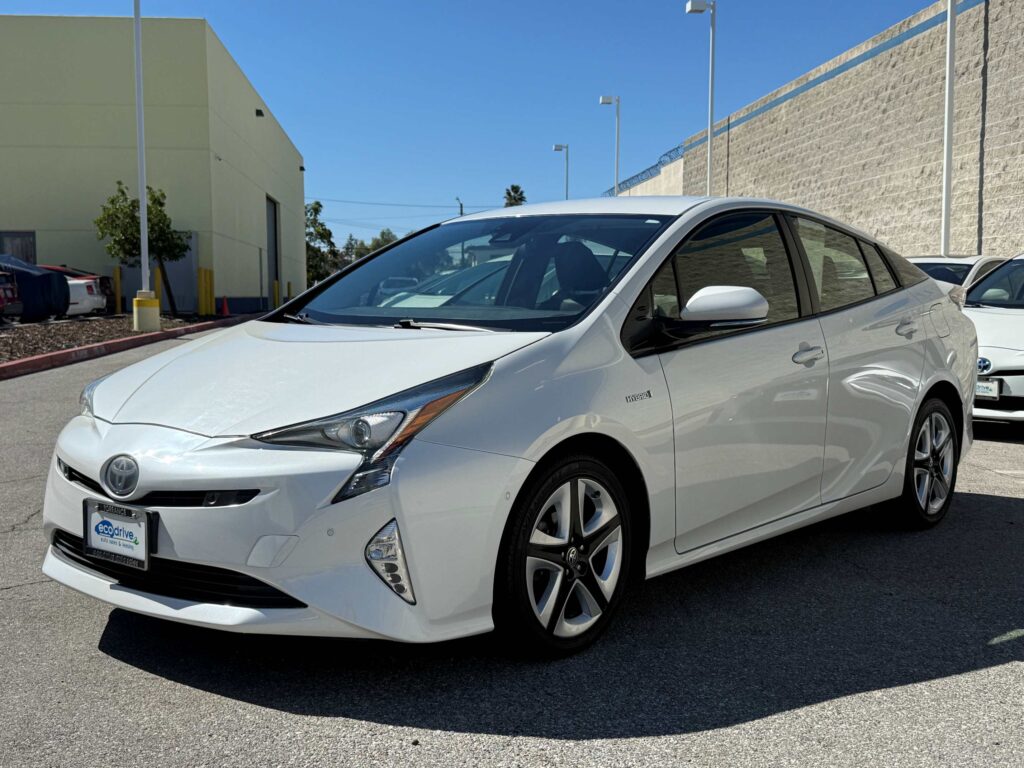
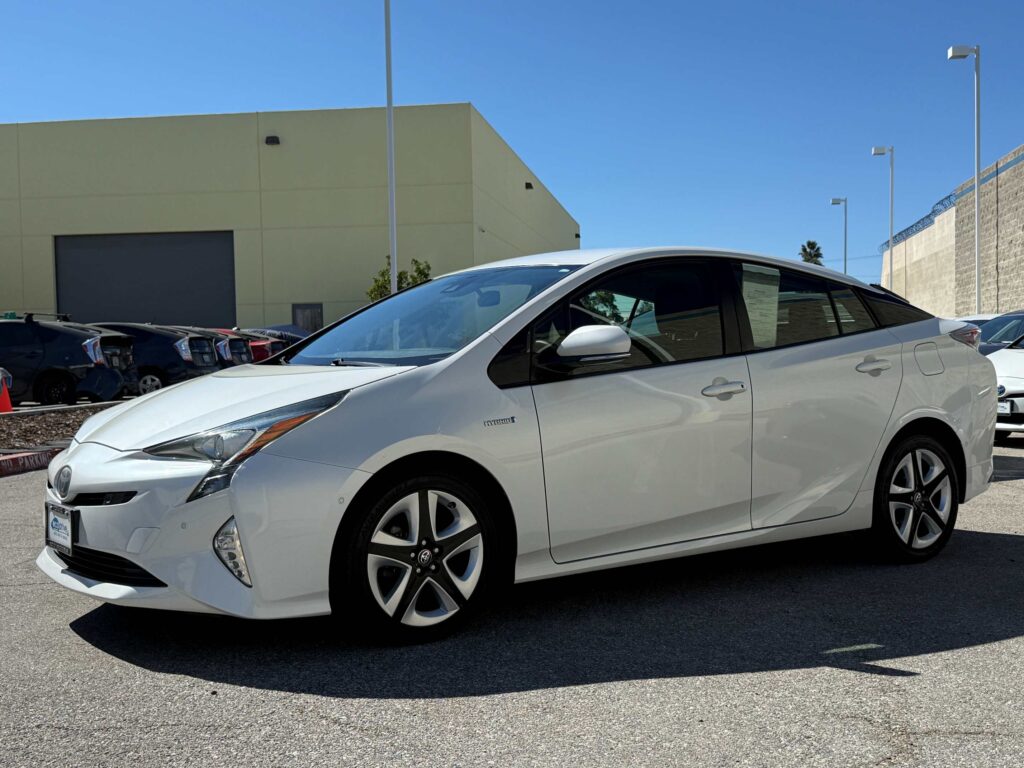
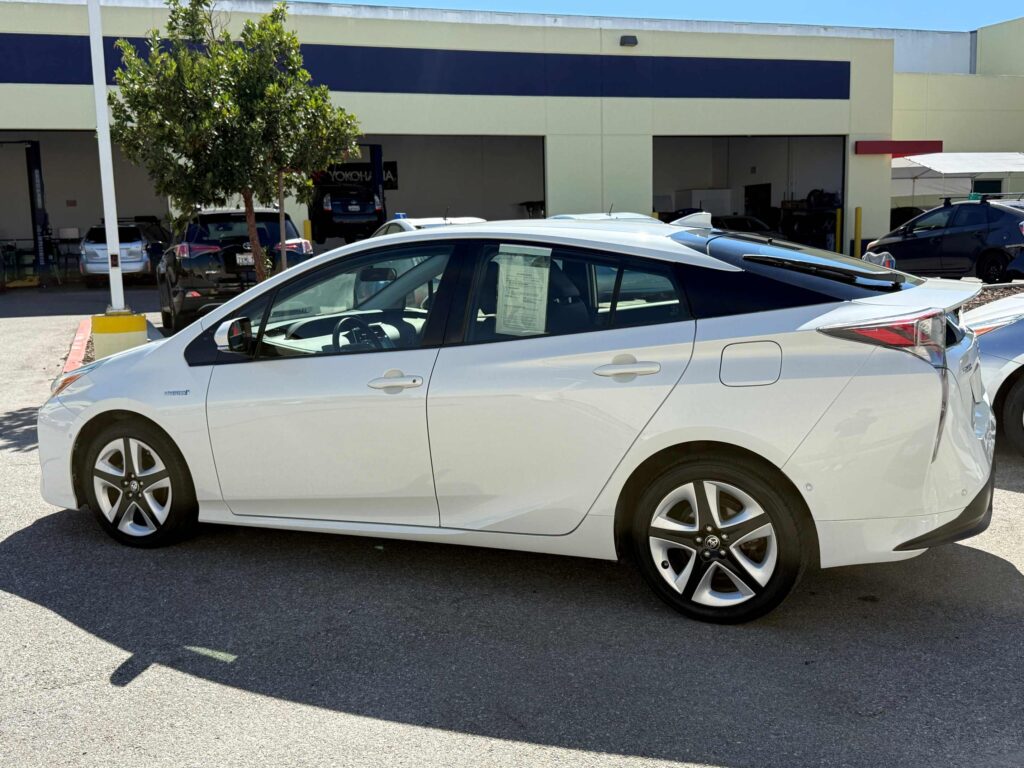
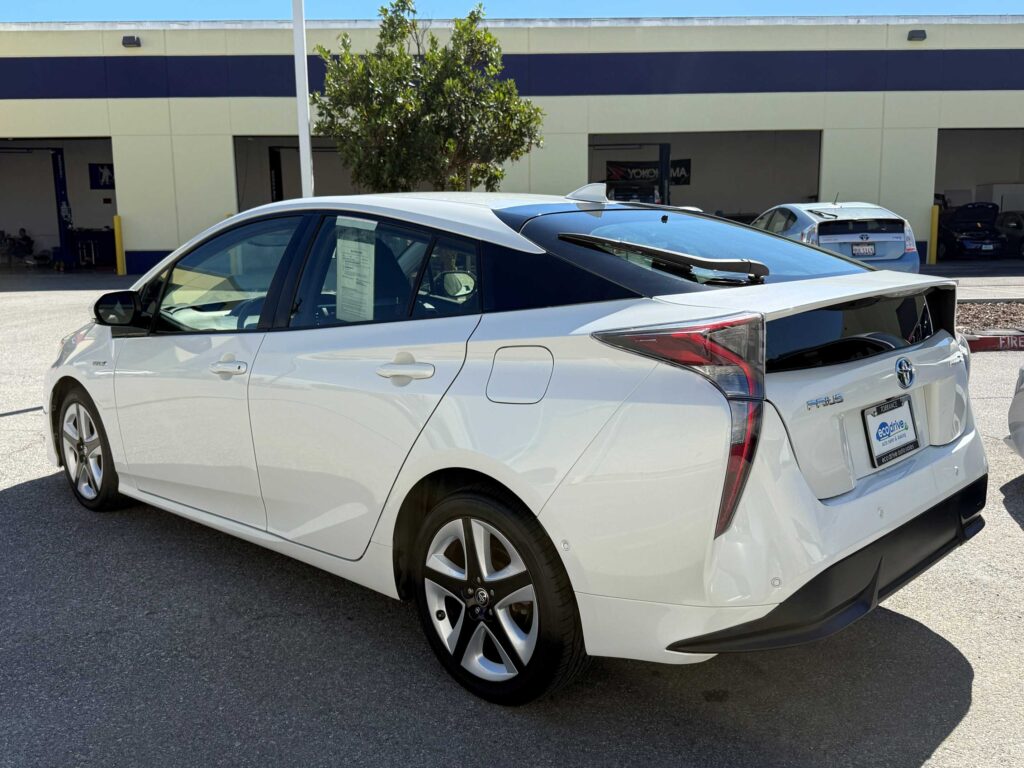
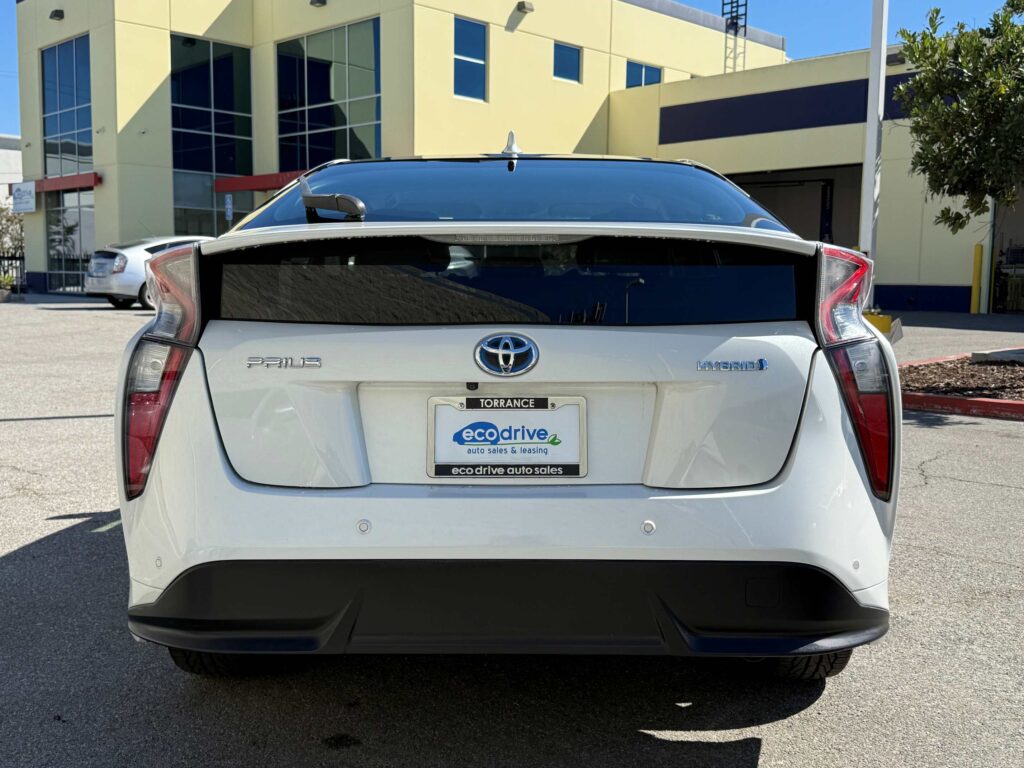
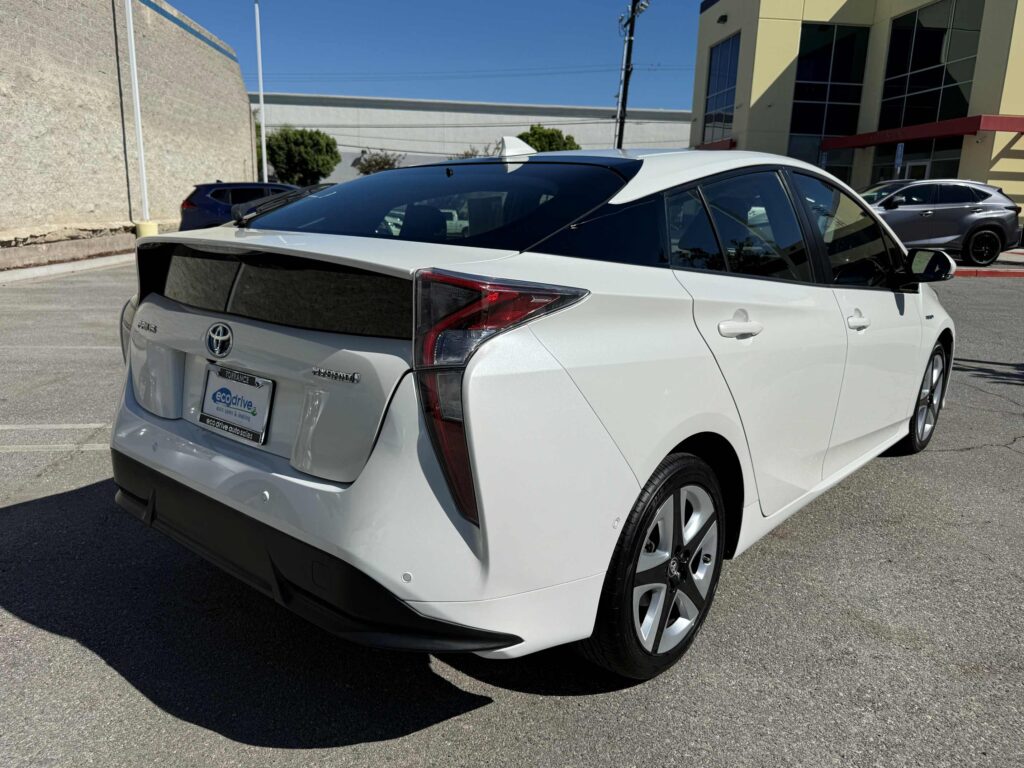
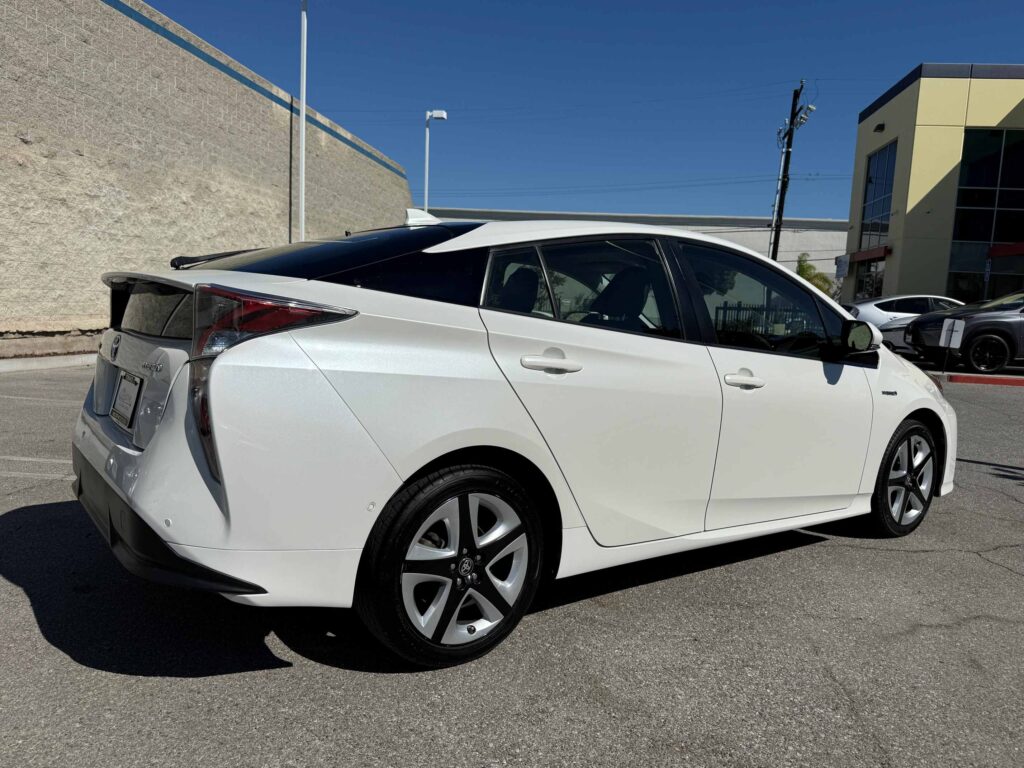
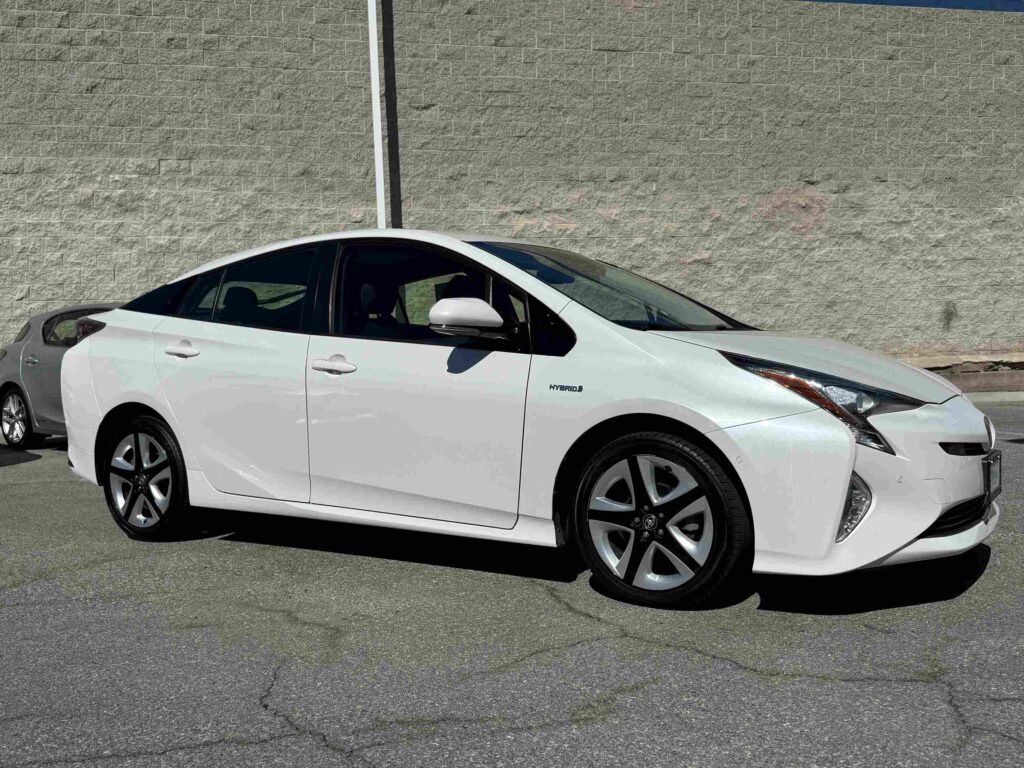
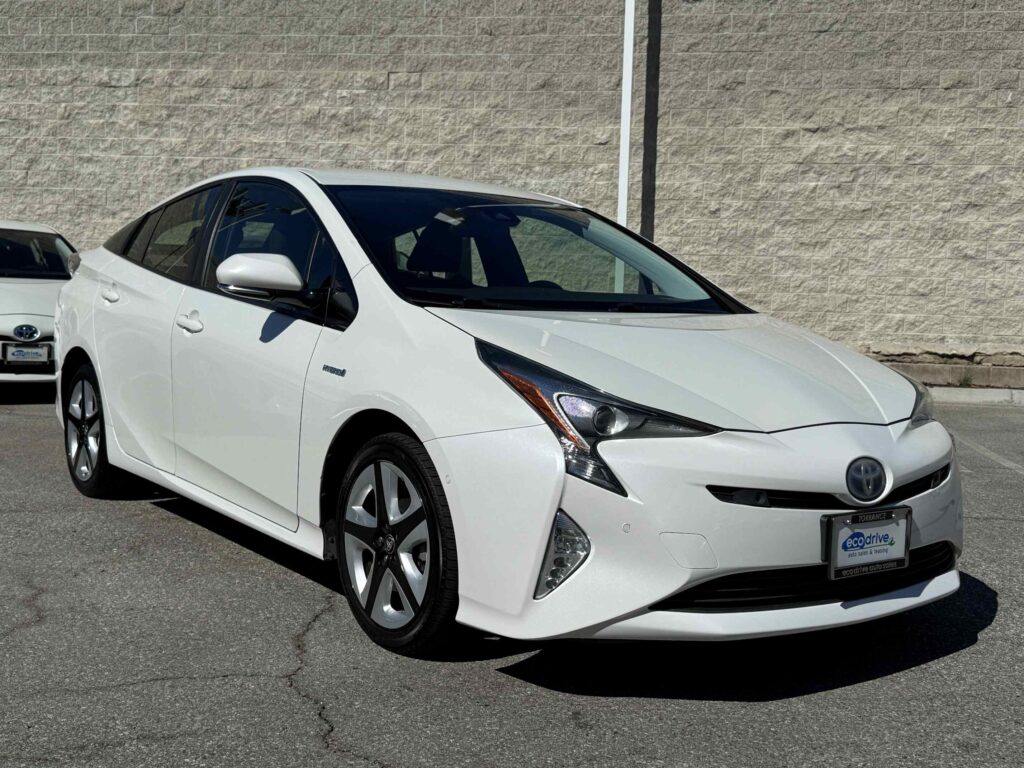
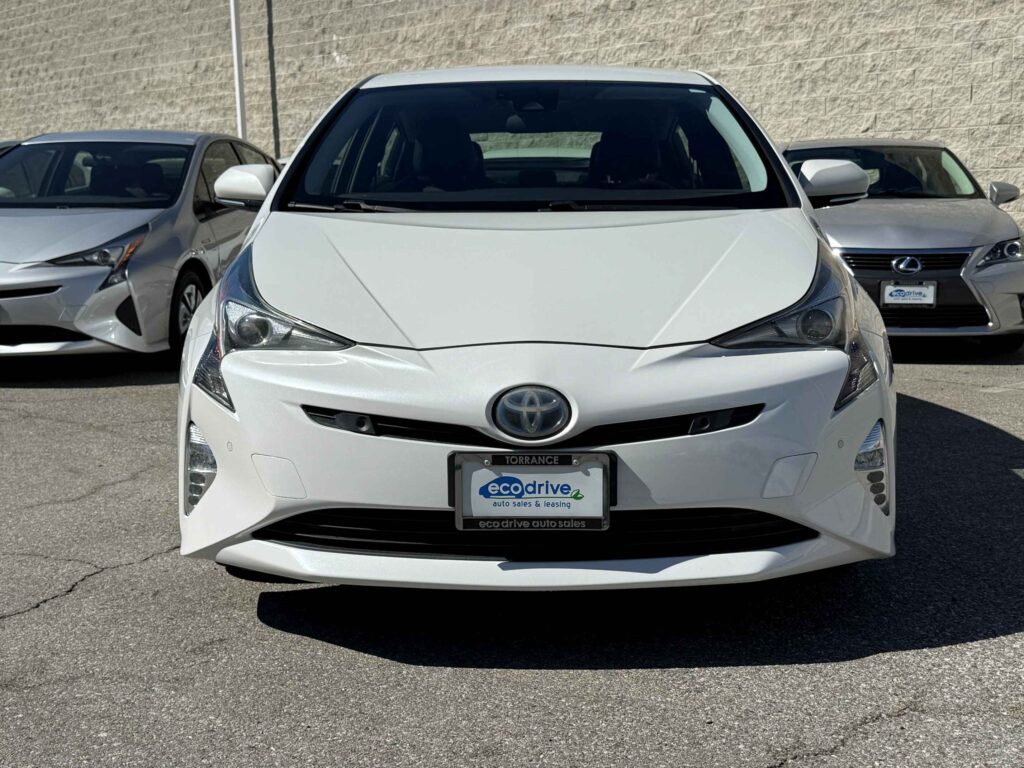
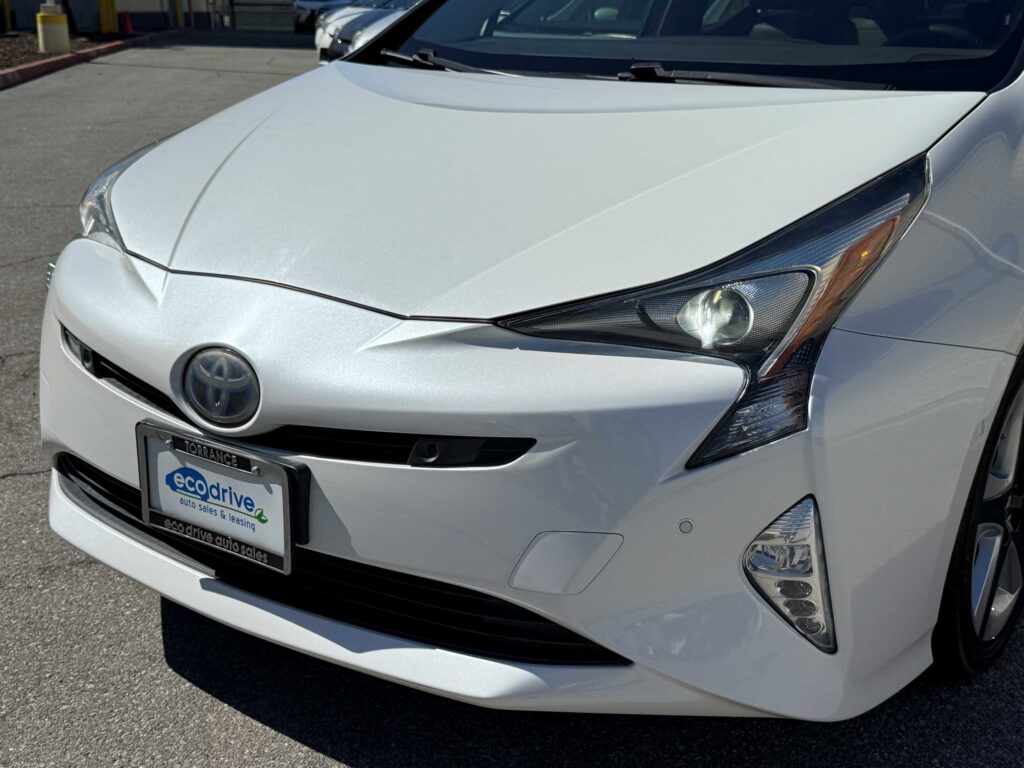
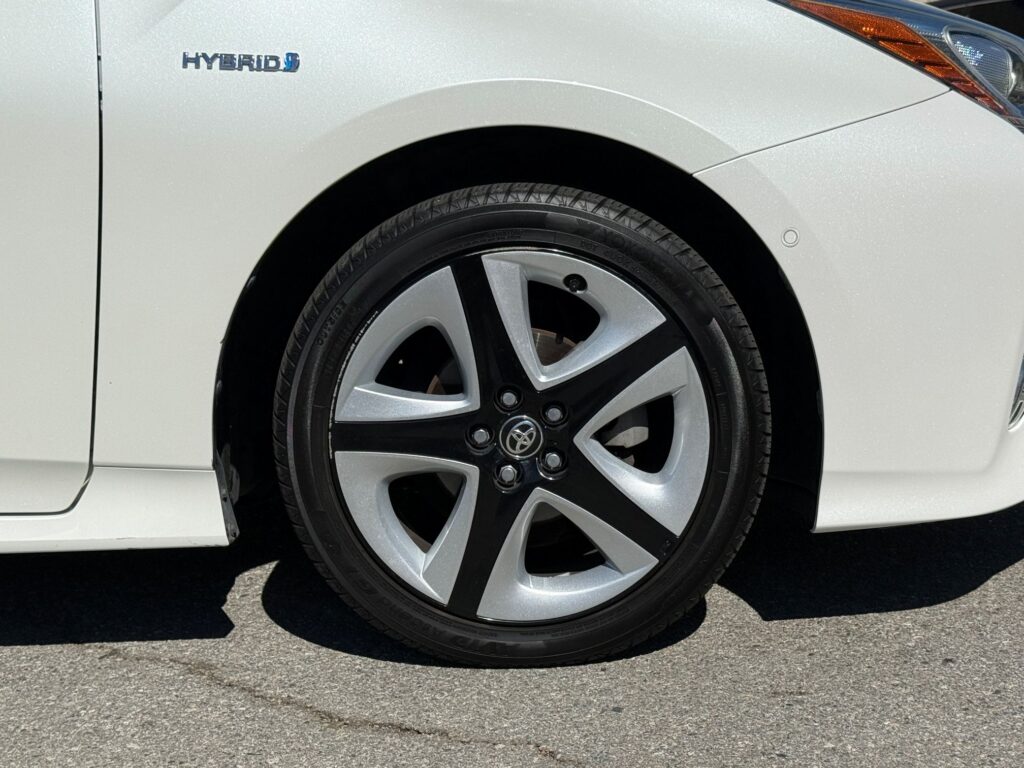
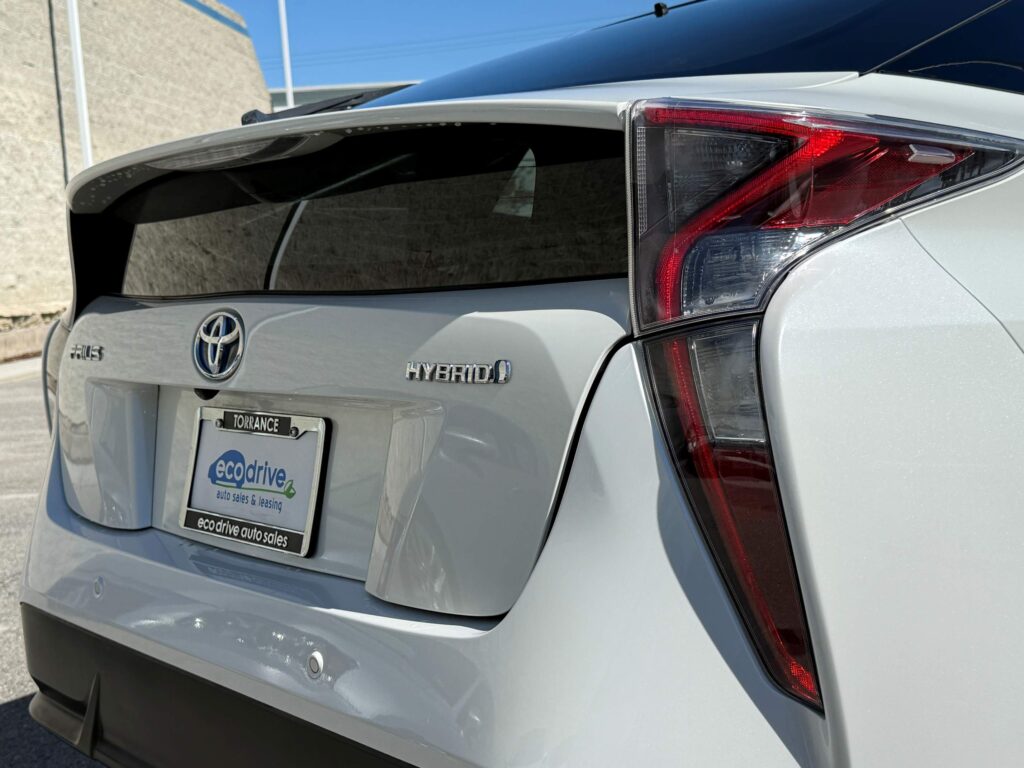
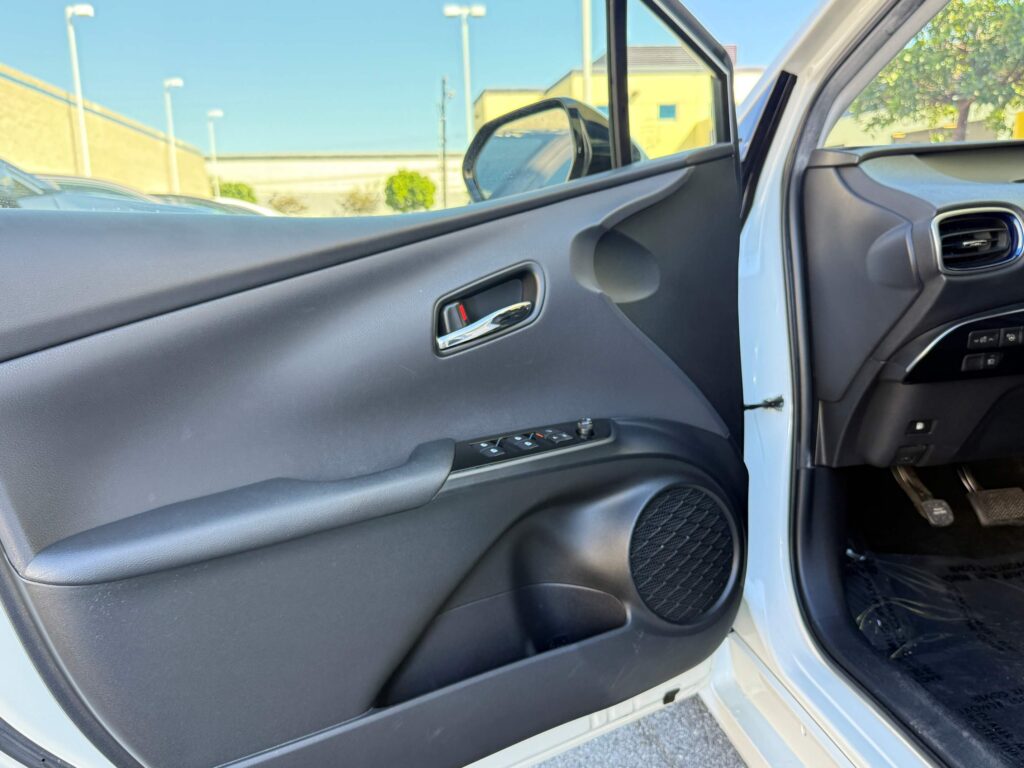
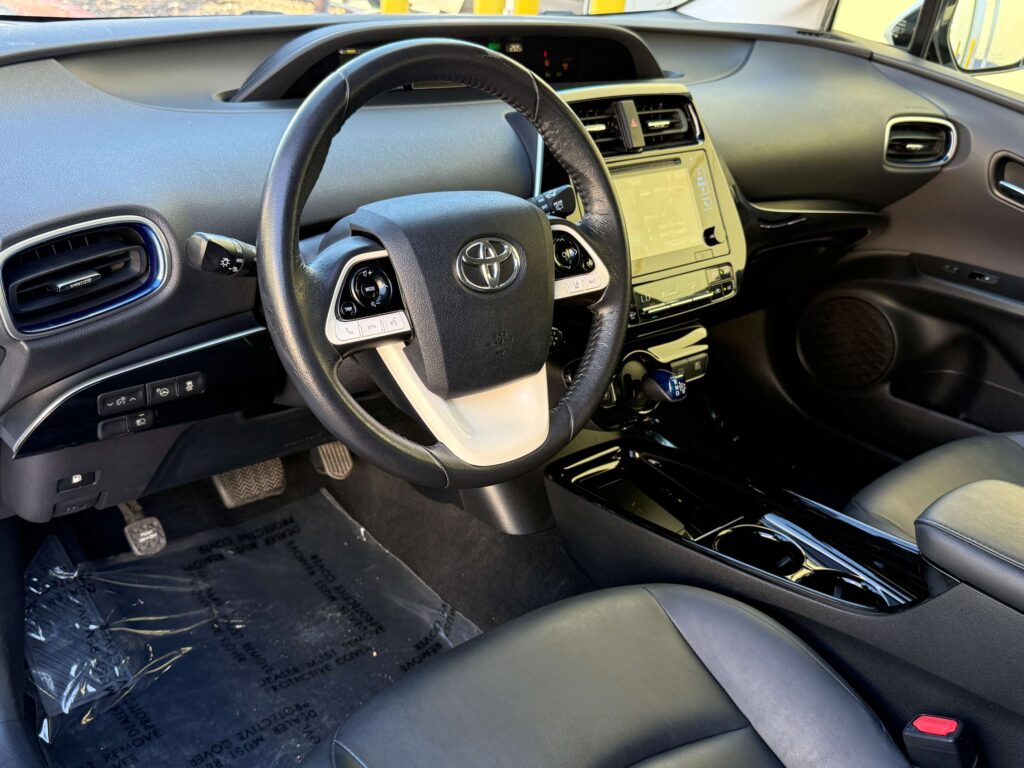
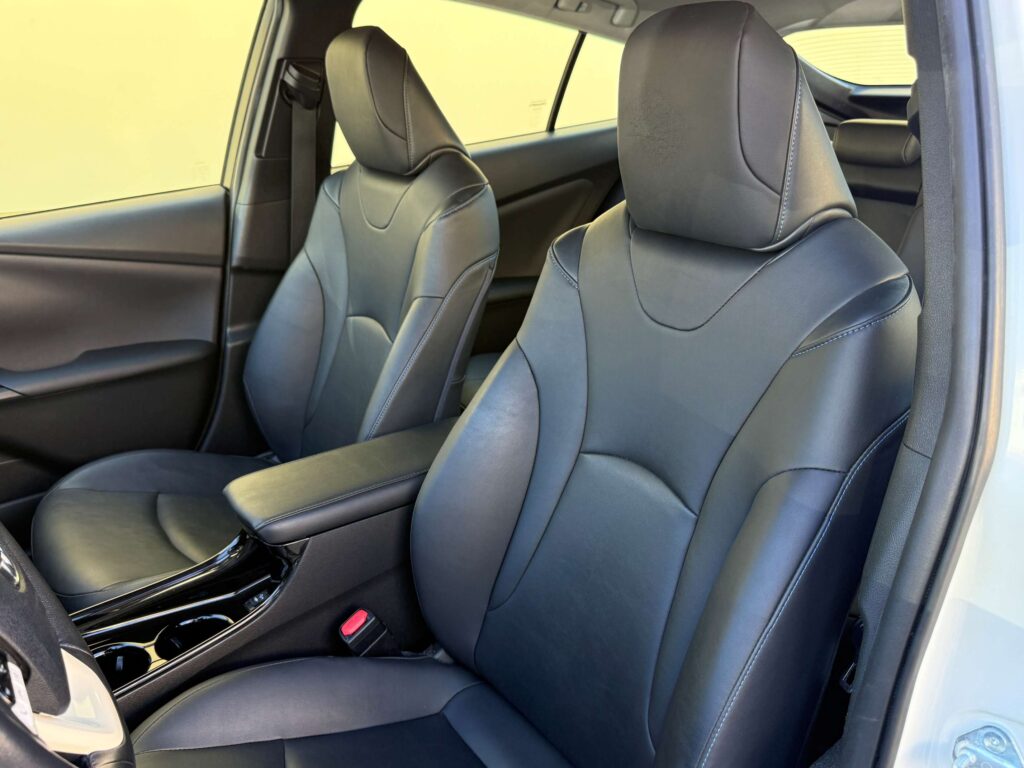
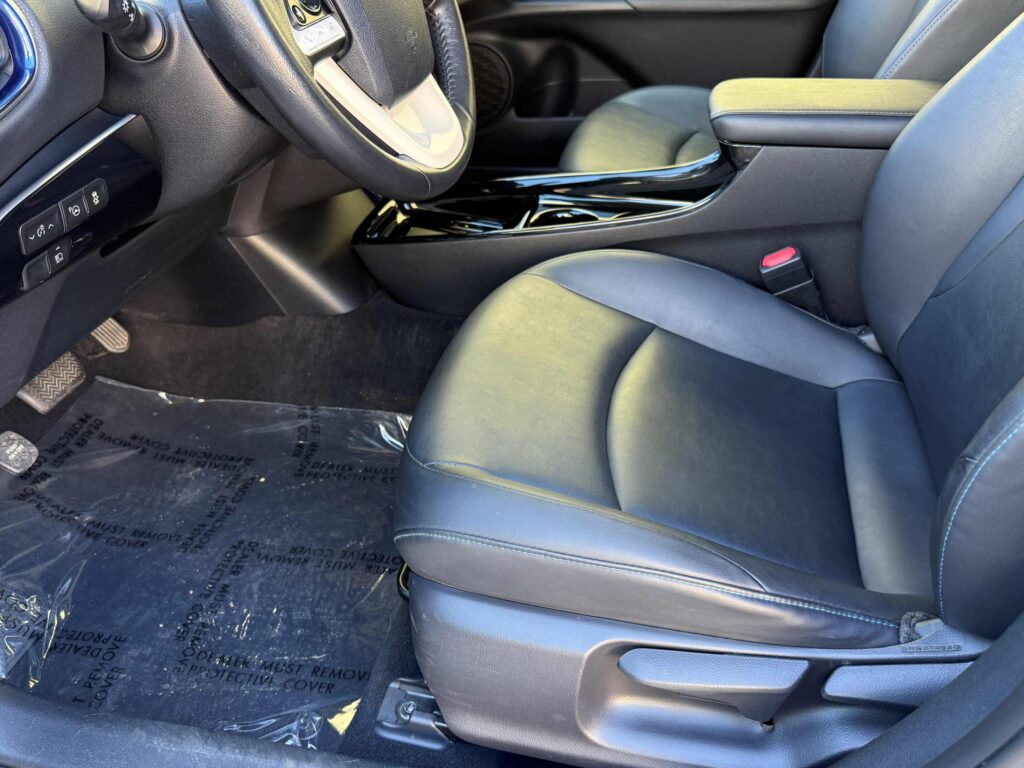
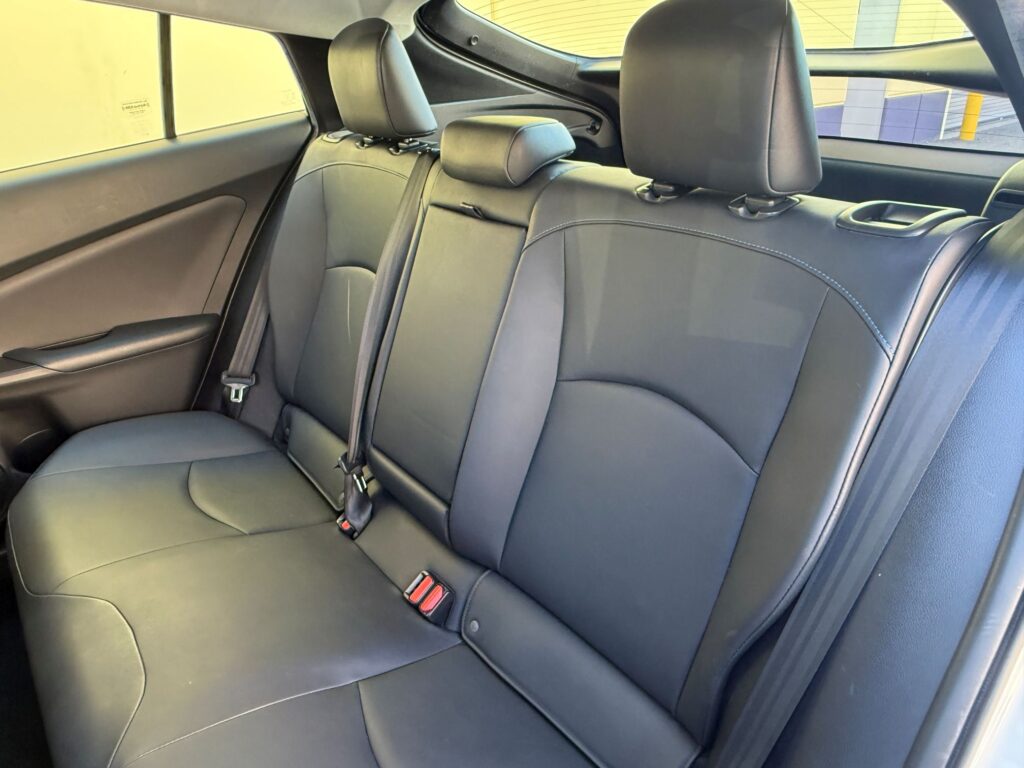
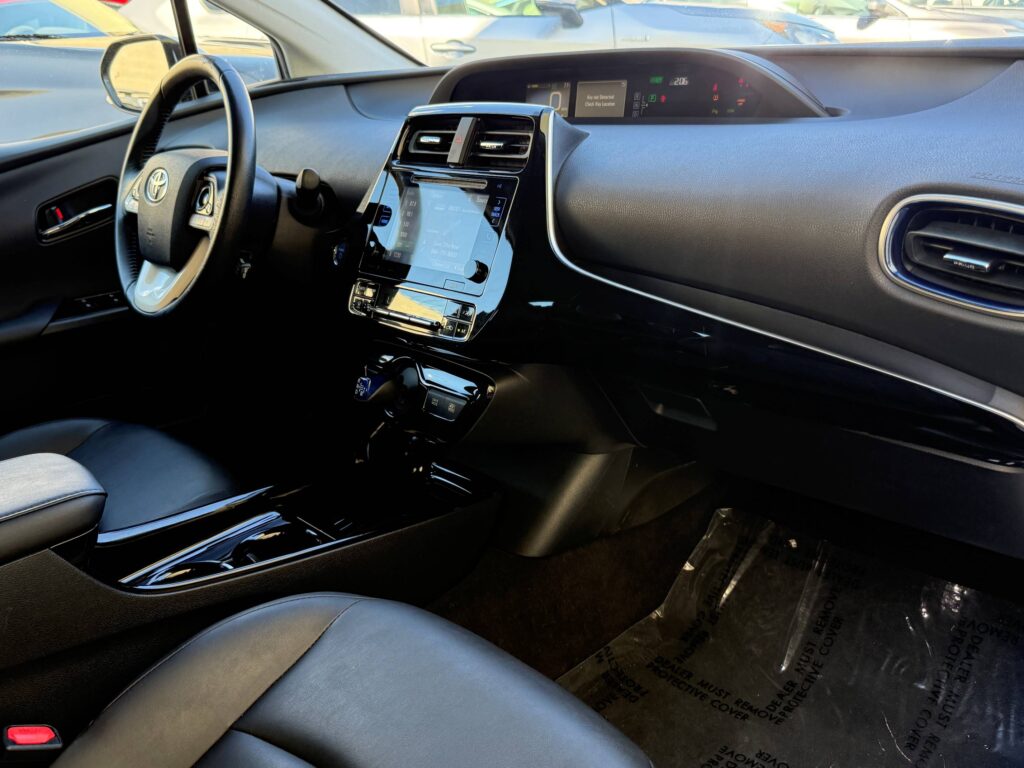
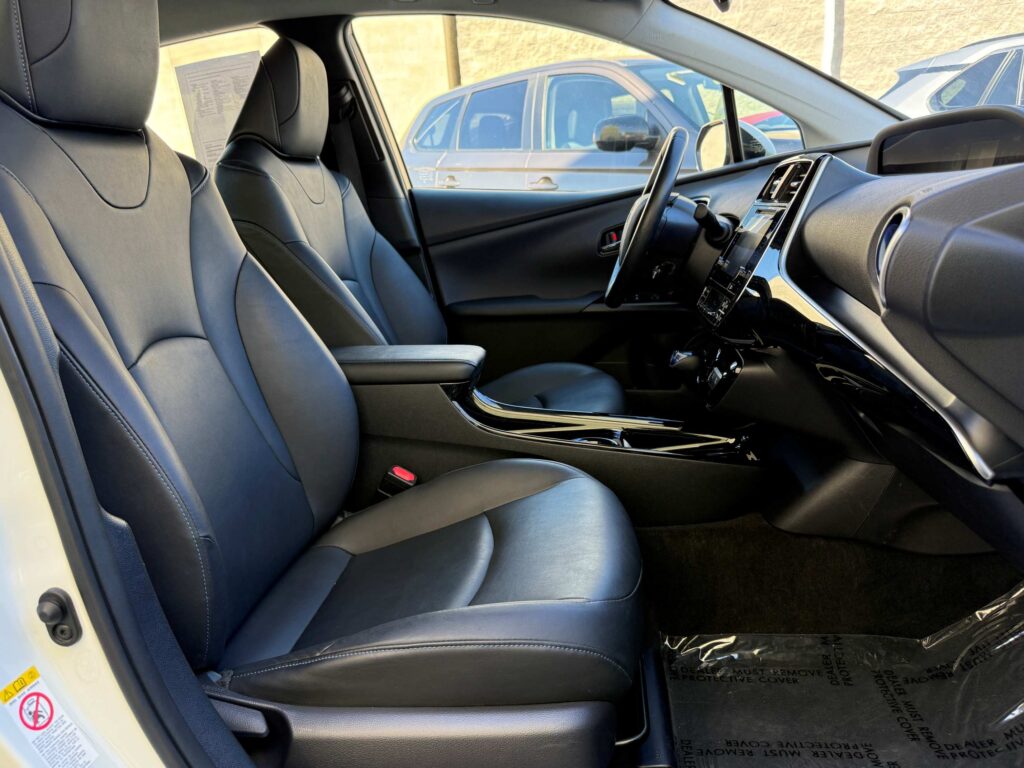
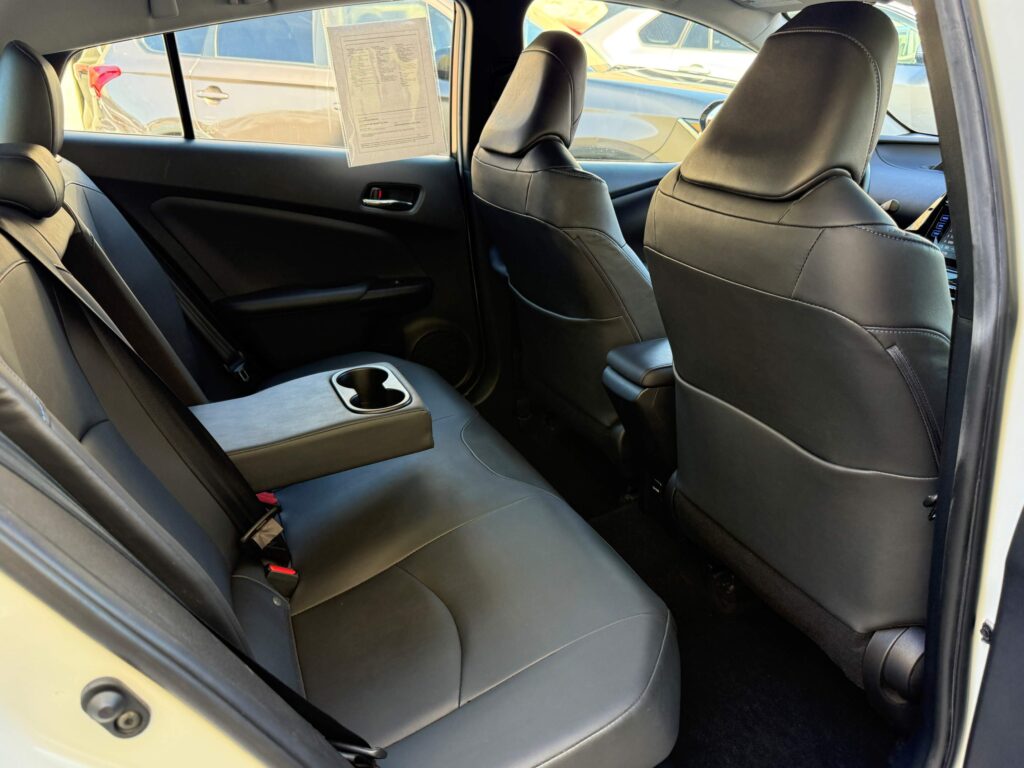
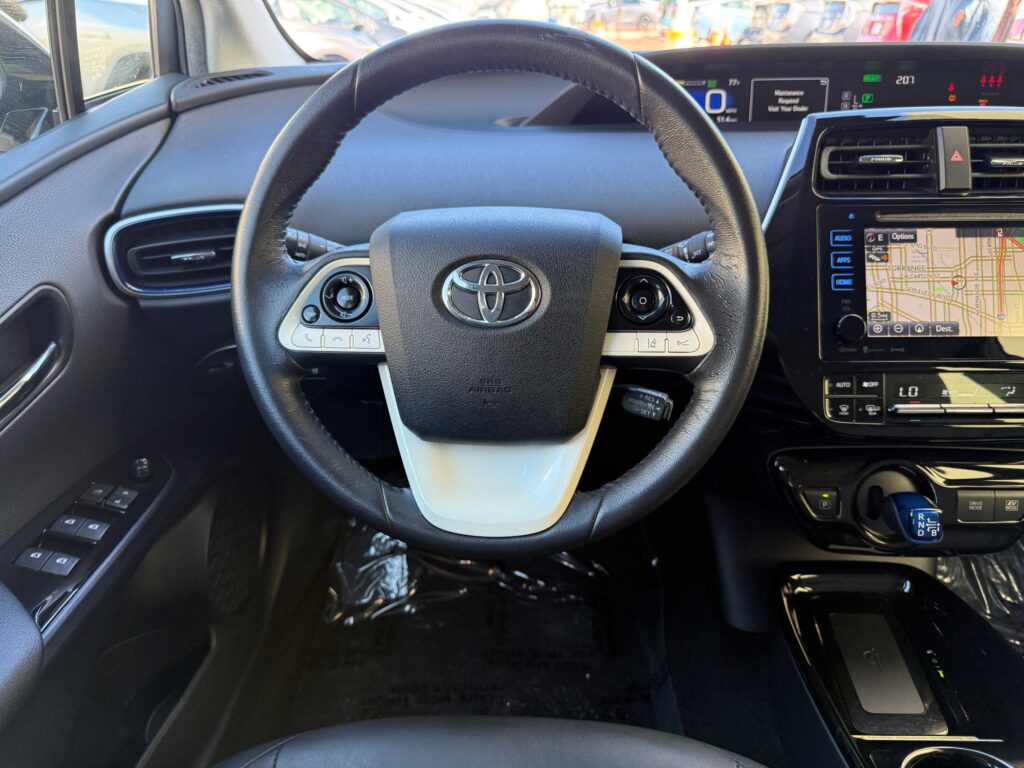
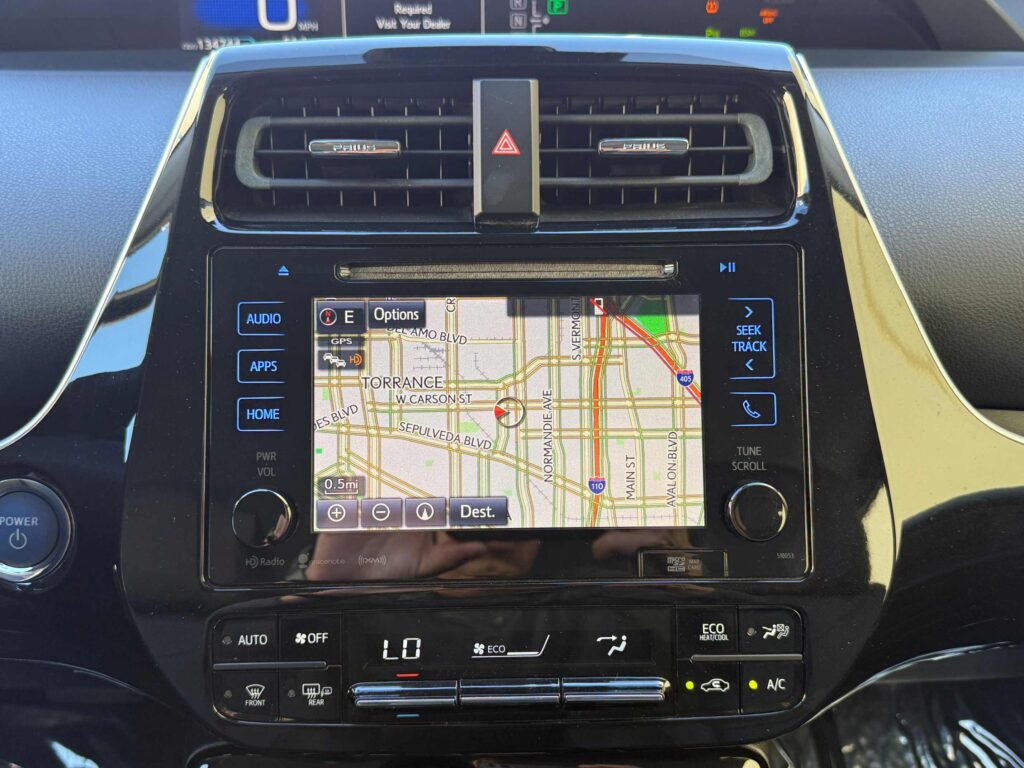
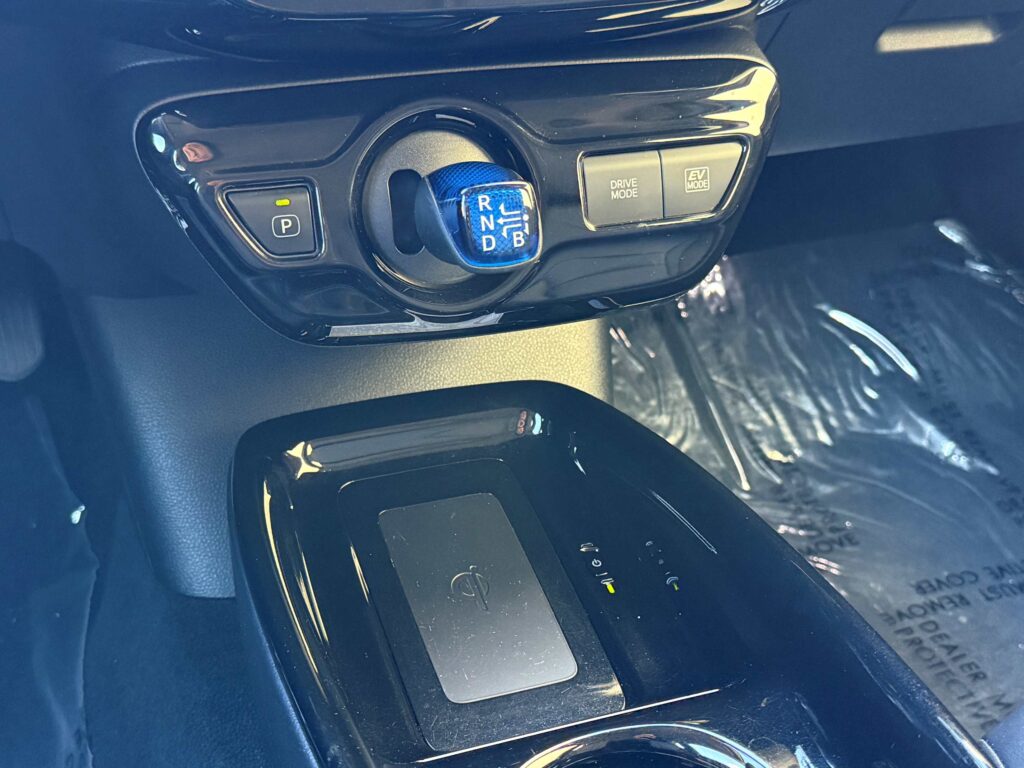
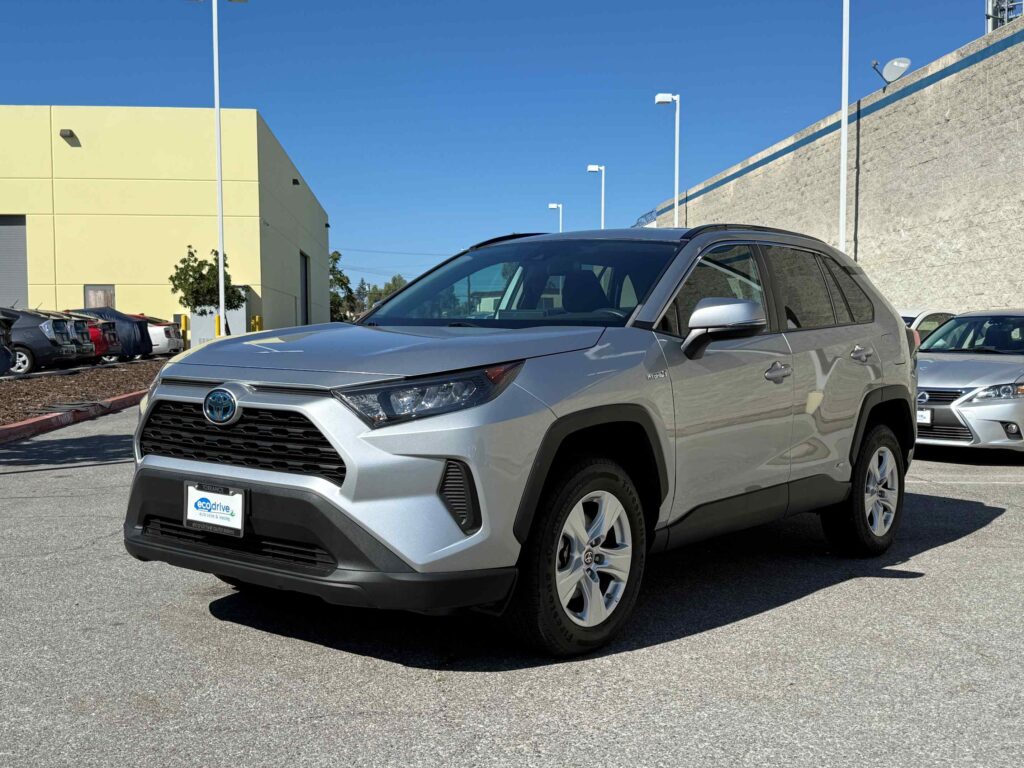
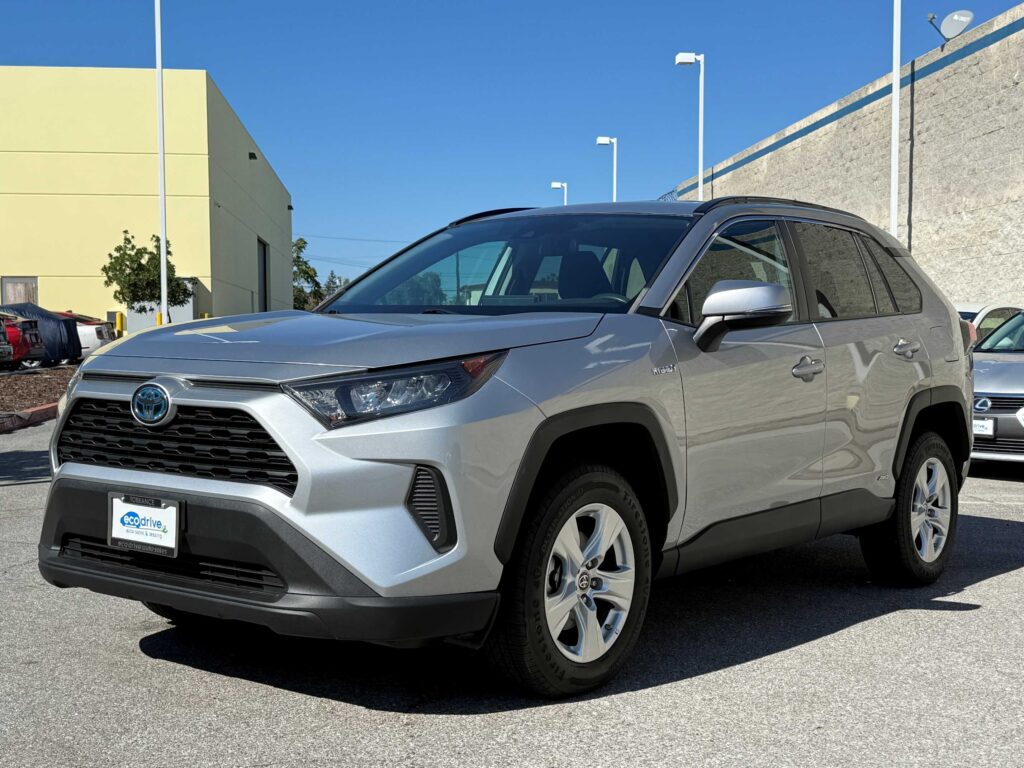
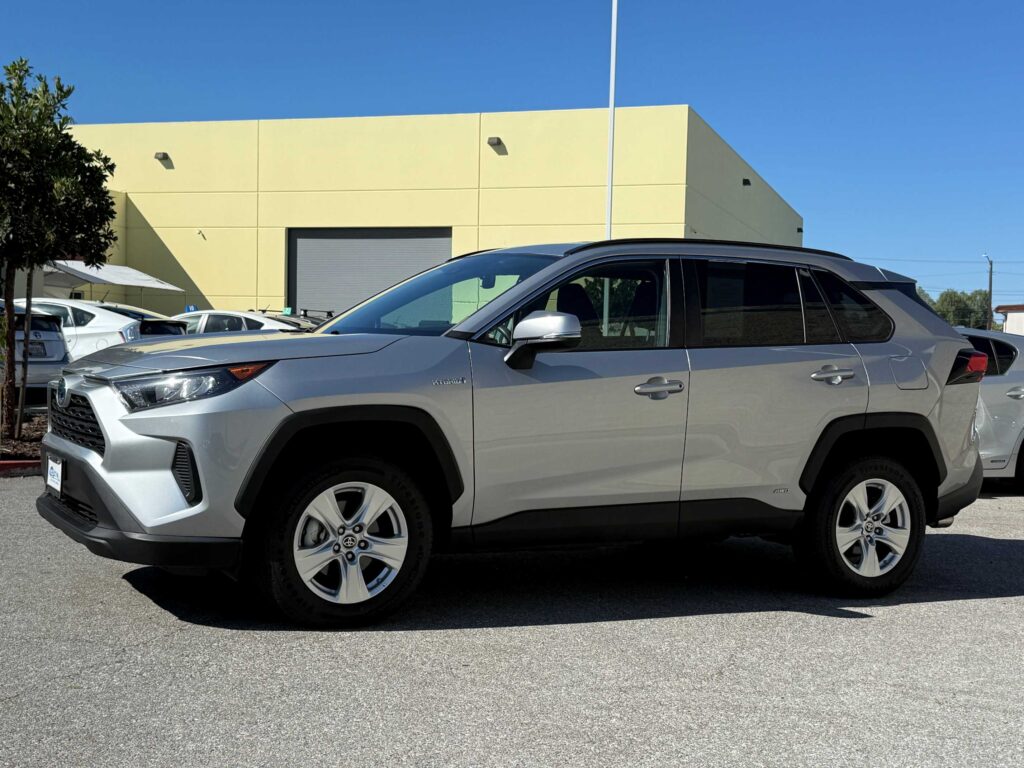
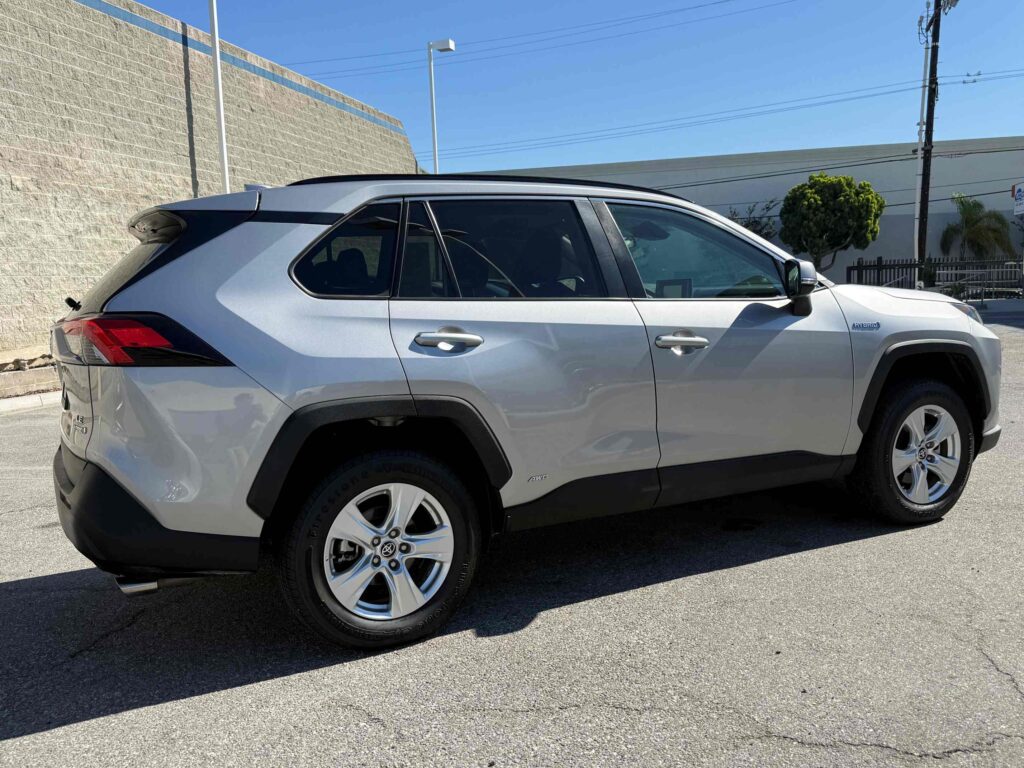
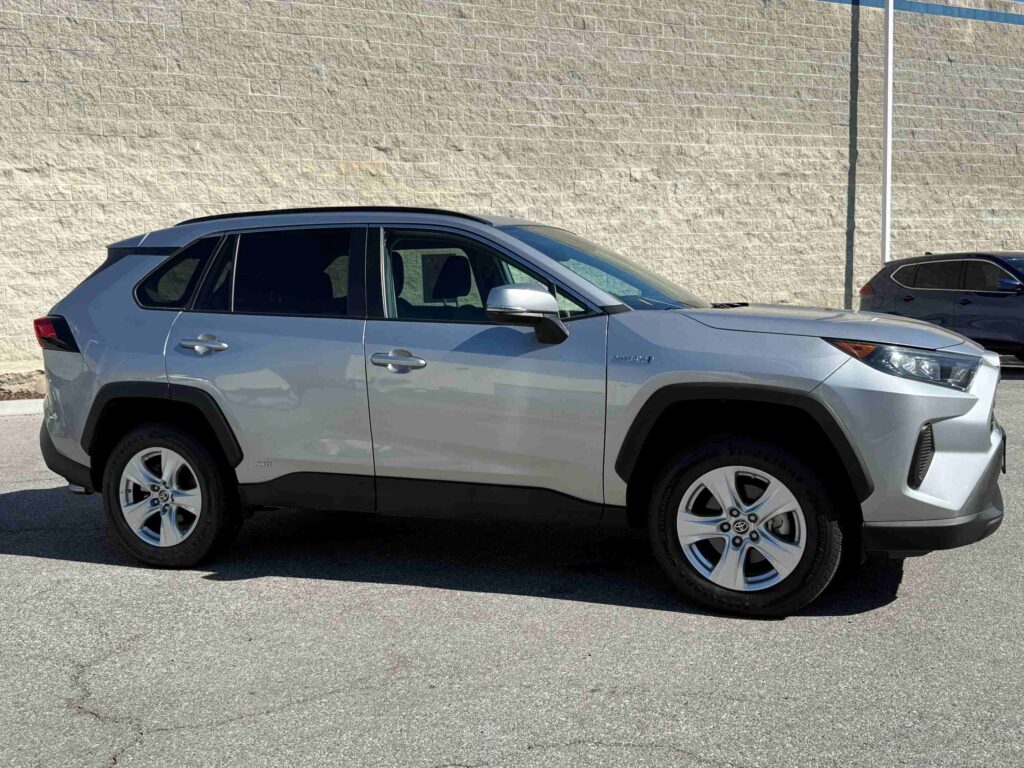
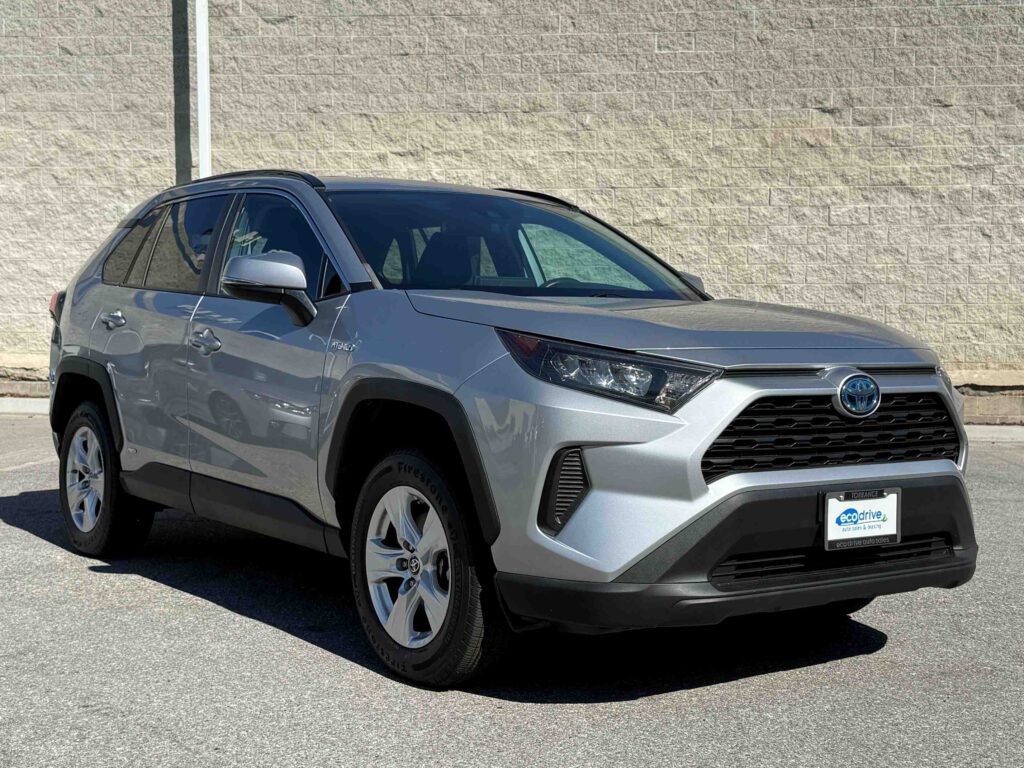
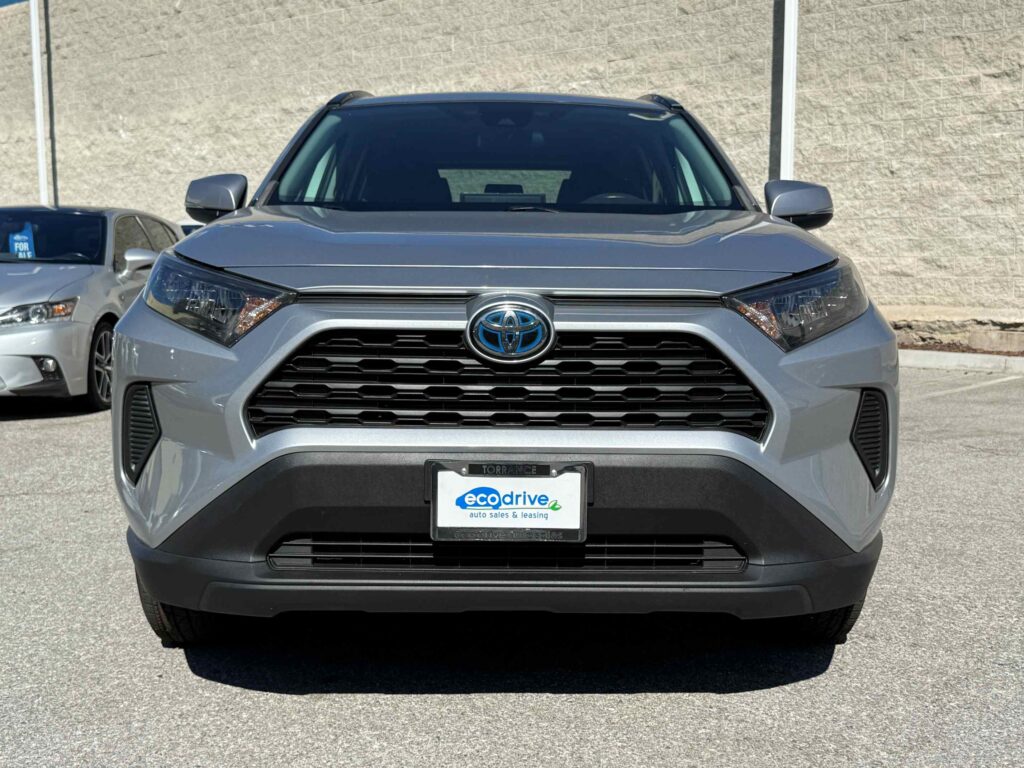
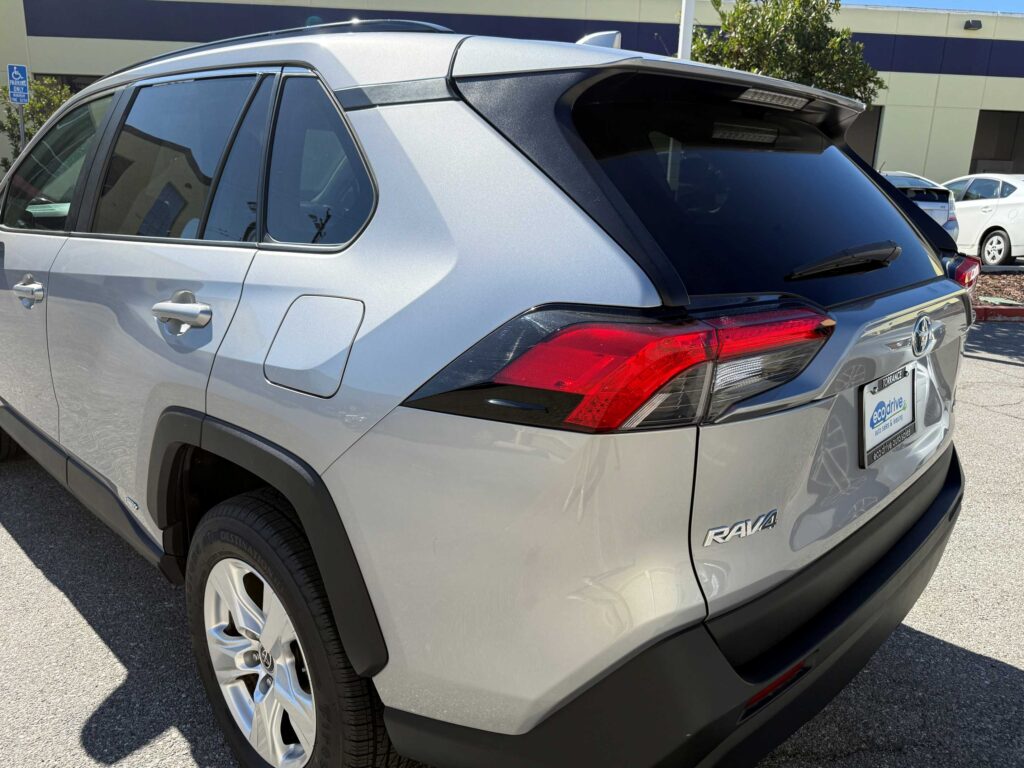
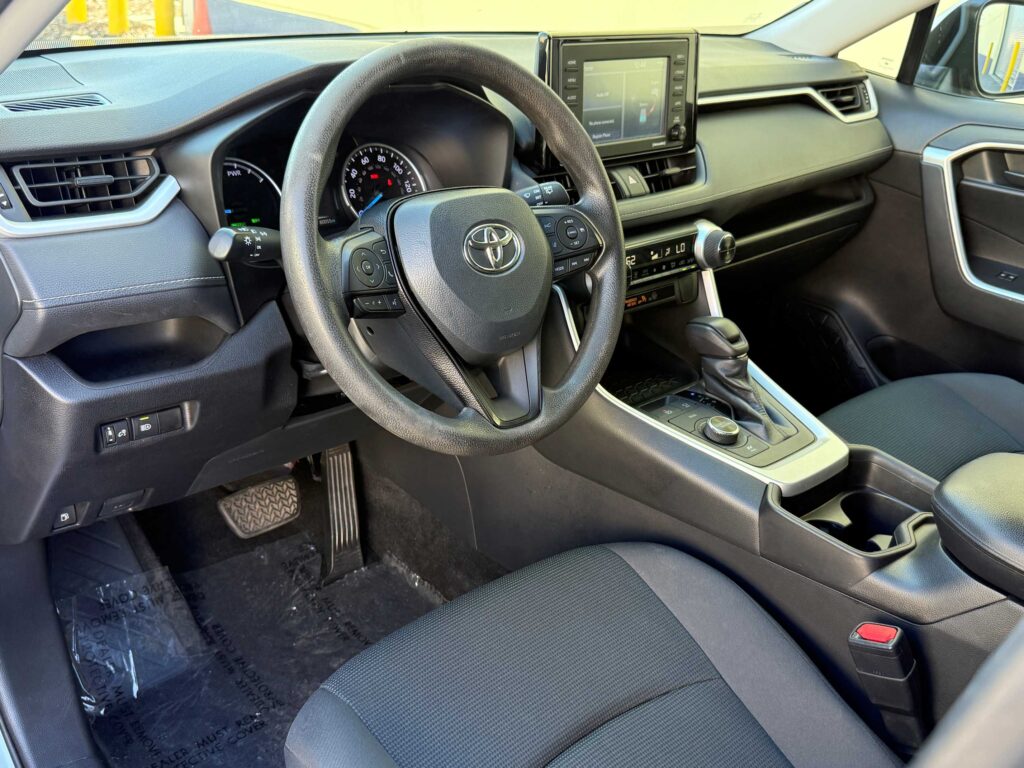
Discover our newest arrivals—available now!
The 2025 CTO Results — and How They’ve Changed from 2024
Let’s take a look at AAA’s 2025 Cost-to-Own numbers.
The average across all vehicle types came in at $0.77 per mile in 2025 — down from $0.82 the year before. That’s the 5-year average for a new car.
In other words, every mile you drive runs you about 77 cents.
For someone driving 15,000 miles a year, that works out to about $11,577 per year — a $719 drop from 2024’s $12,297.
A lot of folks see that number and think, “Wait — it costs that much?”
It’s the first meaningful year-over-year decrease in a while, mainly driven by lower gas prices.
Category-by-Category Breakdown

Now let’s go through each cost category in detail.
■ Depreciation (value drop)
This runs about $4,334 per year in 2025 (down from $4,680 in 2024). That’s the value the car loses each year. Honestly, this number lines up with what we typically see.
■ Finance charges
If you finance or lease, expect about $1,131 per year in interest — down from $1,332 in 2024 as auto loan rates have eased a bit. Still on the higher side compared to a few years back.
Auto loan rates aren’t one-size-fits-all.
If your credit history is solid, you might land somewhere around 5–6%. But if there are issues on your credit report, rates can shoot up to 15–16%.
The AAA average sits roughly in the middle, which feels about right.
■ Fuel
About 13 cents per mile — a meaningful drop from 14.9 cents in 2024 thanks to lower gas prices. At 15,000 miles a year, that’s roughly $1,950 annually.
From where I sit — dealing with a lot of Toyota hybrids and other fuel-efficient cars — even with this dip, fuel costs still add up fast.
That said, this is the average across all vehicle types — worth keeping in mind.
■ Insurance
About $1,694 per year — basically flat from $1,715 in 2024. Honestly, this one still feels a little low to me.
Coverage varies a lot person-to-person — some folks go with comprehensive plans, others stick with the state minimum, so it’s hard to generalize. But based on what we see customers actually pay, $1,694 is on the modest end.
Also check out our full Auto Insurance in California: A Beginner’s Guide for New and International Drivers.
■ Vehicle taxes and fees
About $813 per year in 2025 (essentially unchanged from $815 in 2024). For a 5-year average on a new car, that’s a reasonable number.
In most states, registration fees are highest in the first year and drop each year as the car ages.
Also, the more expensive the car when new, the higher the taxes, so if you buy a cheaper vehicle you might pay closer to $500 a year.
■ Maintenance and repair
About 11.04 cents per mile, which comes out to roughly $1,656 per year at 15,000 miles. This is actually the only category that climbed in 2025 (up from 10.13 cents in 2024), which lines up with what I’ve been seeing on the lot.
Modern cars come with bigger wheels — and many use low-profile tires for styling — which wear faster.
Replacement costs are also higher than they used to be.
On top of that, vehicles are getting heavier (especially anything with batteries), which puts more wear on the tires.
Tires, brakes, batteries, and oil changes are all trending up cost-wise, and that’s pushing the maintenance number higher each year.
With a new car, the first three years are typically under warranty, so you don’t have to worry as much about repair bills. But routine maintenance items keep climbing in price.
My Audi Mistake from 20 Years Ago
Let me share a personal story here.
Twenty years ago when I first moved to the U.S., I needed a car, so instead of paying cash I took out a loan.
The interest rate? A jaw-dropping 23.99%.
I had no credit history at the time, so it was the only loan I could get approved for. I took it because I had no choice.
The car I bought was an Audi — something I’d been wanting for a while.
But that Audi broke down a lot, and the repair bills were brutal.
On top of that, the insurance was expensive, and the registration fees were no joke either.
I ended up paying through the nose on interest, racking up repair bills, paying high insurance premiums — and when I finally sold it, the resale value had tanked.
Depreciation hit hard, and I had to sell it for almost nothing.
That painful experience is what got me looking seriously at Japanese cars — especially Toyotas.
I learned the hard way how much reliability and total cost of ownership really matter.
Wrapping Up: The Real Cost of Owning a Car in the U.S.
So that’s a deep dive into the 2025 CTO (Cost-to-Own) numbers.
About $11,577 a year is sticker-shock territory for most people — even with the drop from $12,297 in 2024, it’s still real money.
I hope this gives you a clearer picture of just how much owning a car can really cost.
Key takeaways:
– Depreciation is the single biggest piece of the pie
– Interest charges swing dramatically based on your credit history
– Which car you pick has a huge long-term impact on cost
– Maintenance costs have been climbing year after year
Keep these in mind when you’re shopping, and you’ll make a smarter call.
From my own experience, reliable Japanese cars — Toyota hybrids in particular — offer outstanding cost-to-own performance over the long haul.
When you’re looking at a car, don’t just focus on the sticker price. Factor in everything we covered here — that’s the real number that matters.
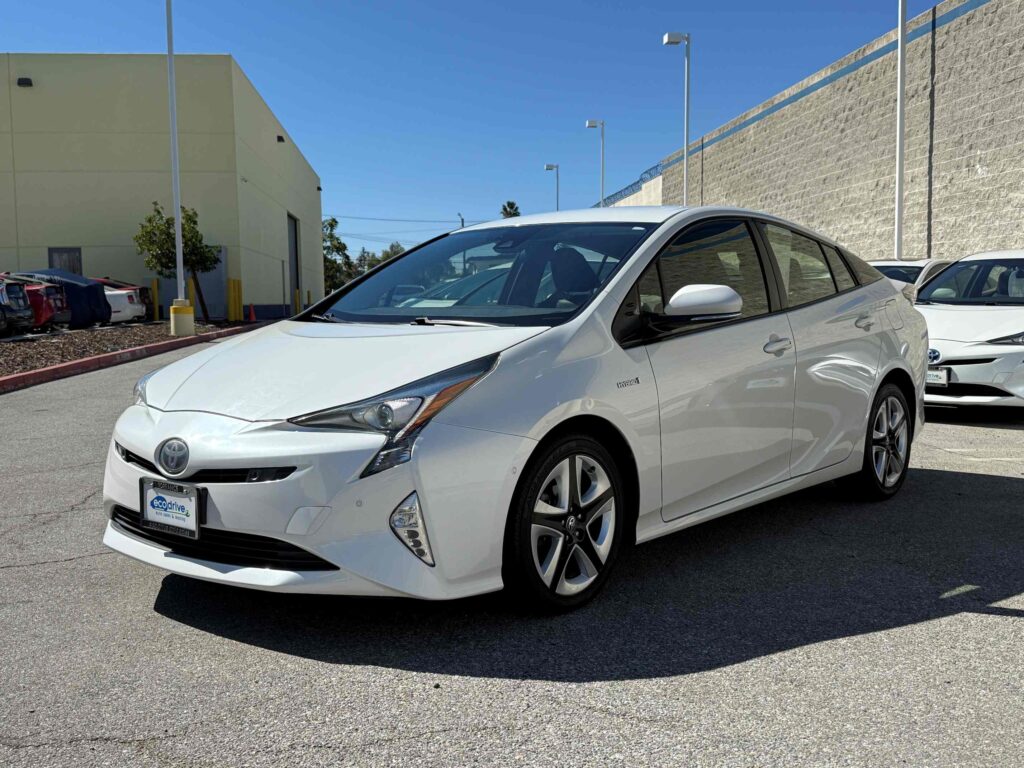
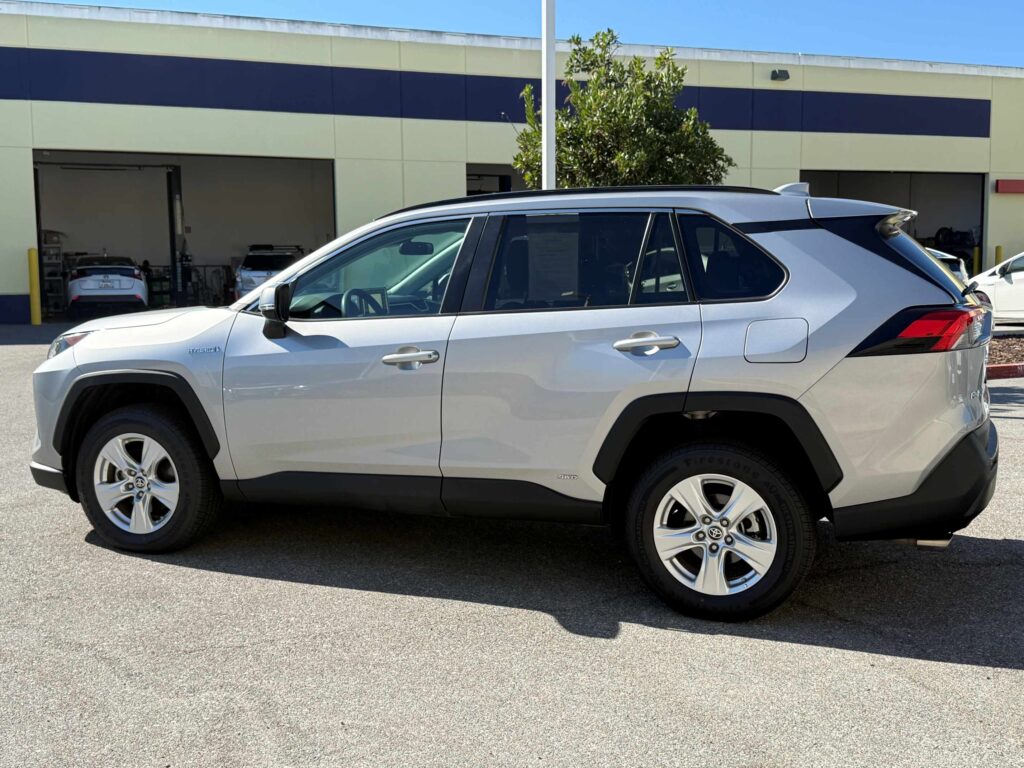
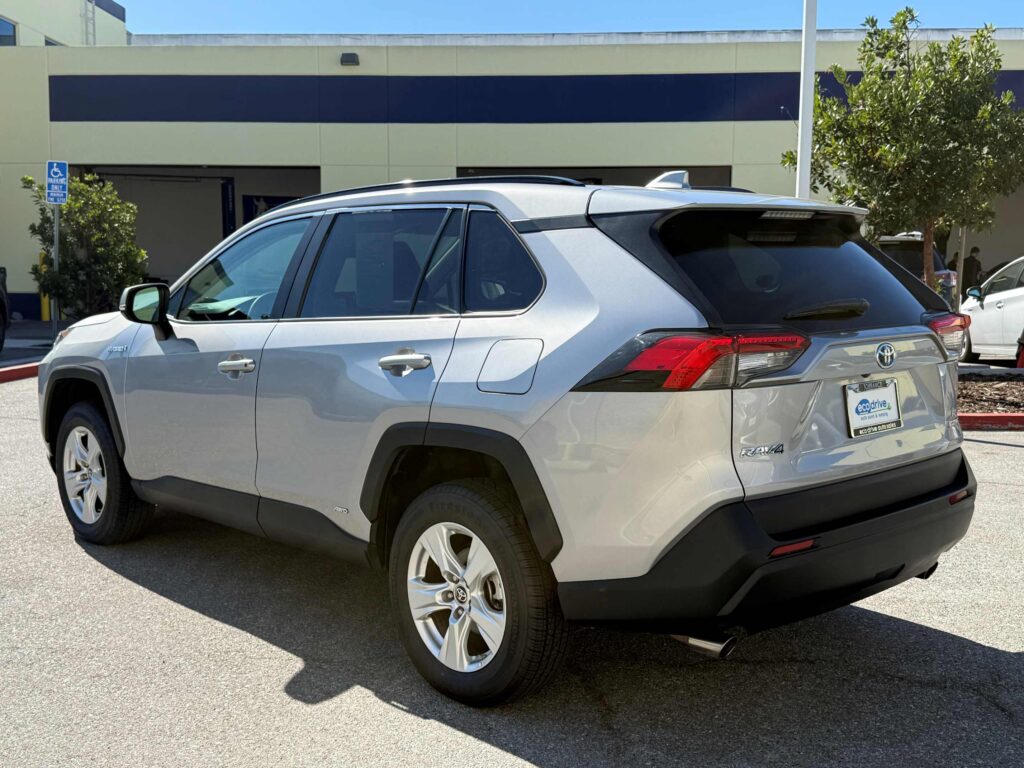
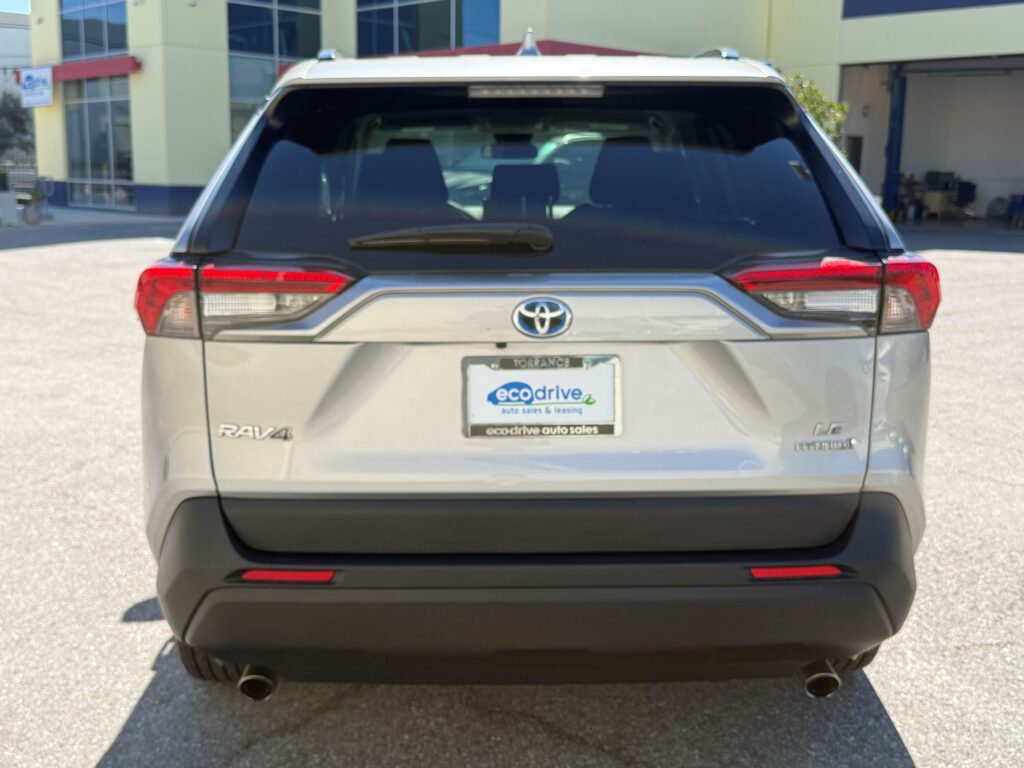
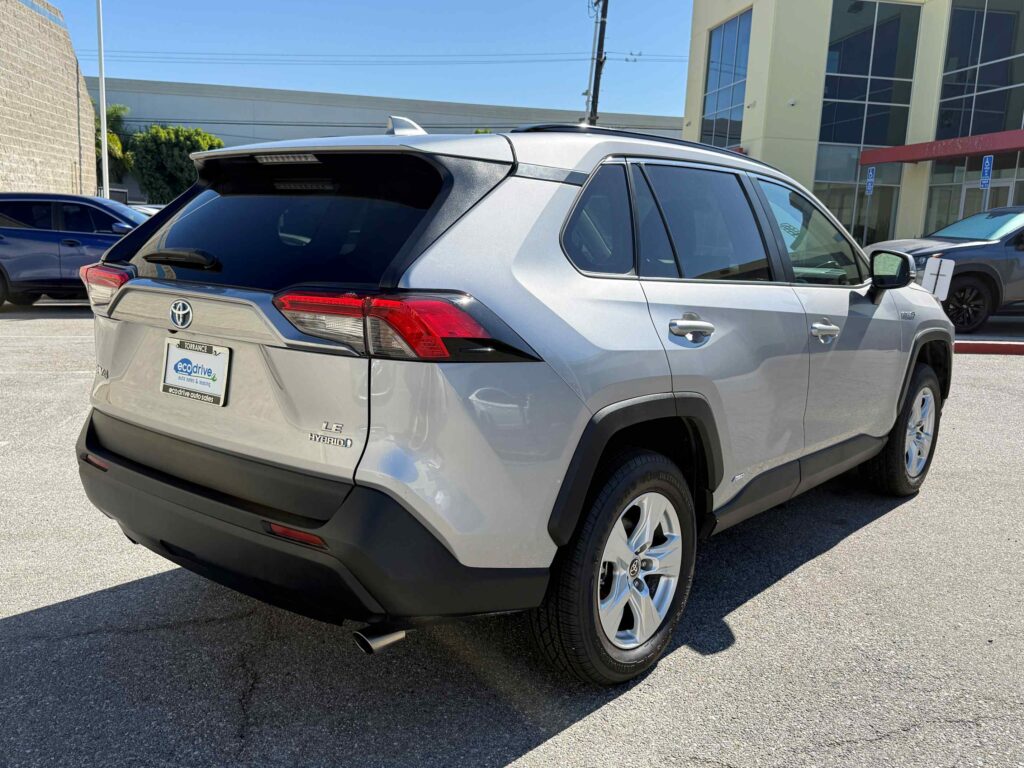
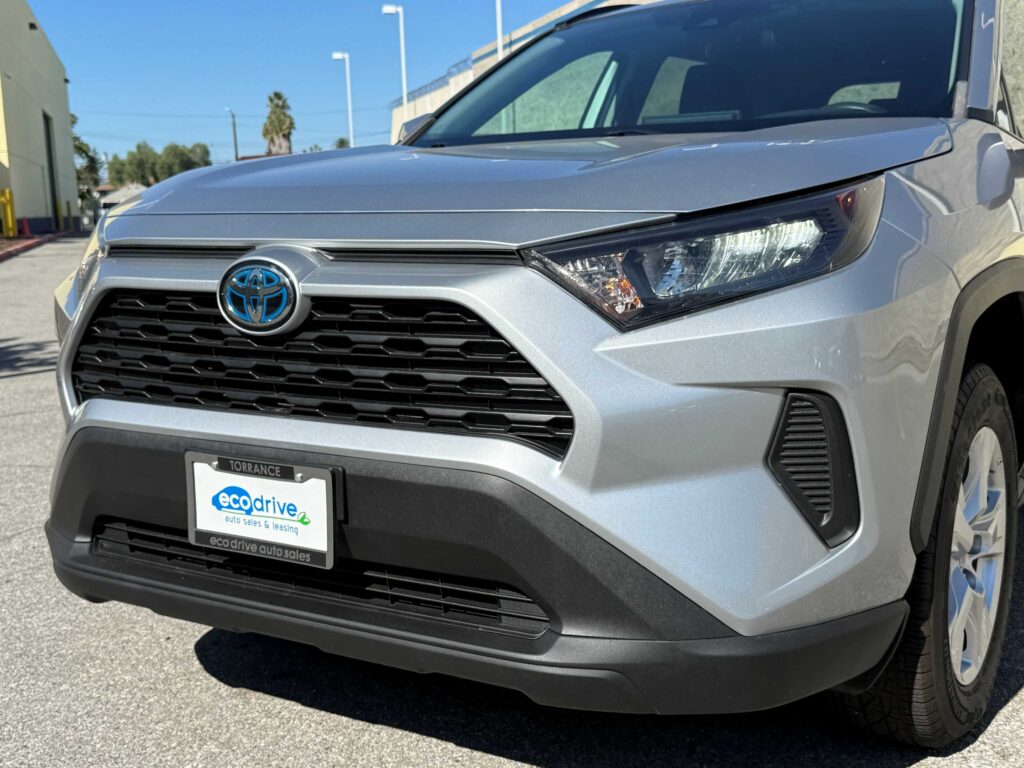
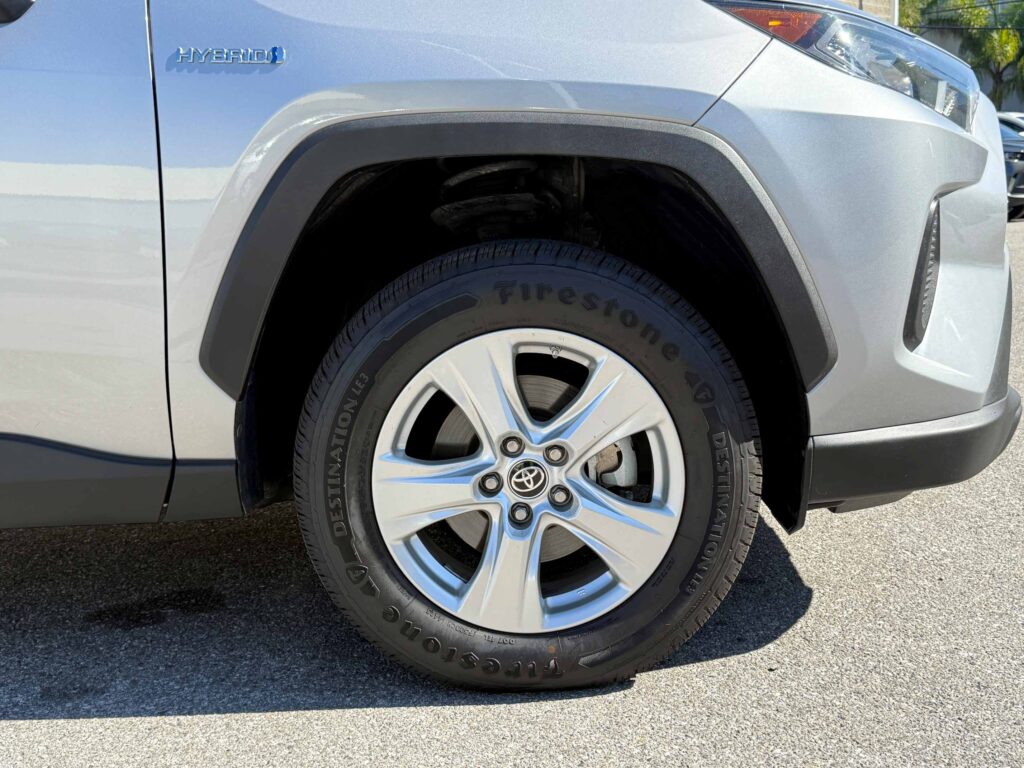
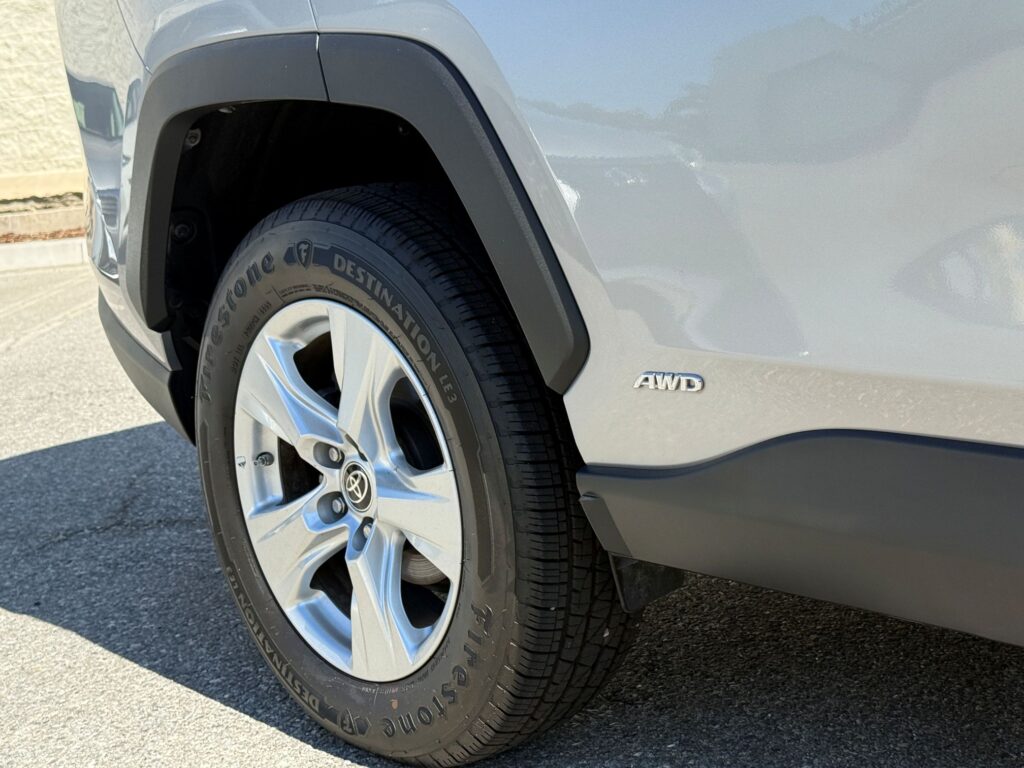
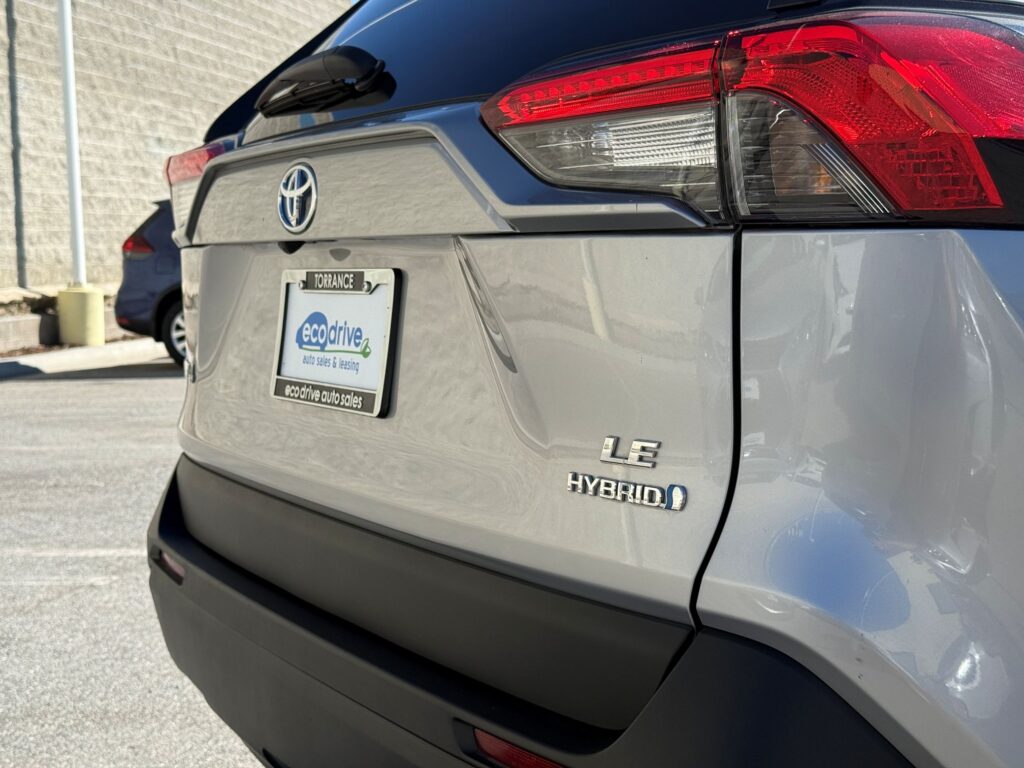
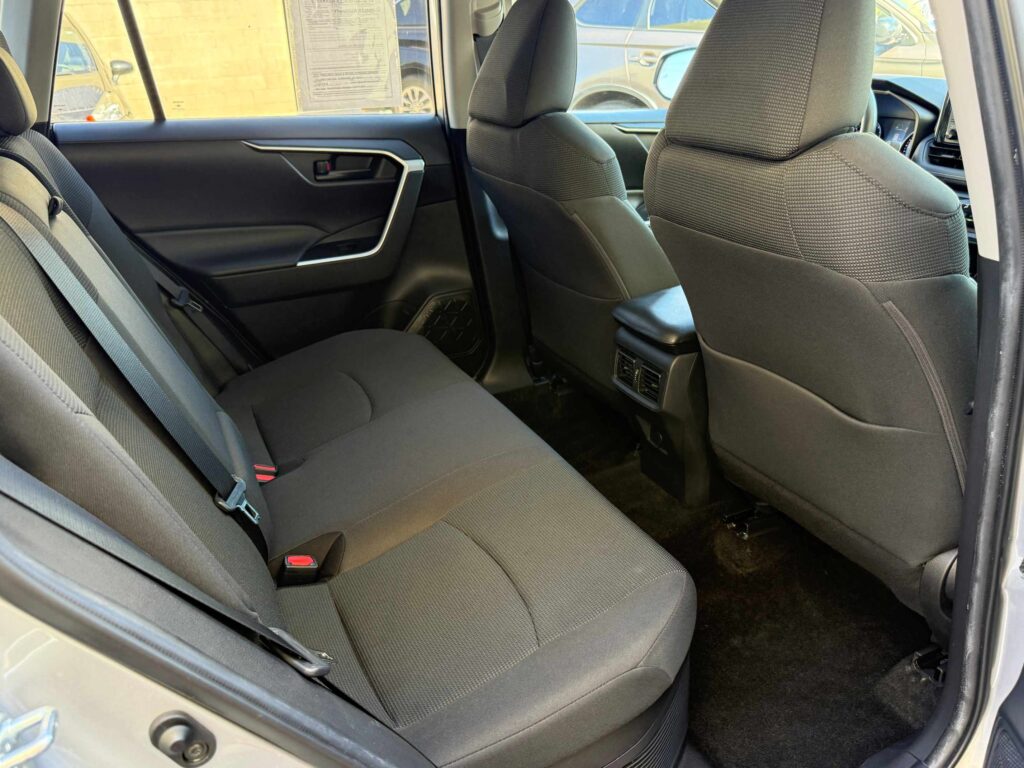
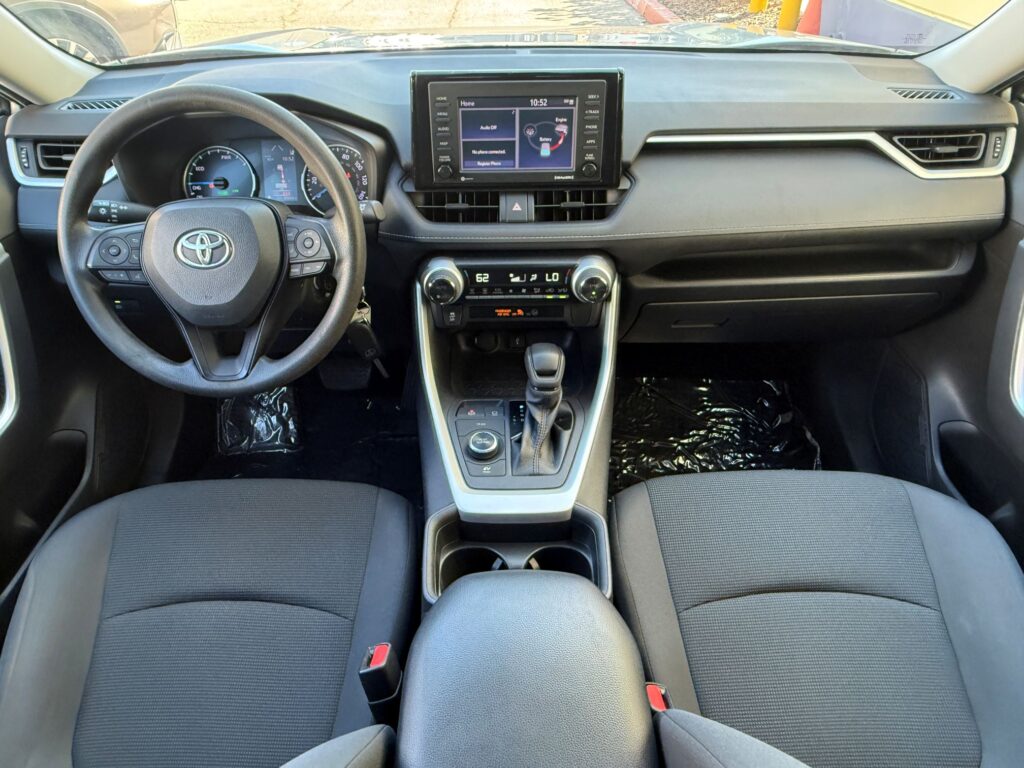
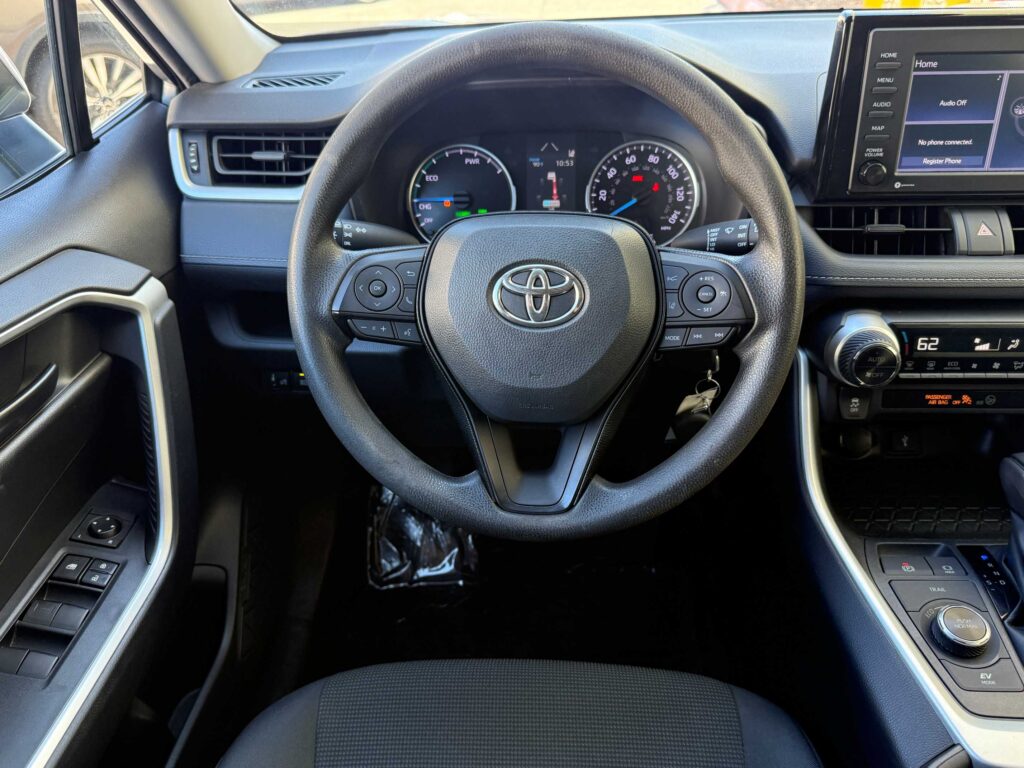
Looking for a reliable Toyota hybrid? At Eco Drive Auto Sales, we focus on inspected, fuel-efficient hybrids that keep your long-term cost-to-own low. Take a look at our current inventory to see what’s available in the LA area.
You May Also Like