Why the US Has No VAT: A Newcomer’s Guide to Sales Tax
Introduction
Hi everyone, this is Suzuki from EcoDrive.
If you’re new to the US — whether you’ve recently moved here from Europe, the UK, Japan, Australia, Canada, or anywhere else with a national VAT or GST — one of the first things that probably surprised you is how taxes work at the cash register. Here’s the question I get asked constantly: “Is it true that America has no national VAT?”
The short answer is yes — there is no federal VAT and no national sales tax in the United States. According to the OECD, the US is the only OECD member country without a national VAT; instead, consumption is taxed through retail sales tax set at the state and local level. The mechanics are very different from the VAT or GST system you’re probably used to back home.
To set the stage, here’s how the US stands out among major economies:
| Country / Region | System | Standard Rate |
|---|---|---|
| European Union | VAT | 17%–27% (varies by member state) |
| United Kingdom | VAT | 20% |
| Japan | Consumption Tax | 10% |
| Australia | GST | 10% |
| Canada | GST/HST + provincial sales taxes in some provinces | 5% GST federally; combined rates vary by province, commonly 5%–15% |
| South Korea | VAT | 10% |
| Mexico | IVA | 16% |
| United States | No federal VAT | State + local sales tax, 0%–10%+ depending on location |
So if you’re coming from almost anywhere else, the US is the unusual one. Let’s unpack how its system actually works.
[Watch the video version here]
Why the Price Tag Isn’t the Final Price in the U.S.
Before we get into the mechanics, here’s the single thing that catches almost every newcomer off-guard at the register: the price you see on the shelf is almost never the price you actually pay.
In most VAT/GST countries, the displayed price includes tax. You see $10, you pay $10. In the US, it’s the opposite — the displayed price is the pre-tax price, and sales tax is added at checkout.
What that looks like in practice:
– A $20 shirt in a Los Angeles store rings up at roughly $21.95 with 9.75% city sales tax
– A $5 coffee in Culver City comes out closer to $5.54 with 10.75% sales tax
– Some categories (most groceries in California, for example) are exempt — but prepared food, restaurant meals, and most retail goods are not
It’s not that the store is sneaking in a hidden fee. It’s just a different convention: US prices are quoted before tax because the tax amount can vary by city and category. So if you’re traveling or new to the country, a useful mental shortcut is to add roughly 8–11% to most tagged retail prices in many metropolitan parts of California, and sometimes slightly more depending on the city (Lancaster and Palmdale, for example, top out around 11.25% as of April 2026; lower-tax states sit well below that range). For big purchases — a car, electronics, furniture — the difference can be meaningful, so it’s worth checking the final out-the-door price up front.
The Core Difference Between VAT and US Sales Tax
To make sense of this, you first have to understand what a VAT (or consumption tax) actually is.
A VAT-style consumption tax is applied at every step of the supply chain as goods move from production to the final consumer.
How VAT Gets Layered In
A product typically passes through these stages before it reaches you:
1. Manufacturer → Wholesaler (taxed)
2. Wholesaler → Retailer (taxed)
3. Retailer → End consumer (taxed)
VAT is collected and credited at multiple stages of the supply chain. Businesses pay VAT on inputs, charge VAT on outputs, and use input tax credits to net out the difference. The final economic burden generally falls on the end consumer.
The friction for businesses isn’t double-taxation — credits prevent that. It’s timing and paperwork: companies have to front the tax at the procurement stage and recover it later, which ties up cash flow, and they need qualifying invoices (in Japan, the new Qualified Invoice System launched October 2023) to claim the credit.
US sales tax avoids the input-credit mechanism altogether. (That said, it creates a different kind of complexity — rates, exemptions, nexus rules, district taxes, and filing requirements all vary by state and locality. It’s simpler in one dimension, not in every dimension.)
How Sales Tax Gets Applied
In a typical retail transaction, sales tax is charged at the moment a retailer sells a taxable item to the end customer.
In other words:
– Manufacturer → Wholesaler: generally no tax (with a valid resale certificate)
– Wholesaler → Retailer: generally no tax (with a valid resale certificate)
– Retailer → End consumer: tax applied
The mechanism that makes this work is the resale certificate: a registered business can present one to its supplier and buy inventory tax-free, with the responsibility for collecting sales tax shifted to whoever sells the item to the end customer. No upfront tax on resale inventory, no refund process, no waiting for cash to come back.
One nuance worth knowing: businesses that buy goods for their own internal use rather than resale (office supplies, equipment, consumables) generally do owe sales tax or use tax on those purchases. The “tax-free at procurement” benefit applies specifically to inventory bought for resale under a valid resale certificate. Still, for most retail and wholesale activity, this is a fundamentally different model from how VAT systems elsewhere in the world work.
Rates Vary by State: America’s Layered Tax System
Unlike most VAT countries with a single nationwide rate, sales tax in the US is set at the state level.
It gets more interesting from there: not only do states differ, but counties and cities within those states often stack their own add-ons on top.
California as an Example
Take California:
– Statewide base rate: 7.25%
On top of that base rate, you can layer on:
– A Los Angeles County add-on
– City-level add-ons from Los Angeles, Torrance, Redondo Beach, and so on
All of those combine to produce the rate you actually pay at the register.
So even within California, the total rate can differ depending on the city you live in. For example, as of April 2026, the CDTFA lists Los Angeles and Redondo Beach at 9.75%, Torrance at 10.25%, and Culver City at 10.75%. The exact rate depends on the city and any local district taxes layered on top. That kind of city-by-city variation simply doesn’t exist under a national VAT.
Some States Charge 0%: Tax as a Strategic Tool

Maybe the most striking part of all this is that some states have no statewide sales tax at all.
States with No Statewide Sales Tax
– Oregon
– Montana
– Delaware
– New Hampshire
– Alaska (no state-level tax, but many municipalities levy their own)
A heads-up about Alaska: while there’s no state sales tax, plenty of Alaskan cities and boroughs do charge their own. Juneau sits at 5%, Wrangell at 7%, and rates run roughly 0–7.5% depending on where you are. So the “shopping is tax-free at the register” rule of thumb really applies to the other four — Oregon, Montana, Delaware, and New Hampshire — where you won’t see sales tax added at checkout in normal retail.
One more important caveat: “no statewide sales tax” doesn’t mean “no tax of any kind.” Even in these states, you may still encounter hotel/lodging taxes, prepared-food or restaurant taxes, excise taxes on alcohol, tobacco, and gasoline, and vehicle-related taxes and registration fees. The savings are real on most retail purchases, but it’s not a complete tax holiday.
How a 0% Rate Is Even Possible
The key is that state, county, and city leaders can adjust tax rates strategically. That’s a structural feature of the US system.
For example:
– A state trying to grow its population may lower its rate to attract new residents
– A state leaning into tourism may market itself as a tax-free shopping destination
– A state competing for jobs may set tax policy that favors employers
This kind of jurisdictional competition lets each state lean into its own strengths.
A state losing residents to other states can respond by cutting rates to make itself more attractive — and that’s exactly the kind of lever local leaders can pull.
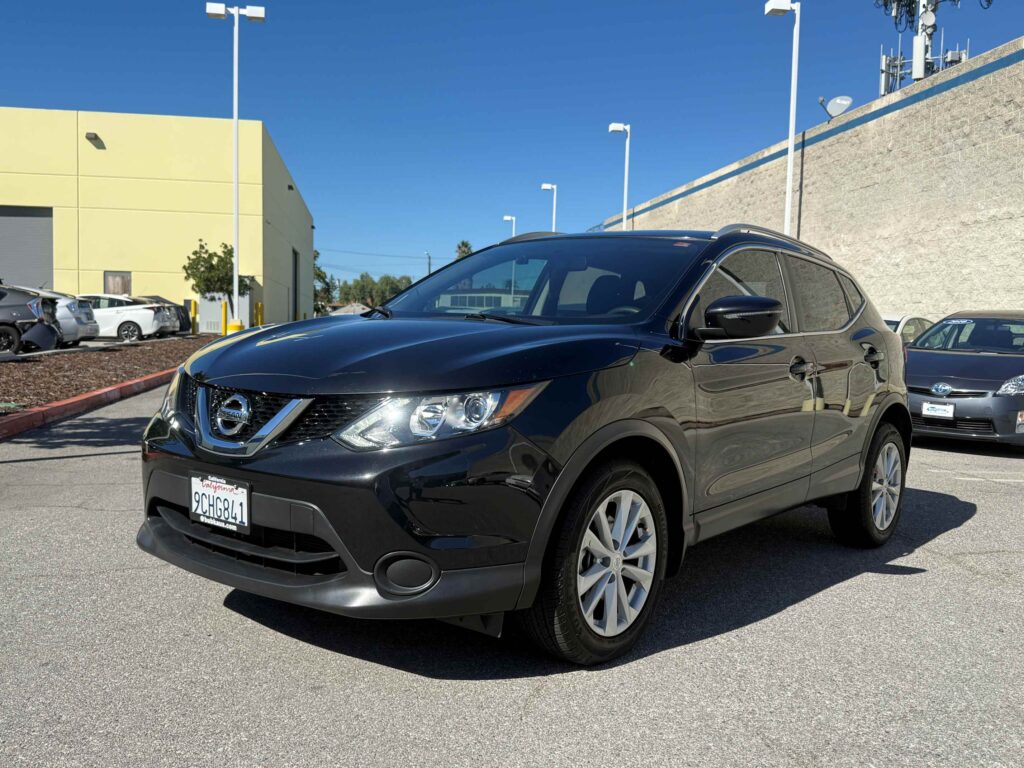
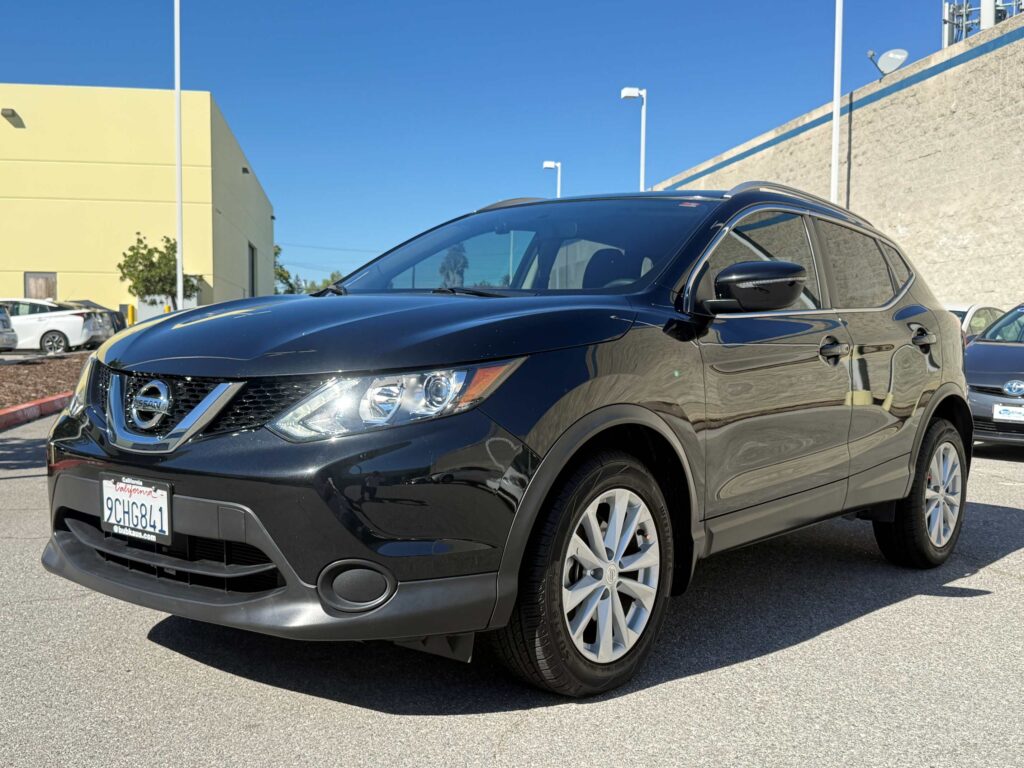
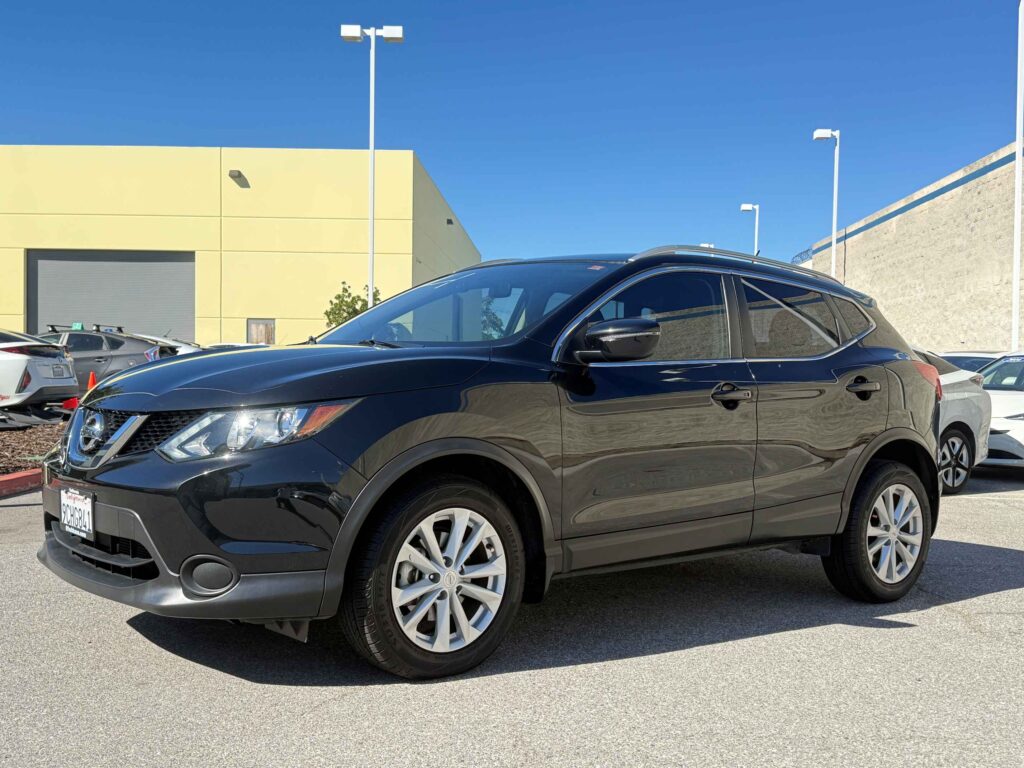
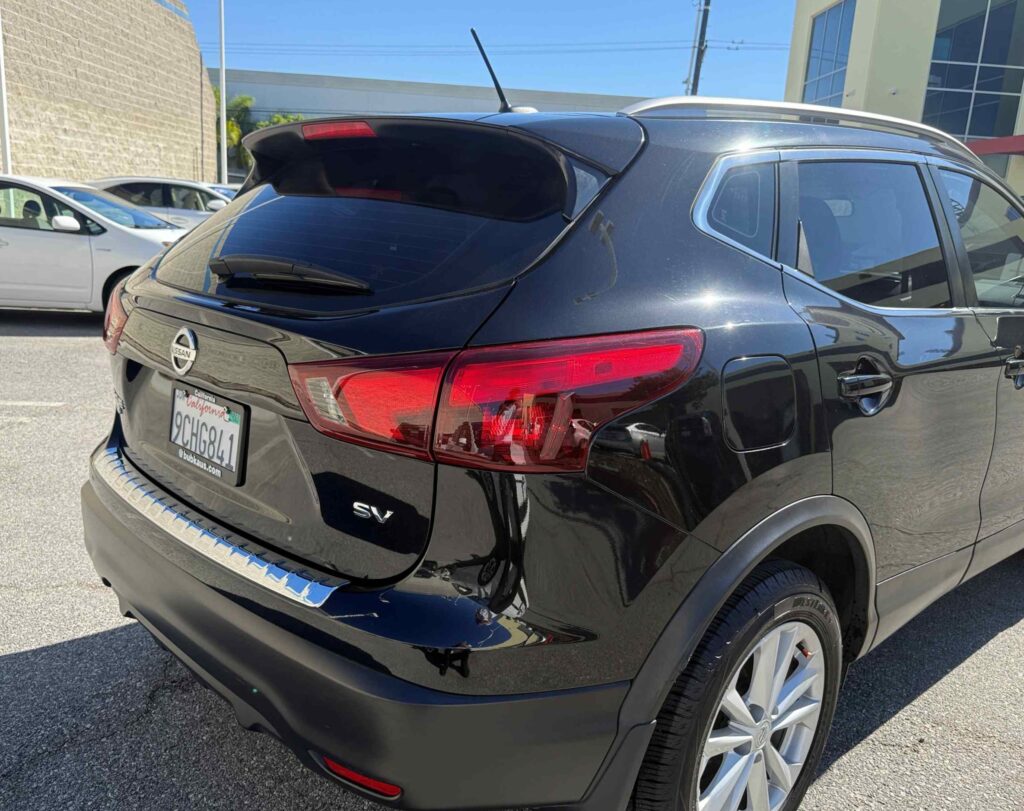
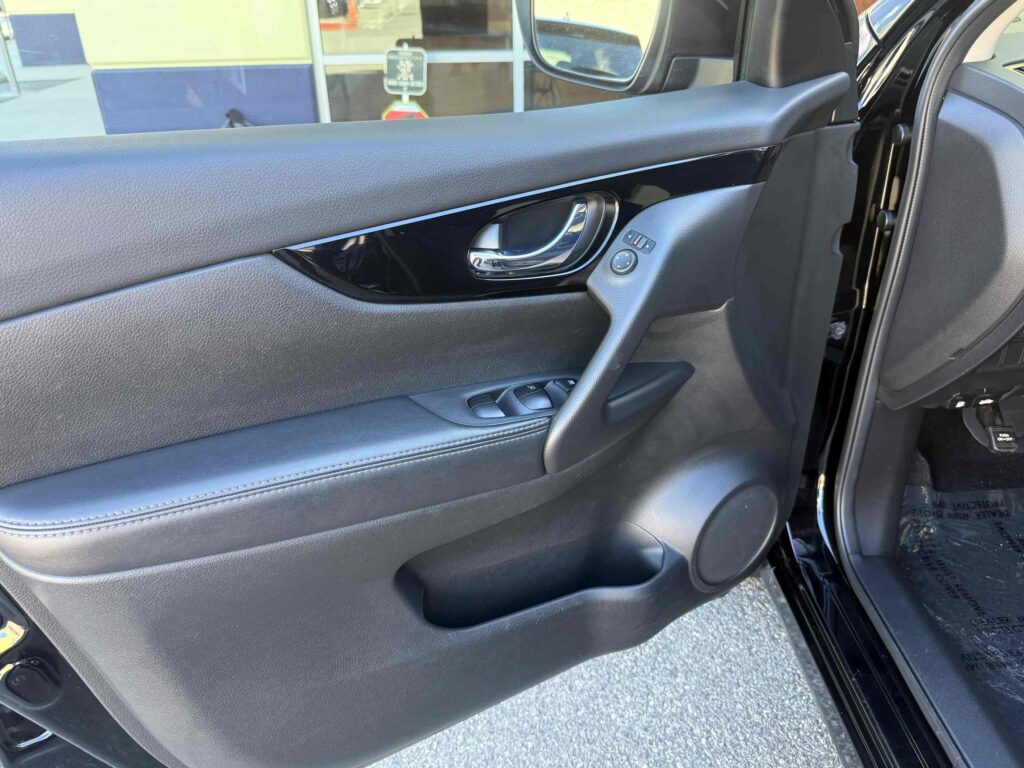
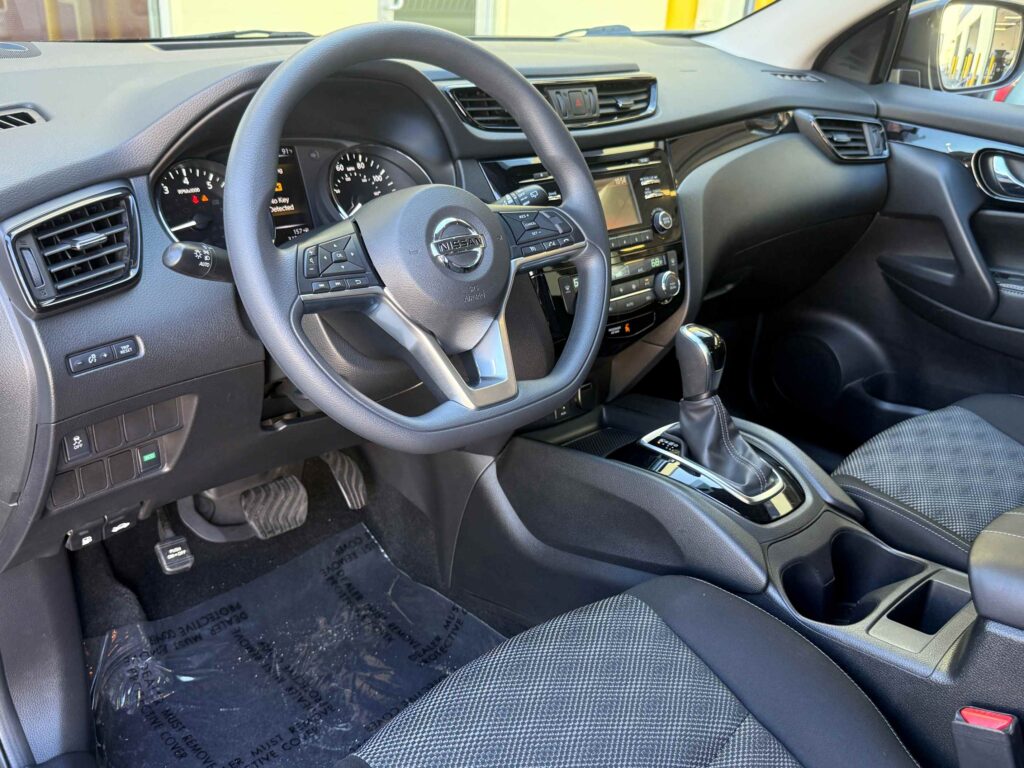
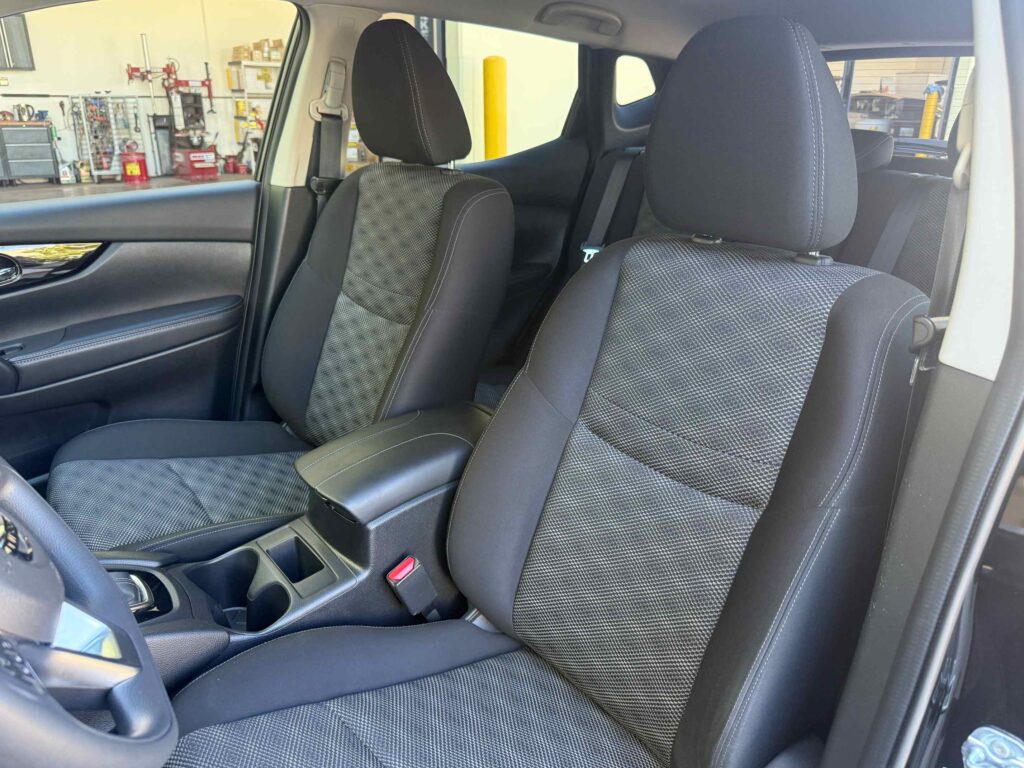
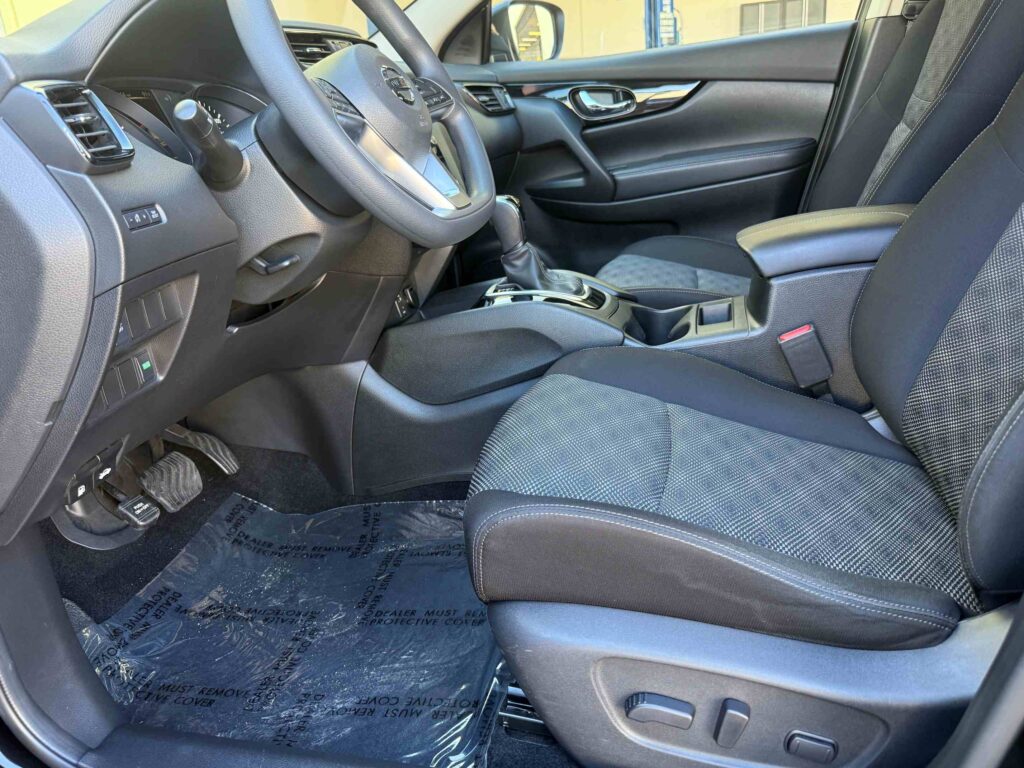
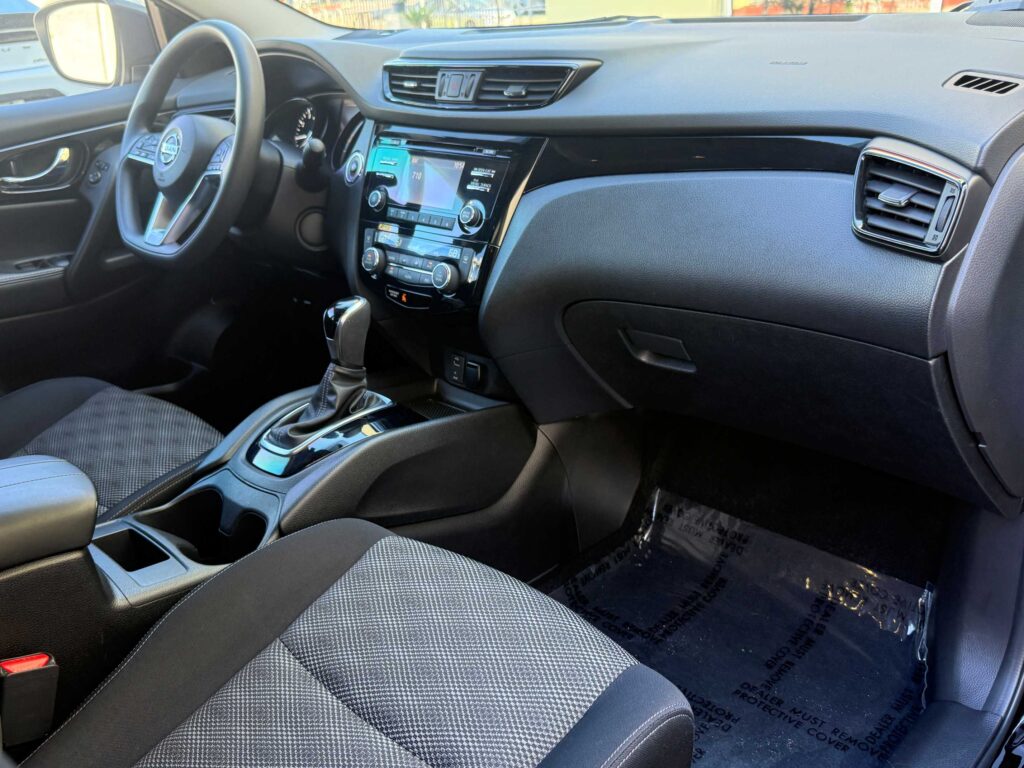
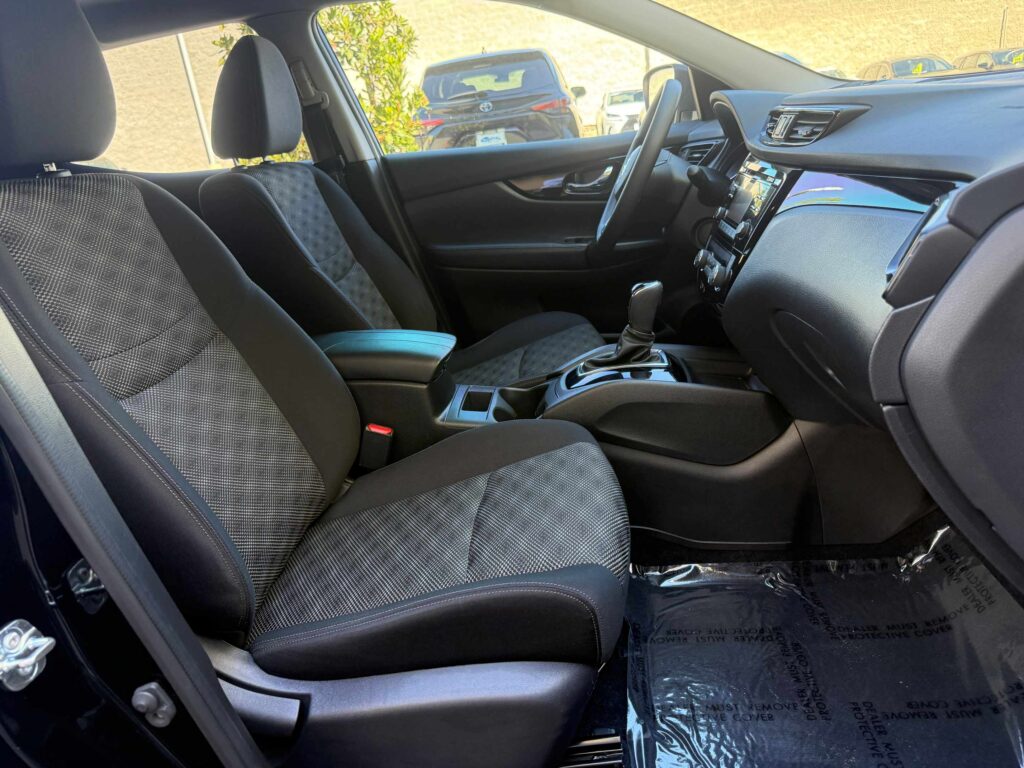
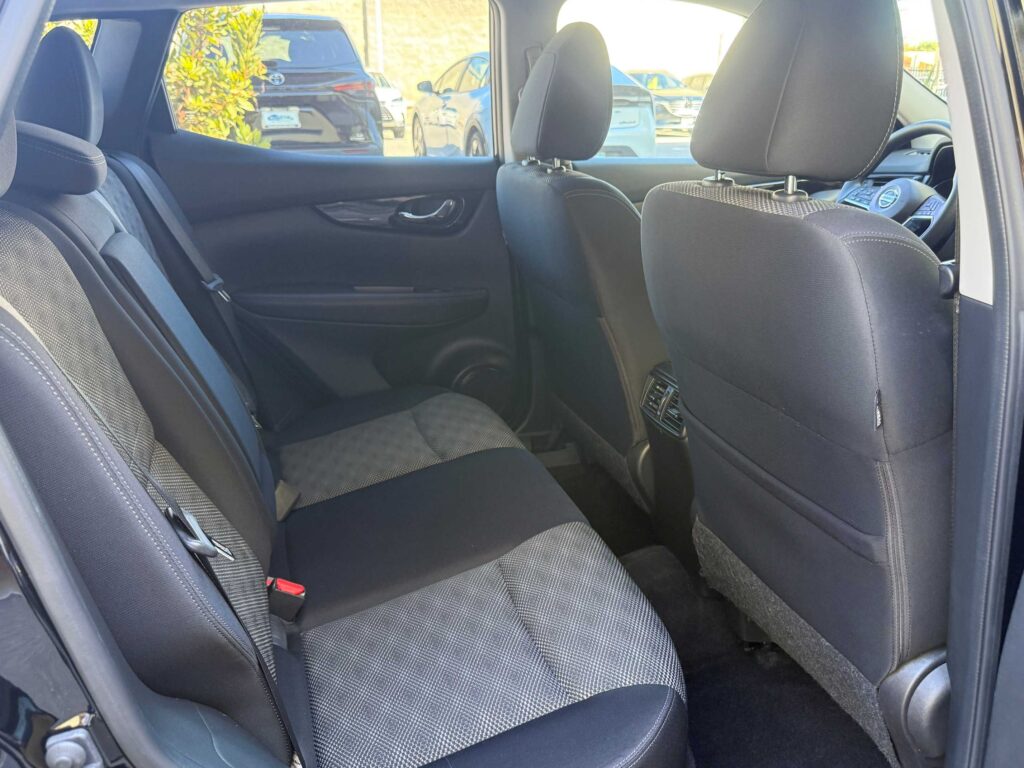
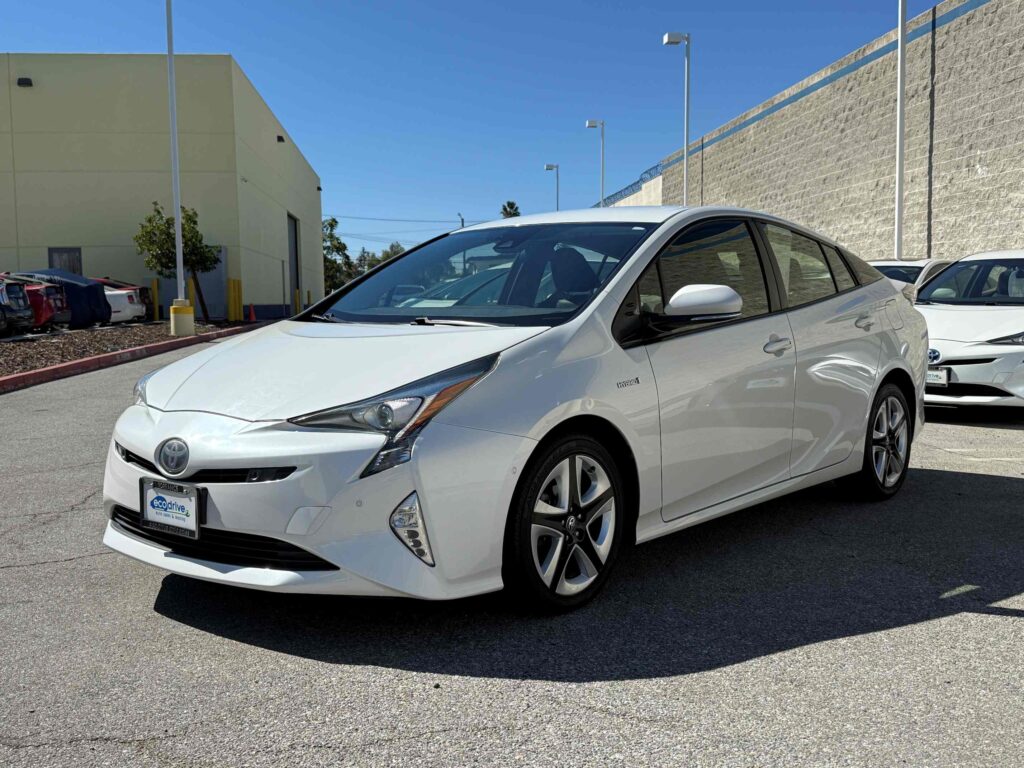
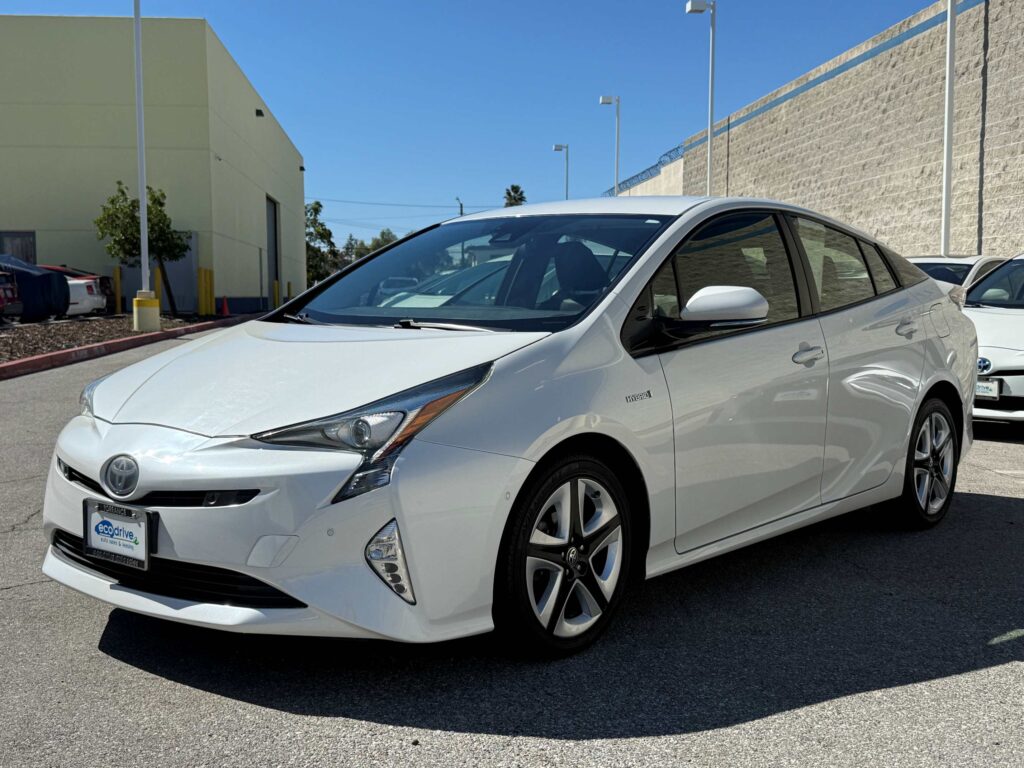
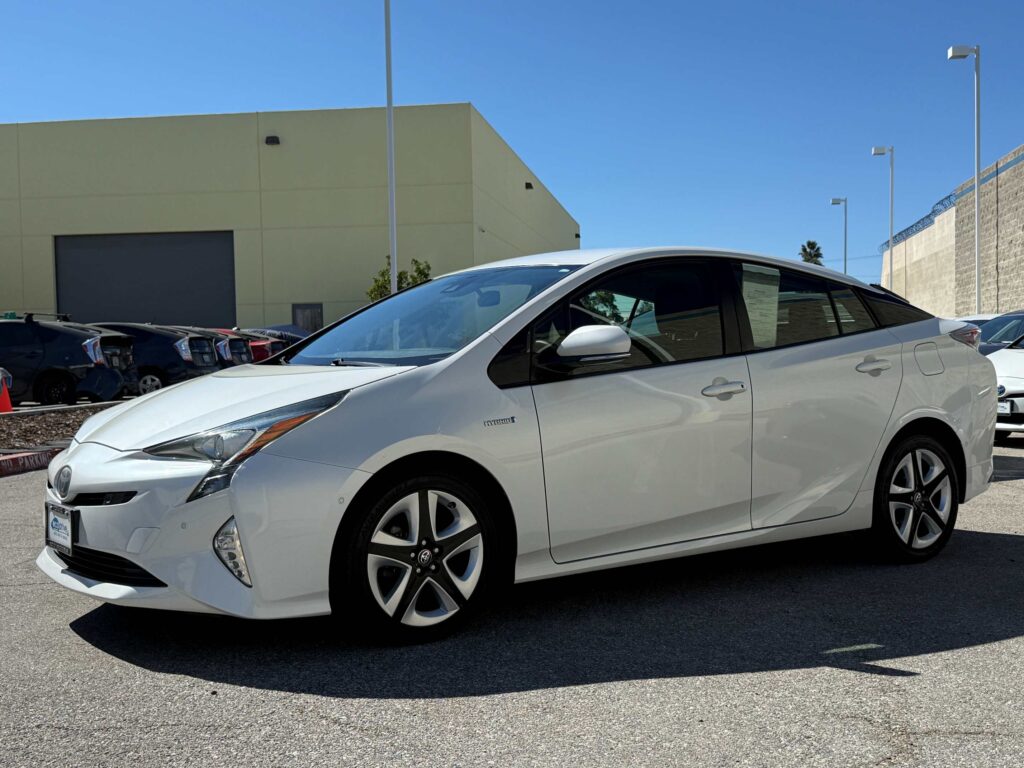
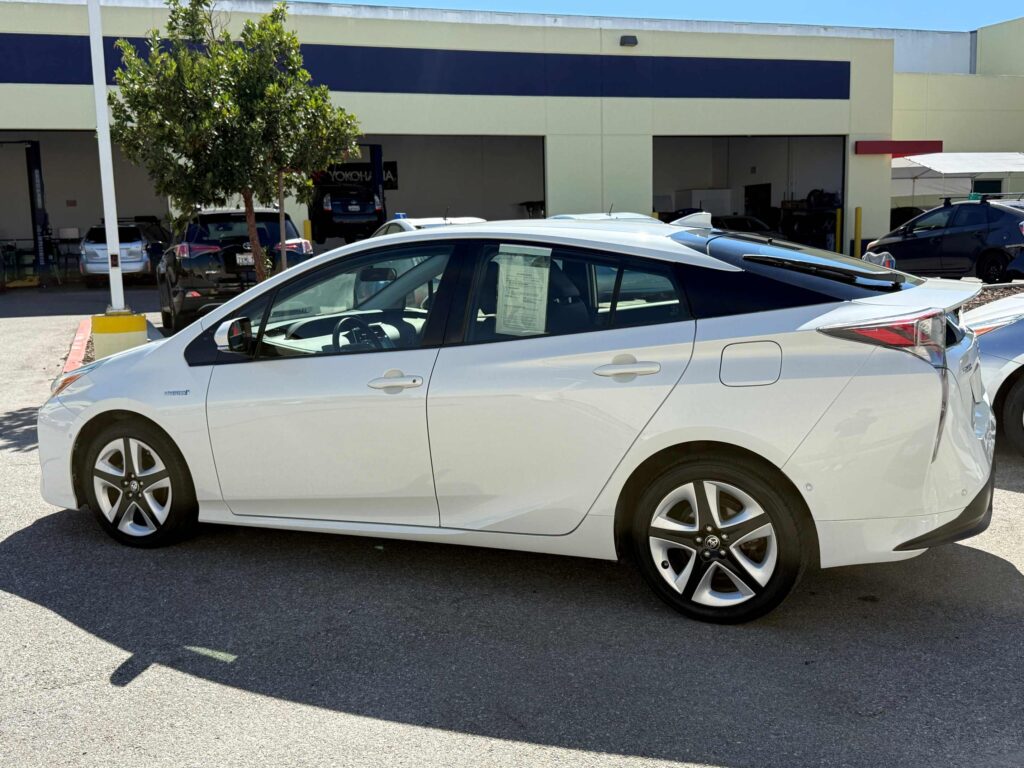
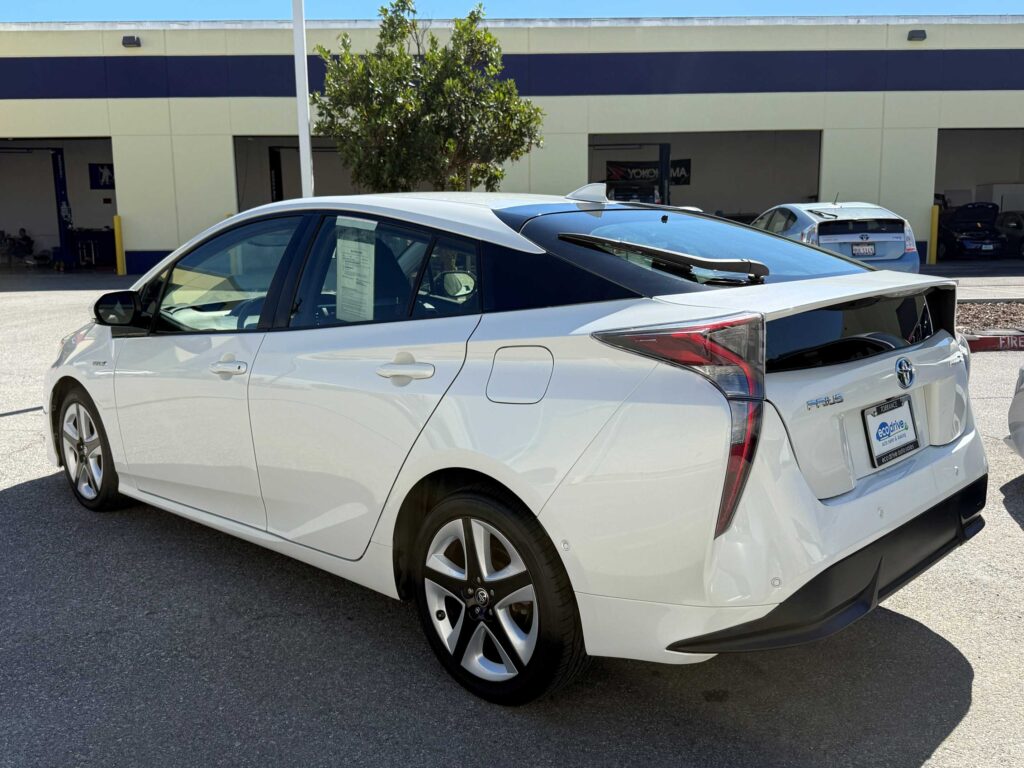
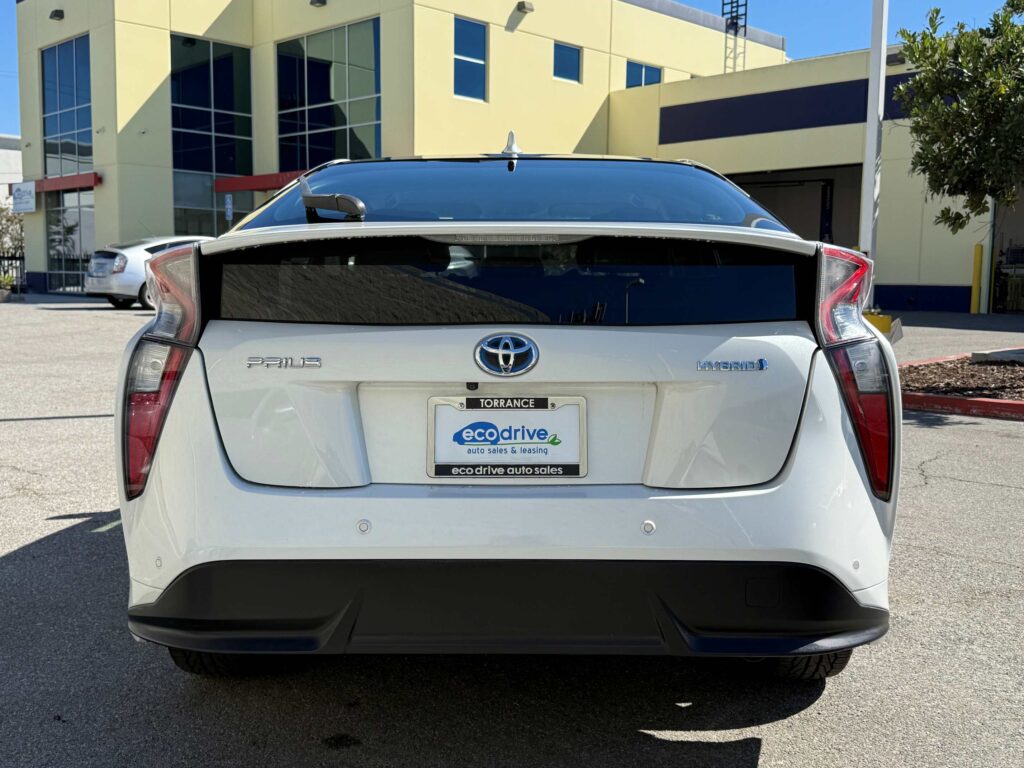
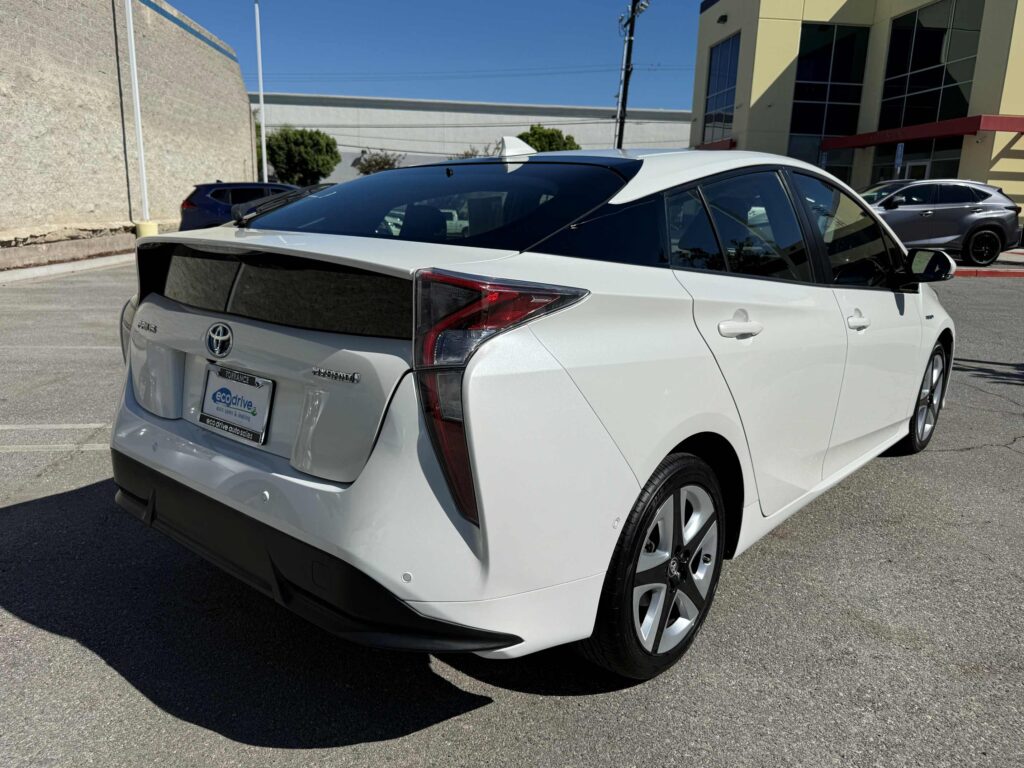
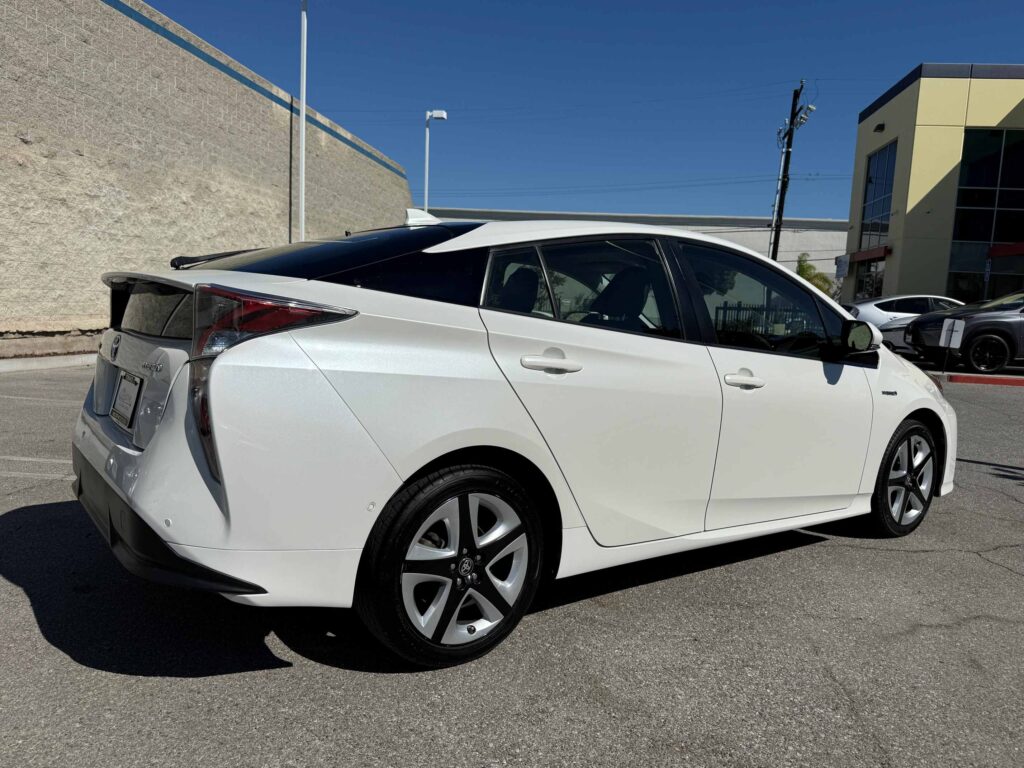
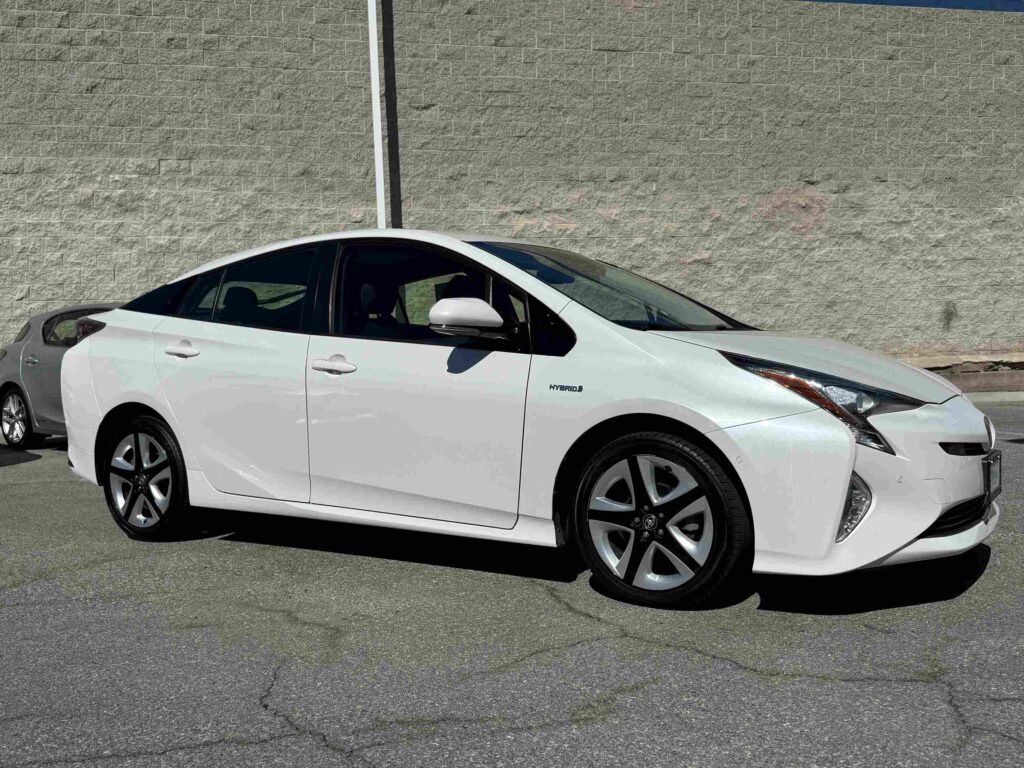
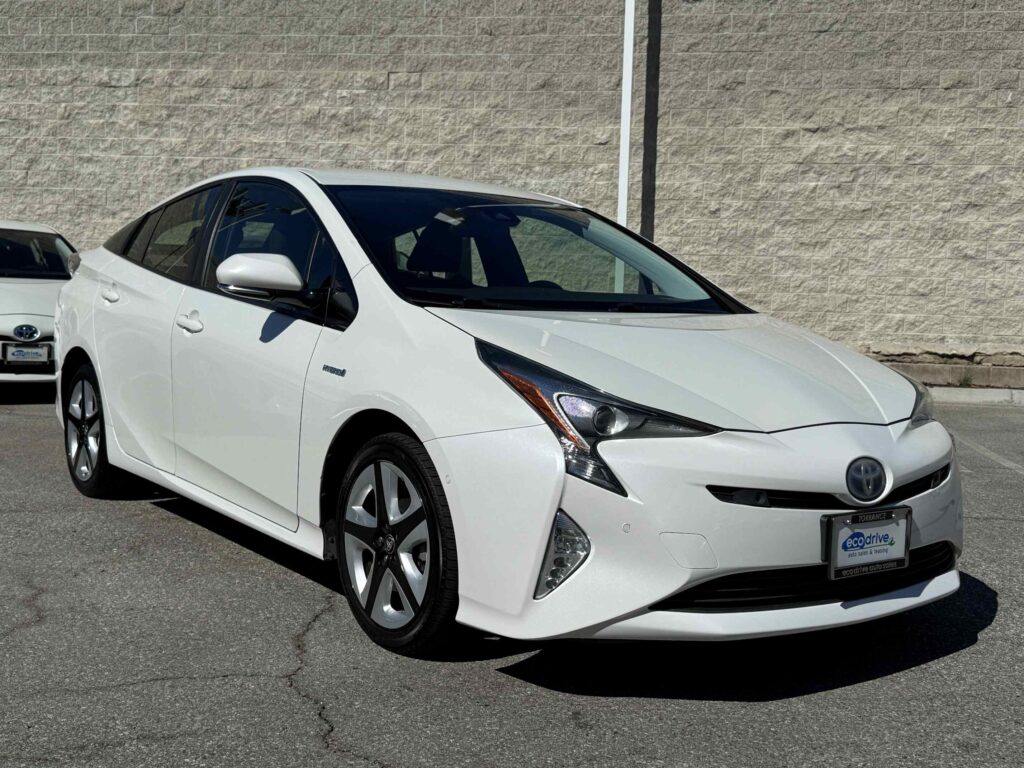
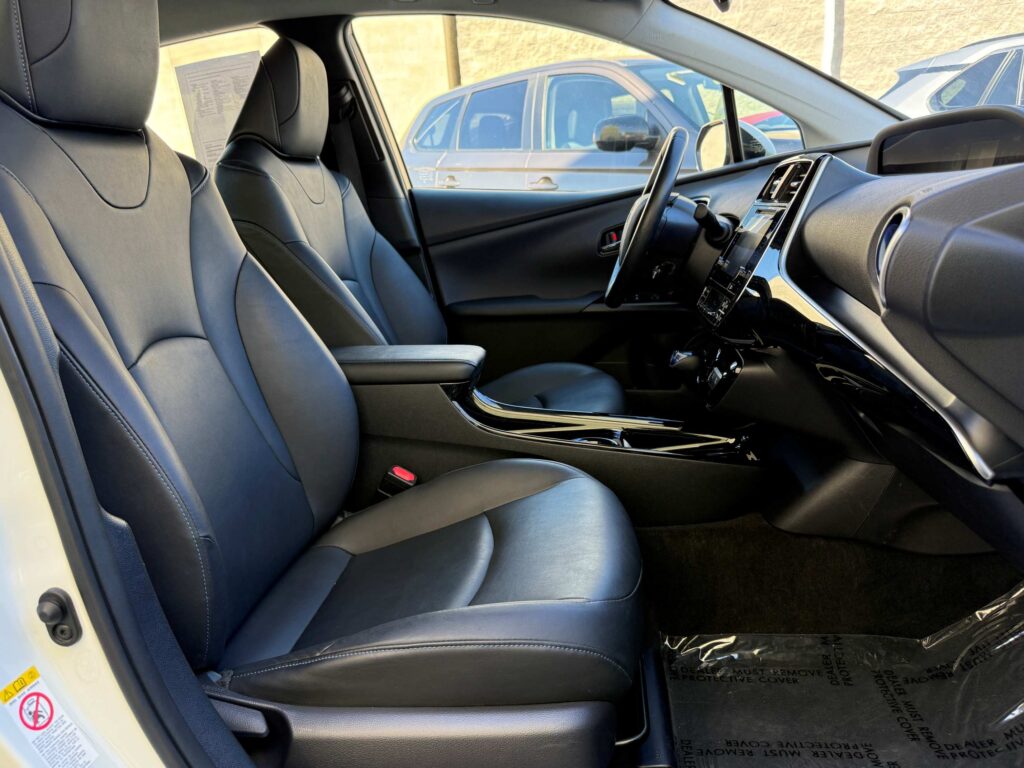
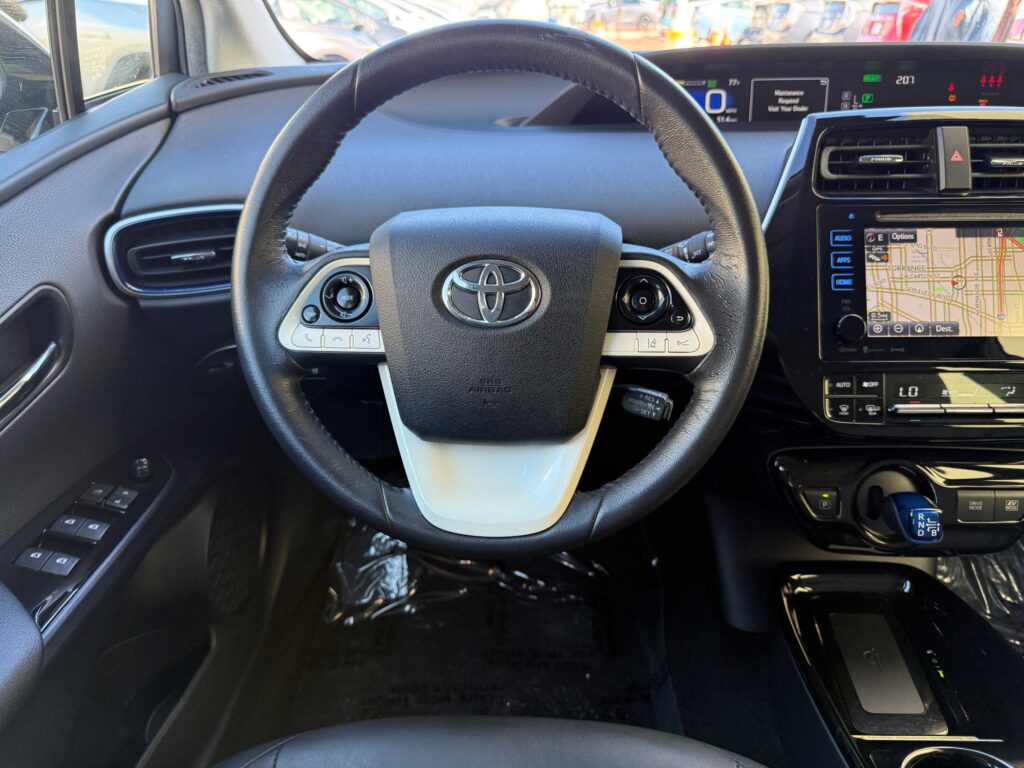
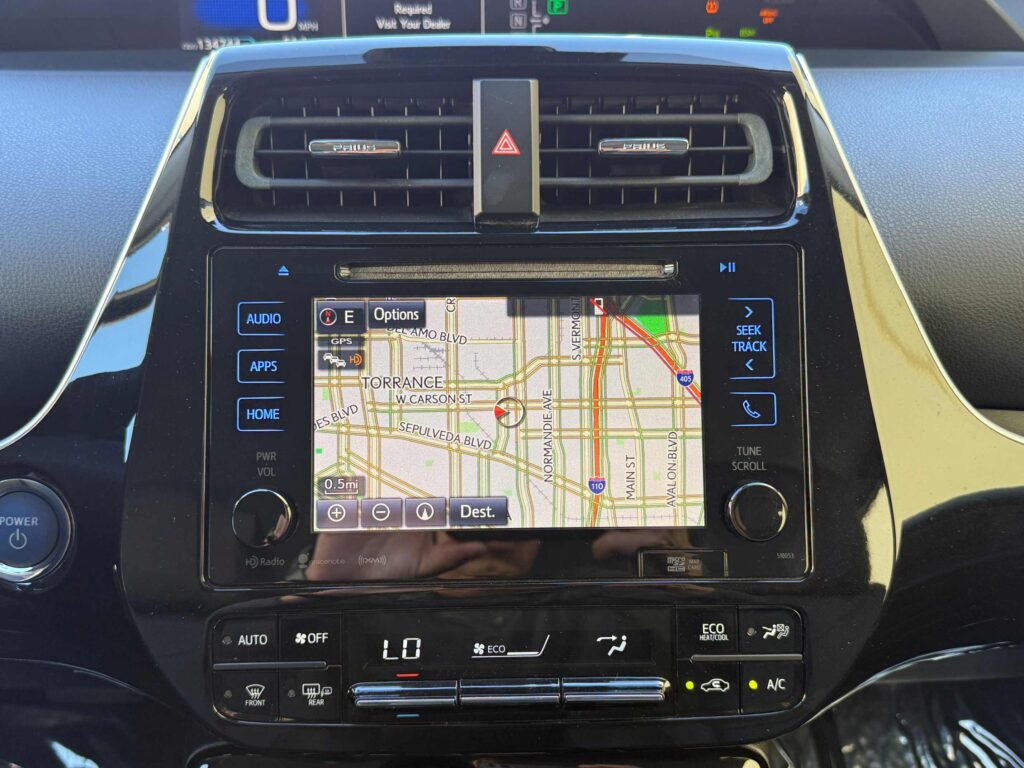
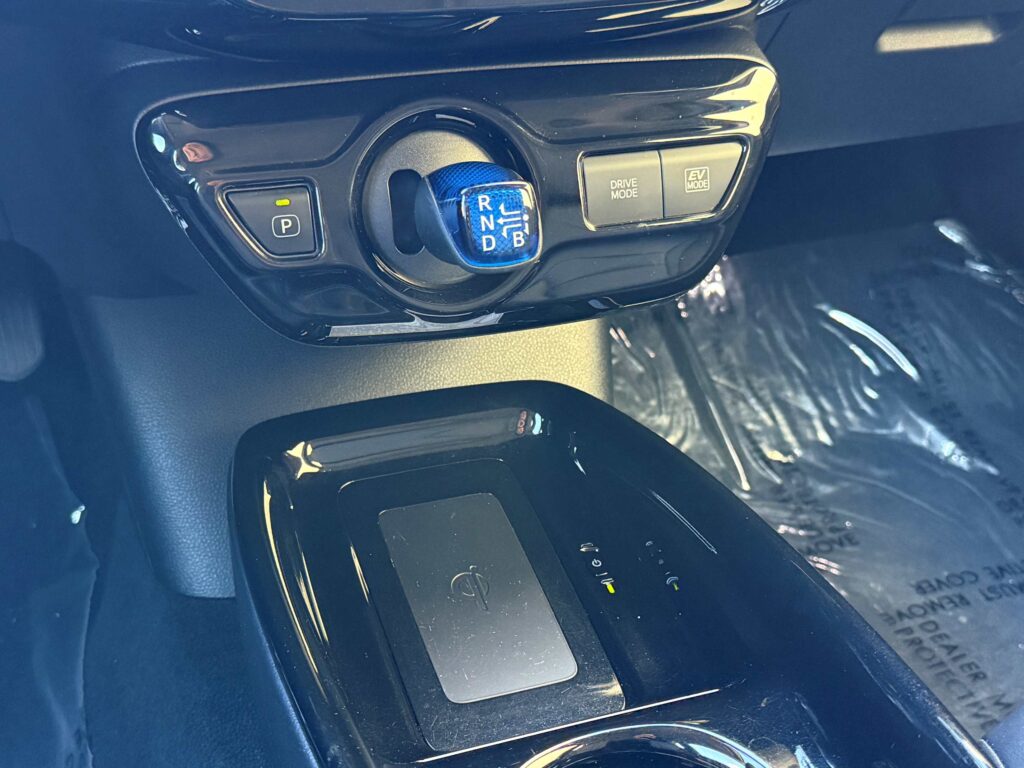
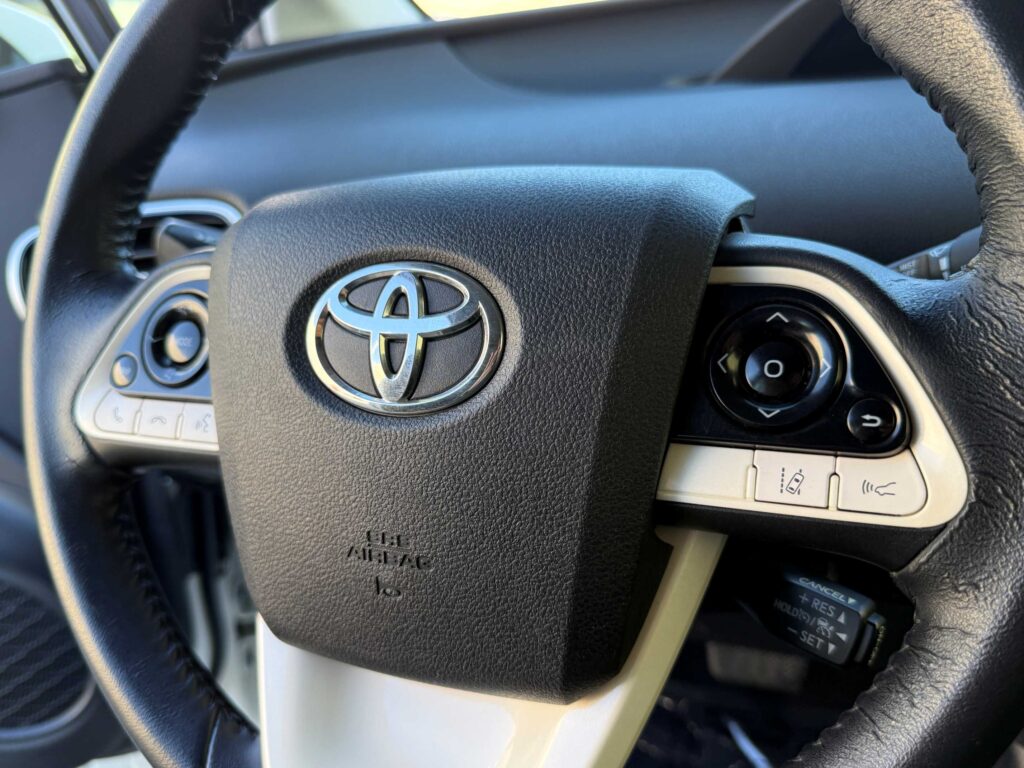
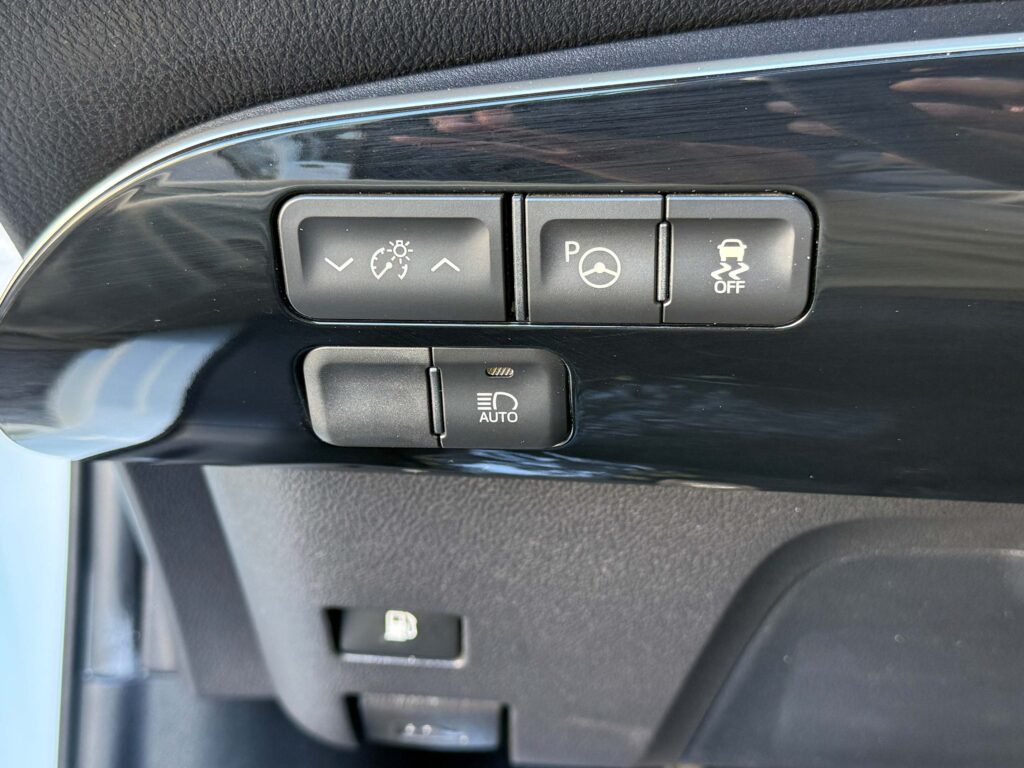
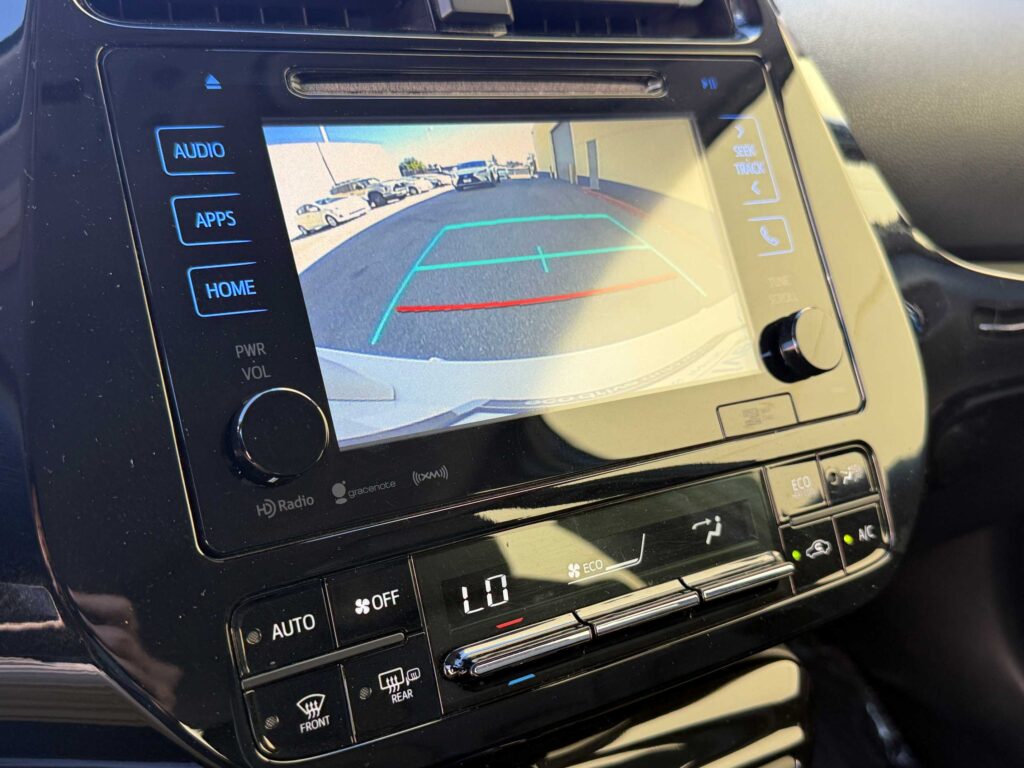
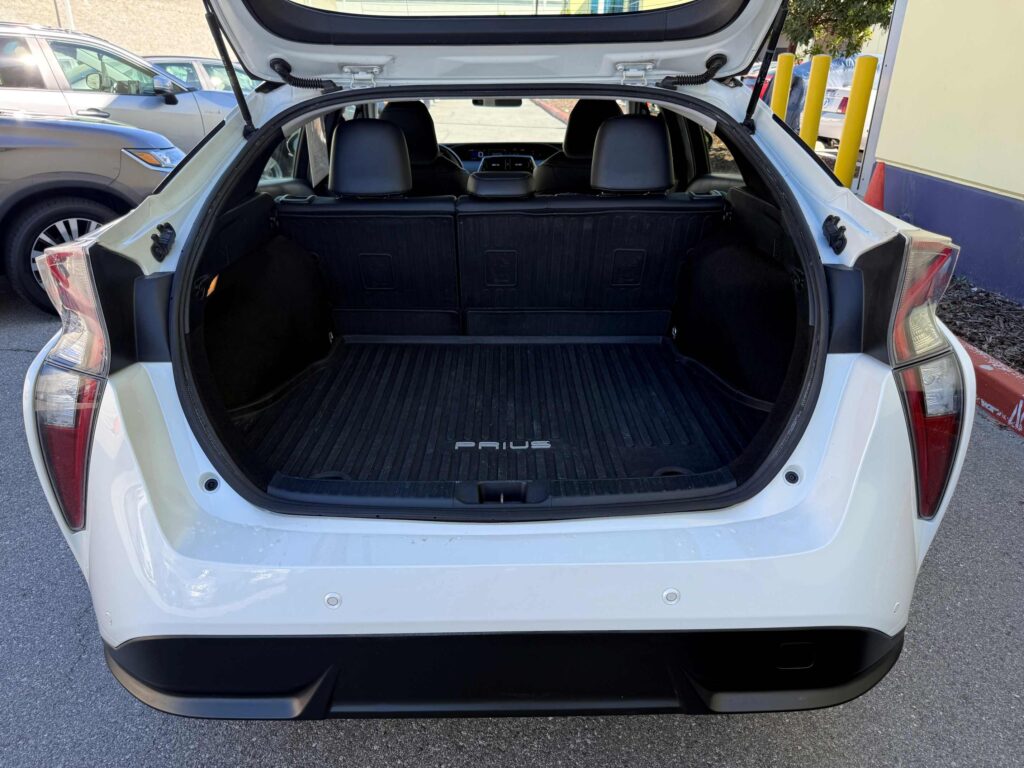
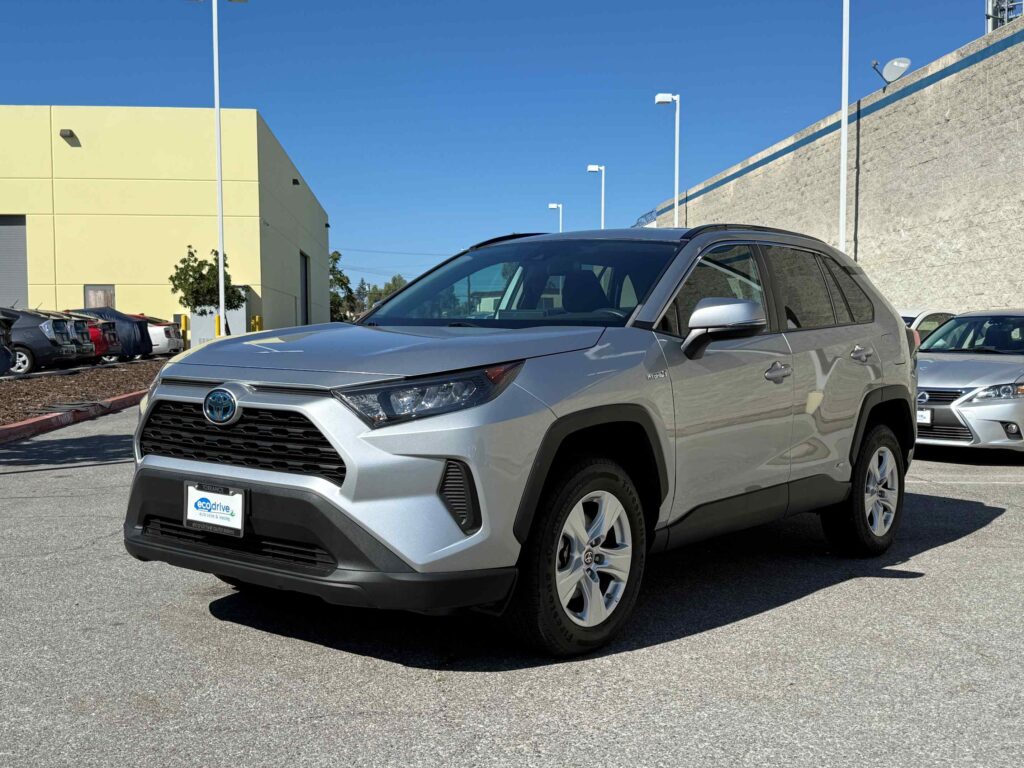
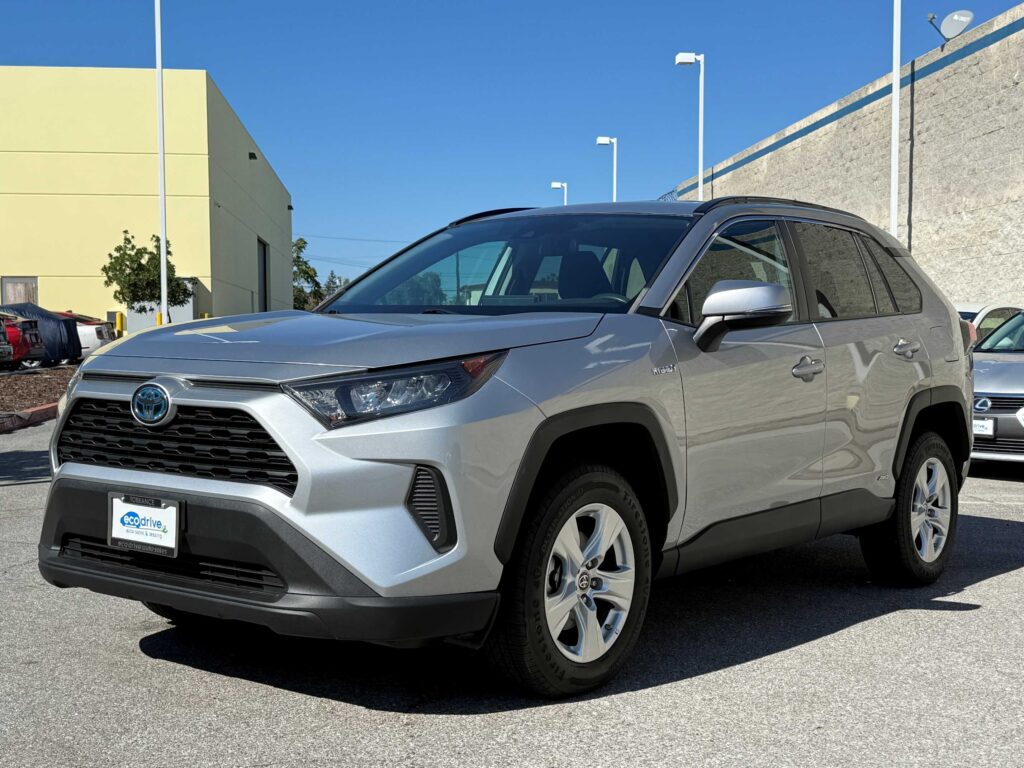
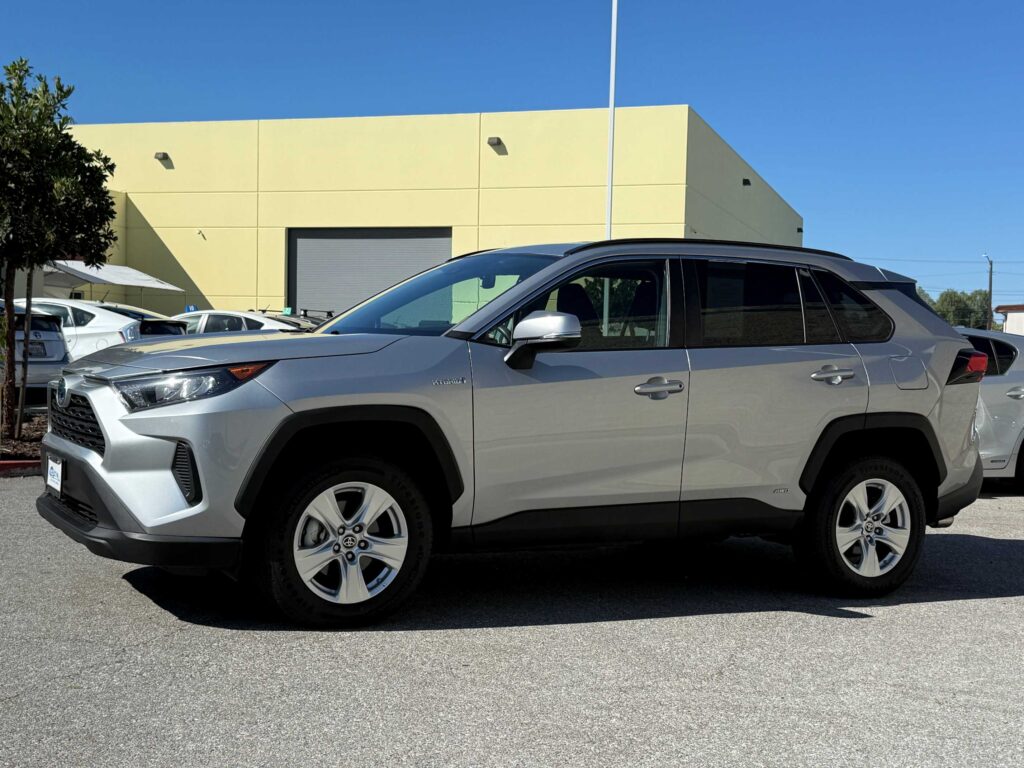
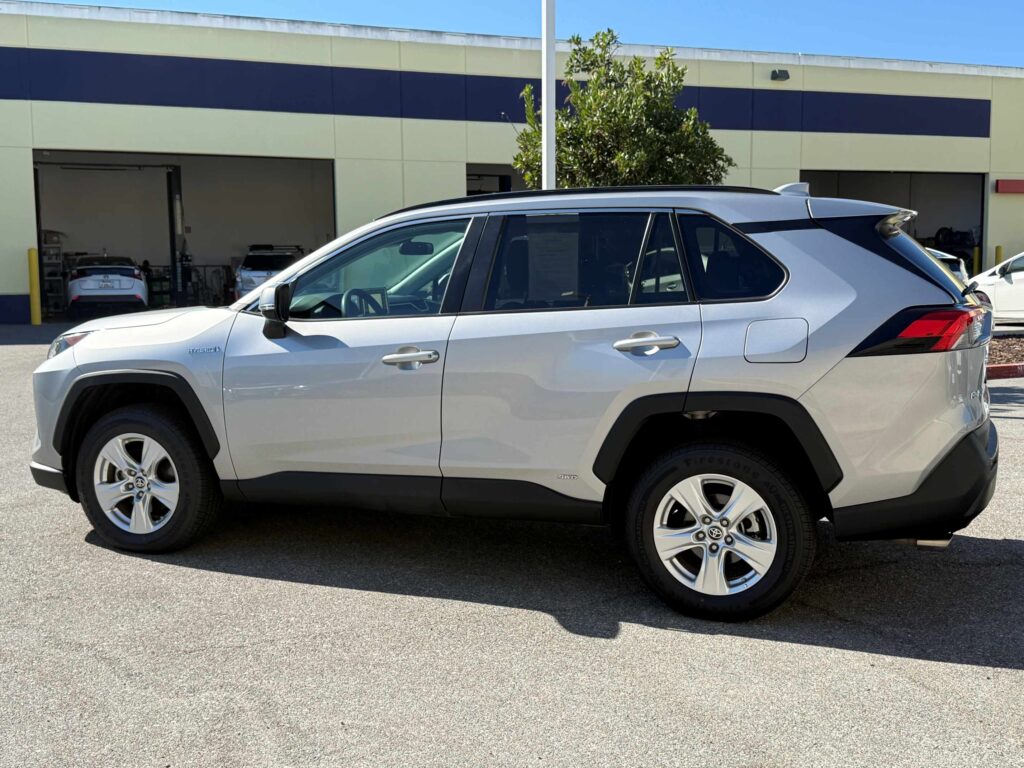
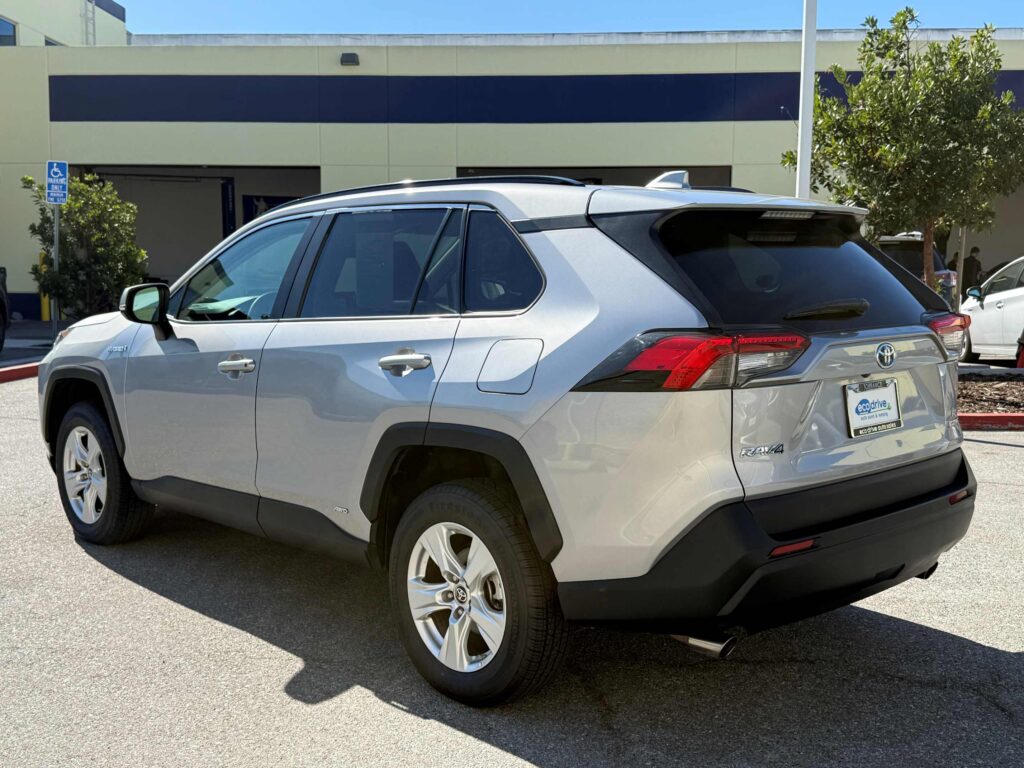
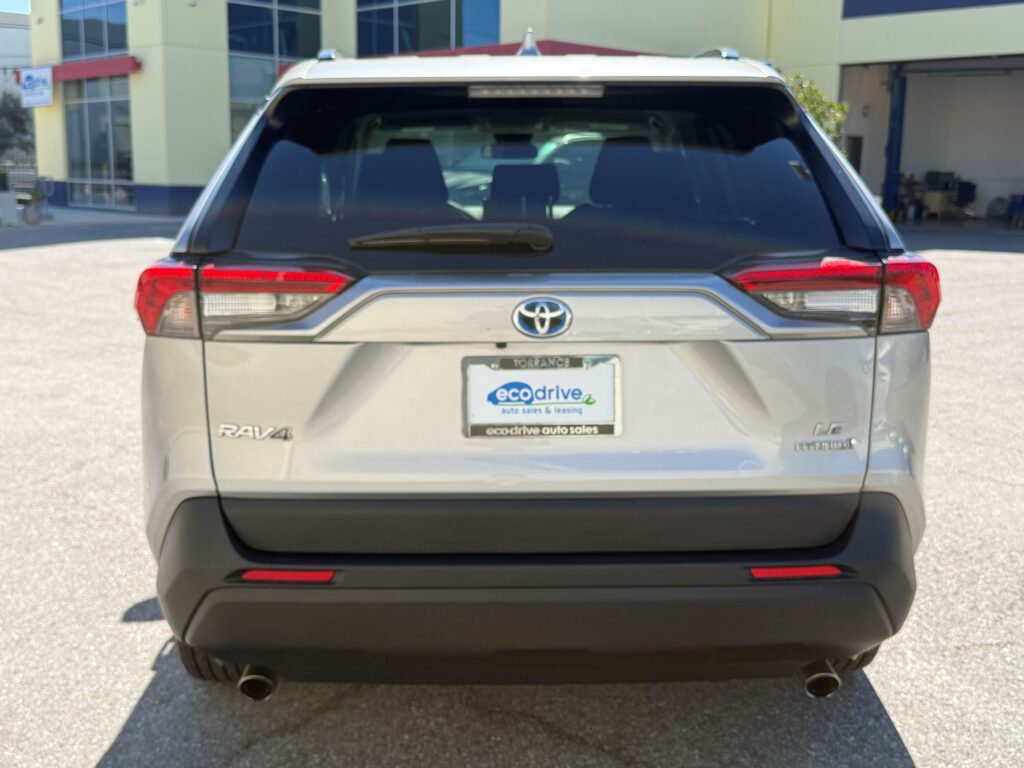
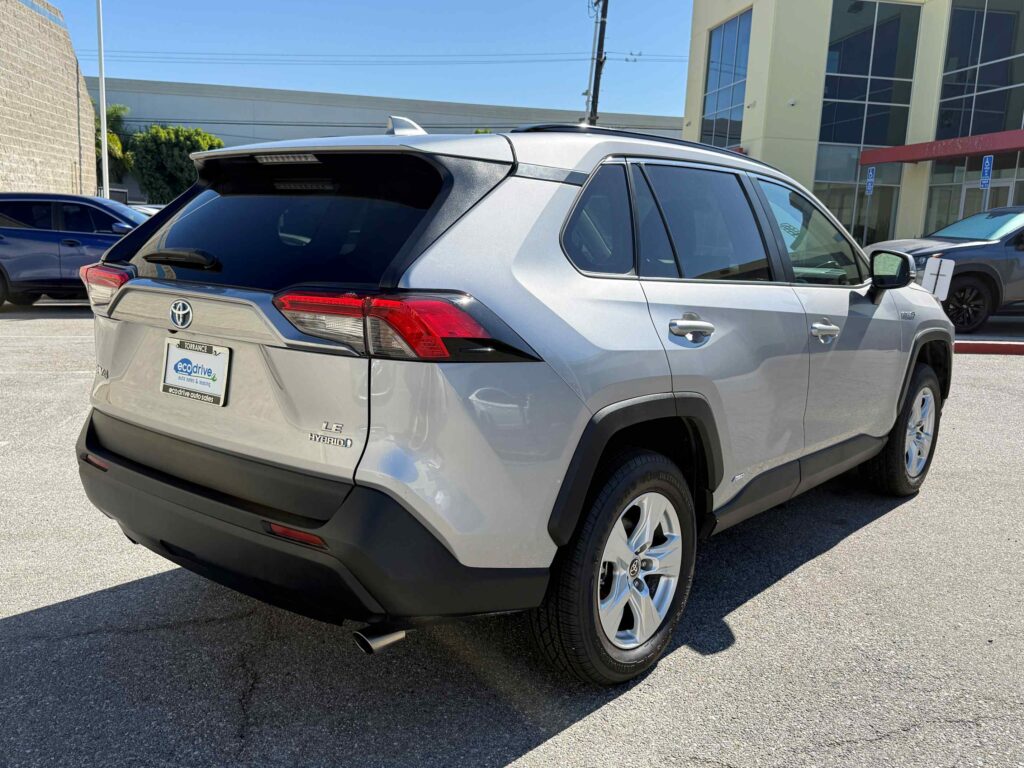
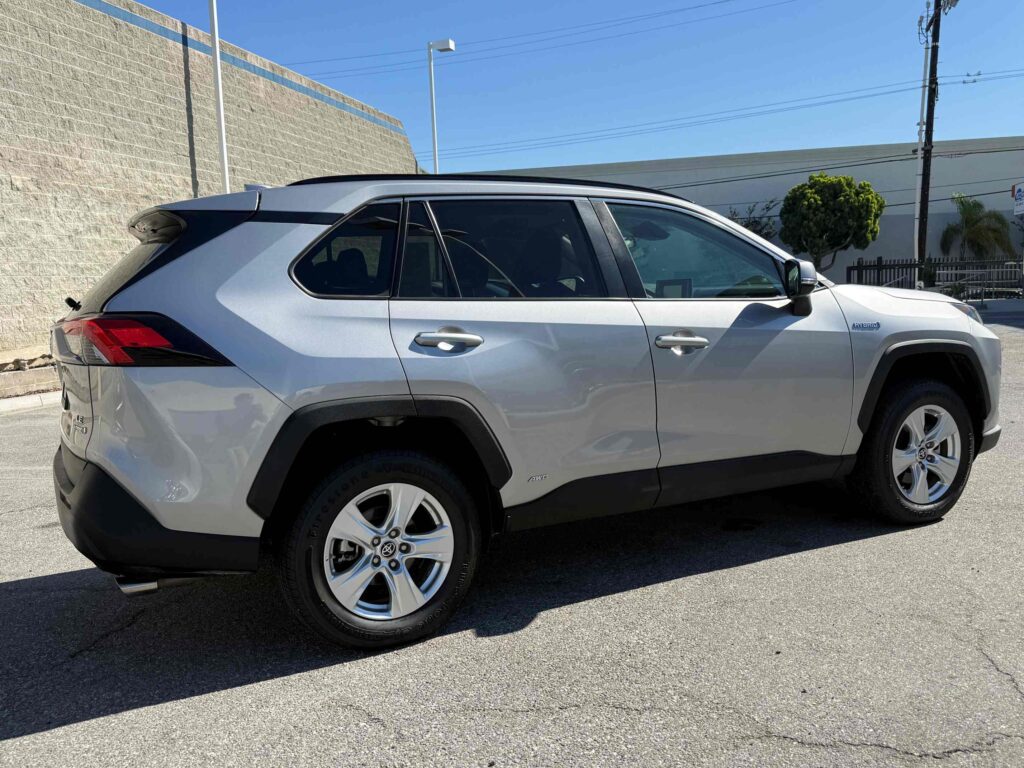
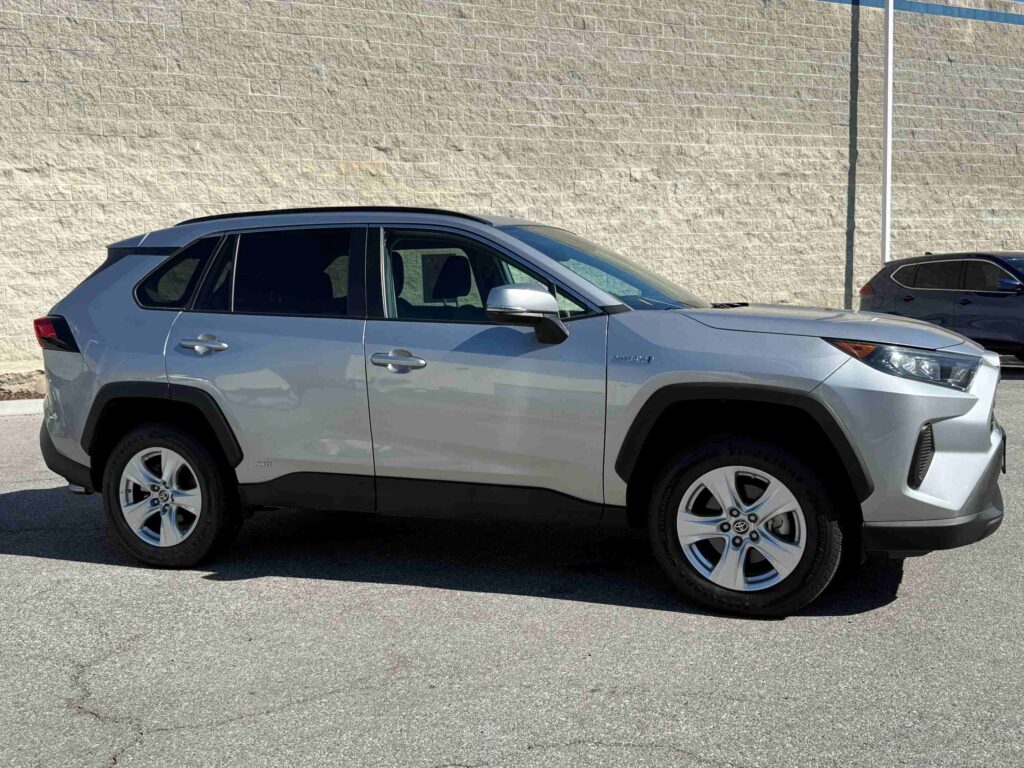
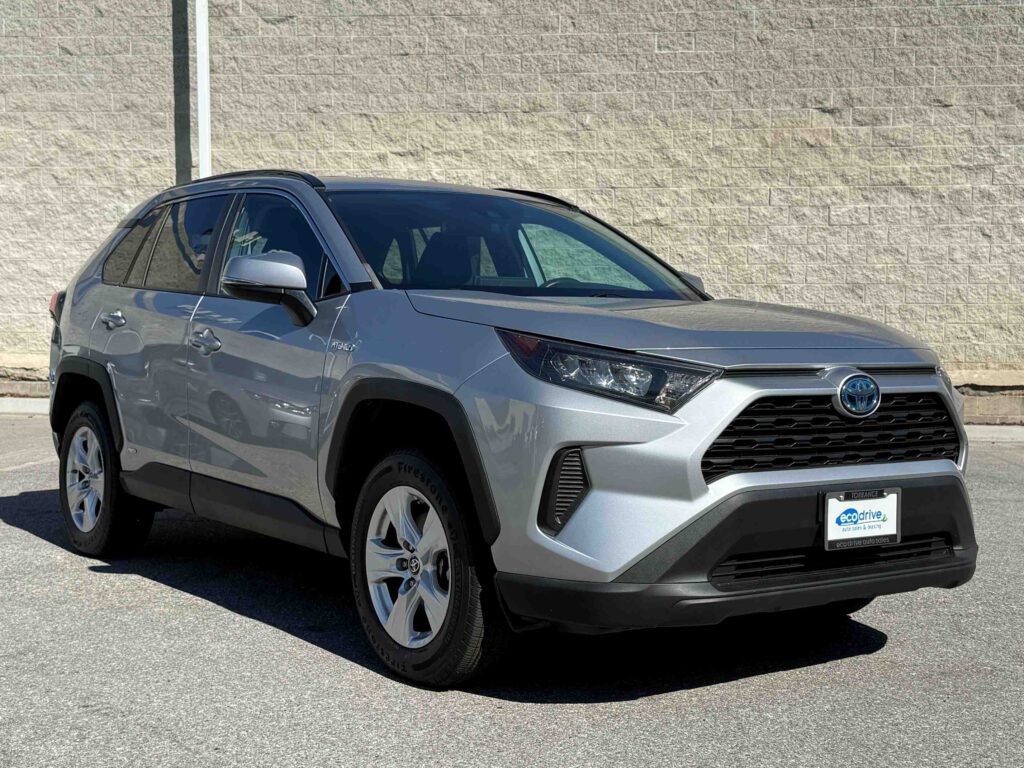
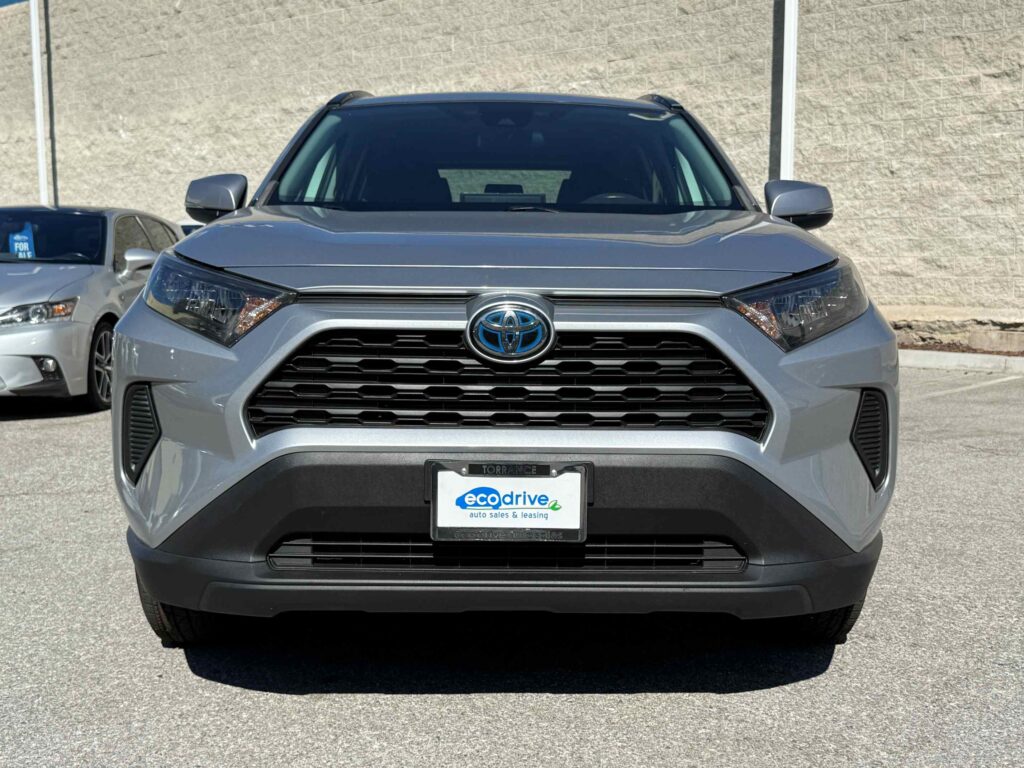
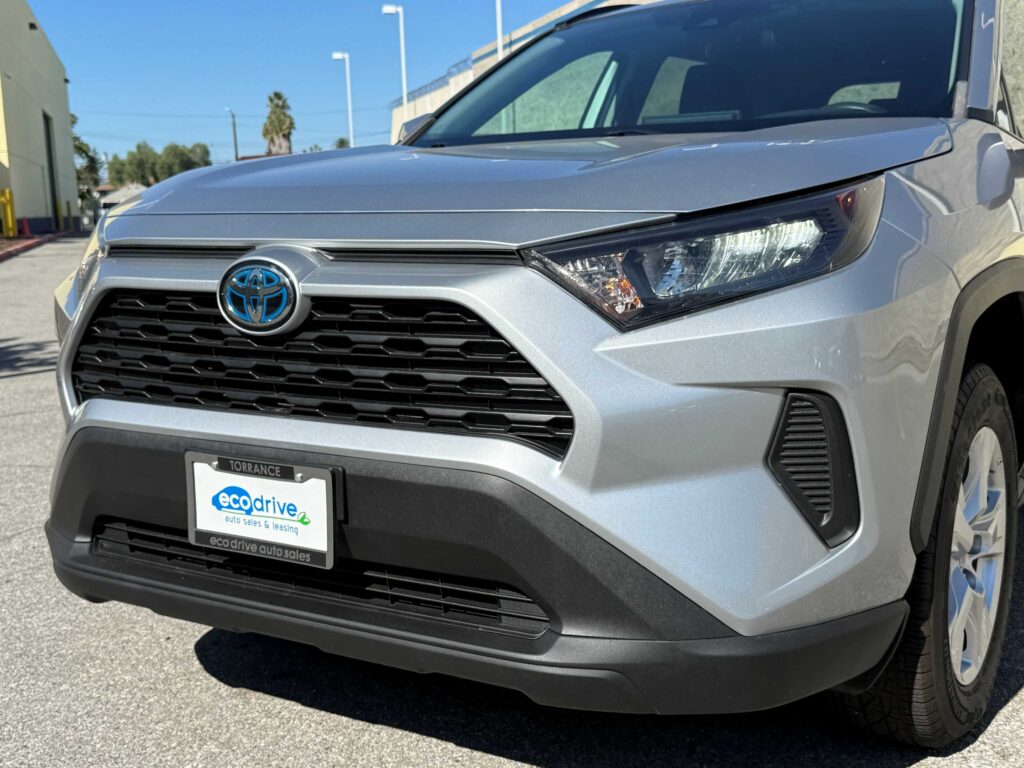
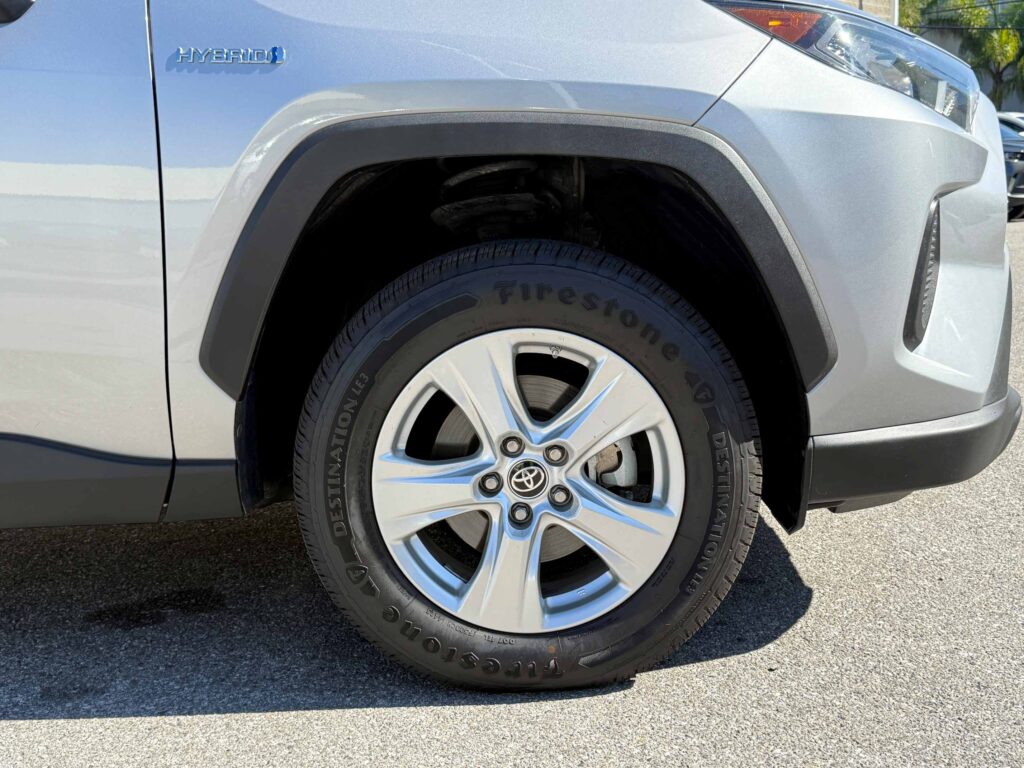
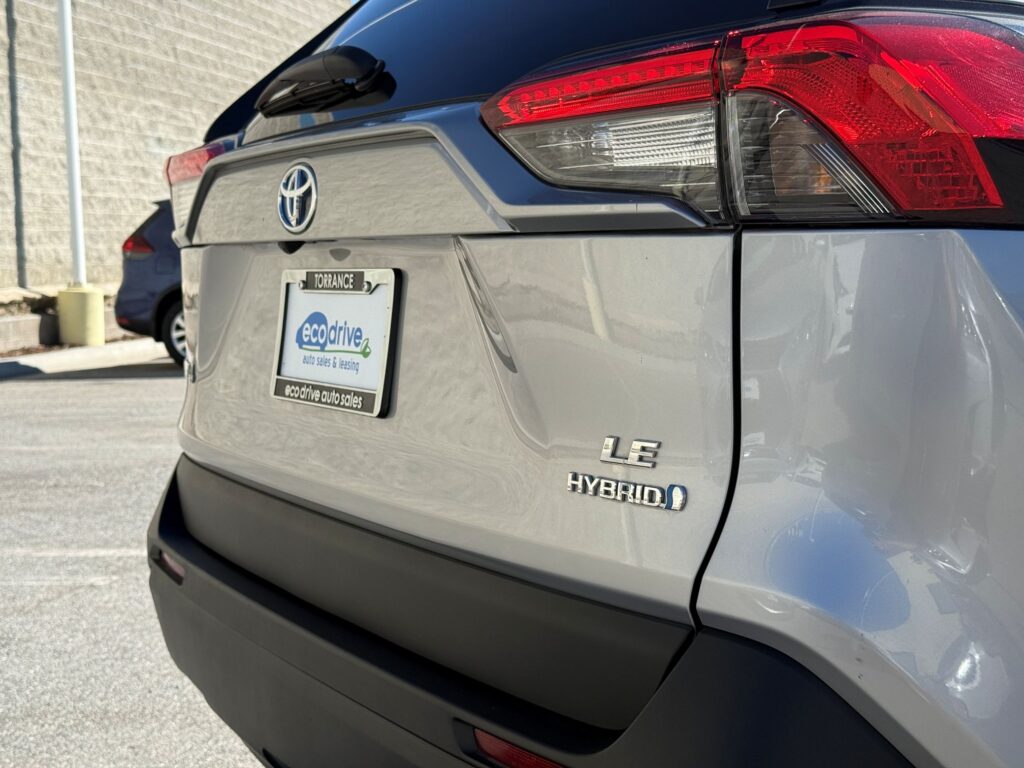
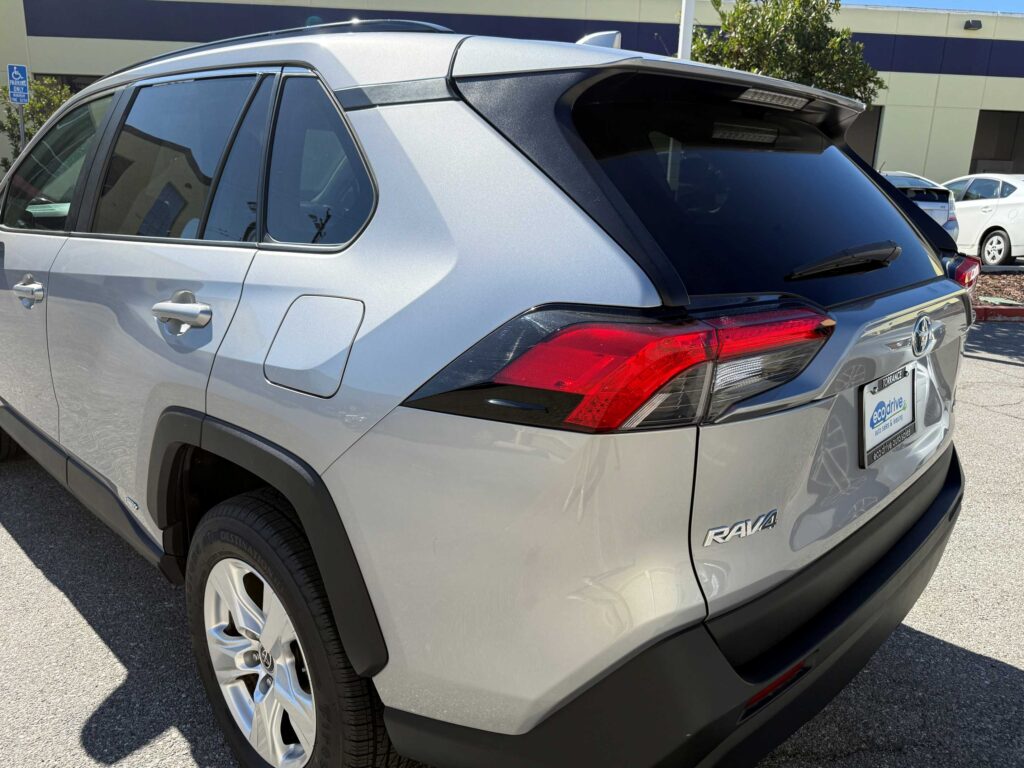
New Arrivals
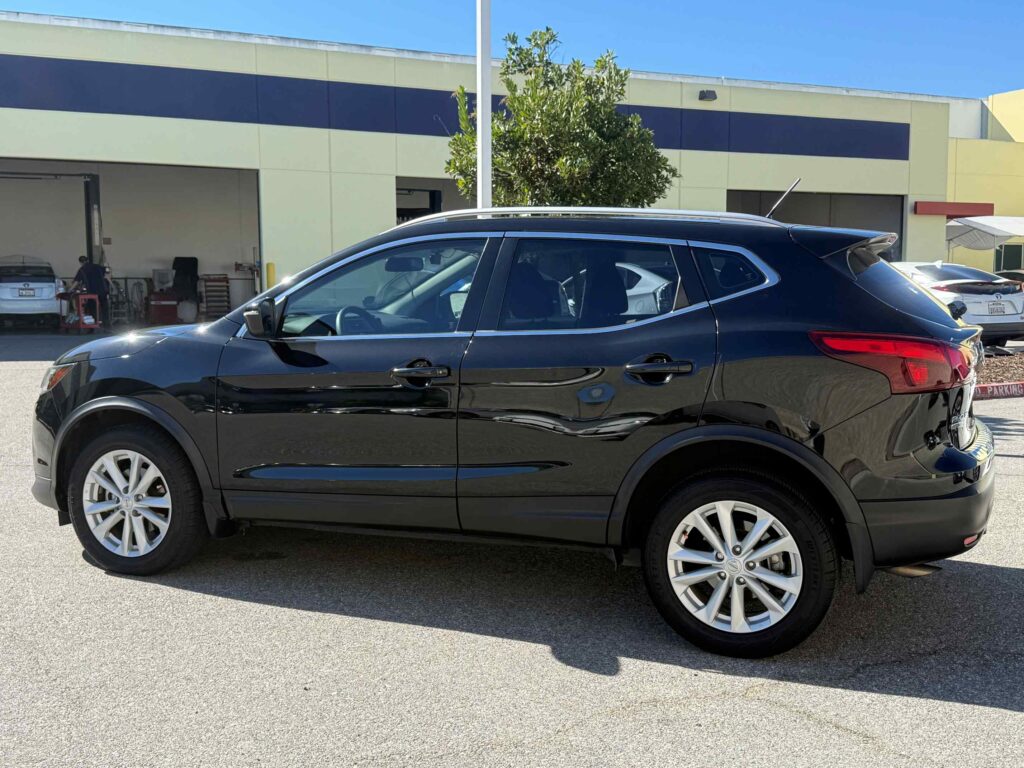
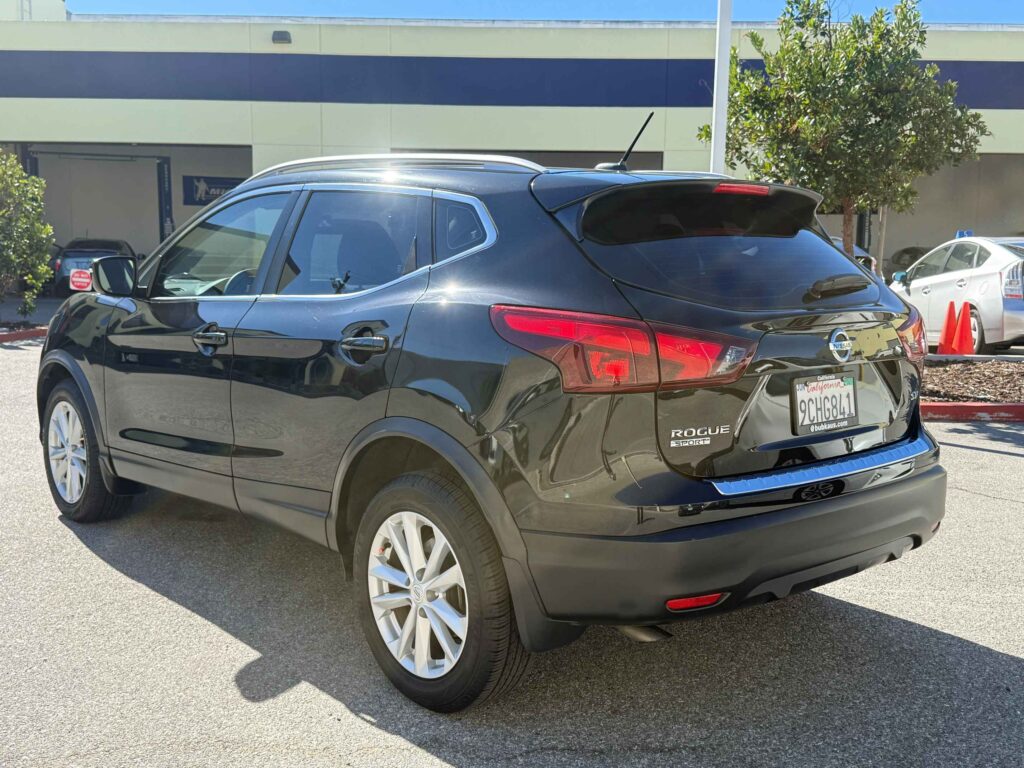
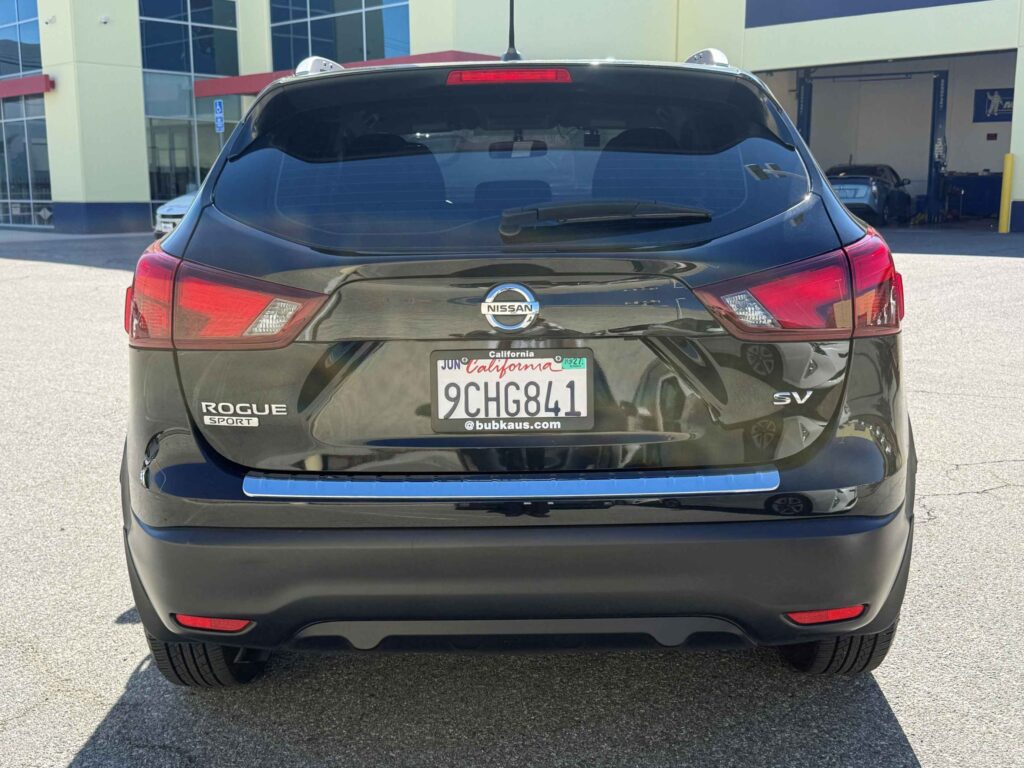
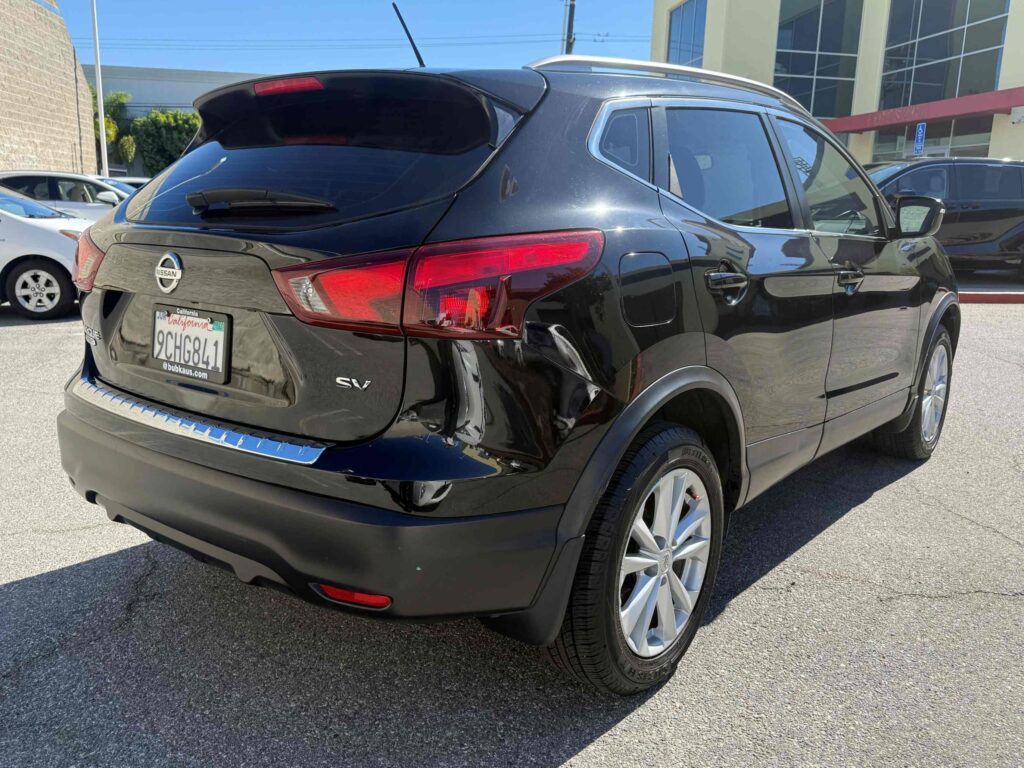
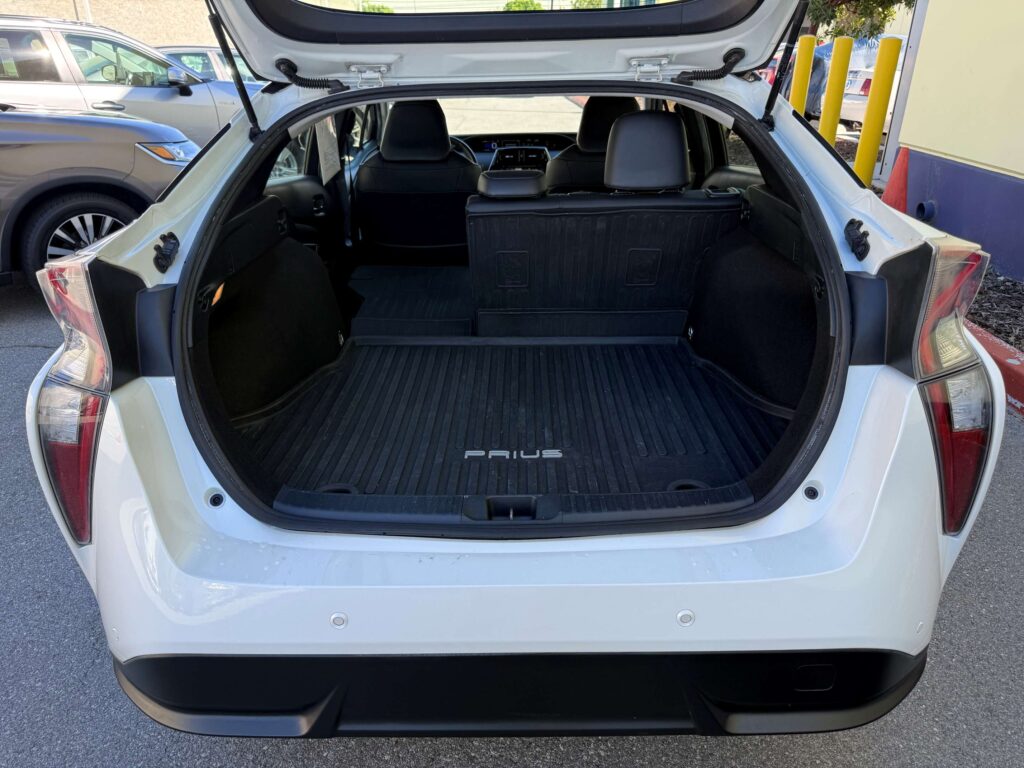
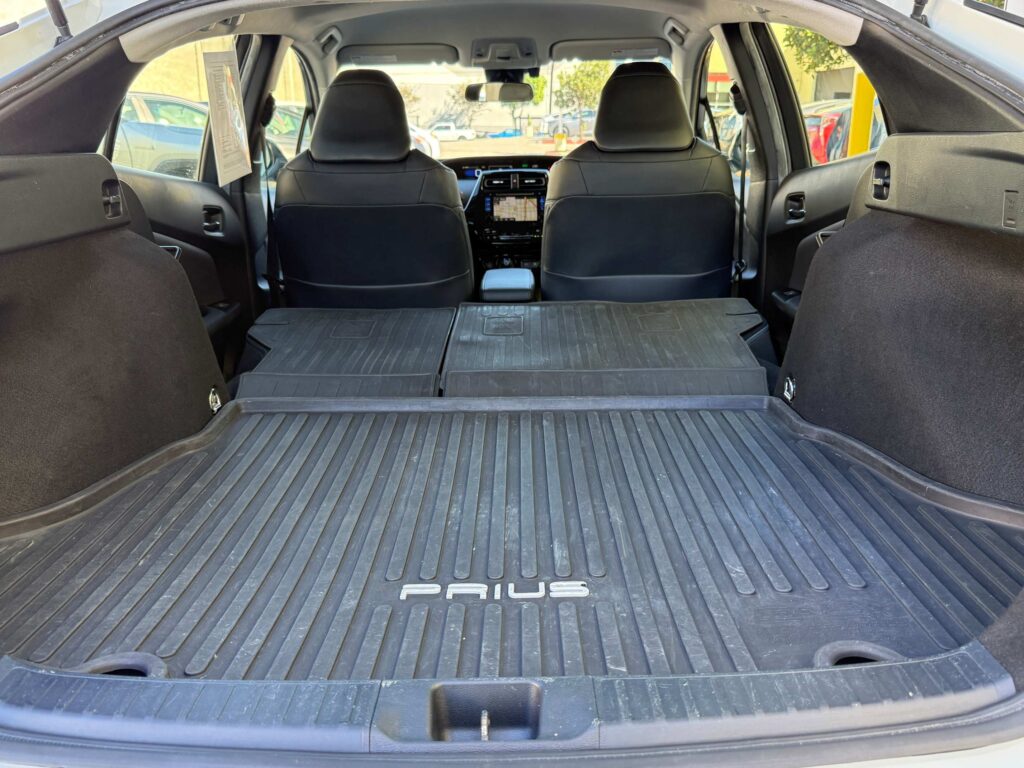
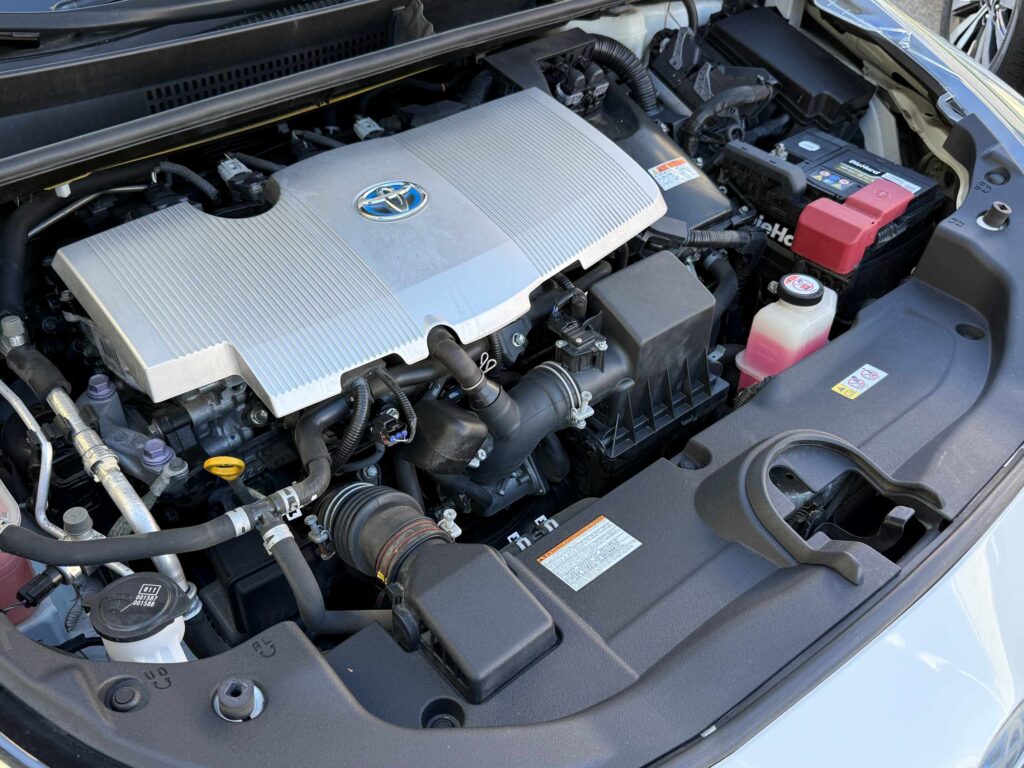
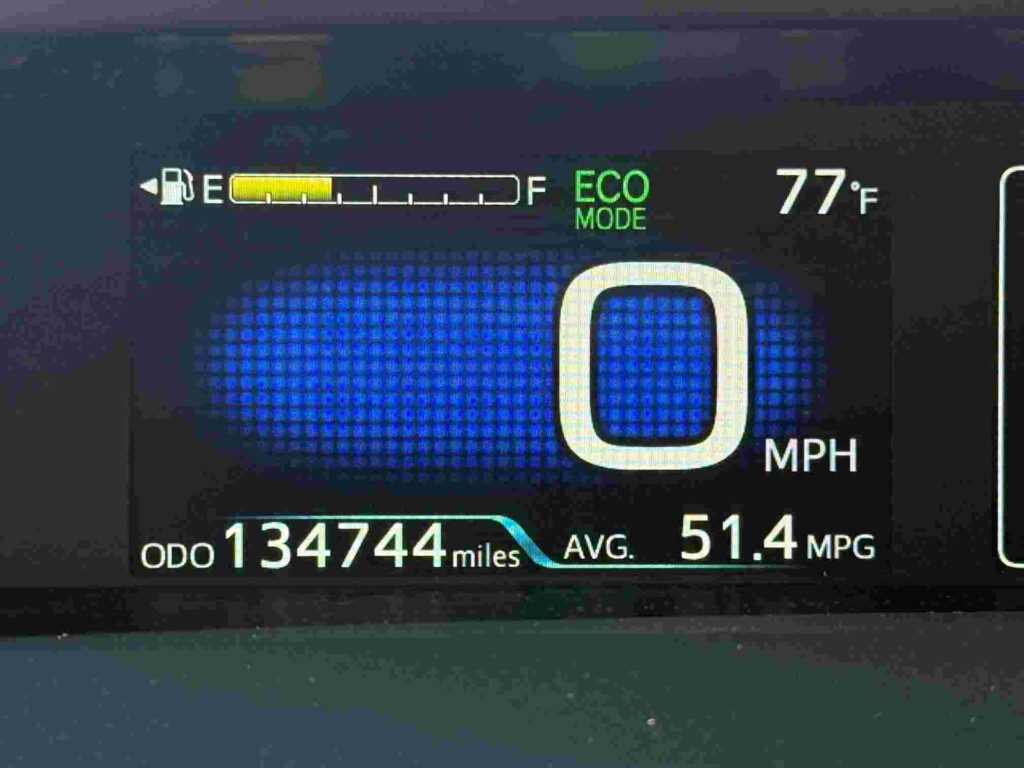
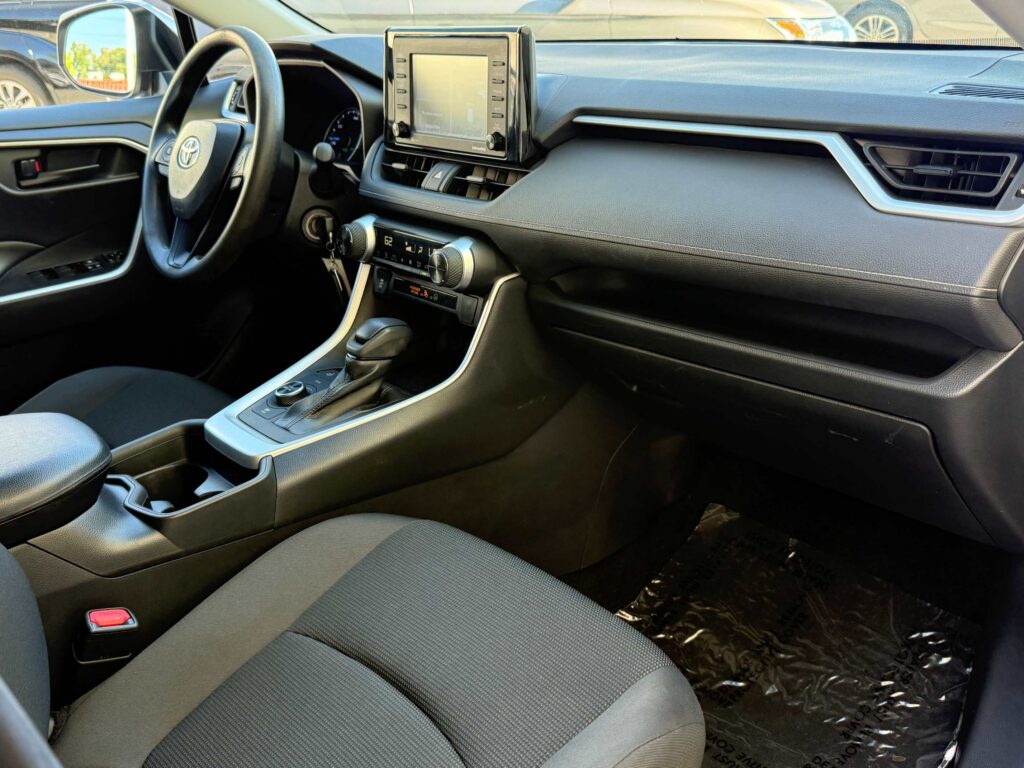
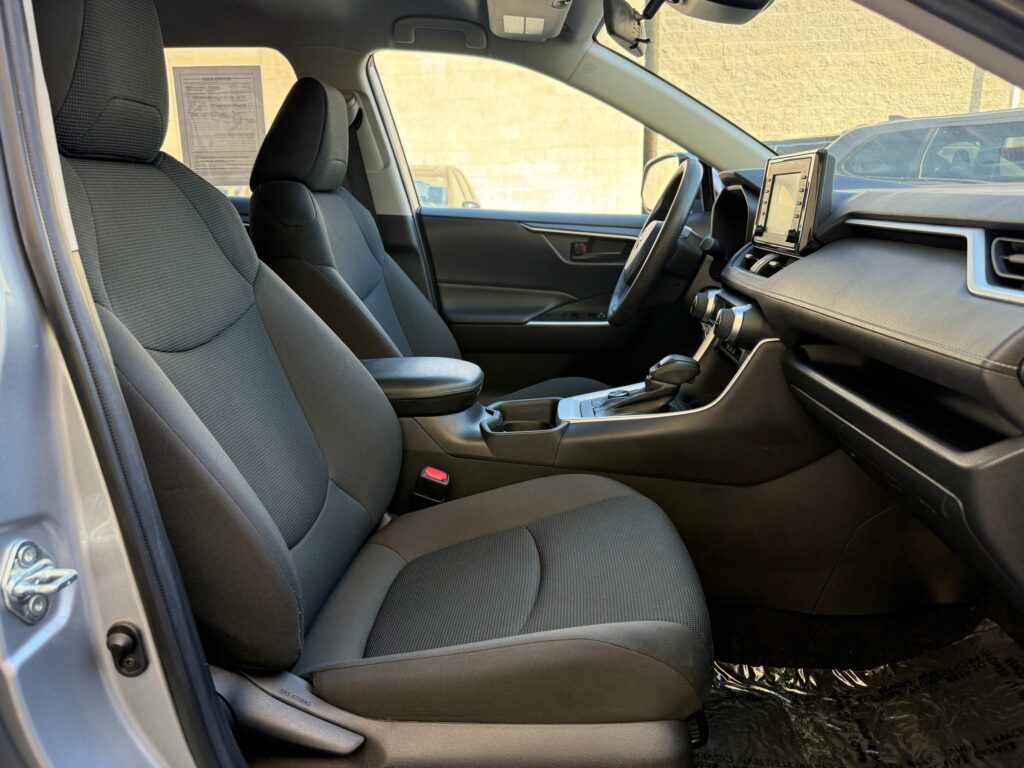
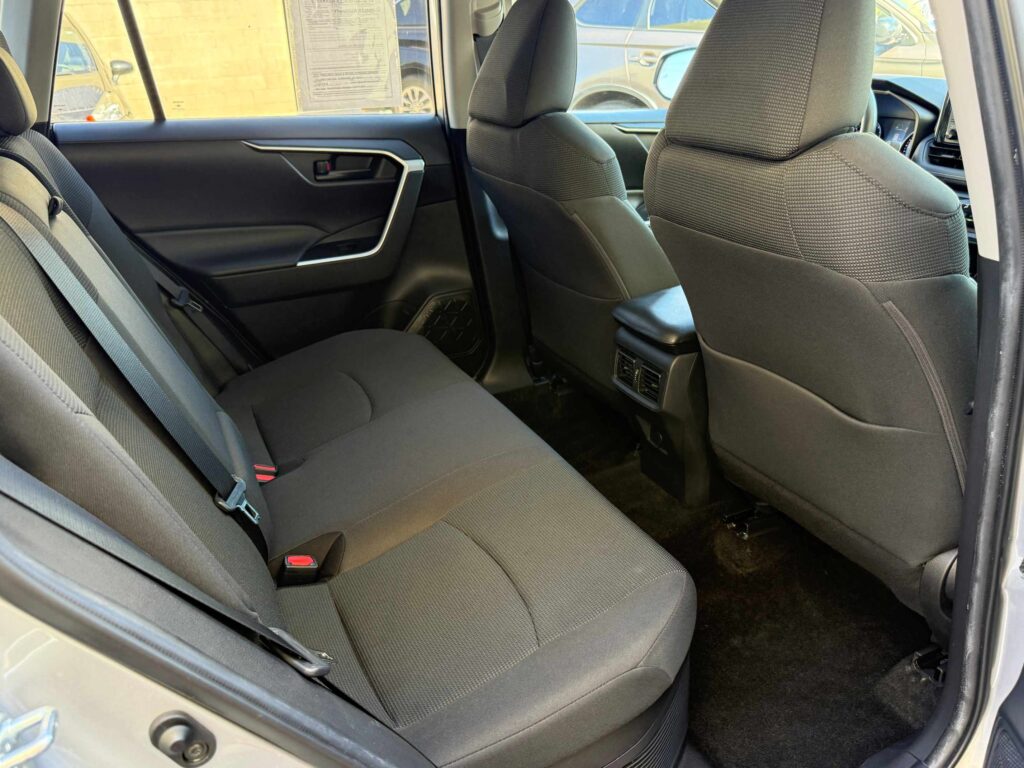
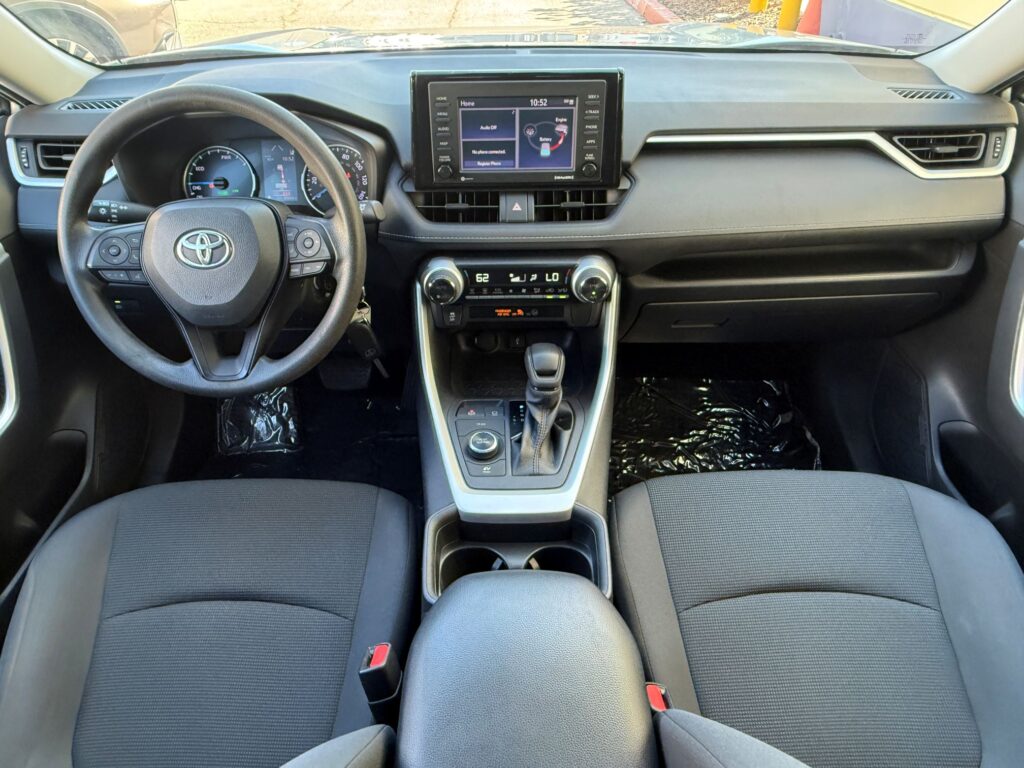
Discover our newest arrivals—available now!










Sales Tax Mainly Targets Physical Goods

Sales tax in most states applies primarily to tangible goods, with most services and intangibles exempt.
(Some categories — telecom, certain repair labor, digital downloads, streaming, and SaaS — are taxed in certain states. Coverage varies state to state.)
Examples of Tax-Exempt Services
Medical care:
– Doctor visits
– Dental work
– Other healthcare services
Labor charges:
At my own auto-repair shop, a typical headlight bulb replacement looks like this:
– Headlight bulb (parts): taxable
– Labor for the replacement ($40): not taxable
So the physical part gets taxed, but labor charges generally don’t. (One important catch in California: repair labor is non-taxable only when it’s listed separately from parts on the invoice. Bundled flat-rate pricing — where parts and labor are quoted as one number — can pull the entire charge into the taxable column. So if you’re getting work done, look for parts and labor on separate lines.)
Intangible goods:
– Insurance products
– Financial services
– Consulting
These have no physical form, so sales tax typically doesn’t apply.
Why the US Uses Sales Tax Instead of a National VAT: Three Reasons
There are a few clear reasons the US uses retail sales tax instead of a VAT-style consumption tax.
Reason 1: Avoiding Administrative Complexity
VAT systems are workable — most of the world runs on them — but they’re administratively heavier than a retail-only model, especially around line-drawing for reduced-rate or exempt categories.
Consider this kind of edge case:
– Raw meat: reduced rate or exempt
– Processed meat (sausage, etc.): standard rate
Input tax credits do solve the multi-stage piece — businesses pass the tax through cleanly in theory. The friction shows up around classification:
Where Compliance Cost Actually Lives:
1. Is this specific product reduced-rate or standard-rate?
2. Did the wholesaler invoice match the rate the retailer applies?
3. Does the retailer’s accounting system track each rate separately?
4. Are all of your suppliers QIS-registered (in Japan) or VAT-registered (in the EU) so you can claim credits?
Every additional category — reduced rates, zero-rated exports, exempt goods, services that may or may not be in scope — adds paperwork that small businesses have to manage continuously.
A retail-only system with resale certificates cuts that overhead substantially. The trade-off is that fine-tuning happens at the state level rather than the federal level — many U.S. states do exempt or reduce rates on groceries, for example, but as a patchwork rather than a single national policy.
Reason 2: Lower Friction for New Businesses
The US has a deeply rooted startup culture, and the tax setup quietly supports it.
Under a VAT, a brand-new company technically gets the input tax back through credits — but it still has to front the tax at the procurement stage and wait, sometimes months, for the refund cycle. For a business with thin cash reserves, that timing gap matters:
– Capital tied up in tax that hasn’t been refunded yet
– More upfront cash needed to maintain the same inventory level
– Additional accounting overhead to track and claim input credits
Under US sales tax, with a resale certificate, businesses simply buy inventory tax-free from the start. No front-loading, no refund cycle, no recovery paperwork.
That cash-flow simplicity is one reason the US has a reputation as a place where it’s relatively easy to bootstrap and grow a small business.
Reason 3: American Federalism
The US is a federal system, and individual states retain broad authority over their own tax policy. This is a structural reflection of American federalism — central to how the country was designed.
In tax terms:
– Each state sets its own rate
– Local economic conditions shape local policy
– Governors and mayors can use tax policy as a strategic tool
That decentralized approach is a big part of what keeps the US economy diverse and competitive across regions.
The Auto Industry’s View on Sales Tax
I run a car business, and from inside this industry sales tax is a system I genuinely appreciate.
Why It Matters for Auto Businesses
Car businesses run on huge upfront costs:
– Vehicle acquisition
– Parts inventory
– Shop and equipment investment
Imagine paying VAT on every dollar of that and having to wait months to recover it — it adds up fast.
Take a dealer stocking ten used cars at around $7,000 each:
– Under a generic VAT system: tax owed at procurement (refundable later via input credit)
– Under US sales tax with a resale certificate: no tax at procurement; only at the eventual sale
(Heads-up for UK and EU readers: VAT treatment for used vehicles can be more nuanced than this. The UK, for example, allows VAT-registered dealers to use a margin scheme where VAT is calculated only on the dealer’s margin — the difference between purchase and selling price — not on the full transaction. So the gap isn’t as large as a simple “pay VAT on $70,000” framing suggests. The broader cash-flow point about parts and non-margin-scheme inventory still holds.)
That difference has a major impact on cash flow.
One Thing Car Buyers Should Know
If you’re buying a car in California, here’s a practical detail: the use tax rate on a vehicle is tied to where you register it, not where the dealership is located. The CDTFA explicitly bases the vehicle use tax rate on the registration address. So two buyers picking up the same model from the same dealer can end up paying different total tax amounts depending on their home address. When you’re shopping out-the-door price, double-check that the quote uses your registration city’s rate, not the dealership’s.
Benefits on the Service Side
As mentioned earlier, the fact that repair labor isn’t taxed is a meaningful upside too:
– Total cost for the customer is lower
– Pricing stays competitive
– Skilled labor gets valued on its own merits, without a tax markup distorting the price
Need car repair or maintenance in the LA area? Because labor on most repairs isn’t taxed in California, our service pricing stays straightforward — you pay sales tax on the parts, not the work. Take a look at our Repair & Service page when you’re due for something.
Which Approach Works Better — VAT or US Sales Tax?
For what it’s worth, my personal take from running a small business here is that the US’s state-by-state sales tax model has some real practical advantages compared to a national VAT — especially for entrepreneurs.
The Value of Simplicity at the Core
The basic concept is “simple is best.”
– Tax is generally collected at the retail sale, not throughout the supply chain
– There’s no input-credit refund cycle to manage
– Resale inventory can be purchased tax-free with a certificate
The details, of course, vary by state — what counts as taxable (SaaS, digital downloads, services, certain repair labor, prepared food, online sales) is genuinely complex and shifting. But the underlying mechanism is more direct than a VAT, which matters most for small businesses and startups managing cash flow.
Flexibility to Change Rates
Changing a single nationwide rate — as countries with VAT do — takes enormous political effort and time.
With so many stakeholders pulling in different directions, decisions tend to stall.
In the US:
– Rates are set at the state level, so leaders can adjust based on their state’s finances
– Experimental policy is possible
– If something doesn’t work, the damage is contained to one state
Cutting or raising tax rates always involves some degree of “you won’t know until you try” — and being able to run those experiments locally is a real advantage.
Elected leaders being able to make and own those decisions is, to me, the most important part.
Wrap-Up: What This Means If You’re New to the US
So yes — it’s genuinely true that the US has no federal VAT and no national sales tax.
What it has instead is a state-and-local retail sales tax system, with these defining traits:
– Sales tax is generally collected at the final retail sale
– Resale inventory can often be purchased tax-free with a valid resale certificate
– Rates vary by state, county, and city
– Services are taxed less broadly than goods, though coverage is expanding (especially for digital services)
– The structure can be friendly to small businesses and startups, especially on the cash-flow side
That’s a fundamentally different system from the VAT or GST you’re probably used to.
And it reflects some structural features of the US itself:
– A federal system that gives states real autonomy
– A bias toward keeping things simple at the cost of fine-grained rate calibration
– A willingness to let policy vary from place to place
It’s a tax structure that quietly mirrors how the country is organized.
Neither system is objectively “better” — they’re products of the history and design choices of the countries that built them.
Which approach makes more sense to you — your home country’s nationwide VAT, or America’s patchwork of state and local sales taxes?
You May Also Like