Which Cars Cost the Most to Own? A Cost-Per-Mile Breakdown
Introduction
Hello everyone. This is Suzuki from Eco Drive.
When you’re shopping for a car in the U.S., it pays to look beyond the sticker price. Total Cost of Ownership (TCO) — sometimes just called “cost to own” — rolls fuel, insurance, depreciation, maintenance, and repairs into a single per-mile number, which is the honest way to compare what one car actually costs over the years versus another. In this post, we’ll break down which vehicle types cost the most to keep on the road and which are the most economical.
Using AAA’s 2024 data, we’ll lay out a cost-by-vehicle-type ranking as clearly as we can.
[Video Version]
#1 Most Expensive to Own: Half-Ton Pickup Trucks
According to AAA’s 2024 Your Driving Costs study, the most expensive category to own was the half-ton pickup — think Ford F-150, Chevy Silverado 1500, Ram 1500.
The number is striking: about $1.10 per mile.
At an average 15,000 miles a year, that works out to roughly $16,500 annually. That’s a serious chunk of your budget.
Here’s why half-ton pickups cost so much to own:
■ Poor fuel economy
Their size and weight translate to worse mpg, which drives gas costs up.
■ High purchase price
A high sticker price pushes registration fees and insurance premiums up too.
■ Maintenance costs
Larger trucks tend to need pricier parts and more labor, which adds up over time.
#2 Most Expensive to Own: Electric Vehicles
This one might surprise you, but electric vehicles came in second.
EVs come in at about 84.69 cents per mile, which adds up to roughly $12,700 a year at 15,000 miles.
That said, EVs are essentially tied with medium SUVs (83.84¢/mile) and mid-size pickups (82.44¢) — the top three categories sit in a tight cluster, not far apart. So “EVs are the second-most-expensive” is technically true, but they’re part of a group, not standing out alone.
A lot of folks assume “EVs are cheap to own,” but the data tells a different story.
Why EV ownership adds up:
■ Steep depreciation
New EV models with longer driving range keep hitting the market, and older models lose value fast as a result.
That makes depreciation one of the biggest line items.
■ High vehicle prices drive up taxes
EVs tend to have high sticker prices, and registration fees and taxes scale up with them.
■ Pricier insurance
Because EV repairs tend to be expensive, insurance premiums also run higher on average.
■ Charging isn’t free
You skip the gas pump, but electricity isn’t free either.
So the “no fuel cost” appeal doesn’t fully cancel out the other expenses.
Once you add it all up, EV ownership ends up costing more than most people expect.
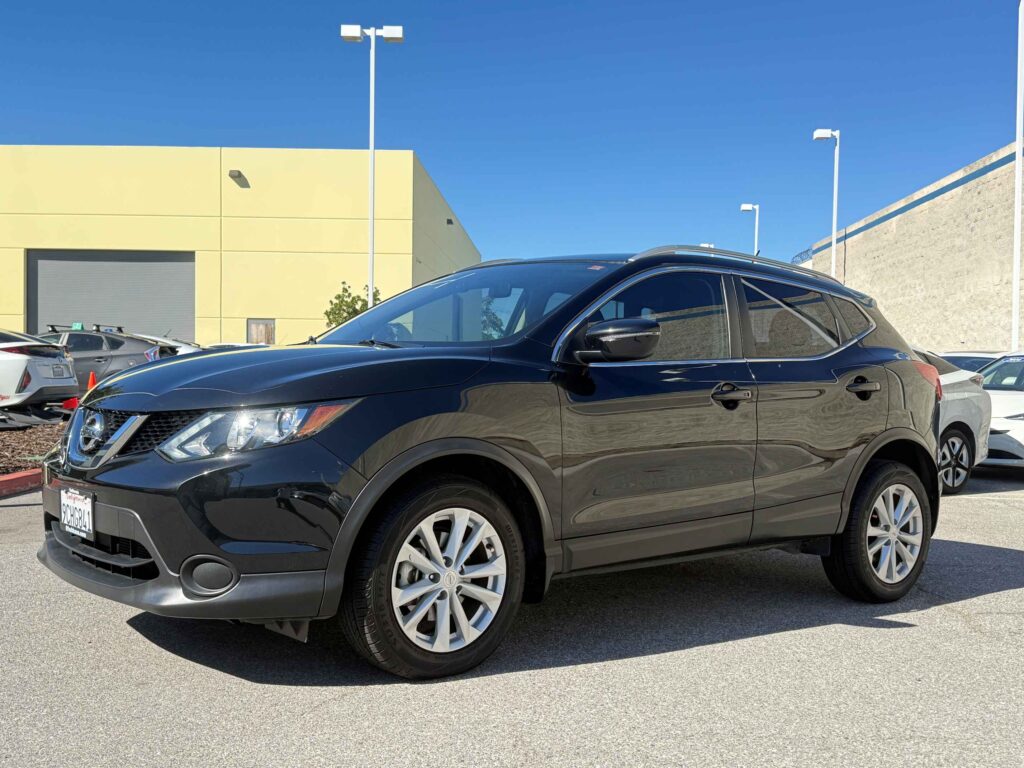
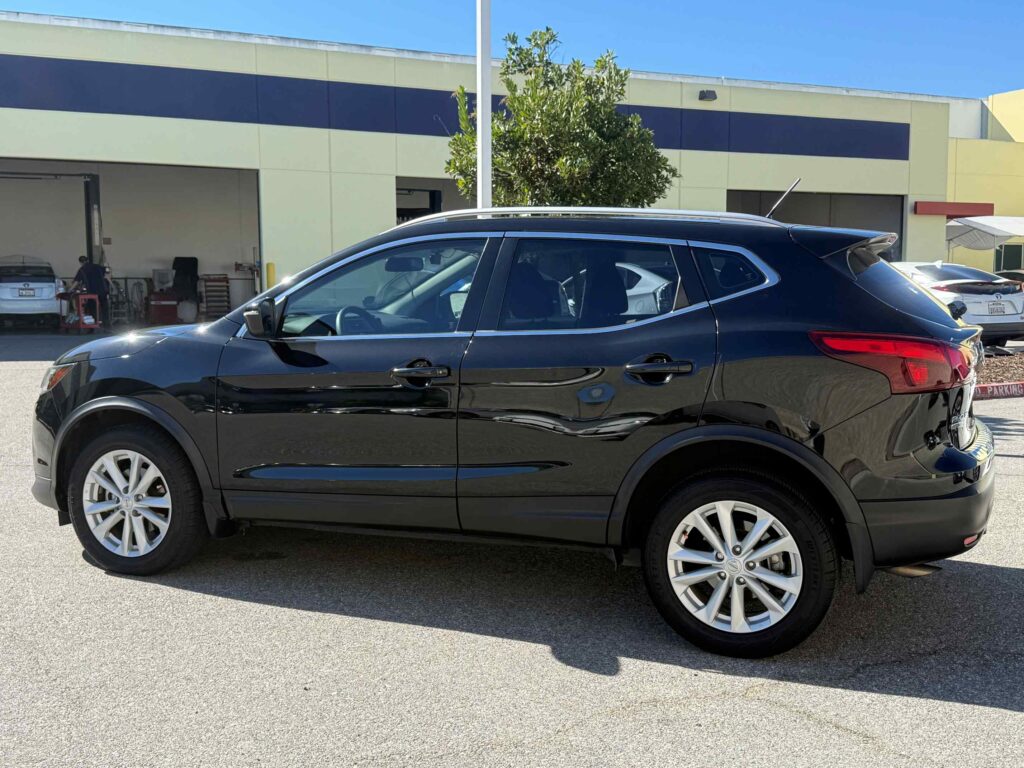
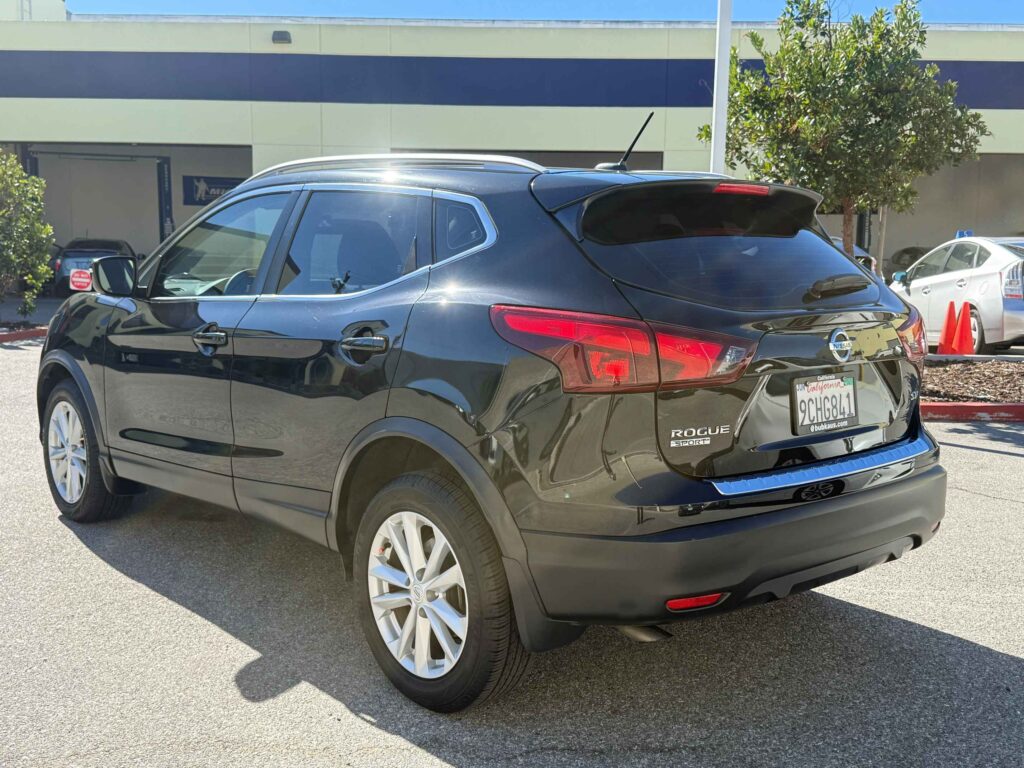
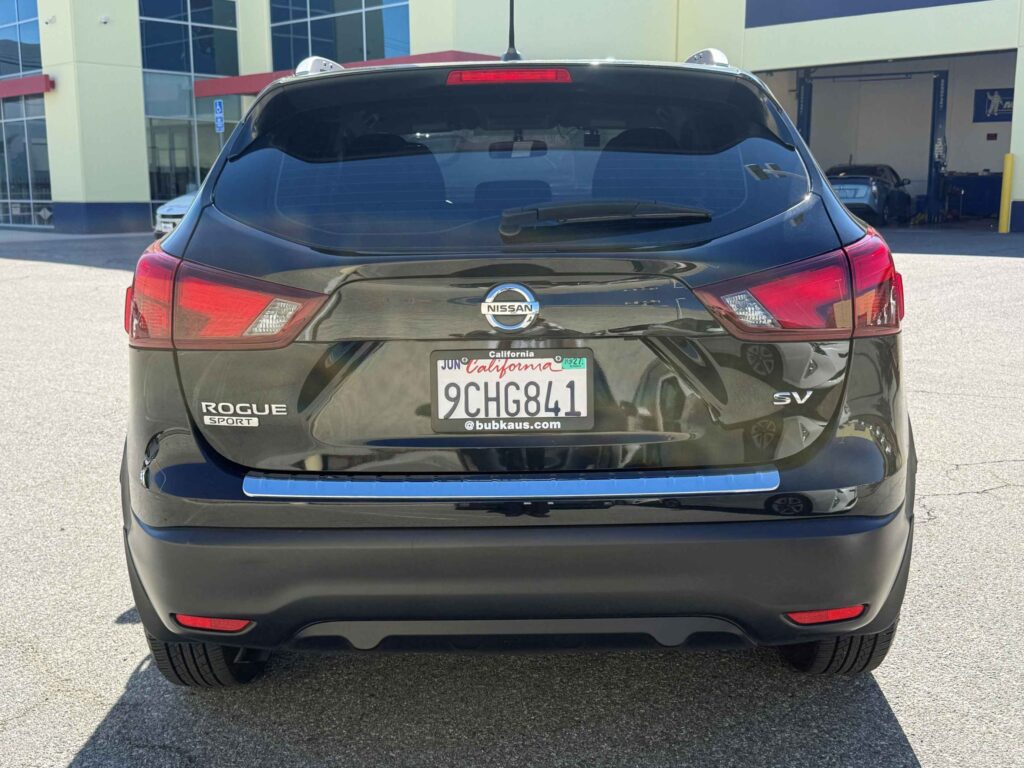
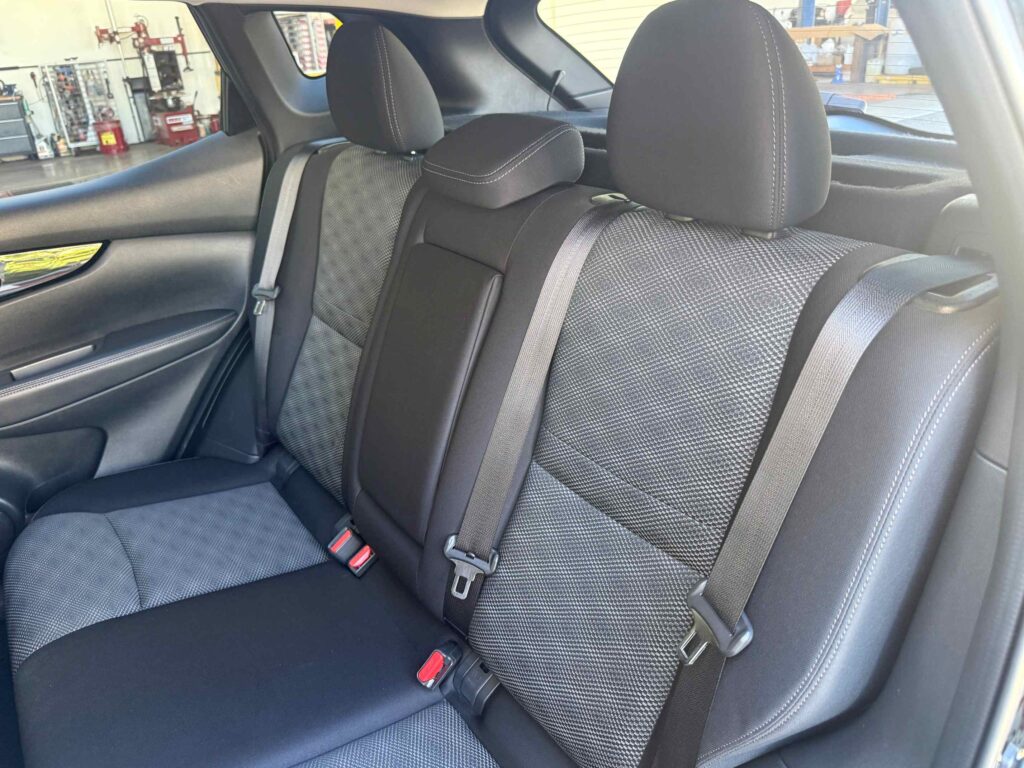
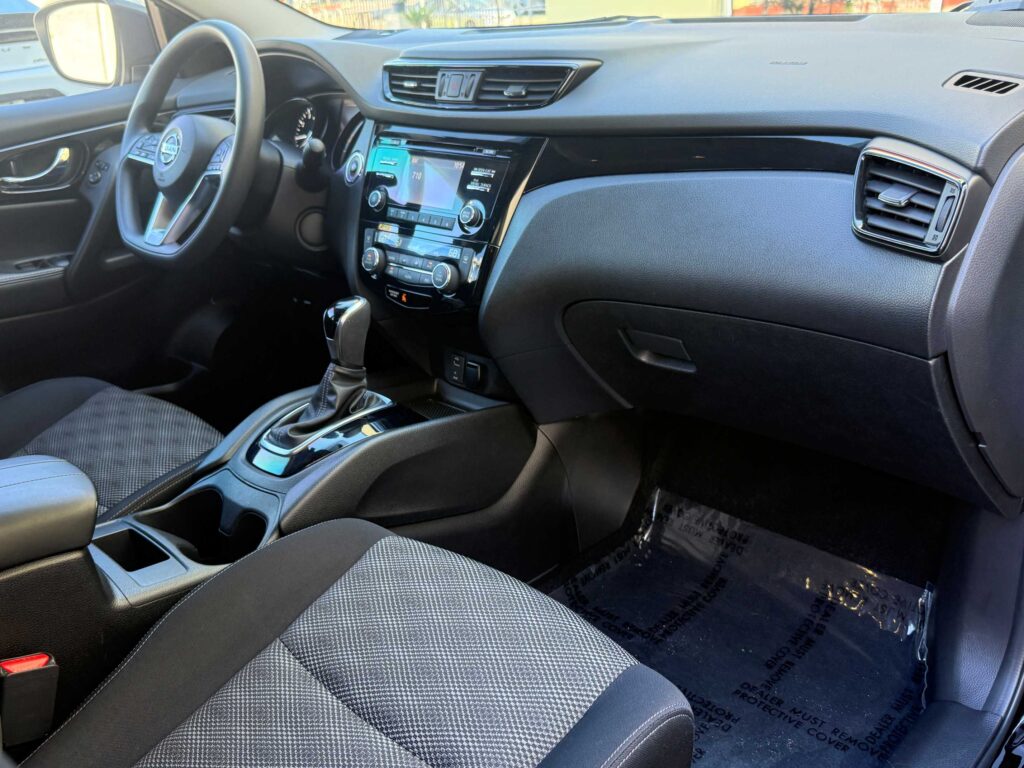
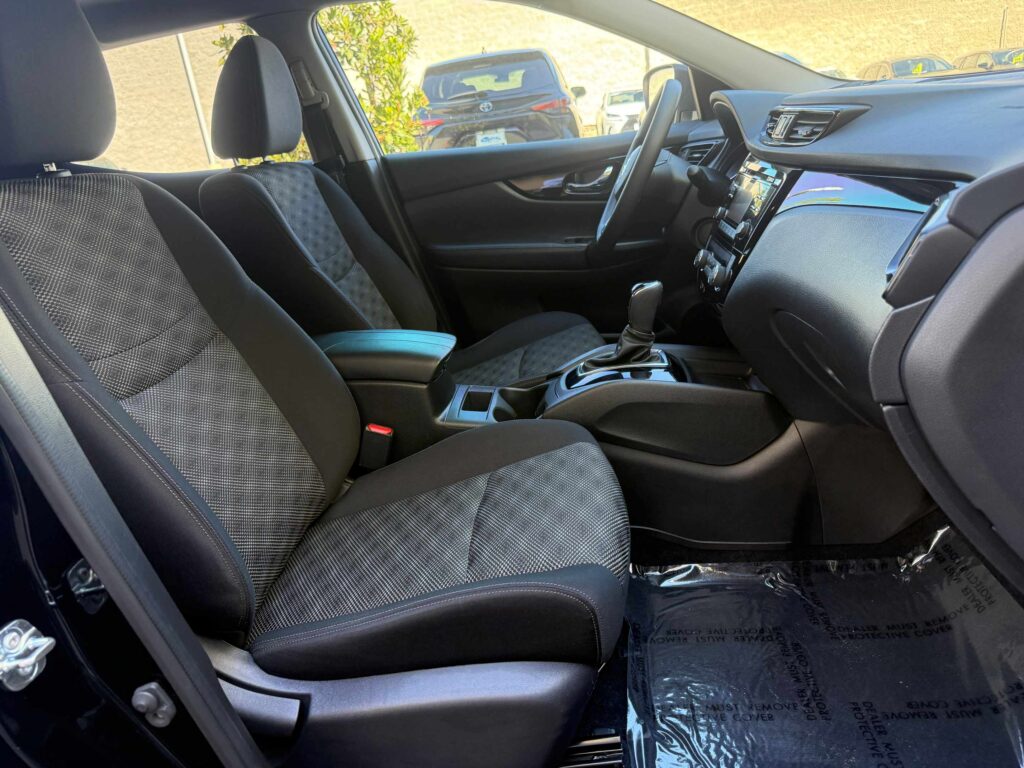
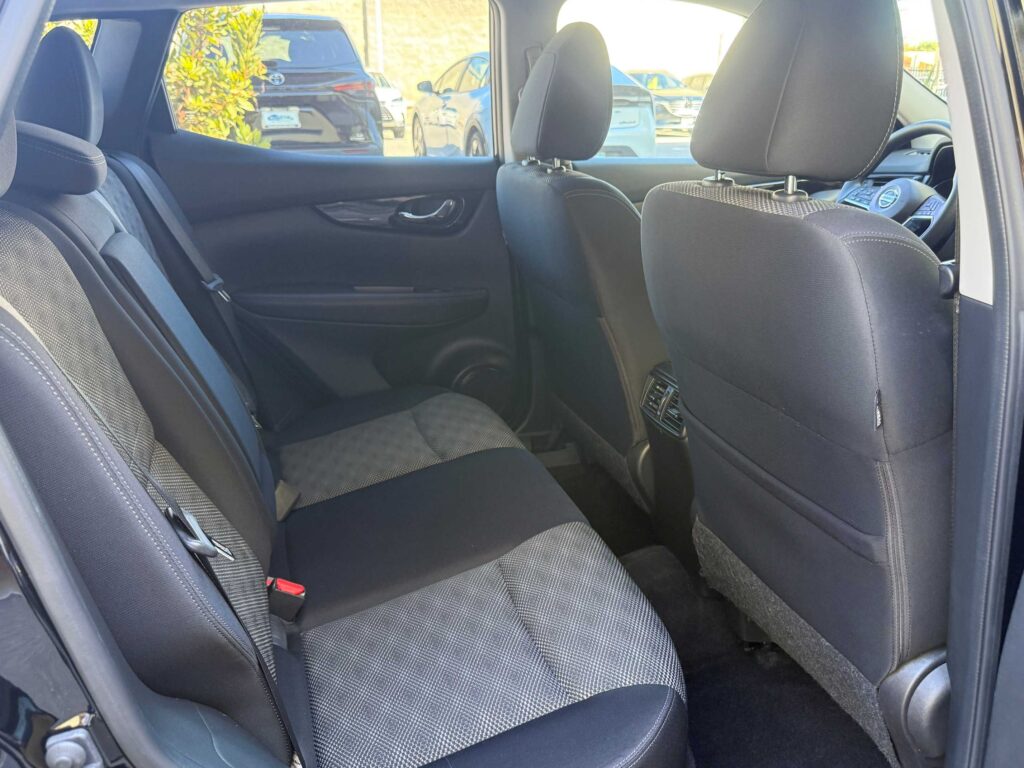
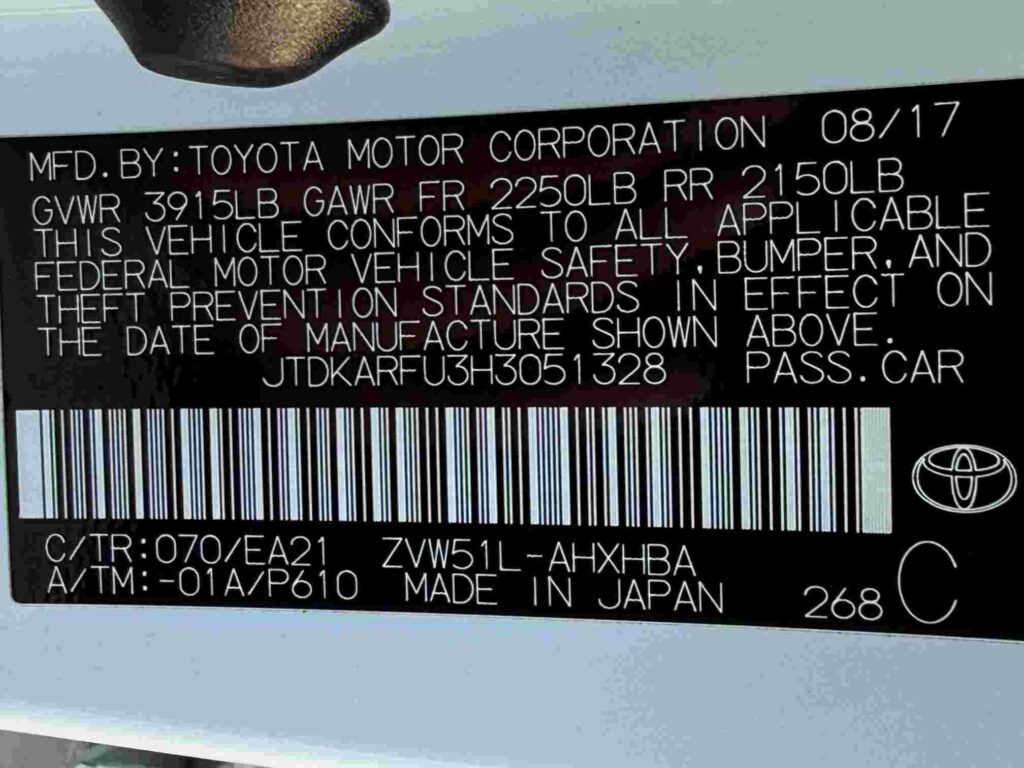
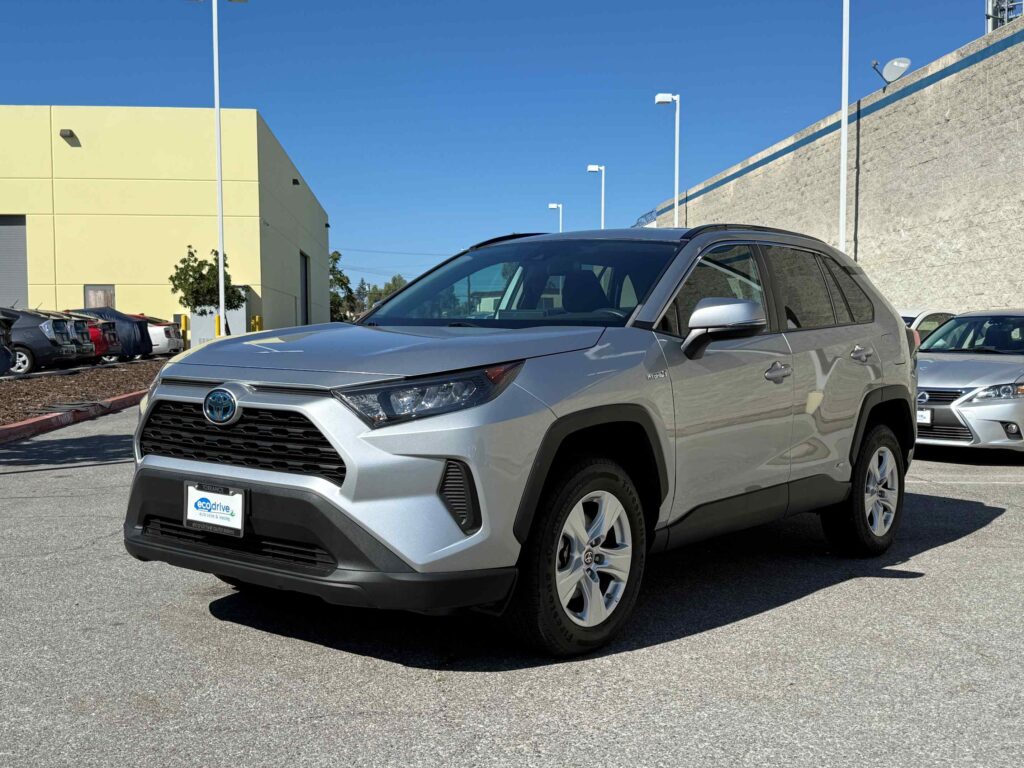
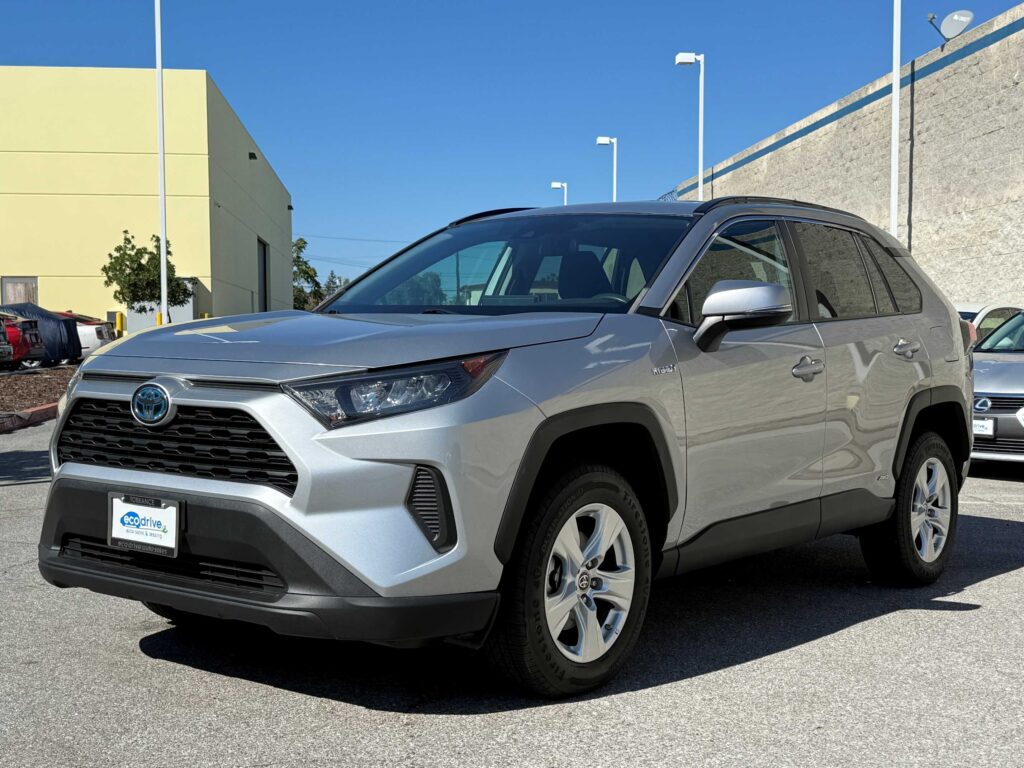
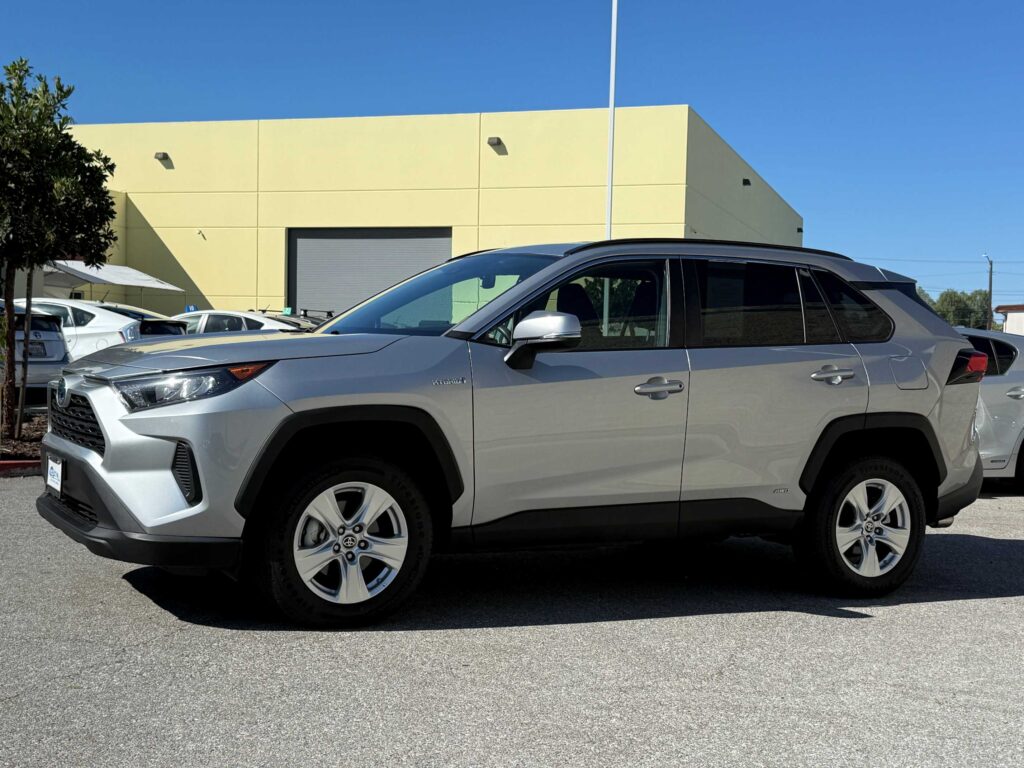
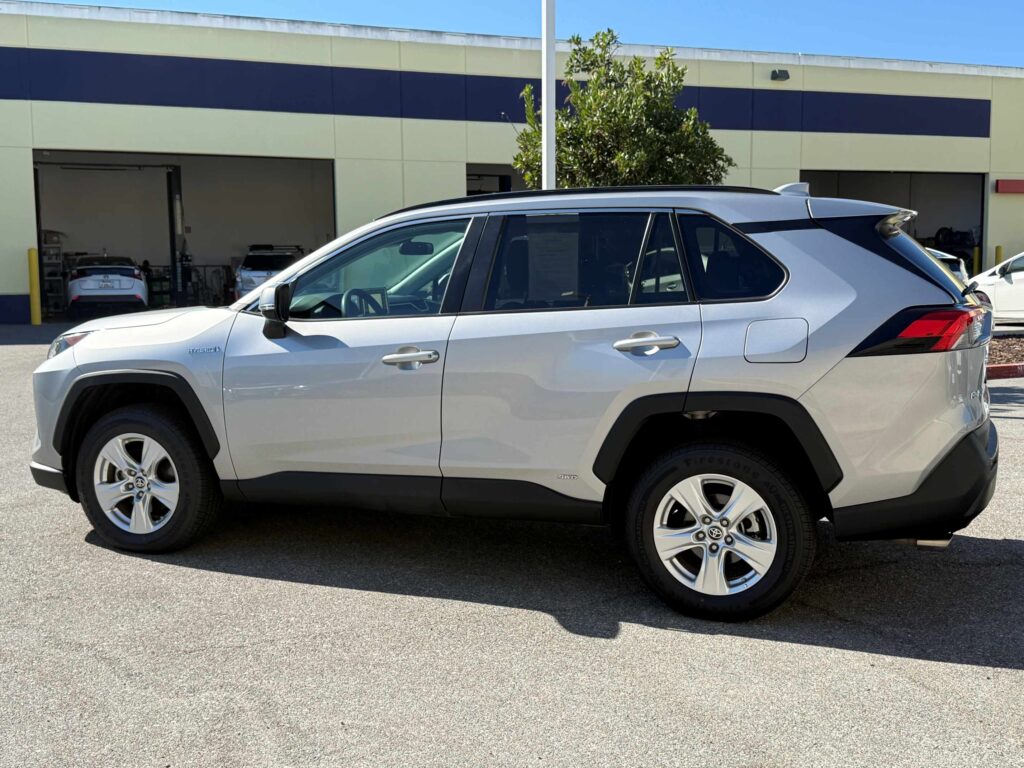
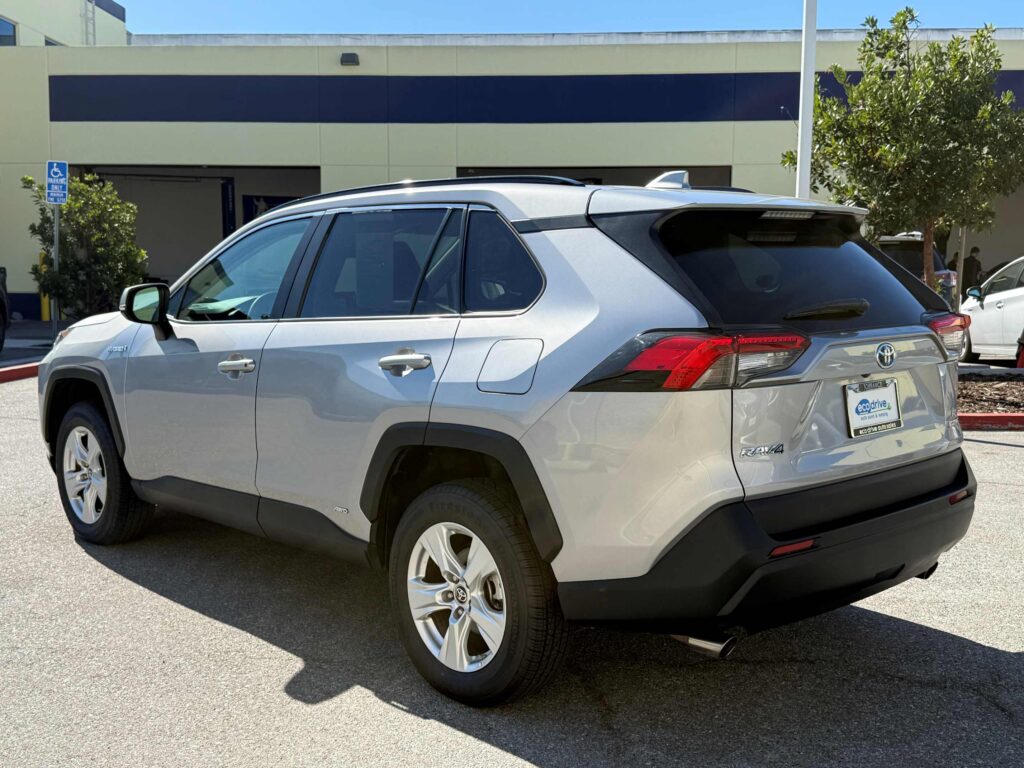
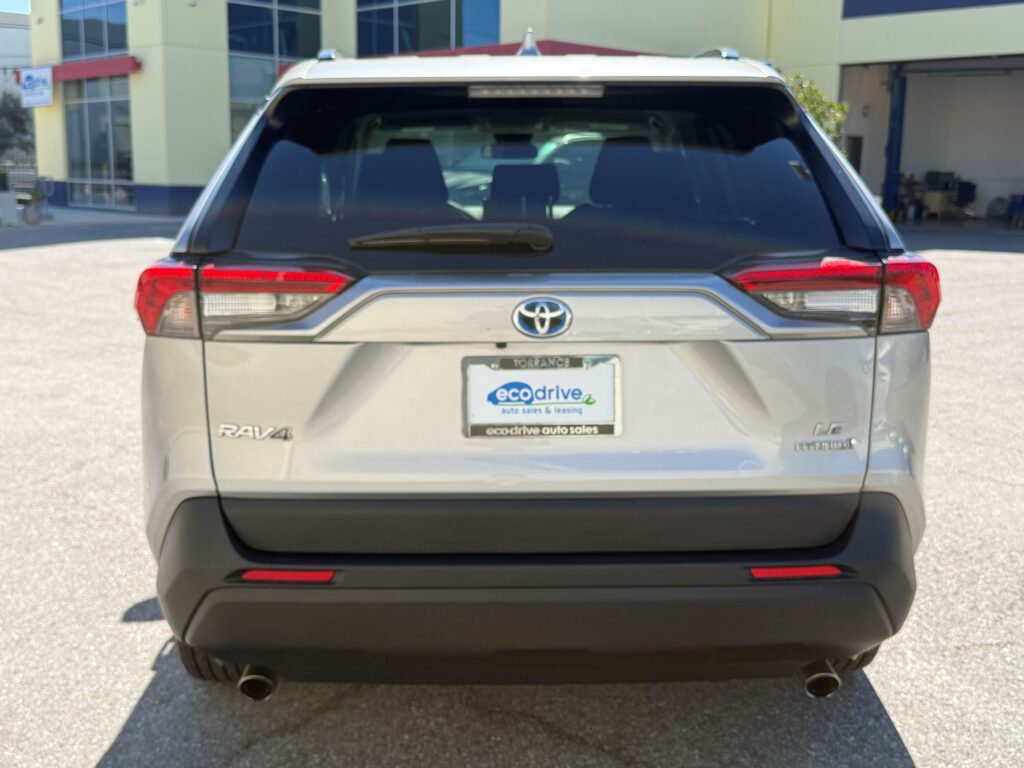
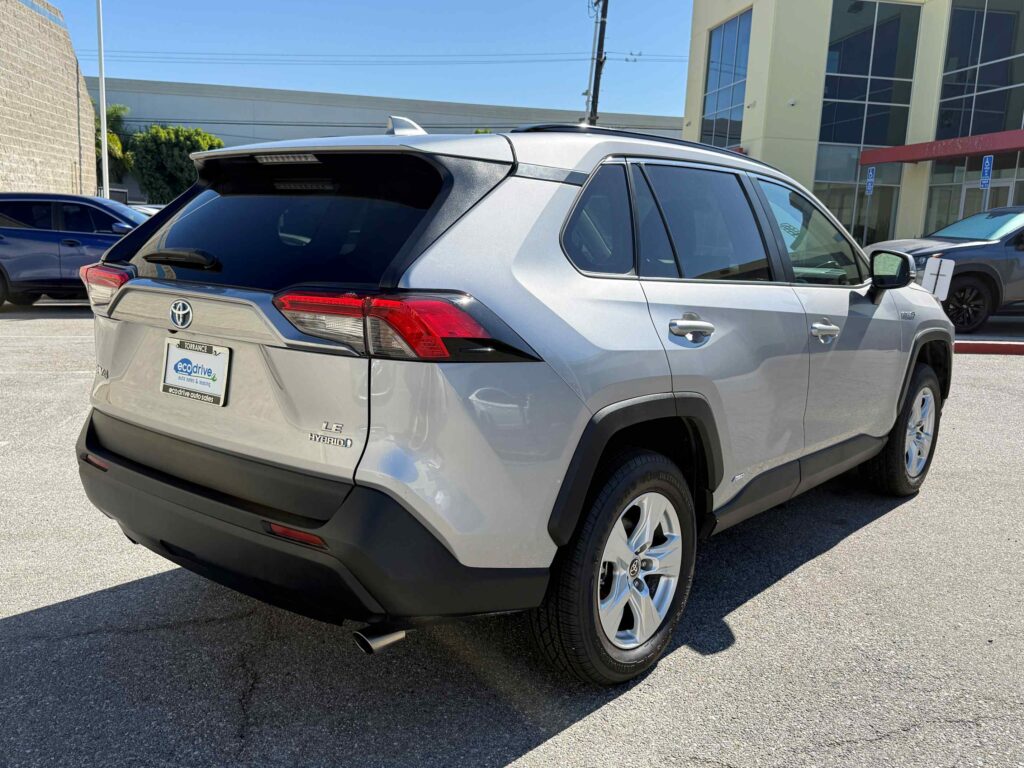
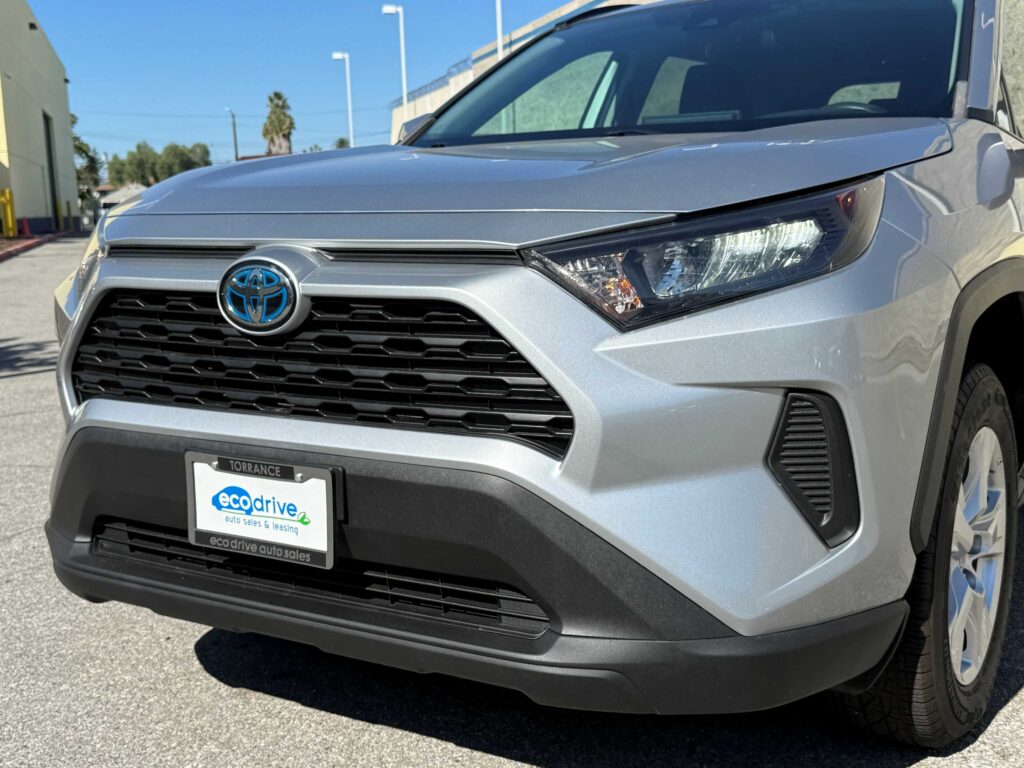
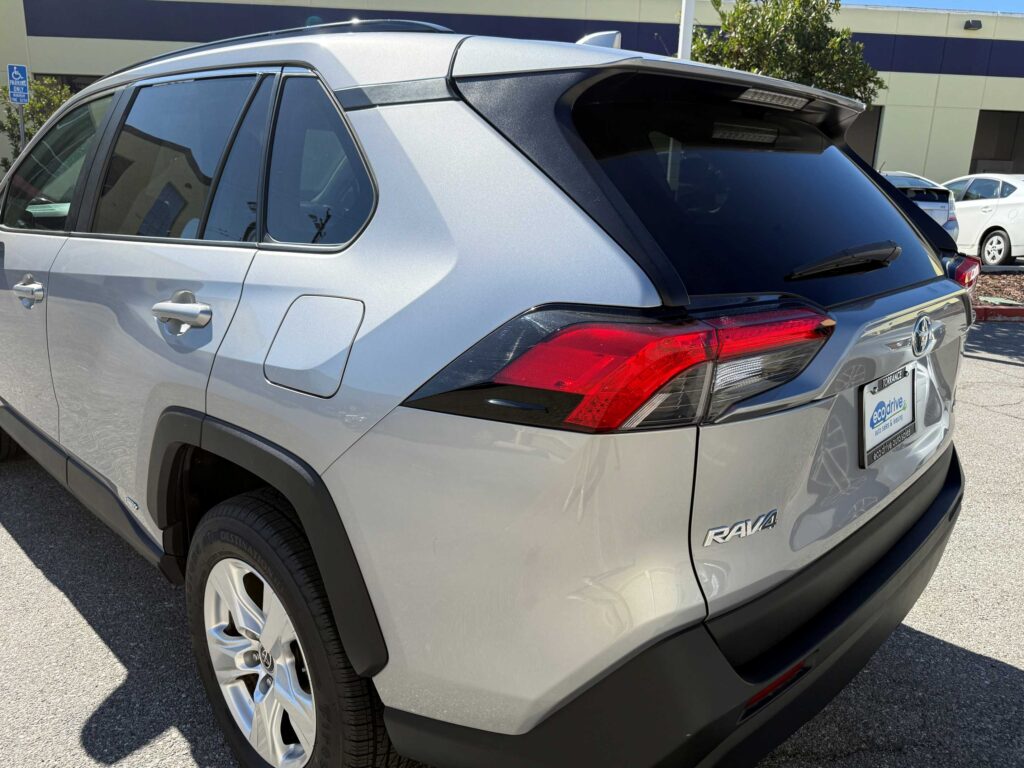
New Arrivals
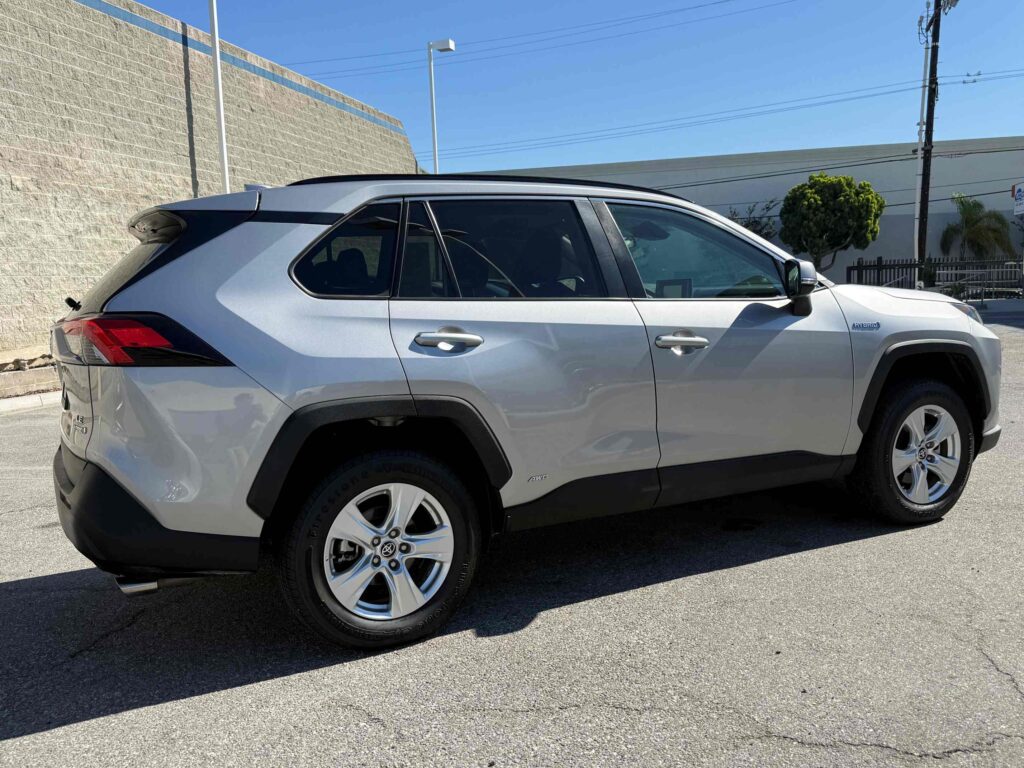
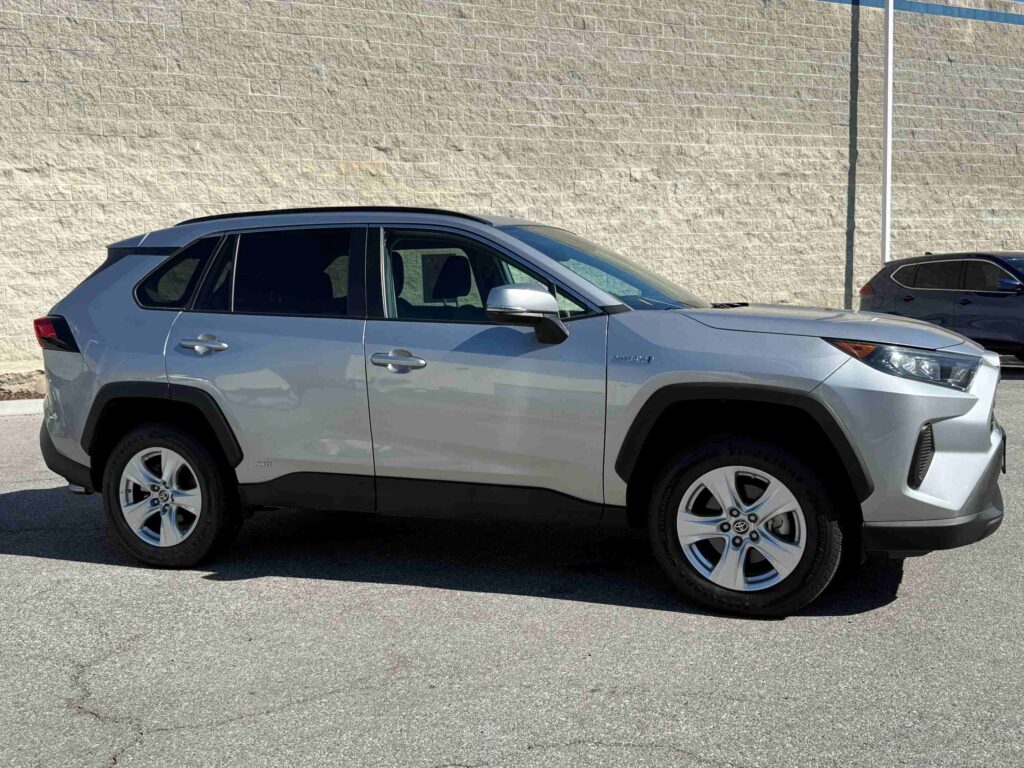
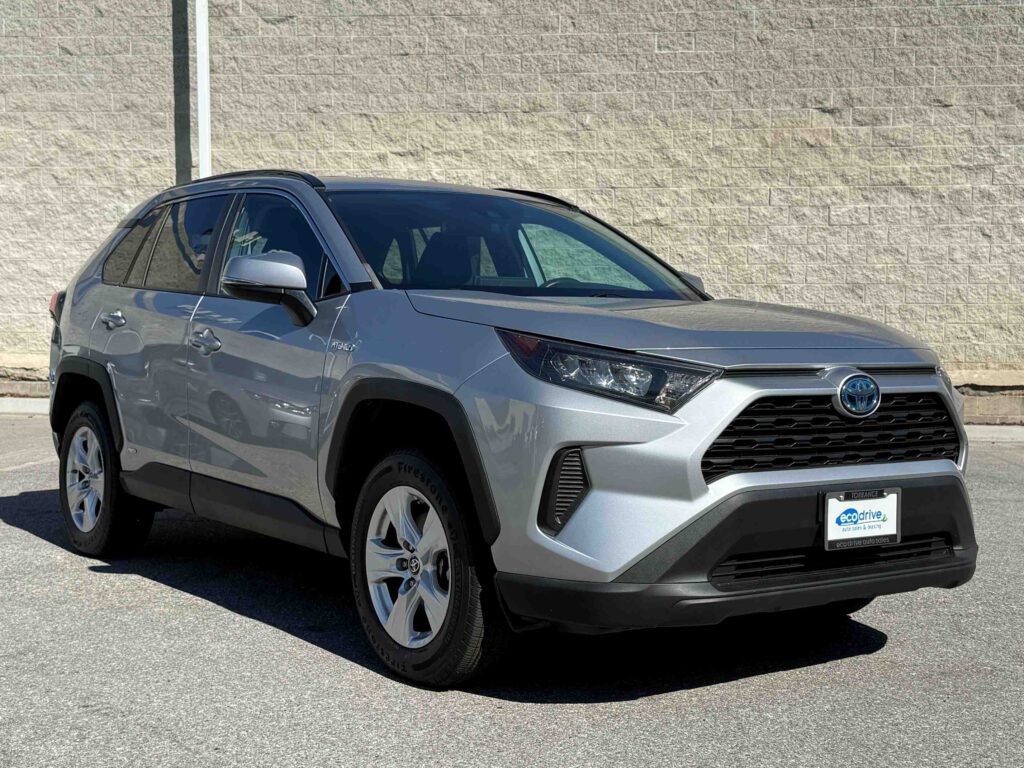
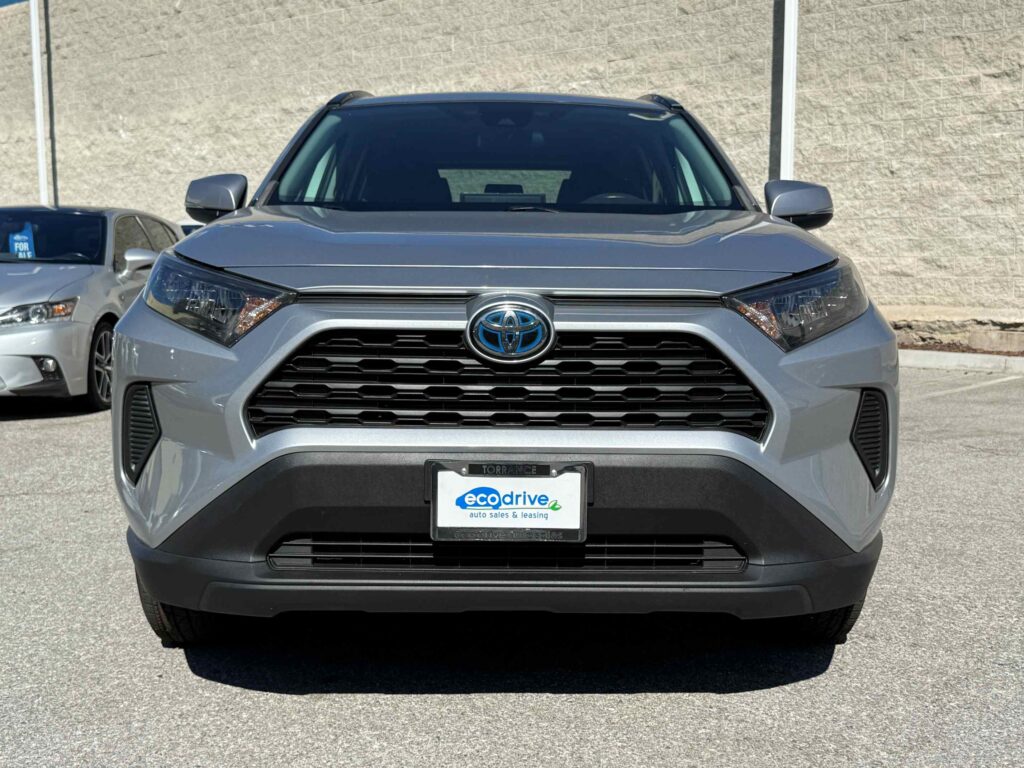
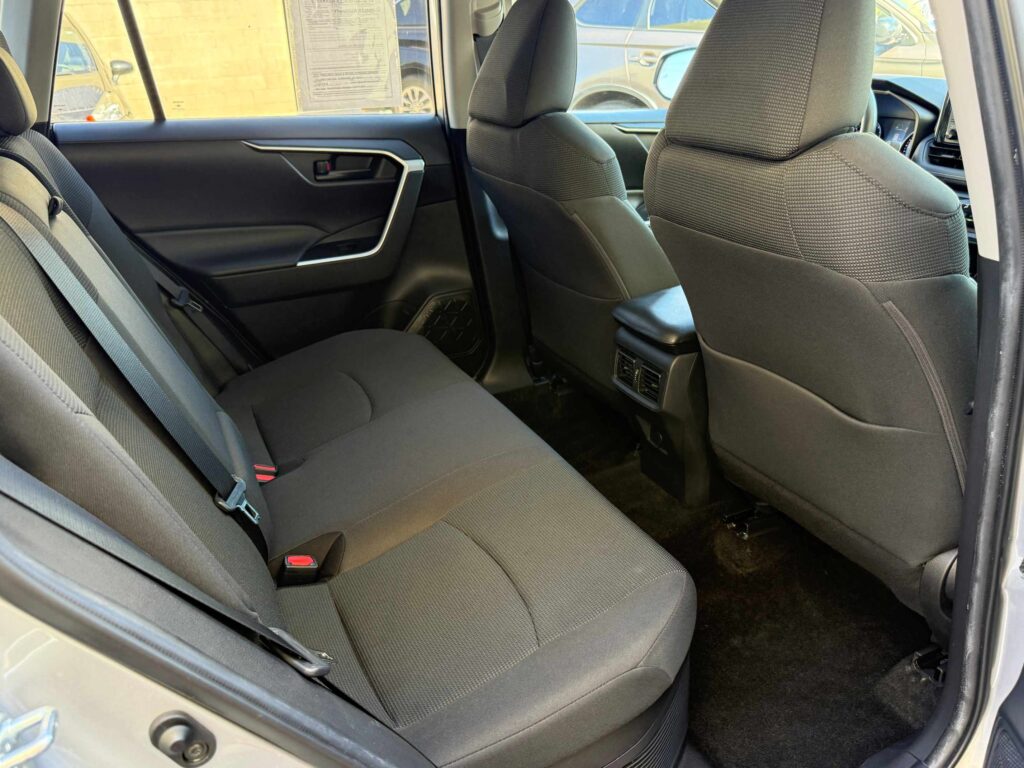
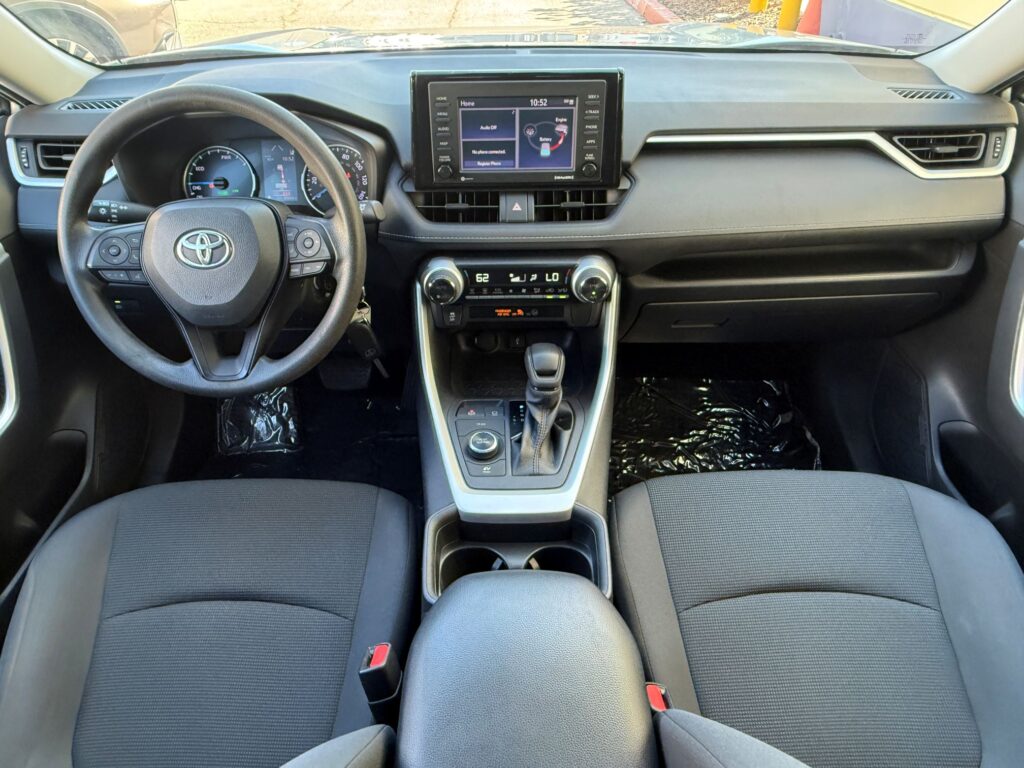
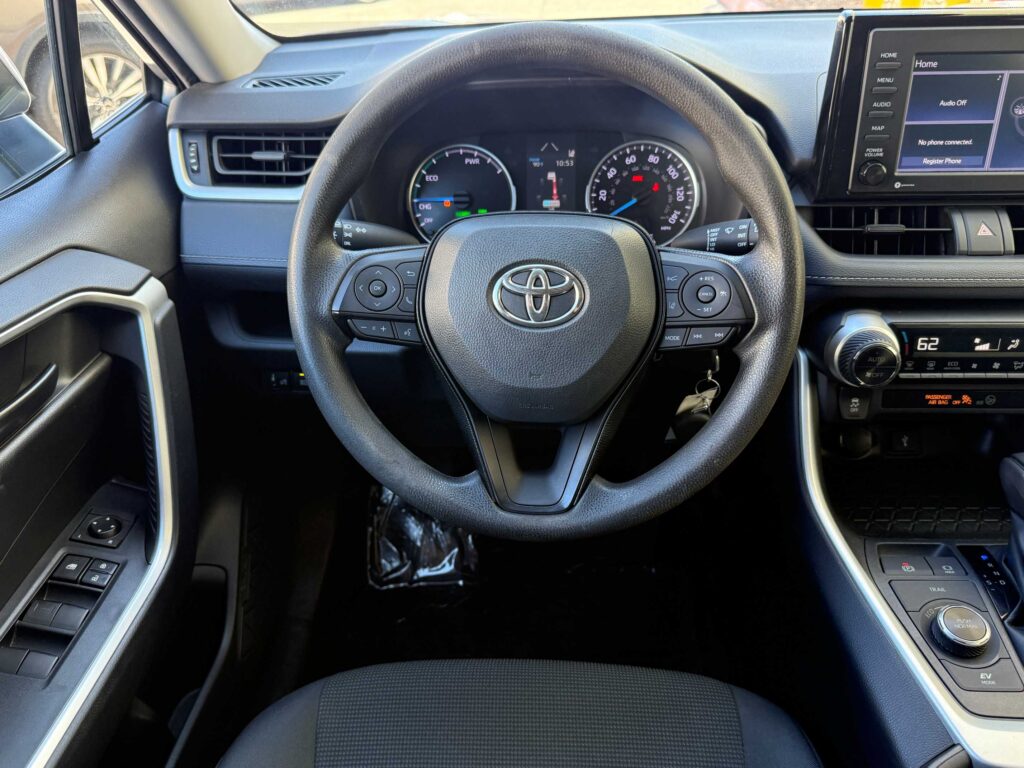
Discover our newest arrivals—available now!

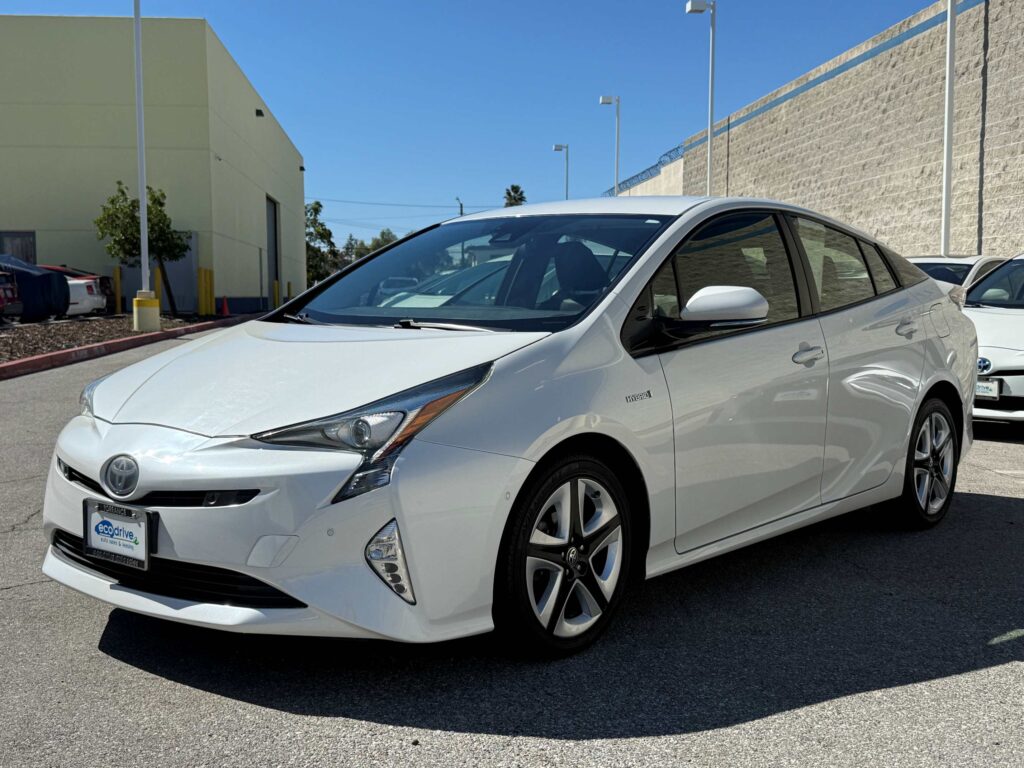
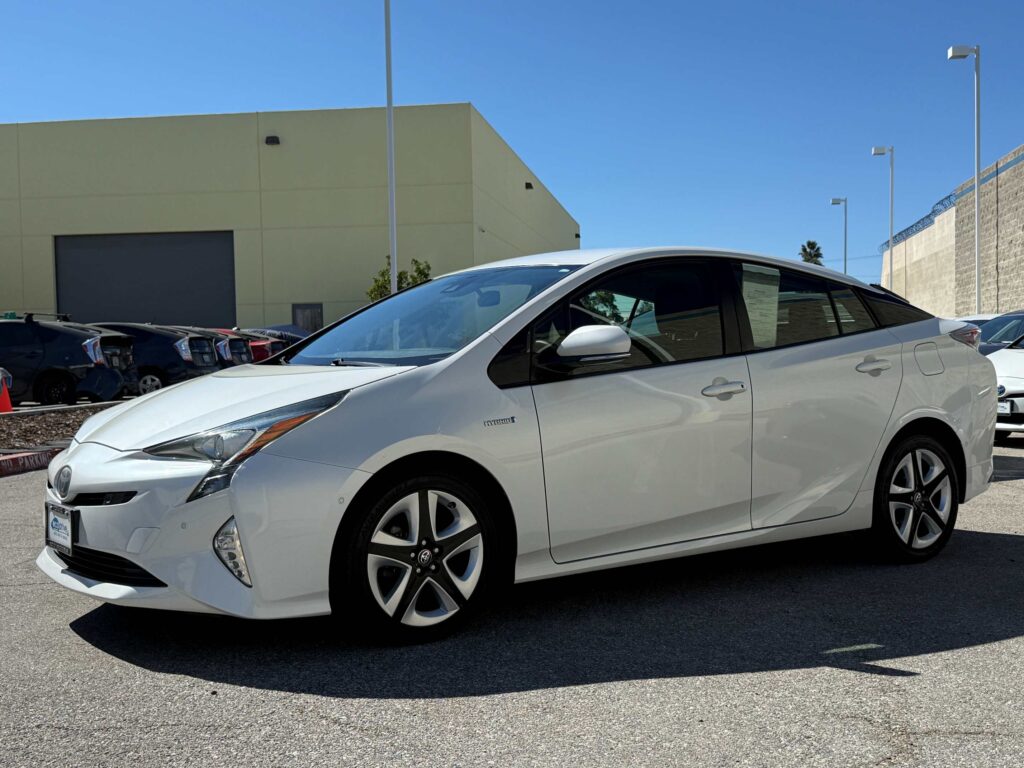
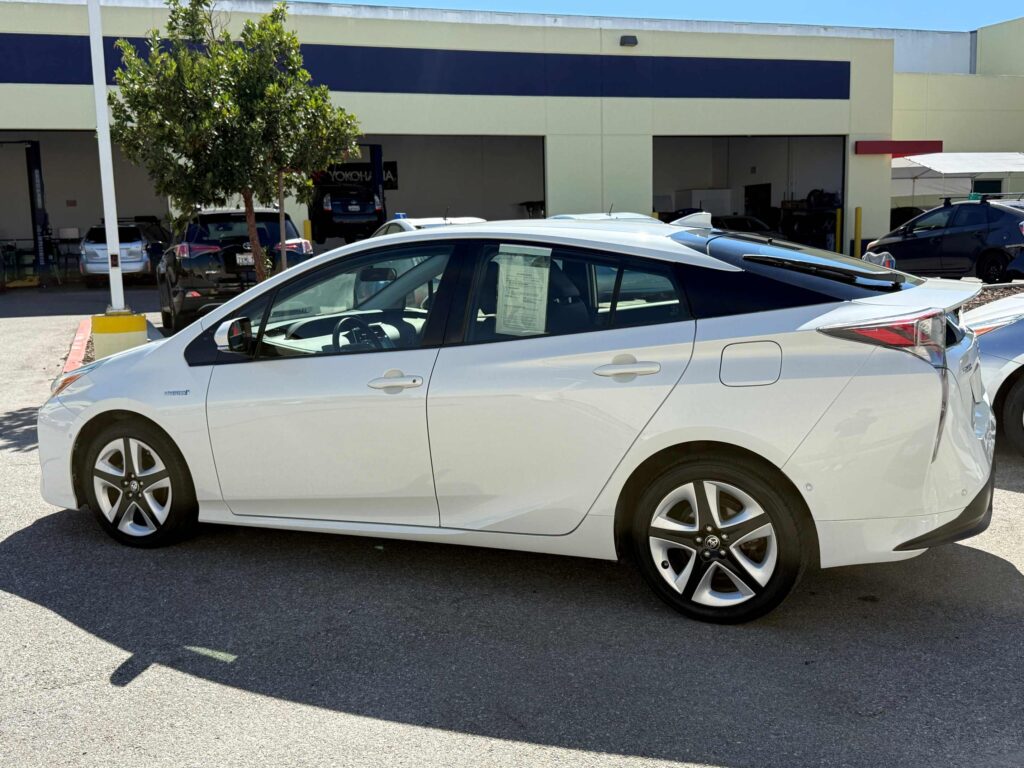
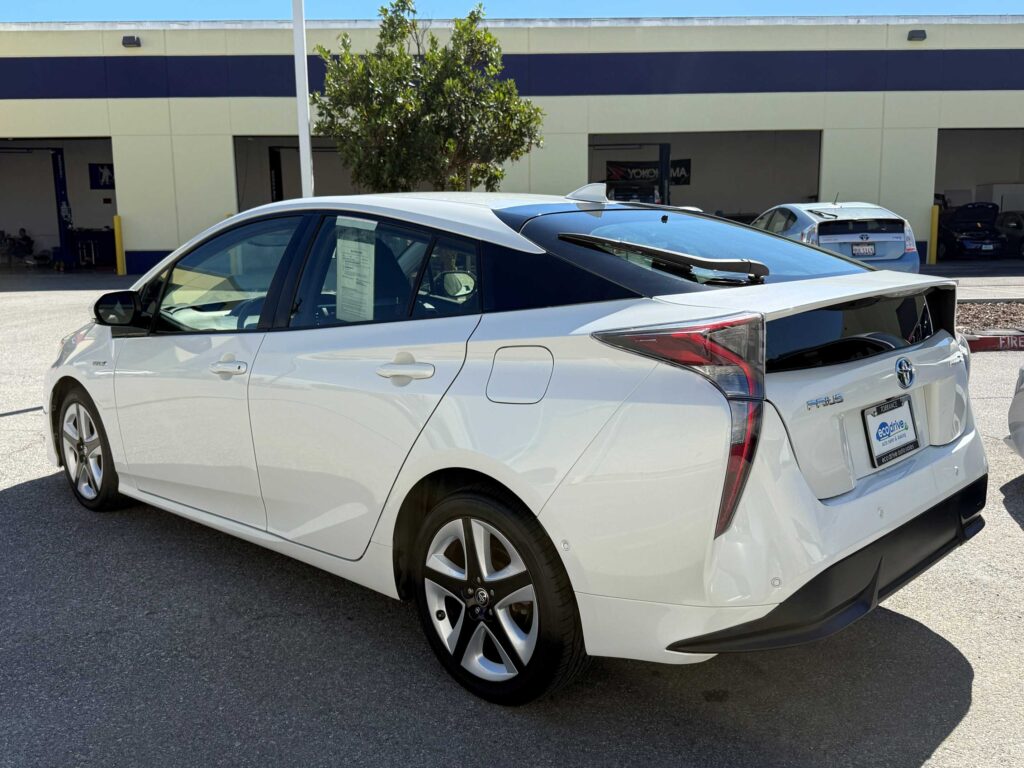
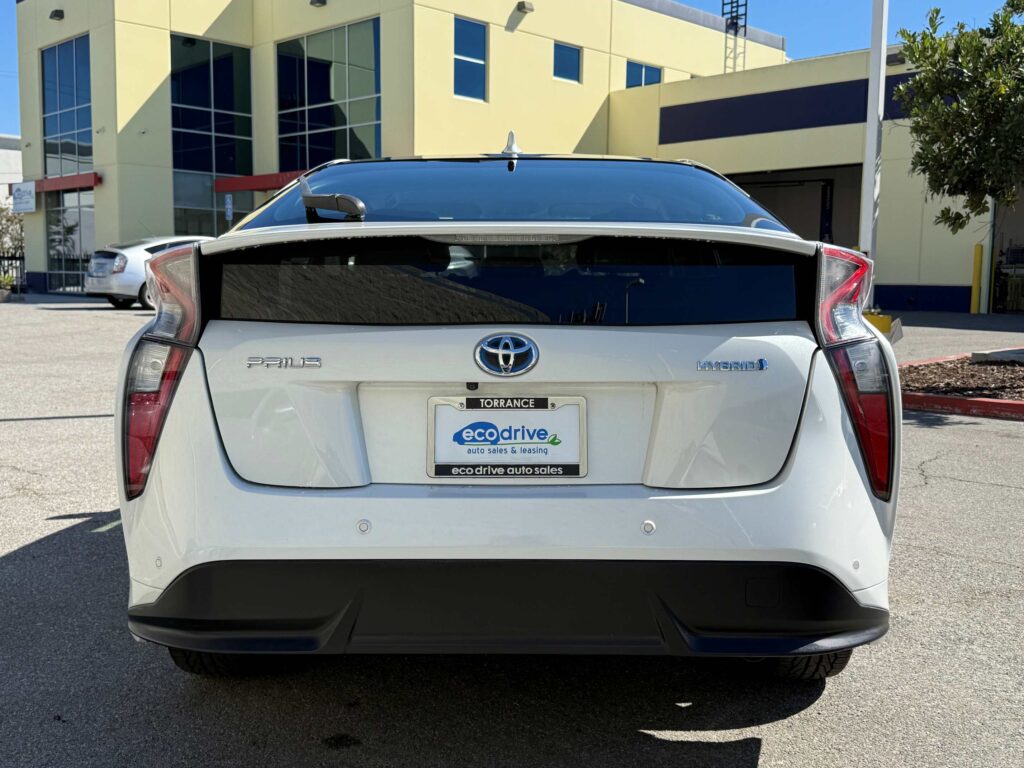
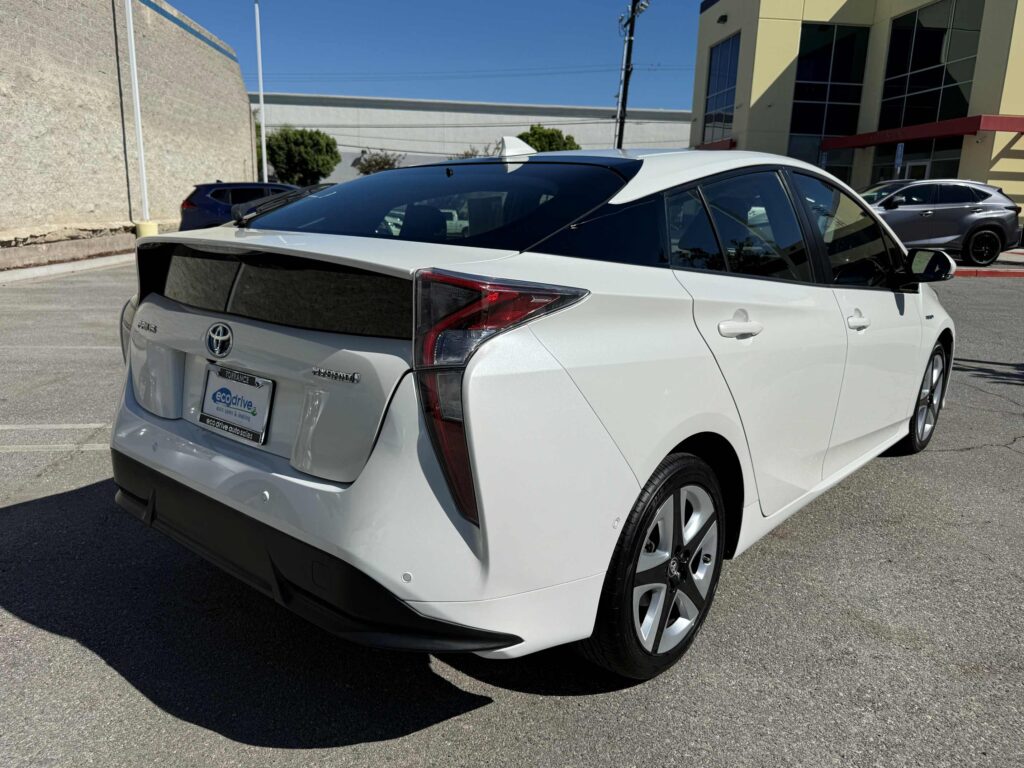
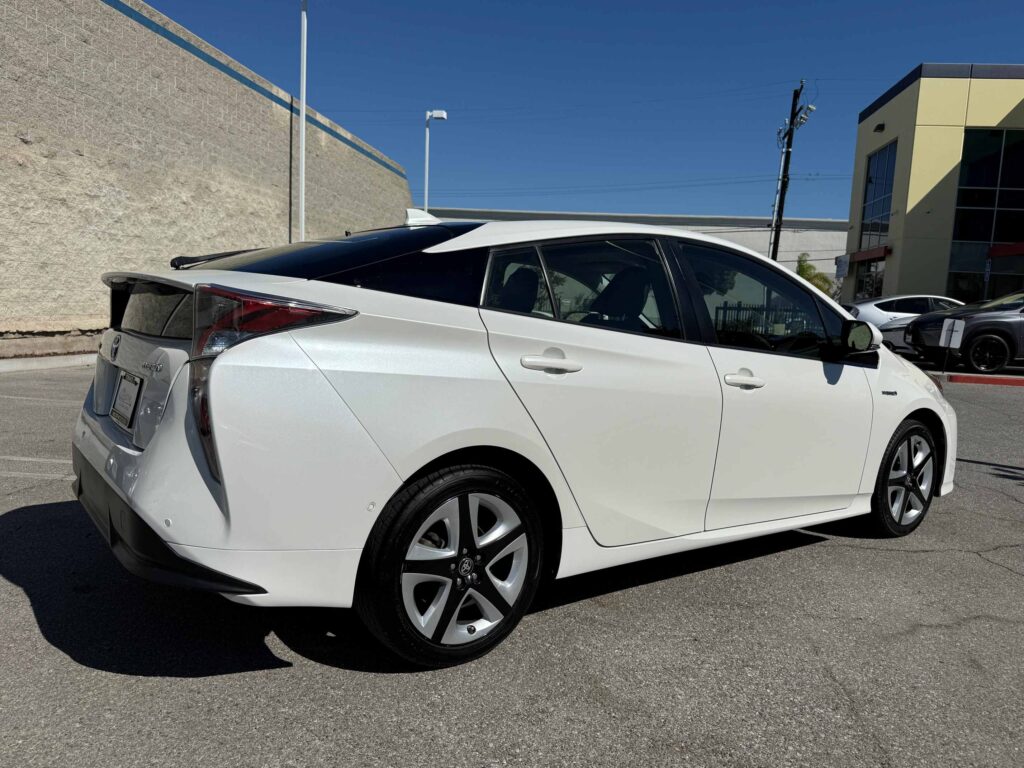
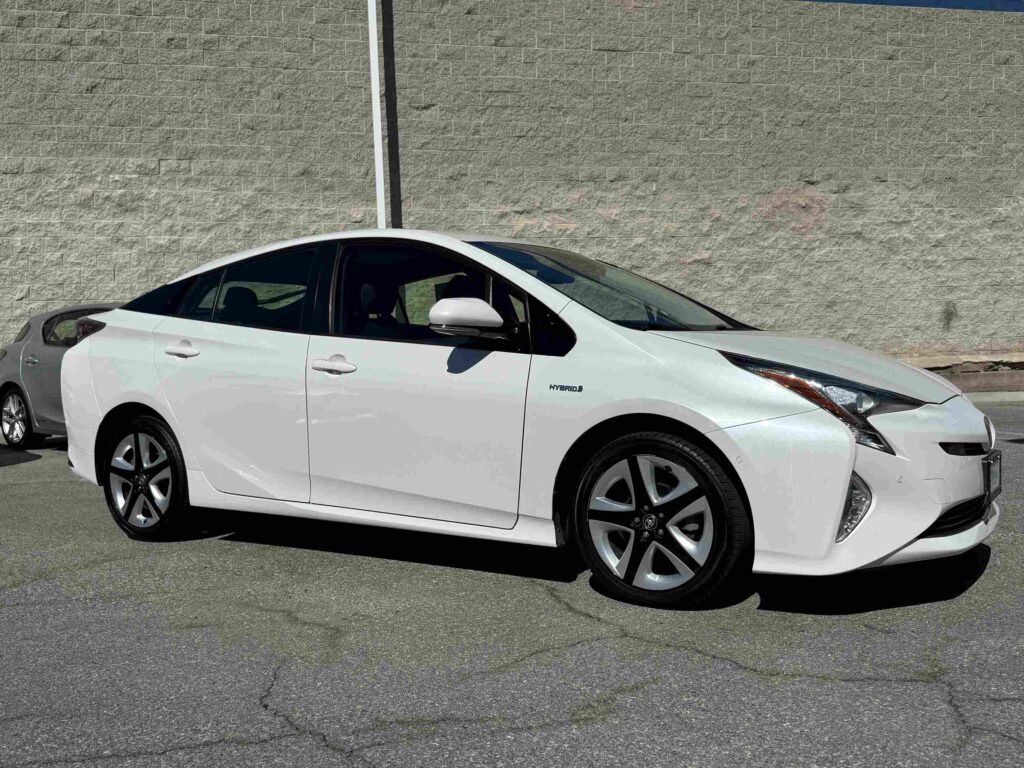
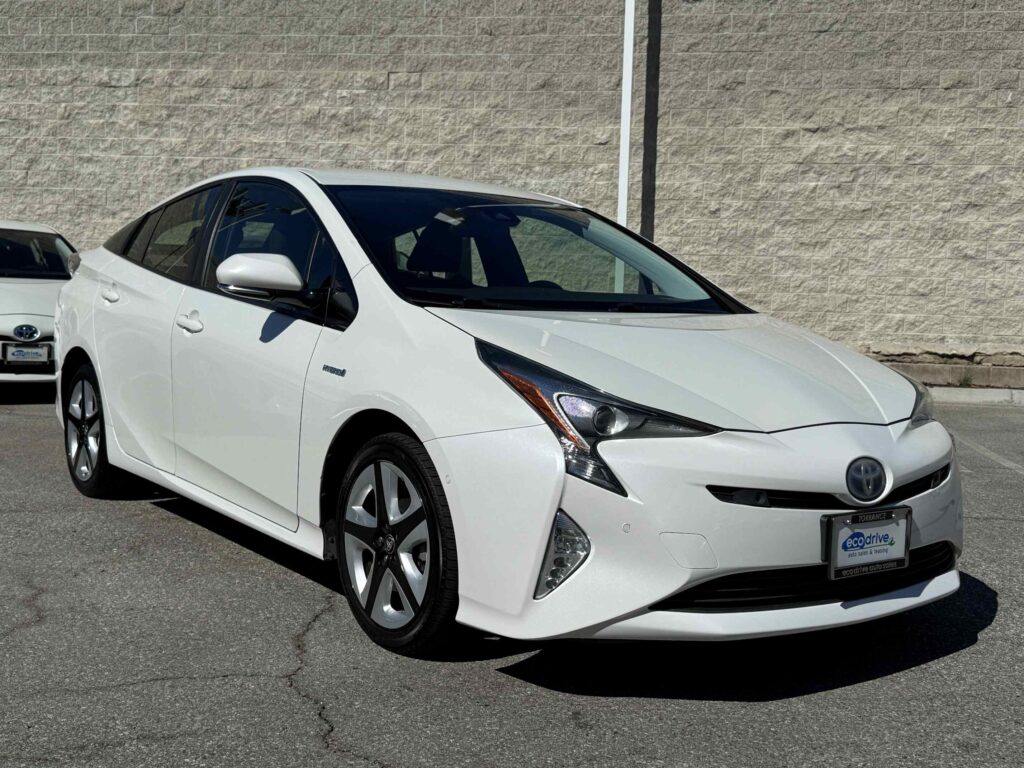
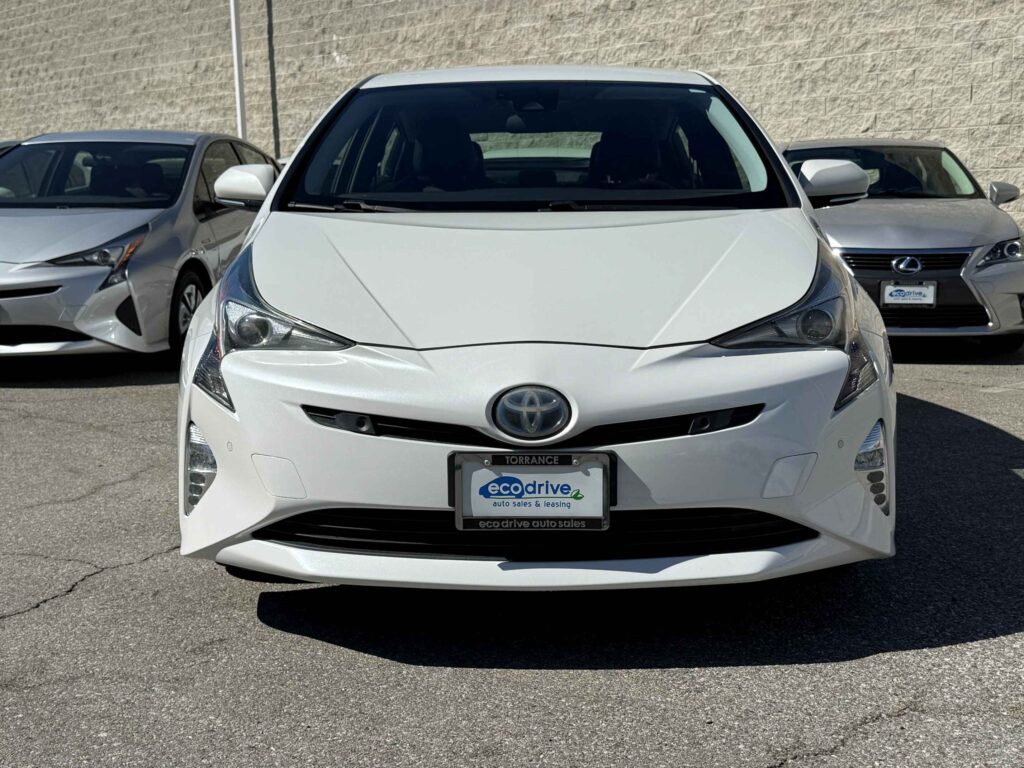
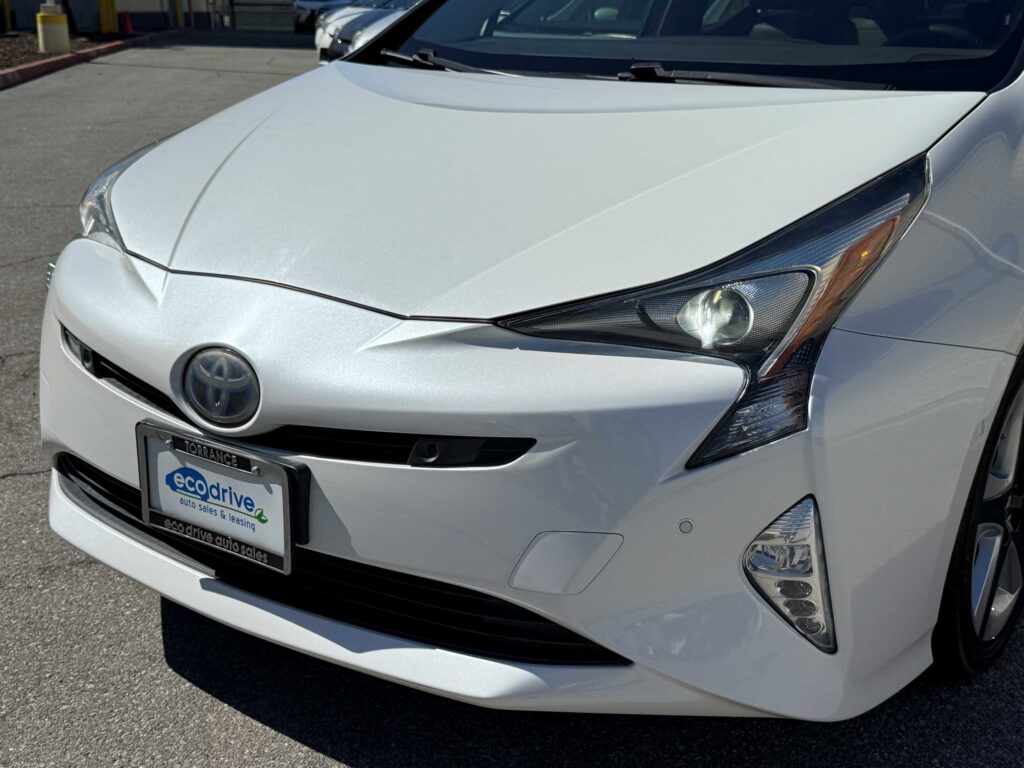
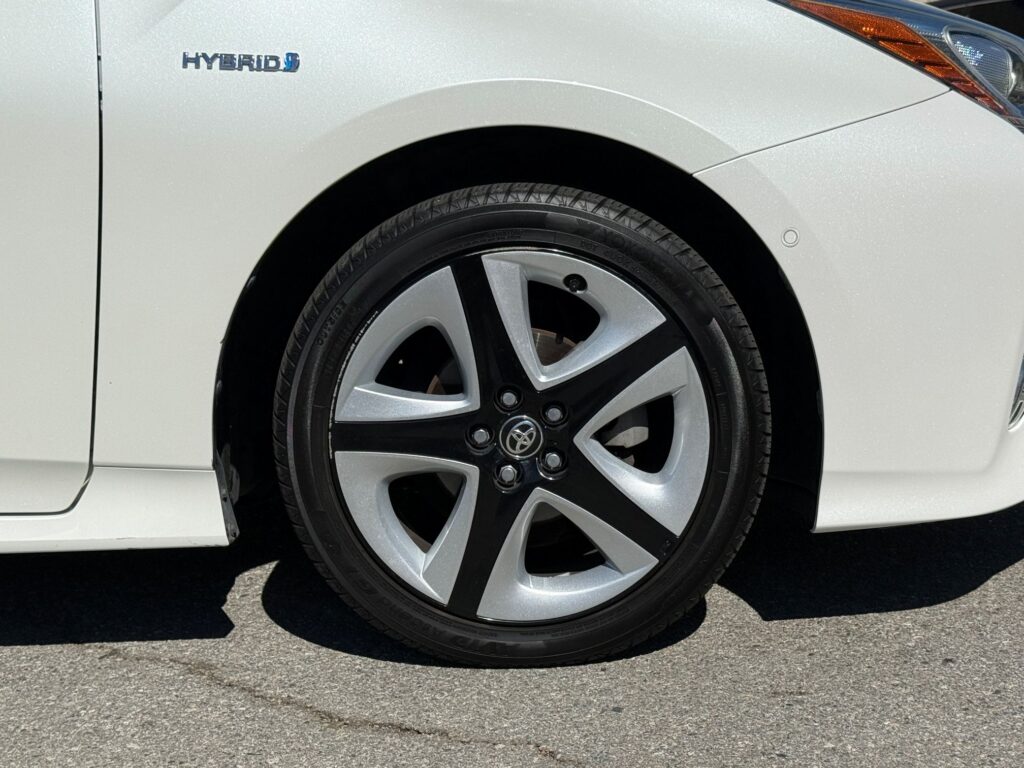
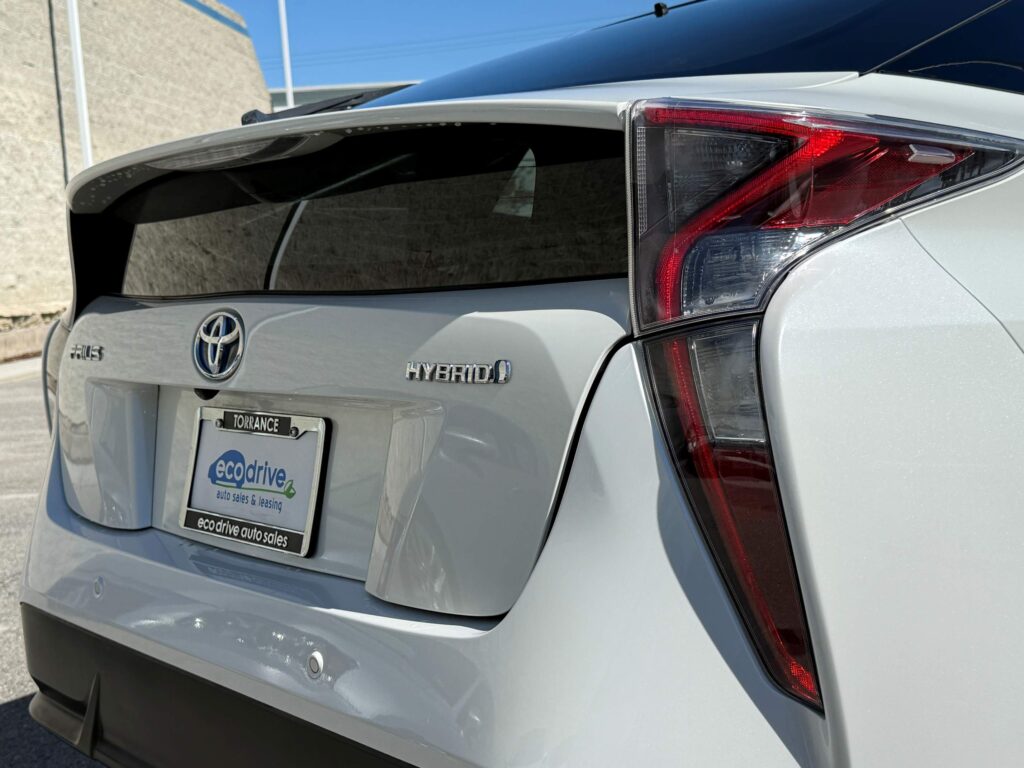
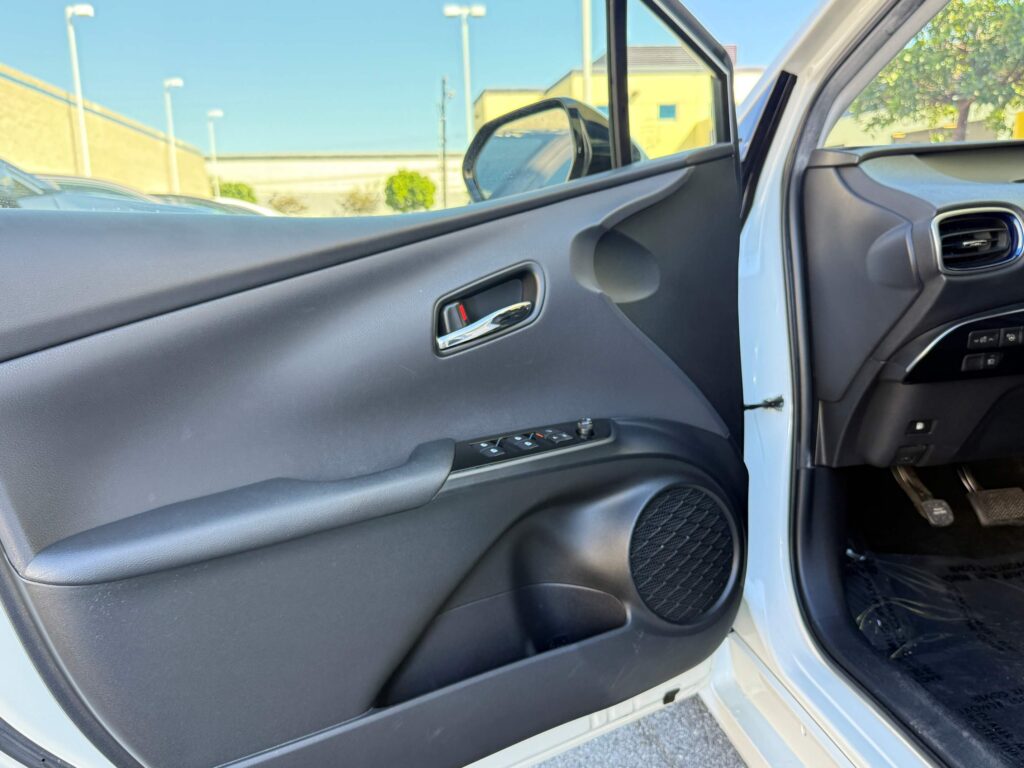
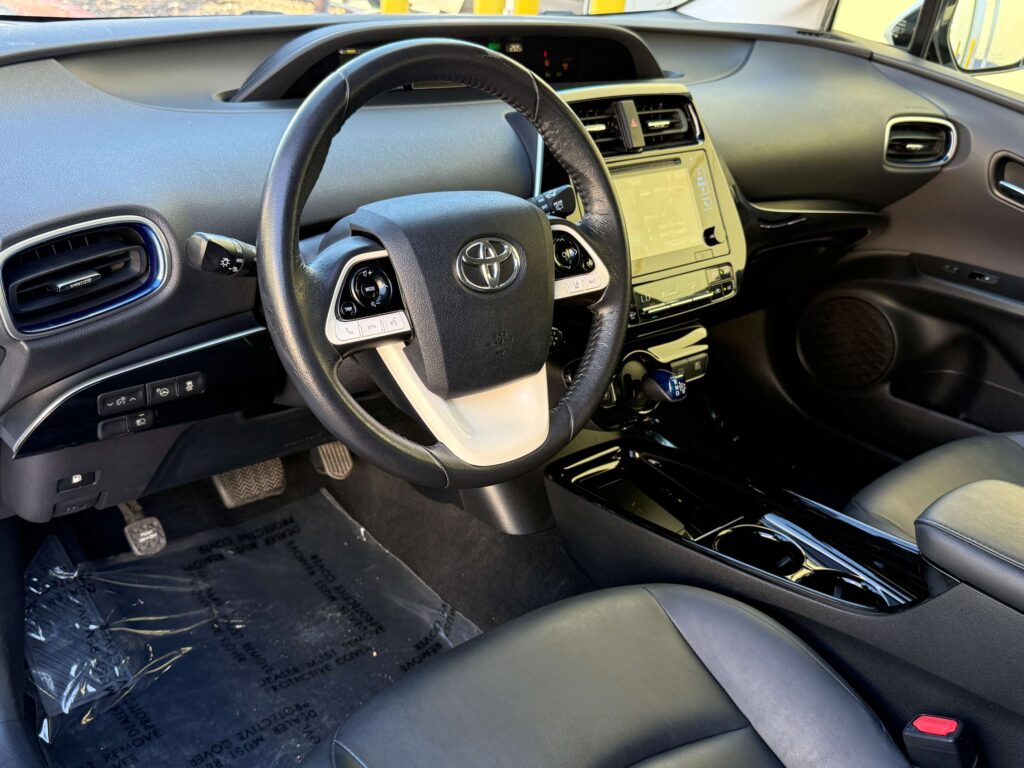
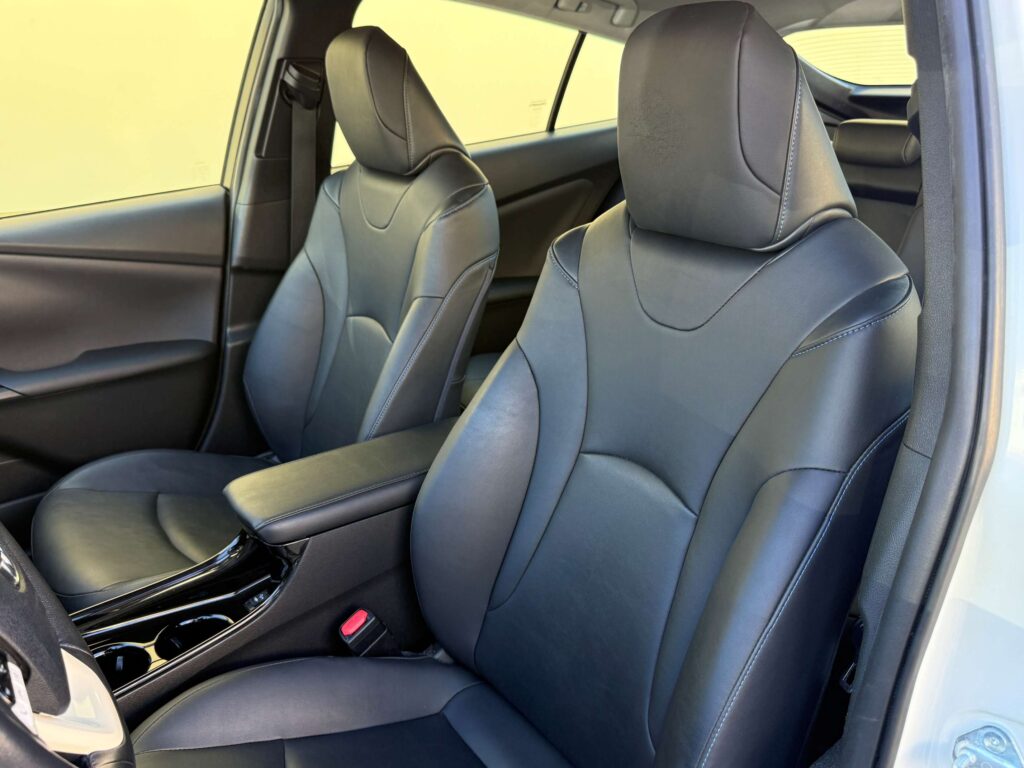
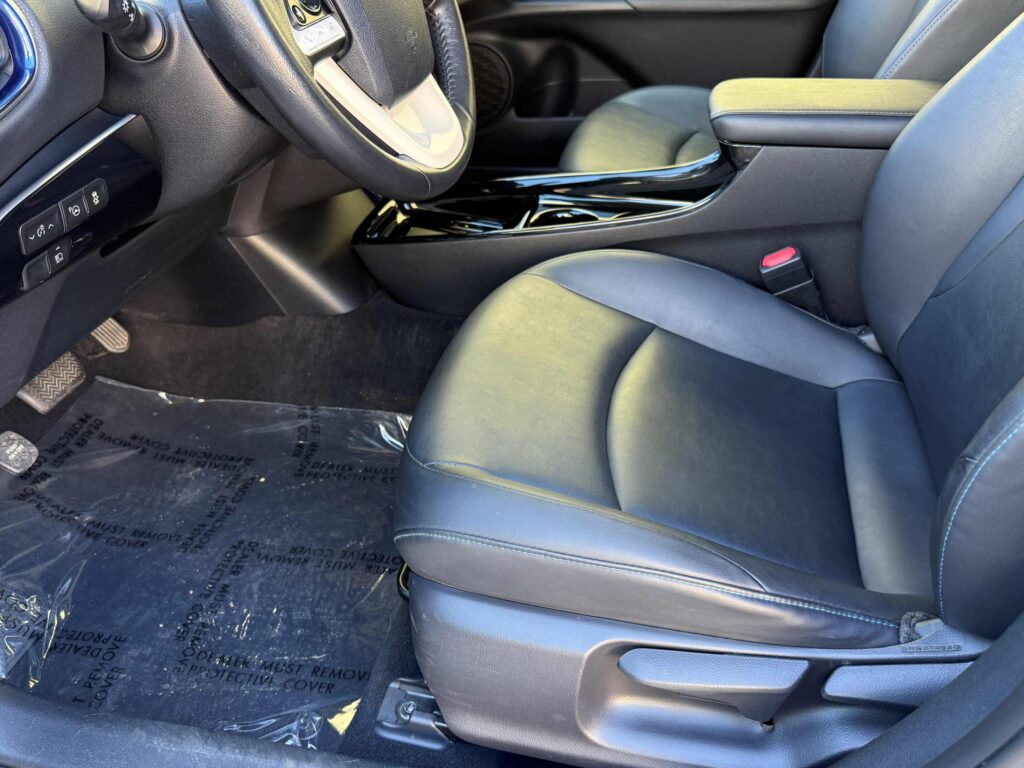
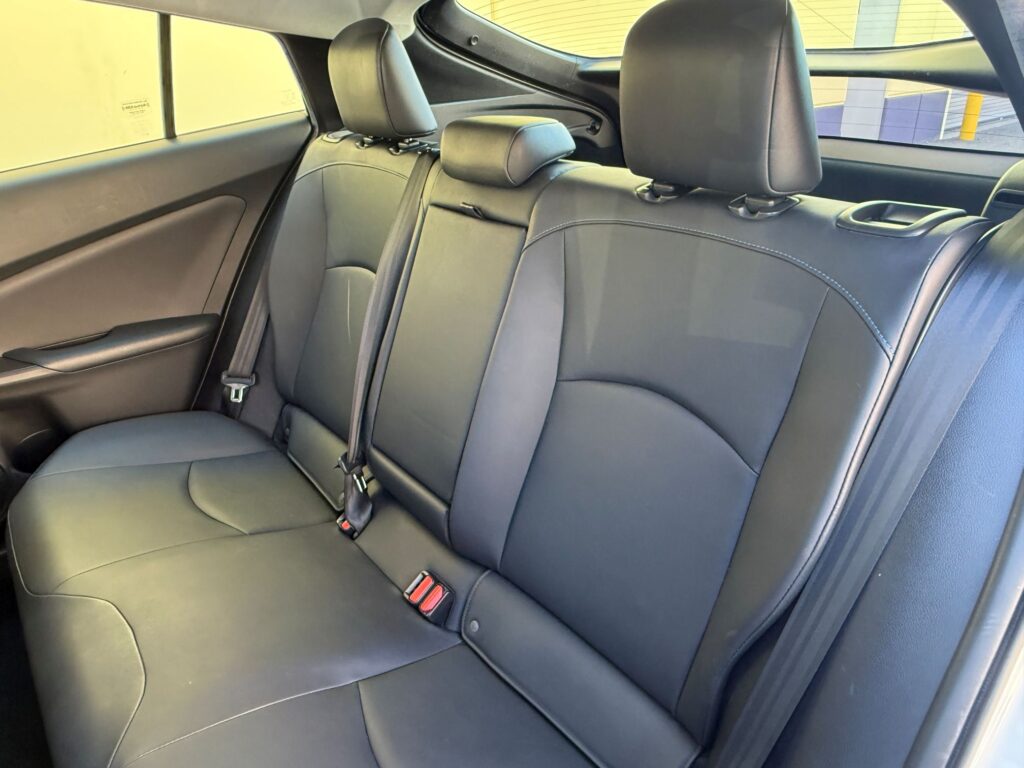
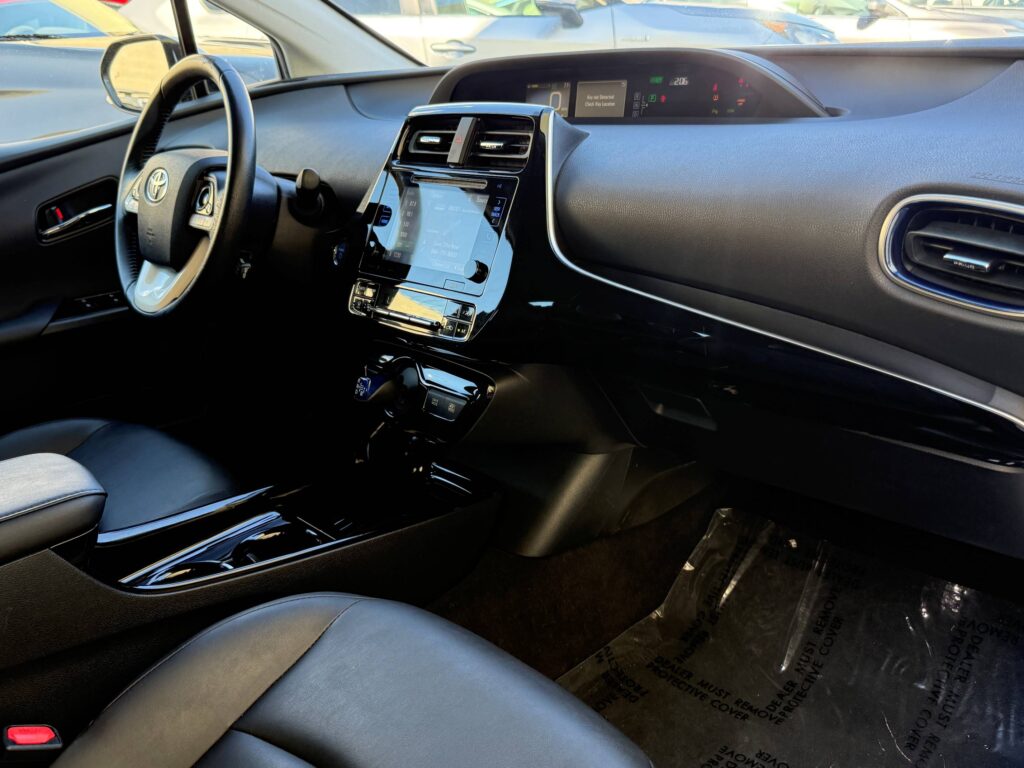
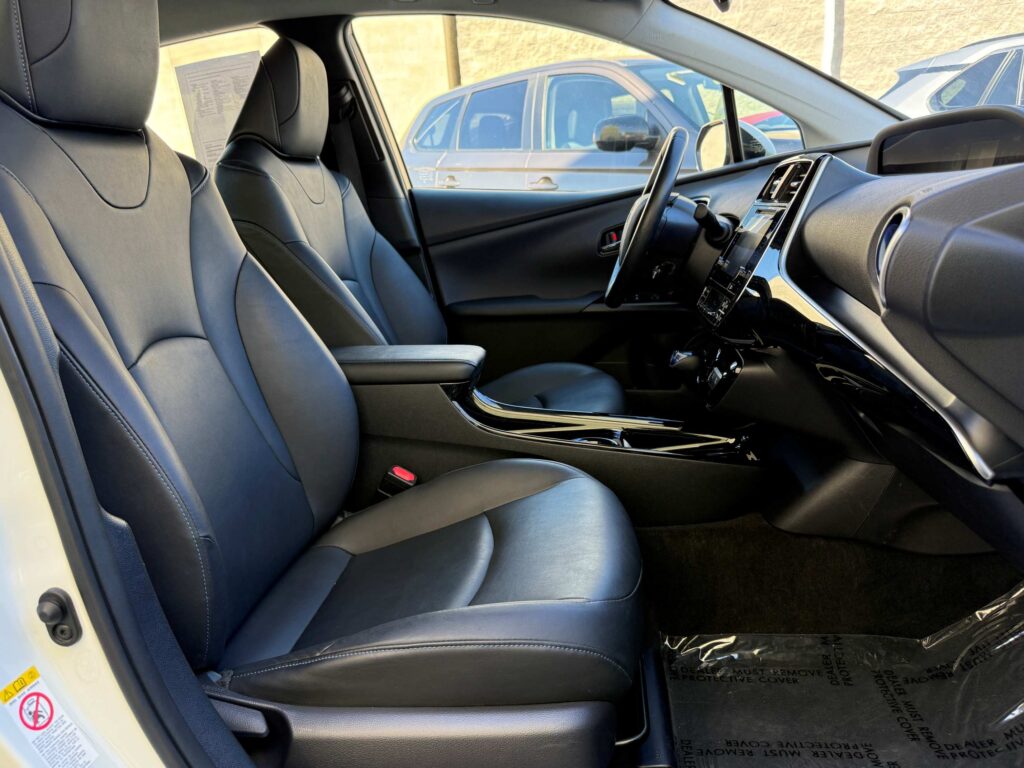
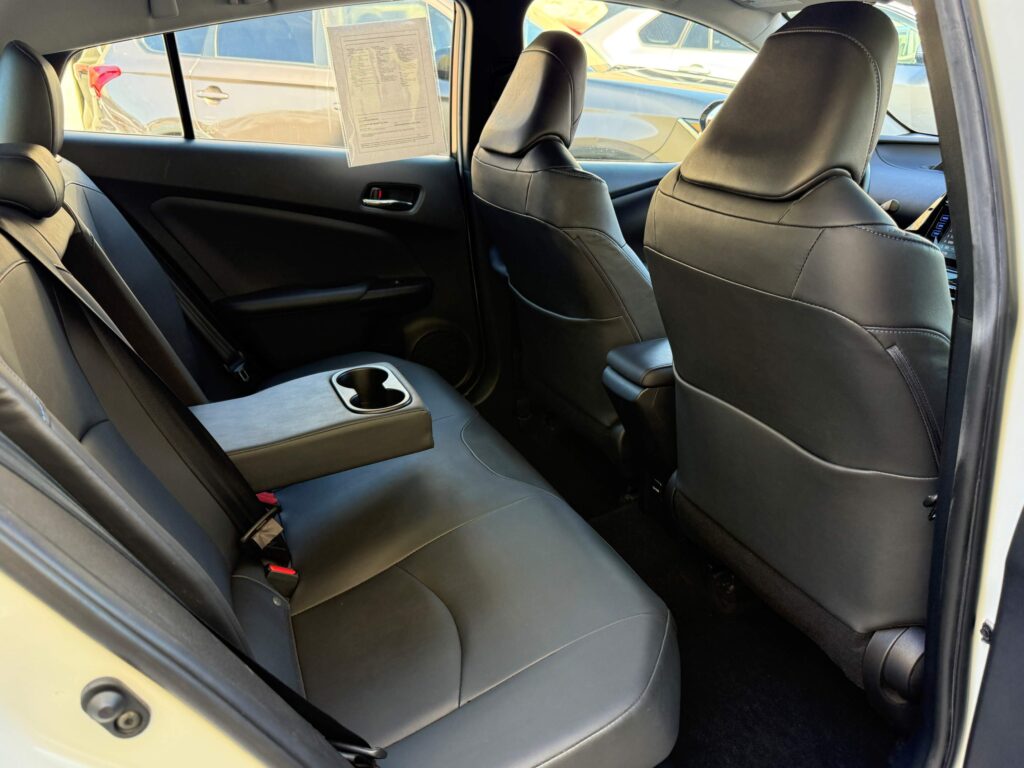
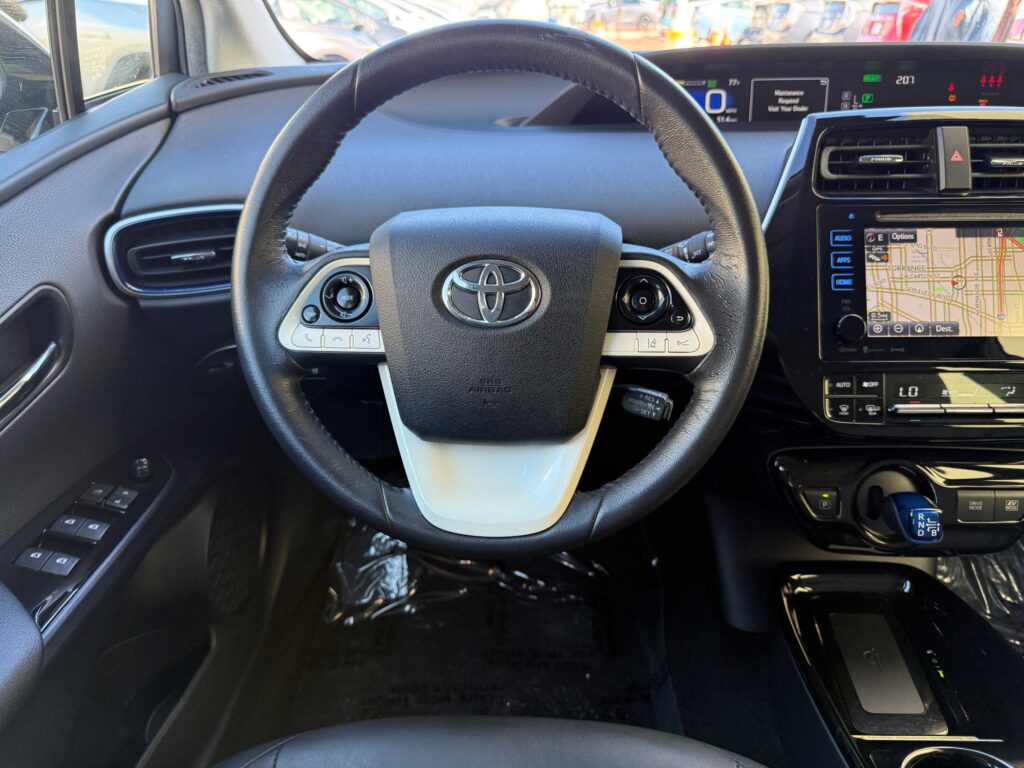
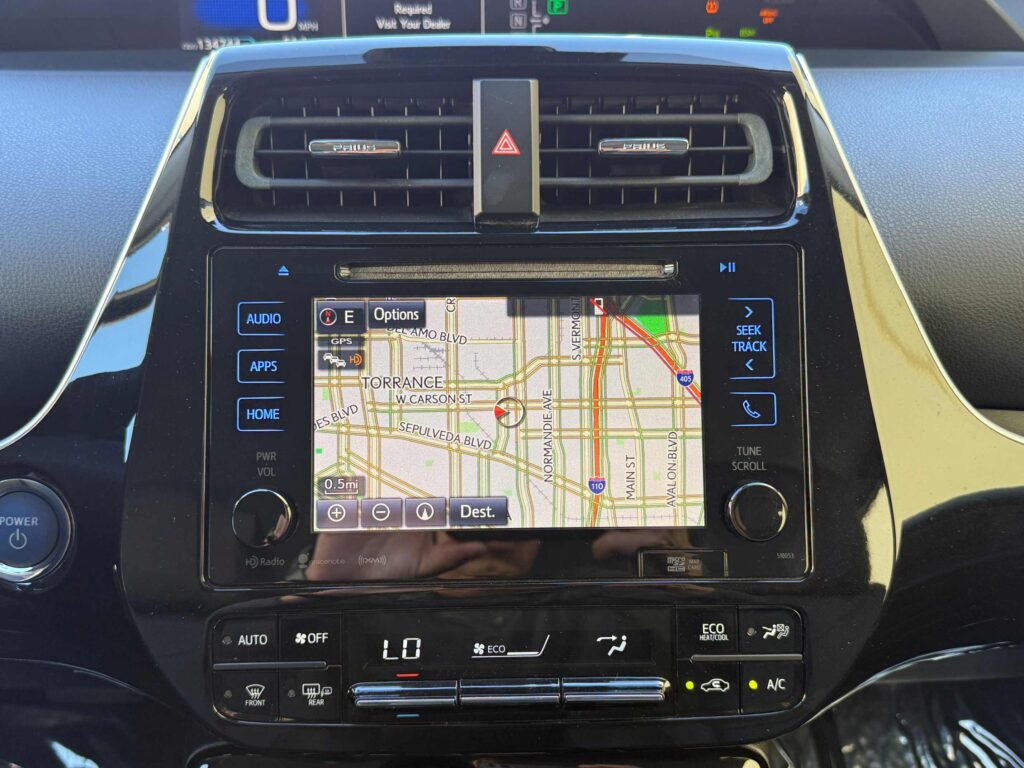
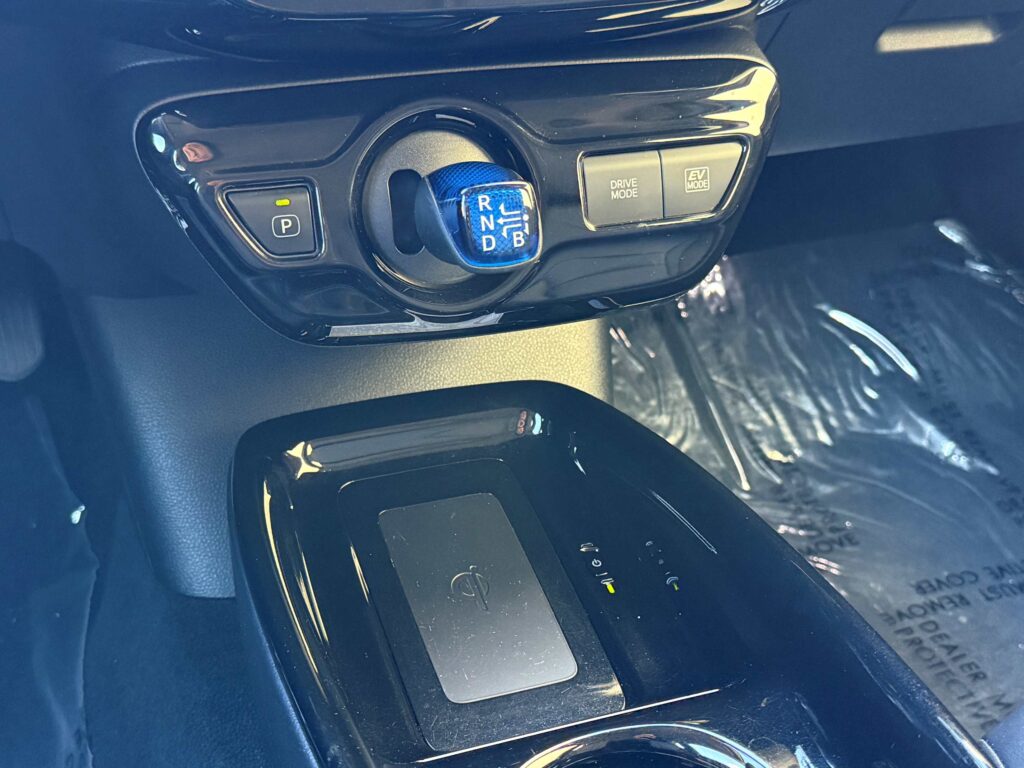
The Economical Choice: Hybrids Shine
On the other end of the spectrum, hybrids look much better.
Hybrids overall come in at about 66 cents per mile (66.07¢ to be exact), or roughly $9,910 a year at 15,000 miles.
Compared to a half-ton pickup, that’s about 60% of the cost.
That’s a meaningful gap over the life of the car.
Keep in mind that “hybrids” covers a wide range of vehicles from many automakers, so 66 cents reflects the average across all hybrids, not any one specific model.
One caveat worth flagging: in AAA’s data, small sedans (Civic, Corolla, Sentra) actually edge out hybrids on raw cost at 59.24¢/mile. Hybrids are a strong second — and once fuel-price swings come into play, they often pull ahead in the real world.
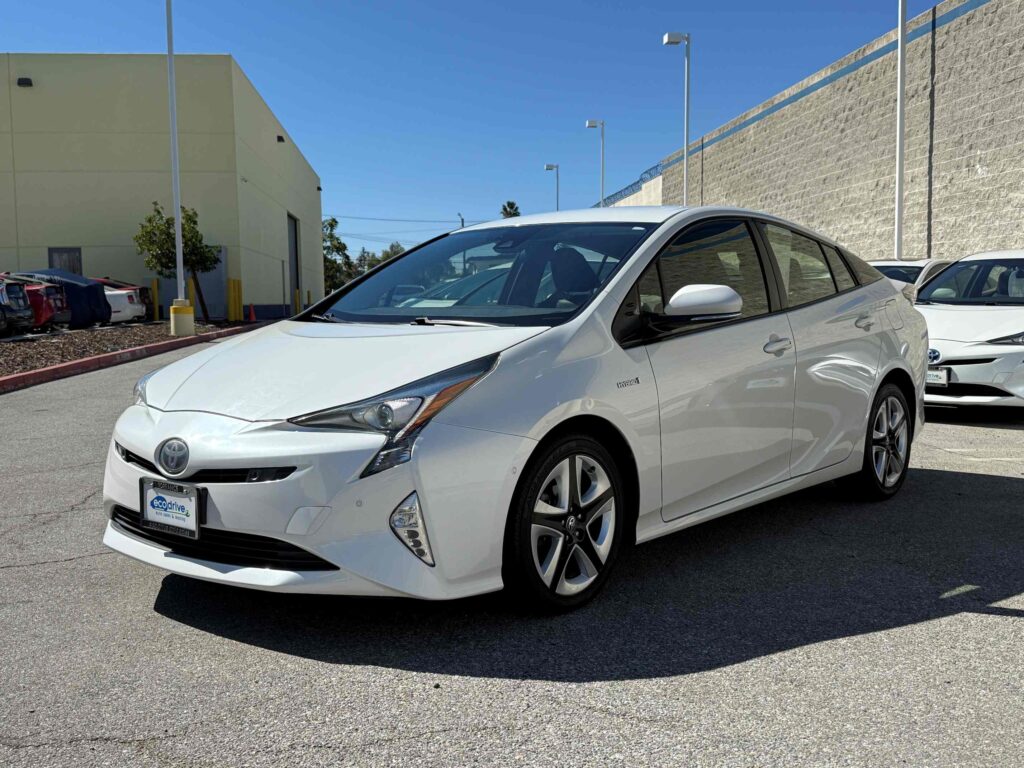
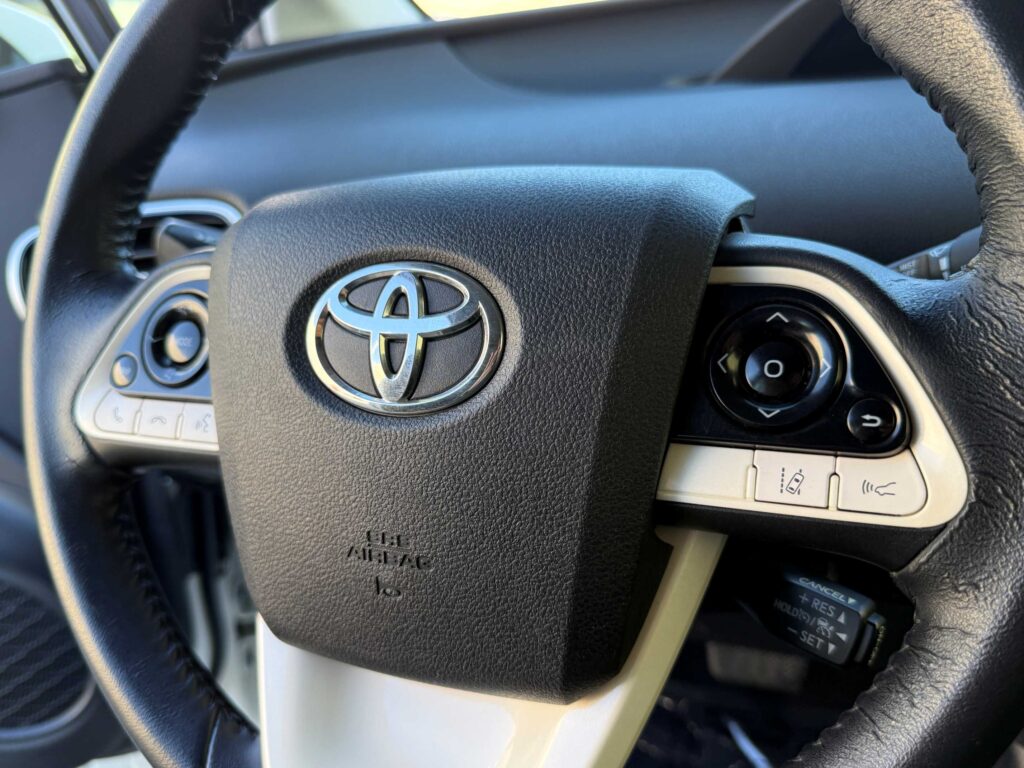
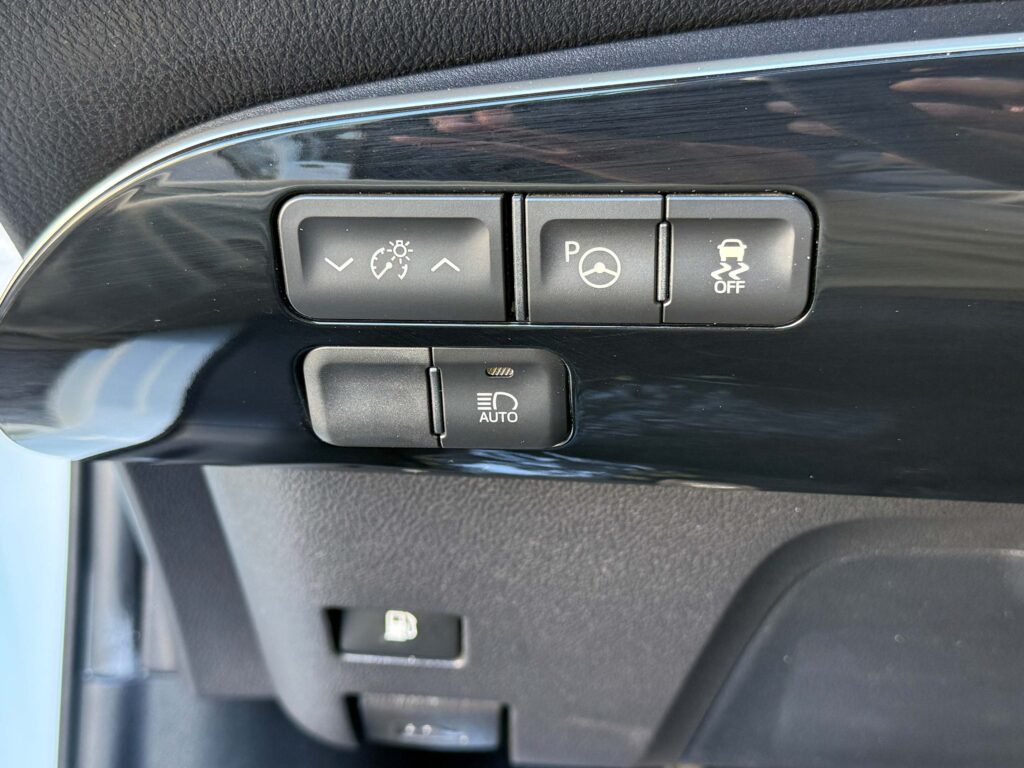
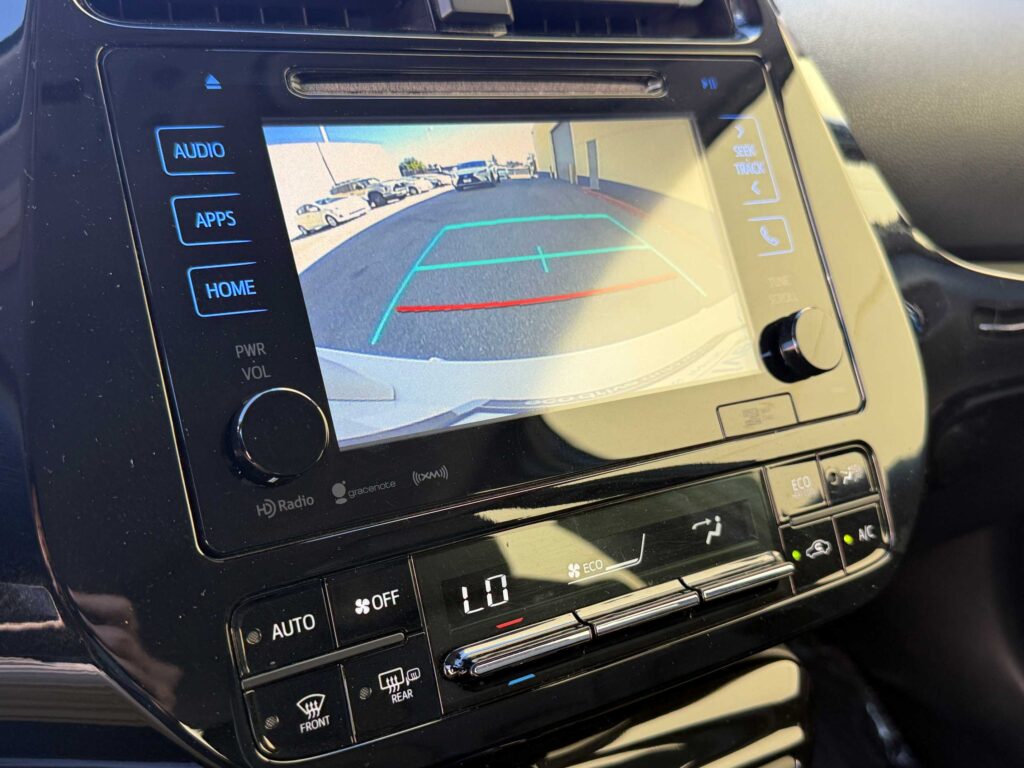
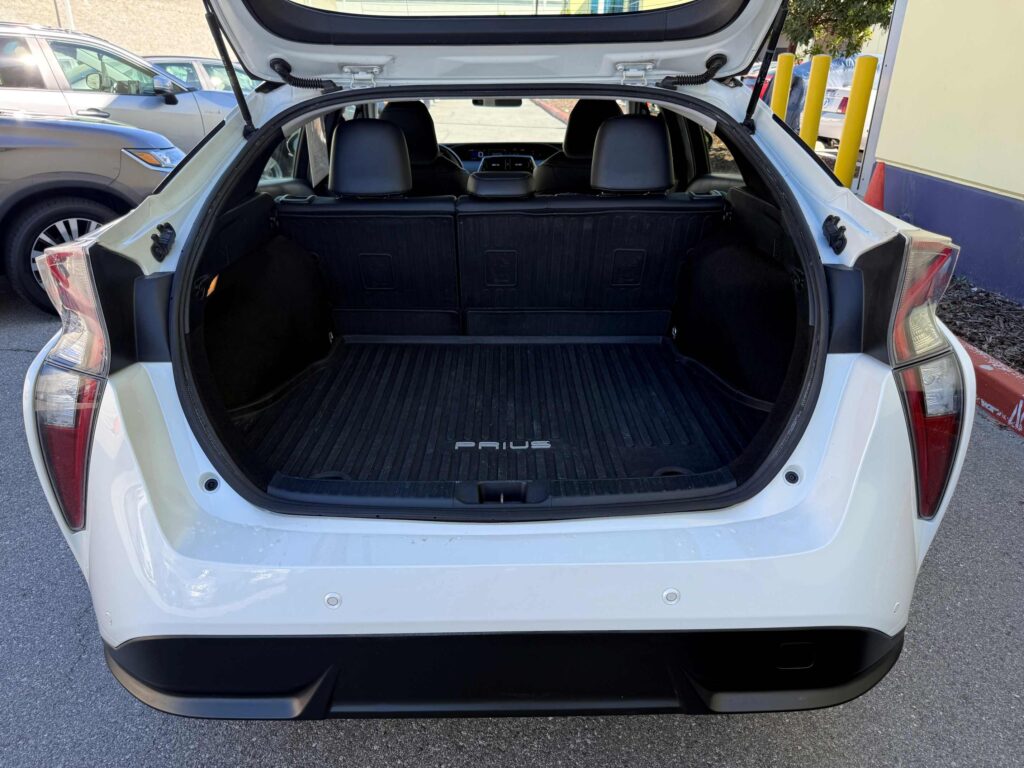
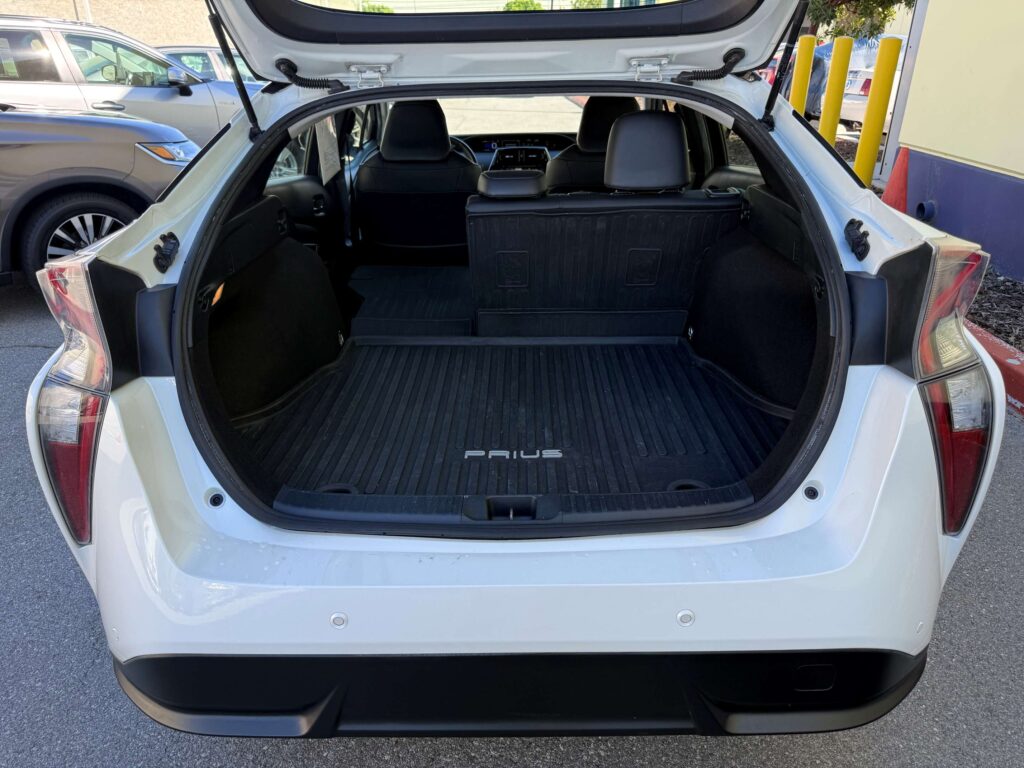
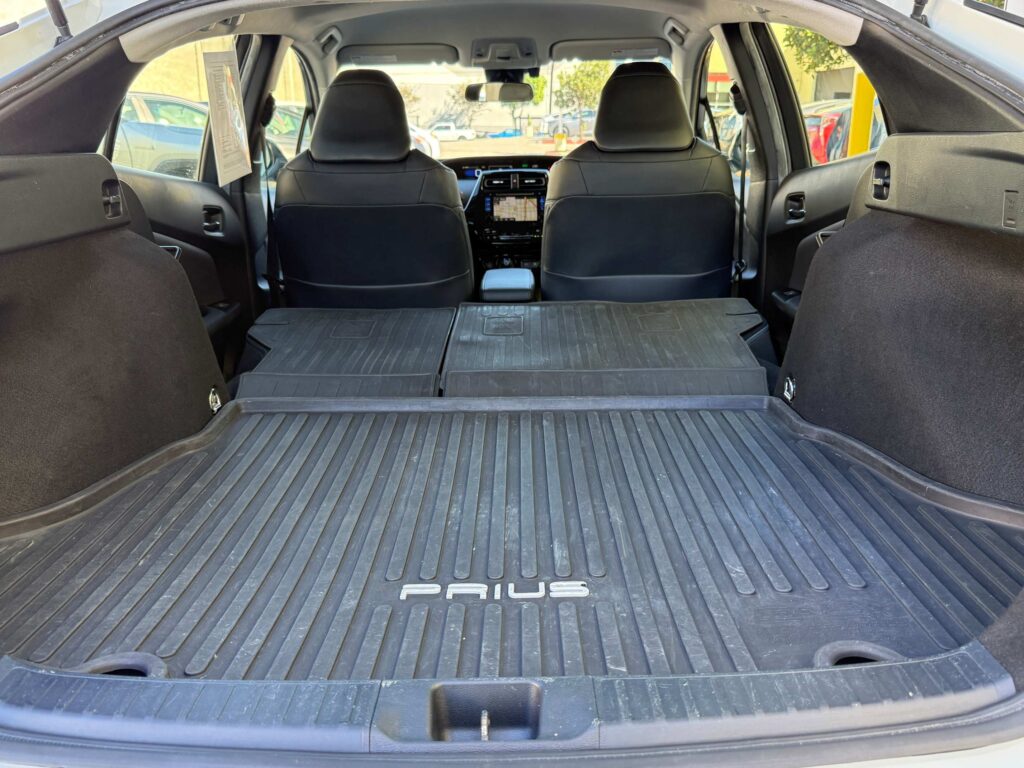
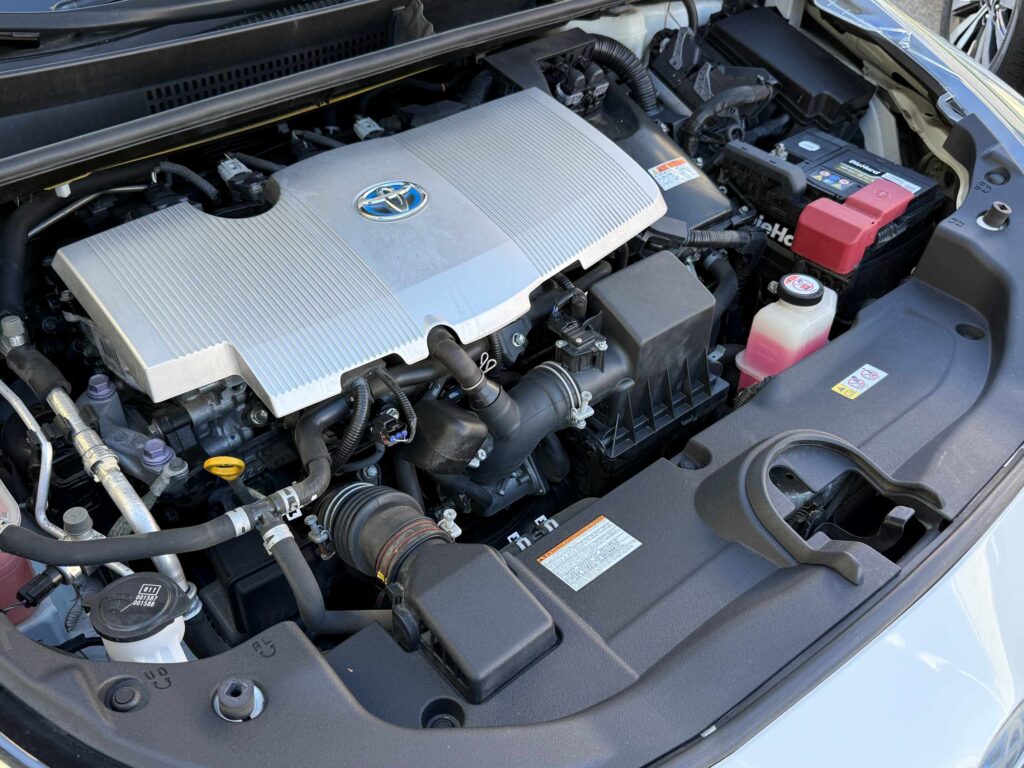
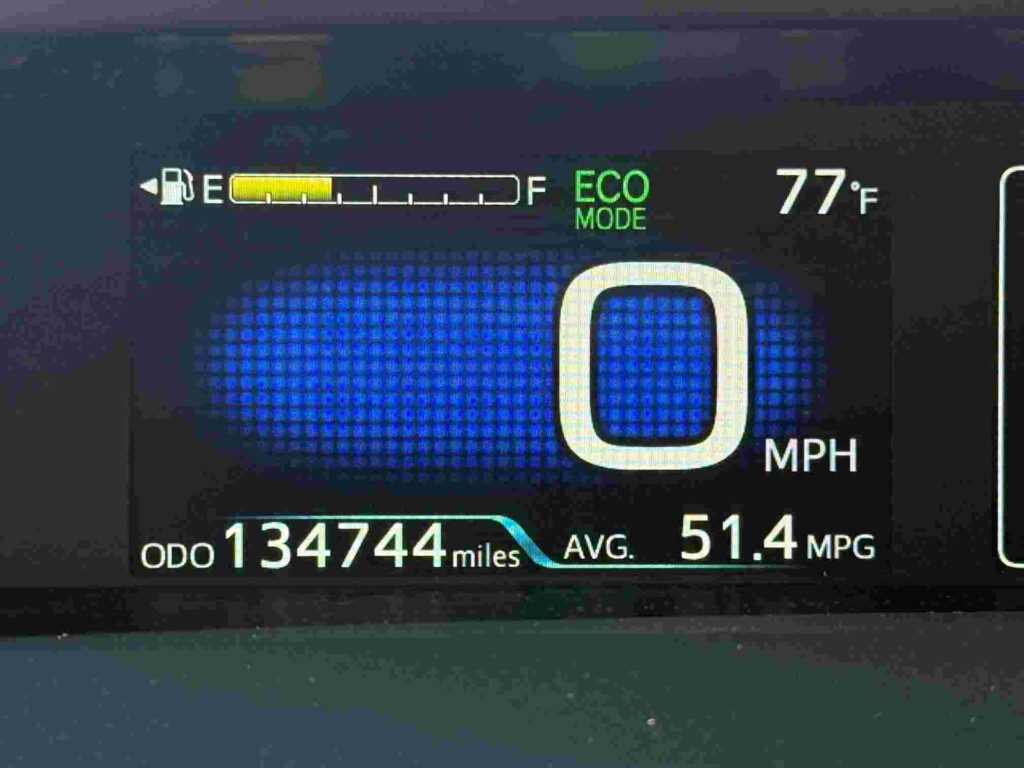
The Cost-Efficiency Champion: The Prius
AAA doesn’t publish data for individual models, so we turned to Edmunds for vehicle-level numbers.
According to Edmunds, the 2022 Prius came in at a remarkable 49 cents per mile.
That 49-cent figure is exceptional for per-mile cost — making the Prius one of the most cost-efficient vehicles you can buy.
What makes the Prius so cost-effective:
■ Low maintenance costs
The Prius is famously reliable, which keeps routine service bills low.
■ Cheap to repair
Compared to most other cars, repair costs stay low.
■ Excellent residual value
The Prius holds its value better than most cars, so depreciation hits you less.
■ Outstanding fuel economy
The biggest factor of all is low gas costs. The Prius can cut your fuel bill to less than half what a typical car burns through.
Add all of these factors together and the Prius lands at a cost to own few other cars can match.
Curious how a Prius really drives? Before you commit to buying, take one for a real-world spin. Our Hybrid Rental lets you put a Prius (or another hybrid) through your everyday routine — commute, errands, weekend road trip — and see the fuel-economy numbers for yourself.
Things to Watch If You Buy Used
One important caveat — that 49-cent figure is based on a five-year window from new.
For used vehicles, a few factors can push costs higher:
■ Repair costs climb with age
The biggest risk window kicks in around 10 years from the original purchase. The single largest concern is the hybrid battery replacement.
The hybrid battery degrades over time and will eventually need to be swapped.
Replacement typically runs around $3,000–$4,000, so it’s worth factoring this in when you shop used.
■ Smog check (emissions inspection)
Here in California, you’re required to complete a smog check (emissions inspection) every two years.
Cars within their first eight years from new are exempt, but after that an inspection is required.
The inspection itself usually runs around $50 to $100, but the cost of repairs when a car fails can run much higher.
Emissions-related repairs — like a failed catalytic converter or oxygen sensor — can get very expensive. A catalytic converter replacement alone can run $1,500 to $3,000+.
That’s why the cost to own a used vehicle tends to creep up compared to when it was new.
Shopping for a hybrid or used Prius? If the per-mile math makes sense to you, browse our current inventory. We focus on inspected, well-maintained hybrids — so the cost-to-own numbers actually hold up in real life.
Summary: How to Pick a Smart Car

To recap the cost-to-own ranking we covered today:
Higher ownership cost:
– #1 Half-ton pickup truck — about $1.10 per mile
– #2 Electric vehicle — about 84.69 cents per mile (essentially tied with medium SUVs and mid-size pickups)
More economical:
– Hybrids overall — about 66 cents per mile
– Prius — about 49 cents per mile (best in class)
The cost of owning a car in the U.S. varies a lot depending on what you drive.
Compared to an average cost to own of about 82 cents, the Prius at 49 cents really stands out. The yearly difference can easily reach a few thousand dollars, so thinking long-term when shopping for a car pays off.
Hopefully the surprise around EV ownership costs — and how strong hybrids and the Prius look on paper — gives you something useful when you’re shopping for your next car.
You May Also Like