How to Sell Your Car in Los Angeles: Methods, DMV & Top 10 Buyers
This article walks you through the key points you need to know when selling a car in the Los Angeles area.
We cover everything from California’s unique procedures and paperwork to the different ways you can sell, plus our picks for the top buyers in town — so even first-time sellers can feel confident throughout the process.
Selling your car is a major financial transaction.
“Tips to get top dollar and part with your car smoothly” — knowing these can help you walk away with no regrets.
Also check out our full How to Buy a Used Car in Los Angeles Guide.
Table of Contents
- Overview of Ways to Sell a Car in Los Angeles
- The Basic Selling Process
- Pros and Cons of Each Selling Method
- Required Documents and DMV Procedures
- Taxes and Fees When Selling
- Tips for Getting Top Dollar
- How to Avoid Trouble
- 10 Recommended Car Buyers in Los Angeles
- One More Local Option: EcoDrive Auto Sales
- Wrap-Up
Overview of Ways to Sell a Car in Los Angeles
Los Angeles is one of the most car-dependent regions in the entire United States, and in much of the city getting around without a car is a real hassle.
That keeps demand for used cars consistently strong, making LA a relatively opportunity-rich market for anyone looking to sell.
On the flip side, California has its own tricky requirements that differ from other states, including the Smog Check (emissions test) and specific rules around title transfers.
And with multiple options on the table — trading in at a dealership, selling privately, or going through a dedicated buyer — a lot of sellers tell us they’re not sure which route to choose.
This article starts with the characteristics of each selling method, then walks through the selling process and the documents you’ll need.
From there, we dig into what’s probably your biggest question: “how to sell for the highest price.”
At the end, we share a list of recommended buyers in Los Angeles. Find the approach that best fits your situation and goals.
The Basic Selling Process
Here’s a general overview of the steps involved in selling your car.
No matter which selling method you pick, the basic process is pretty much the same.
- [Research the Market]
Start by checking Kelley Blue Book (KBB), Edmunds, or similar online valuation tools to get a sense of “the ballpark market value” for your vehicle. Knowing your car’s market value before walking into a dealership or buyer is critical. - [Prep the Car and Your Paperwork]
Before selling, wash the car and clean the interior so it “looks its best.” If a Smog Check is required, get it done in advance and hold onto the certificate. Also gather up documents like the Certificate of Title, registration, and any service records you’ve kept. - [Get Appraisals or List the Car]
If you’re taking the car to a dealership or buyer, bring it in for an in-person appraisal. For private sales, post listings on Craigslist, Facebook Marketplace, or local community boards to find buyers. - [Negotiate and Compare Offers]
Get multiple appraisals, or if you’re selling privately, field offers from several interested buyers and compare them. The key is picking the highest offer — or the buyer who’s easiest to work with. - [Contract and Title Transfer]
Once you’ve agreed on price and delivery terms, exchange the necessary paperwork and close the sale. For a private sale, fill in the required fields on the title and submit a notice of transfer to the DMV. The buyer then handles the title change registration at the DMV. With dealerships and buyers, they’ll typically take care of the title transfer for you, but it’s still a good idea to file the Notice of Transfer and Release of Liability (NRL) online yourself for peace of mind. - [Receive Payment]
Finally, collect the agreed-upon amount and hand over the vehicle. Depending on the buyer, payment may come via bank wire transfer or cashier’s check.
As long as you don’t stray too far from these steps, the selling process itself tends to go pretty smoothly.
Private sales take more legwork, but they come with the upside of letting you set your own price.
Below, we dive into the three main options — dealer trade-in, private sale, and dedicated buyer services — along with their pros and cons.
Pros and Cons of Each Selling Method
1. Trade In at a Dealership
When you’re buying a new or different used car, you can have the dealership take your current vehicle as a trade-in.
Los Angeles has no shortage of dealerships — from major brands like Toyota, Honda, and Ford to luxury marques and independent lots.
- Pros:
- One-stop shop — everything gets handled in one place. You offload your old car at the same time you buy the new one, which is easy and efficient.
- Minimal hassle, and the deal often wraps up the same day.
- Cons:
- Trade-in values tend to run on the lower side, since the dealer builds in their own margin.
- Without knowing market value, it’s hard to tell whether you’re actually getting a fair deal.
2. Private Sale
This means selling directly to another individual using platforms like Craigslist, Facebook Marketplace, or local community sites.
You can potentially get the highest price, but this route also demands the most effort and carries the most risk.
- Pros:
- Often sells for more than what a dealer or buyer would offer.
- No advertising fees or middleman margins. Popular models can fetch surprisingly high prices.
- Cons:
- You have to handle finding buyers, negotiating price, and managing test drives yourself.
- If the buyer doesn’t properly transfer the title, you could run into trouble.
- You need to know how to manage risks like scams or non-payment. Understanding how to handle transactions safely is essential.
3. Sell to a Dedicated Buyer
This option involves using companies that specialize in buying used cars, or online services that handle the appraisal and pickup end-to-end.
In the Los Angeles area, you’ll find major players like CarMax and AutoNation, along with plenty of smaller regional buyers.
- Pros:
- Appraisal values tend to come in higher than at a dealership.
- The process is simple, and everything from appraisal to payment moves quickly.
- Cons:
- You probably won’t get the same “premium” price you might from a private sale.
- Payment usually comes via cashier’s check or wire transfer, so you won’t have cash in hand immediately.
- Appraisal quotes often have short expiration windows (one week is typical).
Every method has its trade-offs.
If your mindset is “I just want to unload it fast” or “I want minimal hassle,” a dealer trade-in or a buyer service is a good fit. If you’re thinking “I’ll put in the extra time and effort to get more money,” a private sale is the way to go.
And if you’re pressed for time — say you’re relocating — going with a dedicated buyer that can “guarantee the sale” brings peace of mind.
Getting multiple quotes? If you’re shortlisting local LA buyers, EcoDrive Auto Sales is worth adding to your comparison. We handle the Smog Check, title transfer, and DMV paperwork on your behalf, and we’ll give you a no-obligation quote you can stack against other offers. Request a free appraisal.
Required Documents and DMV Procedures
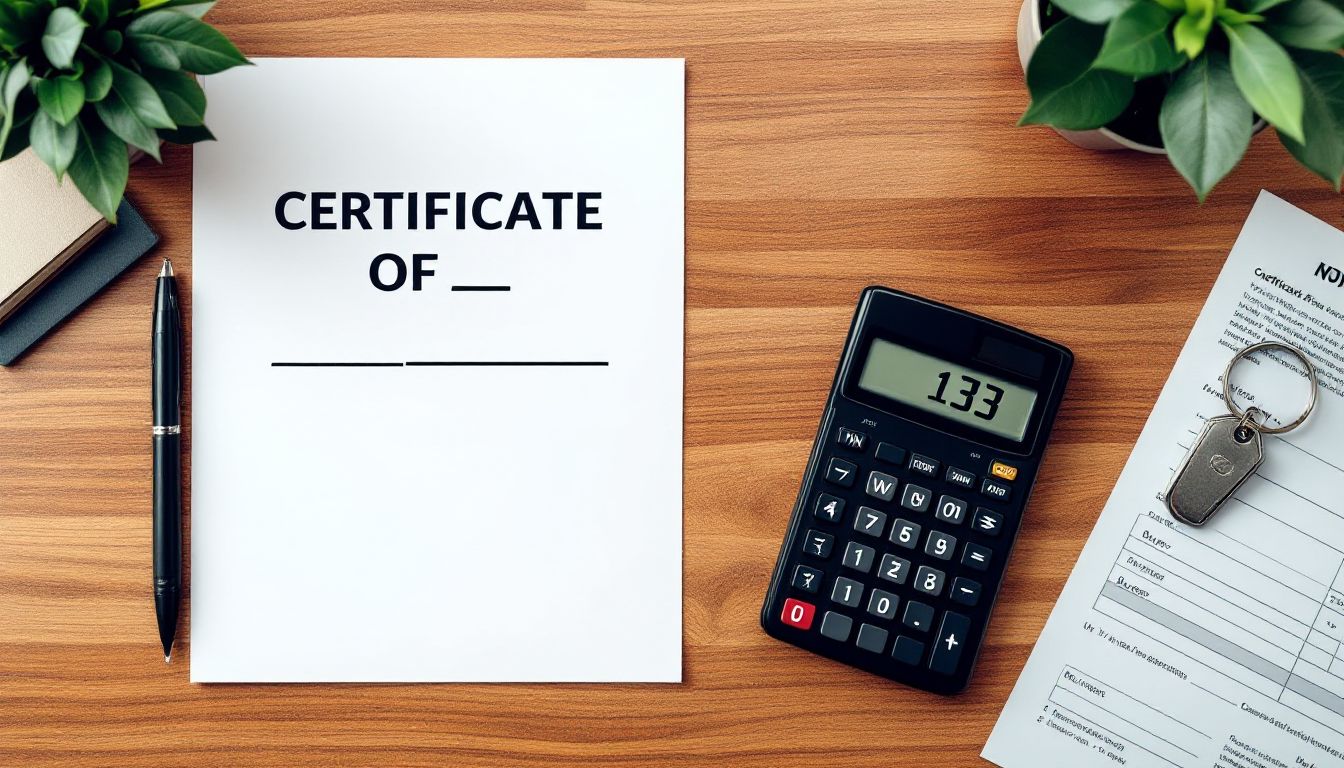
Next, let’s take a closer look at the actual procedures and required documents.
When selling a car in California (including Los Angeles), there are certain documents and procedures you’ll need to handle. Here are the main ones.
1. Certificate of Title (the “Pink Slip”)
The Certificate of Title is the most important document proving you own the vehicle, and it’s absolutely required when selling.
On the back of the title you’ll find a transfer section where you fill in the date, buyer info, and odometer reading at the time of sale.
Any mistakes when filling it out can get the title rejected by the DMV, forcing you to request a reissue — so be careful.
If you still have a loan on the vehicle, the lender is often holding your title, so you’ll need to sort things out with them first.
Some buyers will handle the payoff (paying off the loan) on your behalf.
2. Registration
This document shows that your vehicle’s registration is currently active.
When you pay your annual vehicle registration fee, you receive a registration card along with the sticker for your license plate.
Cars with expired registration are tough to sell, so if yours has lapsed, you’ll need to renew it before listing.
3. Smog Certificate
In California, most gasoline-powered vehicles require a Smog Check (emissions test) before the title can be transferred, with the certificate handed over to the buyer.
That said, there are some exceptions:
- Vehicles that are 8 model years old or newer (relatively new cars)
- Hybrid vehicles, electric vehicles, and classic cars from 1975 or earlier
Vehicles like these may be exempt from the Smog Check at the time of sale.
Some buyers and dealerships will also handle the Smog Check on the seller’s behalf, so it’s worth asking ahead of time.
The certificate is valid for 90 days, so if too much time has passed since the test, you may need to get retested.
4. Bill of Sale and Release of Liability
The Bill of Sale is a sales contract that lists the seller’s and buyer’s info, sale price, date, and vehicle details.
Also, if you don’t file the Notice of Transfer and Release of Liability (NRL) with the DMV, you could be on the hook for any traffic violations or accidents that occur after the sale.
The NRL can be filed online within 5 days of the sale.
5. ID (Driver’s License, etc.)
Required to verify you’re the actual seller.
Have your driver’s license or state ID ready to go.
That wraps up the basic document list.
For private sales, you’ll also need to fill out an Odometer Disclosure, accurately reporting the vehicle’s mileage.
In the next section, we’ll cover the taxes and fees that might come into play during the sale.
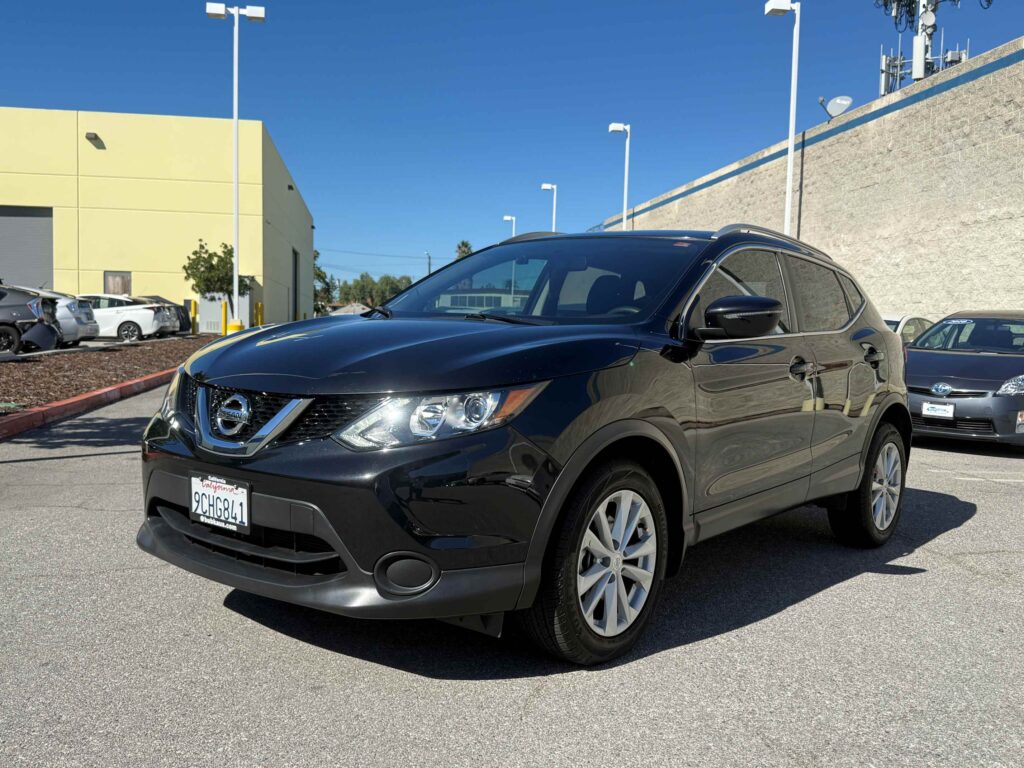
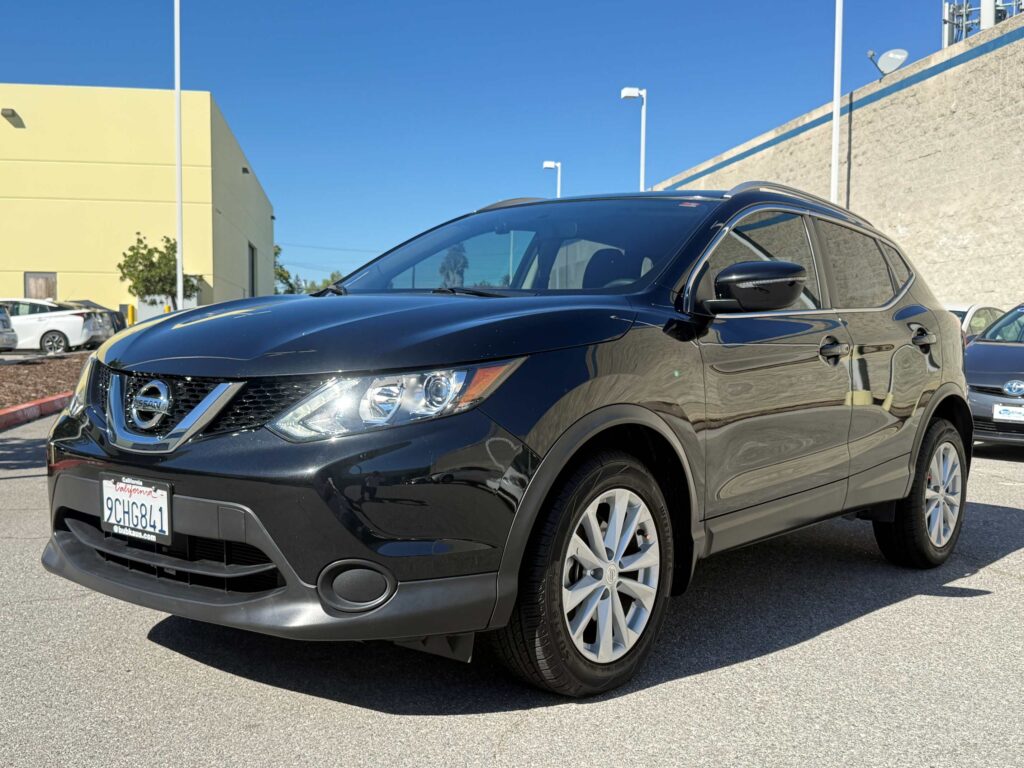
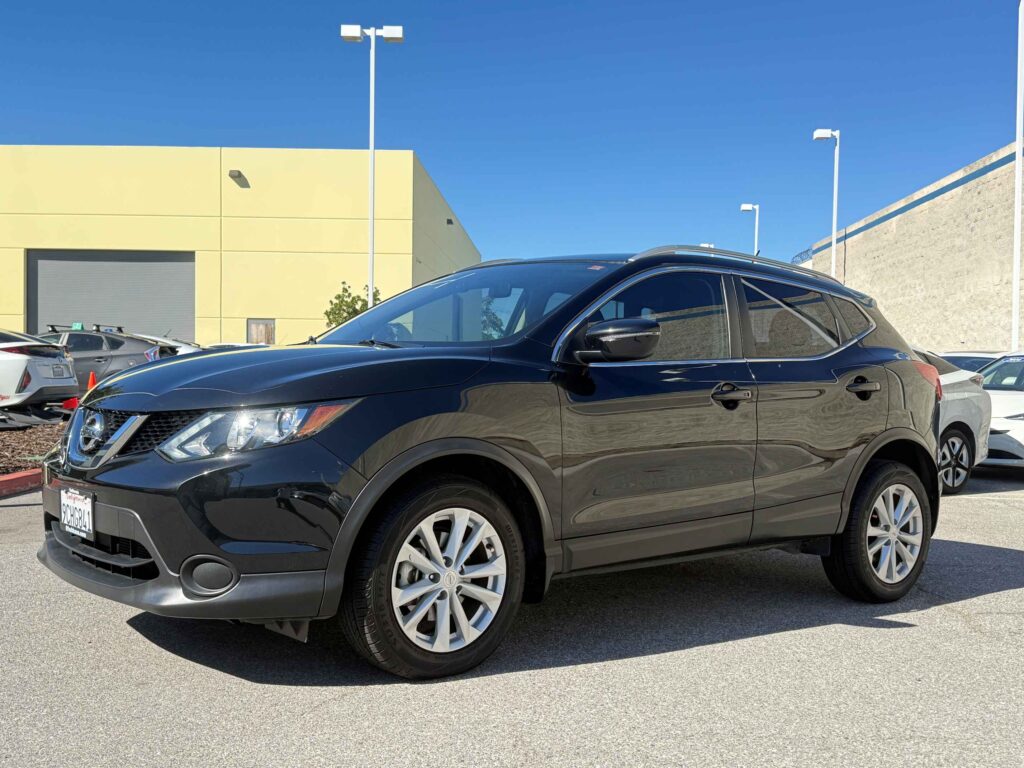
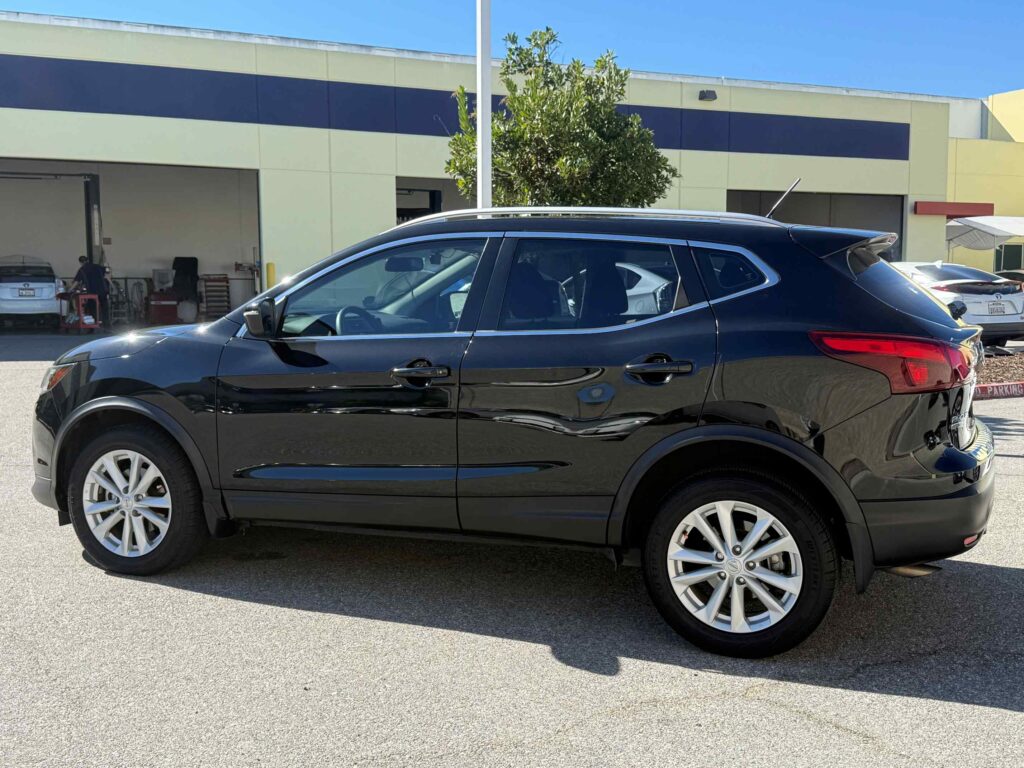
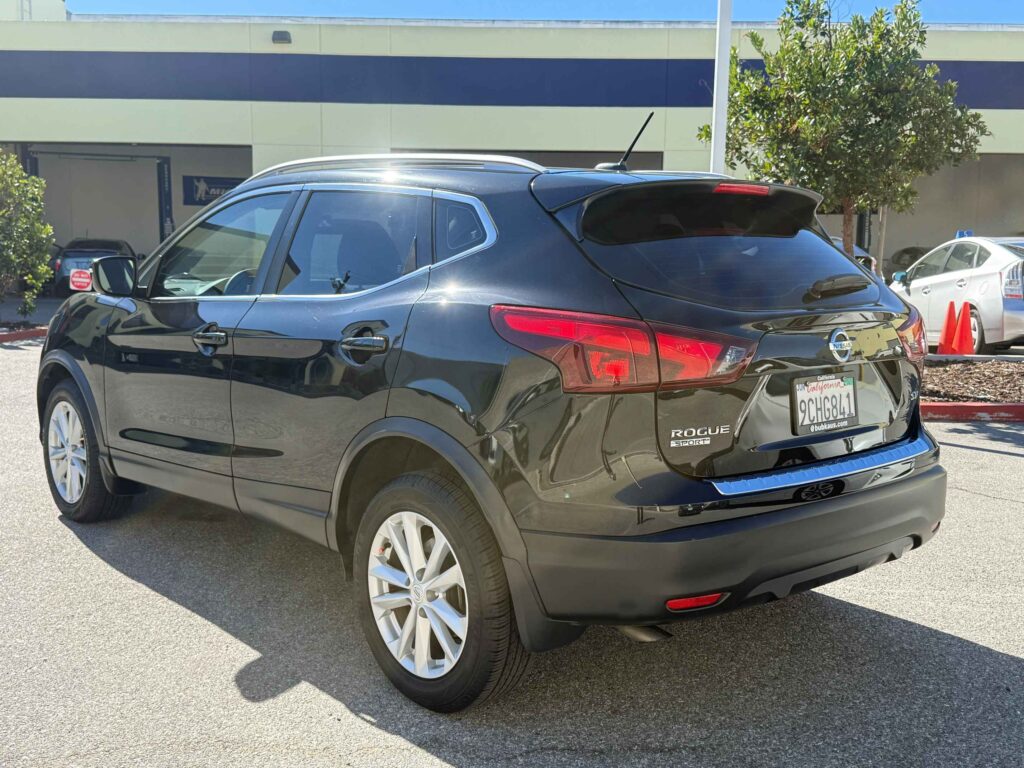
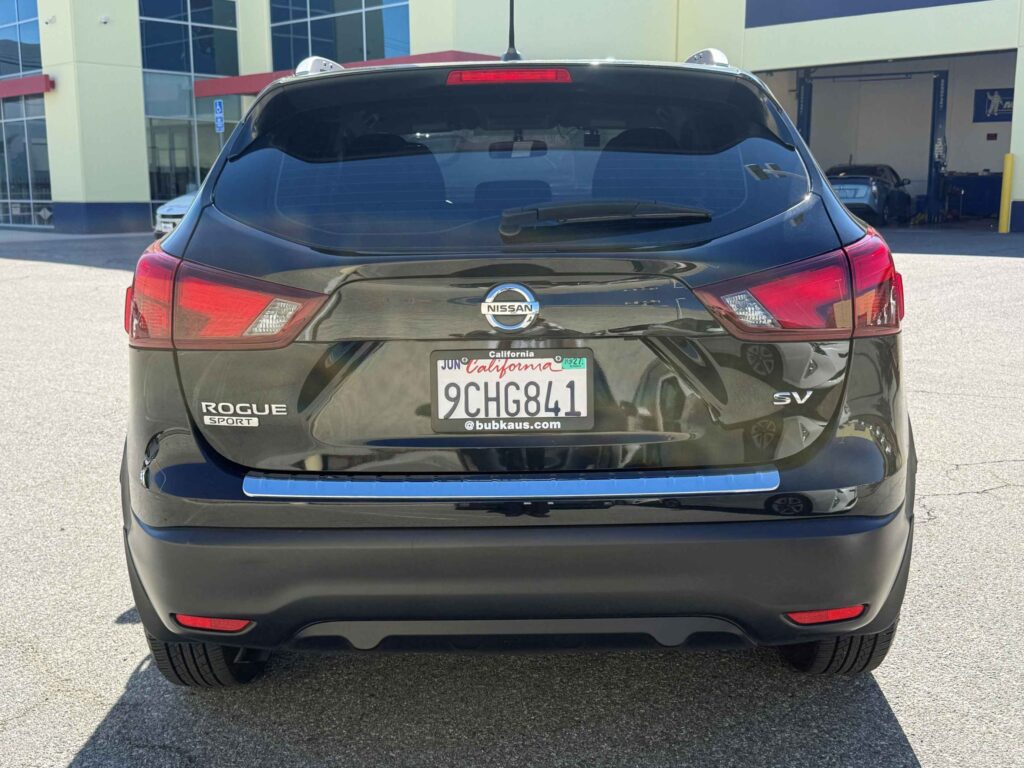
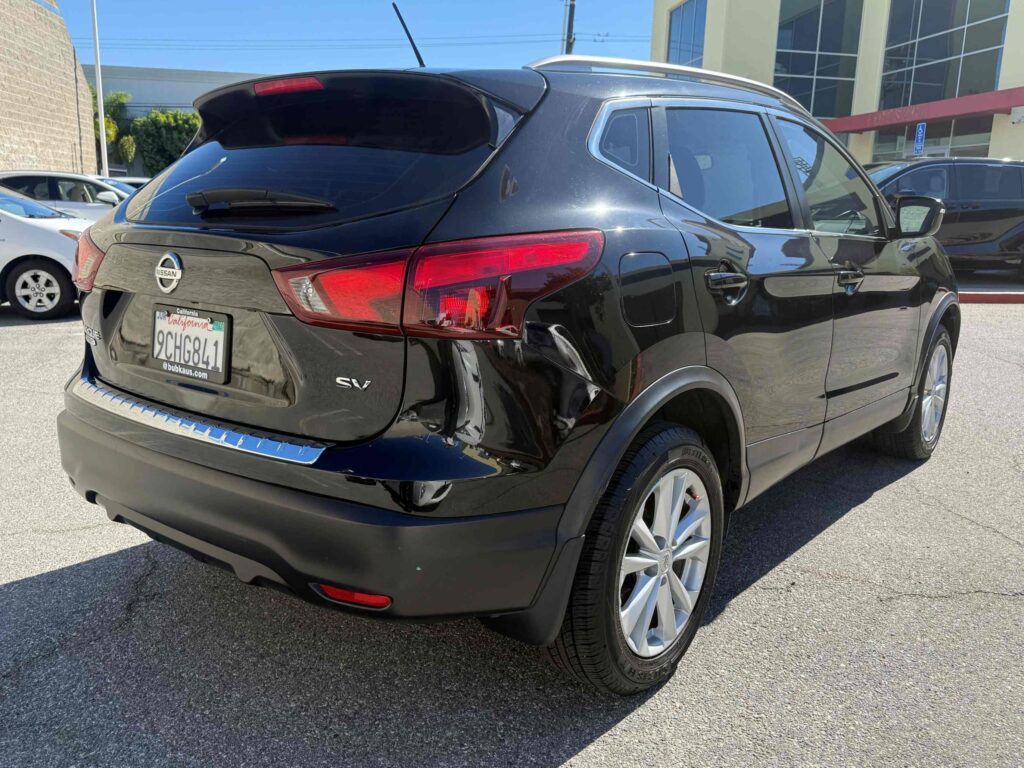
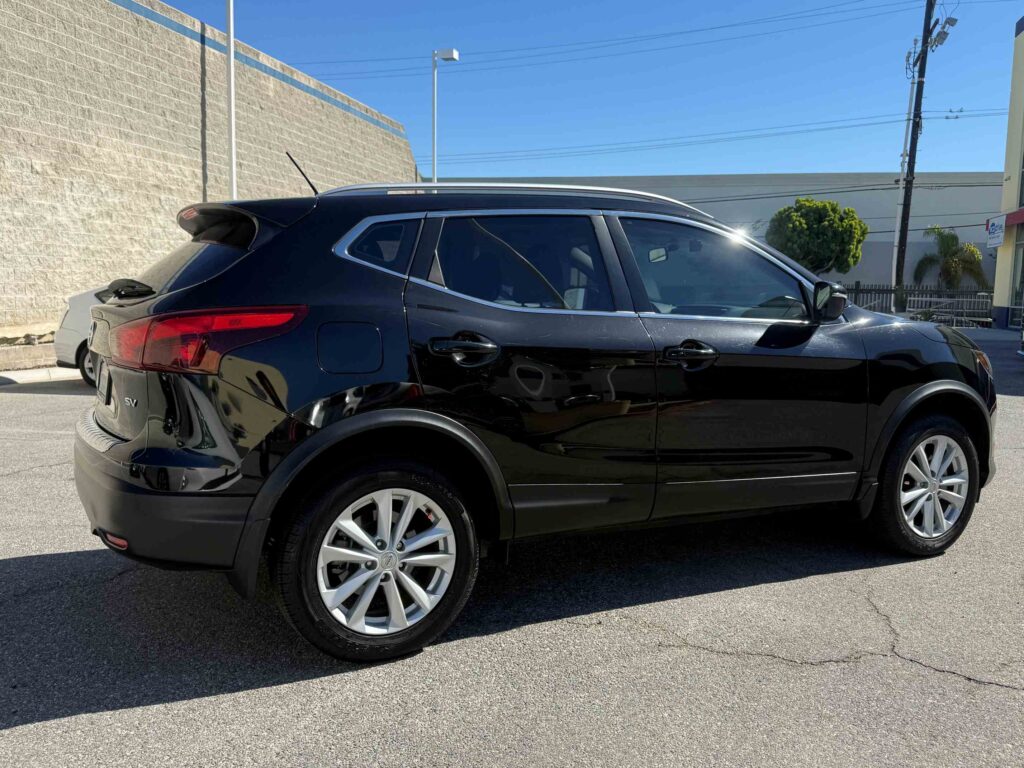
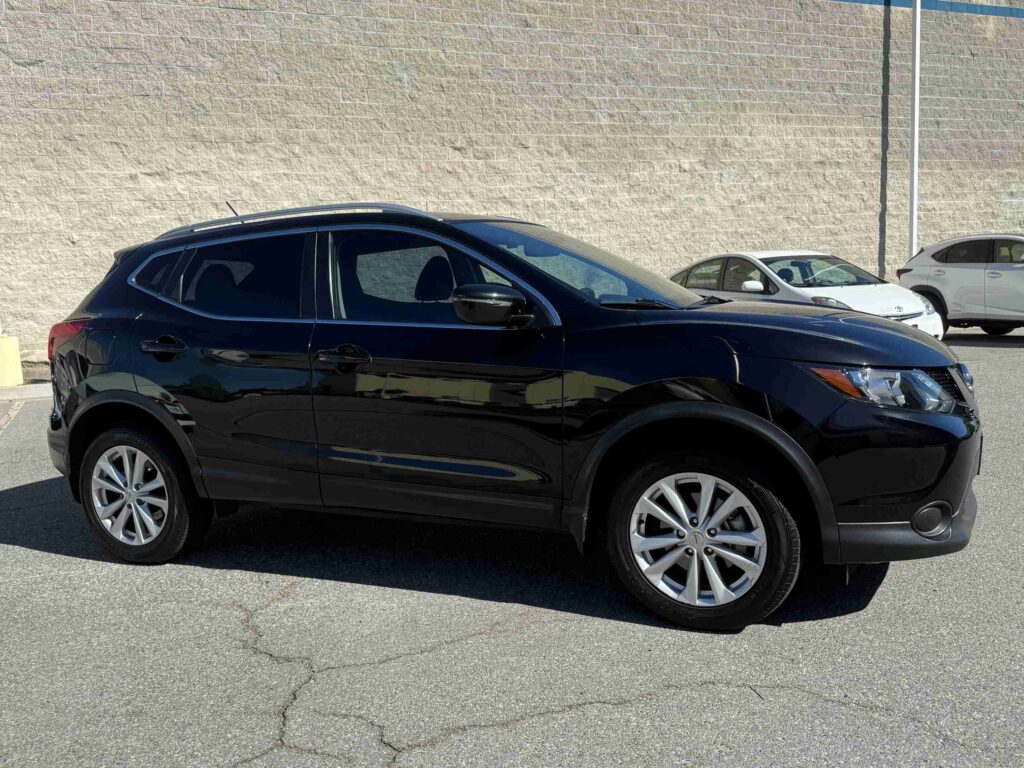
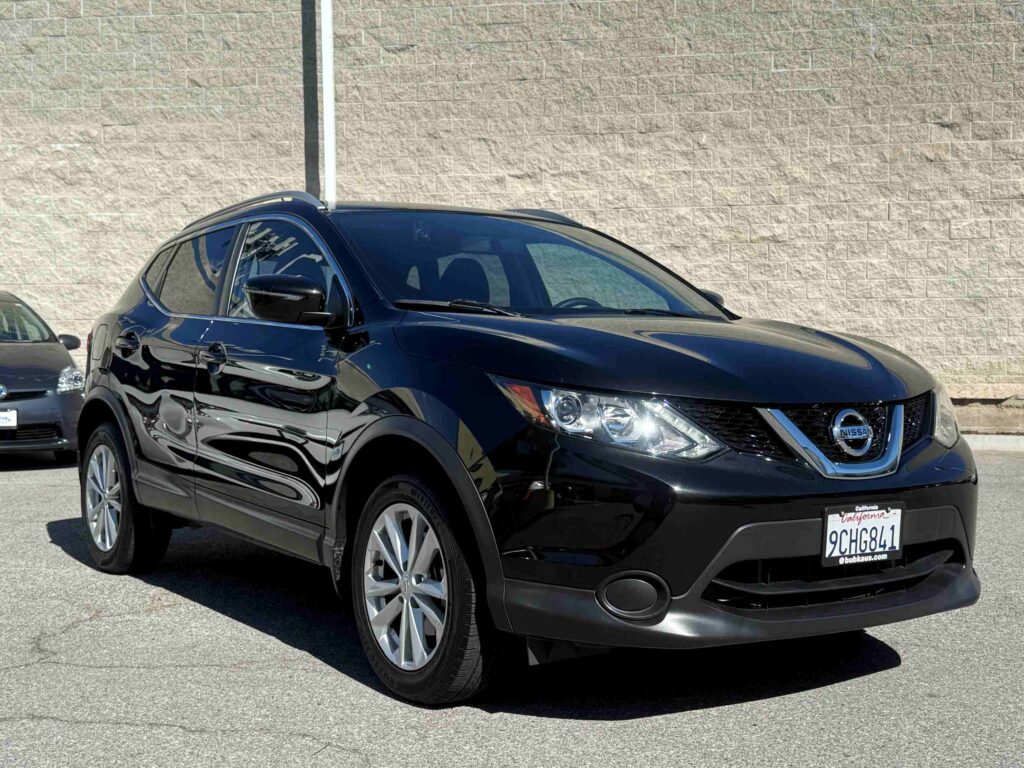
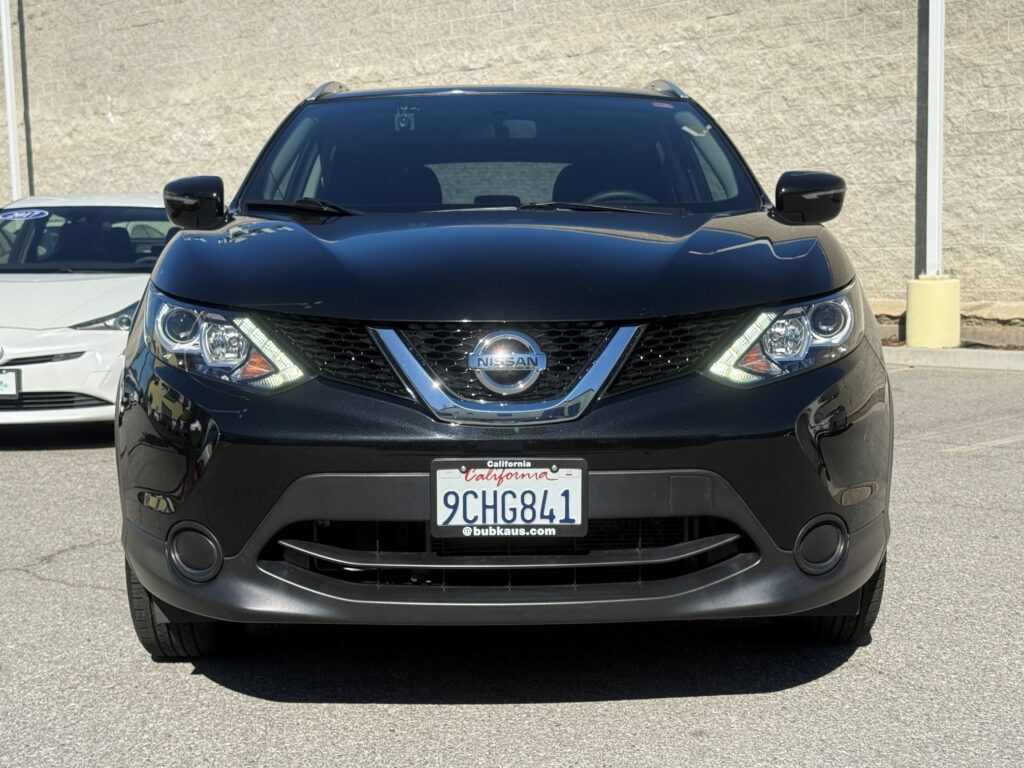
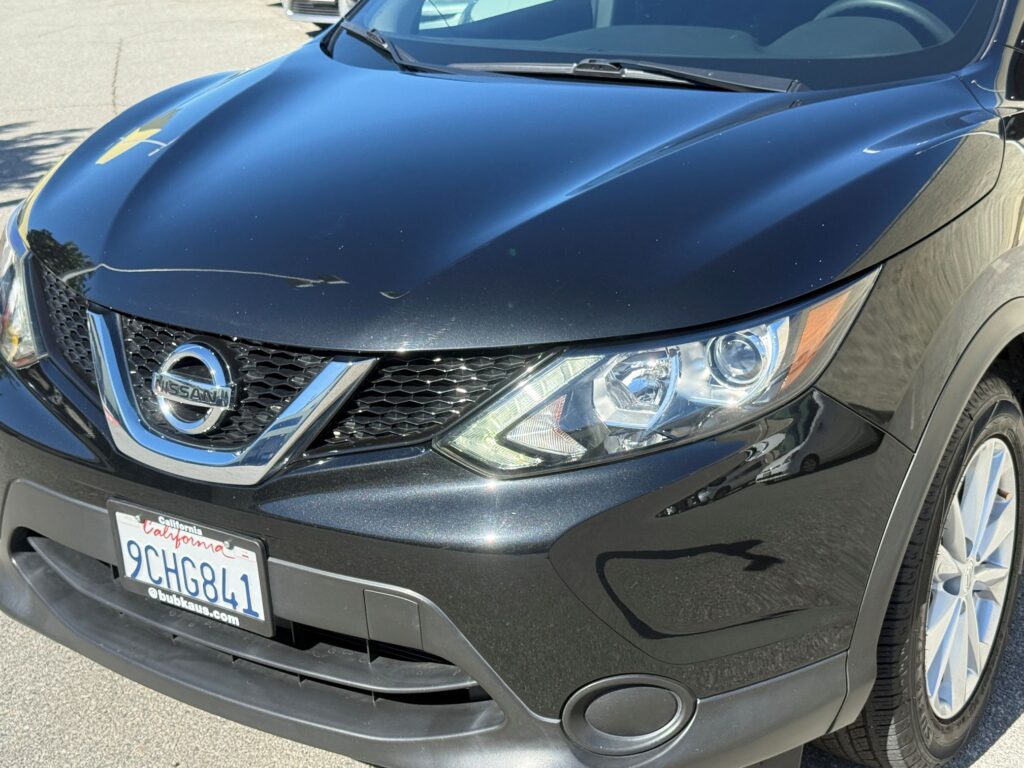
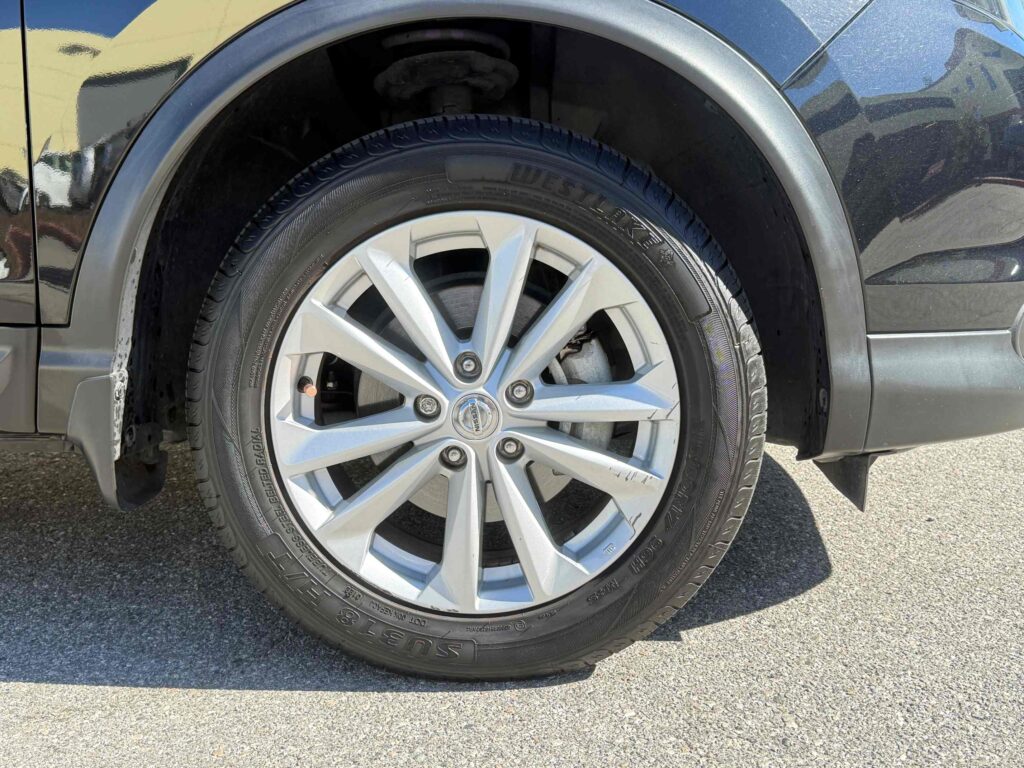
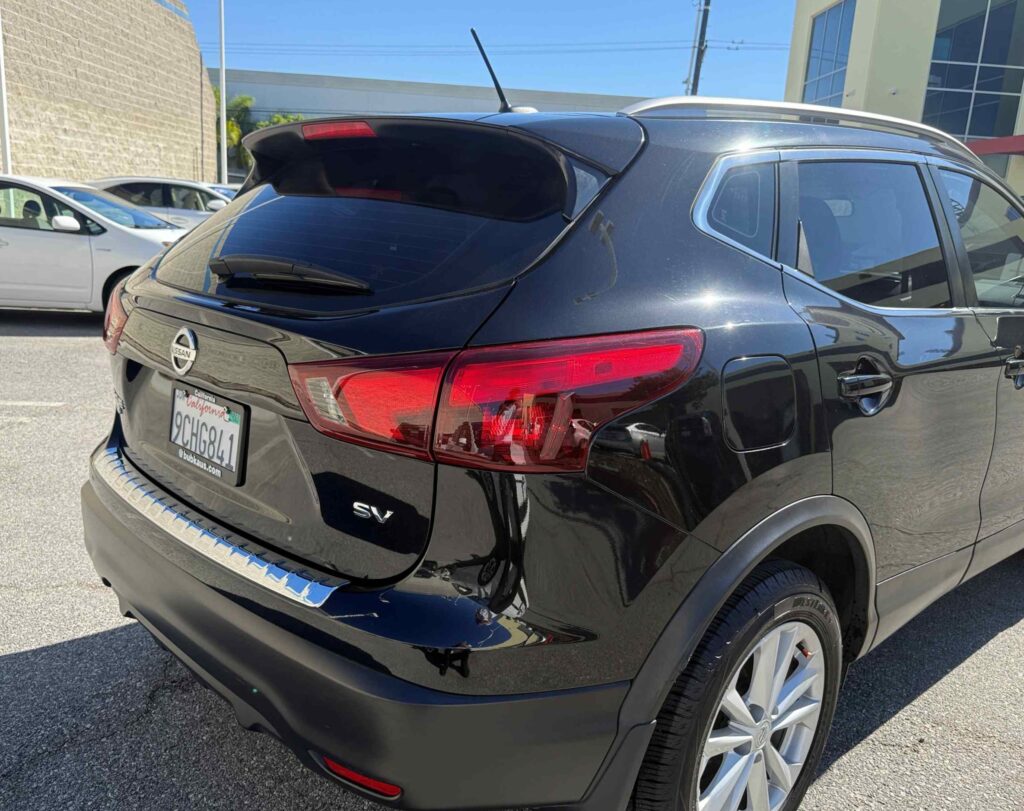
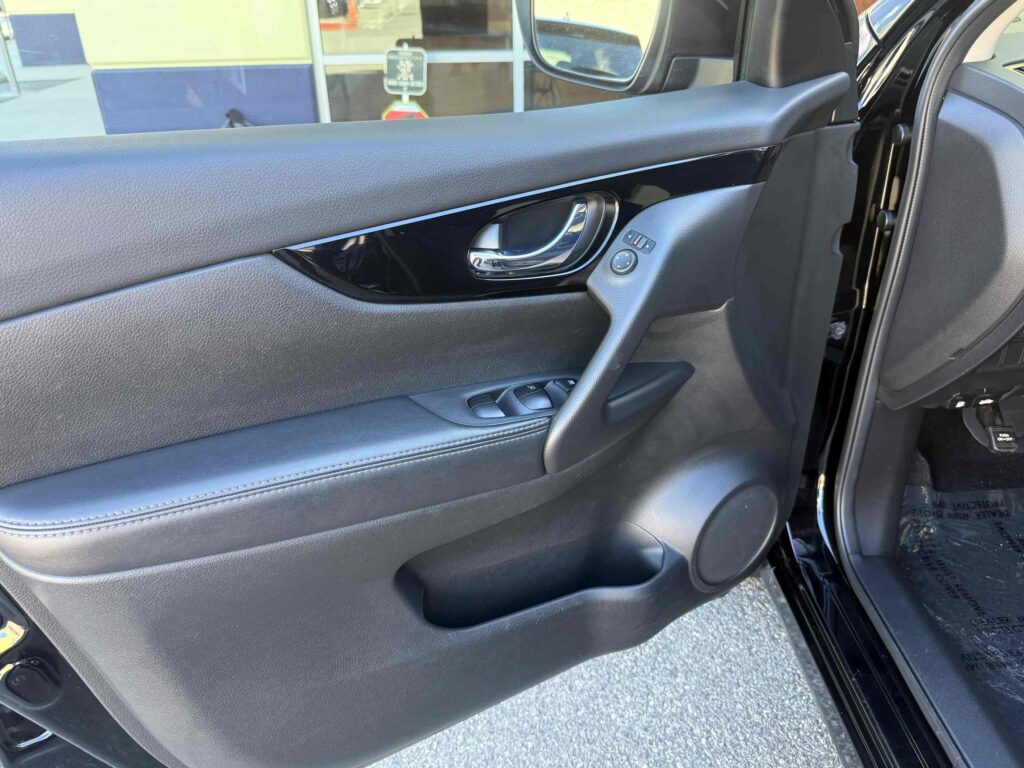
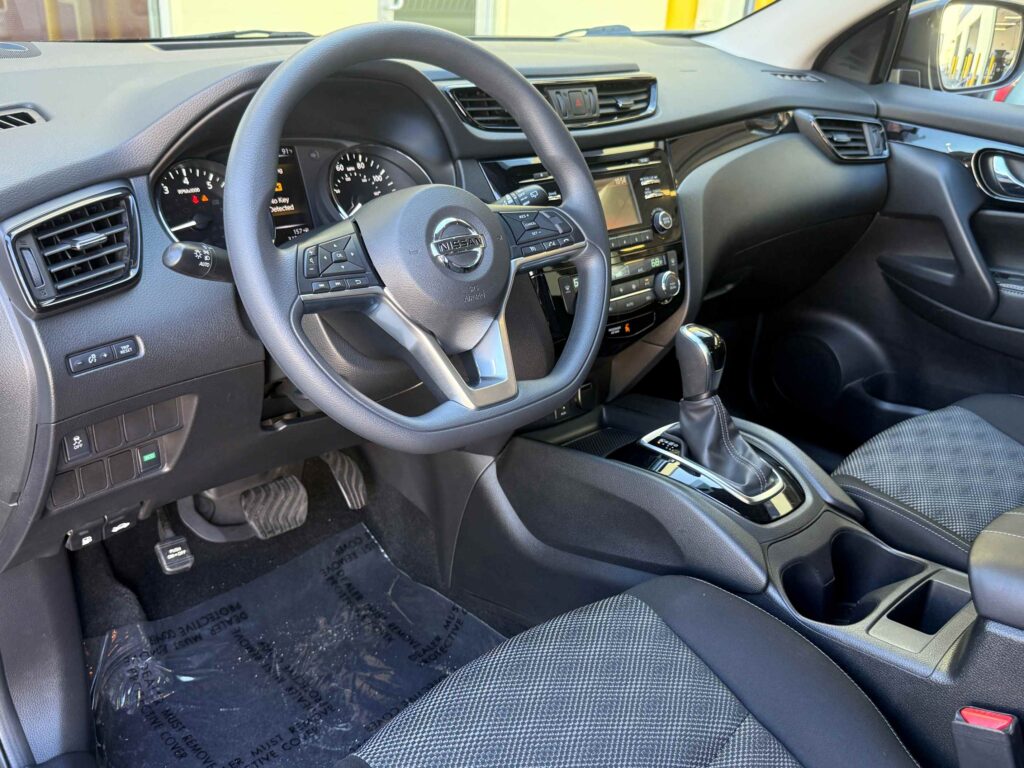
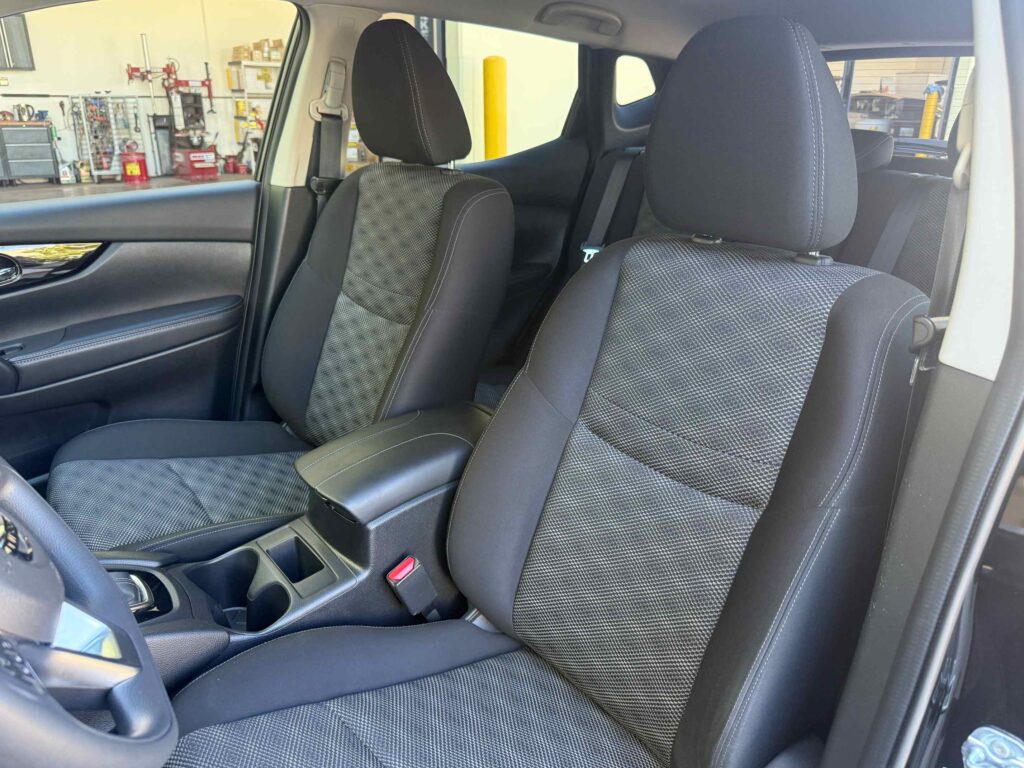
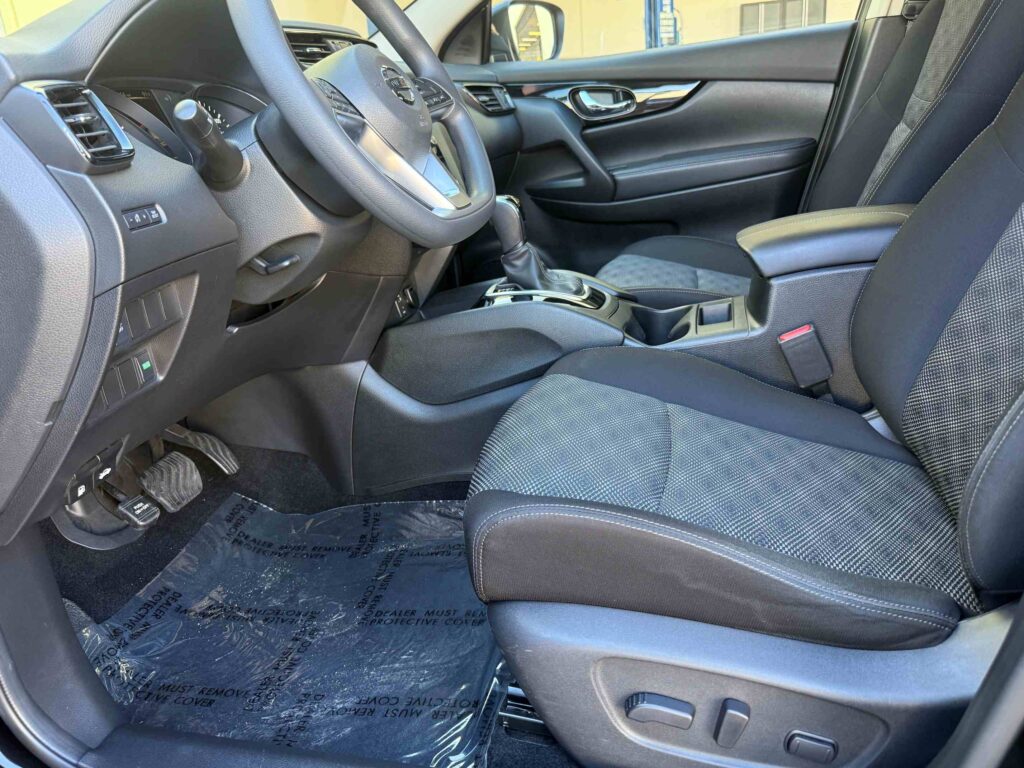
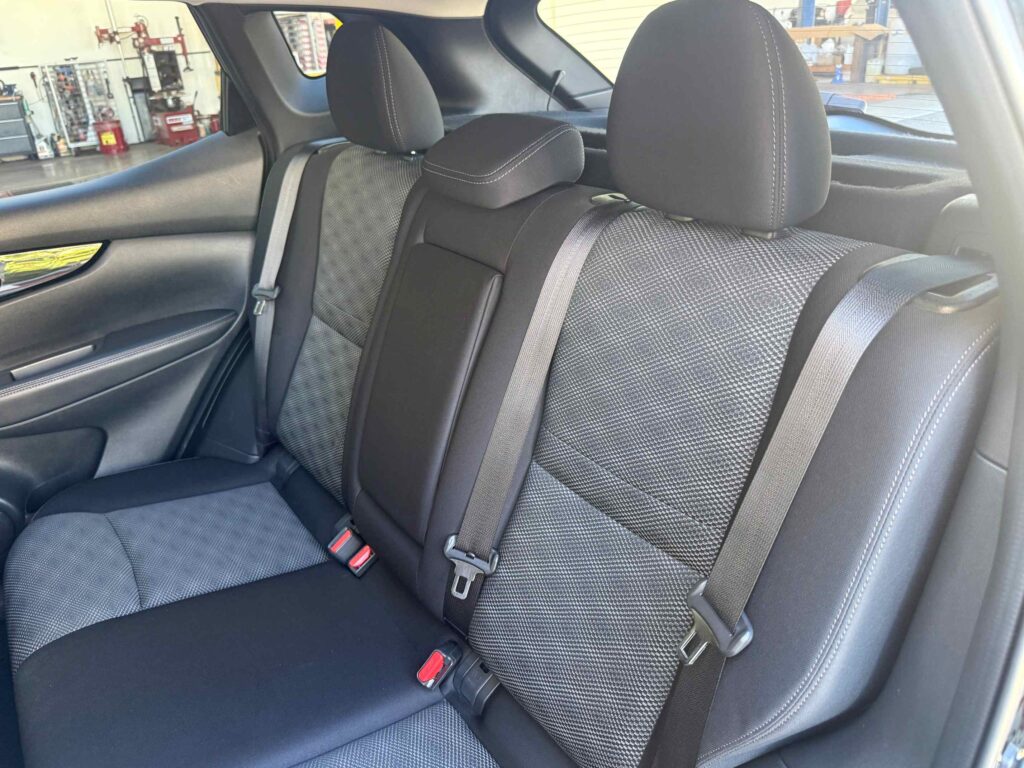
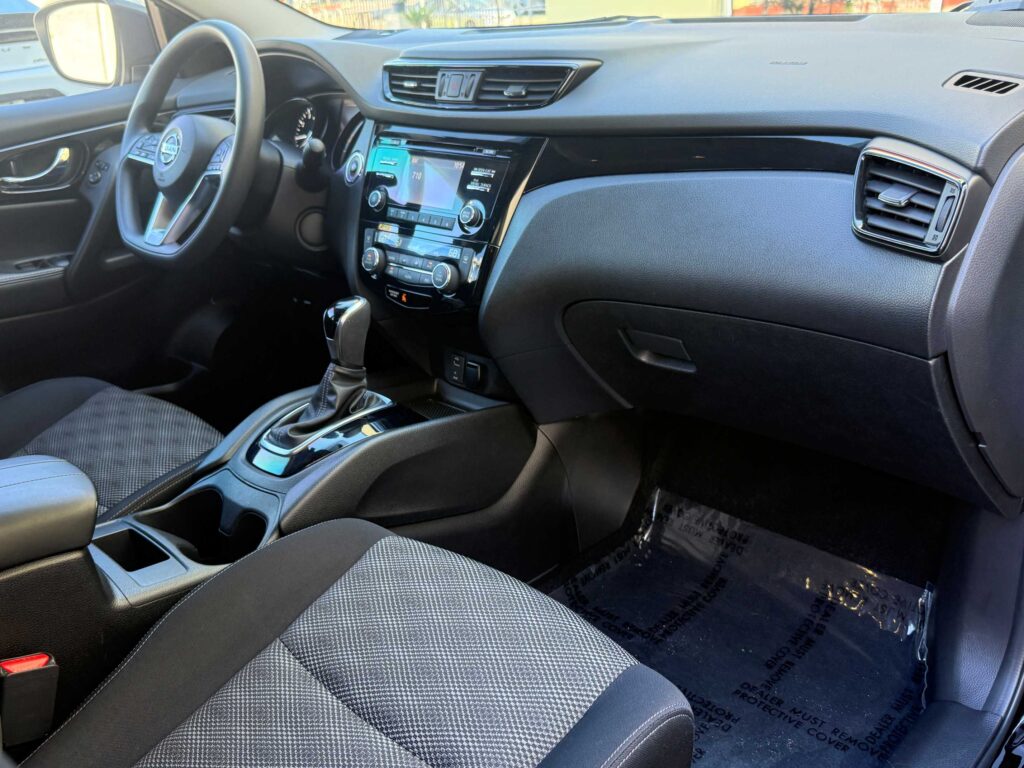
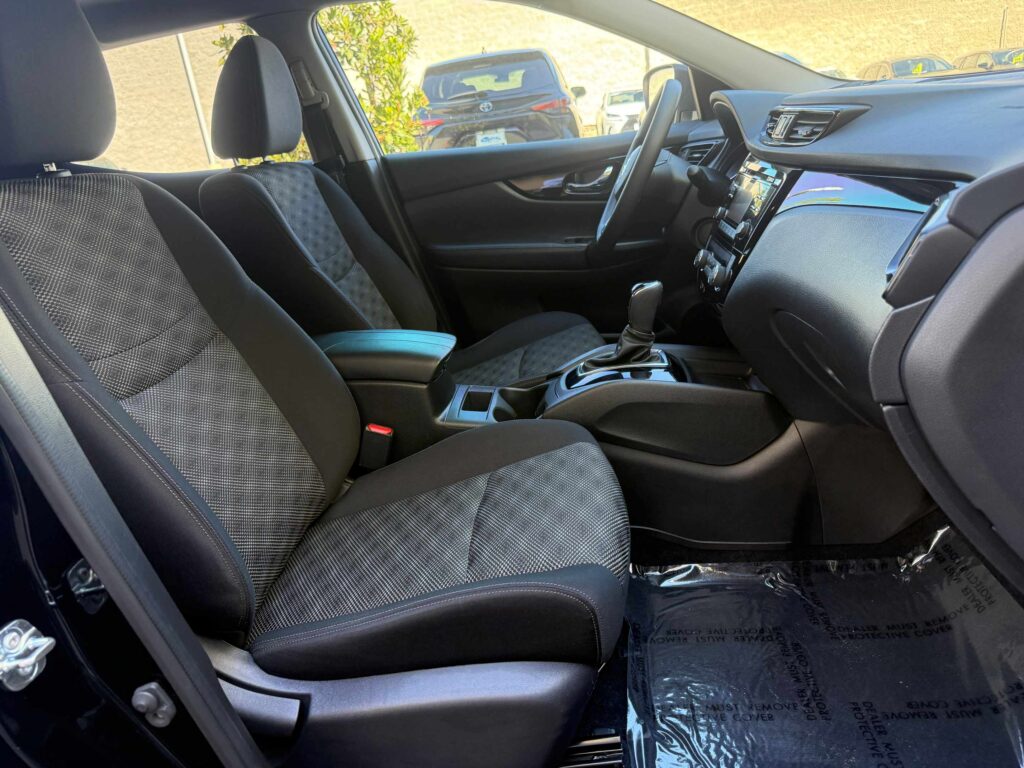
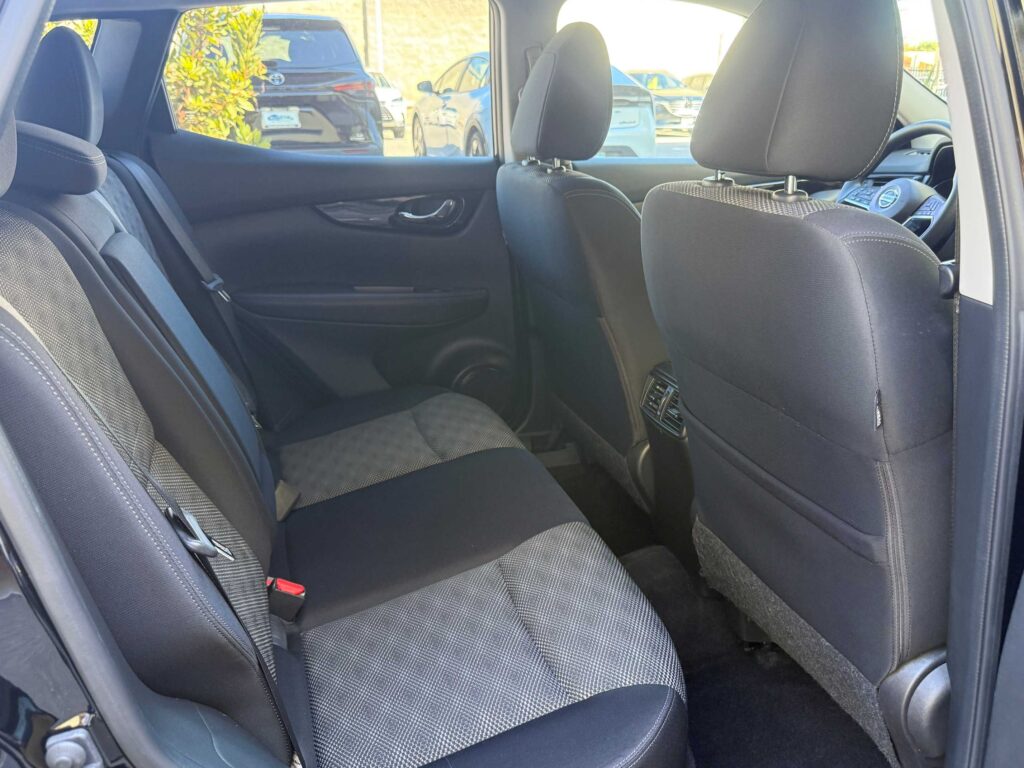
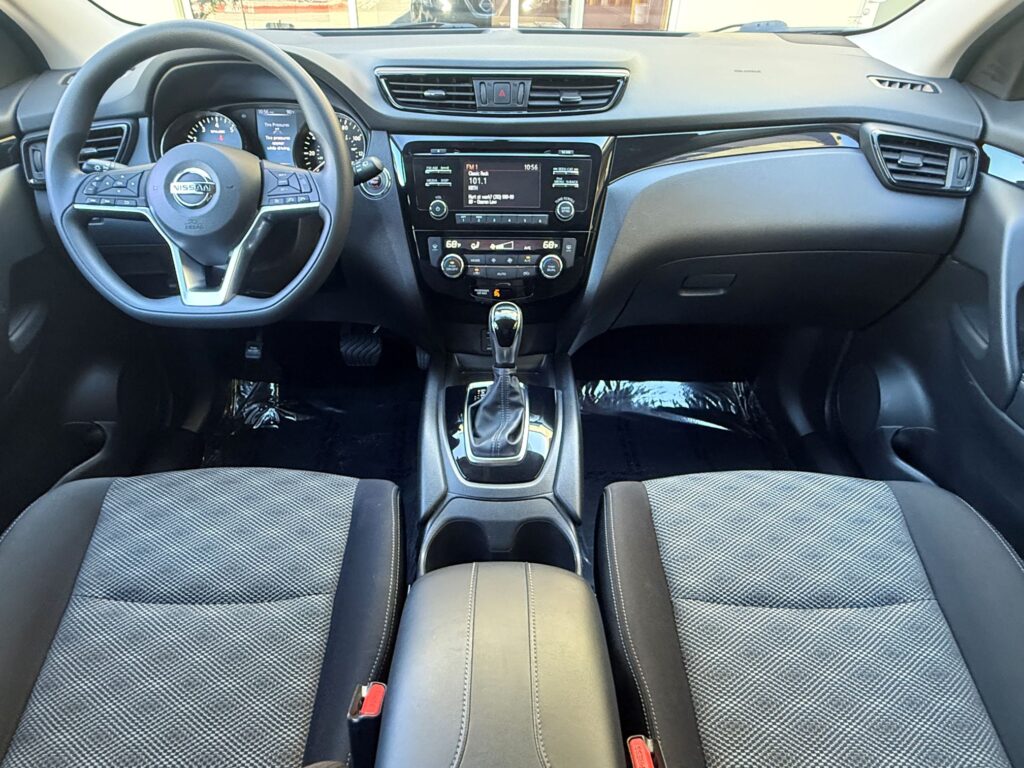
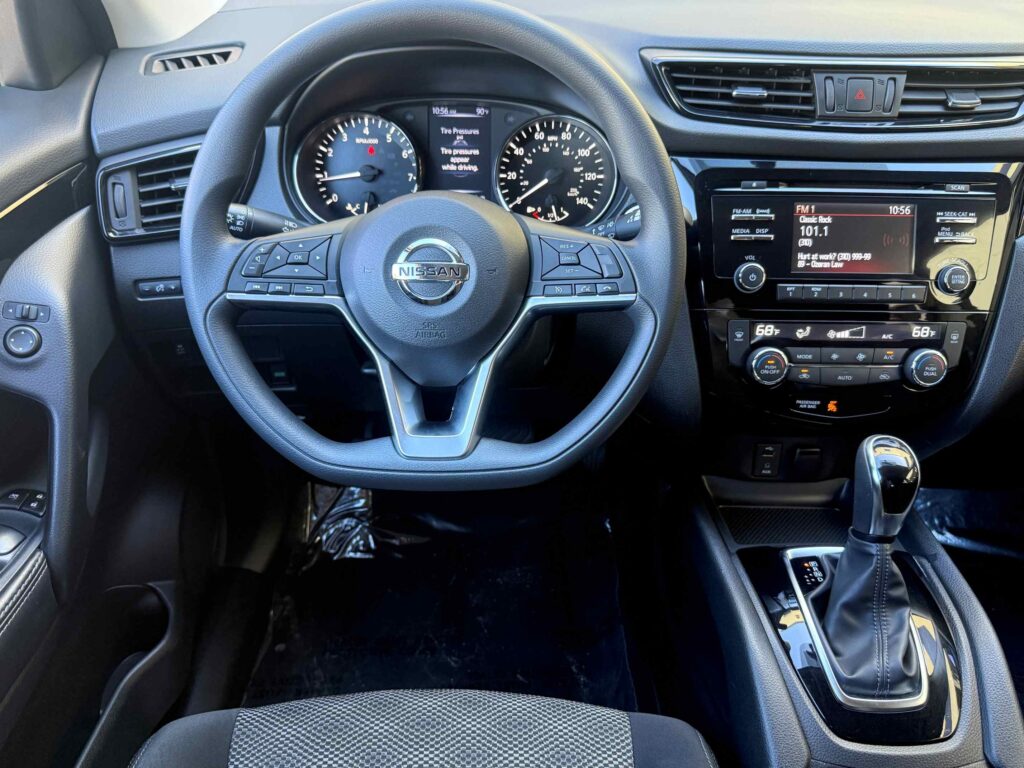
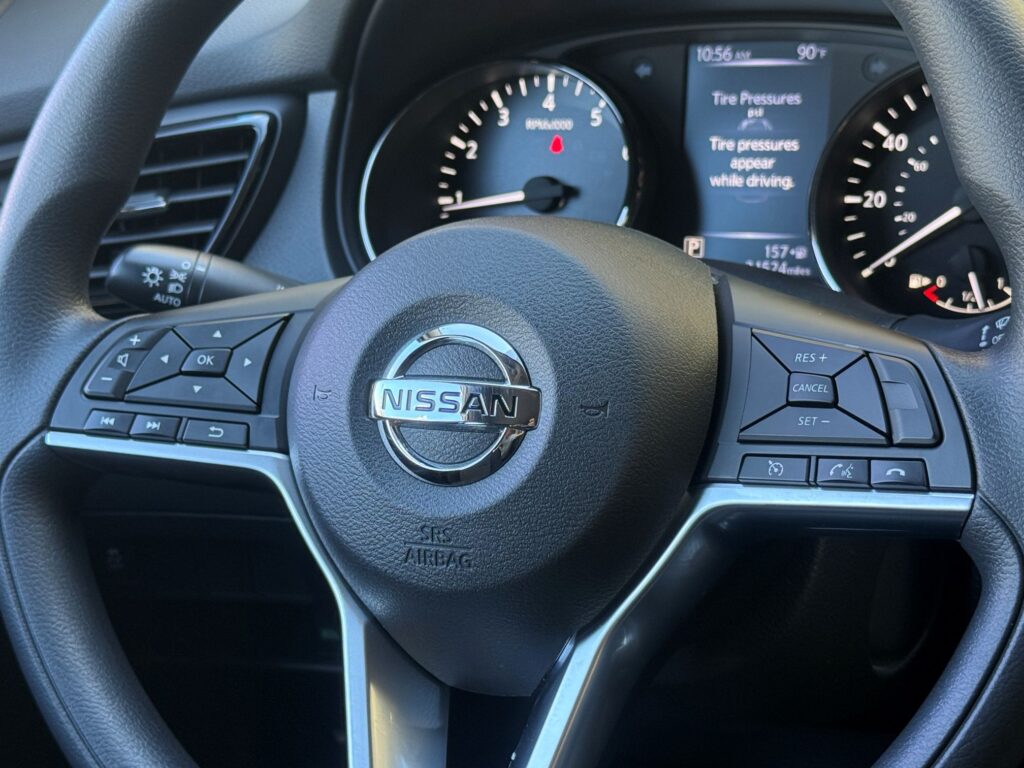
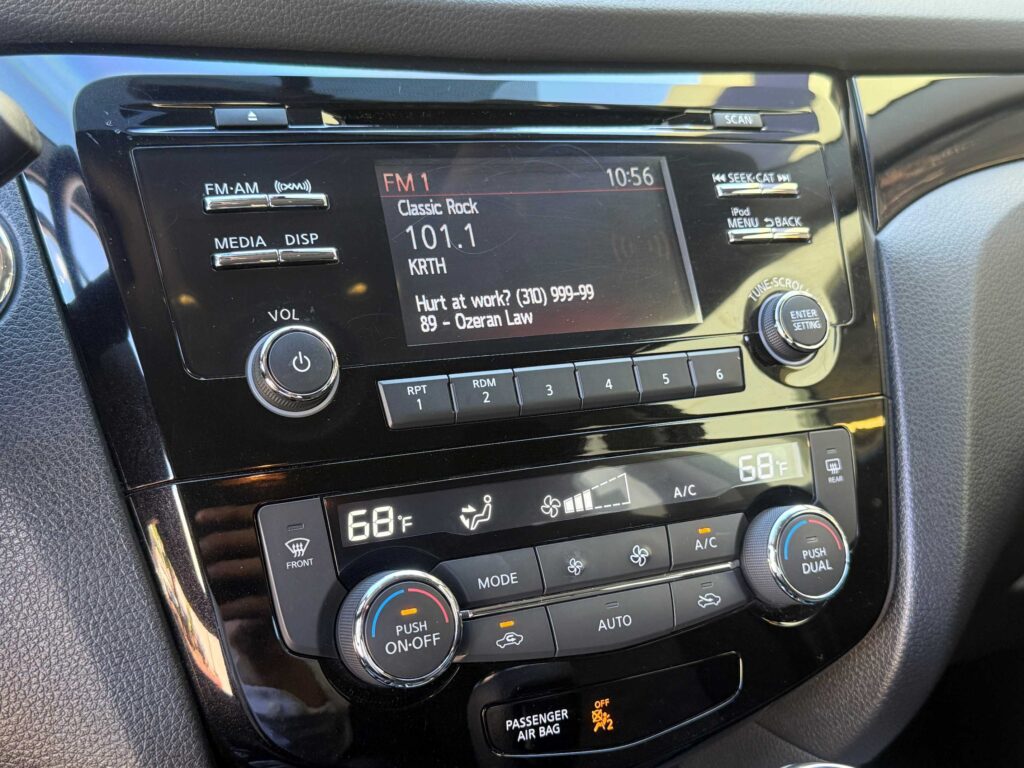
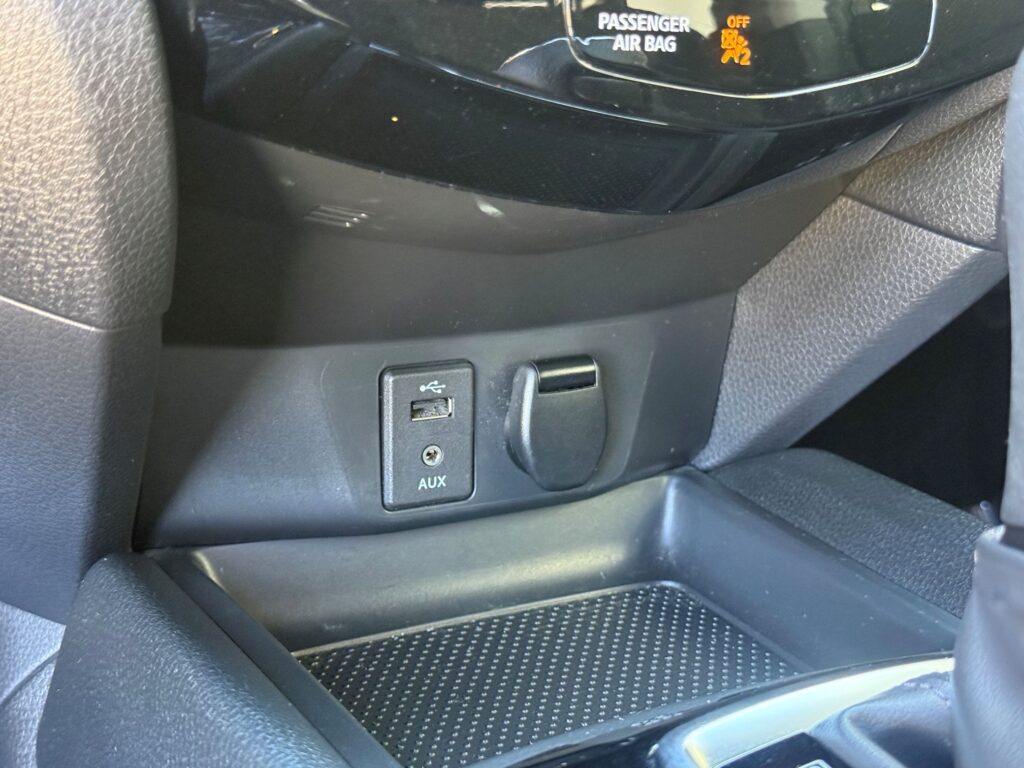
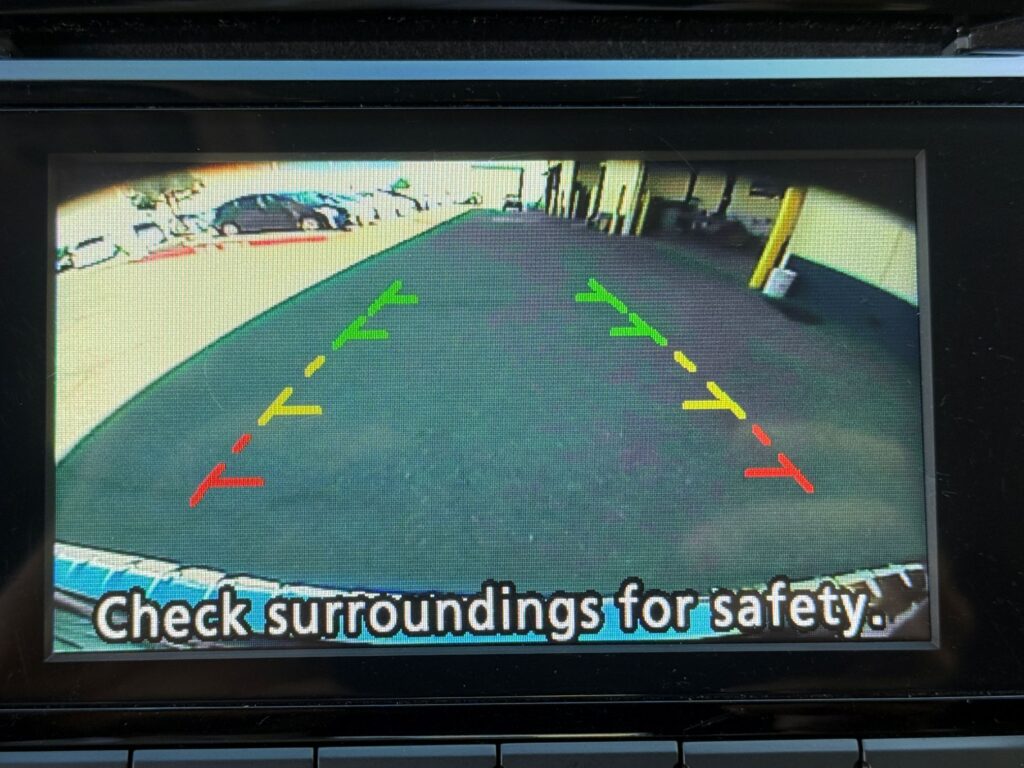
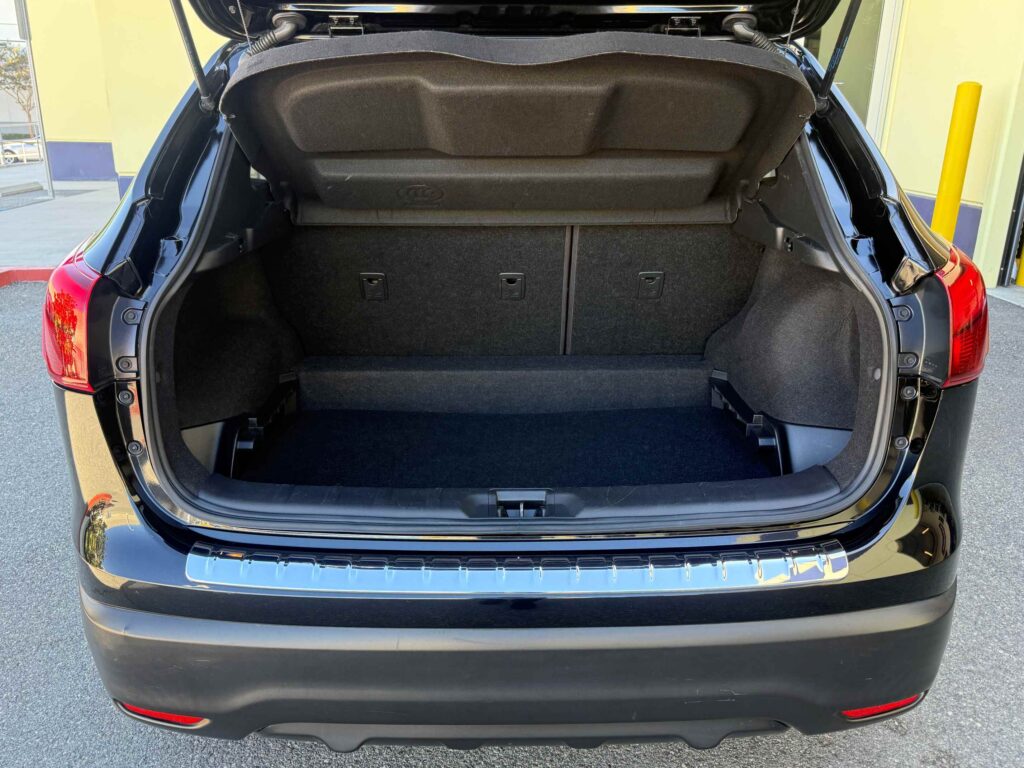
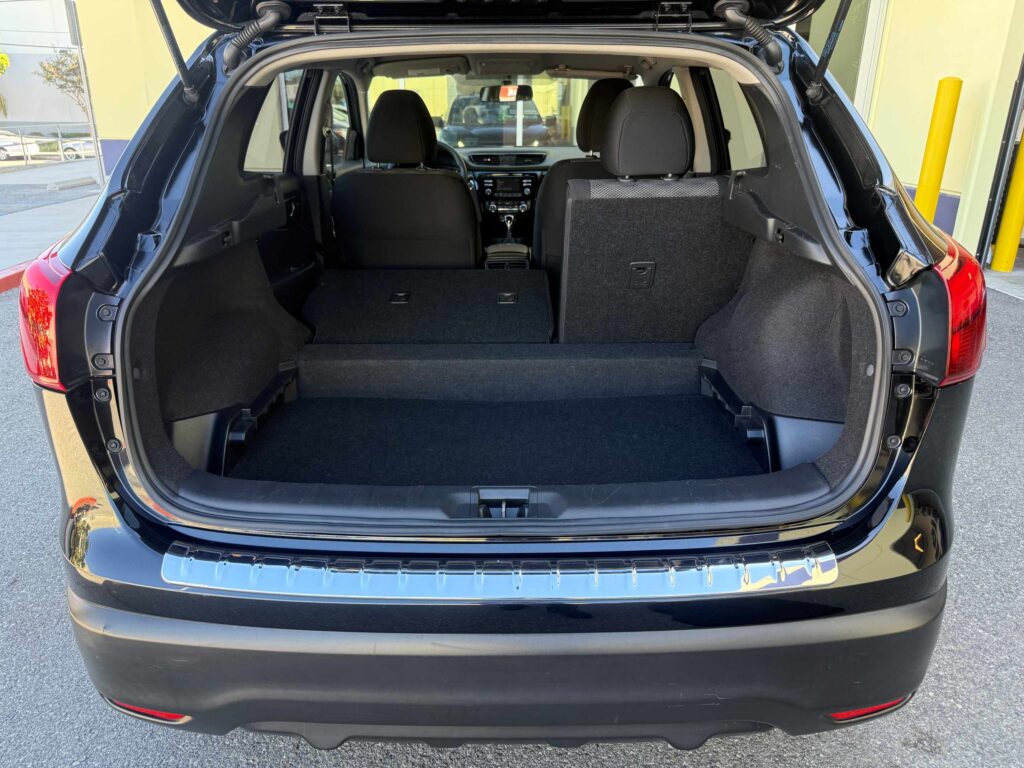
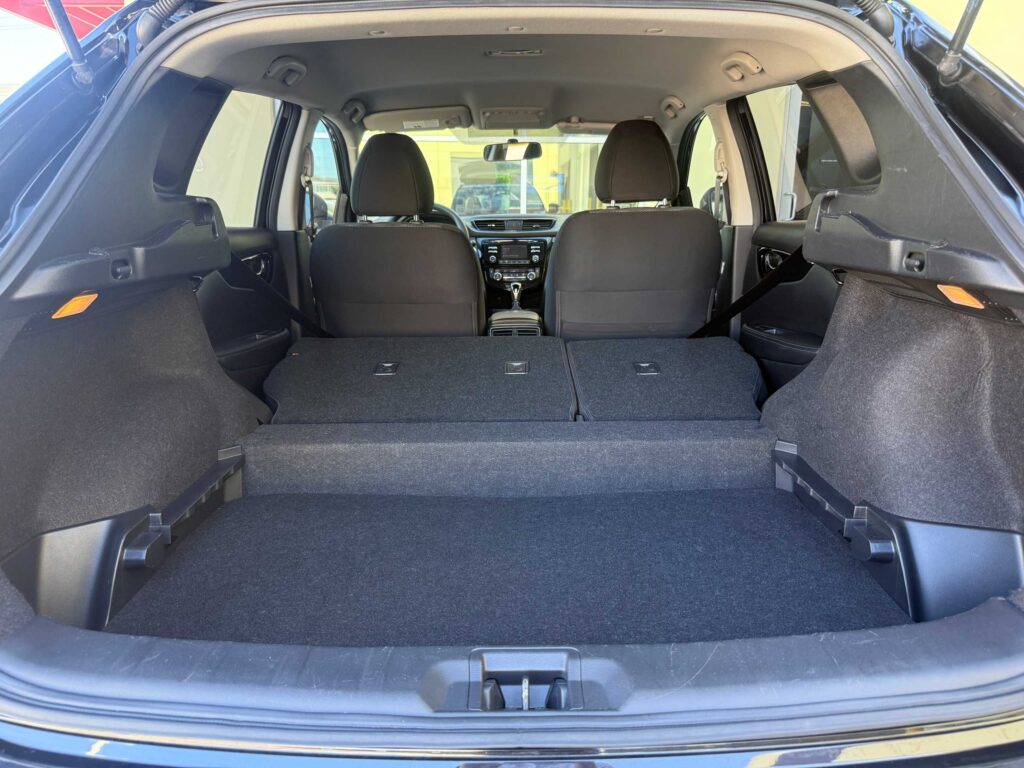
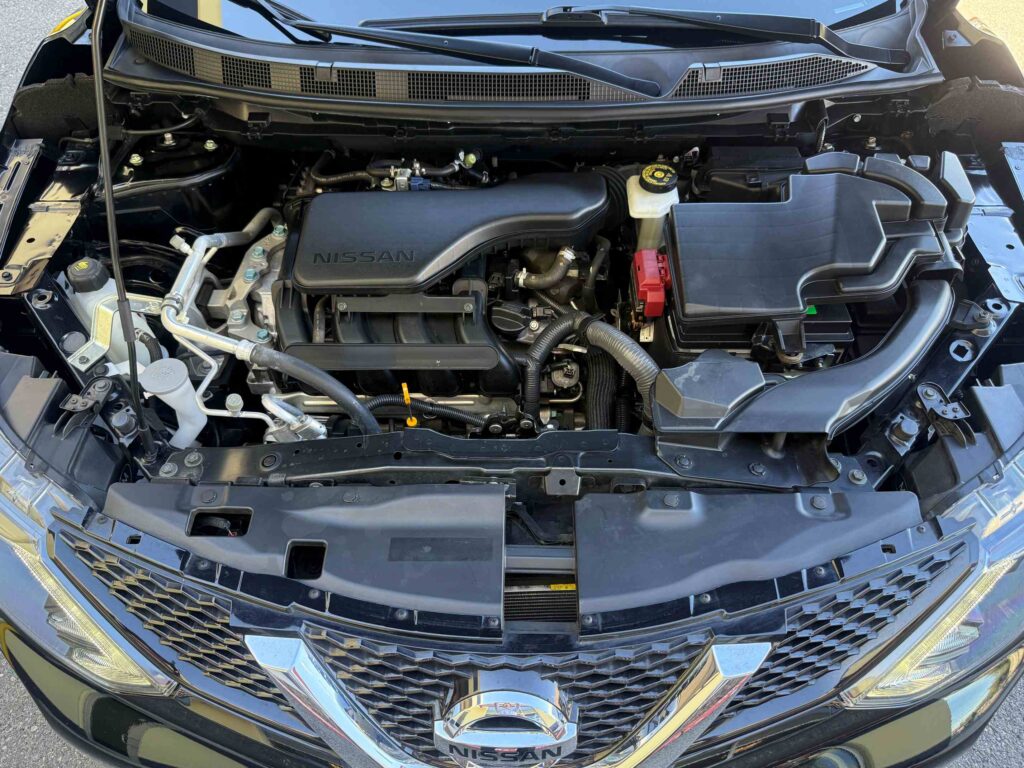
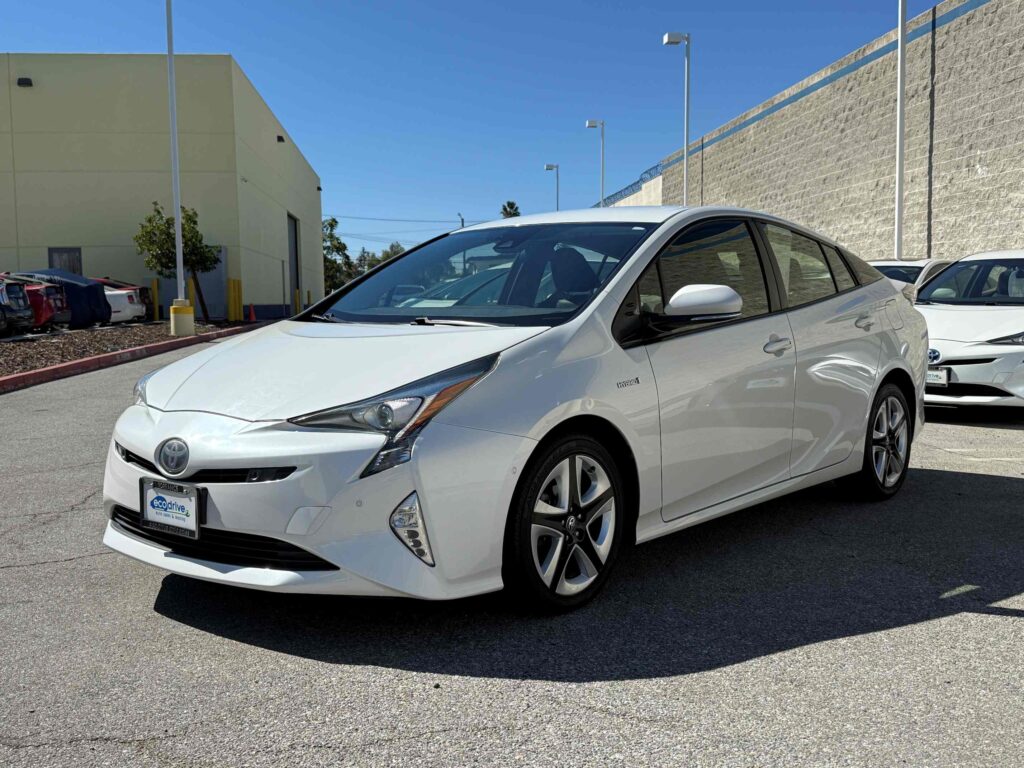
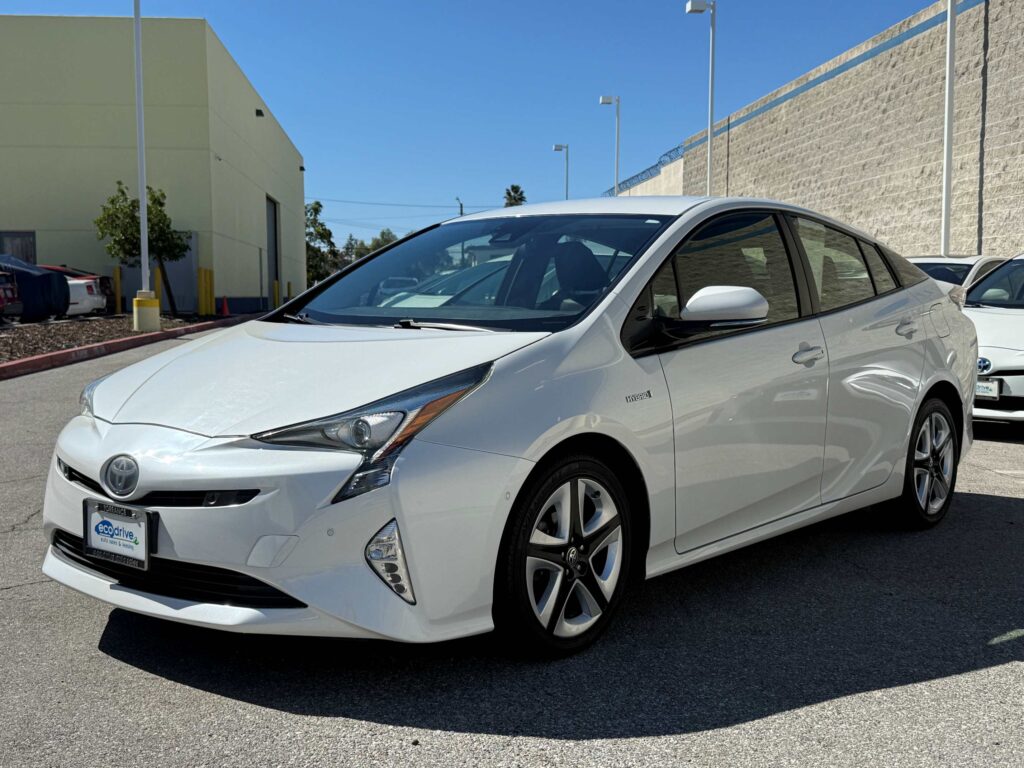
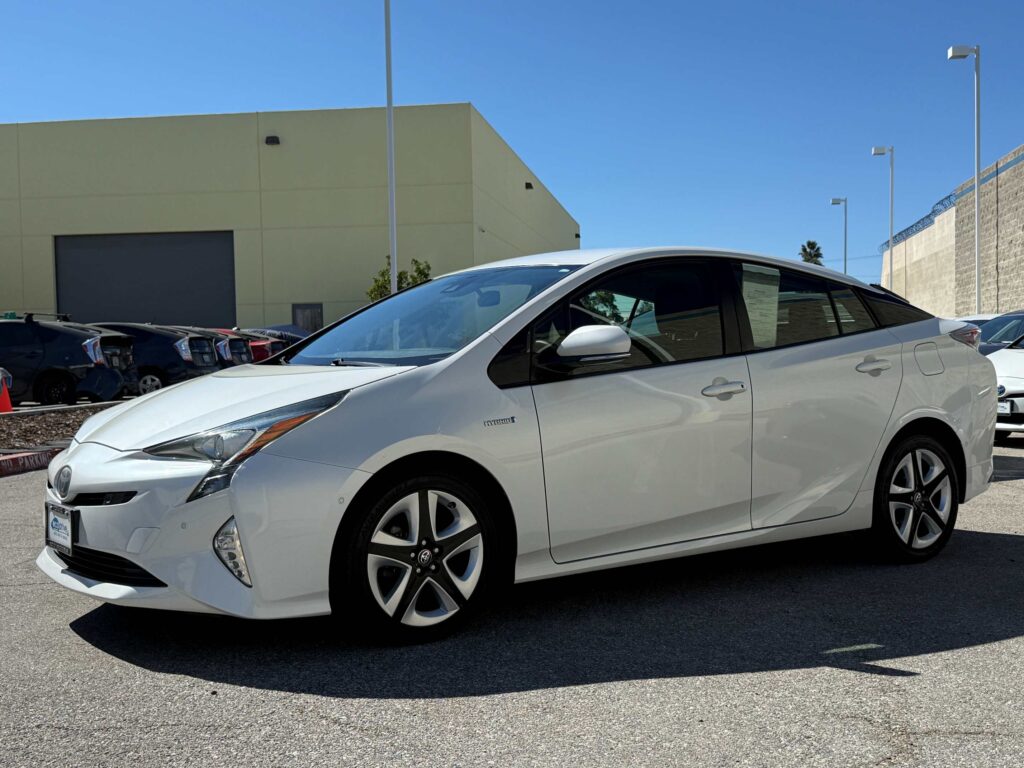
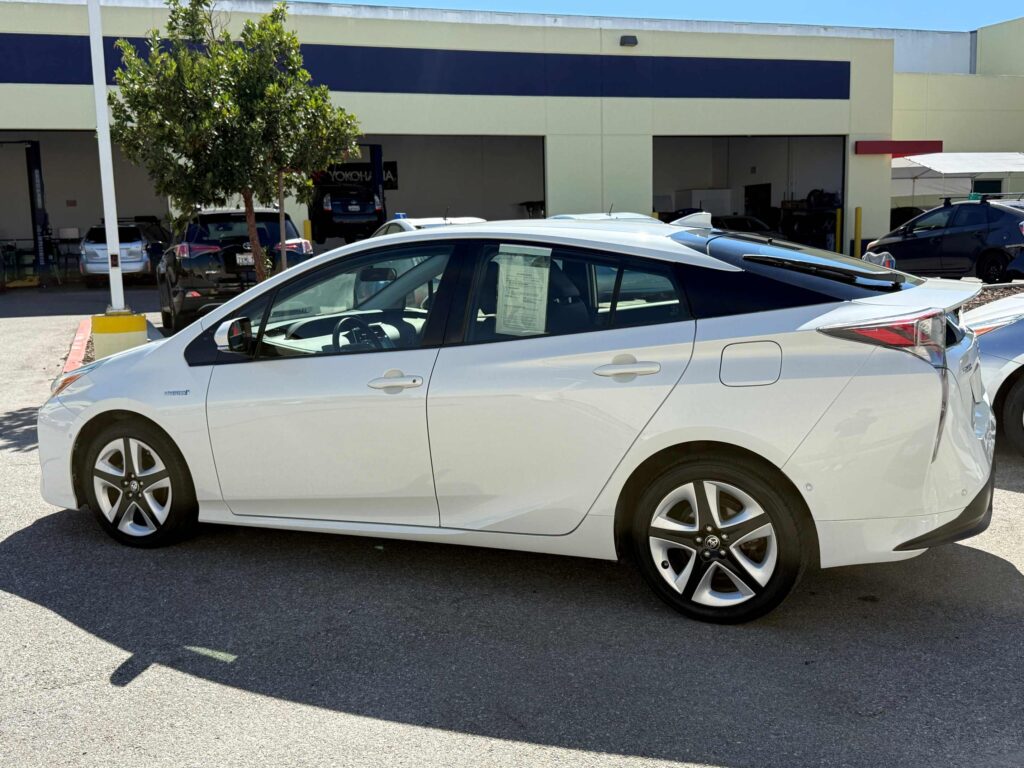
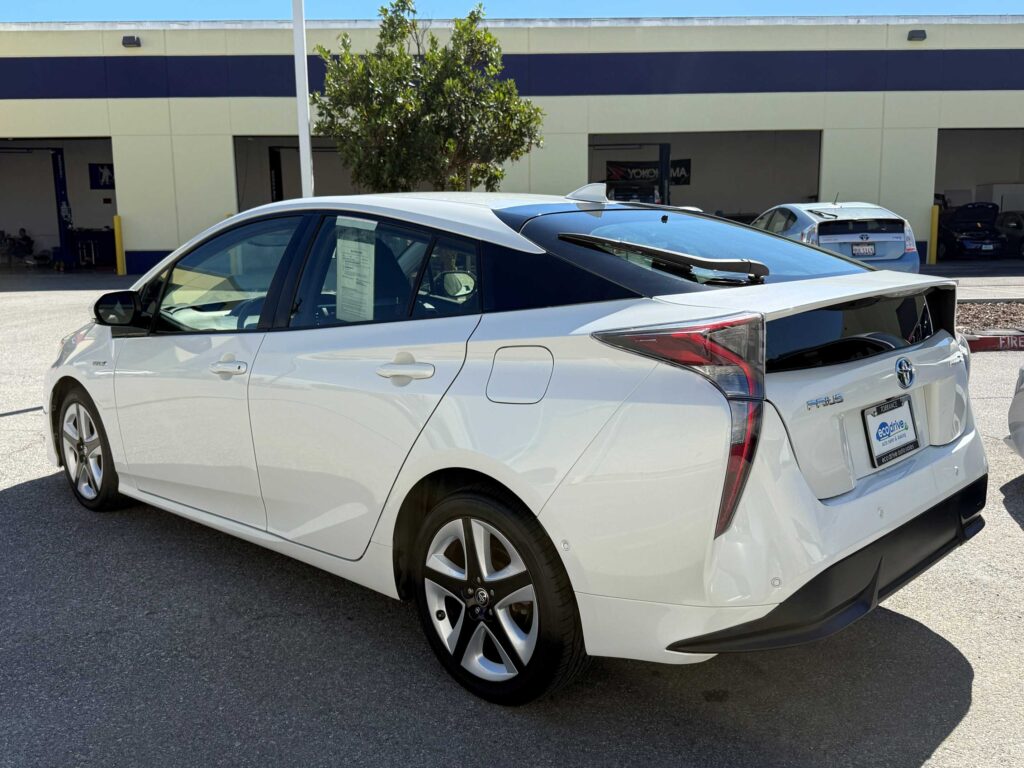
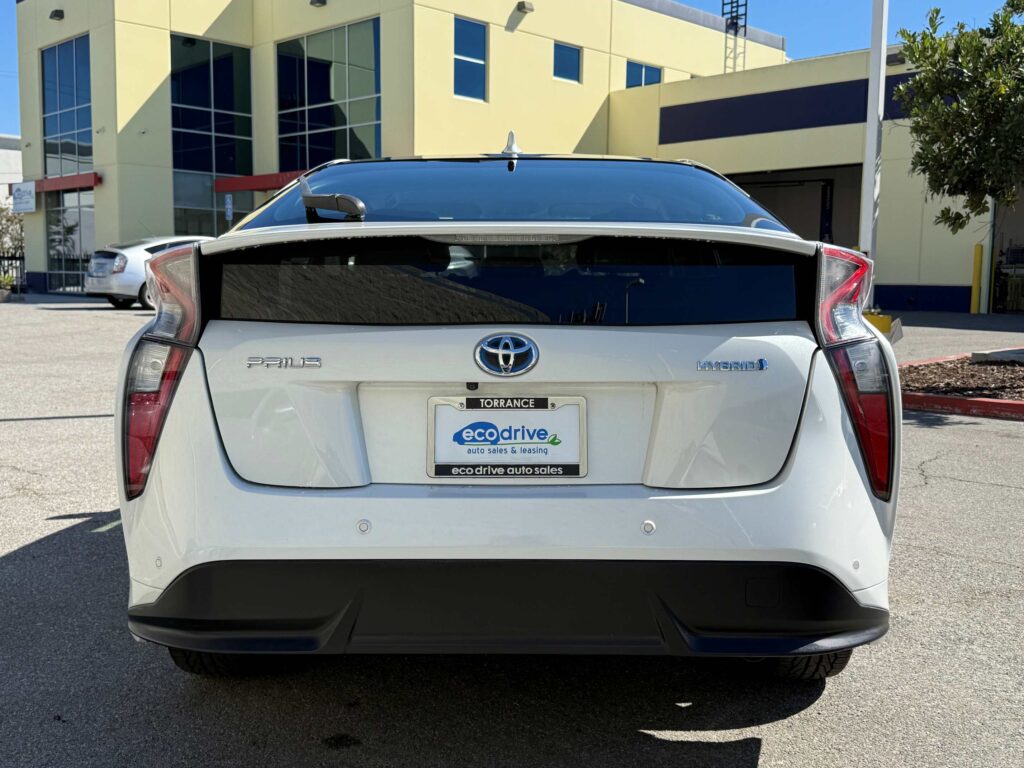
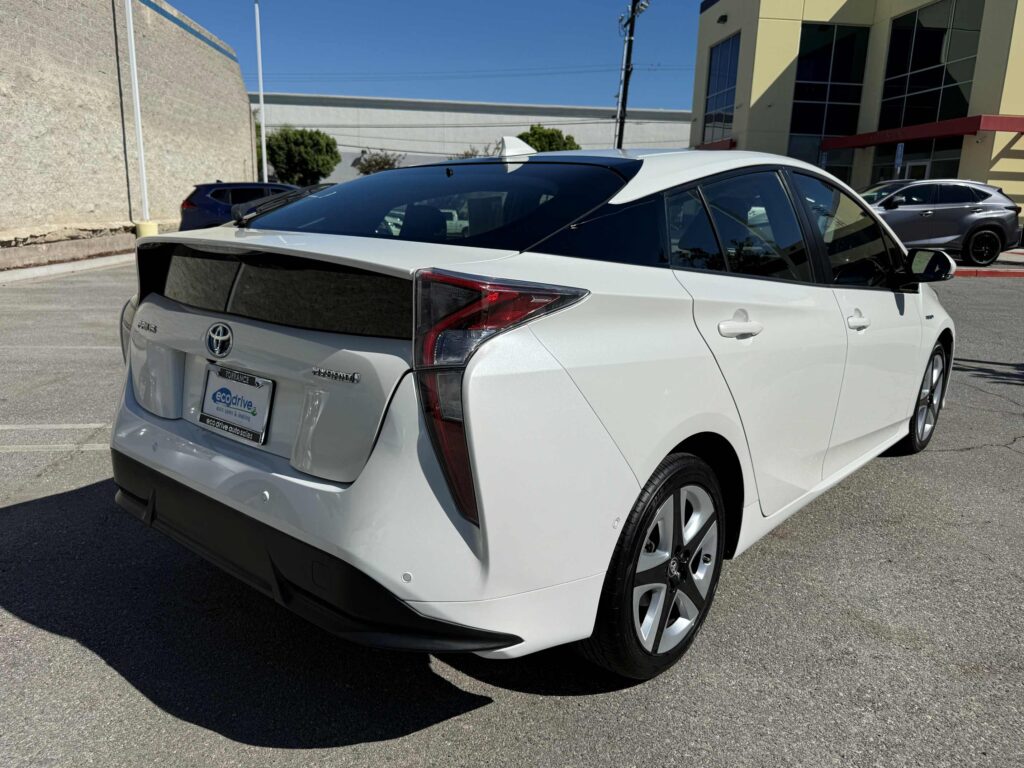
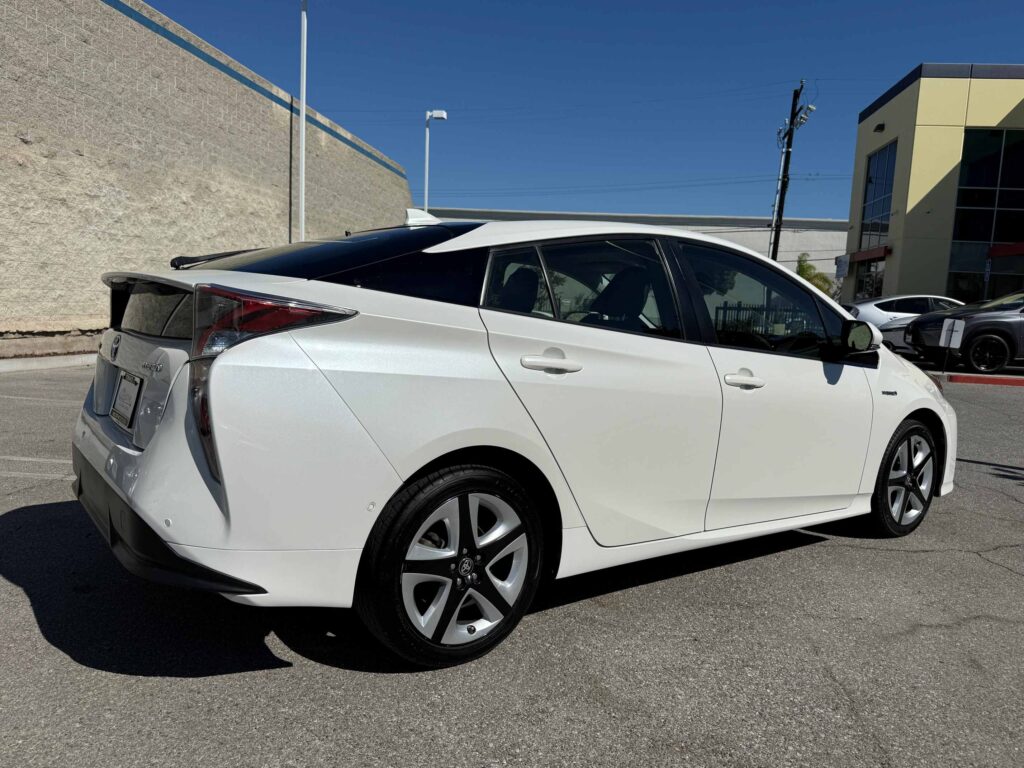
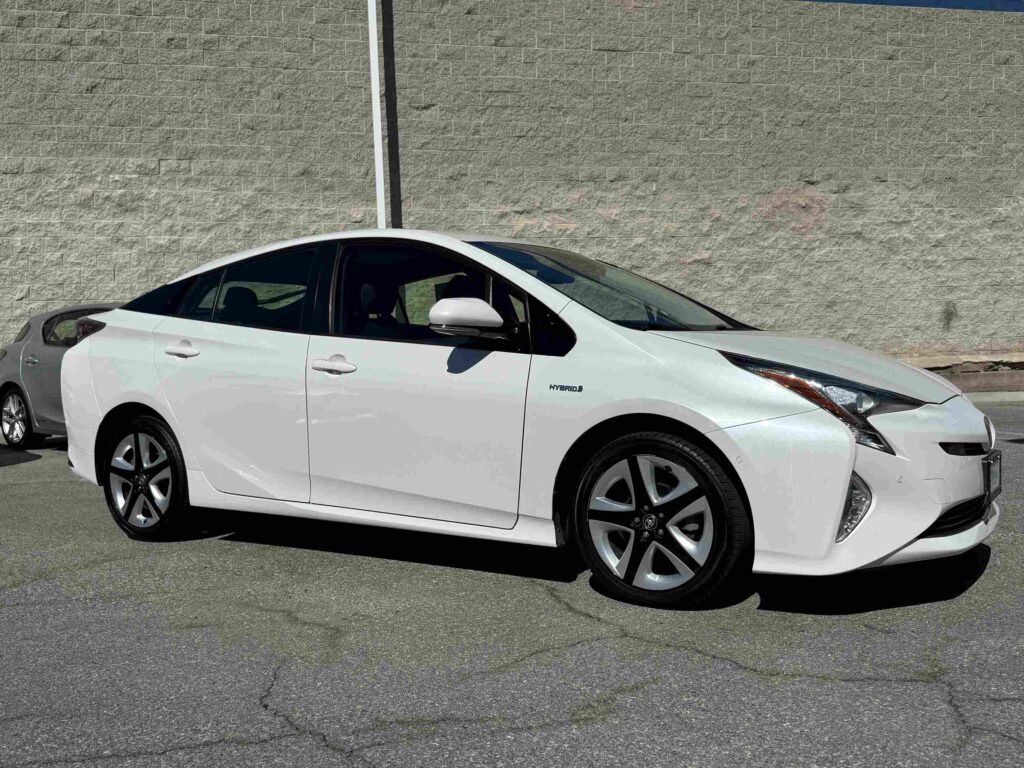
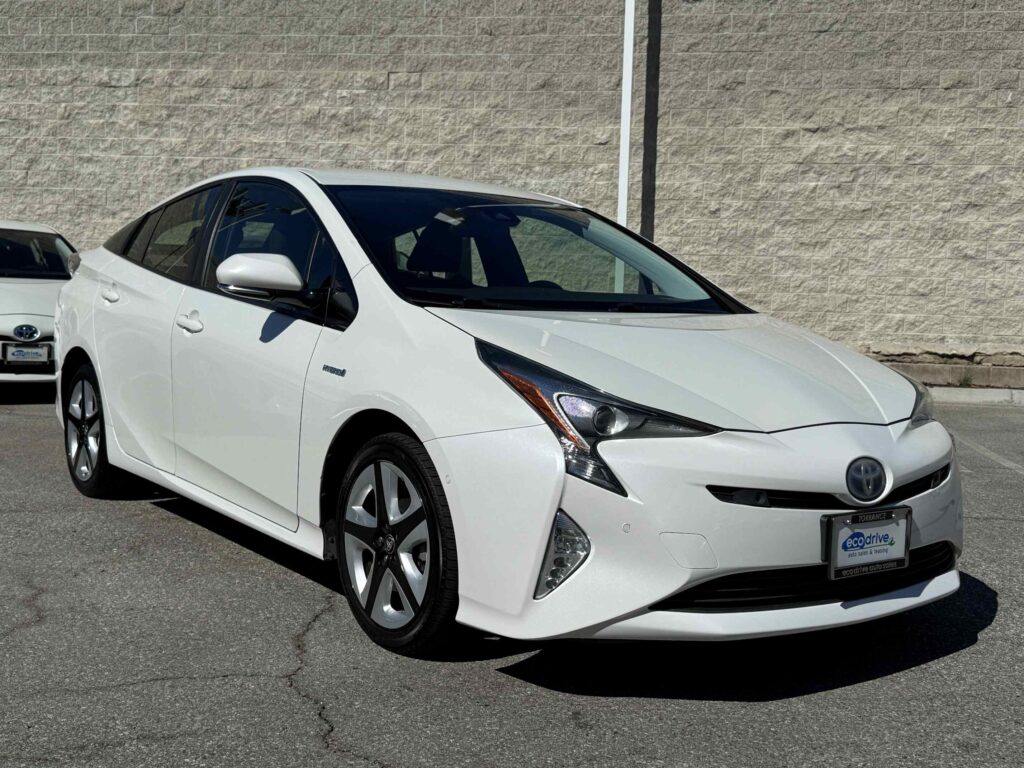
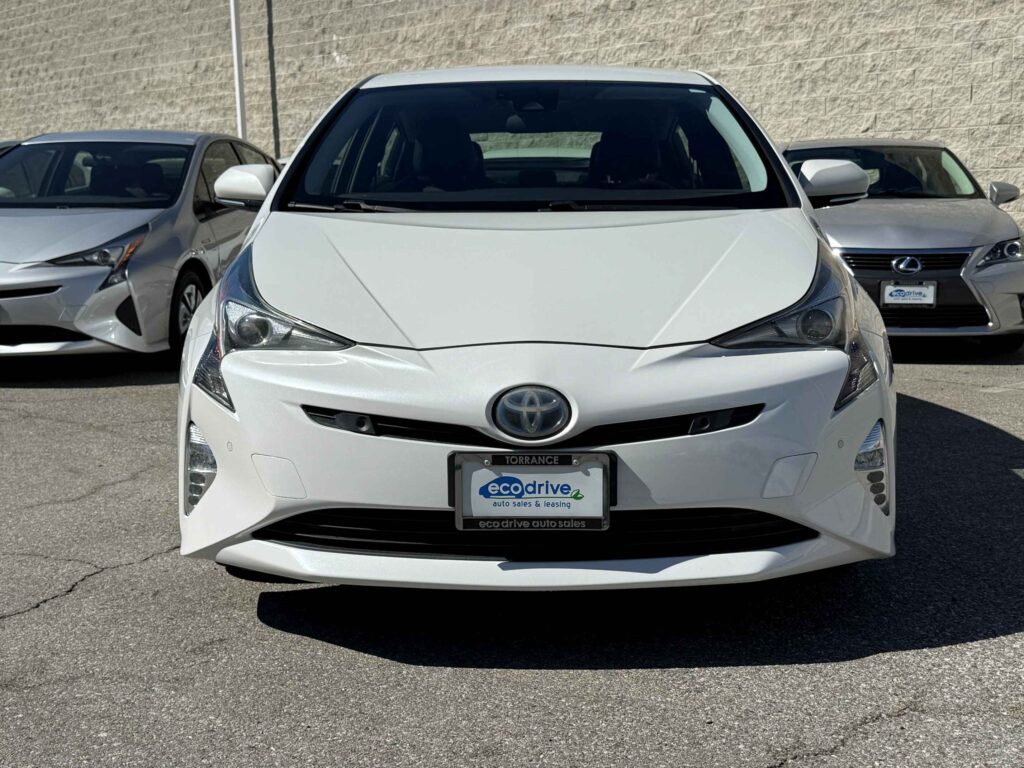
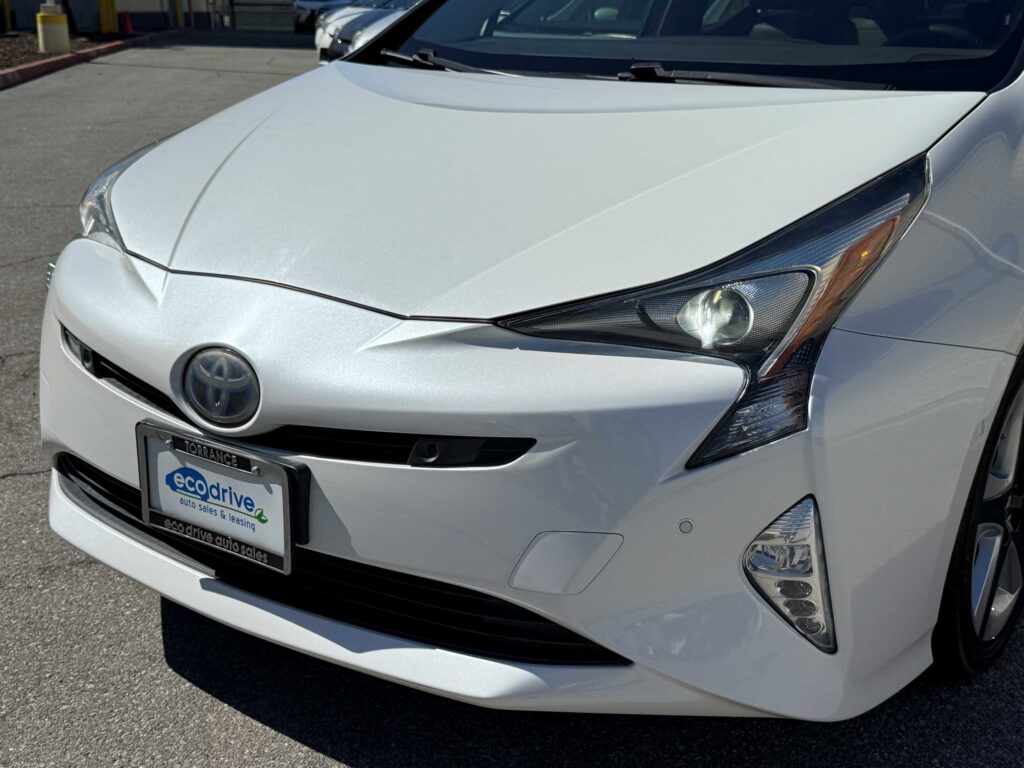
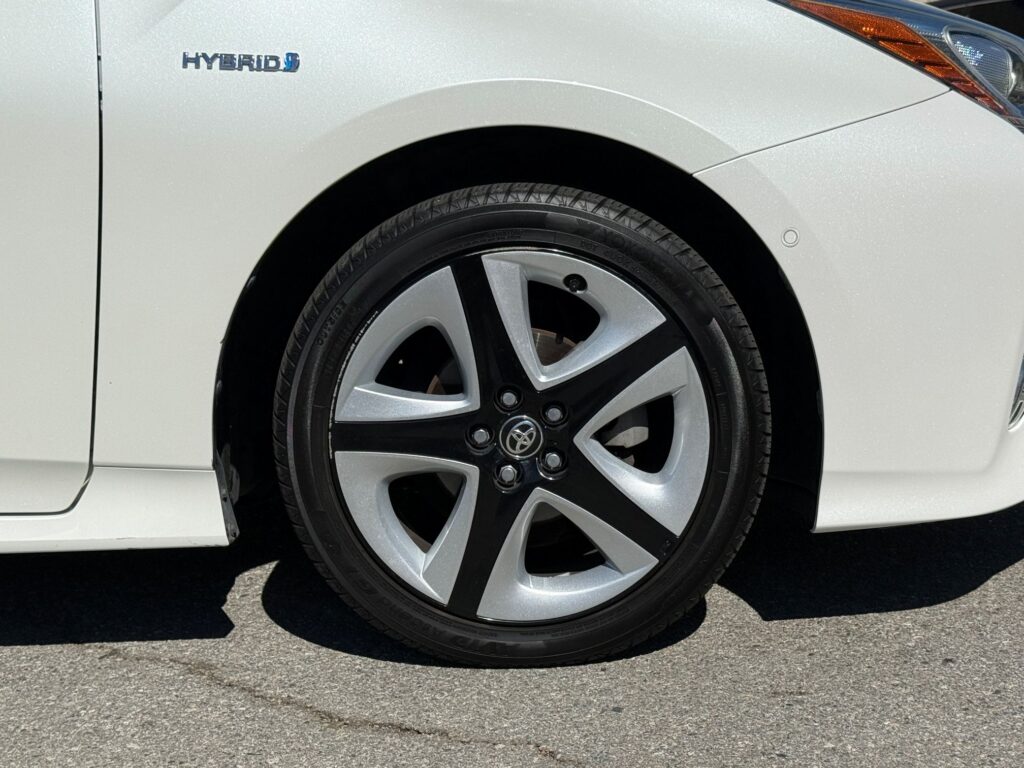
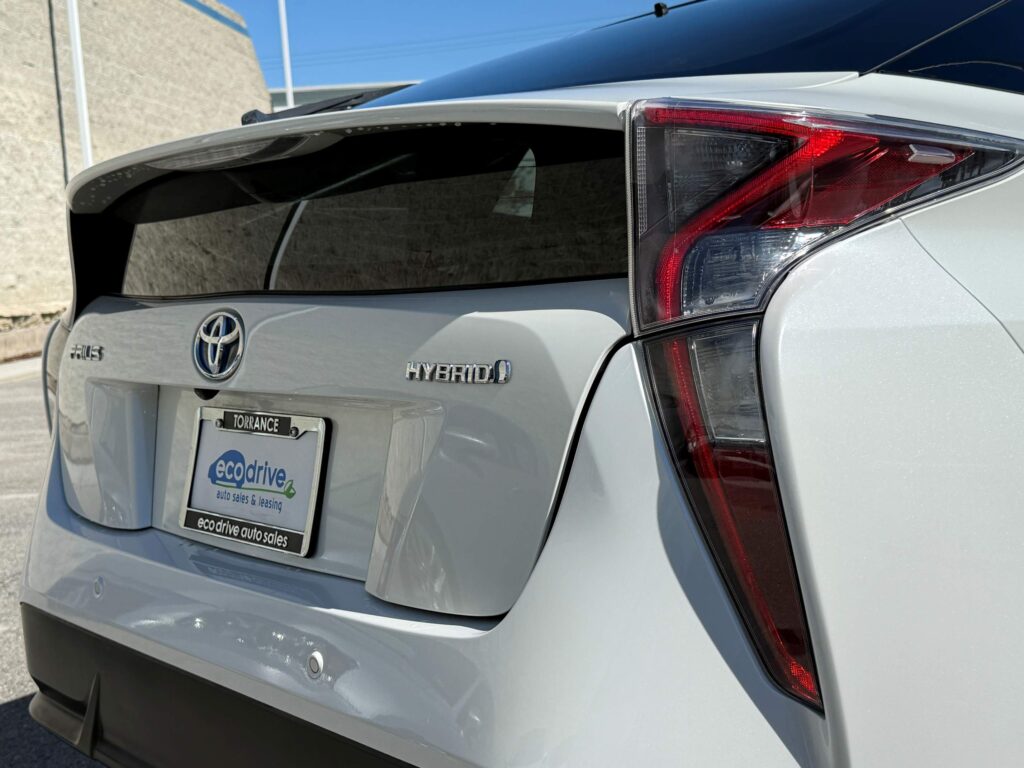
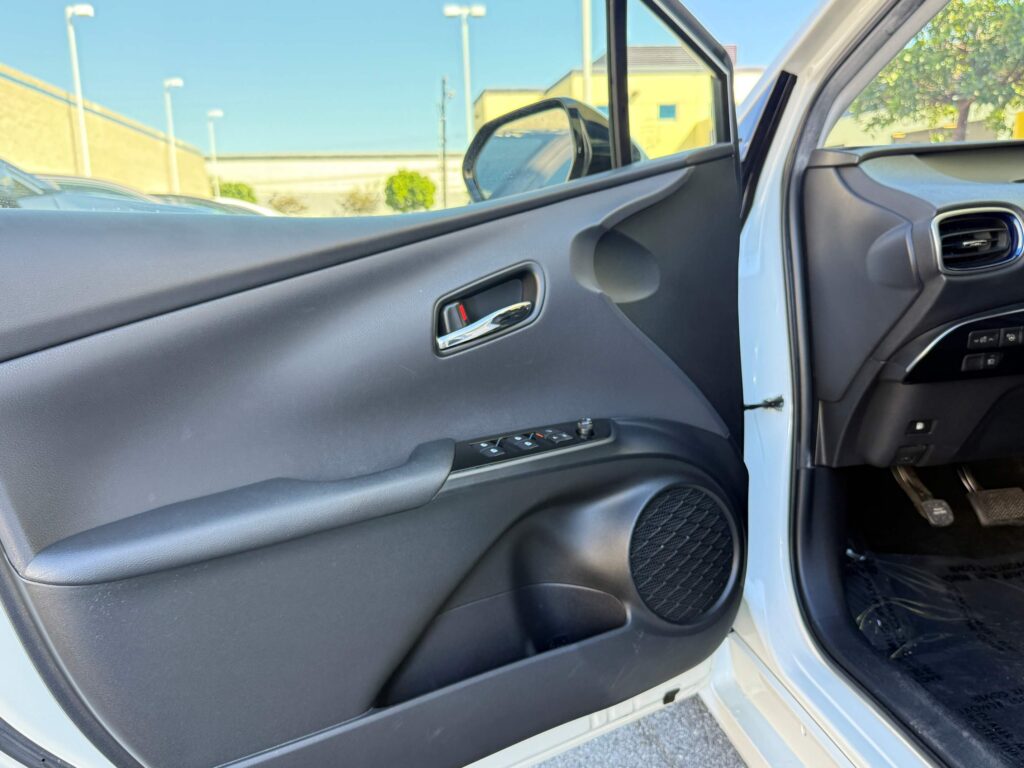
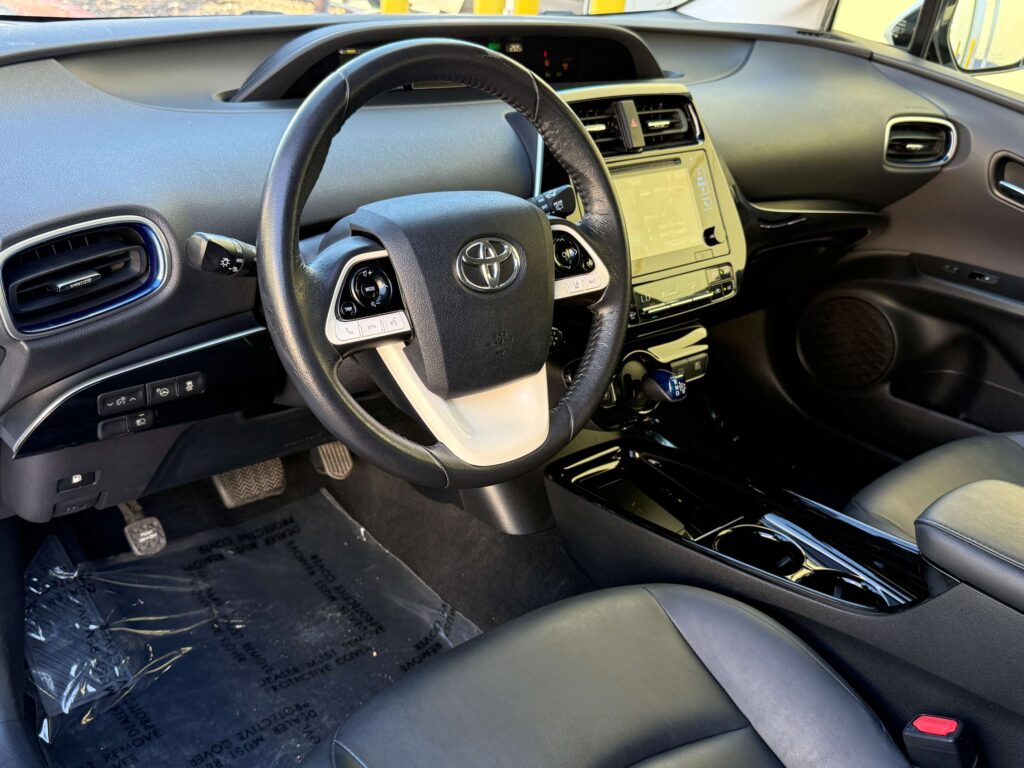
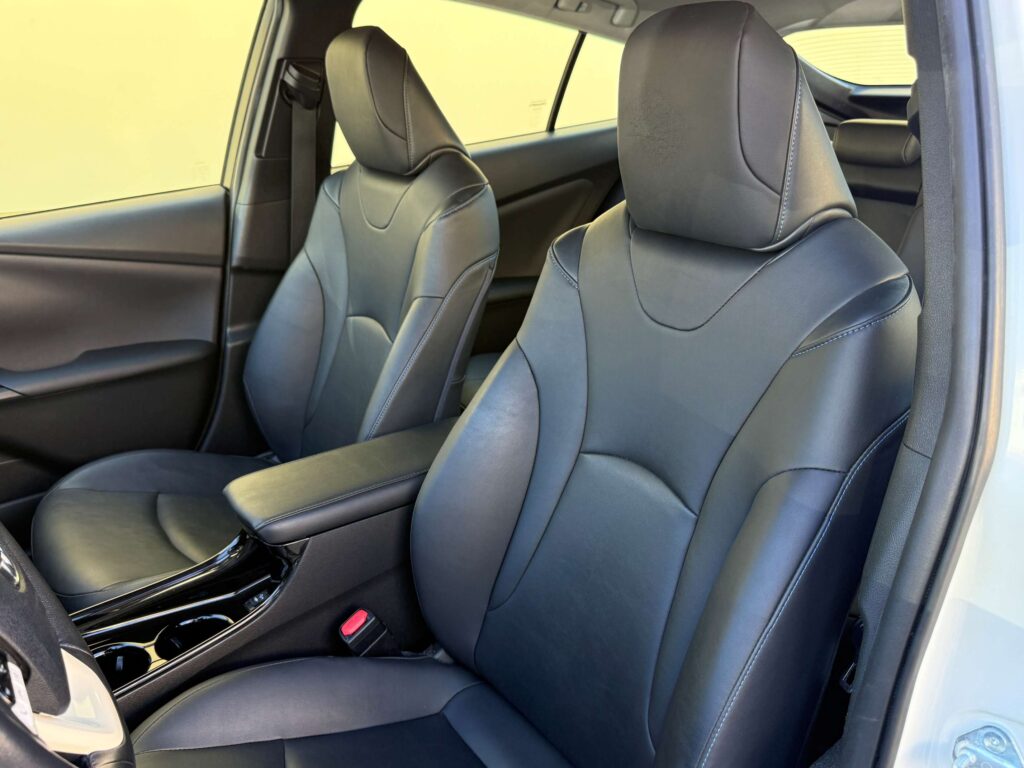
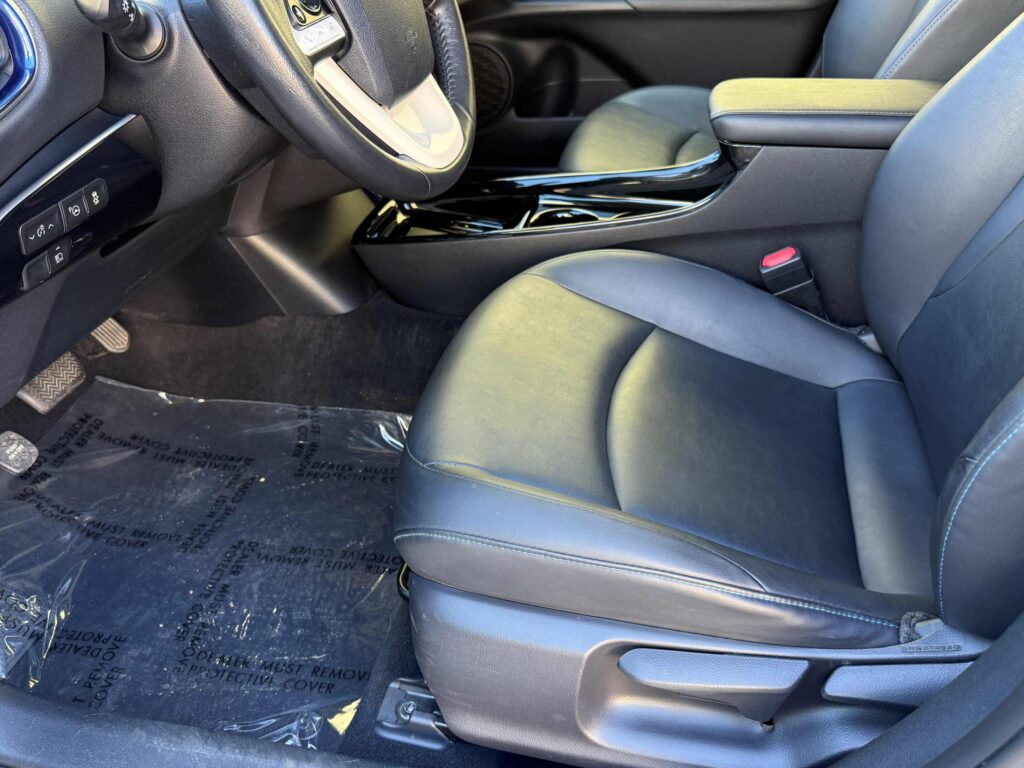
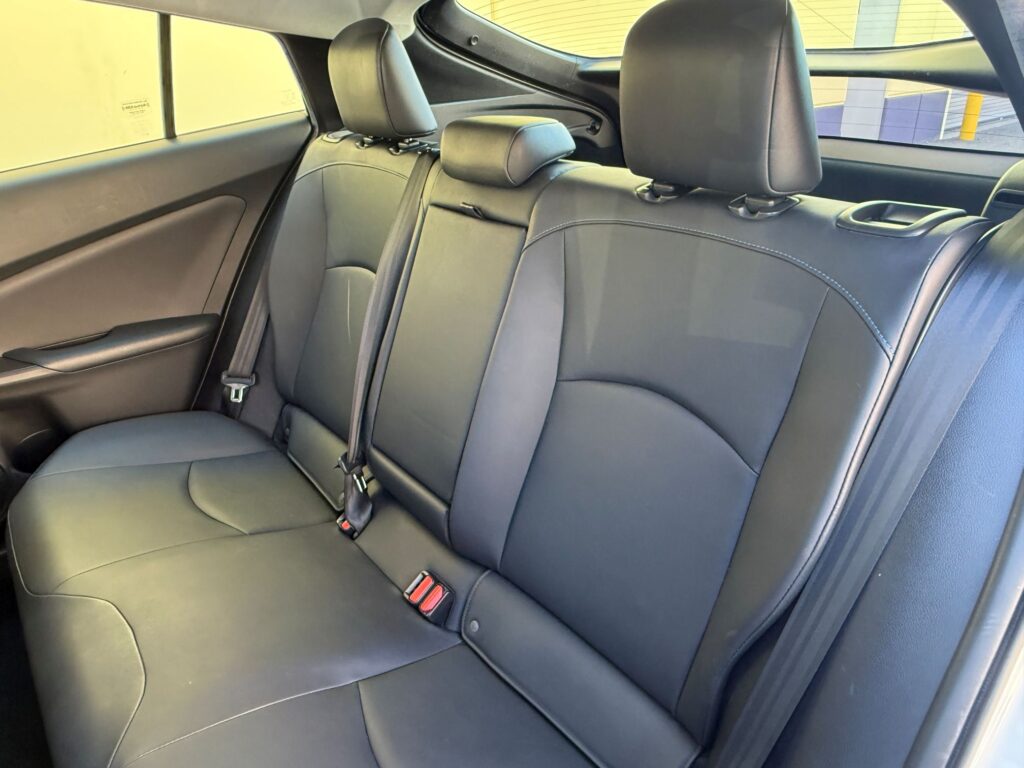
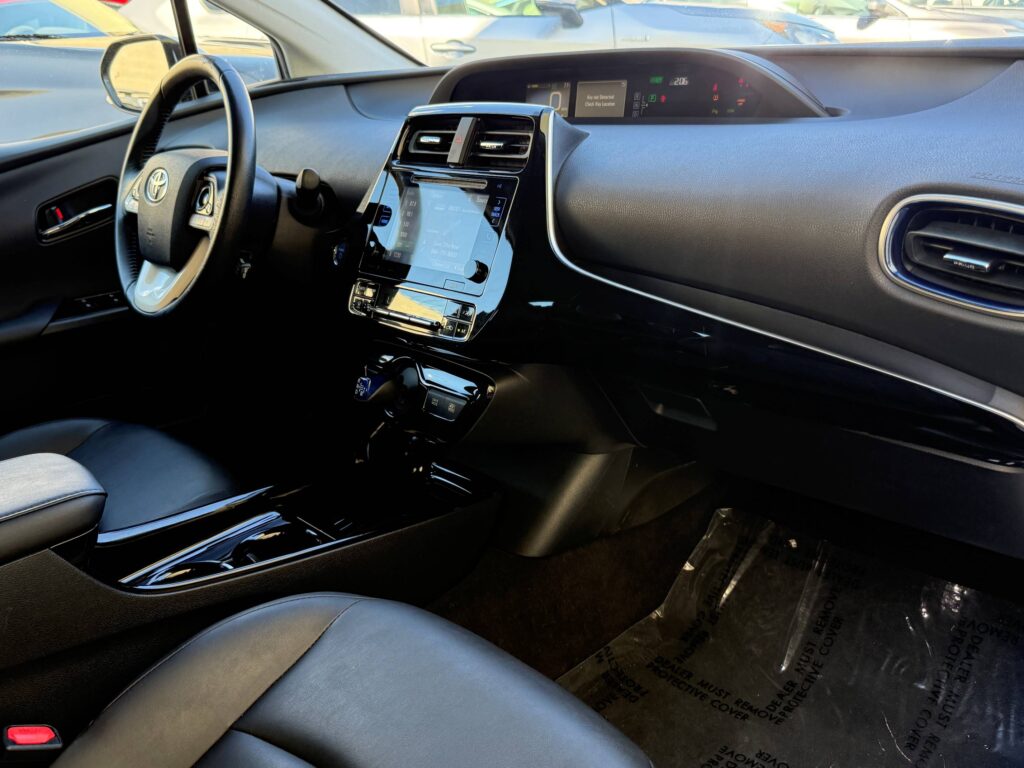
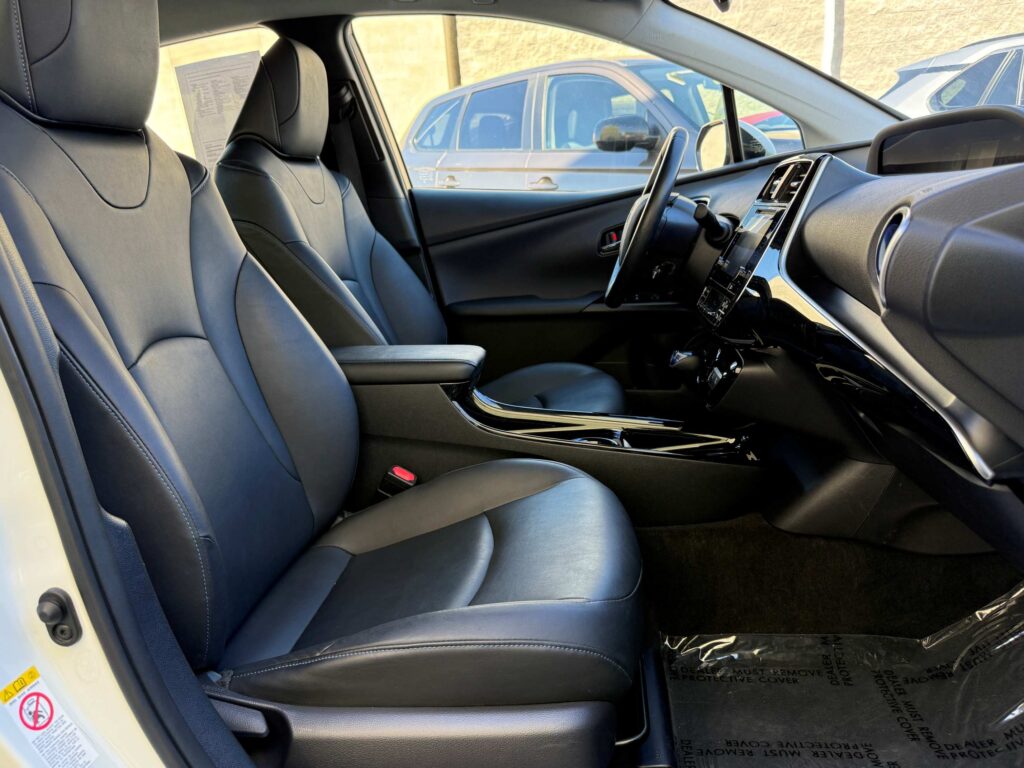
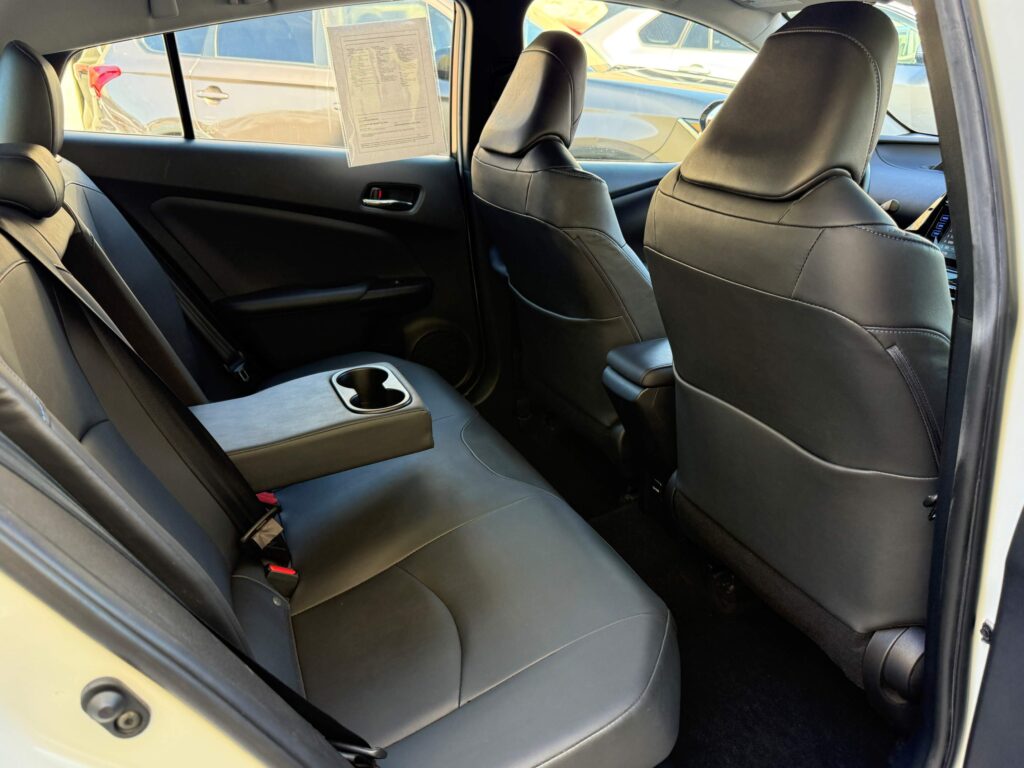
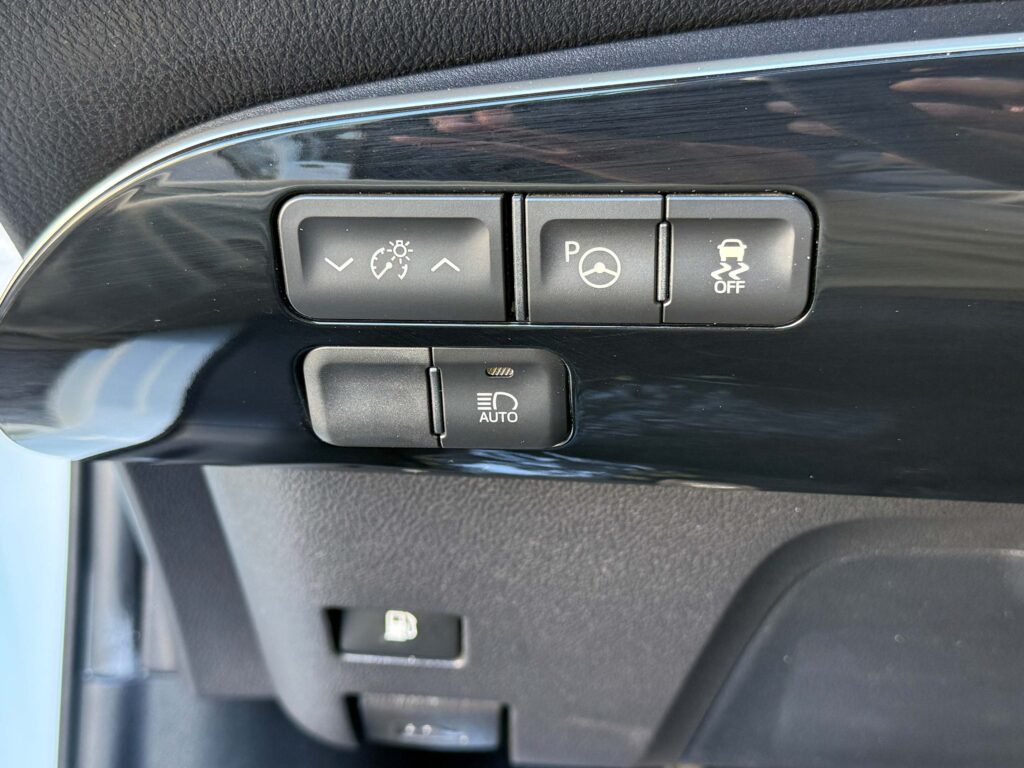
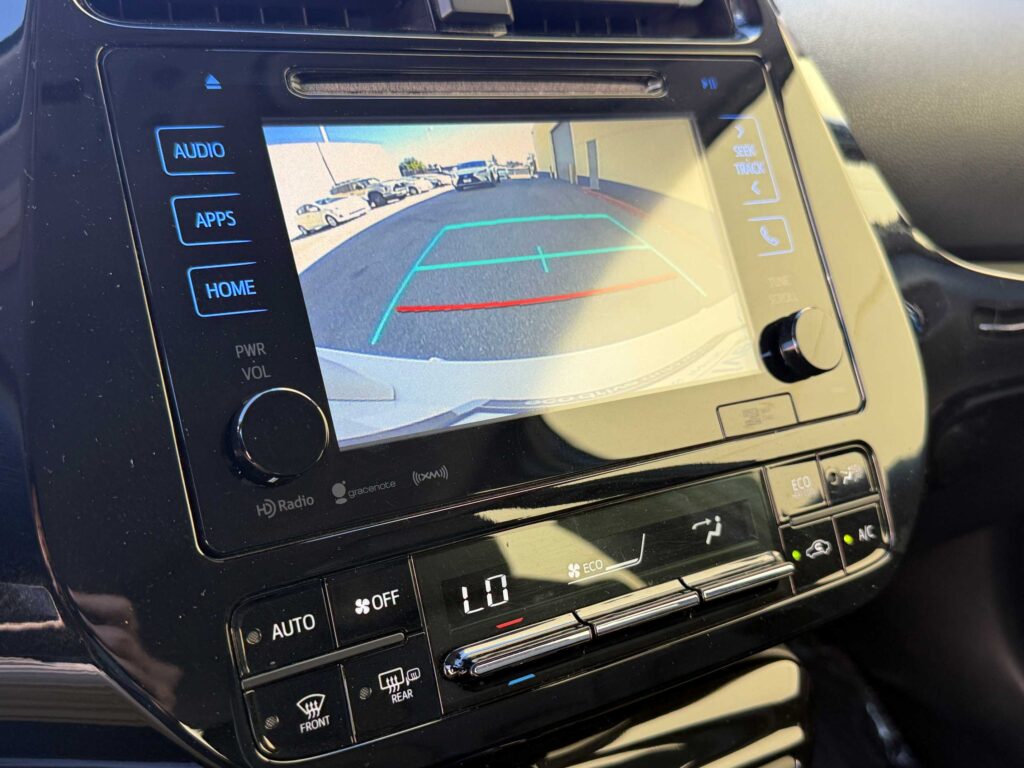
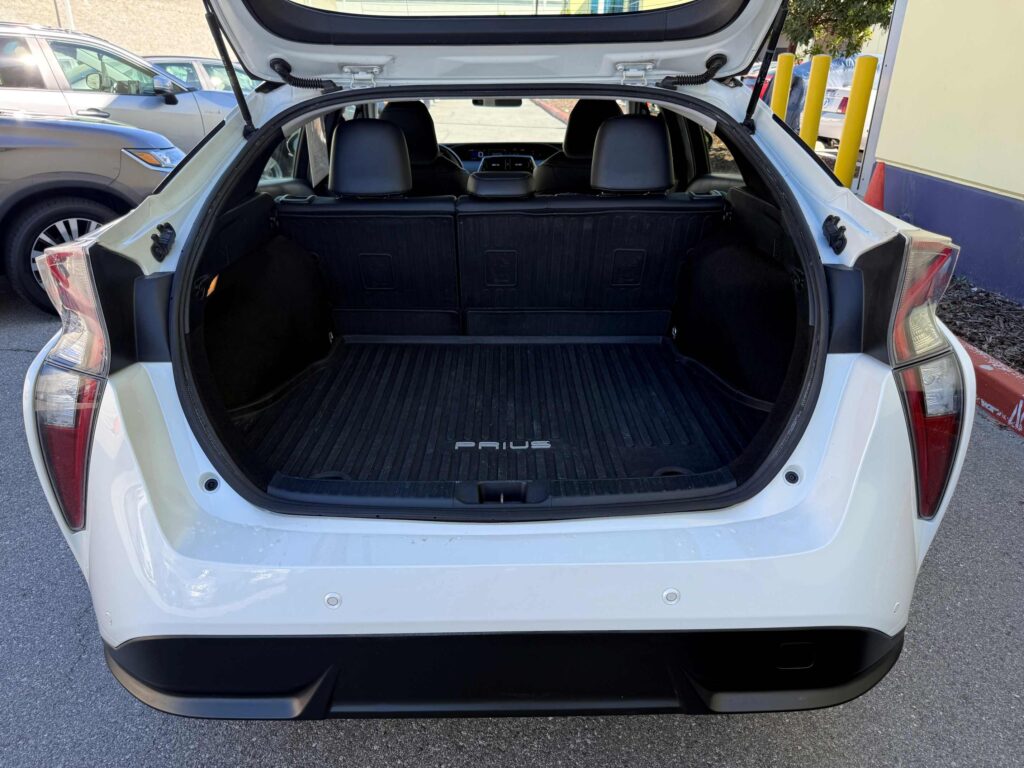
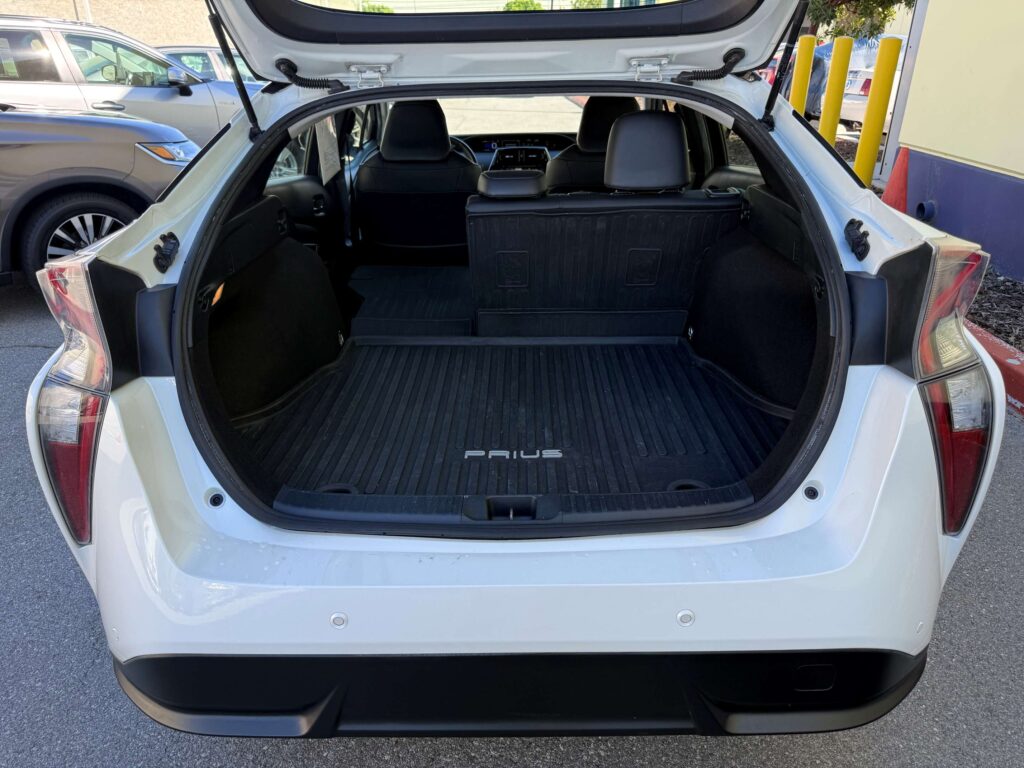
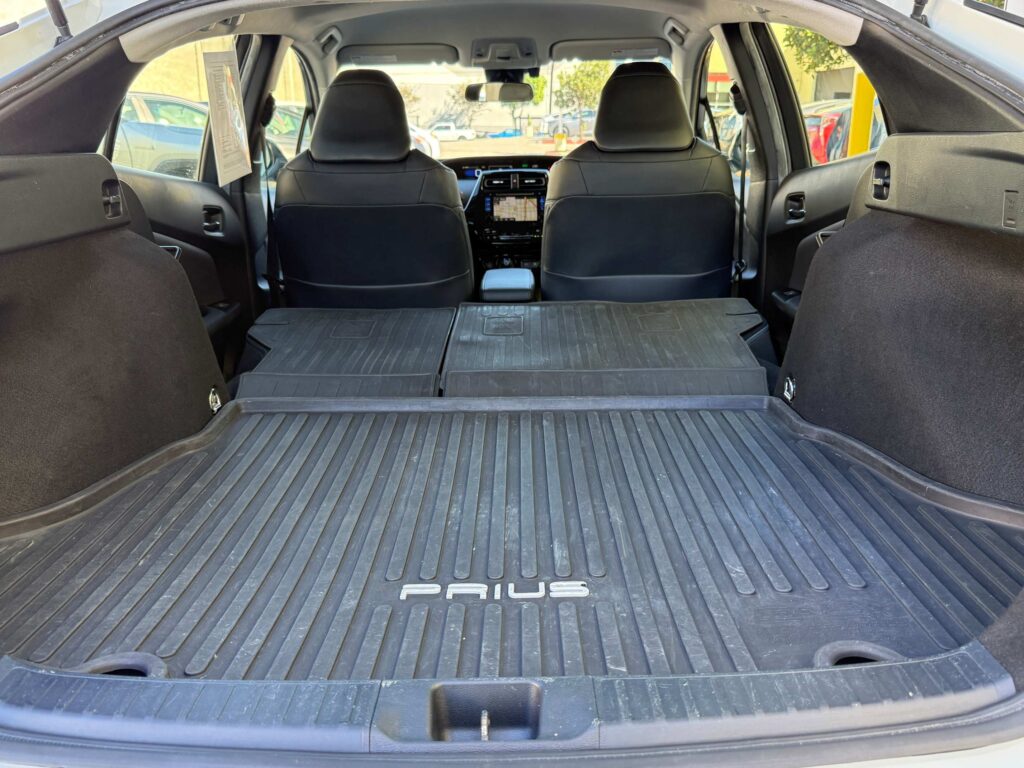
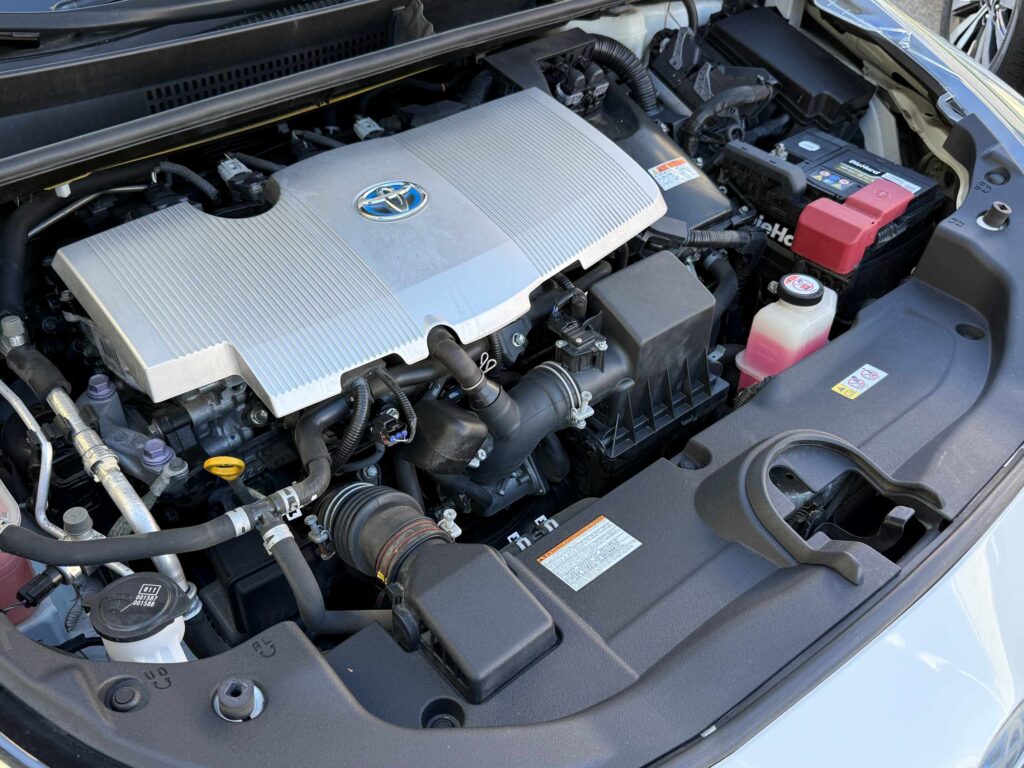
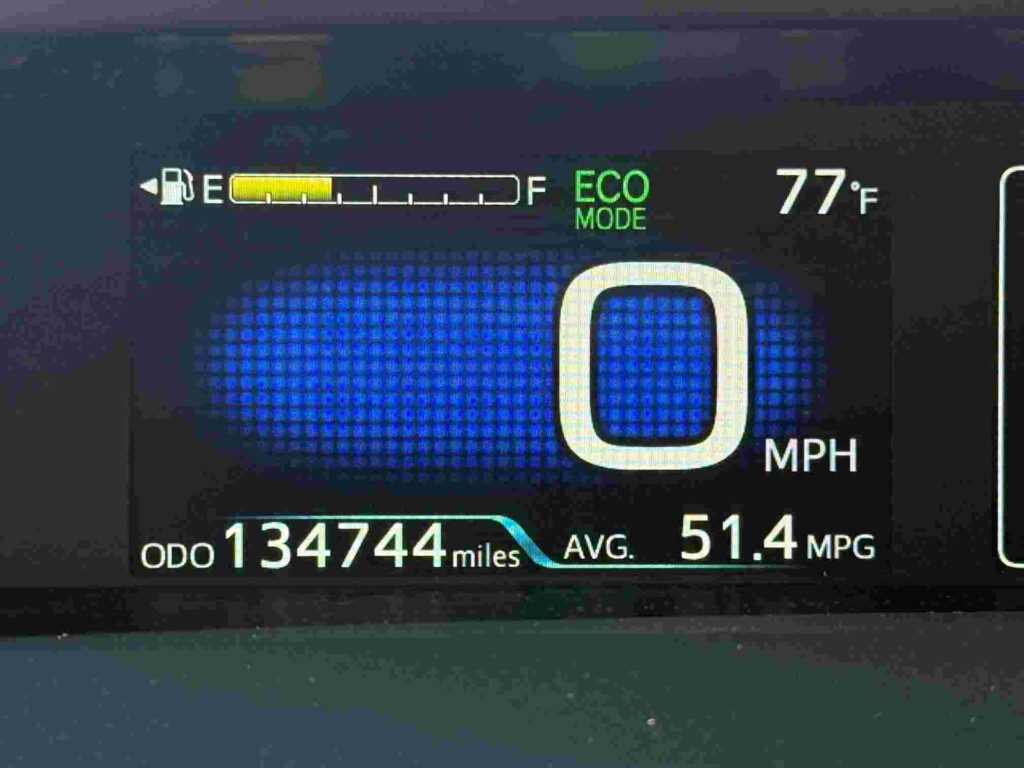
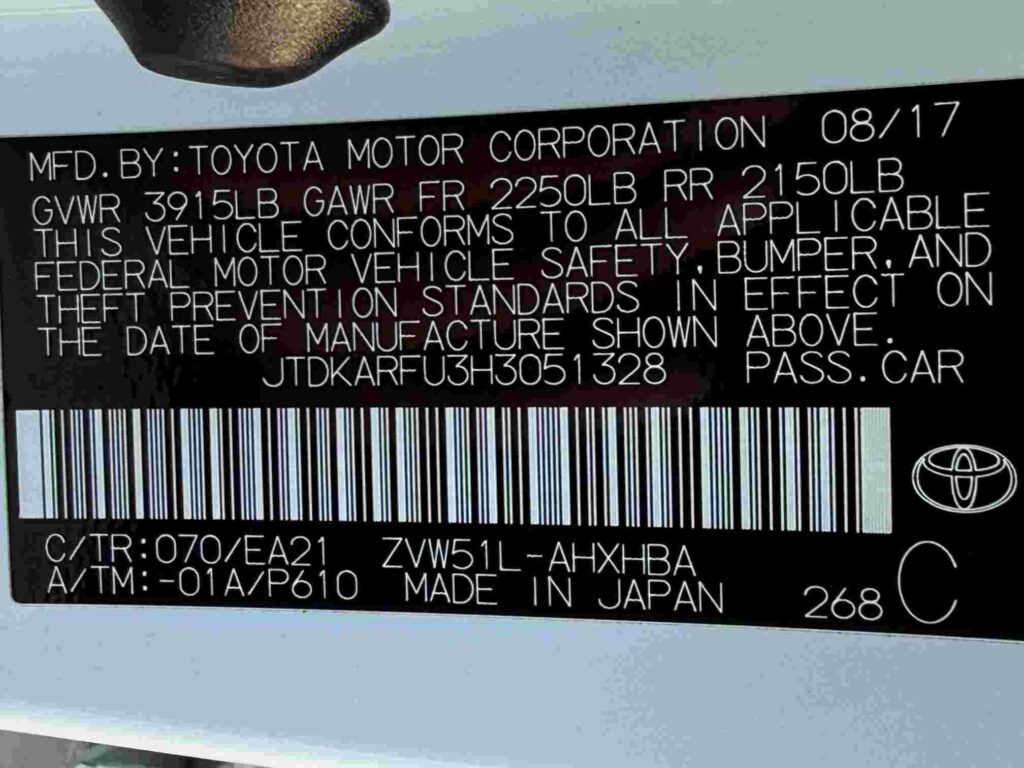
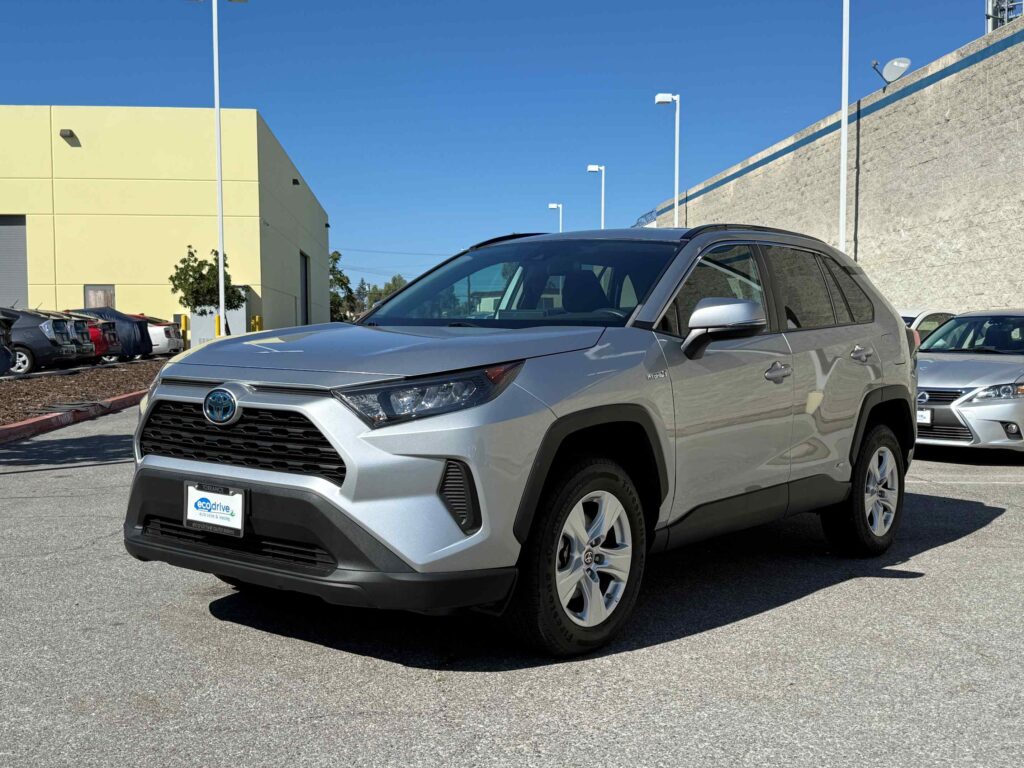
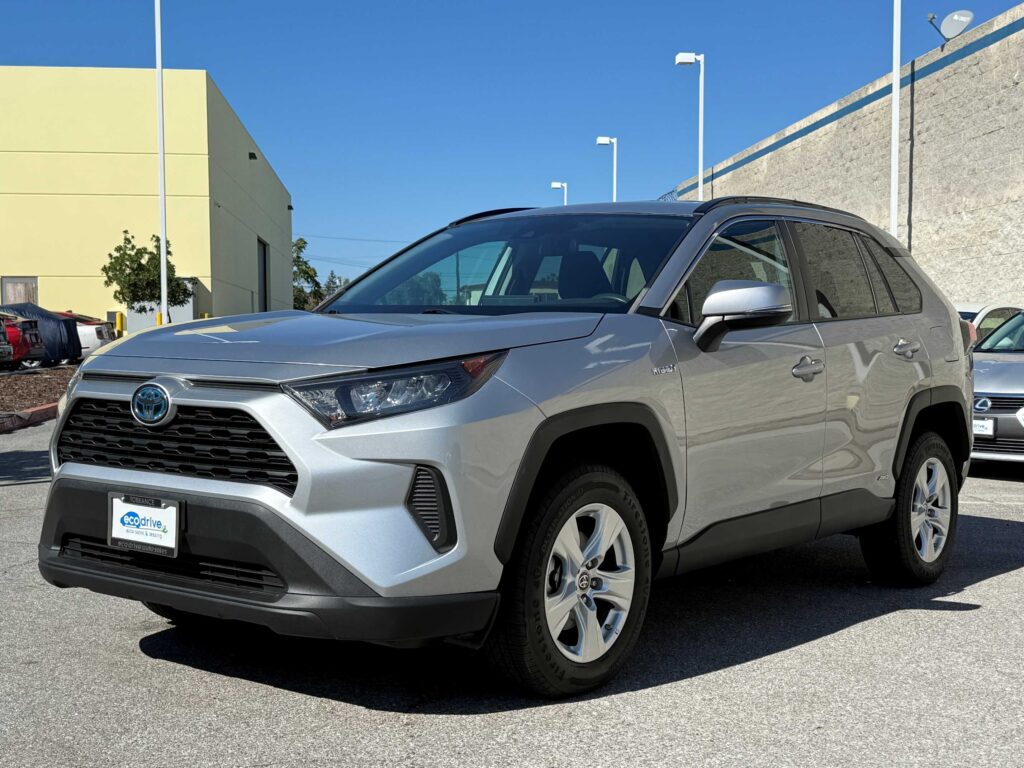
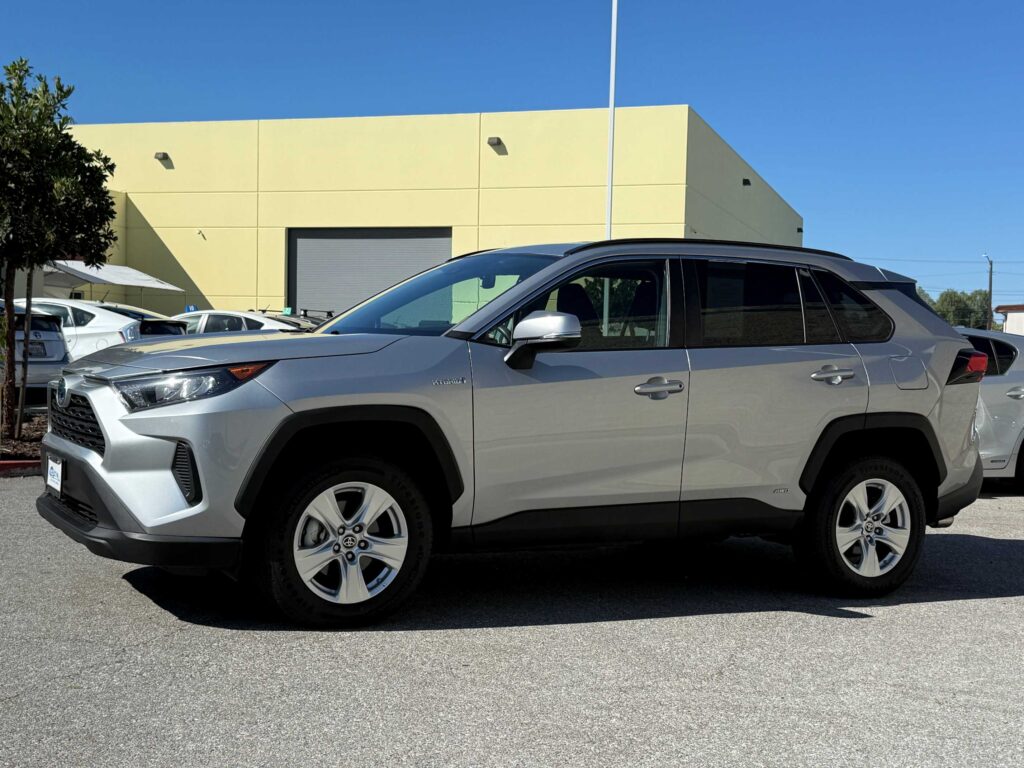
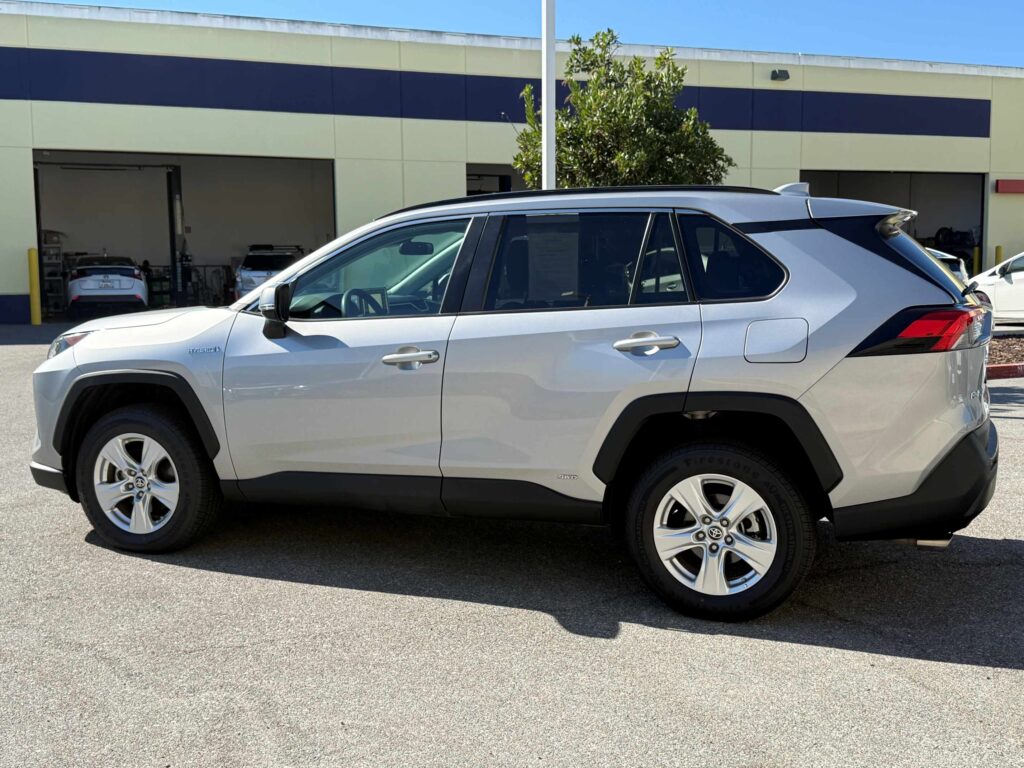
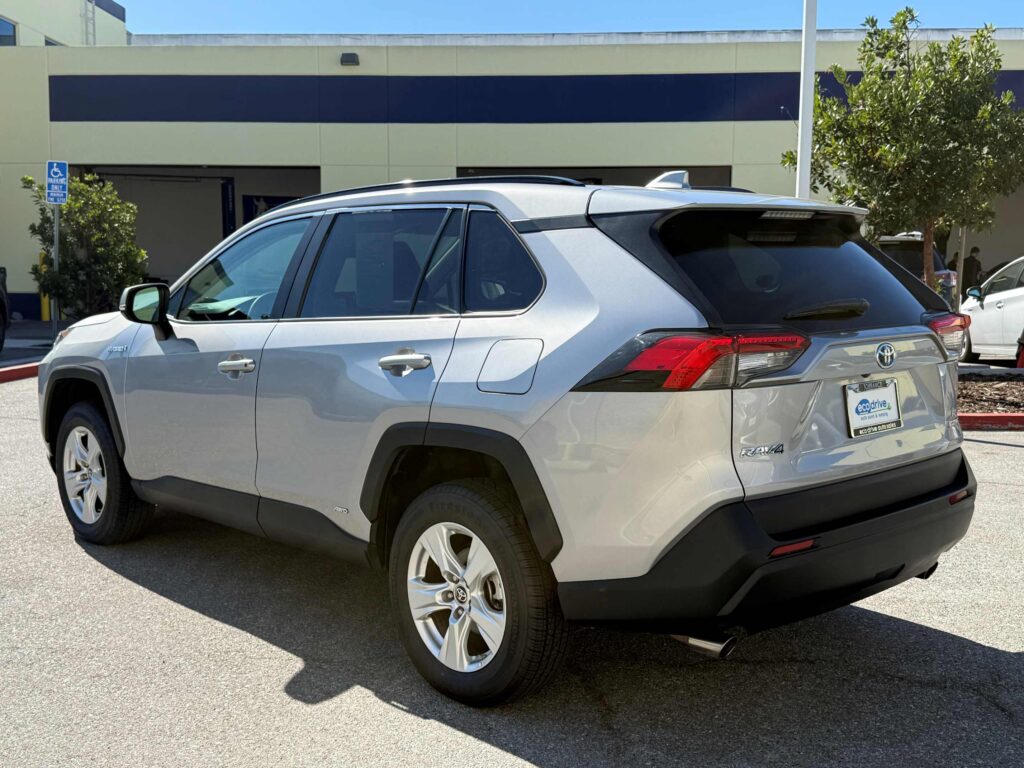
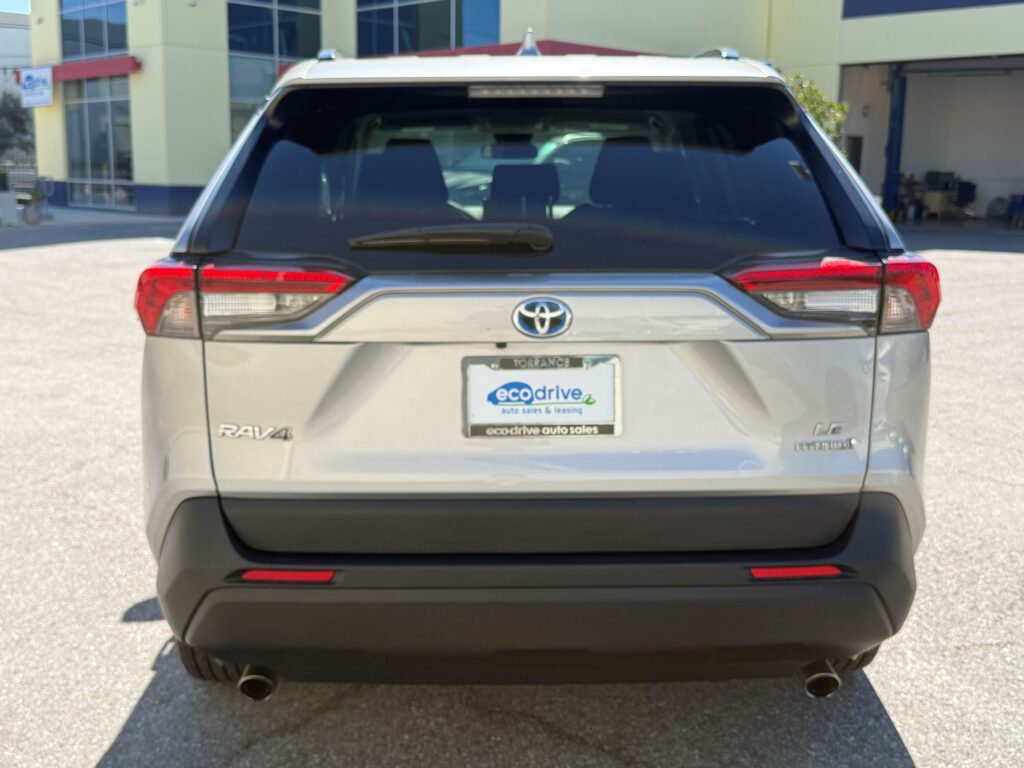
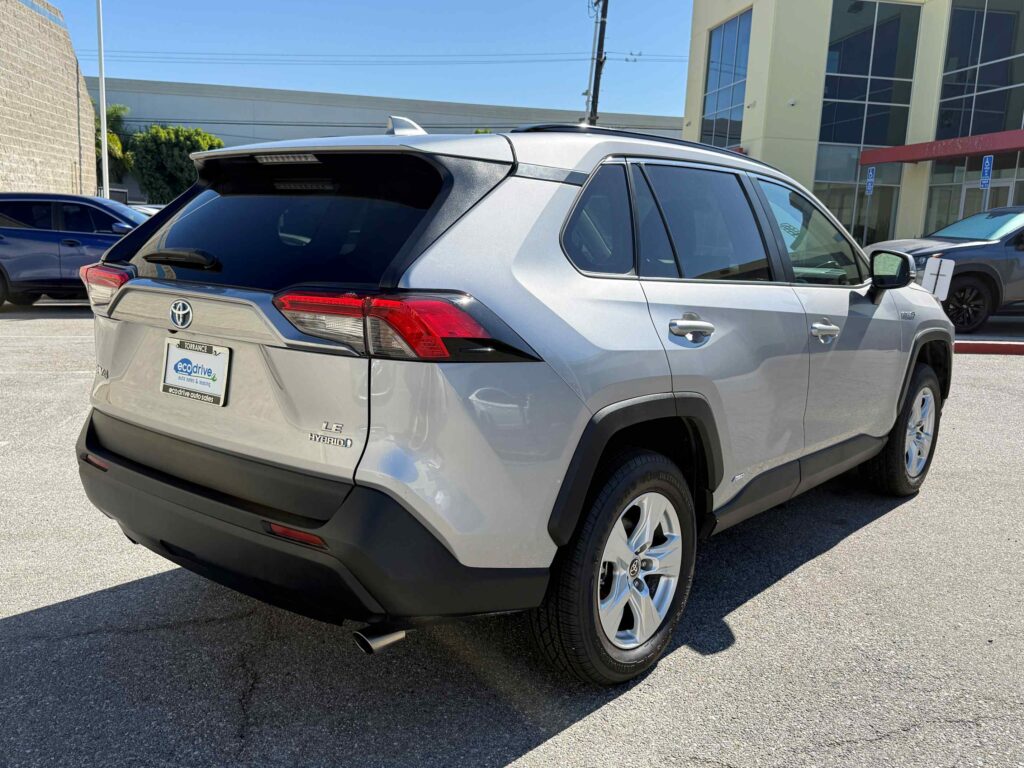
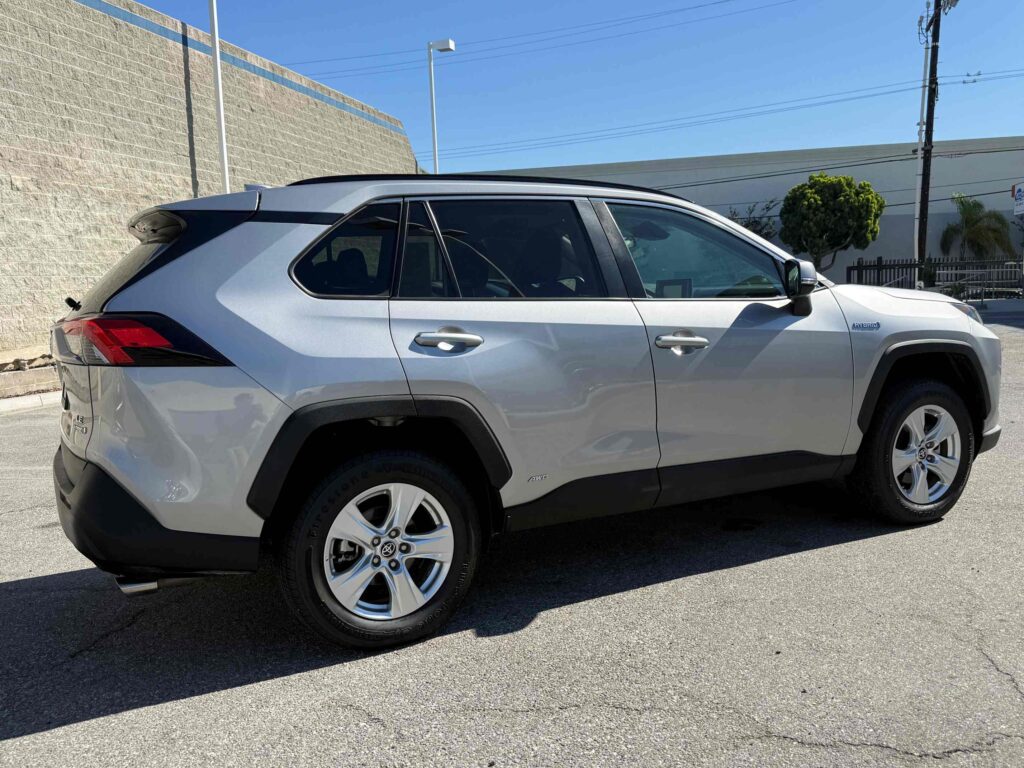
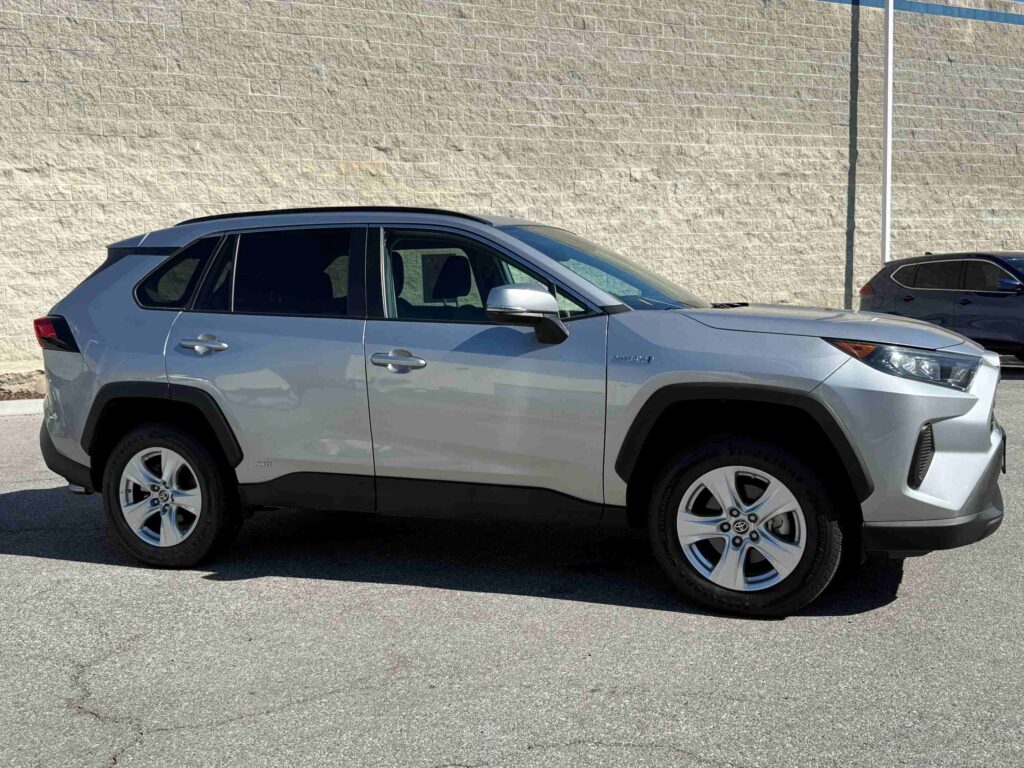
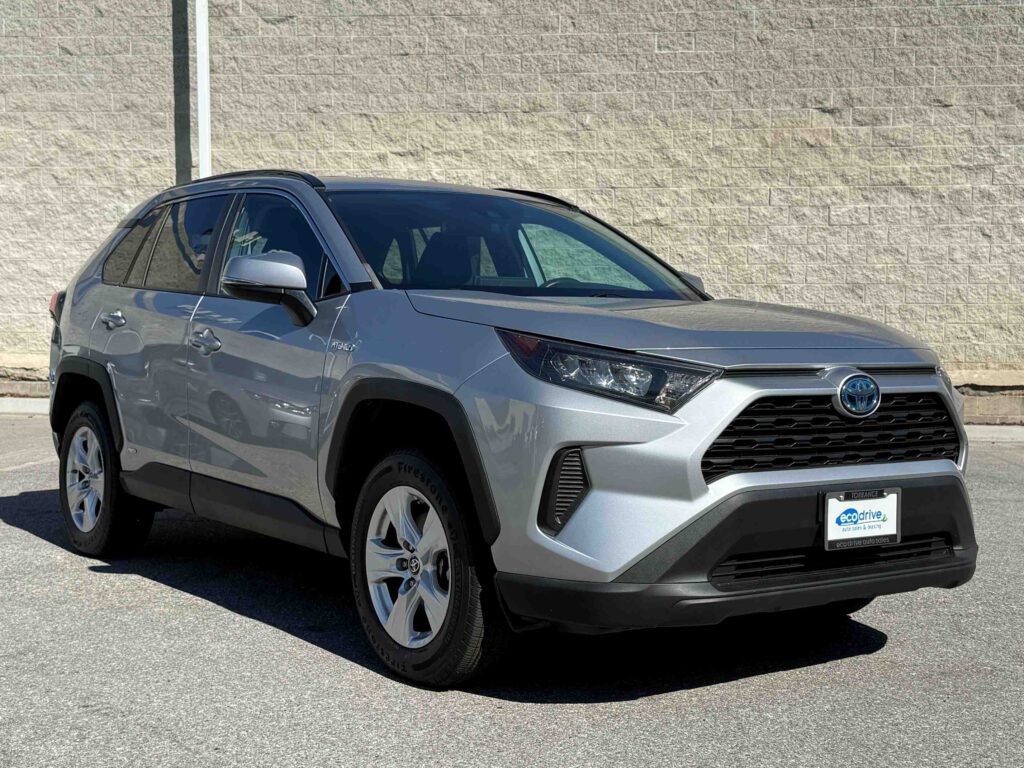
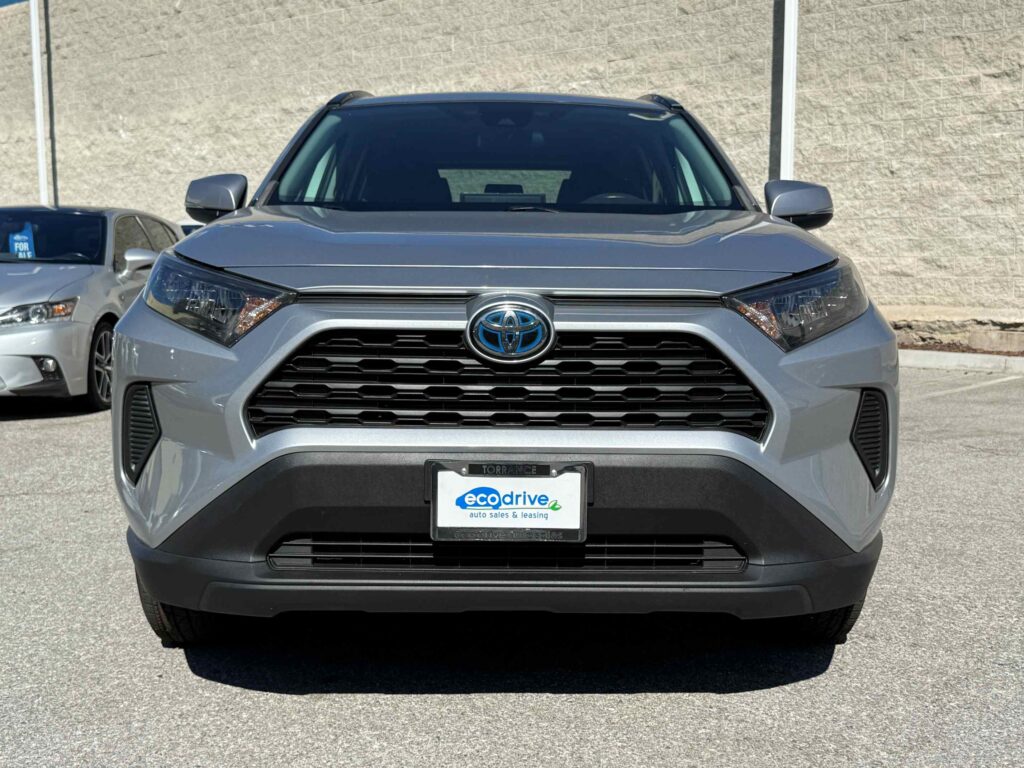
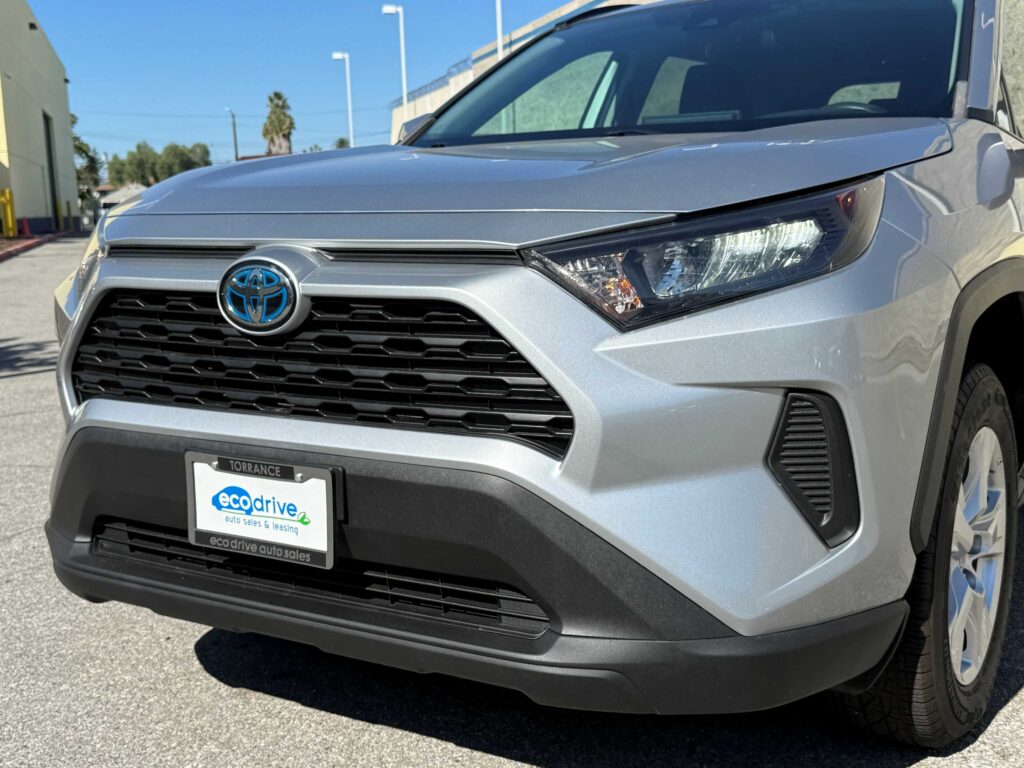
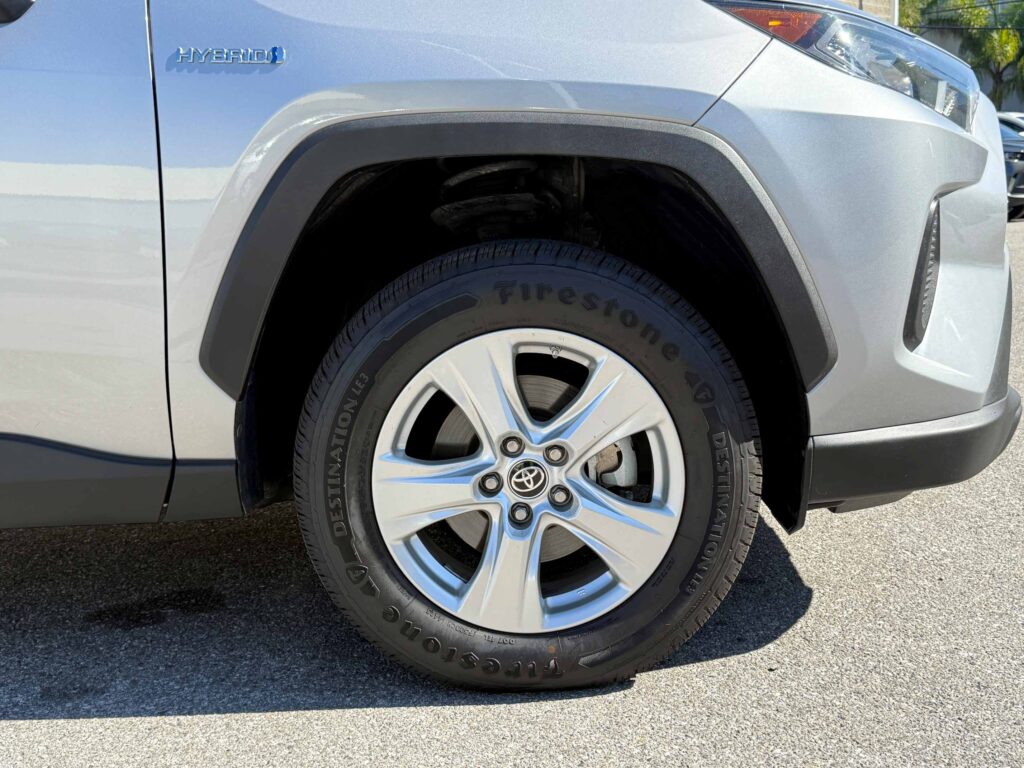
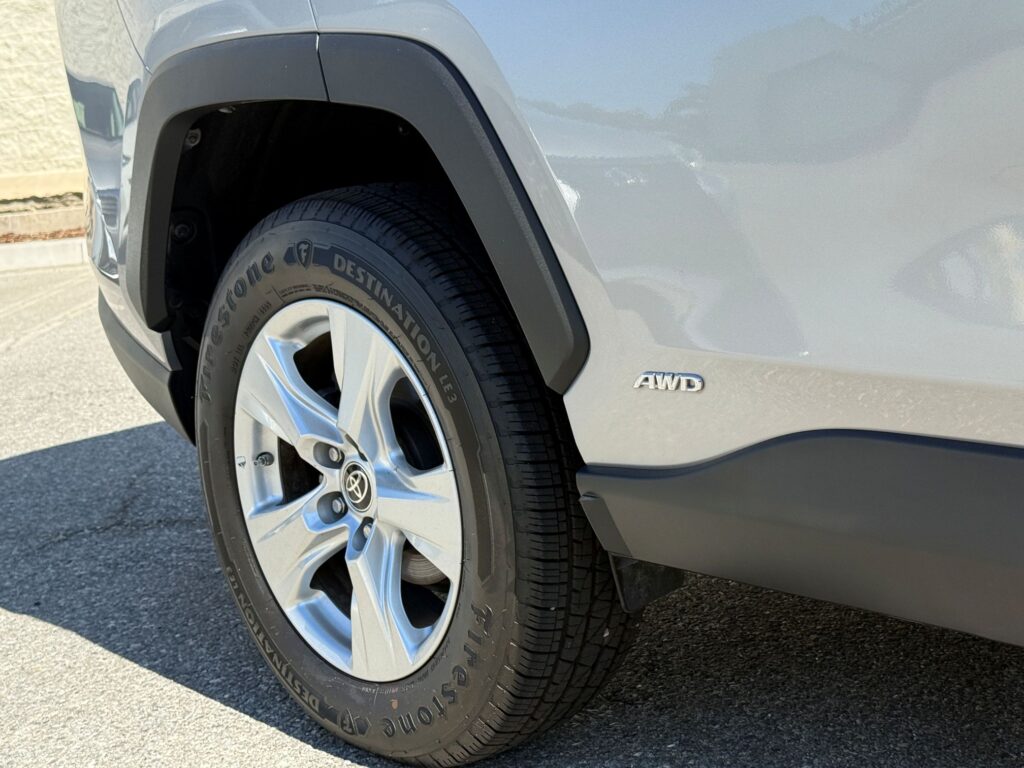
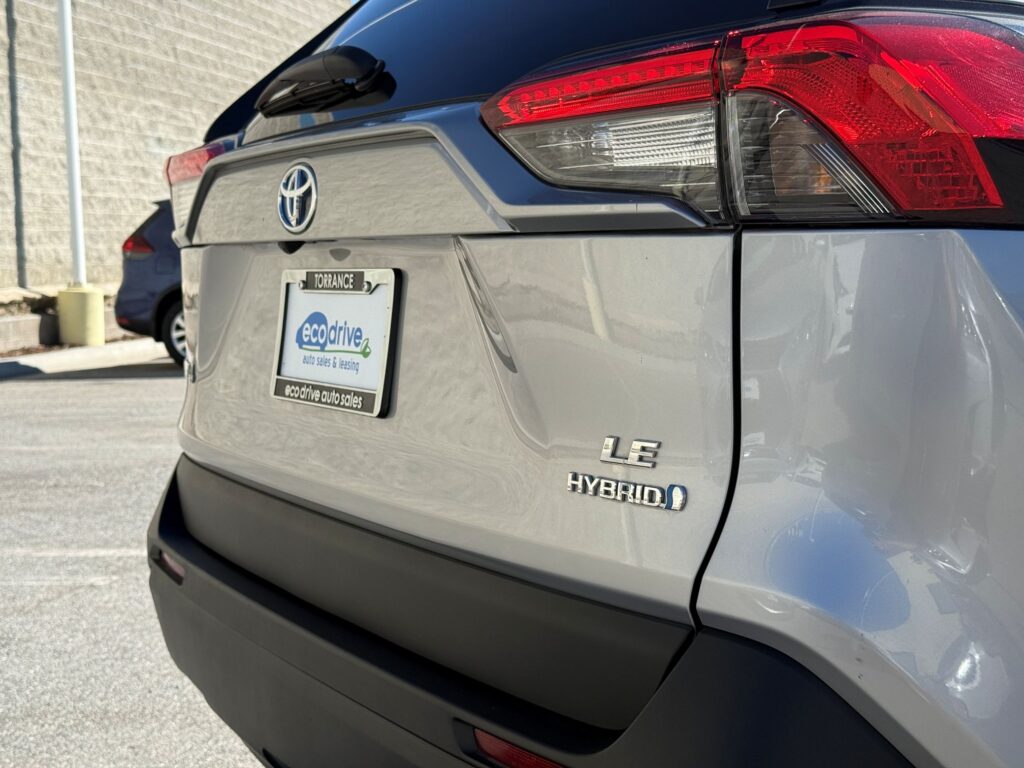
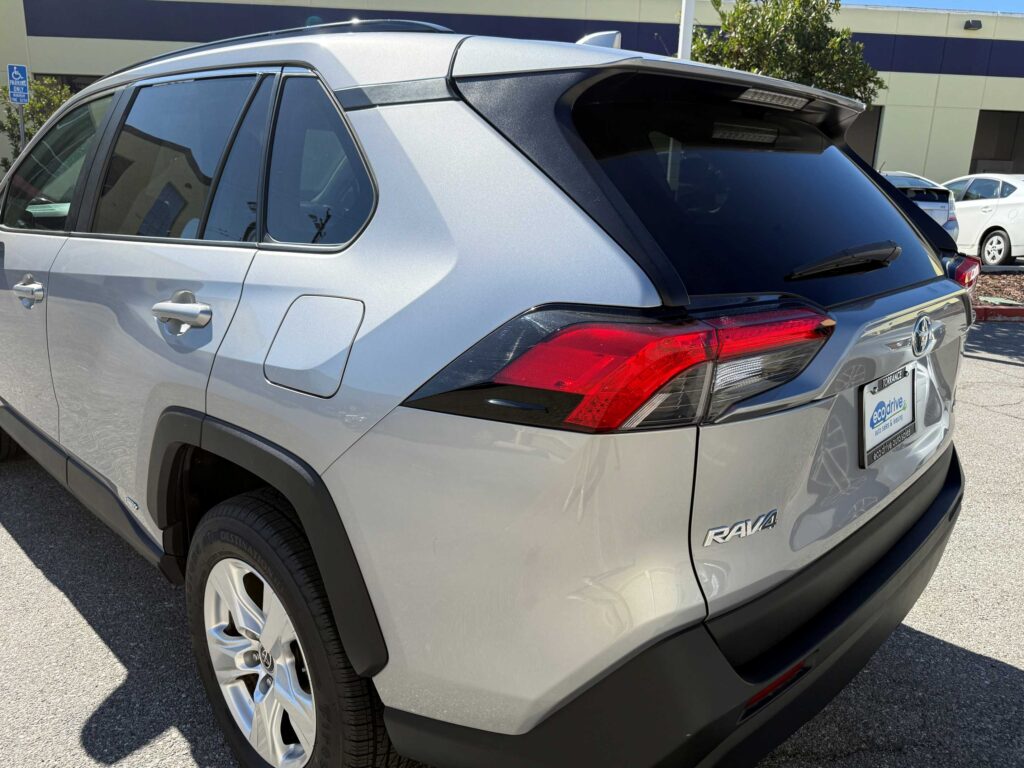
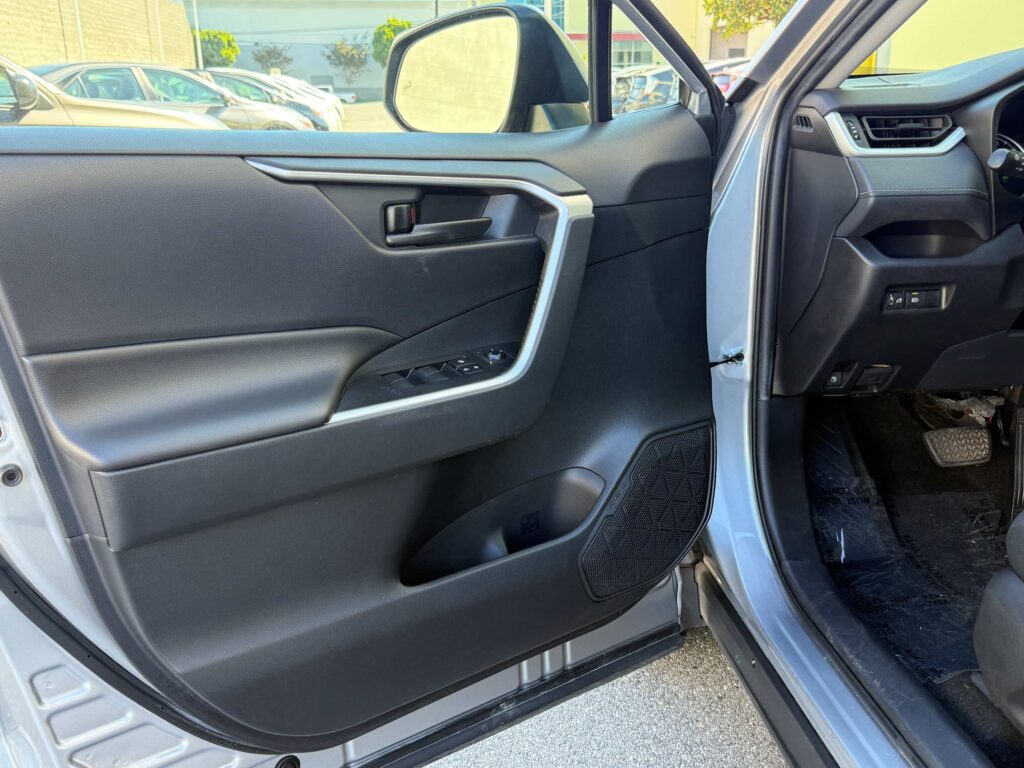
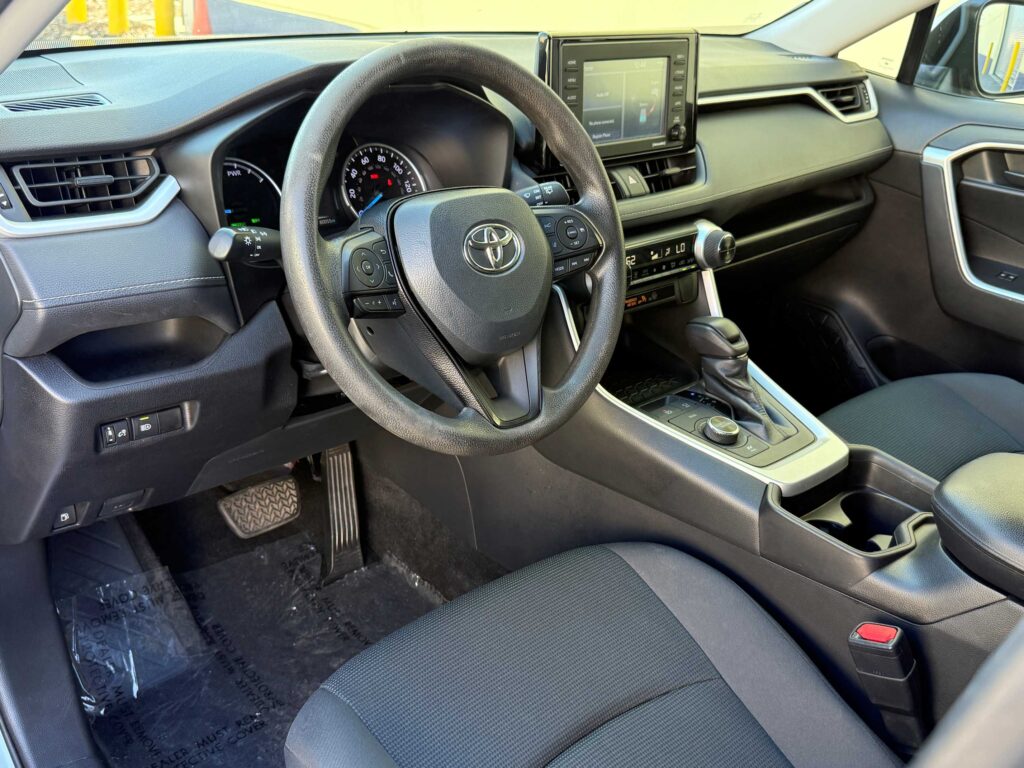
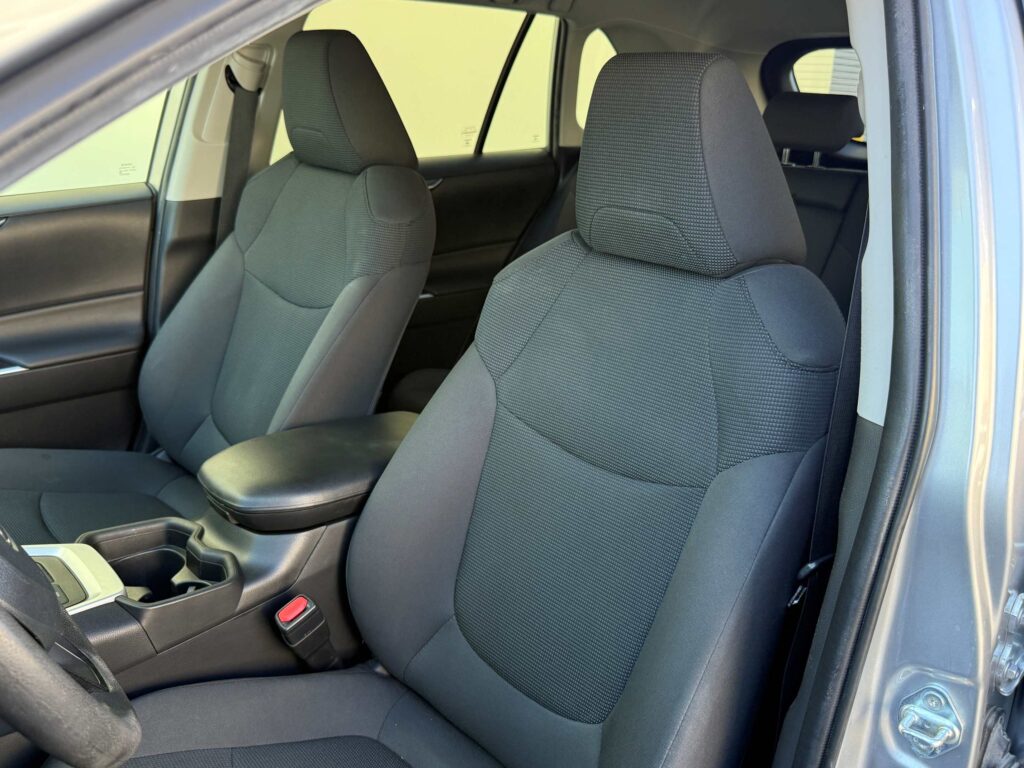
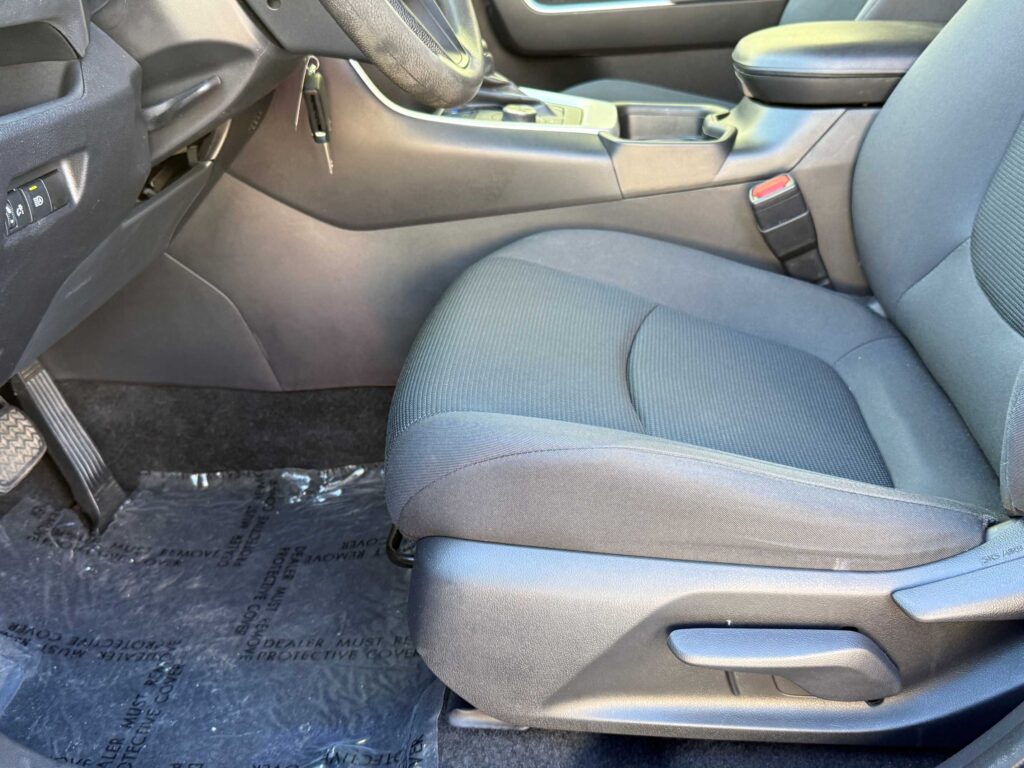
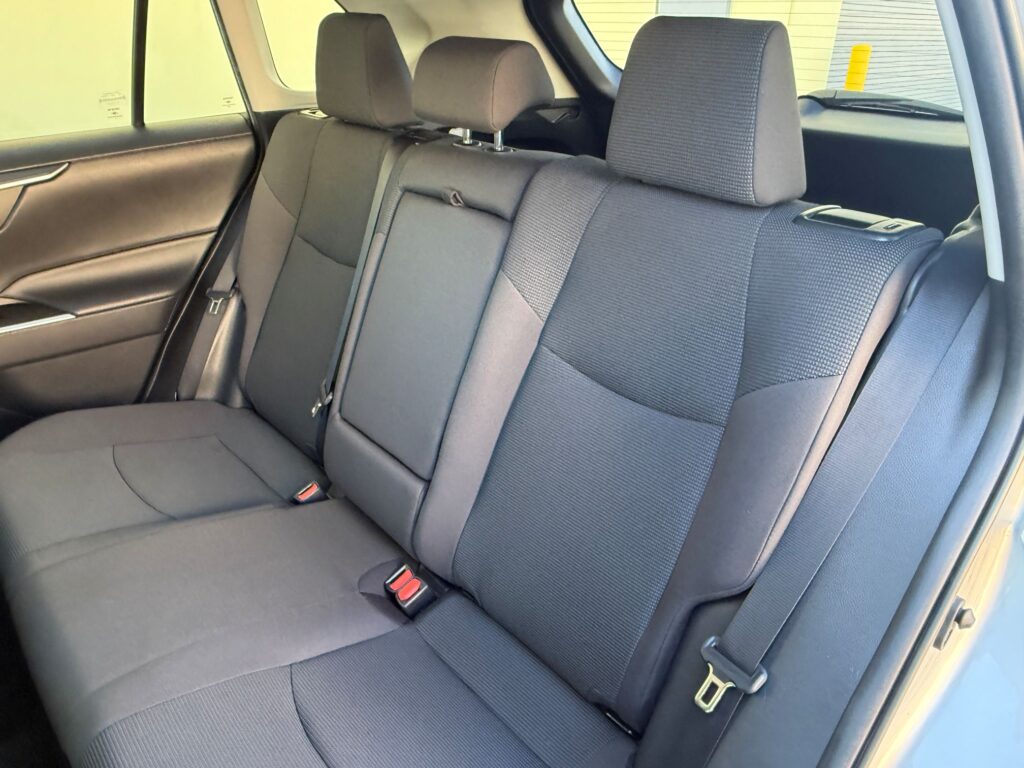
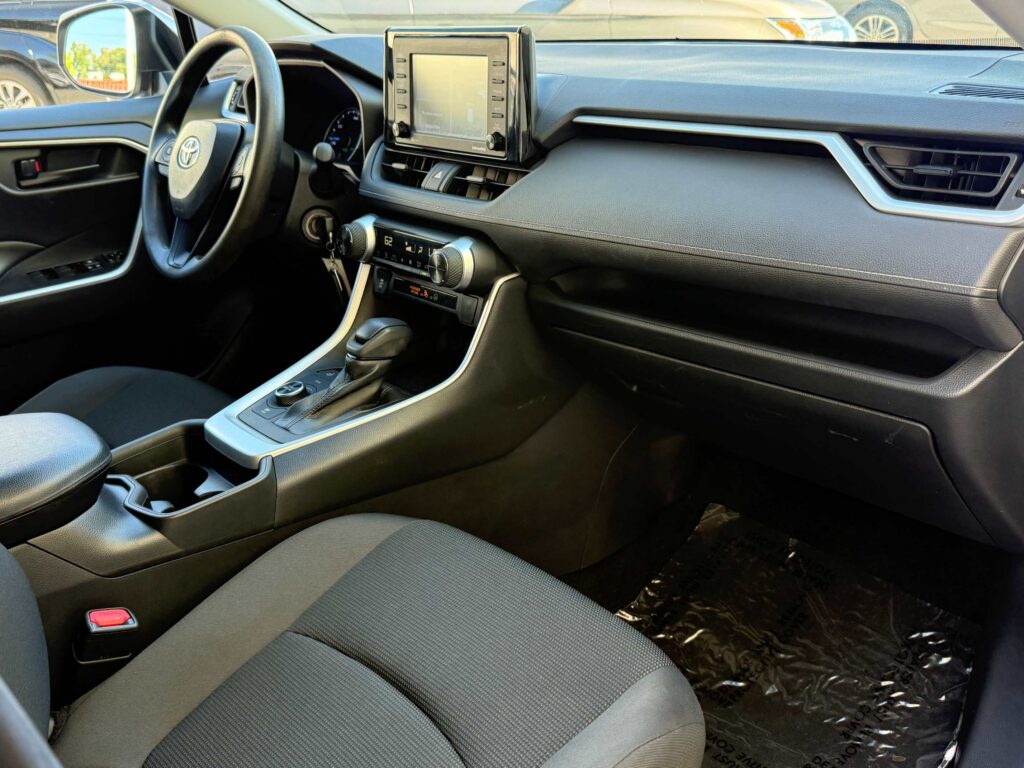
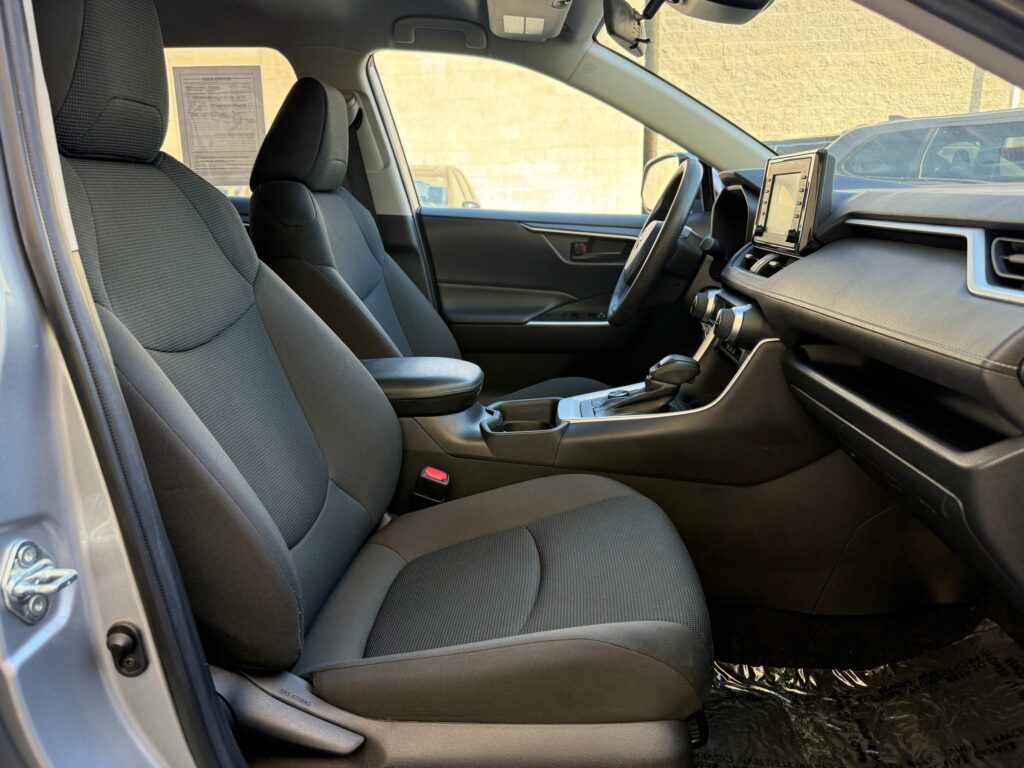
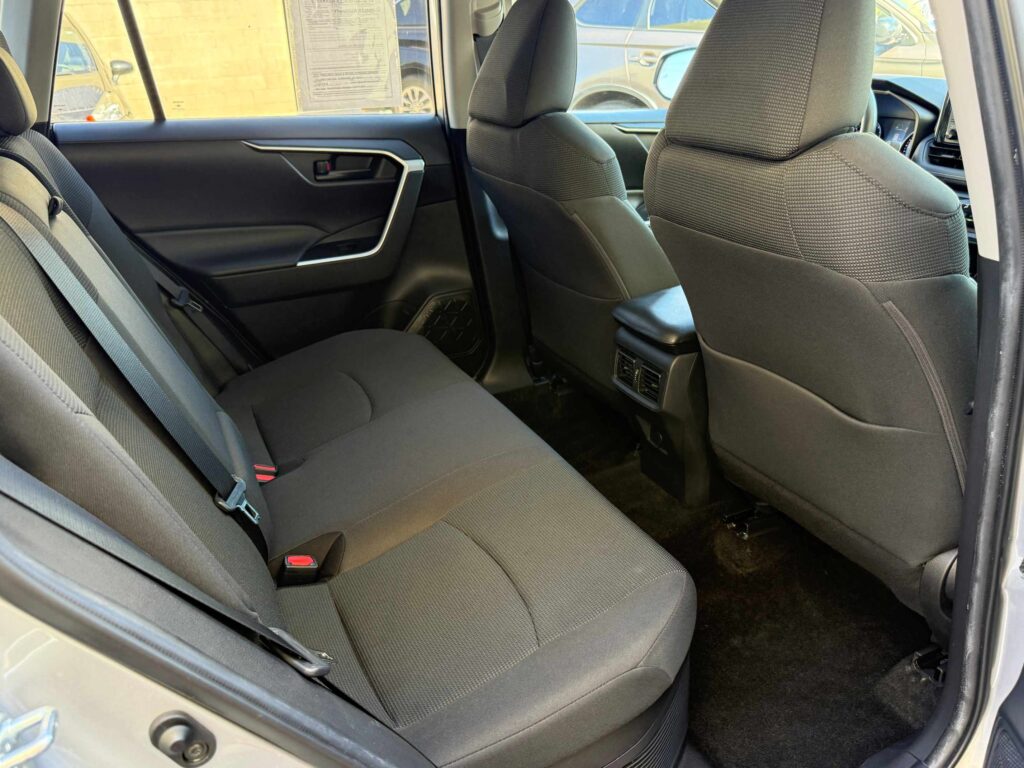
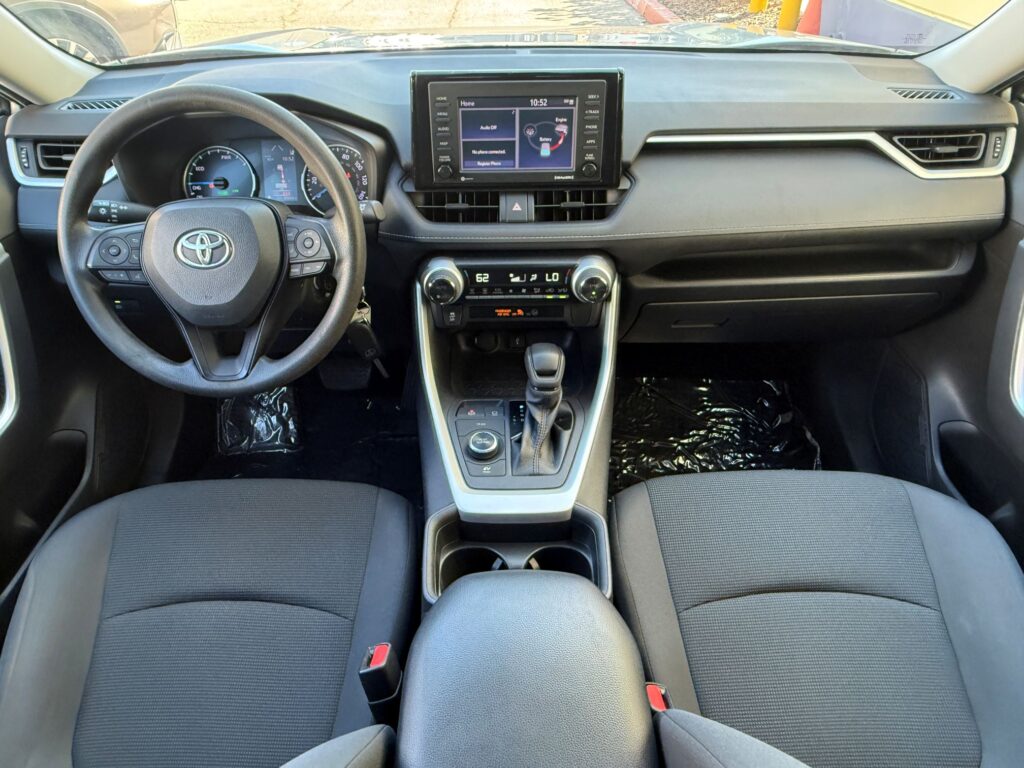
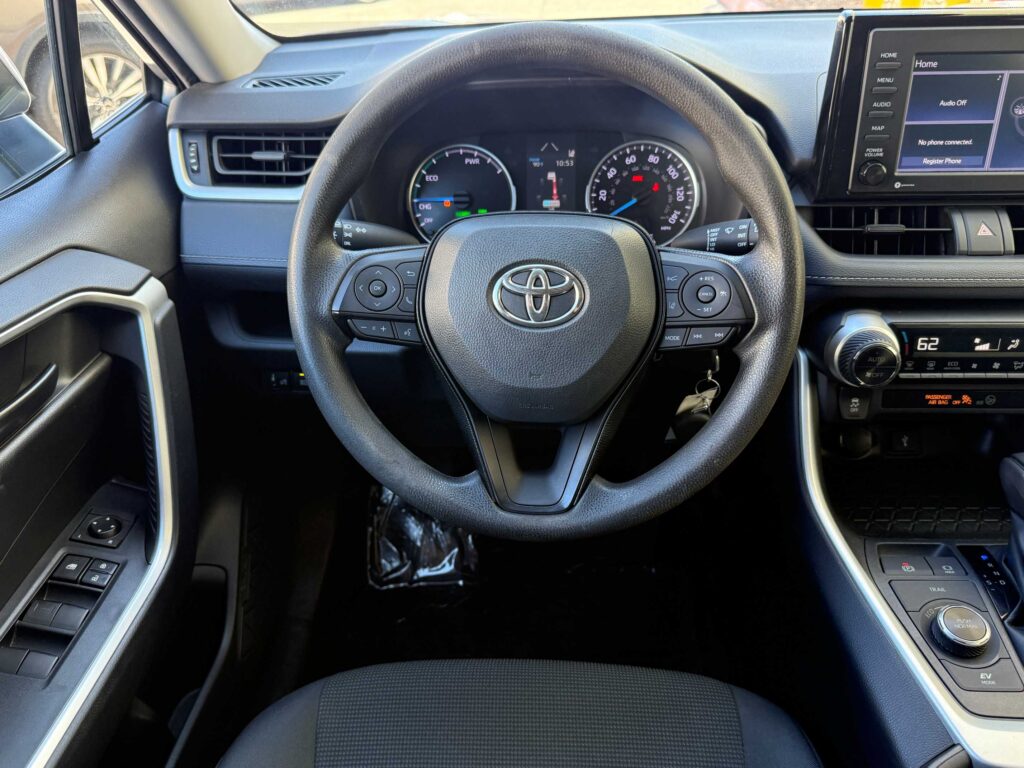
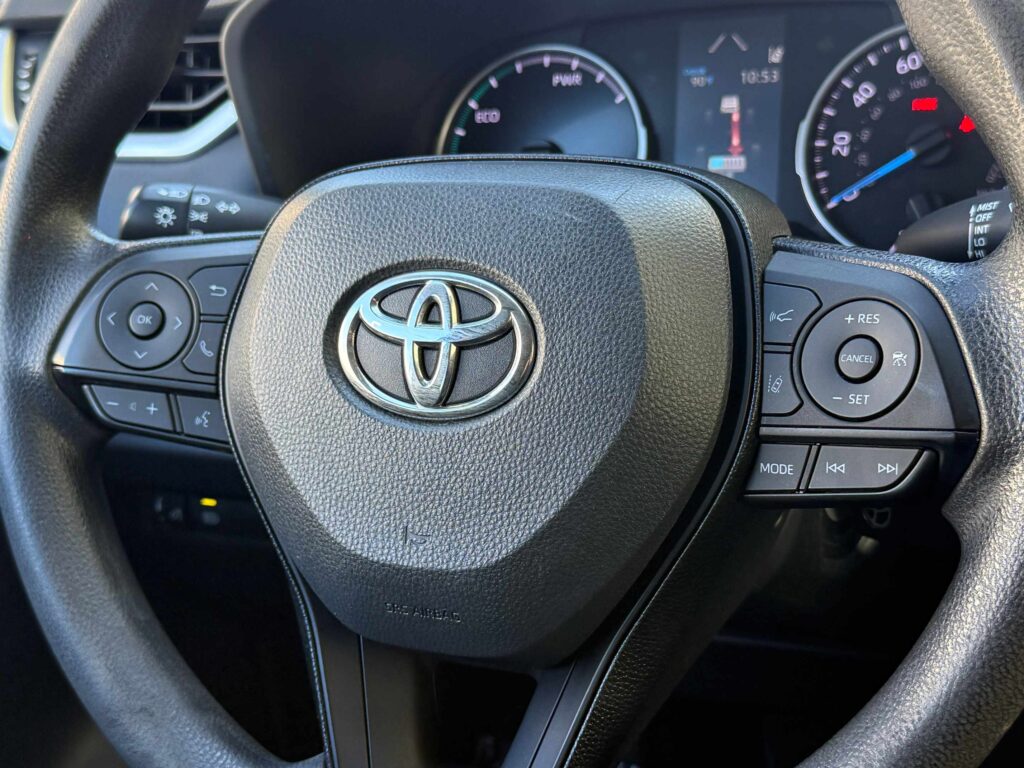
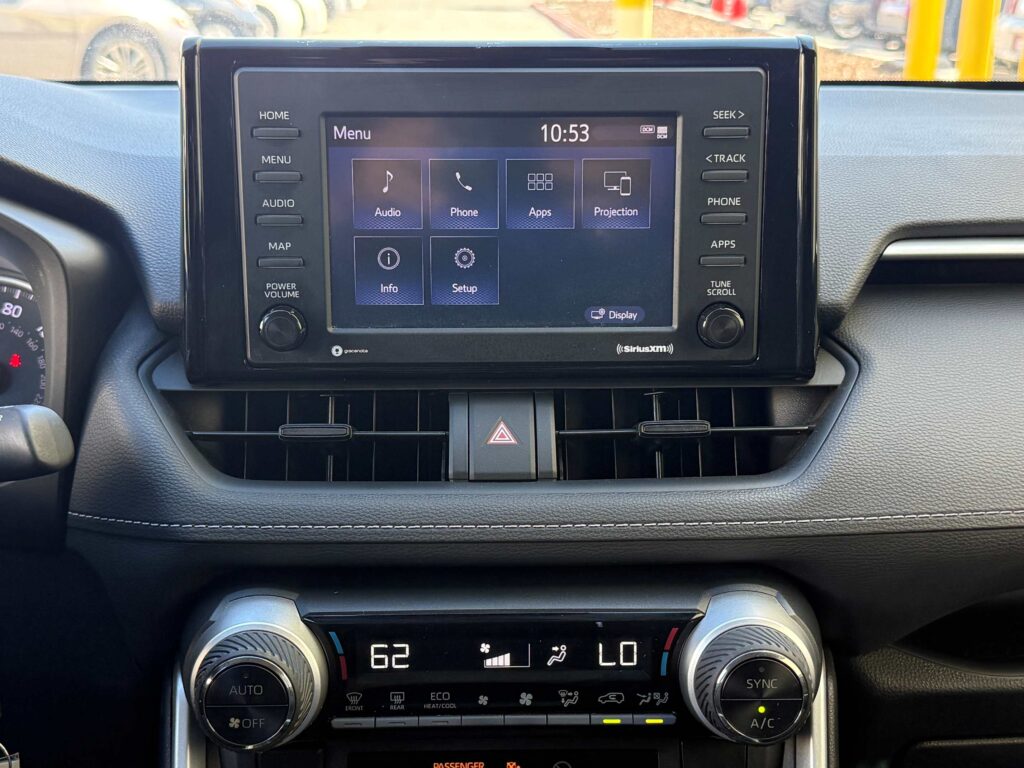
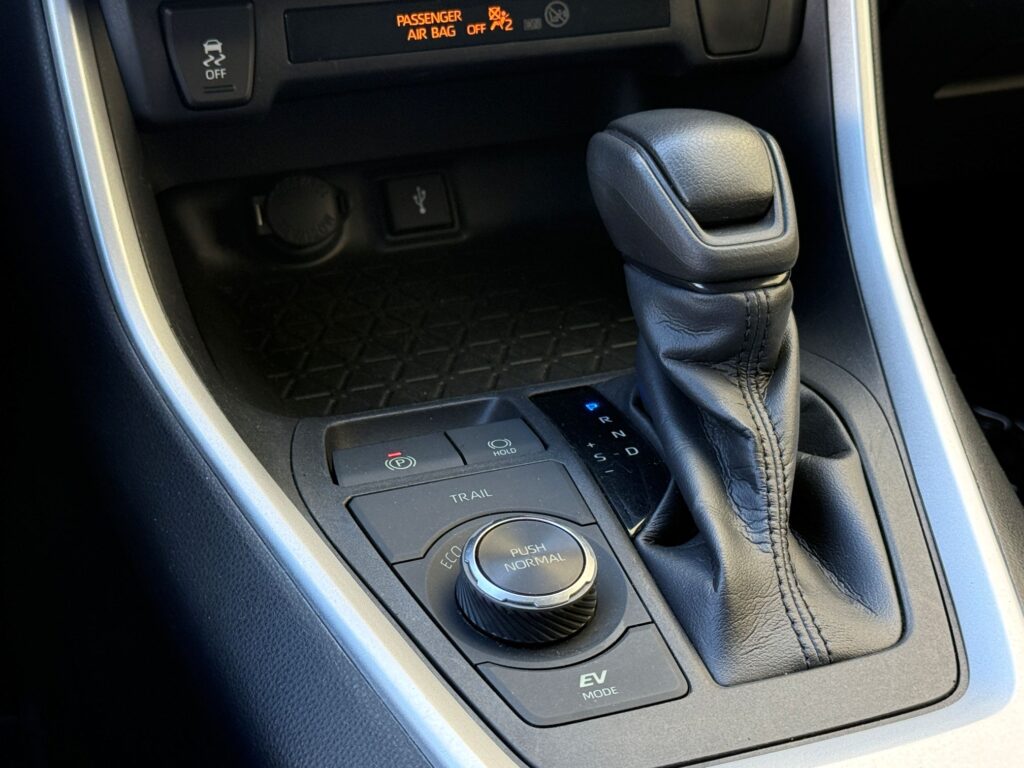
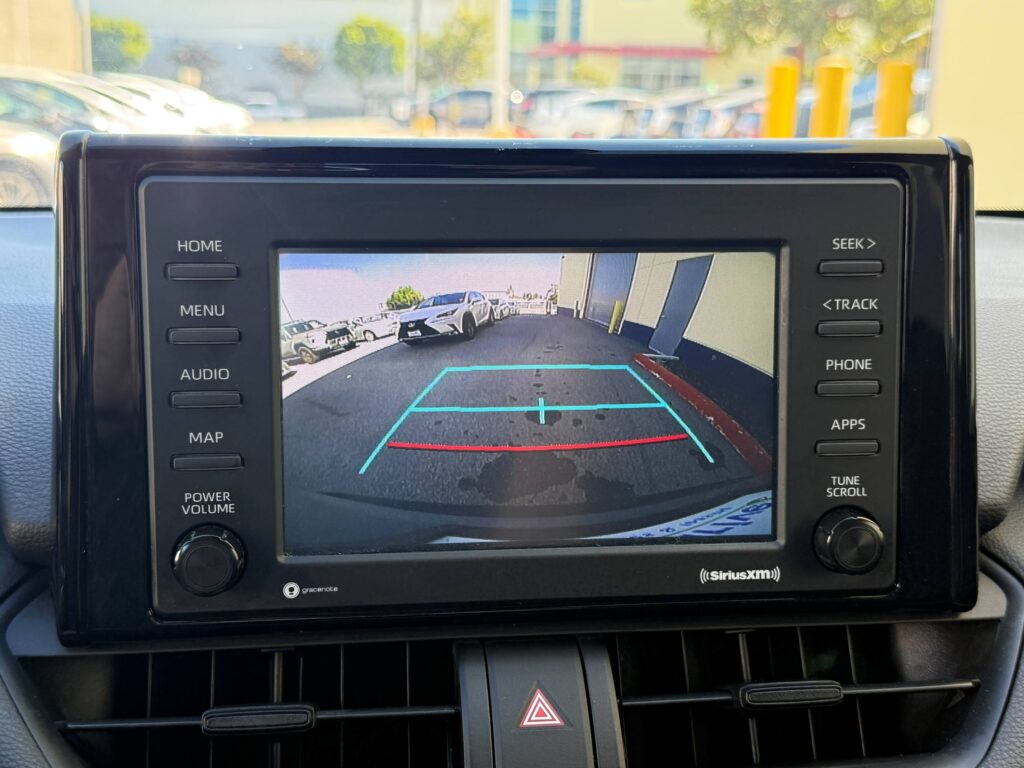
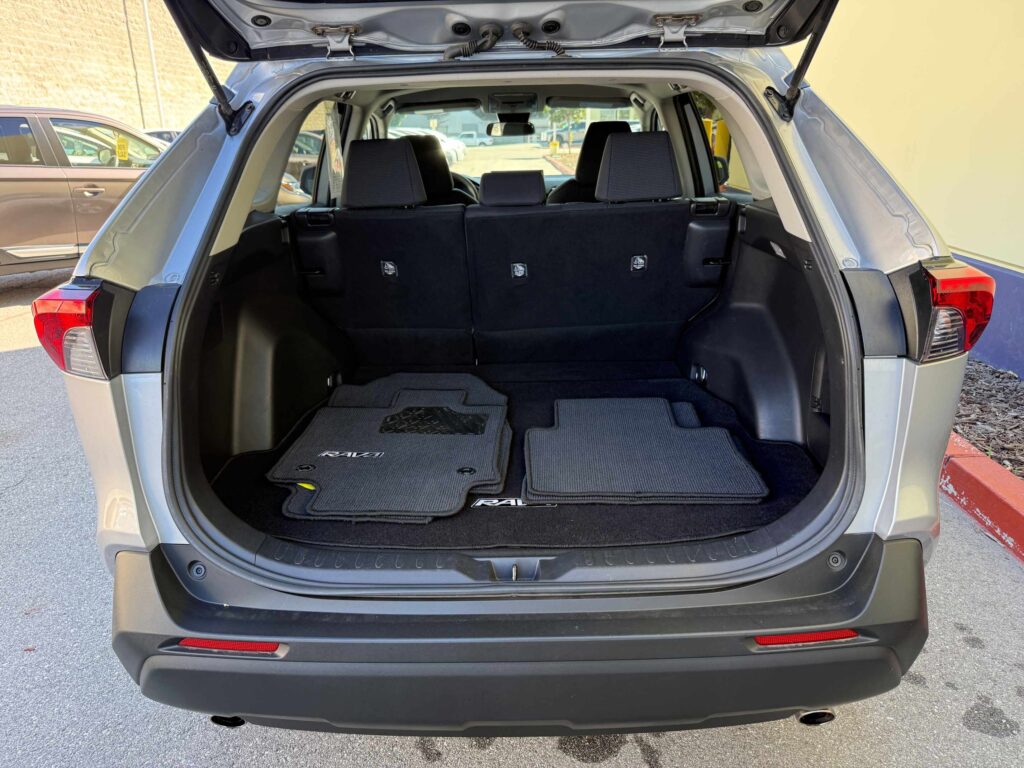
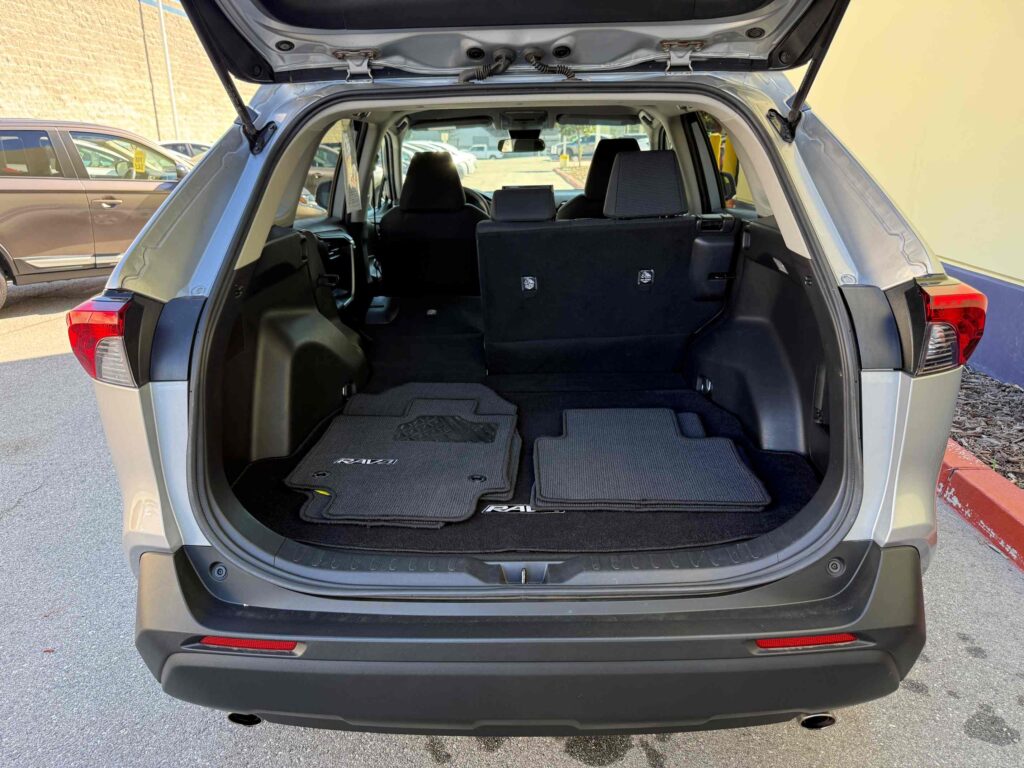
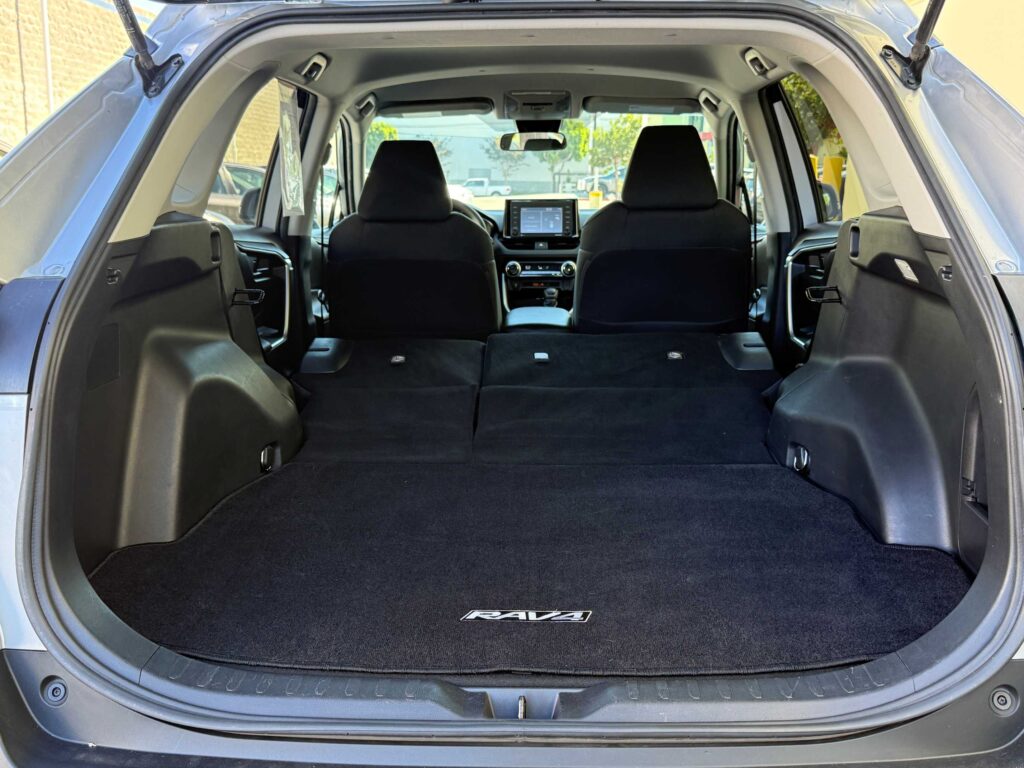
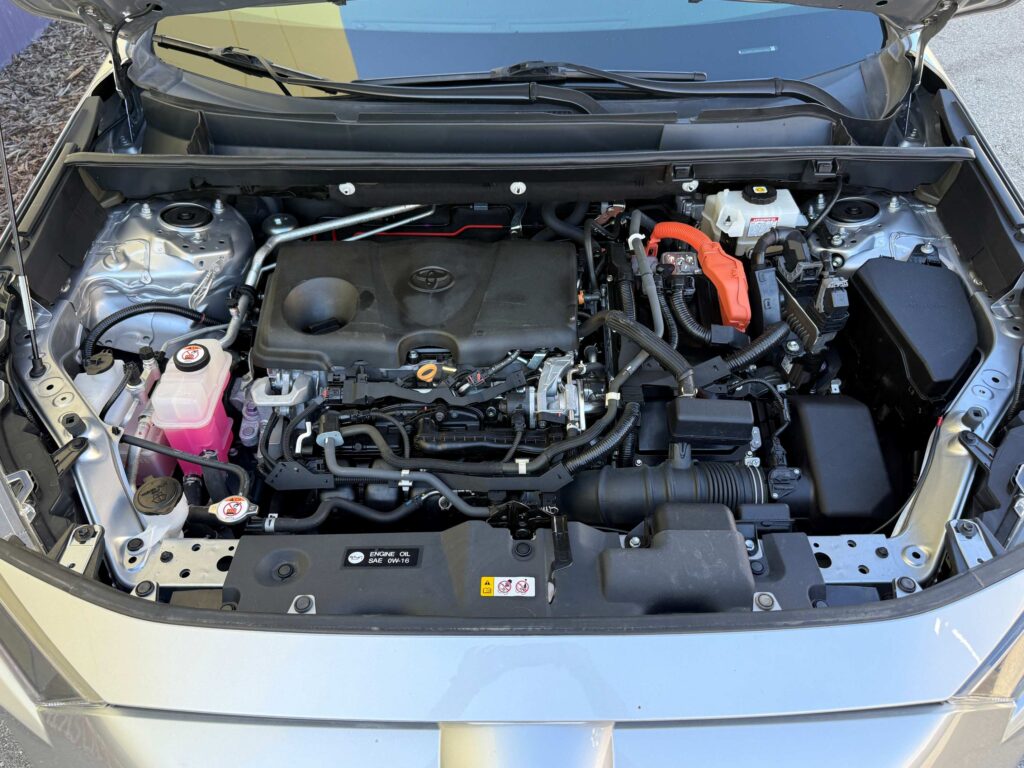
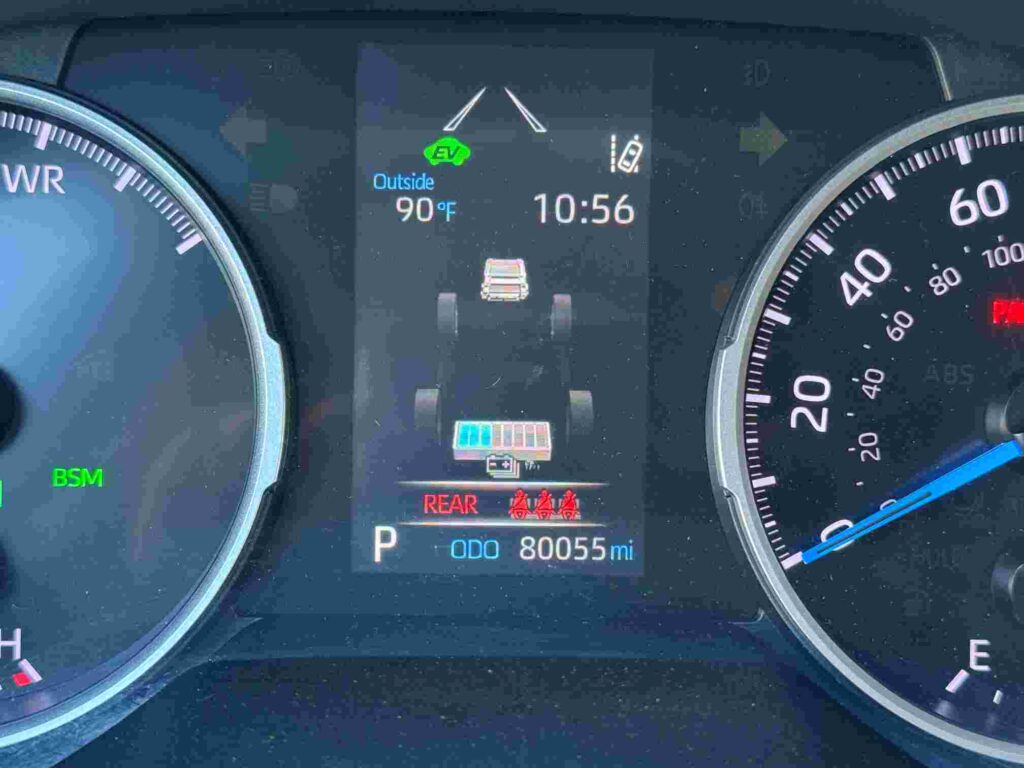
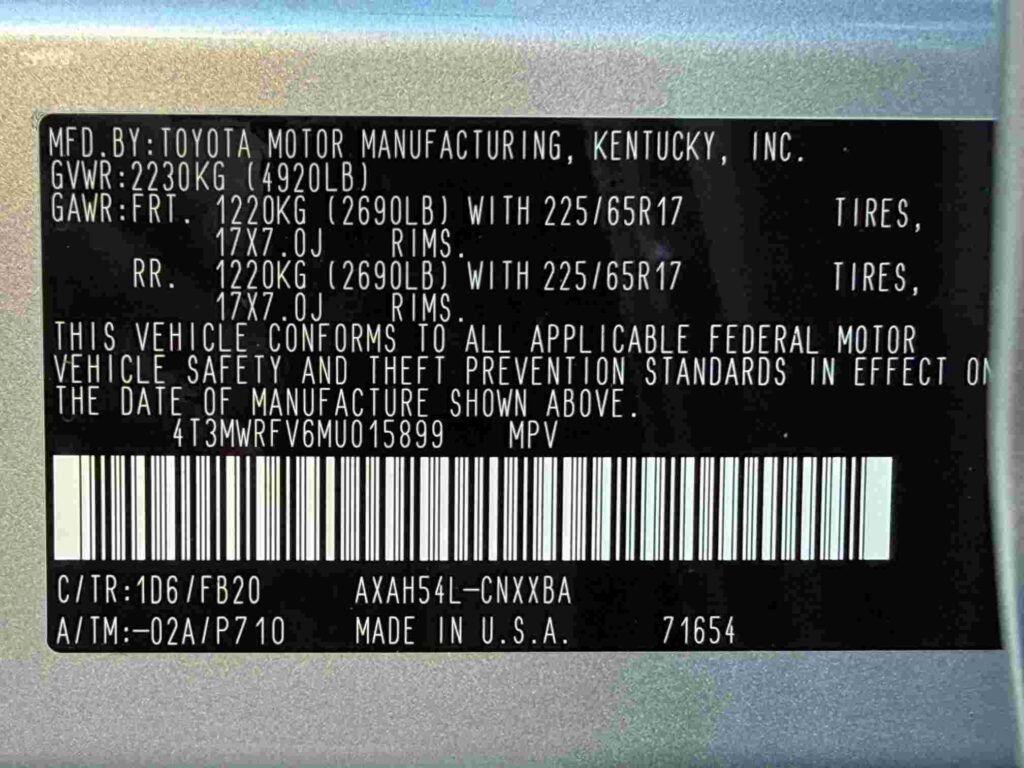
New Arrivals
Discover our newest arrivals—available now!
Taxes and Fees When Selling
A common question sellers have is whether they’ll owe any taxes on the sale.
First off, when you sell a personally used car at typical market rates, the price is usually lower than what you originally paid.
Since vehicles depreciate every year (losing value over time), most sellers don’t actually turn a profit.
That said, if you happen to sell a rare classic car for more than you paid and end up with a capital gain, that may be subject to federal and state taxes — but this is the exception, not the rule.
- Capital Gains Tax:
Since personal-use cars are treated as personal property, you typically can’t claim a loss or deduction on the sale. However, if you do sell for more than you paid, the difference could be treated as a capital gain and subject to income tax. - Sales Tax:
In California, the buyer pays the sales tax (use tax) when registering the vehicle. The seller doesn’t need to pay sales tax.
If you’re selling a vehicle titled to a business or corporation, there may be additional tax considerations.
For a personal-use car titled in your own name, you don’t need to overthink it, but for high-value vehicles or special cases, it’s a good idea to consult a tax professional like a CPA for peace of mind.
Tips for Getting Top Dollar
So how do you actually get more money for your car?
Here are a few easy-to-implement “tips for scoring a higher appraisal”.
- Detail the car thoroughly
Wash and wax the exterior, and clean the interior — vacuum it out and toss any trash. Cigarette and pet odors tend to drag down your appraisal, so deodorizing matters. Organizing your maintenance records also helps show you’ve taken good care of the car, leaving a stronger impression. - Do your homework on market value
Use sites like Kelley Blue Book (KBB) and Edmunds to find the average selling price for vehicles similar to yours (year, mileage, trim). For private sales, use that number to set your asking price, and keep it handy as a benchmark when negotiating with buyers. - Get multiple appraisals
Rather than sticking with a single dealership, get competing quotes from places like CarMax, AutoNation, and other local buyers to drive up your price. Telling a buyer “I got a quote for $X from another company” can sometimes prompt them to match it. - Time it when demand is high
Prices tend to go up when demand spikes — like during end-of-quarter sales events or before the school year starts. Some vehicle types also follow seasonal patterns: SUVs and minivans get more popular heading into summer road-trip season, for example. If you have flexibility, try to time your sale accordingly. - Don’t leave mods or damage as-is
Fixing visible scratches and dents can boost your appraisal. But if the repair costs more than the bump in value, you’re shooting yourself in the foot. It’s also usually better to swap custom parts back to factory originals, since appraisers may ding the value for unfamiliar modifications.
Just by following these tips, you could see your appraisal shift by hundreds or even thousands of dollars.
In particular, “getting multiple appraisals and comparing them” is a shortcut to selling for a higher price, so if you’ve got the time, definitely give it a shot.
How to Avoid Trouble
Used car sales are often handled pretty casually, but because the dollar amounts involved are large, scams and other headaches do happen.
Watch out for the following to keep your sale safe:
- Always meet in a safe location for private sales
When showing your car to a prospective buyer, pick a well-lit, public spot during daylight hours, and ideally bring someone along with you. If they want a test drive, verify their driver’s license first. - Stick with cashier’s checks or bank transfers for payment
Large cash transactions carry risks like counterfeit bills or even robbery. If possible, handle the transaction together at a bank counter, or accept payment via cashier’s check — those are the standard options. - File the transfer notice with the DMV immediately after selling
If you don’t submit the Notice of Transfer and Release of Liability and the buyer fails to transfer the title, you could get stuck with responsibility for any accidents or violations they commit. This takes just a few minutes online, so make sure you do it. - Beware of “deals that sound too good to be true”
If someone offers a price way above market and says they’ll buy immediately, be suspicious. There are also cases where scammers are trying to steal your personal information, so stay alert.
Just following these precautions will help you avoid the vast majority of issues.
And if someone feels sketchy, it’s important to have the confidence to walk away from the deal.
In the next section, we share our top 10 recommended car buyers in Los Angeles.
10 Recommended Car Buyers in Los Angeles

Below are major car buyers that either serve the Los Angeles area directly or provide service through online platforms.
Each has different strengths and customer reviews, so pick one based on your goals and location.
| Company | Highlights |
|---|---|
| CarMax | One of the largest used car buyers in the US. Online appraisals available. |
| AutoNation | A major auto retailer also well known as a new car dealer. |
| Galpin Motors | A long-established dealership with multiple locations in Los Angeles. |
| Enterprise Car Sales | A major player best known as a rental car company. |
| Hertz Car Sales | Best known as a rental car company but accepts trade-ins with free online appraisals. |
| KBB Instant Cash Offer | KBB’s online tool generates an offer in minutes. Redeem it at a participating dealer near you. |
| TrueCar | Online instant offers routed to TrueCar’s Certified Dealer network. Well known for transparent pricing. |
| Carvana | Fully online. Known for its vending-machine-style pickup towers. |
| Driveway | Fully online service supporting appraisals and sales of both new and used cars. |
| Peddle | An online service that buys non-running and damaged cars. |
With so many options to choose from, the trick is “getting appraisals from multiple buyers and picking the best offer”.
One More Local Option: EcoDrive Auto Sales
Already comparing the names above? Here’s how we’d stack up — especially if you’re selling a hybrid.
EcoDrive Auto Sales is a Torrance-based buyer serving the greater Los Angeles area. We’re not the biggest name on the list, but for the right car, we’re often the strongest offer in town.
Highest Prices for Toyota Hybrids
We buy every make and model, but we pay the highest prices for Toyota hybrids — Prius, Camry Hybrid, RAV4 Hybrid, Highlander Hybrid, and others.
That’s not marketing copy — it’s a function of our buyer network. We work with a large pool of eager buyers specifically looking for Toyota hybrids, which keeps our offers consistently at the top of the market.
If your car falls into that category, it’s worth grabbing a quote from us before you commit to any of the offers above.
Sell in 3 Easy Steps
- Request a free online quote — basic info about your car, no obligation.
- Book a 10-minute appraisal at your home or office (free towing within our service area).
- Get paid on the spot when we collect the car — most deals wrap up within 2 hours of the appraisal.
What’s Included
- Free, no-obligation quote
- Licensed and insured team — we handle the Smog Check, title transfer, and DMV paperwork on your behalf
- Same-day payment via cashier’s check or wire transfer
If “no hassle, fast payment, and a strong offer on a hybrid” sounds like what you’re after, we should be on your shortlist.
Considering EcoDrive? Get a no-obligation quote in minutes and stack it against the offers above. Request a free appraisal →
Wrap-Up
When selling a car in Los Angeles, you’ve got plenty of options — dealer trade-in, private sale, and dedicated buyer services.
Each has its own strengths when it comes to convenience, speed, and final sale price, so pick the one that fits your schedule and priorities.
Also, keep in mind California-specific requirements like the Smog Check and the DMV Notice of Transfer and Release of Liability — especially if you’ve recently moved here from another state.
Get your paperwork in order ahead of time, and don’t forget to file the title transfer notifications after the sale.
If “I want to get top dollar” is your goal, the keys are getting multiple appraisals, understanding market value, and keeping your car in clean, well-maintained condition.
For private sales especially, make sure to highlight your car’s best features to buyers, and focus on safe, smooth transactions.
We hope the tips in this article help you sell your car at a price and on terms you’re truly happy with.
[Disclaimer] This article is based on general information available at the time of writing and is not intended as legal or tax advice.
Actual procedures and tax regulations are subject to change. For accurate, current information, we recommend checking the California DMV’s official website or consulting with a professional.
Also, the websites and company information cited here may change, so please verify the latest details on each company’s official site.
You May Also Like