How Do Car Salespeople Get Paid? Commission vs. Salary

How Car Salespeople Get Paid — and Why Eco Drive Chose Salary
Introduction
Do car salespeople really live on commission alone? And how tough is full commission in practice? If you work in this industry, or you’re thinking about getting into it, how the pay works is one of the first things you want to know.
Hi, I’m Suzuki from Eco Drive. Today’s topic is one of the industry habits I dropped after years of doing it the standard way: how we pay people.
The short version is that at Eco Drive, our sales team is paid a fixed salary.
That may not sound like much of a decision. In car sales, it’s a bigger one than it looks.
In this first half I’ll cover why commission became the norm in this business, and the thing that made me question it: how unstable commission income really is.
How the switch to salary changed the team and the way we work with customers is a longer story, and I’ll get into that in the follow-up.
Watch the video version here!
The videos embedded in this article are narrated in Japanese, but English subtitles are available.
Commission Is the Default in This Industry
In car sales, it’s nothing unusual for salespeople and managers to work on commission.
Pay that moves with what you sell has been the industry standard for a very long time.
That’s broadly true in the U.S. and in Japan alike, and in my experience it doesn’t change much with the size of the dealership or the brand on the building — for sales roles, commission is usually the default.
At franchise stores for the big manufacturers, sales pay is typically built on commission too.
Move up to a manager role and the structure is often the same: your pay swings with the numbers.
The idea that the people who produce should earn accordingly sits at the foundation of how this job is built.
Commission-Heavy Pay Is the Norm Here
And here, that tendency goes further.
For sales roles, commission-only pay with no base salary is common at a lot of stores, which makes a slow month genuinely hard.
People who sell can earn a surprising amount. For people who don’t, the squeeze is immediate.
There’s real upside in that. There’s also real brutality in it.
To put it plainly: commission means your pay moves with units, revenue, or gross profit — whatever the store measures.
In car sales, that commission share tends to be a much bigger slice of the paycheck than it is in most other jobs.
The terms get used loosely, so it’s worth separating them: commission-only means there is no base at all, while commission-heavy means a base exists but the commission side dwarfs it. In this business you’ll run into both.
There Is a Floor: Minimum Wage
“No base salary” sounds like you could work a month and get nothing.
In practice there’s a floor underneath it. In California, commissioned employees generally still have to be paid at least the applicable minimum wage for the hours they work in a given pay period, and some stores run a draw against future commissions on top of that.
The exact setup varies by employer, role, state, and city.
But a floor is not the same thing as a steady paycheck.
When the bulk of your income tracks what you sold, good months and bad months are going to look very different — and if you’re the one building a household budget around it, that’s hard to plan against.
Same Word, Different Structure
I’ve been in this business a long time, and at every company I worked for before this one — in Japan and here — sales pay ran on commission.
The difference was in the mix. At the company I worked for in Japan, there was a set base each month, with an incentive layered on top based on what you sold.
Much of what gets called commission pay over there is closer to that structure.
On sales floors here, the performance side of the package tends to carry far more of the total, so the same word can describe two pretty different experiences of stability and pressure.
Underneath all of it is an assumption this industry has carried for decades: that salespeople and managers won’t produce unless their pay is on the line.
“Nobody sells cars unless money is dangling in front of them.” That’s the belief, stated bluntly.
My read is the opposite.
Steady pay settles the floor, a settled floor changes how people treat customers, and the numbers follow from there. That’s the order I think it actually runs in.
Here’s how I got there.
First, the Case for Commission
Before I get into why we went to salary, the commission model deserves a fair hearing.
It isn’t a bad system. It has lasted this long for reasons.

What It Gives the Salesperson
The appeal is simple: you sell more, you make more.
The target is a number you can see, so the link between what you do and what you take home is obvious.
For anyone who produces, it reads as clean and fair.
What It Gives the Company
From the business side, the logic holds up too.
It’s motivating, and payroll flexes with the month — you pay more when sales are strong and less when they aren’t.
Fixed costs stay low, and the return goes out in proportion to what came in.
That’s a big part of why the model has stuck around in this industry.
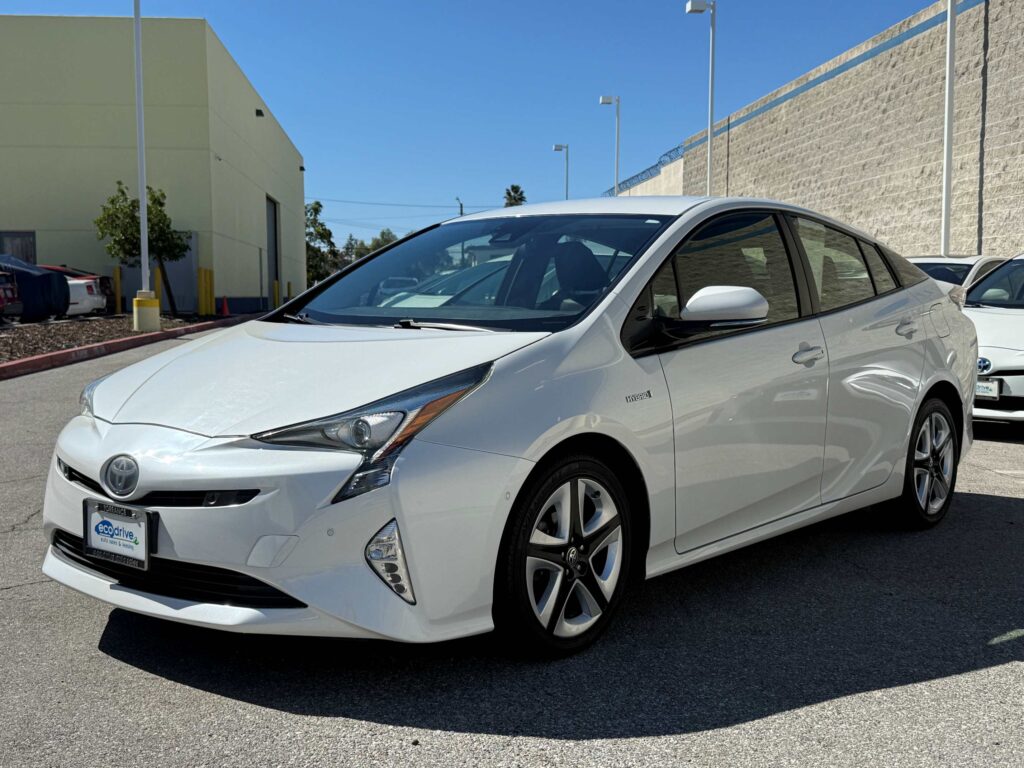
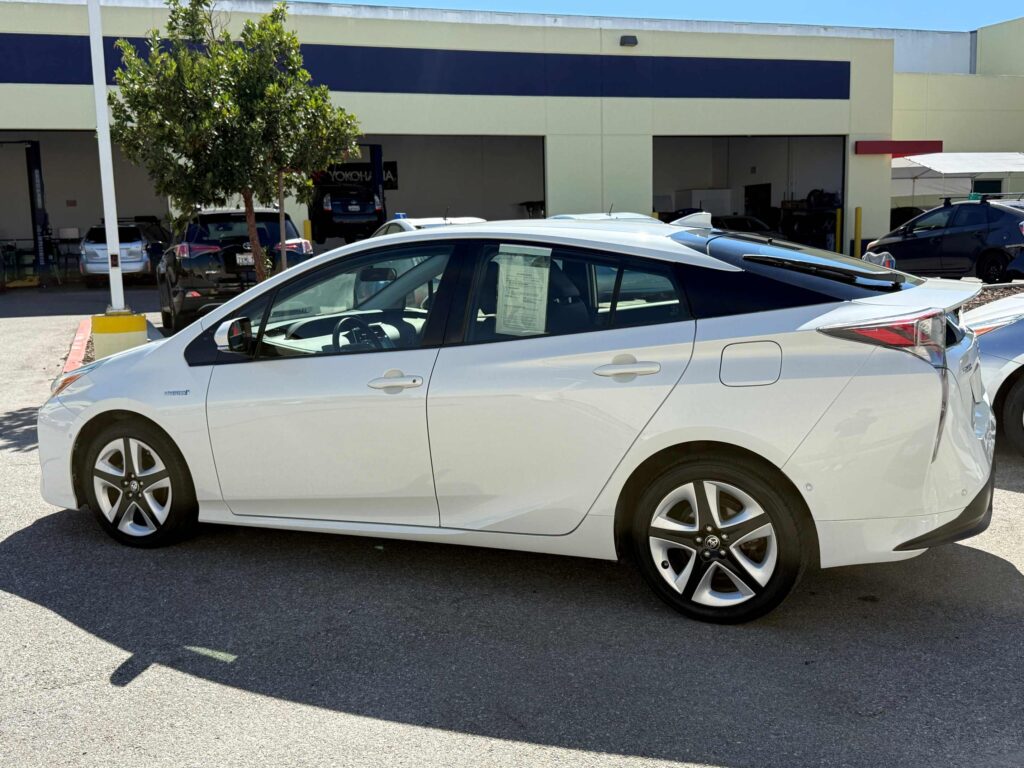
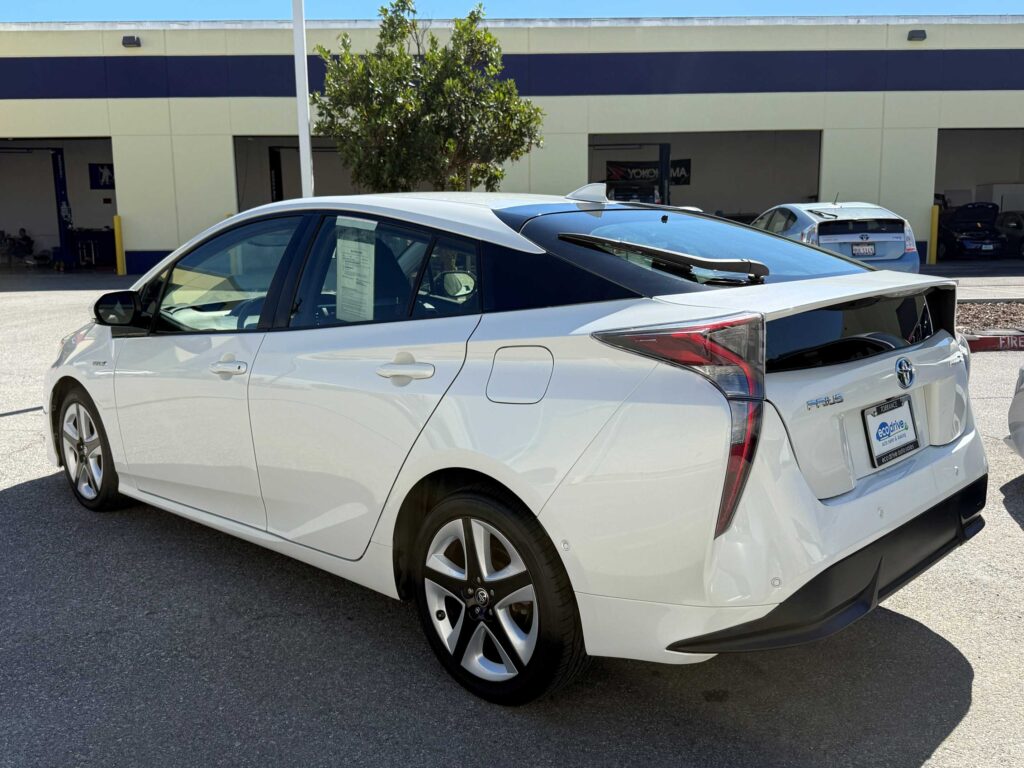
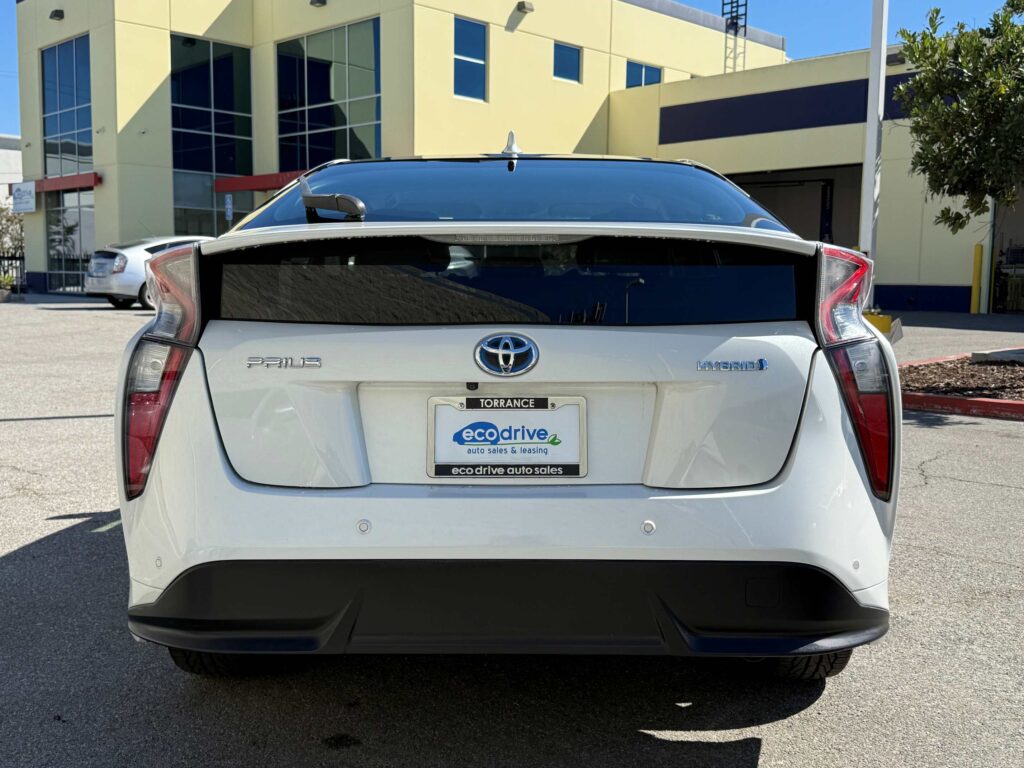
New Arrivals
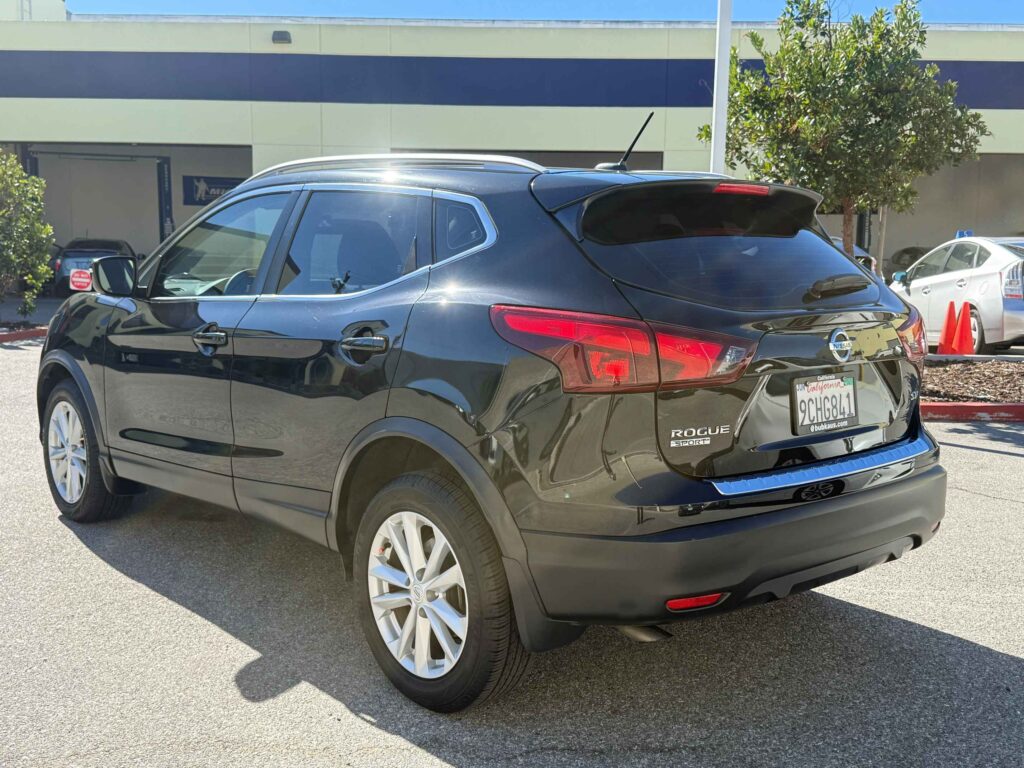
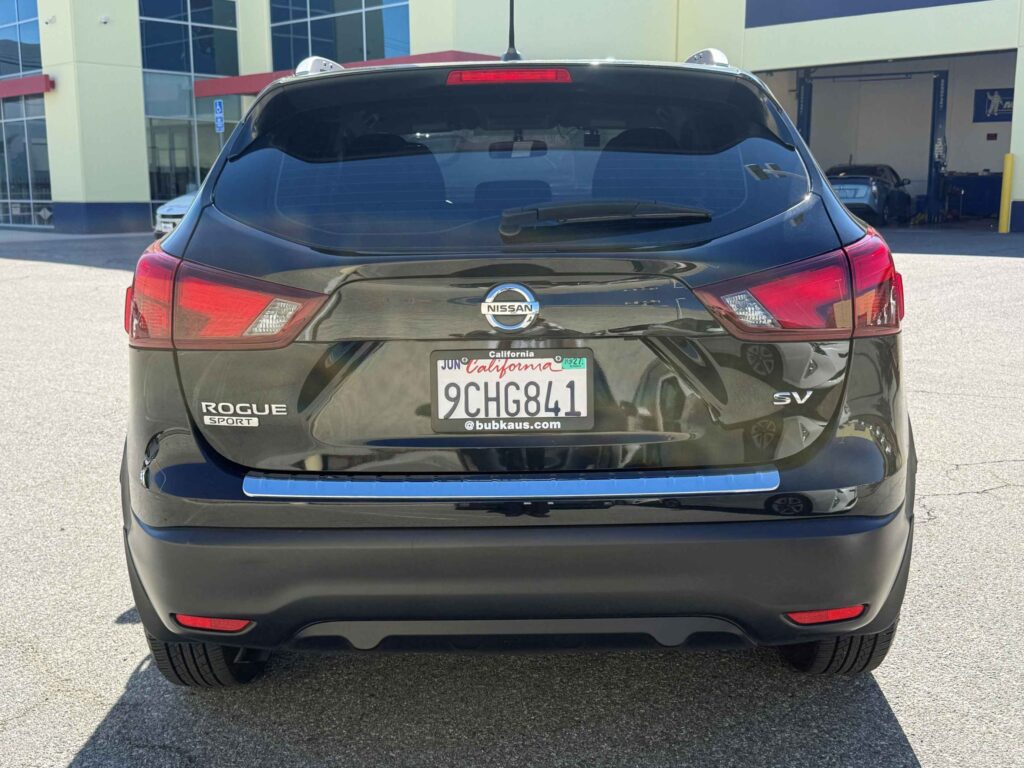
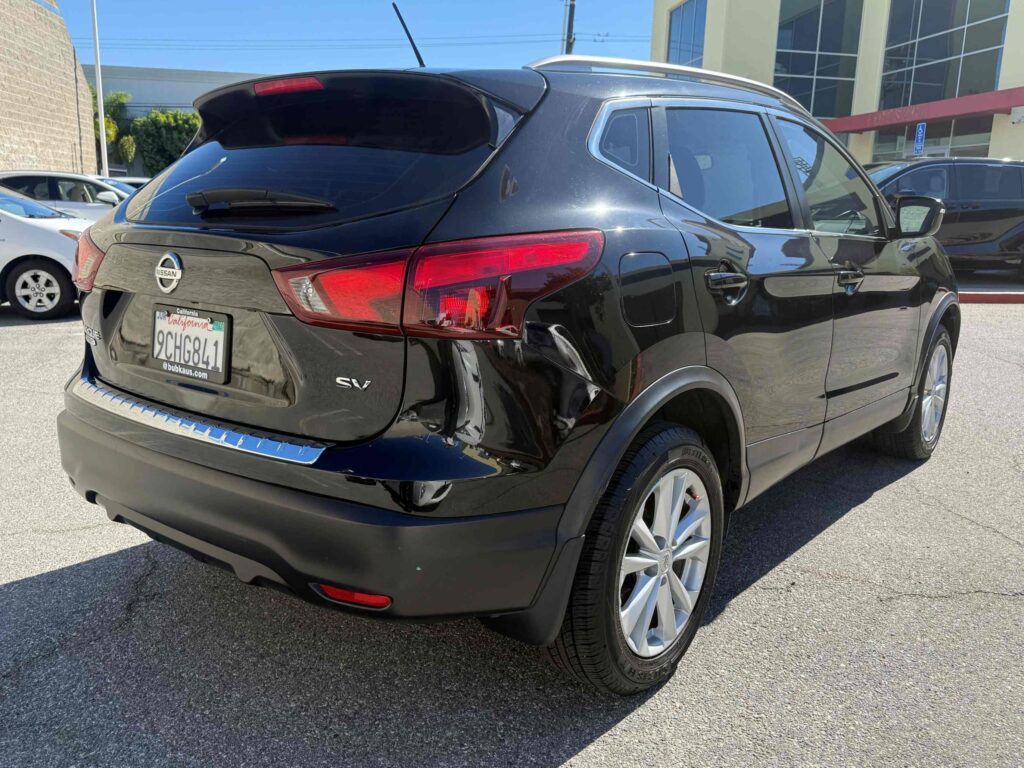
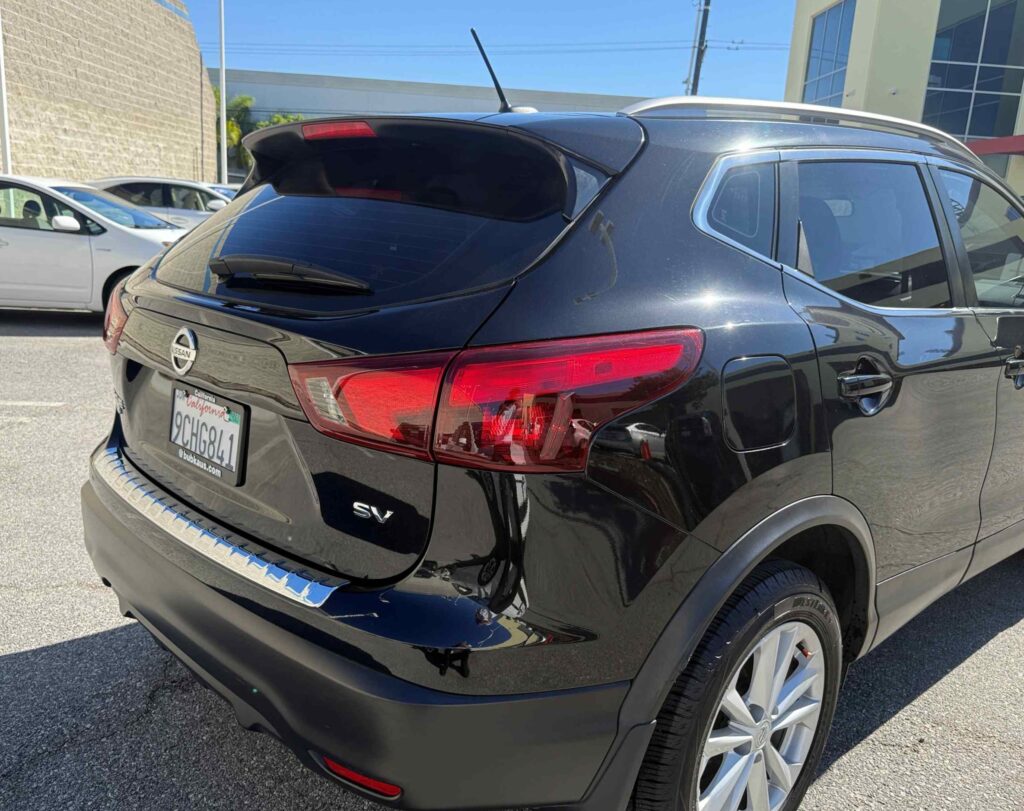
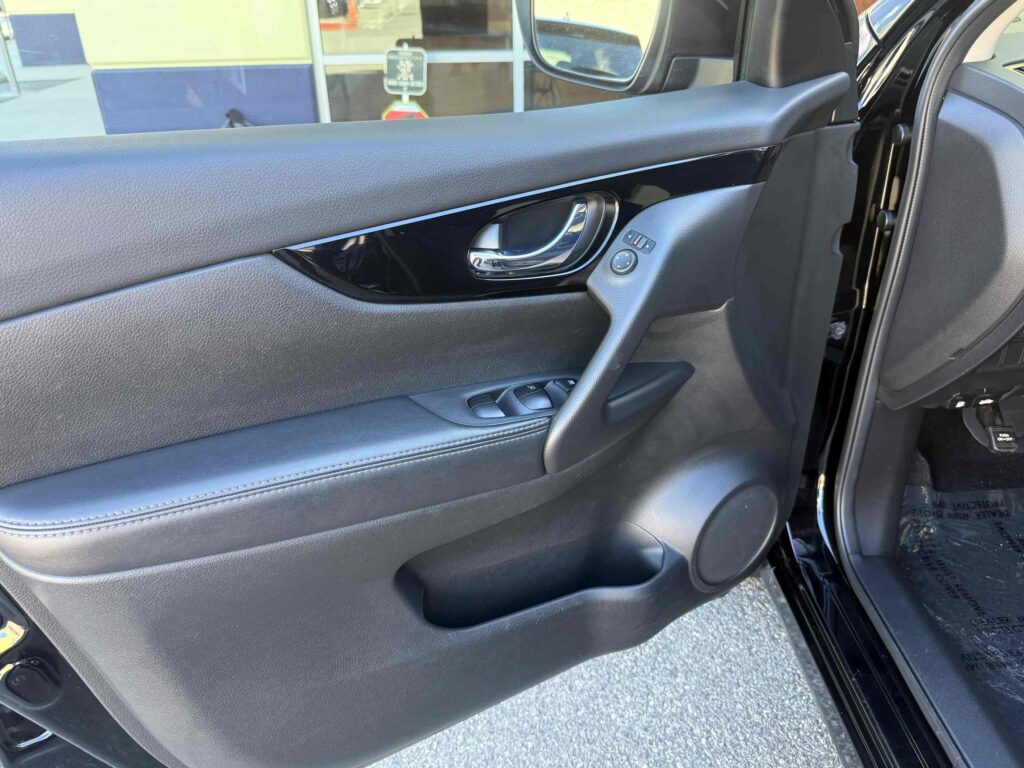
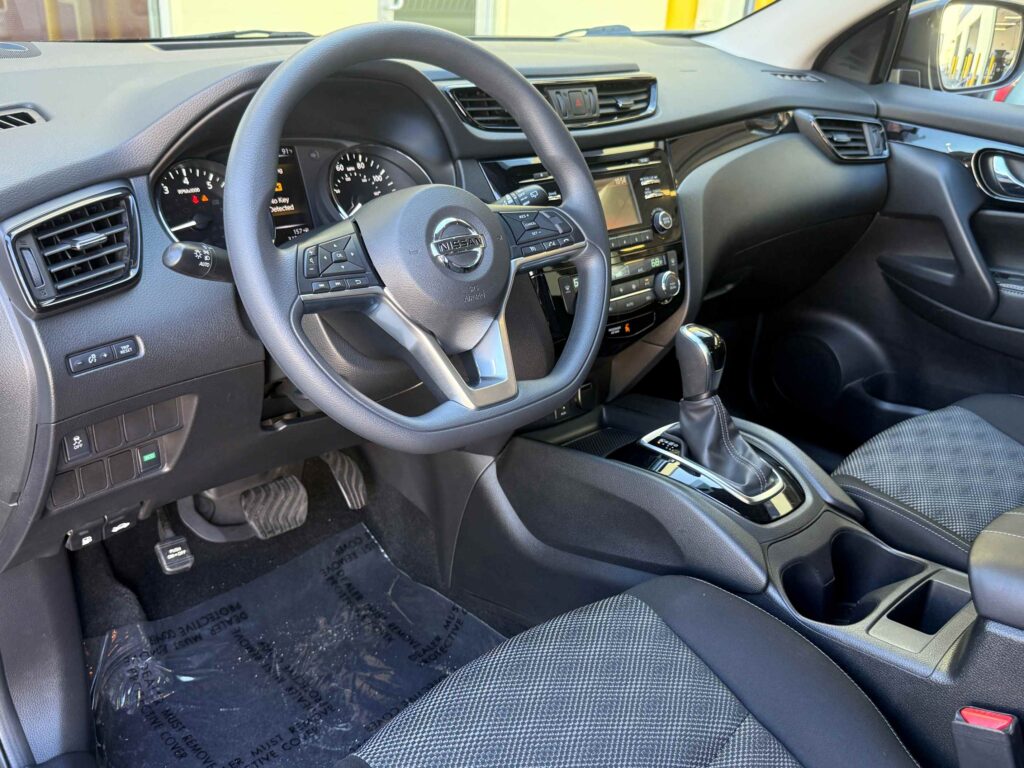
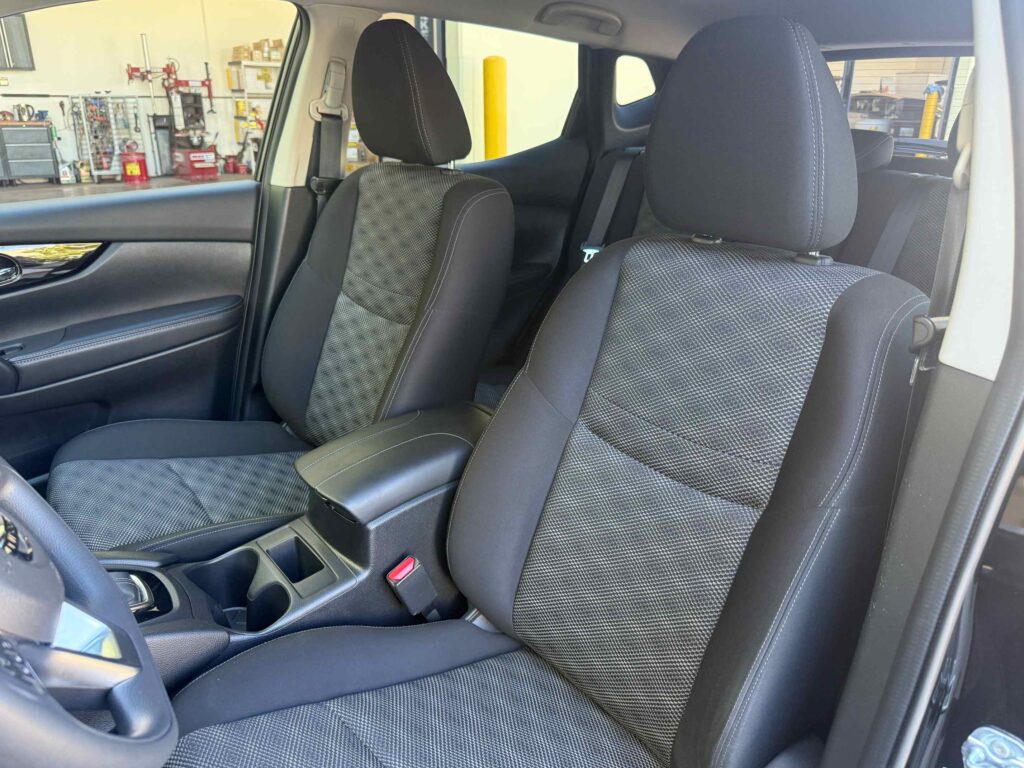
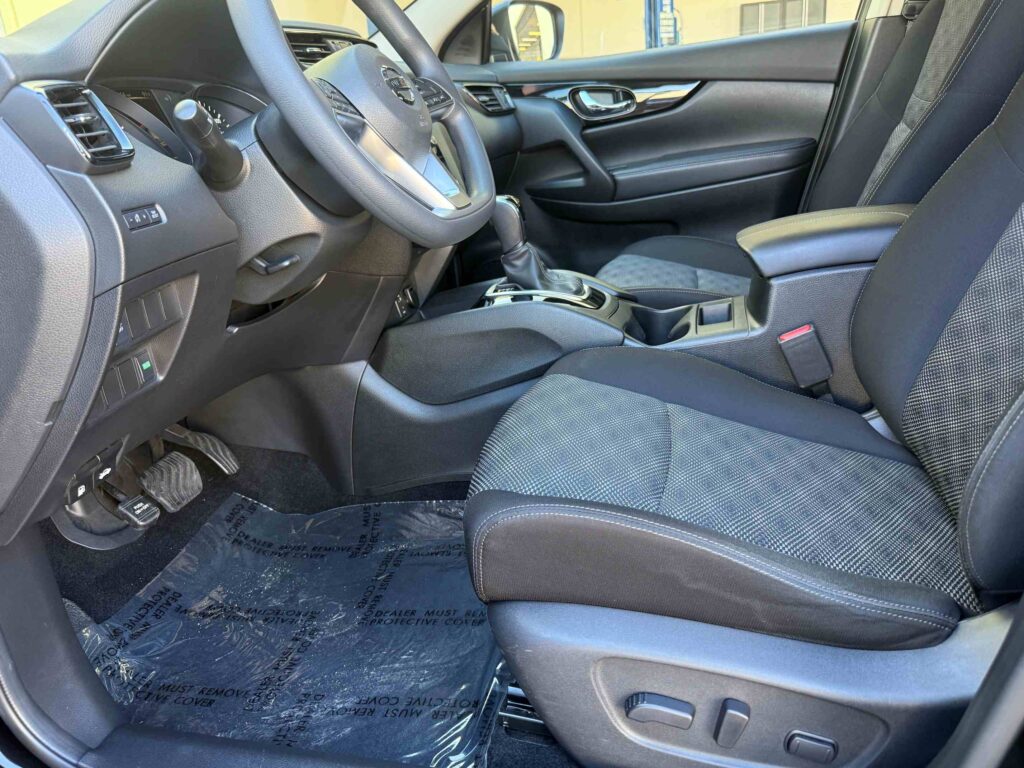
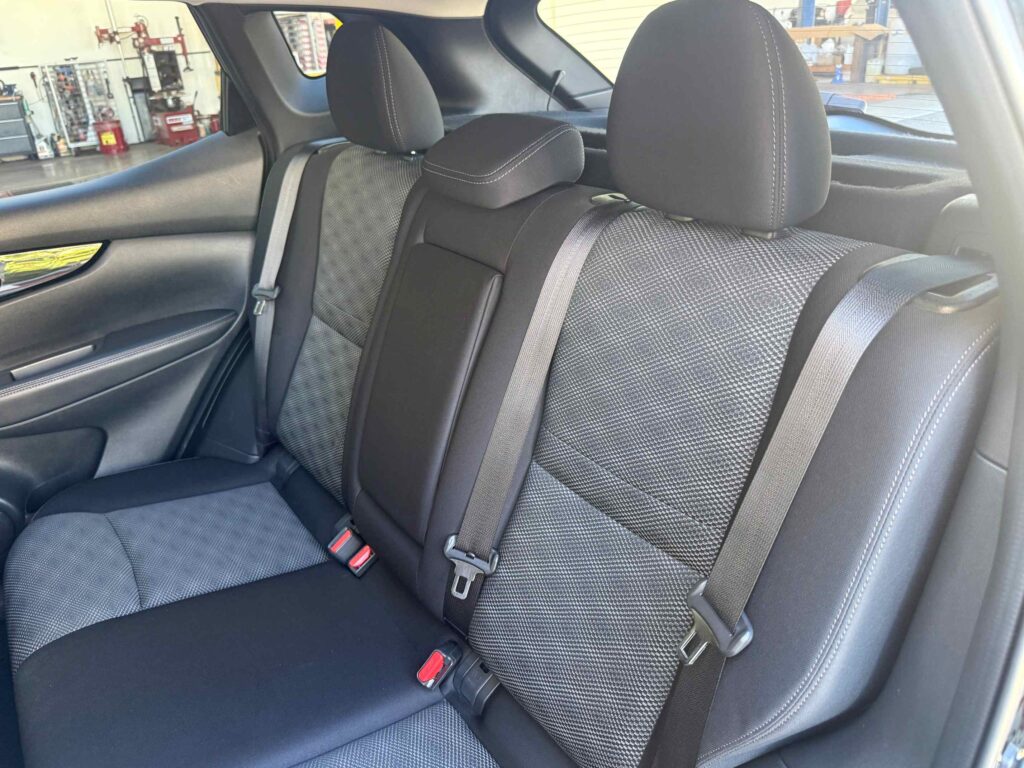
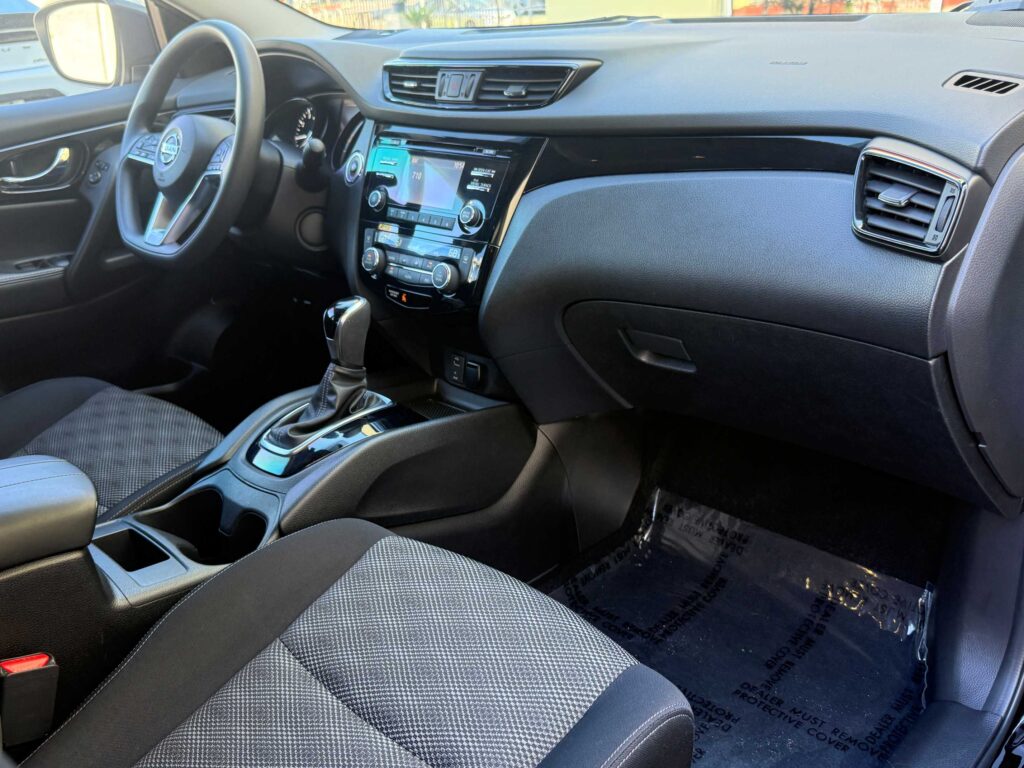
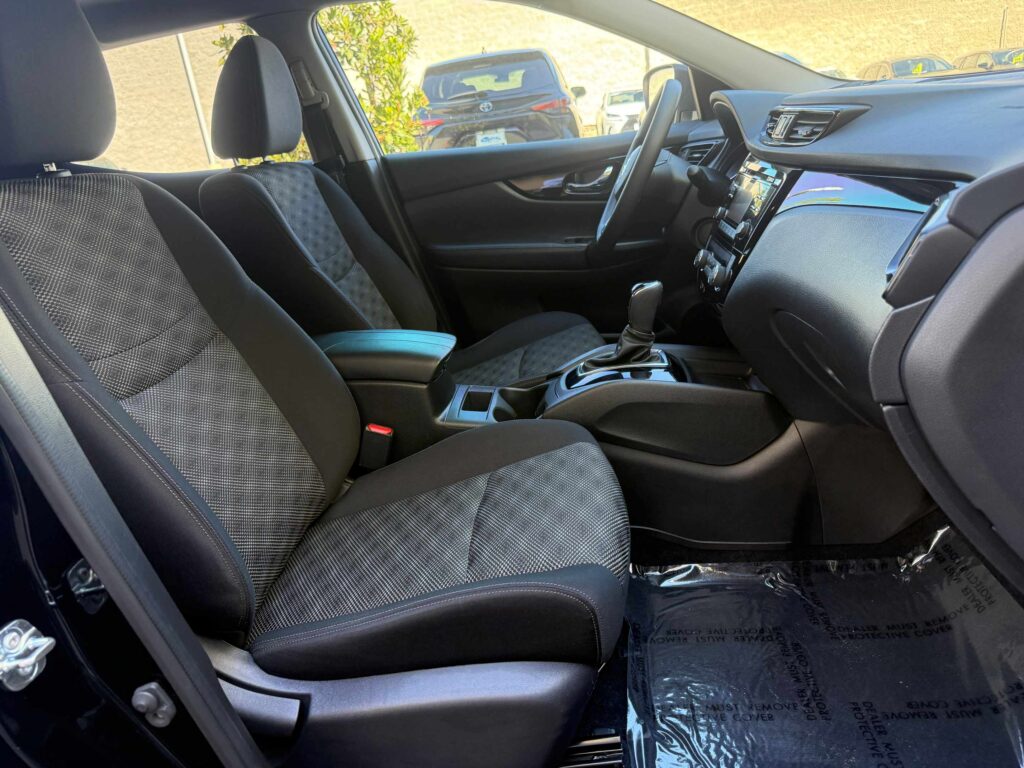
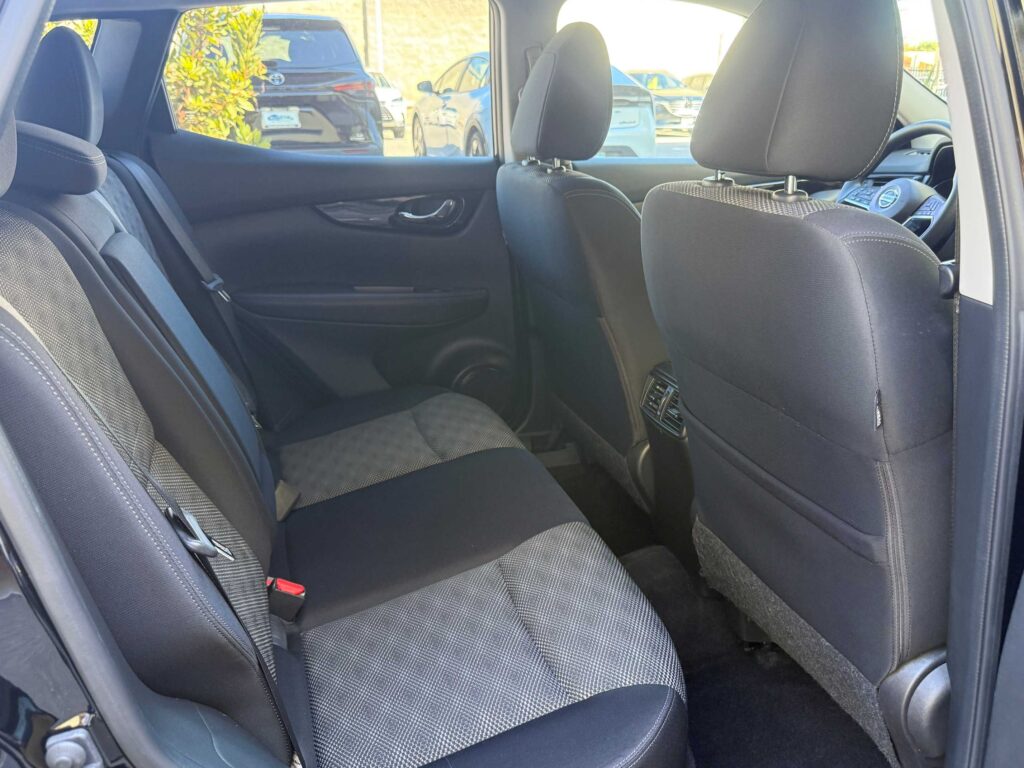
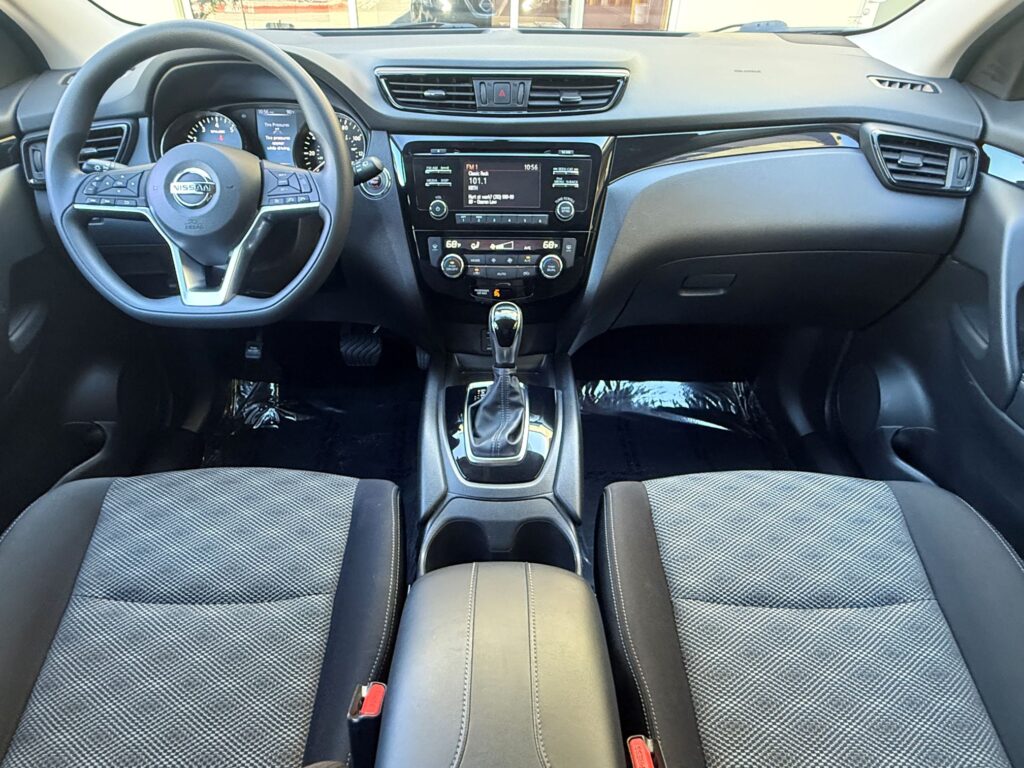
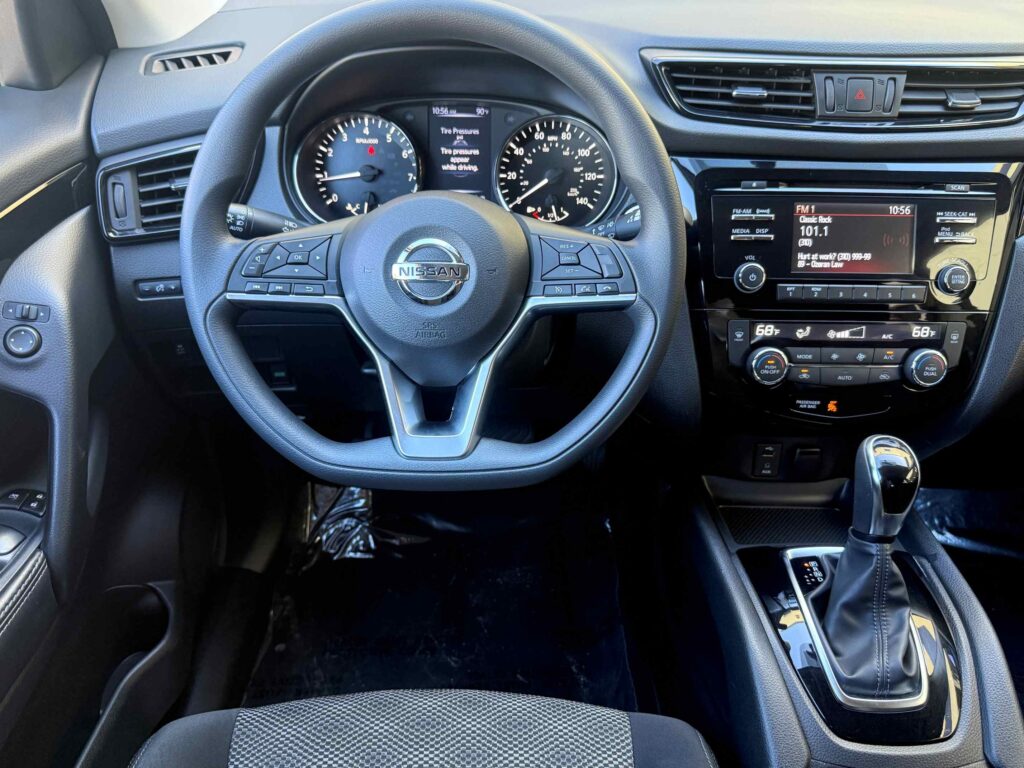
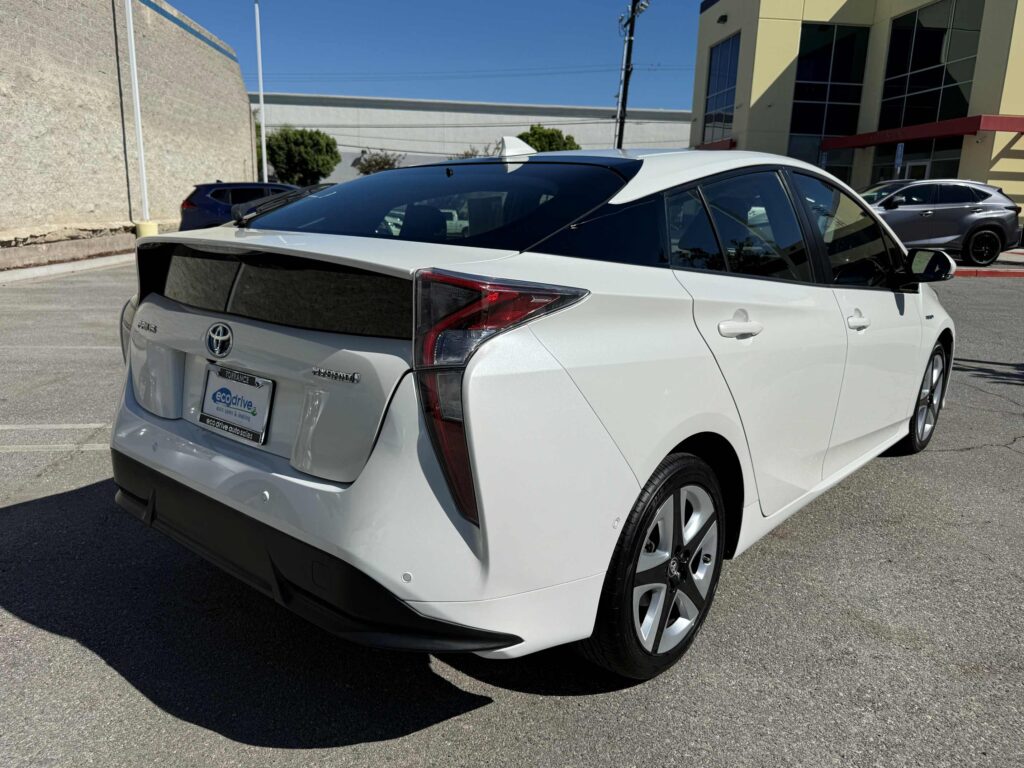
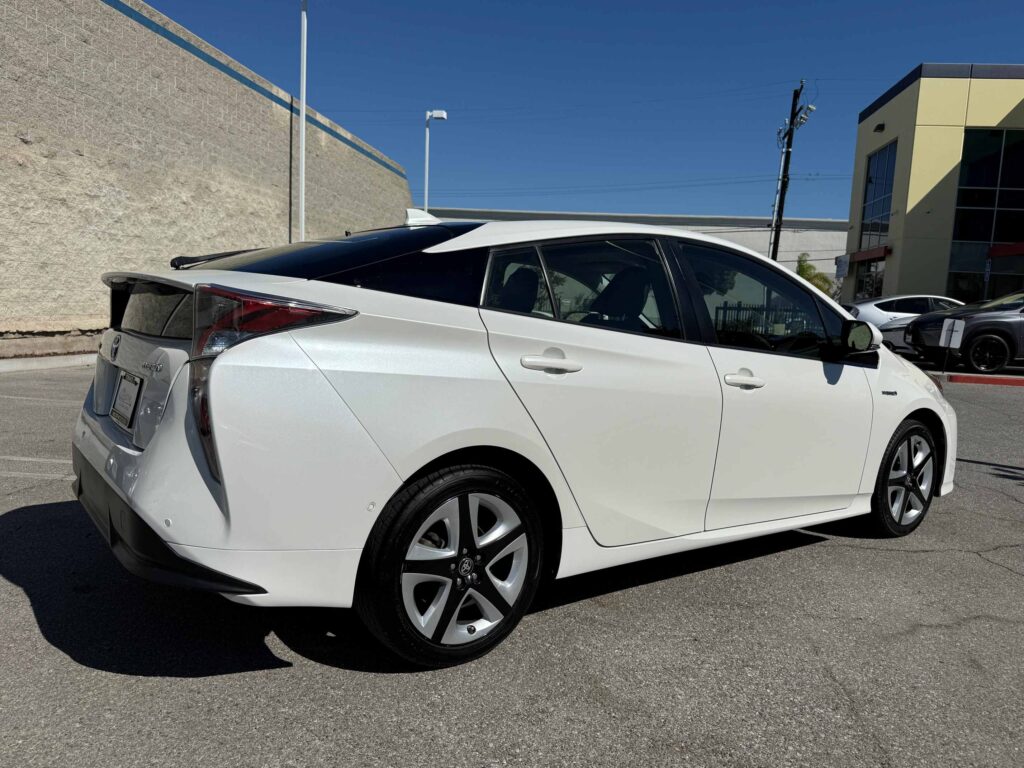
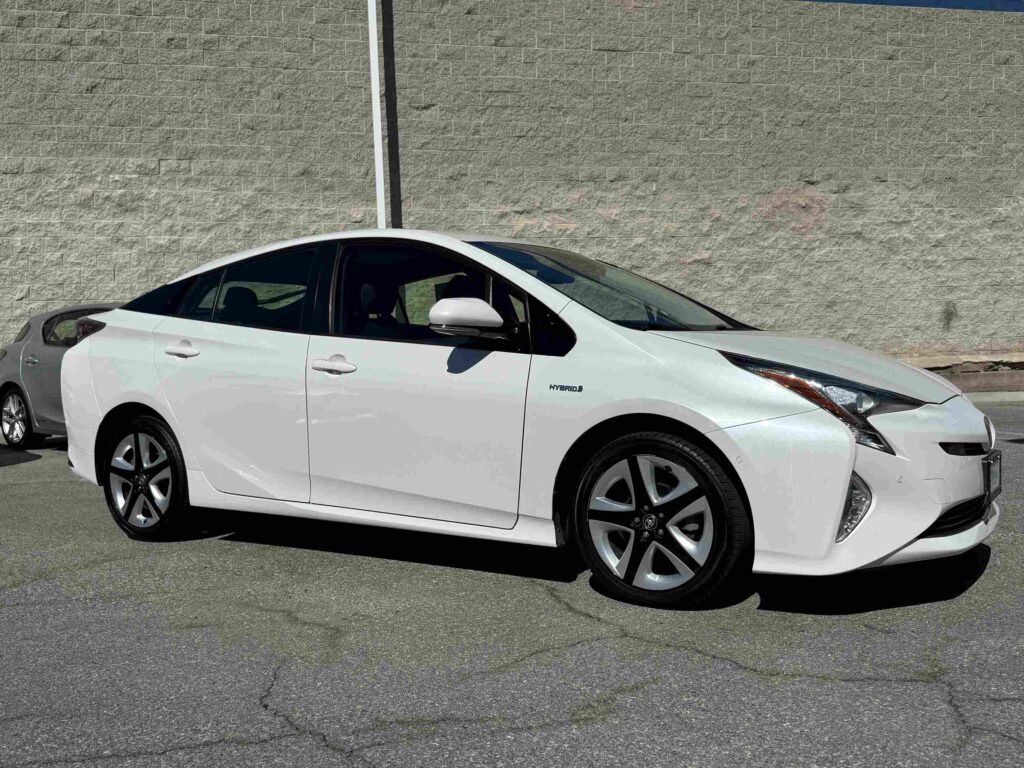
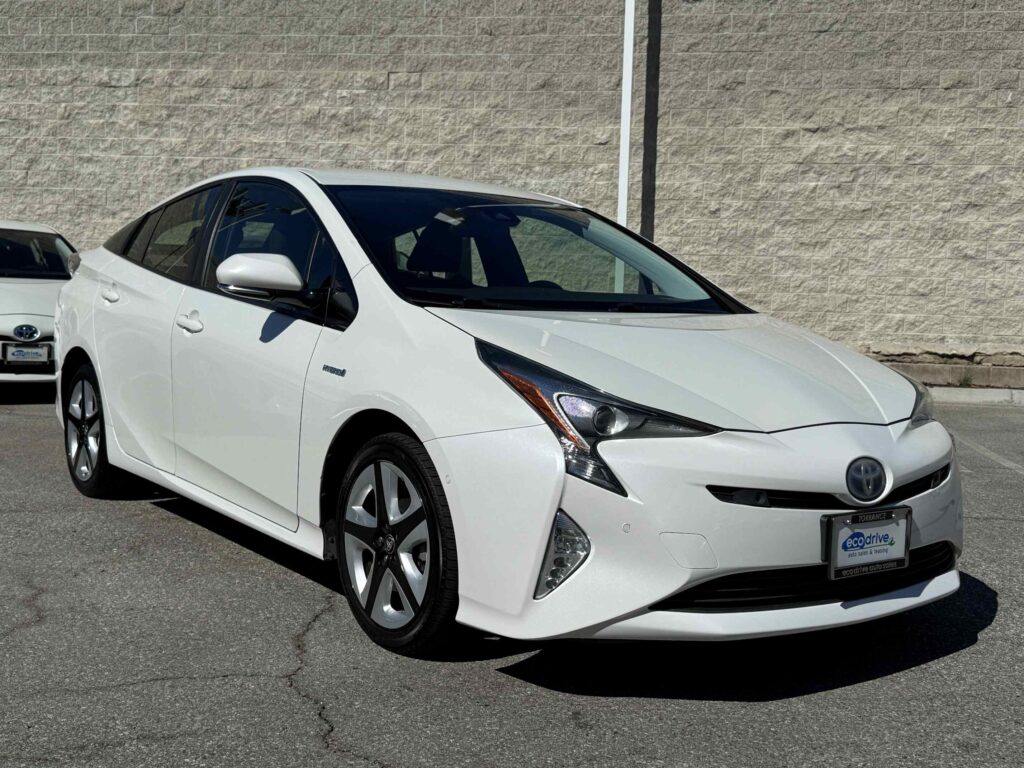
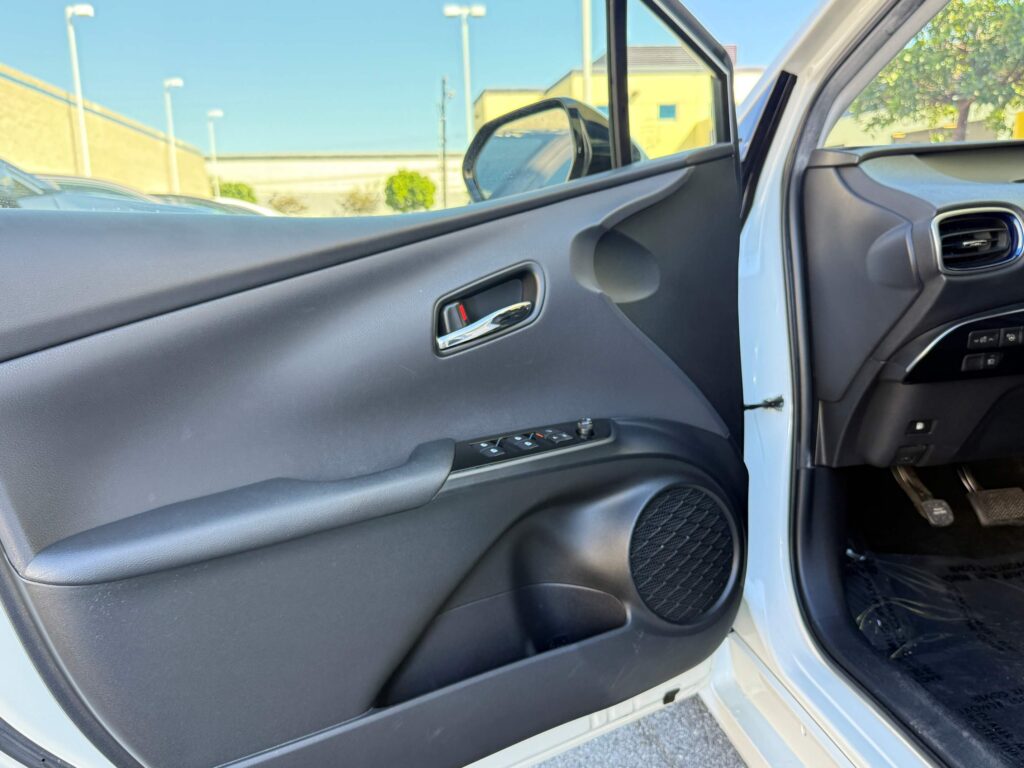
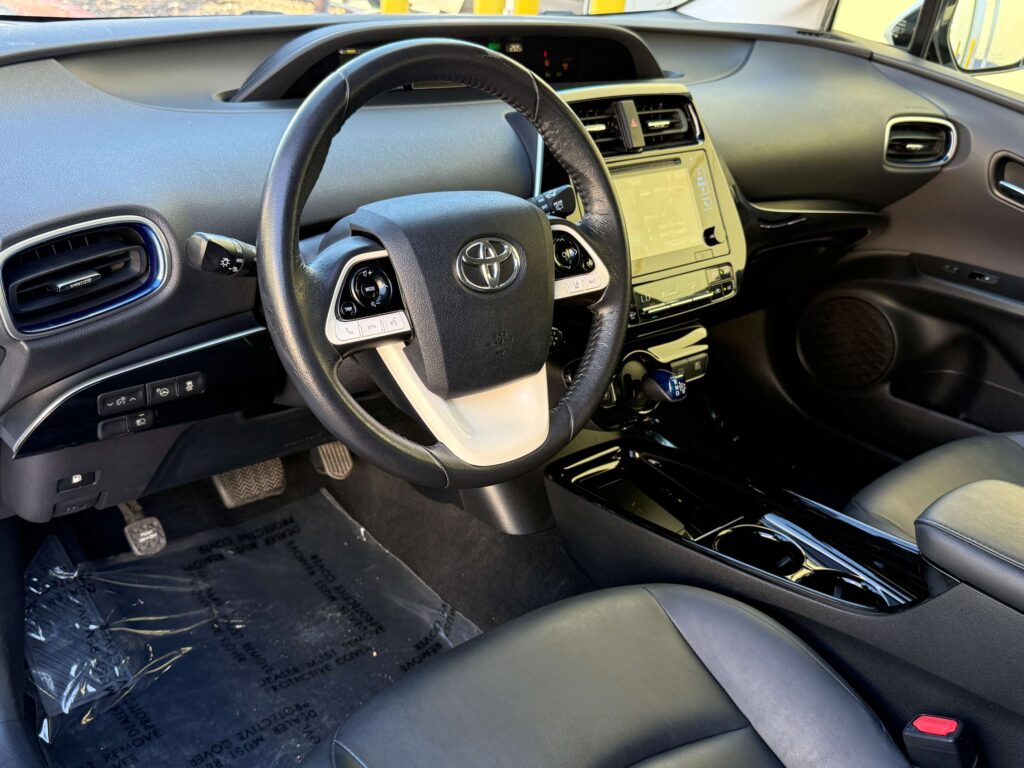
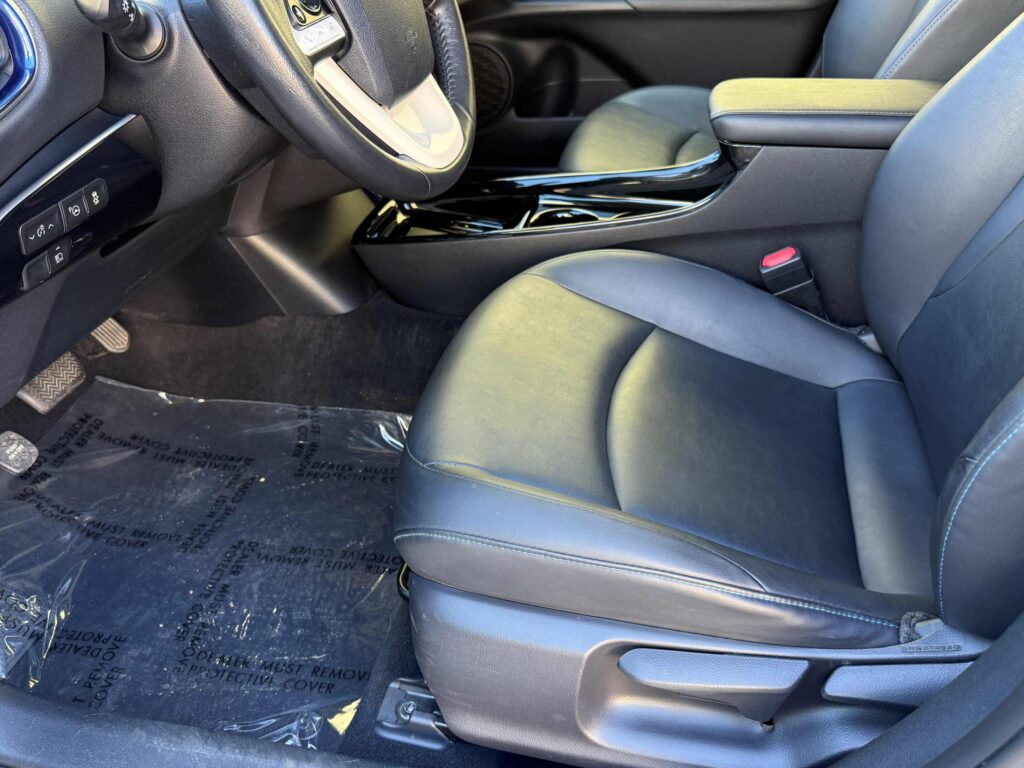
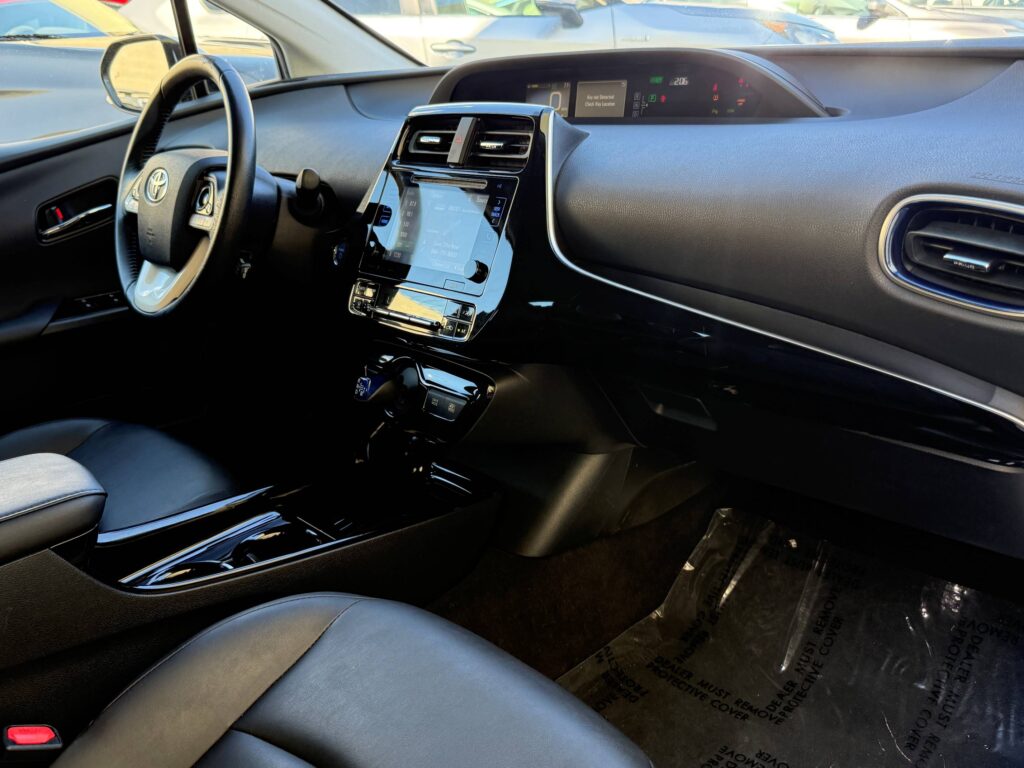
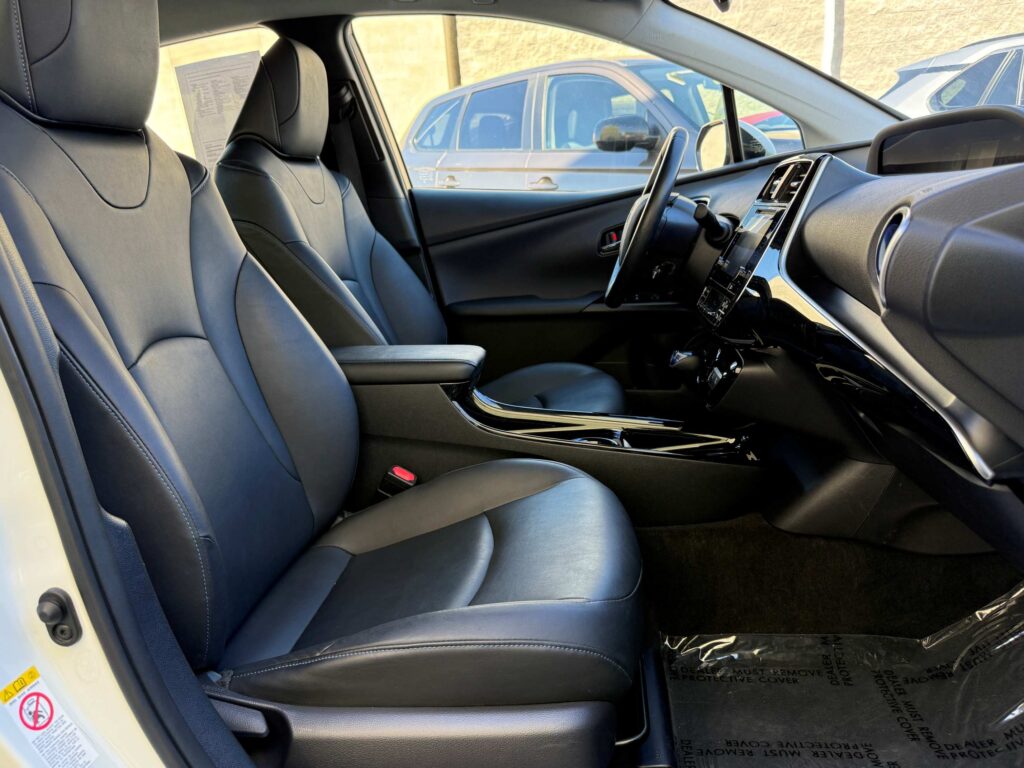
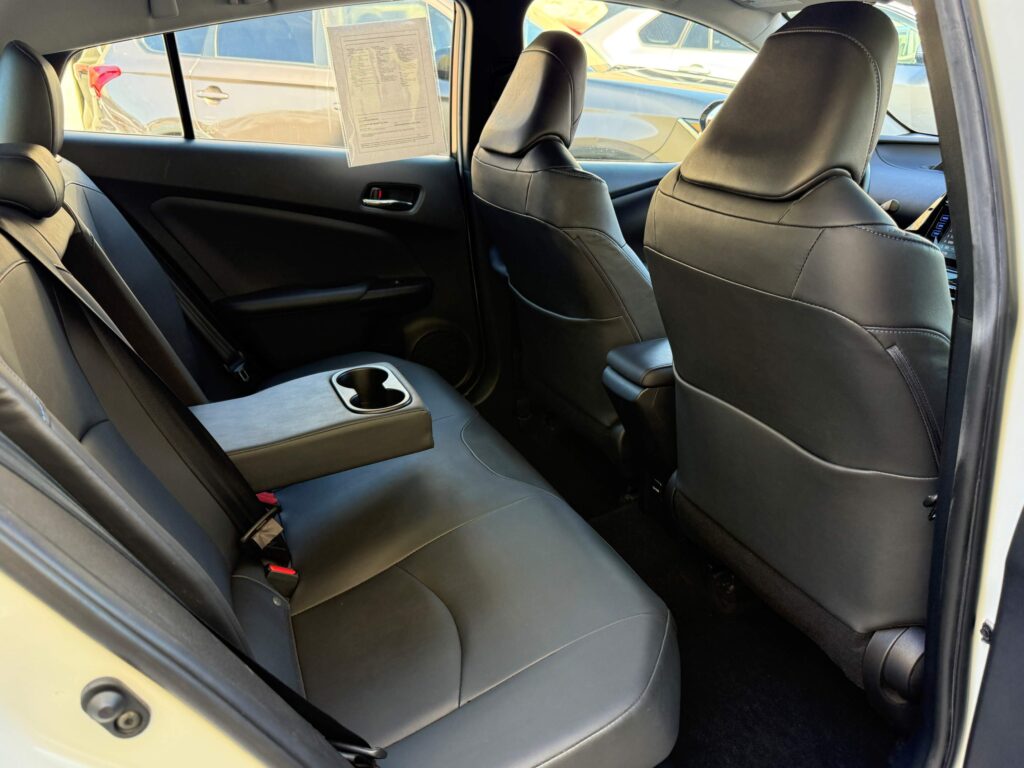
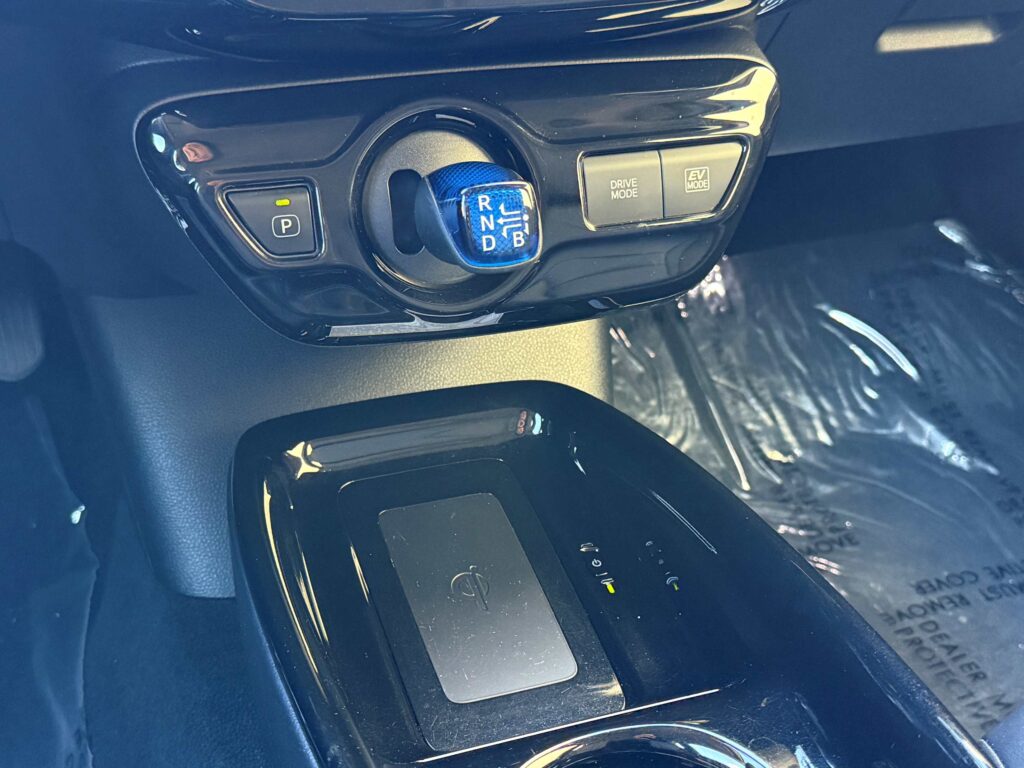
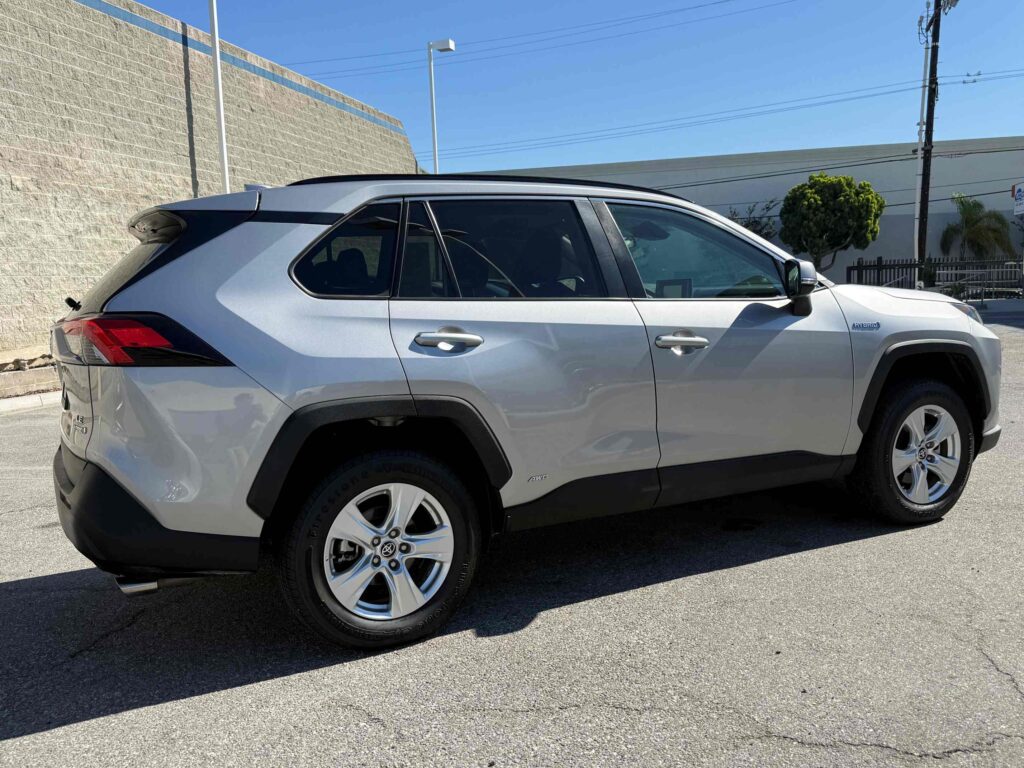
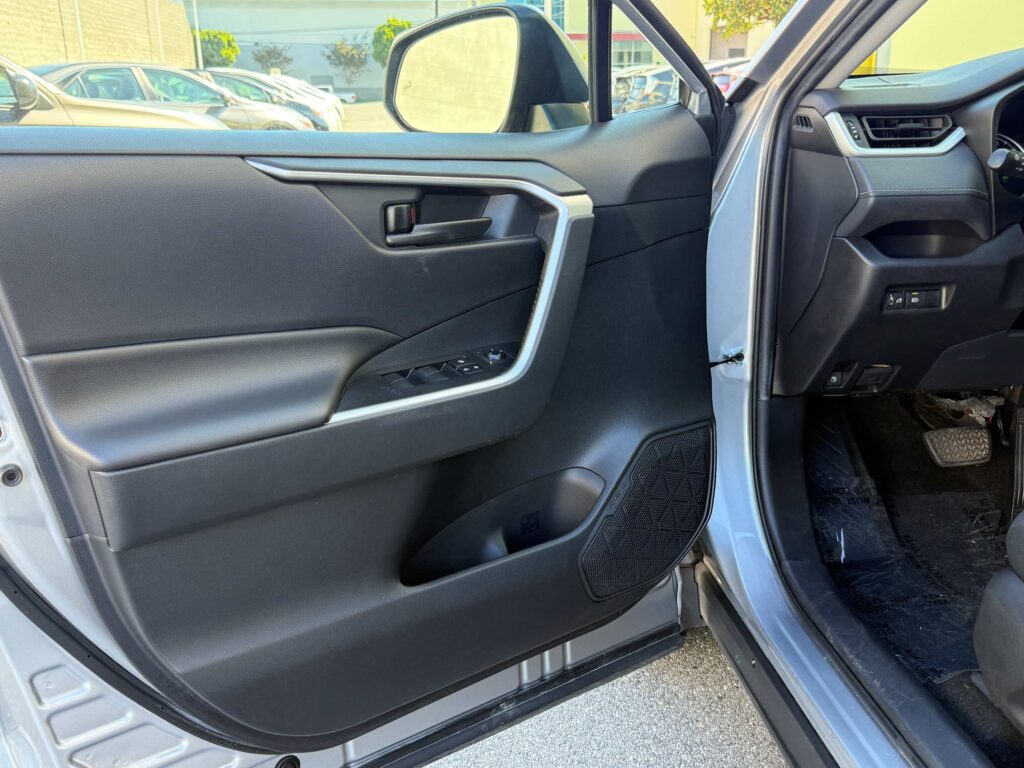
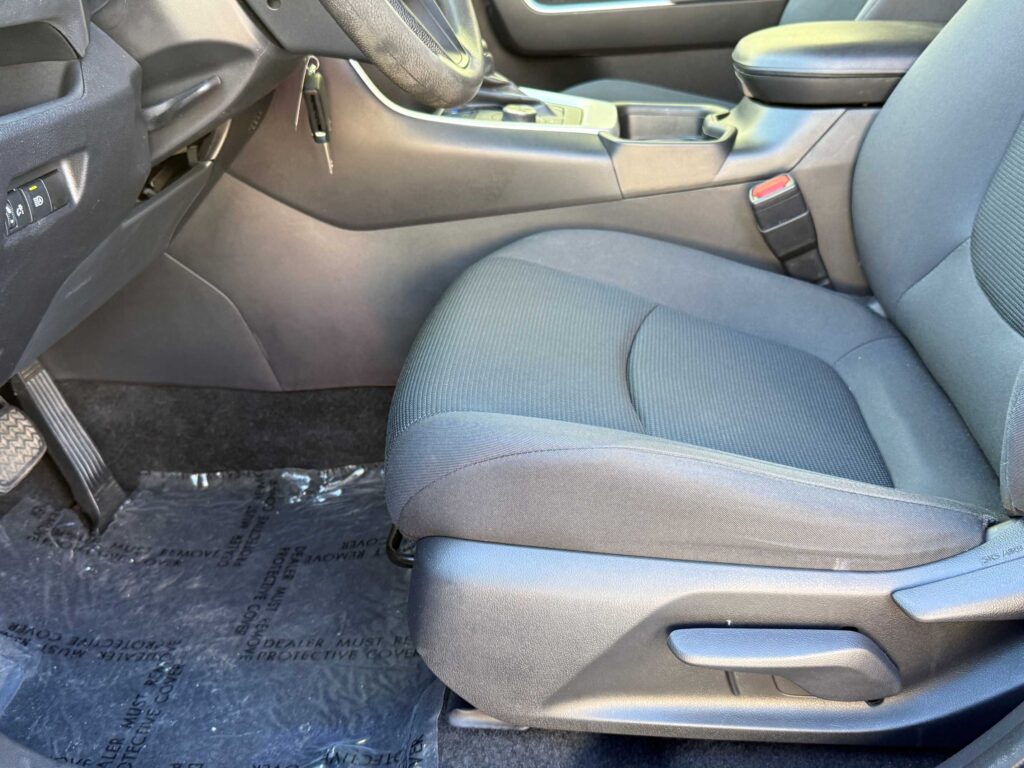
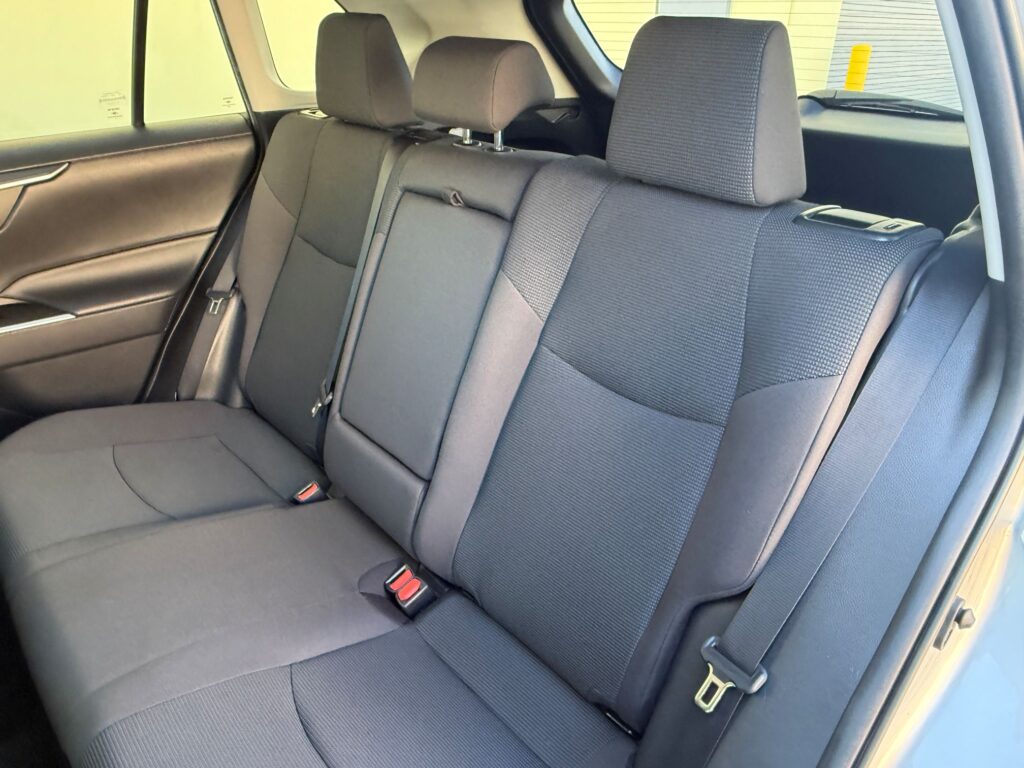
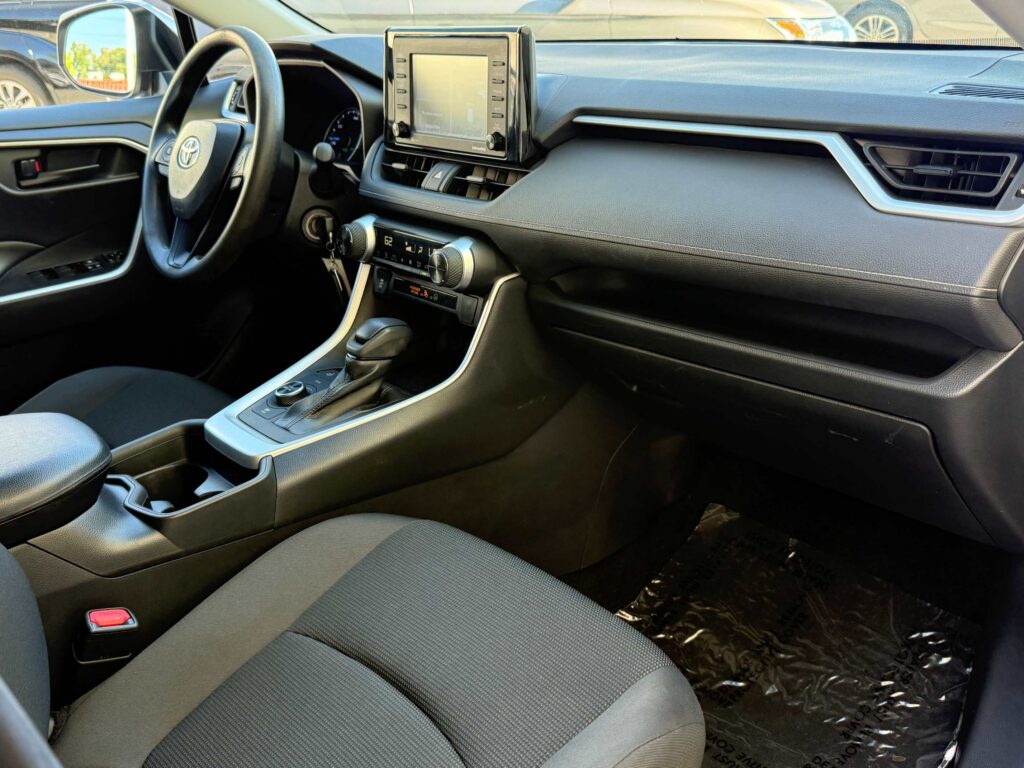
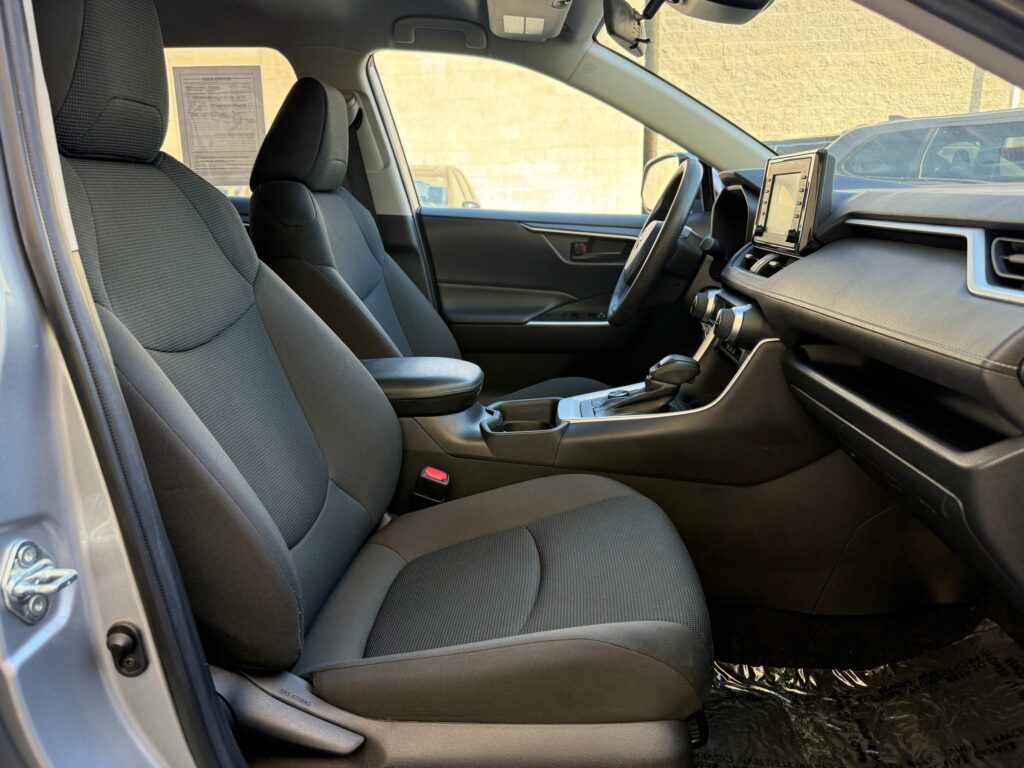
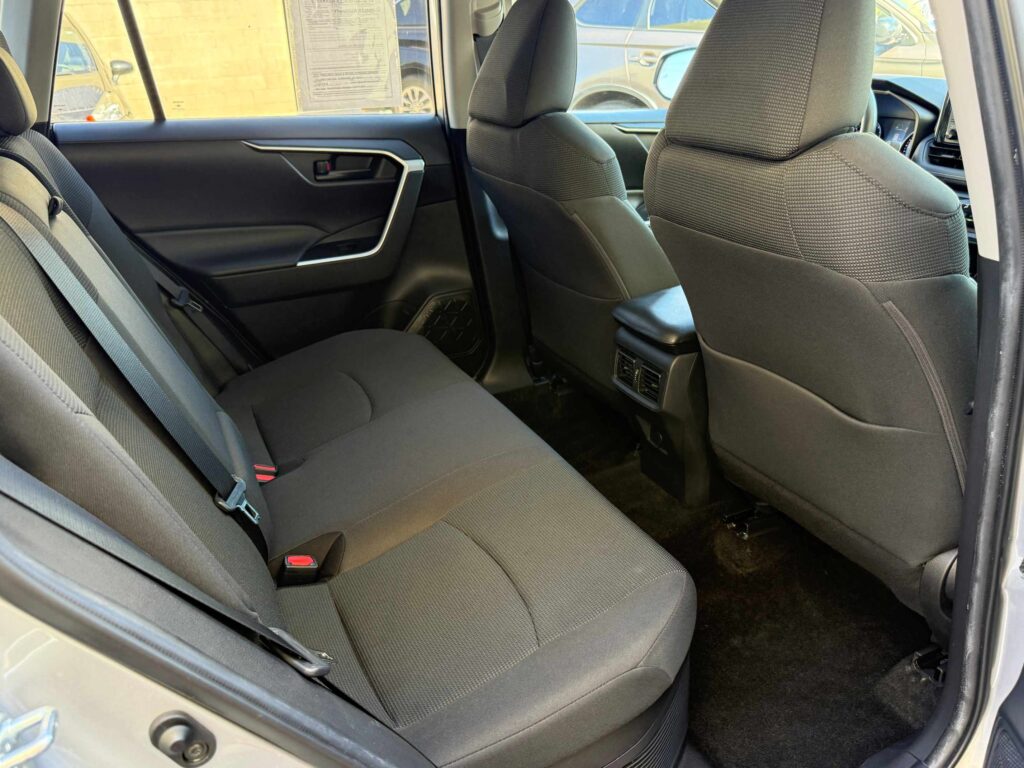
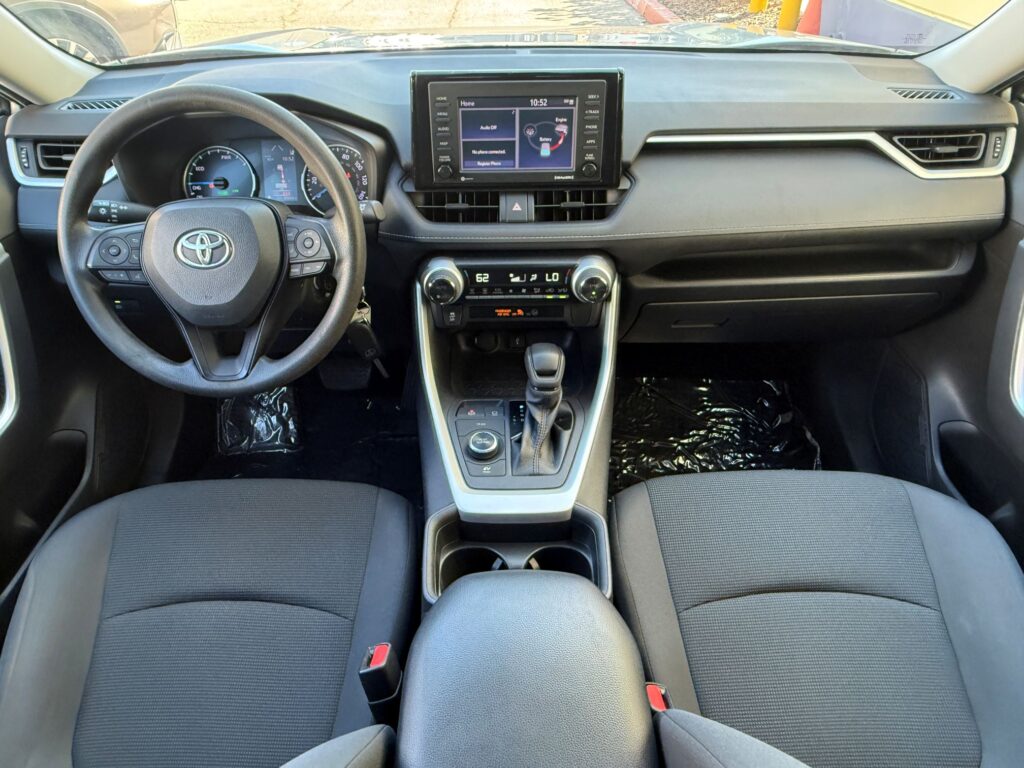
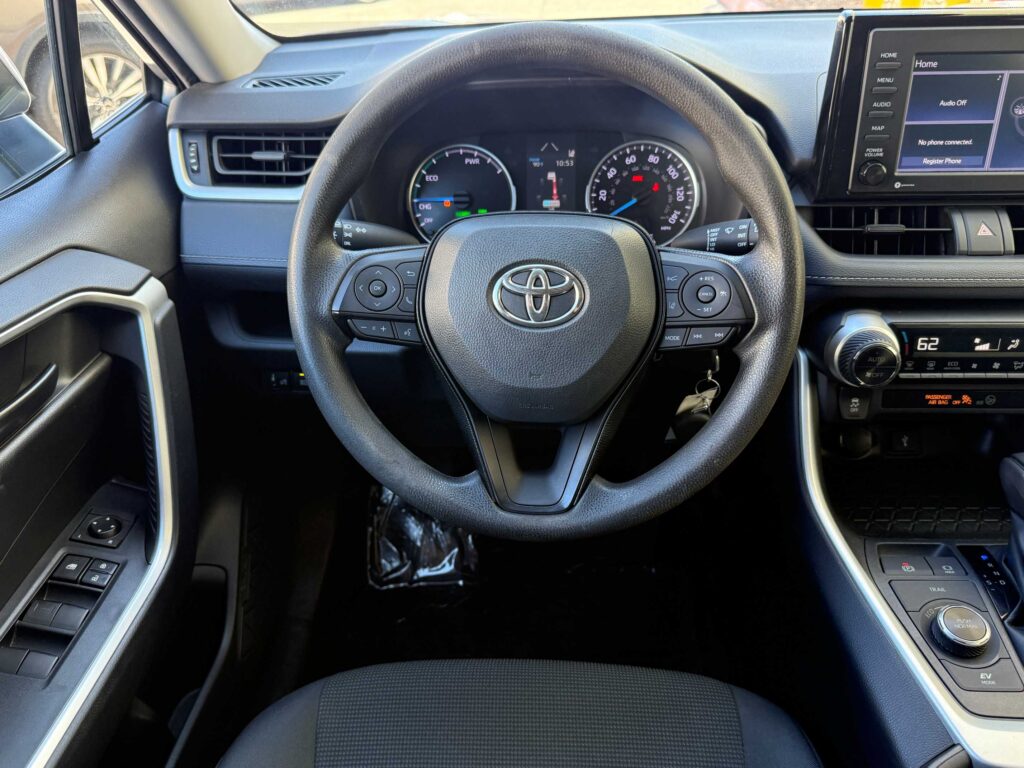
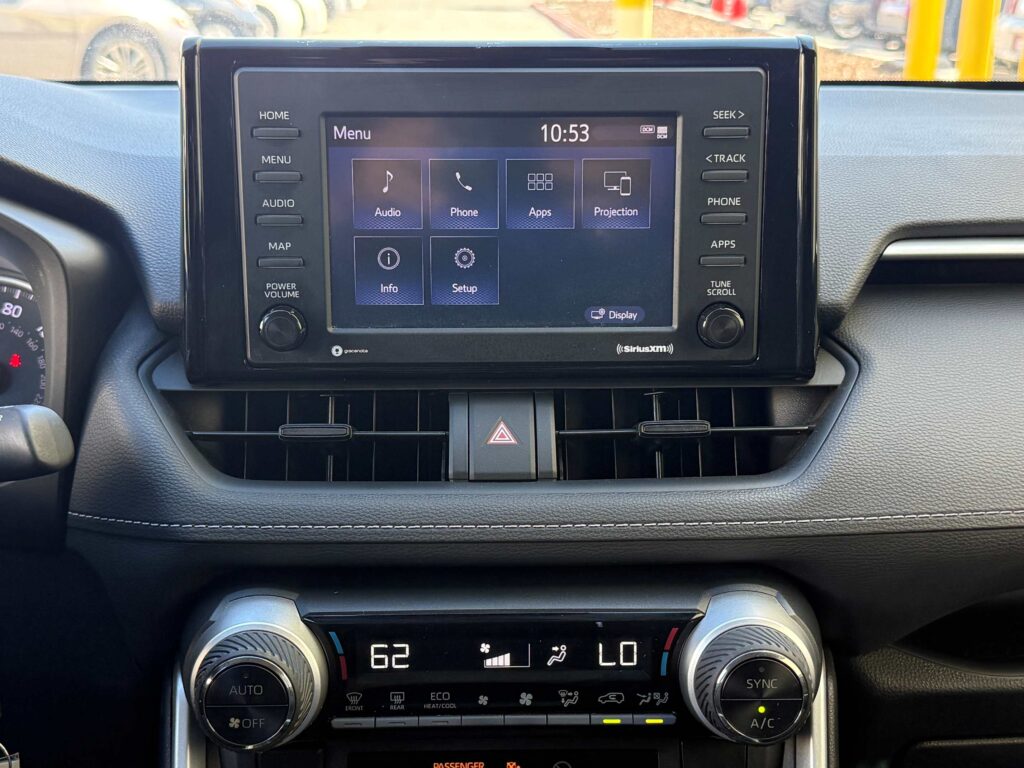
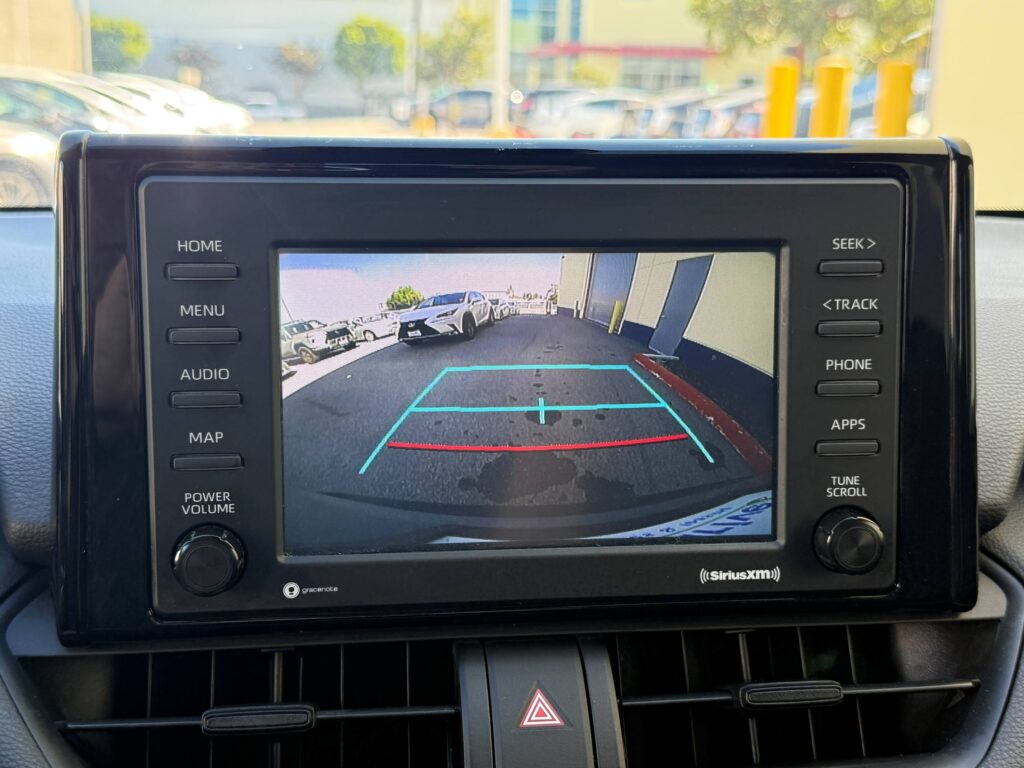
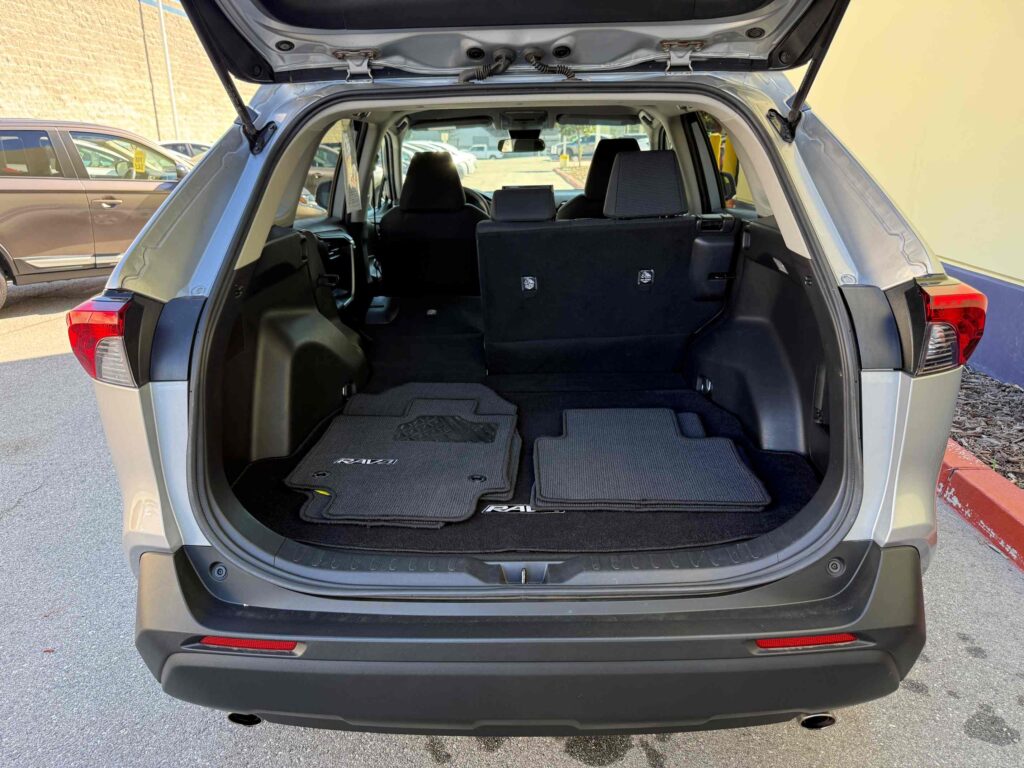
Discover our newest arrivals—available now!



















































The Catch Is the Instability
So why revisit it at all?
The main reason is how unpredictable the income is.
Being paid for what you produce is part of what makes sales satisfying.
The risk sitting behind it is the part that doesn’t get talked about as much.

Injury or a Slow Market Can Cut Your Income Sharply
Sales results aren’t purely a function of effort.
Someone gets hurt and is off the floor for a few weeks. The market cools and foot traffic dries up.
Neither one is inside any individual’s control.
The income drops with the numbers anyway.
For the person living it, that’s a rough position to be in.
The Fixed Costs Don’t Flex
Rent, a car payment, insurance, medical bills — those arrive every month at the same size, whatever the sales board looked like.
When income swings and the bills don’t, you spend a lot of energy staying ahead of the fixed costs, and planning more than a few months out gets difficult.
With a Family, the Pressure Is Heavier
On your own, you can absorb a bad stretch.
With a family, it’s a different calculation.
School costs and everyday expenses arrive on a schedule that doesn’t care what the sales board looked like.
“We had a slow month, so let’s live smaller for a while” isn’t a conversation you can have easily.
The more people depending on that paycheck, the heavier the swings land.
Financial Stress Shows Up on the Sales Floor
That pressure doesn’t stay at home. It comes to work.
Being a professional with every customer is the baseline, whatever’s going on personally.
But standing on the floor while worrying about your own bills makes it very tempting to chase the deal in front of you.
And customers pick up on it. Somehow they always do.
Good service depends on the person delivering it having enough breathing room to actually deliver it.
This is the practical reason we went to salary. Because nobody’s pay here depends on which car you drive off with, the conversation can just be about what actually fits. You can browse what we have on our used car inventory page.
Turnover Is Part of the Same Story
The other thing worth looking at is how high turnover runs in this business.
Car sales combines swinging income with constant pressure on the numbers.

It’s rewarding work, and it also burns people out, which makes it a hard job to stay in for years.
Commission rewards the people who can produce consistently.
It also assumes everyone can absorb the swings and the stress indefinitely — and that assumption is part of why people keep cycling through.
If you’re serious about building a team that lasts rather than just hitting this month’s number, at some point you have to look at the pay structure itself.
Wrap-Up: Why We Questioned the Standard Model
Commission pays producers well. That’s a real strength.
It also lets a business scale payroll to revenue, which is a reasonable way to run a store.
There are good reasons it became the standard.
The cost is that unstable income and constant pressure wear on the people doing the work.
And what wears on them eventually shows up in front of customers.
That connection is not a secret in this industry — it comes up constantly.
Which is why at Eco Drive we moved our sales team onto a fixed salary.
The bet is a sequence: stability first, better customer conversations second, numbers third.
The reason we made that bet is everything above — what commission income actually feels like to live on.
In the follow-up I’ll get into what changed after the switch: the feel of the team, how customer conversations went, and what it was actually like to run it.
Thanks for reading, and I hope you’ll come back for the second half.
About the Information in This Article
Pay plans and wage rules vary by dealership, role, state, and city, and they change over time. This article reflects Eco Drive’s own experience in California and Japan as of July 2026, and it is not legal or employment advice. Please confirm current requirements with the relevant labor agency or a qualified professional before relying on any of it.
You May Also Like