Disneyland Park Anaheim: All 9 Lands, Tickets & Crowd Tips
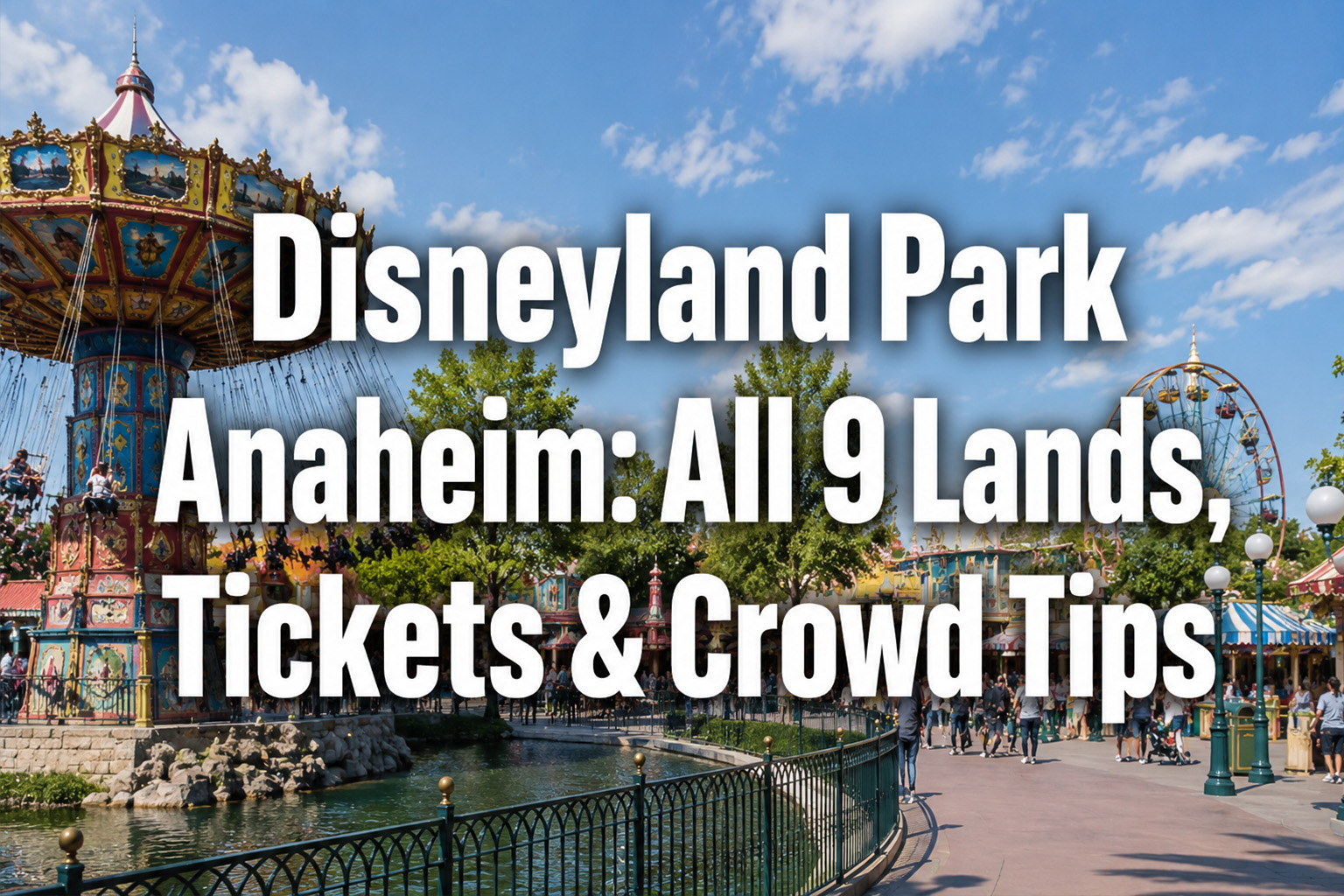
Disneyland Park in California: The Complete Guide
If you’re planning a trip around Los Angeles, Disneyland Park in Anaheim belongs at the top of your list.
This guide walks through what the park is like, how it grew into the icon it is today, and what’s worth knowing before you go.
Also check out our full Disney California Adventure Park Guide.
1. What Is Disneyland Park?
Located in Anaheim, California, Disneyland Park opened in 1955 as the very first Disney theme park in the world.
It draws visitors from all over the globe year-round, and it lands just as well with adults as it does with kids.
The park is divided into separate lands, each with its own attractions and shows, so walking from one to the next feels like stepping into a completely different story.
Families, groups of friends, solo visitors — the layout works for all of them, which is why first-timers and regulars both keep finding something new.
2. A Short History
The Vision and the Groundbreaking
Walt Disney wanted to build a place where the whole family could have fun together — not a playground where parents sat on a bench and watched.
In postwar America, he saw an opening for entertainment that gave kids something to dream about.
He was running a film studio at the time and had never operated an amusement park, so plenty of people told him the idea was unrealistic.
He went ahead anyway, buying a large stretch of orange groves in Anaheim, roughly 30 miles southeast of downtown Los Angeles, and broke ground in 1954.
The Early Years (1955 Onward)
Disneyland opened on July 17, 1955, as the first theme park of its kind.
Opening day was an invite-only press preview, and it did not go smoothly — the asphalt was still soft enough that women’s heels sank into it.
But the live television broadcast, and Walt Disney’s own hands-on approach to hosting, turned the day into a national conversation.
The park opened with five themed lands: Main Street, U.S.A., Adventureland, Frontierland, Fantasyland, and Tomorrowland.
Each one carried its own story and atmosphere, which was a genuinely new idea at the time.
Growth and Change (1960s–1990s)
Walt Disney died in 1966, and the park kept building on his plans after he was gone.
“it’s a small world” moved to Fantasyland in 1966 after two seasons at the New York World’s Fair.
New Orleans Square opened in July 1966 as the first entirely new land added after opening day, and it went on to house Pirates of the Caribbean and the Haunted Mansion.
The 1970s brought bigger thrills, with Space Mountain and Big Thunder Mountain Railroad joining the lineup.
Mickey’s Toontown followed in 1993, along with an expanded slate of parades, shows, and character meet-and-greets.
The 1990s to Today
In the 1990s, plans took shape to redevelop the surrounding Anaheim land into a full resort, and the original park was refreshed alongside it.
Since the 2000s, updates have kept coming — reworked attractions, new nighttime shows, fireworks, and seasonal events that give repeat visitors a reason to come back.
In 2019, Star Wars: Galaxy’s Edge opened and became one of the biggest additions in the park’s history.
Mickey’s Toontown reopened in 2023 after a full reimagining, with Mickey & Minnie’s Runaway Railway as its headline attraction.
Bayou Country replaced the name Critter Country in November 2024, when Tiana’s Bayou Adventure opened in the space that had been Splash Mountain.
3. What to Know Before You Go
3-1. Getting There
Southern California runs on cars, and Disneyland is no exception — for most visitors, driving is the most straightforward way to get to Anaheim.
From LAX, the trip typically takes about an hour depending on traffic, and the resort has large parking structures on site.
Public transit is possible using Metro and bus connections, but once you factor in transfers and walking, plan on roughly two and a half to three hours each way.
If you’re traveling with luggage, kids, or a tight schedule, having your own car saves time and gives you far more flexibility at the end of a long park day.
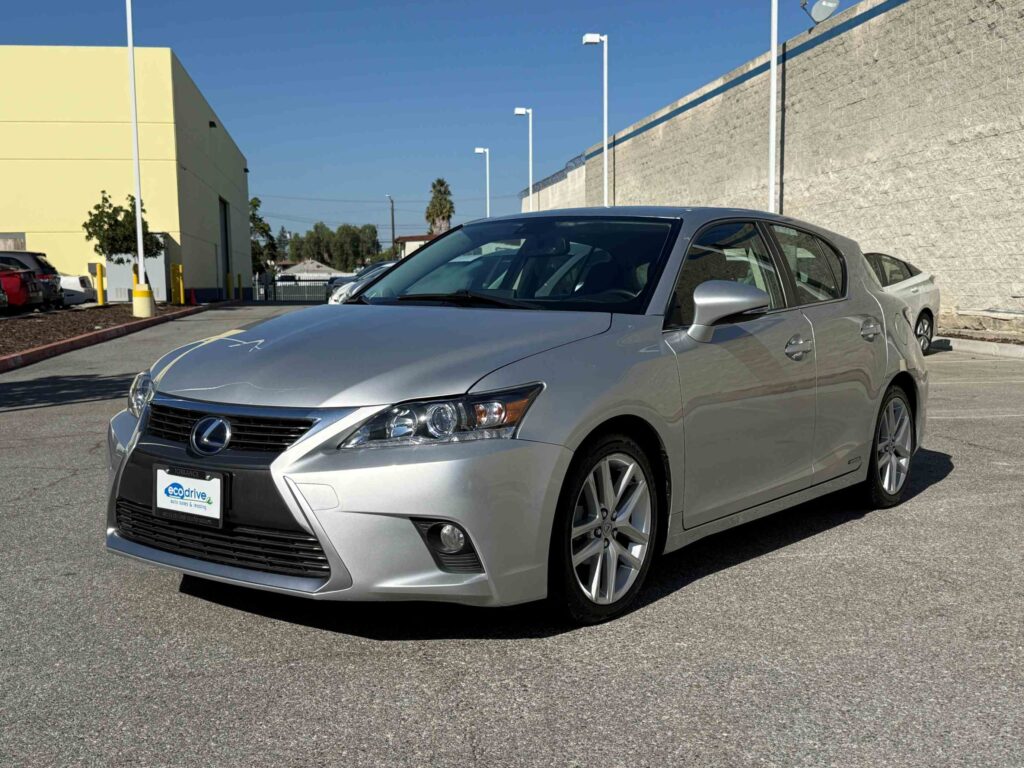
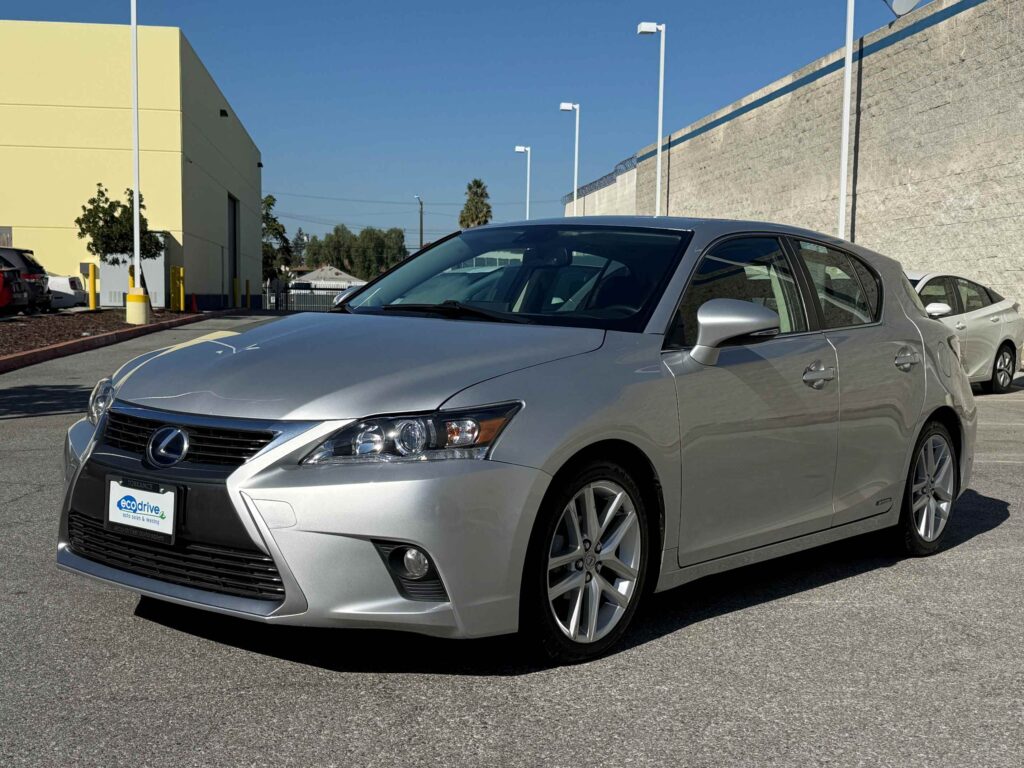
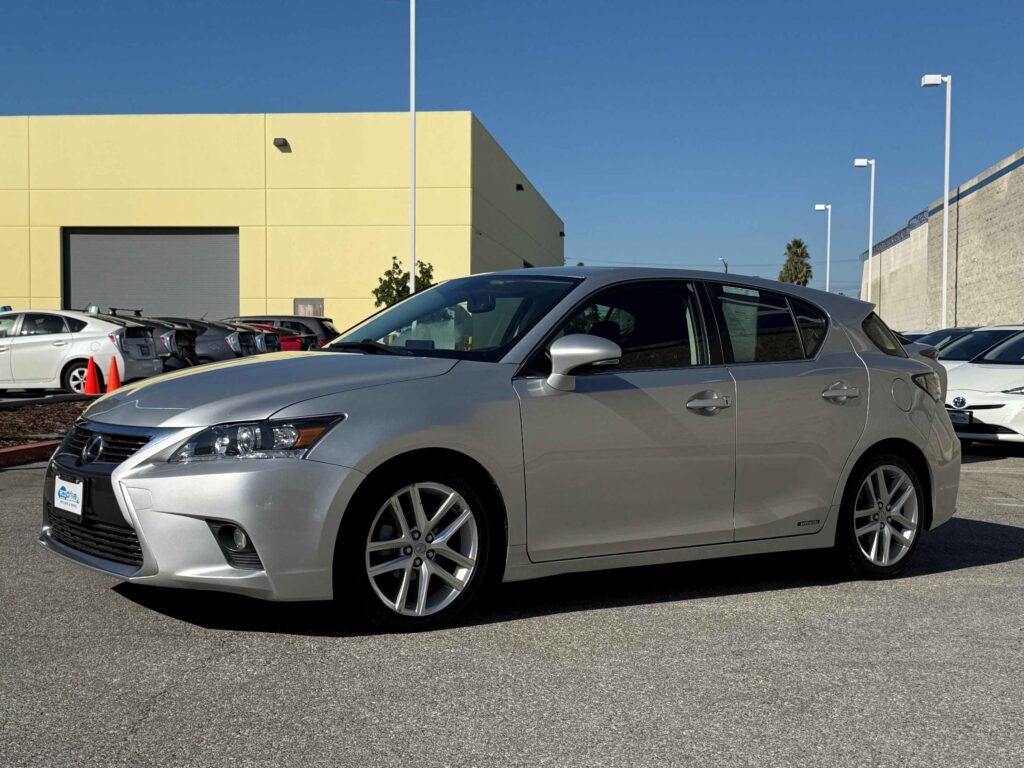
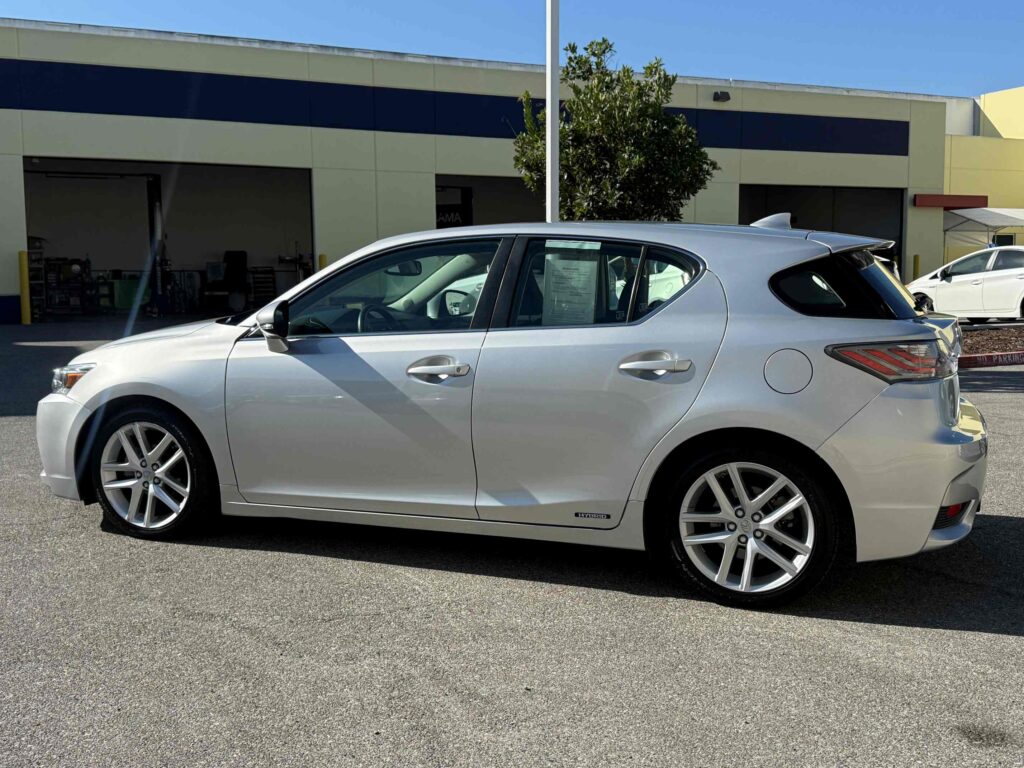
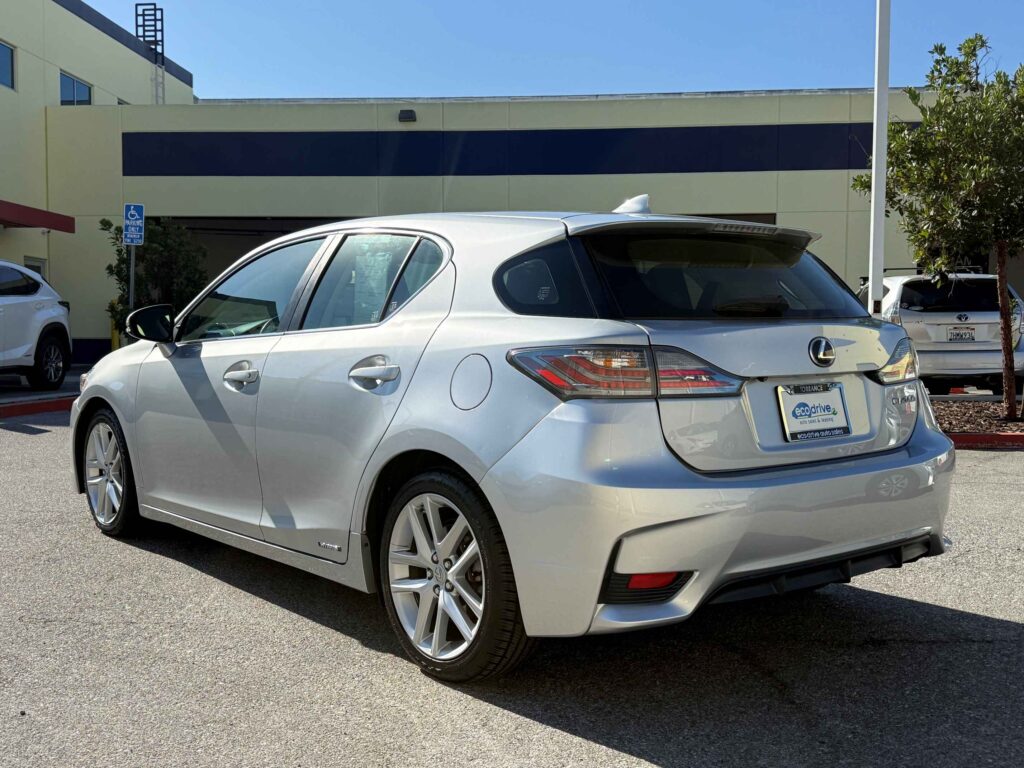
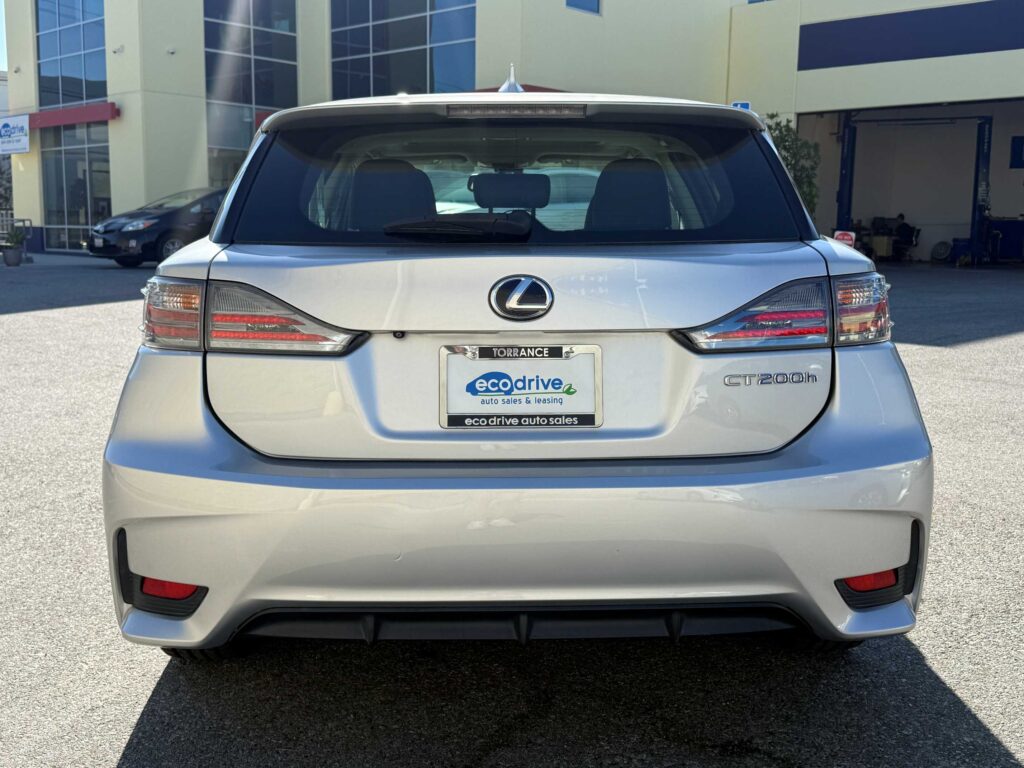
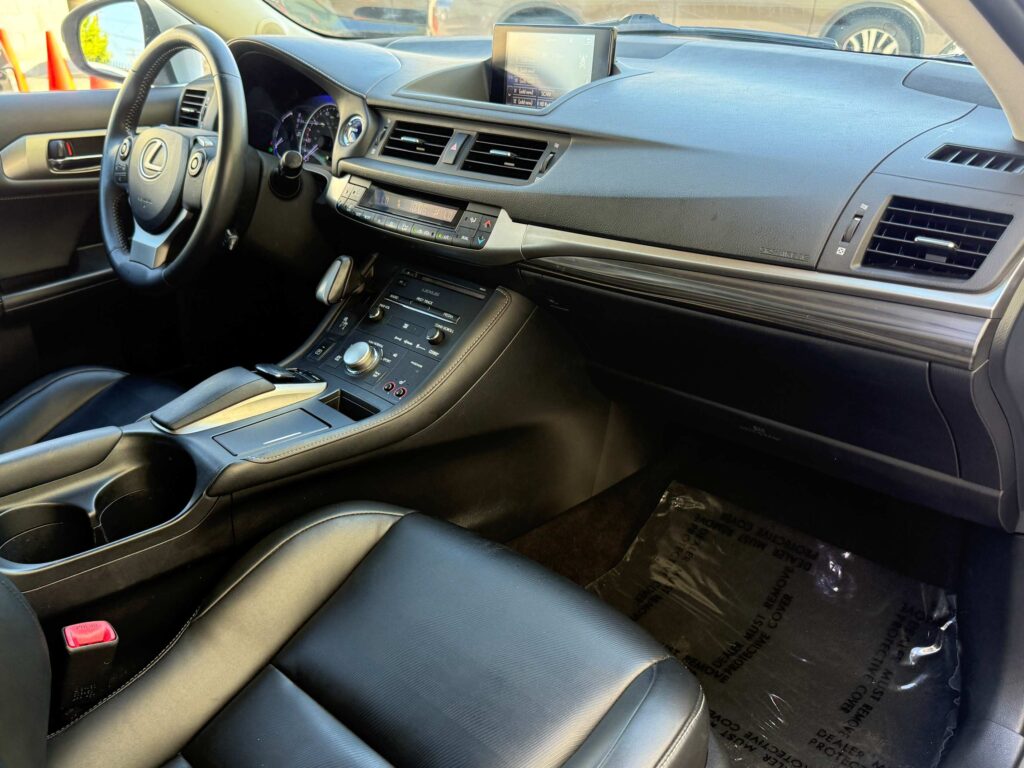
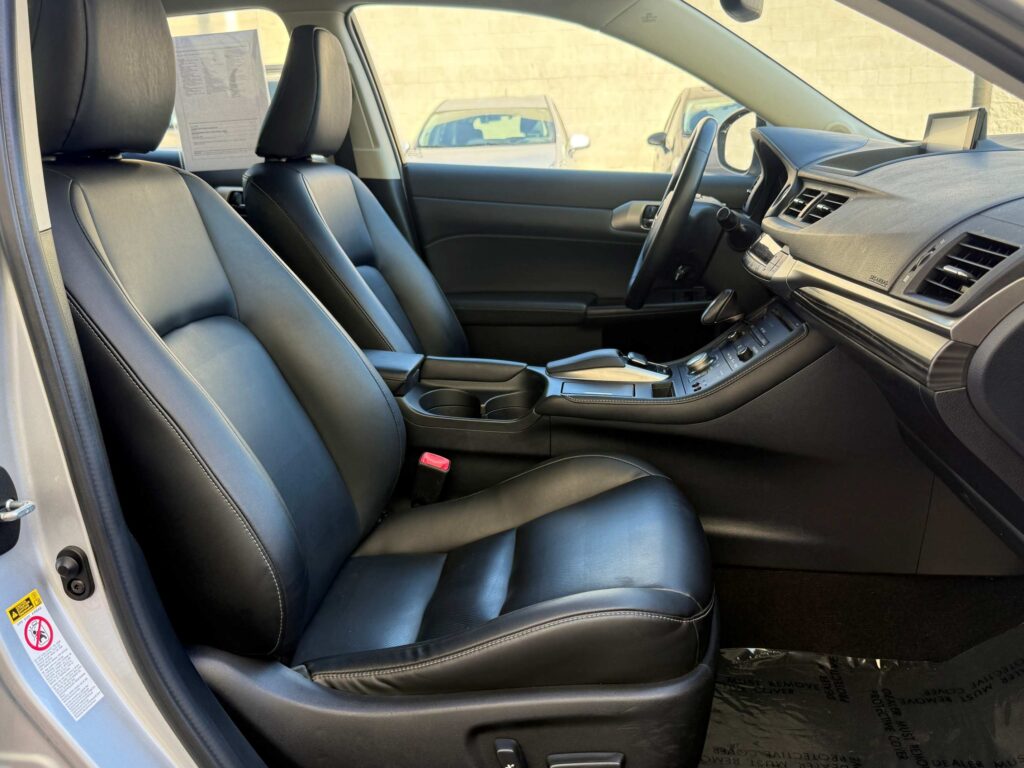
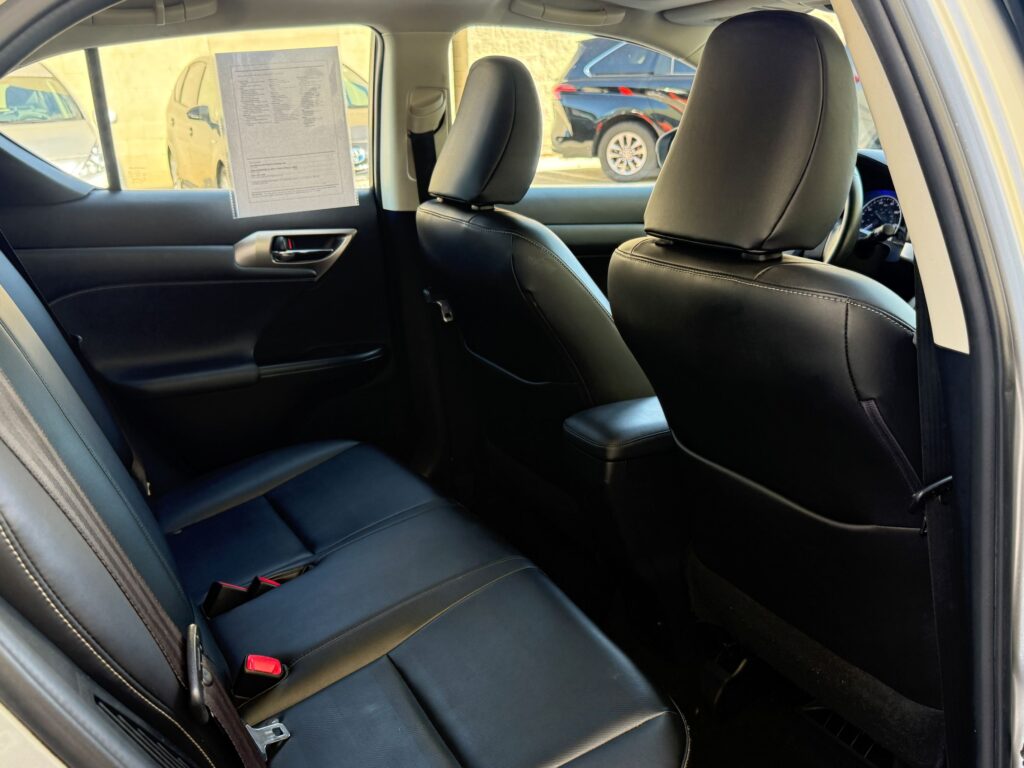
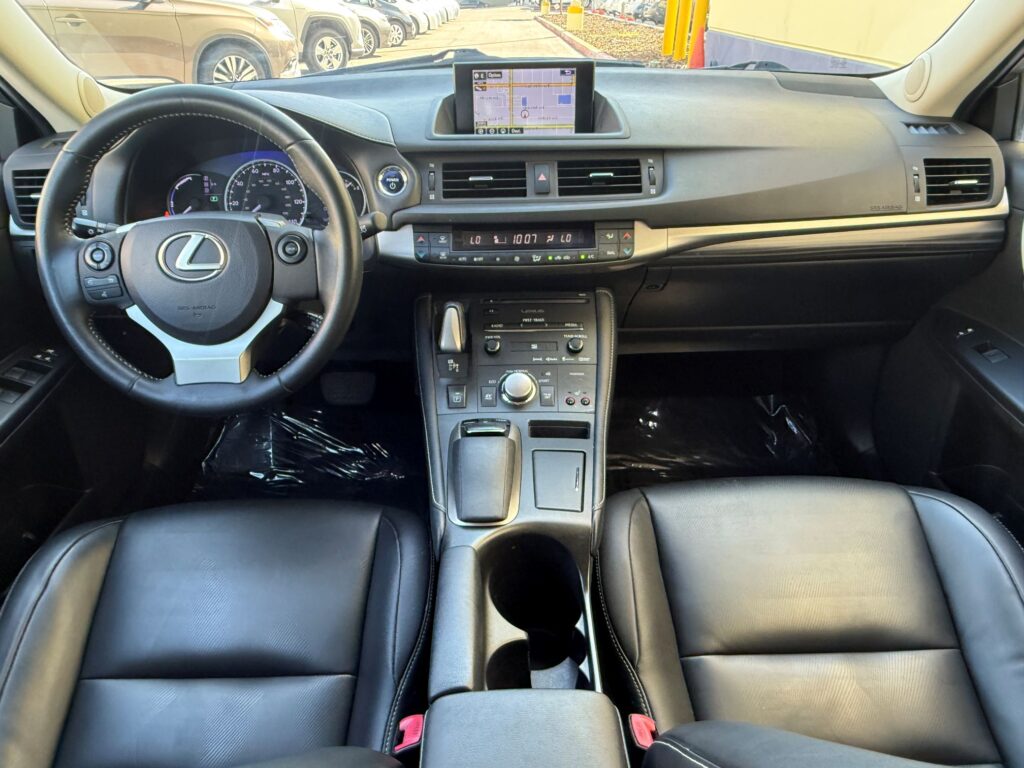
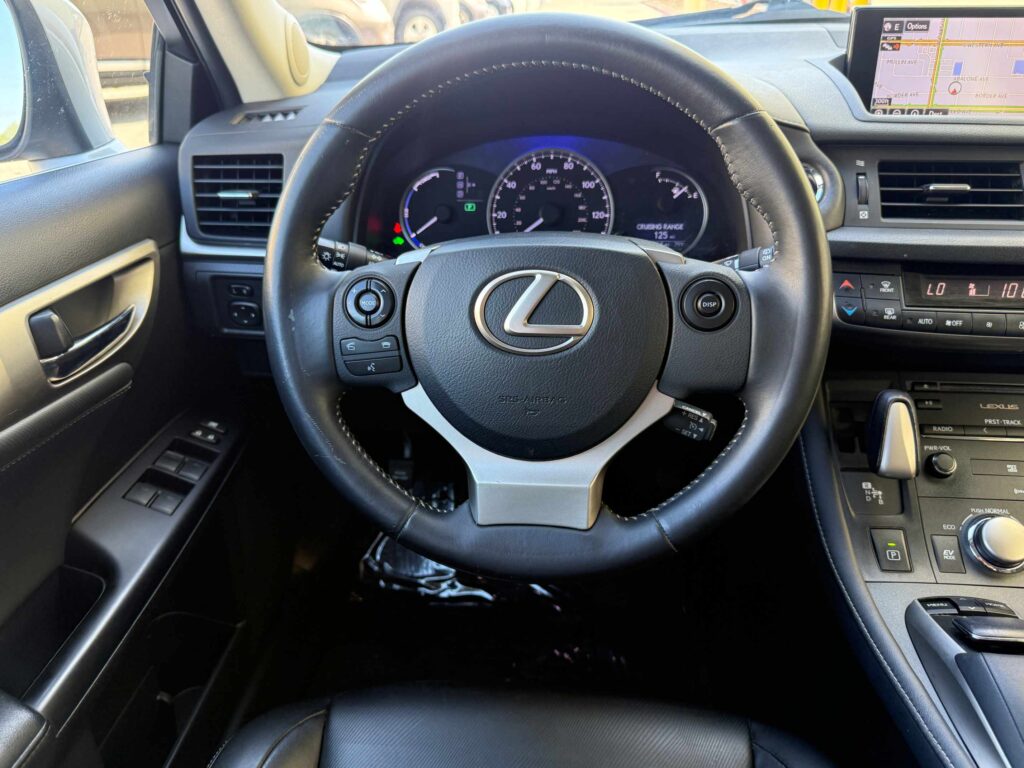
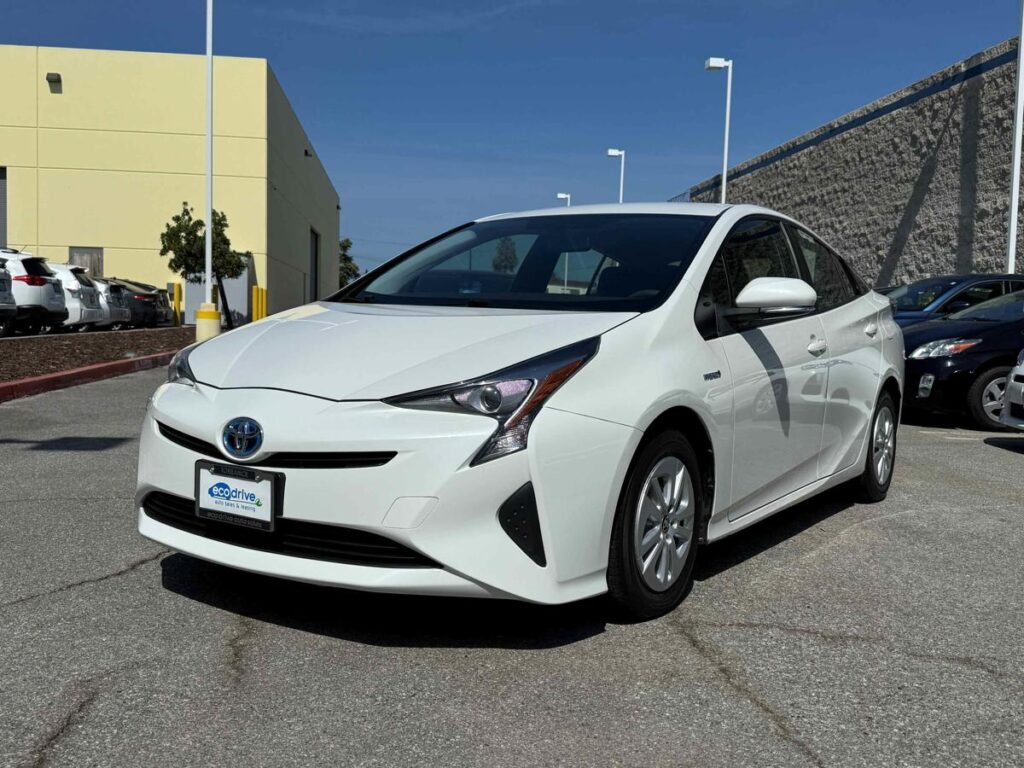
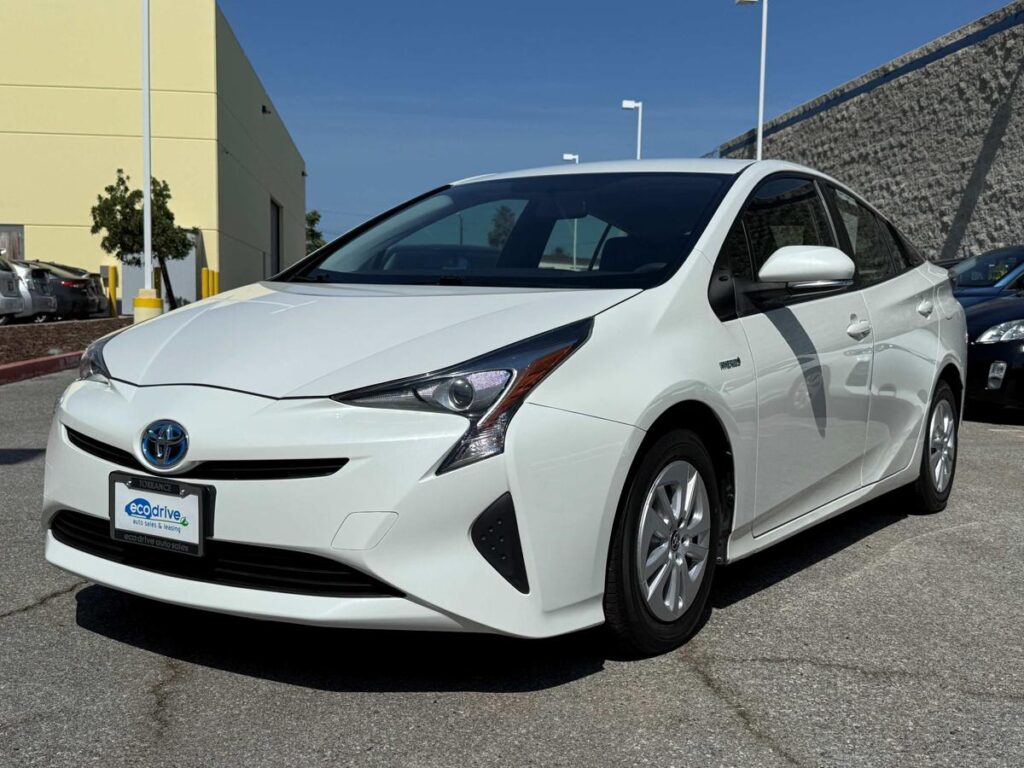
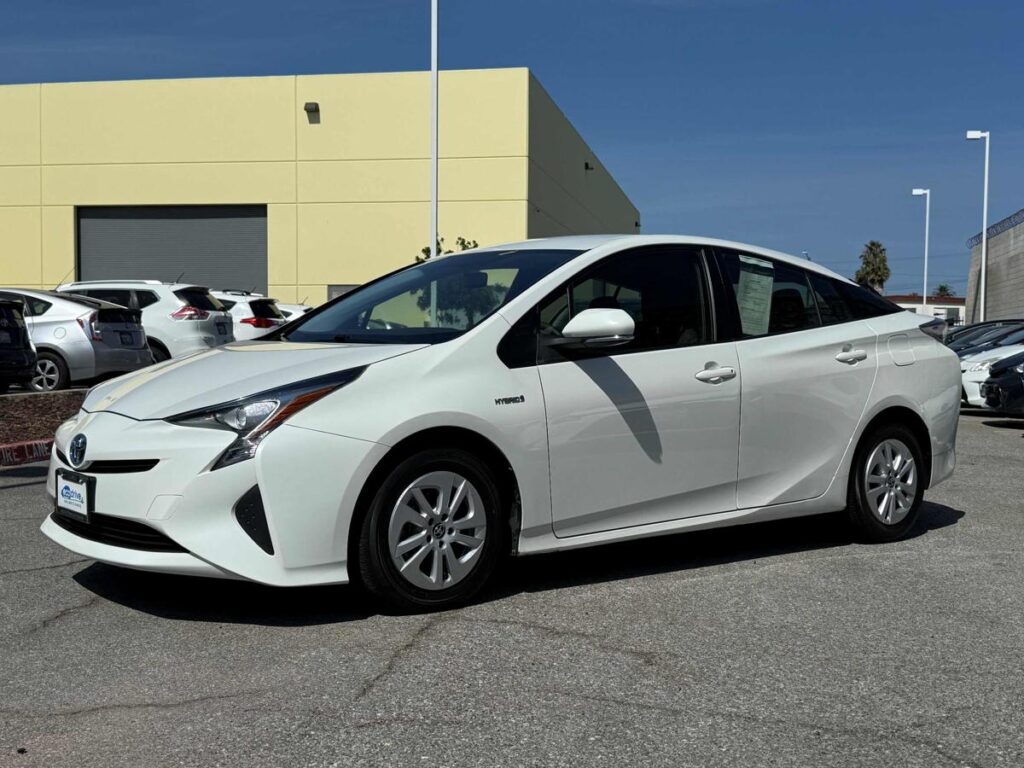
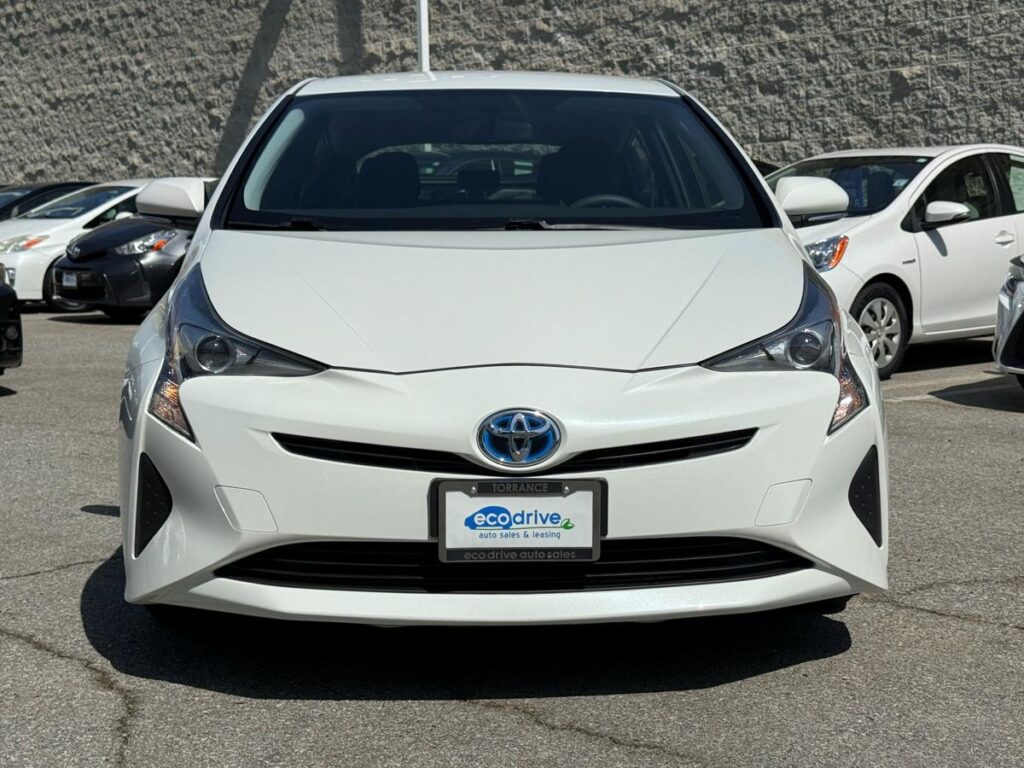
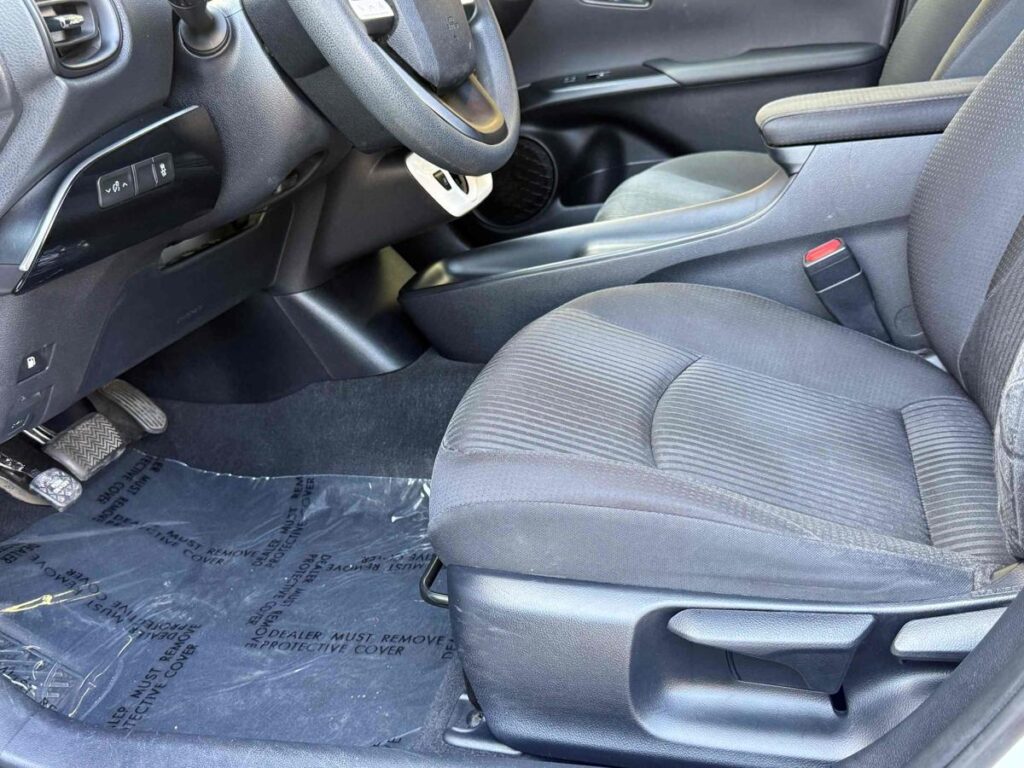
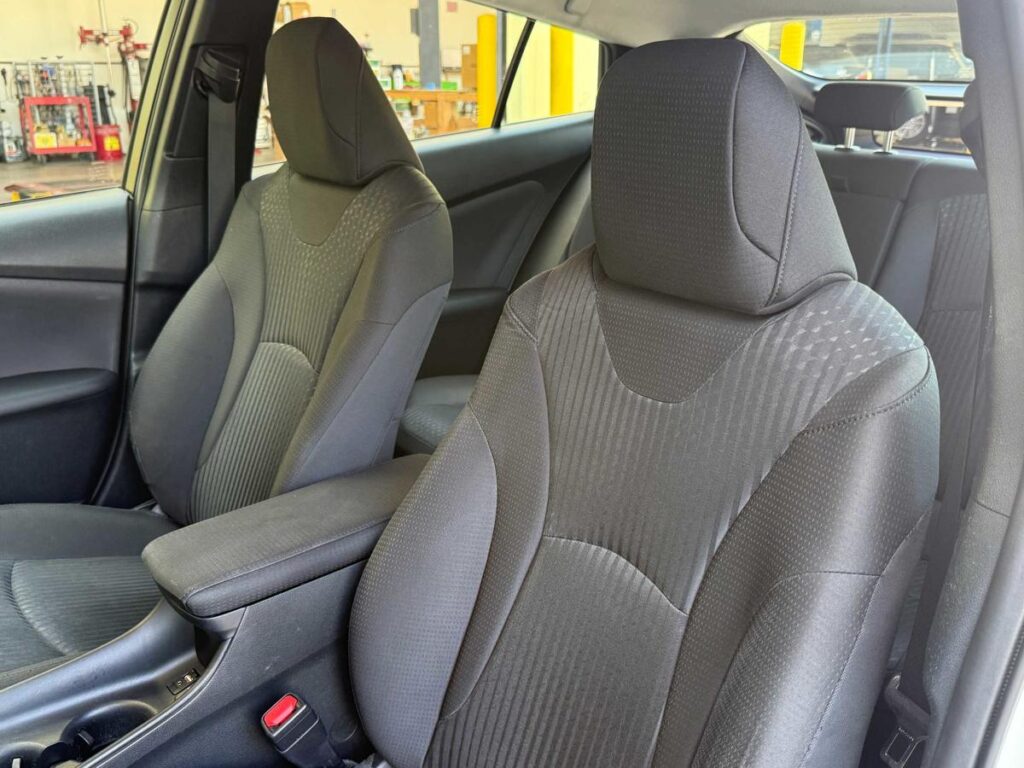
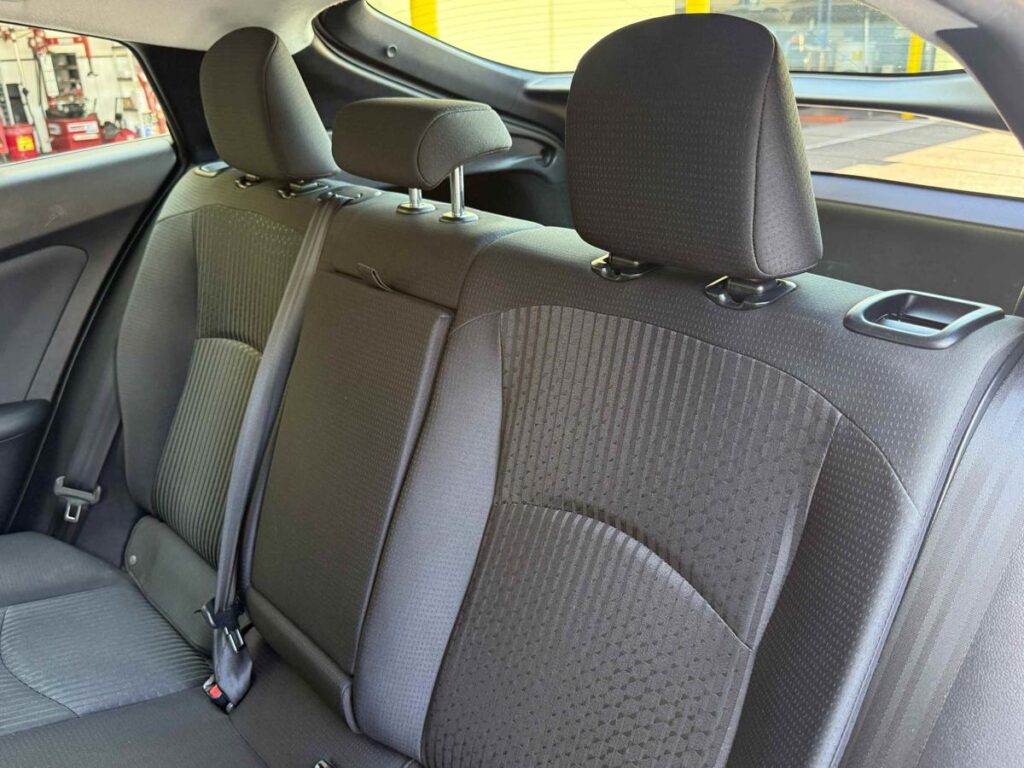
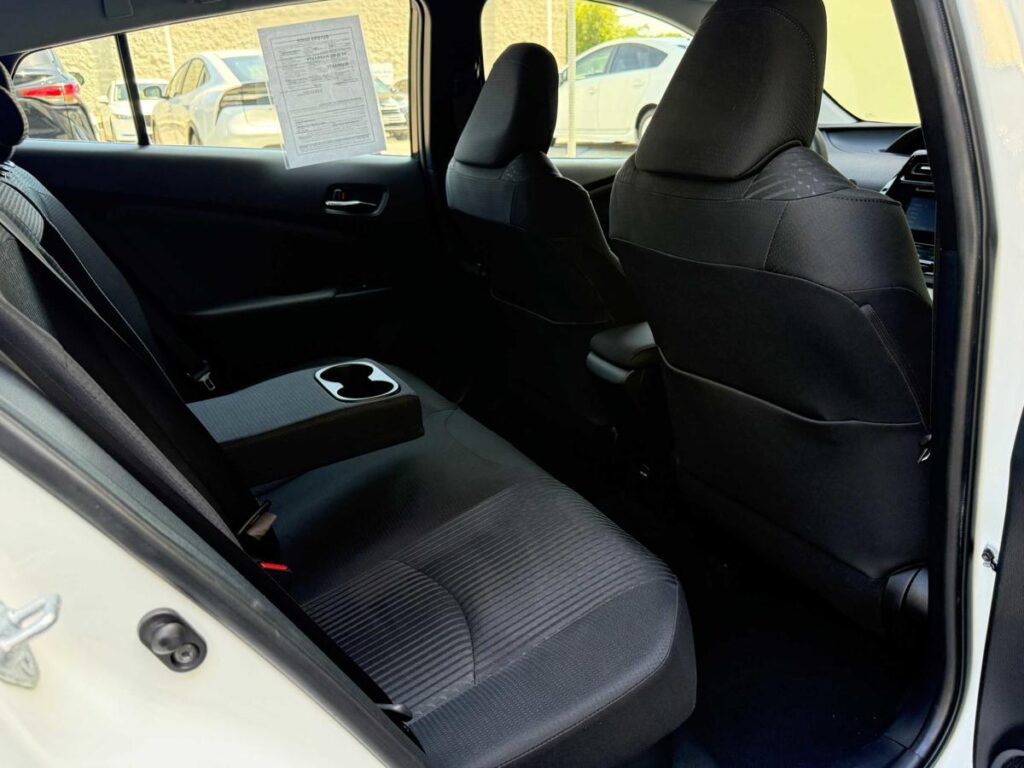
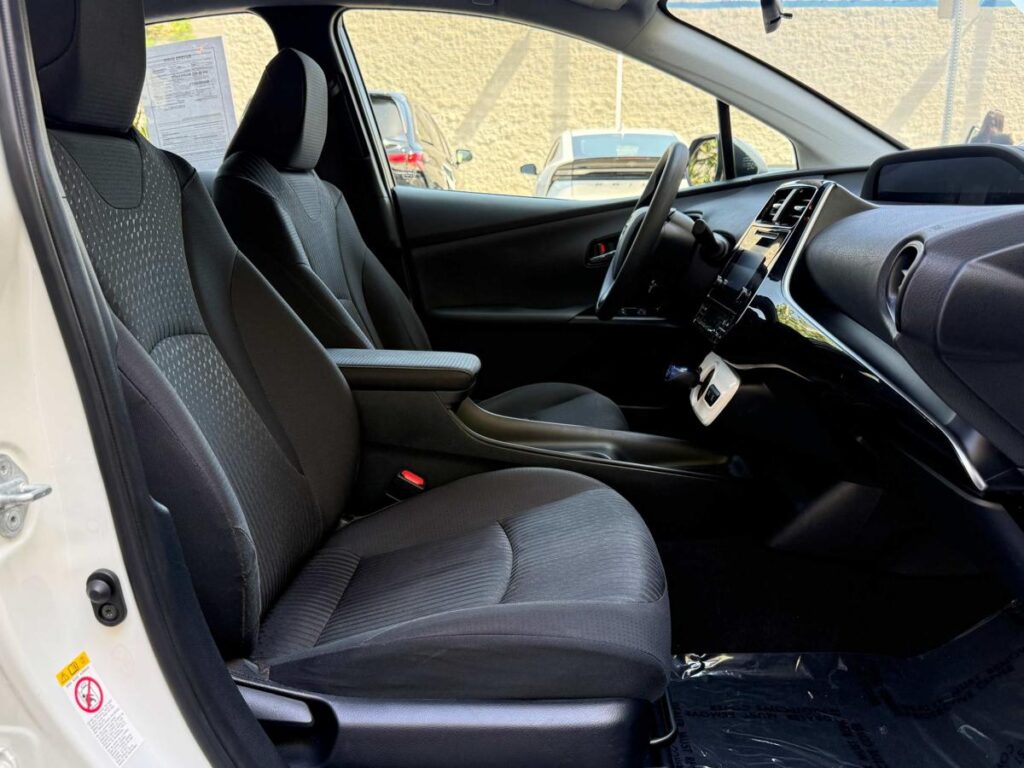
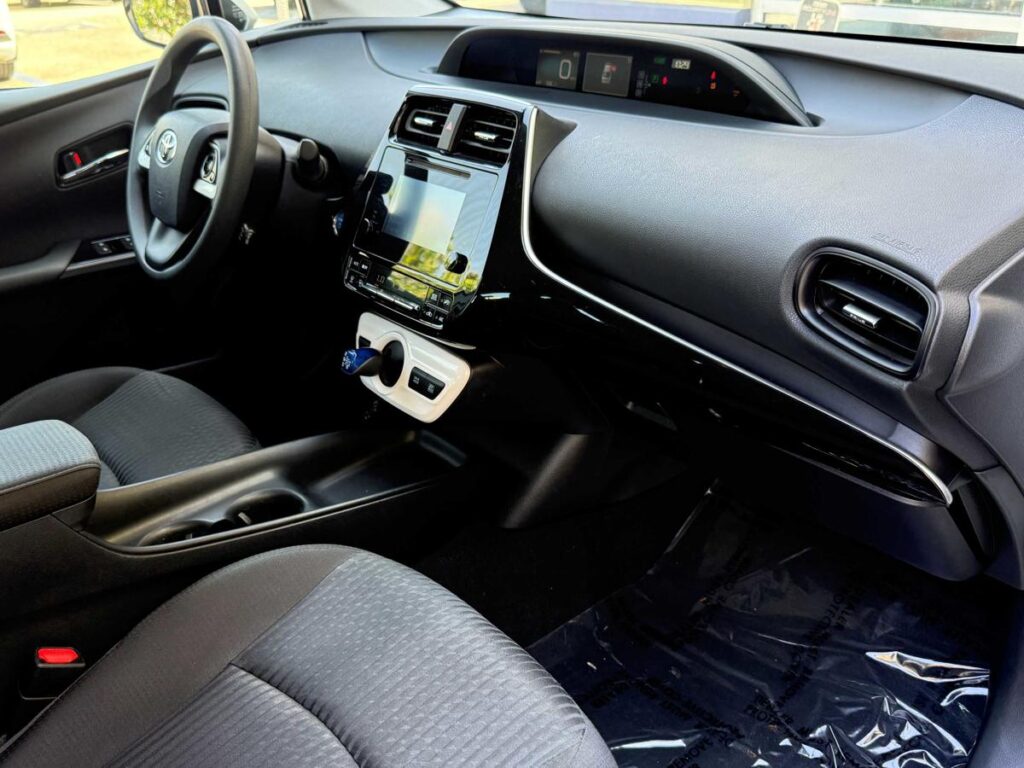
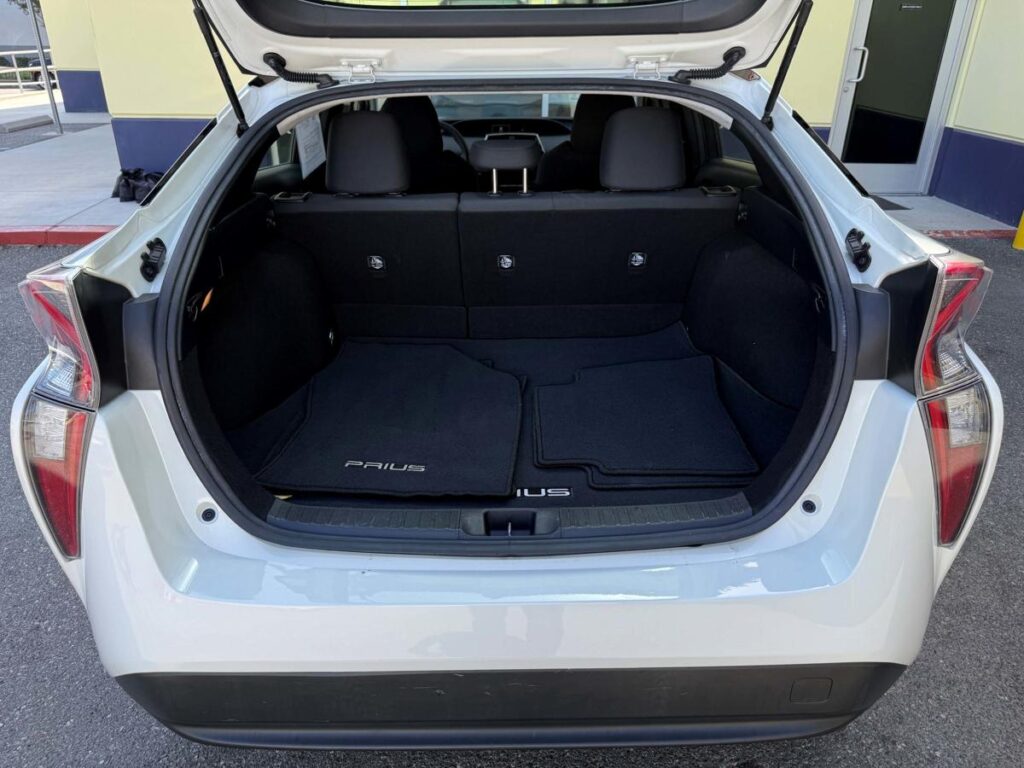
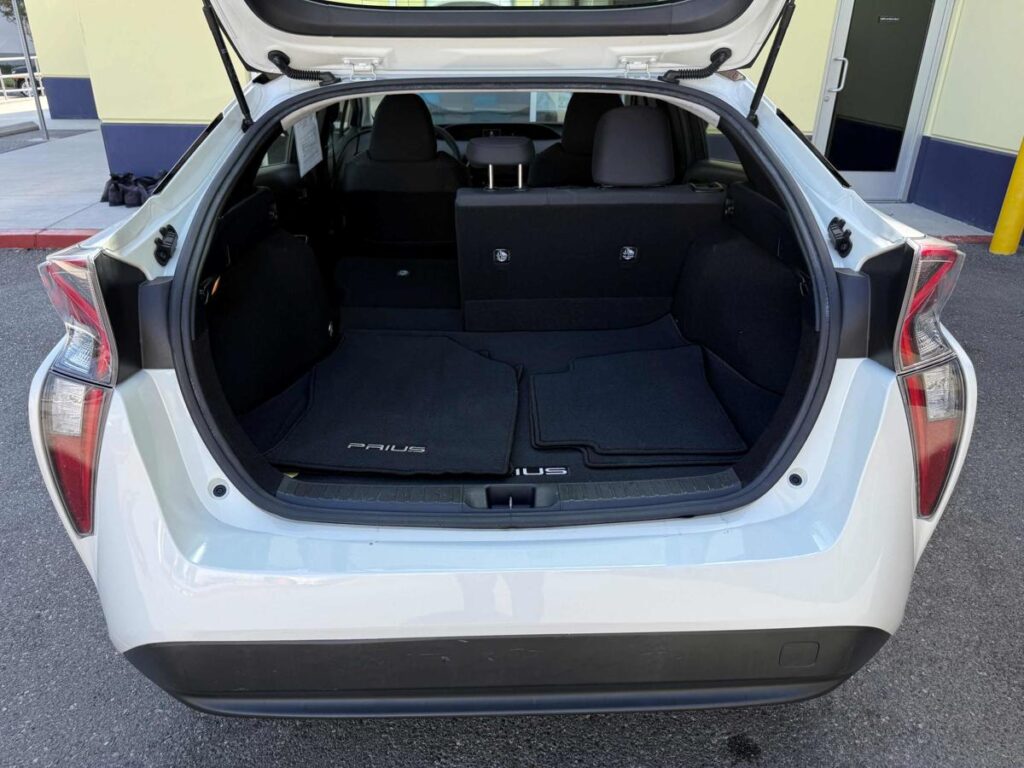
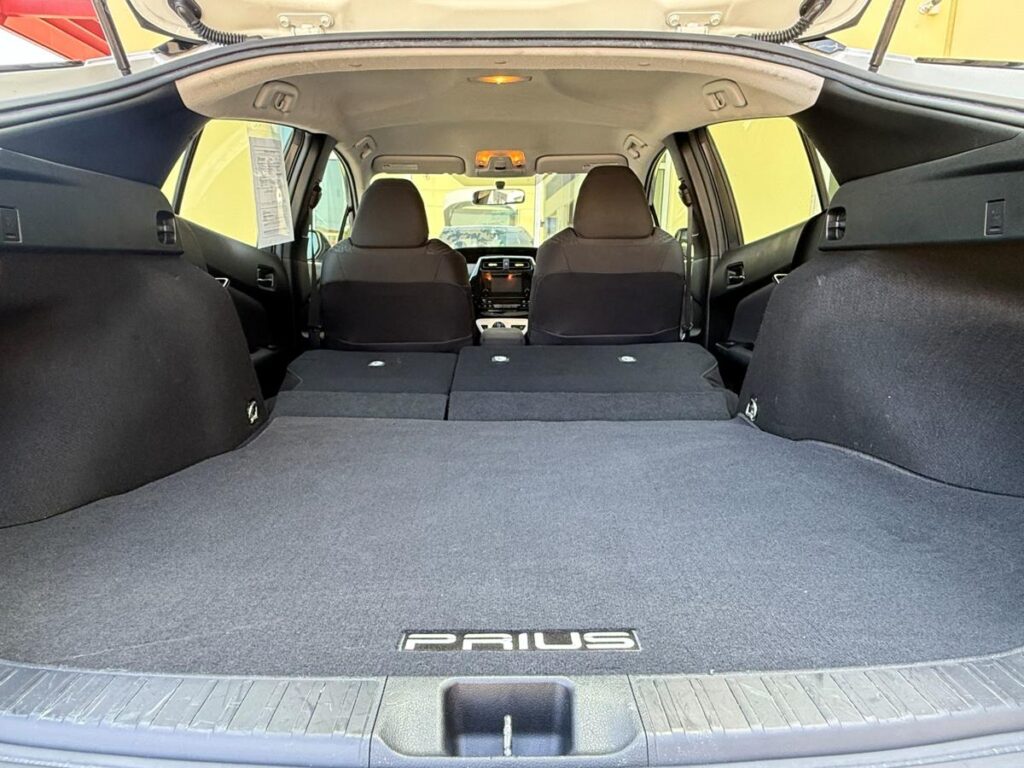
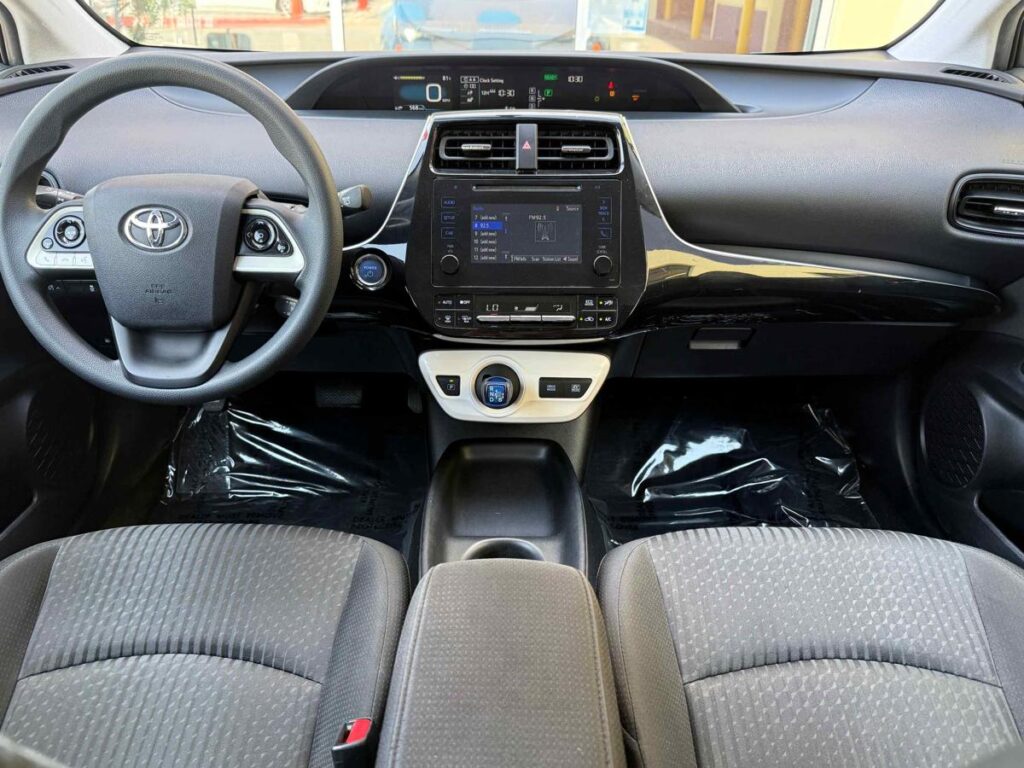
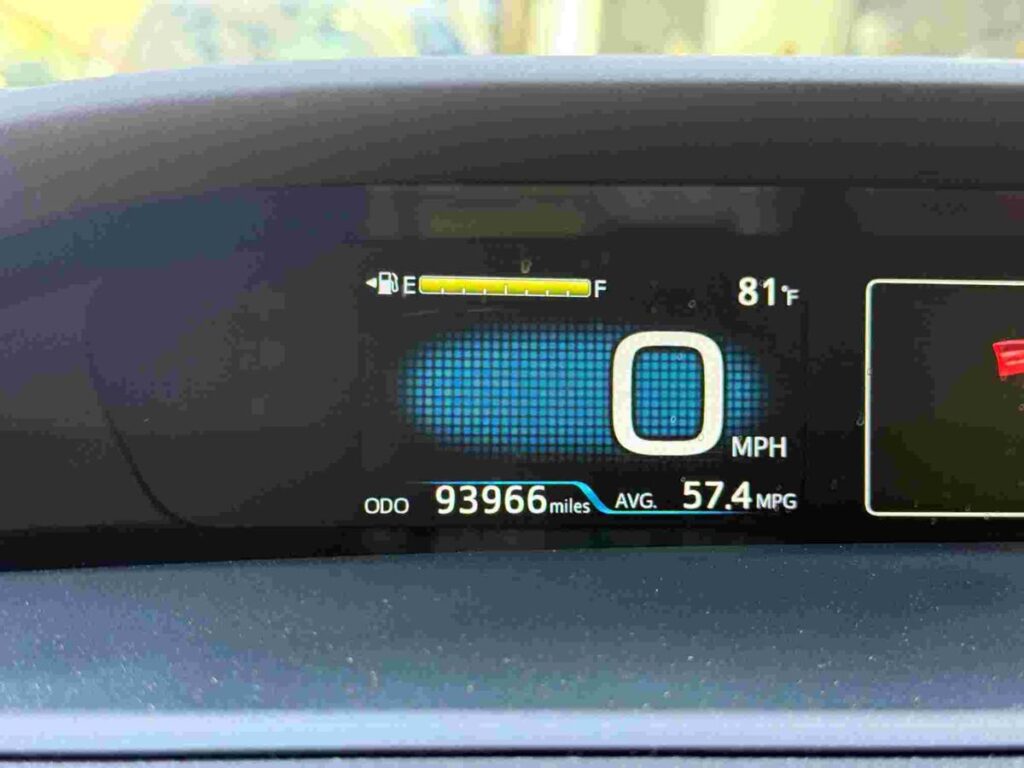
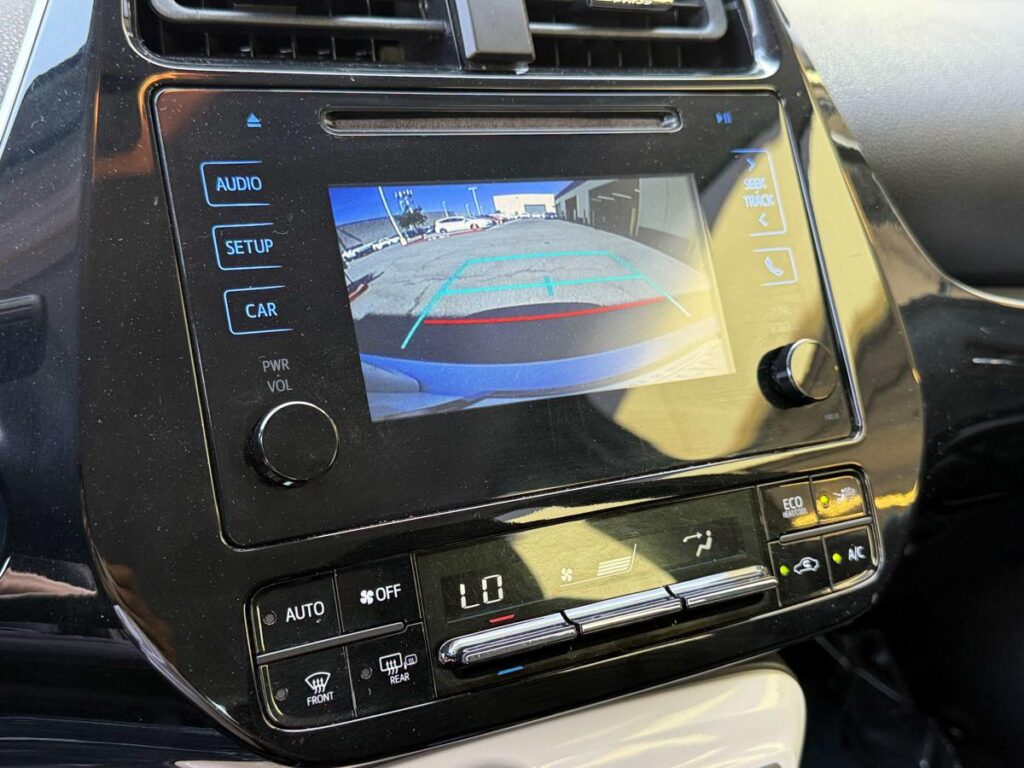
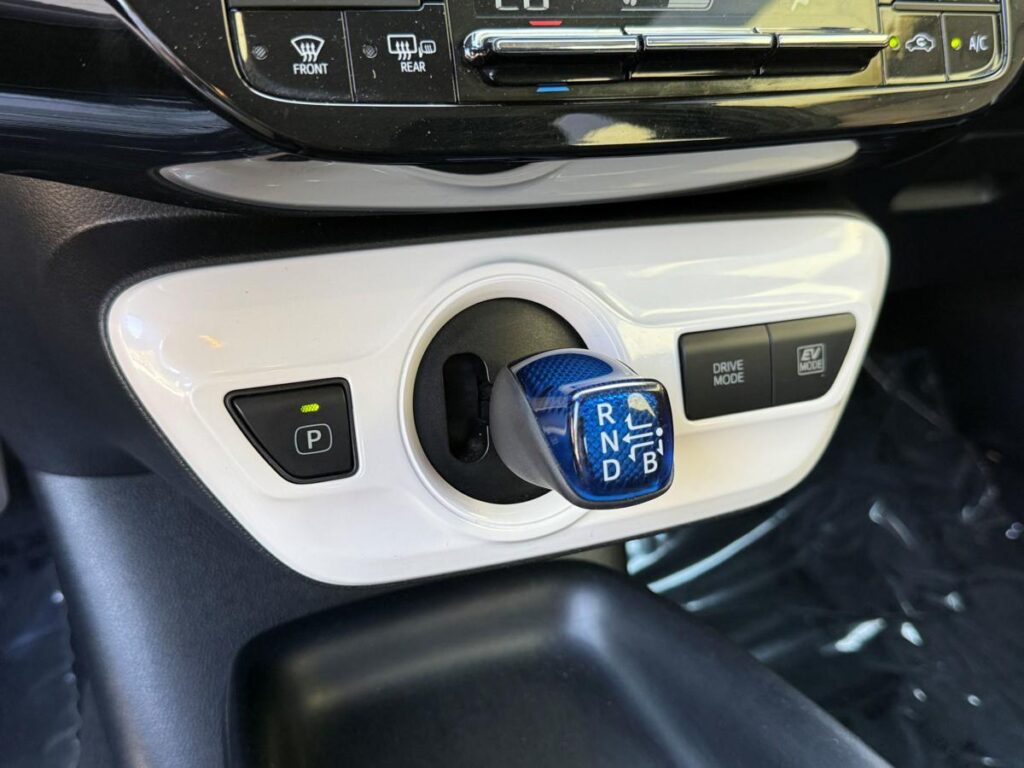
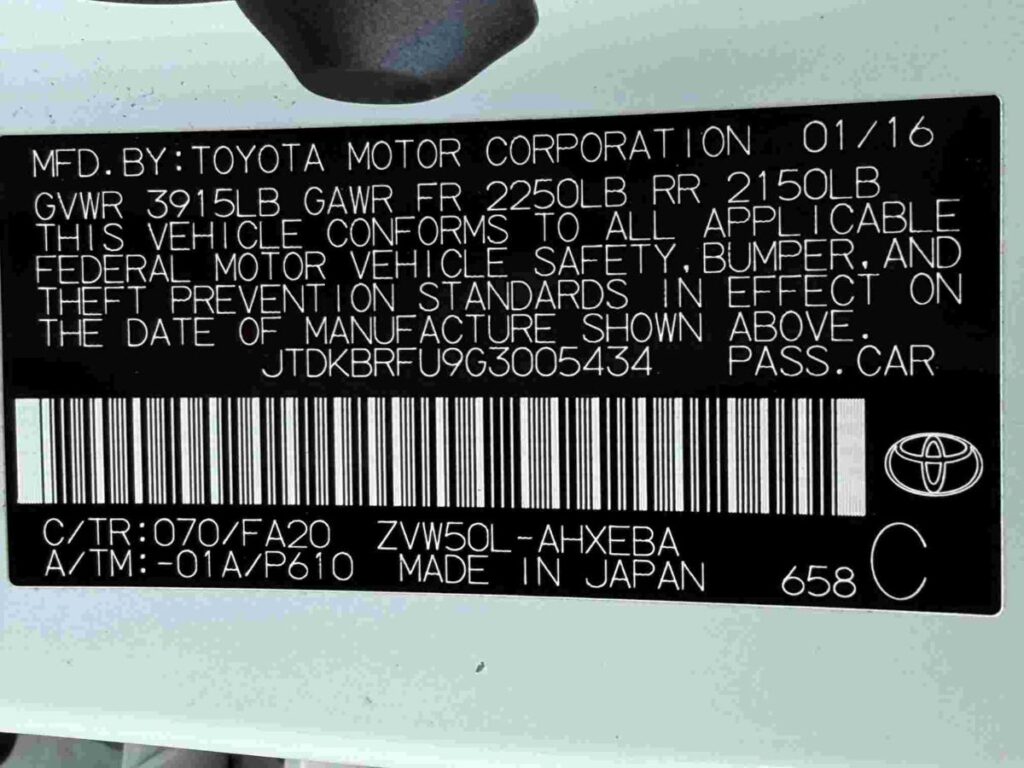
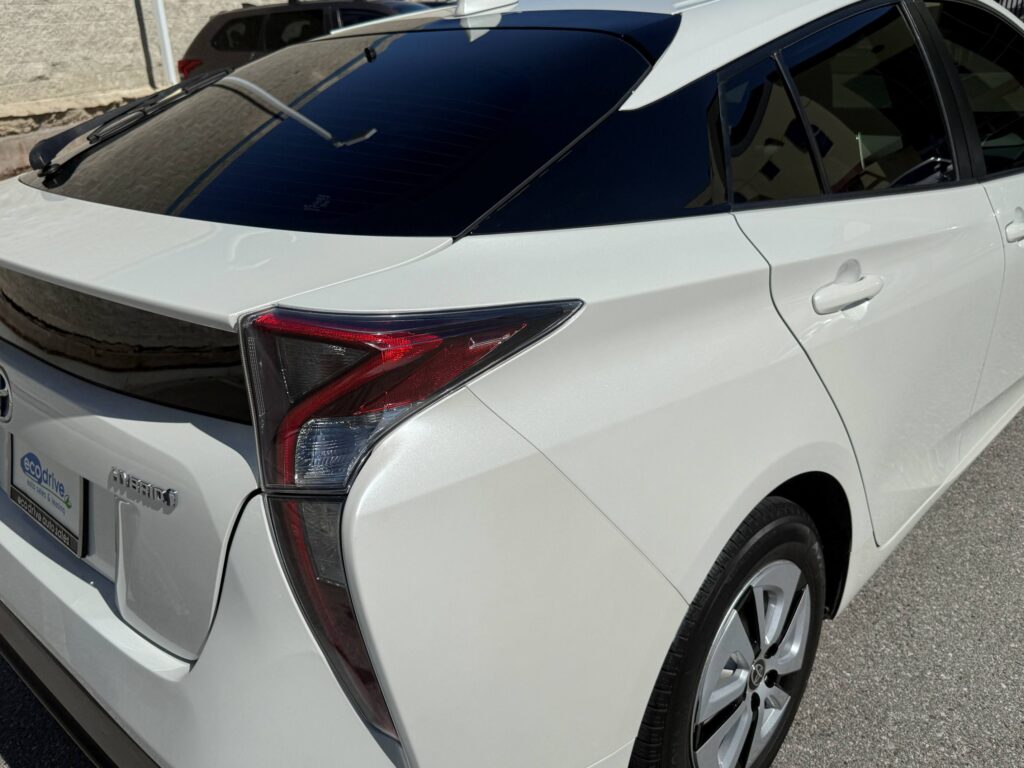
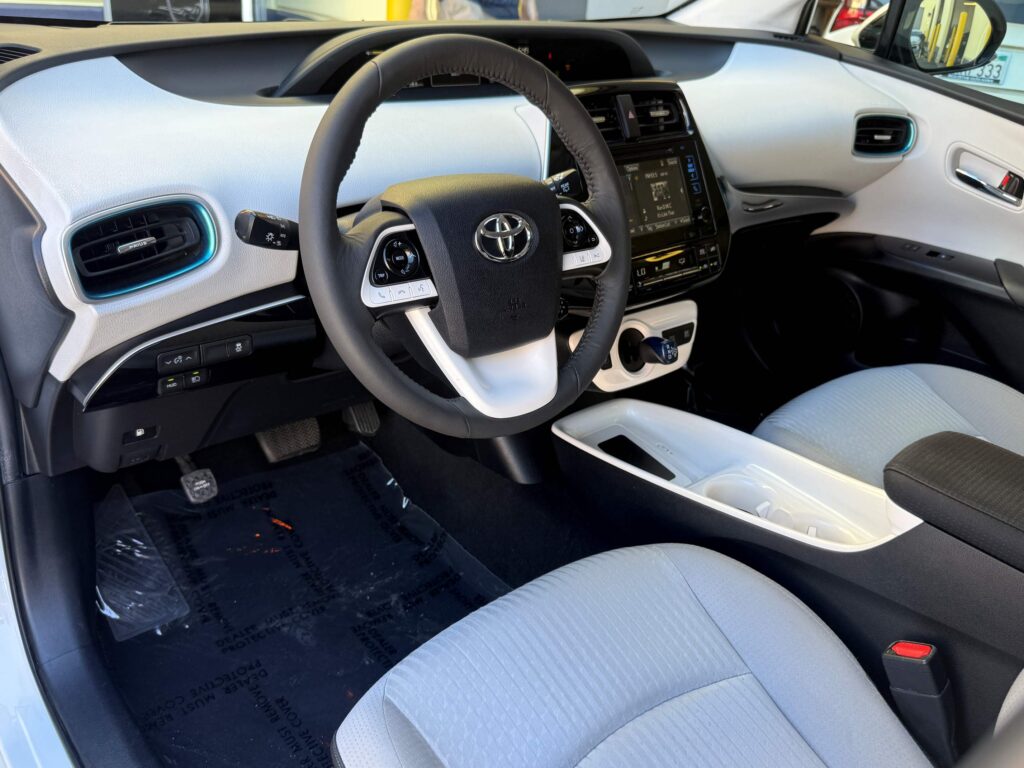
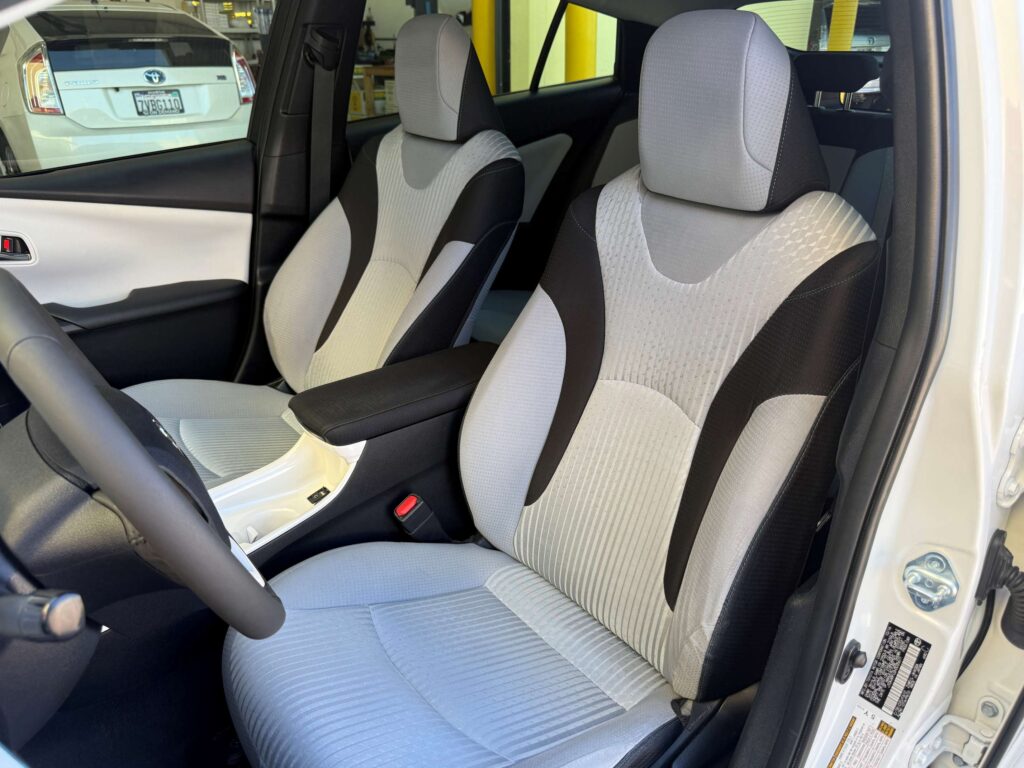
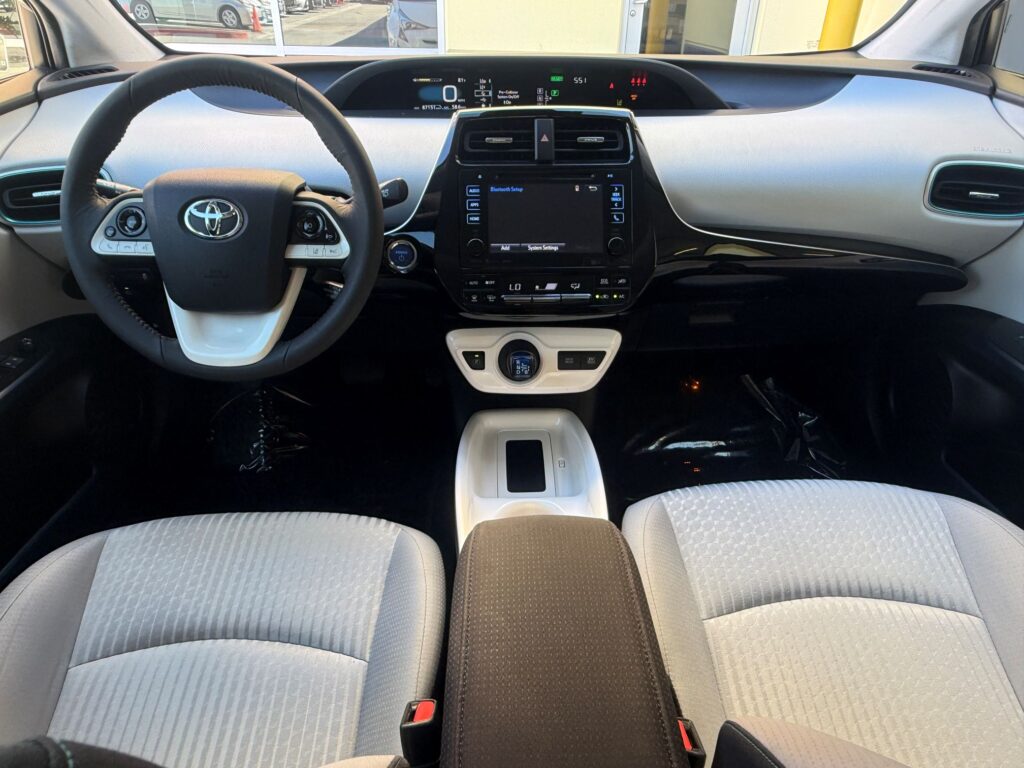
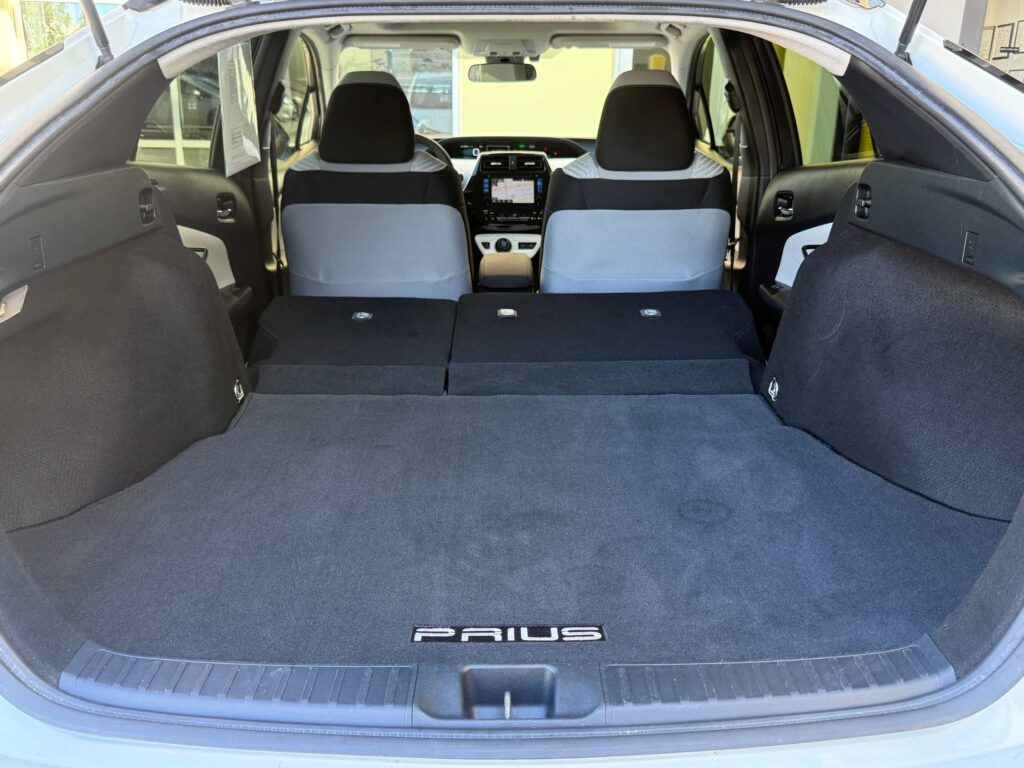
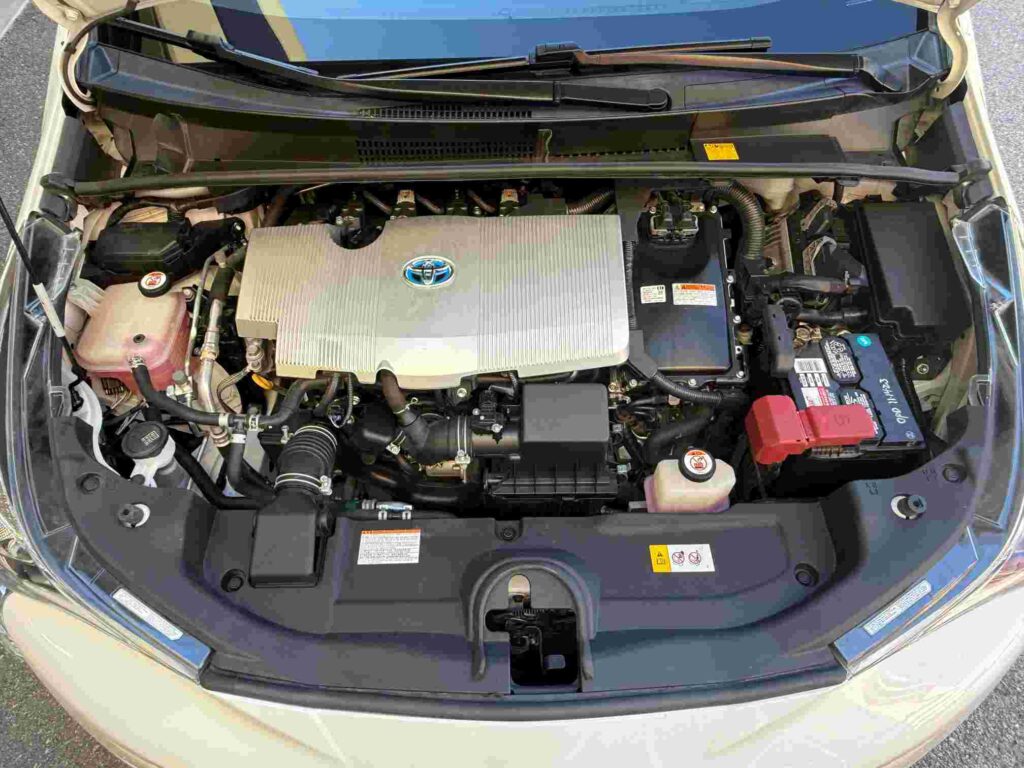
Heading to Disneyland from LA? A rental car is the easiest way to get there and back on your own schedule. Our Hybrid Rental pairs strong gas mileage with room for luggage — a practical fit for a day trip to Anaheim or a longer California visit.
3-2. When It Gets Busy
Disneyland stays busy year-round, but weekends, school breaks, and the stretch between Christmas and New Year’s are the heaviest.
Holiday weekends like Thanksgiving and the Fourth of July also pack the park, so skip those dates if you have any flexibility.
Mornings are generally the quietest part of the day, and crowds build steadily as you get closer to noon.
Get to whichever land you care about most early, and you’ll spend a lot less time standing in line.
3-3. Buying Tickets and Park Reservations
Tickets are best purchased ahead of time through the official Disneyland website or the Disneyland app.
Along with valid admission, guests generally need a theme park reservation for the same date, so lock in both as early as you can — reservation slots can run out on popular dates.
1-Day and Park Hopper tickets: choose between a single park or the ability to move between Disneyland Park and Disney California Adventure on the same day.
Multi-day tickets: buying several days at once usually brings the per-day cost down.
Magic Key passes: Disneyland’s annual pass program, worth considering if you visit often. Sales open and close depending on demand, and passes carry reservation requirements and blockout dates, so read the terms before counting on one.
Lightning Lane Multi Pass: the paid add-on that was called Genie+ until 2024. It lets you pick arrival windows for a set of participating attractions and use their Lightning Lane entrances. You can add it when you buy your tickets, or purchase it in the app on the day of your visit.
There’s also Lightning Lane Single Pass for individual headliner rides, usually purchased in the app on the day you visit, and Lightning Lane Premier Pass, a higher-priced option covering participating attractions in a single purchase, released in the app roughly a week ahead in very limited numbers.
Availability is limited on all three, so decide early which one fits your day — and note that at Disneyland you generally need to be inside the park before you can book your first Multi Pass attraction.
3-4. Getting Through the Gate
Bags are screened at security before you reach the turnstiles.
Selfie sticks and hand-held extension poles aren’t permitted anywhere in the park, so leave them in the car rather than finding out at the checkpoint.
Entry itself is quick — pull up your ticket in the Disneyland app and have it scanned at the gate along with your park reservation.
3-5. Once You’re Inside
Keep the app open during the day. Wait times, showtimes, and dining availability all update in real time.
If a restaurant you wanted is fully booked, check back periodically — cancellations open up more often than you’d expect.
Crowd levels shift day to day, so letting the app steer your route is the single easiest way to cut down on waiting.
New Arrivals
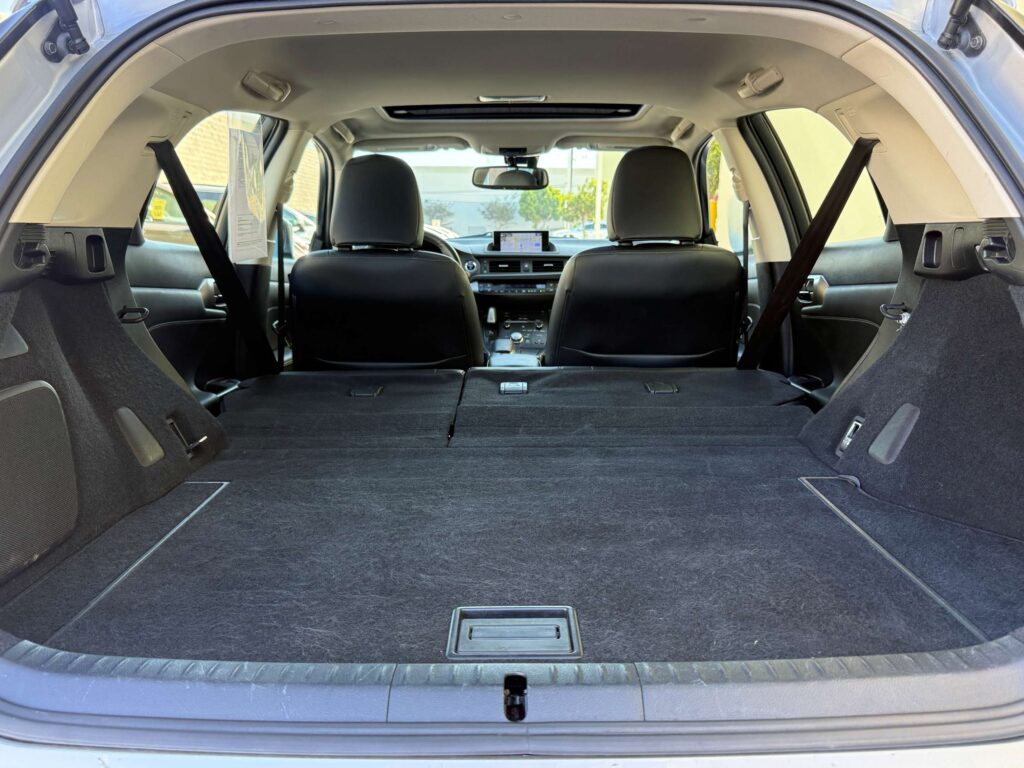
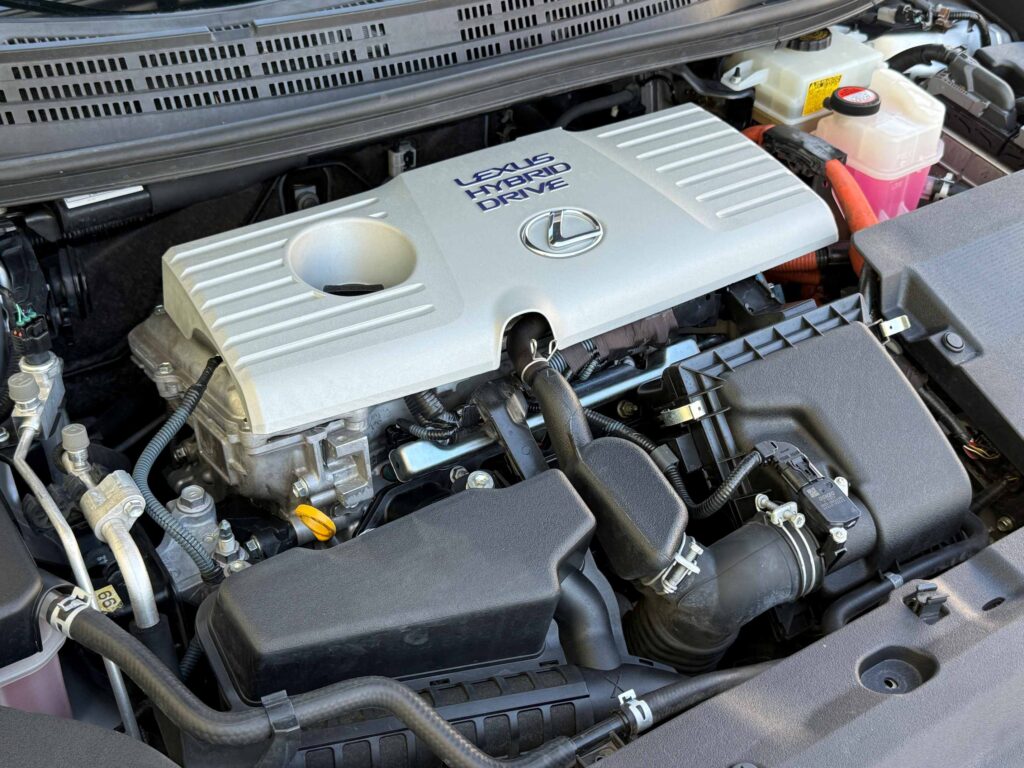
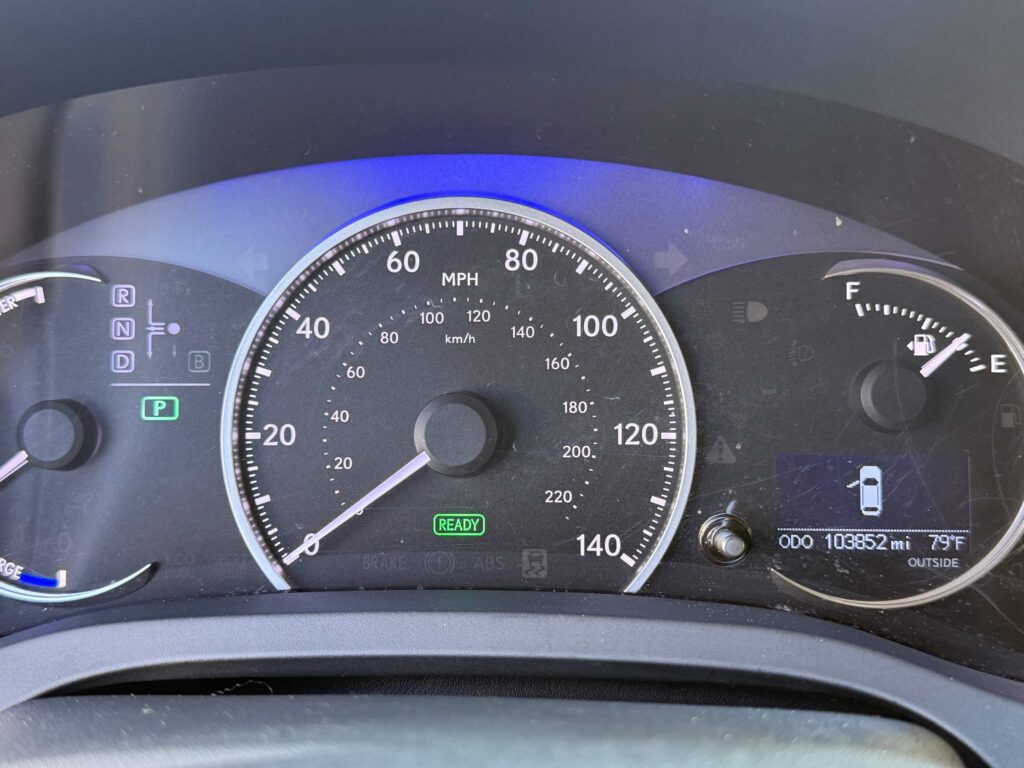
Discover our newest arrivals—available now!


4. A Land-by-Land Look
1. Main Street, U.S.A.
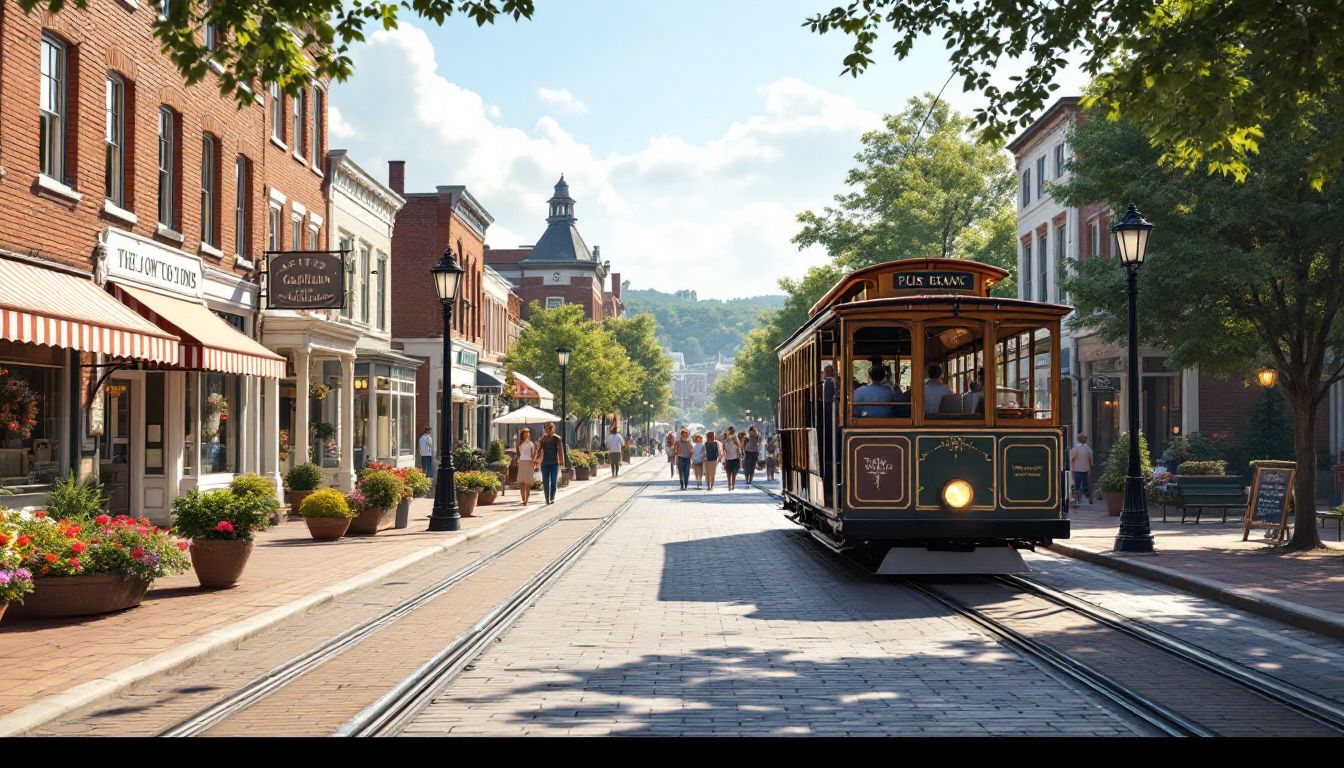
The entrance area, built to look like a small American town at the turn of the last century.
Shops and restaurants line both sides of the street, which runs straight toward Sleeping Beauty Castle at the center of the park.
Main Street is a primary parade route, and characters often turn up around Town Square — check the app for the day’s schedule, since times and locations vary.
2. Adventureland
A lush, jungle-themed corner of the park built around exploration.
Jungle Cruise: a boat tour through the jungle led by a skipper whose puns are the whole point.
Indiana Jones Adventure: a rough-riding trip through the world of the Indiana Jones films, and still one of the park’s best.
Adventureland Treehouse: a walk-through treehouse inspired by Walt Disney’s Swiss Family Robinson, reopened in late 2023 on the site of the former Tarzan’s Treehouse.
The shops here lean tropical and are worth a browse even if you’re not buying.
3. New Orleans Square
A recreation of 19th-century New Orleans, and one of the most atmospheric parts of the park.
Pirates of the Caribbean: a classic boat ride through a rowdy pirate world, and the original version of the attraction.
Haunted Mansion: a slow ride through a haunted house that’s more charming than frightening.
4. Frontierland
The Old West, rendered in full — saloon fronts, wooden walkways, and all.
Big Thunder Mountain Railroad: a runaway mine train that whips through the desert with enough drops and hard turns to keep it interesting.
Mark Twain Riverboat: a relaxed steamboat cruise around the Rivers of America.
Between the frontier architecture, the riverfront views, and the live entertainment, it’s an easy place to lose an hour.
Also check out our full Disneyland Frontierland Guide.
5. Bayou Country
Formerly Critter Country, this shaded, tree-lined land was renamed in November 2024.
Tiana’s Bayou Adventure: a log flume ride following Tiana from The Princess and the Frog through the Louisiana bayou, ending with the big drop the ride is known for.
The Many Adventures of Winnie the Pooh: a gentle ride through the Hundred Acre Wood, aimed squarely at younger kids.
It’s one of the quieter corners of the park and a good place to reset in the middle of a long day.
6. Star Wars: Galaxy’s Edge
A full-scale recreation of Black Spire Outpost on the planet Batuu, and immersive enough to win over people who’ve never seen the Star Wars films.
Millennium Falcon: Smugglers Run: you and your crew fly the Falcon, taking the pilot, gunner, or engineer seat.
Star Wars: Rise of the Resistance: a large-scale, multi-part attraction that drops you into the middle of the fight between the Resistance and the First Order.
Also check out our full Star Wars: Galaxy’s Edge Guide.
7. Fantasyland
Classic Disney storybooks brought to life, and the heart of the park for families with young kids.
“it’s a small world”: a boat ride through a world of singing dolls, with a song you will not get out of your head.
Peter Pan’s Flight: a suspended ride over London rooftops and on to Never Land, and perennially one of the longest lines in the park.
Matterhorn Bobsleds: a mountain coaster themed to the Swiss Alps, and one of the park’s oldest thrill rides.
8. Tomorrowland
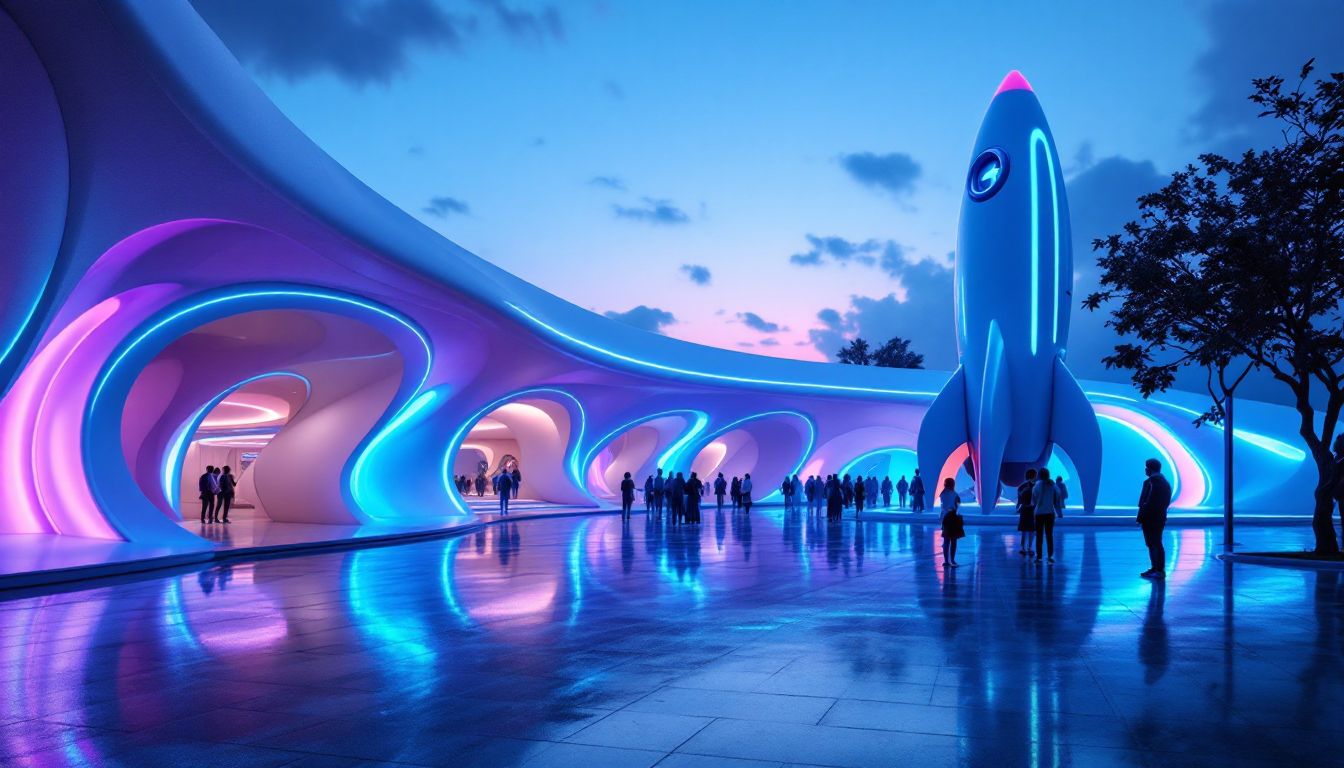
The park’s take on the future, with a lineup built around technology and space.
Space Mountain: an indoor coaster that races through the dark, and a Disney staple.
Star Tours – The Adventures Continue: a 3D simulator ride that sends you across the Star Wars galaxy, with the destinations shuffled each time.
Buzz Lightyear Astro Blasters: a ride-through shooting game where you rack up points alongside Buzz.
After dark, the lighting here is some of the best in the park.
9. Mickey’s Toontown
A bright, cartoon-town land rebuilt for families with small children.
Mickey & Minnie’s Runaway Railway: the land’s headliner, pulling you into a Mickey Mouse cartoon using some genuinely clever screen work.
Roger Rabbit’s Car Toon Spin: a spinning dark ride through the world of Who Framed Roger Rabbit.
You can also walk through Mickey’s and Minnie’s houses, and character meet-and-greets are easier to catch here than almost anywhere else in the park.
Also check out our full Toontown at Disneyland Guide.
5. Two Lands Worth Prioritizing
5-1. Star Wars: Galaxy’s Edge
The detail here is the draw — the land is built to make you feel like you actually wandered into the galaxy rather than a themed section of a park.
Star Wars: Rise of the Resistance is the standout, putting you inside the conflict instead of watching it go by.
The blue milk from the Milk Stand is also worth trying, and the food and drink here are a bigger part of the experience than in most lands.
5-2. Mickey’s Toontown
An obvious pick if you’re visiting with young kids, but the reimagined version holds up for adults too.
Mickey & Minnie’s Runaway Railway is the reason to make the trip over.
The ride pulls off a convincing sense of depth without 3D glasses, and the effects are some of the newest in the park.
6. Final Thoughts
Disneyland Park earns its spot on a Southern California itinerary.
A little prep goes a long way — book your tickets and park reservation early, avoid peak dates when you can, and use the app to plan your route.
Each land has its own distinct world and its own set of attractions and shows, which is exactly why the park holds up to repeat visits.
If you’re still working out how to get around, our Car Rental in Los Angeles guide covers the practical side of driving in the area.
We also share Southern California spots worth visiting on Instagram, so take a look if you’re putting a trip together.
Before You Go
This guide reflects information available as of July 2026, drawing primarily on the official Disneyland Resort website. Ticket types, pricing, park hours, and attraction lineups change over time, and individual rides close for refurbishment throughout the year. Check the official Disneyland site and the Disneyland app for current details before your visit.
You May Also Like