The U.S. Sushi Market’s Missing Middle: Affordable Omakase
The U.S. Sushi Market: A New Model Between High-End Omakase and Conveyor-Belt Sushi
Introduction
Hi everyone, this is Suzuki from Eco Drive.
Today’s topic is the next big move in the U.S. sushi business.
I’d like to share some of my own observations as we look at how sushi culture in America has changed — and where it’s headed next.
[Watch the video version here (in Japanese)]
How Sushi Culture Spread in America
First, let me walk you through how sushi culture spread across America.
Here in the U.S., the sushi boom really took off over the past 10 to 20 years.
But if you go back more than 20 years, sushi for many mainstream American diners usually meant rolls.
■ The Era When the California Roll WAS Sushi
By rolls, I mean the classic everyone knows — the California roll.
Back then, that was what “sushi” meant for most casual diners here.
When I came to the U.S. in 2004, you hardly ever saw anyone eating nigiri.
In Japan, many people picture nigiri first when they think of sushi — but in America, it was a completely different story.
The Rise of “Omakase” and the Move Upscale
From there, what caught on among foodies and wealthier diners was the “omakase” menu — a chef’s-choice tasting course.
There are a few reasons omakase became so popular.
■ The Comfort of Leaving It to the Chef
First, the chef simply serves you their recommendations.
For most diners, it’s hard to know which fish is best on any given day.
And since the selection changes daily, part of the fun was not knowing what would come out until it hit the counter.
■ A Favorite for Business Settings
The great thing about omakase is that the food just keeps coming.
The server isn’t constantly coming by to take your order, so you can stay focused on the conversation with your guests.
That’s why sushi restaurants became a frequent choice for business meetings.
I often pick omakase sushi spots myself for important lunches with VIPs.
■ The Sushi Boom and Soaring Prices
Omakase took off, and sushi restaurants started popping up everywhere.
With sushi chefs in short supply, lots of people wanted to learn how to make sushi.
And then came sushi schools.
One of our customers actually runs a sushi school, and they seem pretty busy.
The Sky’s-the-Limit Luxury Sushi Market
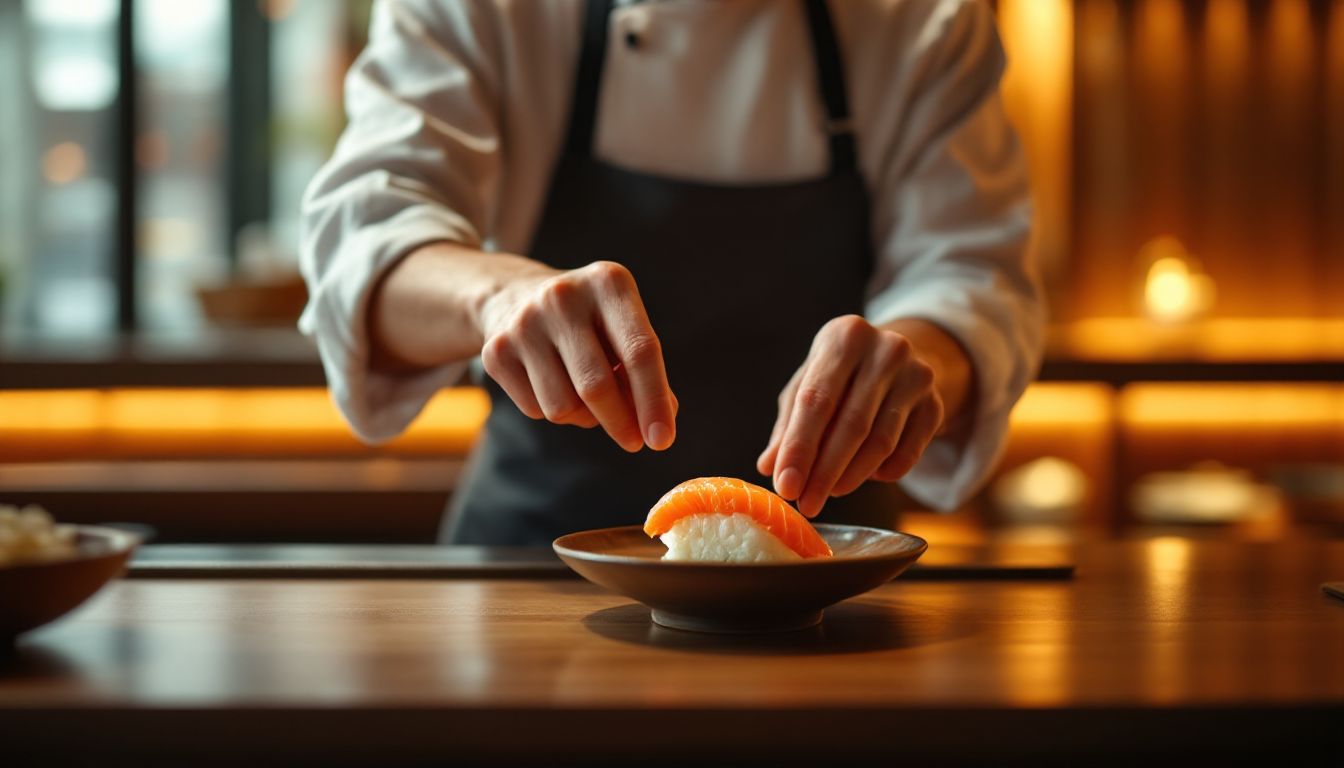
From there, prices kept climbing with no ceiling in sight, and the whole scene went upscale.
In Los Angeles — around Beverly Hills and that area — omakase will run you at least $300 or so.
■ Over $1,000 in New York
I’ve even heard the ultra-high-end spots in New York can run around $1,000.
A thousand dollars for sushi — that’s seriously expensive.
Even in our area, you’re looking at $100 minimum.
■ Out of Reach for Everyday Diners
At those prices, only so many people can go.
So omakase never really reached the average diner.
Enter Conveyor-Belt Sushi
That’s when conveyor-belt sushi arrived.
The timing couldn’t have been better.
Japanese chains like Kura Sushi and Gatten Sushi expanded into North America — with mixed results, to be honest.
■ Kura Sushi’s Big Success
Kura Sushi, which leaned into a casual, tech-enabled, entertainment-driven experience, became hugely popular, opened locations all over, and eventually even went public.
That’s how thoroughly everyday diners here embraced it.
Thanks to conveyor-belt sushi, regular folks could finally enjoy sushi casually.
The Reality of Conveyor-Belt Sushi in America
But here’s something I have to be honest about.
Conveyor-belt sushi in America is nothing like it is in Japan.
Conveyor-belt sushi in Japan is, frankly, delicious. The quality is impressively high these days.
■ A Bit Underwhelming by Japanese Standards
American conveyor-belt sushi, though, would leave most visitors from Japan a little disappointed.
The fish isn’t as fresh, and the cuts are noticeably smaller.
So the taste is just okay — but it’s cheap.
■ “Cheap” Still Means $3 to $4 a Plate
Even “cheap” means somewhere in the $3-to-$4 range per plate these days.
So if one person eats, say, 10 plates, you’re easily looking at $30 or more.
[Watch part 2 of the video here (in Japanese)]
The Price-Gap Problem
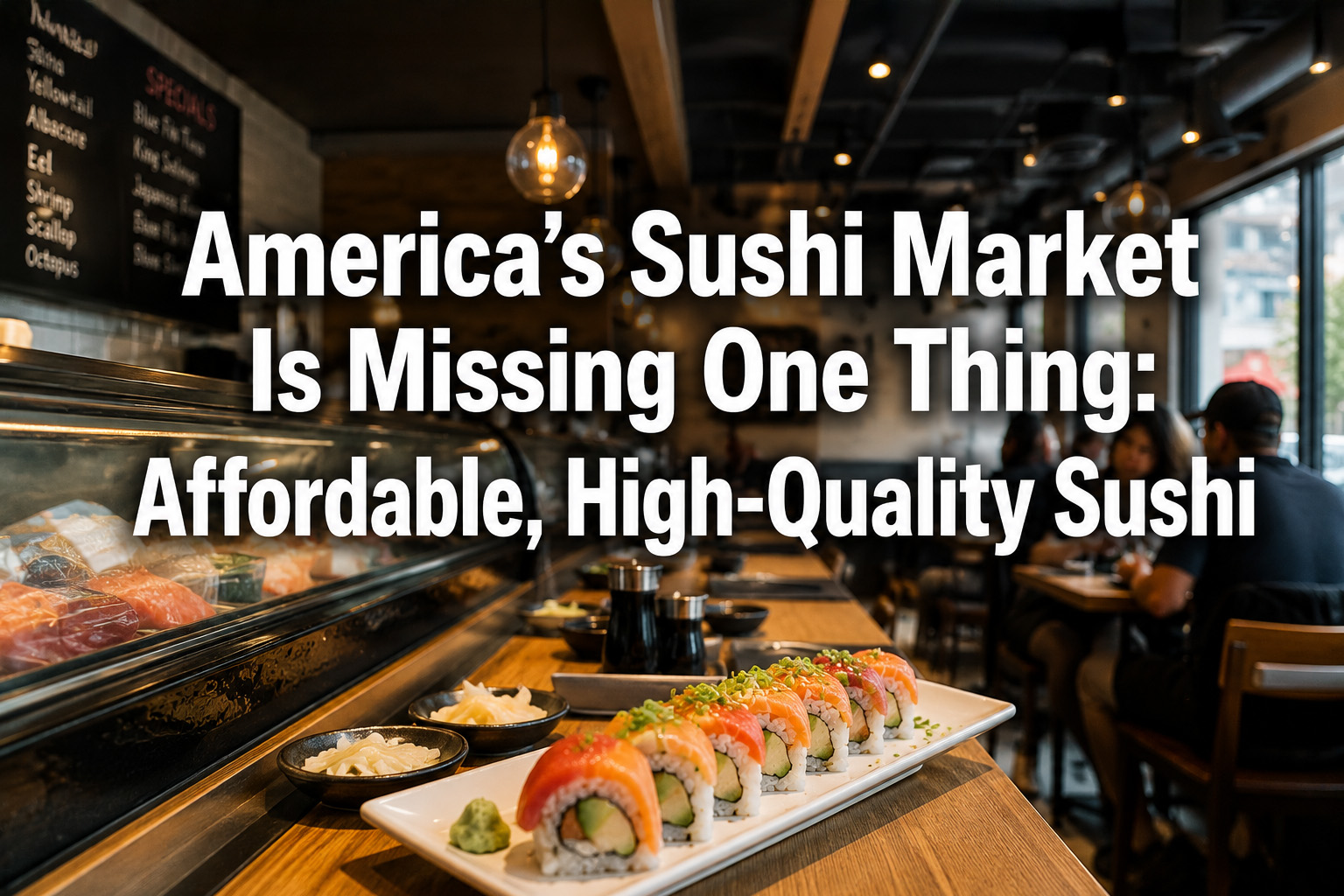
Now, here’s the main point: there has long been a major gap in the middle.
For the most part, it was either conveyor-belt sushi in the $30 range, or counter sushi — high-end sushi — at $100 and up.
In America, the typical choice came down to “affordable and decent” or “expensive and excellent.”
■ A Market Thin on “Affordable and Genuinely Good”
What America mostly had was the expensive-and-delicious restaurant, or the affordable-and-just-okay one, like conveyor-belt sushi.
The “affordable and genuinely good” middle of the market still feels underdeveloped compared with Japan.
A price range that’s completely normal in Japan is still hard to find here.
And that’s exactly where the big business opportunity was.
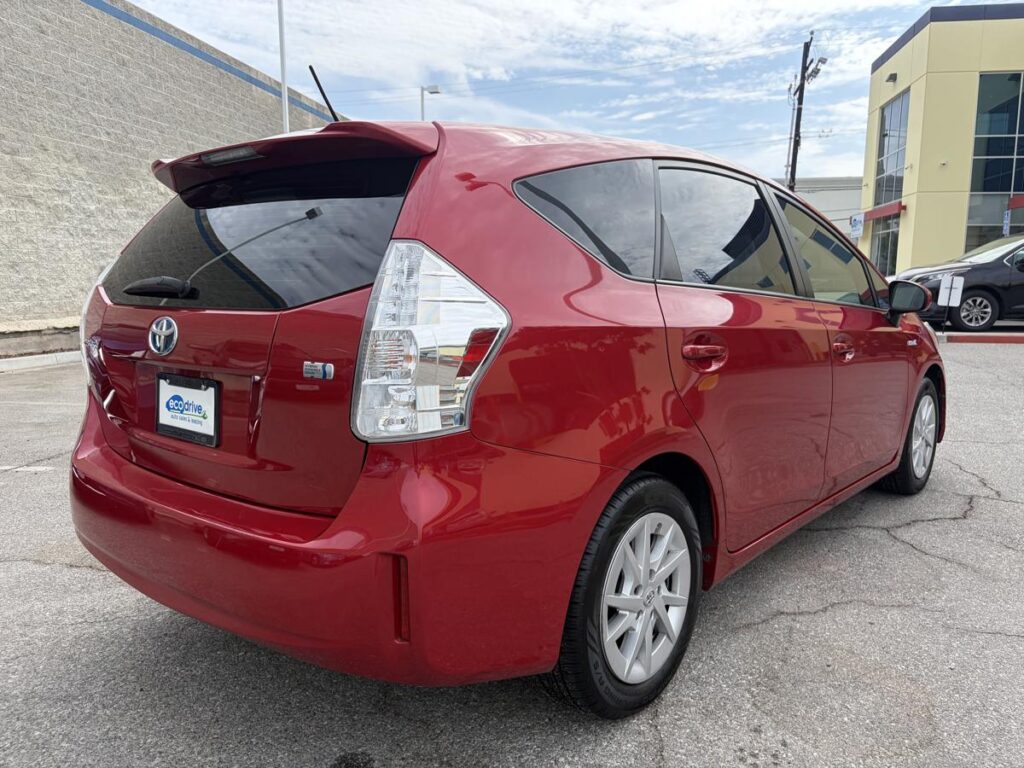
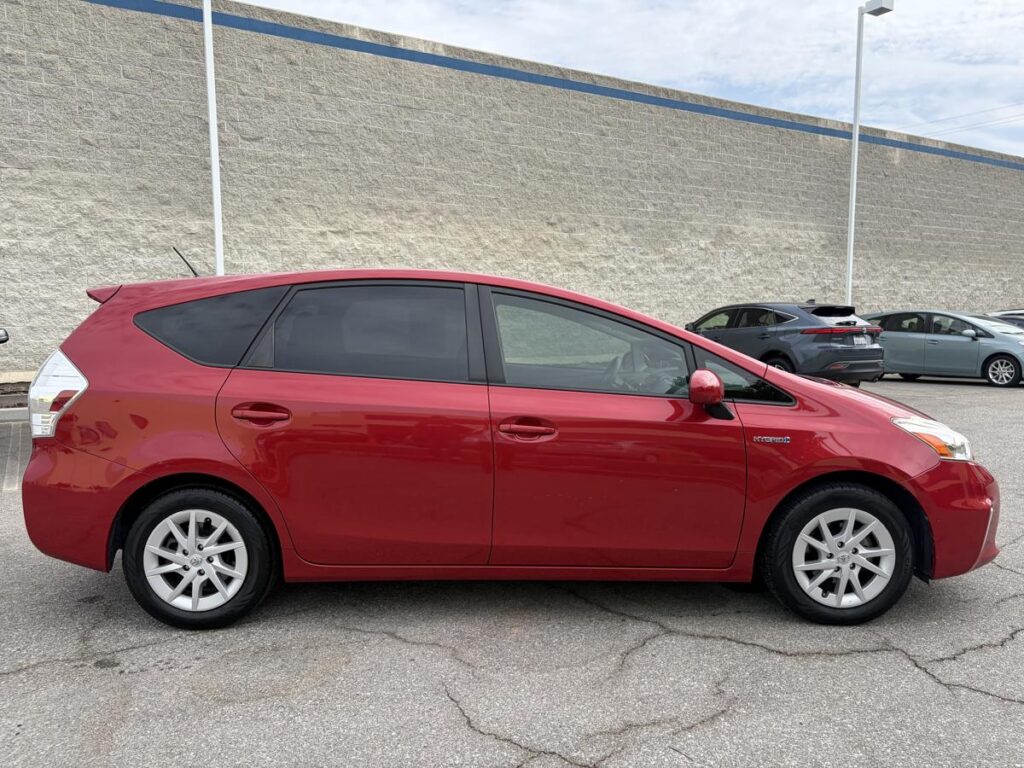
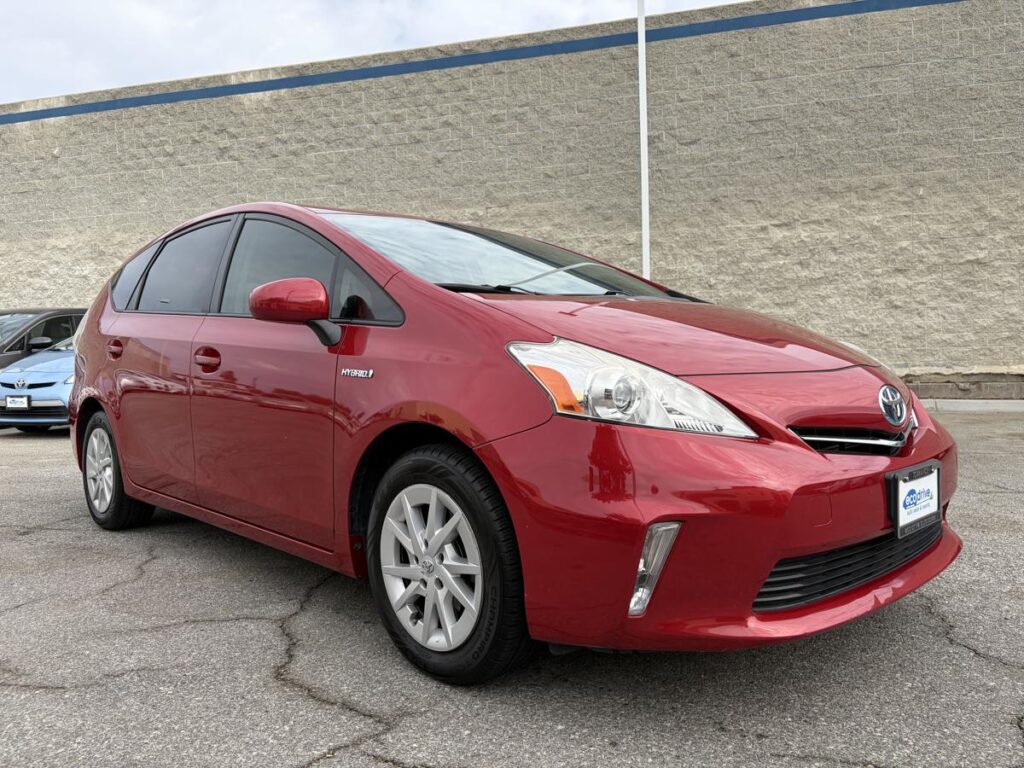
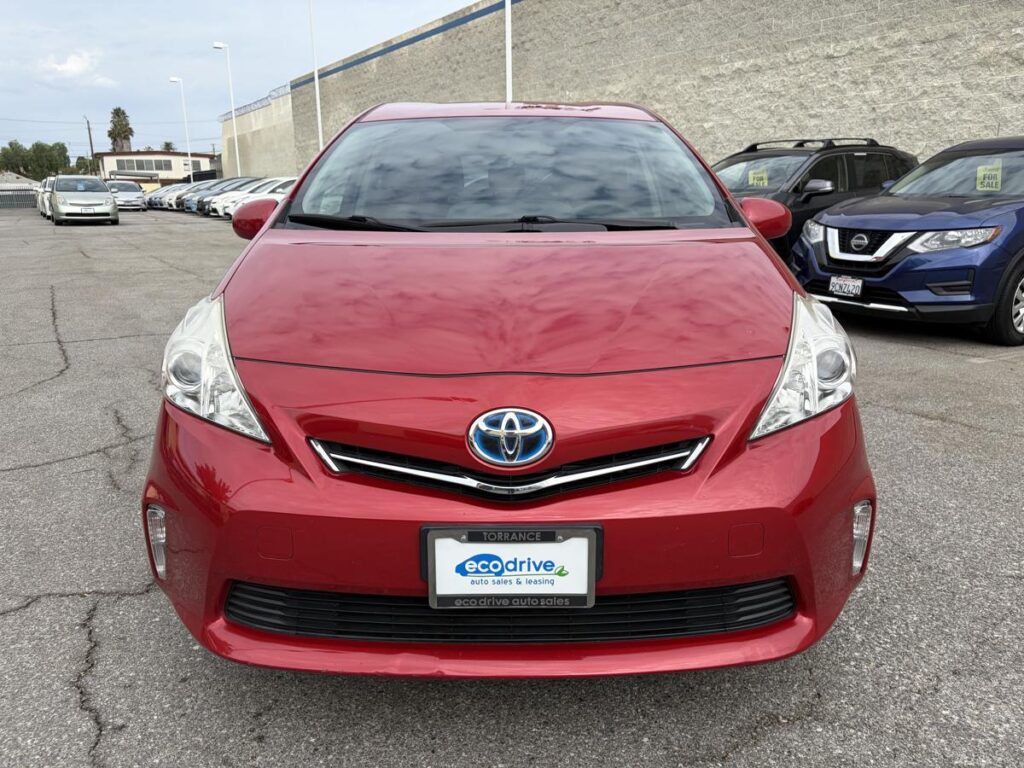
New Arrivals
Discover our newest arrivals—available now!

The Innovative Sushi Restaurant My Friend Opened
Recently, a friend of mine opened a sushi restaurant.
The concept is really interesting, and that’s what I want to share with you today.
Their concept: a place where you can enjoy affordable, genuinely good sushi.
■ Brilliant Pricing
My friend’s restaurant went straight for that middle position.
They offer two omakase courses — the lower one at $48 and the upper one at $78 — landing right in that sweet spot.
It’s a clever price point, sitting right between $30-range conveyor-belt sushi and $100-plus high-end sushi.
Cost-Cutting Secret #1: The Sushi Robot
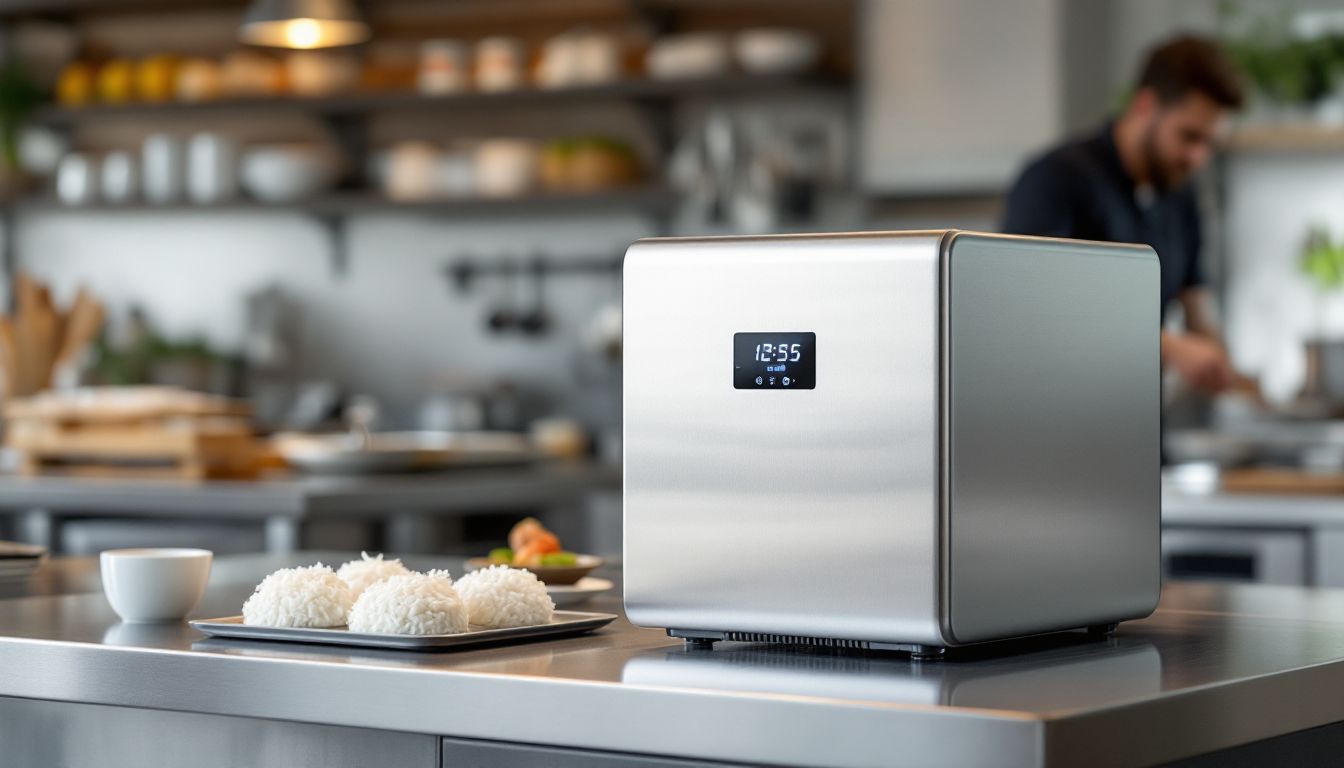
So how did they cut costs? The restaurant has a counter and tables, but they don’t hire sushi chefs — as a matter of policy.
■ Sushi Chefs Are Shockingly Expensive
Sushi chefs are expensive.
Experienced, Japanese-trained sushi chefs in major U.S. cities can apparently command salaries well into six figures.
And if you hire just one chef and they catch a cold or call in sick, you can’t operate that day. The restaurant shuts down.
Hire two as a backup plan, and the cost becomes enormous.
■ The Sushi Robot Solution
So what did my friend’s restaurant do? They brought in a sushi robot.
Instead of hiring a chef, they have the robot form the sushi.
A sushi robot never catches a cold and never gets sick.
It just keeps forming sushi rice, nonstop.
That was cost cut number one.
Cost-Cutting Secret #2: Flash-Freezing Technology
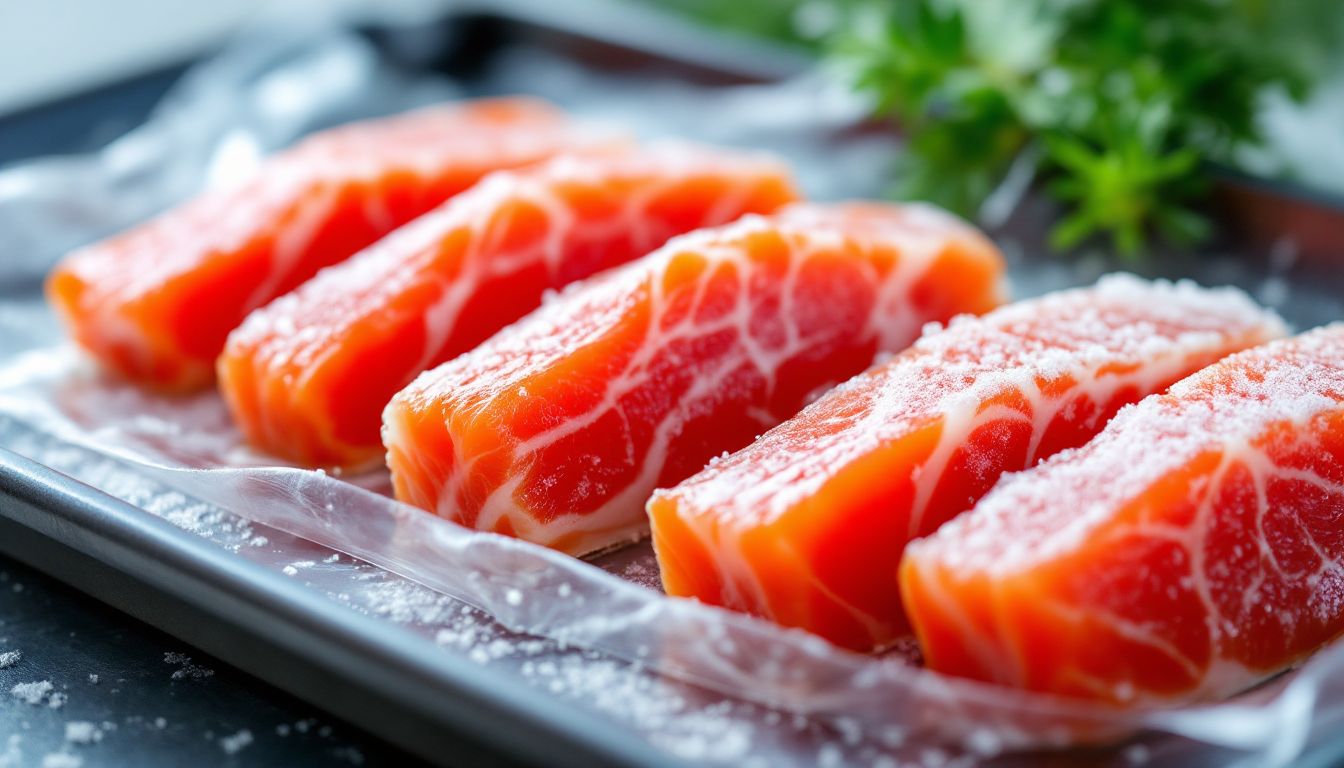
So what about the fish?
Apparently, all the fish is shipped directly from Japan.
Fresh fish would be expensive, so they use frozen — all of it.
■ The Secret: A Special Freezing Technique
Here’s the interesting part: it’s not ordinary frozen fish — they source fish processed with a special freezing technology.
It’s called flash freezing: the fish is frozen so quickly that ice-crystal damage to the cells is kept to a minimum, which helps the fish stay fresh while frozen.
Even after thawing, much of the fresh flavor and texture is preserved.
■ Freezing Without the Drip
Normally, when you freeze and thaw sashimi, a reddish liquid seeps out.
That liquid is called “drip” — it comes from broken-down cells.
And it’s apparently a major cause of off-flavors and fishy smells.
With proper flash-freezing and careful thawing, that drip can apparently be reduced dramatically.
So they can source all kinds of delicious Japanese fish, flash-frozen, at a low cost.
That’s cost cut number two.
I Actually Tried It — Here’s My Take
So that’s the concept: thawed fish served on rice formed by a robot.
Recently they held a soft opening — a small preview event before the grand opening, just for friends — and that’s where I ate sushi made by a sushi robot for the first time.
■ Better Than Expected
And honestly? It was delicious.
It tasted so fresh I genuinely couldn’t tell the fish had been frozen.
Someone who discovered sushi for the first time at a conveyor-belt restaurant could easily splurge a little and step up to a place like this.
And people who usually eat high-end sushi could comfortably drop in for a casual meal, too.
The Business Potential
This model removes the dependence on a single highly skilled sushi chef — which could make the business much easier to replicate.
That makes it easier to scale across multiple locations: a second, a third, and so on.
■ The Struggles of High-End Sushi Chefs
I know someone who runs a high-end counter sushi restaurant, and it looks genuinely exhausting.
The place is packed and reservations are booked weeks out — but he has no personal time at all.
Prep takes hours, and since customers come specifically for his sushi, there’s simply no substitute for him.
He told me he doesn’t have the energy to even think about a second location.
■ A Business Model Built to Scale
From a business standpoint, this approach makes a lot of sense — and if this restaurant takes off, we could see this style of sushi restaurant multiply fast.
Could This Work for Other Cuisines?
By the same logic, this could honestly work beyond sushi.
■ The Japanese Curry Opportunity
Japanese-style curry, for example, has been becoming more visible in the U.S. — with chains like CoCo Ichibanya, a household name in Japan, helping introduce the category to more diners.
CoCo Ichibanya has expanded here and keeps adding locations.
Some spots get lines out the door.
■ Room for an Upscale Curry House?
I’m sure there are people who’d love a slightly more upscale curry experience.
So a higher-end curry restaurant might actually do surprisingly well.
If the model works for sushi, a similar approach could very well apply to other Japanese foods as well.
Wrapping Up
Today’s theme was the next big move in the evolving U.S. sushi business — I hope you found it interesting.
America’s sushi culture has transformed dramatically: from the California roll, to omakase going upscale, to conveyor-belt sushi reaching everyday diners.
And now a new wave is here: a business model targeting the “affordable and genuinely good” middle range that has long been underserved.
By cutting costs with technology — sushi robots and flash-freezing — restaurants can now serve high-quality sushi at accessible prices.
If this model succeeds, it could signal a broader shift in the U.S. sushi industry.
And the idea could extend beyond sushi — to curry and other Japanese foods as well.
I hope today’s story gives you something useful for your own business or work.
That’s all from Suzuki at Eco Drive. See you next time!
You May Also Like