Our Car Rental Business Lost About $50,000: 3 Lessons Learned
Our Car Rental Business Lost About $50,000: 3 Lessons Learned
Introduction
Hi everyone — I’m Suzuki from Eco Drive.
When something fails, it’s hard to see anything but the loss and the frustration.
Most of us would rather not fail at all, if we had the choice.
I get that completely. But when you look at what a failure taught you, the same experience can look different.
Today, I’m sharing the second half of the story of a painful failure Eco Drive went through during the pandemic.
I’ll pick up from when our car rental business started renting cars to food-delivery drivers, and walk through how that plan fell apart and what we were left with in the end.
This is Part 2 of a two-part story. How we ended up stuck with 70 cars during the pandemic, and how we landed on the idea of renting them to food-delivery drivers, is covered in Part 1: Stuck With 70 Cars in the Pandemic: A Dealer’s Rescue Plan.
Watch the video version here (with English subtitles):
Renting to Delivery Drivers Worked — At First
Right around when COVID hit, we were sitting on a huge amount of inventory, and it hit us: what if we rented cars out to food-delivery drivers?
When we actually put the idea into action, the response was huge, and we rented out about 30 cars in one go.
At that moment I really felt like this was going to get us through.
But the real test was still ahead of us.
Then Came Late Payments — and Cars That Weren’t Returned
Not long after we started, late payments began piling up one after another.
And what was even worse was cars not being returned.
We’d say, “If you can’t pay, at least bring the car back,” and still the cars just didn’t come back.
When a Car Doesn’t Come Back, the Loss Can Go Beyond Unpaid Rent
When you rent out vehicles or equipment, the losses can go beyond unpaid rent if the asset isn’t returned.
That’s because an unreturned asset can’t be rented out again, it costs money to recover, and on top of that it may lose value in the meantime.
In a rental business, you have to plan for unpaid bills and for assets that aren’t returned.
Even the Cars We Recovered Were Barely Recognizable
So we paid a specialist company to track down the cars that hadn’t been returned.
That was not cheap.
The recovery work alone ended up costing us a serious amount of money.
Recovery costs are an operating burden that’s easy to overlook
When you’re planning a new initiative or service, you naturally focus on sales and demand projections, and the cost of recovering, tracking, and getting assets back into sellable shape tends to slip through the cracks.
With assets that move — like vehicles — once you add up locating them, arranging recovery, transport, and inspection, the operating burden can be much heavier than it looks on the surface.
That’s why a rental plan needs to be designed not just around the contract terms, but around how you’ll get the asset back if something goes wrong.
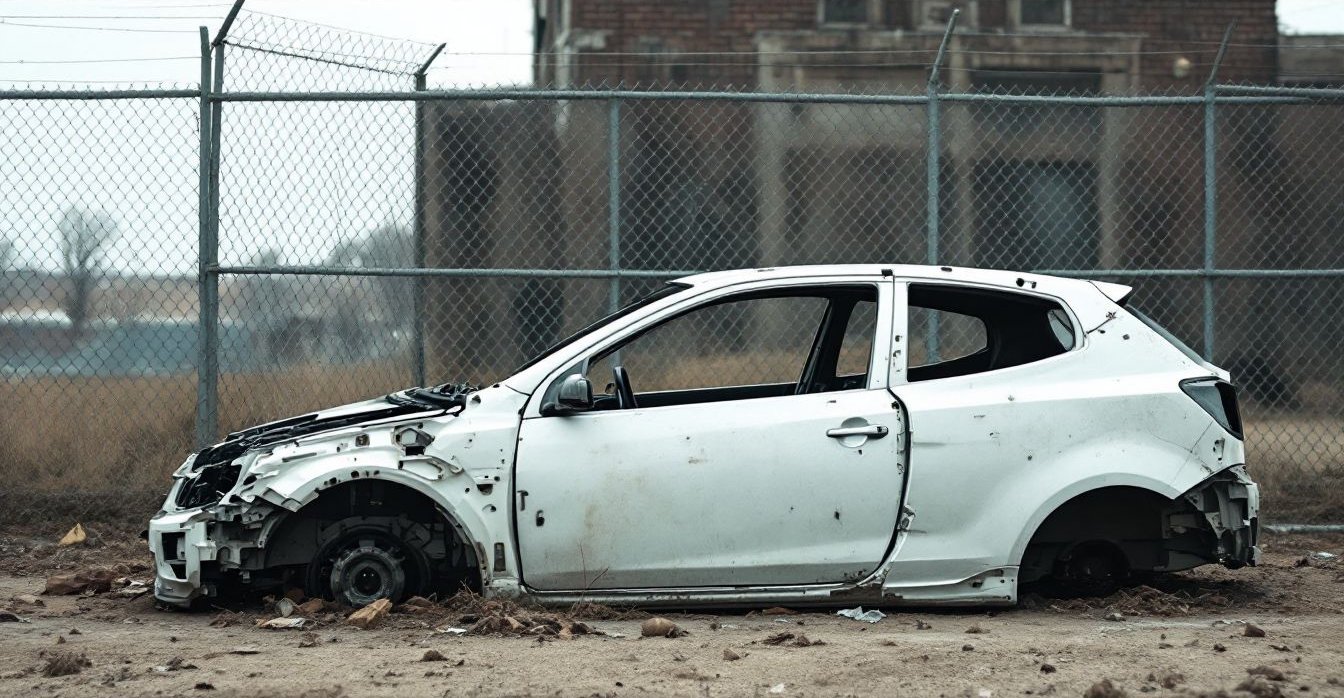
And even after we’d spent the money to find them, it was not unusual for a car to be barely recognizable.
In the worst cases, cars had been stripped of parts and abandoned, leaving little more than a shell.
Some didn’t even have tires.
In an inventory business, “it came back” doesn’t mean the value came back
Inventory and rental assets don’t regain their value just because they’re back in your hands.
Unless they’re in a condition you can sell or rent again, in practical terms they can have lost much of their value.
Not just body damage, but odors, dirty interiors, and missing parts all push up reconditioning costs and make the car much harder to sell.
So in an asset-heavy business, what matters isn’t just whether something was returned — it’s also the condition it comes back in.
A Car Turned Up on the East Coast — and the Costs Kept Adding Up
We’re based on the West Coast, and yet one of our cars turned up on the East Coast.
Once that happens, just shipping it back from the East Coast to the West Coast costs a lot of money.
Many of the cars we recovered were so badly damaged that we ended up selling them for very little.
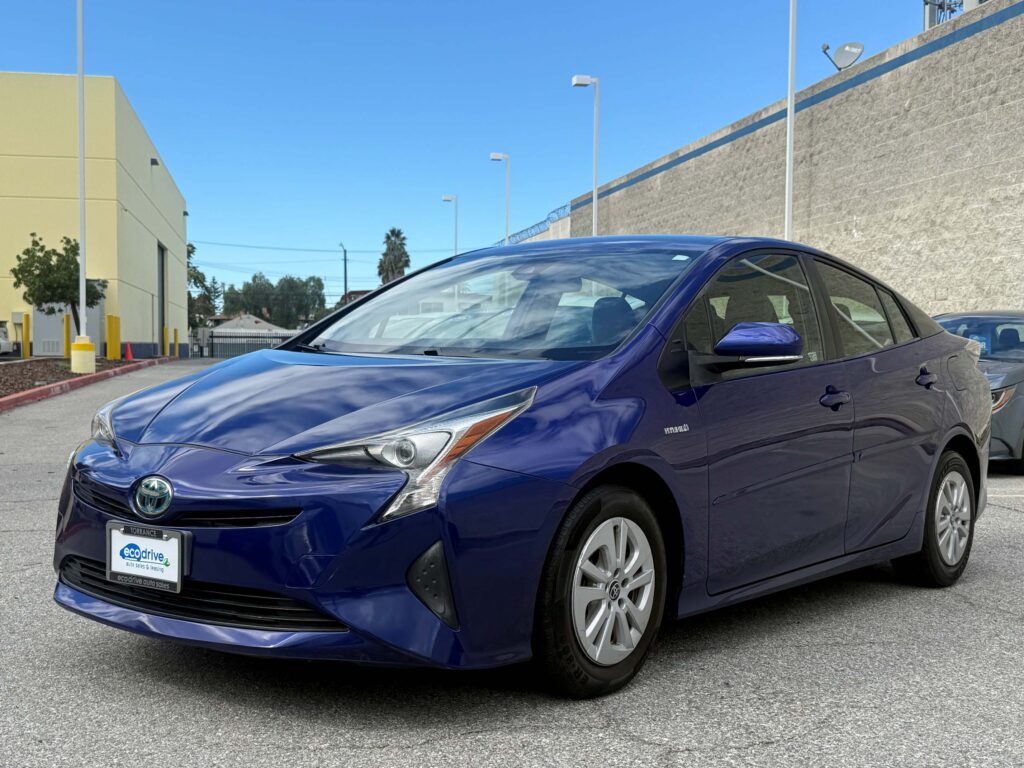
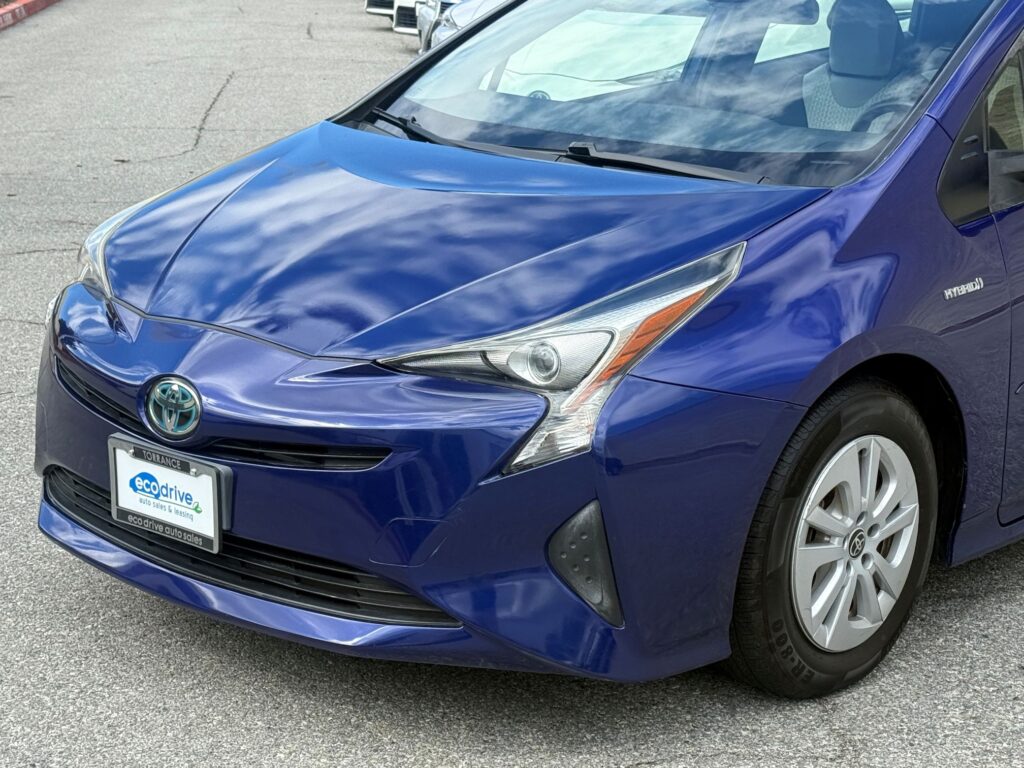
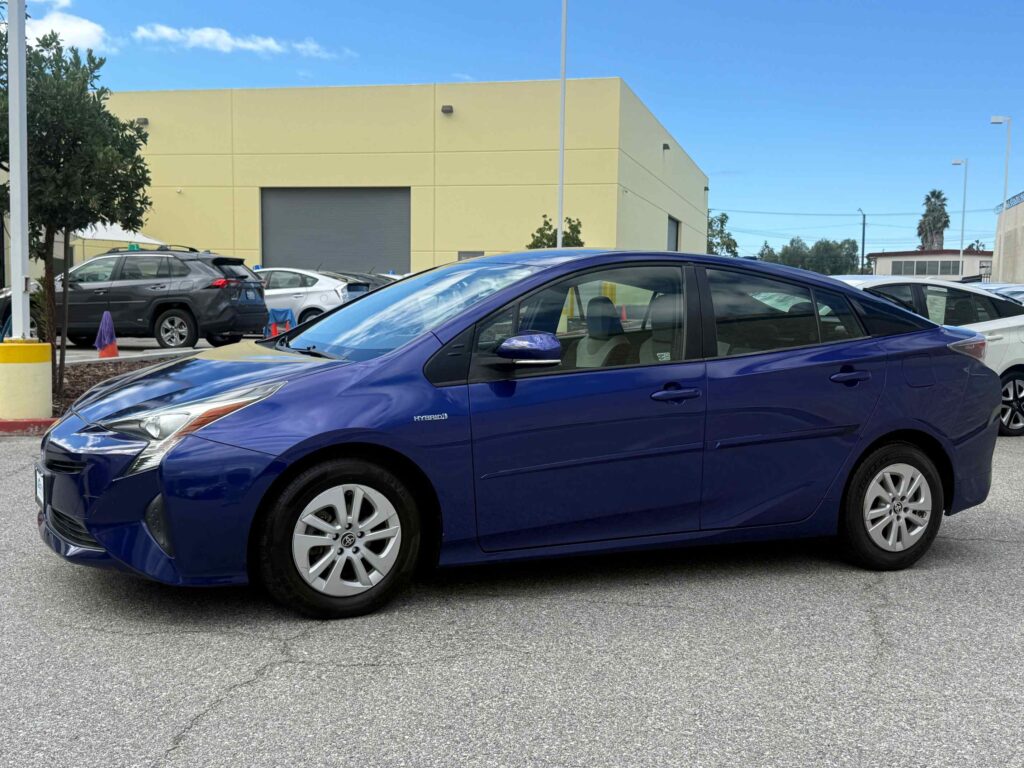
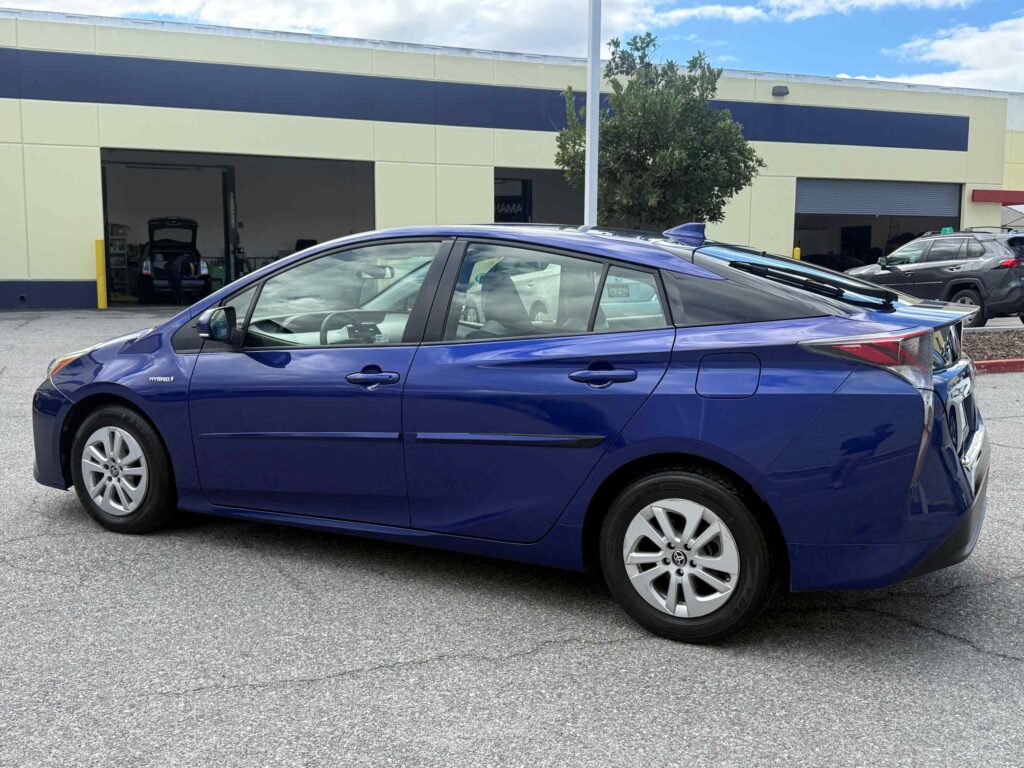
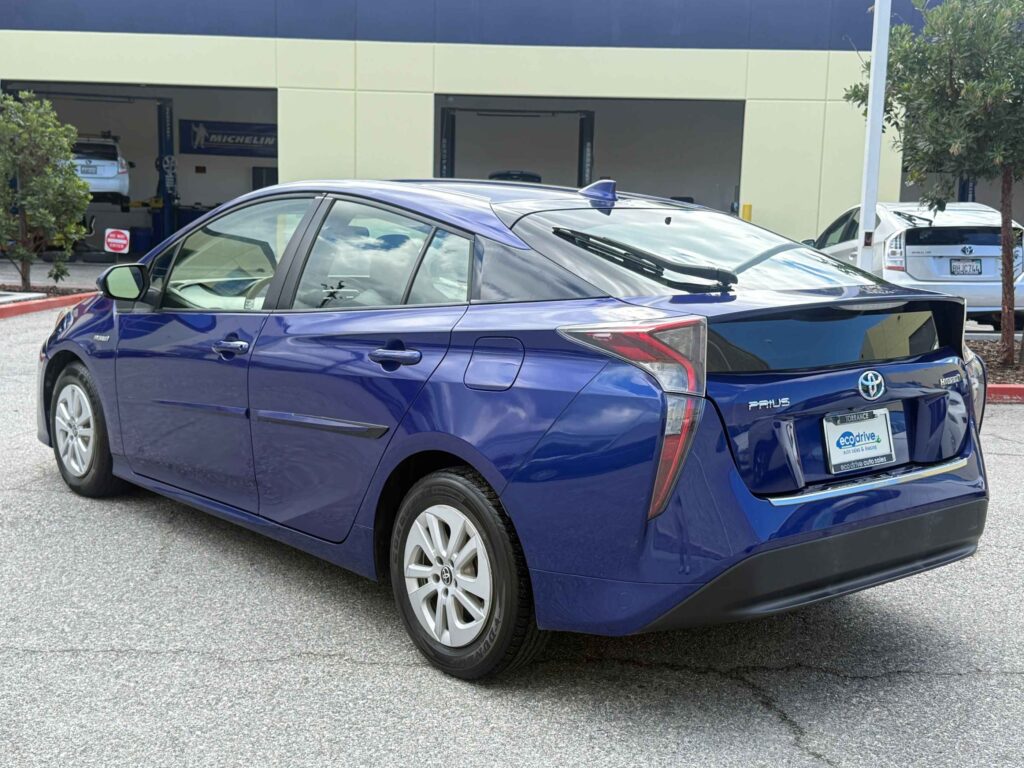
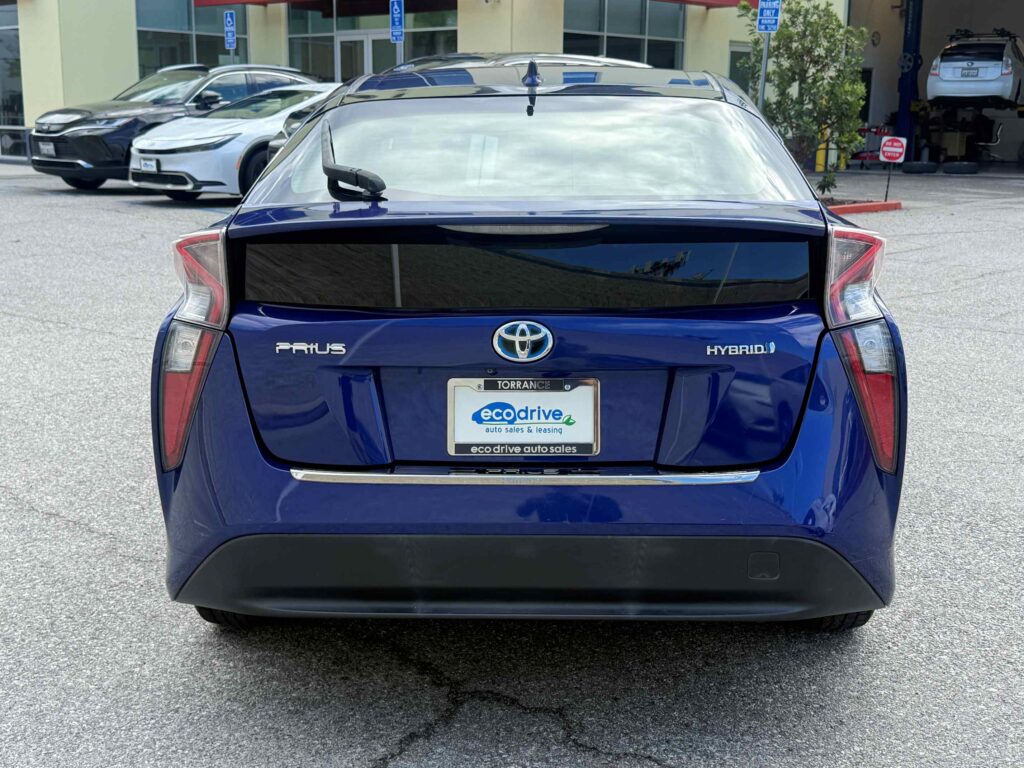
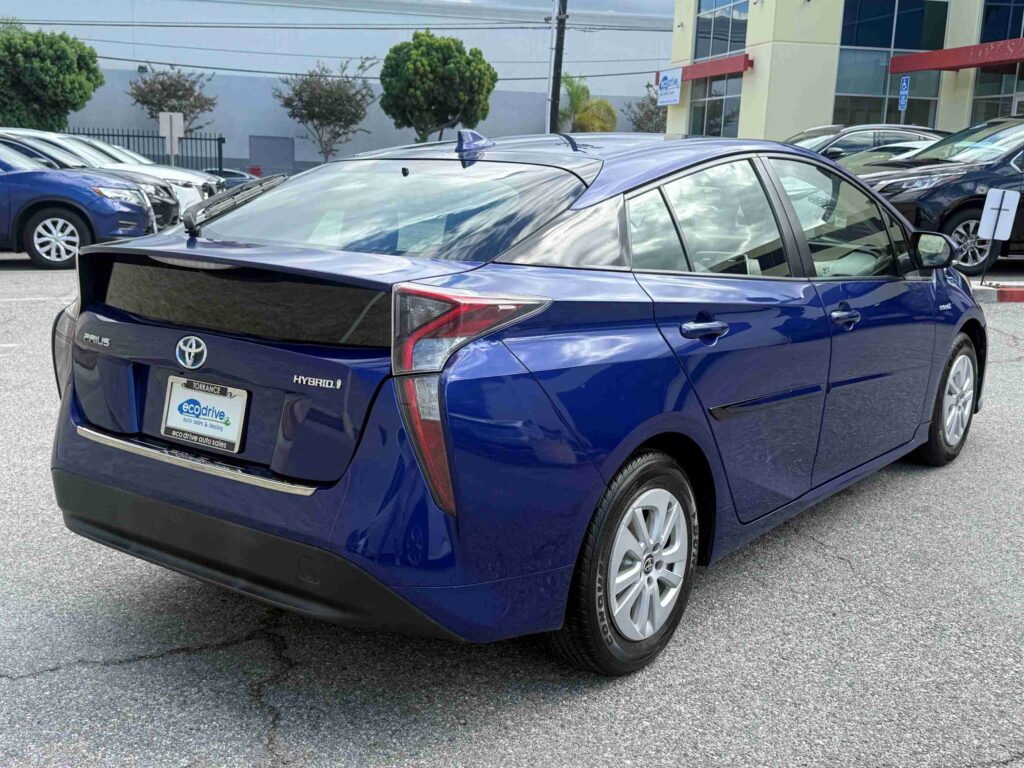
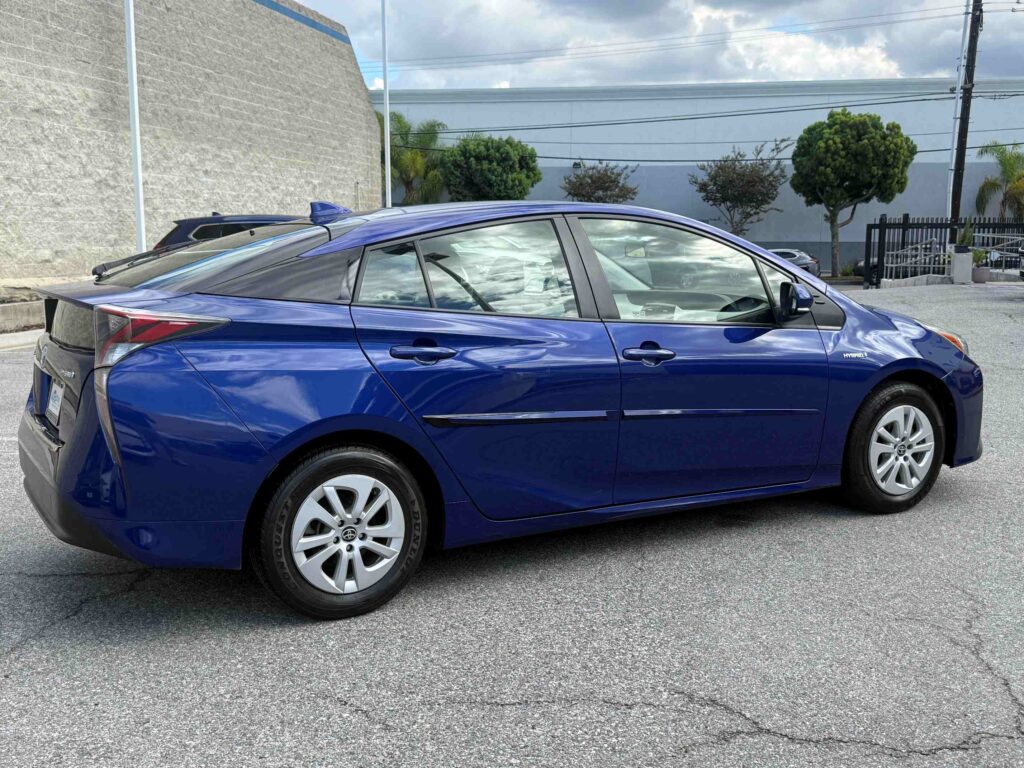
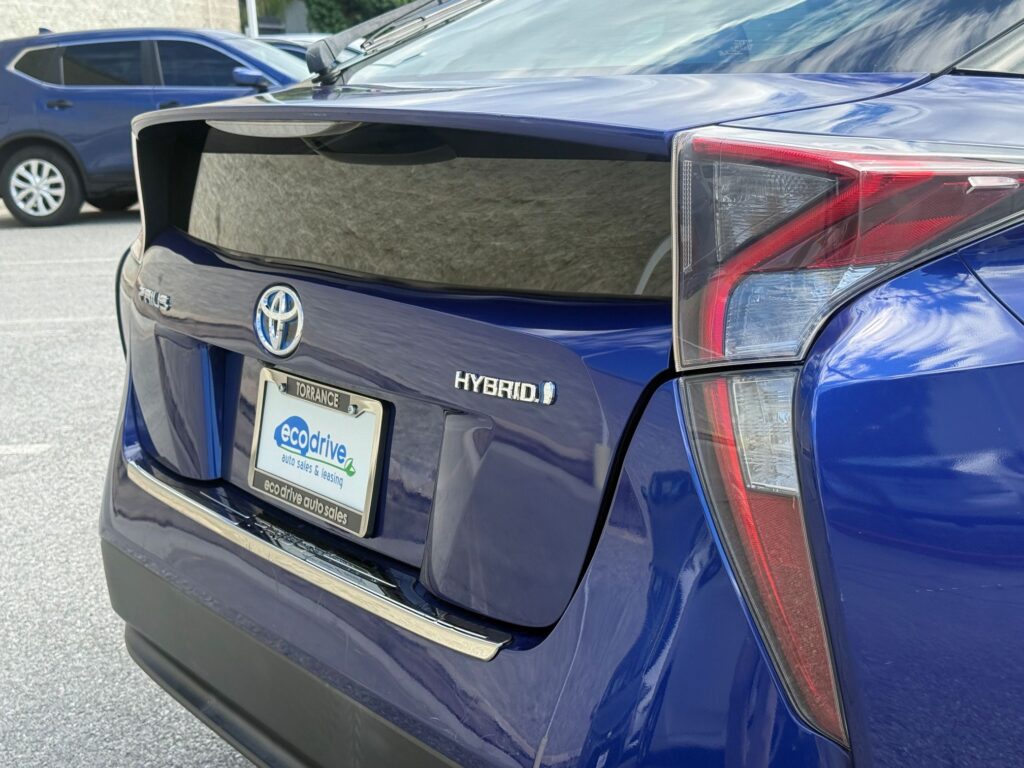
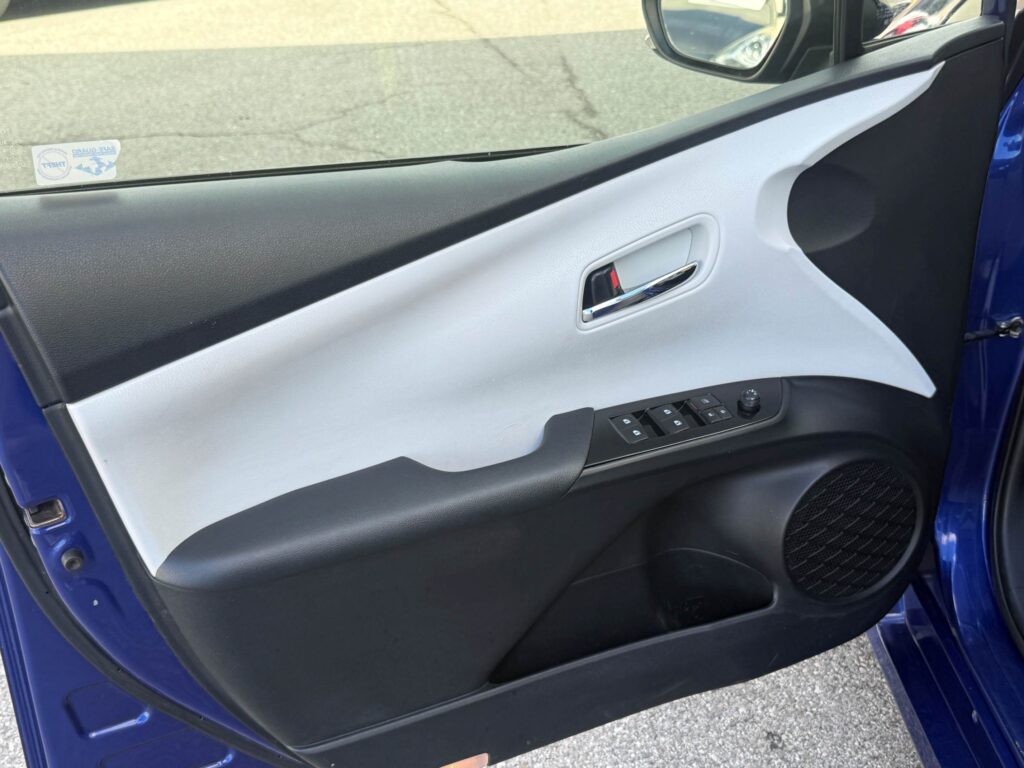
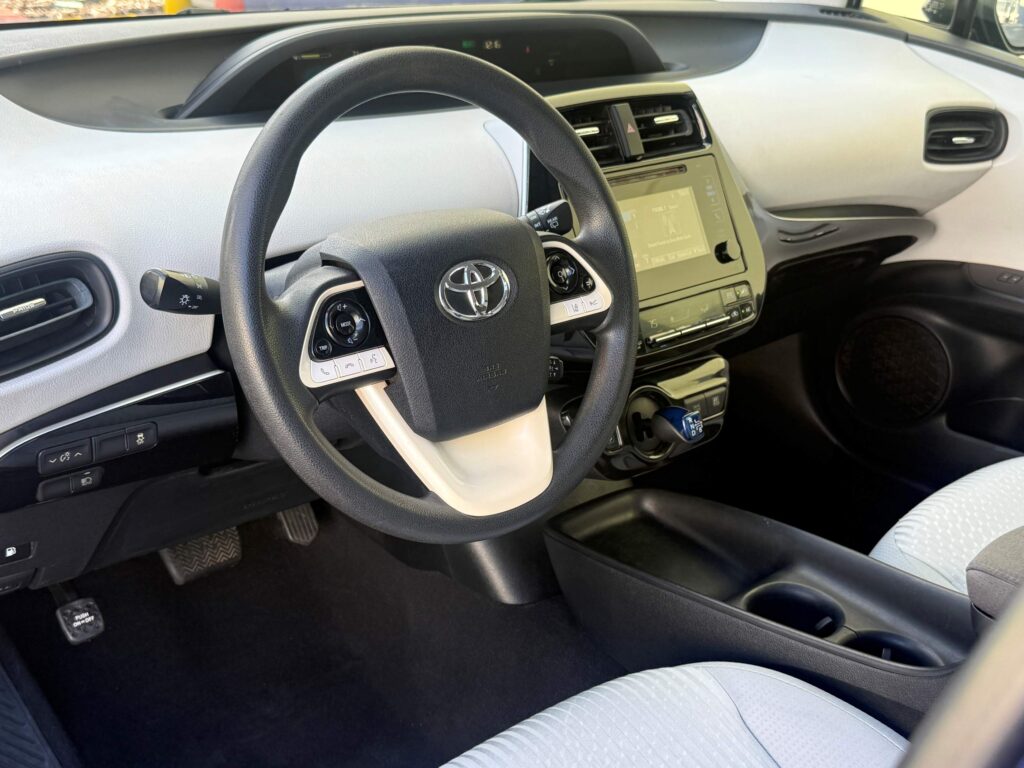
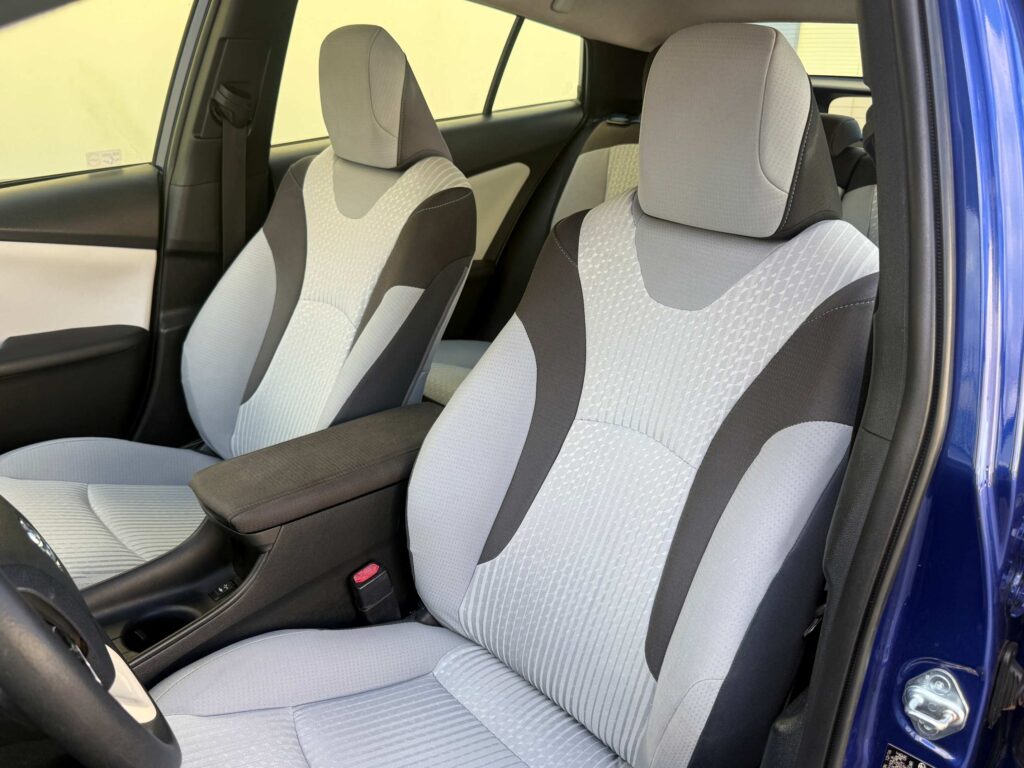
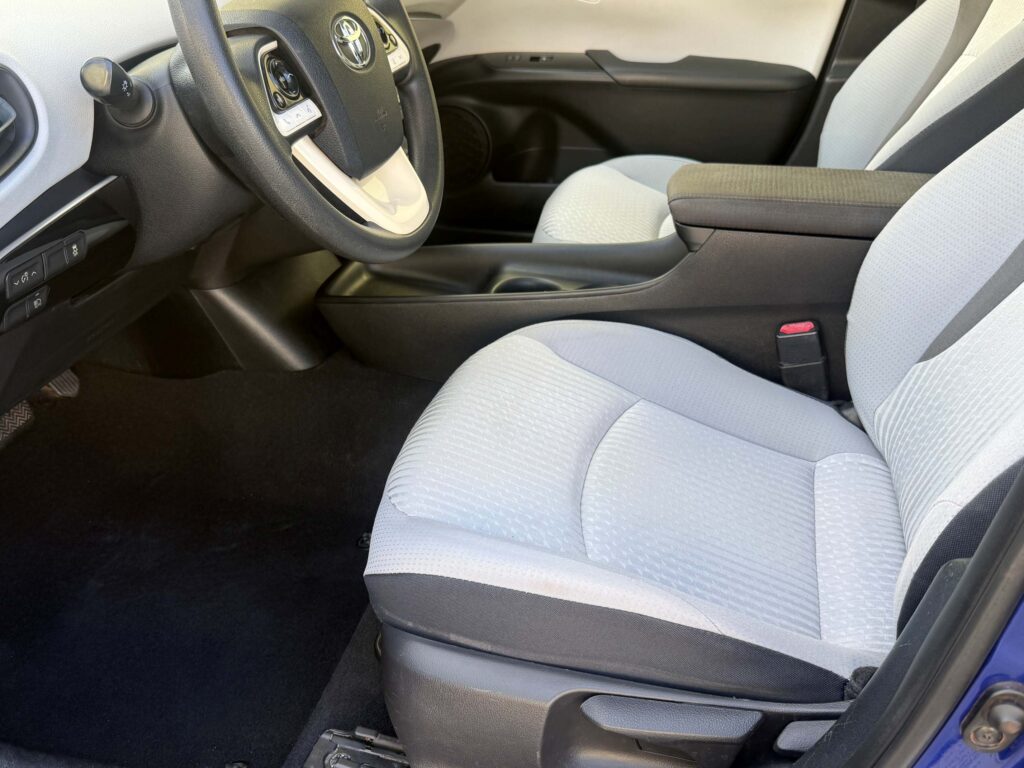
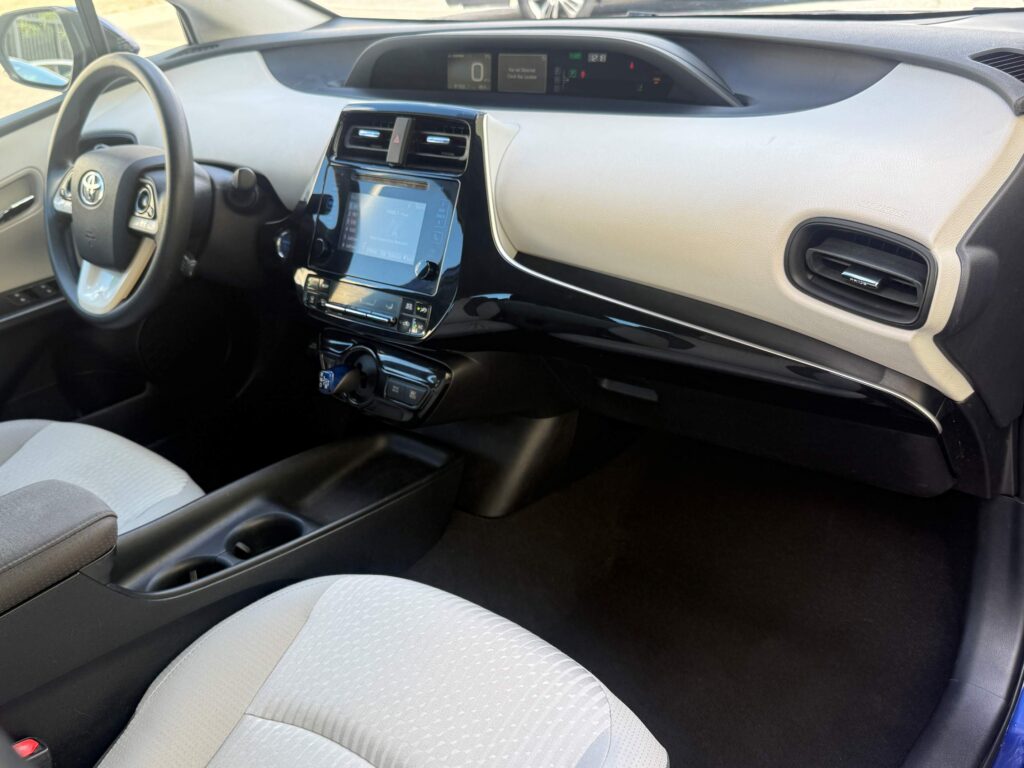
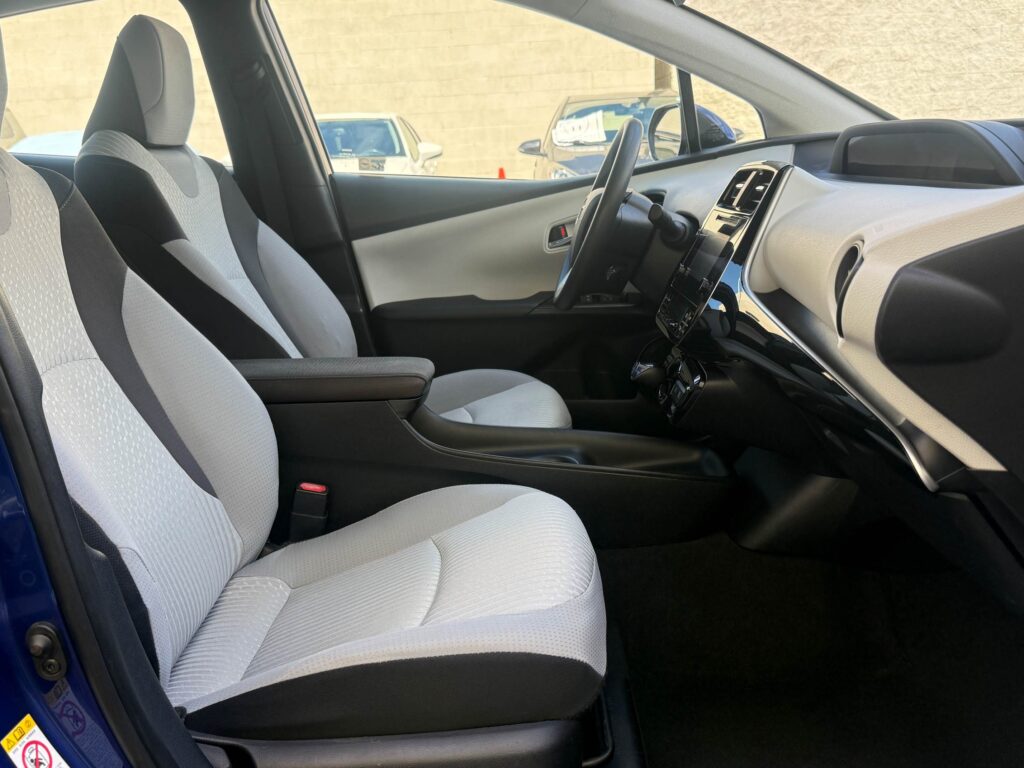
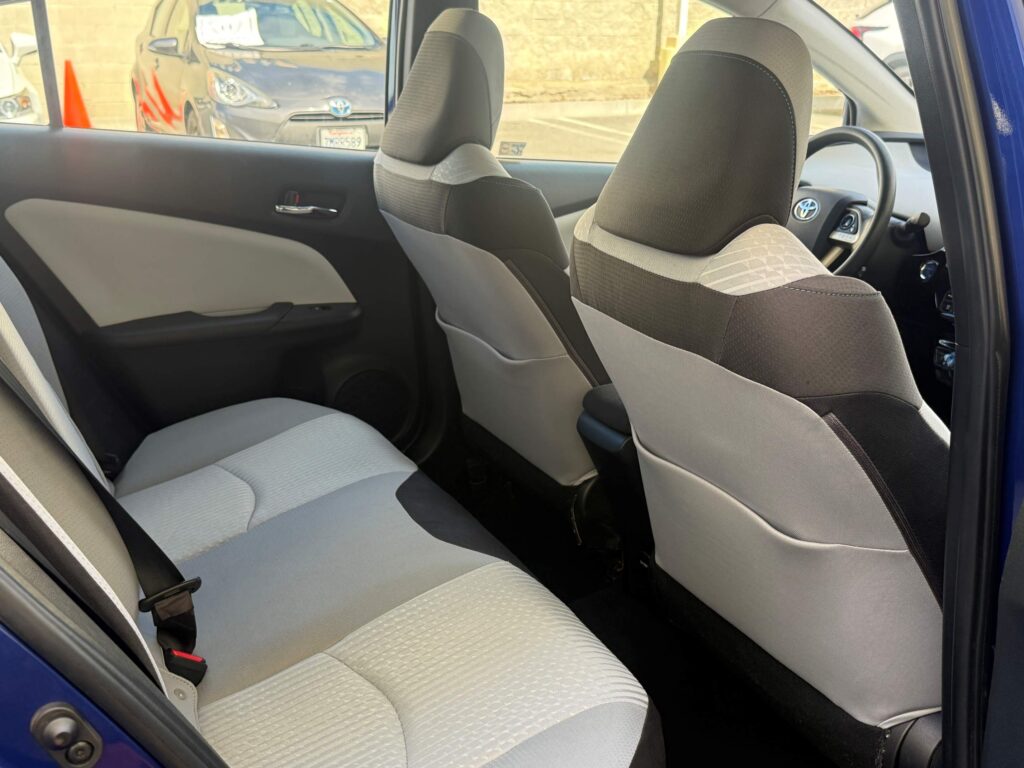
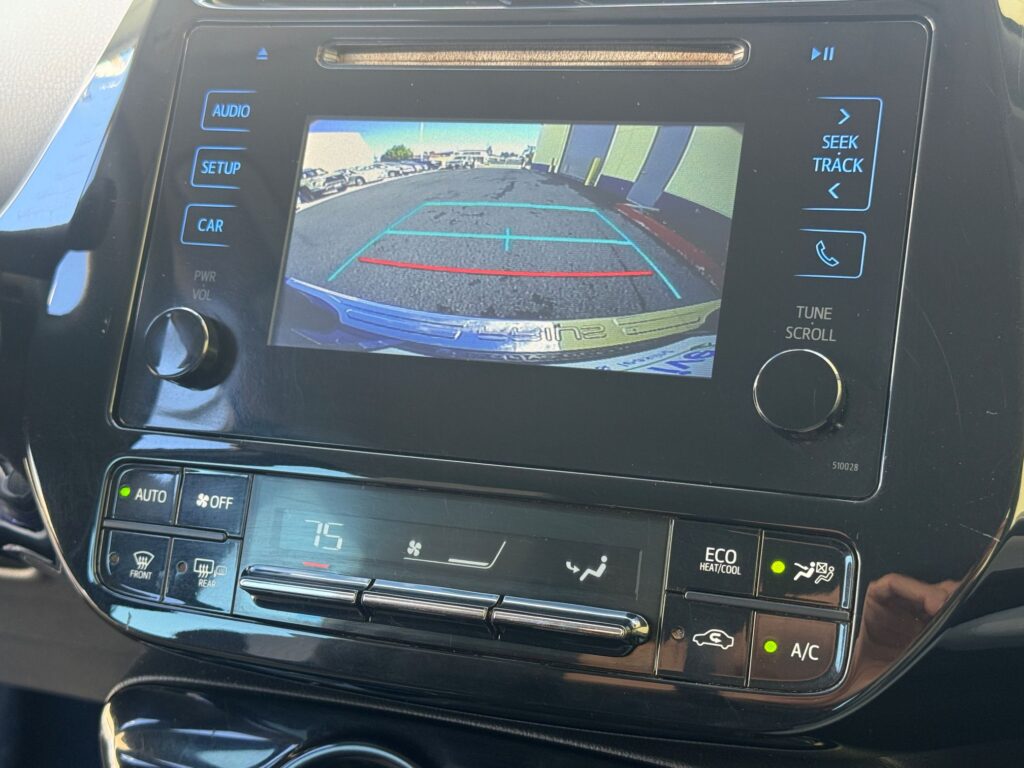
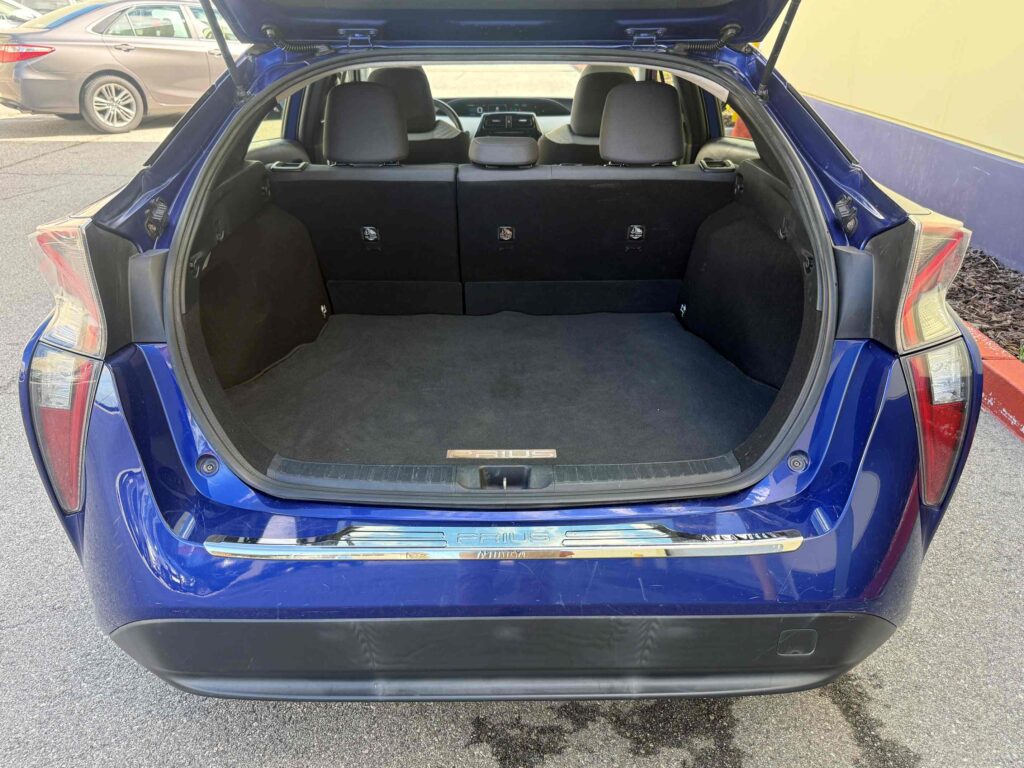
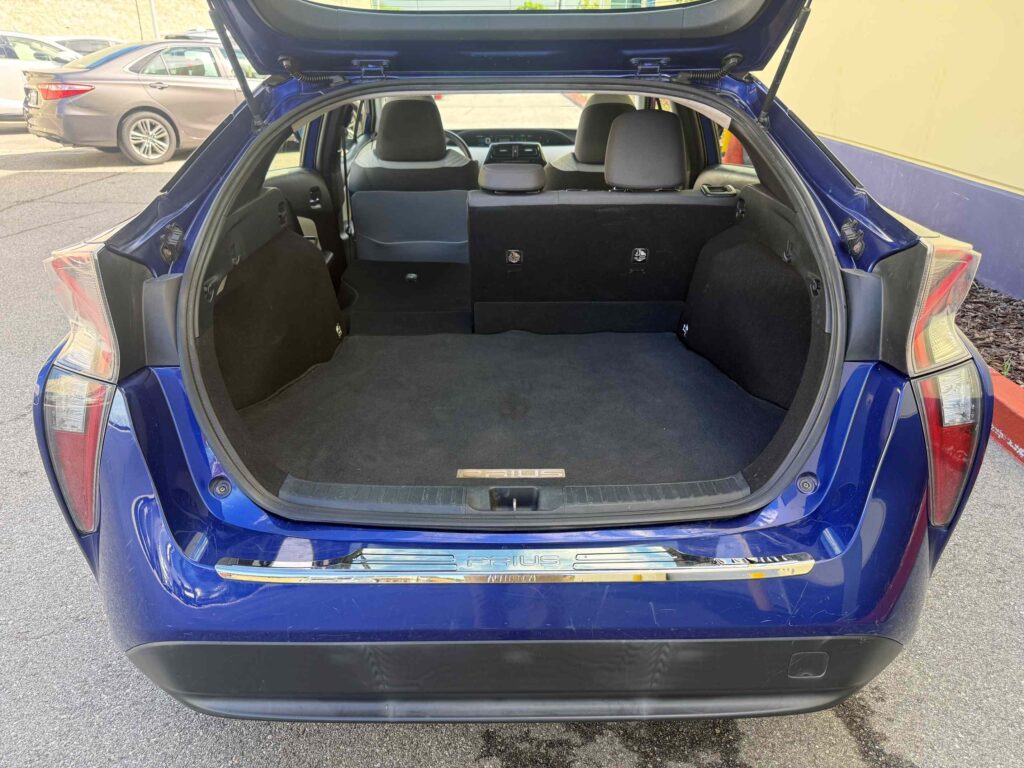
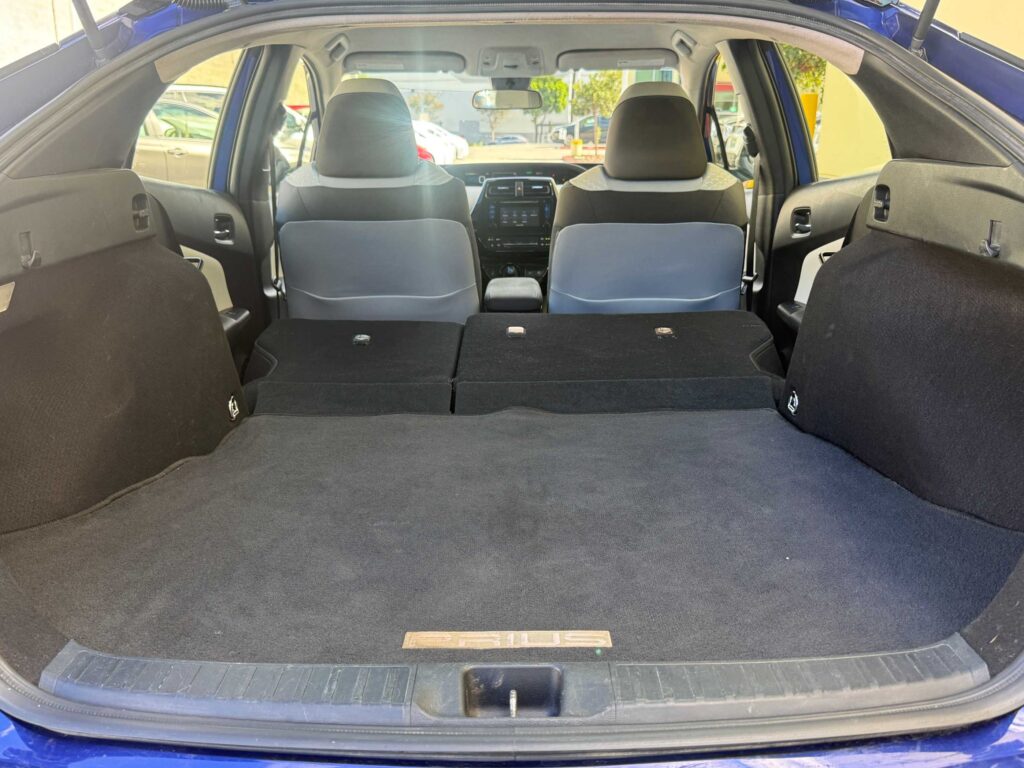
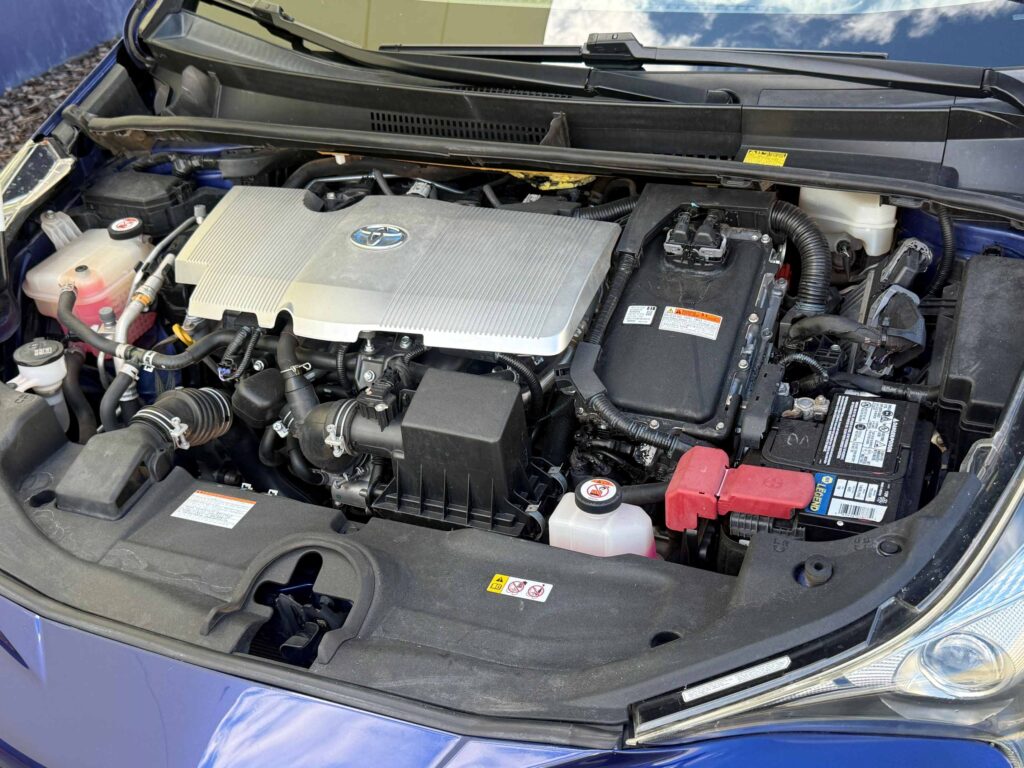
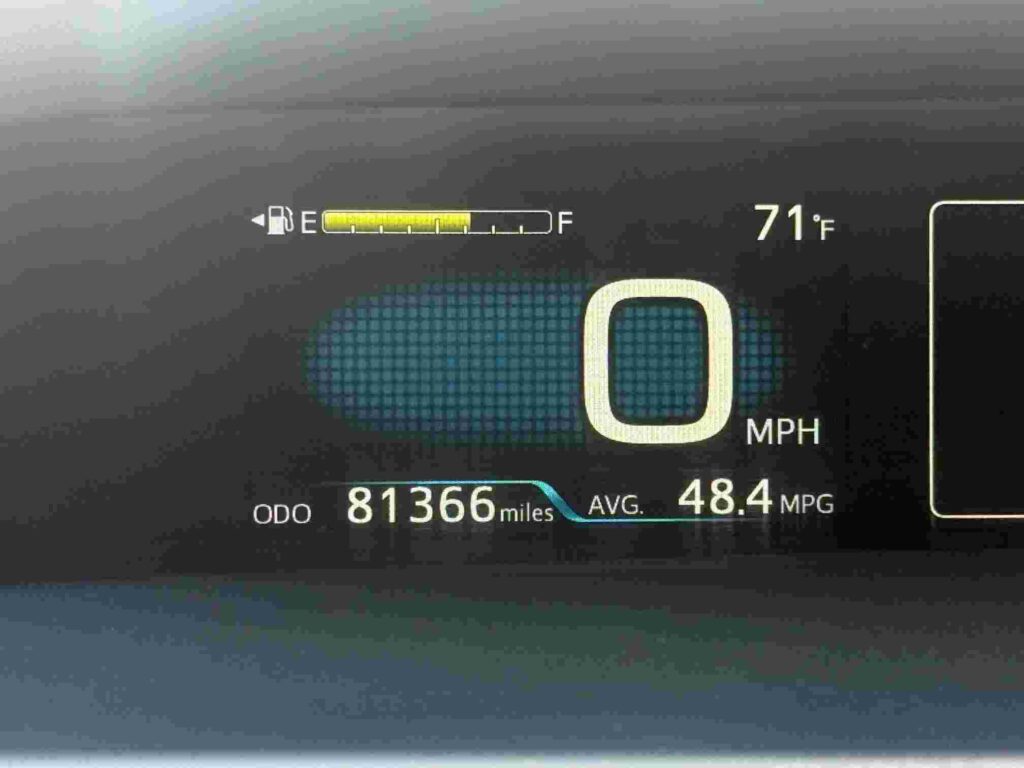
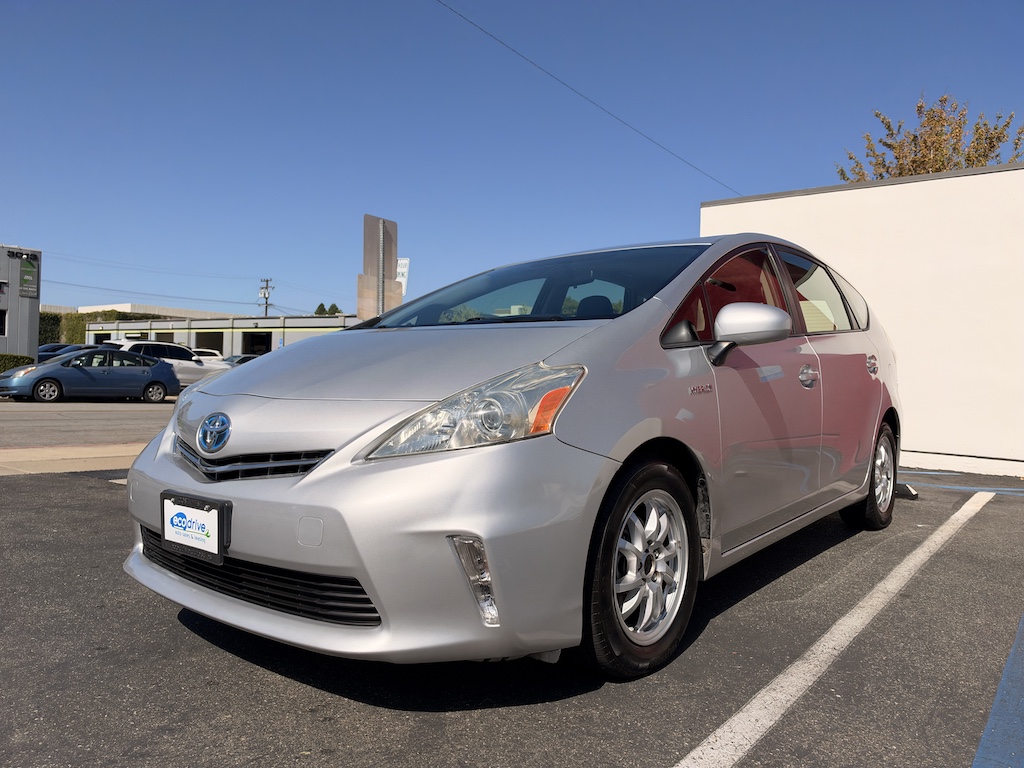
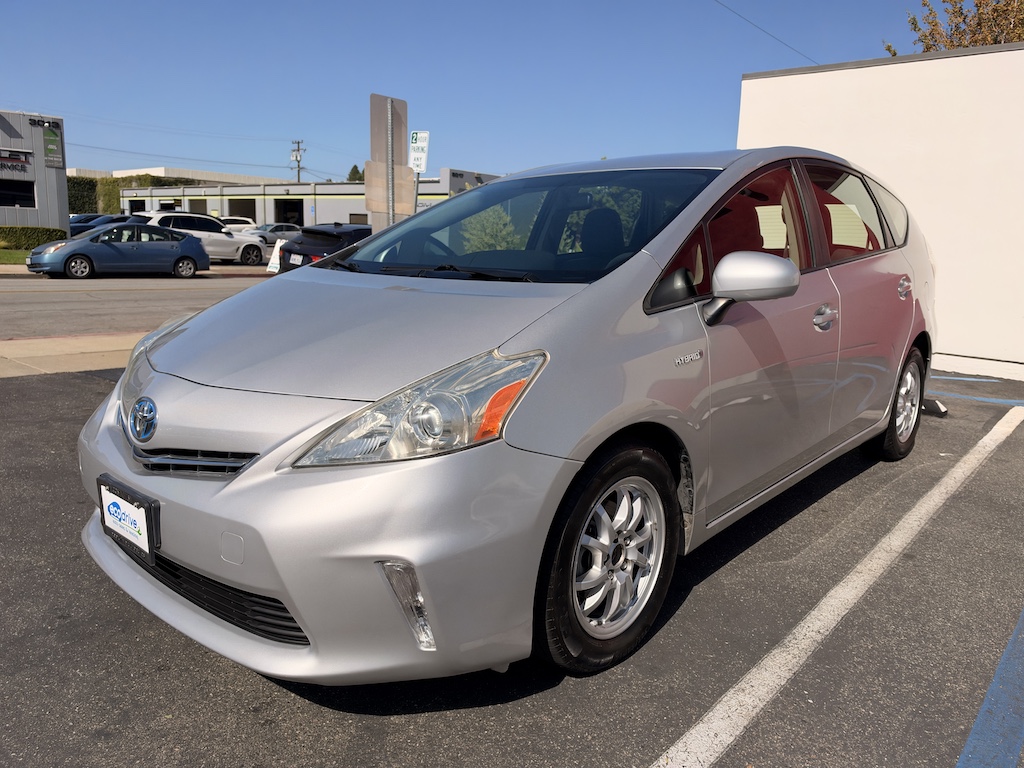
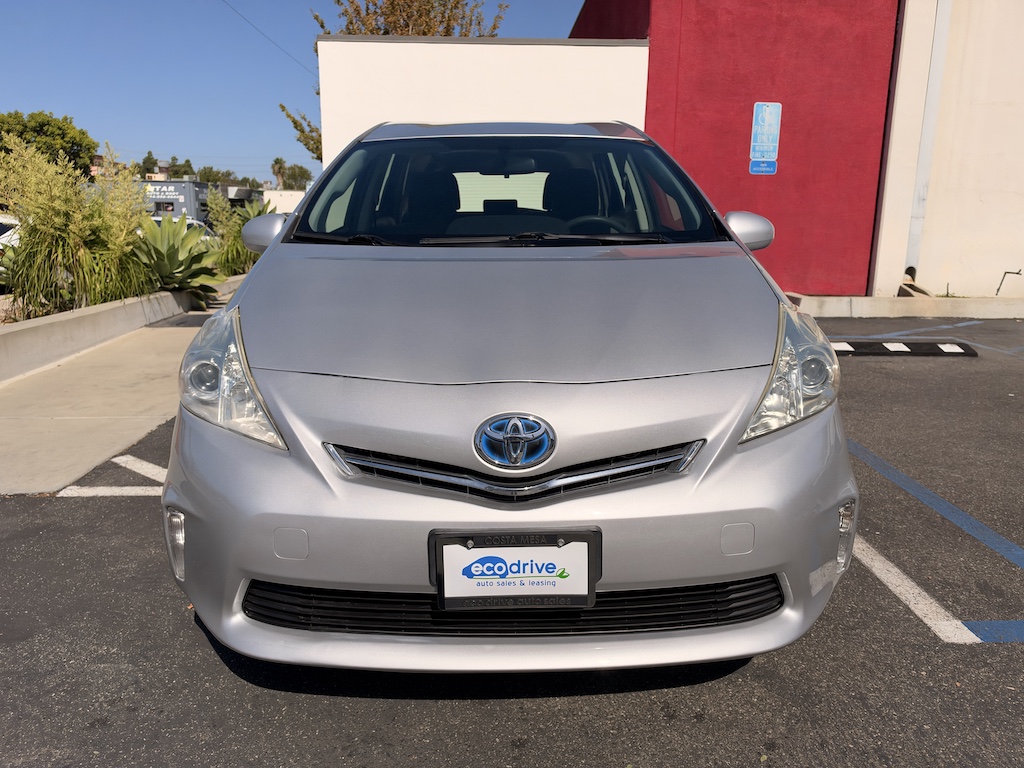
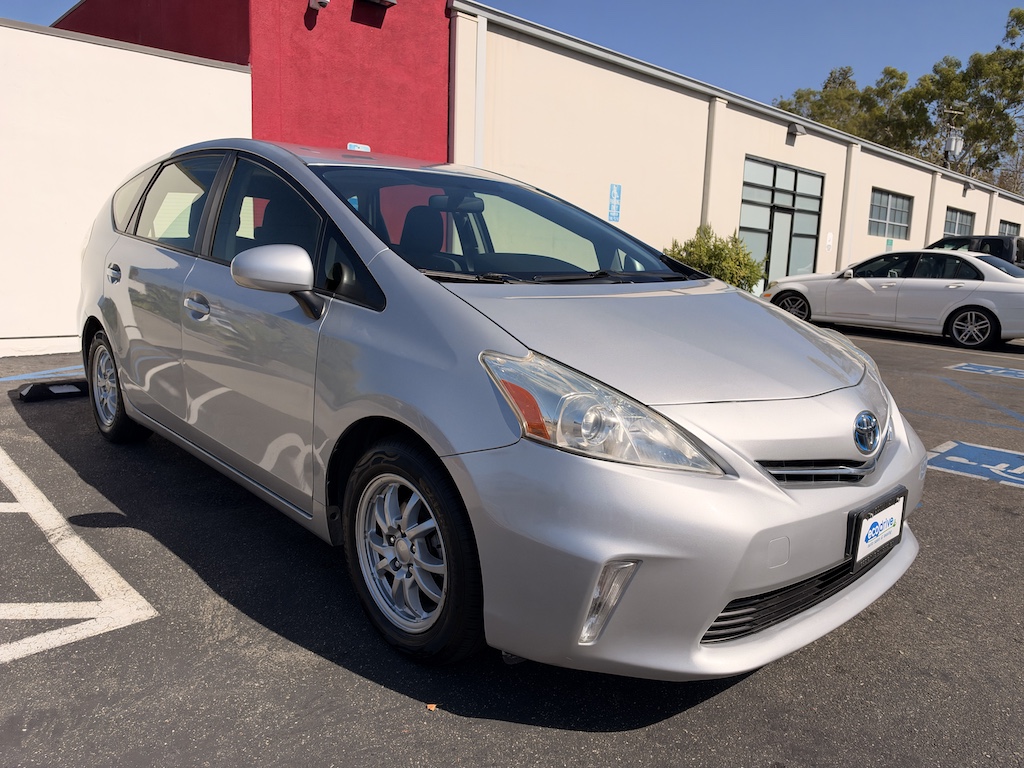
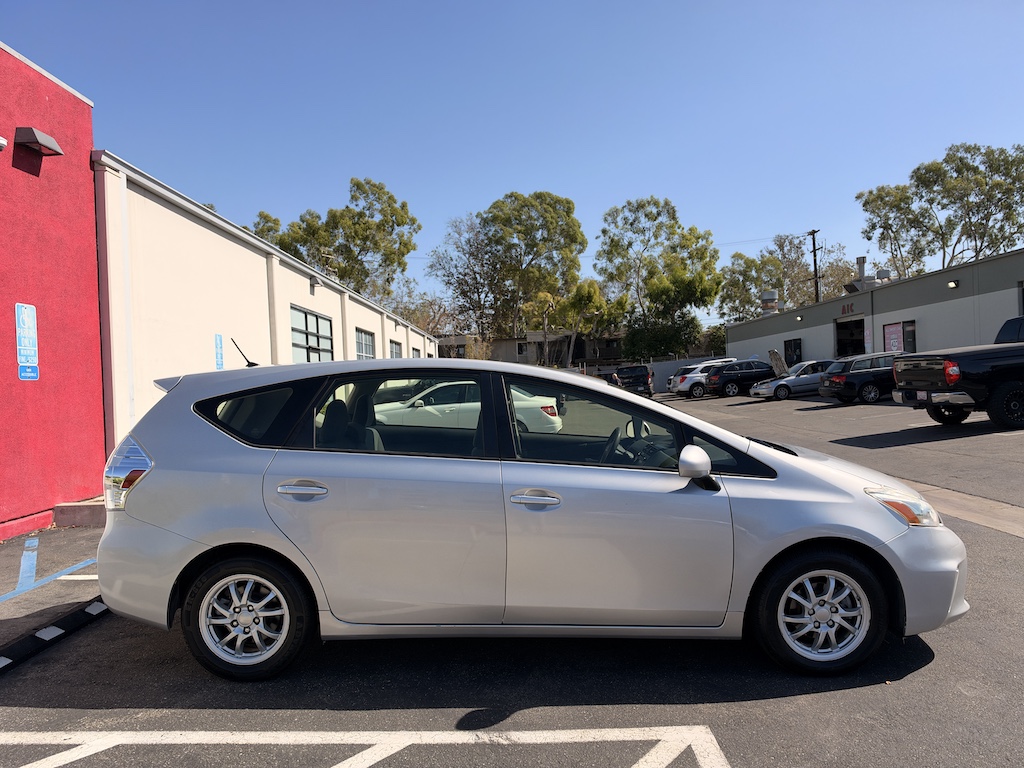
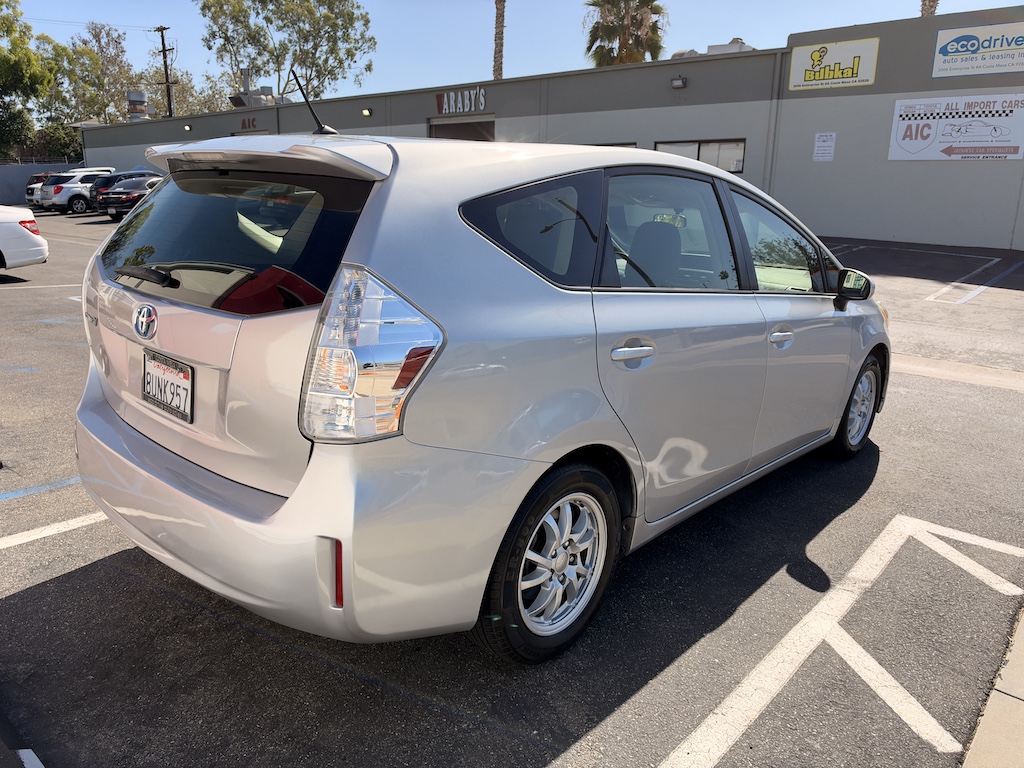
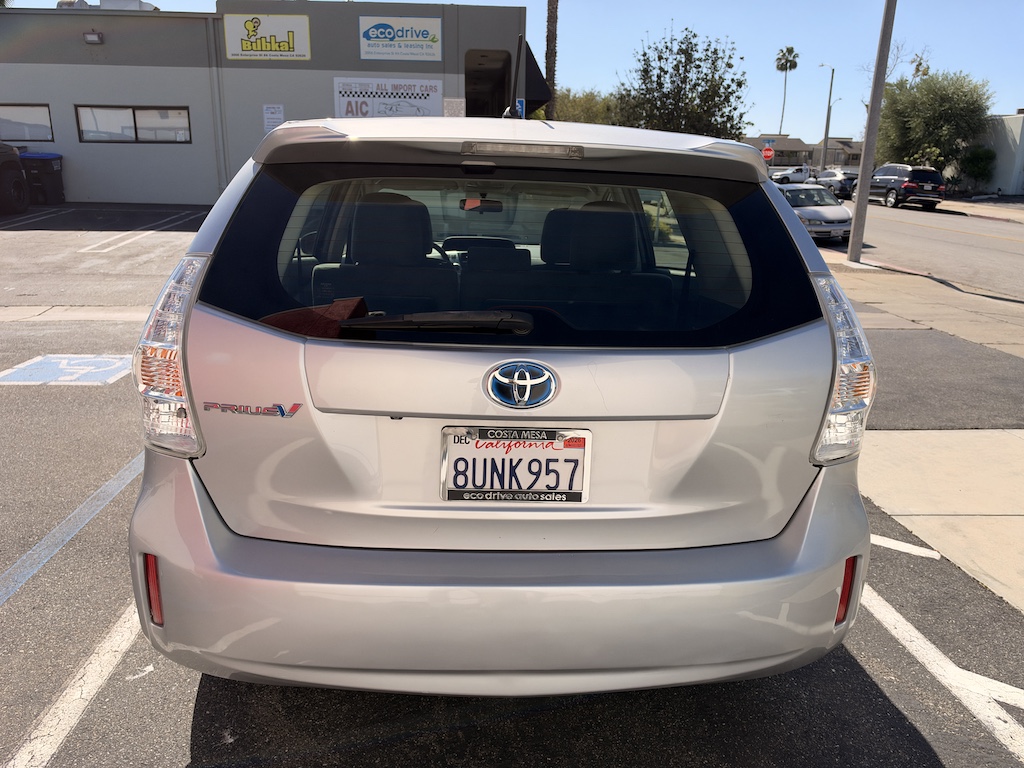
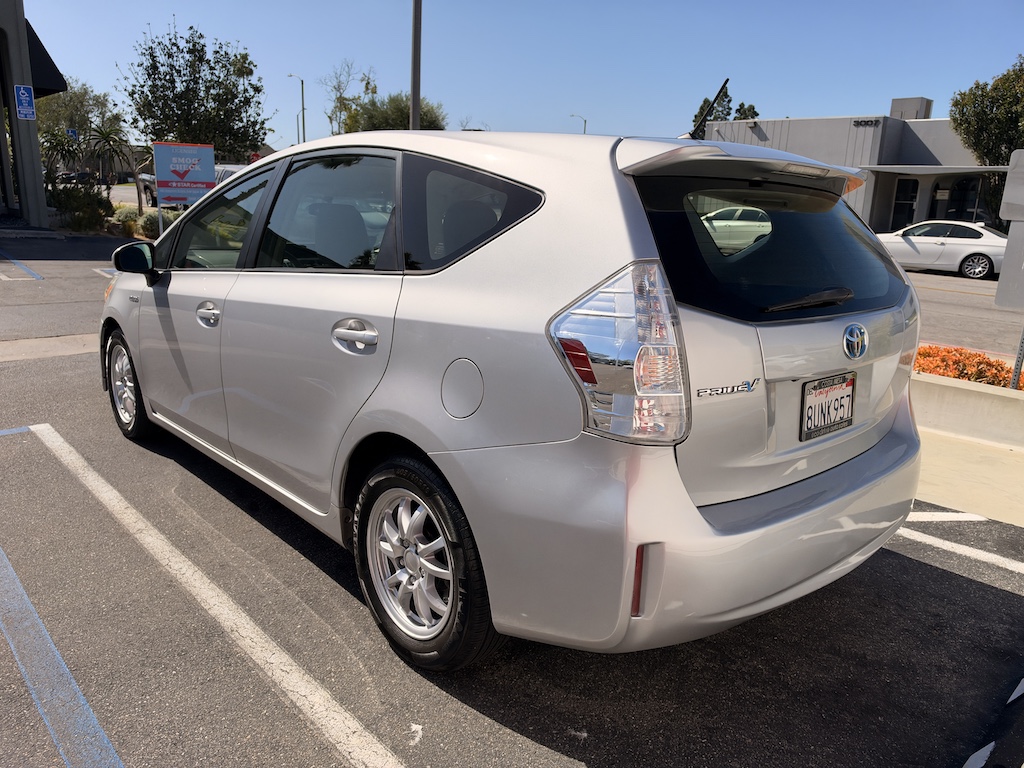
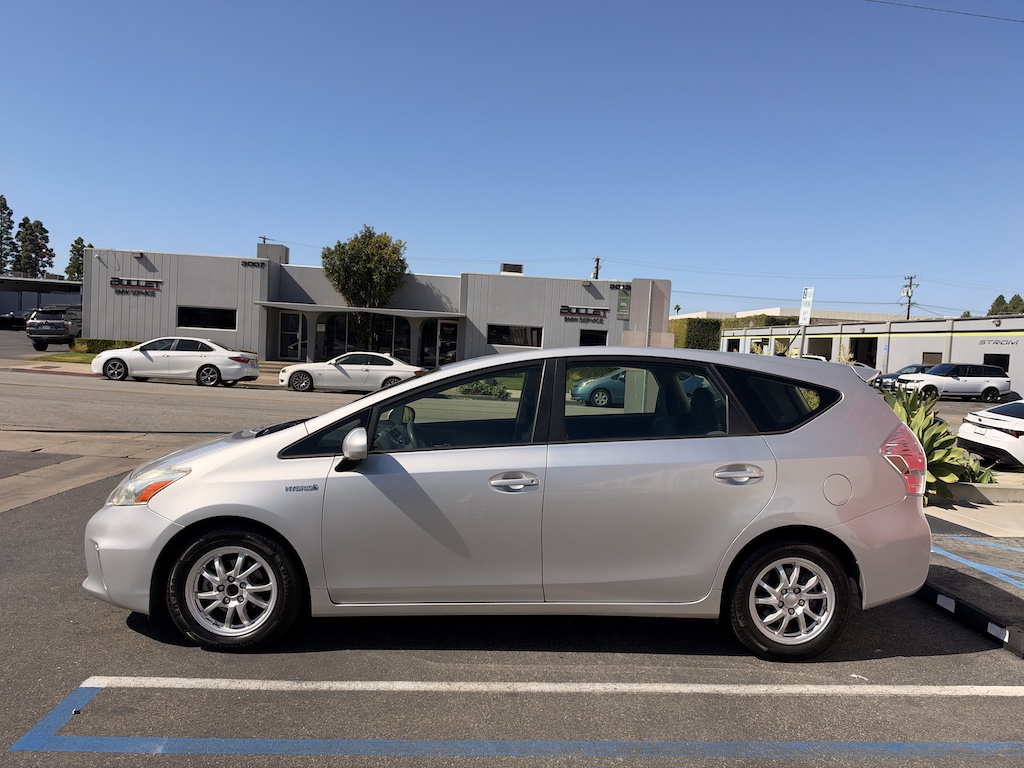
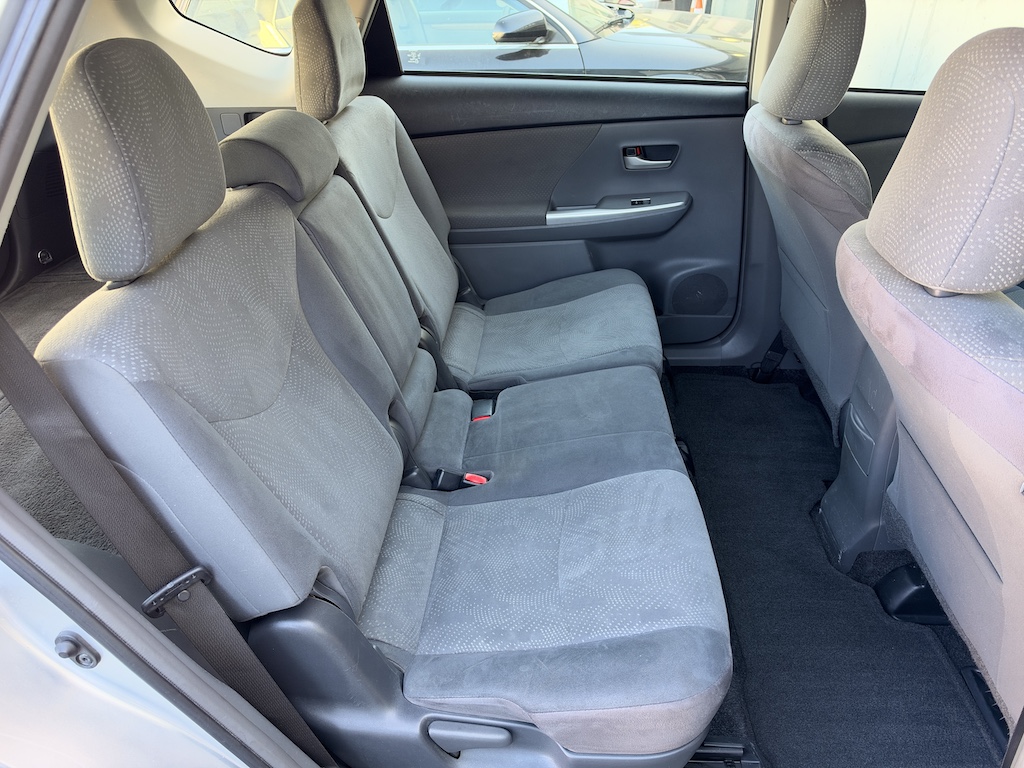
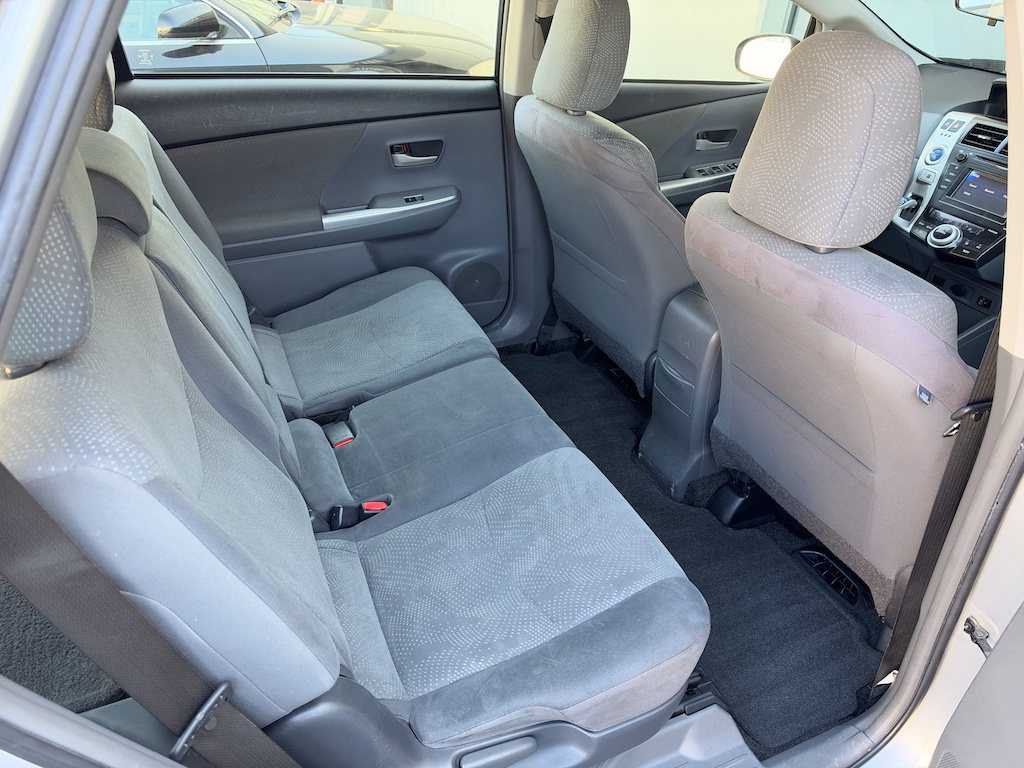
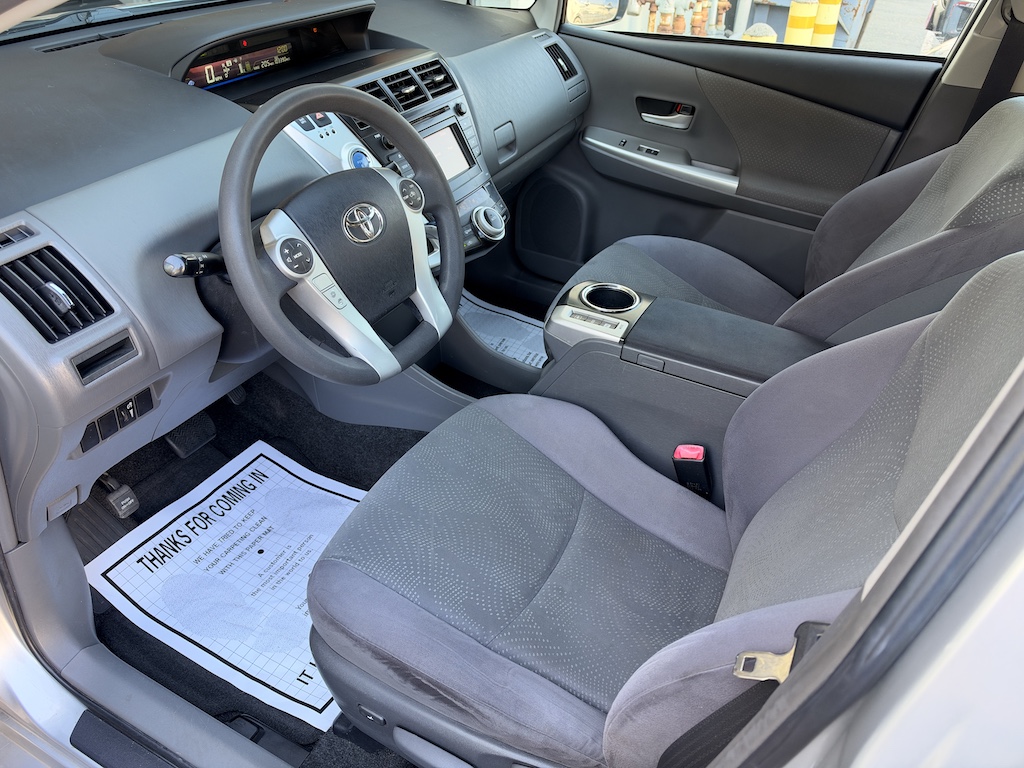
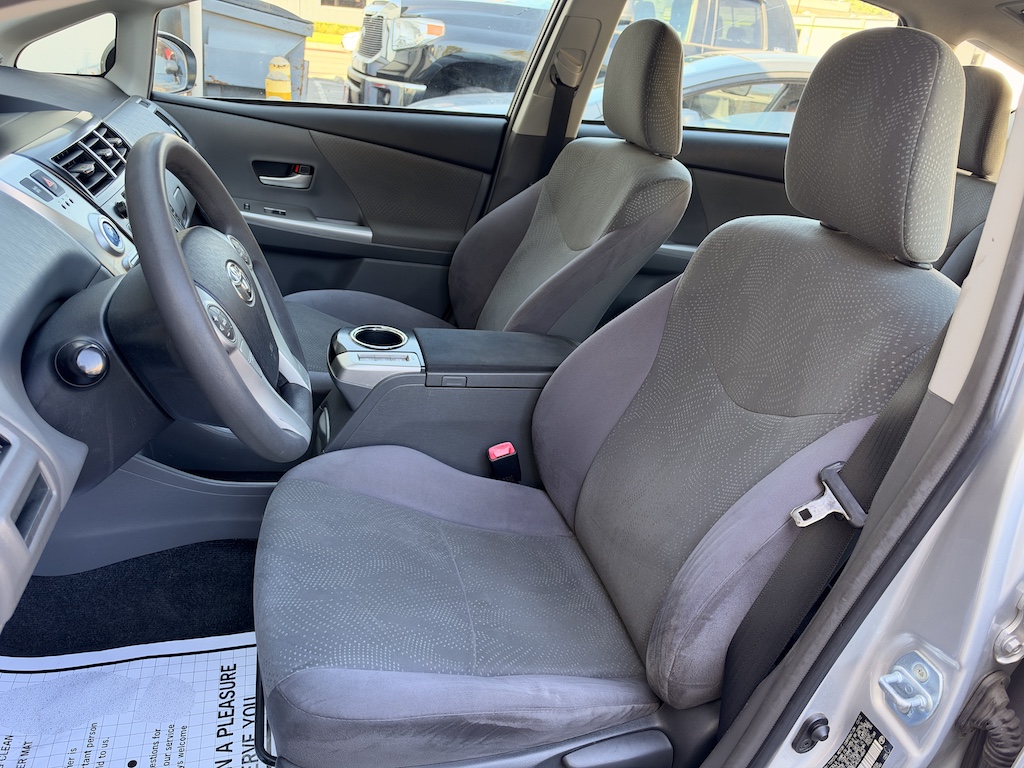
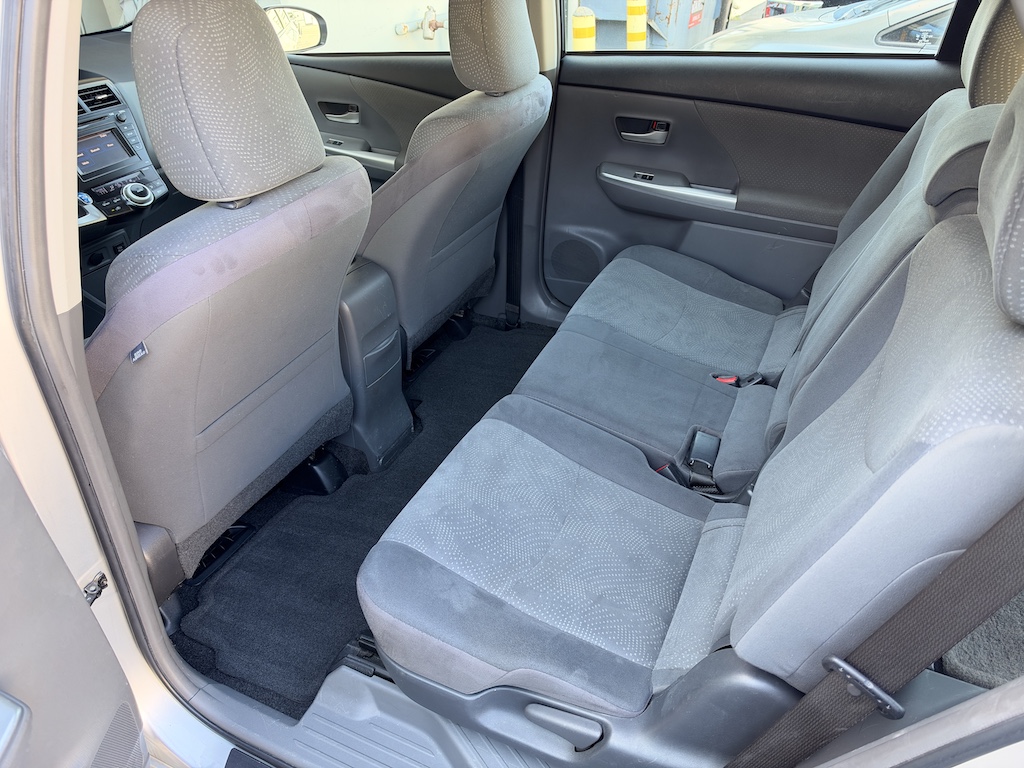
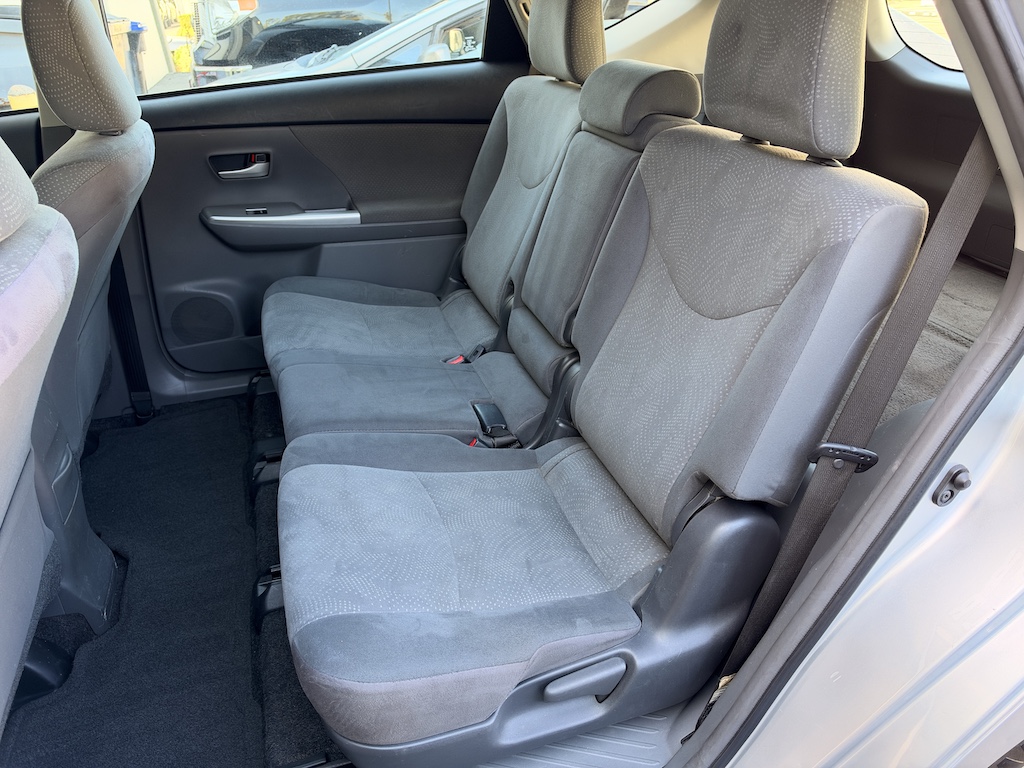
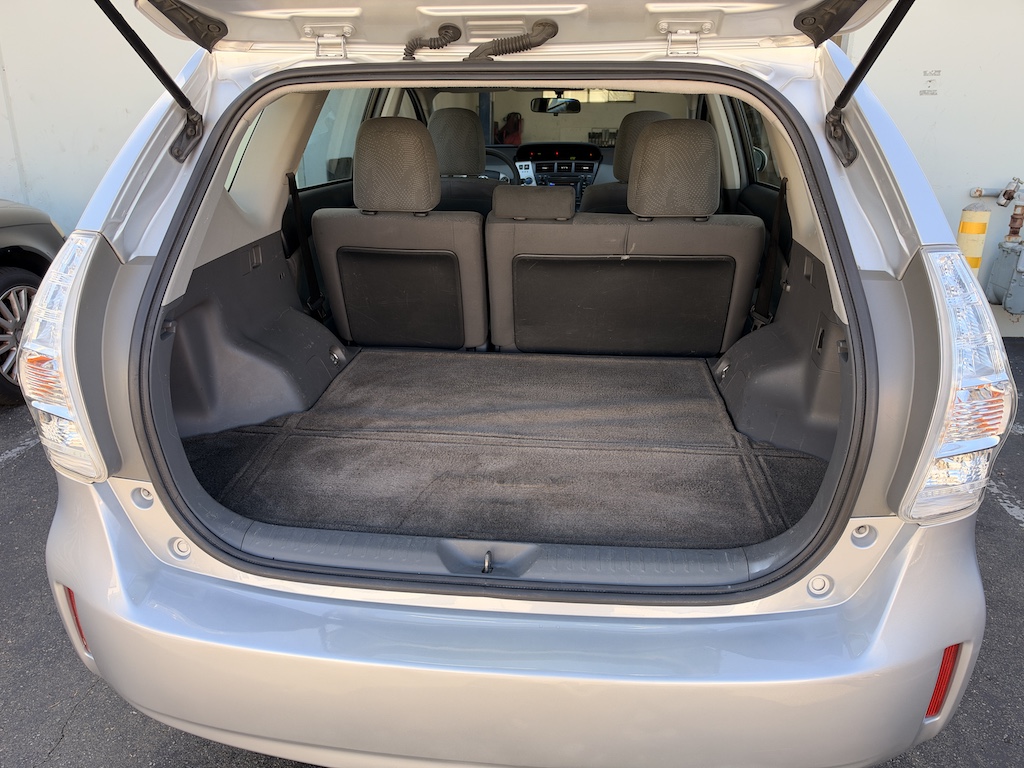
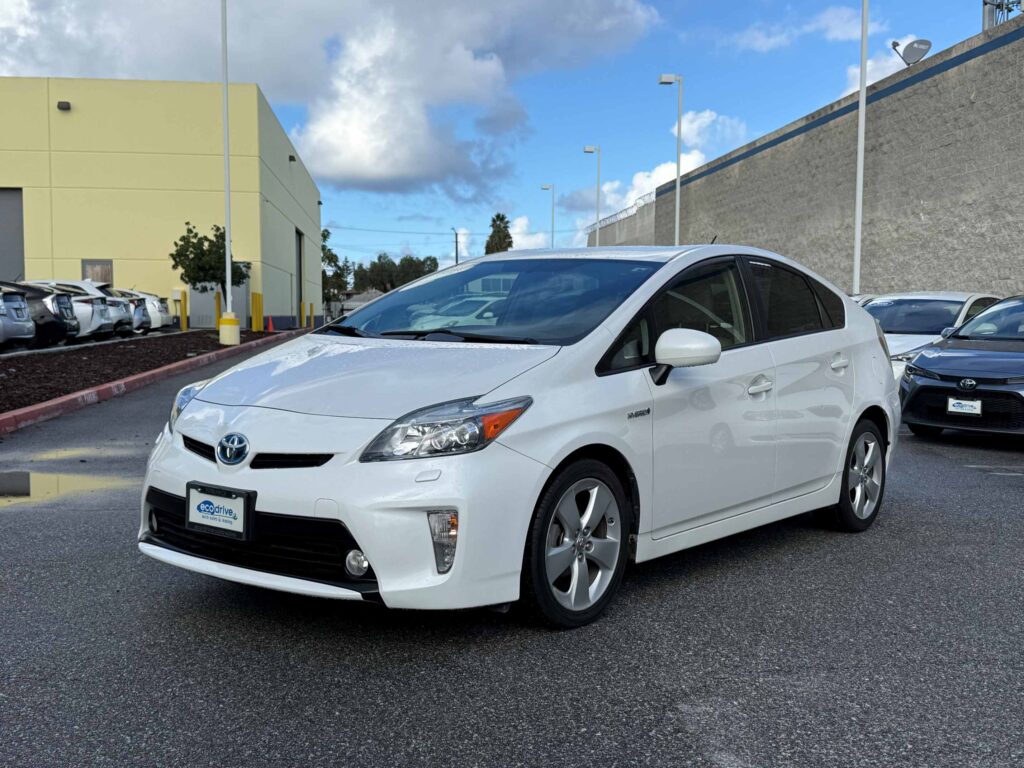
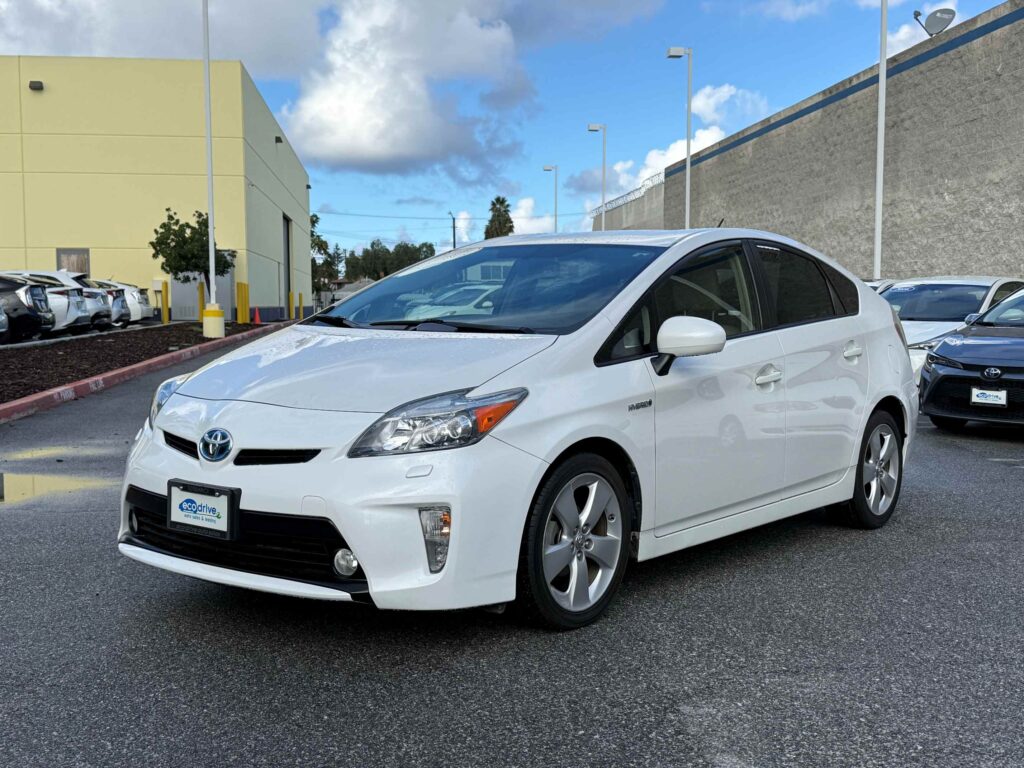
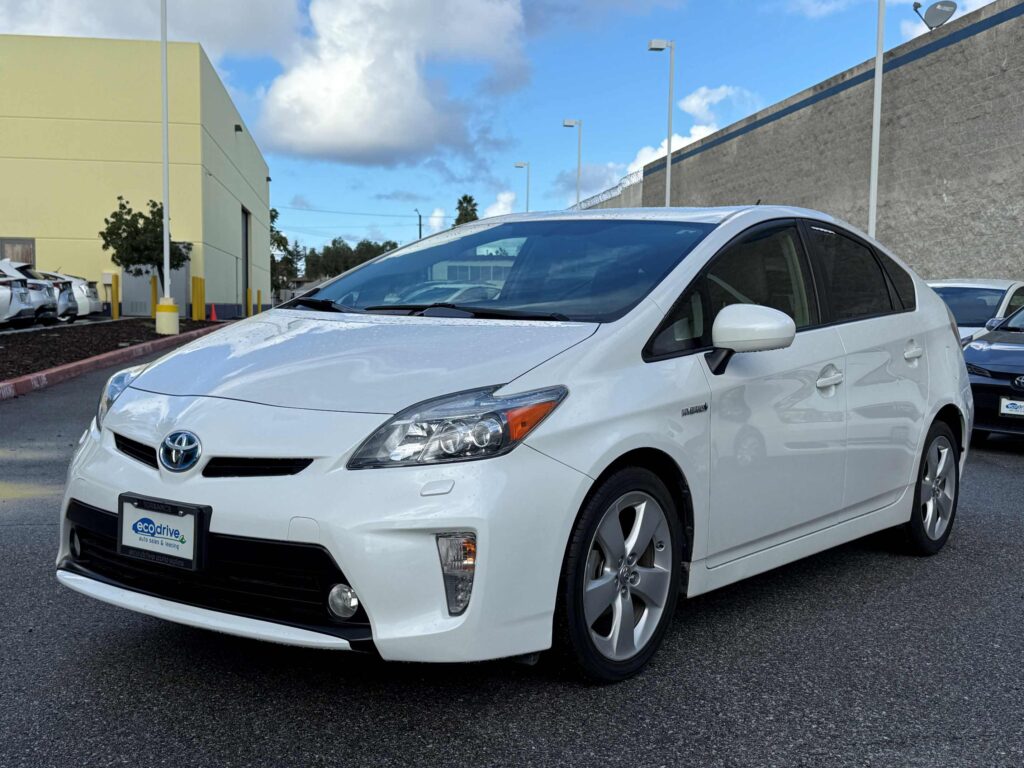
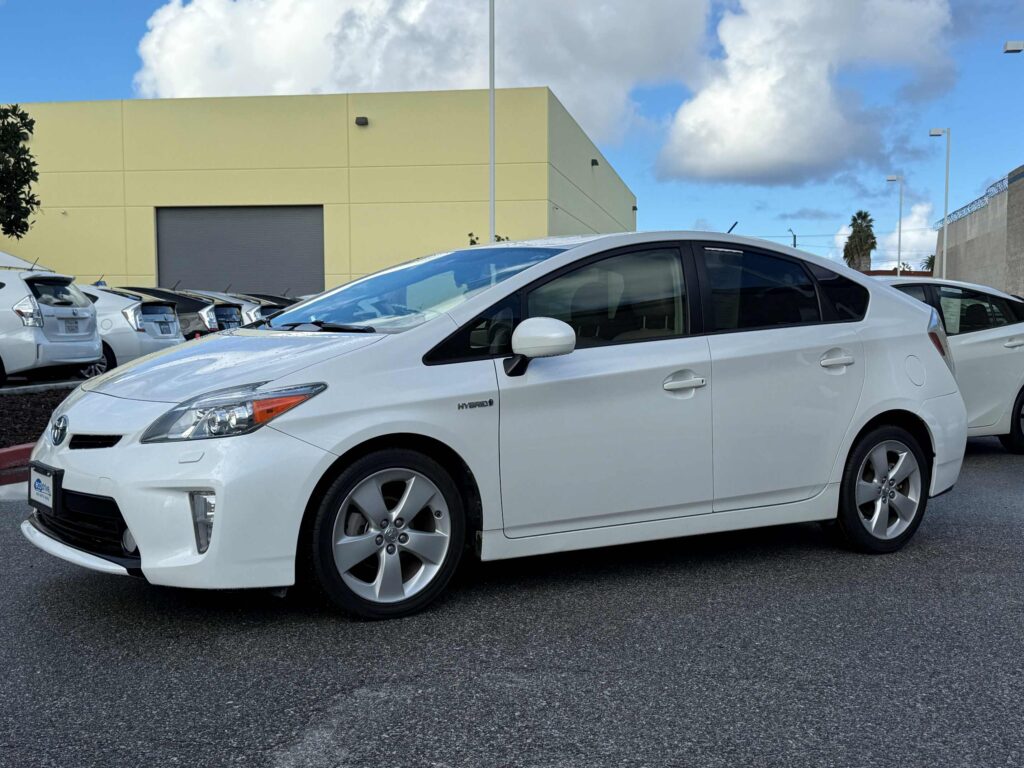
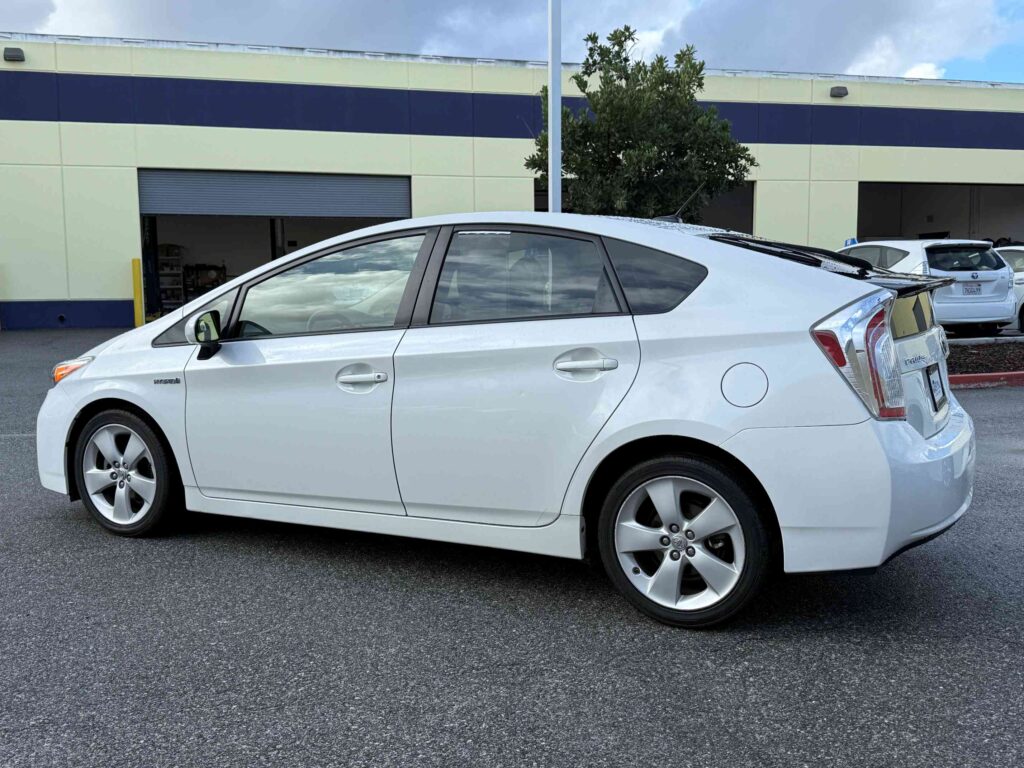
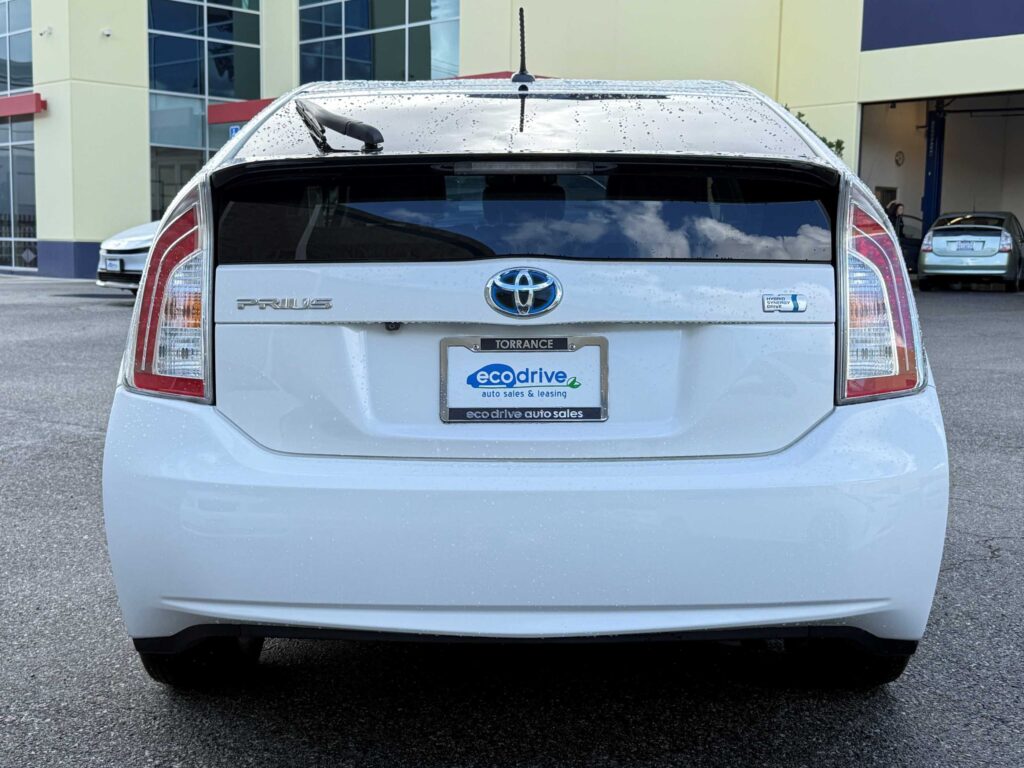
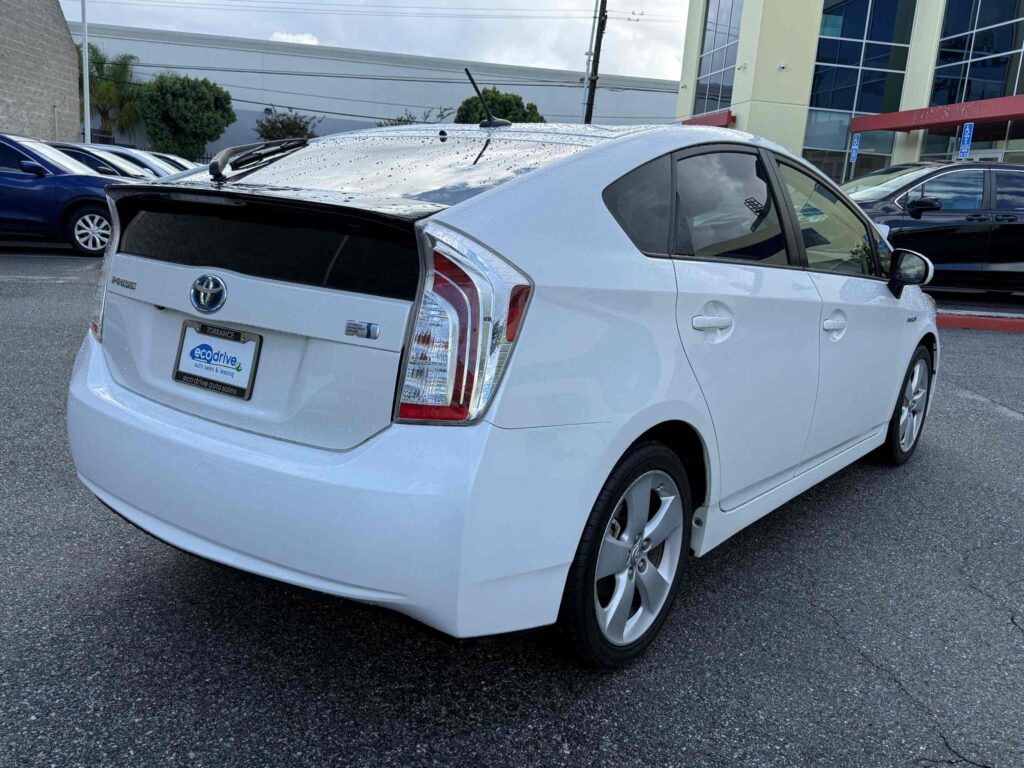
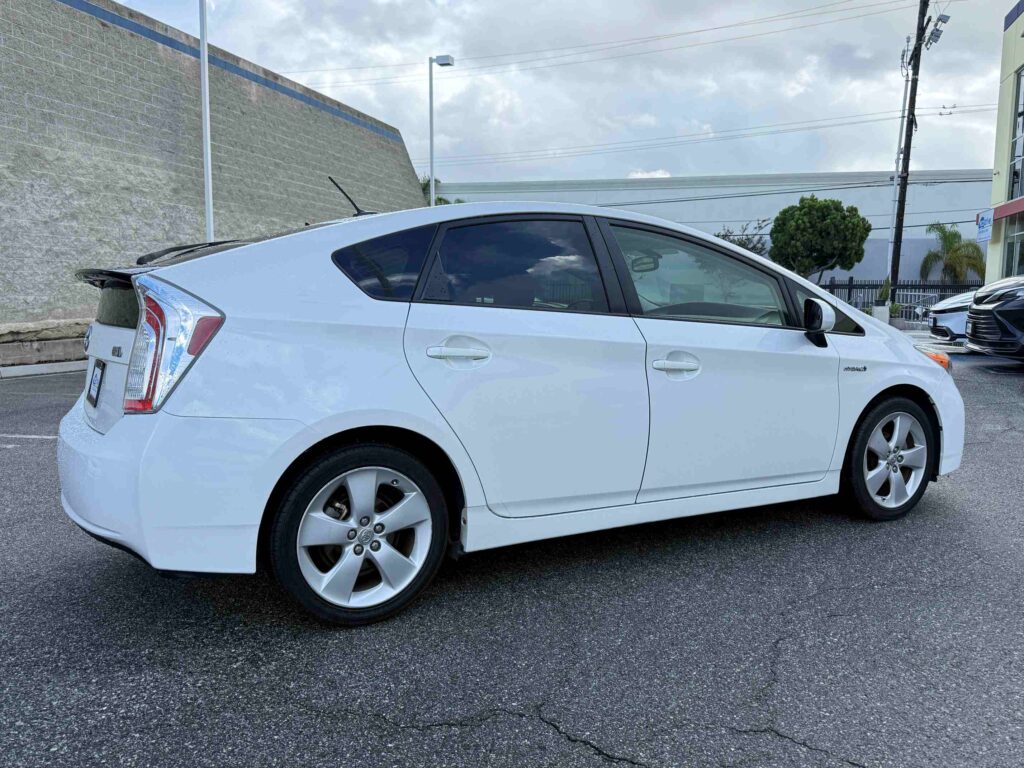
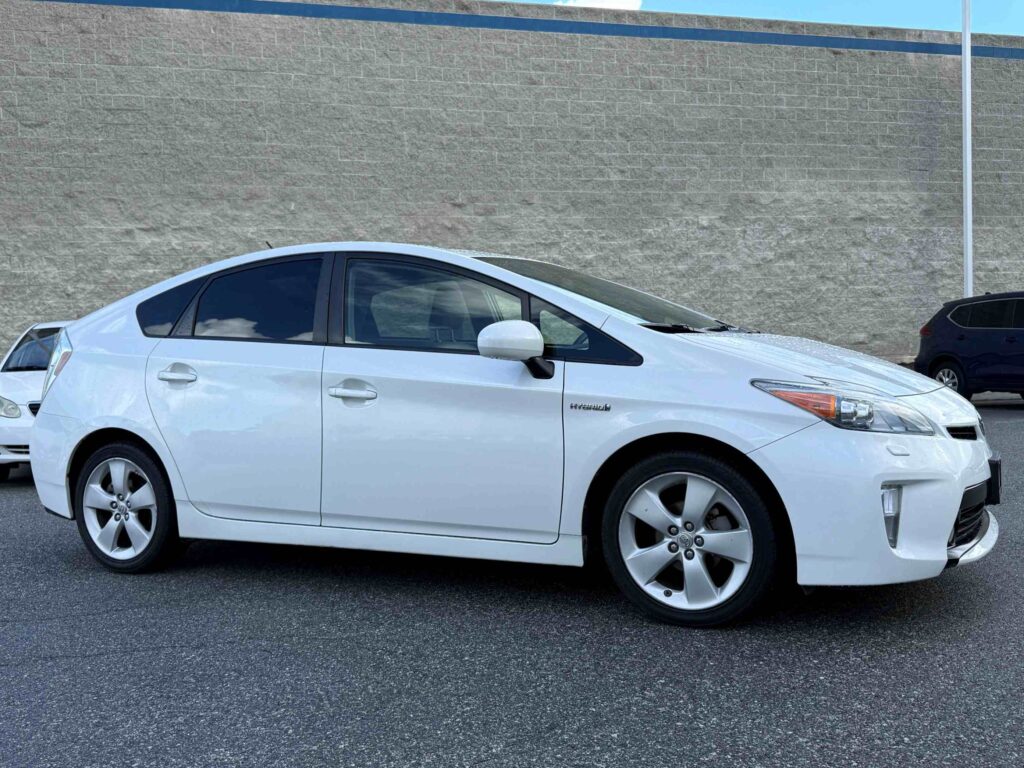
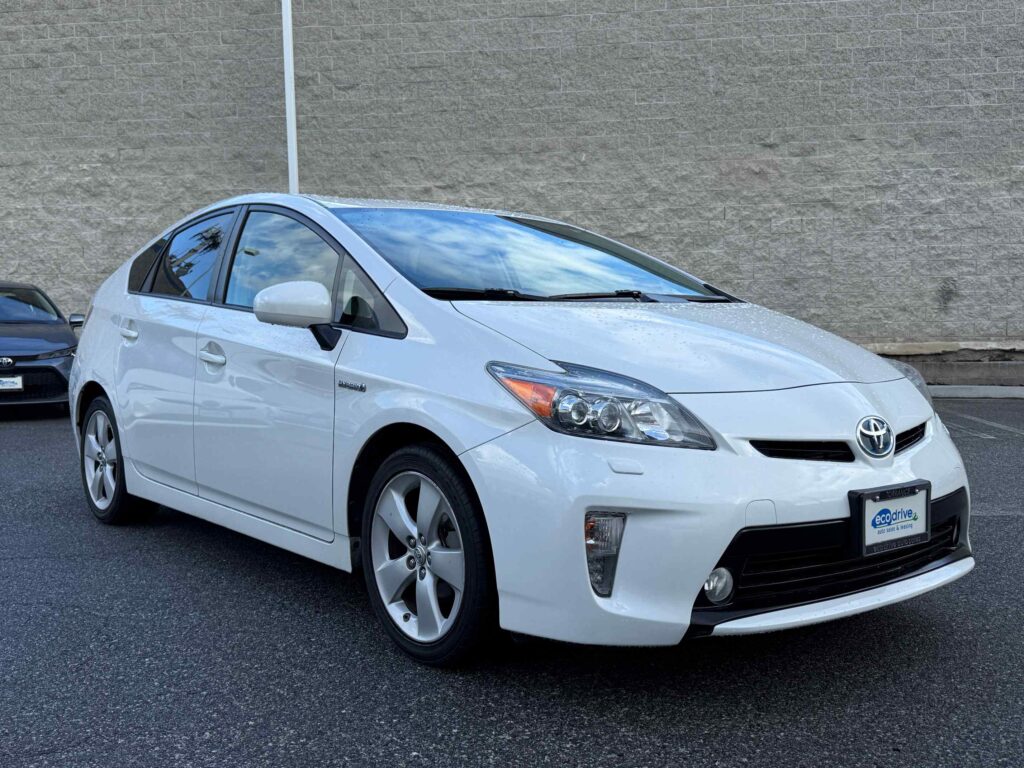
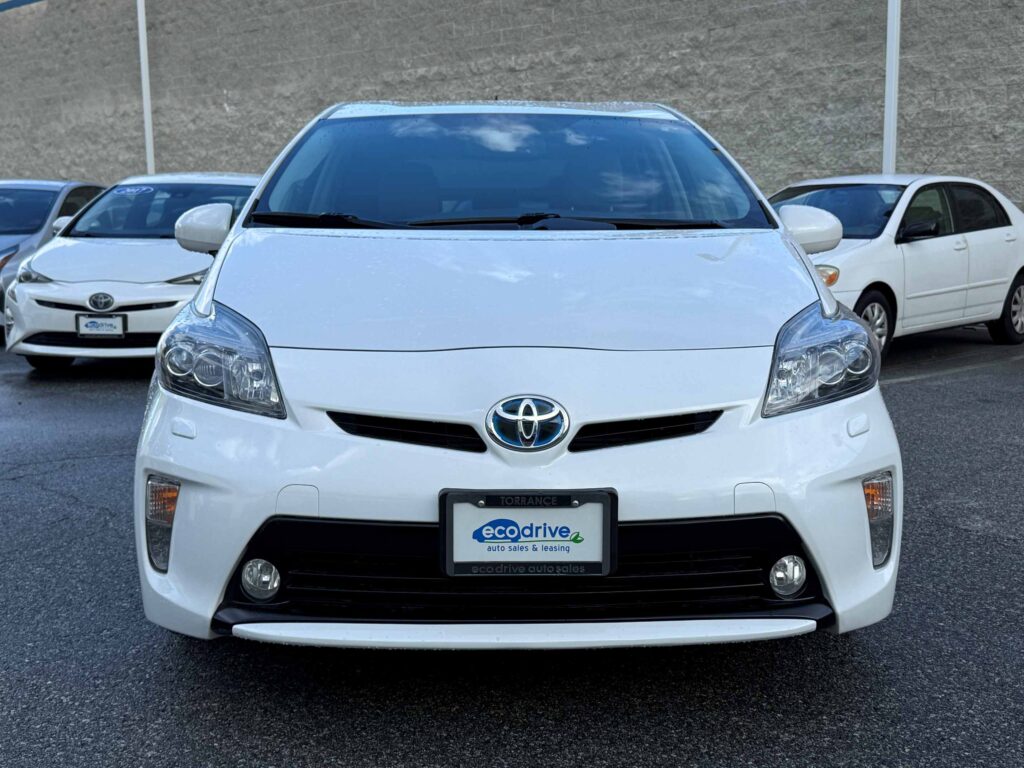
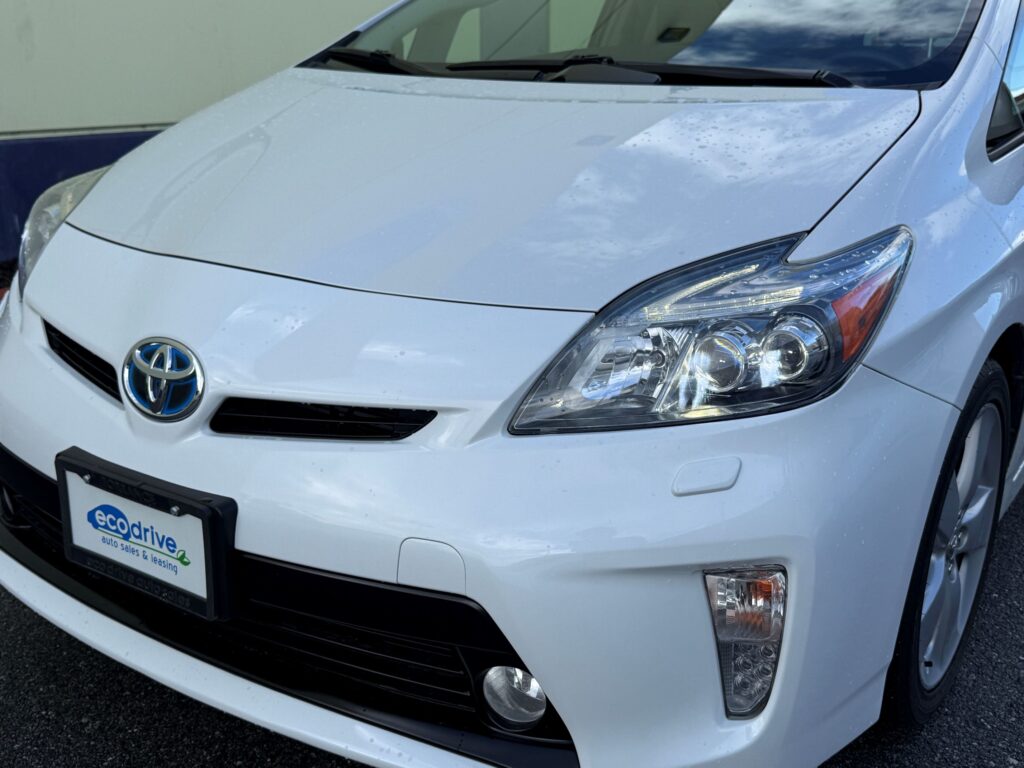
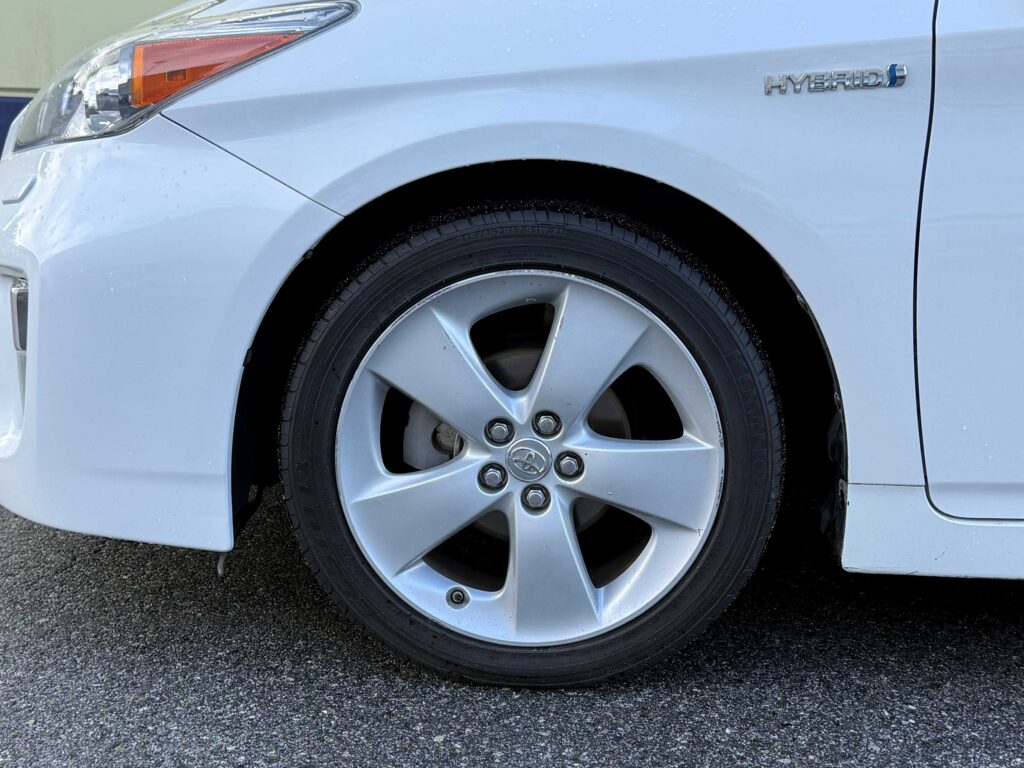
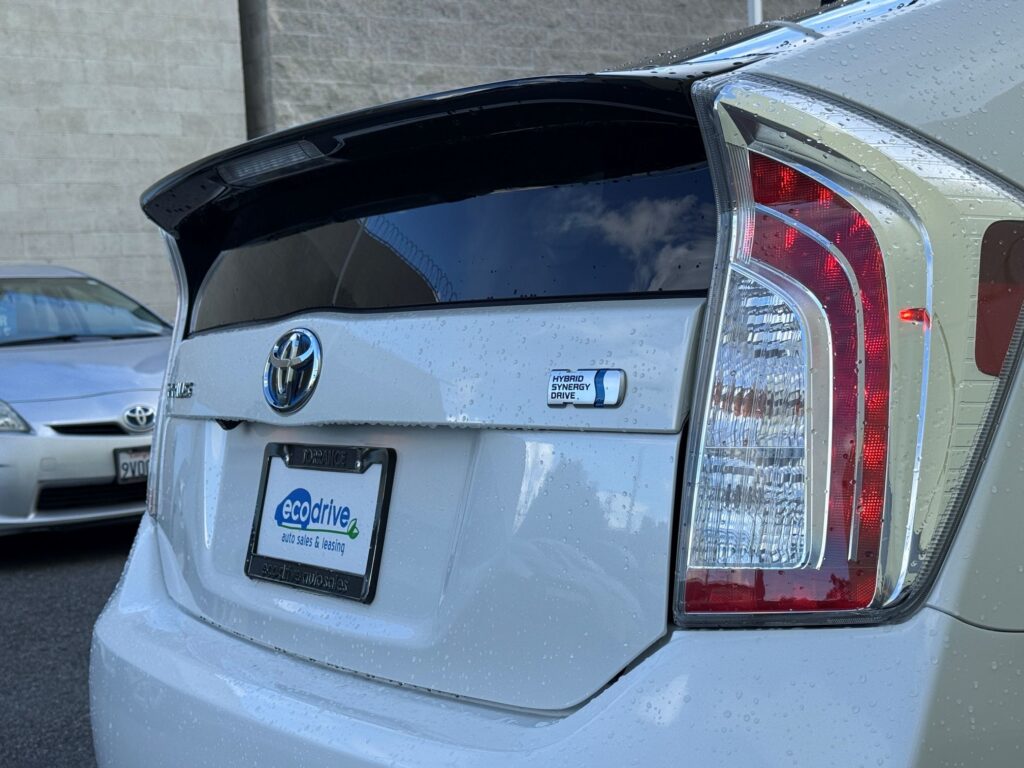
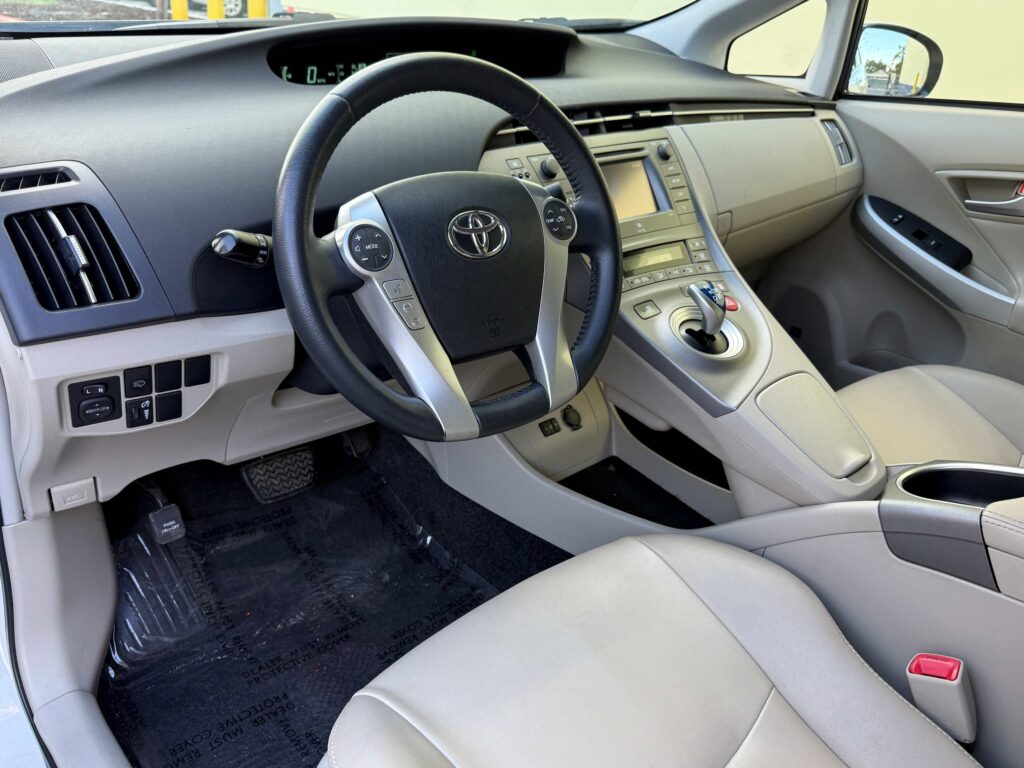
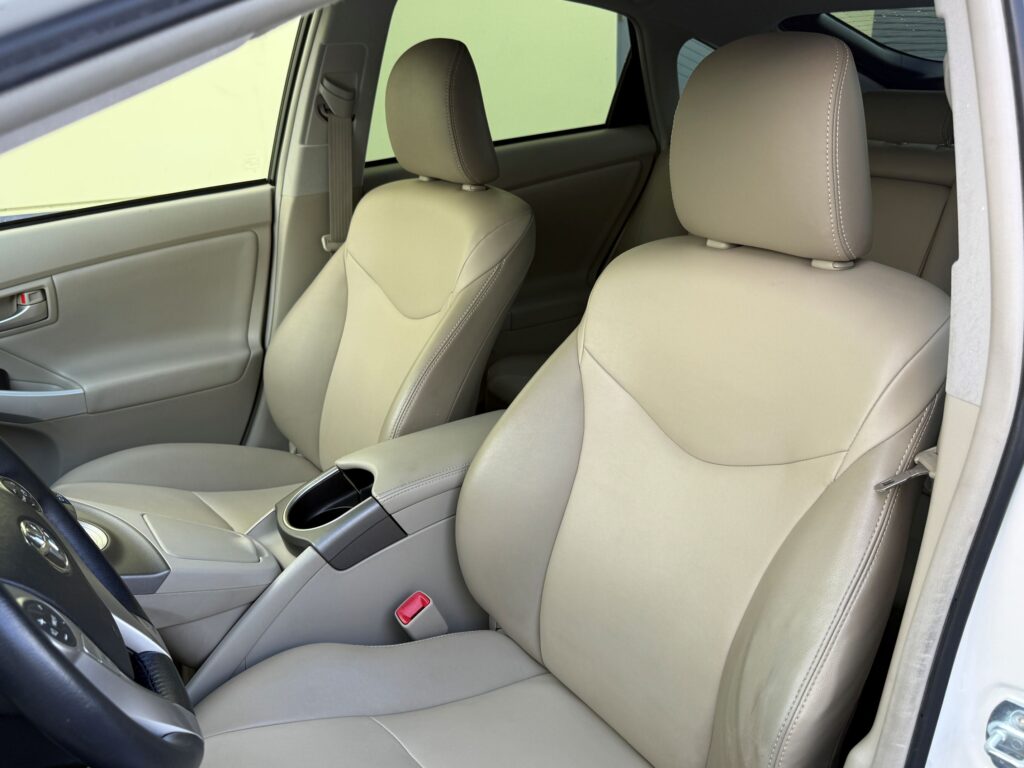
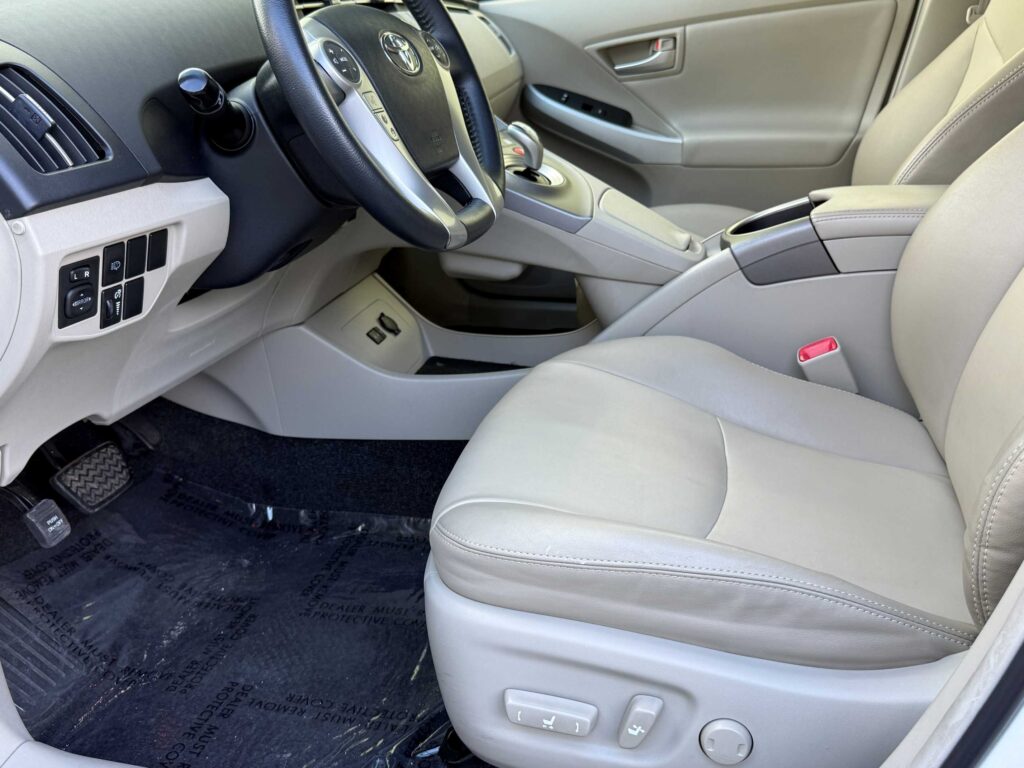
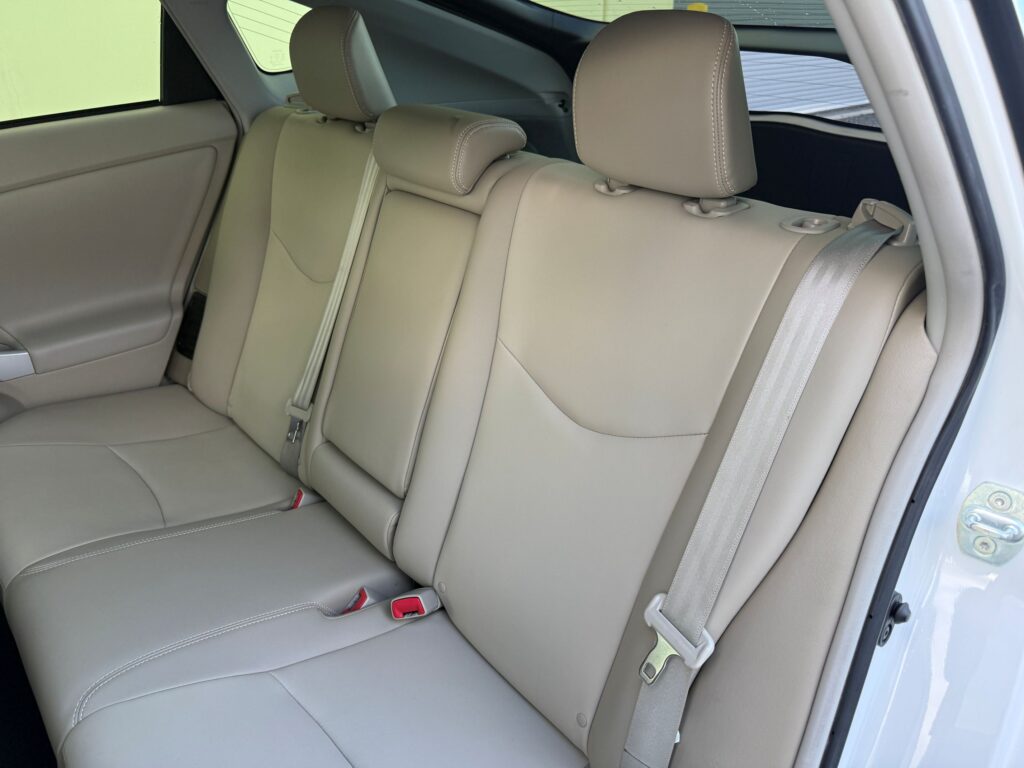
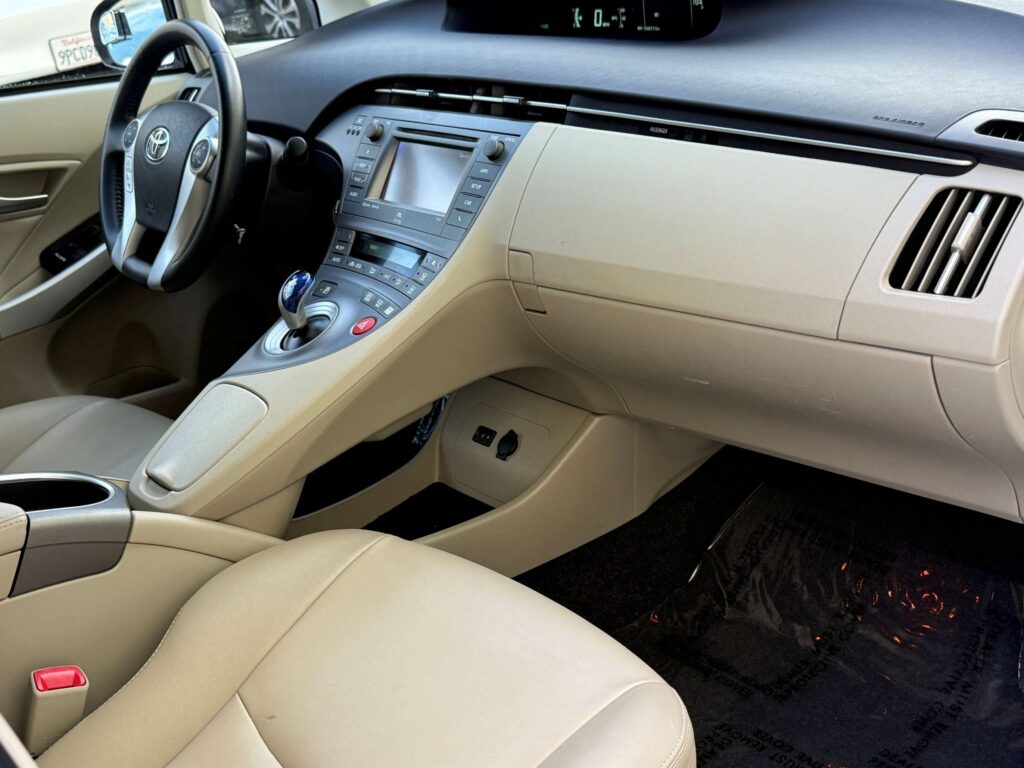
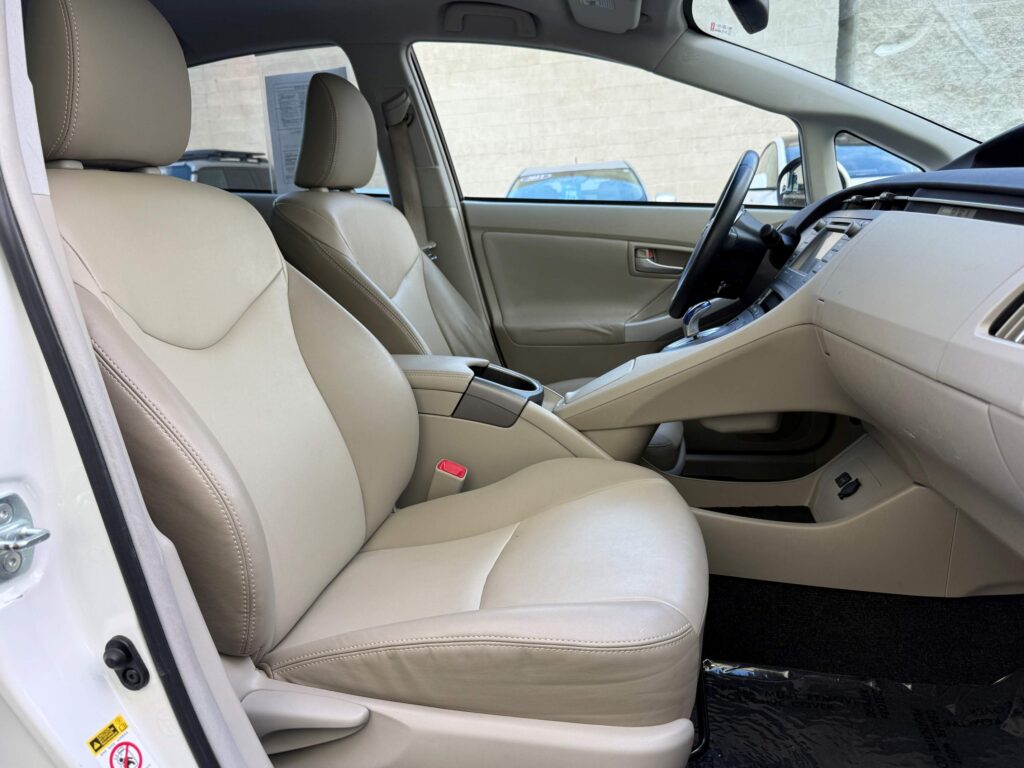
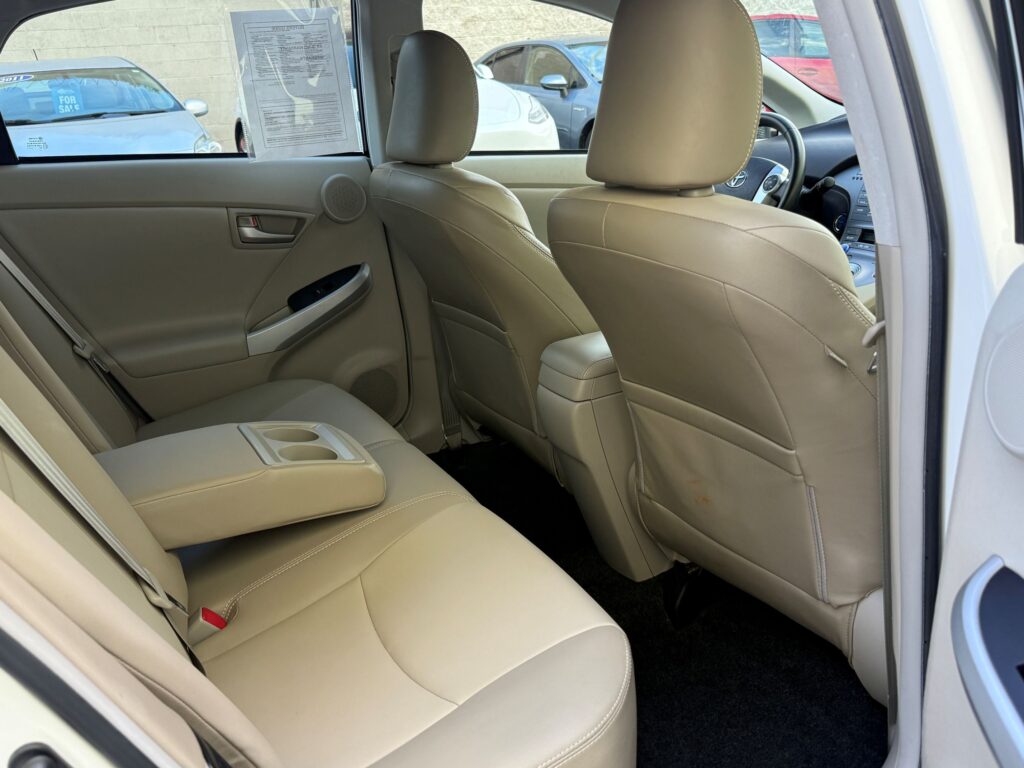
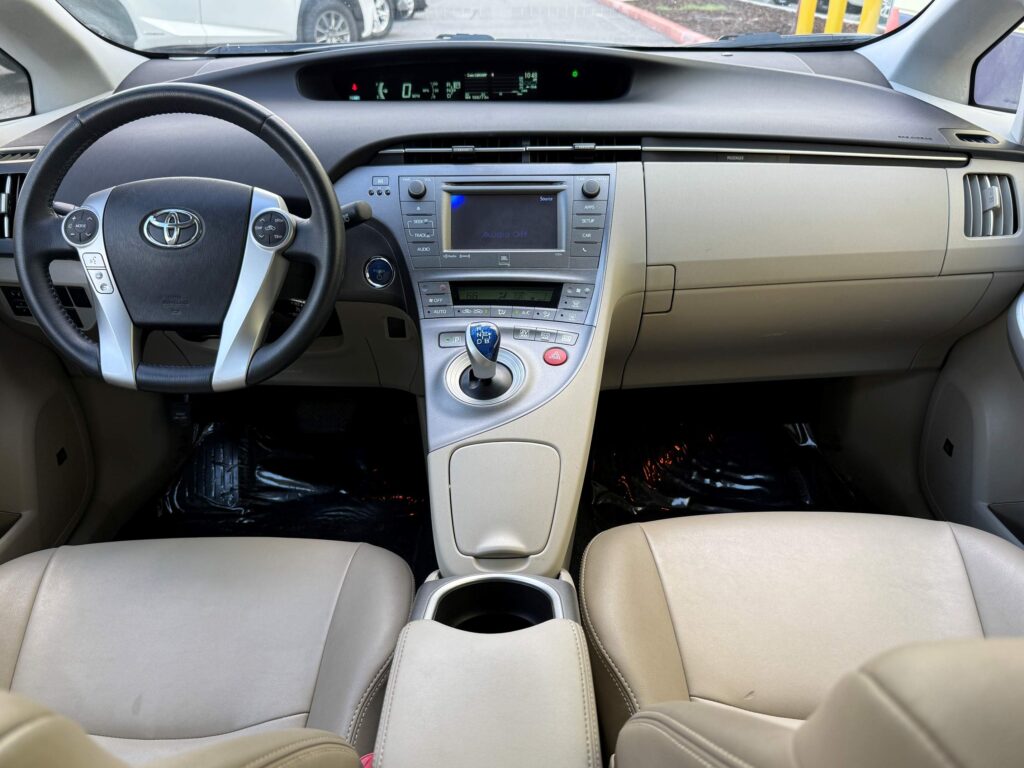
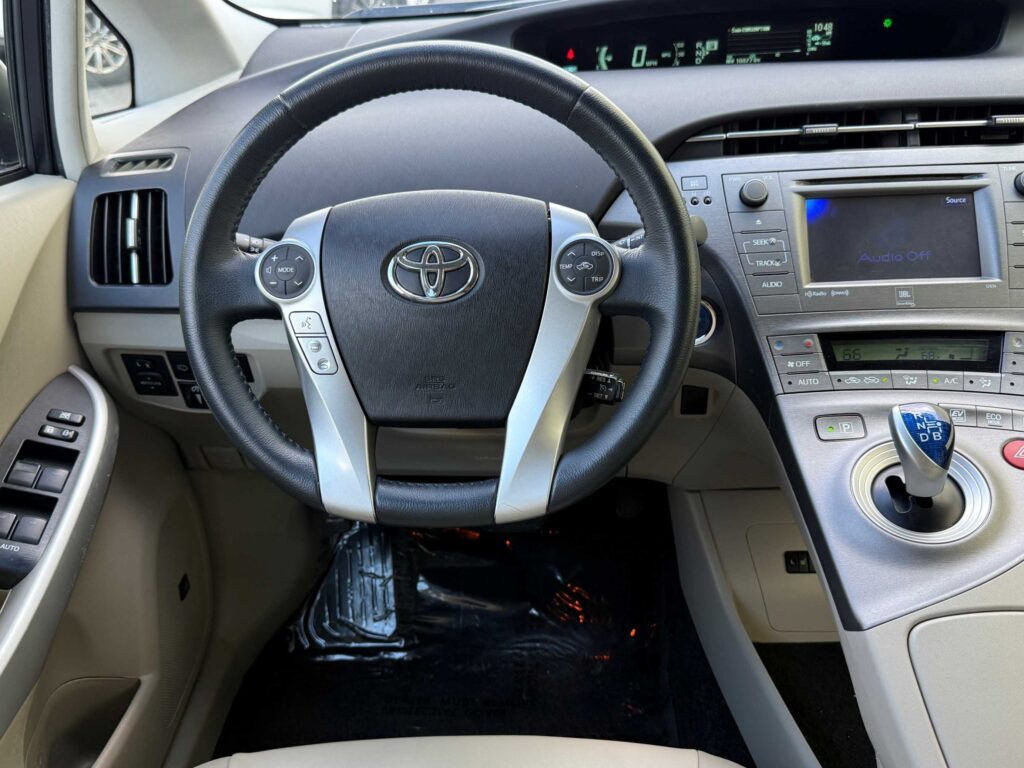
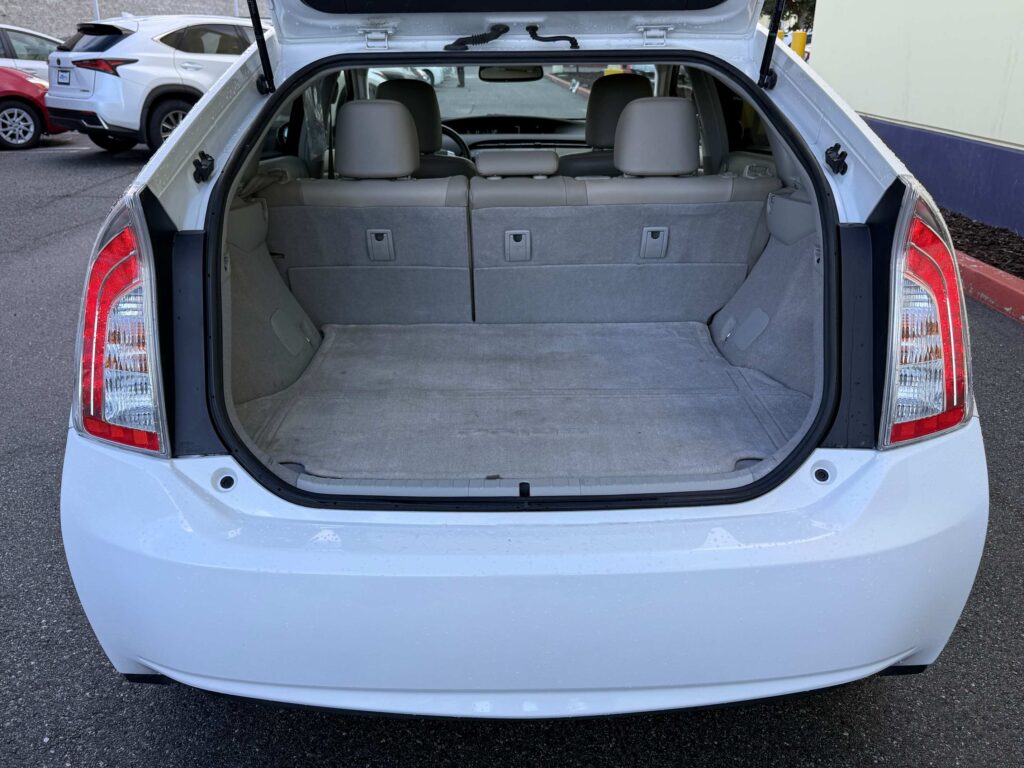
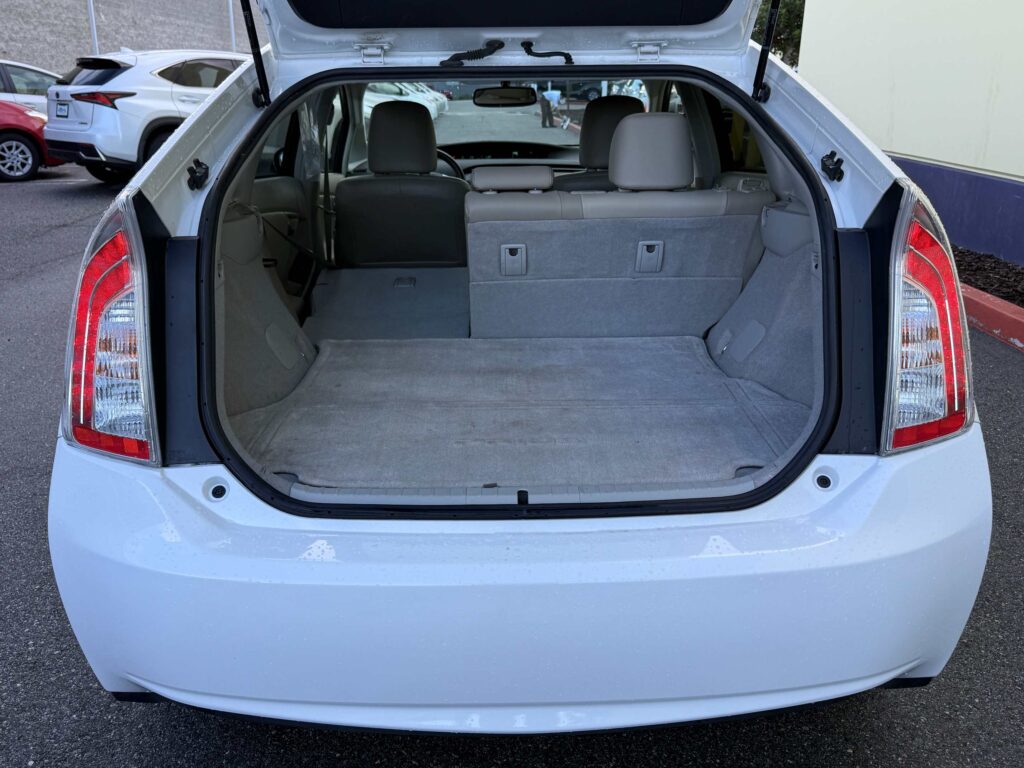
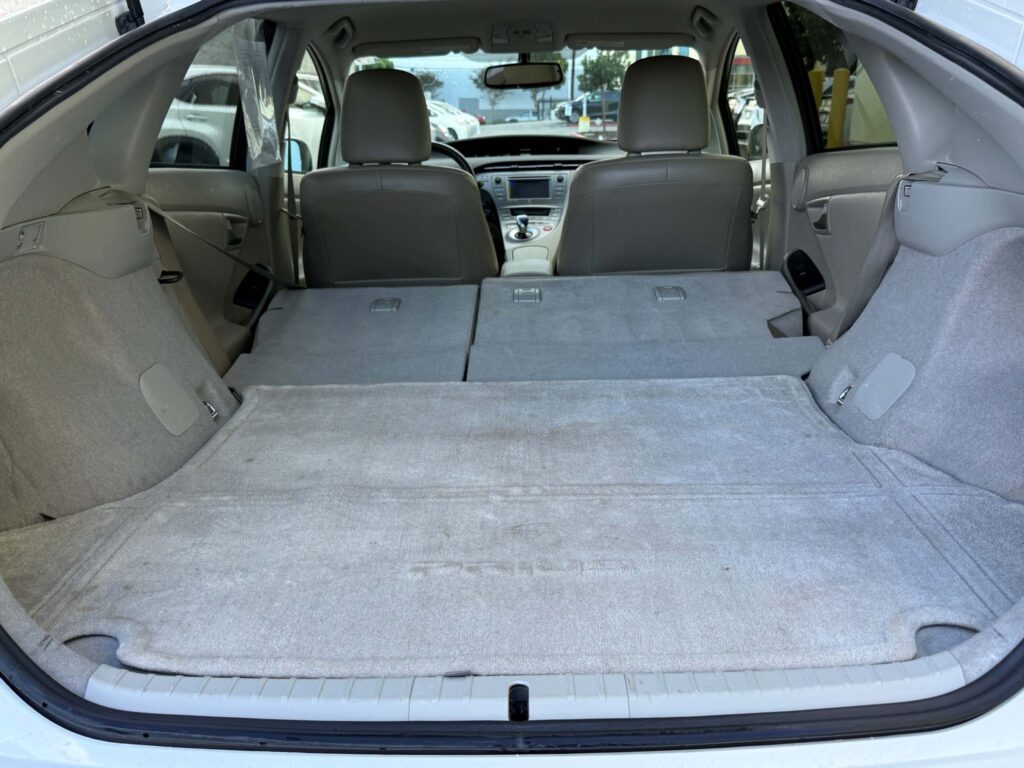
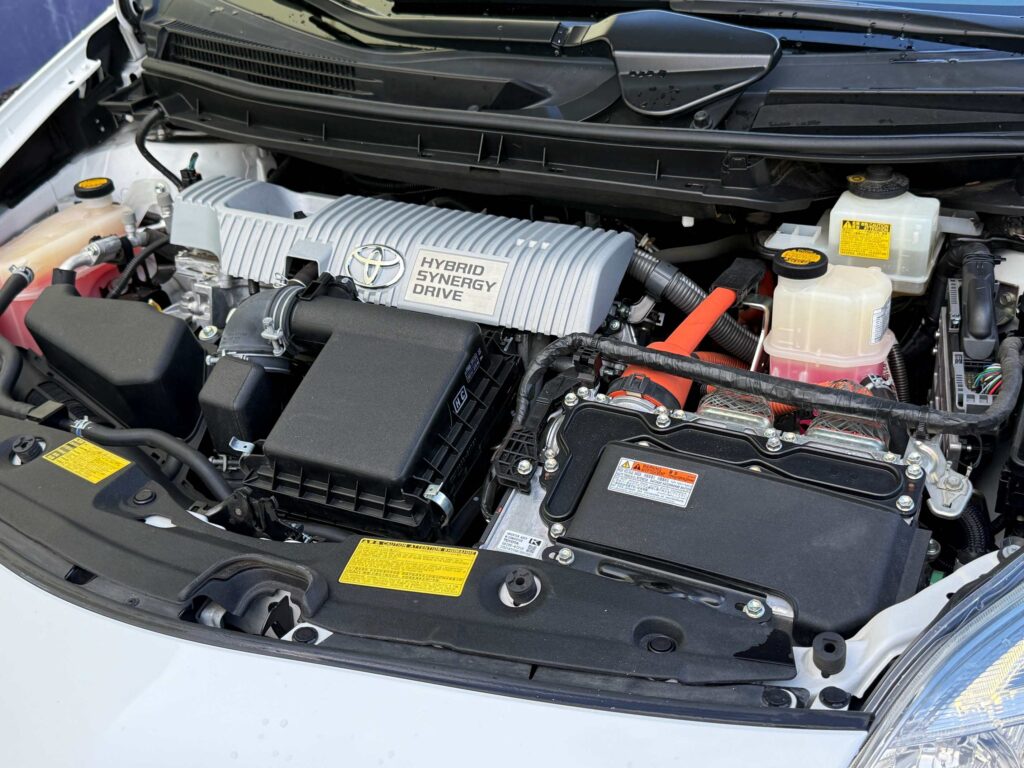
New Arrivals
Discover our newest arrivals—available now!

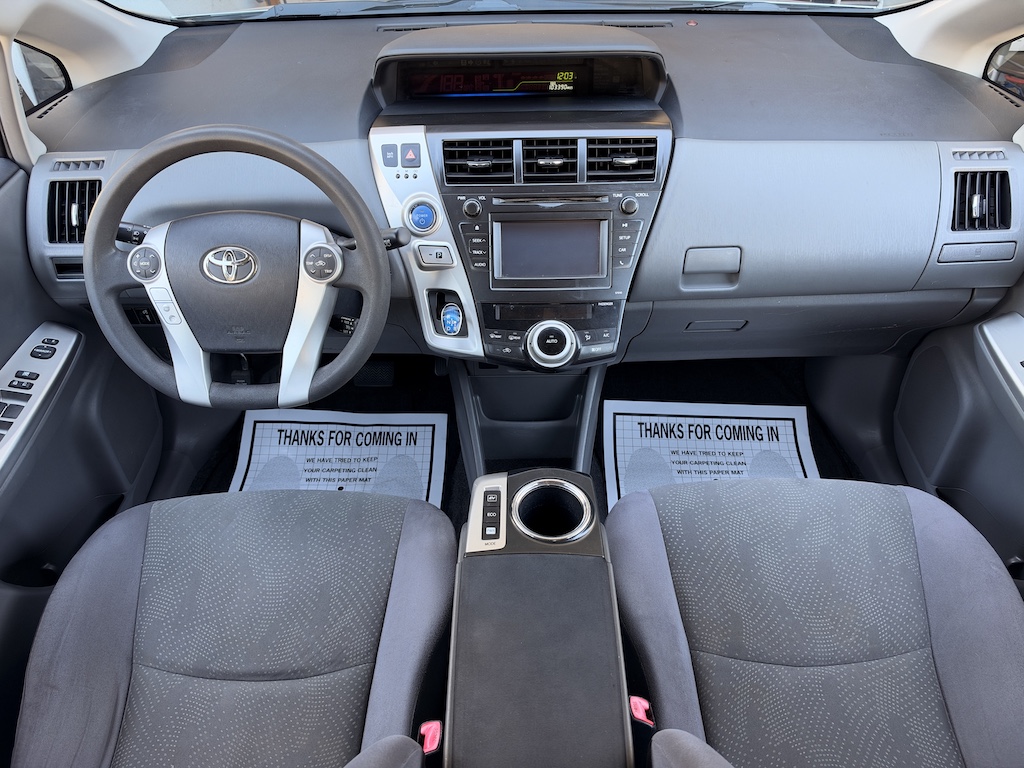
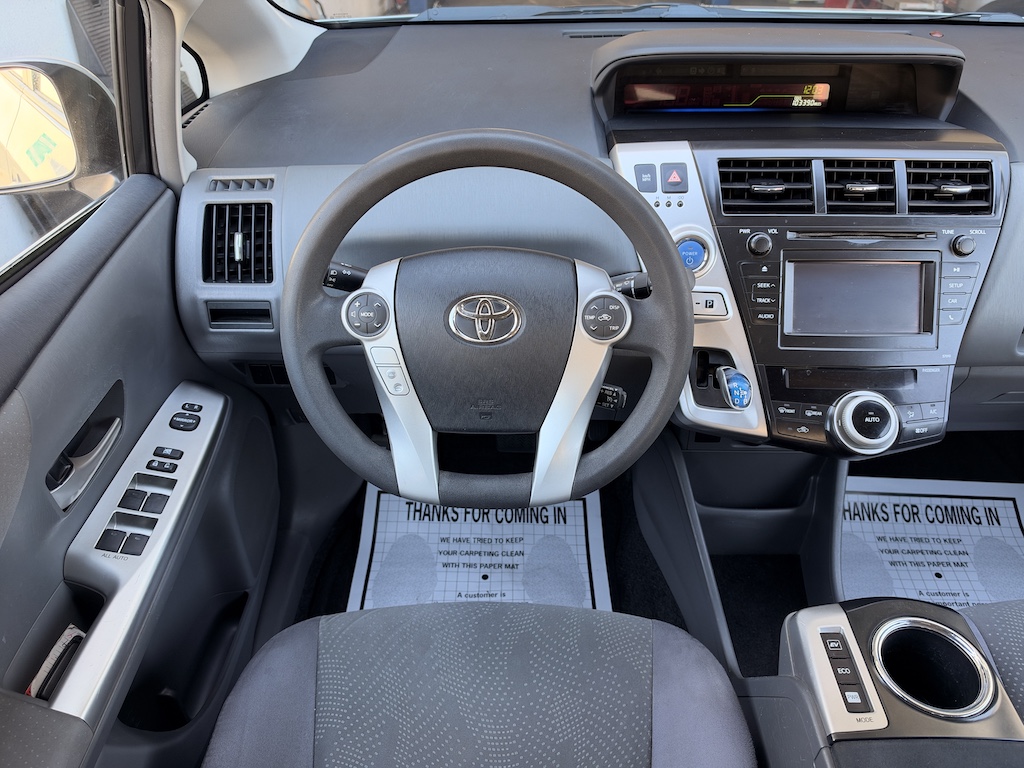
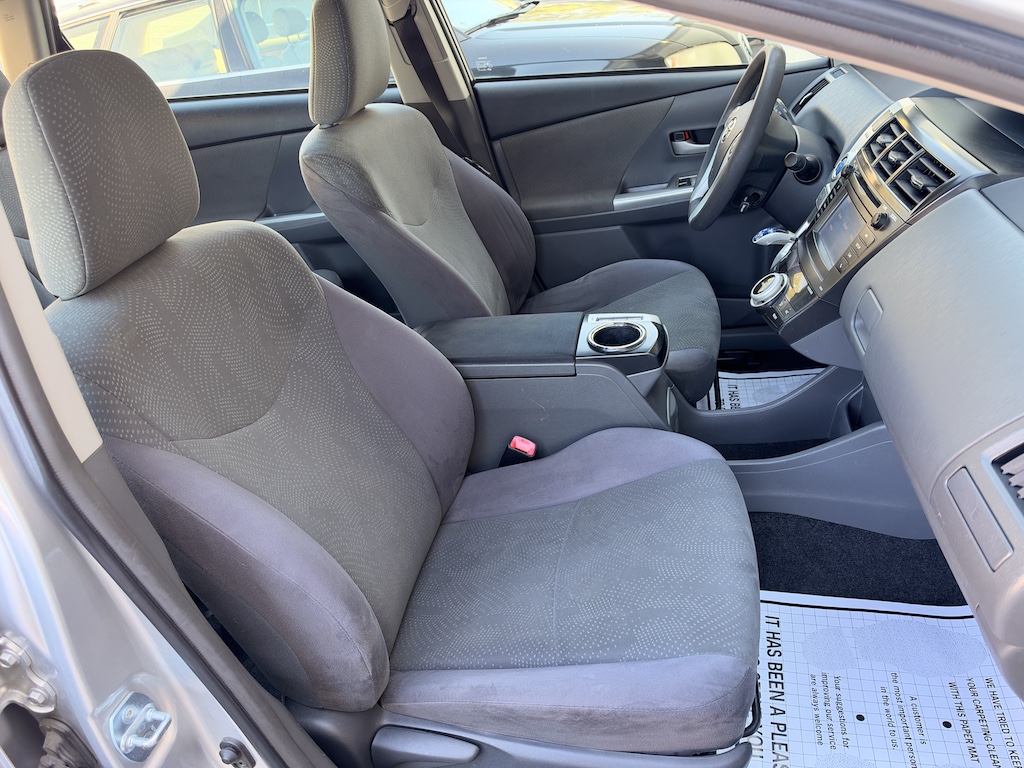
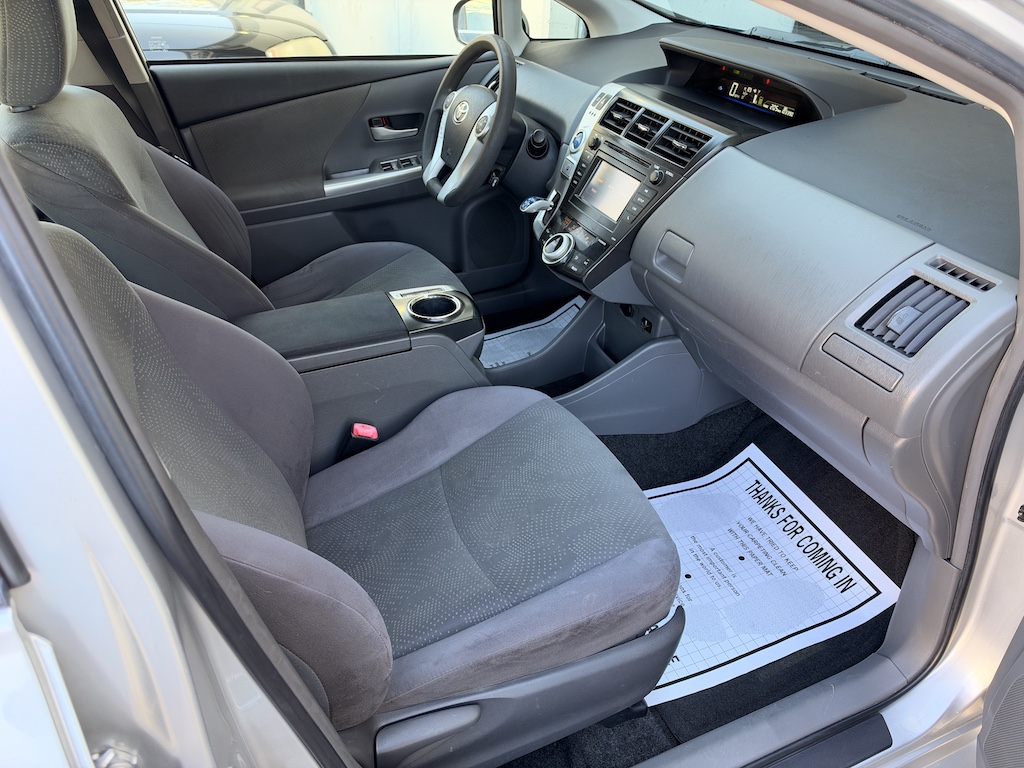
In the End, the Loss Came to About $50,000
So how much did we actually lose?
Looking back, I’d say we lost somewhere around $50,000.
For us at the time, a loss that size was a really big deal.
Needless to say, we stopped renting any more cars to food-delivery drivers after that.

Something that brings in cash short-term can still end in a big loss
When cash flow is tight, anything that brings money in quickly can look very attractive.
But once you stack up unrecoverable assets, repairs, transport, and fire-sale pricing, the final result can end up deep in the red.
In other words, bringing in cash in the short term doesn’t necessarily mean a rental program will turn a profit.
Looking back on it like this, it was a big failure.
It was really hard at the time, but thinking about it afterward, we actually got a lot out of it.
A big failure can reveal how strong demand is and what a product is really about
With a big failure, the losses tend to be all you see, but along the way the market’s reaction and a product’s real strengths can become very clear.
A product people keep choosing even in difficult circumstances may have appeal beyond its price.
So when you look back on a failure, it’s worth asking what people still wanted and what they valued.
Takeaway #1: The Response to Our Prius Rentals
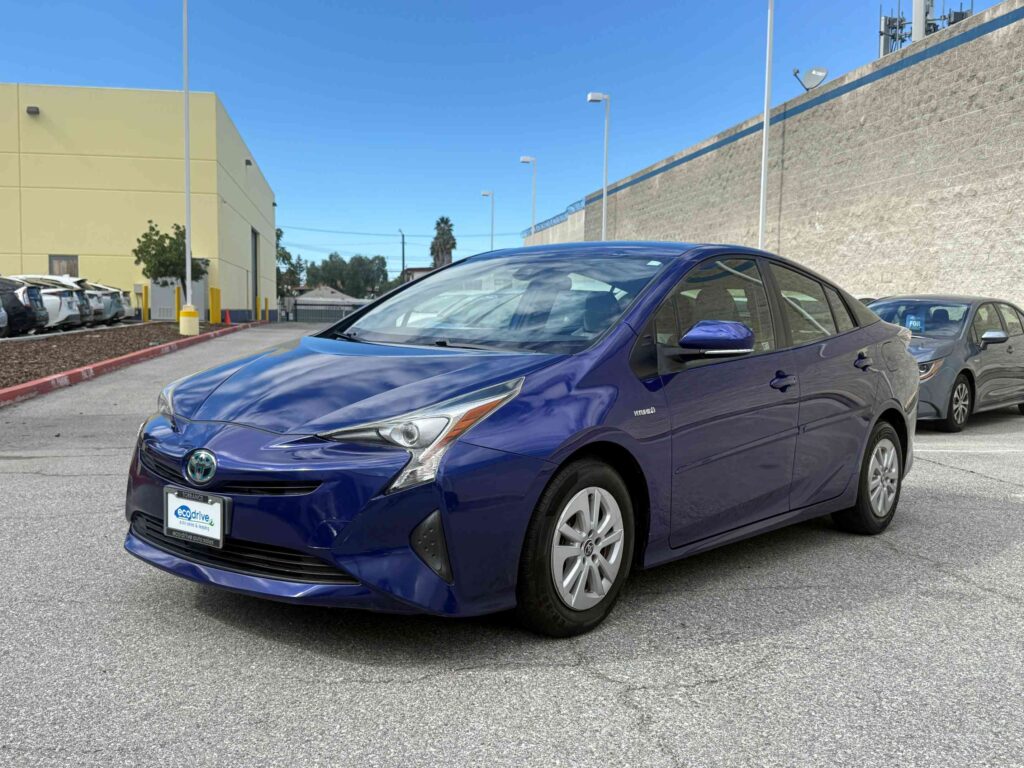
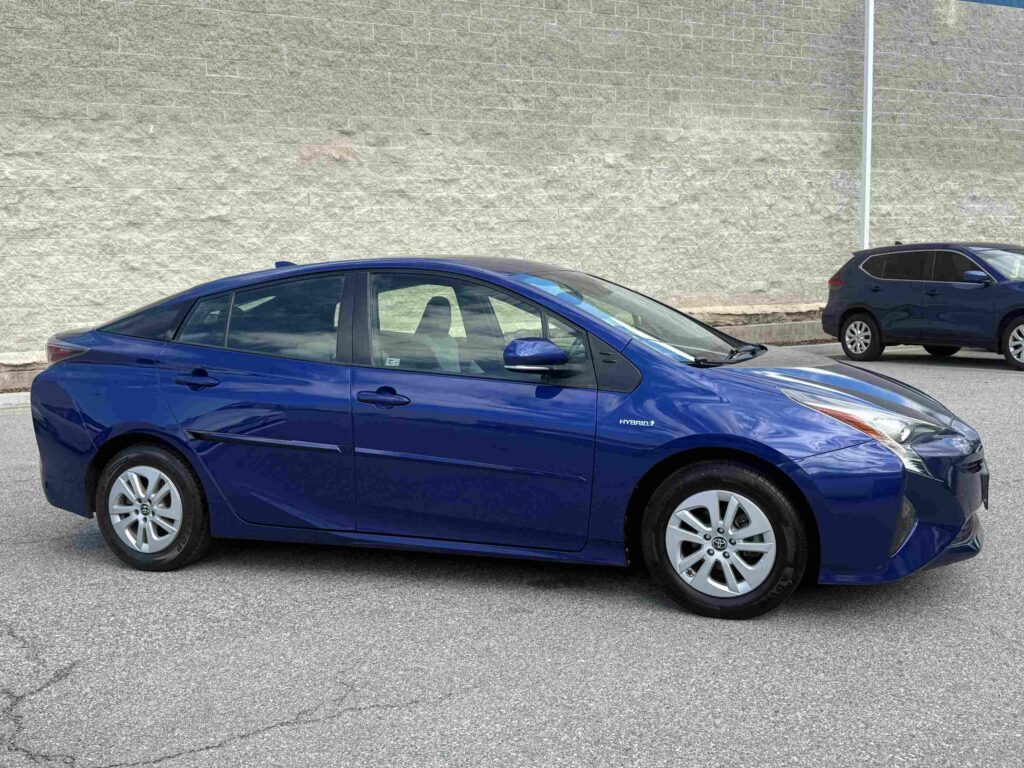
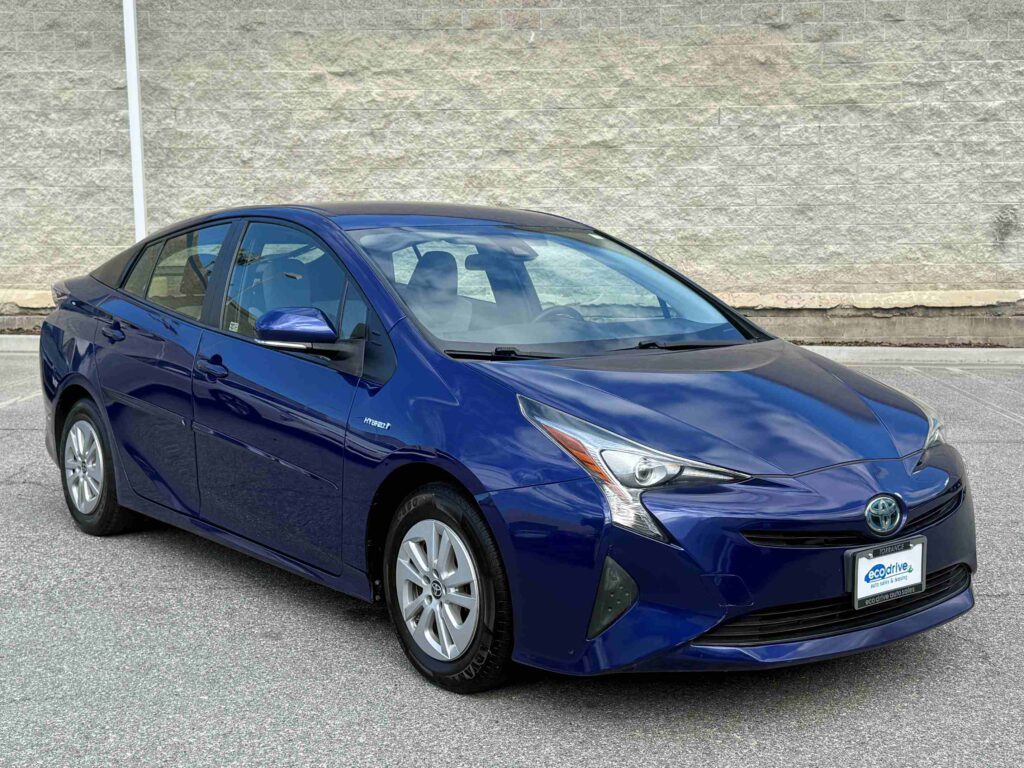
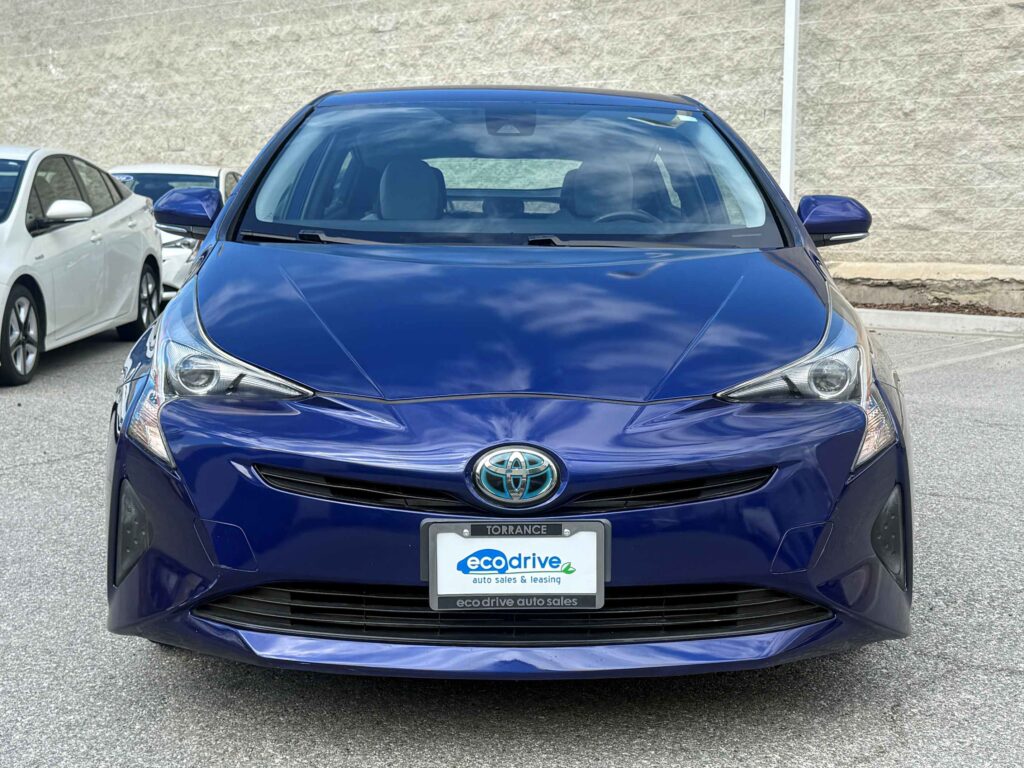
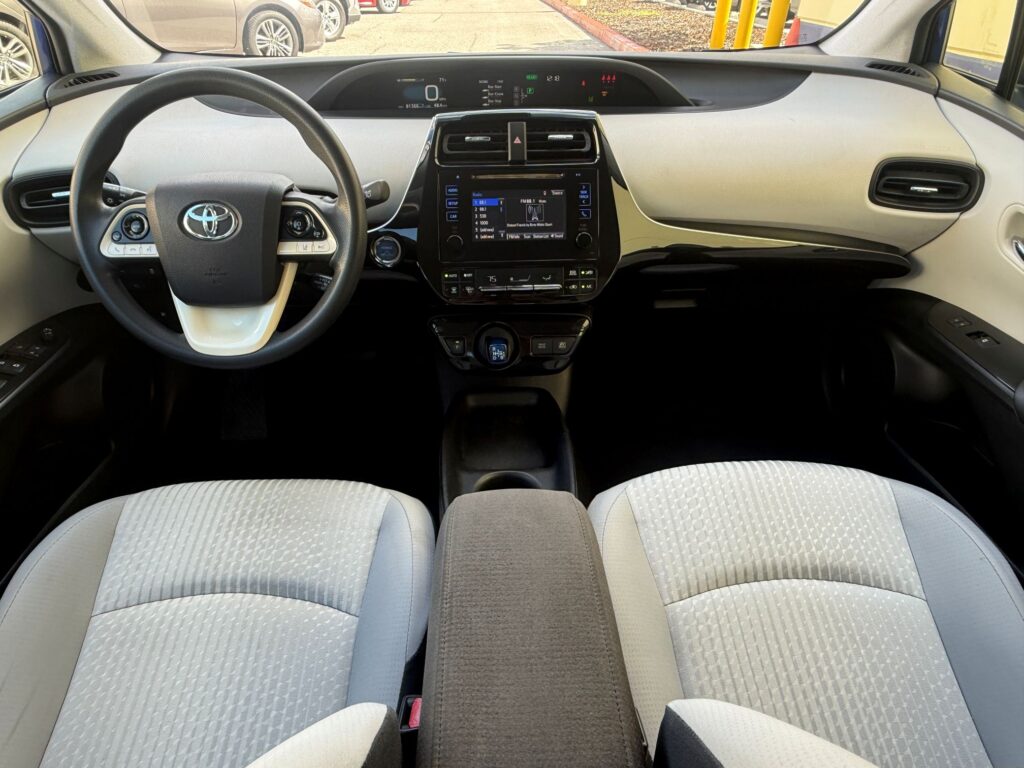
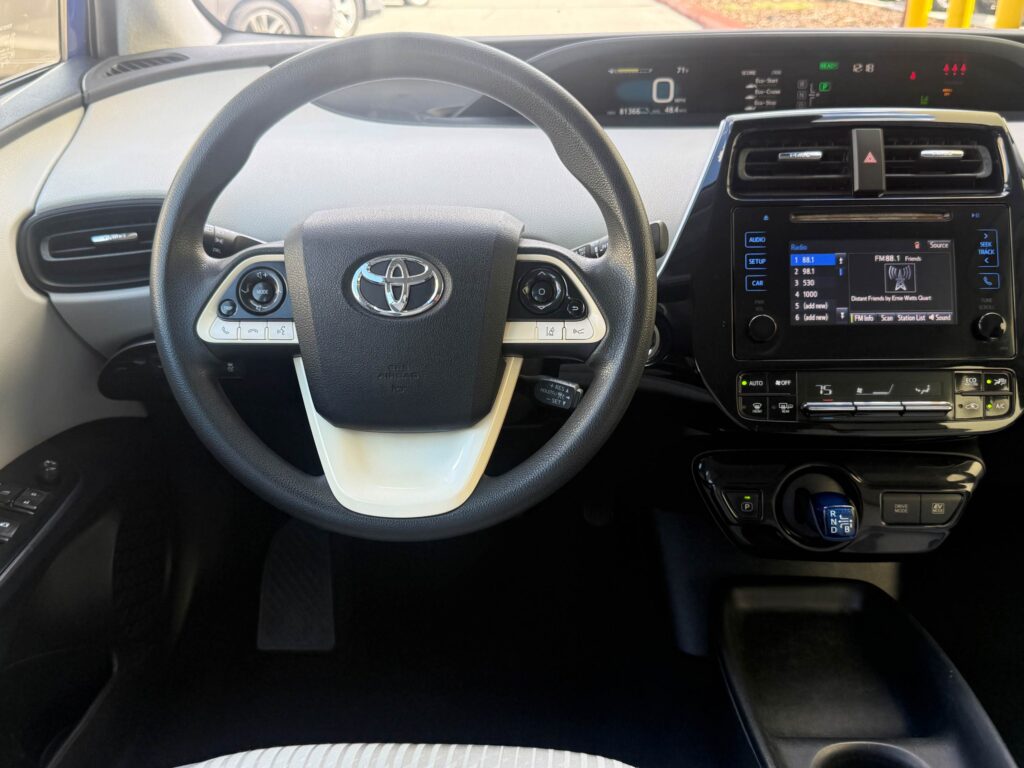
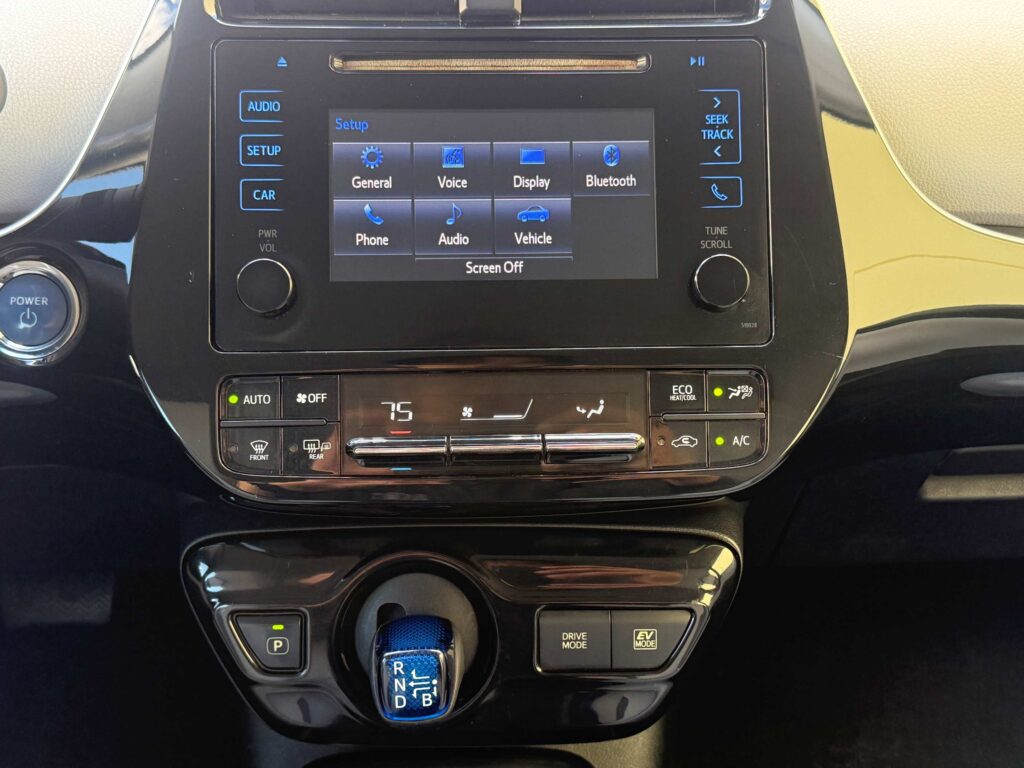
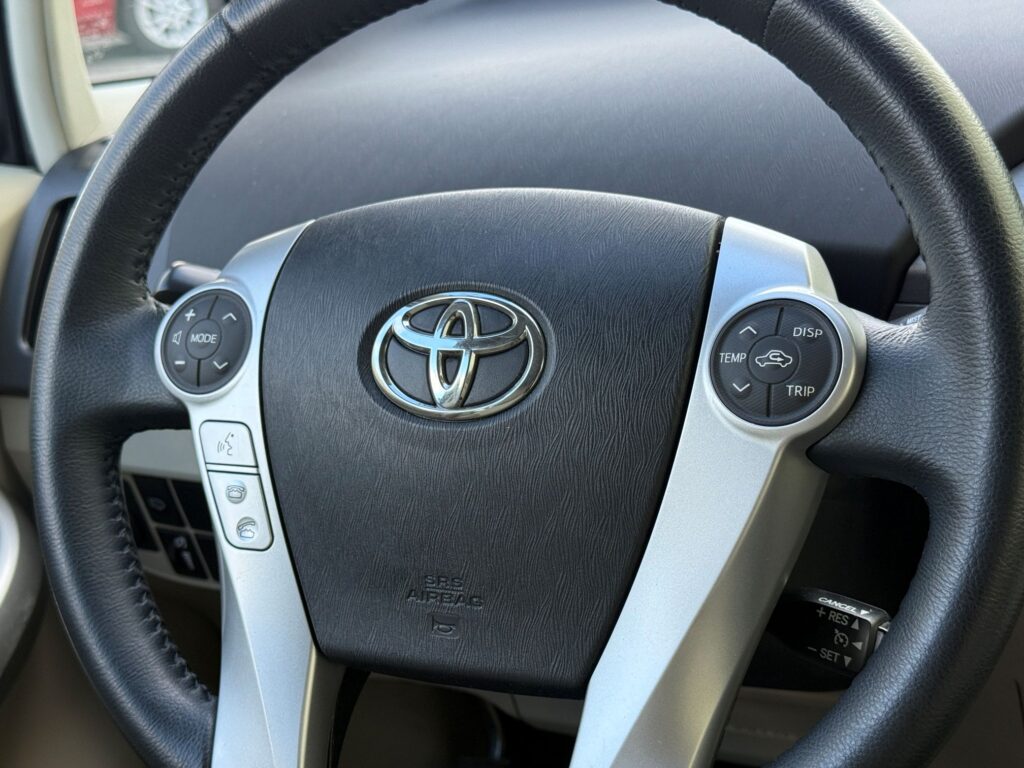
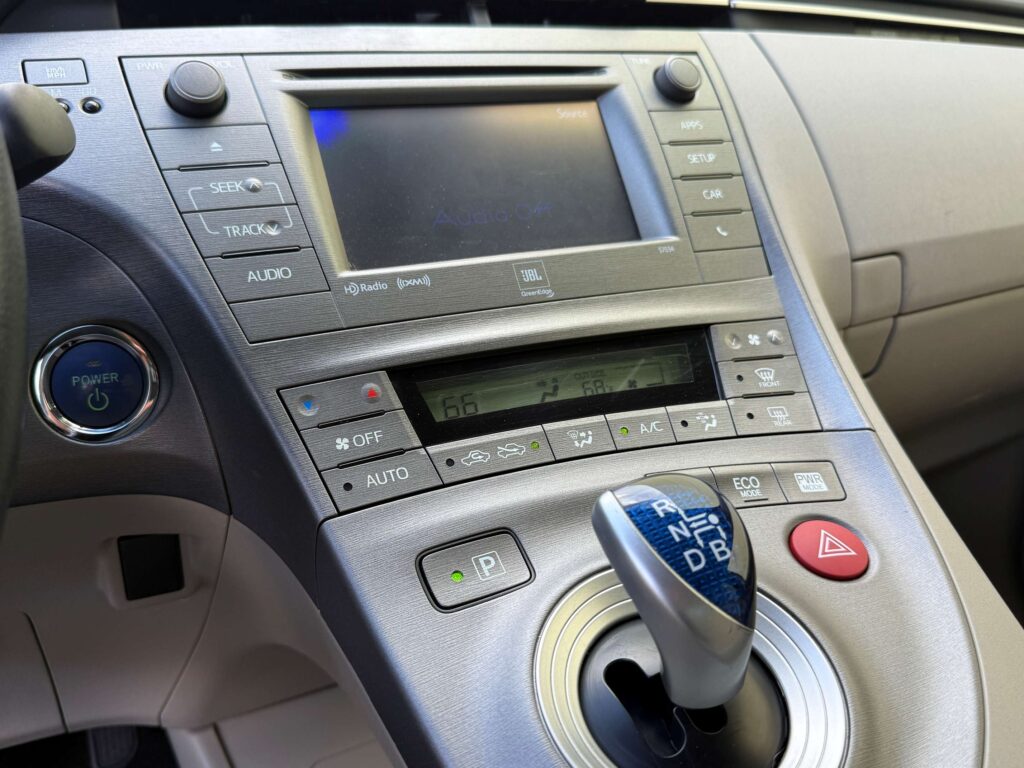
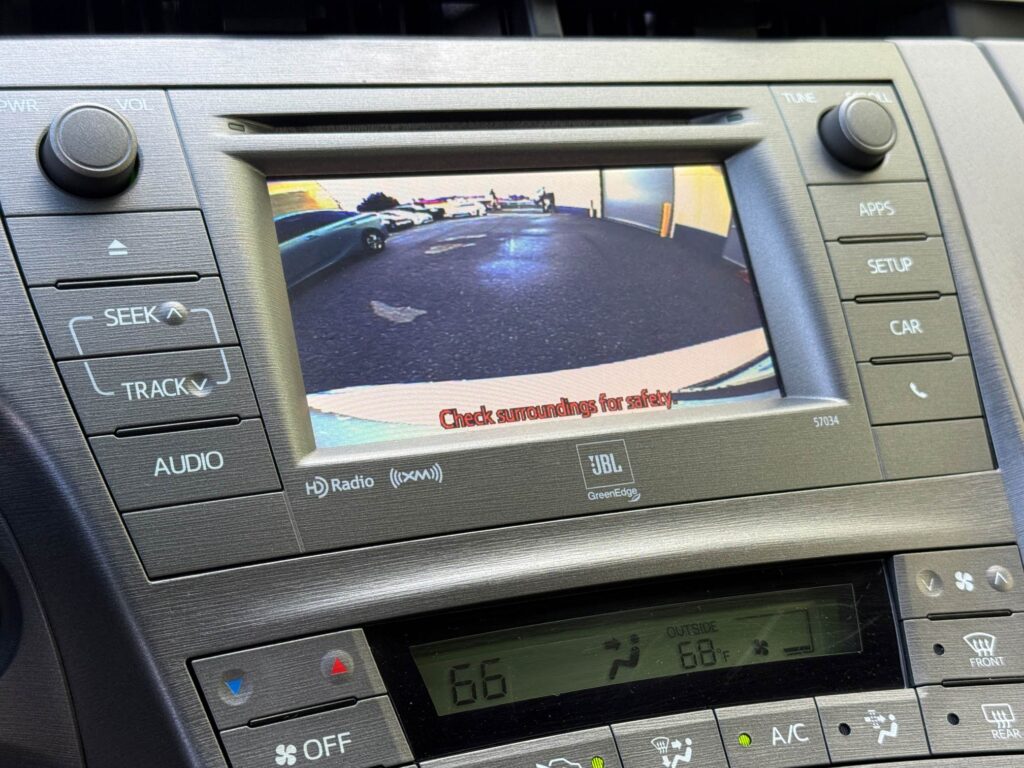
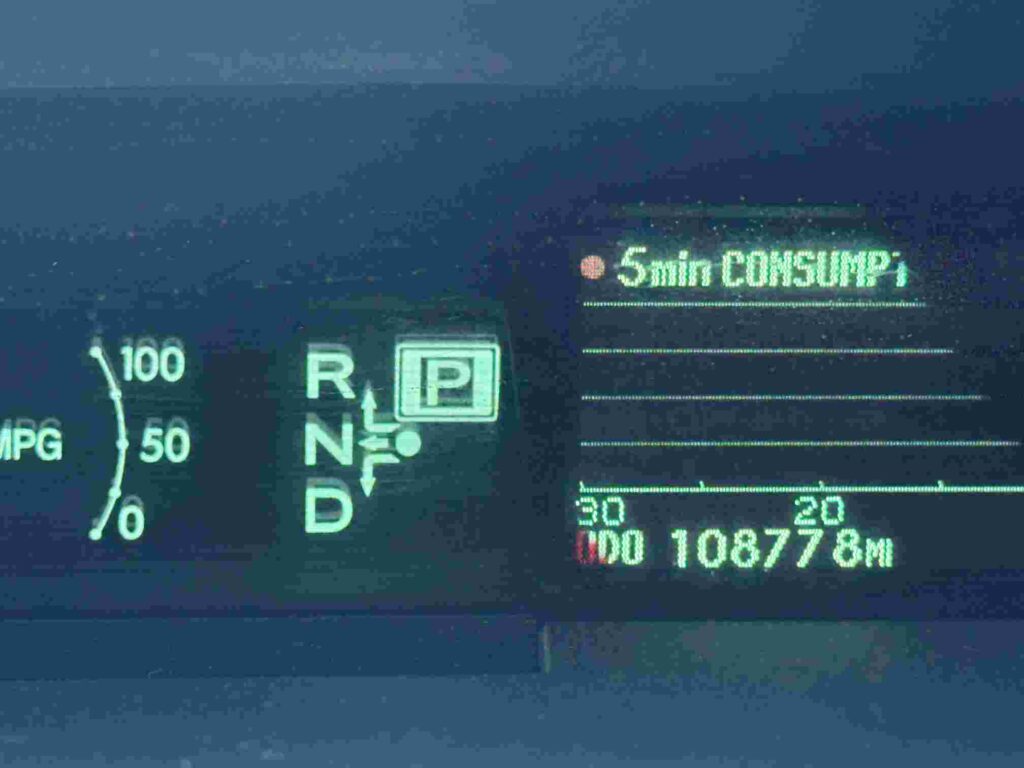
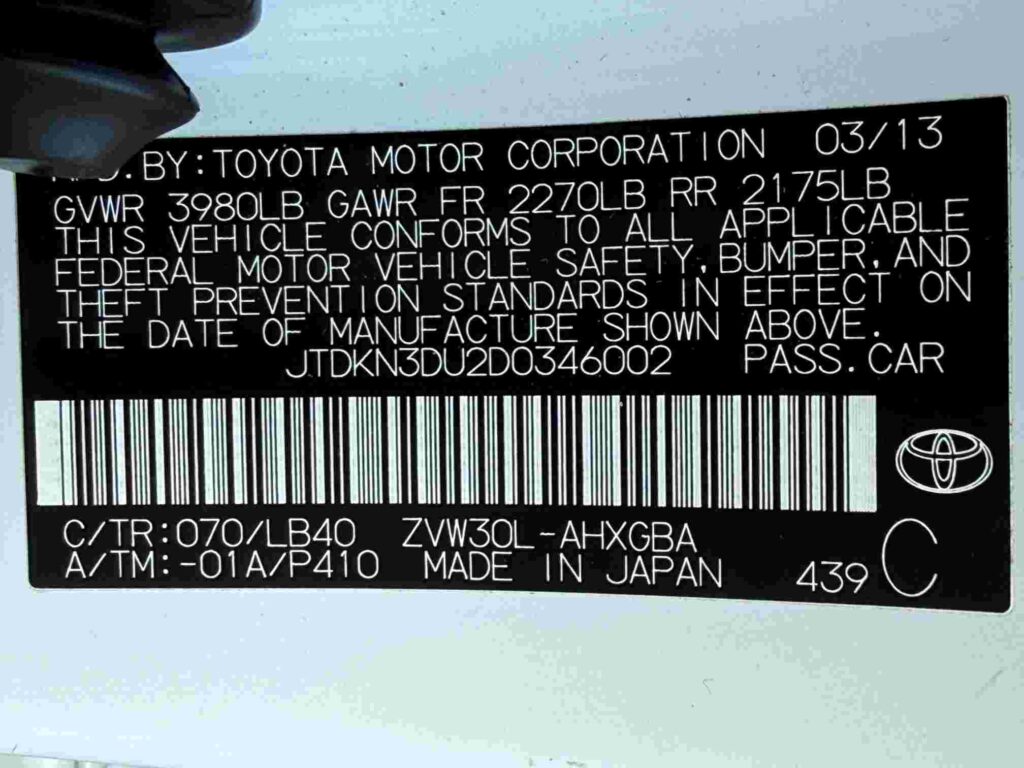
The first takeaway was how much interest there was in our Toyota Prius rentals at the time.
I’d come to appreciate the Prius for its fuel economy and how easy it was to drive.
That response reminded me why I’d felt good about working with this car.
Takeaway #2: The Value of Customer Relationships
The experience also made me appreciate the customer relationships we’d built over the years.
I thought about the Japanese customers we’d served.
Many kept up with maintenance and let us know if they scratched a car.
Many even washed the cars before returning them, although we’d told them they could return them as-is.
We’ve rented cars to roughly 2,000 Japanese customers over the years.
As far as I can remember, there have been only about two cases where a customer didn’t pay or we had a disagreement.
When I told a banker about that experience, they were surprised by how few problems we’d had.
I’m describing our experience with those customers, not a general rule about nationality.
It reminded me not to take those relationships for granted.
In a rental business, it’s not just pricing — trust with your customers matters too
In any business that rents out vehicles, housing, or equipment for a period of time, trust with the people using them has a big effect on how stable the operation is — not just price and terms.
Reliable payment, following the usage rules, reporting problems, the condition things come back in — some of that can’t be fully controlled by a contract alone.
That’s why the trust you build with customers can affect both losses and the work it takes to run a rental business.
Takeaway #3: What the Eco Drive Team Was Made Of

And the other big takeaway was seeing what the Eco Drive team was really made of.
Even in a situation that tough, not a single person quit.
We were desperate to cut costs, and almost everyone — myself included — was laid off.
Laying myself off was, as you can imagine, a first for me.
Even so, everyone just hung in there.
The rental program ultimately lost money, but the cash it brought in for a while helped us survive.
I believe we made it through that stretch because of how resilient the team was.
In a crisis, an organization’s strength shows up in places the numbers don’t
When a business hits a rough patch, the difference comes down not only to finances, but to how well the organization can hold together.
Especially when conditions change suddenly or unexpected losses hit, the team simply not falling apart can be a major asset in itself.
How well a team holds together through a crisis can shape the recovery afterward.
Wrapping Up: Every Failure Can Teach Us Something
What I wanted to share today is that every failure can teach us something.
Taking action means accepting that things may not work out.
If we succeed, that’s great. If we fail, we can still learn something.
In that sense, either outcome can be a kind of success.
That’s why I believe it’s worth taking action.
What You Learn Depends on How You Look Back
When you take action, some of it is bound to fail.
But whether that failure ends as just a loss or becomes input for the next decision depends on how you review it and sort it out.
By separating what went as expected from what was a miscalculation, the failure itself can become material for your next decision.
Why did we end up with 70 cars in inventory, and what were we aiming for when we started renting them out? The backstory to this failure is in Part 1: Stuck With 70 Cars in the Pandemic: A Dealer’s Rescue Plan.
Shopping for a Prius? If you’re in Southern California, you can browse our current inventory here.
Thanks for reading all the way to the end!
You May Also Like