Why Used Car Dealerships Are Closing in the U.S.
Why So Many Used Car Dealers Are Going Under (Part 1): Tight Supply and a Race to the Bottom on Price
Introduction
Hi everyone, this is Suzuki from EcoDrive.
Today’s topic is why used car dealer bankruptcies have become such a hot topic across the US.
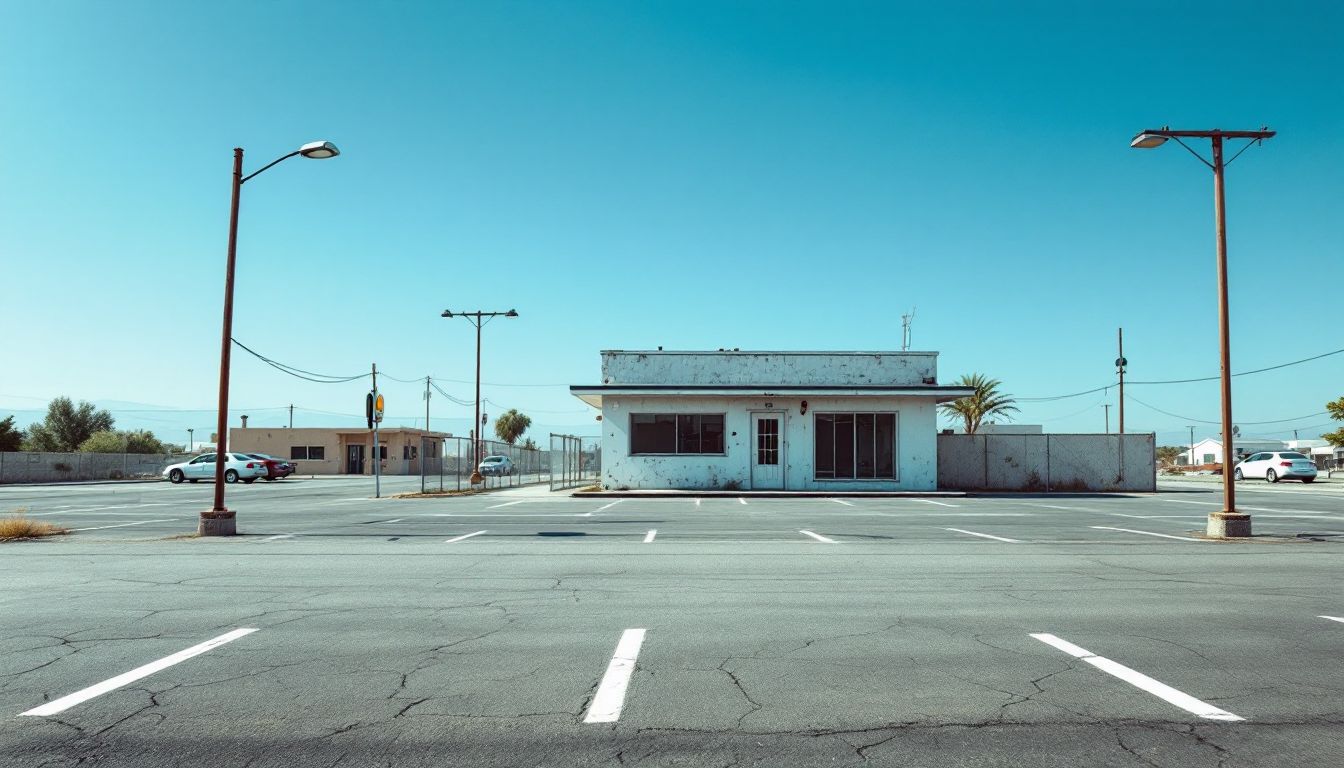
What got me thinking about this was that a car lot near my place here in Los Angeles recently shut down, and now it’s just an empty lot.
I had a pretty good idea of why it happened, and I figured there might be some useful lessons in it, so I wanted to share my take with you.
Here’s the original video this article is based on (Japanese audio with English subtitles):
The Empty Lots Are Piling Up
The raw number of closures is honestly hard to pin down with a single figure, because how you slice the industry (independents, chains, shops with a service department attached, and so on) changes the picture.
So instead, I’m going to talk about the structure of the problem based on what I’m seeing firsthand on the ground here in LA, and why dealers tend to end up in trouble.
And lately, the neighborhood I’m in has been filling up with empty lots where car dealers used to be.
How about where you are? Around your workplace, or your neighborhood, aren’t you seeing more and more car dealers shutting their doors?
Let me break down what’s actually going on here, drawing on my 20 years in the car business.
The Two Reasons Used Car Dealers Are Struggling
To cut to the chase: they have no cars to sell, and when they do sell, they can’t make a profit.
These two things are happening at the same time, and that’s what’s pushing so many used car dealers into a corner.
And the root of it is that everyone is sourcing their cars the same way and selling them the same way.
Let me walk you through it below.
Problem #1: Everyone Buys From the Same Place
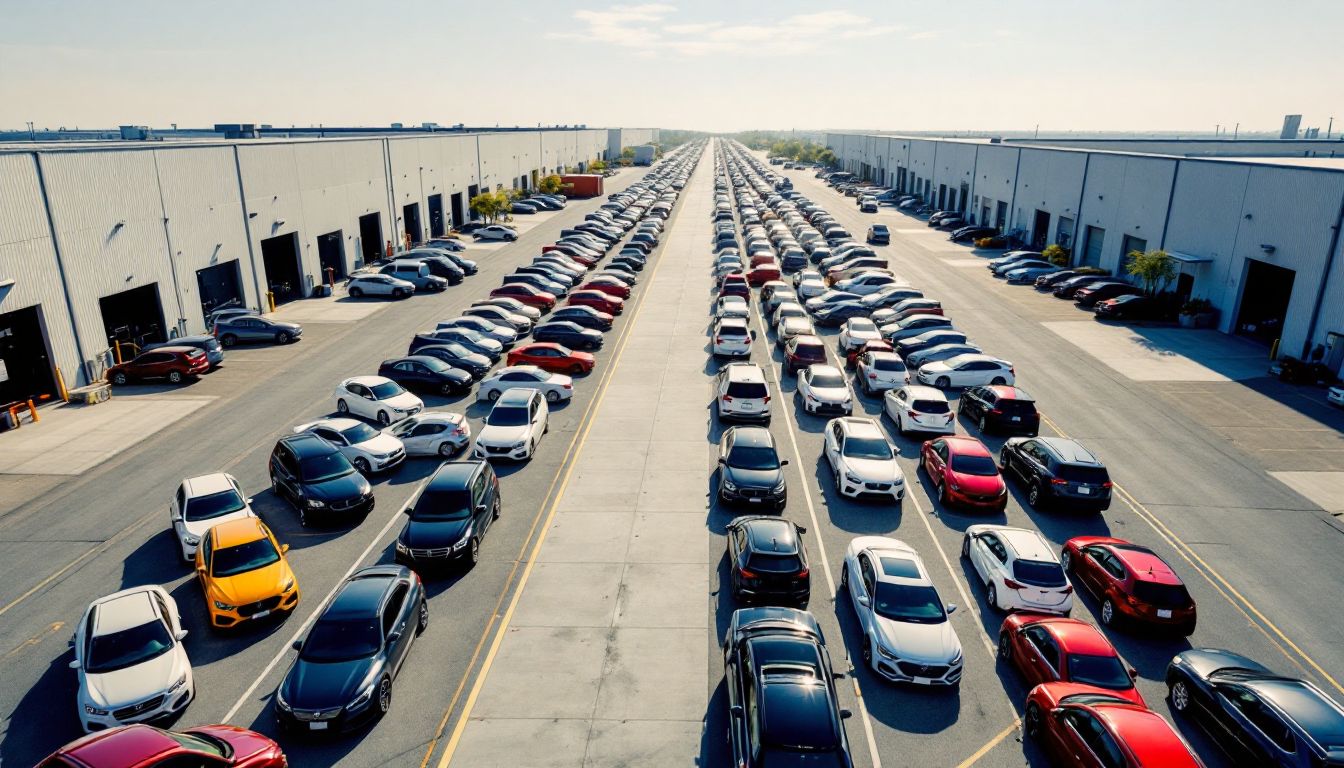
When I say everyone buys from the same place, what I mean is that for most independent dealers, the go-to source is the car auction.
You may have heard of these before, but there’s essentially a wholesale bidding market for used cars.
Tons of used cars get listed there and traded auction-style, and the dealer who bids the highest gets the car. That’s how it works.
There’s nothing wrong with that in itself, but there’s a catch.
The Number of Cars at Auction Is Painfully Low
The number of cars actually being listed at these auctions is incredibly low right now.
Because there are so few, every dealer who wants inventory ends up crowding in.
That turns into a bidding war, prices shoot way up, and you simply can’t afford to buy.
Why Are So Few Cars Being Listed?
So why are so few cars showing up at auction? To answer that, you have to think about who’s listing cars at auction in the first place.
The answer is car dealers themselves, originally.
When a dealer sells a car, they usually take a trade-in. And the trade-ins that don’t fit their own lot, the cars they wouldn’t sell themselves, are exactly what they’d send off to auction.
Cars coming off a lease are another big source of auction inventory — though those usually belong to the leasing or finance company, which sends them to auction to turn them back into cash.
Dealers Stopped Letting Cars Go
But these days, because there are so few cars in the market to begin with, dealers have decided that even a car that isn’t quite their usual style is worth more if they sell it themselves, so they’ve stopped sending cars to auction.
They hold onto them and sell them on their own lot.
So there are fewer cars at auction to begin with, which makes sourcing hard.
And even when you do manage to source a car, the price has climbed sky-high.
Problem #2: Everyone Sells the Same Way
Then there’s the problem of not being able to turn a profit.
The cause of that is that everyone sells the same way.
Every dealer lists their cars on the same kind of online marketplaces.
The Structure That Forces a Price War
When everyone posts in the same place, the everyday shopper browsing those listings ends up judging mostly on price.
So to catch a customer’s eye, dealers start pricing just a little lower than the shop down the street.
And setting a lower price means cutting into your gross profit — which is to say, your bottom line on the sale.
Why Dealers Can’t Just Raise Prices: How Comparison Sites Create a Price-First Marketplace
You might think, “If your costs are high, just pass that on in the sale price.” That logic is sound, but in the real world it’s often hard to pull off.
That’s because nearly every used car dealer lists on the same marketplaces, so from the shopper’s side, the same car is sitting right next to its competitors, easy to compare line by line.
When that’s the case, the first thing a buyer’s eye lands on is, inevitably, the price.
In reality, dealers differ on things like how well they assess a car’s condition, the quality of their reconditioning, the warranty they offer, and their after-sale support.
But those things are harder to get across on a listing page than a price tag. So the easy-to-see point of difference ends up being price, and a race to undercut each other kicks in.
“Buy high, sell low” tends to happen structurally, and this price-first marketplace is a big part of why.
The Vicious Cycle of Buying High and Selling Low
To put it all together, here’s the picture.
At auction, bidding wars force you to source at high prices.
And on the sales sites, price competition forces you to sell low.
Buy high, sell low.
There’s no way that turns a profit.
What Happens When You Have No Inventory? The Cash-Flow Squeeze
When you hear “no cars to sell,” it might just sound like sales dip a bit. But for a used car dealer, this is actually one of the most dangerous spots of all.
The used car business, roughly speaking, is a model where money goes out first and comes back later. Once you source a car, the pre-sale costs generally start stacking up:
- Transport and registration paperwork fees
- Inspection, reconditioning, and replacing wear items
- Cleaning and detailing
- Listing fees on marketplaces, advertising costs, and so on
And of course, fixed costs like rent and payroll hit every single month no matter what.
Now, when auction prices spike and your cost per car goes up, you need more working capital just to hold the same number of cars.
Meanwhile, on the sales floor, price competition thins out your margins. And then you get a chain reaction: turnover slows, cash doesn’t come back, and you can’t make your next purchase.
In other words, an inventory shortage isn’t just a matter of running out of stock. It’s a problem that hits your cash flow directly.
That covers the problems on the sales side. Next, let me pull #1 and #2 together to map out the path that leads toward bankruptcy.
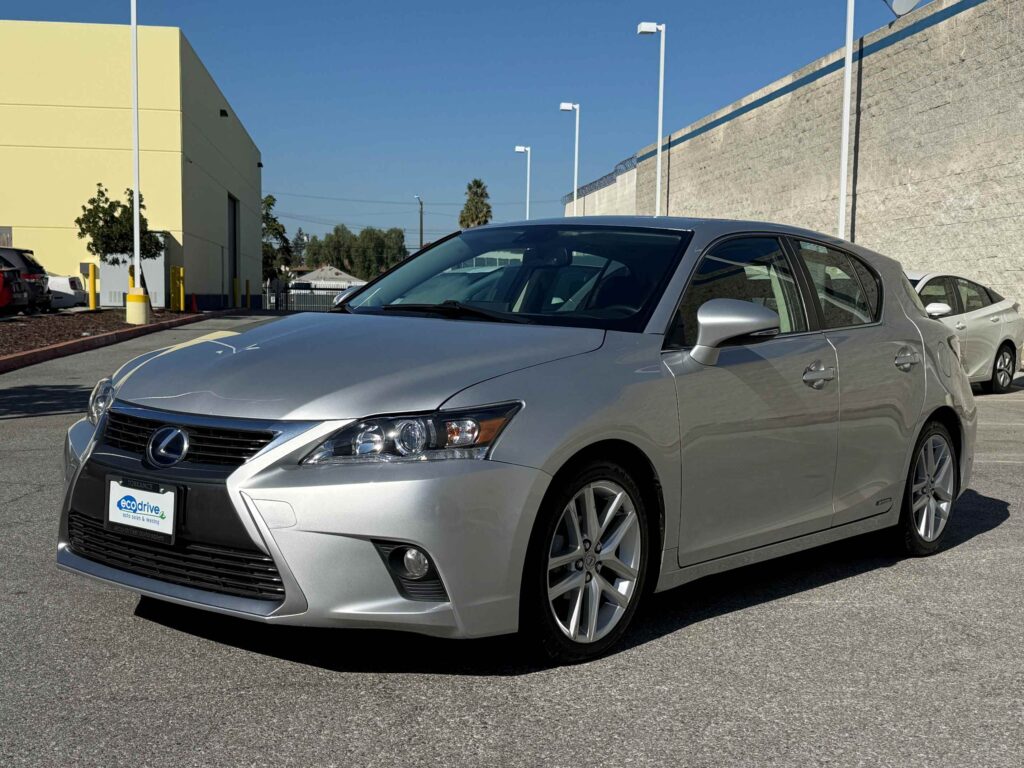
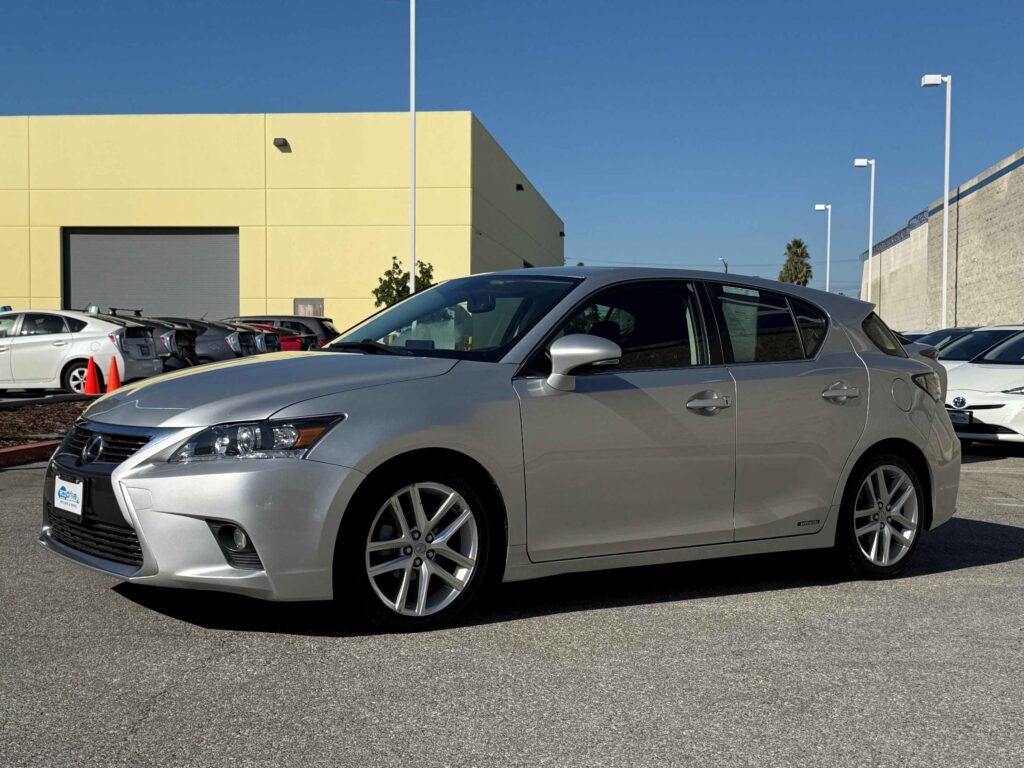
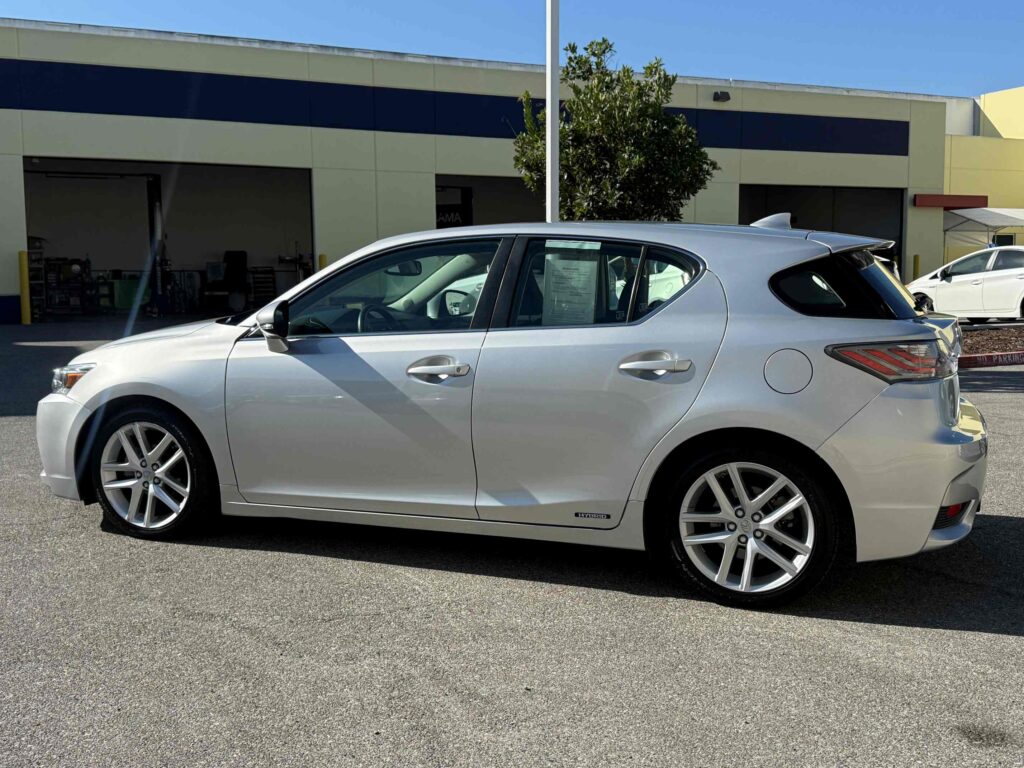
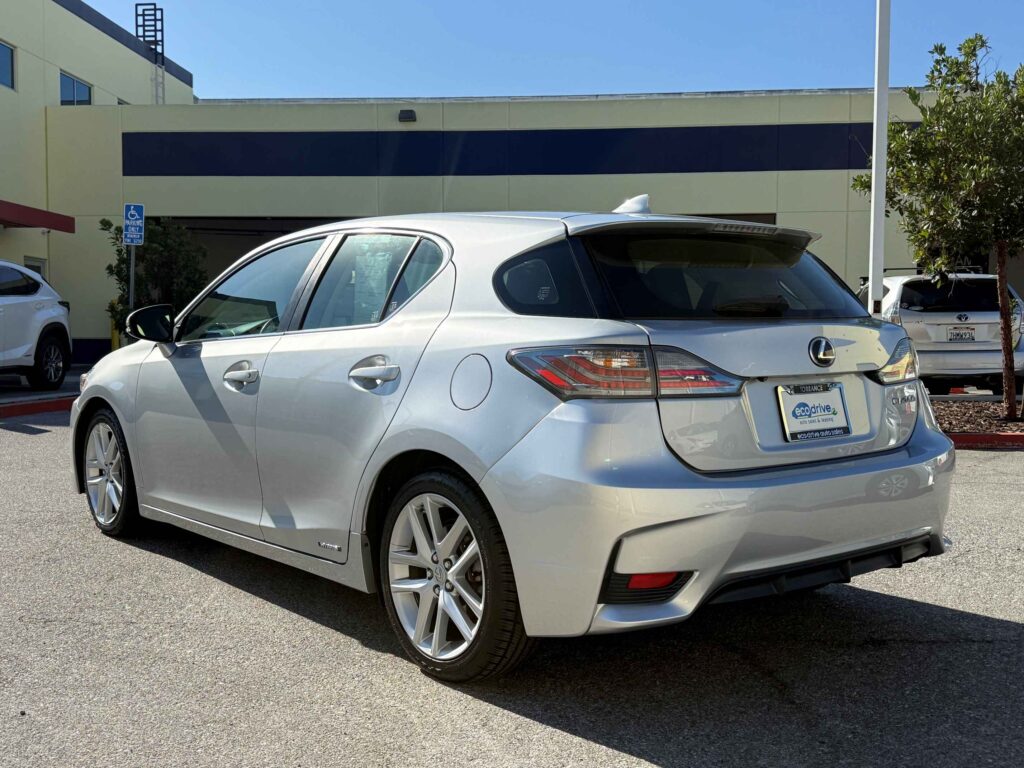
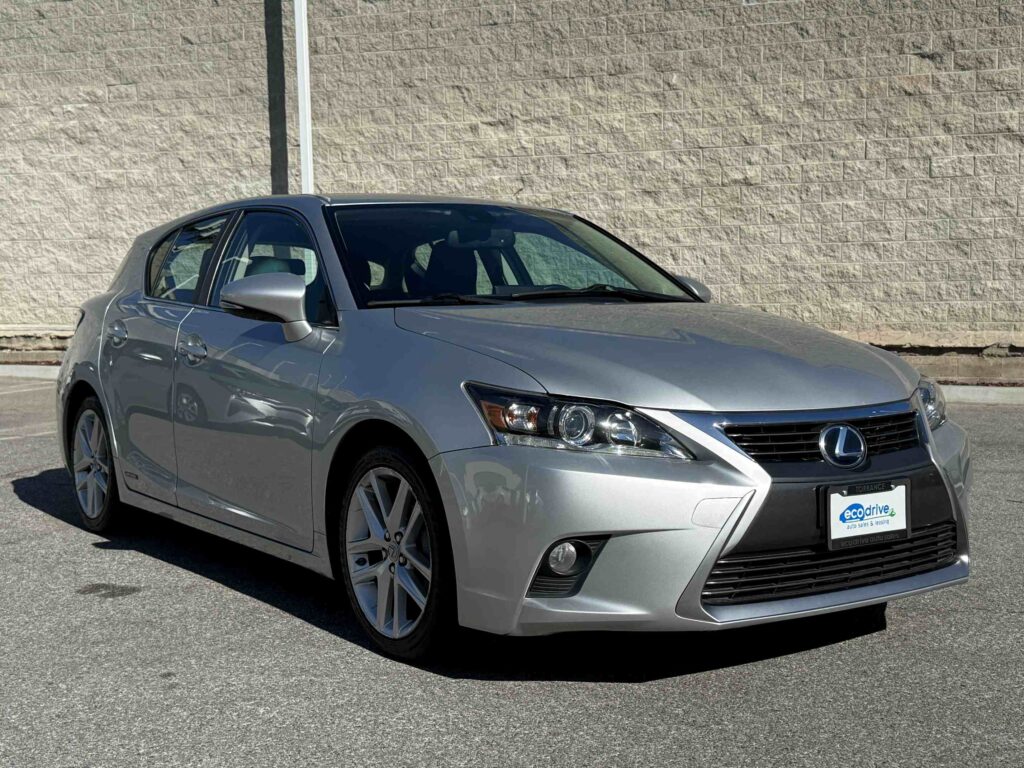
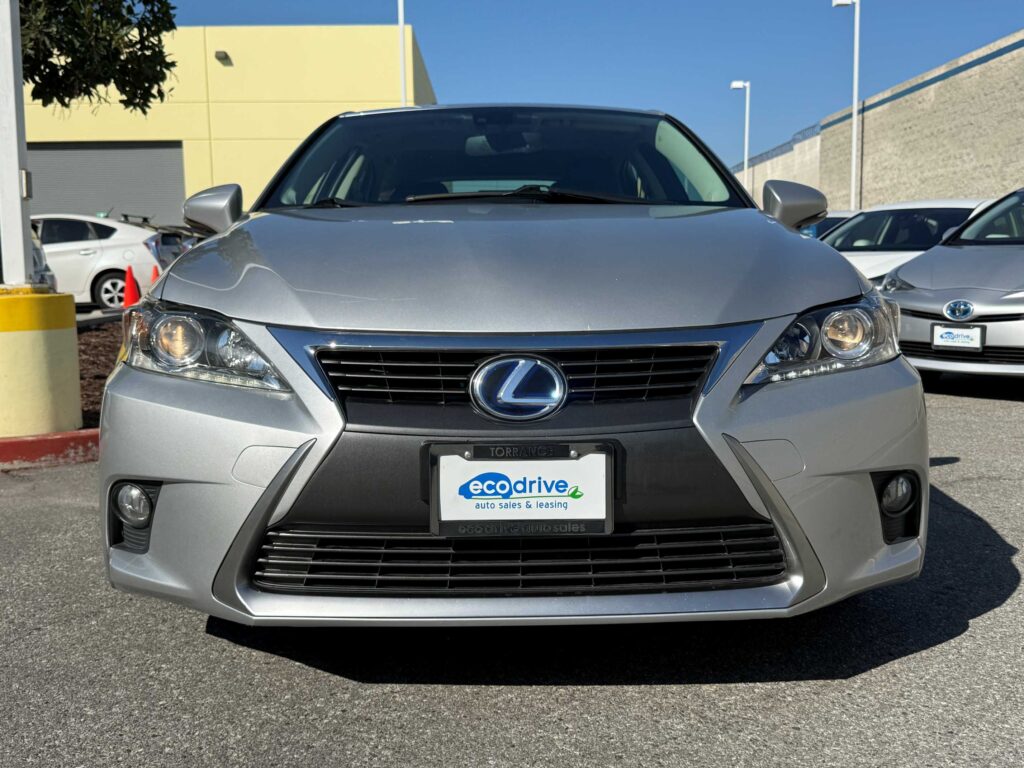
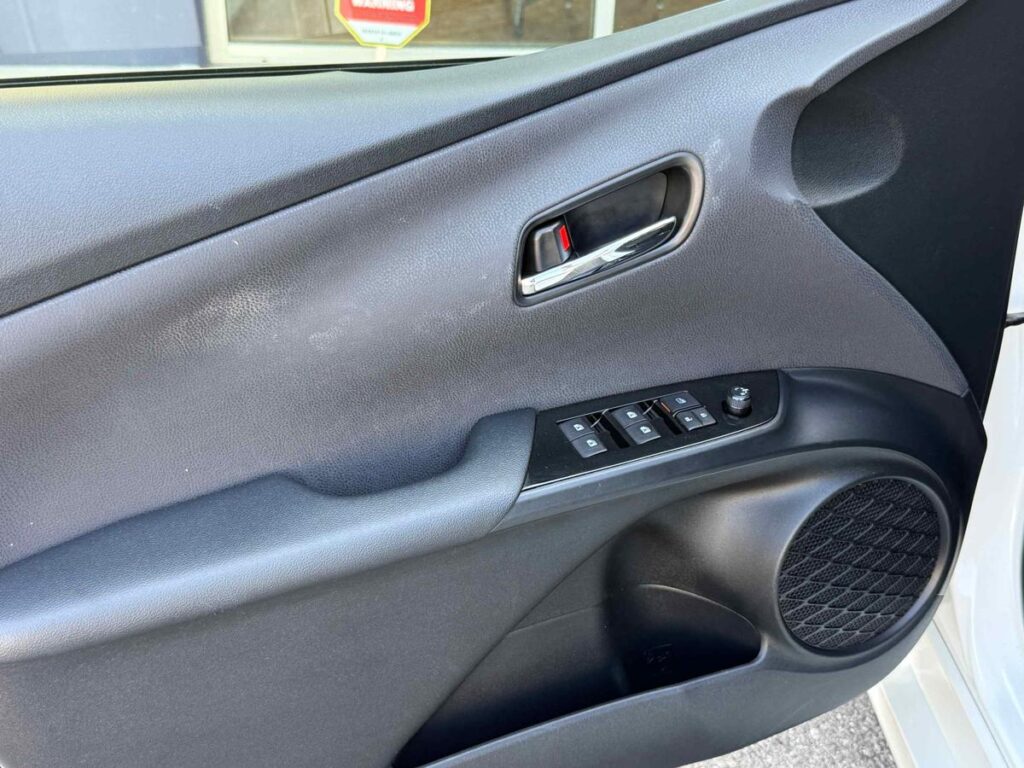
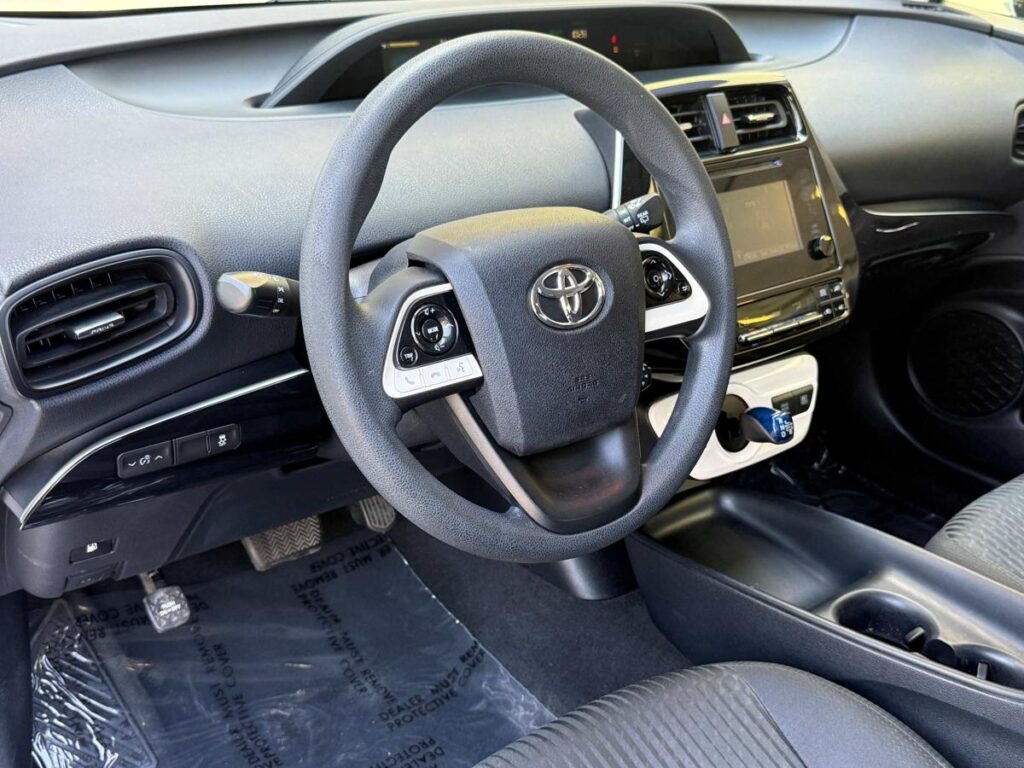
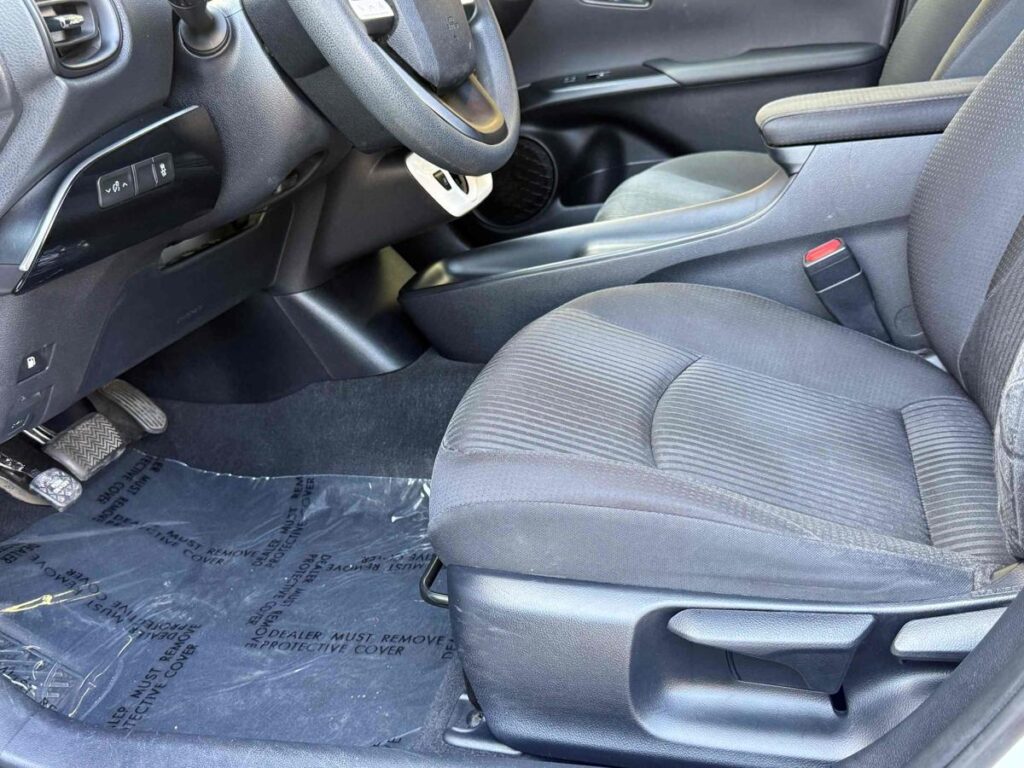
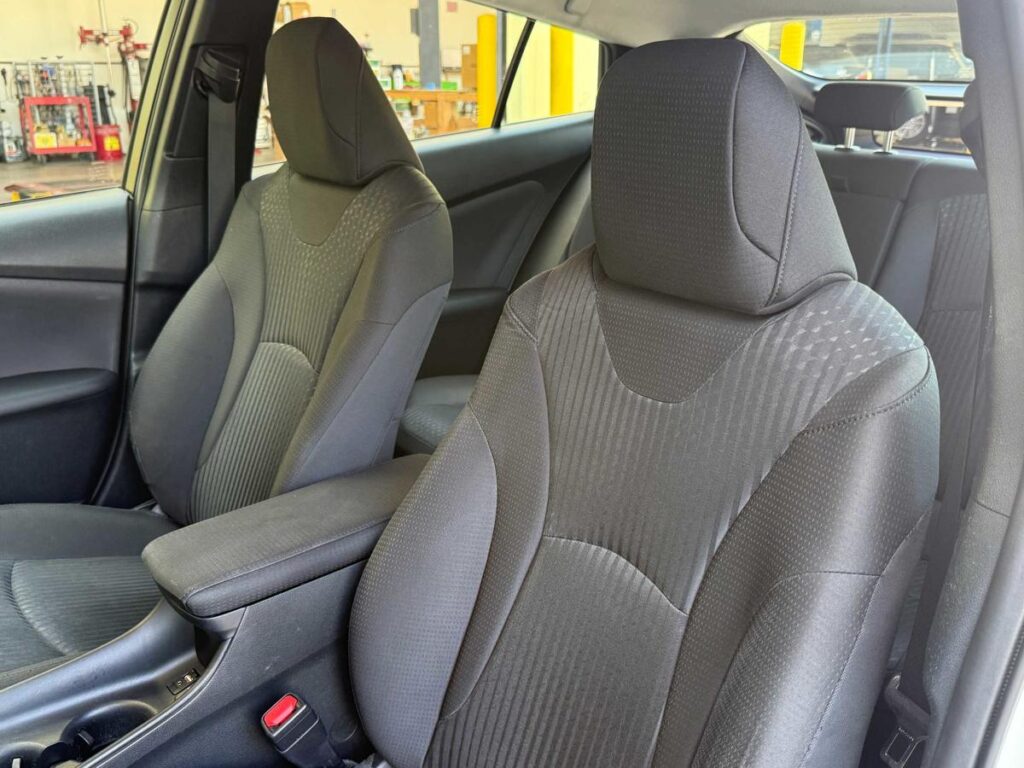
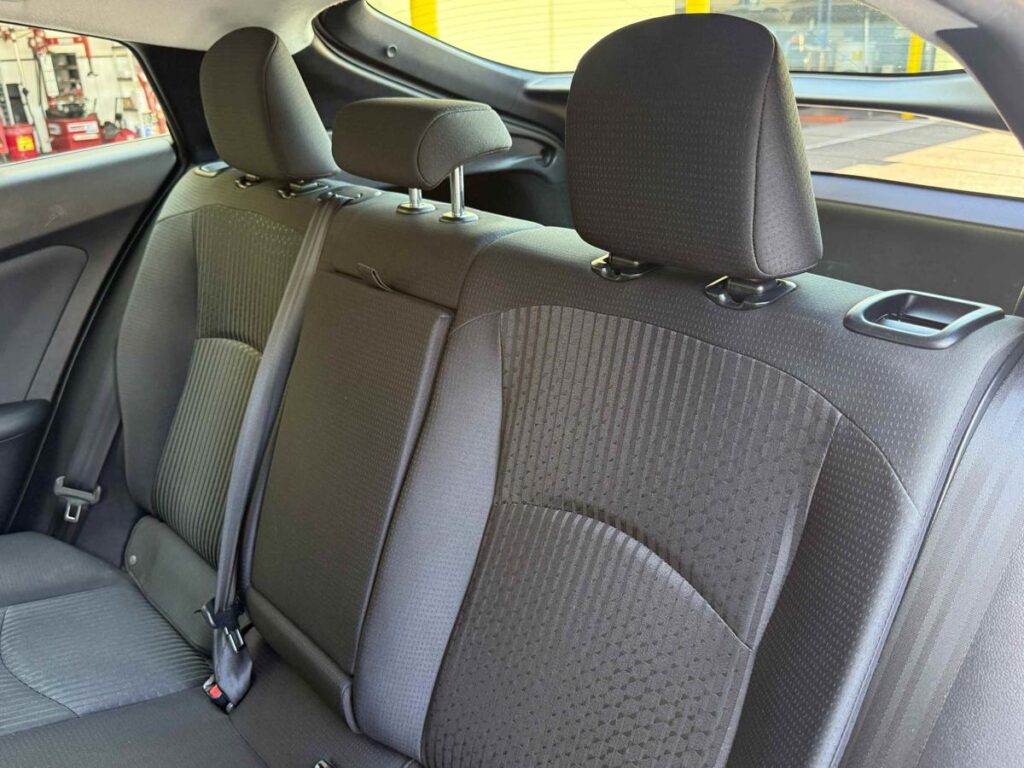
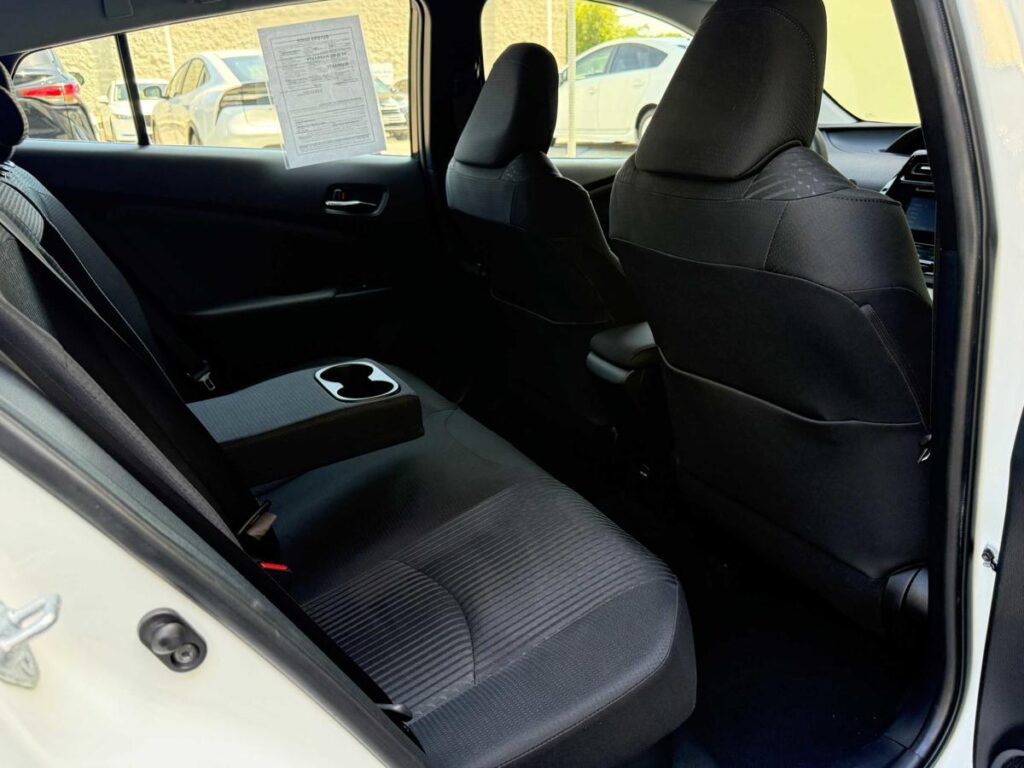
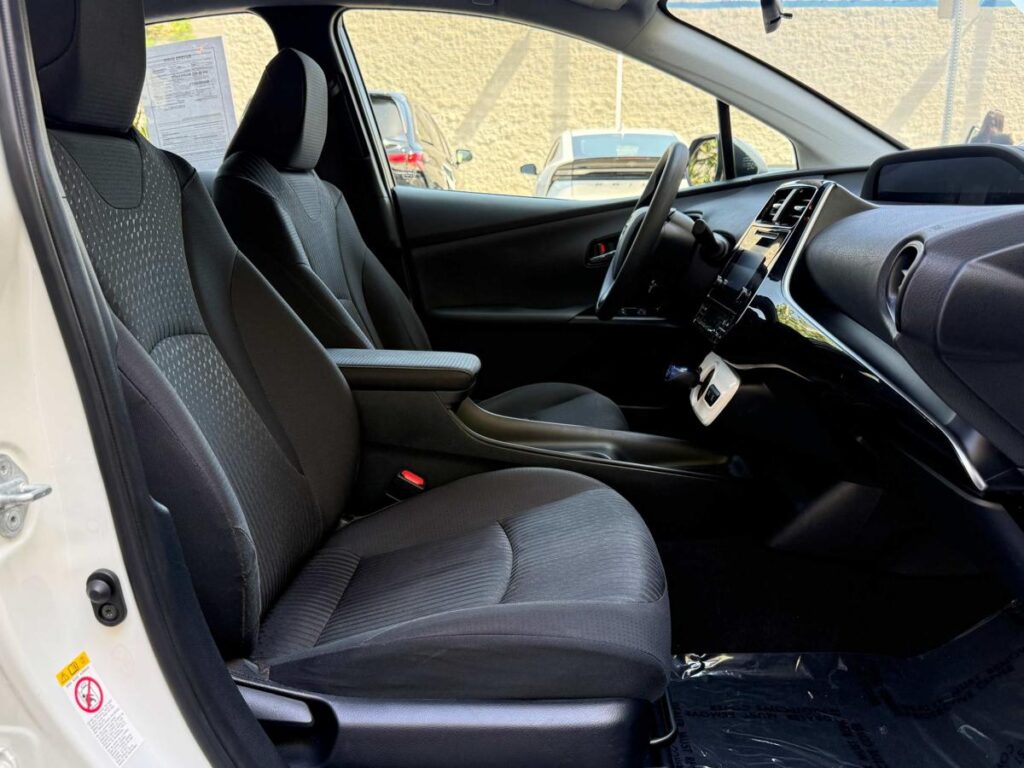
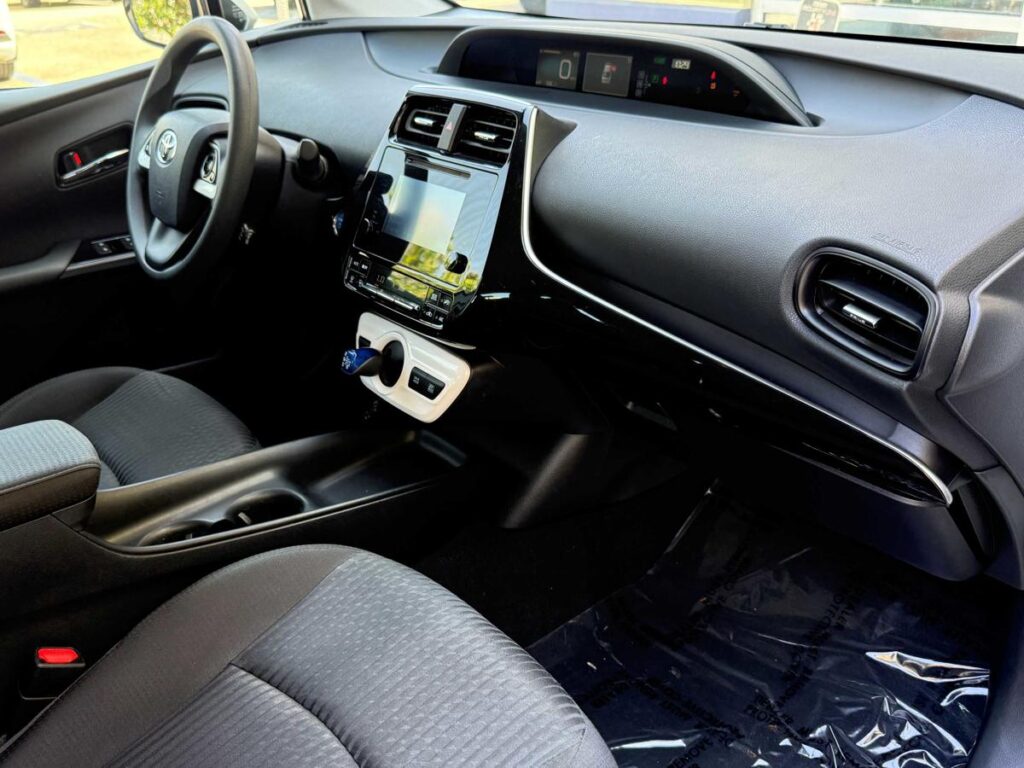
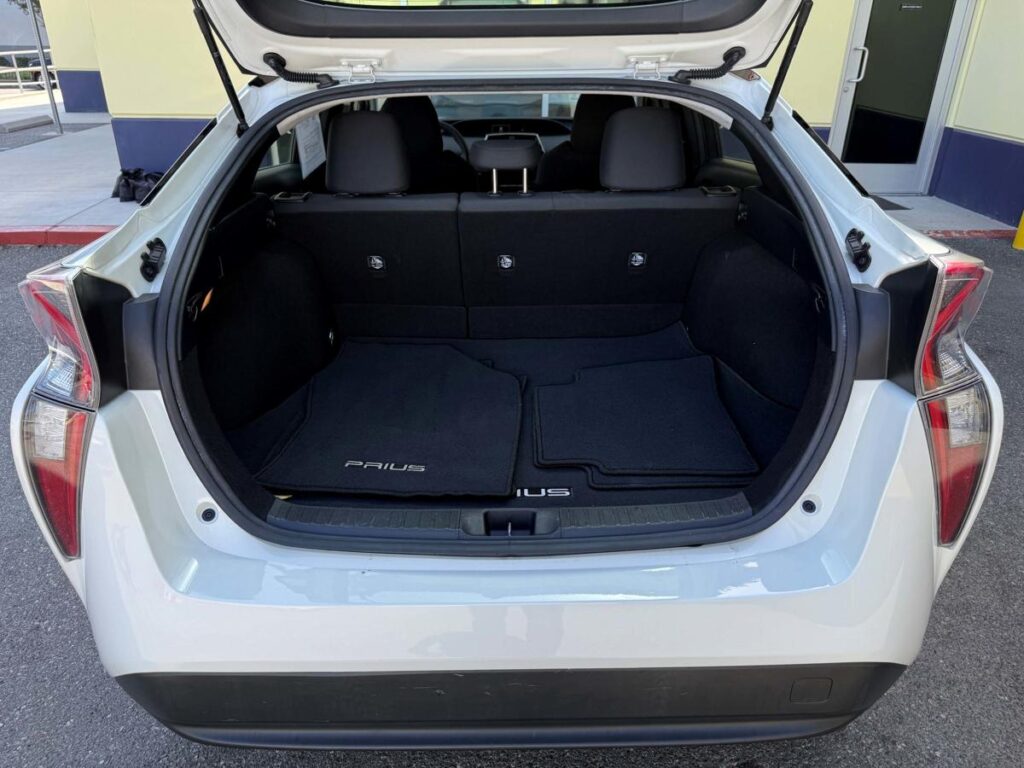
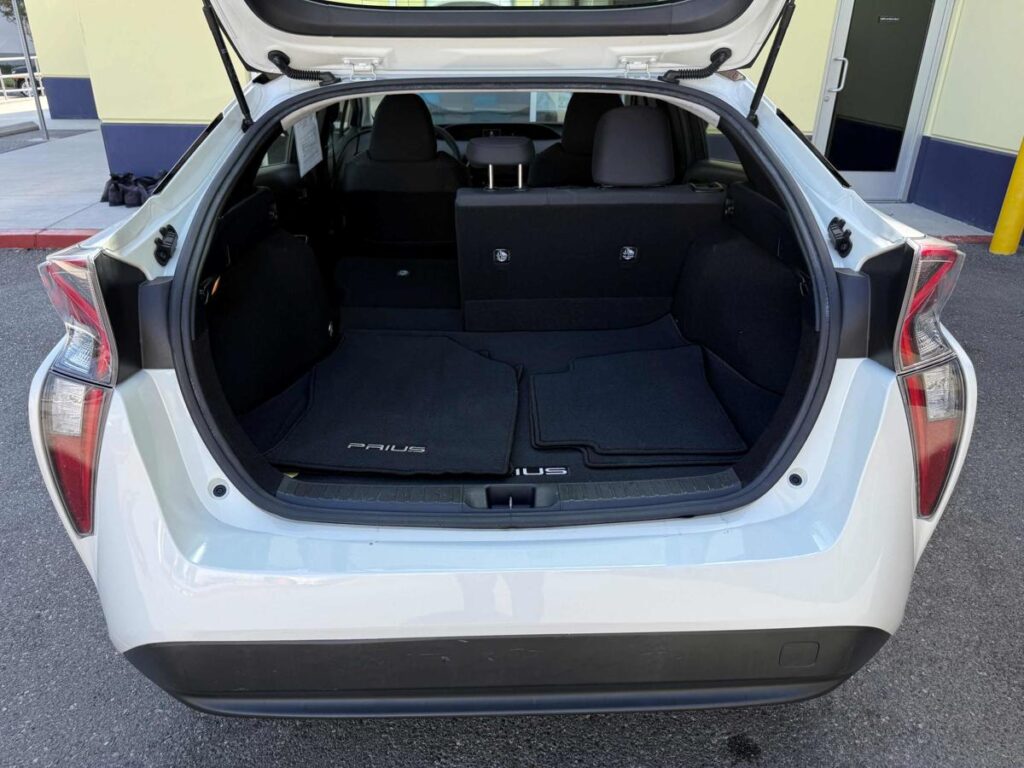
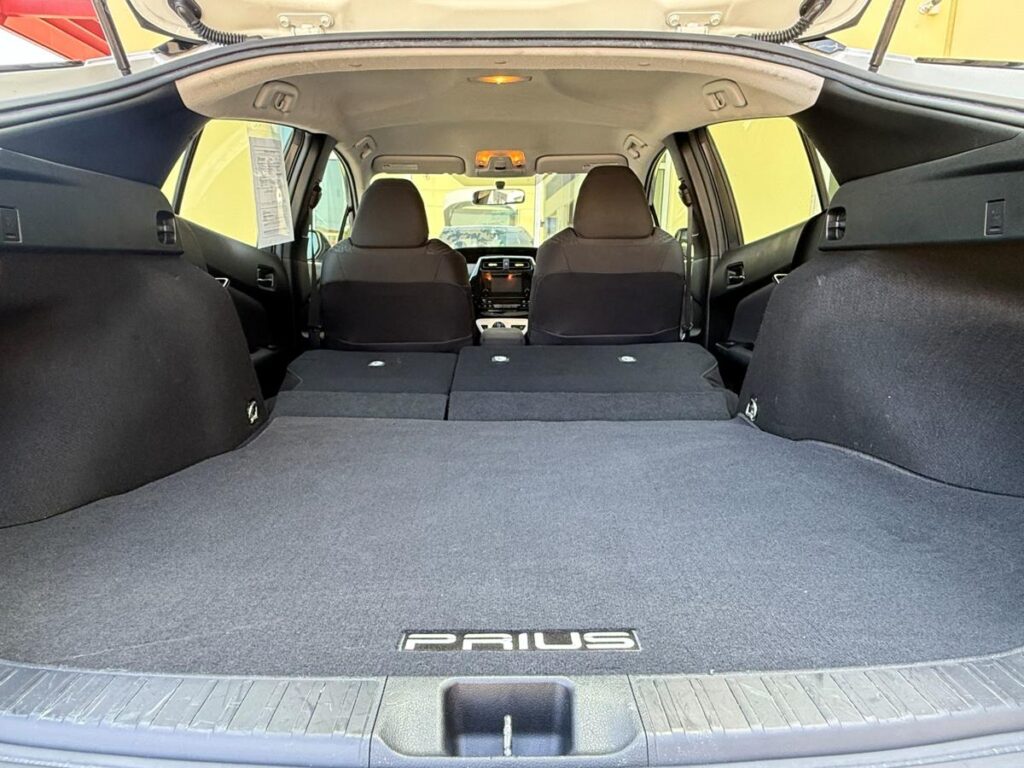
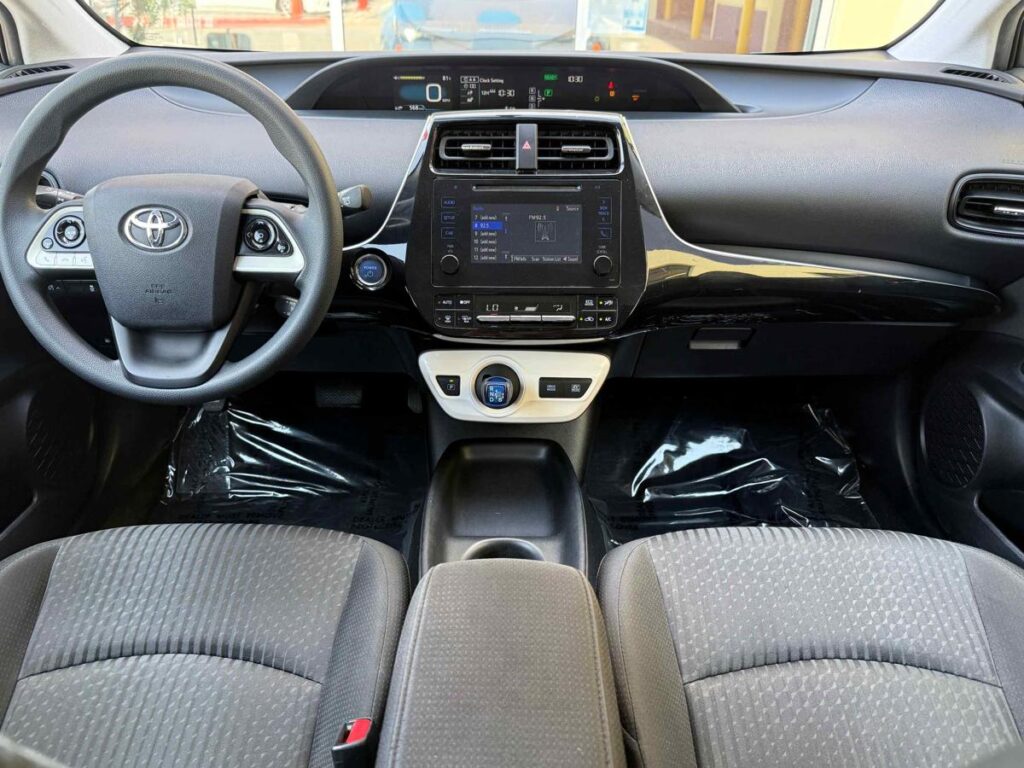
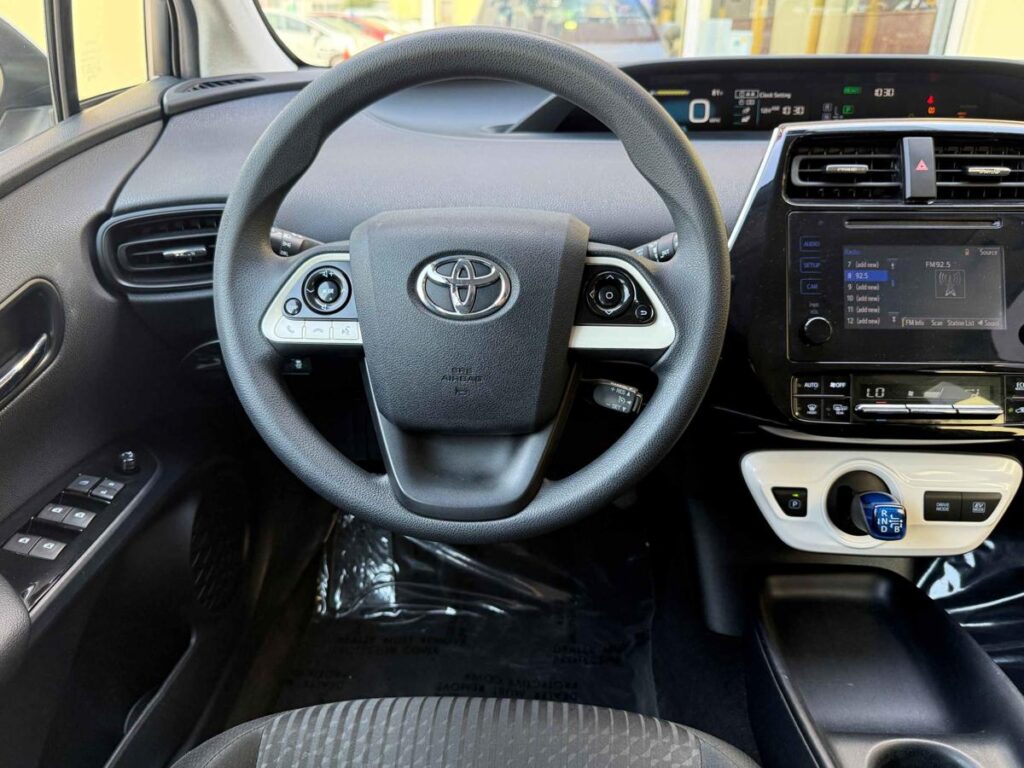
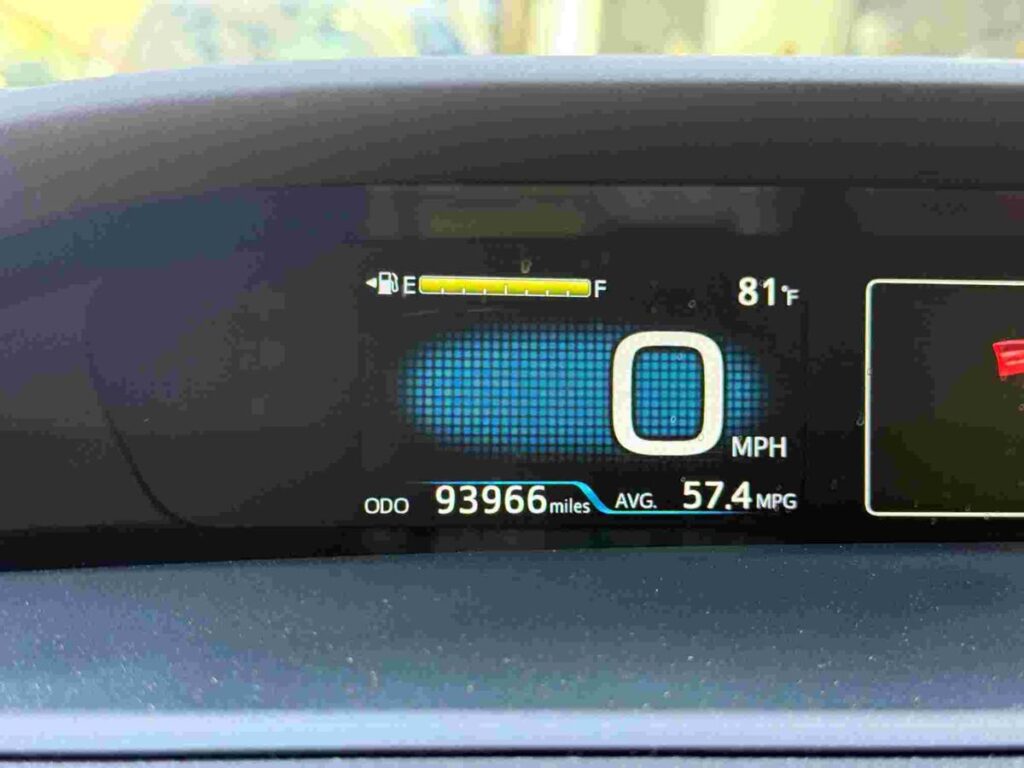
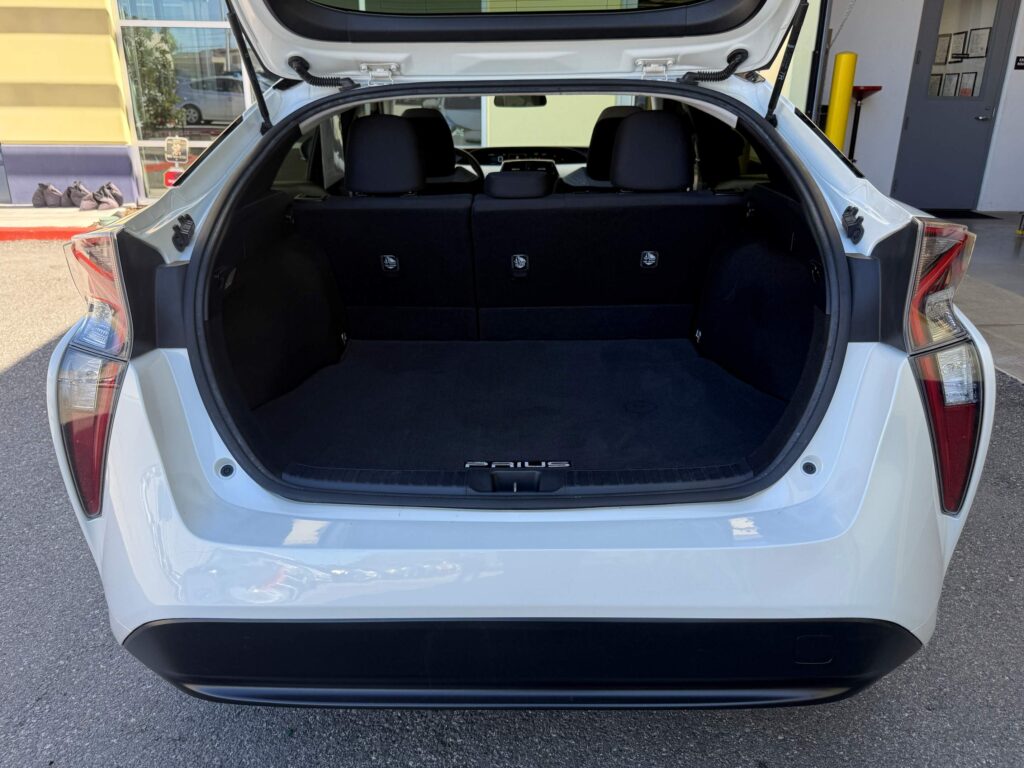
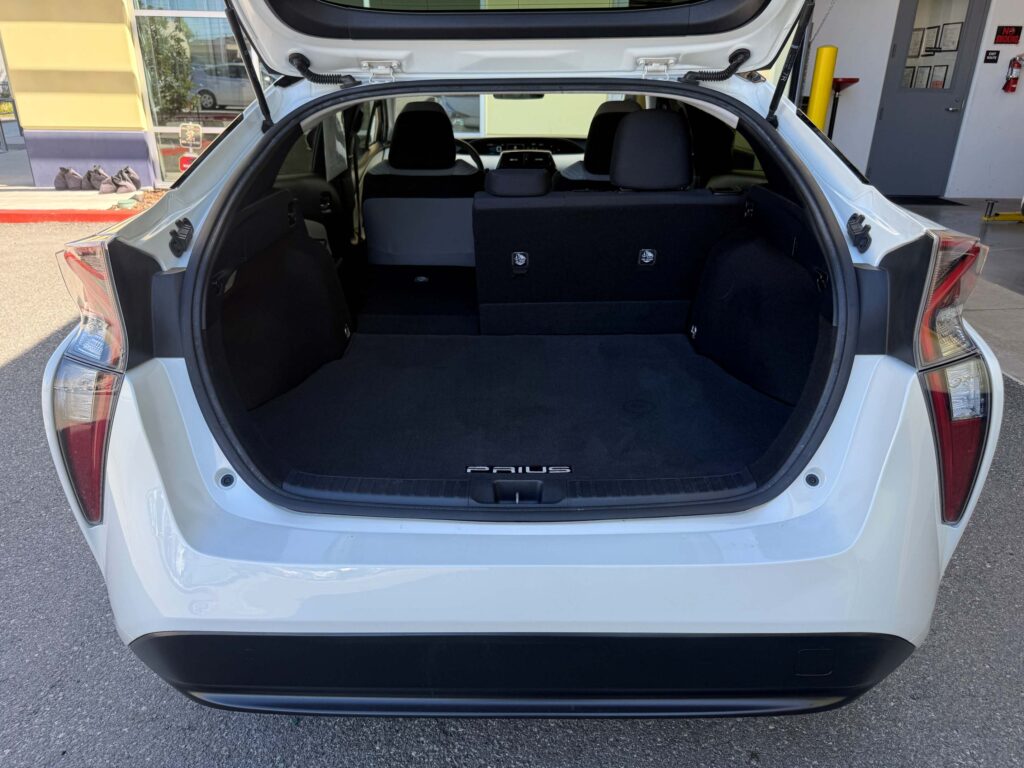
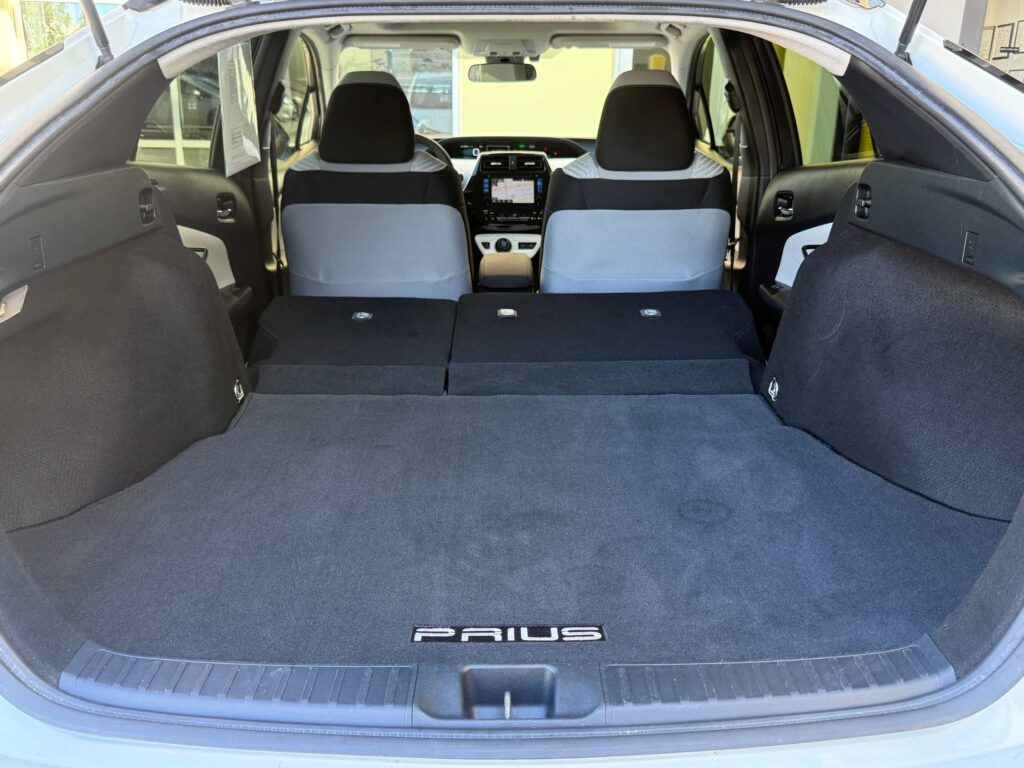
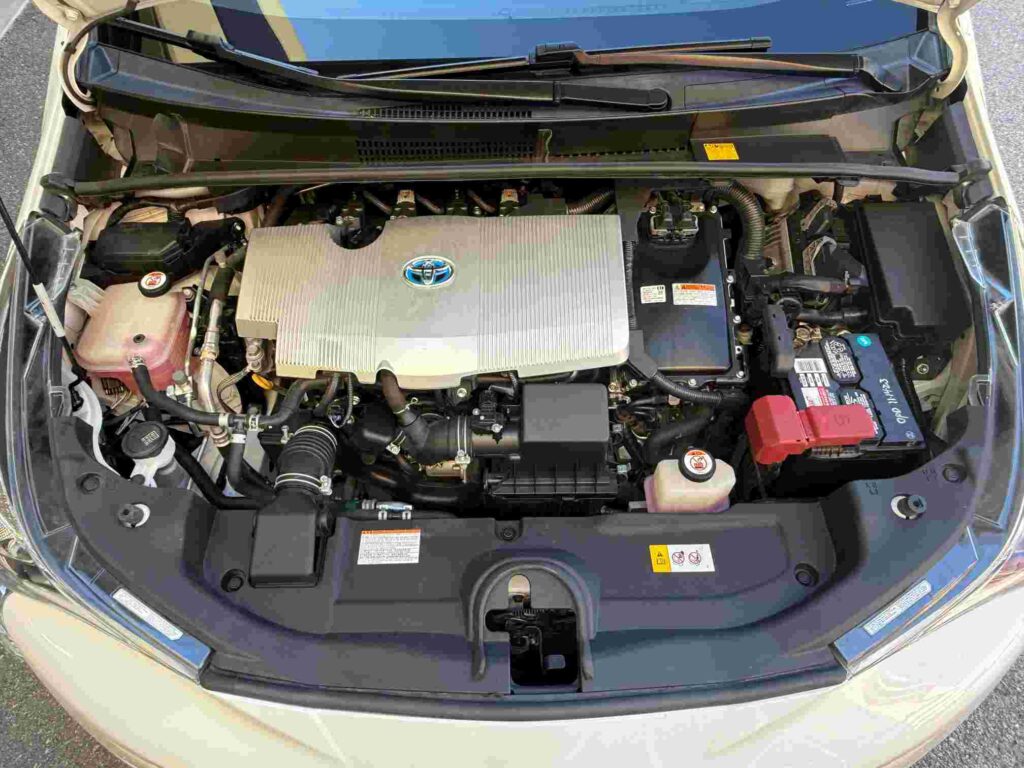
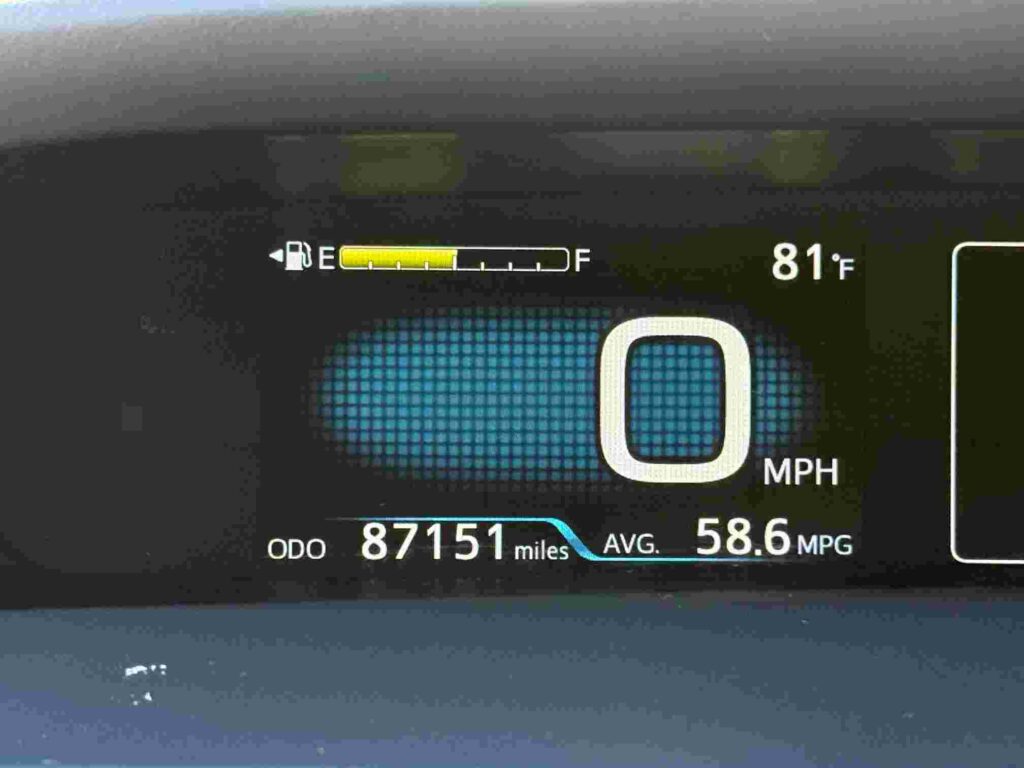
New Arrivals
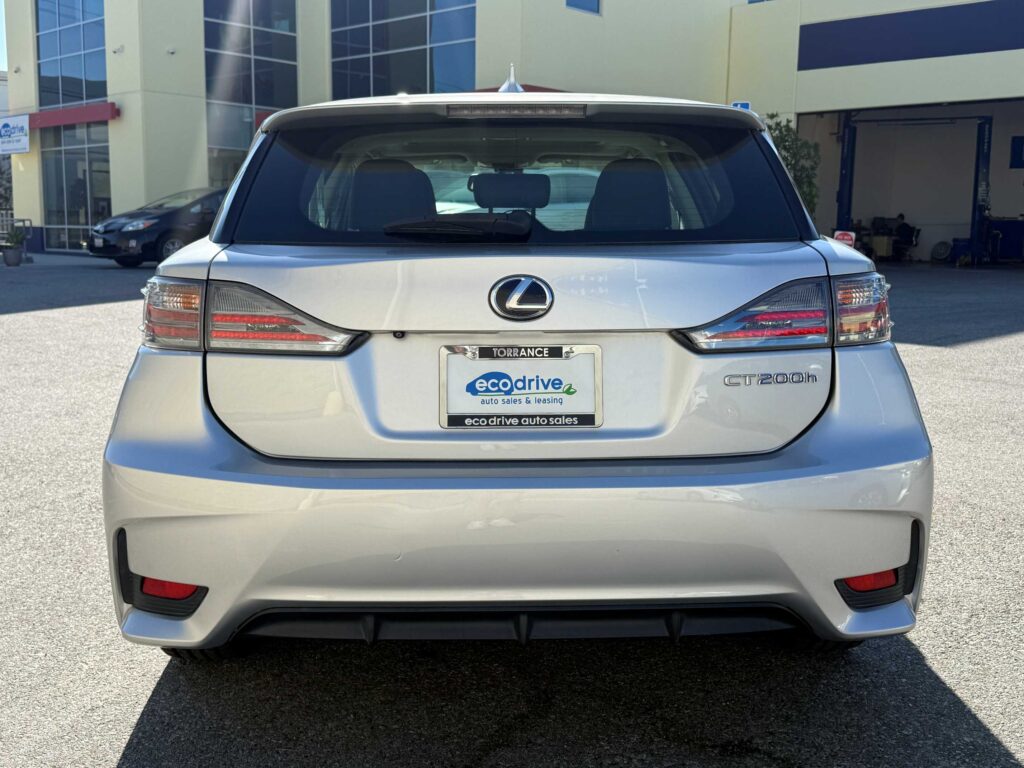
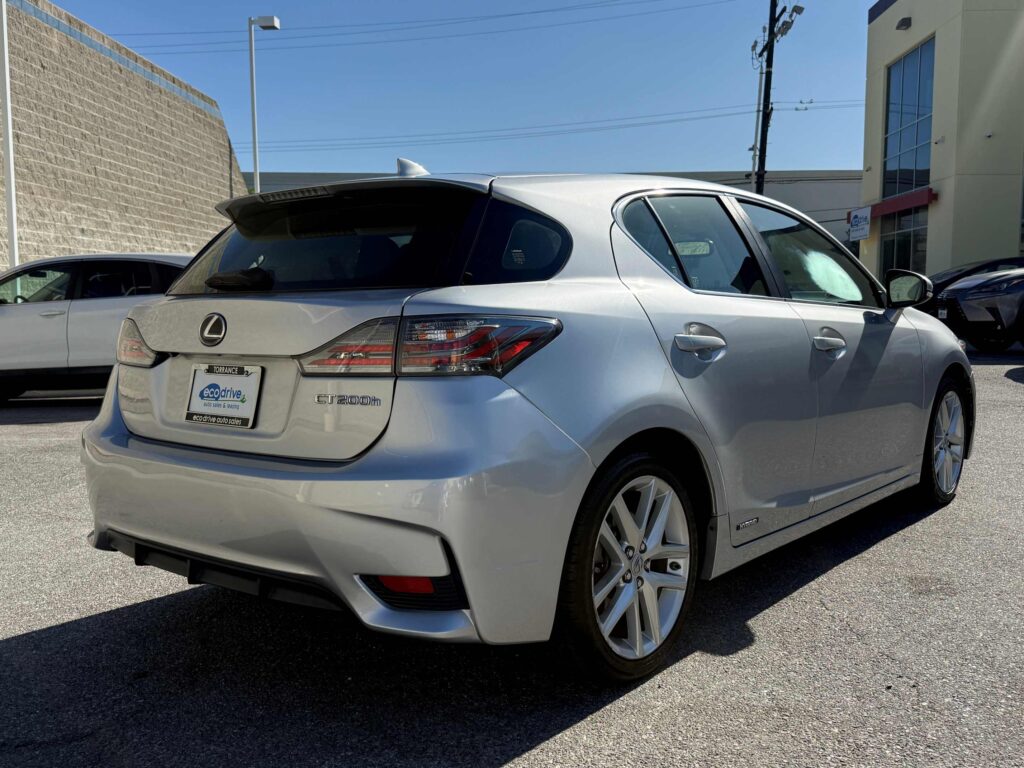
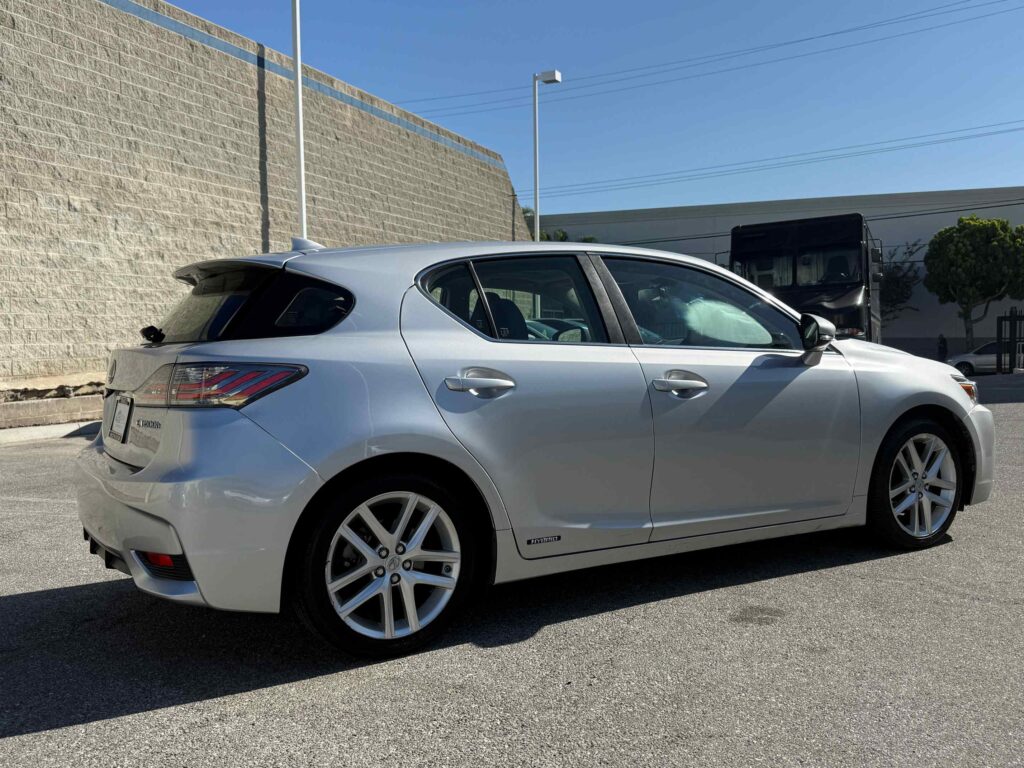
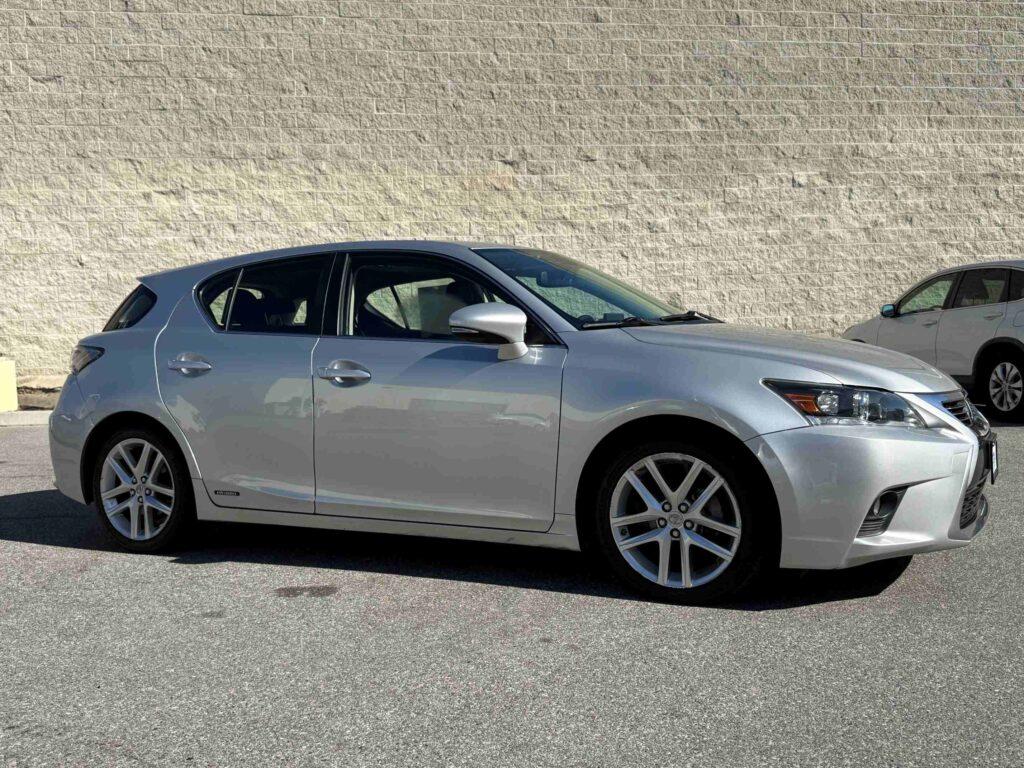
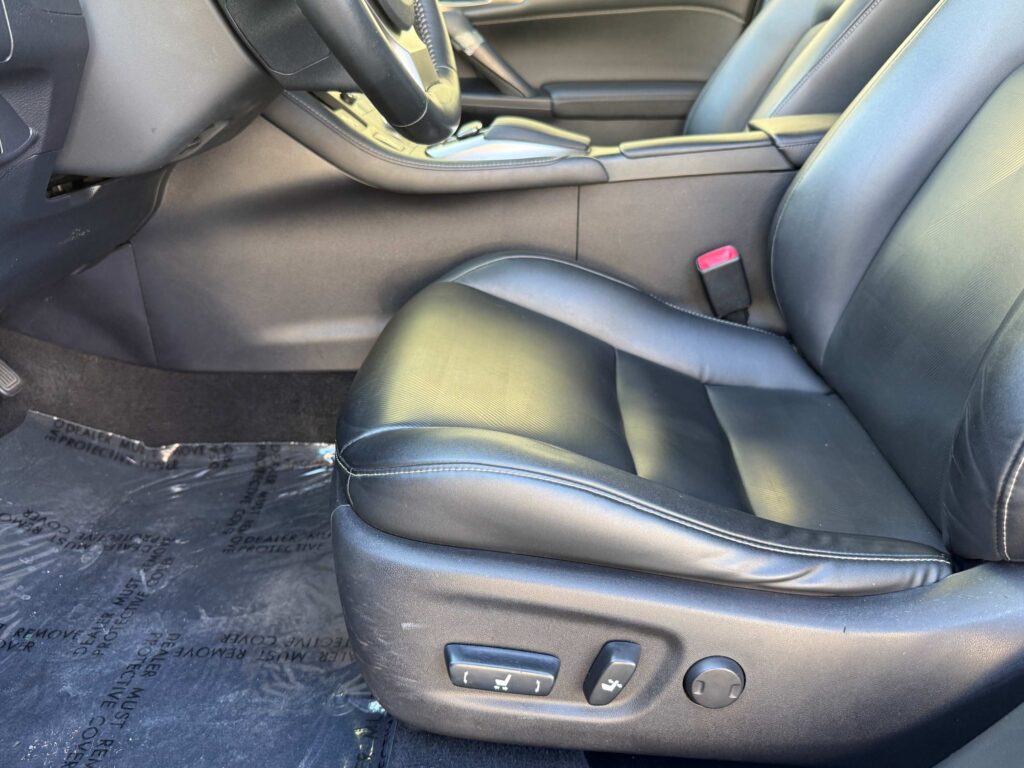
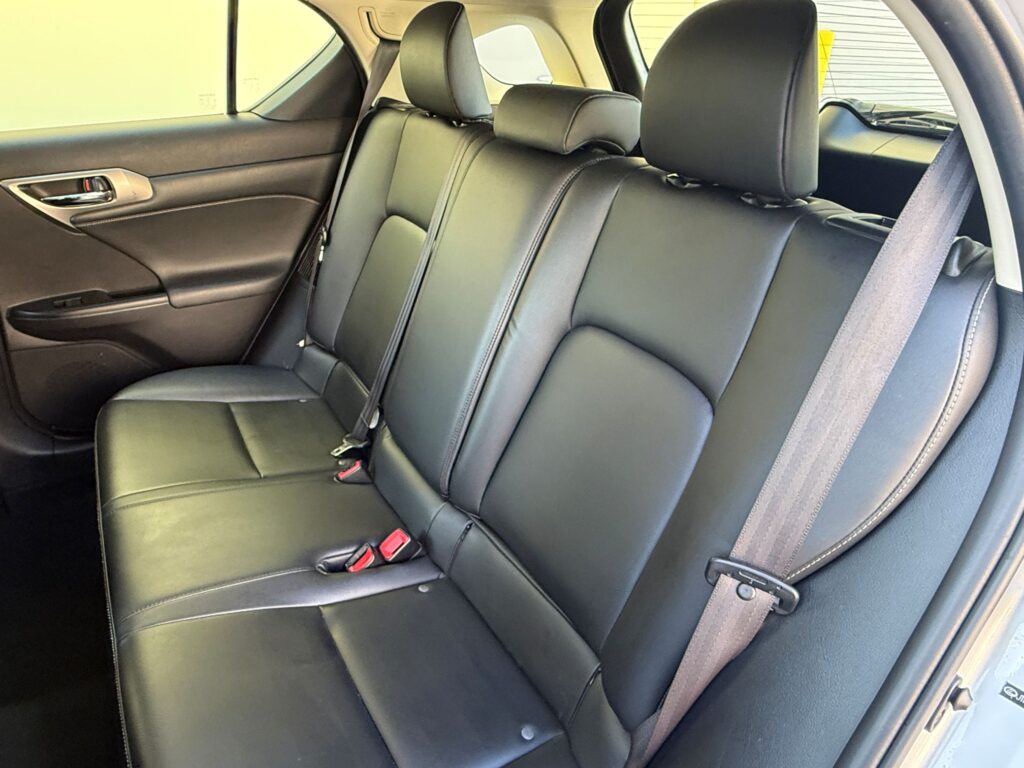
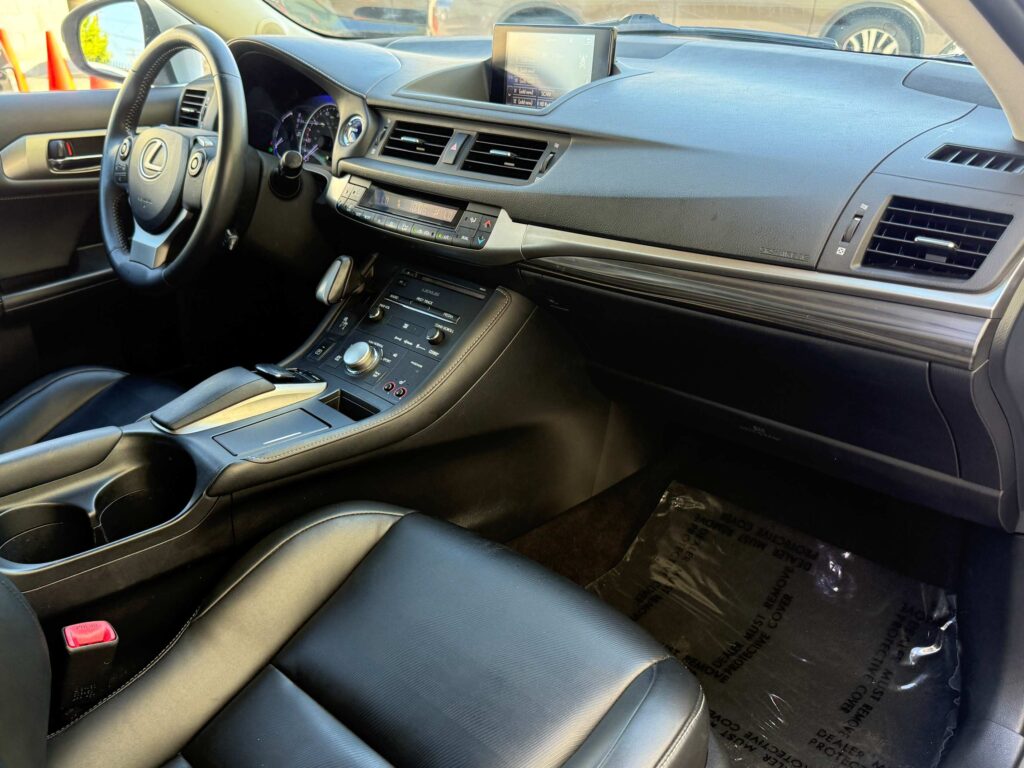
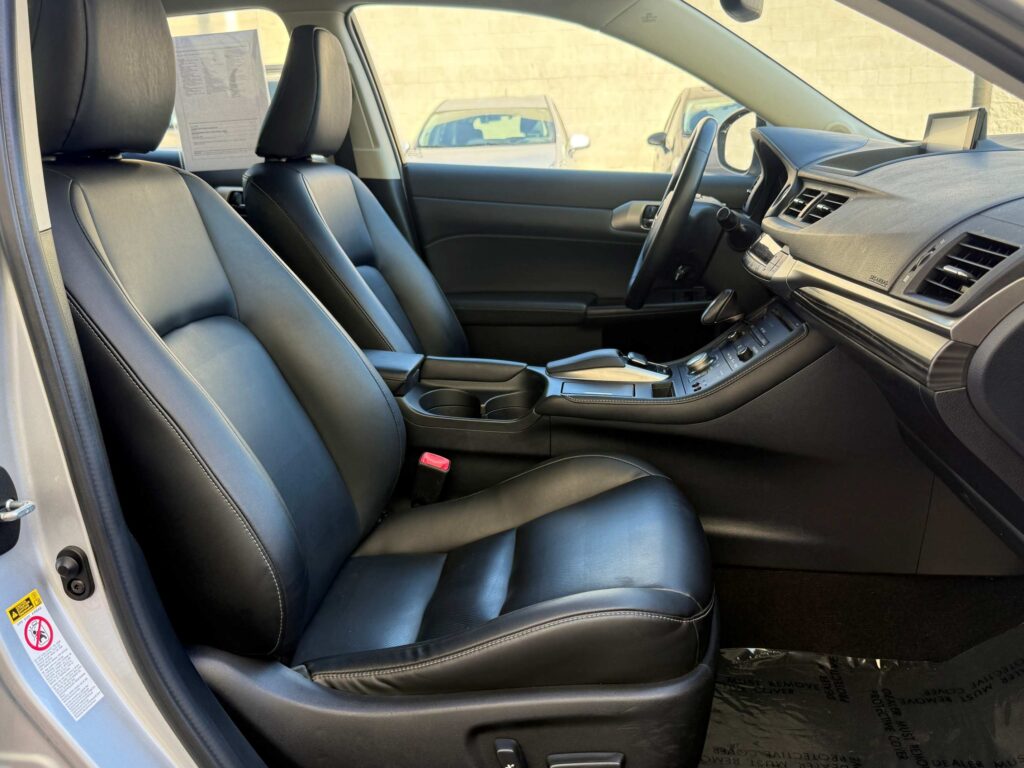
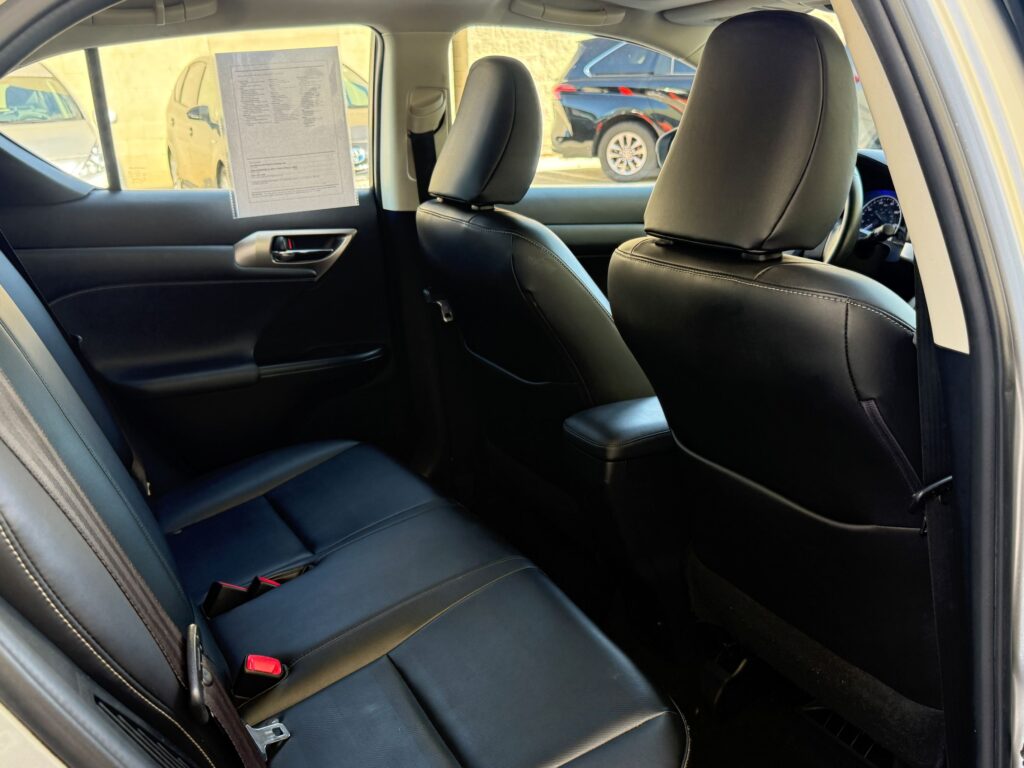
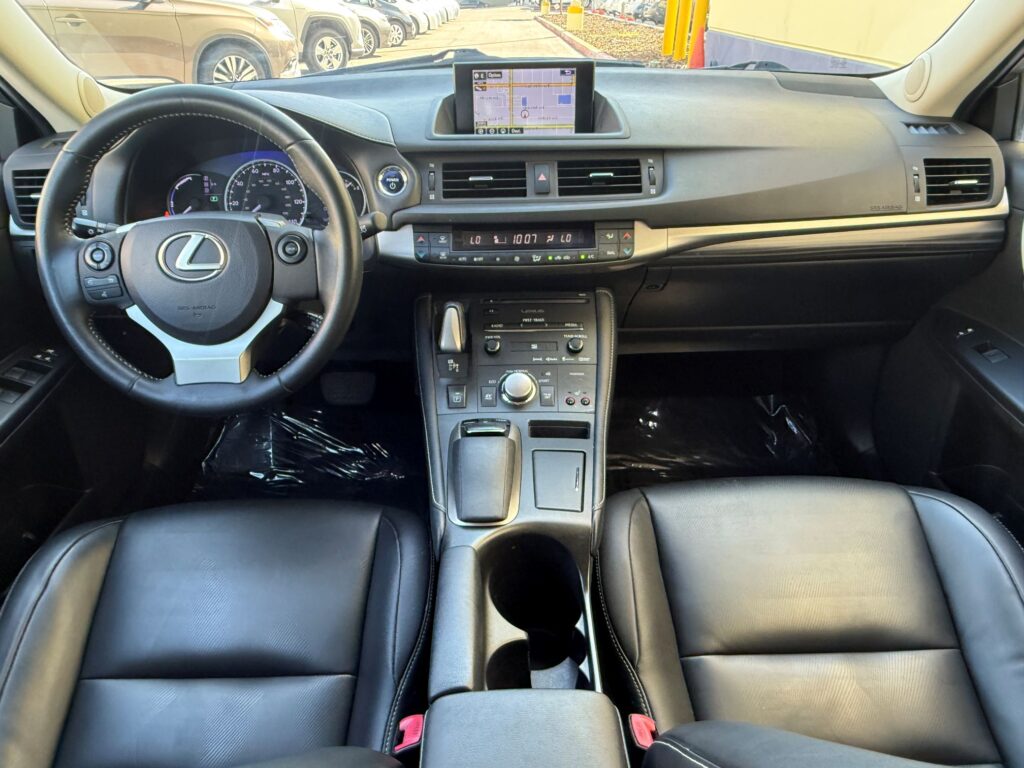
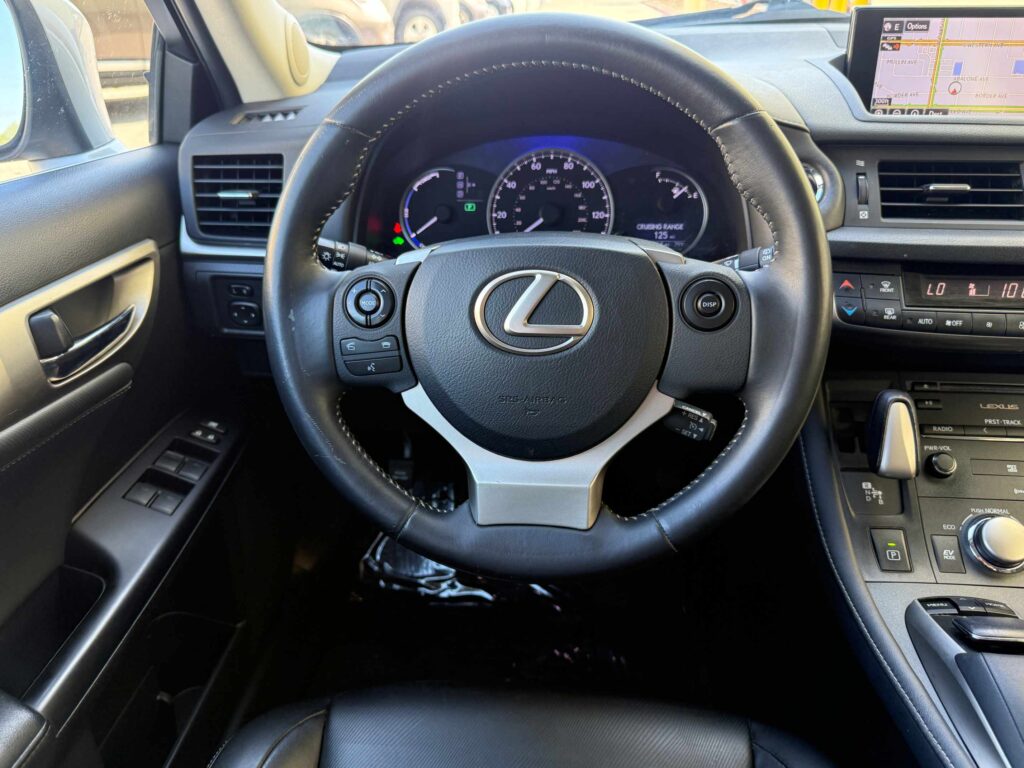
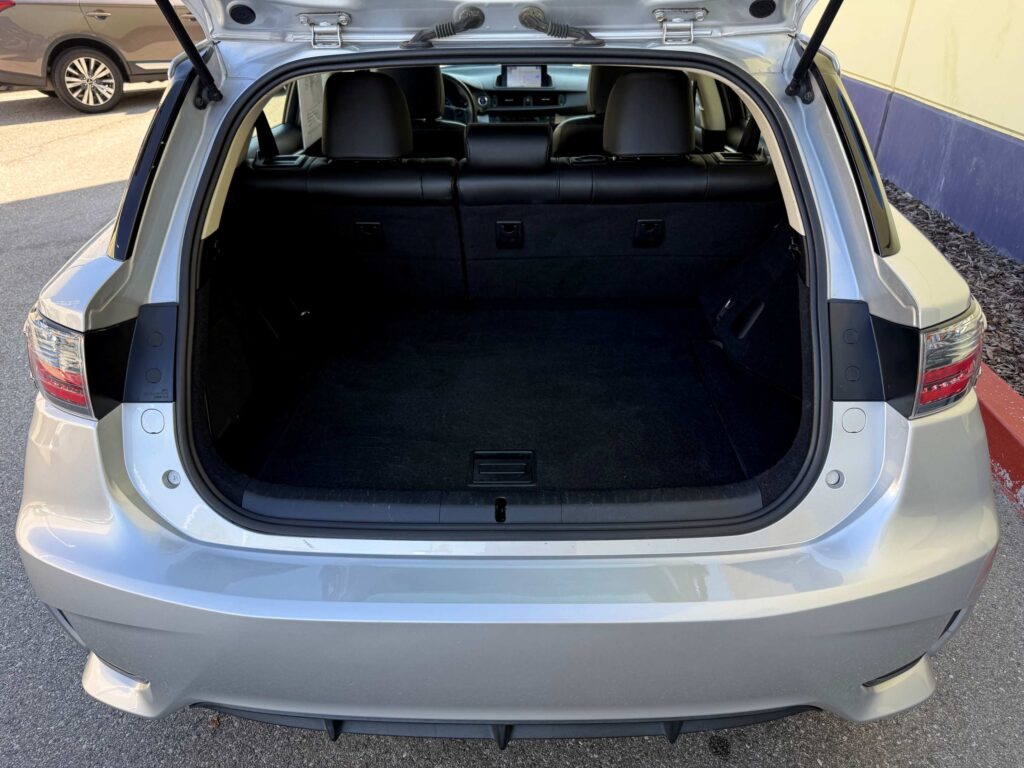
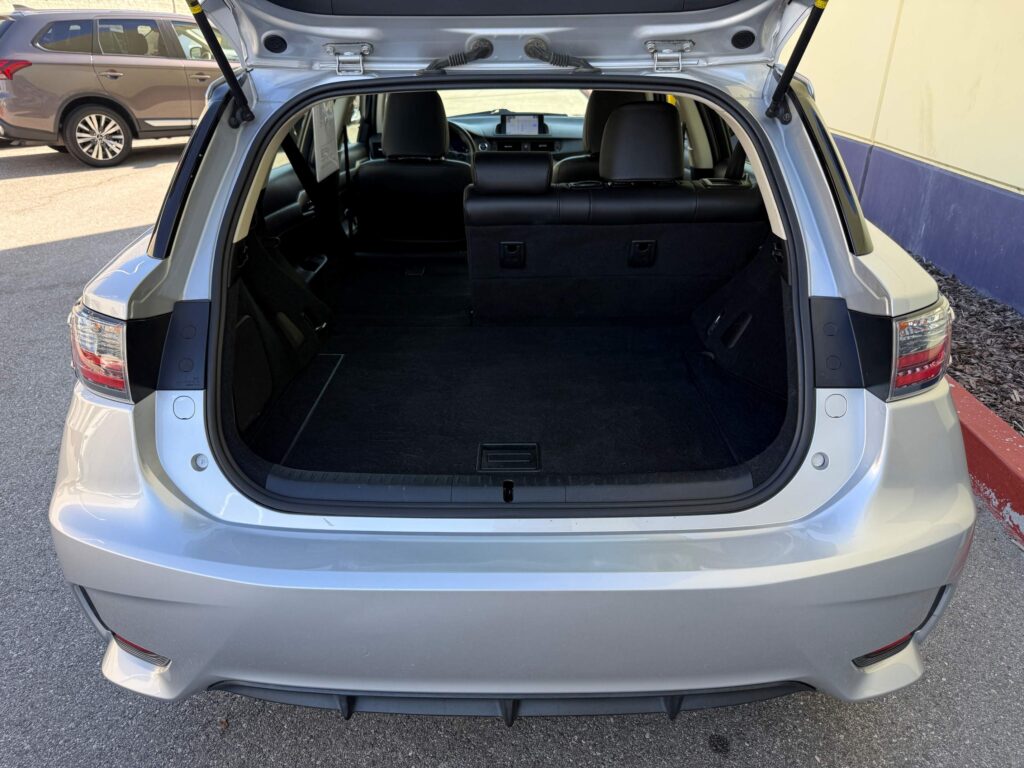
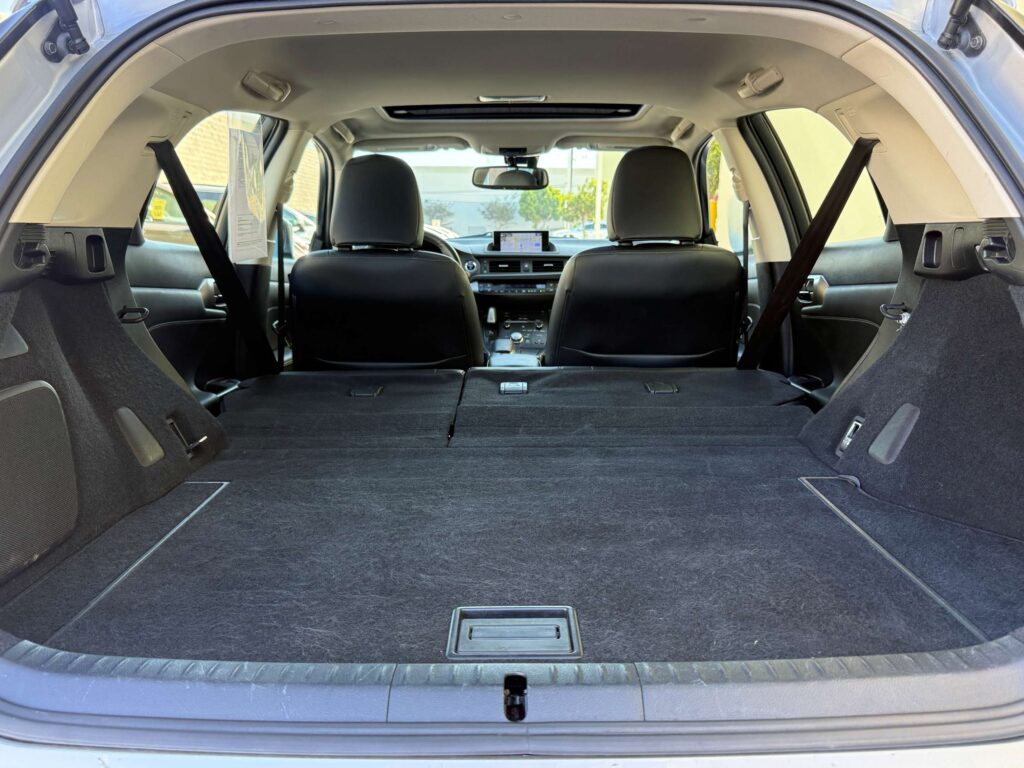
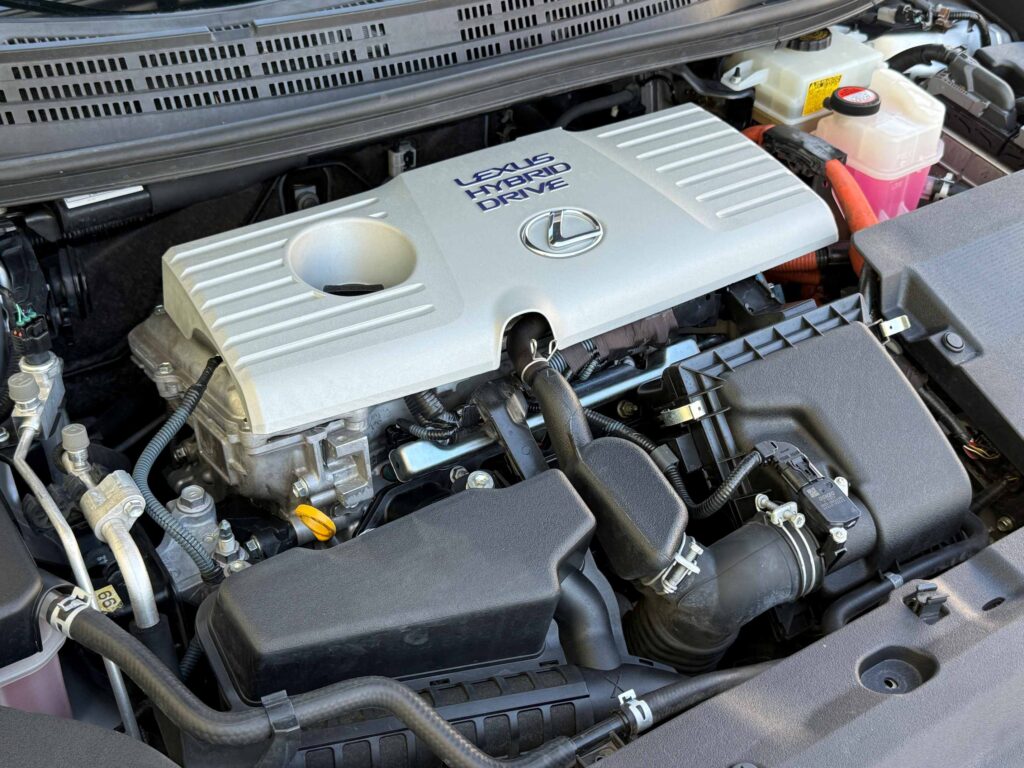
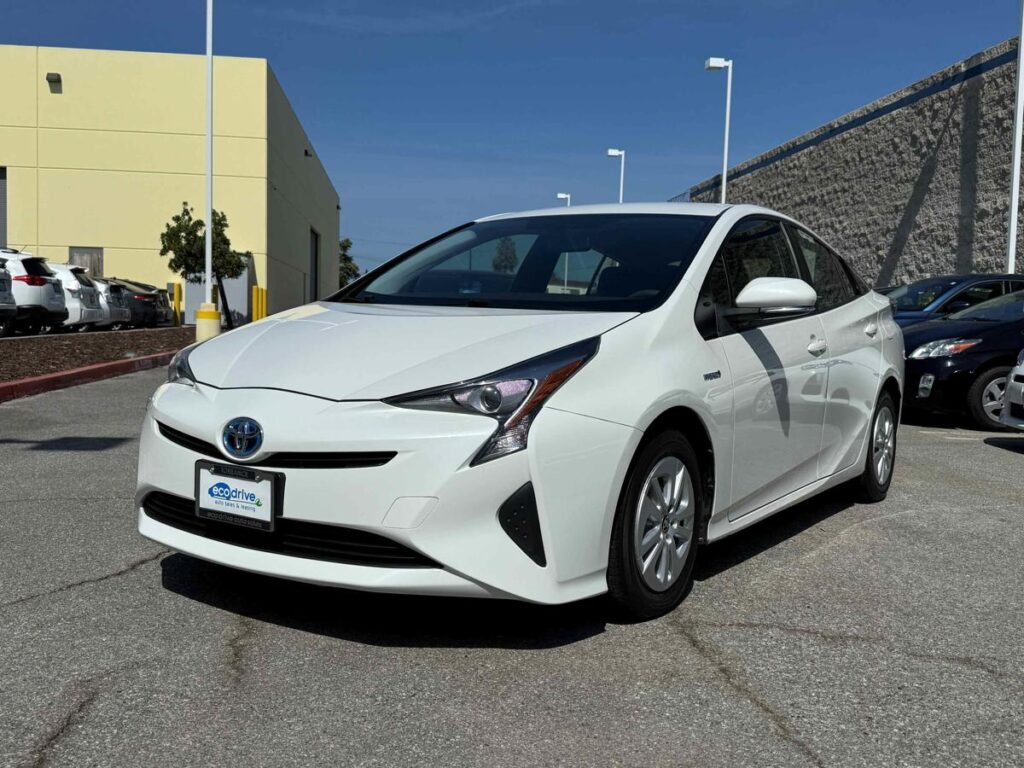
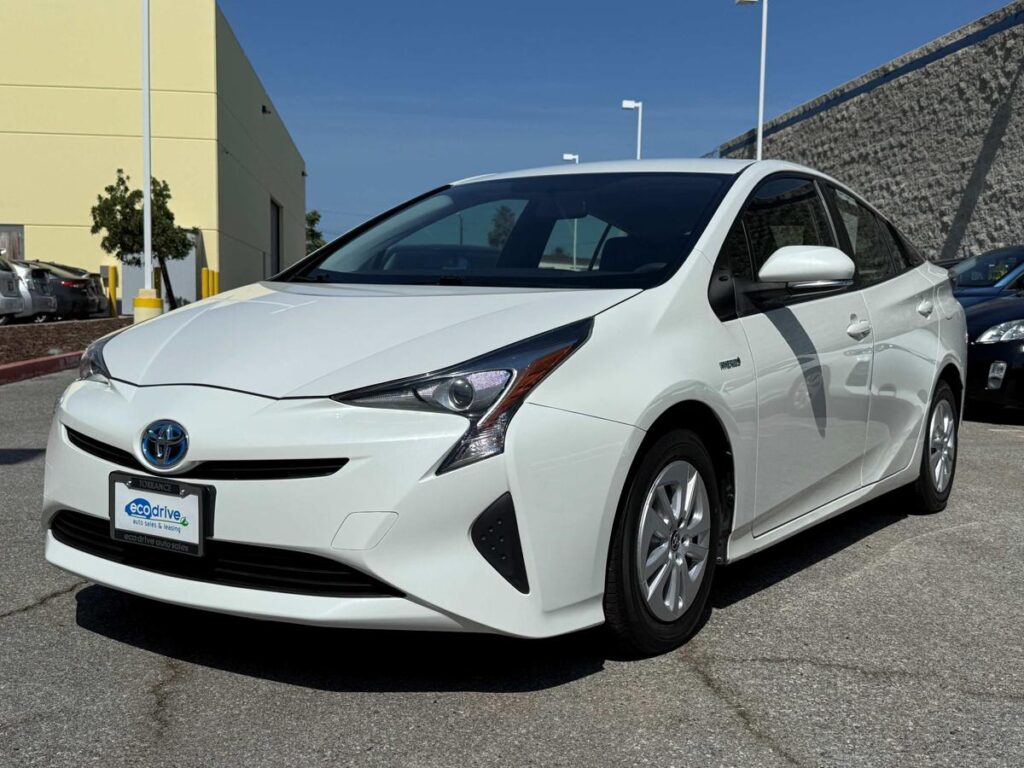
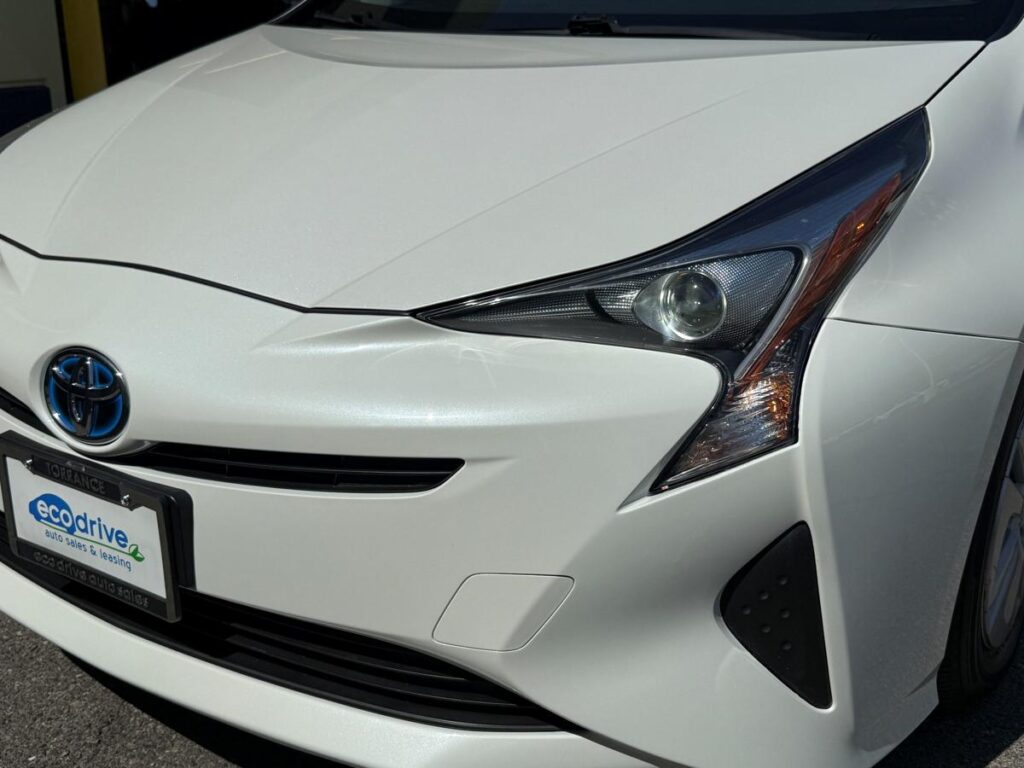
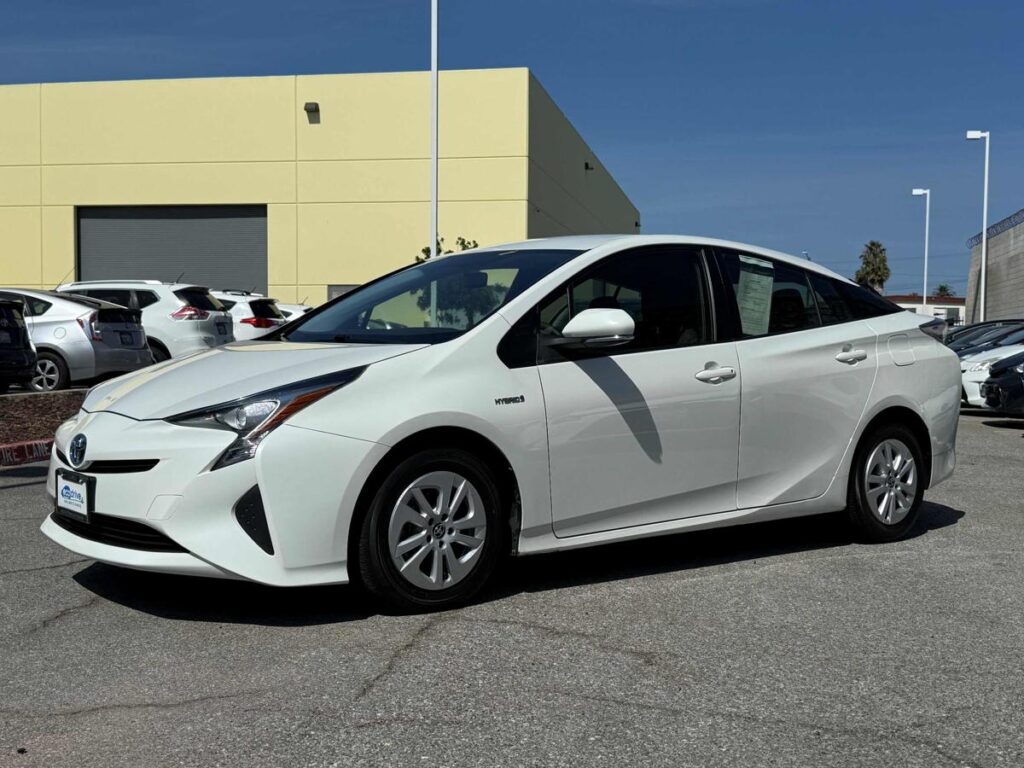
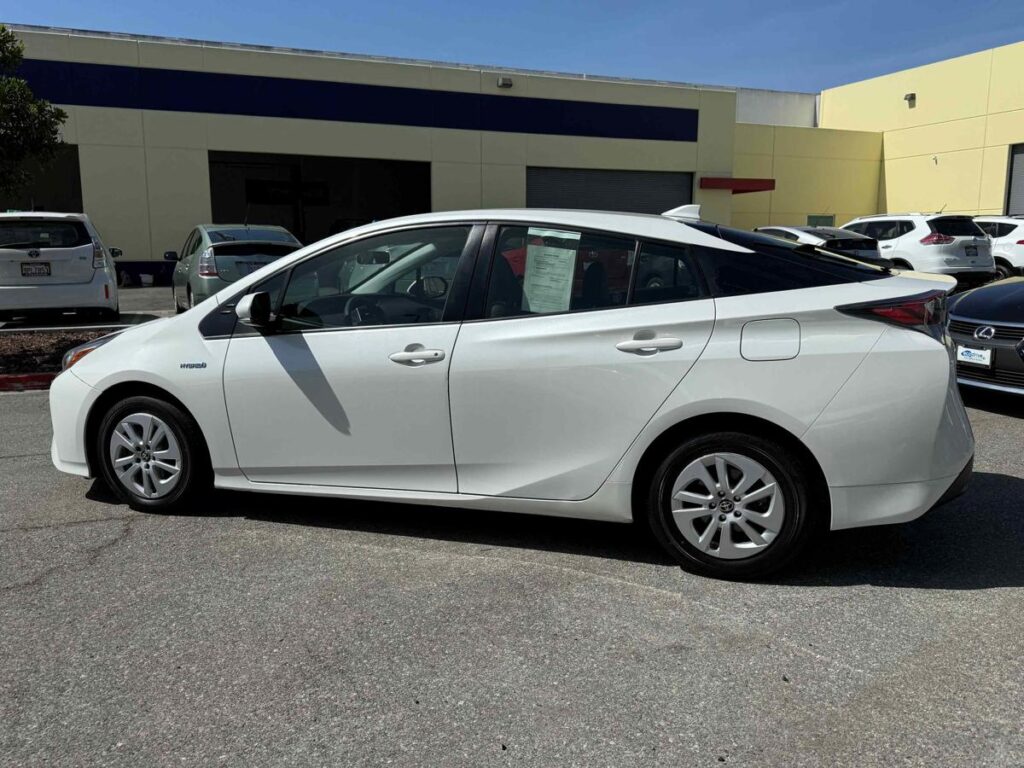
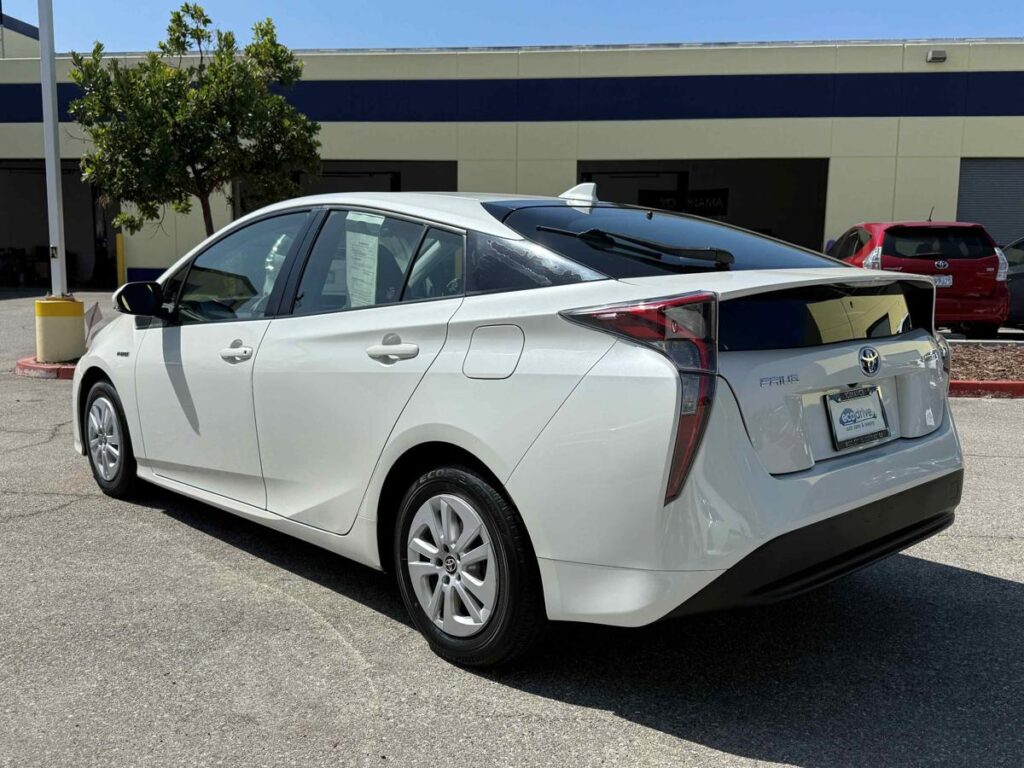
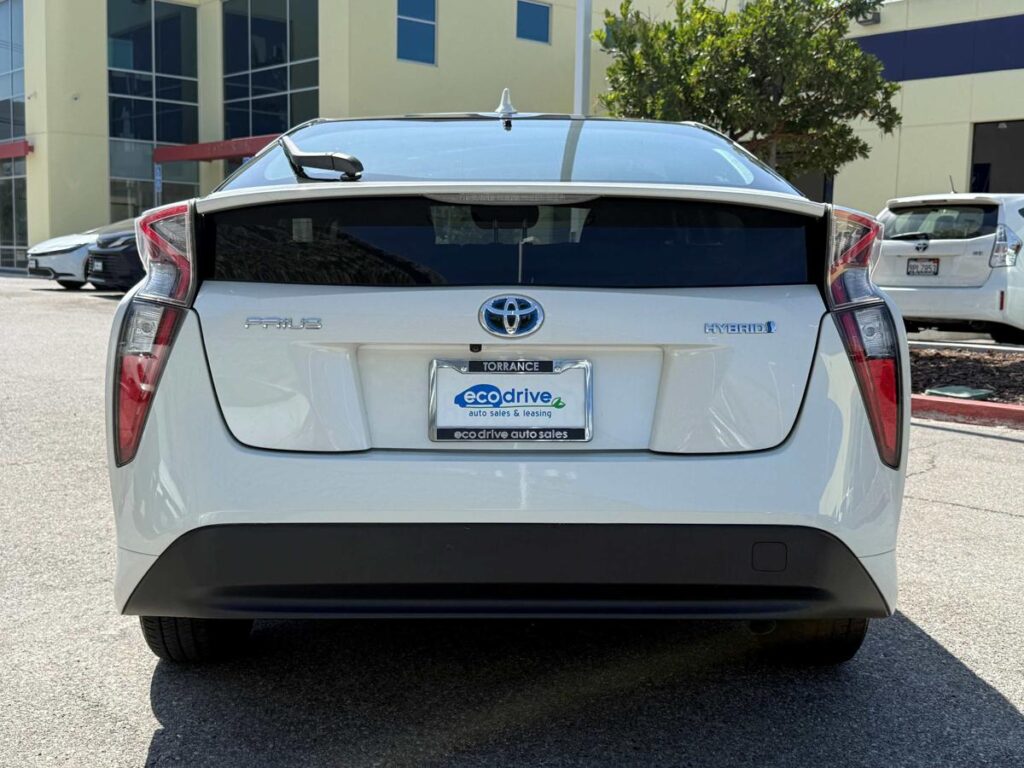
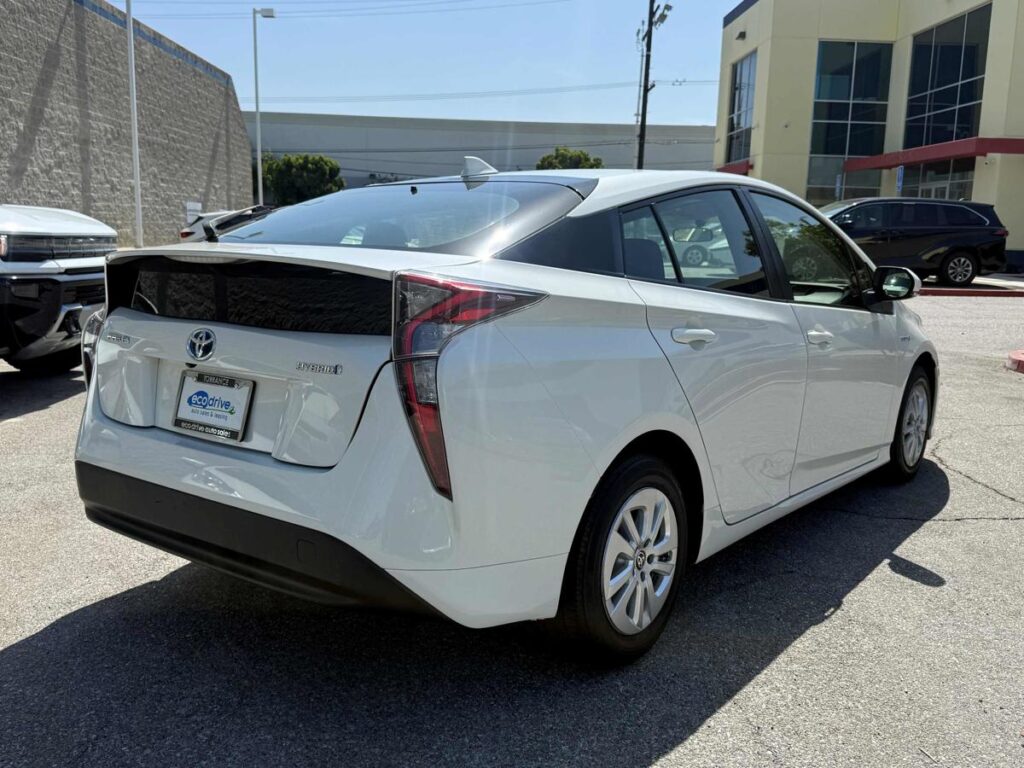
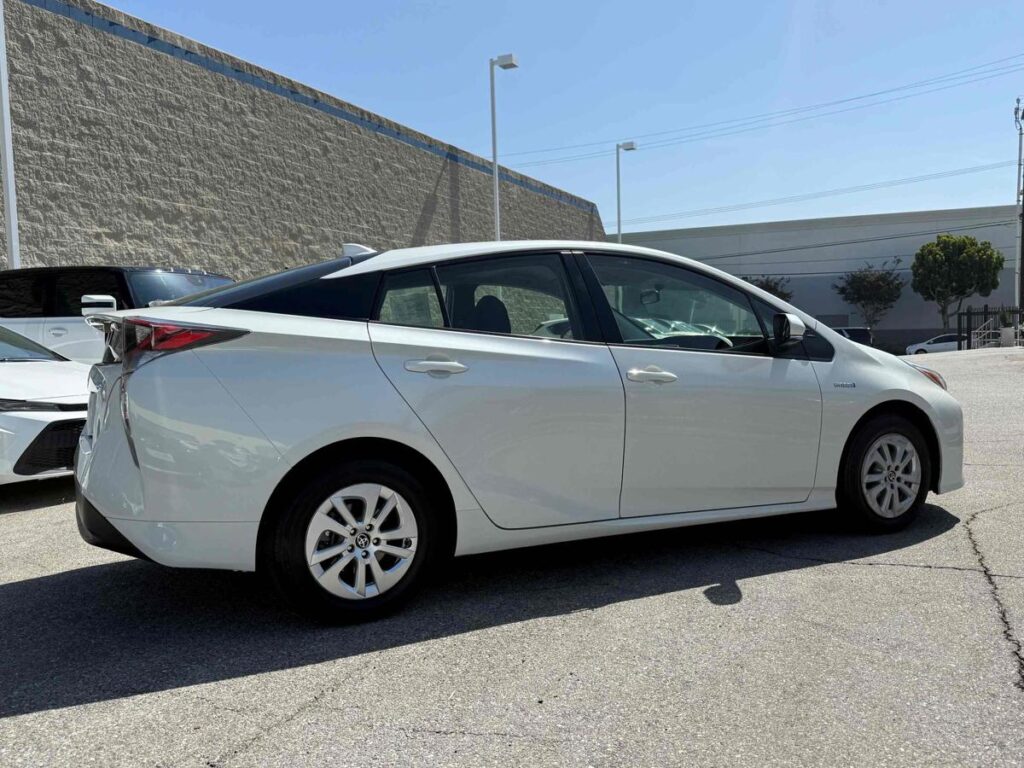
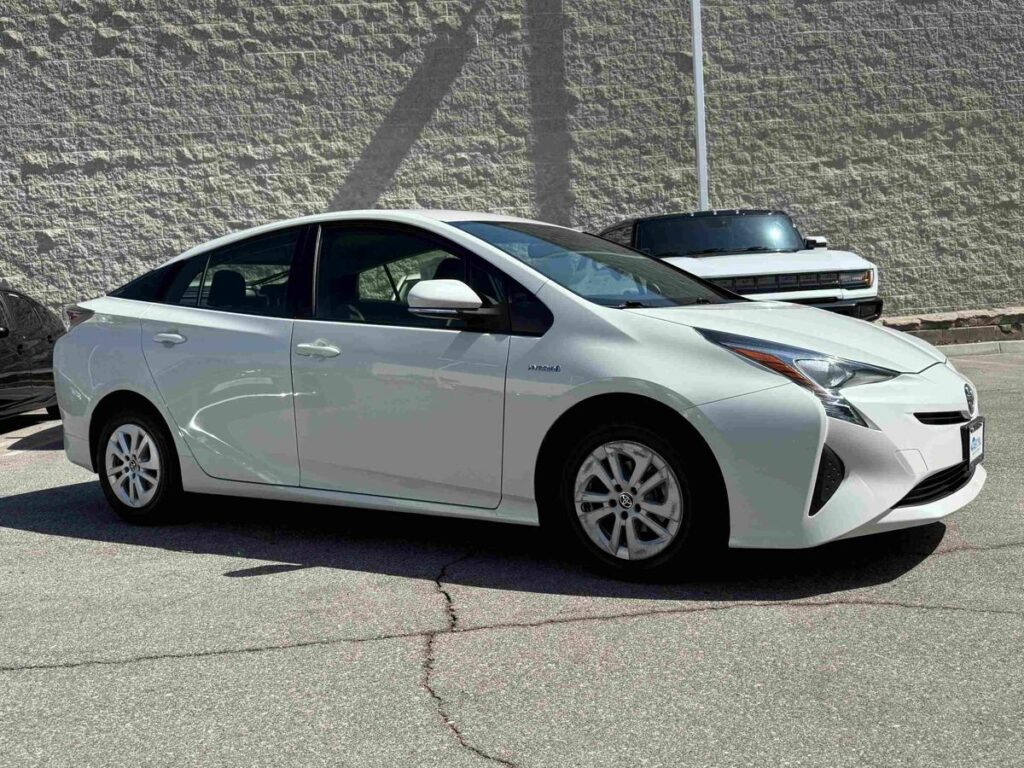
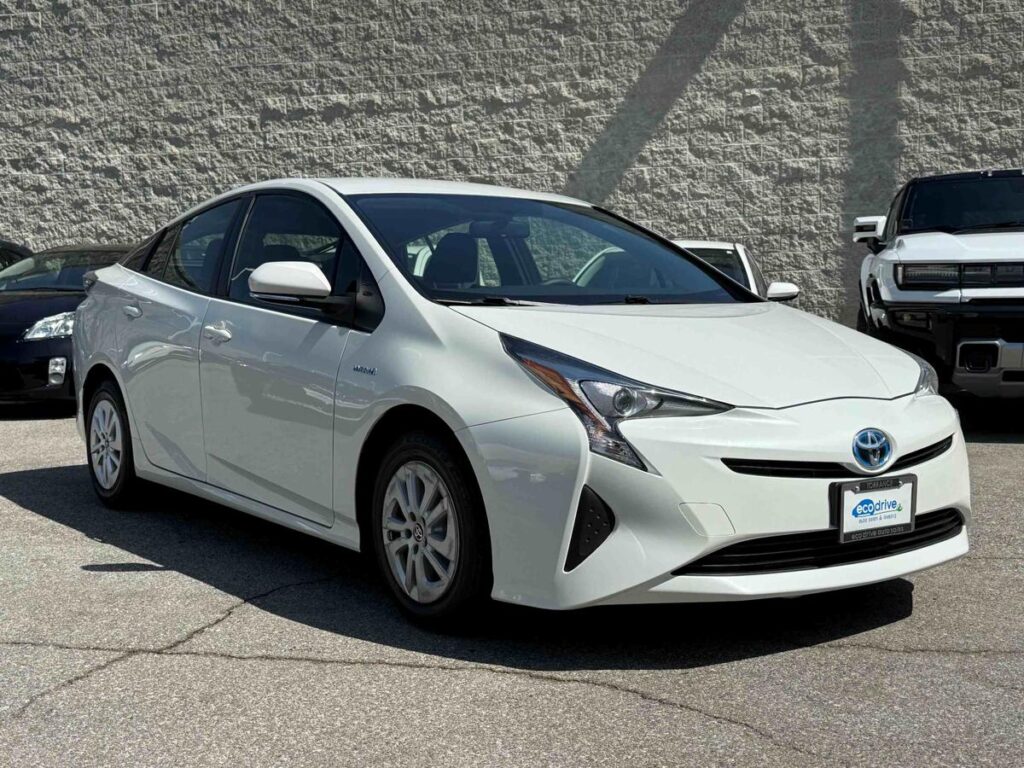
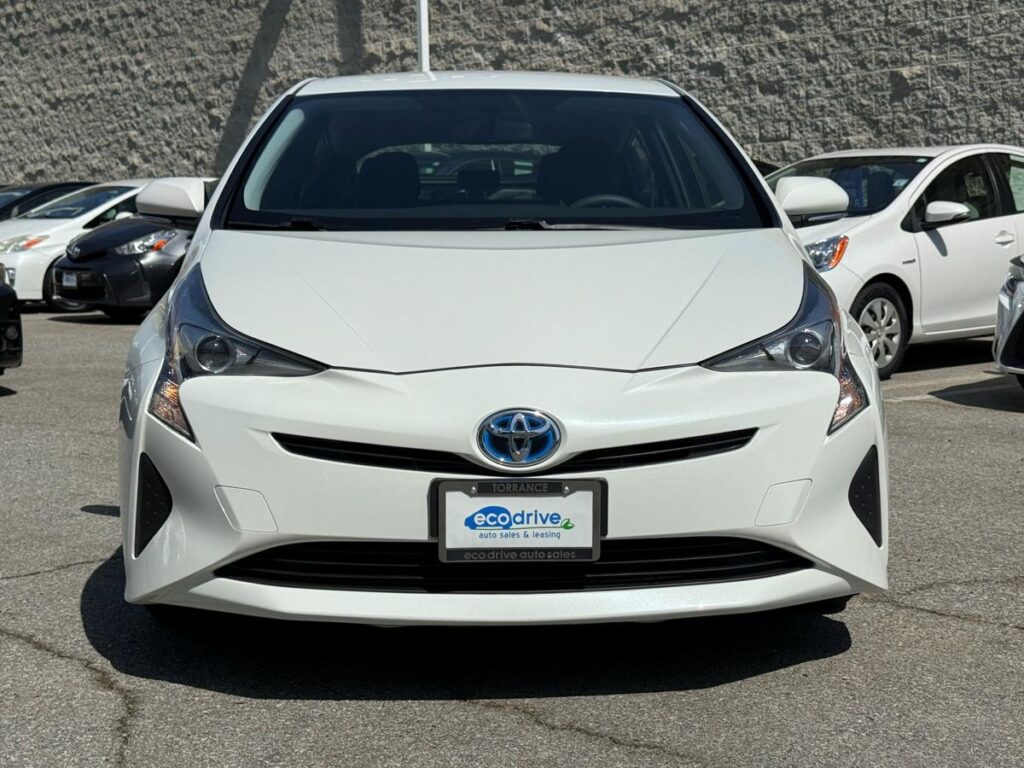
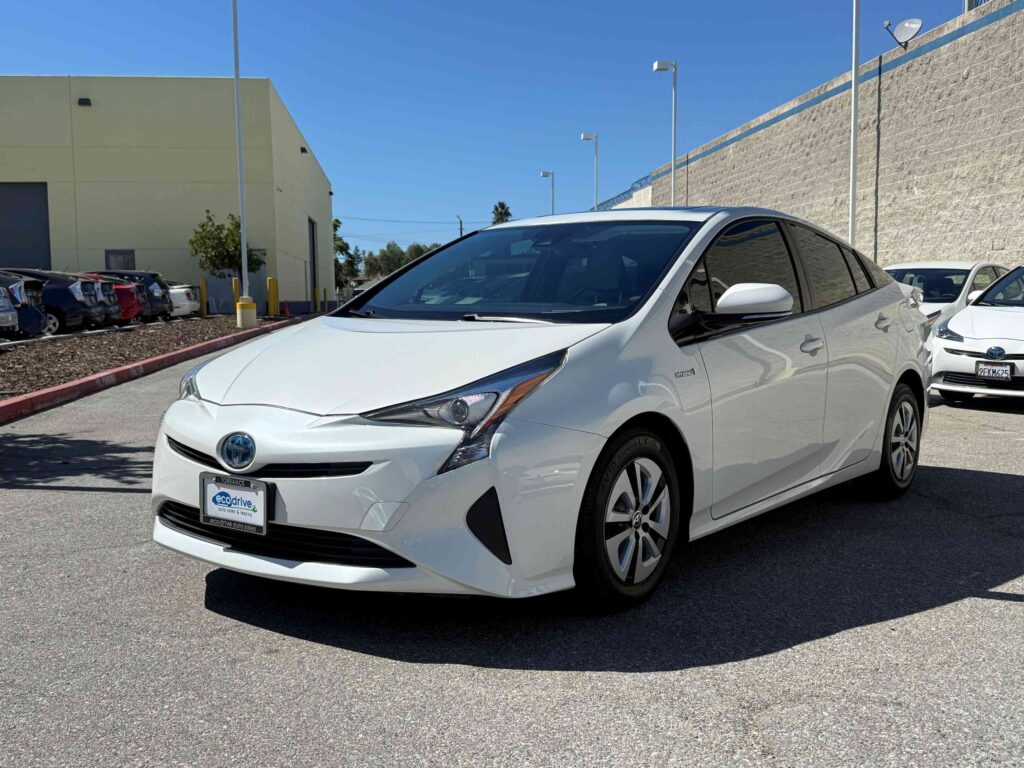
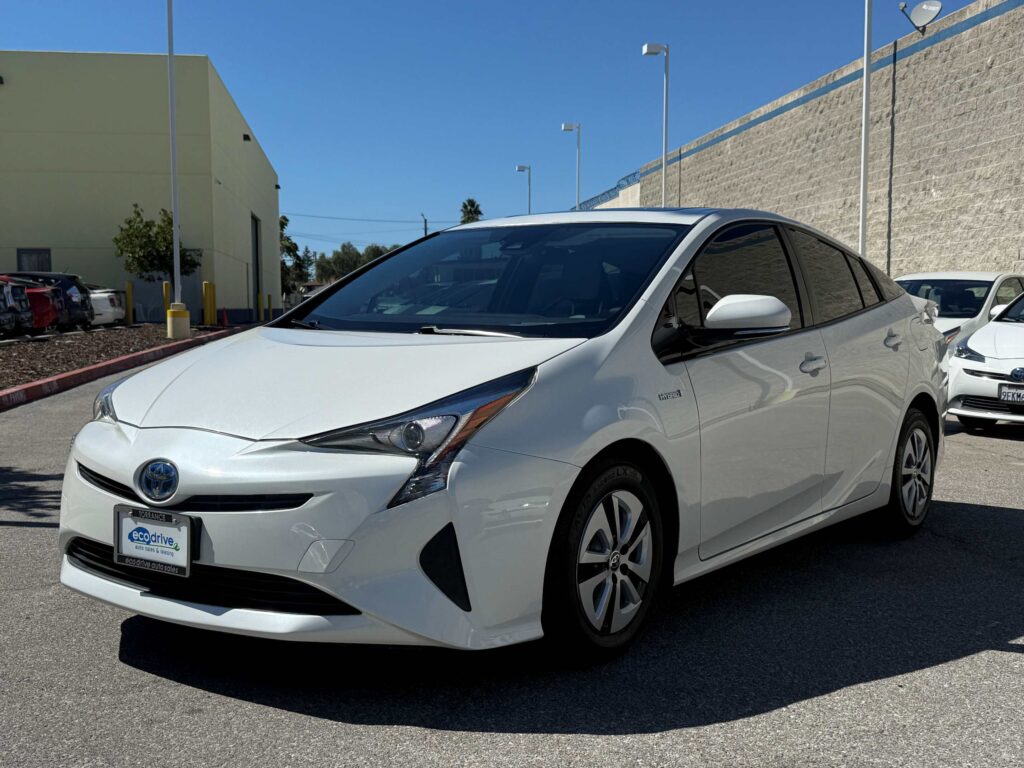
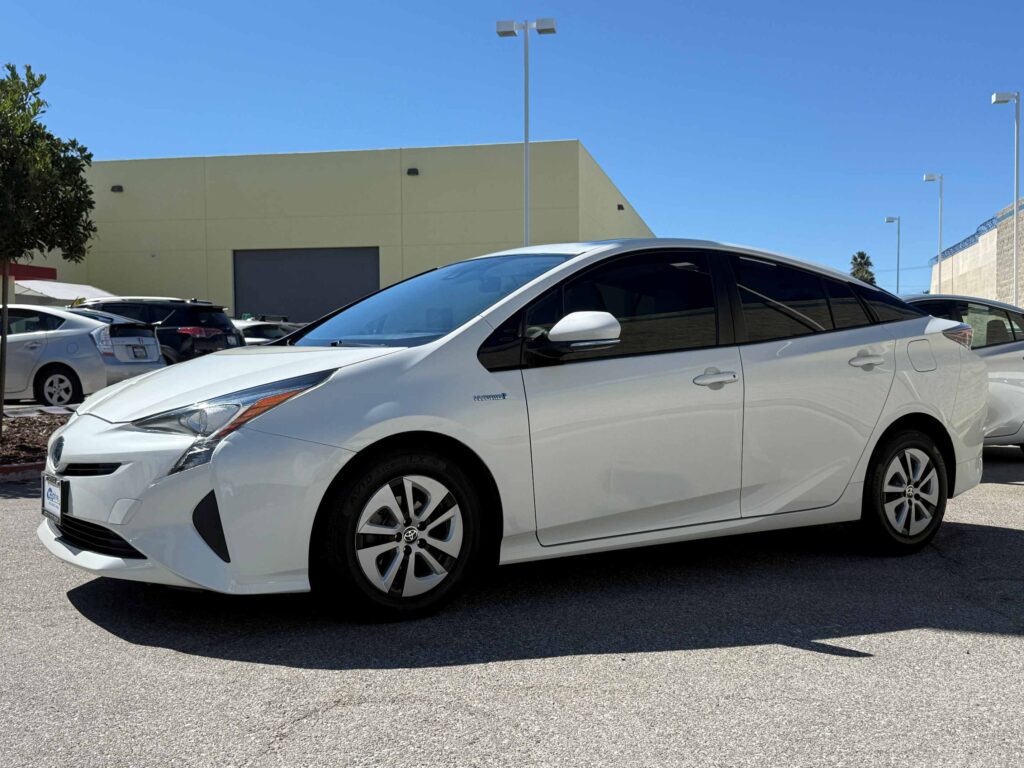
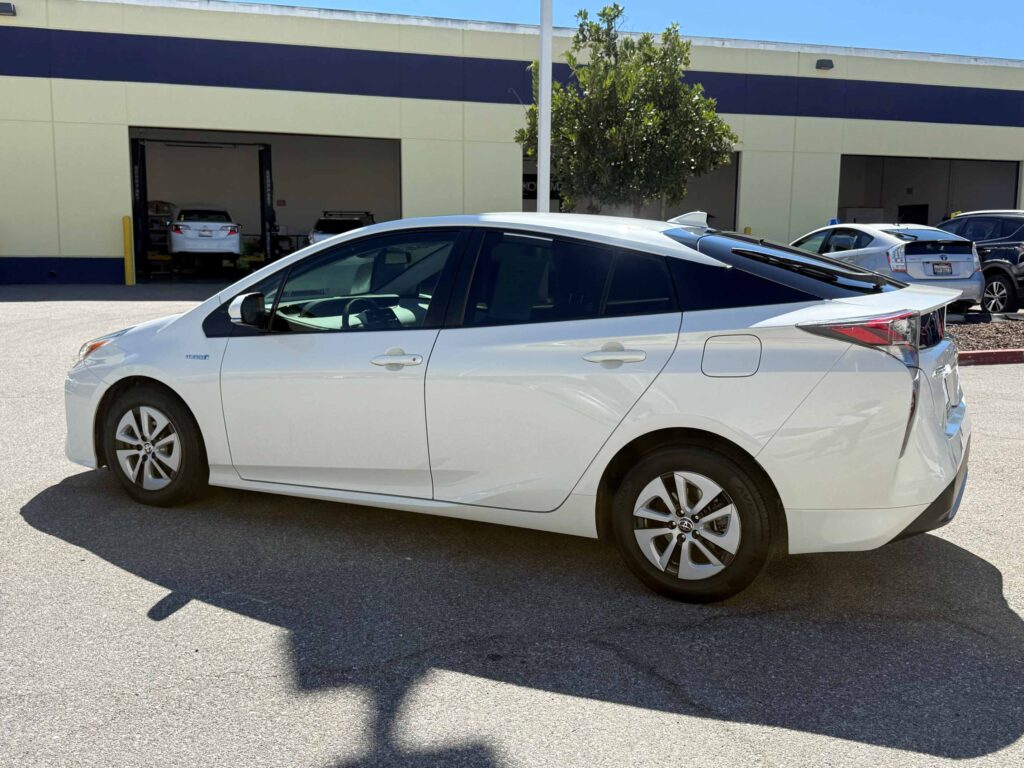
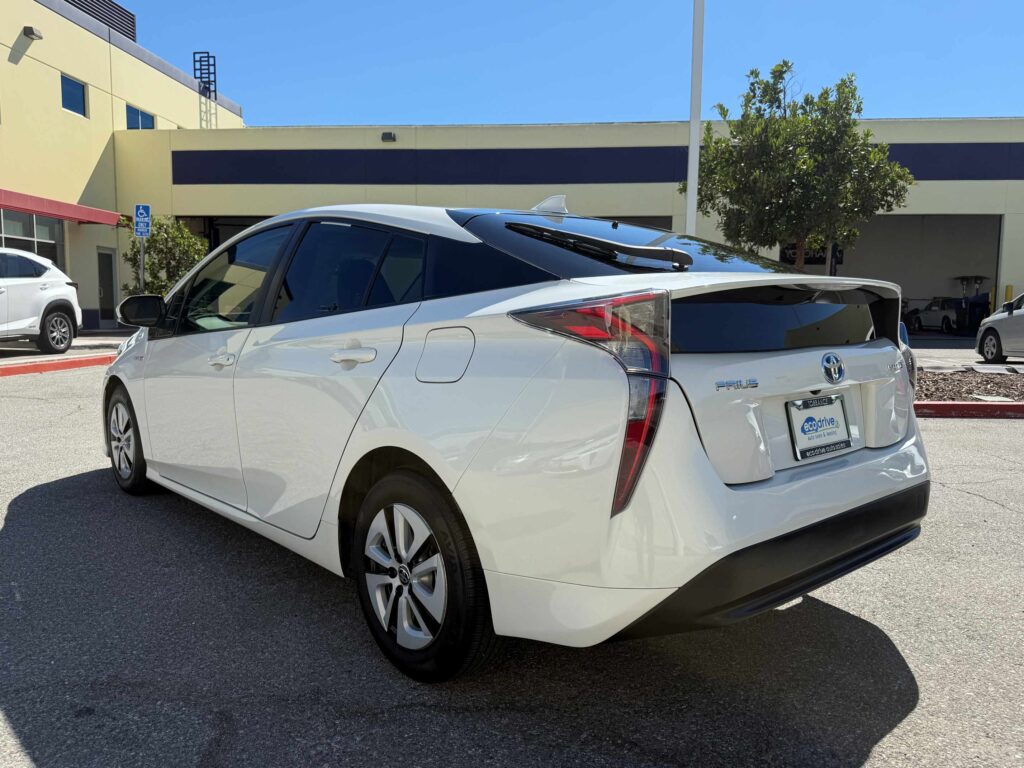
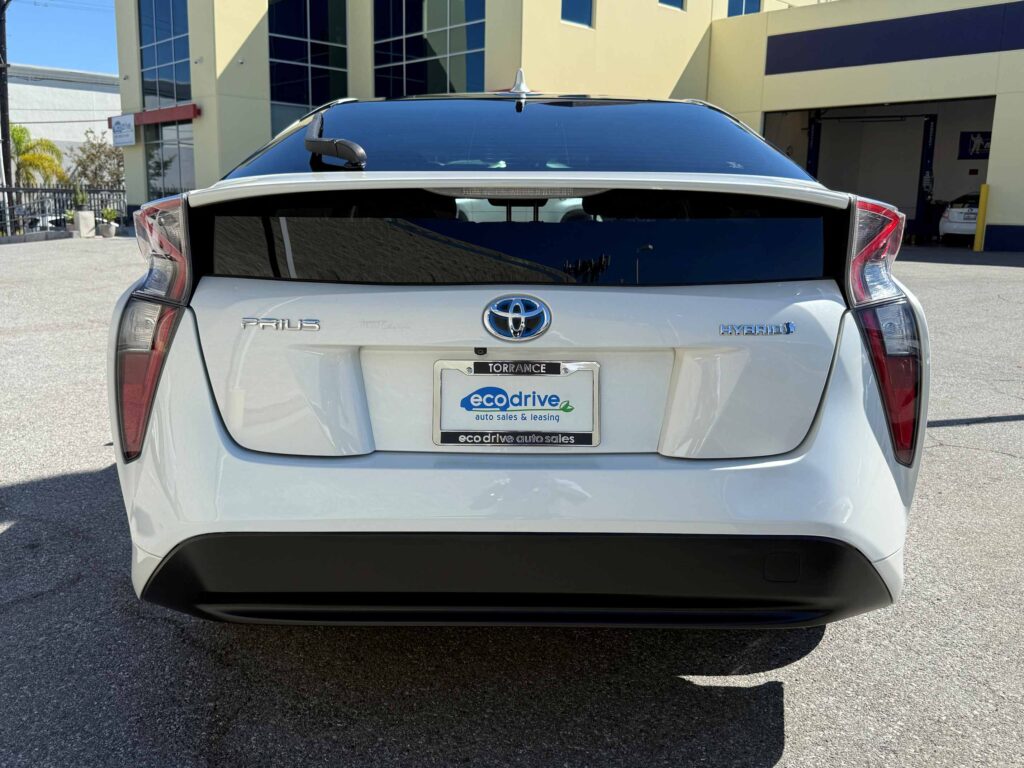
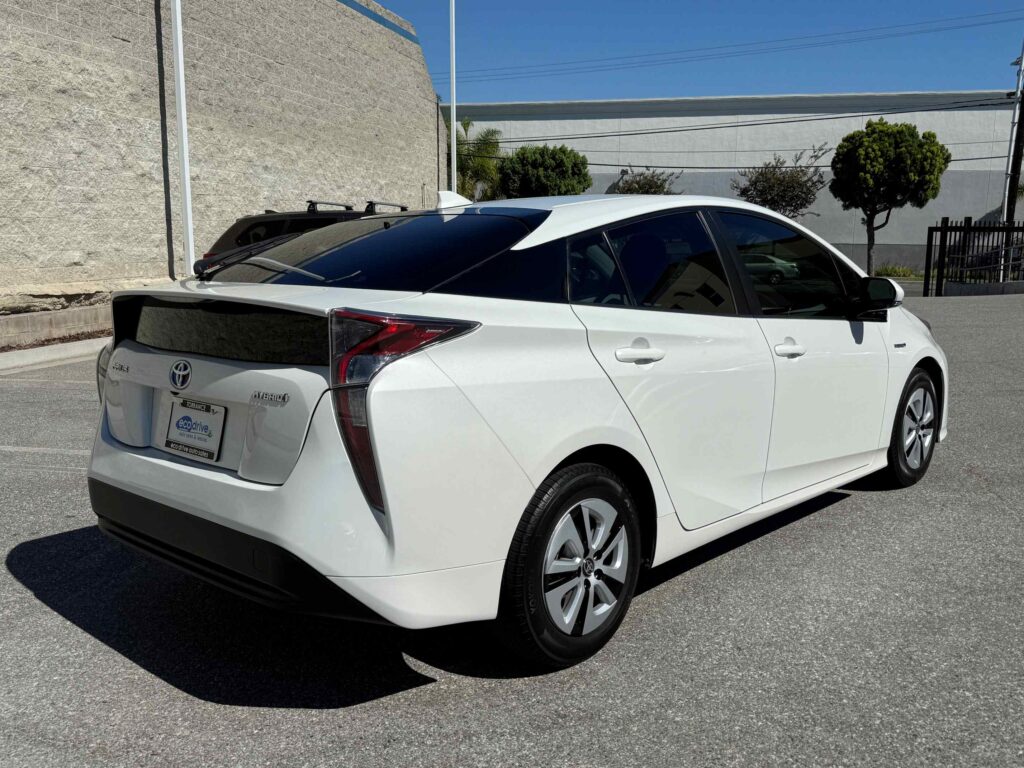
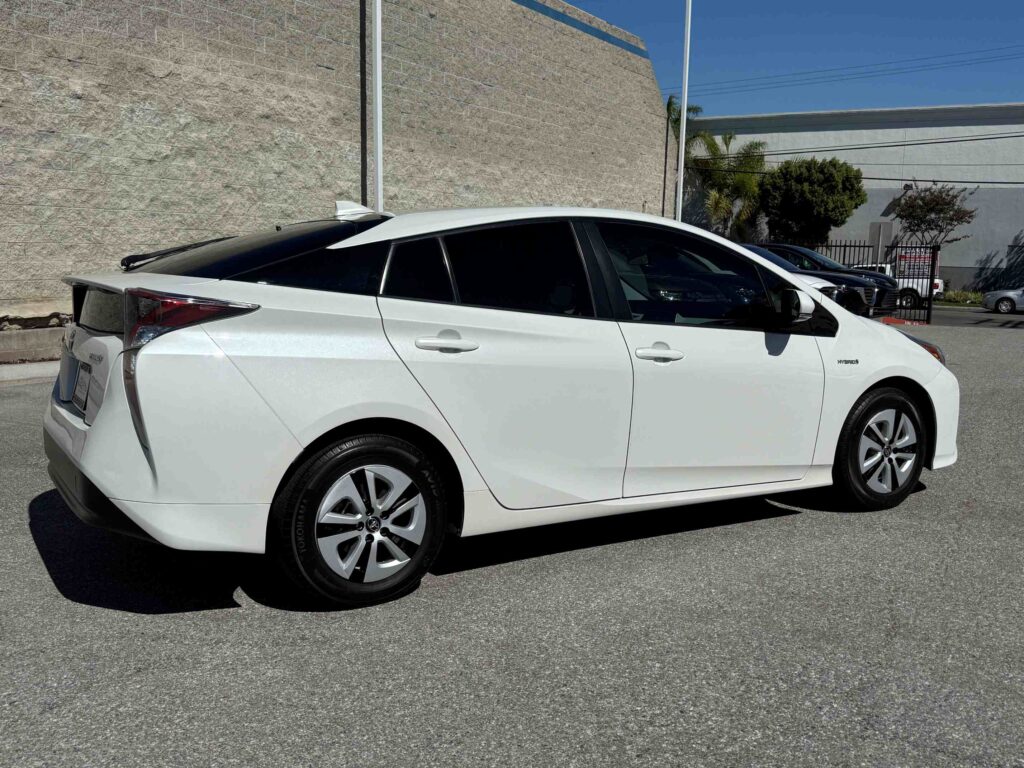
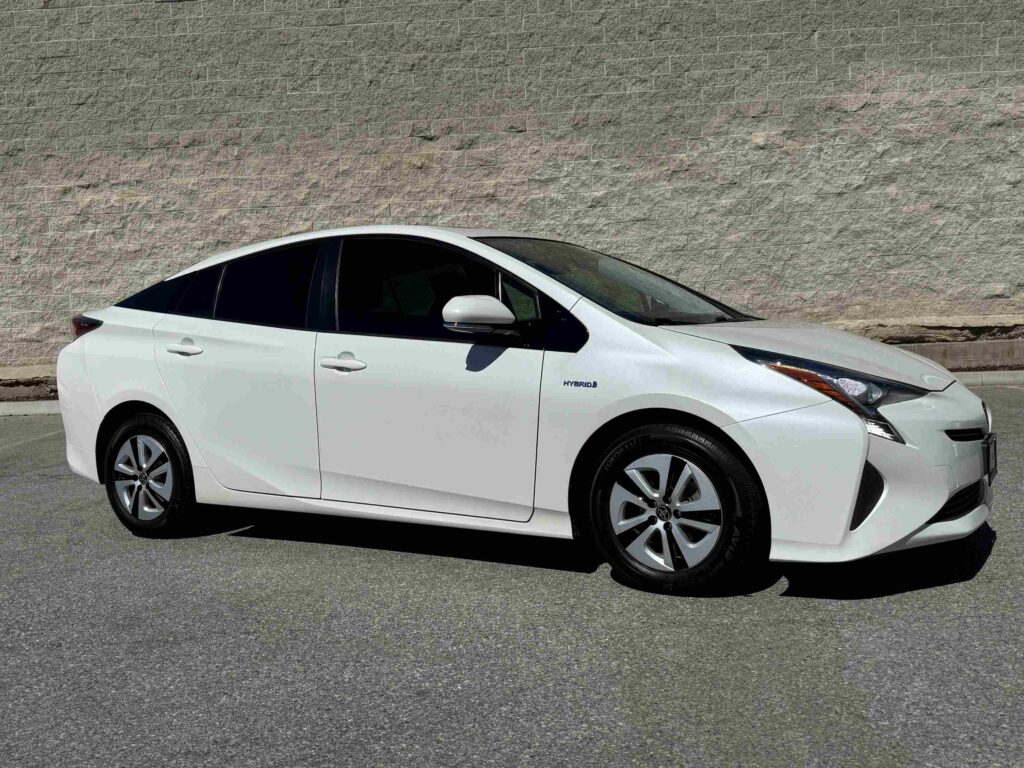
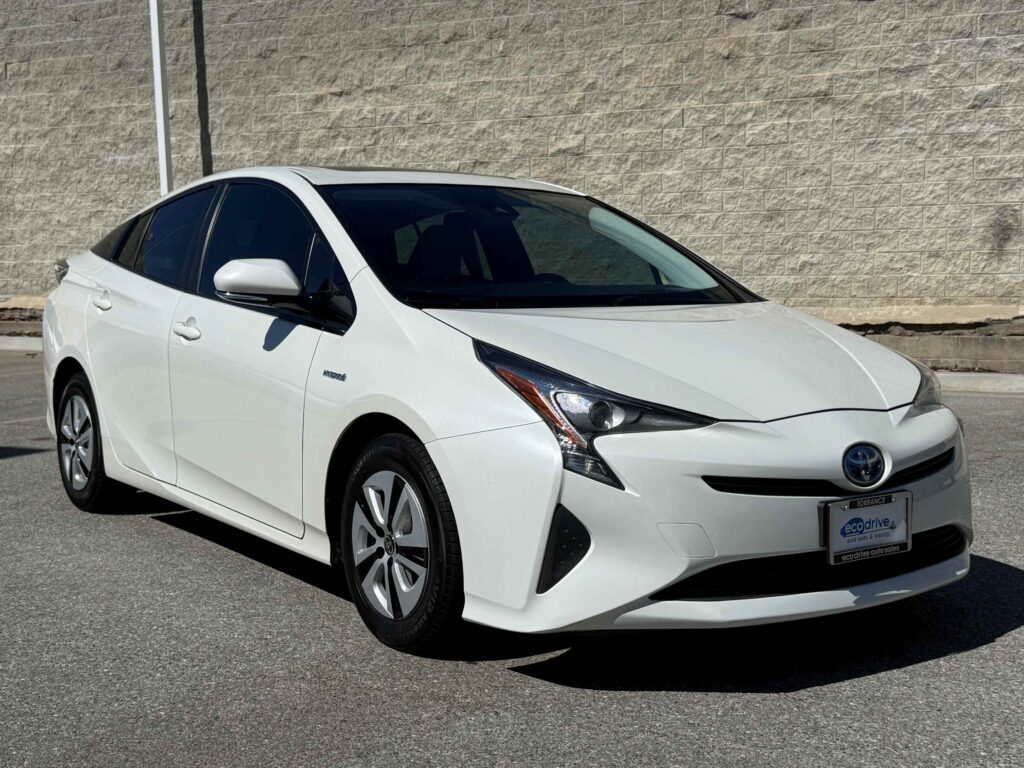
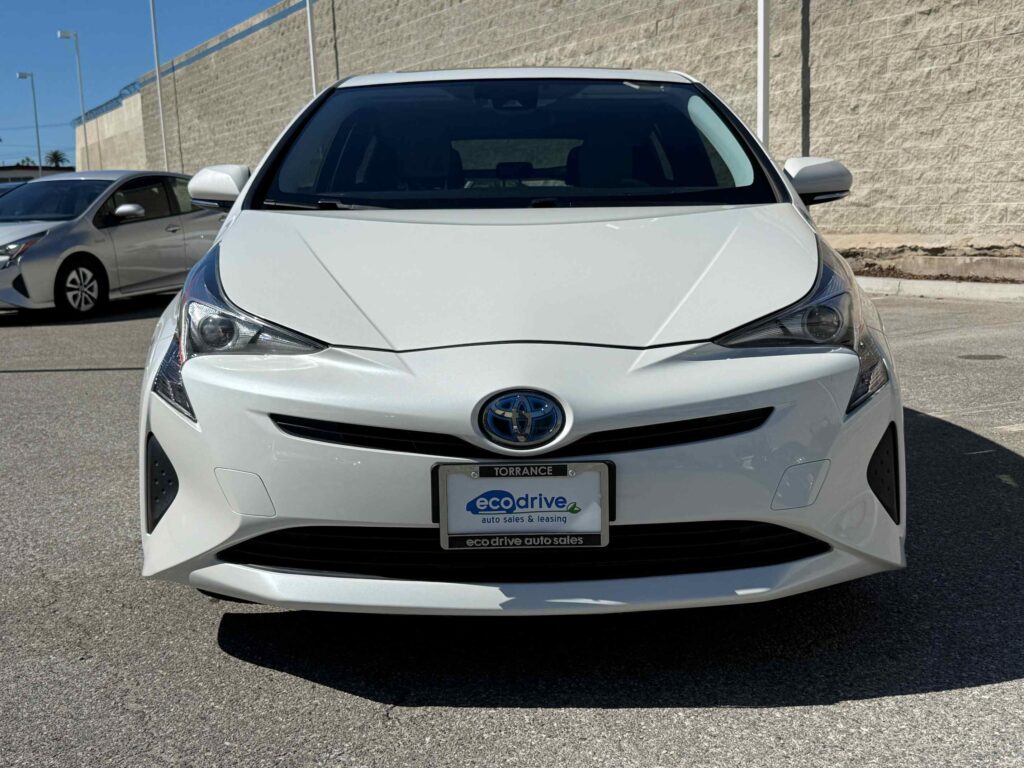
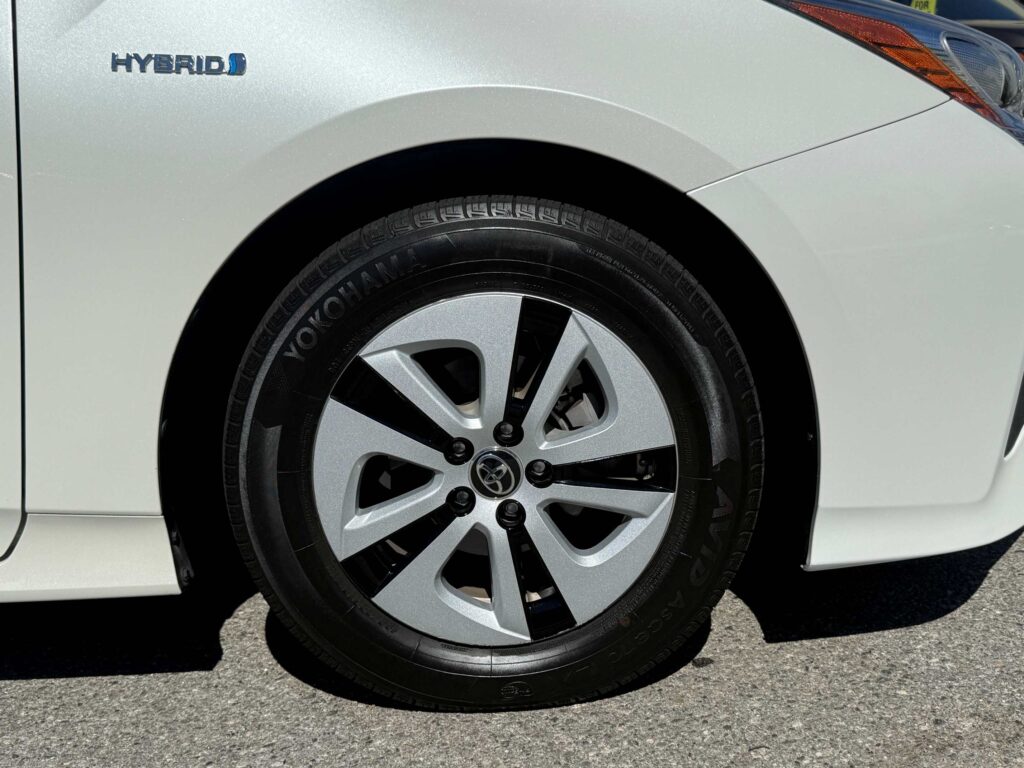
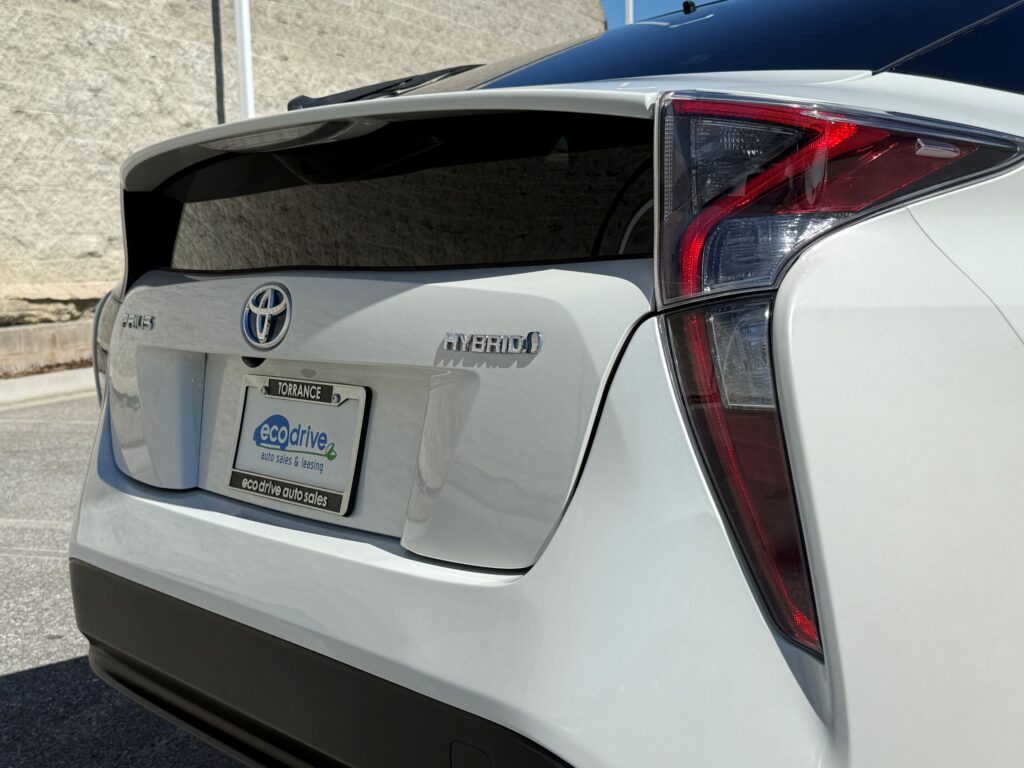
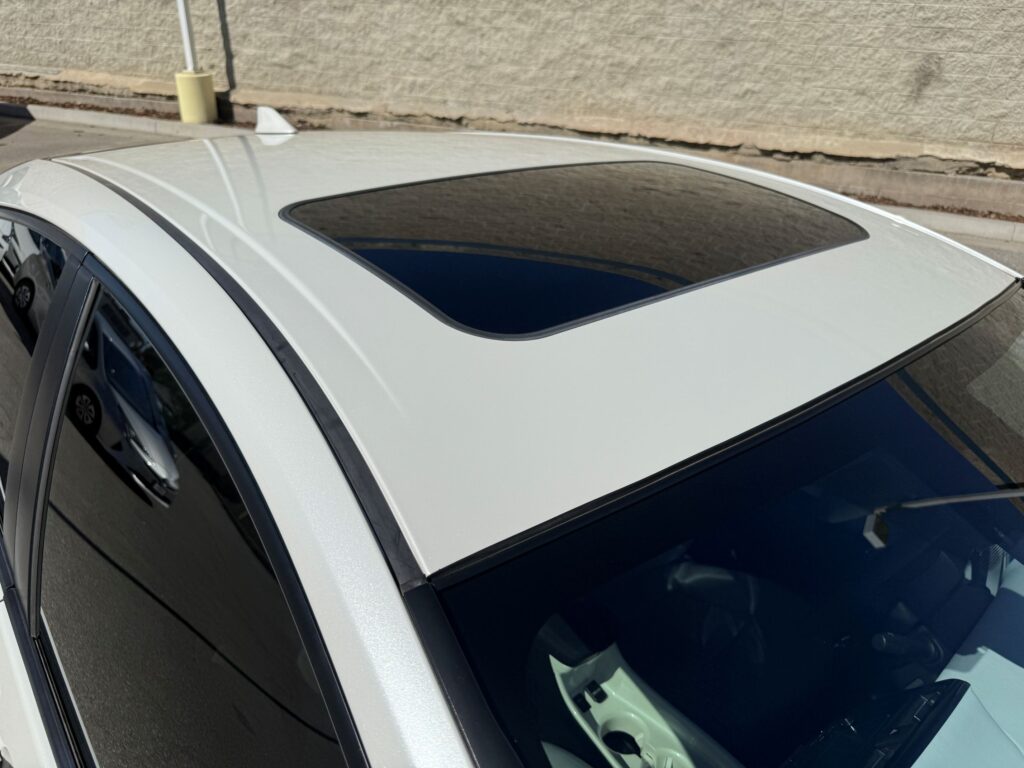
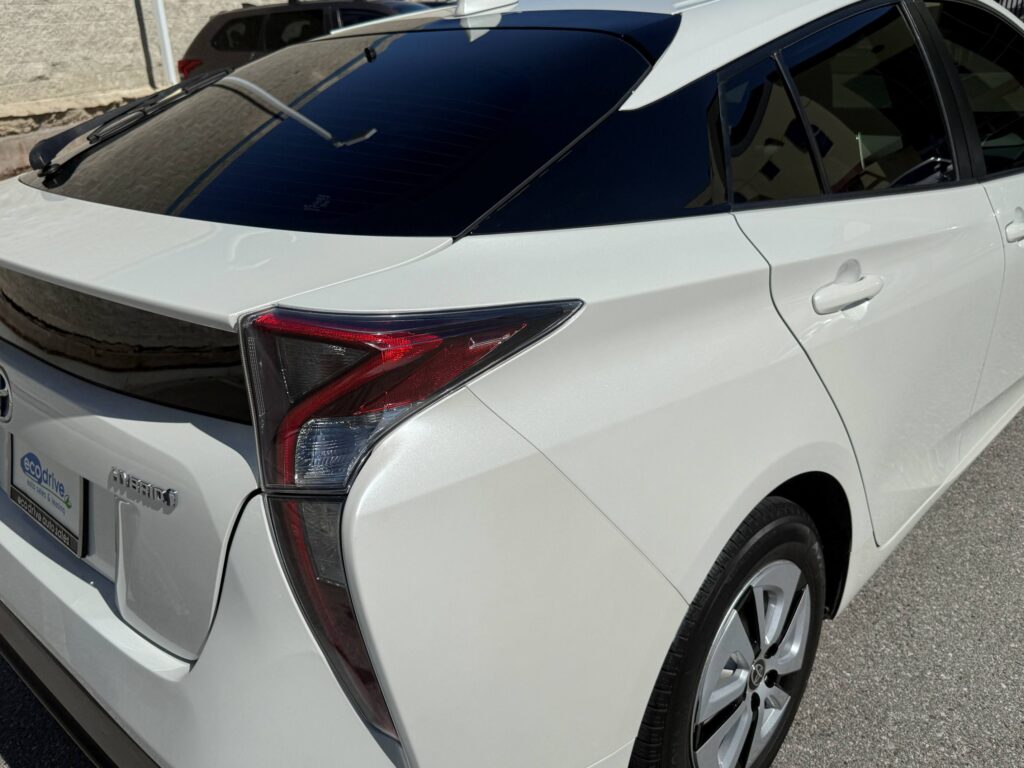
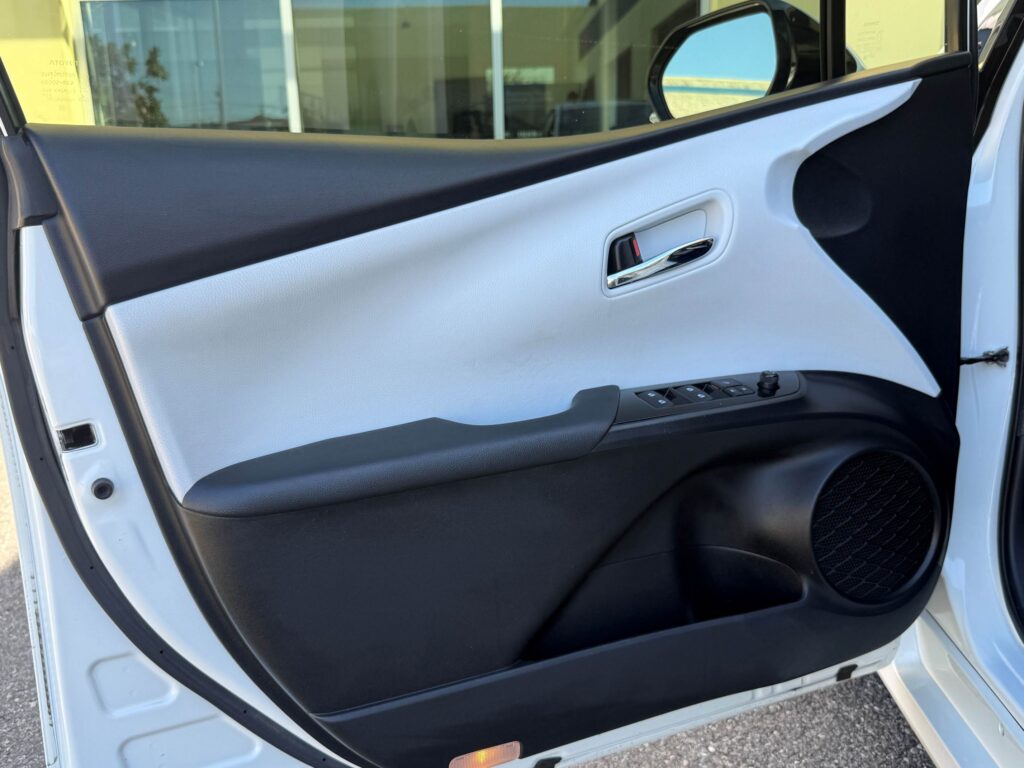
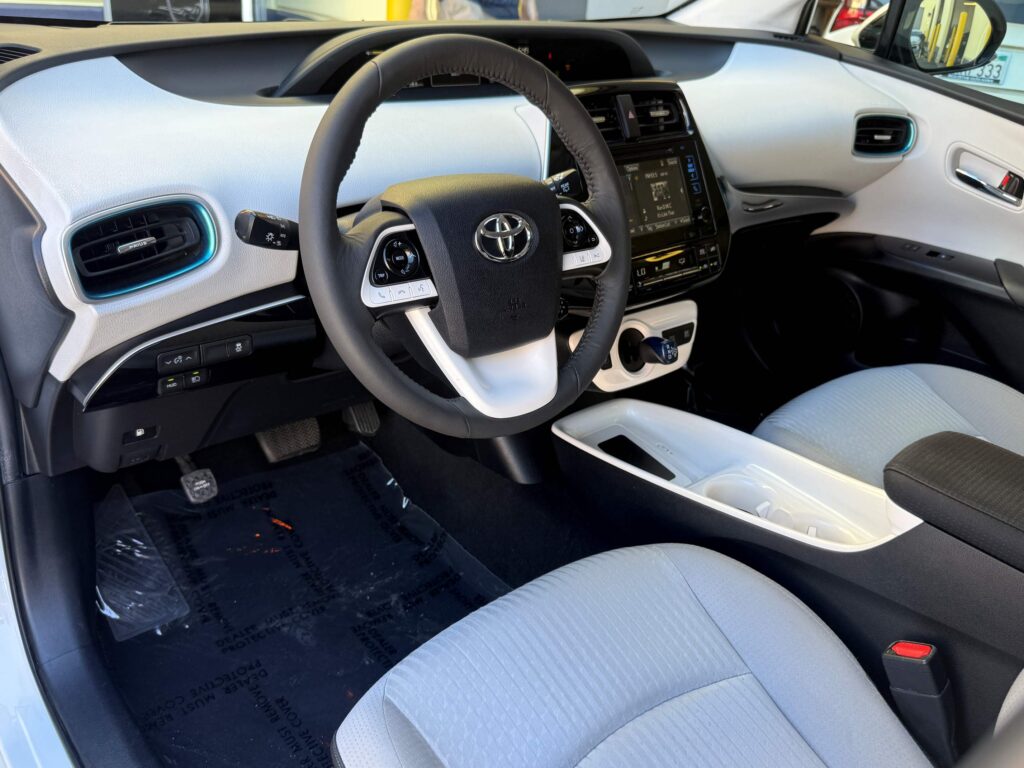
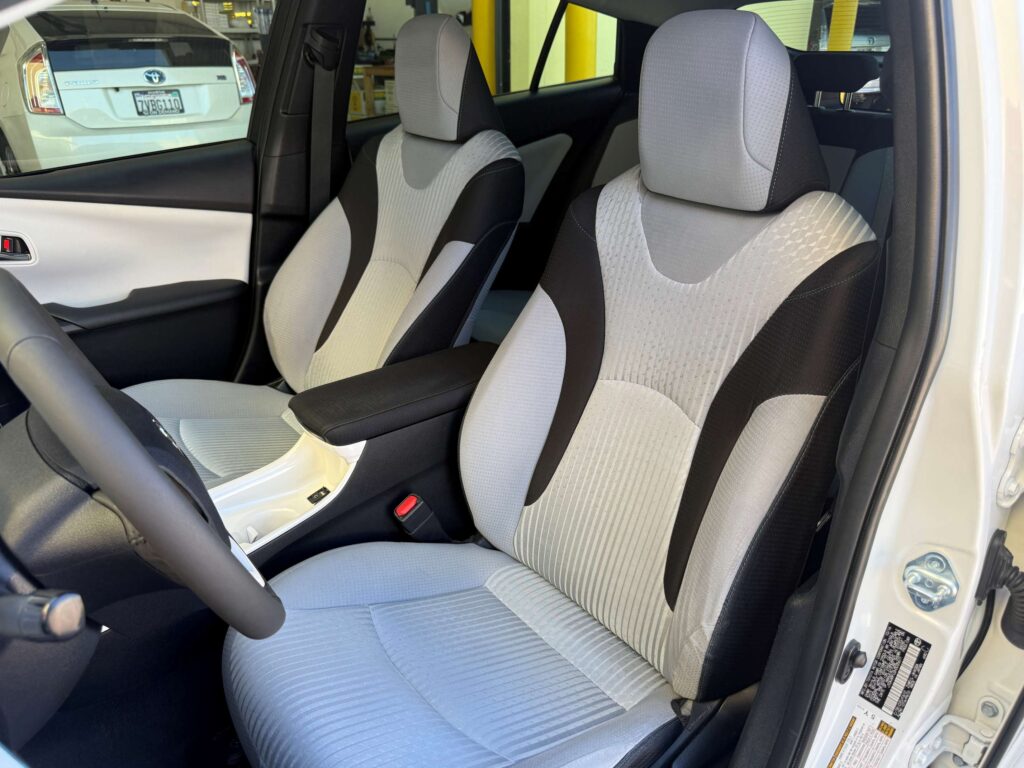
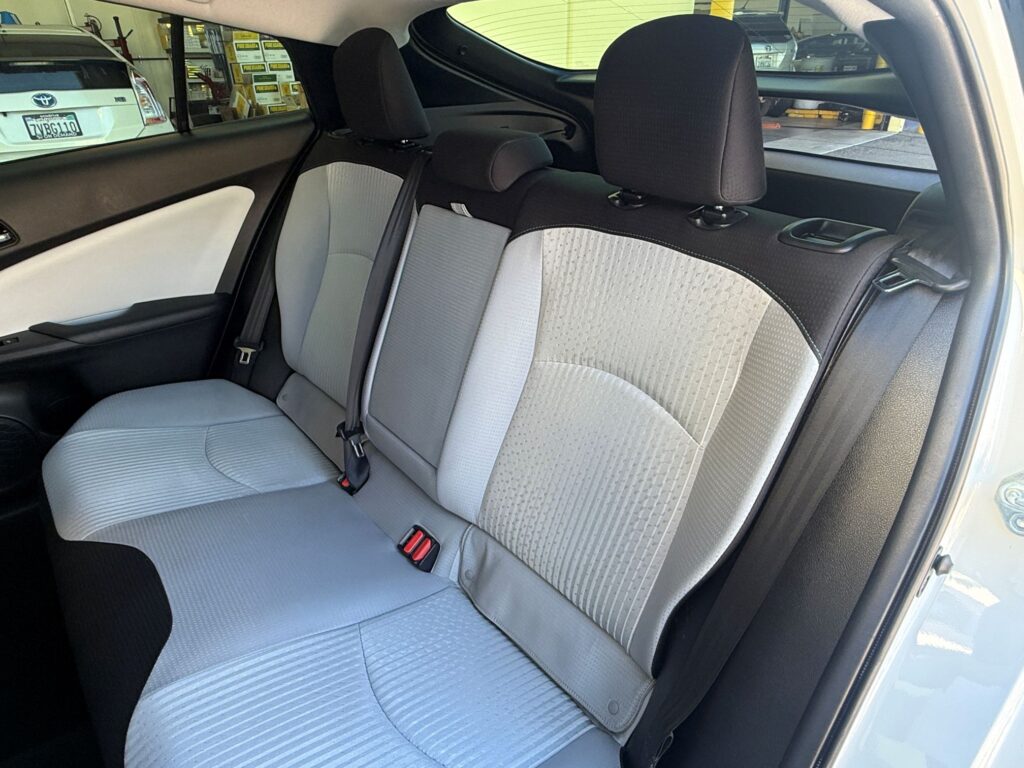
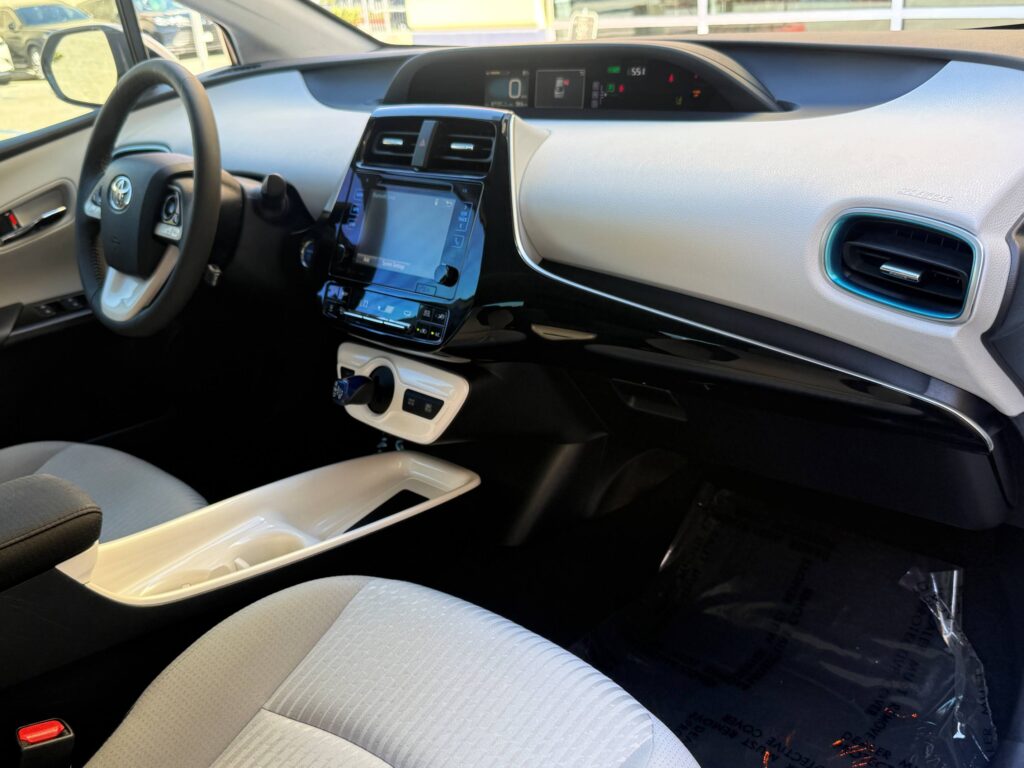
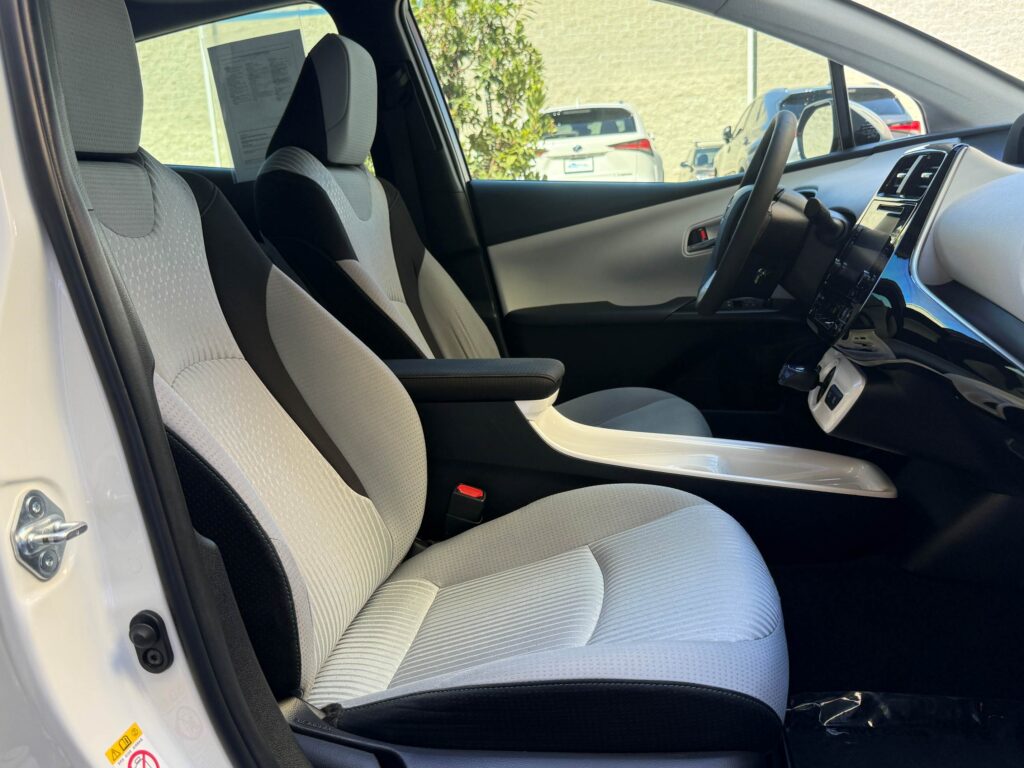
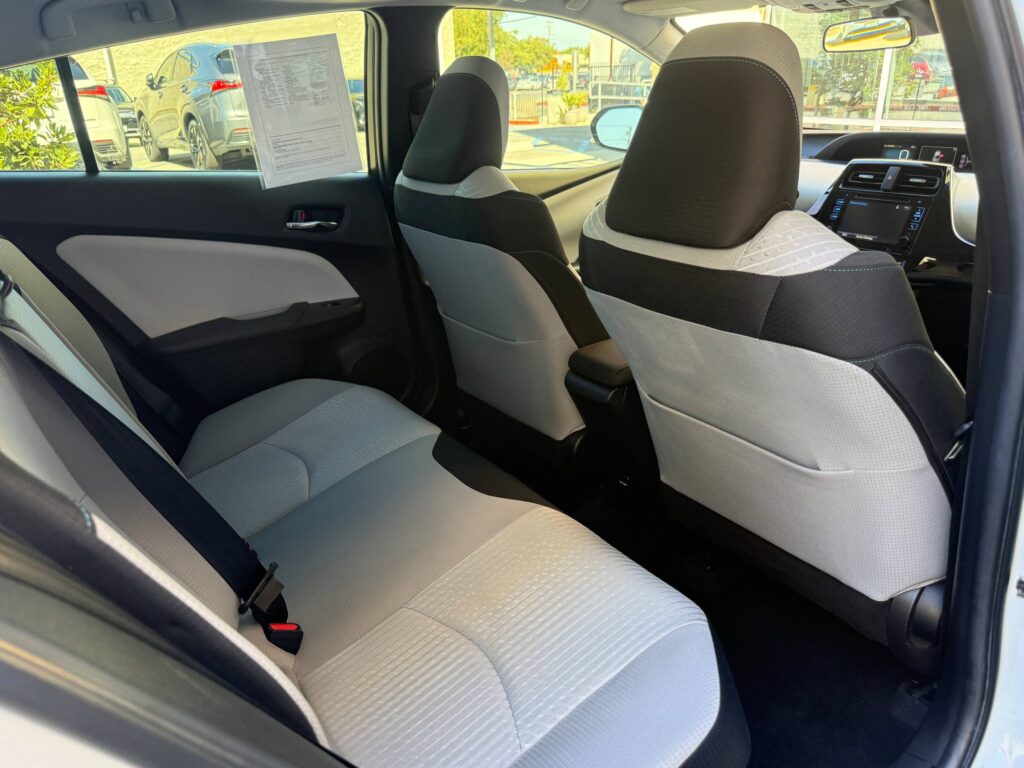
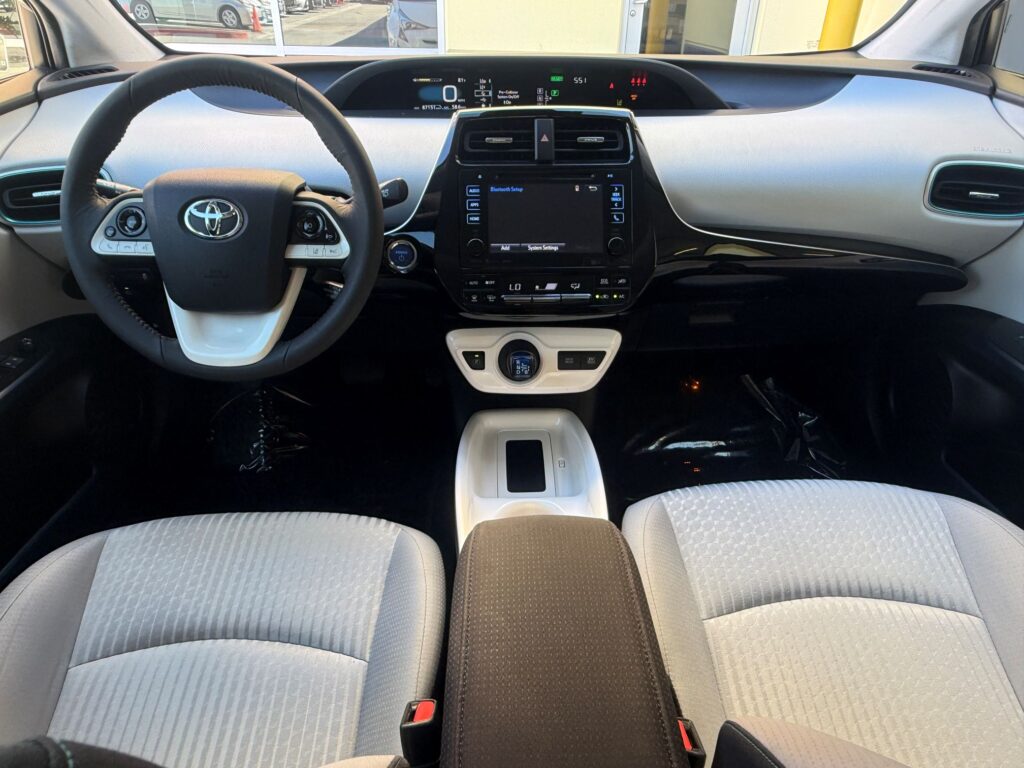
Discover our newest arrivals—available now!
Putting It Together: The “Vicious Cycle” That Leads Toward Bankruptcy
Let me sum up the discussion so far.
- [The vicious cycle]
- There are too few cars in the market overall
- Dealers hold onto their trade-ins, so fewer cars get listed at auction
- Auctions turn into bidding wars and source prices rise
- The sales floor is a side-by-side comparison on the same sites, so price competition thins margins
- Fixed costs don’t change, no cash is left over, and the cash flow seizes up
As long as this structure exists, even a shop that’s doing everything right can suddenly find itself in trouble, and that’s the scary part.
The Root Cause Is “Dependence”
I think the root cause of both of these problems is dependence on a single source for buying and a single method for selling.
On the sourcing side, auctions are the only game in town, so you could say dealers are dependent on the auction.
On the selling side, they’re dependent on the online car marketplaces.
Same source, same sales floor, even the same finance companies arranging the loans.
In other words, everyone sells the same way.
So where do you even differentiate?
In the end, price is the only lever left, so everyone keeps dropping their prices.
An Industry That Never Changes
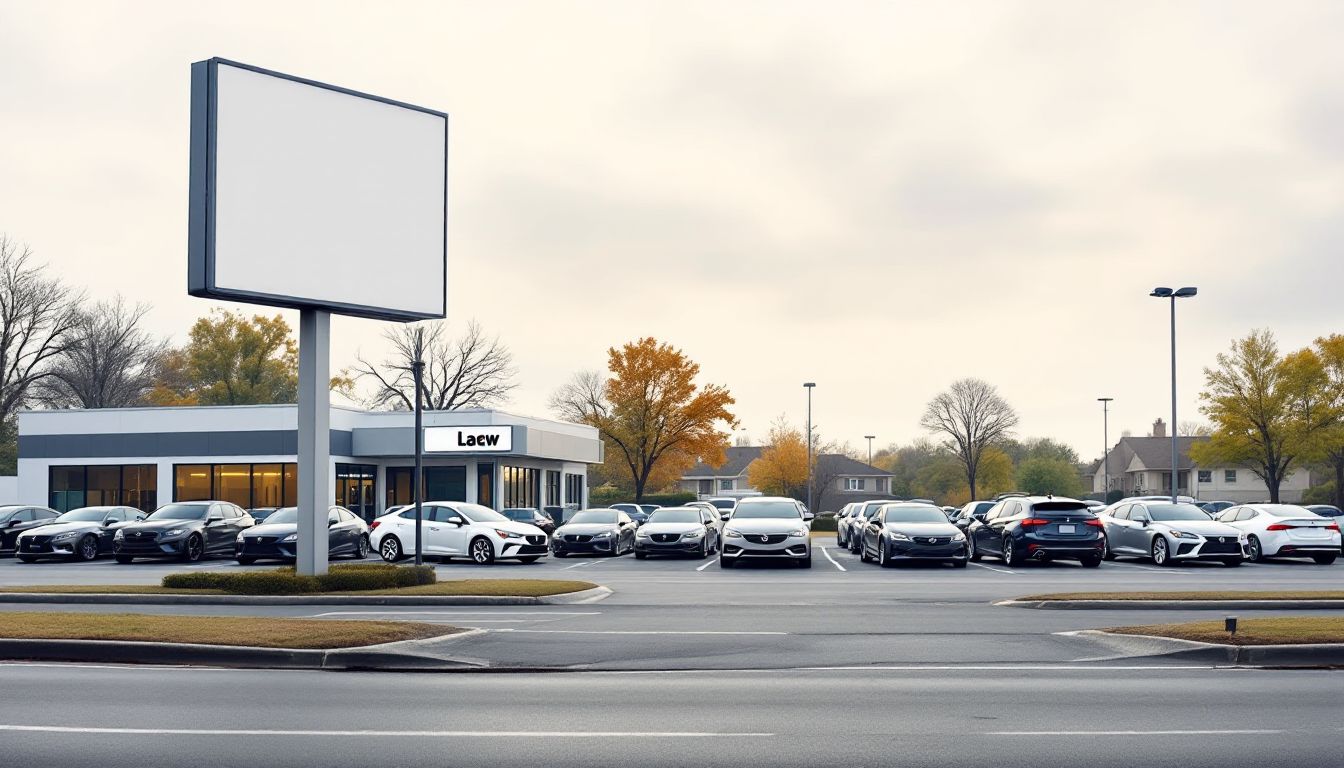
And this way of doing things hasn’t changed in the used car industry for as long as anyone can remember.
Because it’s been done this way forever, any company that has kept running on that old playbook, with used car sales as its one and only source of income, is in a really risky spot.
To put it bluntly, in this day and age I think that model is already done.
The Limits of Competing on Price
And the same goes for any shop that wants to keep winning on price alone, I’d say that’s done too.
The reason is that lately the big players have built up serious pricing power, so the small guys’ “cheaper, cheaper” routine just doesn’t work anymore.
The big chains have economies of scale on sourcing, and they can pour money into advertising.
When a small shop tries to fight on that same turf, they don’t stand a chance.
When Used Car Dealers Struggle, What Happens to Buyers?
Bankruptcies might look like a problem for people inside the industry, but they actually affect everyday buyers too. For example:
- The model you want simply doesn’t come onto the market (fewer options)
- Prices stay stubbornly high, and “more expensive than last year” becomes the norm
- Wait times for delivery stretch out, and terms get tougher
- More shops end up with weak after-sale and warranty support
That kind of thing.
Of course, not every shop is on shaky ground.
But if you ever notice warning signs that give you pause, like a dealer being hard to reach or having extremely thin inventory, it’s worth taking a calm moment to double-check the contract terms and the scope of the warranty.
Shopping for a used car you can actually trust? The whole point of this article is that price tags don’t tell you the things that matter most — careful inspection, an honest read on a car’s condition, and real after-sale support. That’s exactly what we focus on. Take a look at our current inventory and see the difference for yourself.
Wrap-Up: Why Used Car Dealer Bankruptcies Are Making Headlines
Today I walked through the structure behind why used car dealer bankruptcies have become such a talked-about topic.
At its core, there’s a structural problem across the whole industry: everyone sources the same way and everyone sells the same way.
Buy high, sell low. Dealers who can’t break out of that vicious cycle are being driven into bankruptcy one after another, and that’s where things stand right now.
So how do you survive in an environment like this?
I’ll dig into the solutions in detail in Part 2.
You May Also Like