How Used-Car Dealers Can Survive a Tough Market in 2026
How Used-Car Dealers Can Survive a Tough Market: Reducing Dependence and Diversifying Revenue
Introduction
Hello everyone, Suzuki from Eco Drive here.
Today’s theme is why used-car dealership bankruptcies keep making headlines — and what dealers can actually do about it.
Many used-car dealers are feeling pressure from tighter inventory, higher carrying costs, and slower turns. In my view, one major structural vulnerability is dependence on auctions for sourcing inventory and third-party listing platforms for selling it.
Today, I want to dig a little deeper into those structural problems and revisit why depending on other companies is so dangerous —
and ultimately talk about how a dealership can survive — including what we’re doing at Eco Drive.
Watch the video version below (Japanese audio, with English subtitles)
As I see it, the root of the problem is dependence on your supply source and your sales channel.
For sourcing, it’s auctions or nothing. Total auction dependence.
For sales, it’s the same story with car listing marketplaces.
Personally, I believe this kind of dependence — putting your business in someone else’s hands — is incredibly dangerous.
3 Reasons Dependence Is More Dangerous Now Than Ever
“Dependence is risky” is old advice. But today’s environment makes it especially easy for dependence to become fatal.
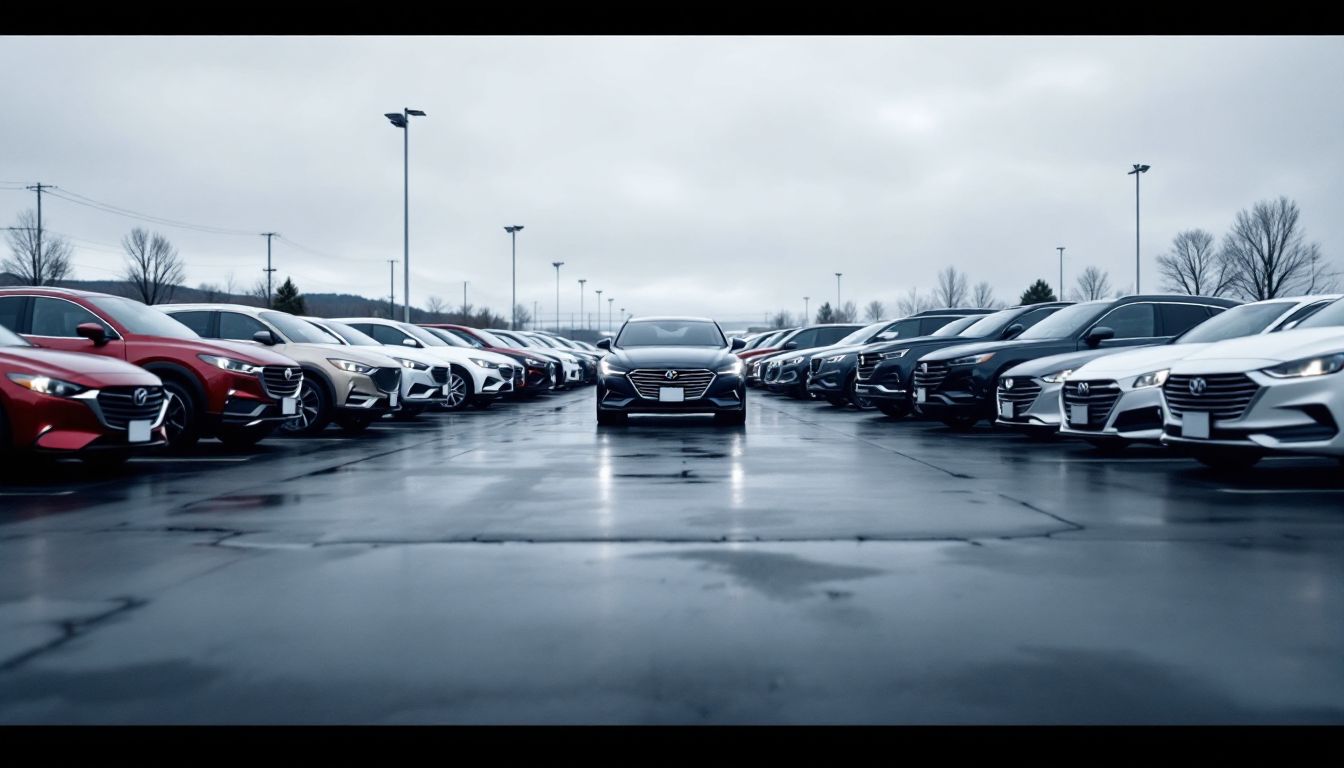
Reason 1: Used-car inventory isn’t exactly plentiful (sourcing is unstable)
As of May 2026 (per Cox Automotive’s data), nationwide used-vehicle inventory stood at roughly 2.12 million units, or about 45 days’ supply, with an average listing price near $26,918 — and Cox still described inventory as tight by recent historical standards.
Earlier in the year it ran a bit higher — around 2.18 million units and 48 days’ supply at the end of January 2026 — but the figure has stayed under 50 days for months, which is hard to call “plentiful.”
Tight inventory means more bidding competition on the buy side.
In other words, the more auction-dependent a store is, the harder it gets hit by swings in acquisition prices.
*Days’ supply is calculated against the recent sales pace, so it moves with how fast cars are selling — not just how many are in stock.
Reason 2: Cars can take longer to sell (slow turns hurt, fast)
According to Edmunds’ Q4 2025 report, 3-year-old used cars took an average of 45 days to sell off the lot.
*That 45-day average applies to the 3-year-old used-car segment specifically, not to all used cars.
And reportedly, that’s the longest Q4 figure since 2017.
Here’s why that matters:
When turn time stretches out, cash flow deteriorates fast — even at the same gross margin.
Used cars are an inventory business: inventory that isn’t moving means cash that isn’t coming back.
Reason 3: Interest rates and carrying costs are heavy (inventory costs money just sitting there)
The rate environment amplifies dependence risk too. The U.S. prime rate, for example, sits at 6.75% as of February 2026.
And the dealer world runs on “floor plan” financing — carrying inventory on borrowed money.
Generally speaking, floor plan financing is short-term inventory financing that helps dealers carry high-ticket vehicles until they are sold, repaid as each unit moves off the lot.
The loan is secured by the inventory itself, and the rate is typically set as a benchmark rate plus a spread.
So when slow-moving inventory and high interest rates overlap, just holding cars gets more and more expensive.
To sum up the situation:
- Inventory isn’t plentiful → sourcing is unstable
- Cars can take longer to sell → slow turns mean cash stops coming back
- Rates and monthly payments are heavy → carrying costs rise, and price wars intensify
That’s exactly why dealers need to turn “reducing dependence” into concrete, practical moves.
*Floor plan availability and terms vary by store, lender, and contract. This is a general overview, and the prime rate is cited only as a gauge of the environment.
When Everyone Sells the Same Way, Price Is the Only Differentiator
Depending on other companies for sourcing and sales is a problem in itself. But there’s a bigger, industry-wide issue:
Everyone buys from the same suppliers, sells on the same marketplaces, and finances through the same lenders.
In effect, everyone sells the same way.
So where exactly are you supposed to differentiate?
The answer becomes “price,” and everyone races to the bottom.
An Industry That Hasn’t Changed — and a Harsh Reality

The thing is, for decades, much of the used-car industry has relied on a familiar playbook.
It’s been this way for so long that plenty of companies have never known anything else —
and a company whose only revenue stream is used-car sales is in real danger.
To put it bluntly: in today’s market, that model has much less room for error.
Competing on Price Has Hit Its Limit
The same goes for stores that want to keep competing on price alone.
Why? Because the big players have gotten seriously price-competitive lately — the small dealer’s “we’re cheaper!” playbook just doesn’t work anymore.
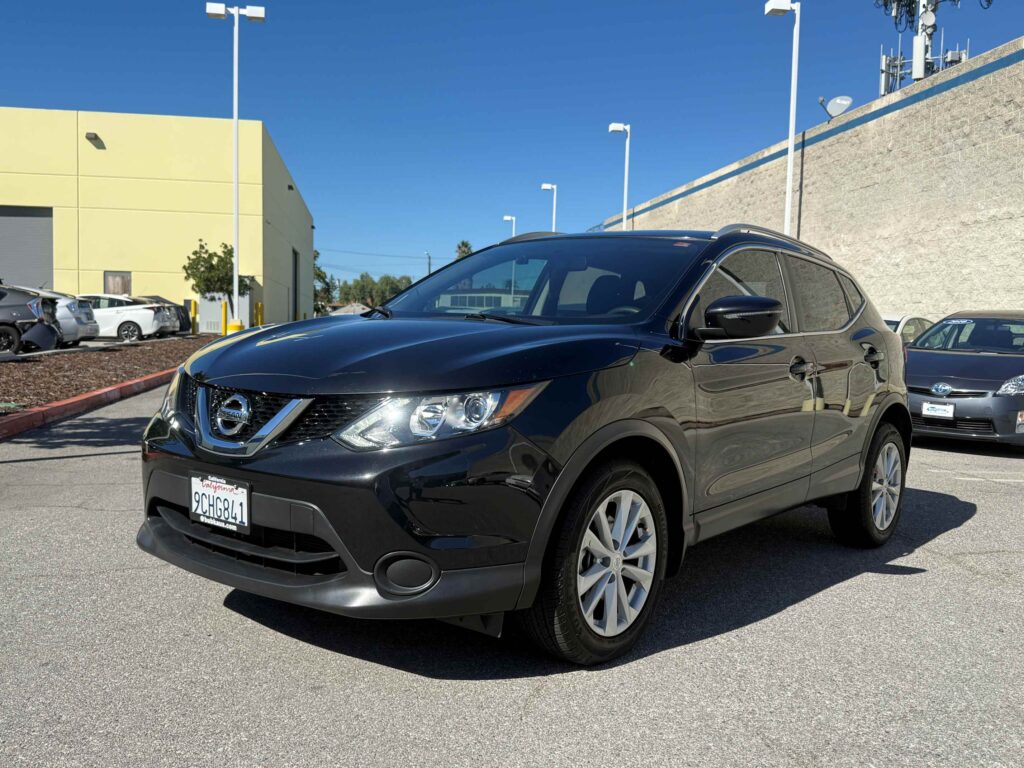
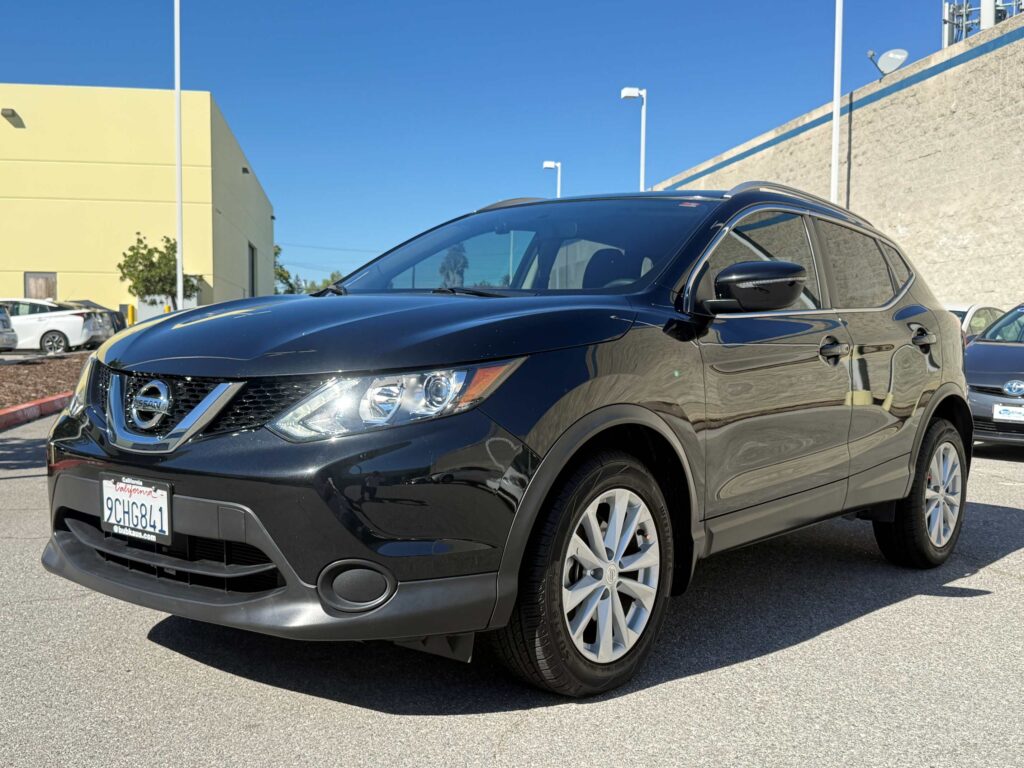
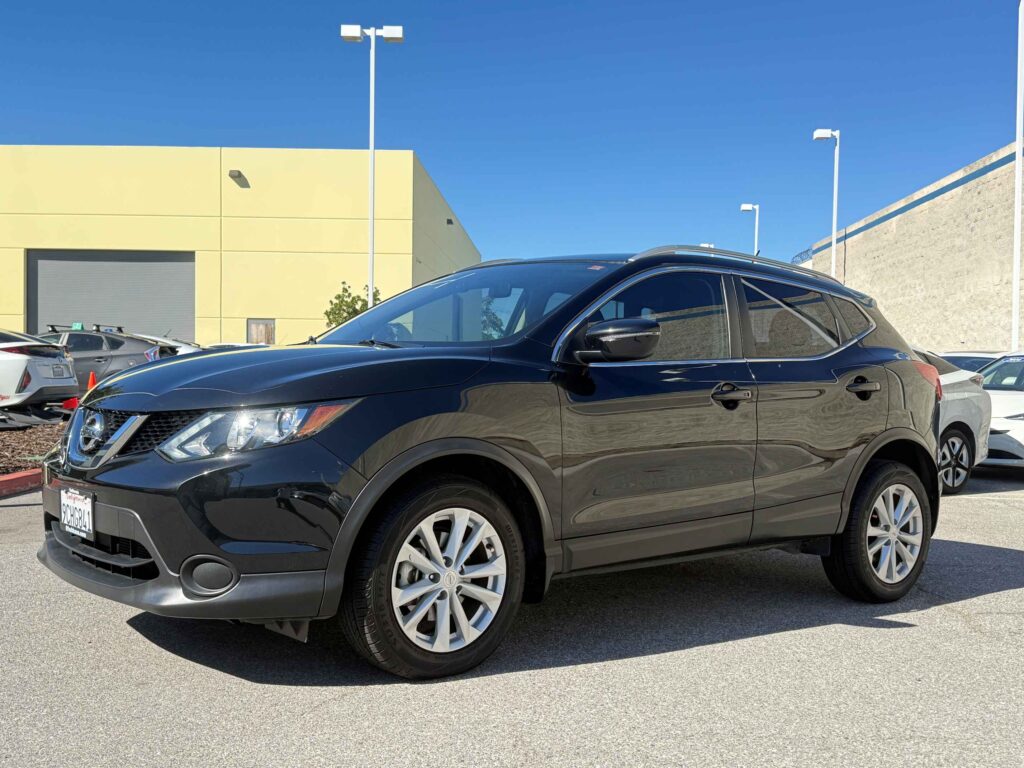
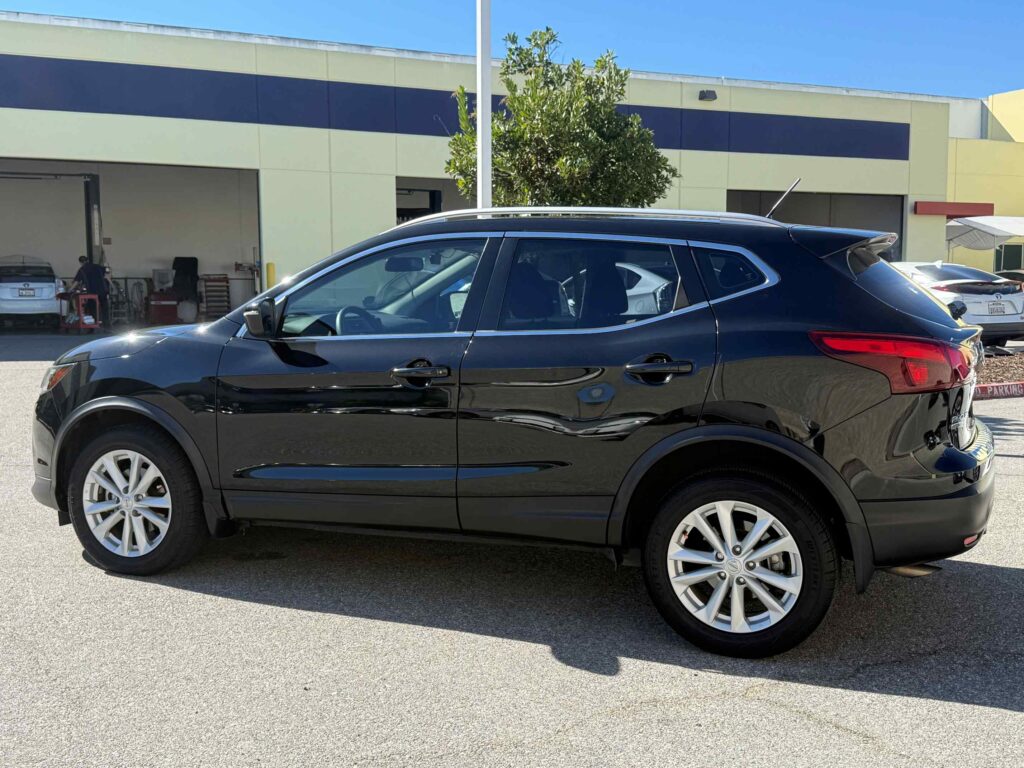
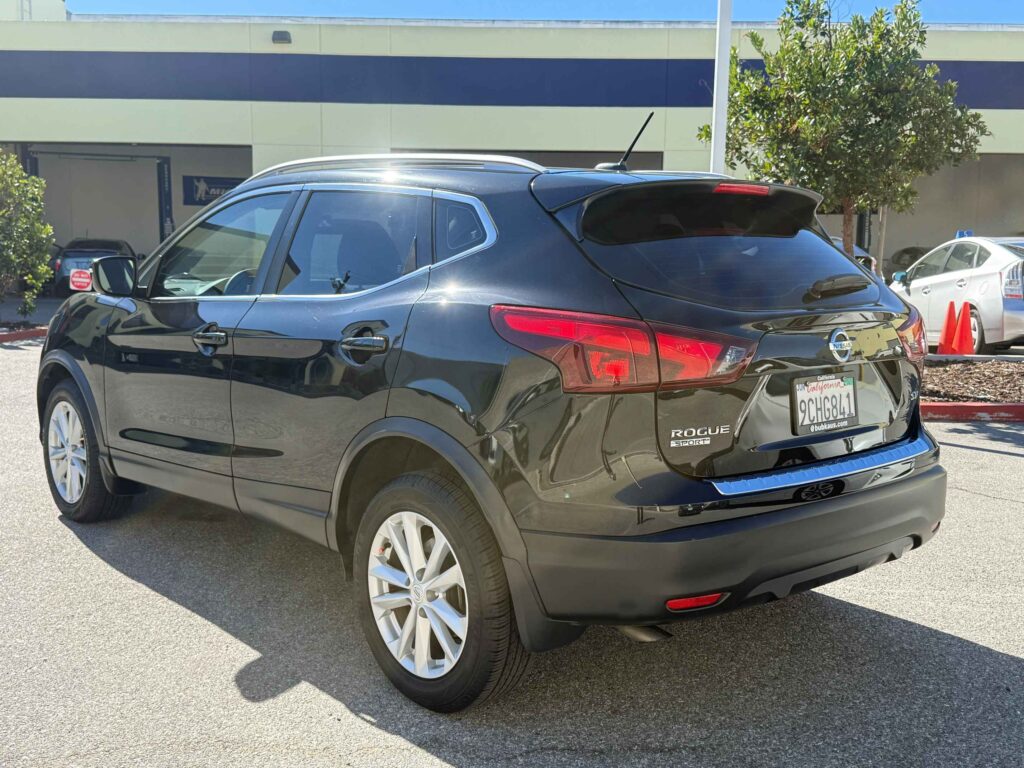
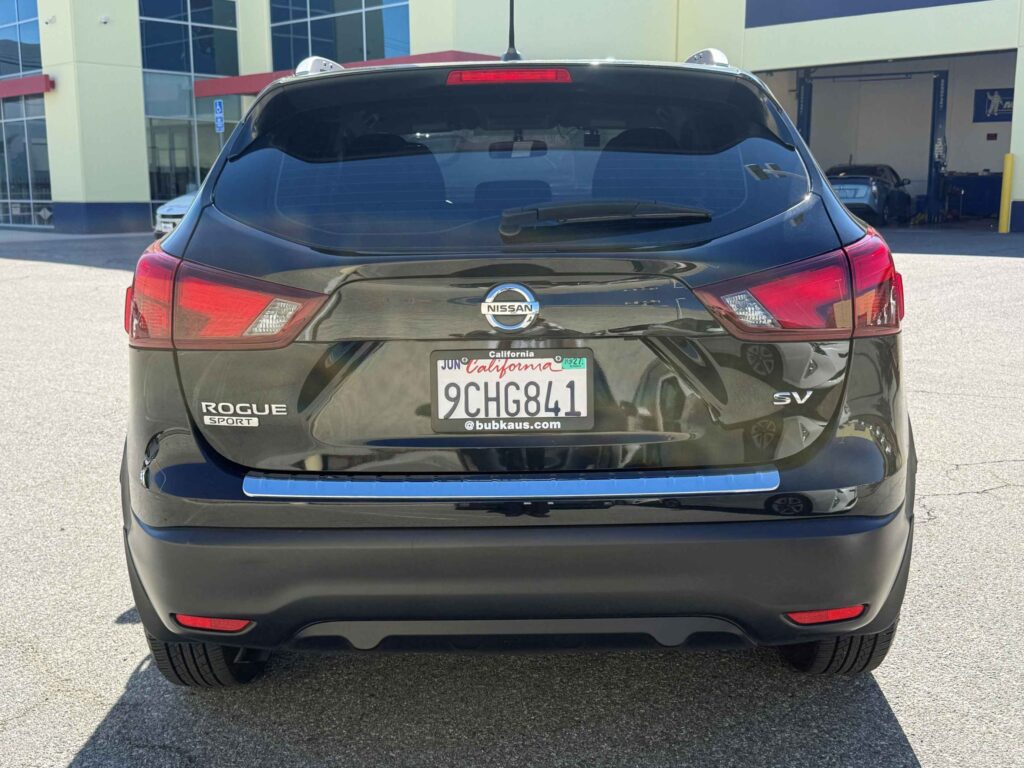
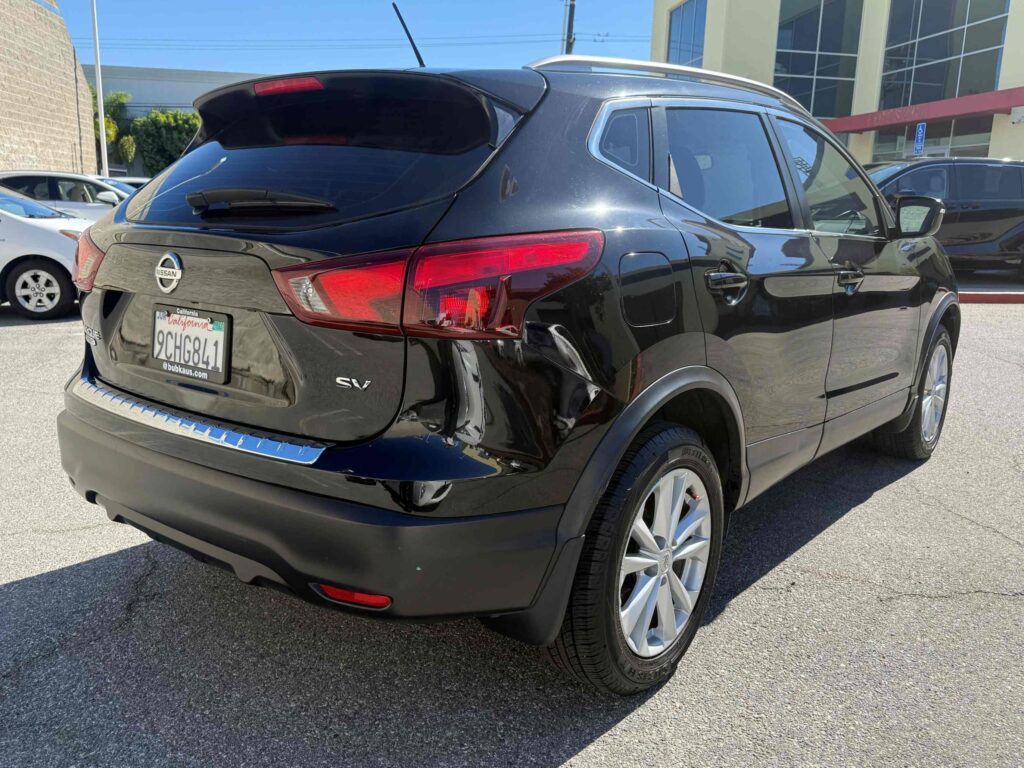
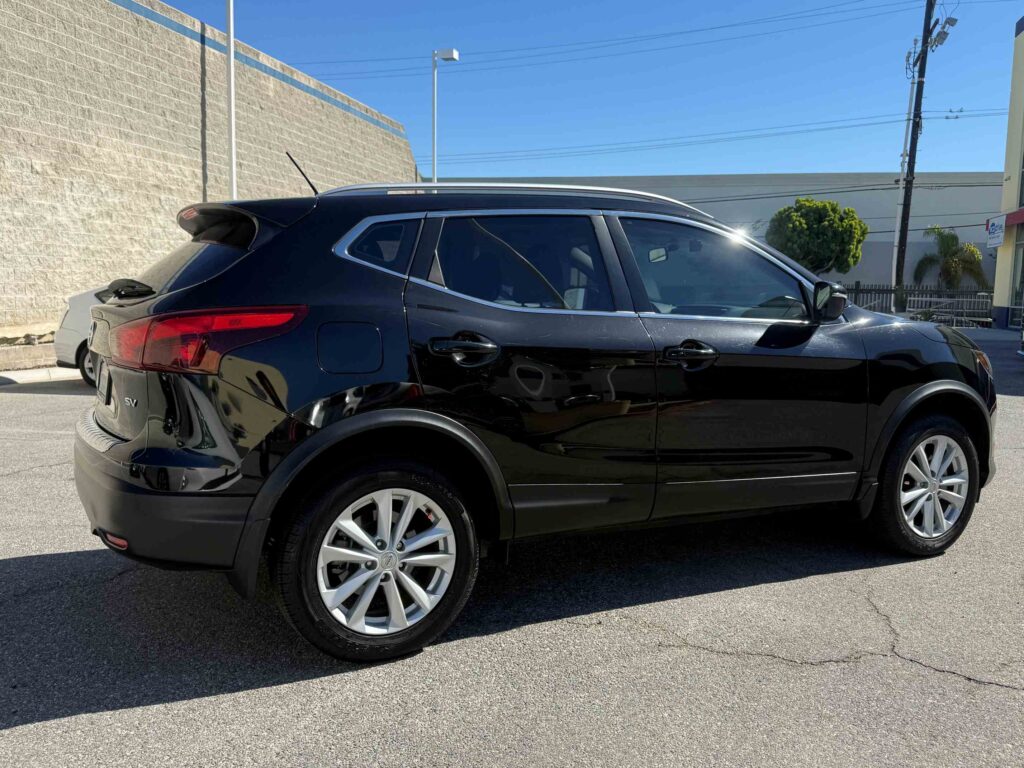
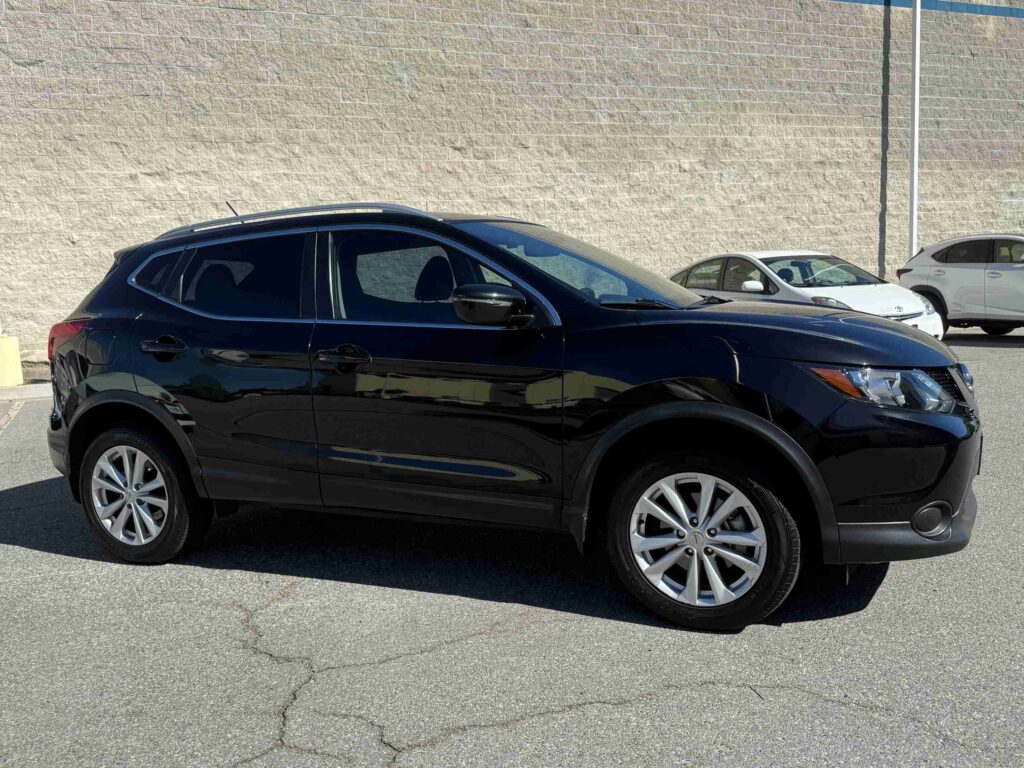
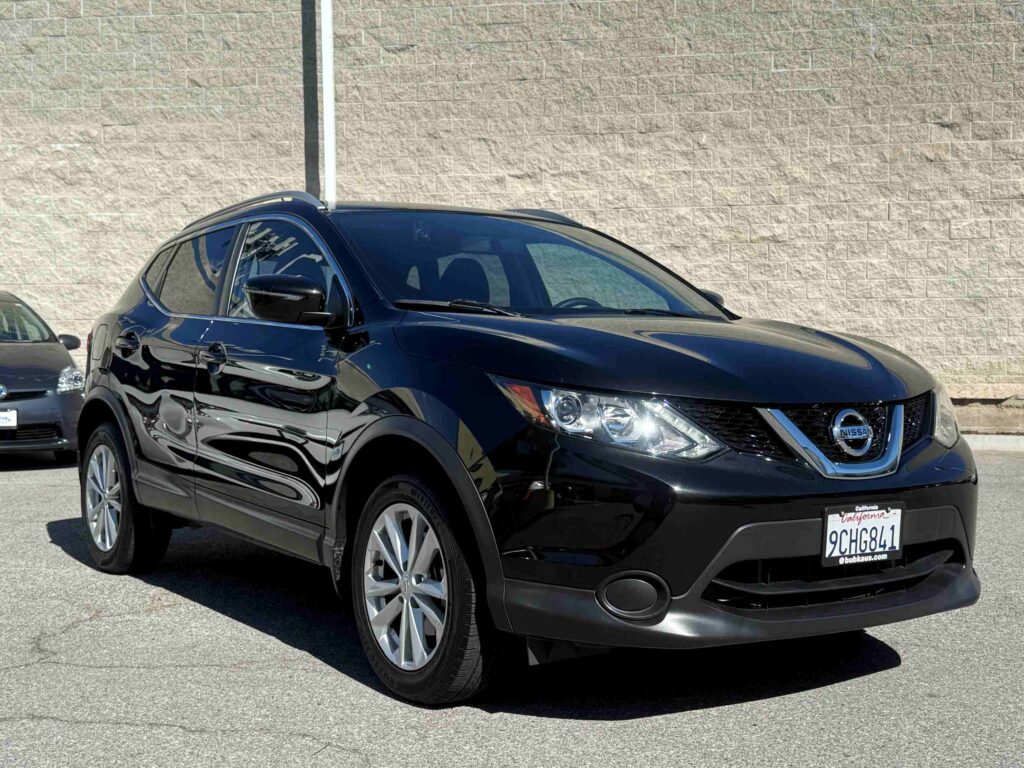
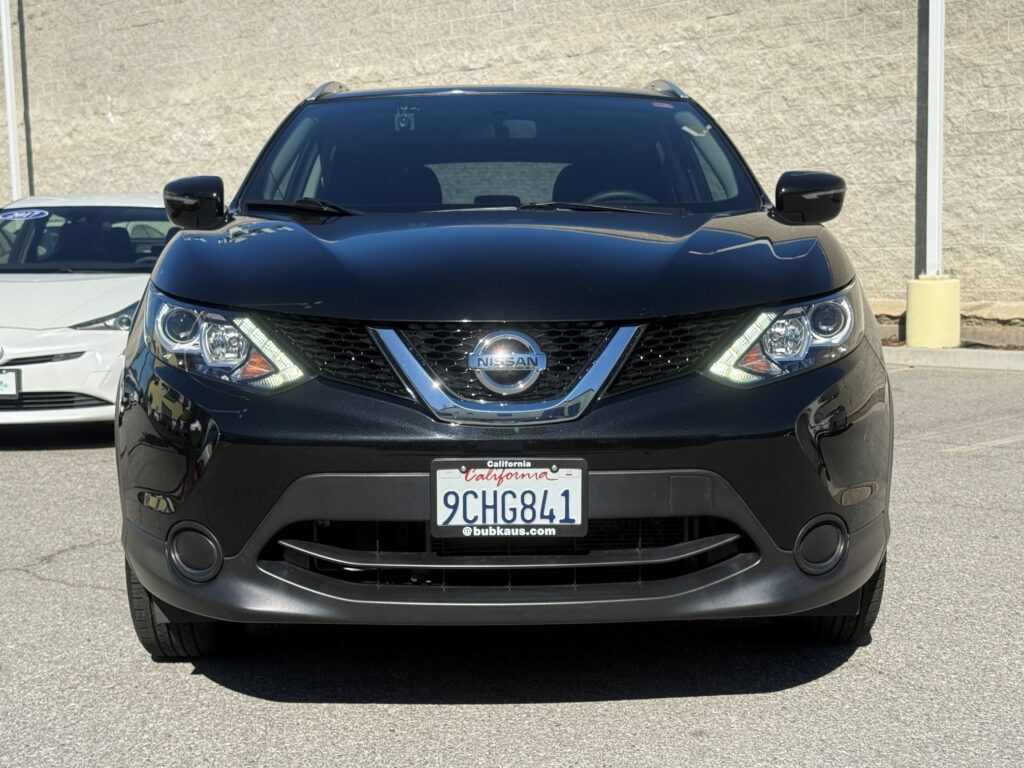
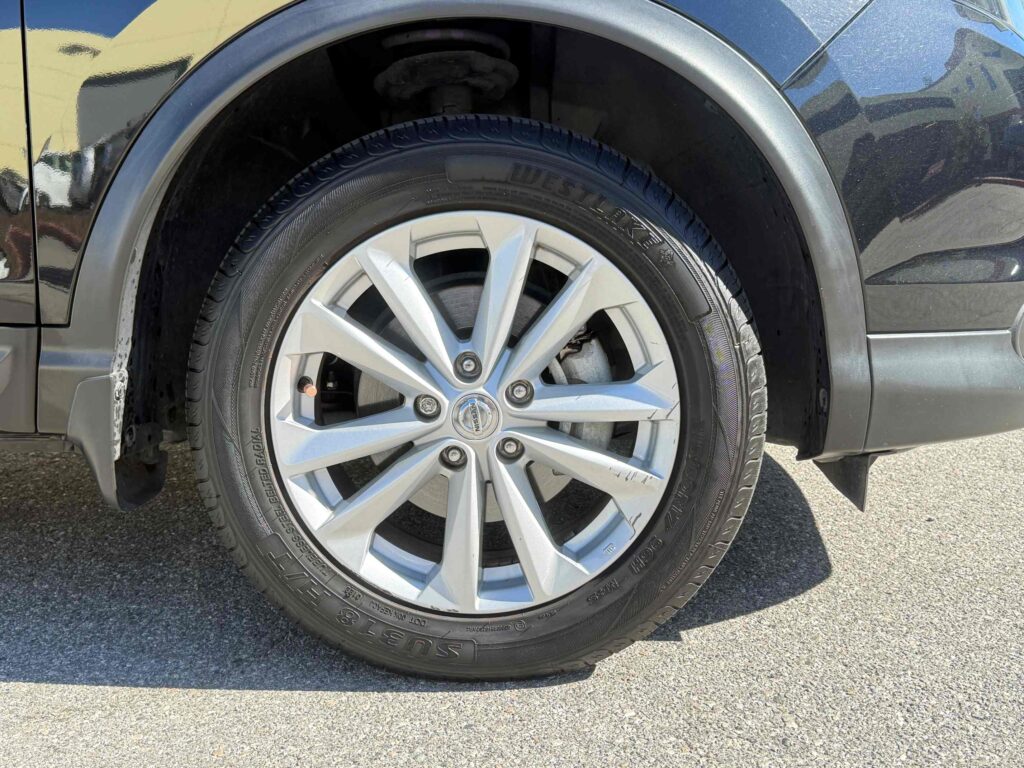
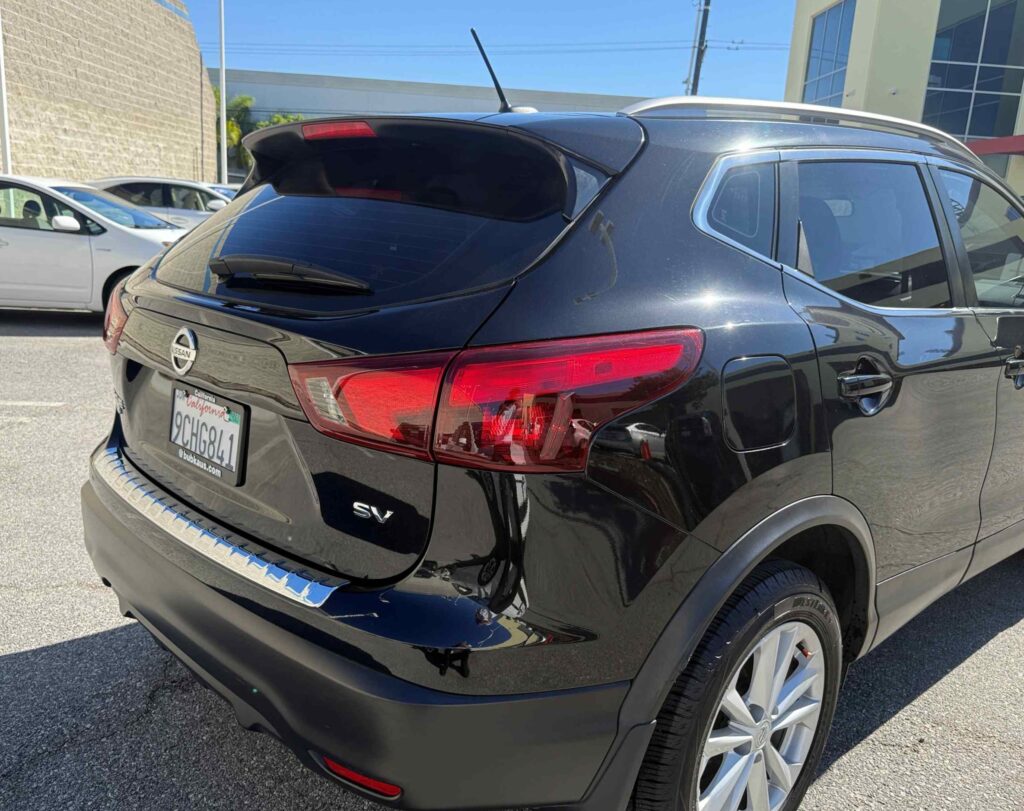
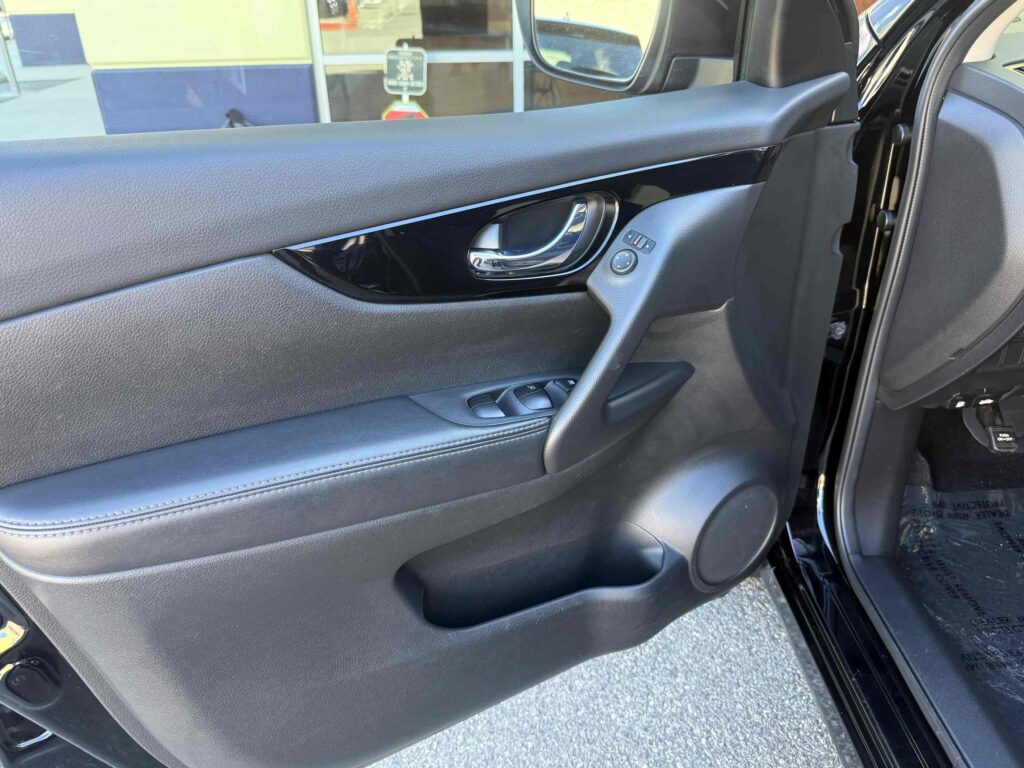
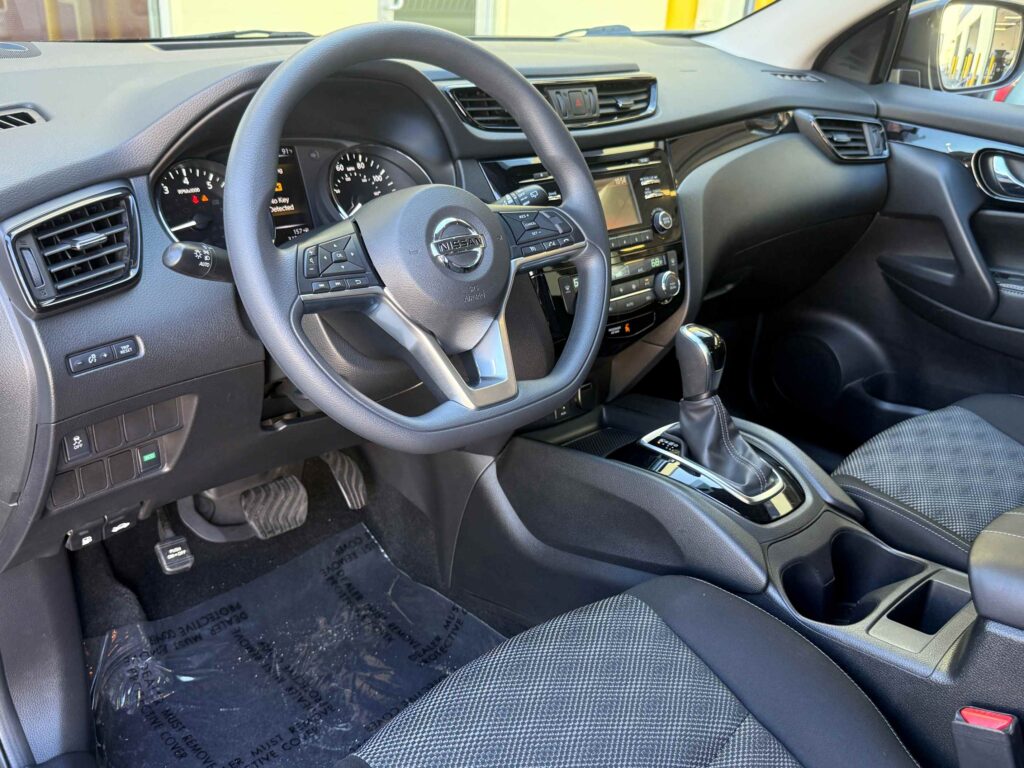
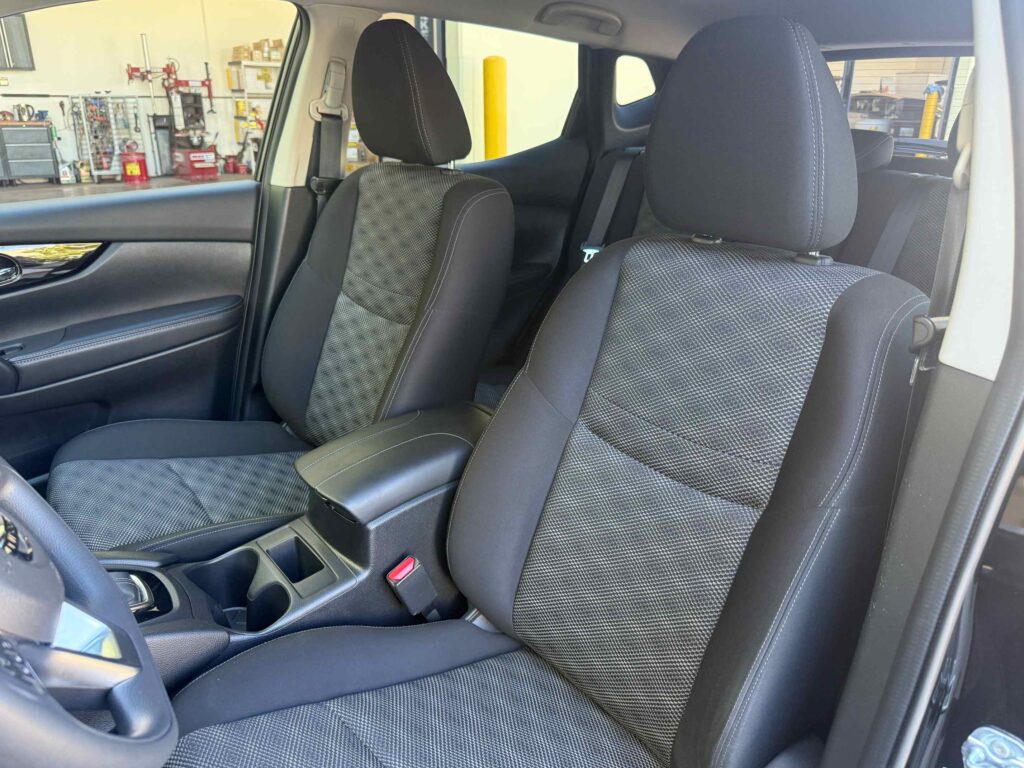
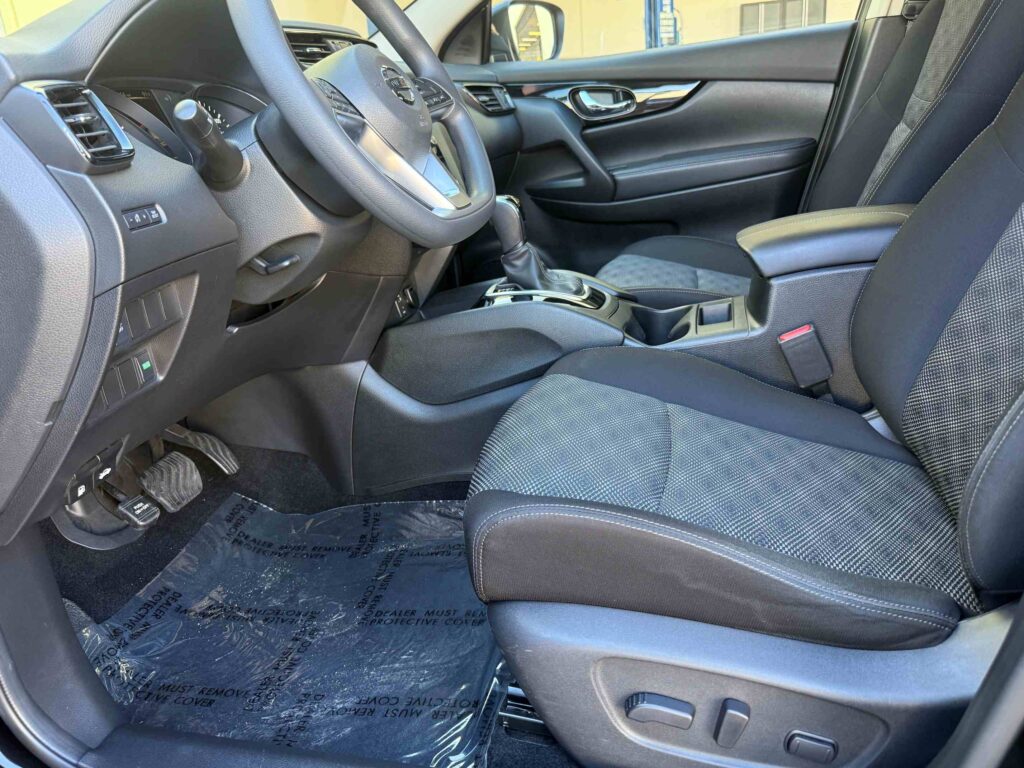
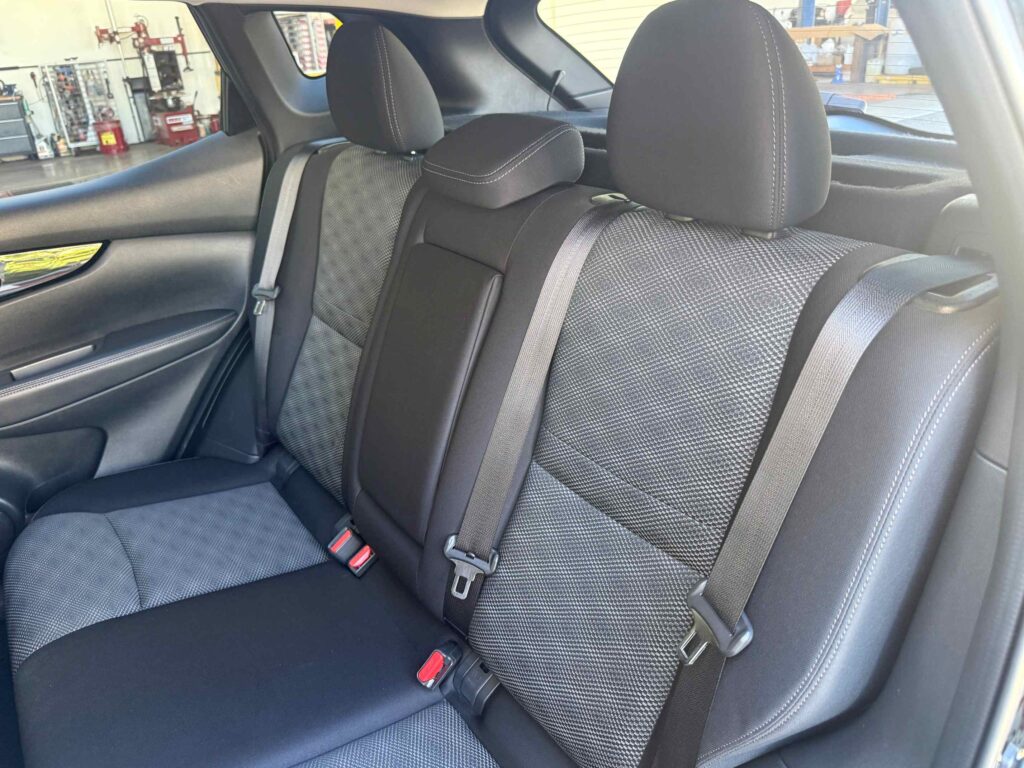
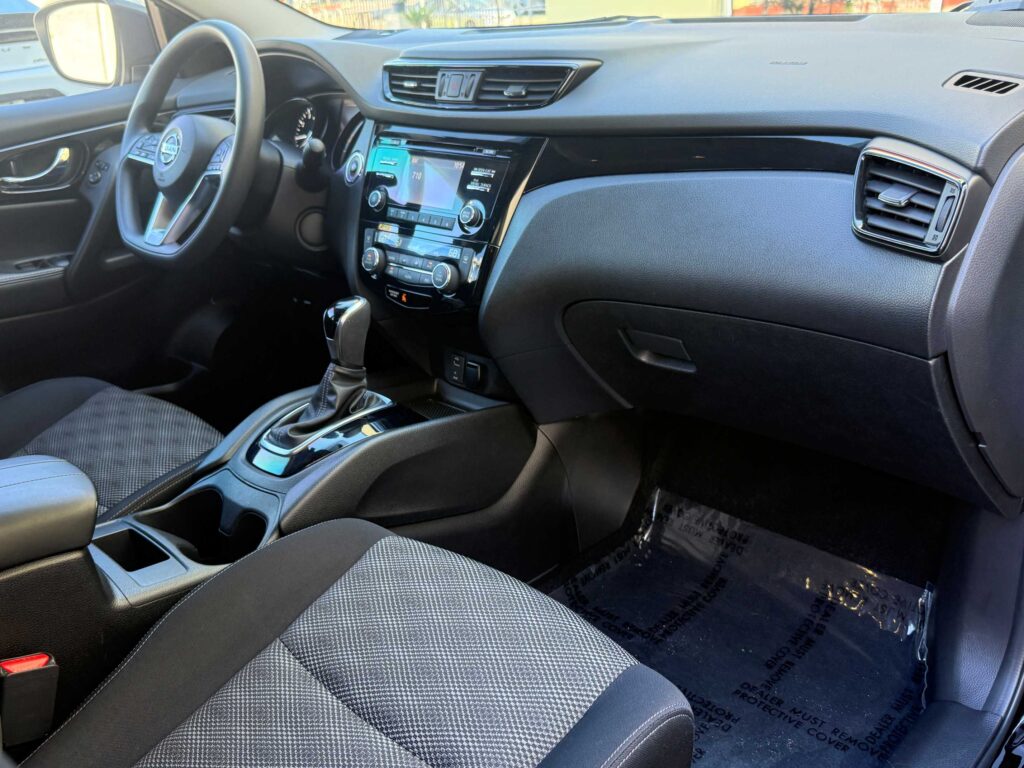
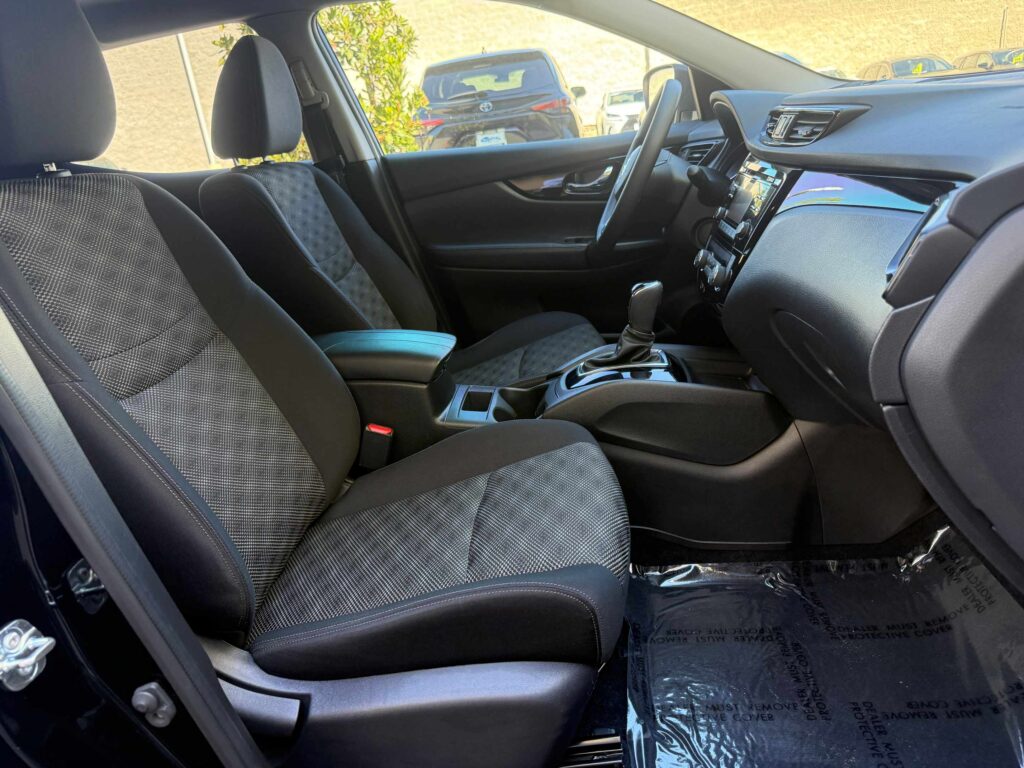
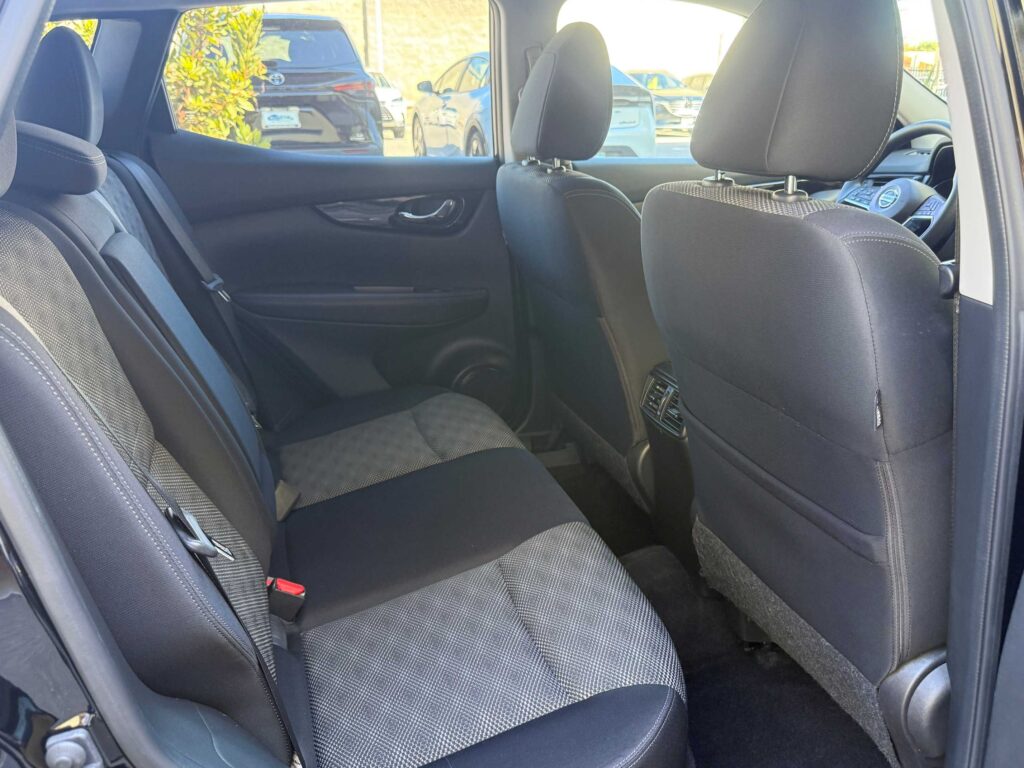
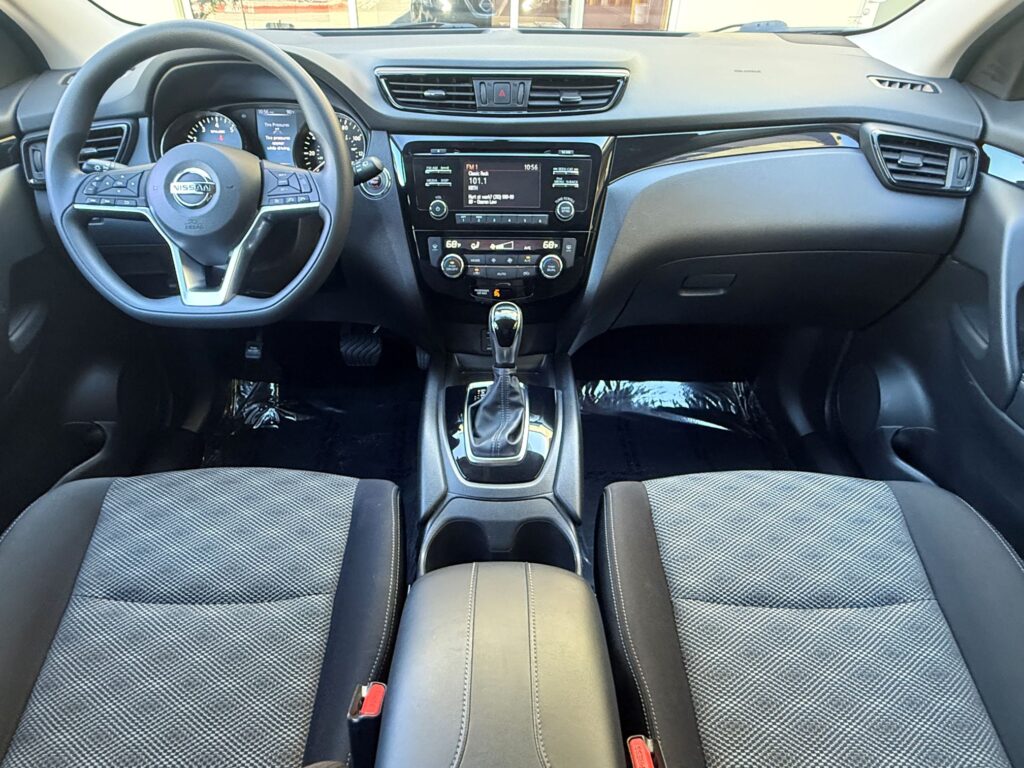
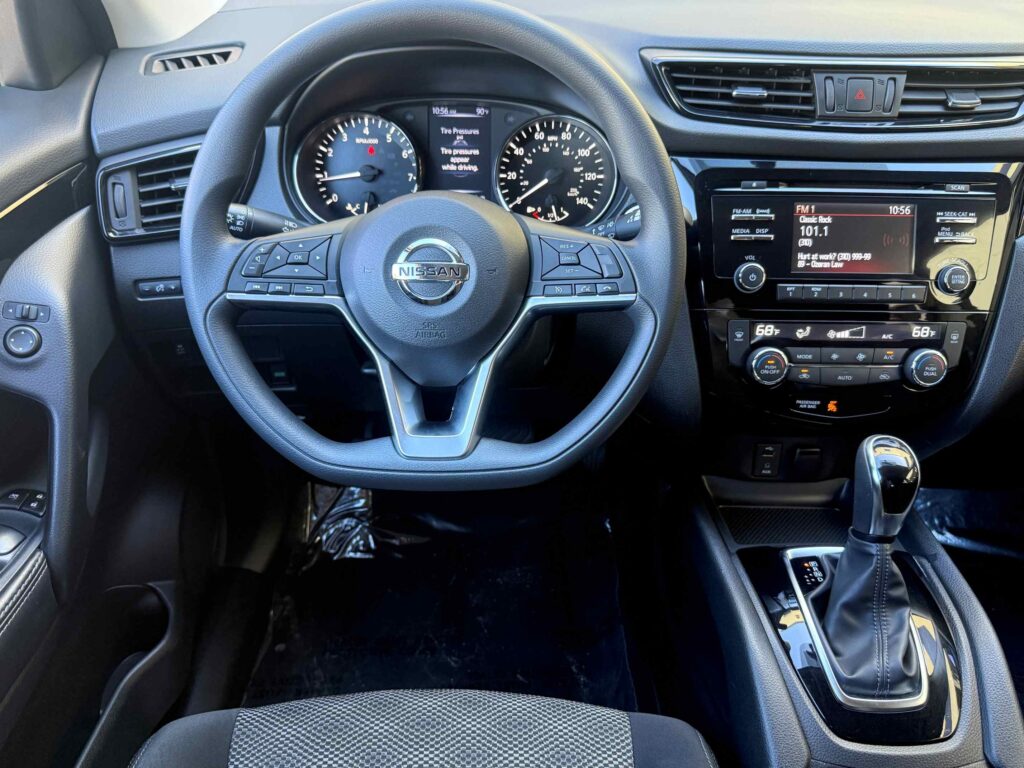
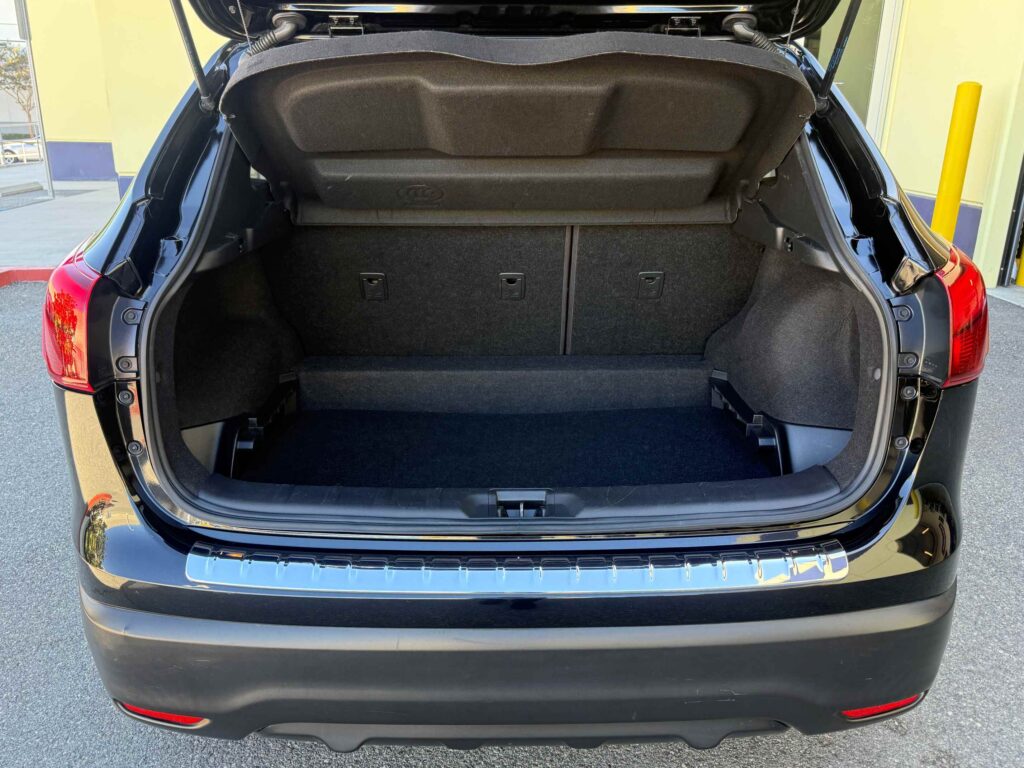
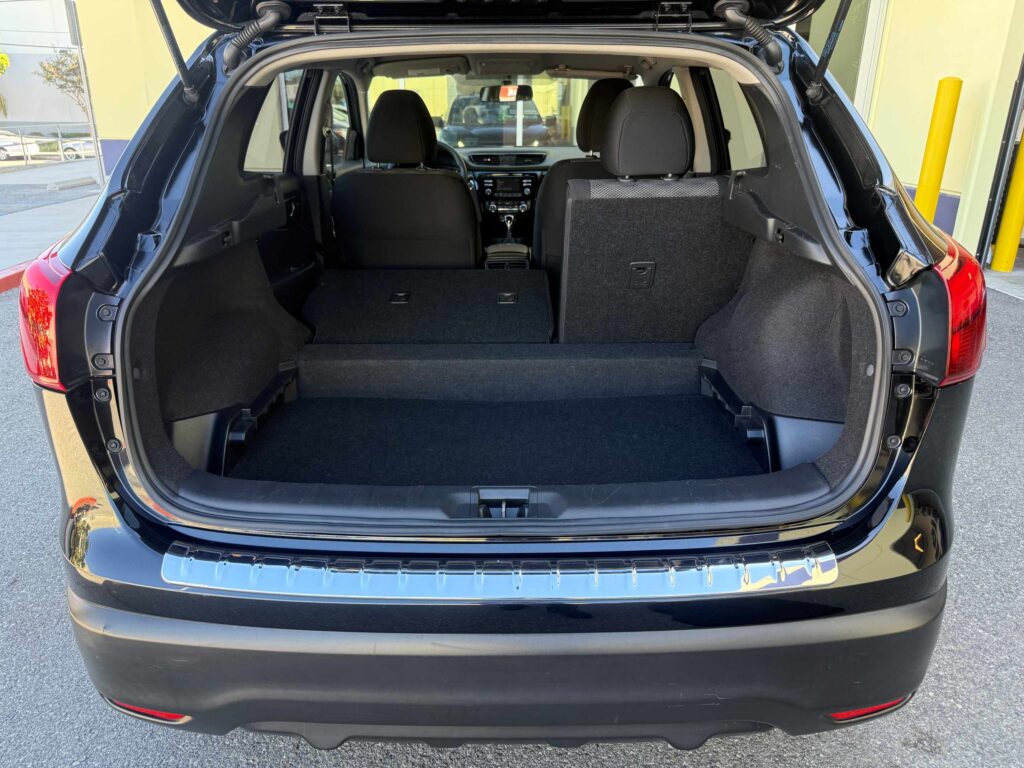
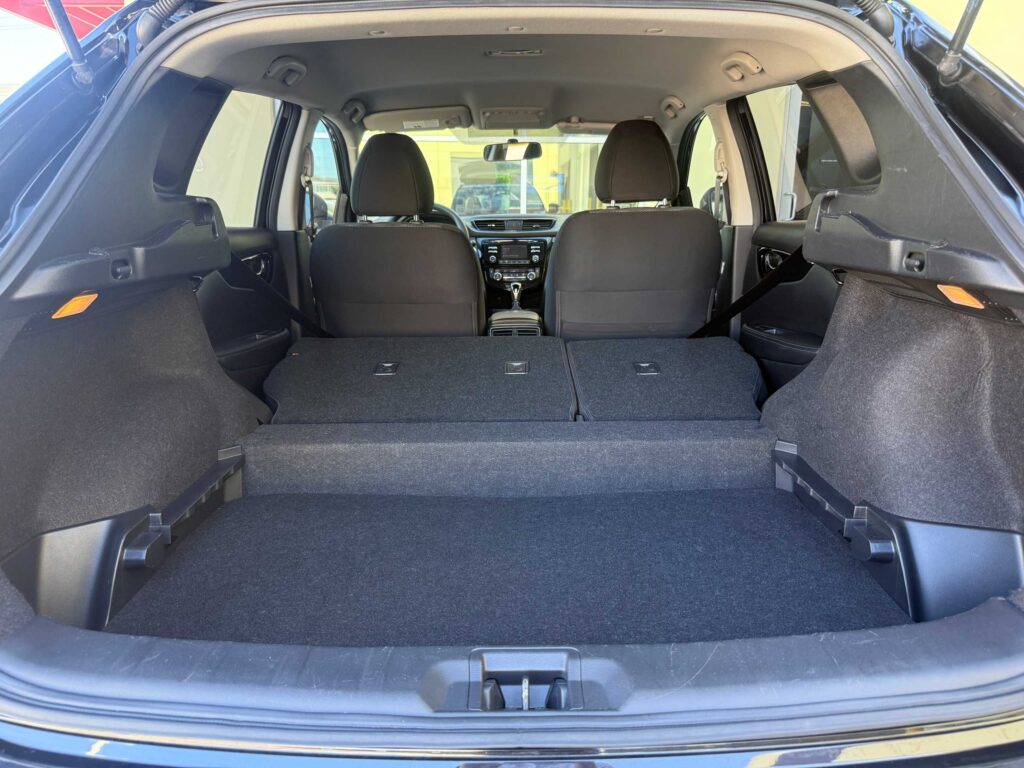
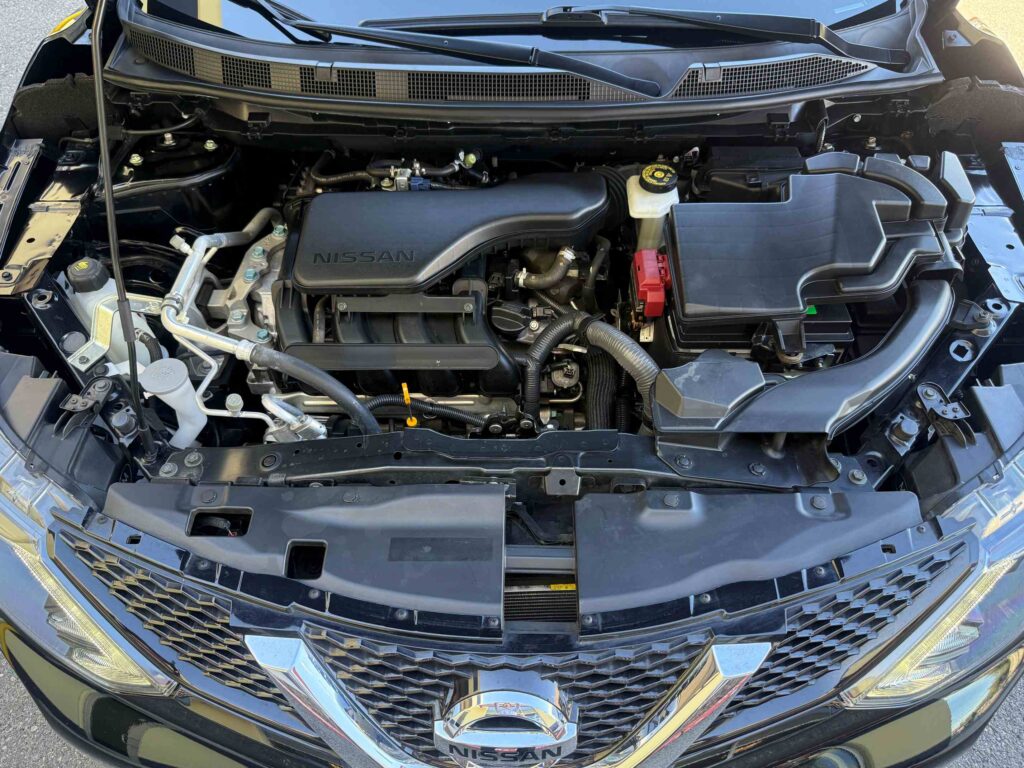
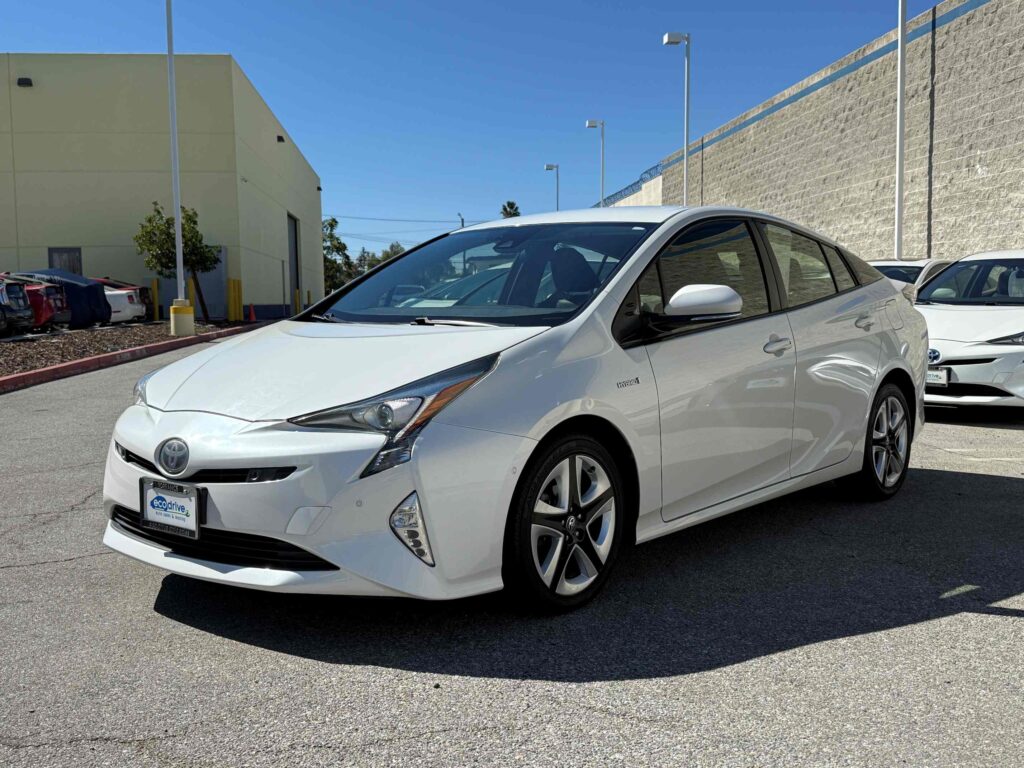
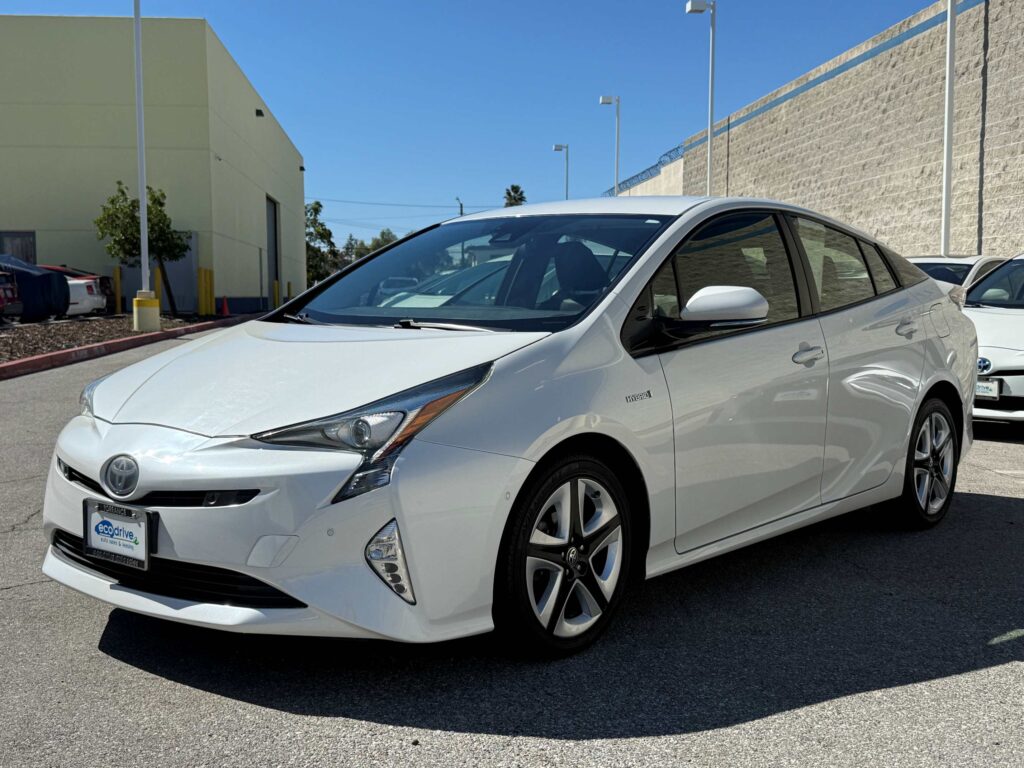
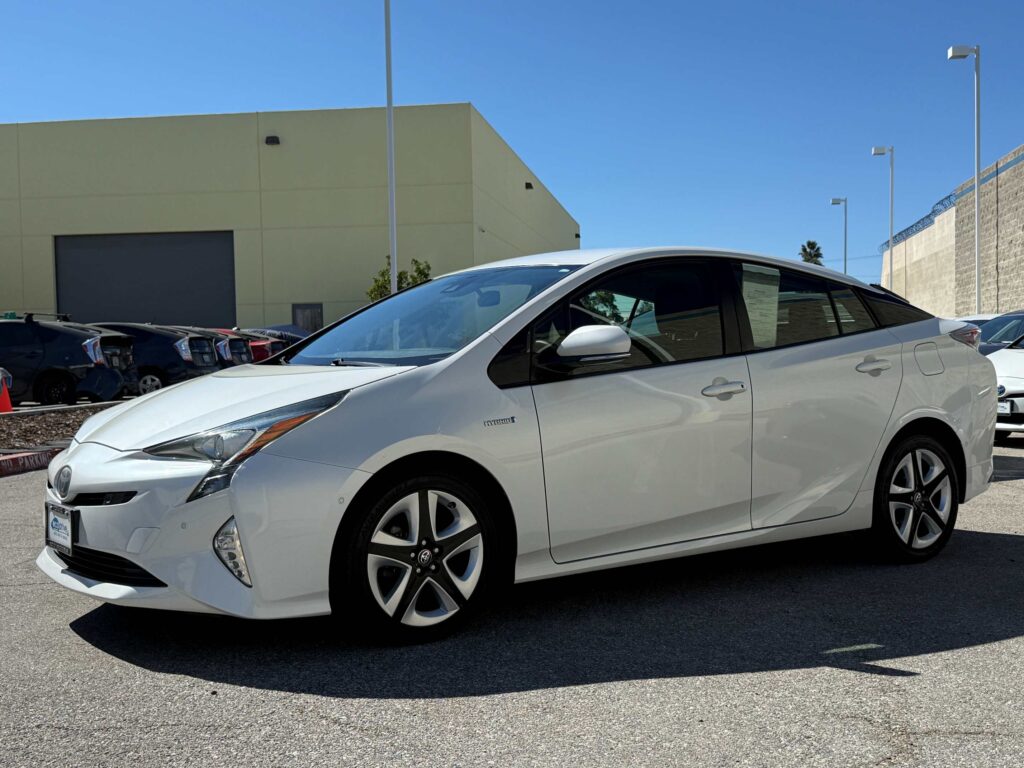
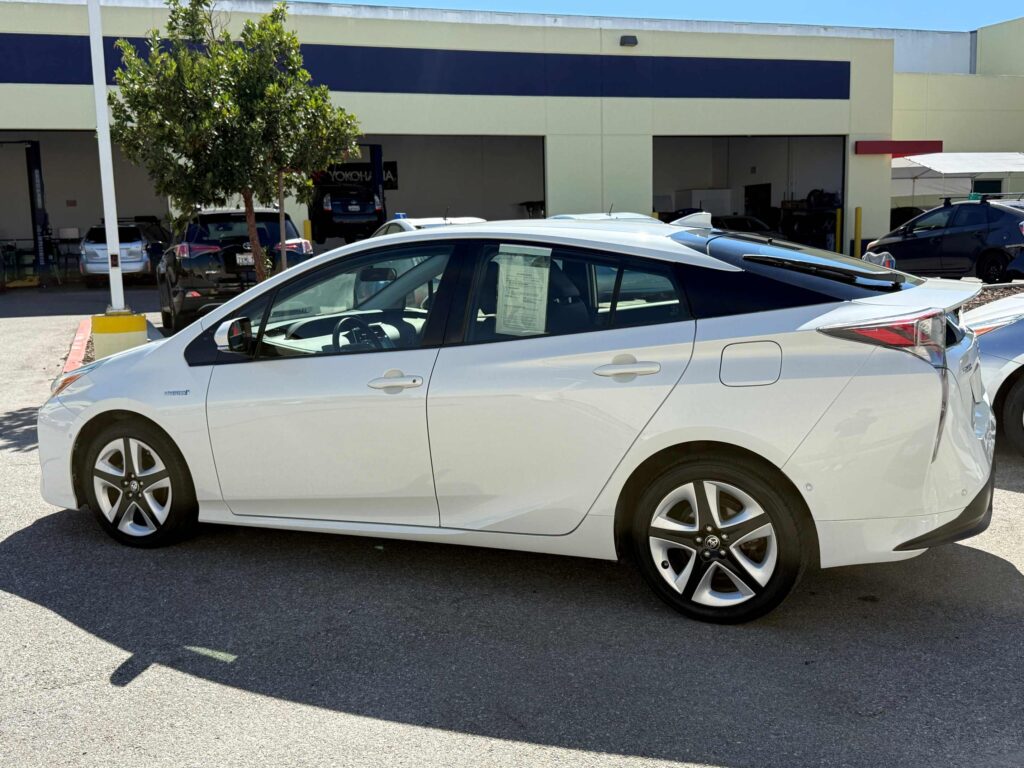
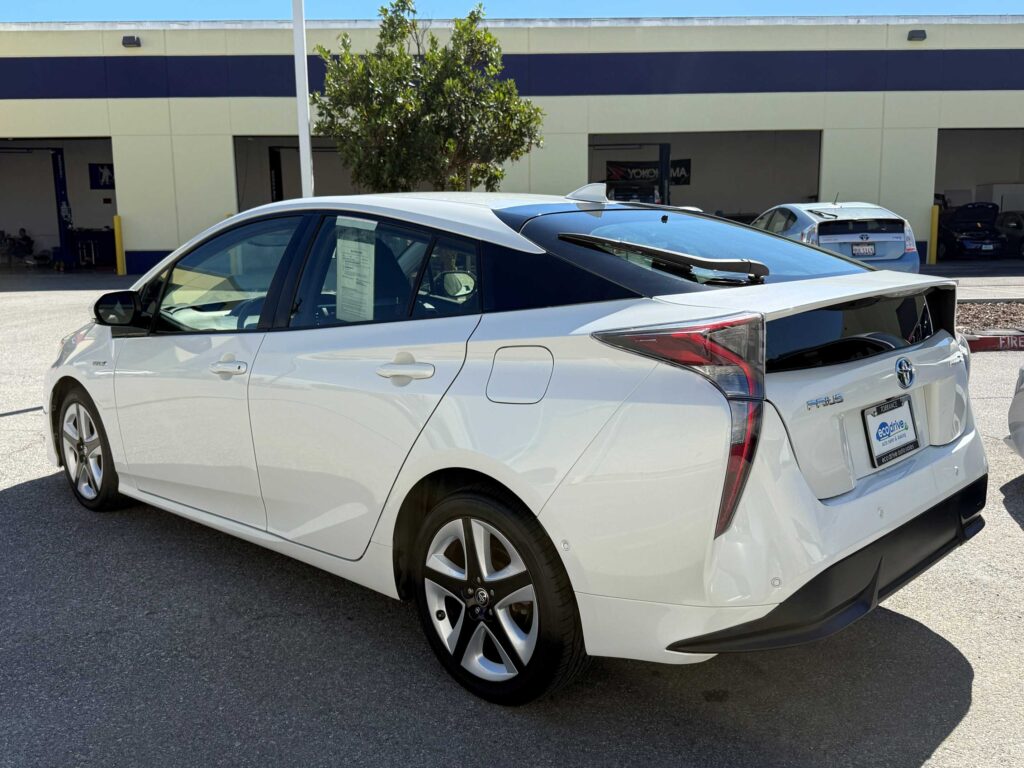
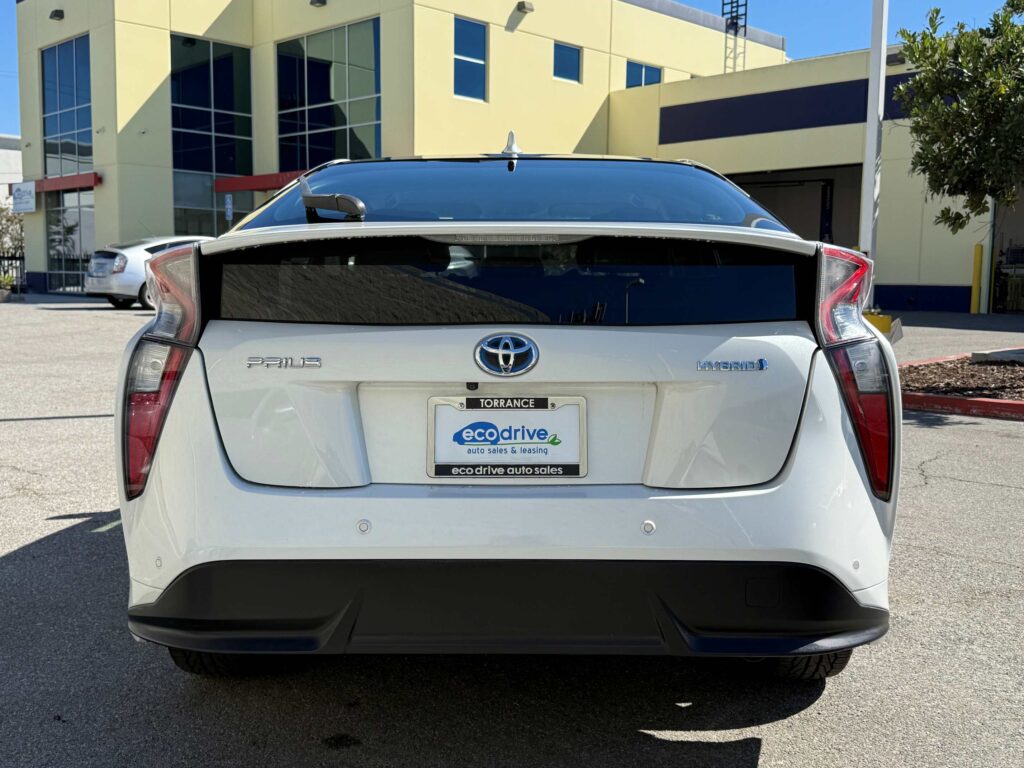
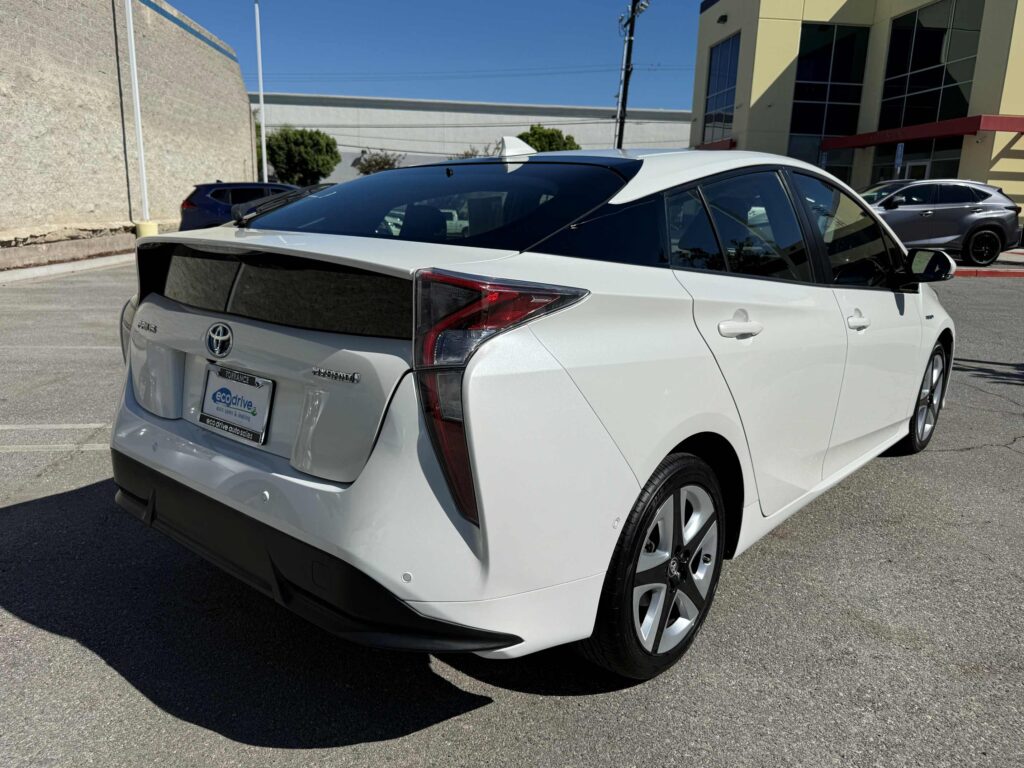
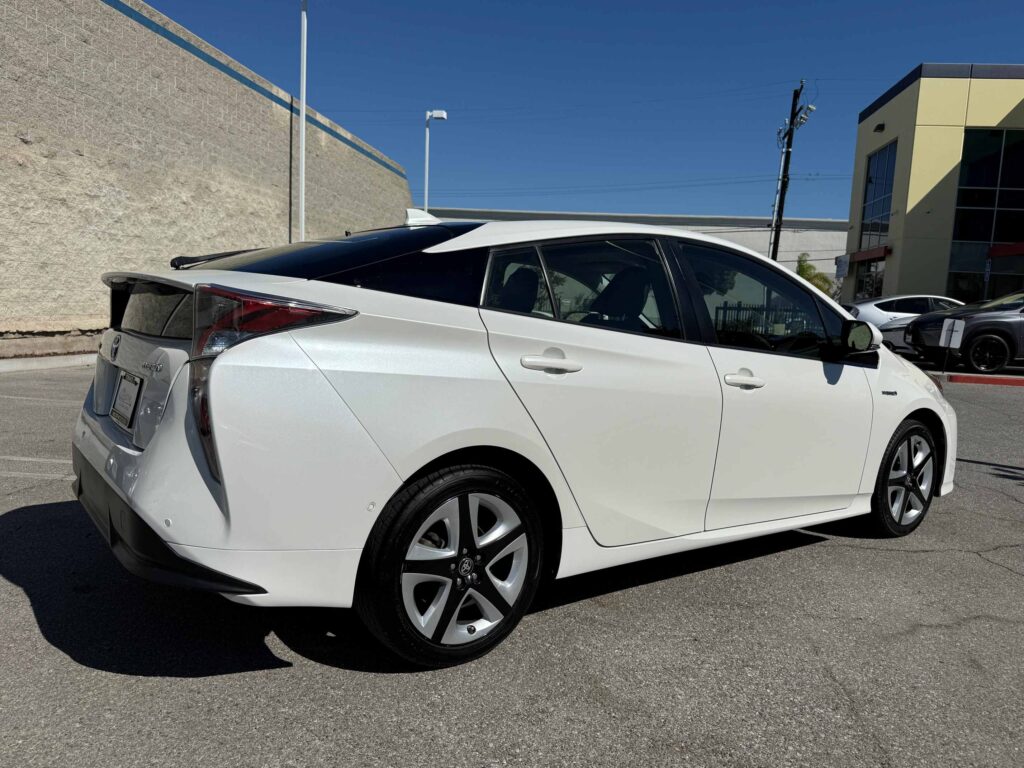
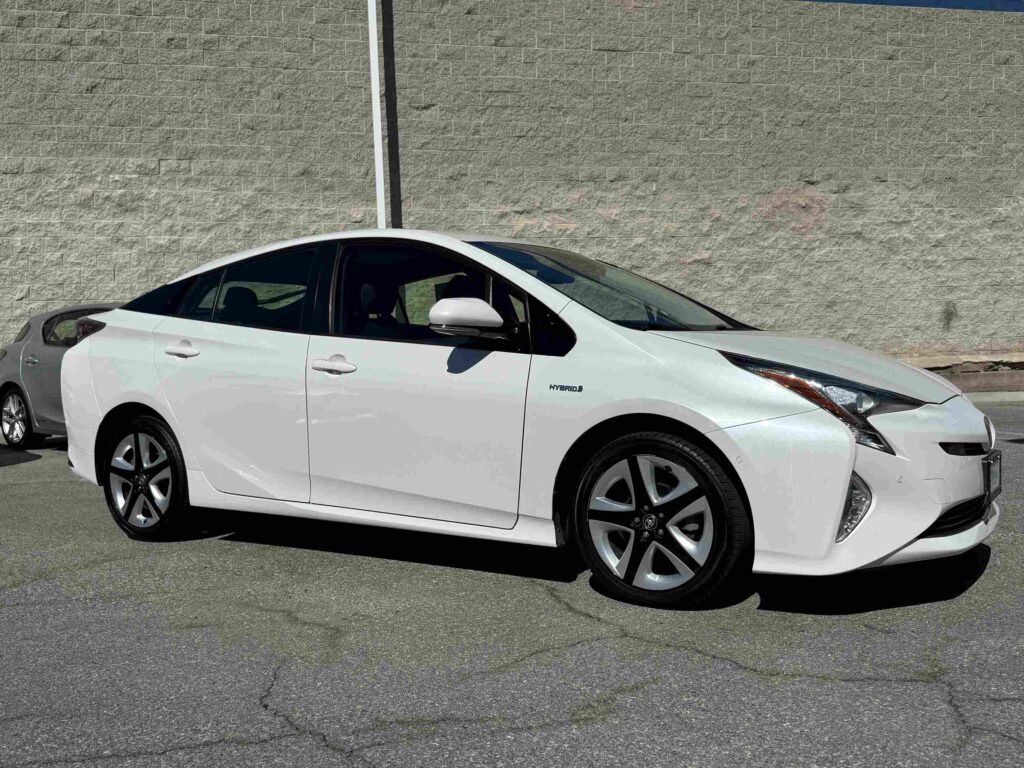
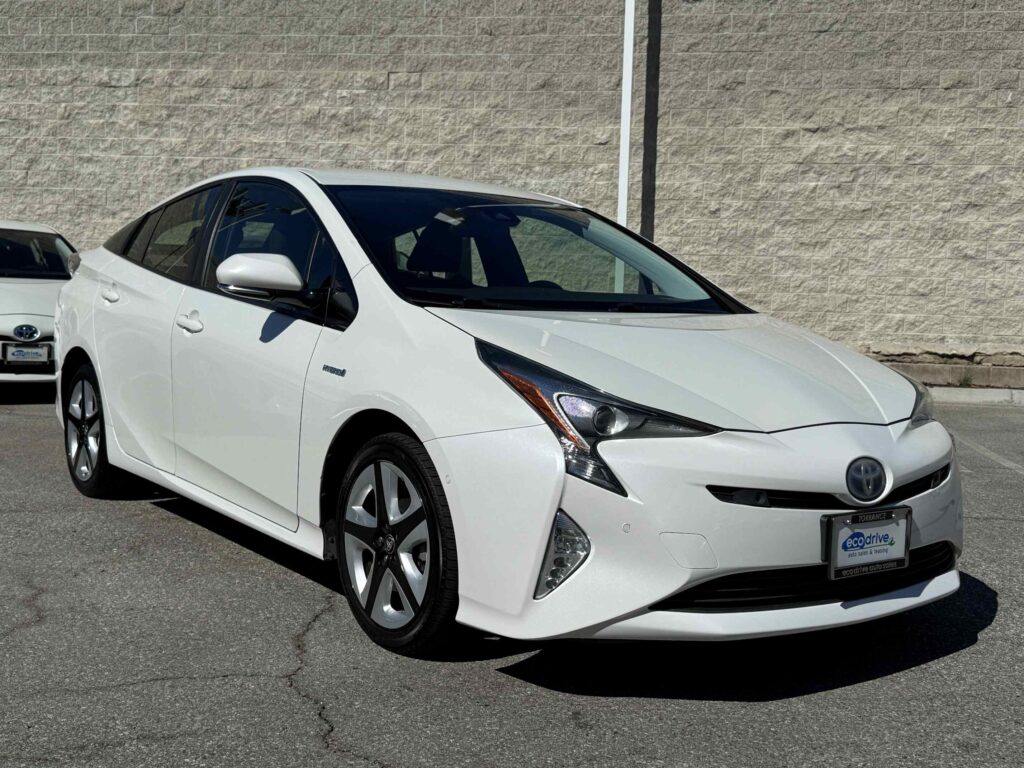
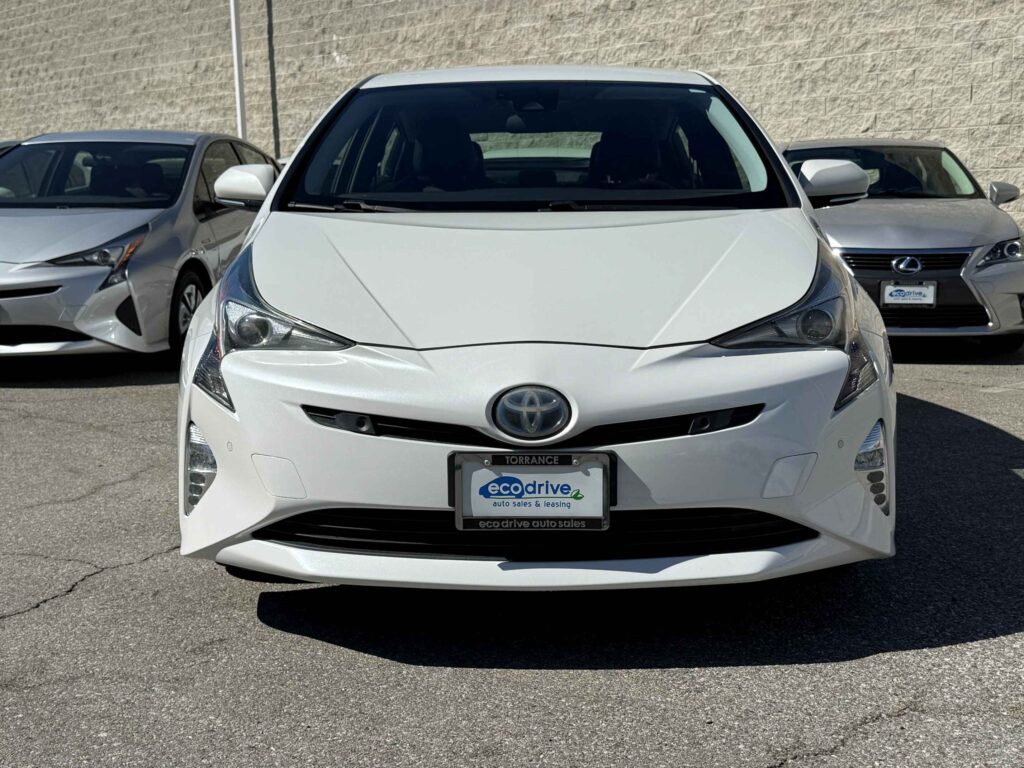
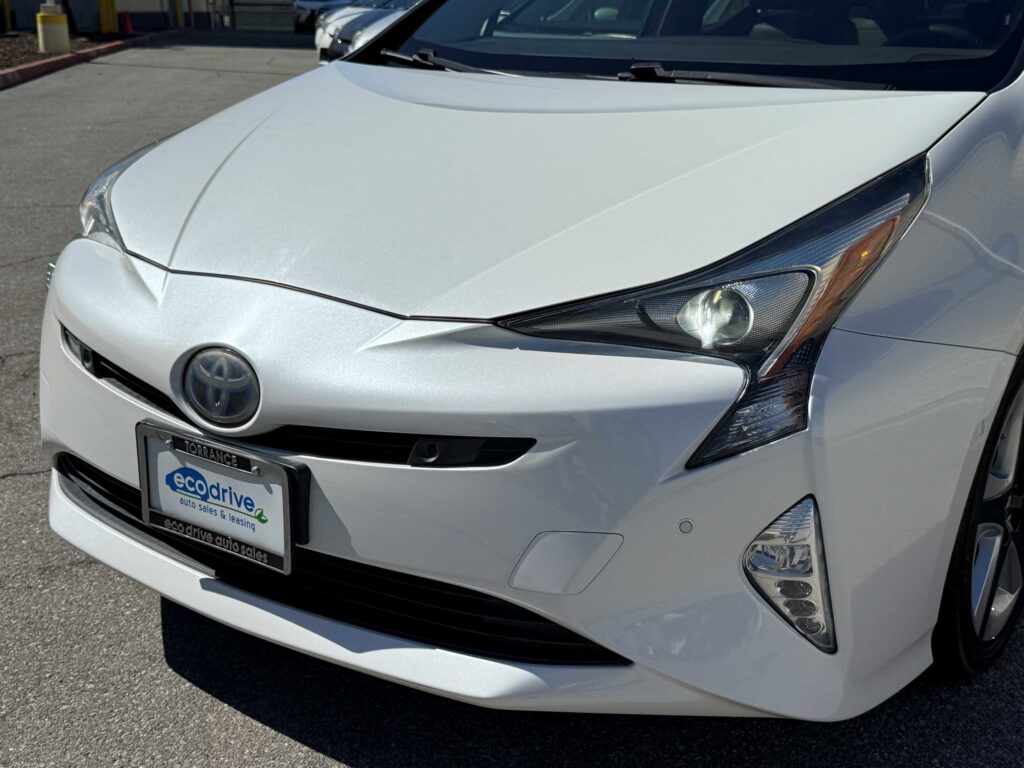
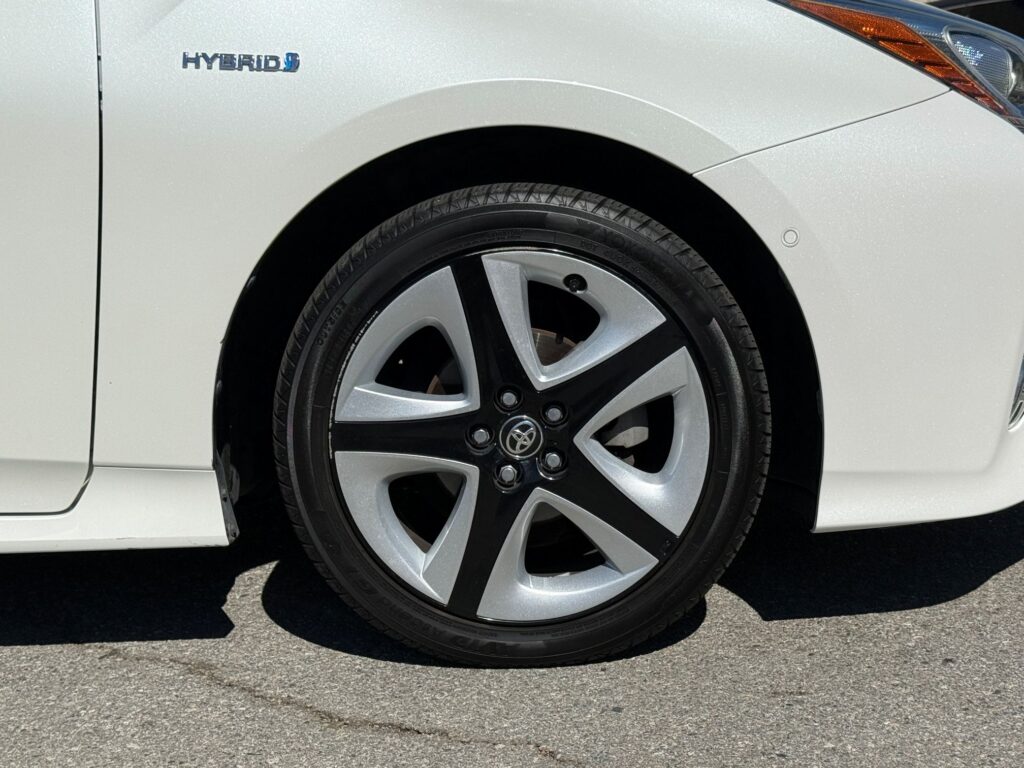
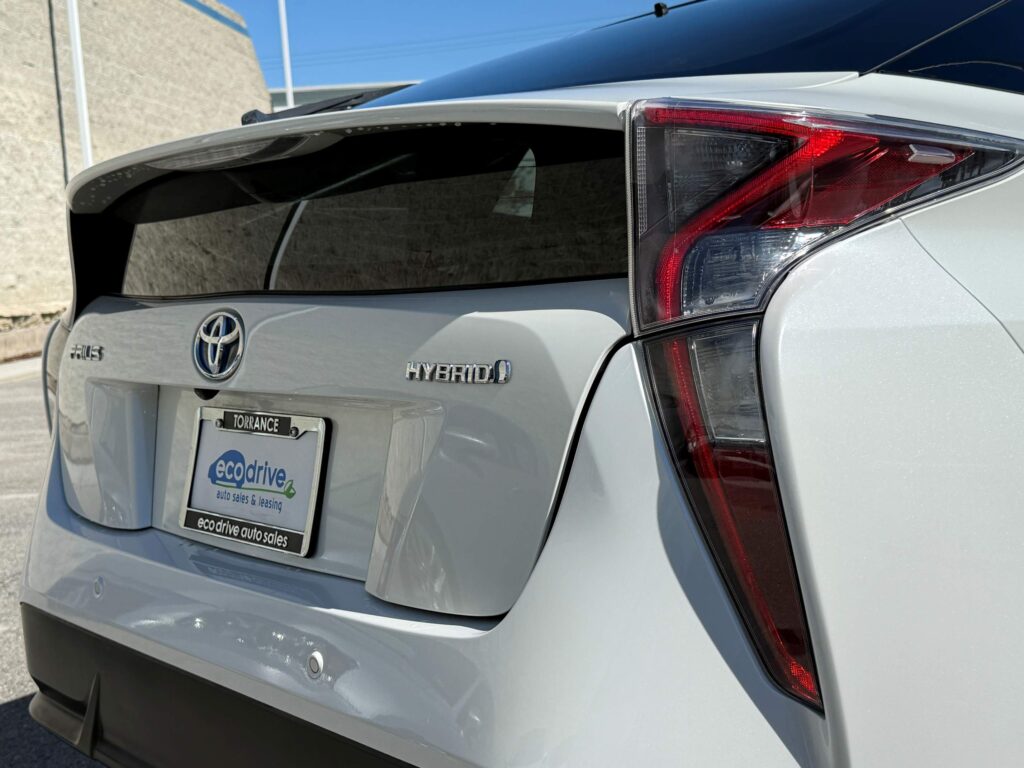
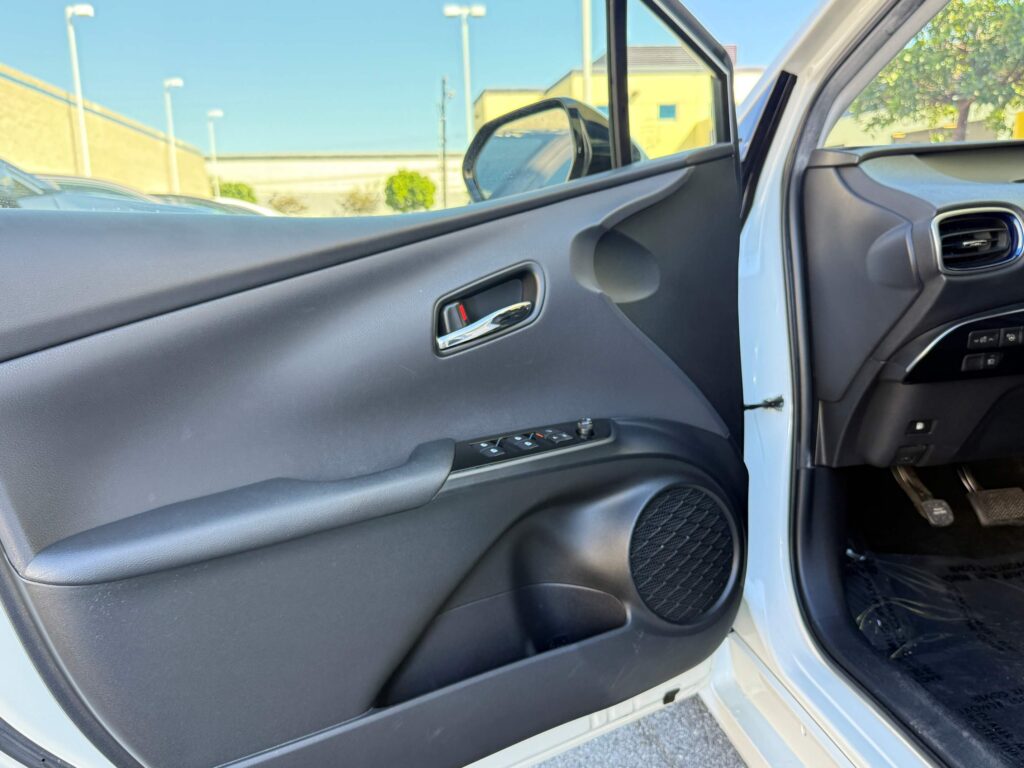
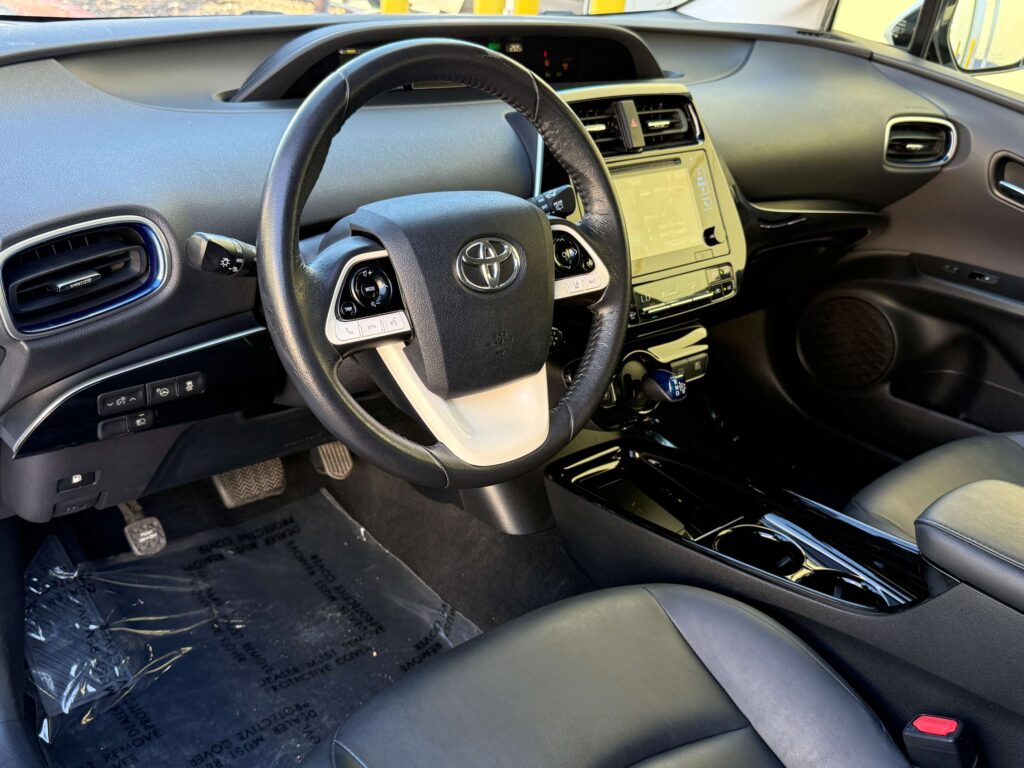
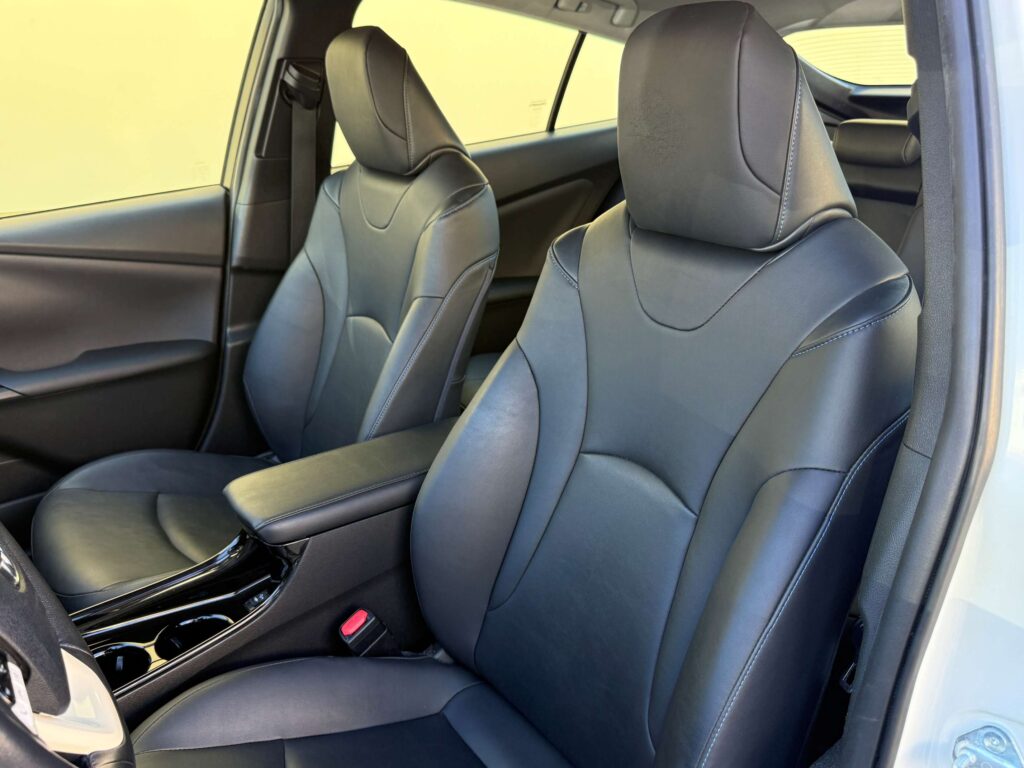
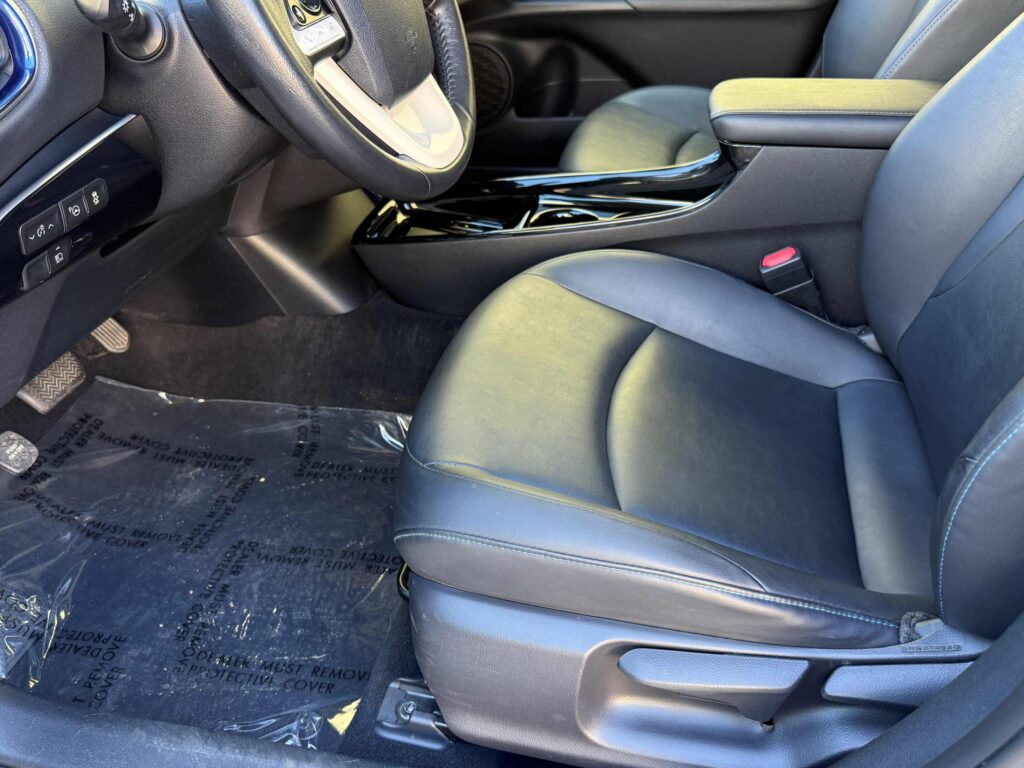
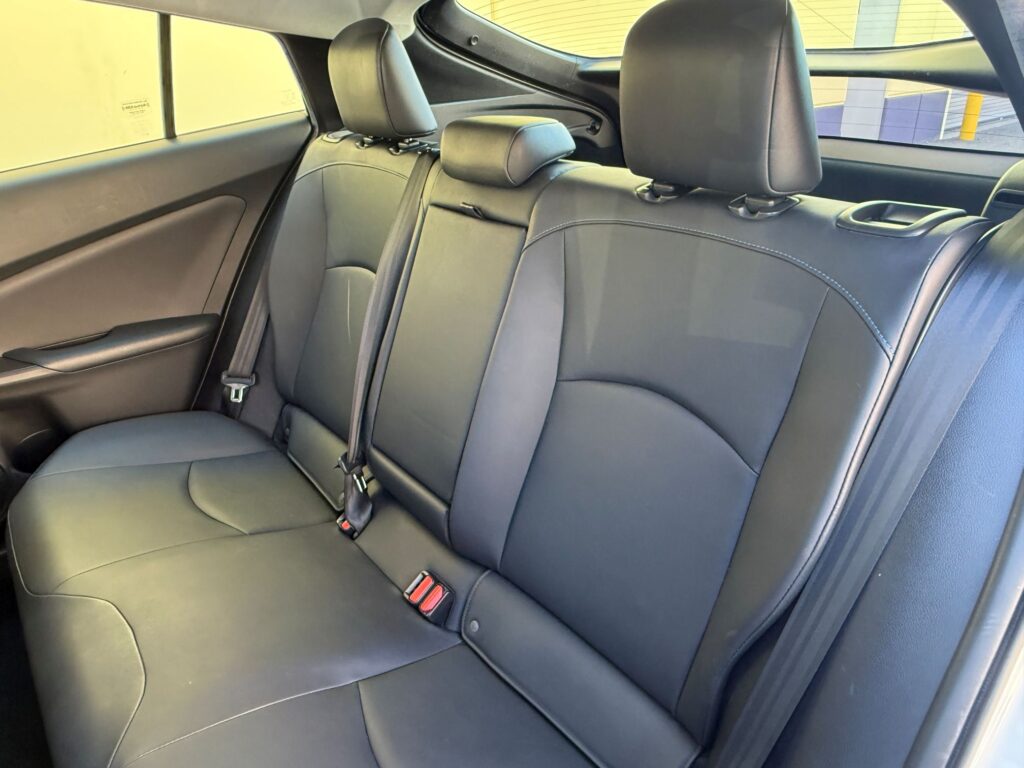
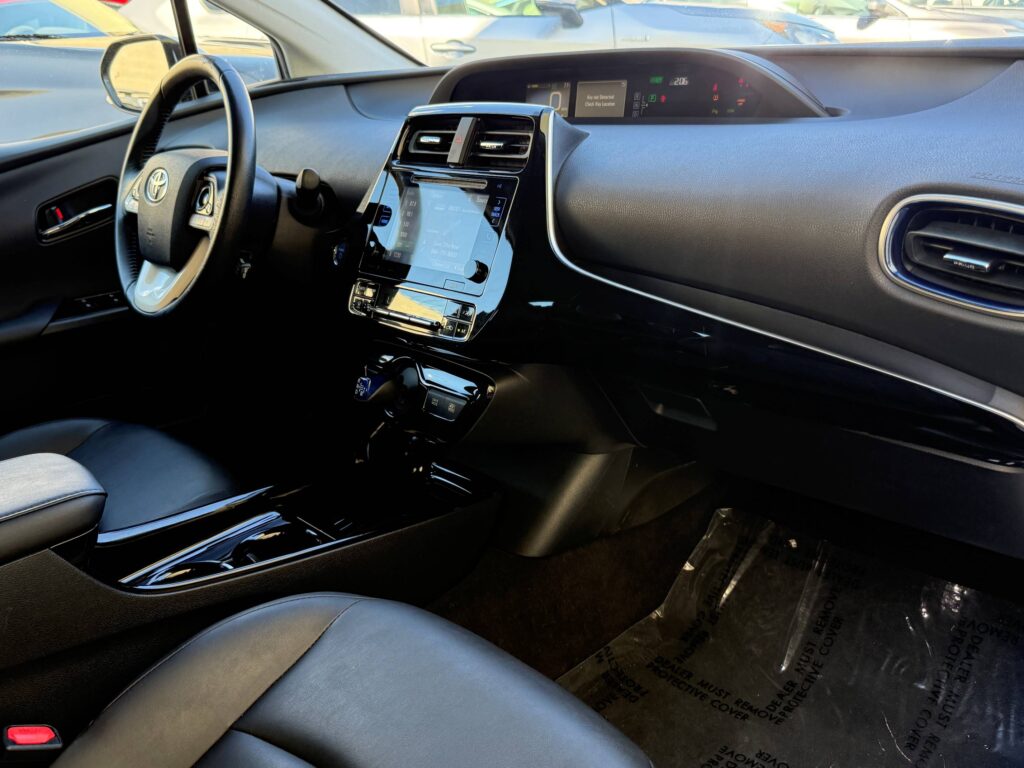
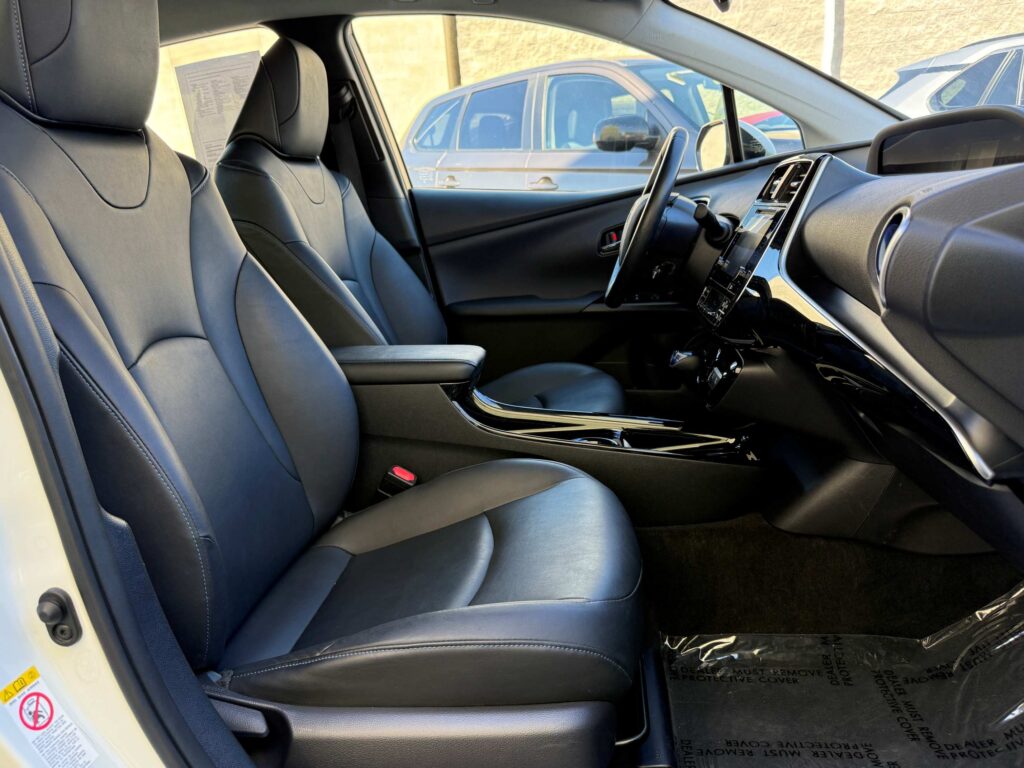
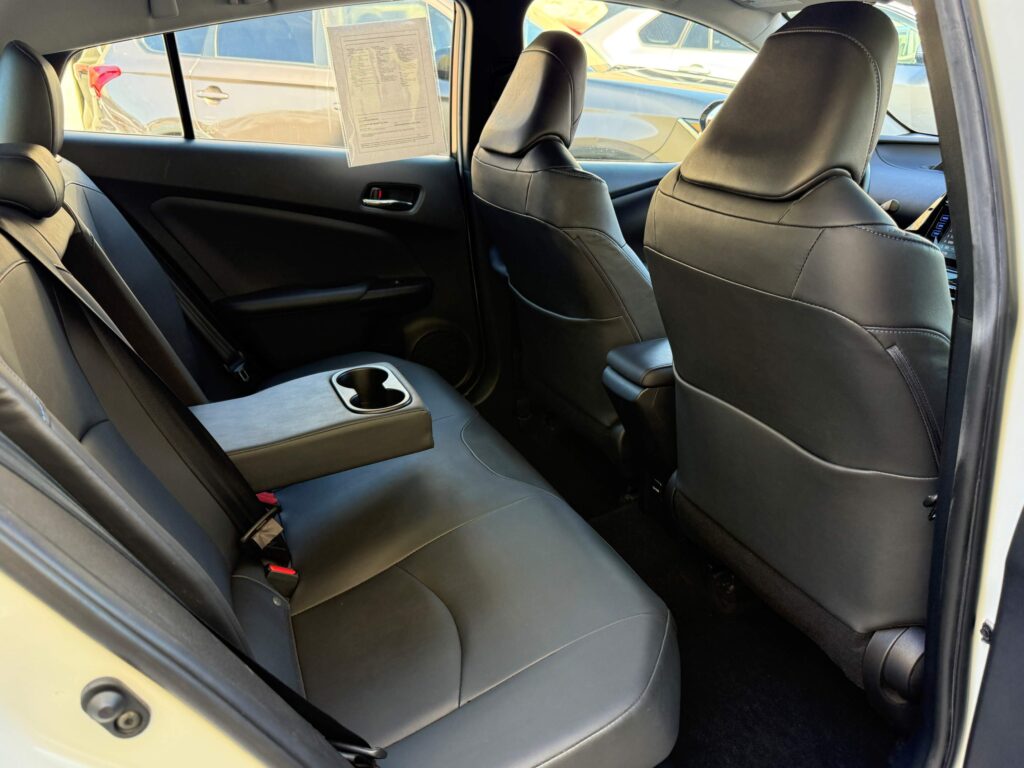
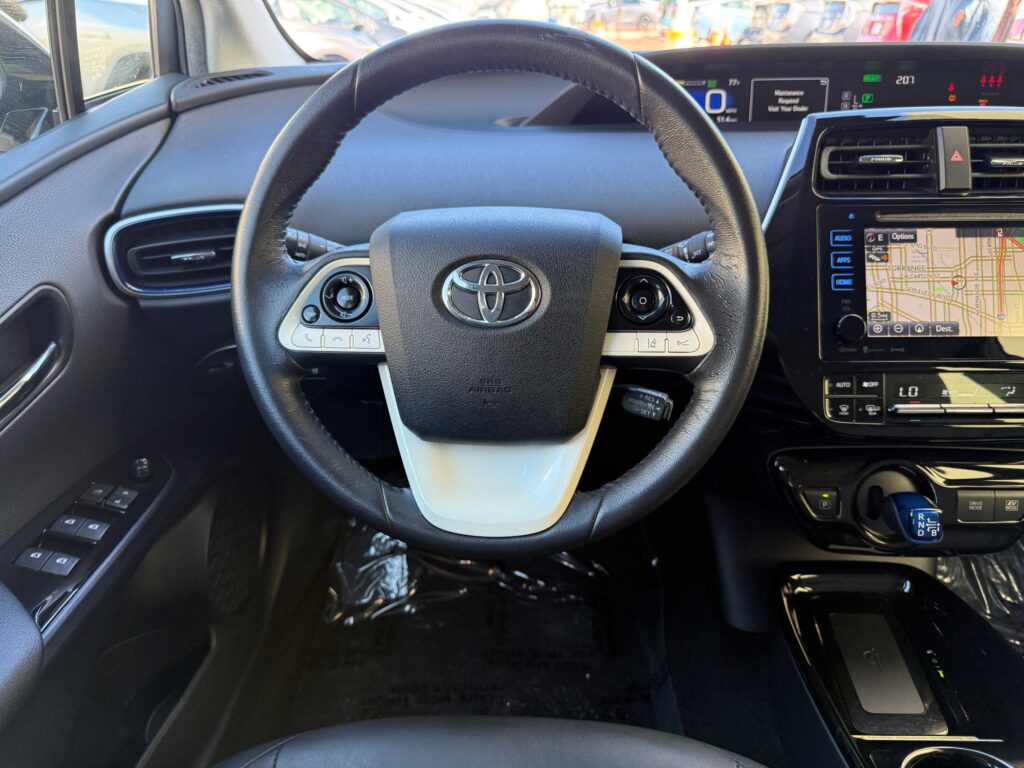
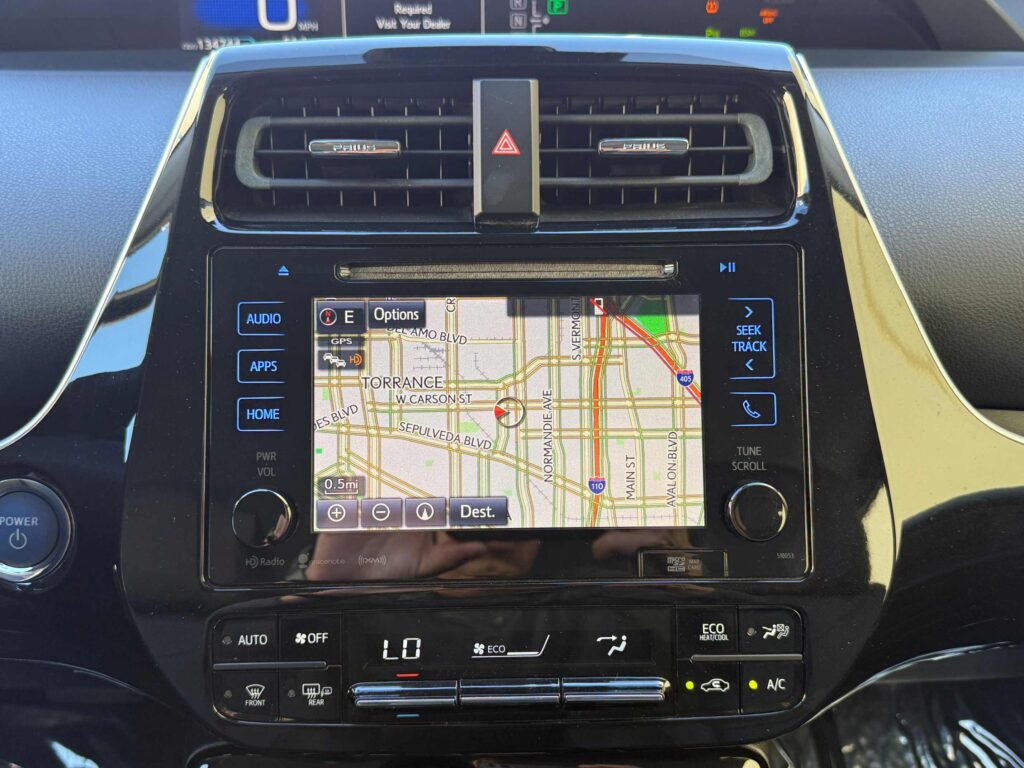
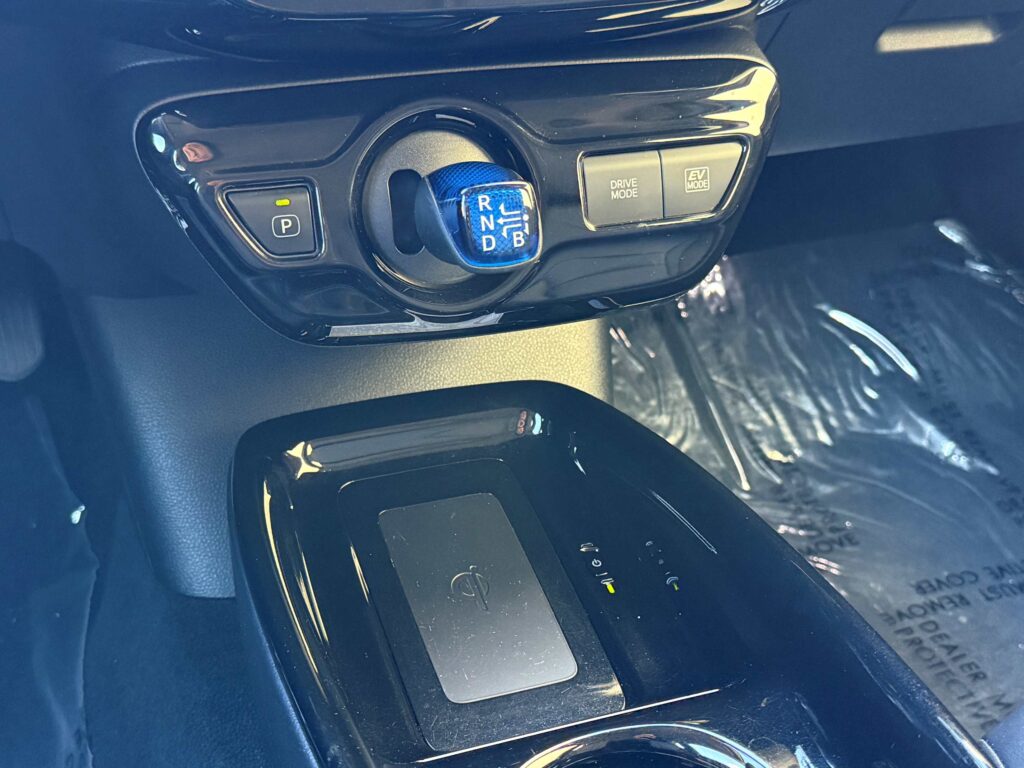
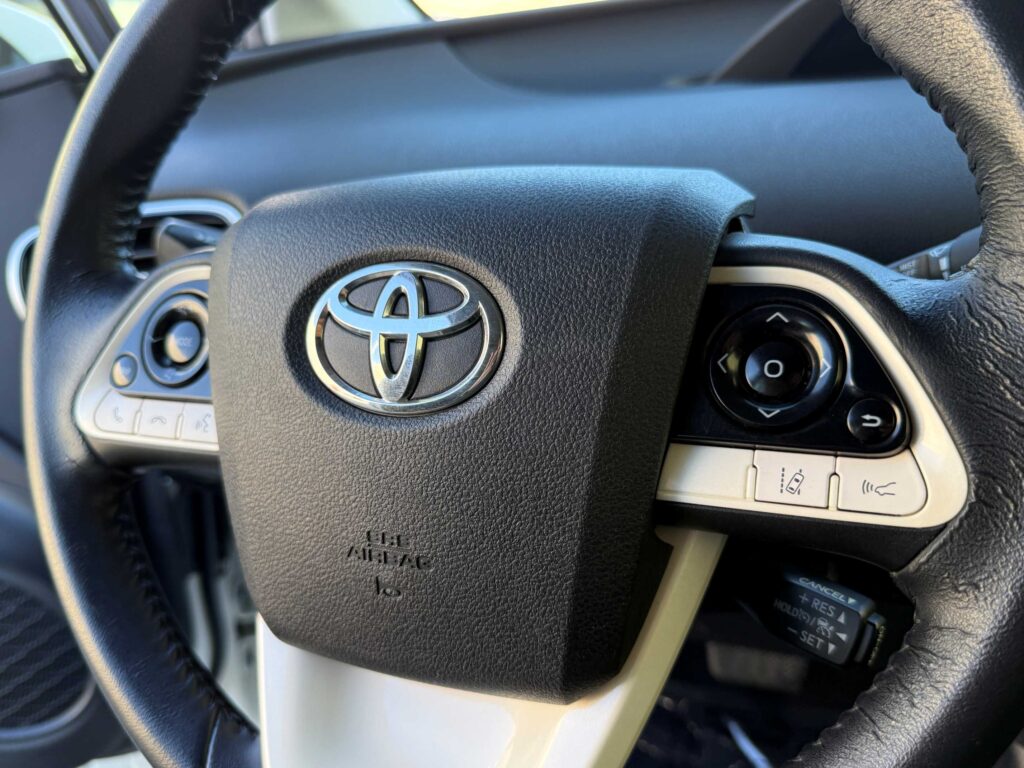
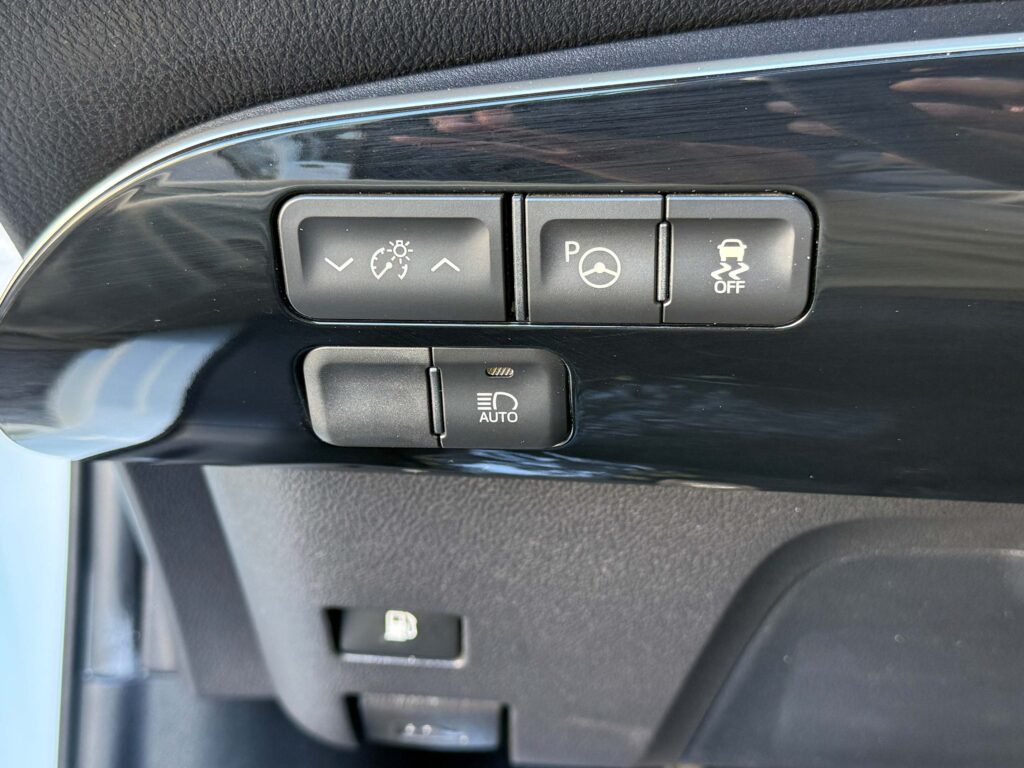
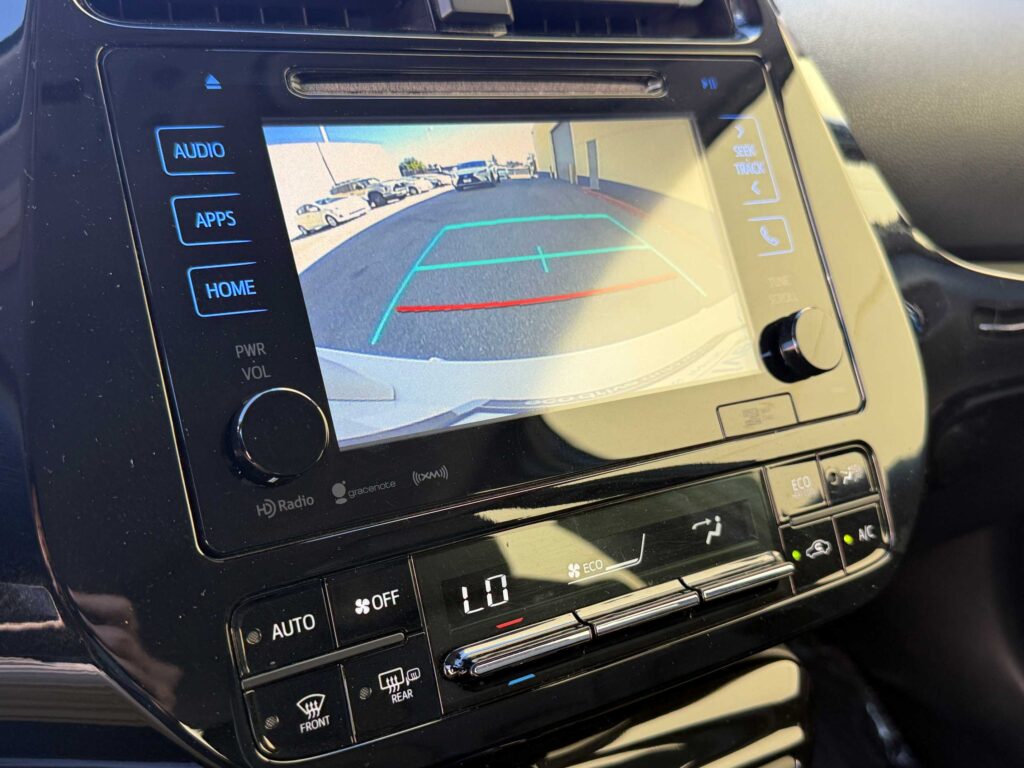
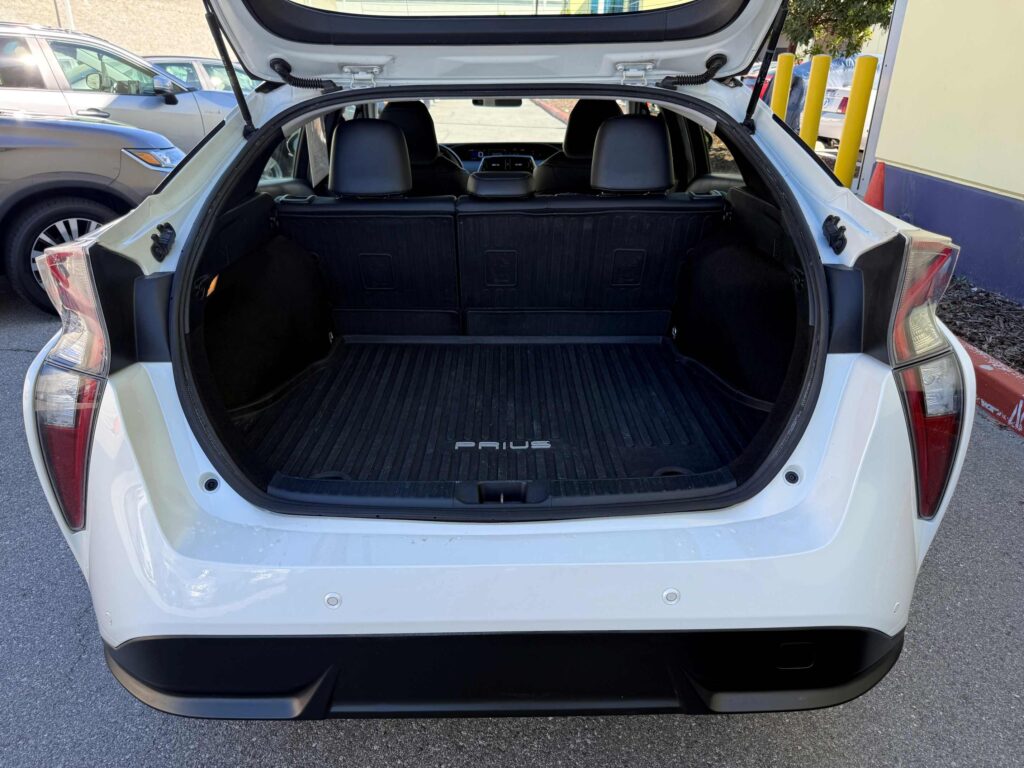
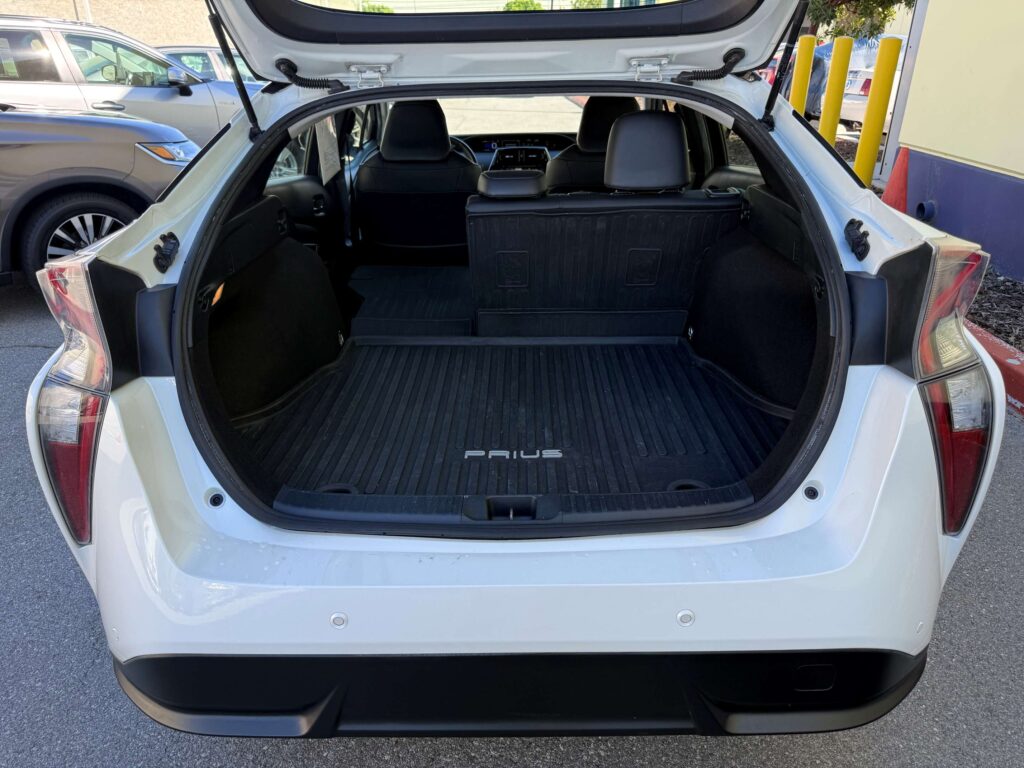
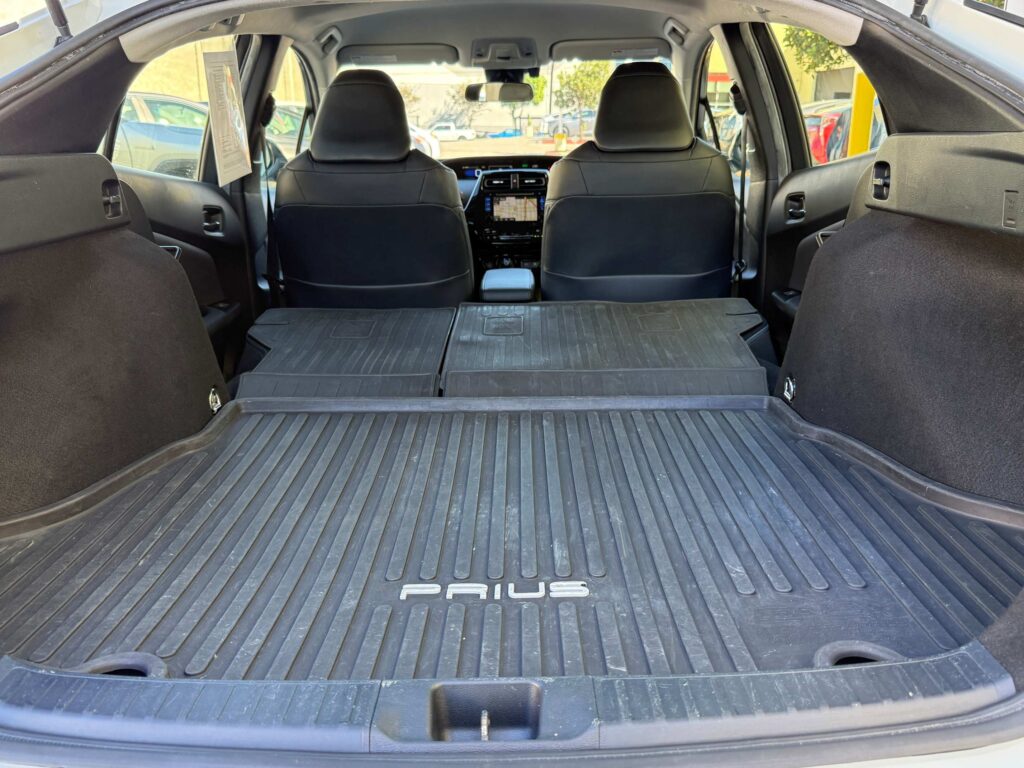
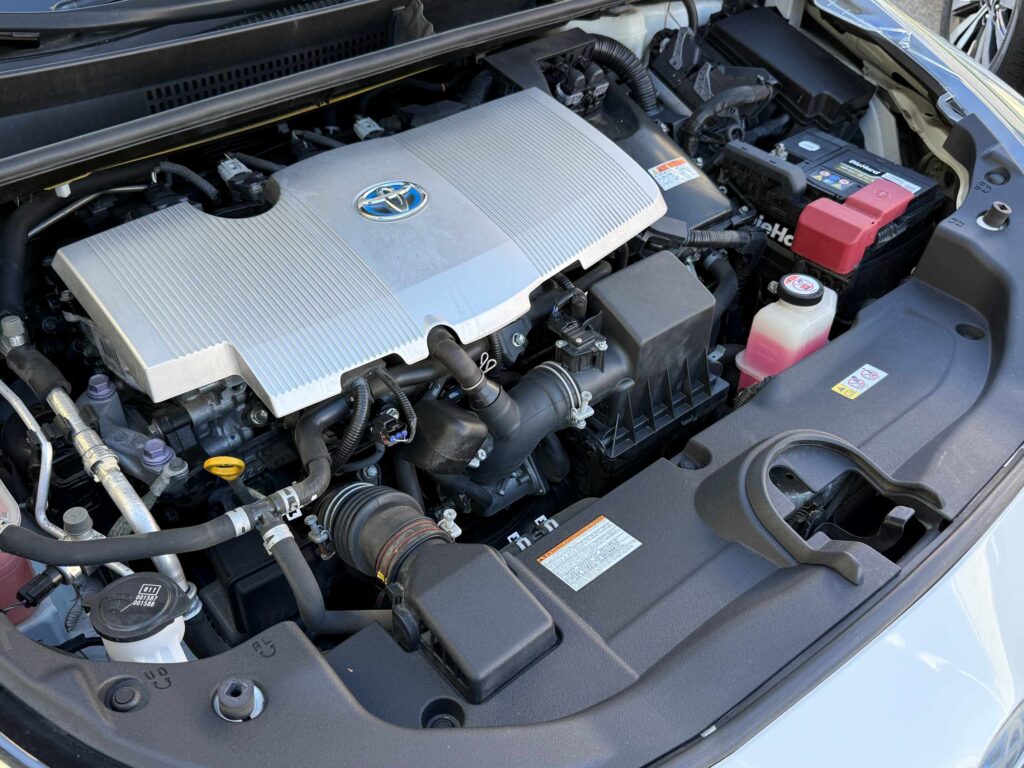
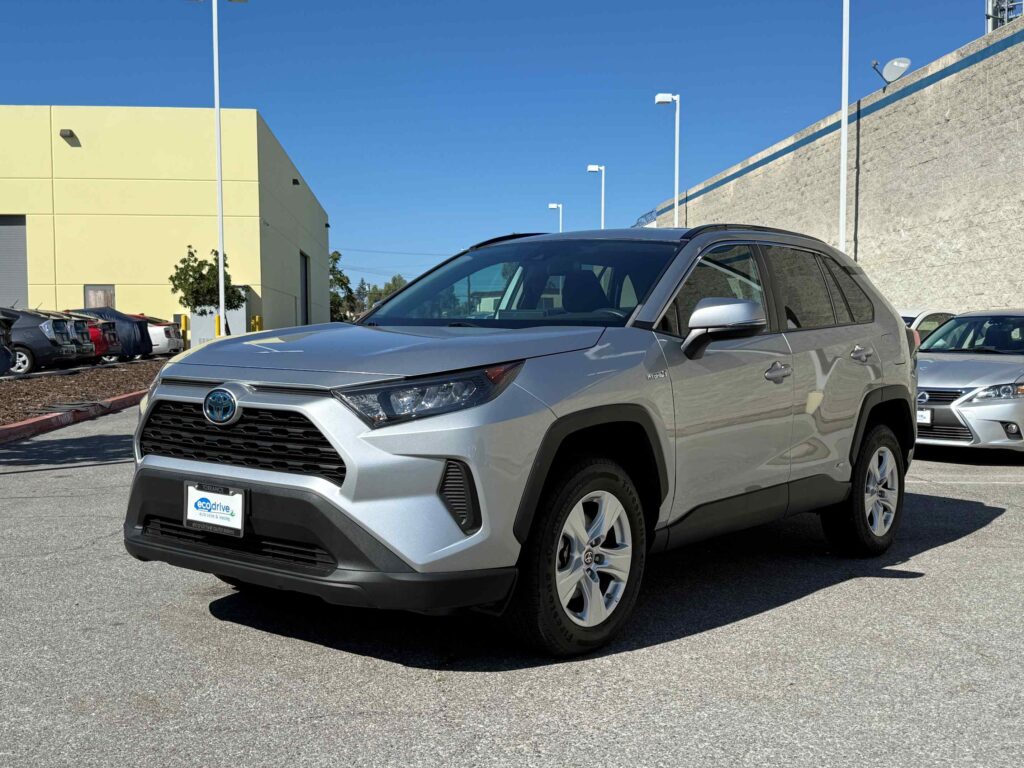
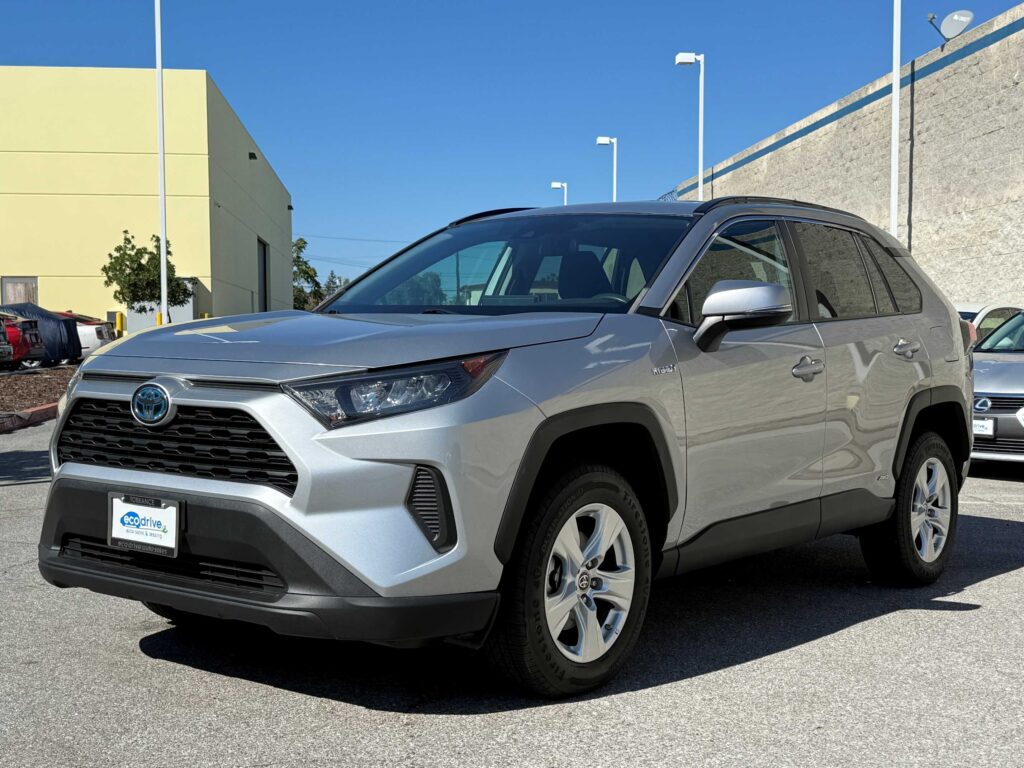
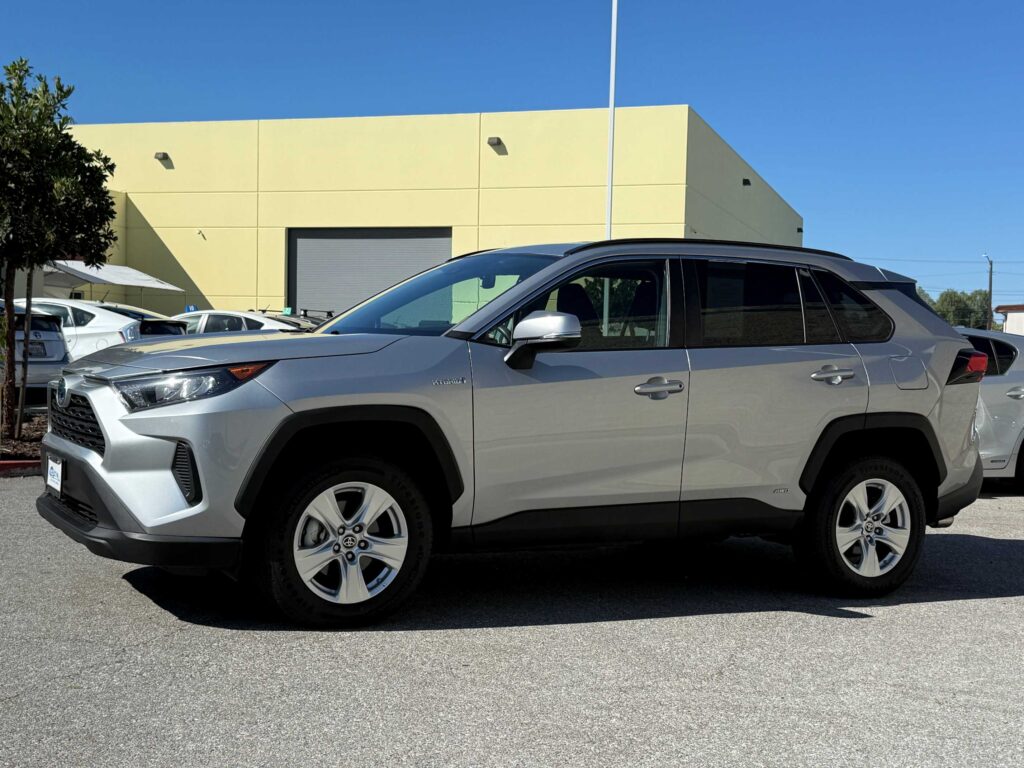
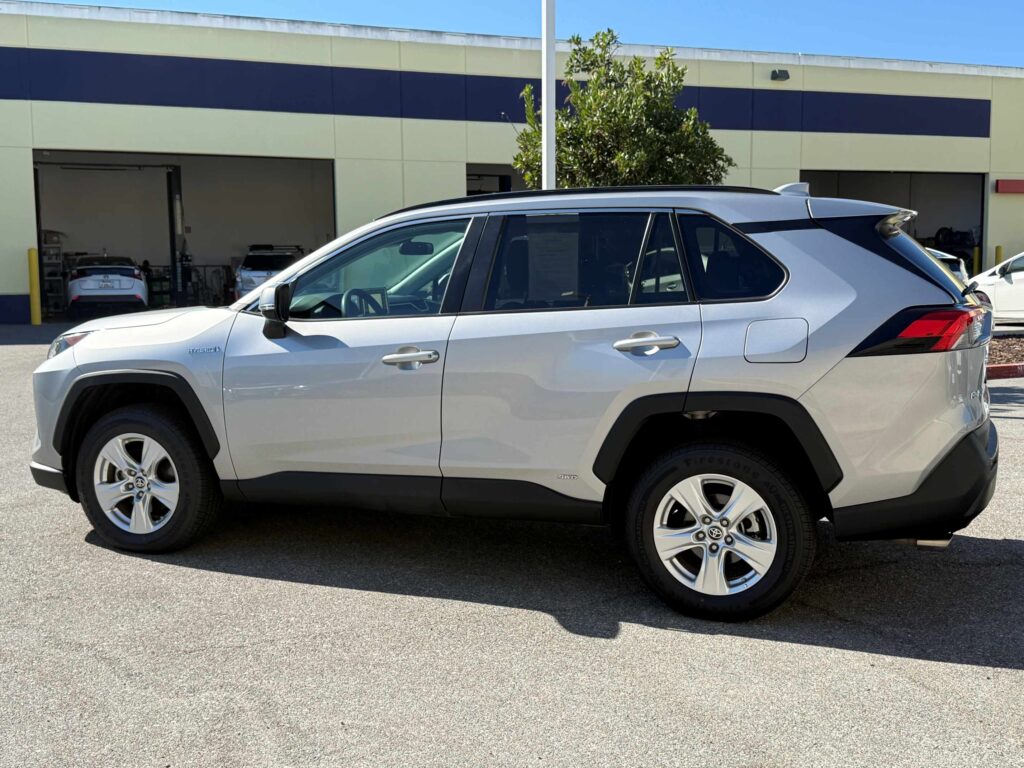
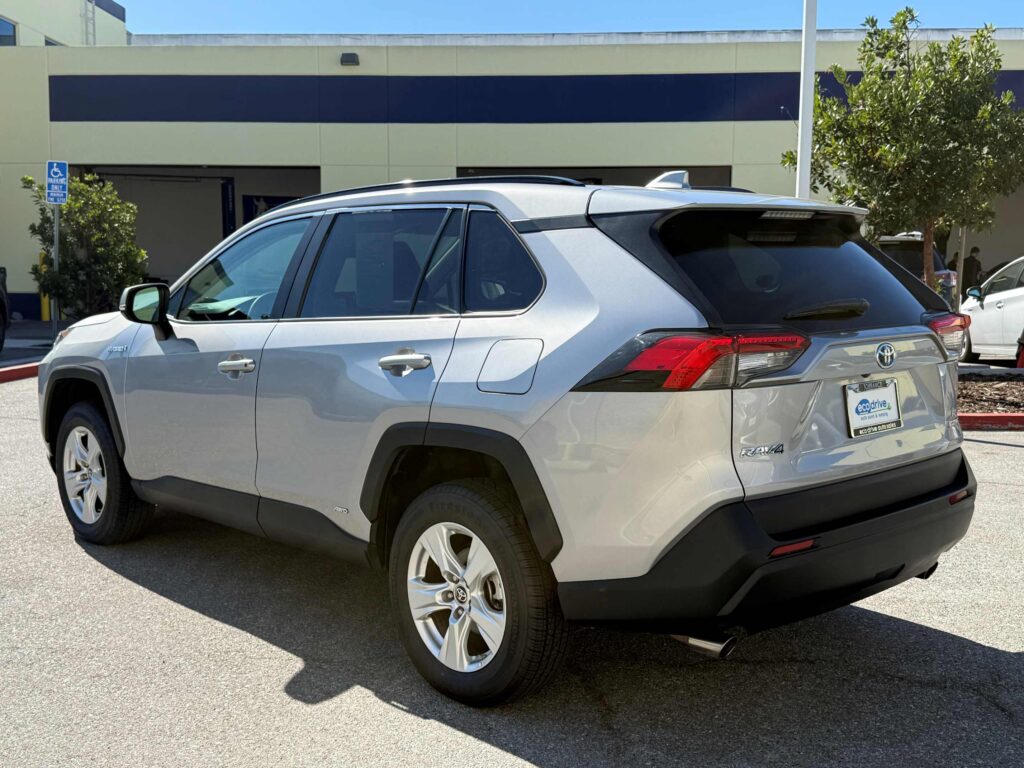
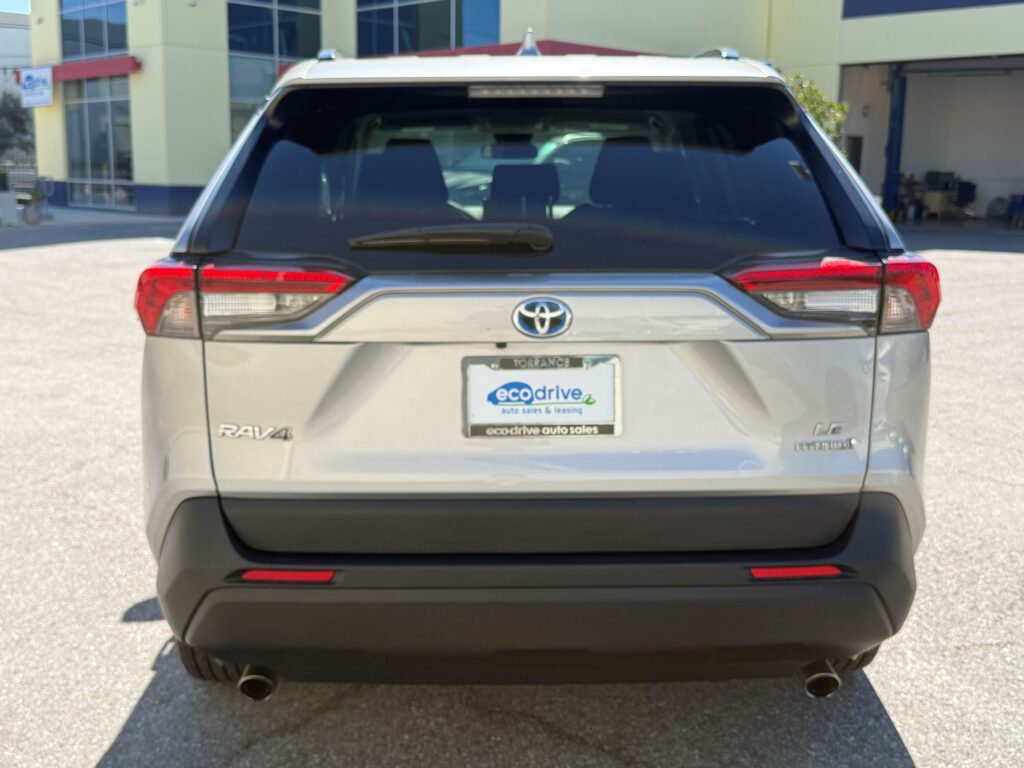
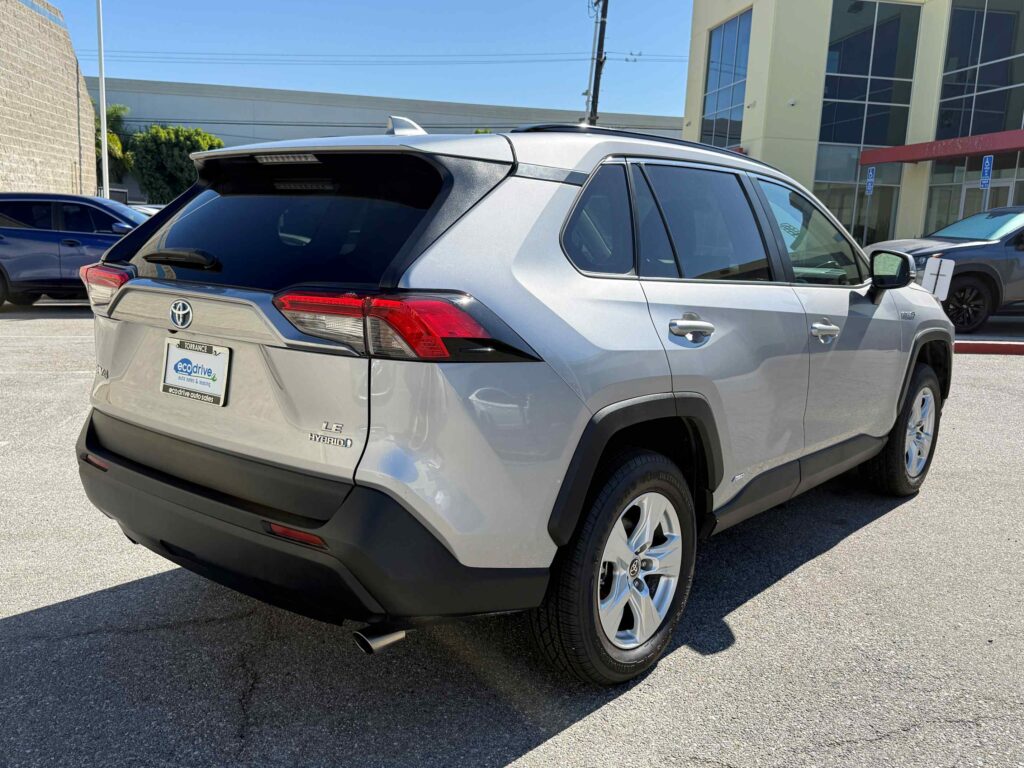
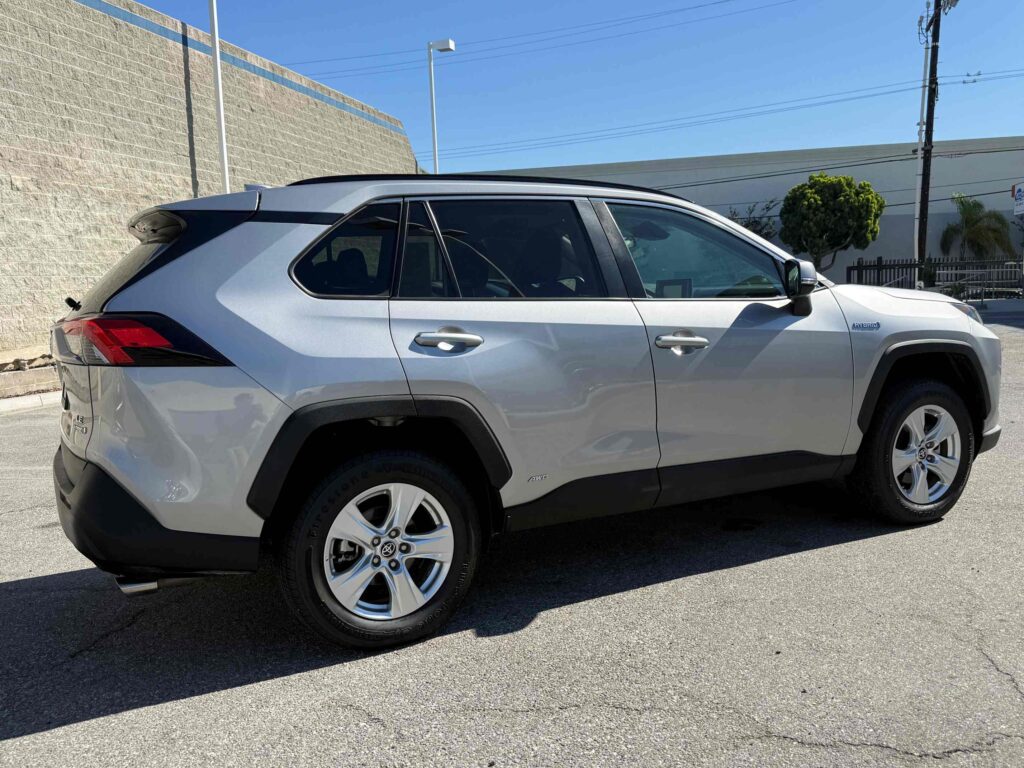
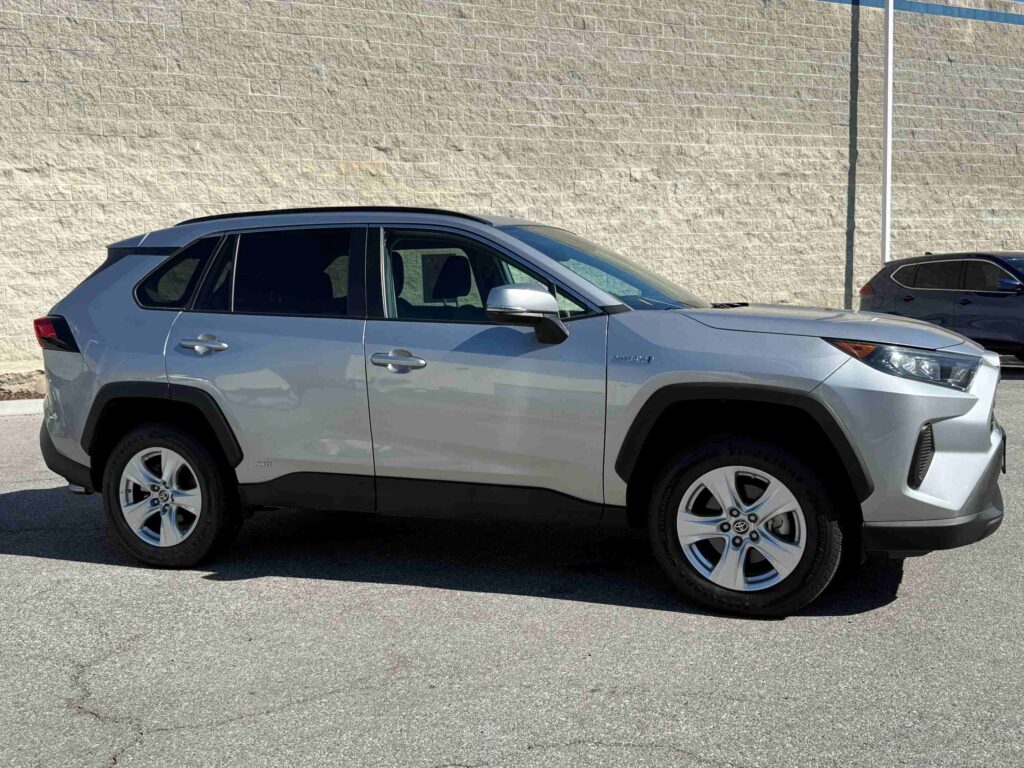
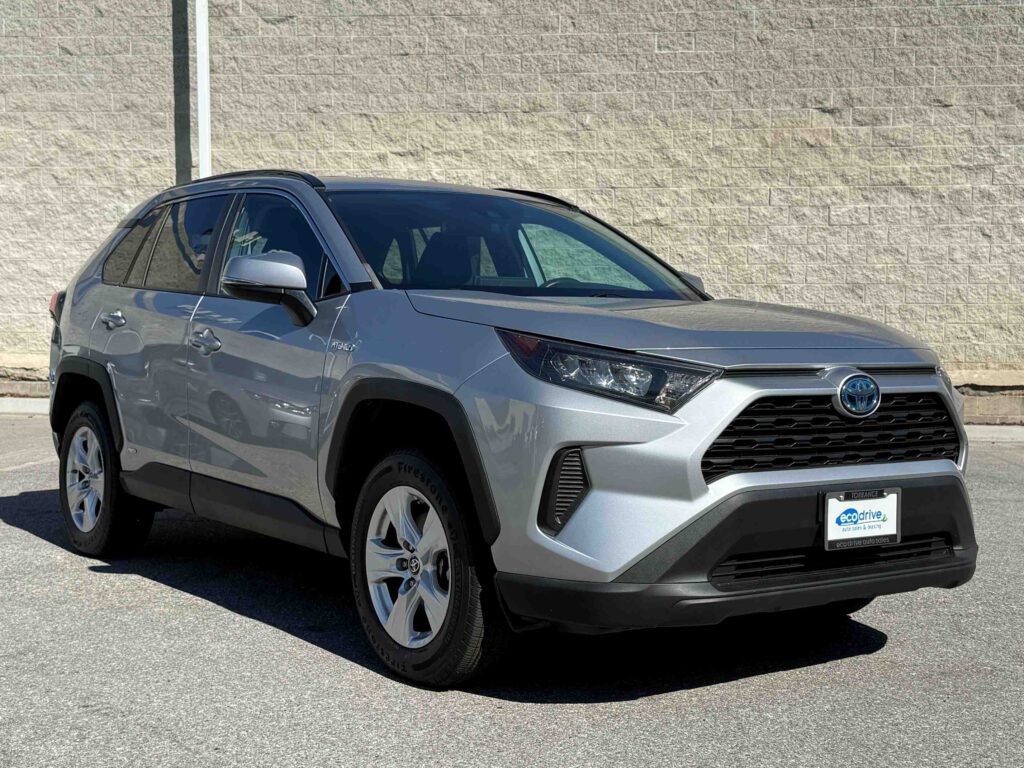
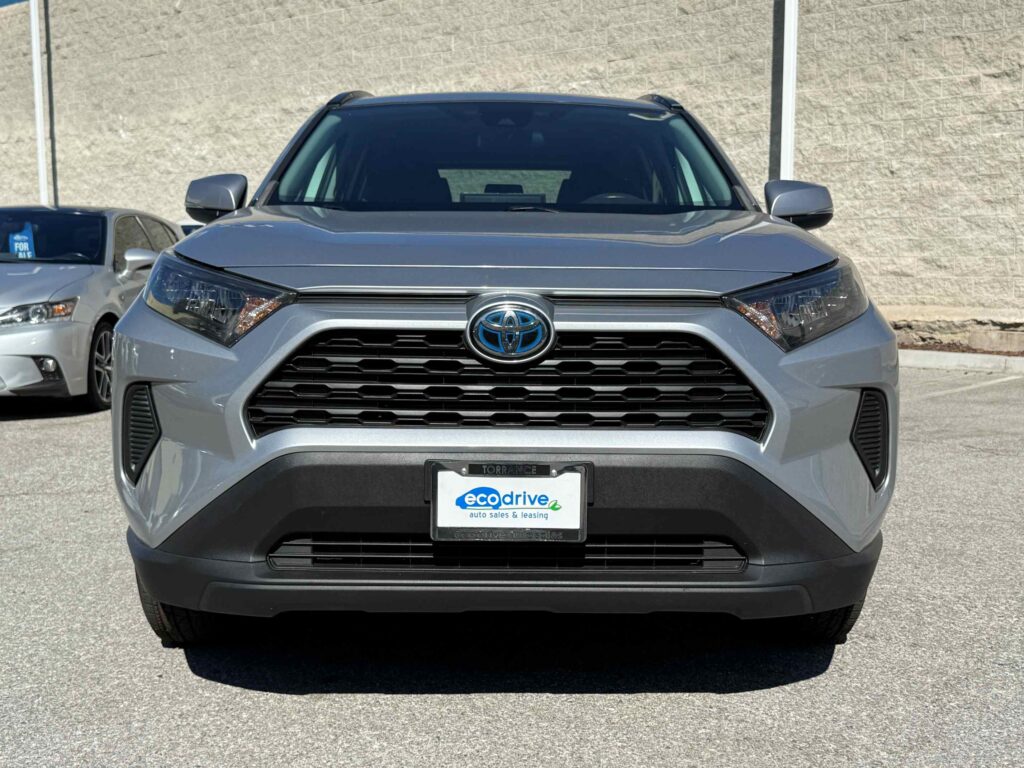
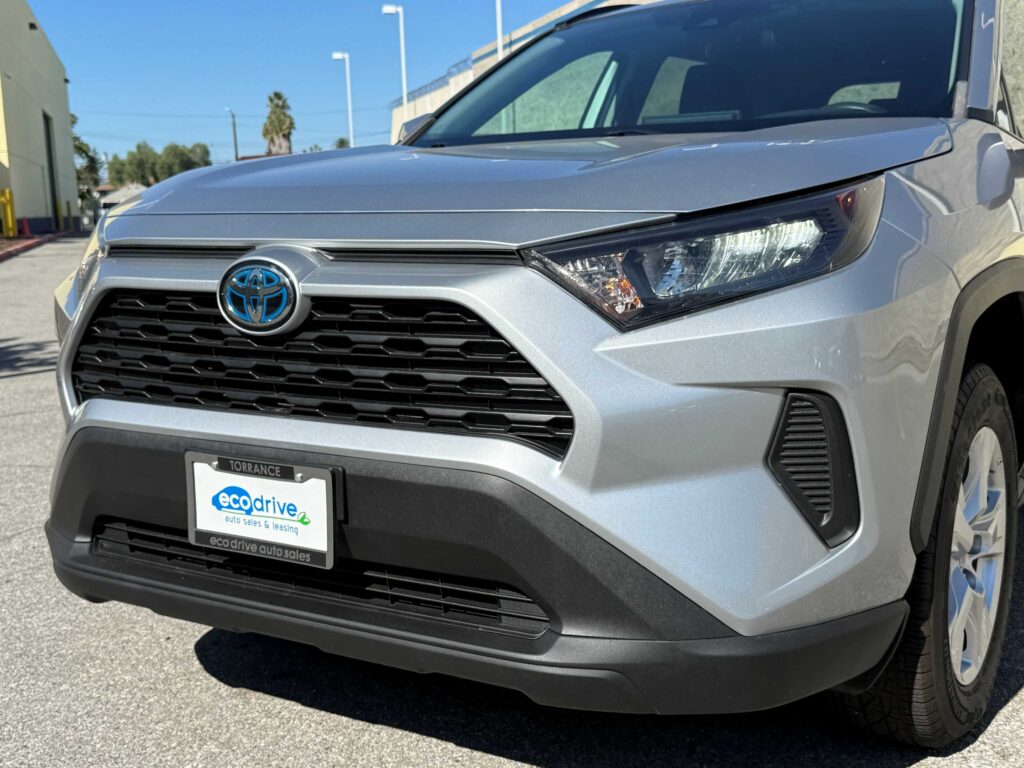
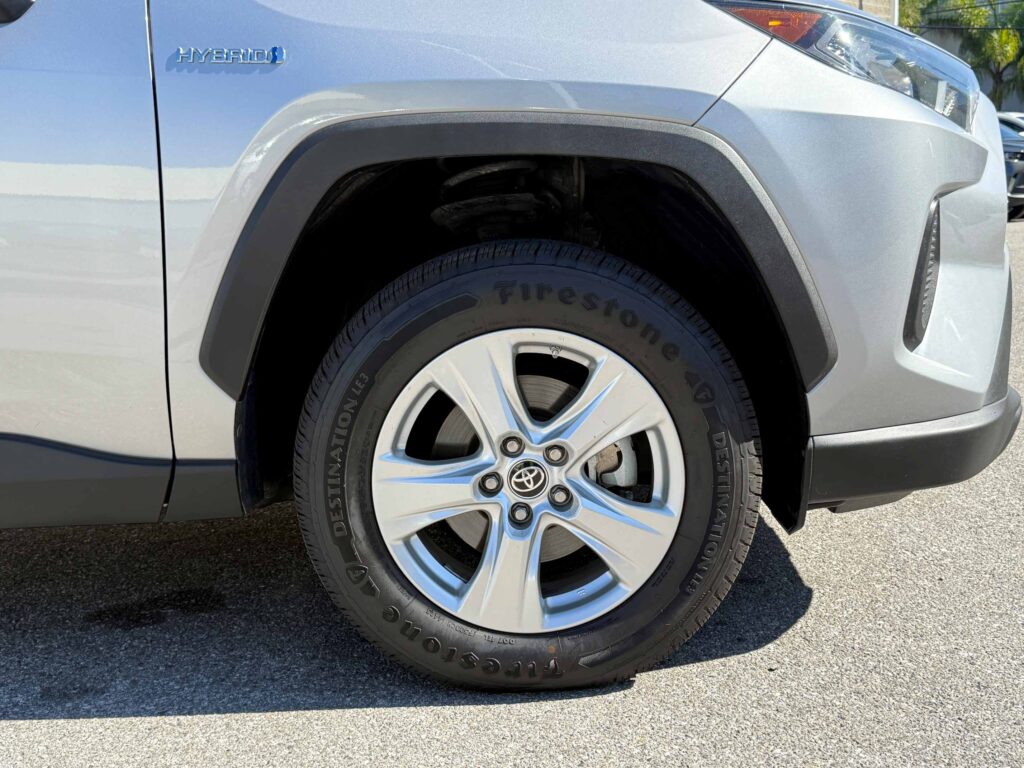
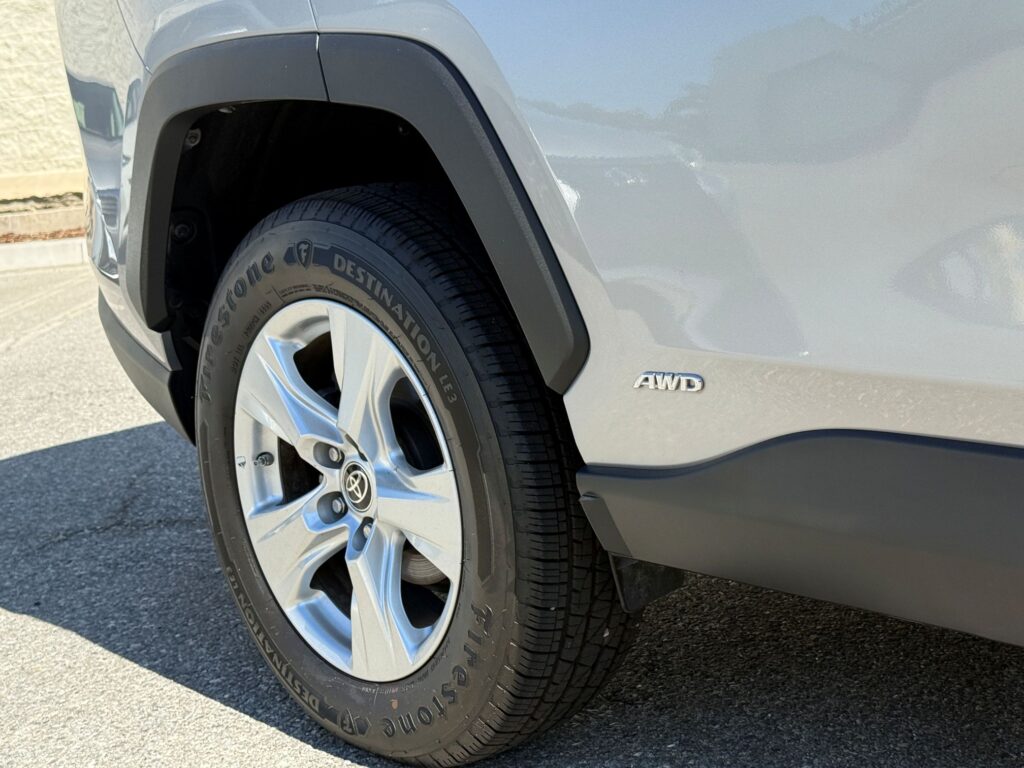
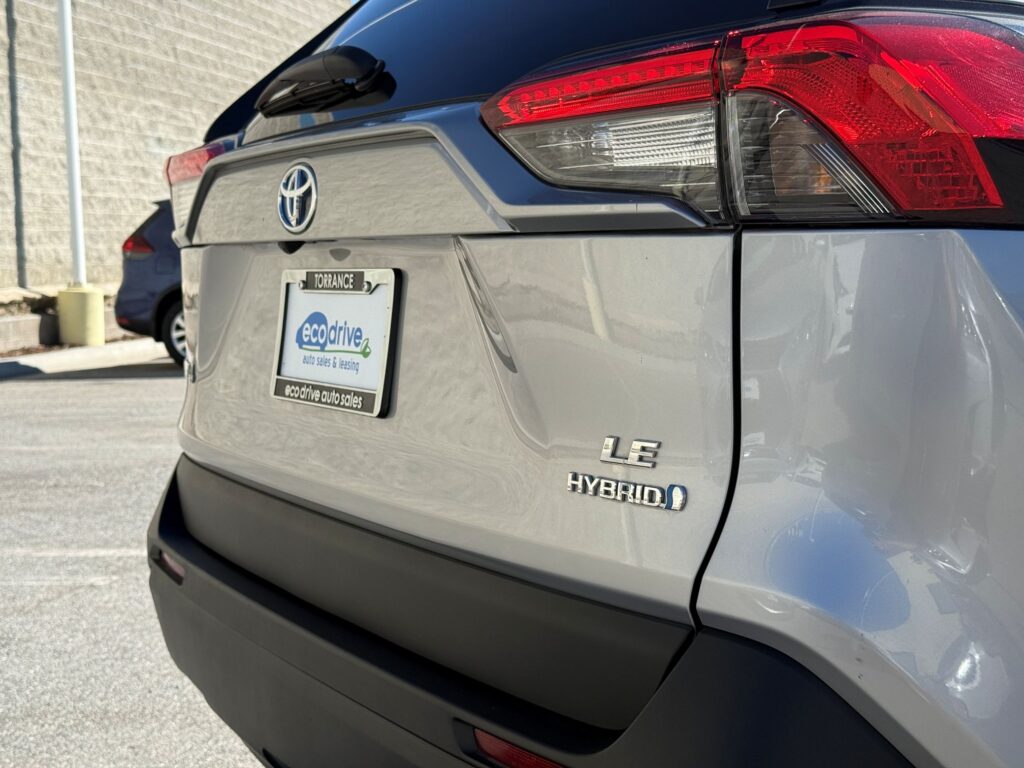
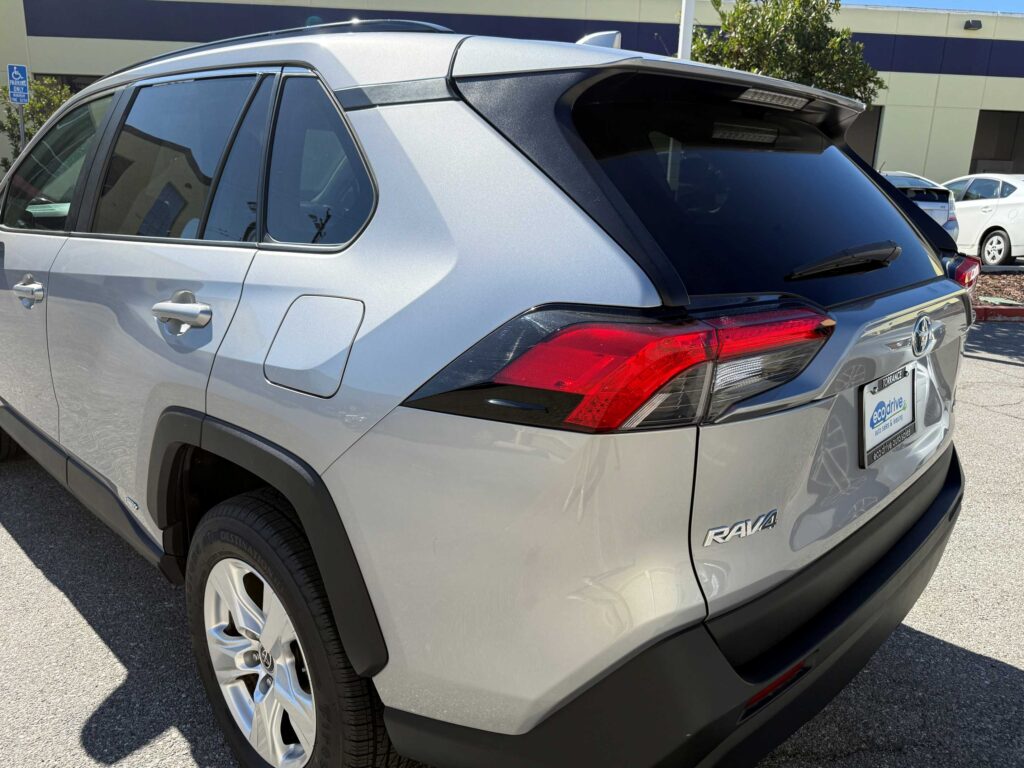
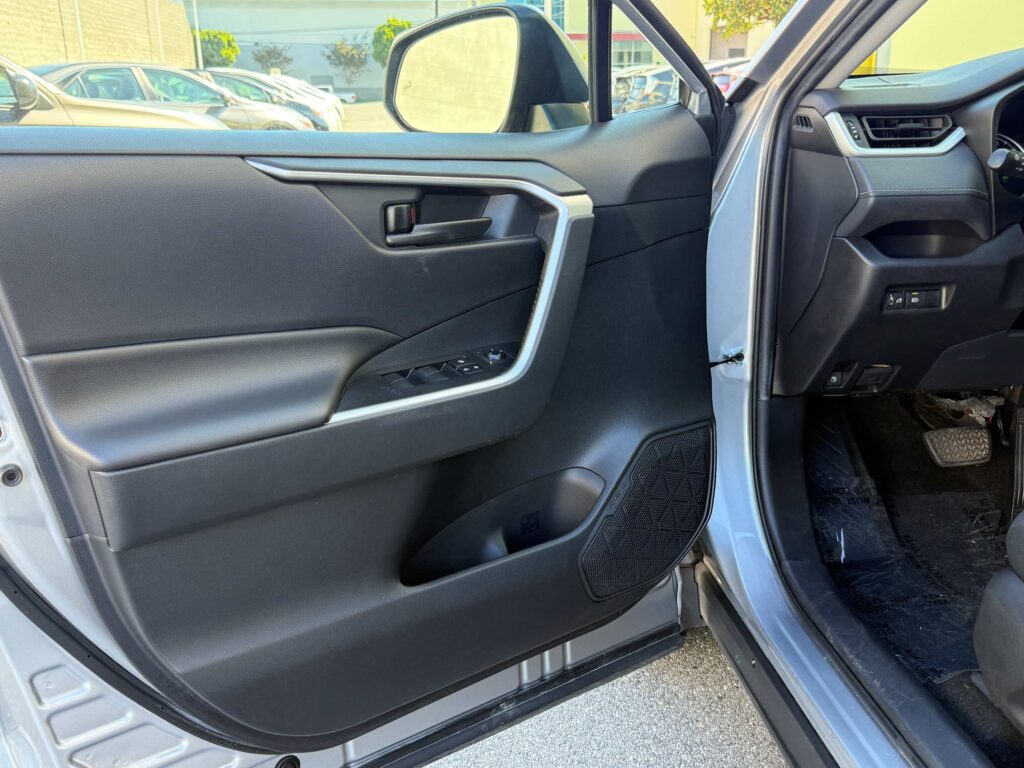
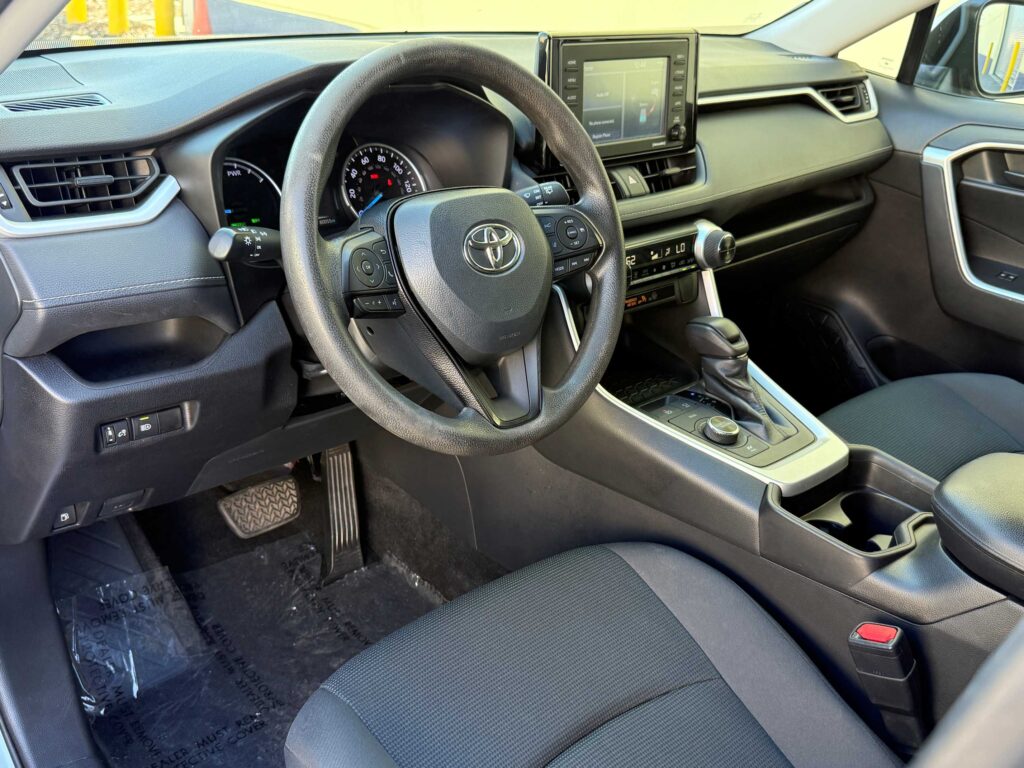
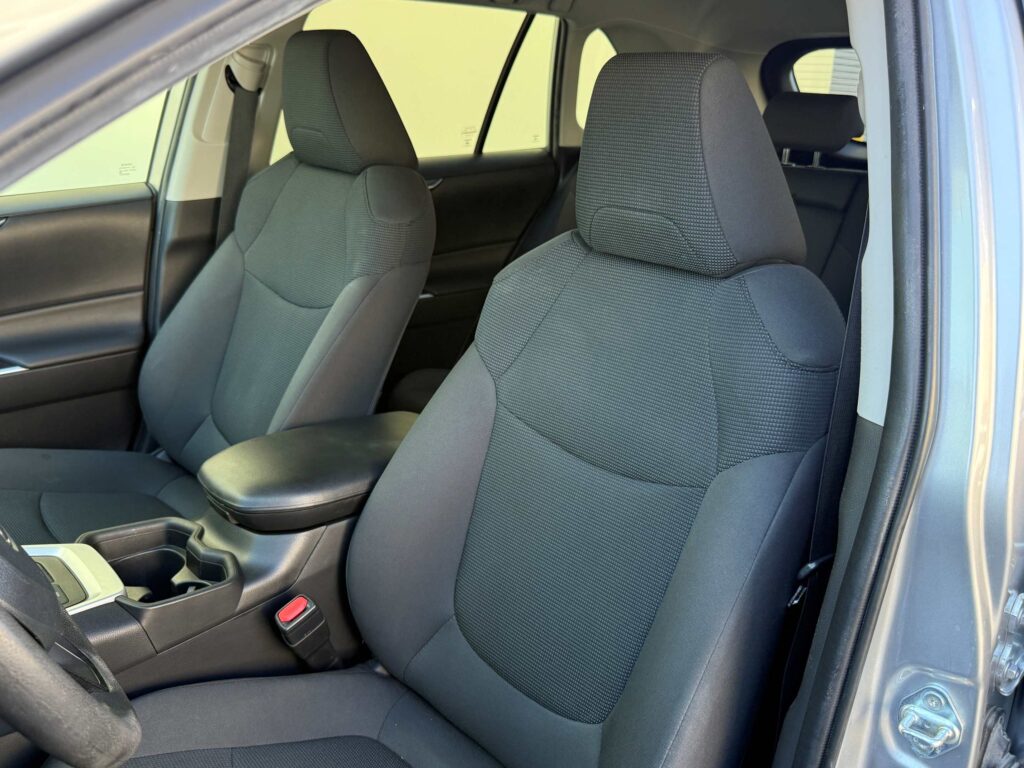
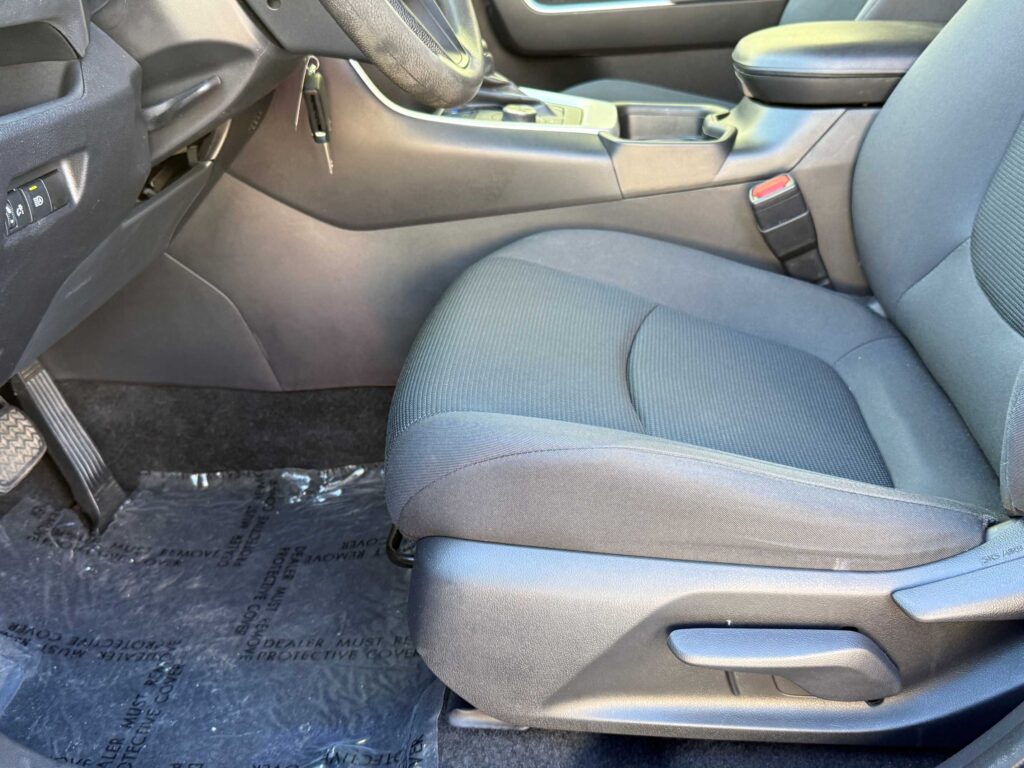
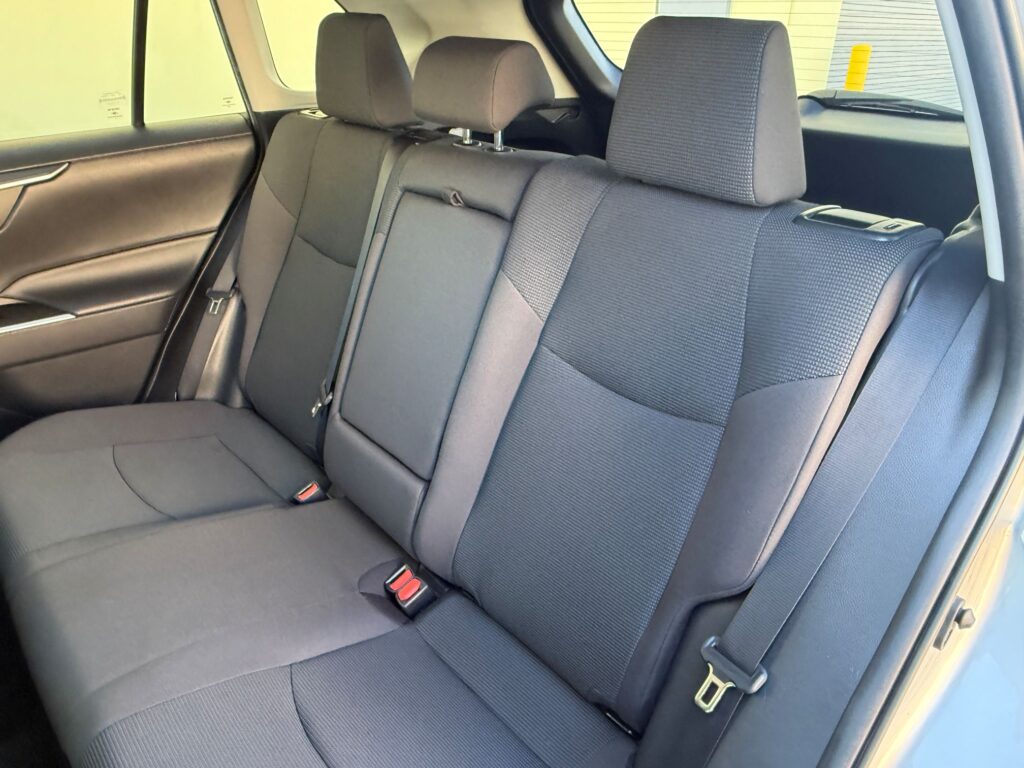
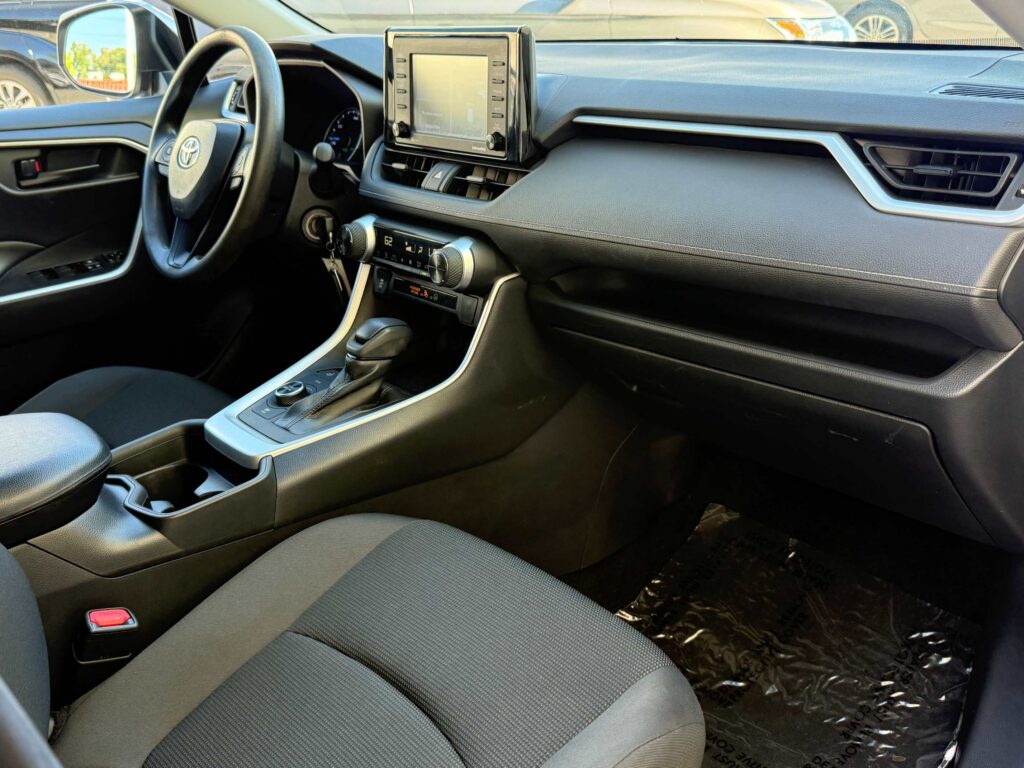
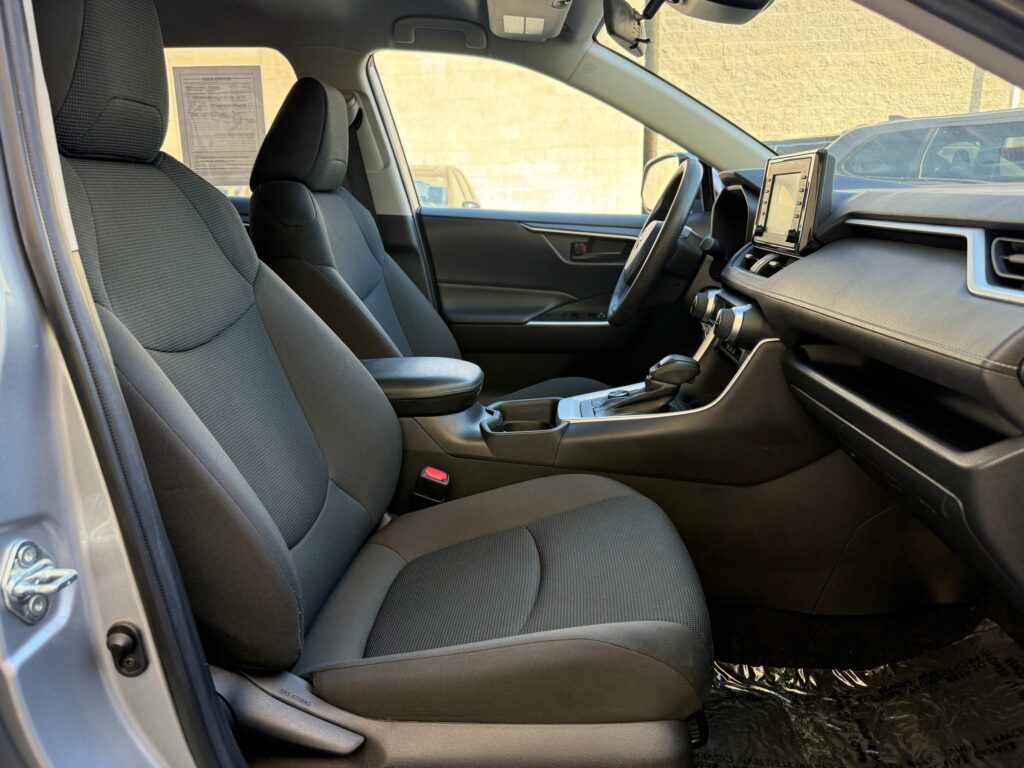
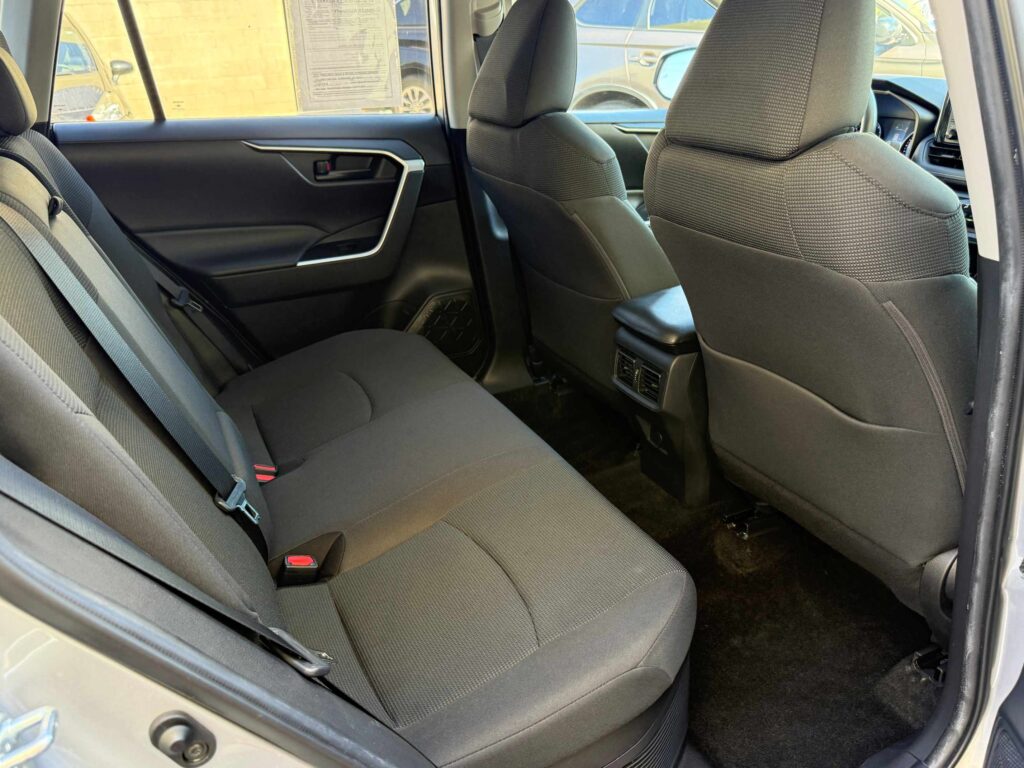
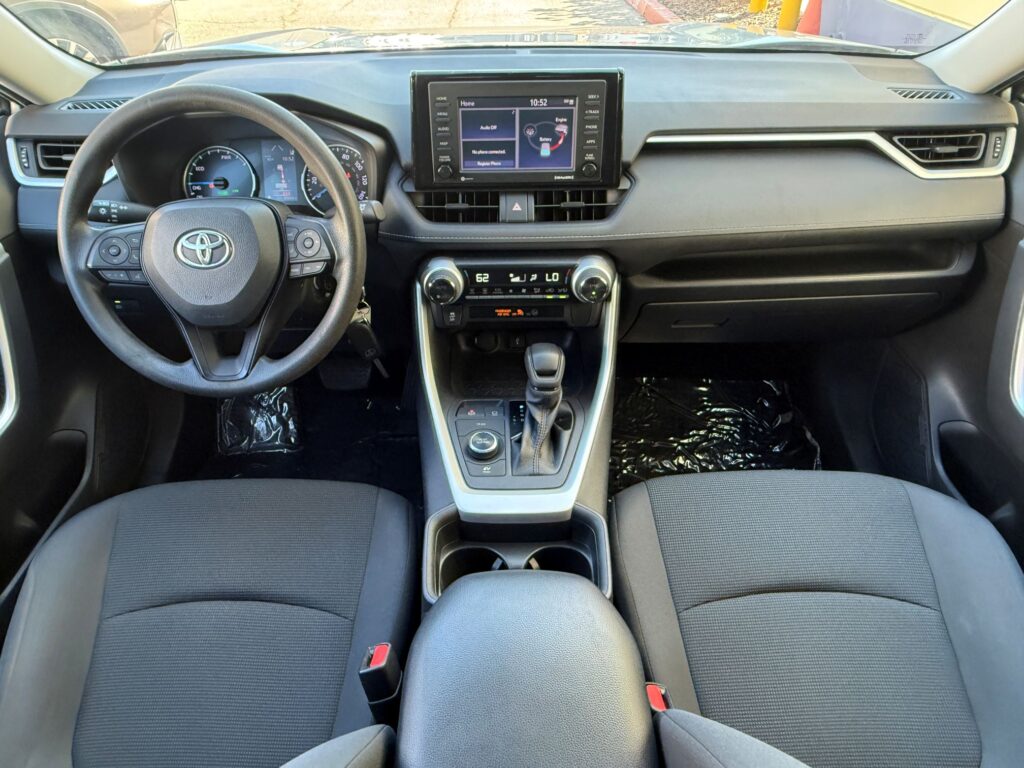
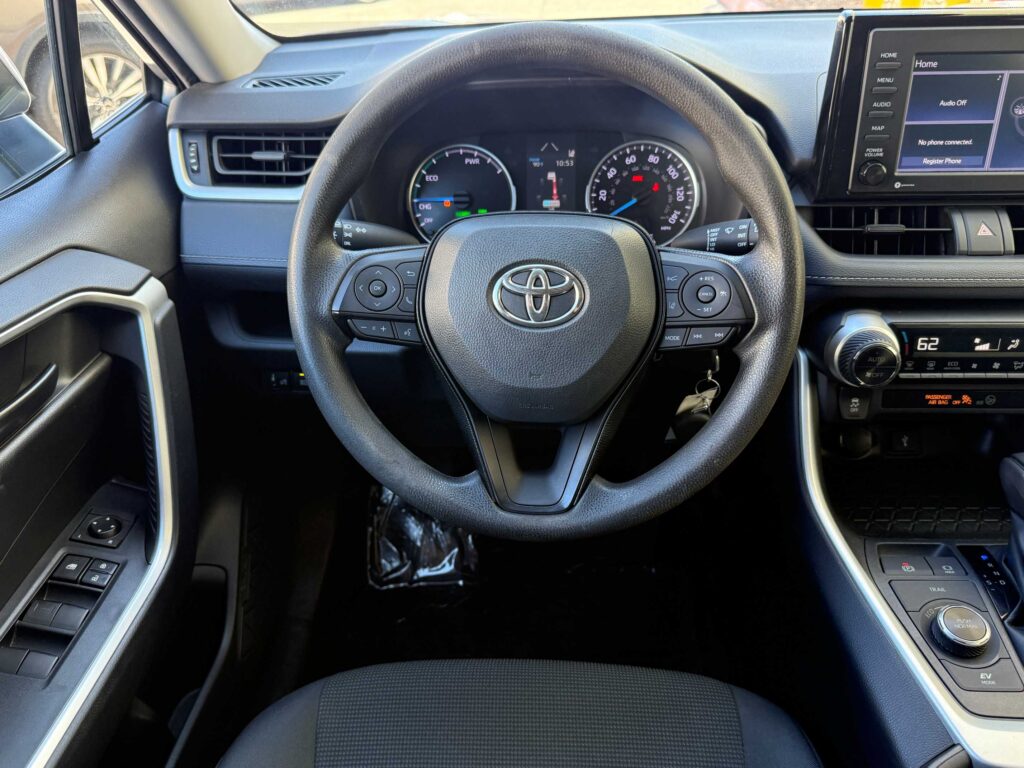
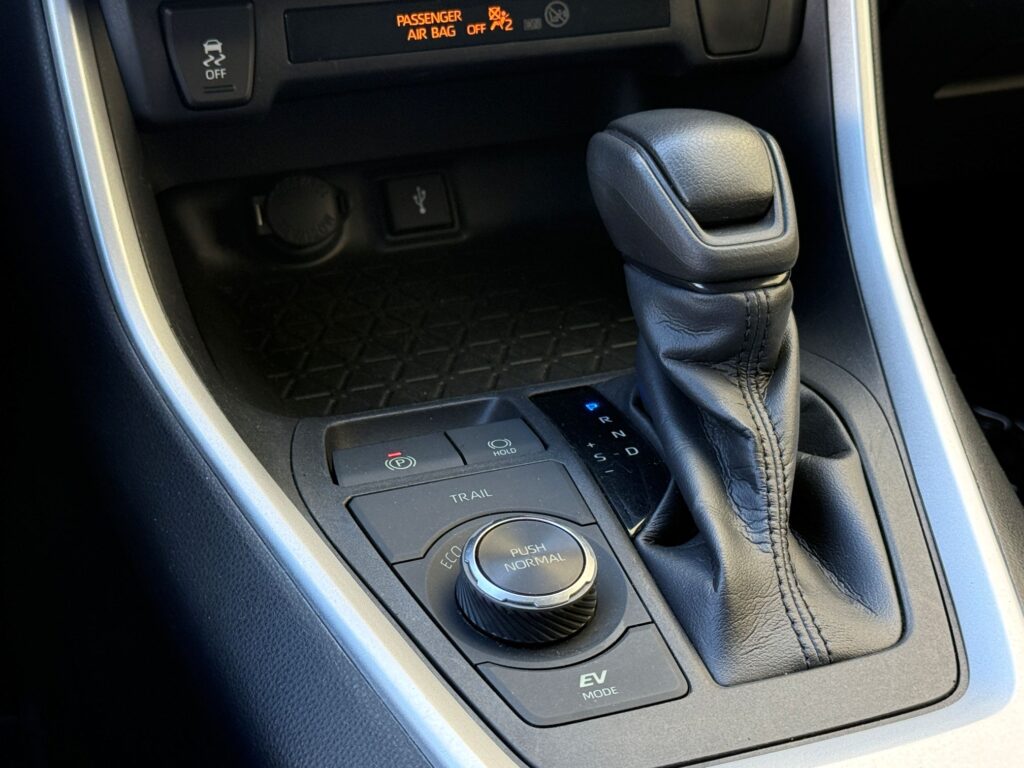
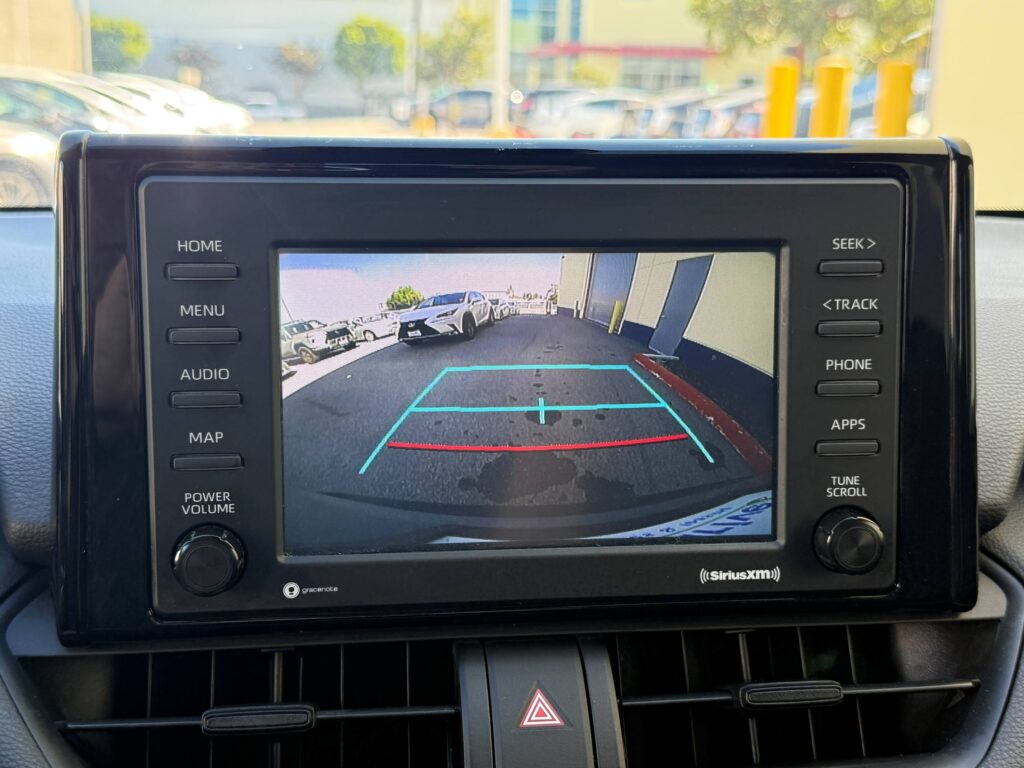
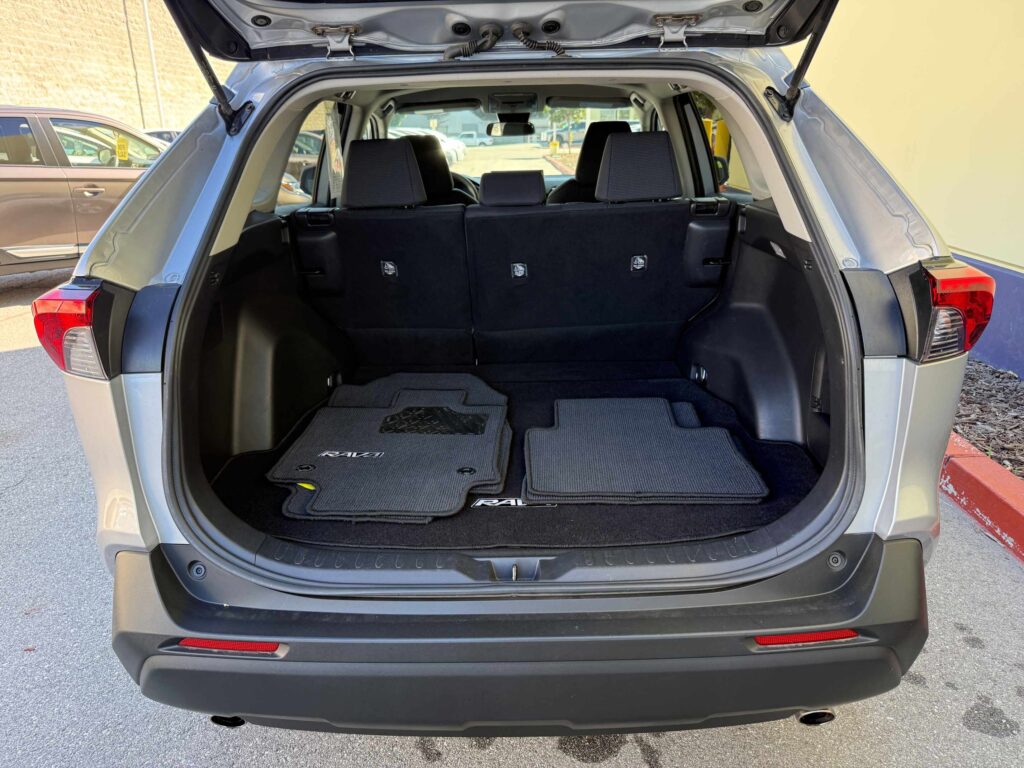
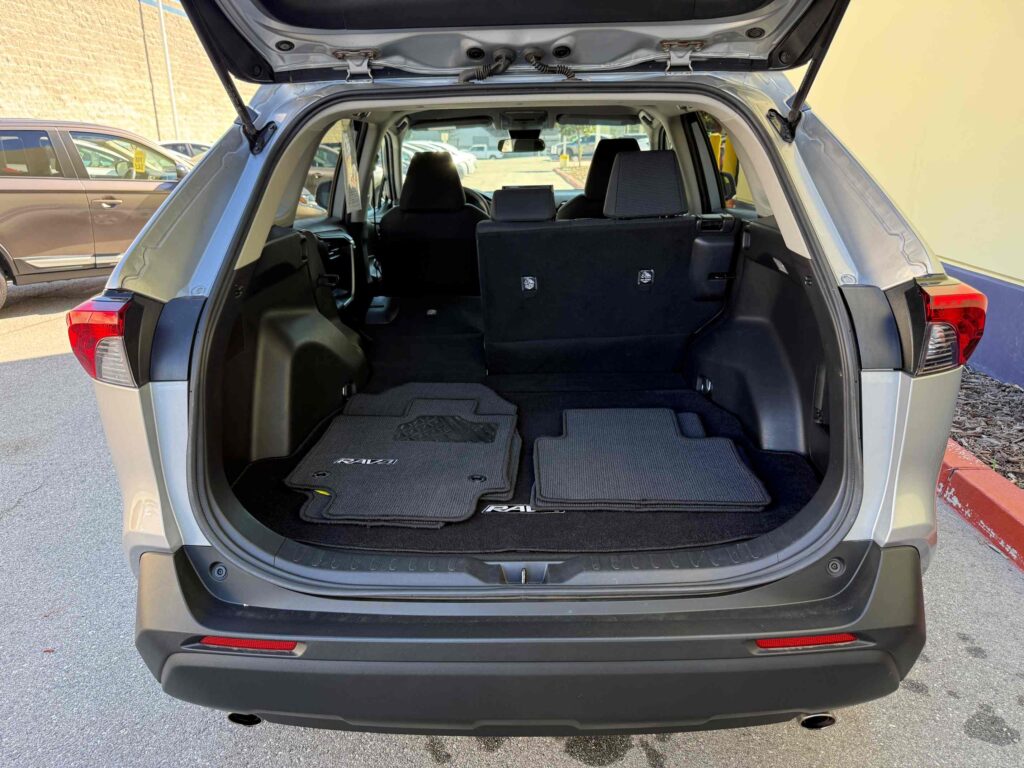
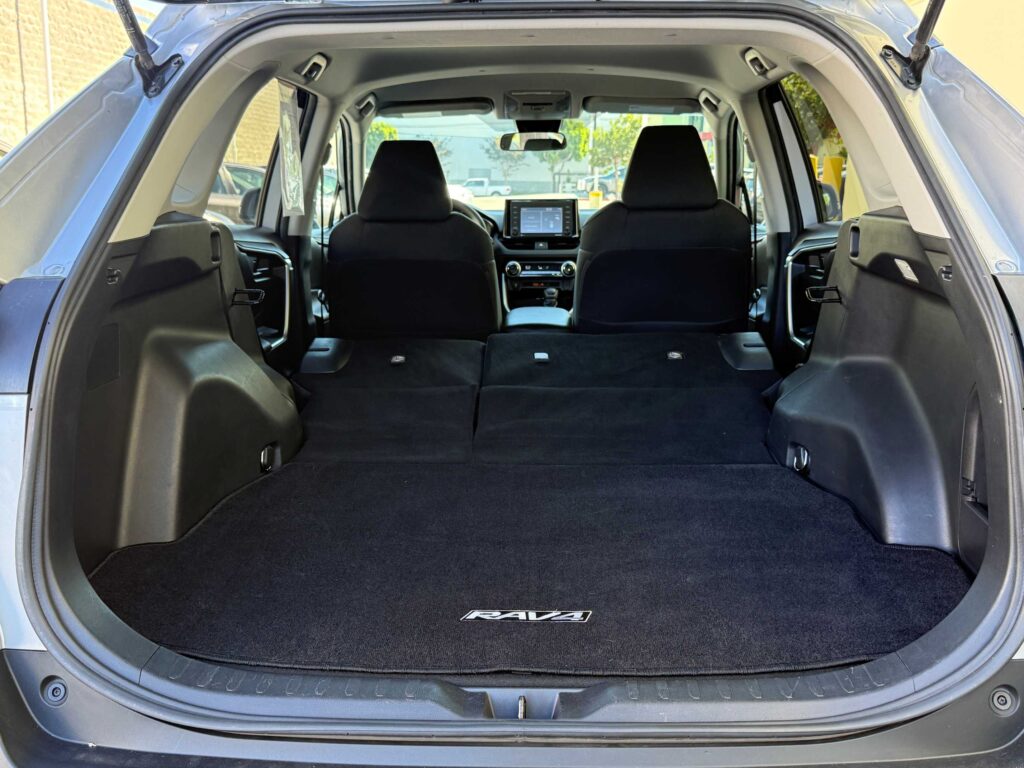
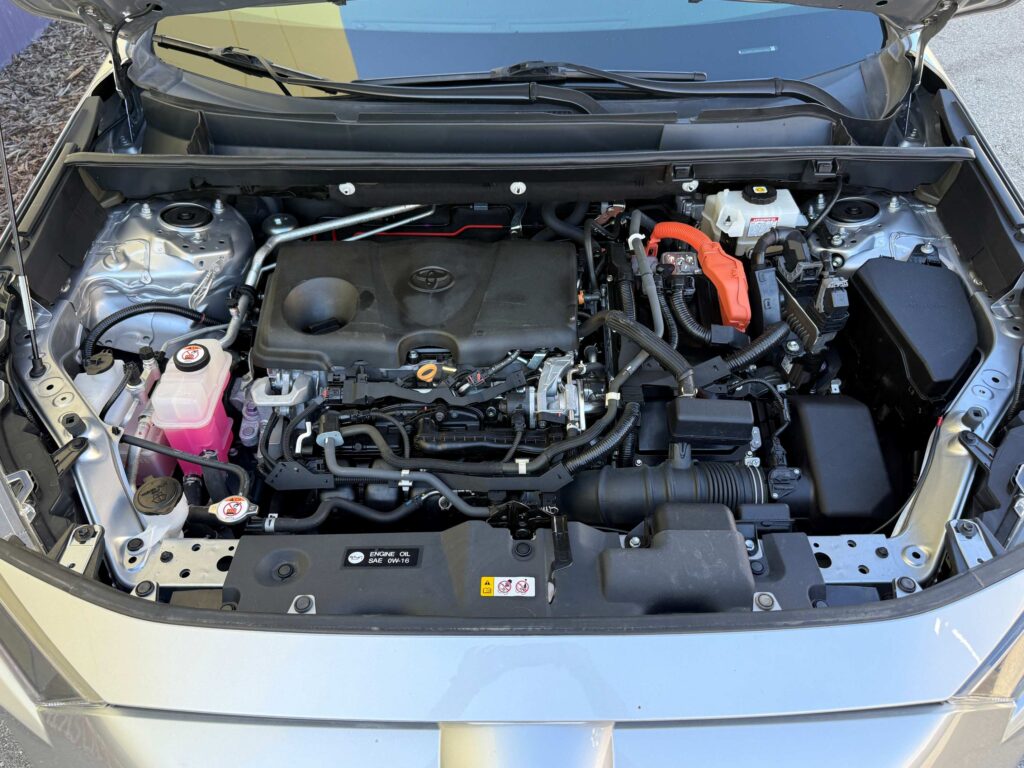
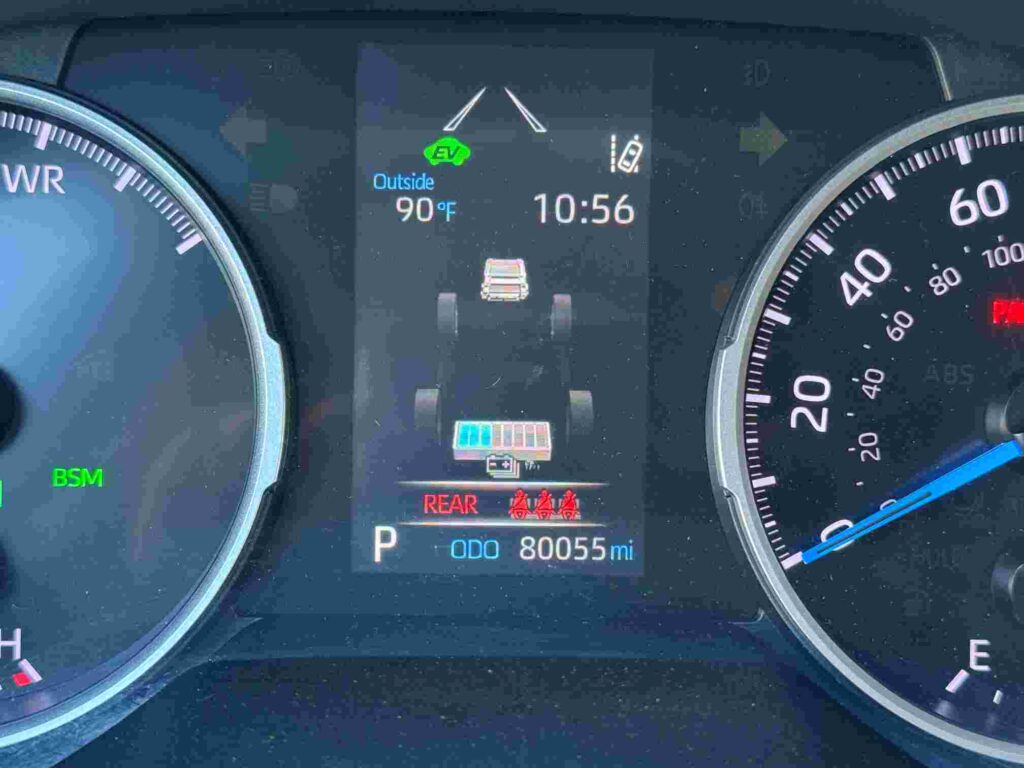
New Arrivals
Discover our newest arrivals—available now!

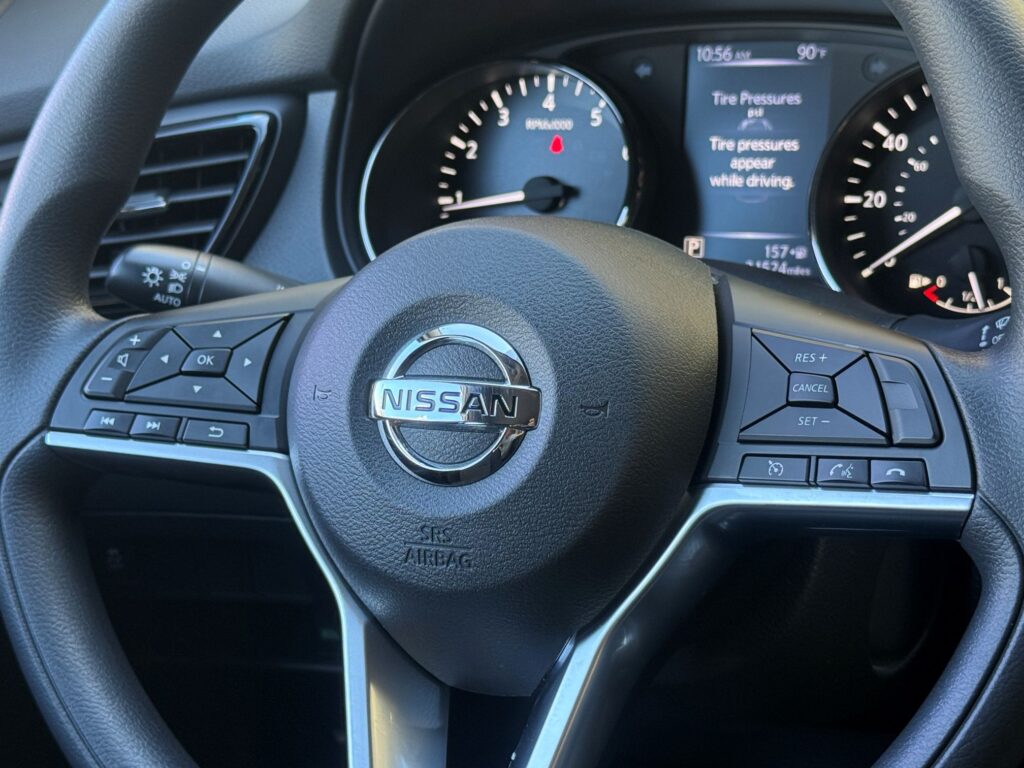
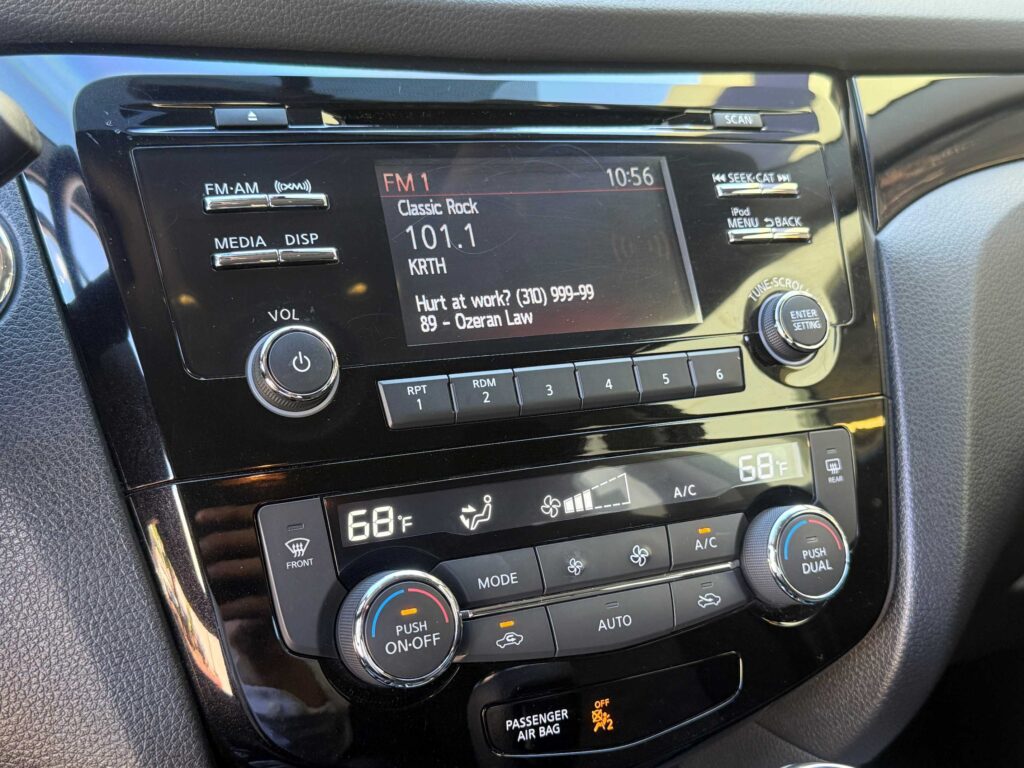
What We’re Doing at Eco Drive
A Direct Car-Buying Channel, So Auctions Aren’t Our Only Source
So what about us at Eco Drive?
We’re pretty fortunate here: at Eco Drive Auto Sales & Repair, we also buy cars directly from their owners.
Check out Eco Drive Auto Sales & Repair’s car-buying page here
*We buy non-hybrid vehicles too!
Because we can buy directly from individual owners, it’s much easier to build a sourcing operation that doesn’t lean entirely on auctions.
That said — don’t eliminate auctions entirely!
Don’t get me wrong: auctions aren’t the villain here.
Being able to use them when you need them is a real strength.
The problem is making them your main pipeline — that’s when a spike in wholesale prices hits you head-on.
Just as an example, auctions work well when you use them to:
- Fill gaps in your model lineup
- Rebalance a lopsided inventory mix
- Target only quick-turning cars
In other words, use them with a defined purpose — that’s the realistic approach.
Diversifying Revenue Streams
On top of that, our revenue doesn’t come from sales alone — we also run rentals, subscriptions, leasing, auto repair, long-term parking, and more.
So we never have to bet everything on selling cars.
Where many smaller dealers rely heavily on vehicle sales as their main revenue stream, we have somewhere around eight or nine in total.
Even if vehicle sales slowed sharply, those other revenue streams would give us more ways to stay resilient.
Still, No Room to Relax
That said, you never know what’s coming next.
The pace of change — and the speed of technology — is honestly incredible right now.
We can’t afford to get comfortable either. We have to keep adapting as the market evolves.
The Real Fear of Being at Someone Else’s Mercy
Lately, this hits me harder than ever.
It’s frightening to depend on someone else — to have your business held in their hands.
Because when it really matters, you have zero control.
What If You Got Banned from the Auctions?
This is something I’ve thought about for years. In the used-car business, sourcing from auctions is just how things are done.
But what if, one day, you got banned from the auctions?
Say it happens for some reason — you can no longer participate.
You lose a major source of inventory. Then what? That’s a life-or-death problem for the business.
What If a Listing Site Dropped You?
Same with your sales channel — the listing marketplaces.
What if they suddenly banned your listings?
Does your company fold on the spot? That’s the question.
That’s how precarious the used-car business model really is when it’s built on dependence.
Concrete Strategies for Survival
So yes — I believe dependence on your supply source and your sales channel is extremely dangerous.
The solutions aren’t quick wins. They’re an accumulation of design choices that steadily lower your dependence.

The key isn’t to change everything overnight. First, map out what you depend on and how much,
then set priorities and fix things one step at a time.
Even if it takes time, expanding the range you control — in sourcing, sales, or financing — shrinks the damage when the external environment shifts.
Just having an escape route, so that one failure doesn’t stop the whole business, keeps your decision-making steady.
Secure at Least 2–3 Routes in Each Area
In the used-car business, I’d say you want at least two or three routes in each area — sourcing, sales, and so on.
For sourcing: not just auctions, but buying directly from owners and partnering with other dealers.
For sales: not just marketplaces, but your own website and referrals.
If one route dies, the others cover you. Build that structure before you need it.
Build a Business That Stands on Its Own
And ideally, go further: build the ability to source and sell cars through your own channels, without leaning on anyone else’s platform.
And not just sales — rentals, leasing, other models entirely.
Thinking through alternative ways to generate revenue makes you that much stronger.
Shopping for a used car in the LA area? Because we source many vehicles directly from owners, we can inspect them carefully and be selective about what we put on the lot. Browse what’s currently available on our inventory page.
Final Thoughts: Is Breaking Free of Dependence the Key to Survival?
Today we looked at why used-car dealership bankruptcies keep making headlines — and the mindset it takes to survive.
The core idea: break your dependence on others.
Secure at least two or three routes for both sourcing and sales.
And hold revenue streams beyond car sales.
At Eco Drive, we built a direct-sourcing operation and diversified our revenue.
If you’re starting a business here — or expanding one into the U.S. from abroad —
these are lessons worth keeping in mind. I hope they’re useful.
That’s it for today — Suzuki from Eco Drive. See you next time!
You May Also Like