The Complete US Rental Car Guide for International Visitors
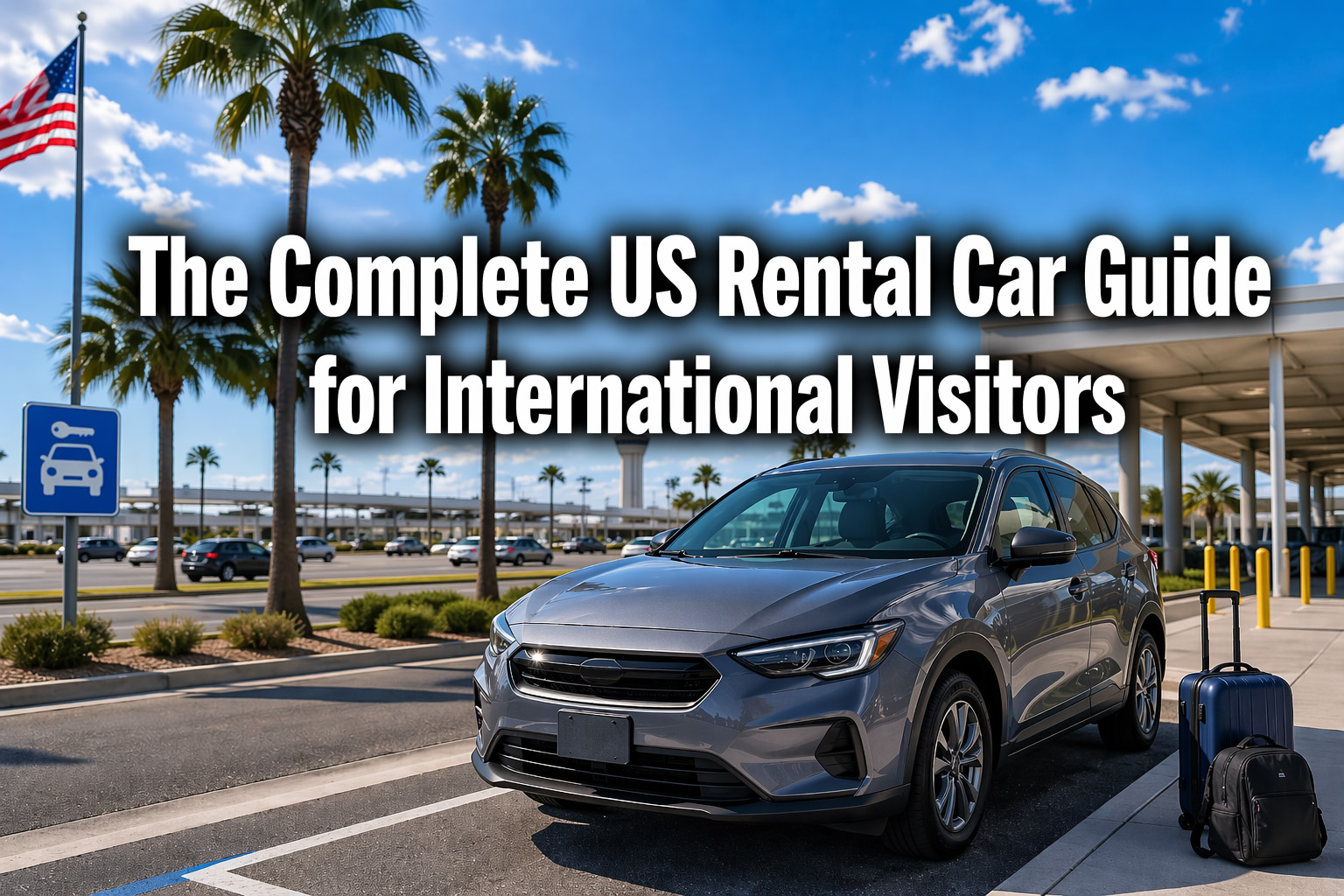
Planning a driving trip across the U.S.?
This guide pulls together everything first-time renters in the U.S. need to know, from paperwork to the road itself.
We’ll cover required documents, age restrictions, types of insurance, a comparison of the major rental companies, how to book, and the driving rules and habits you’ll actually run into behind the wheel.
“What if English isn’t my first language?” “Do I need an International Driving Permit?” “How much insurance is enough?” — we’ll answer all of these too.
Read this from start to finish and your first U.S. rental car trip should go a lot more smoothly and safely.
1. Why Renting a Car in the U.S. Is a Good Idea

If you’re traveling across the U.S., renting a car is strongly recommended.
The country is huge and public transit is limited in many areas, so having a car opens up major advantages:
- Maximum freedom
No train or bus schedules to worry about. Build your own itinerary, change plans on the fly, and pull over for detours whenever you like. - Can be cheaper than you’d expect
If you’re traveling in a group, splitting rental costs between passengers often beats the per-person price of public transit. - Easy with lots of luggage
Suitcases, souvenirs, gear — a car handles them without stress. - Best way to reach the outdoors
The U.S. has vast nature reserves and national parks, many of which are hard or impossible to reach without a car.
That said, if you’re not used to driving abroad, you might be wondering “Will English be a problem?” or “The traffic rules are totally different — will I be OK?”
This article is built to answer exactly those concerns — stick with us to the end.
2. What You Need to Rent a Car in the U.S.
2-1. Required Documents and What to Bring

- Your home country’s driver’s license
Bring your valid original license with you at all times. You’ll need it to pick up the rental and to show if a police officer pulls you over. - International Driving Permit (IDP)
Most U.S. states expect foreign drivers to carry English-language license information, so obtaining an IDP before your trip is strongly recommended. A few states and territories may accept a foreign license on its own, but if police stop you, an IDP makes things go much more smoothly. Getting an IDP is the safer bet. - Passport
You’ll need it as ID at rental pickup and potentially during police interactions. Keep it with you. - Credit card
For payment and the security deposit hold, you’ll need a credit card in the primary driver’s name. A major international brand (Visa, Mastercard, etc.) with enough available credit is essential.
2-2. Age Restrictions and Young Driver Fees
U.S. rental car companies set strict age requirements — most require drivers to be 21 or older.
Key points:
- Minimum age: 21
New York and Michigan allow drivers 18+ due to state law, but they typically charge substantial extra fees — this is the exception, not the rule. - Young driver fee (under 25)
Drivers aged 21–24 usually pay an extra $25–$30 per day. This “young driver fee” covers higher accident risk and can add $100–$200+ to a week-long rental. Some companies also won’t rent luxury cars or large SUVs to under-25 drivers, so check ahead.
3. Major Rental Car Company Comparison
There are dozens of rental companies in the U.S., but here are the best-known brands most travelers use.
| Company | What They’re Known For | Price Tier |
|---|---|---|
| Hertz | One of the world’s most recognized rental brands. Wide fleet, strong service quality, and locations at both airports and in cities, plus good loyalty perks. | Higher end |
| Avis | Strong reputation for business travel. Owns Budget, and has solid international support resources. | Higher end |
| Enterprise | Largest U.S. footprint by location count. Lots of non-airport neighborhood branches, highly rated customer service, popular with locals. | Mid range |
| Alamo | Popular with tourists. Fast airport counter service and easy online check-in. | Mid to budget |
| Budget | The budget arm of the Avis group. Lots of major airport locations, good for cost-conscious travelers. | Budget |
| Dollar | Hertz’s discount sub-brand. Simple fleet but good value. | Budget |
How to Pick
- If price is your priority: go with a budget brand like Budget, Dollar, or Alamo.
- If you want service and peace of mind: Hertz, Avis, or Enterprise.
- If you want to rent in-city or do a one-way drop-off: Enterprise or Hertz have the most locations.
- If you’re into loyalty programs: Hertz Gold Plus and Avis Preferred offer solid perks.
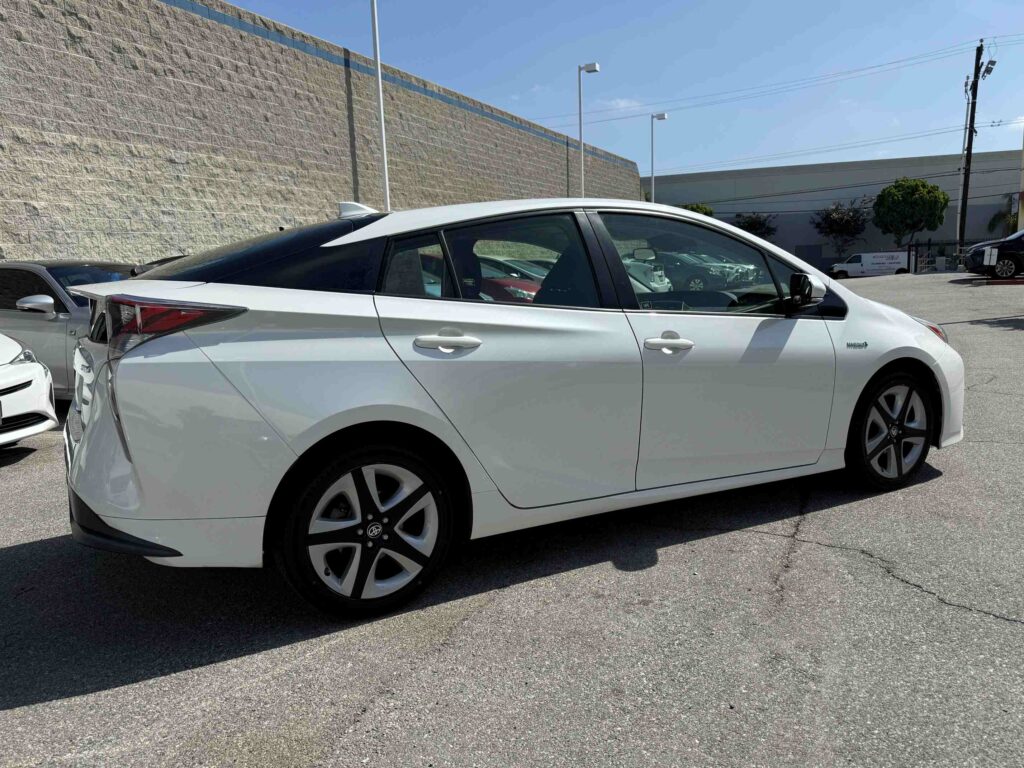
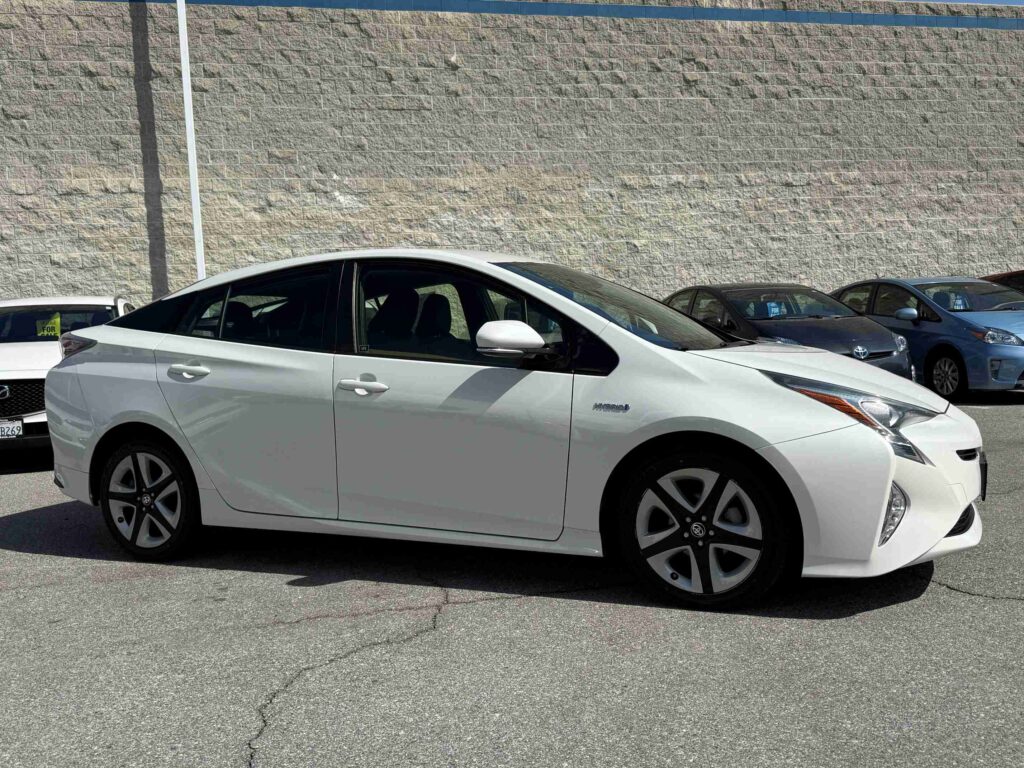
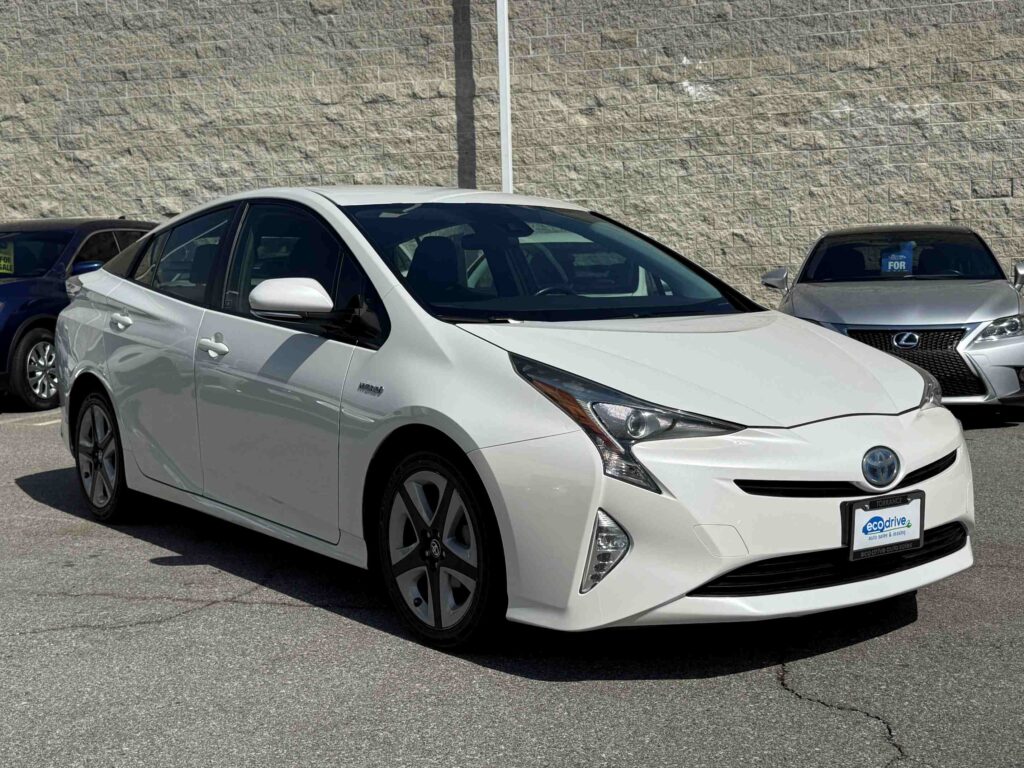
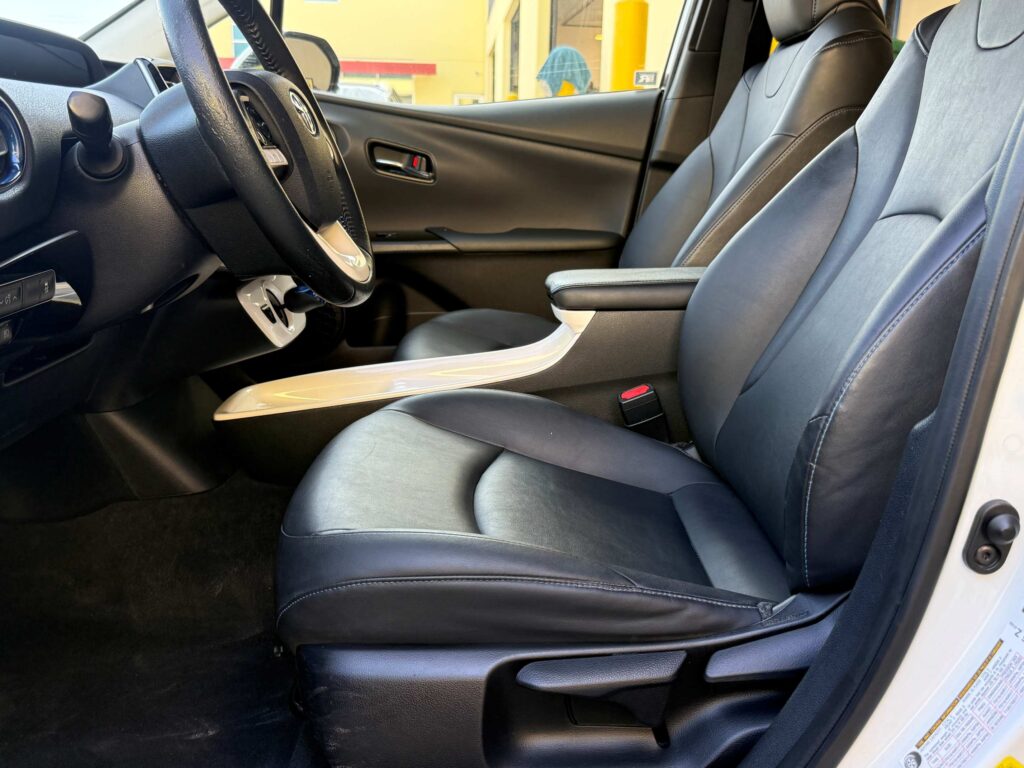
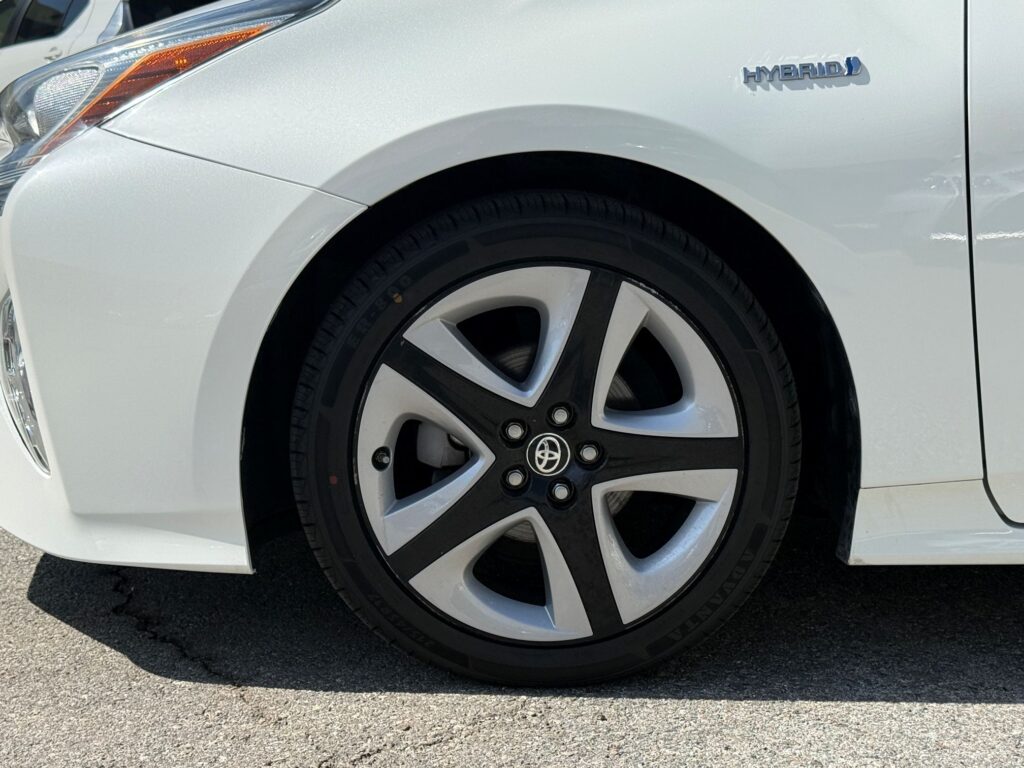
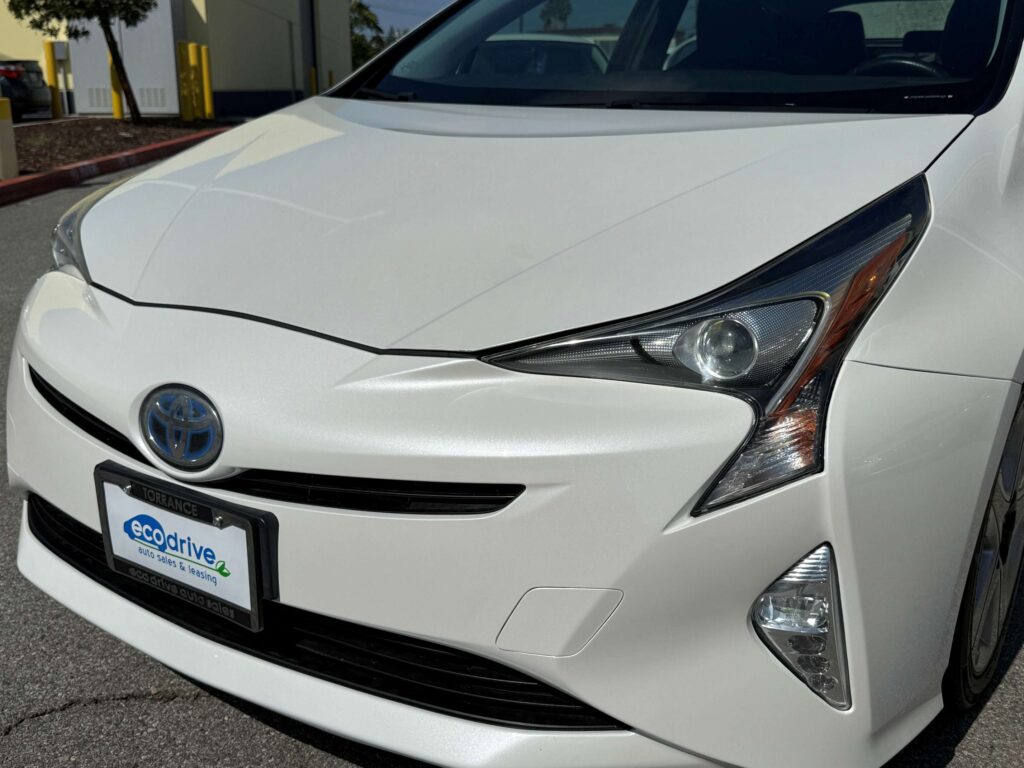
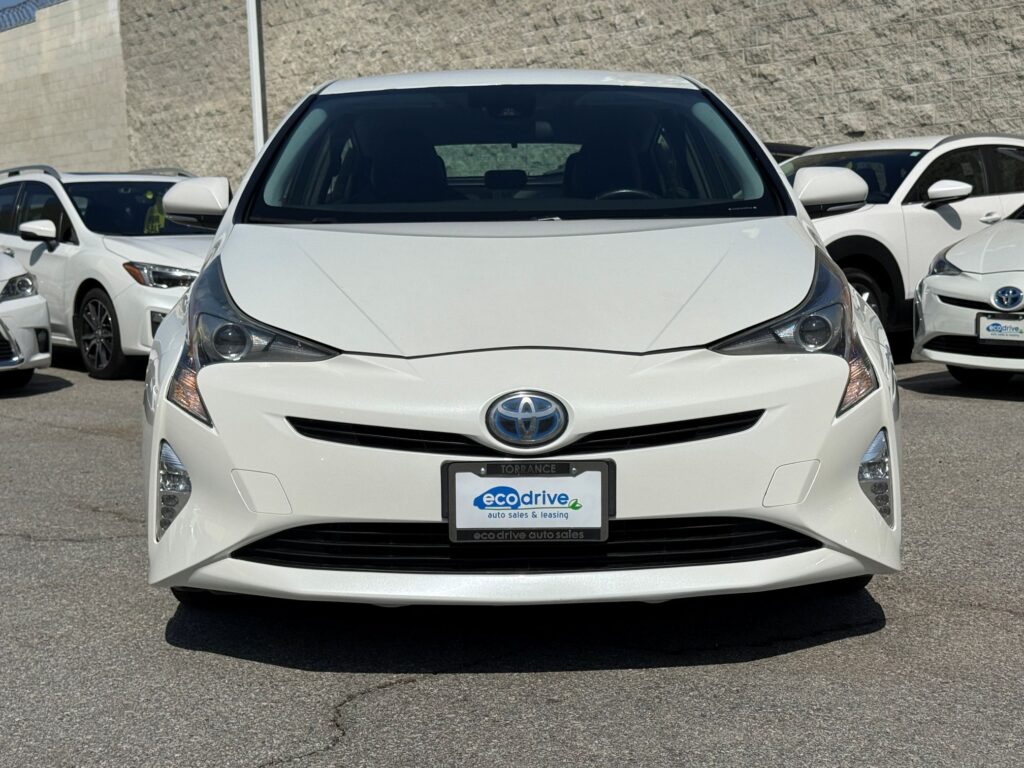
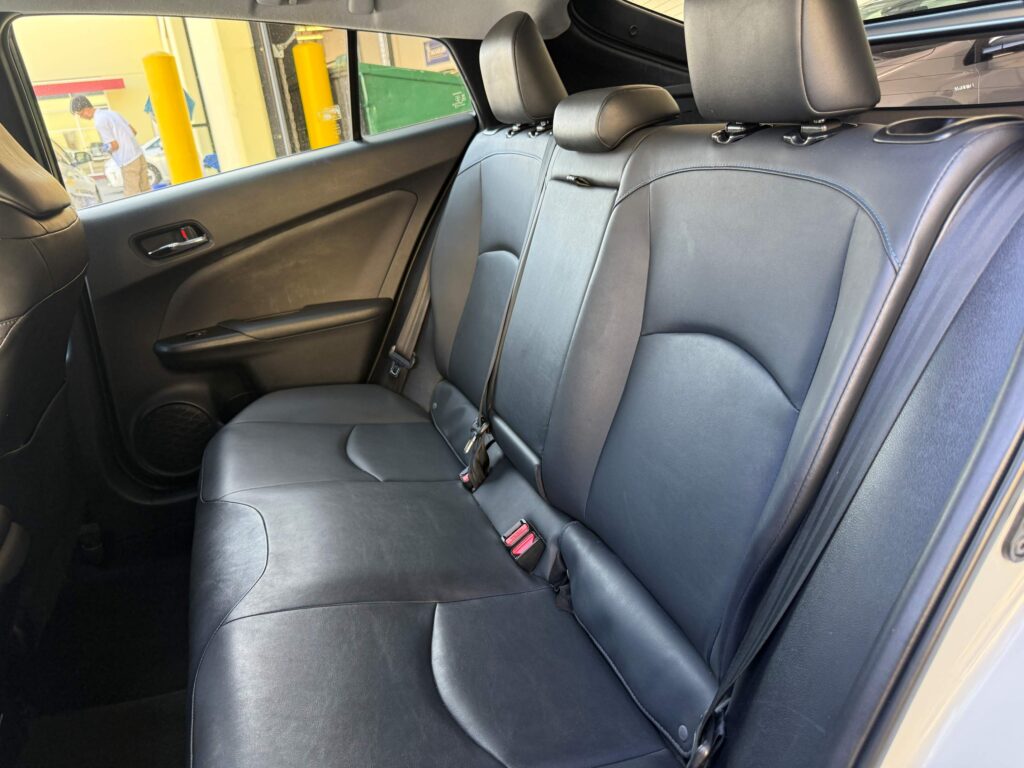
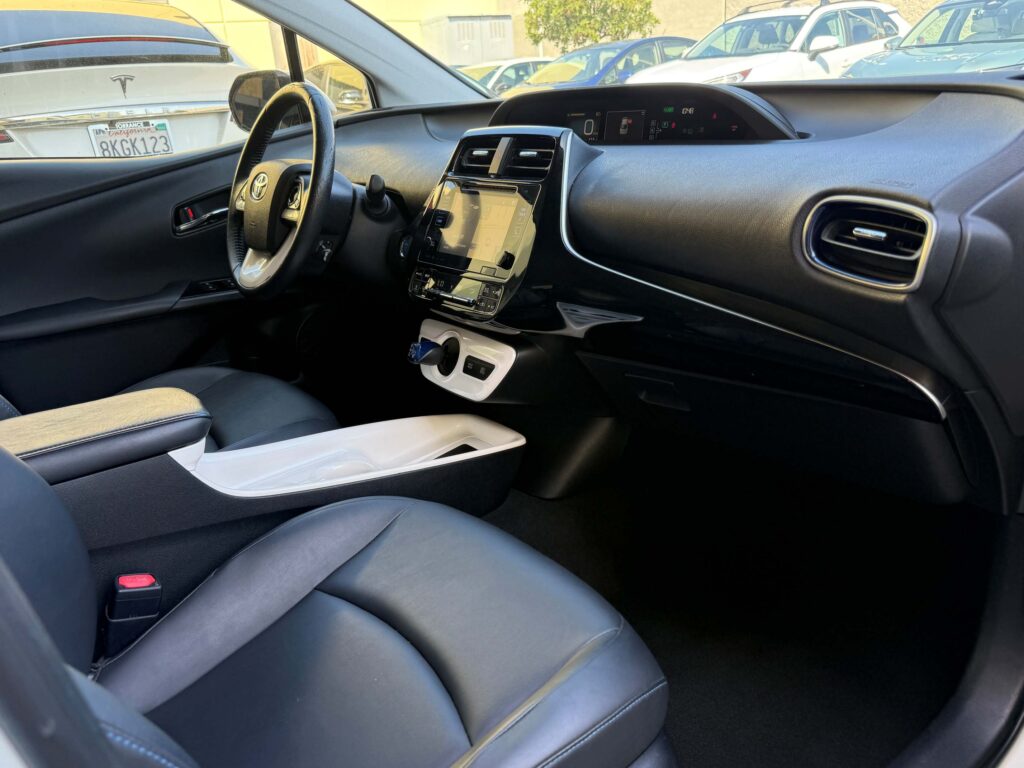
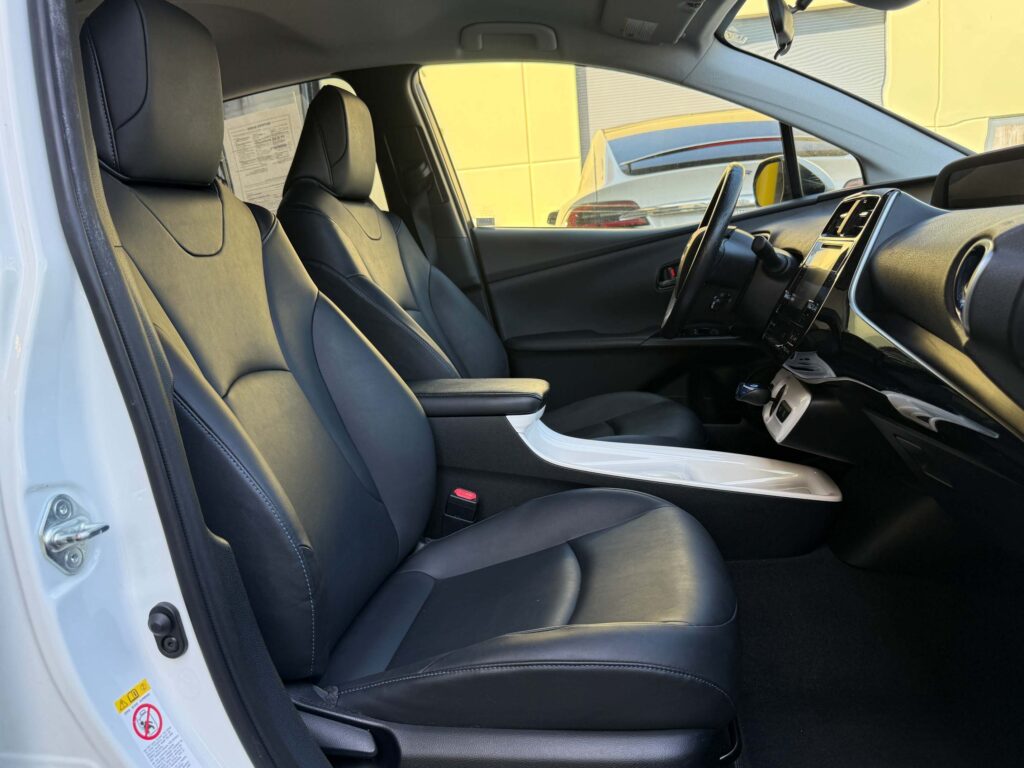
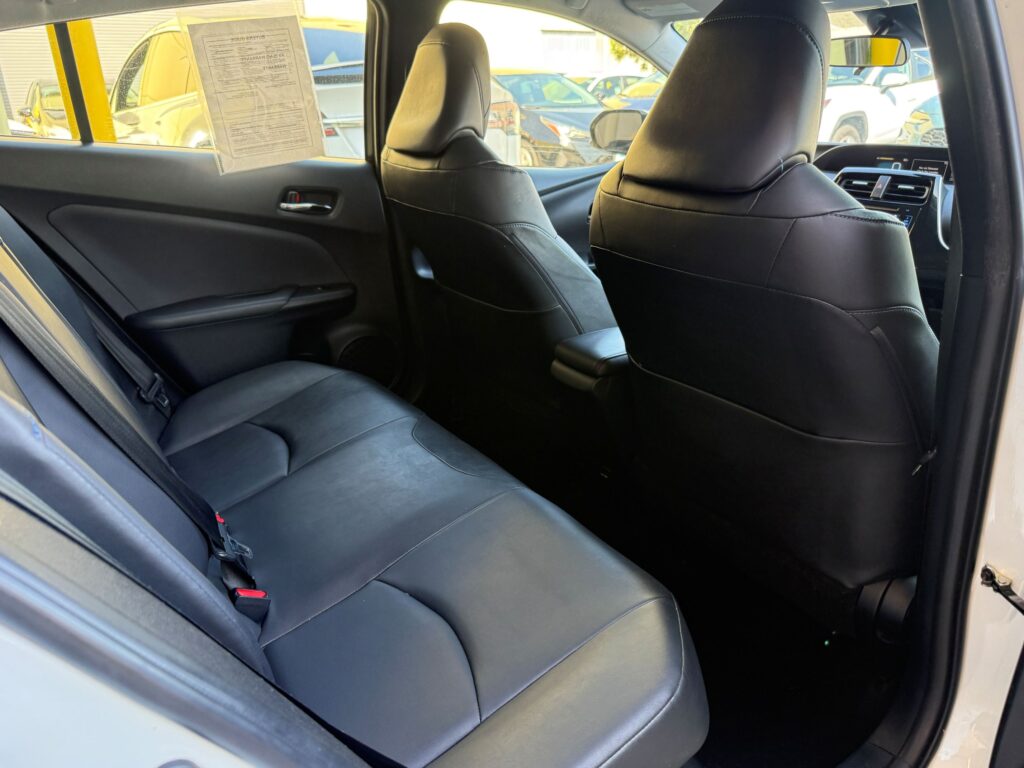
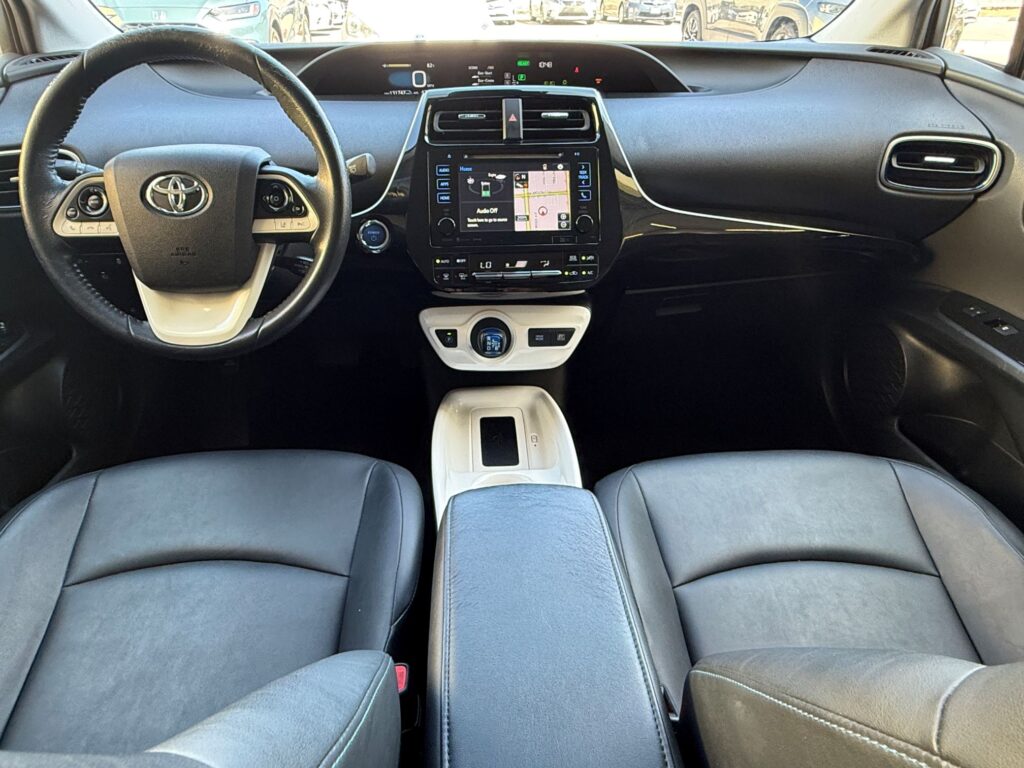
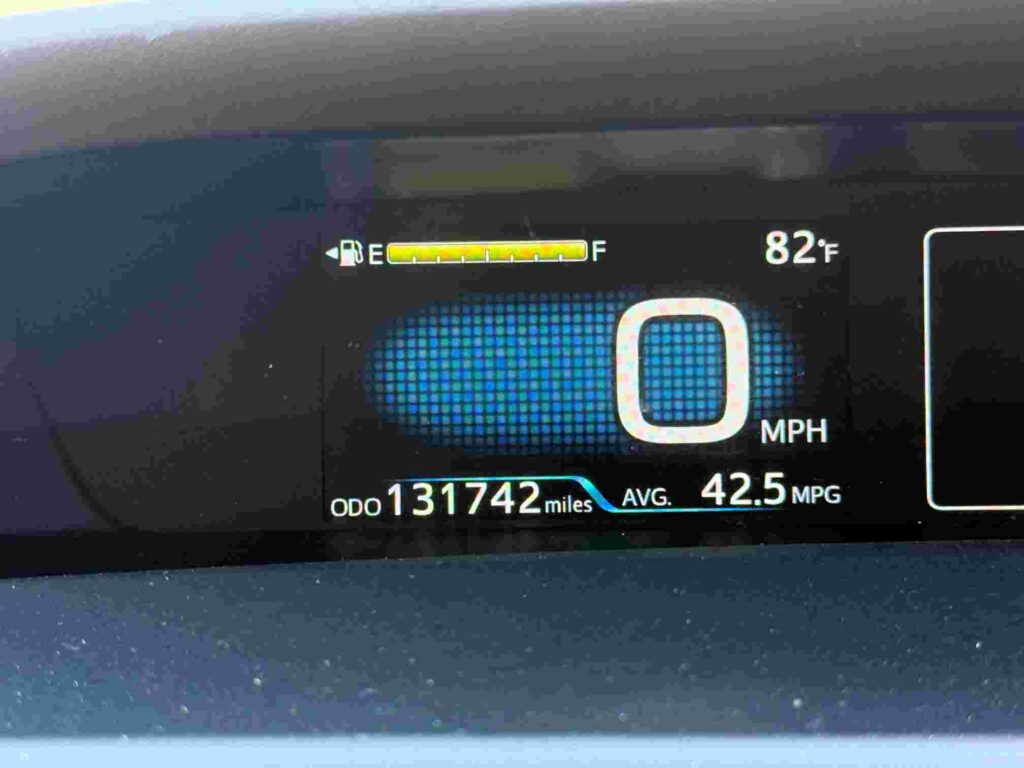
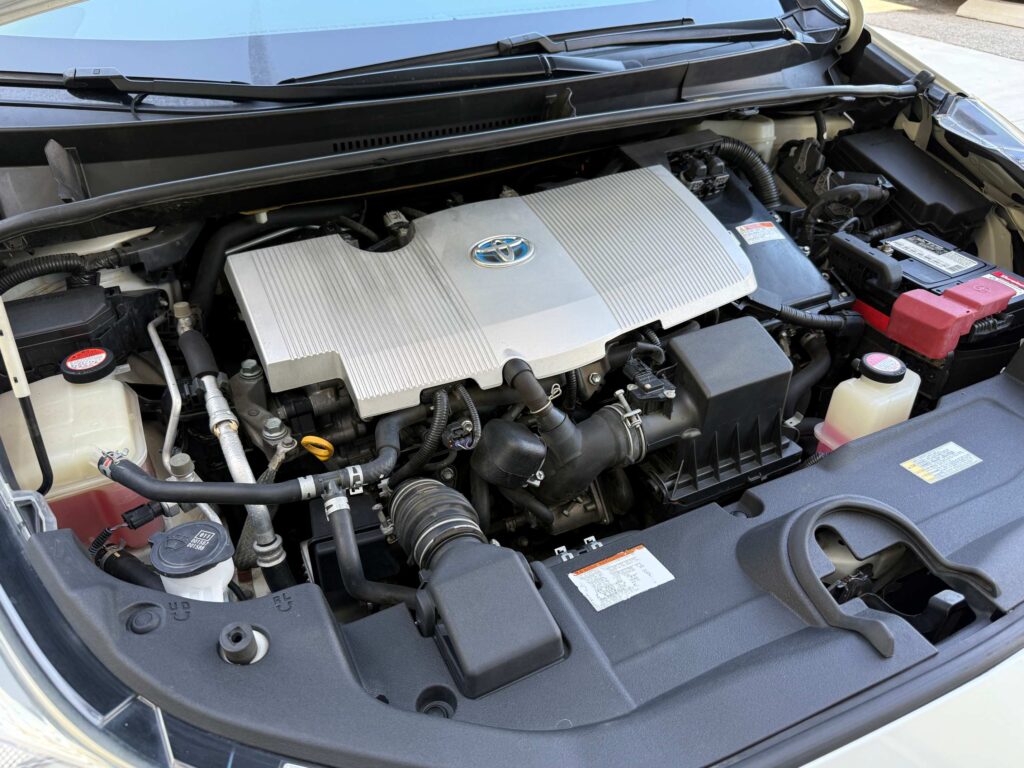
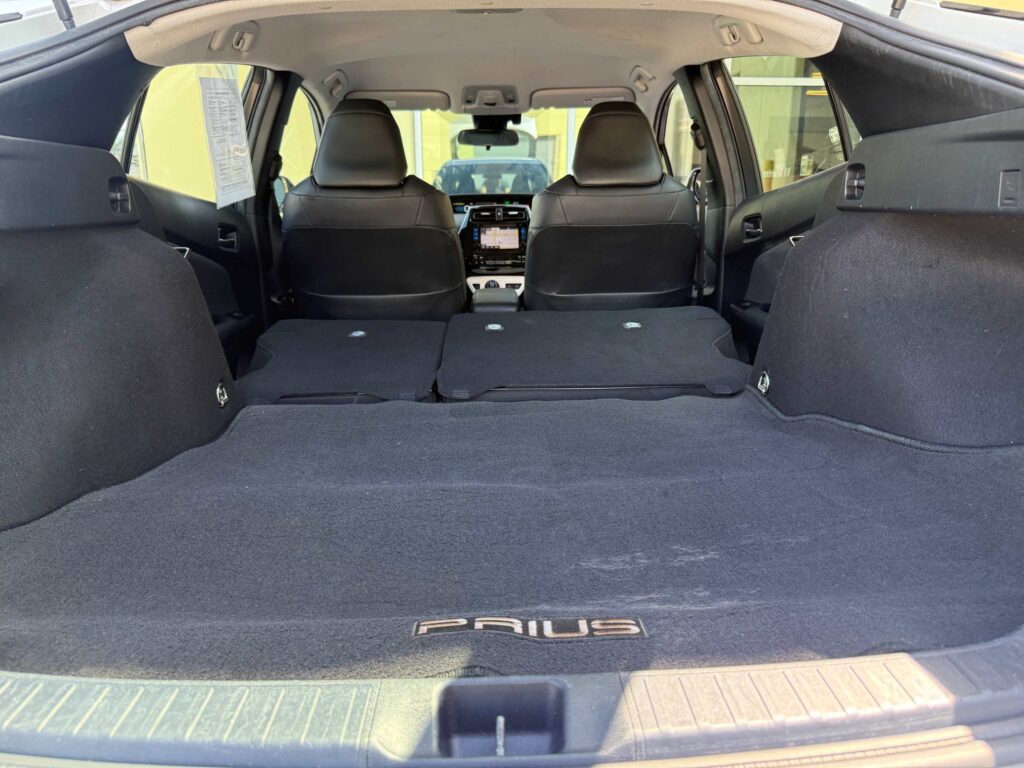
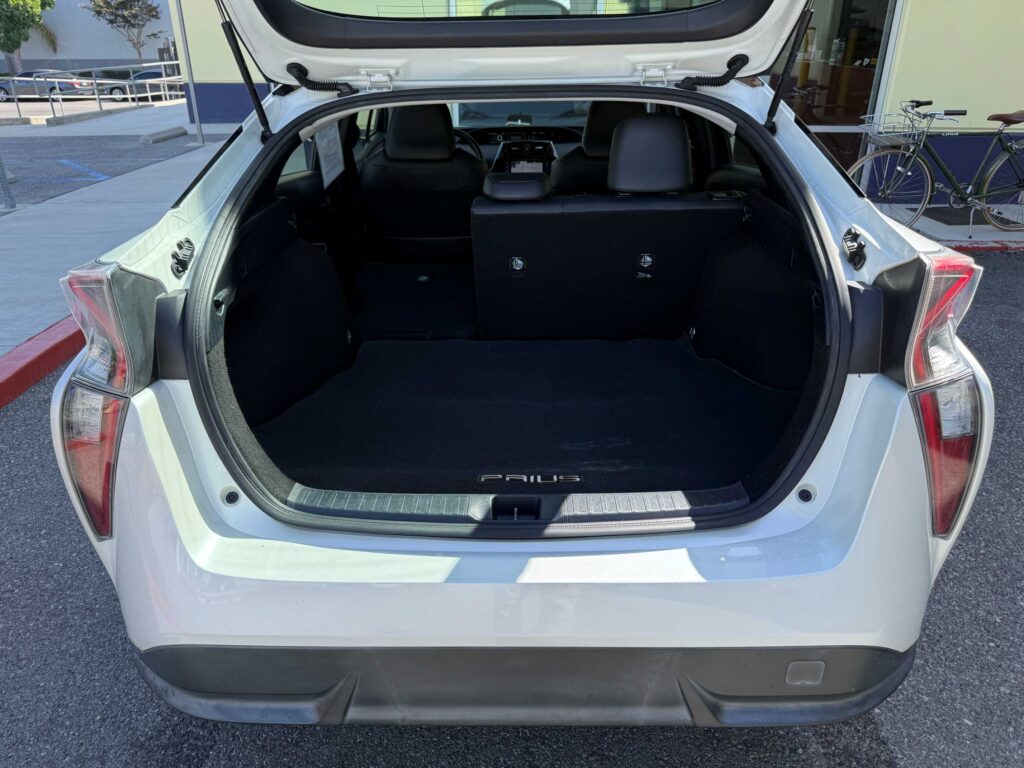
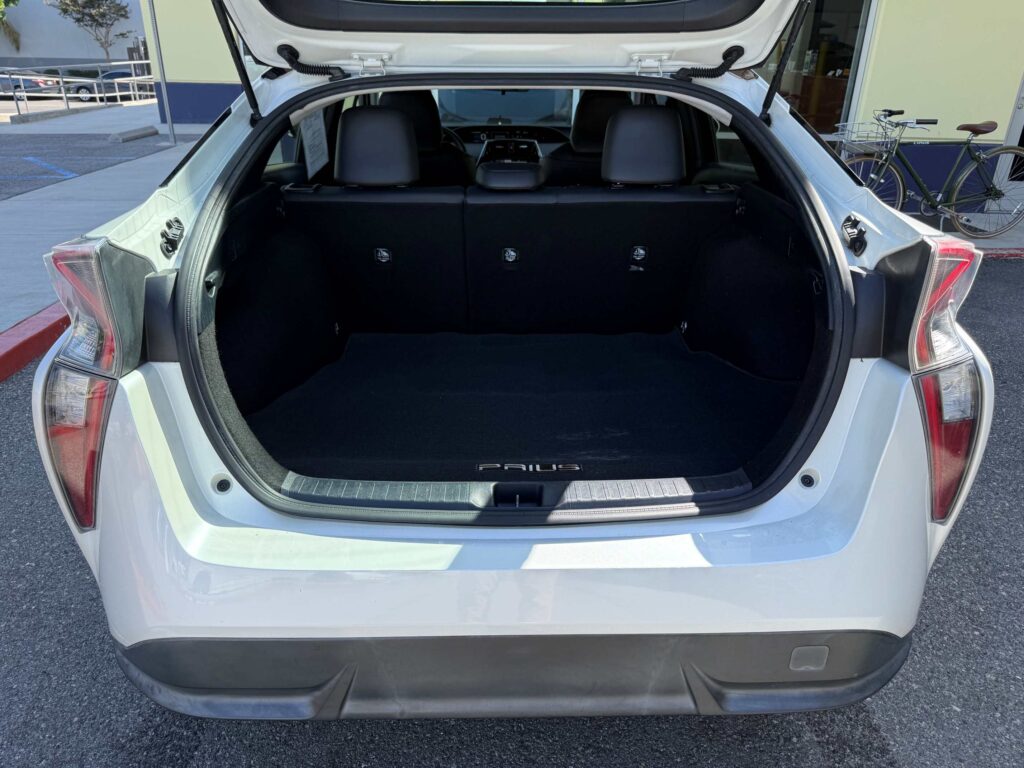
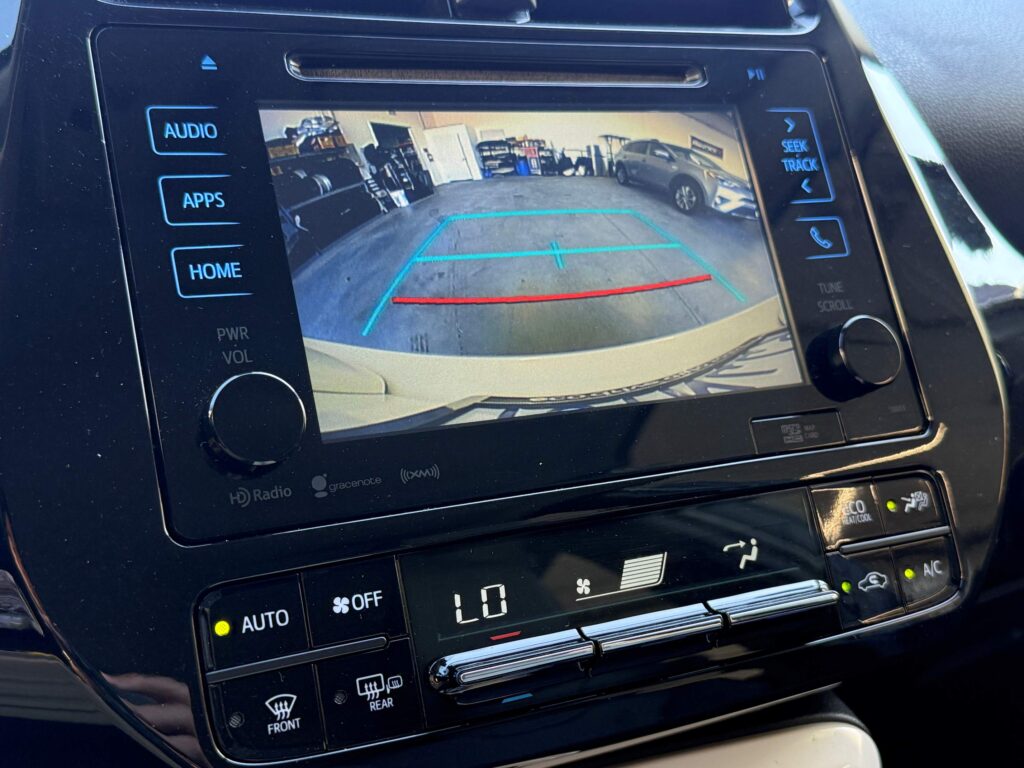
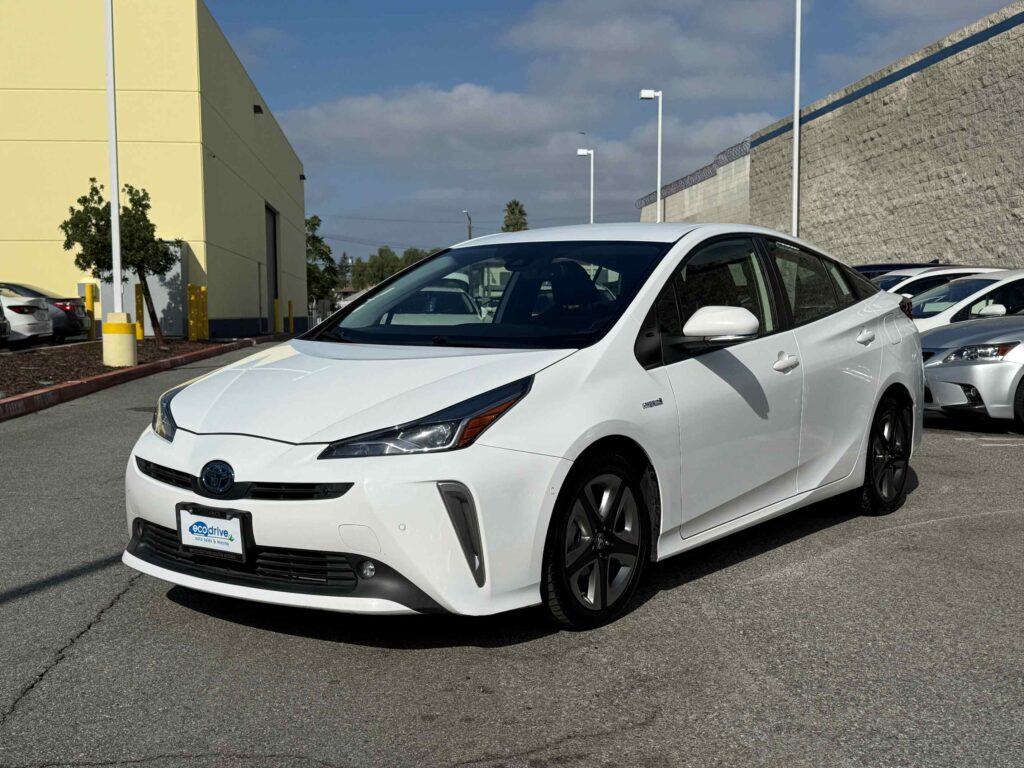
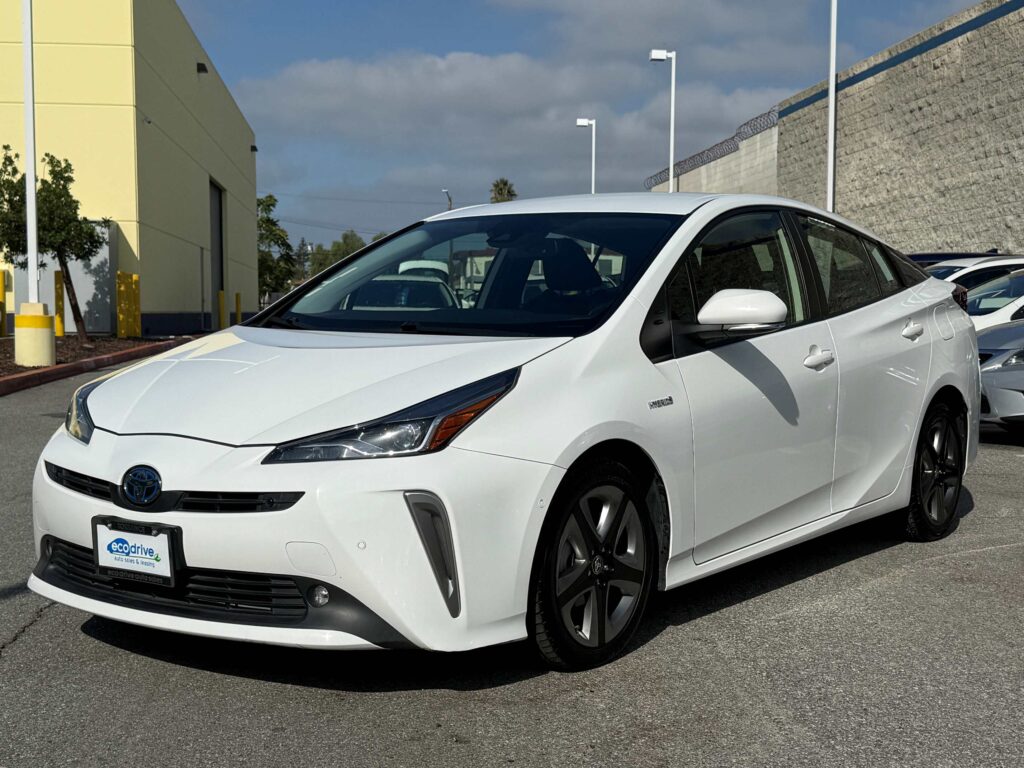
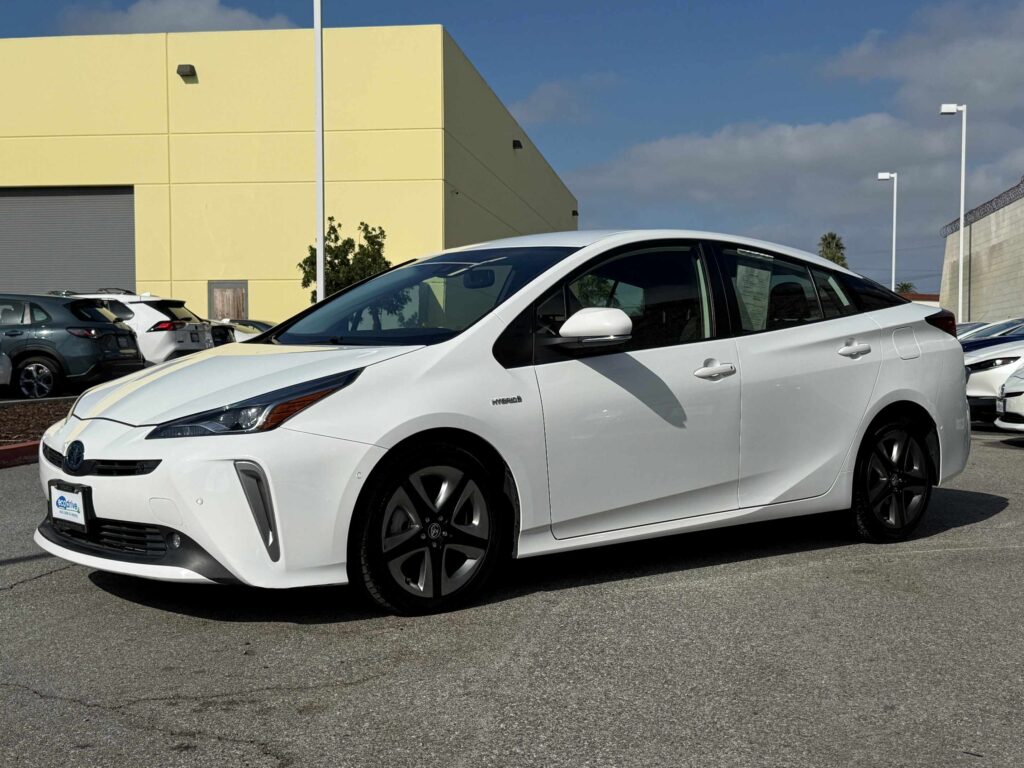
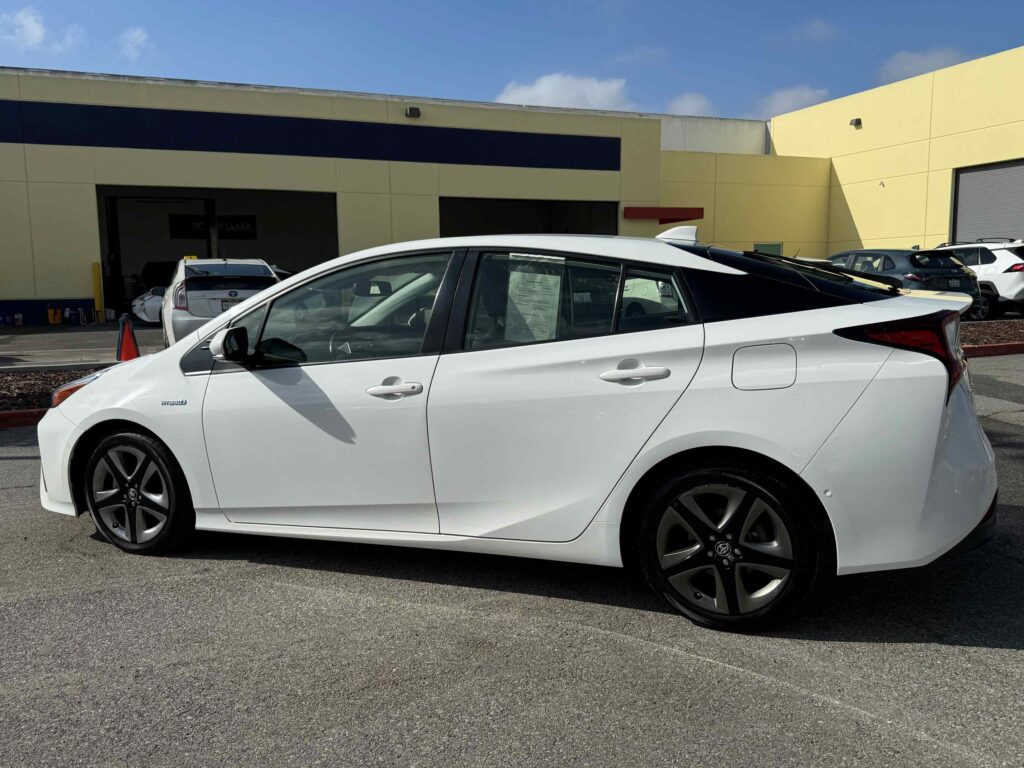
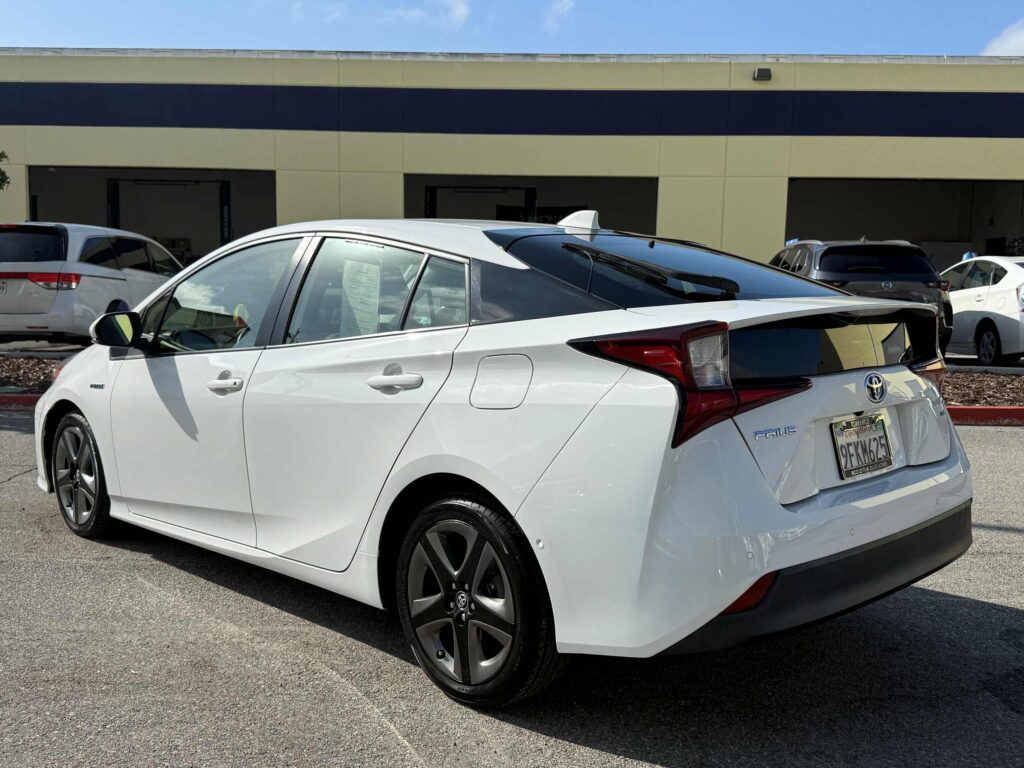
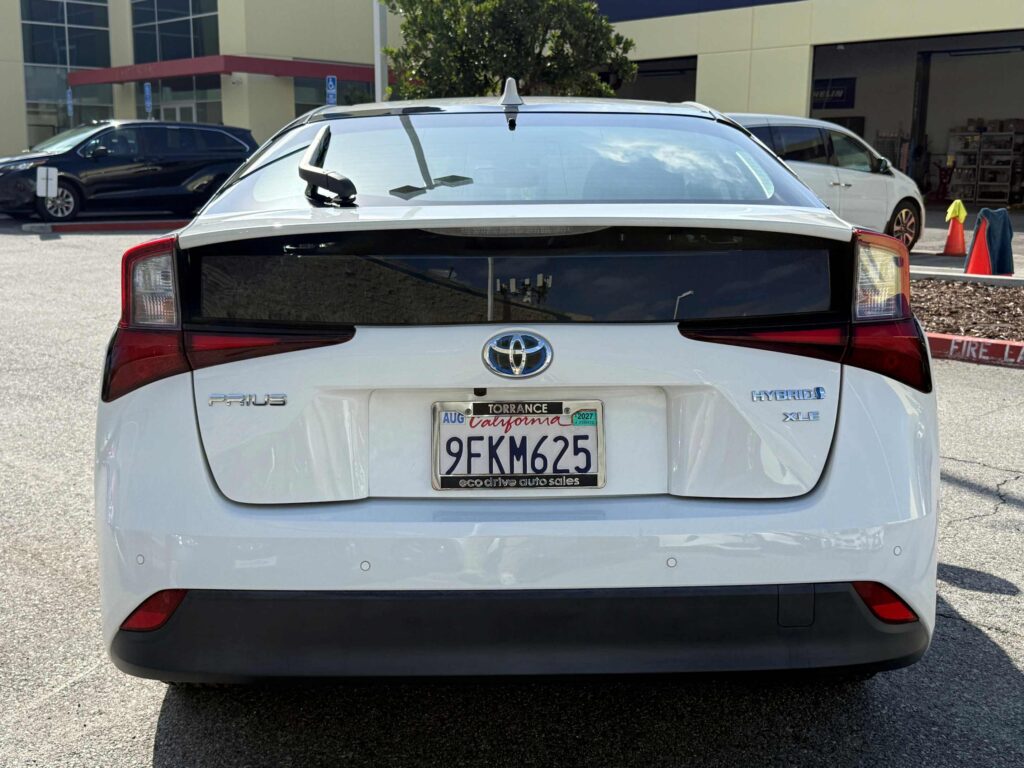
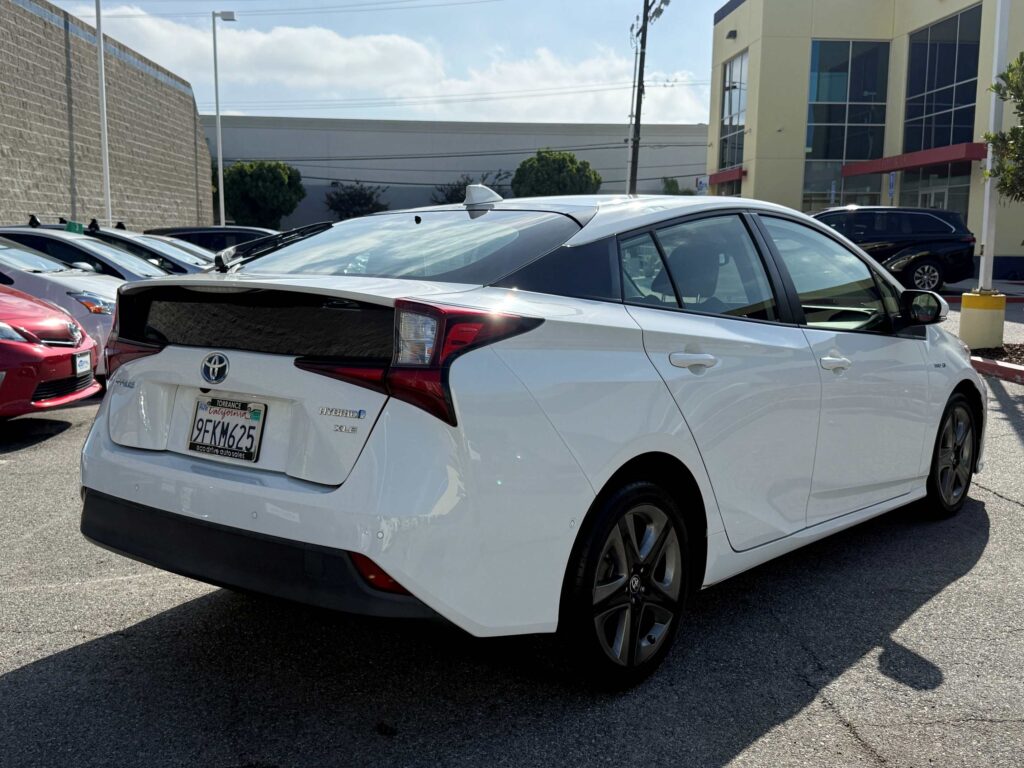
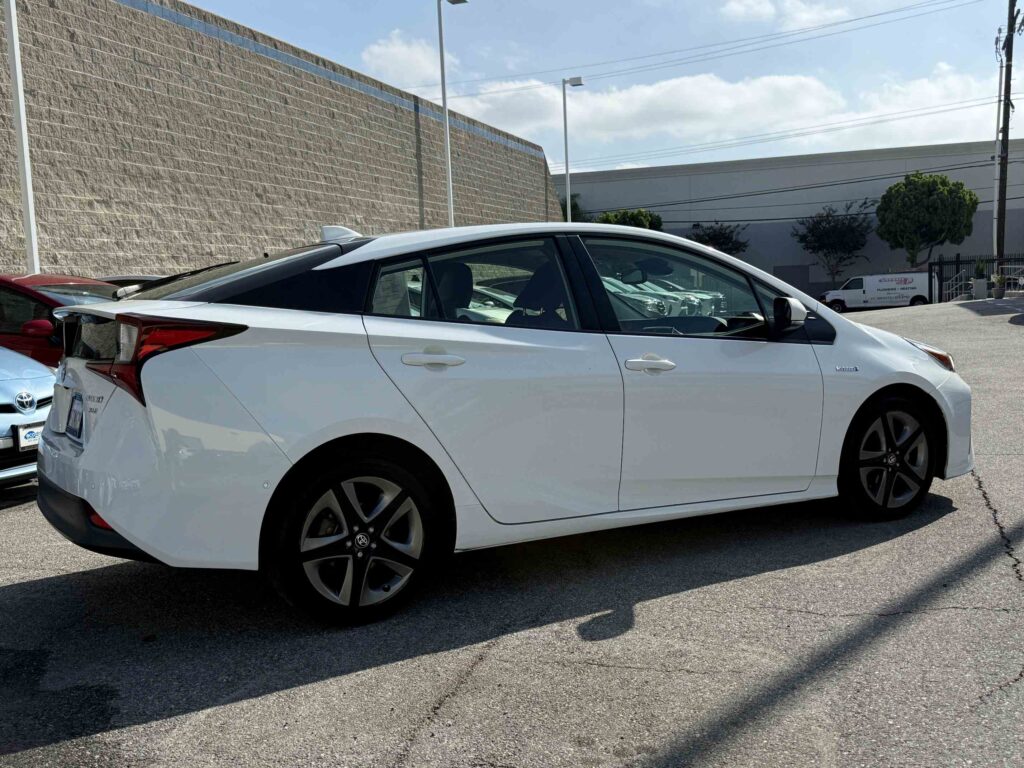
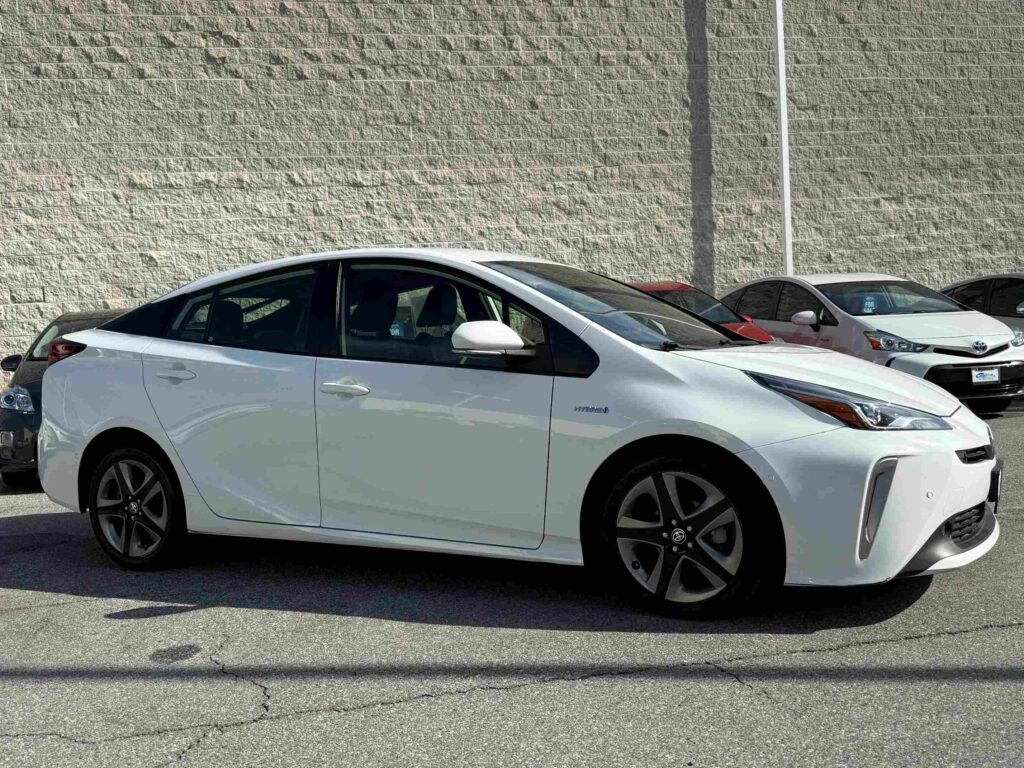
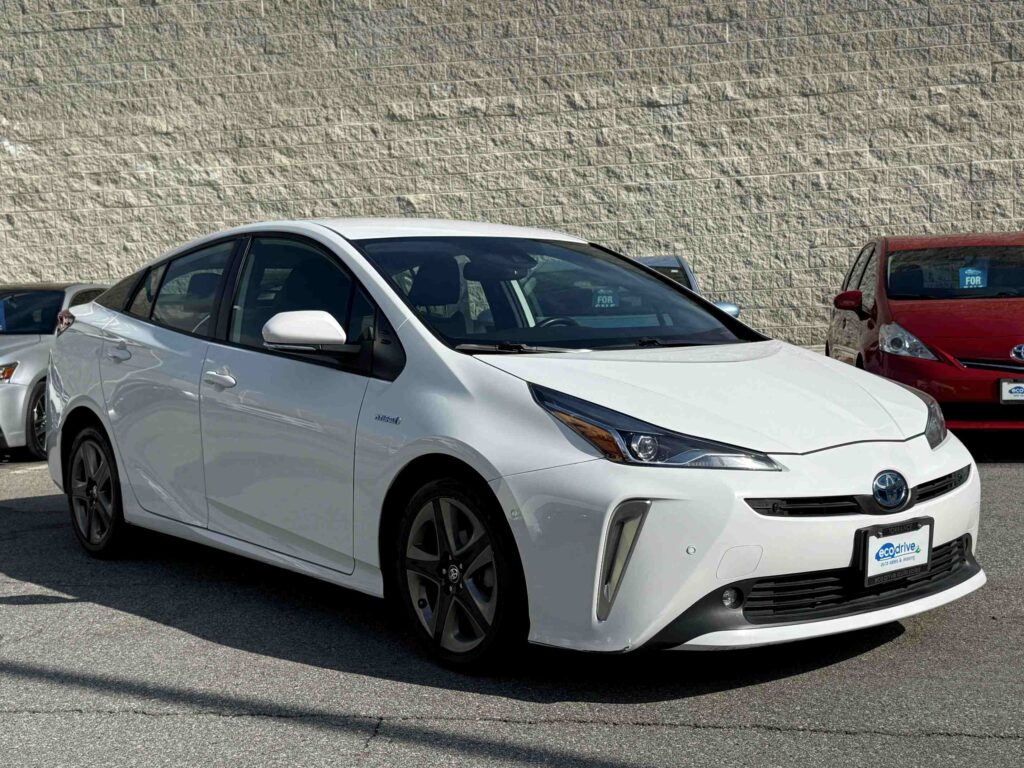
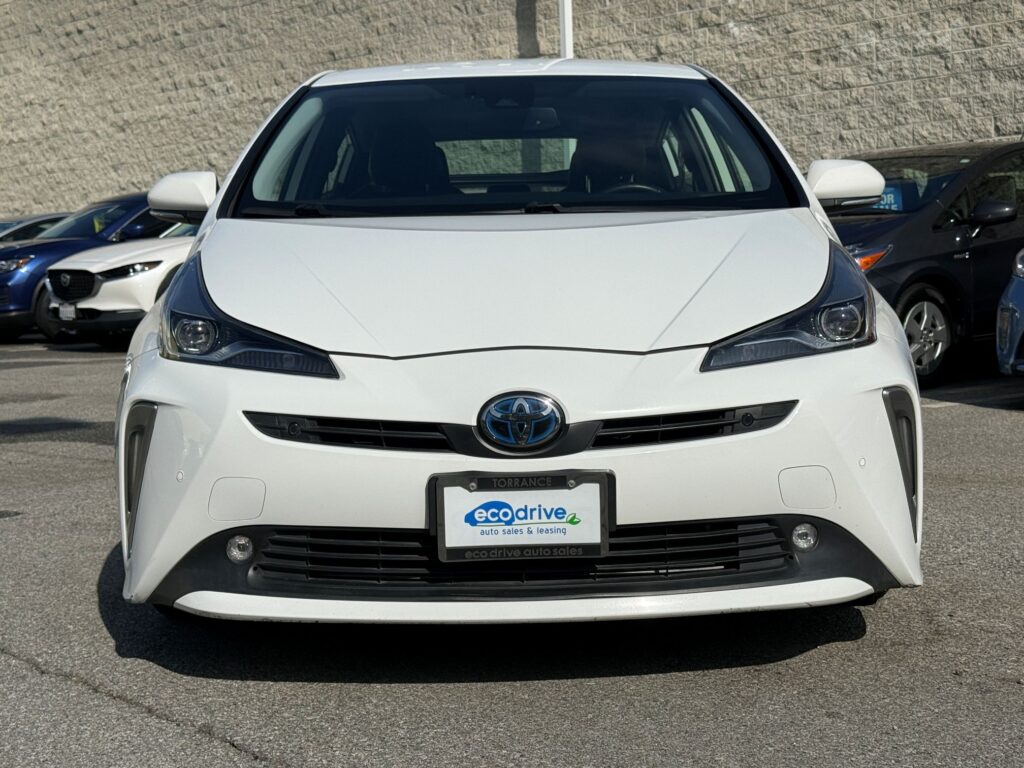
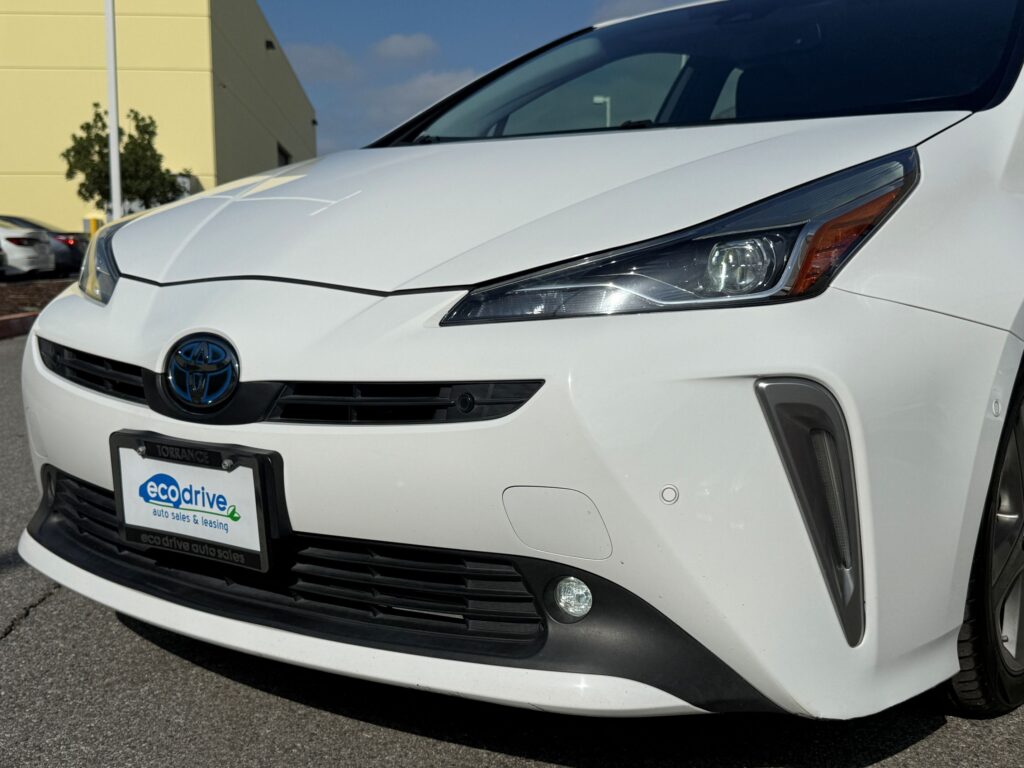
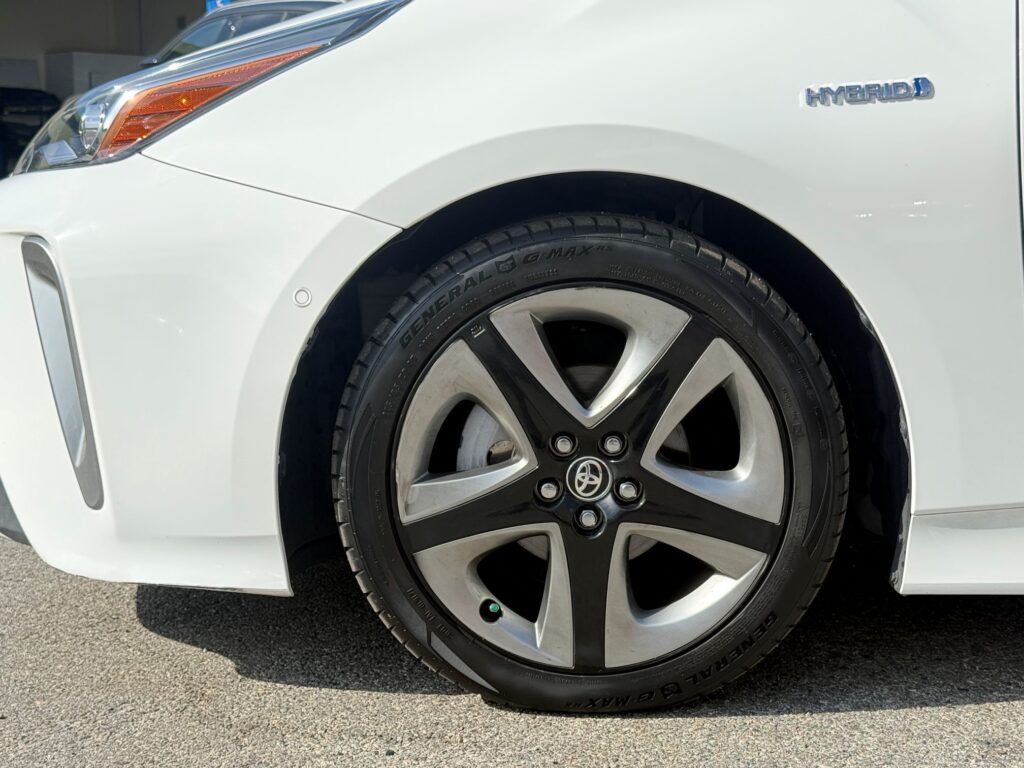
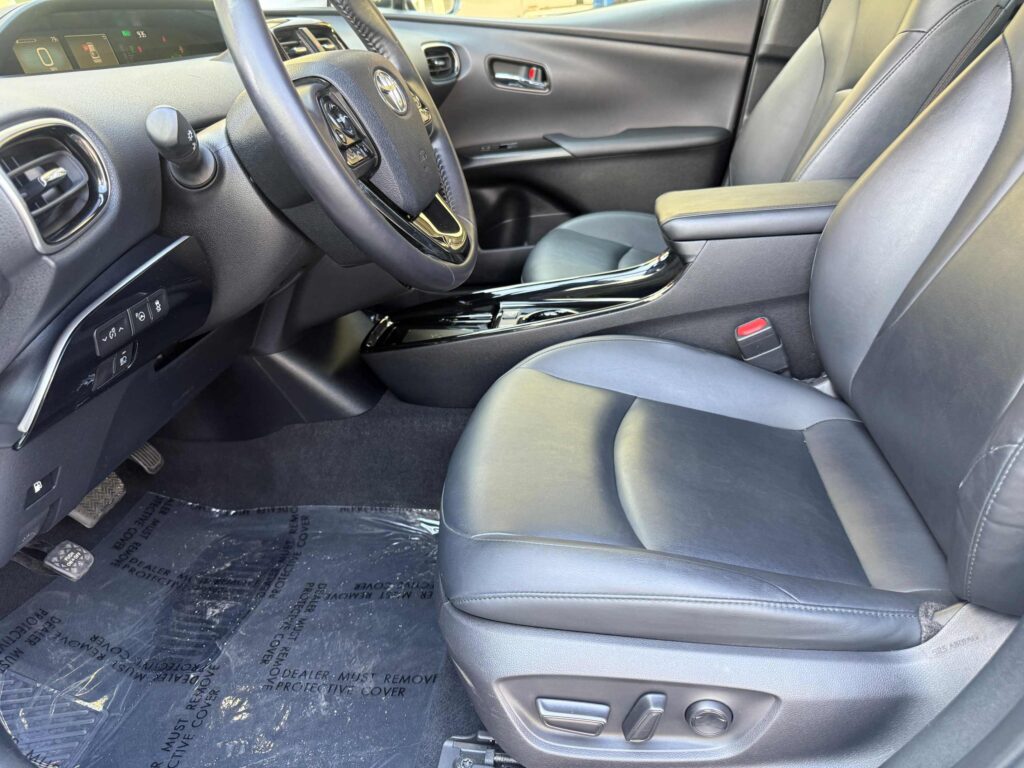
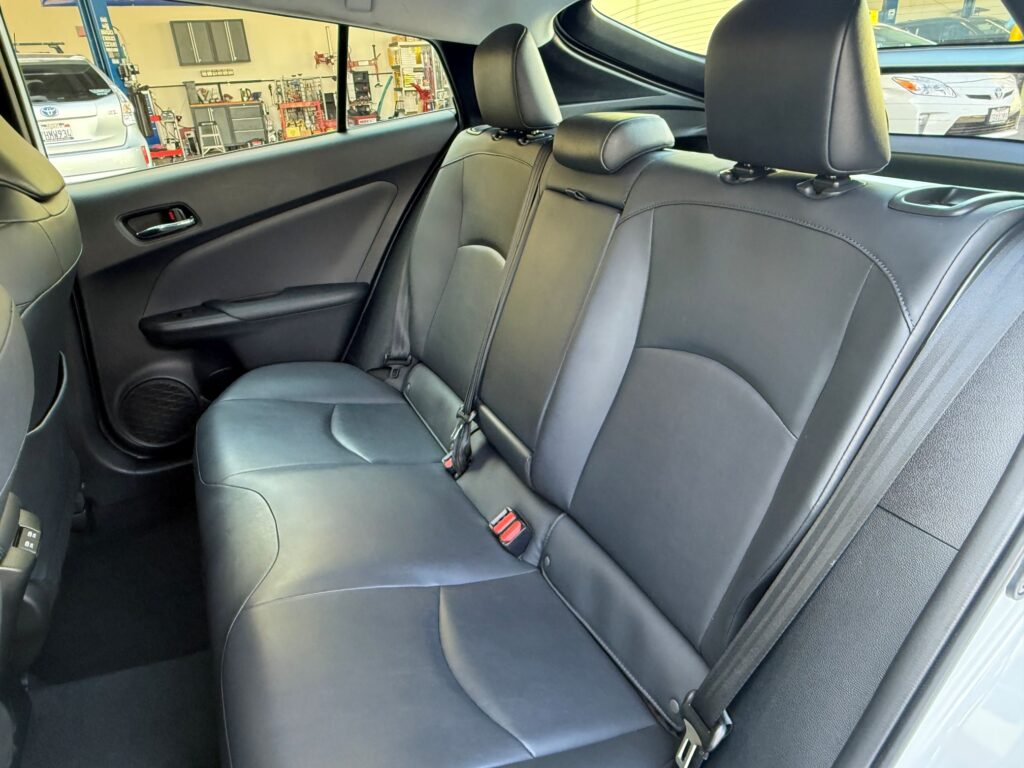
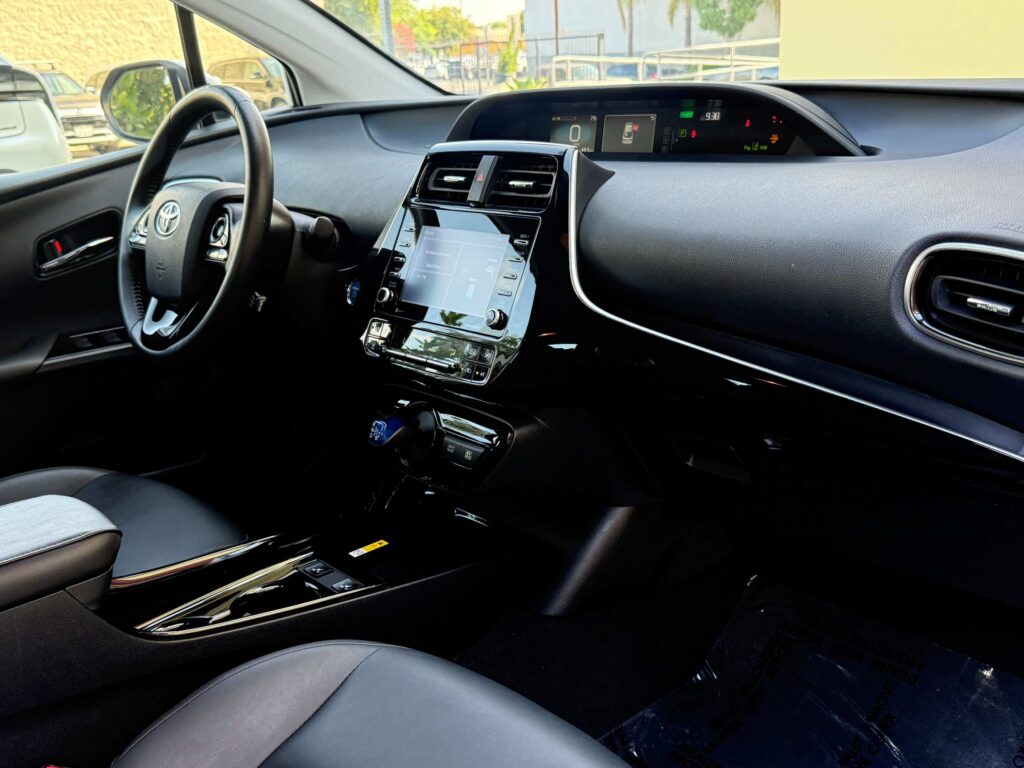
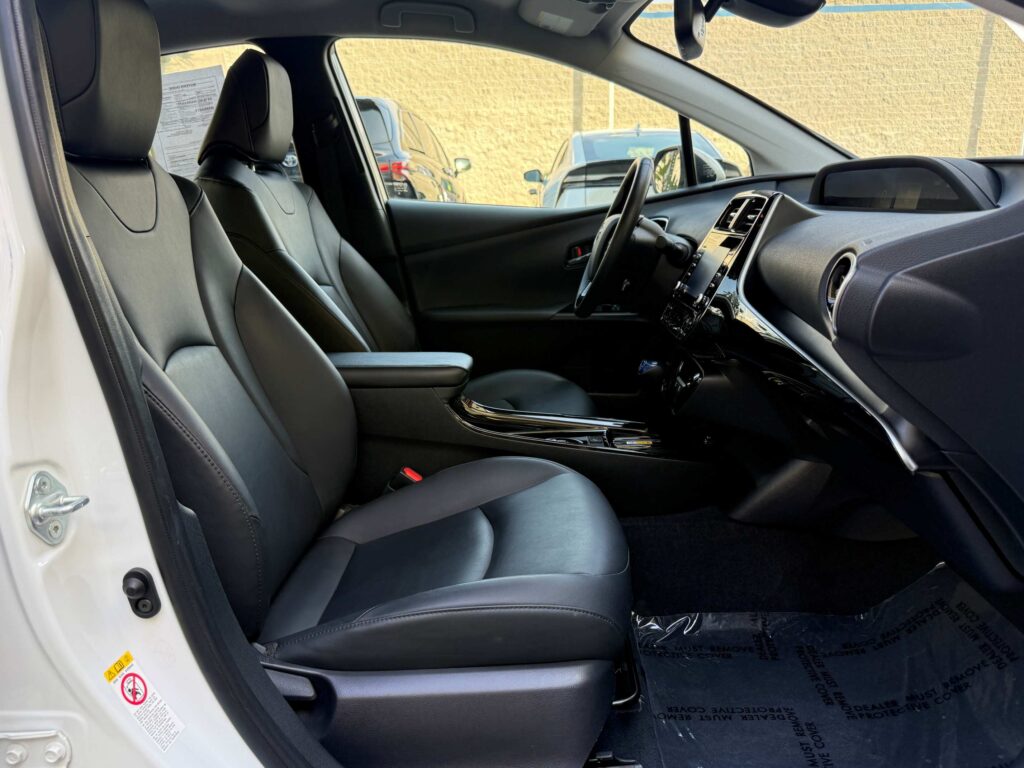
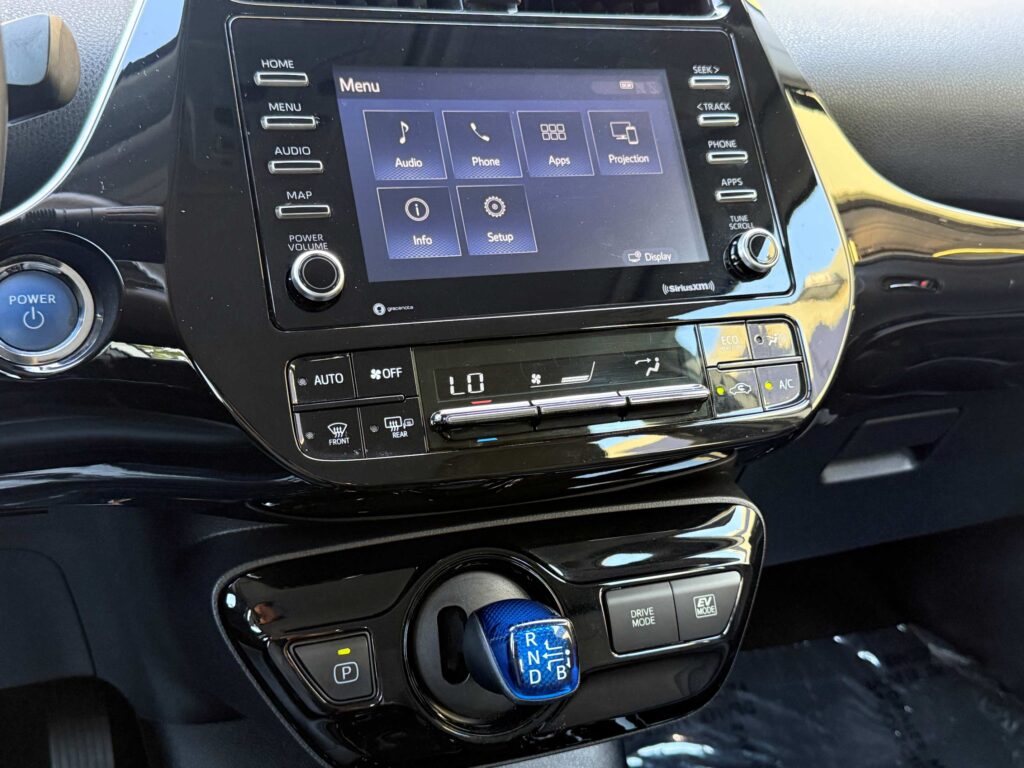
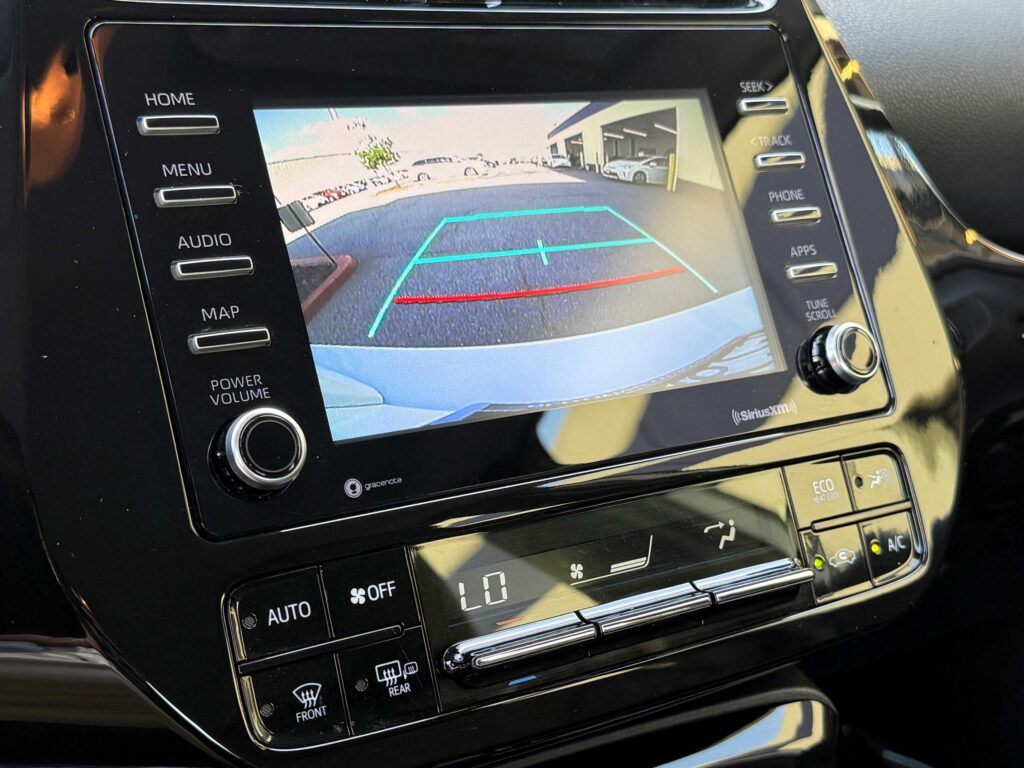
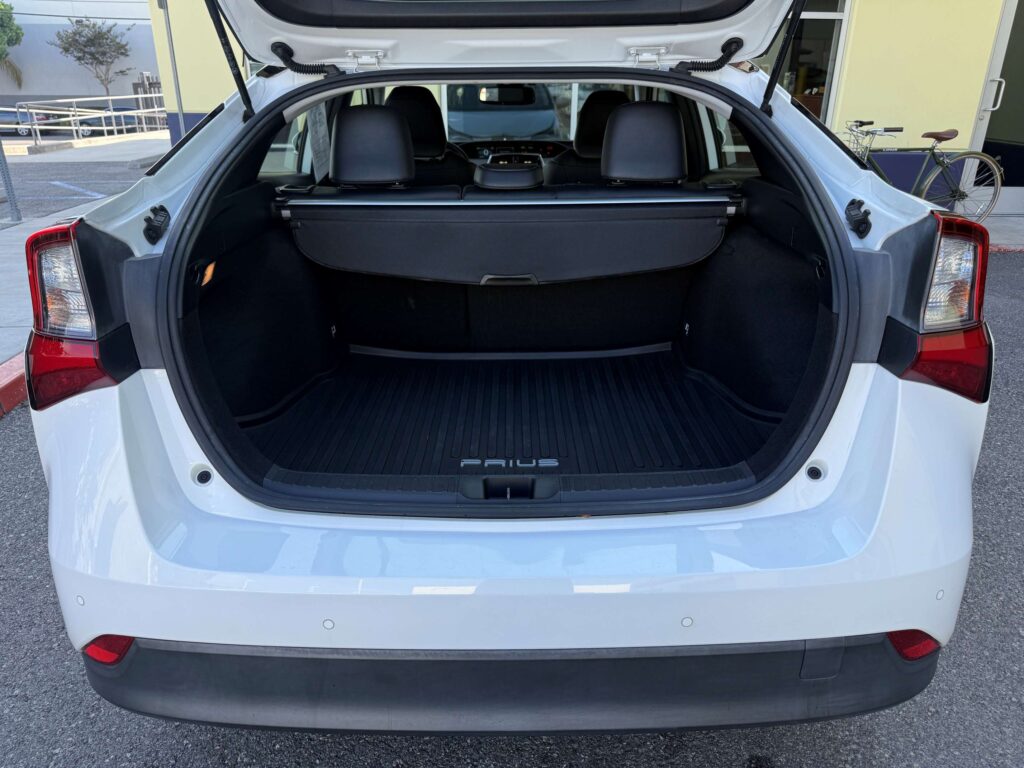
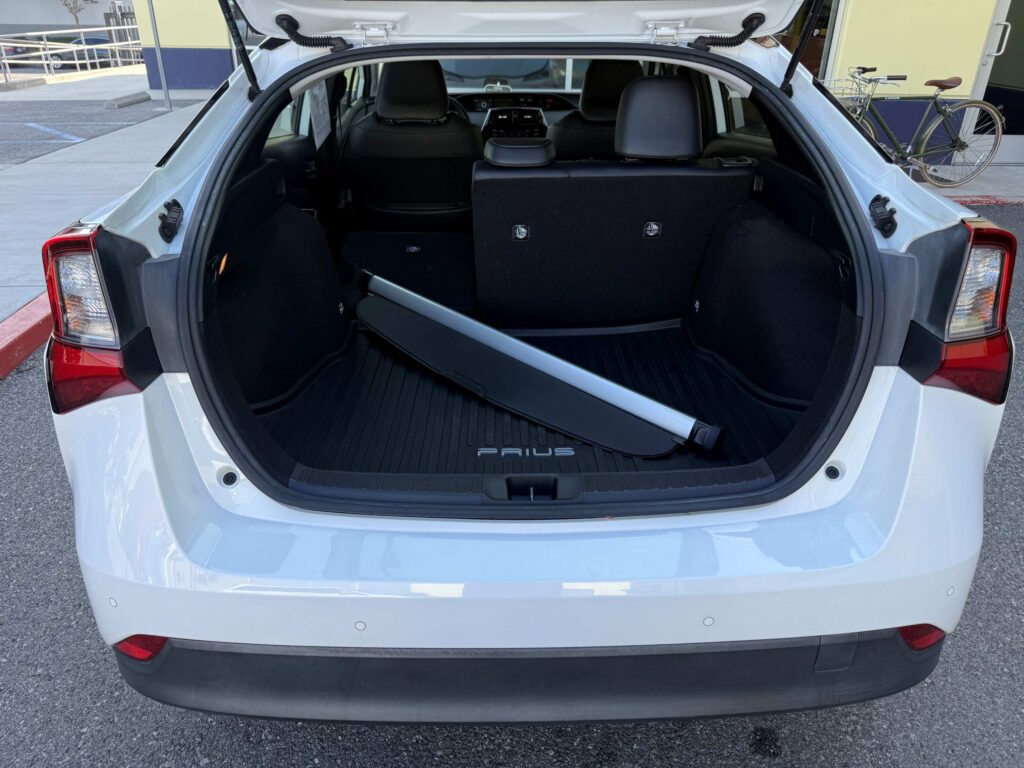
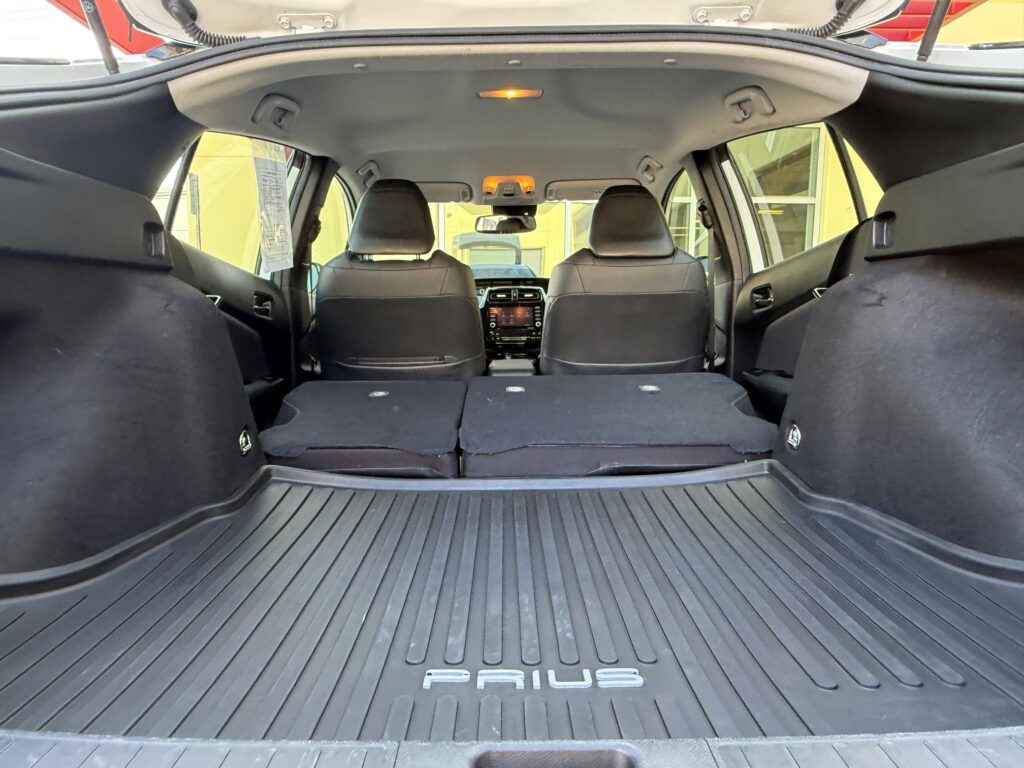
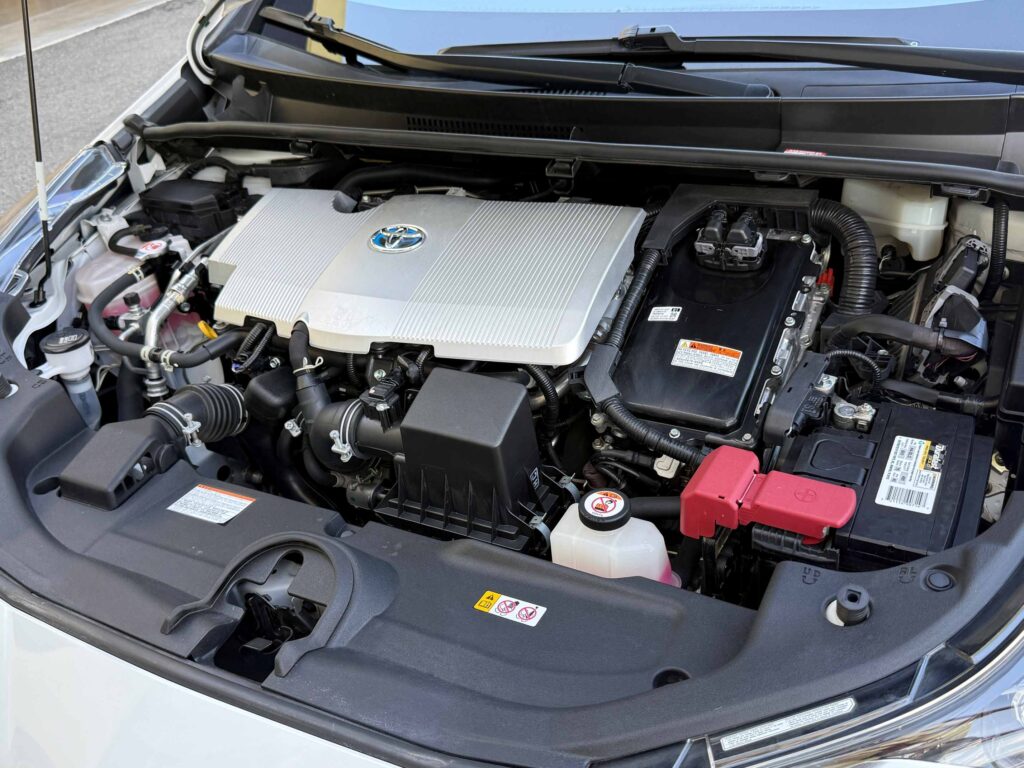
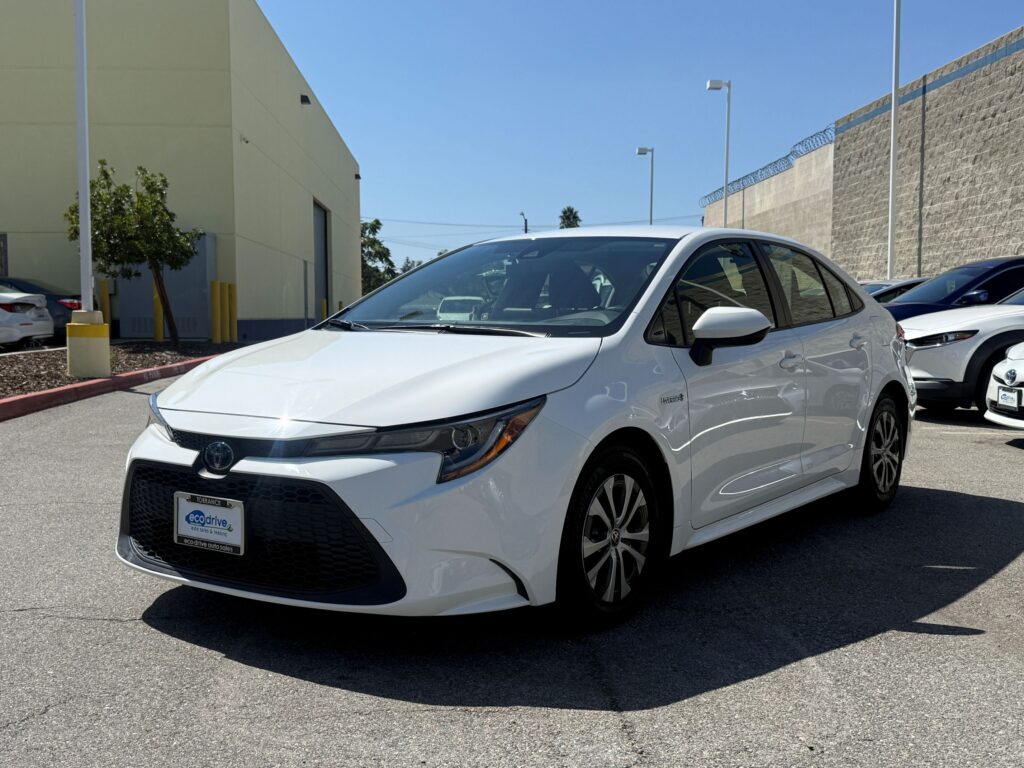
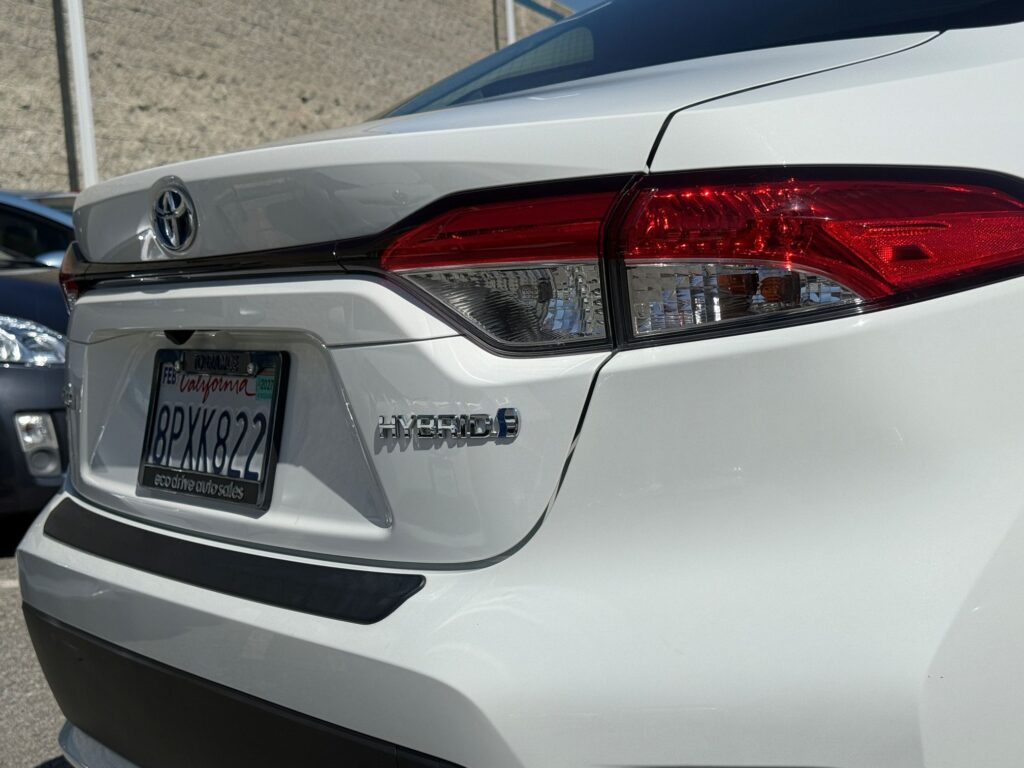
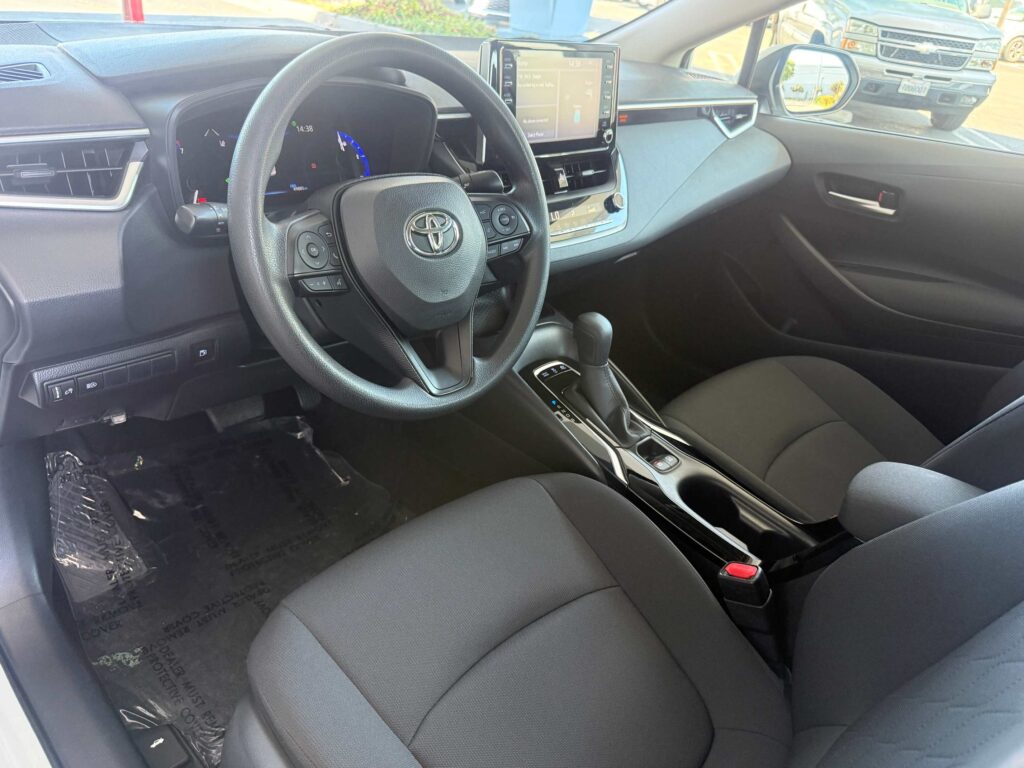
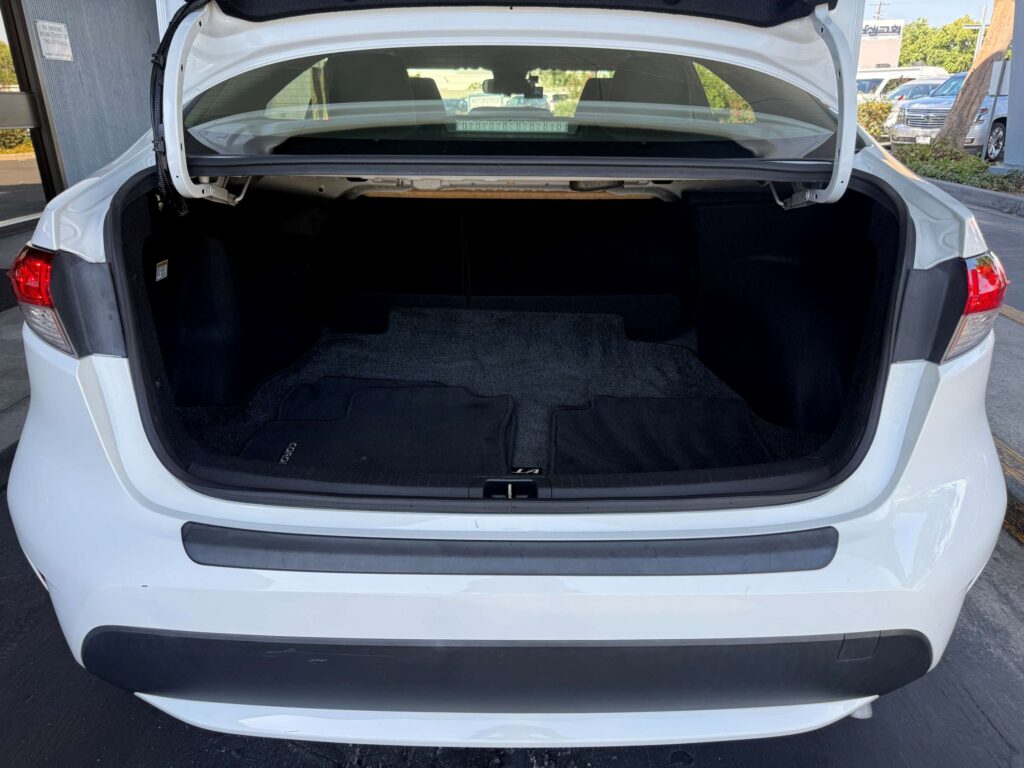
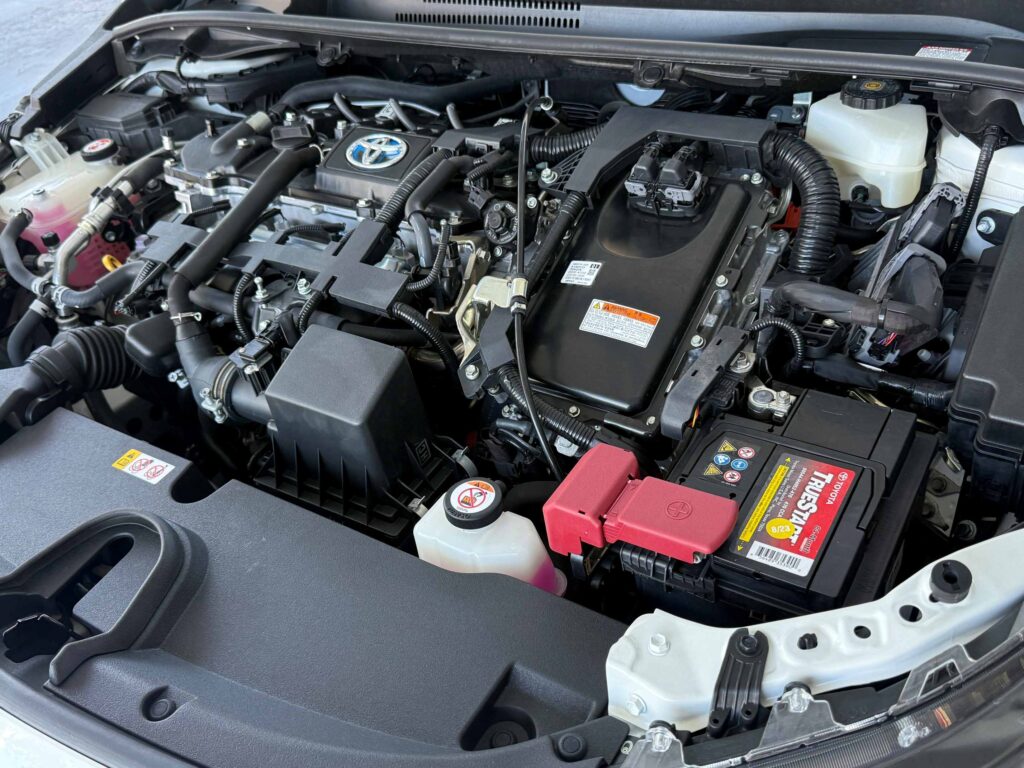
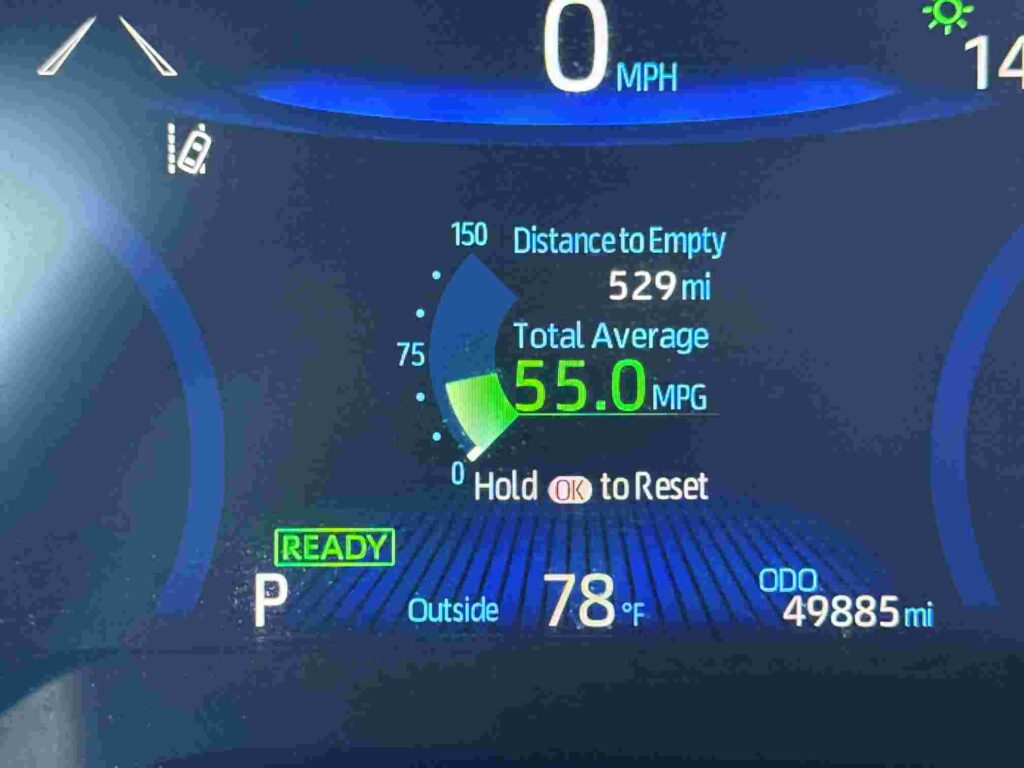
Renting in the LA area? If you’re starting your U.S. trip in Southern California, we offer an alternative to the big-brand airport rentals: an all-hybrid fleet from Eco Drive Hybrid Rental starting at $49/day — great fuel economy, no airport shuttle hassle, bilingual support. For the self-driving experience, take a look at our Tesla / FSD Rental.
4. How to Book a Rental Car
4-1. Ways to Book
- Directly on the rental company’s site
Book straight through Hertz, Avis, etc. — member discounts and coupon codes often apply. - Comparison sites and OTAs
Rentalcars.com, Expedia, Kayak, and similar sites let you compare rates across companies at once. Many support local currency payments and multi-language interfaces. - Travel agencies
Your agency or tour operator may package the rental with your trip, often with in-language GPS, full insurance, and other tourist-friendly extras.
4-2. Book Early
In U.S. high season (summer vacation, the winter holidays, spring break), rental demand spikes and prices climb — cars can genuinely sell out.
Once your travel dates are set, book as early as you can.
Walking up to the counter without a reservation usually costs more.
4-3. Watch-Outs at Booking Time
- Check whether insurance is included
See exactly what’s covered at the advertised price. Cheap rates sometimes exclude insurance, which can surprise you with expensive add-ons at the counter. - Know the extra fees up front
Check the young driver fee (under 25), additional driver fees, one-way drop-off fees, and any other options. Build the whole cost into your budget. - Read the cancellation policy
Prepaid discount rates usually can’t be canceled or carry cancellation fees. If your plans might change, look for a free-cancellation option. - Overnight / early morning pickup
Rental counters may not be staffed 24/7 — if your flight arrives late, check hours in advance.
5. Day-of Rental: What to Expect

Here’s the typical flow when picking up a rental car at a U.S. airport.
5-1. From Arrival to the Rental Counter
- Arrival → rental car shuttle
After baggage claim, follow the signs for “Rental Car Shuttle” and board the bus to the rental center. - Check in at the rental counter
Give the reservation name and present your passport, driver’s license (plus IDP), credit card, and booking confirmation. - Confirm the contract and insurance
Staff may try to upsell you on options that weren’t in your booking — if you don’t want them, decline clearly. - Sign the contract and authorize the deposit hold
Hand over your credit card, sign the contract. There’s a lot of fine print — ask about anything you’re unsure of on the spot.
5-2. Picking Up the Car (Vehicle Check, Fuel, etc.)
- Find your car in the lot
Follow staff directions or the printed card to the assigned space. Confirm the class and license plate match. - Inspect for scratches and dents
Walk around the car. Photograph anything you find on your phone and report it to staff before you leave — this prevents disputes at return time. - Check inside and verify options
Confirm that the child seat or GPS you booked is there, and that the fuel gauge shows full. - Set your navigation and drive off
Program your first destination, merge safely onto the road. Larger rental centers may have an exit checkpoint where staff verify the car one last time.
5-3. Return-Time Reminders
- Return with a full tank (if that’s the contract)
If the contract is “full-to-full,” refill the tank right before returning. Otherwise you’ll pay the rental company’s higher fuel rate plus service fees. - Return on time
Late returns can trigger an extra day’s charge. Build in buffer for traffic. - Final check
Pull into the return lane, staff will inspect the car and fuel level. Settle up and grab your receipt. Don’t forget to double-check the car for personal items.
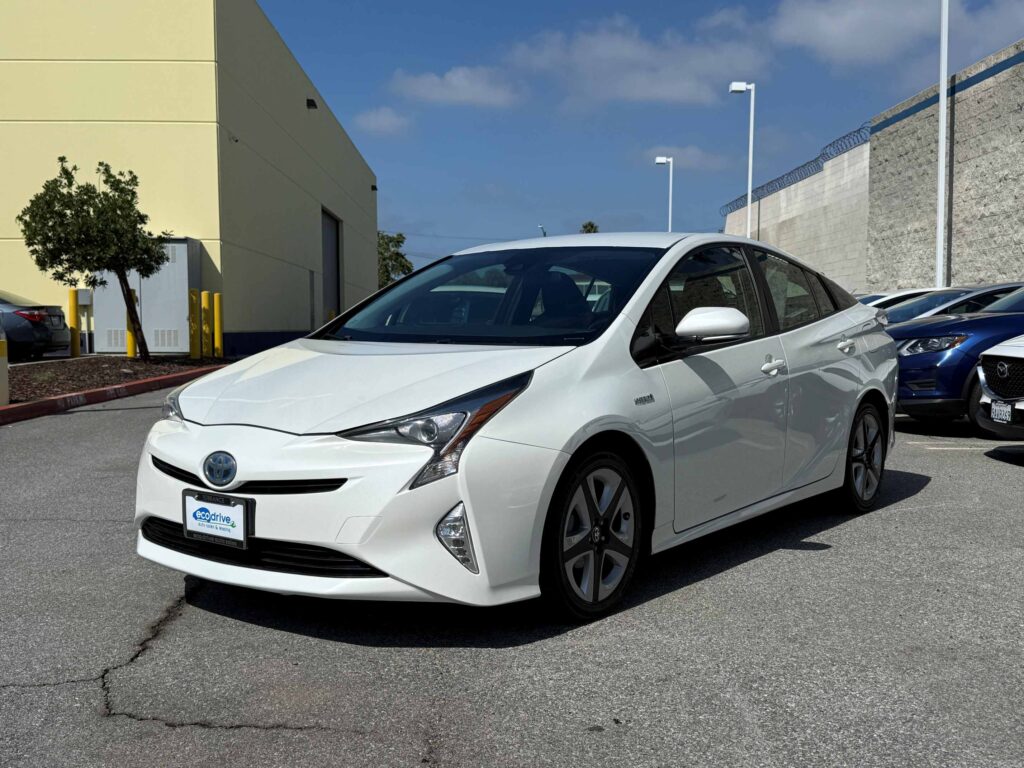
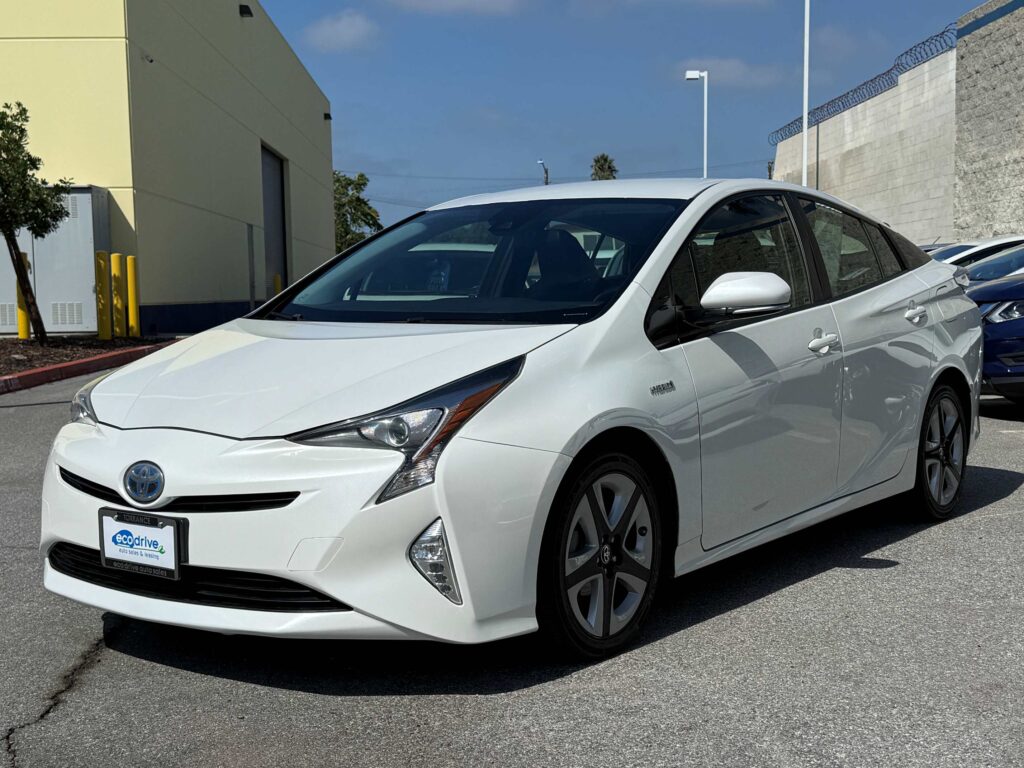
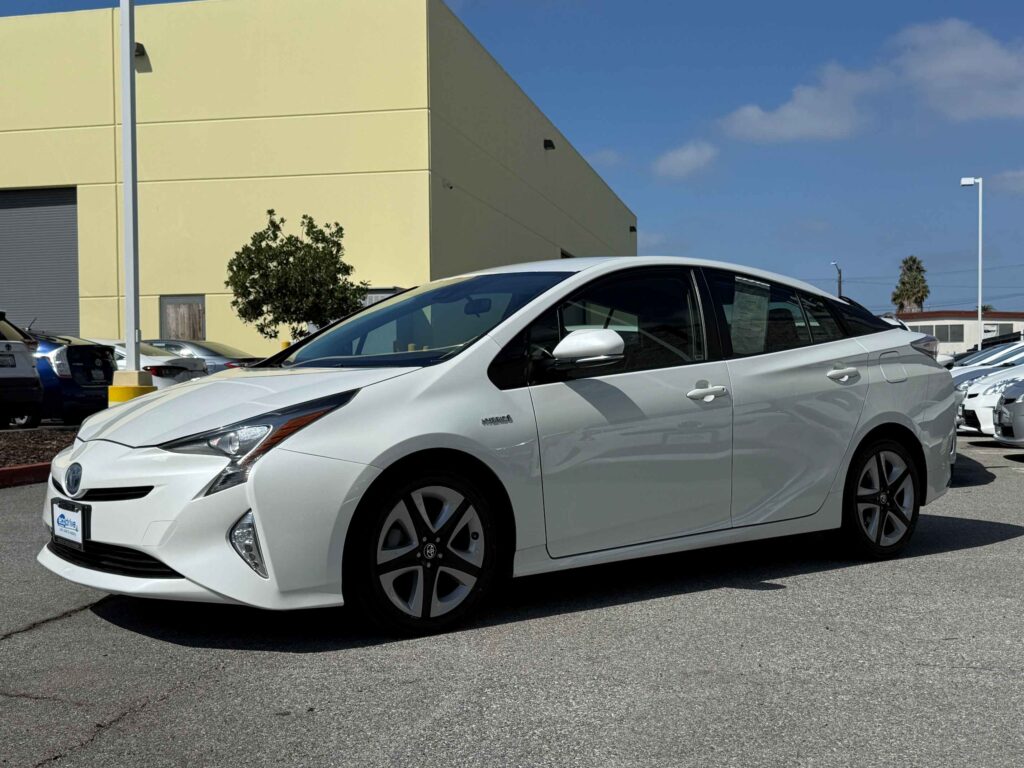
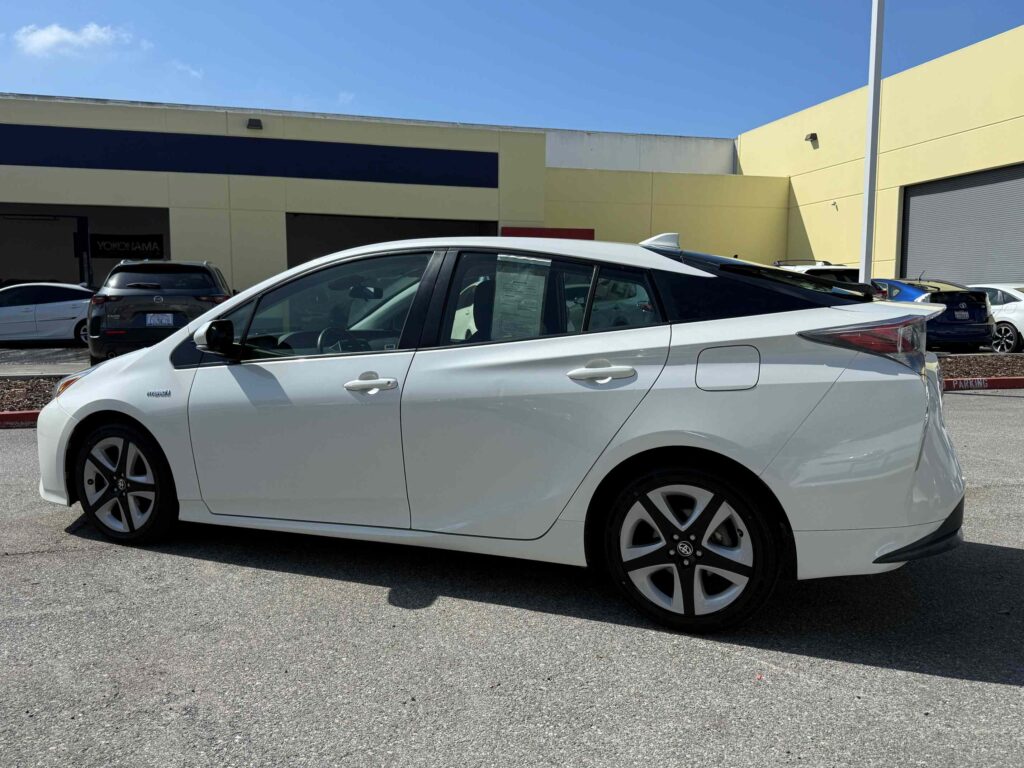
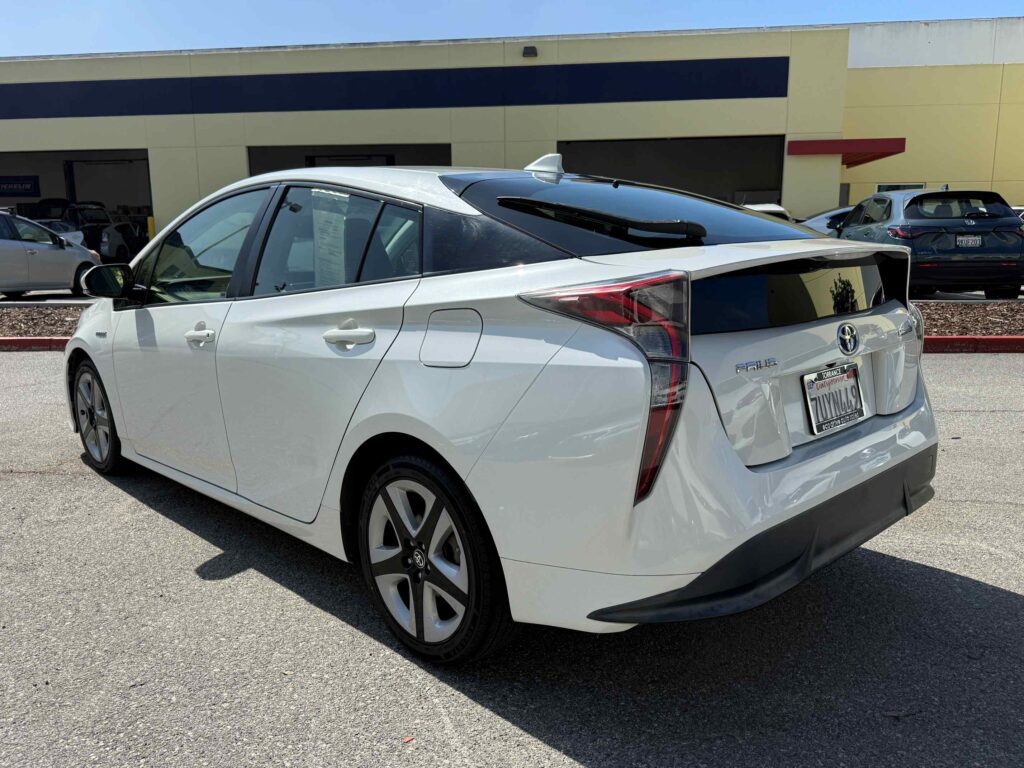
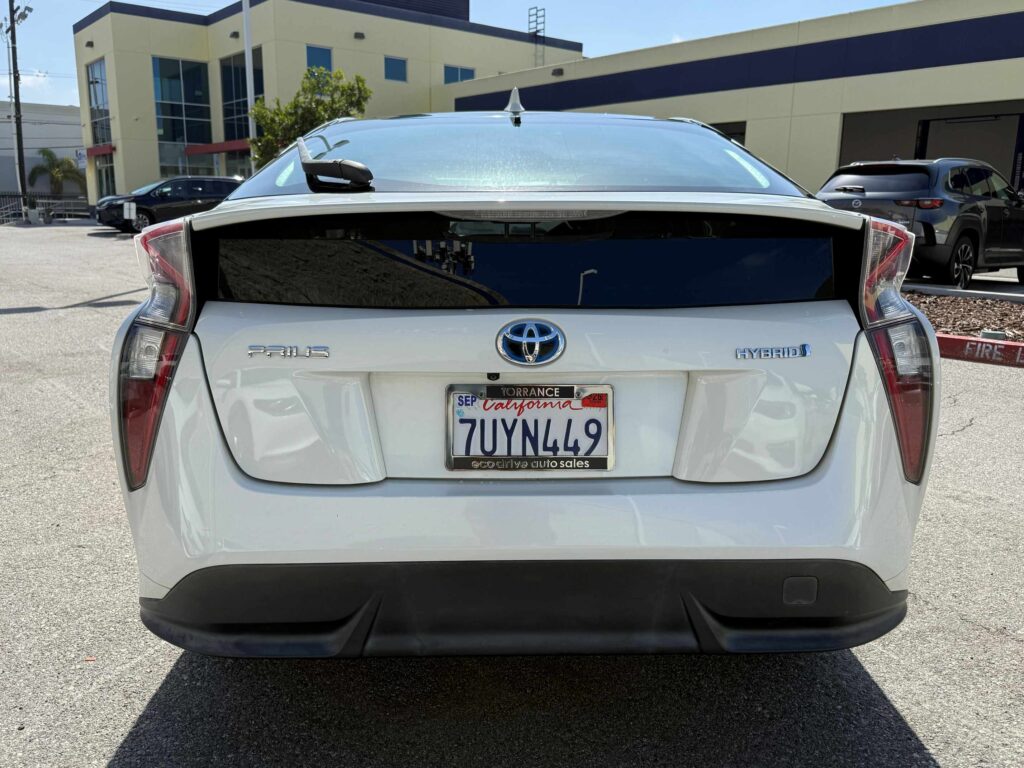
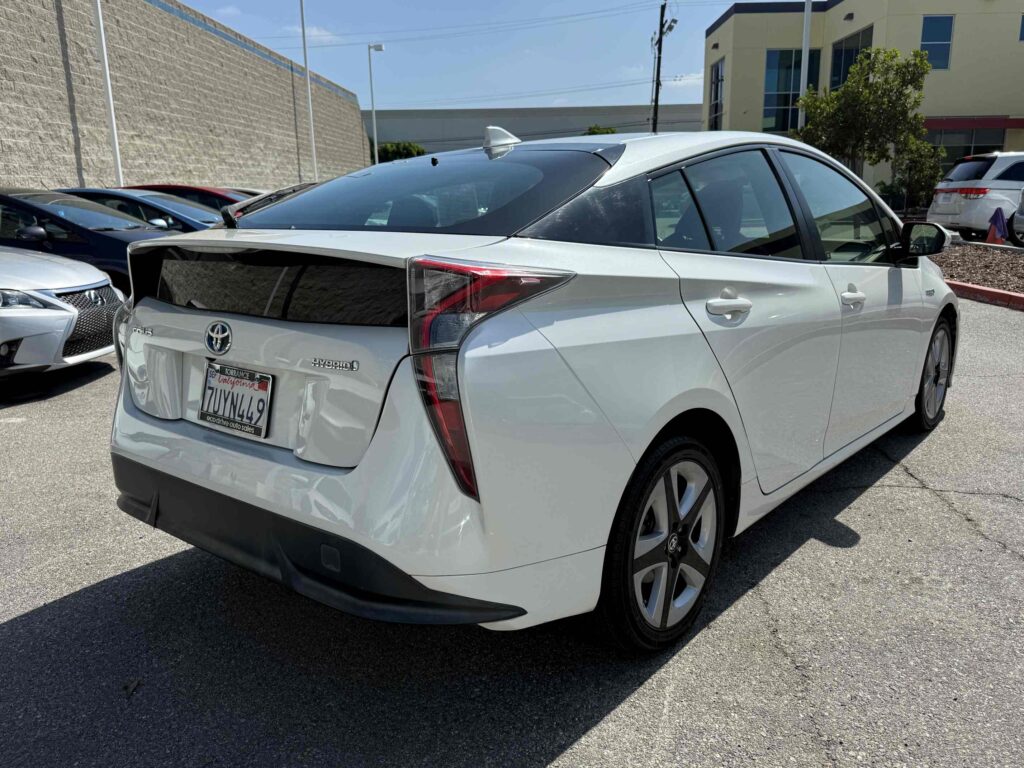
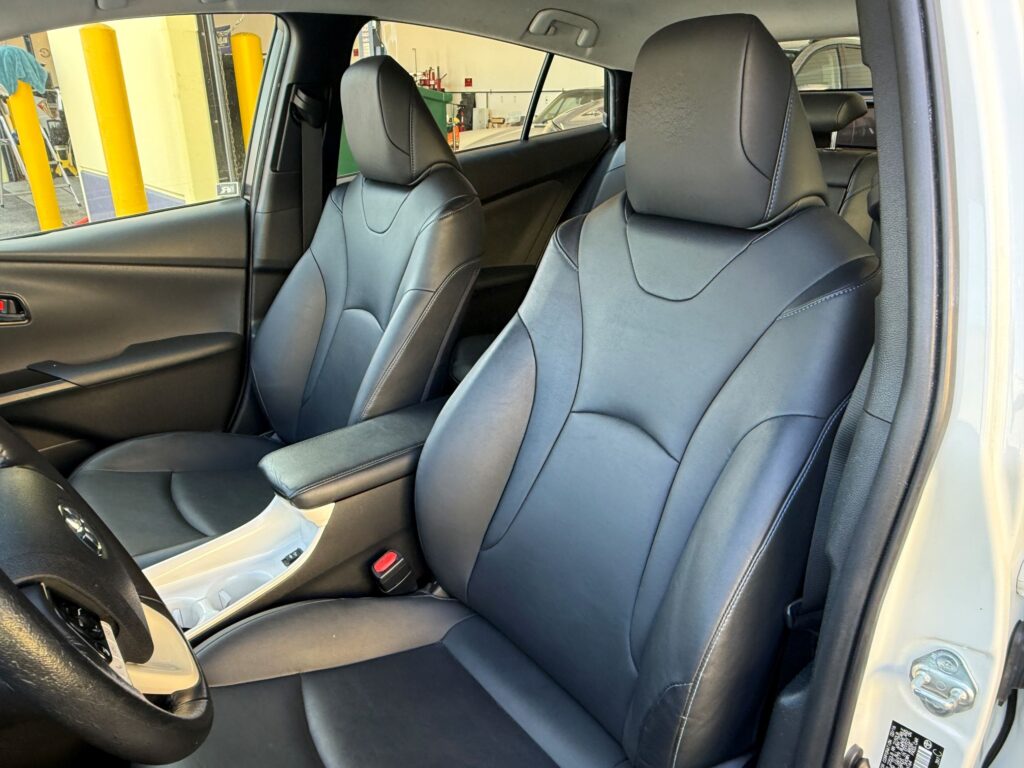
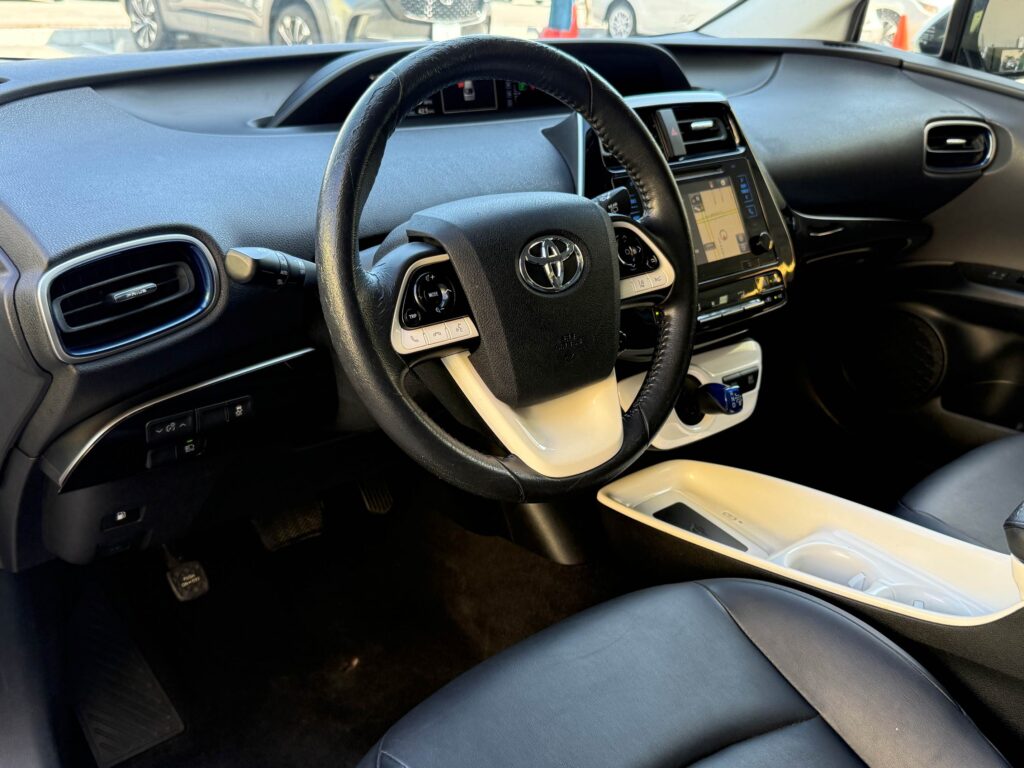
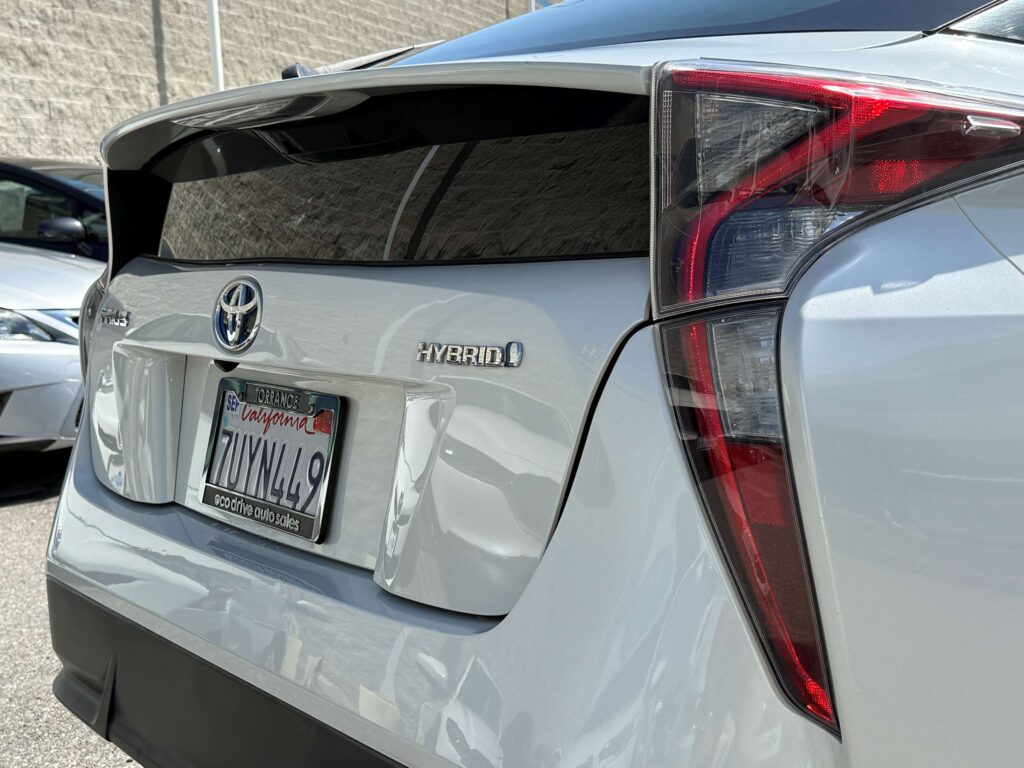
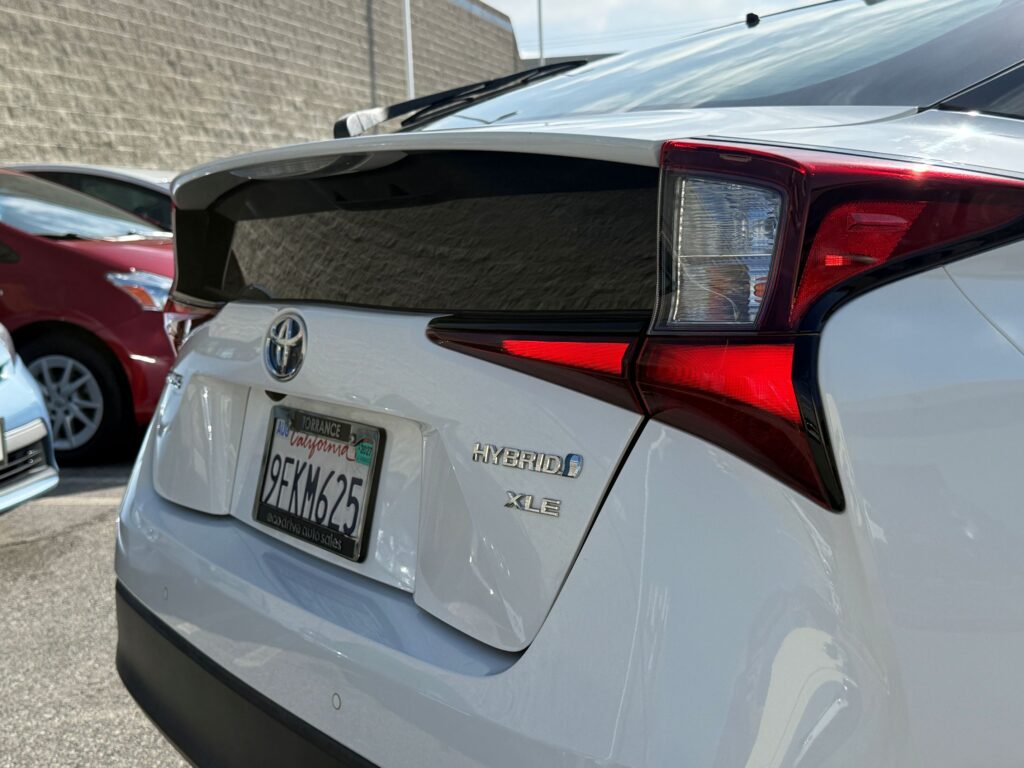
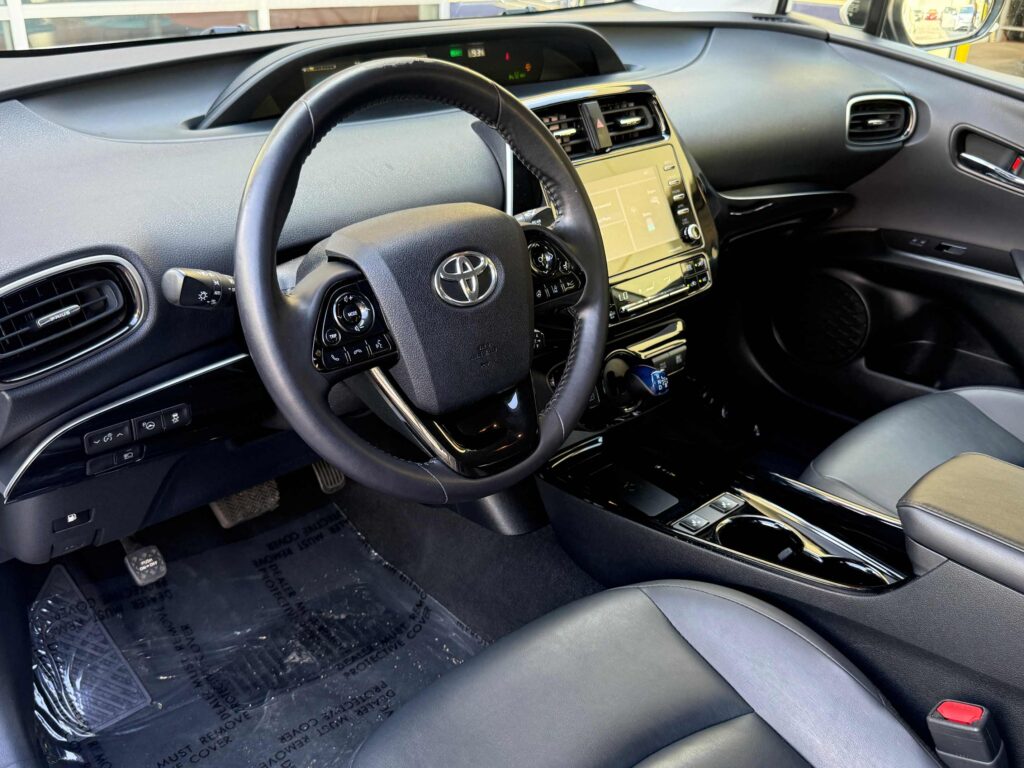
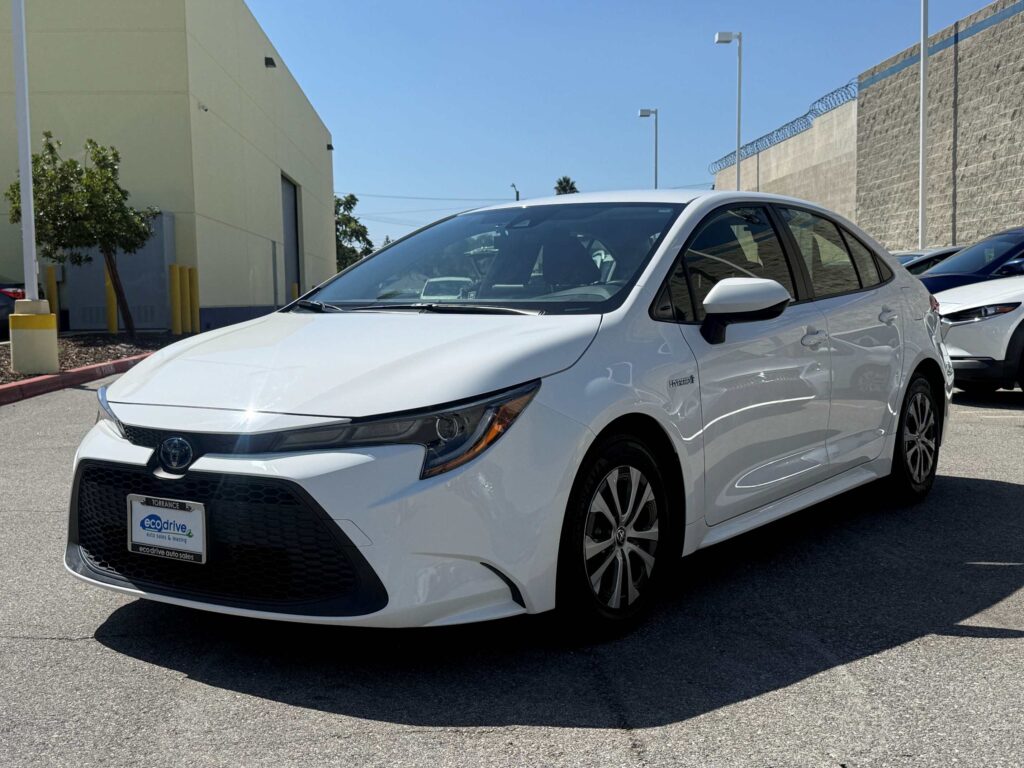
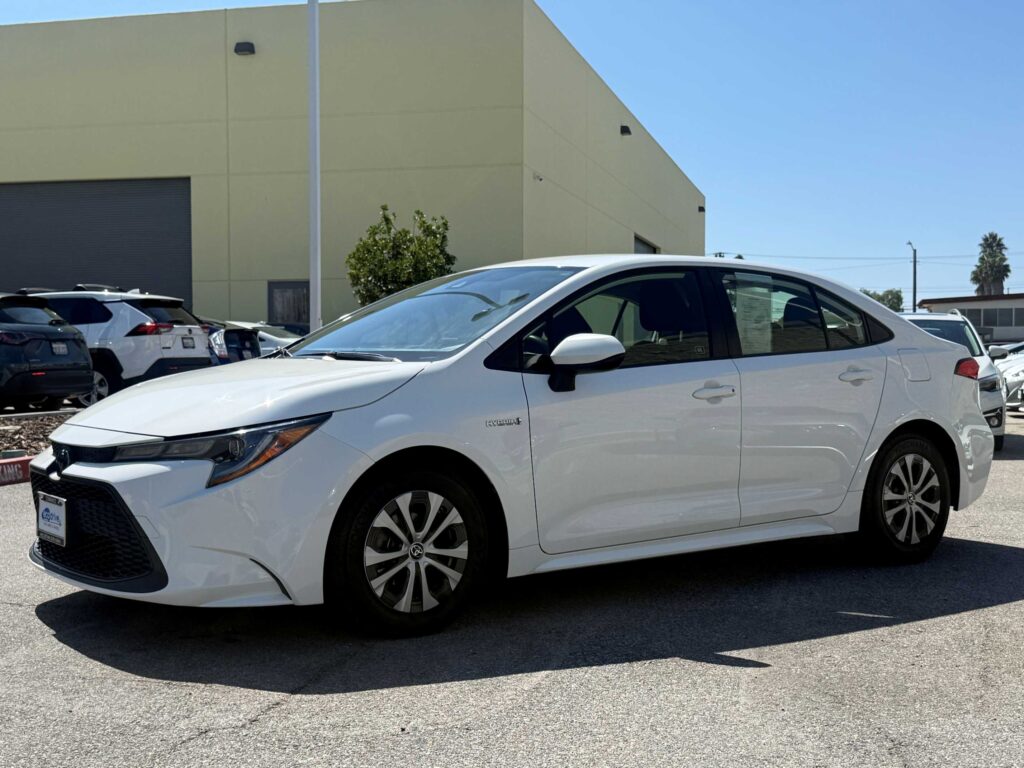
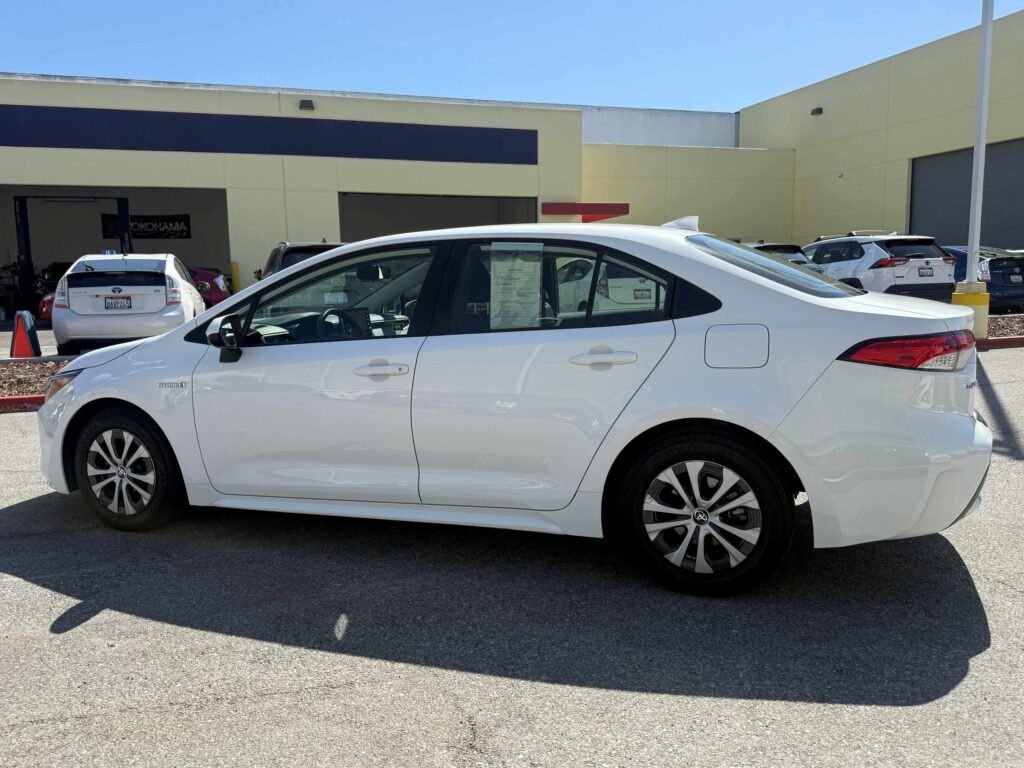
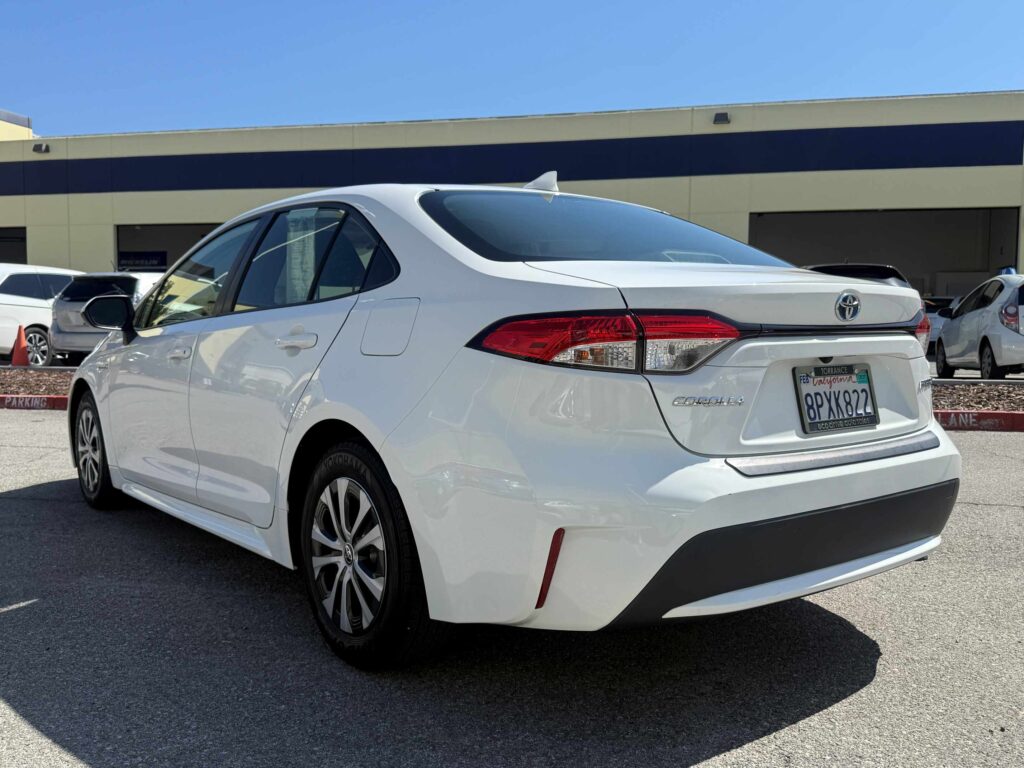
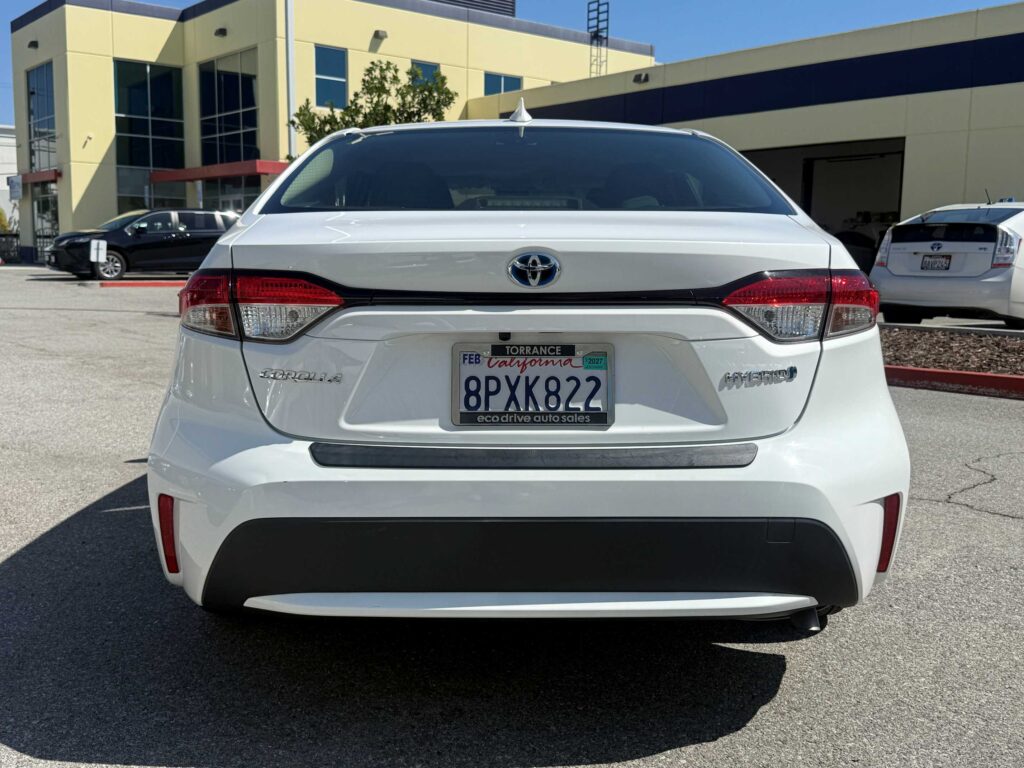
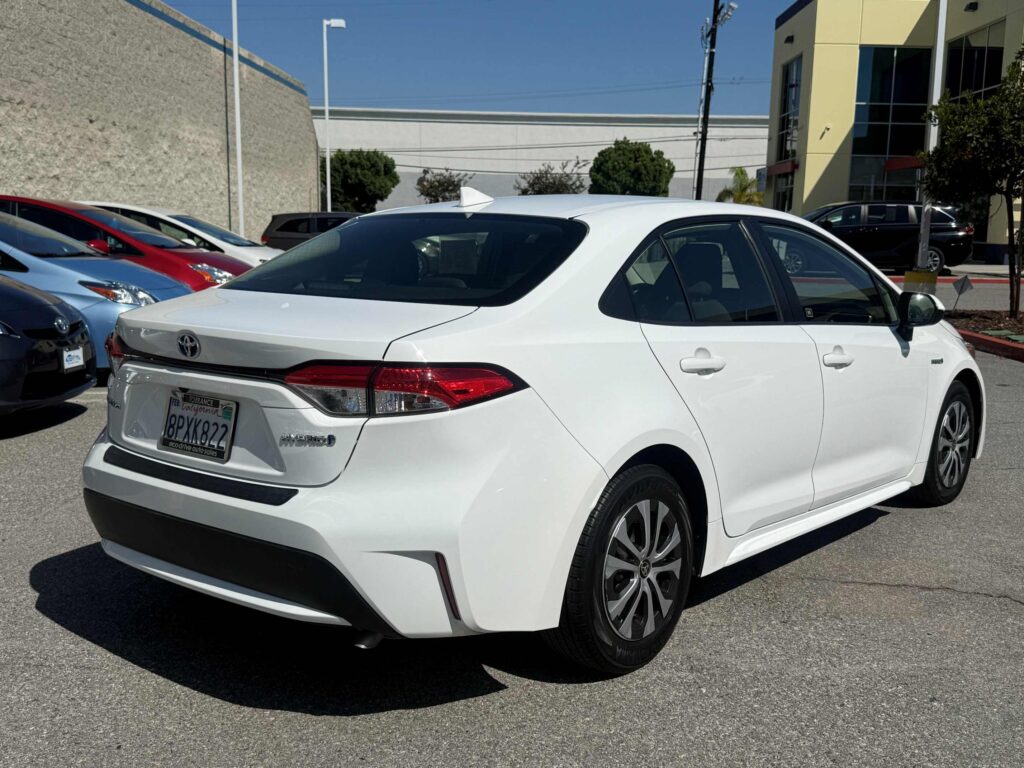
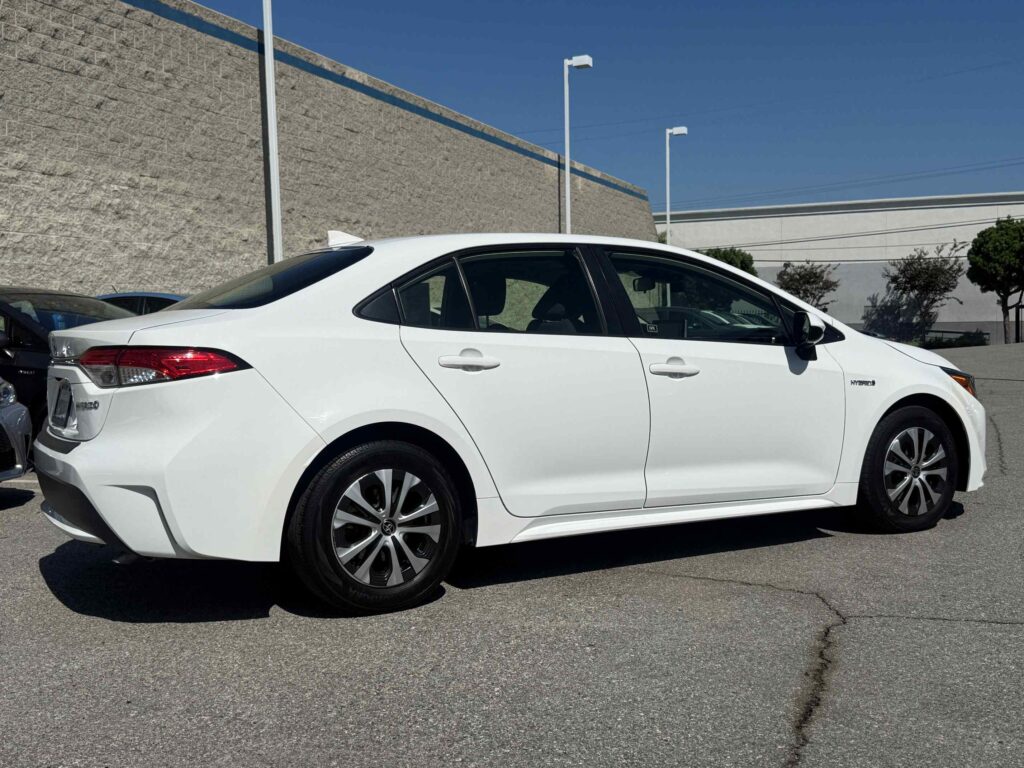
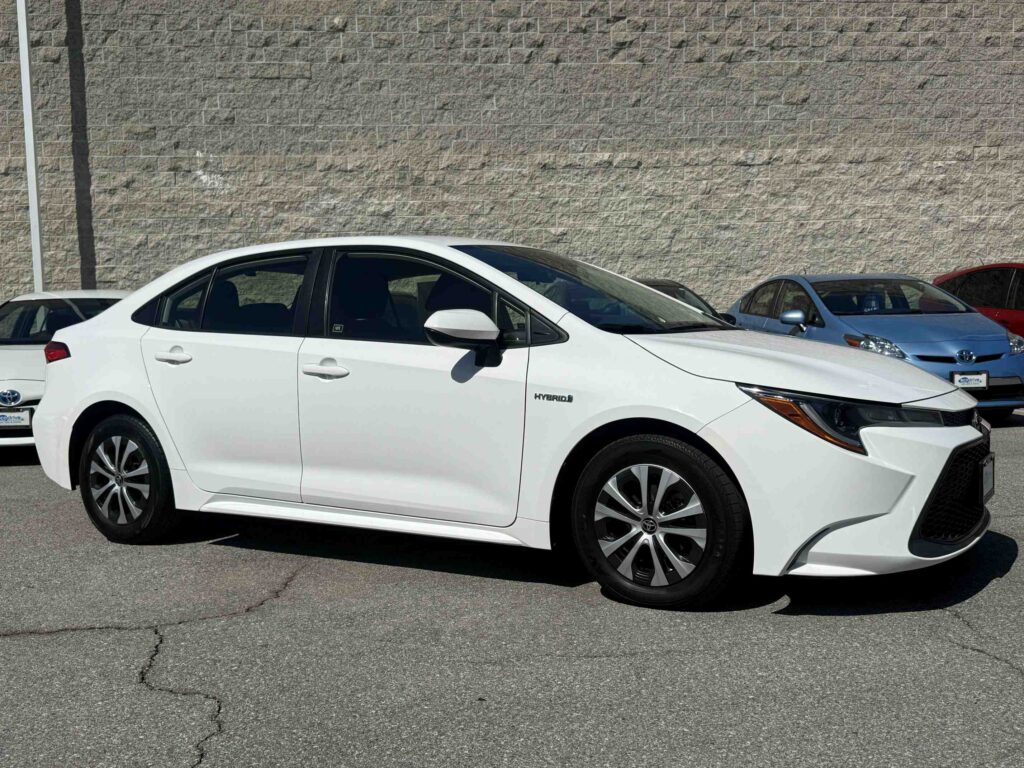
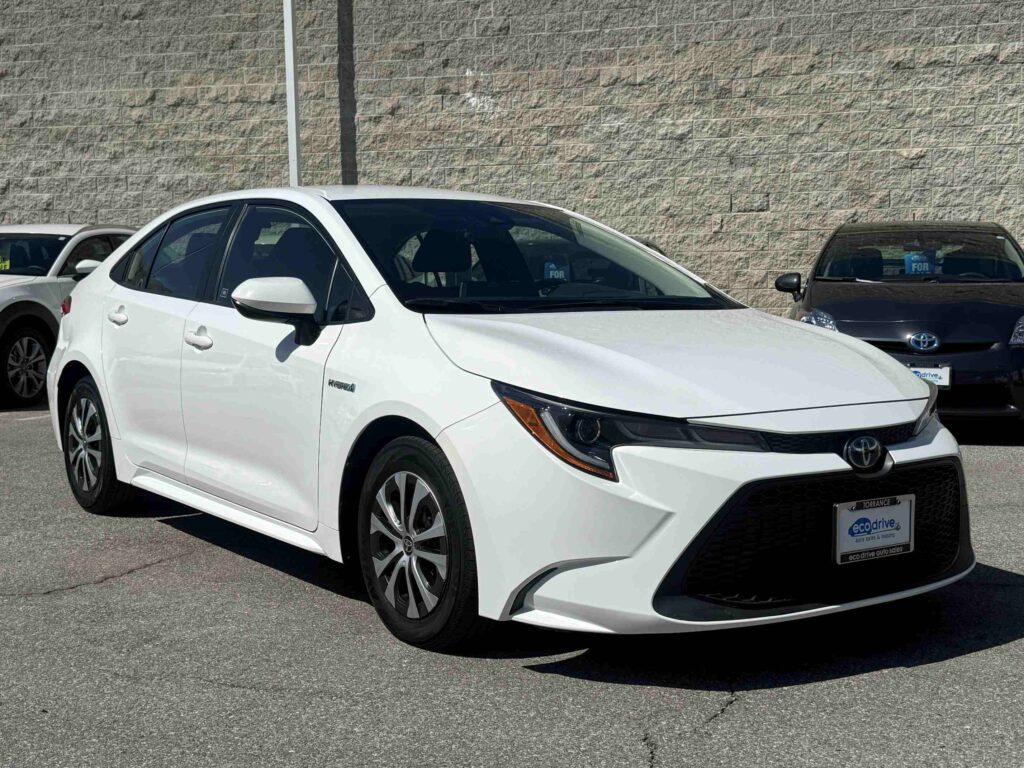
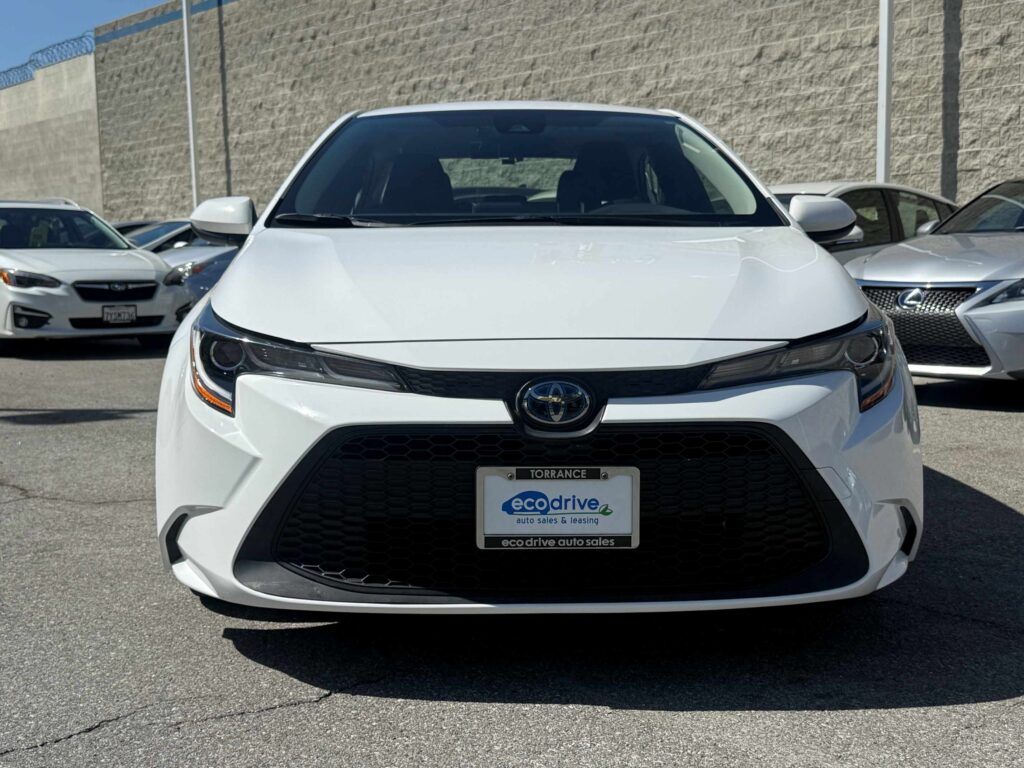
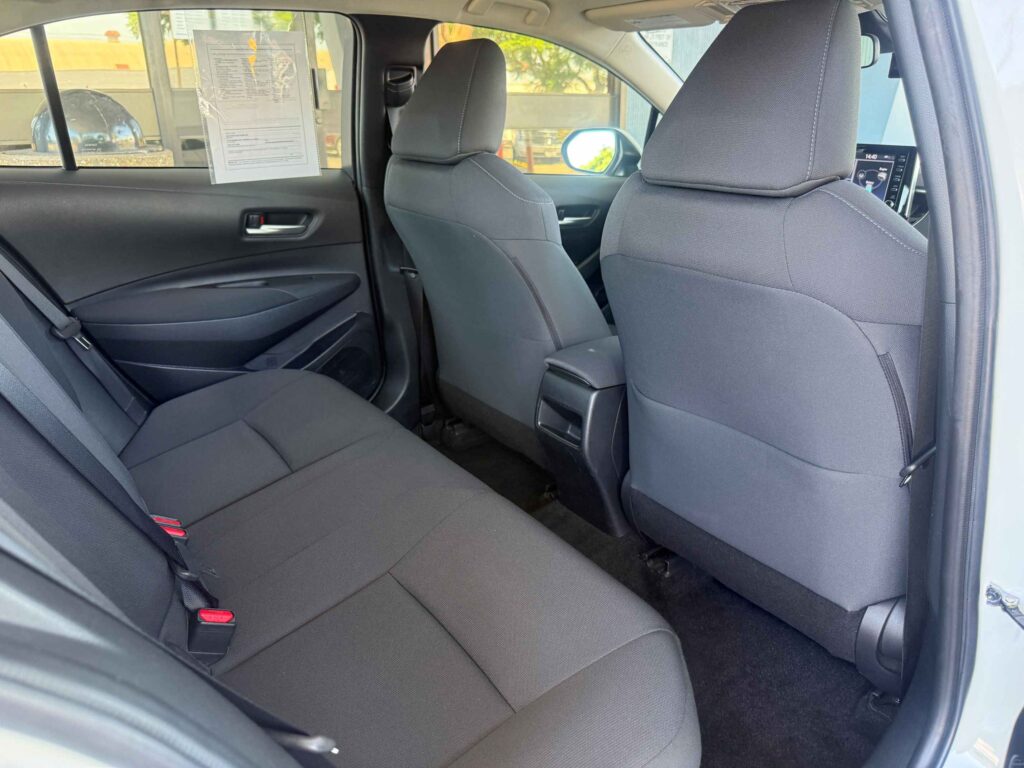
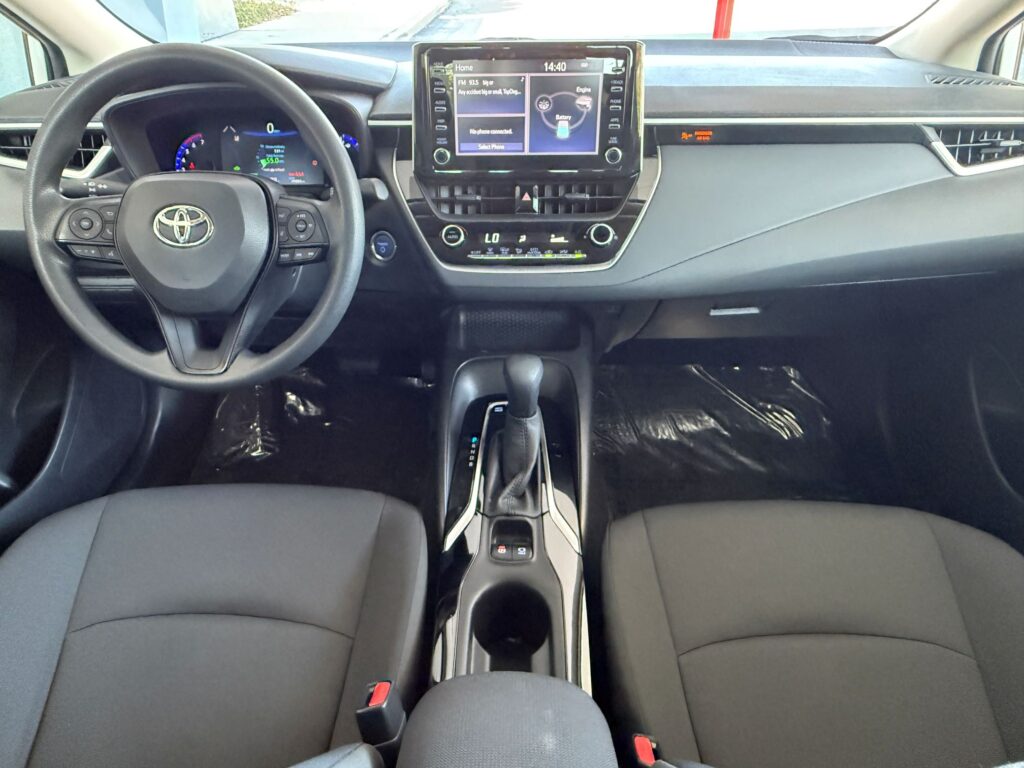
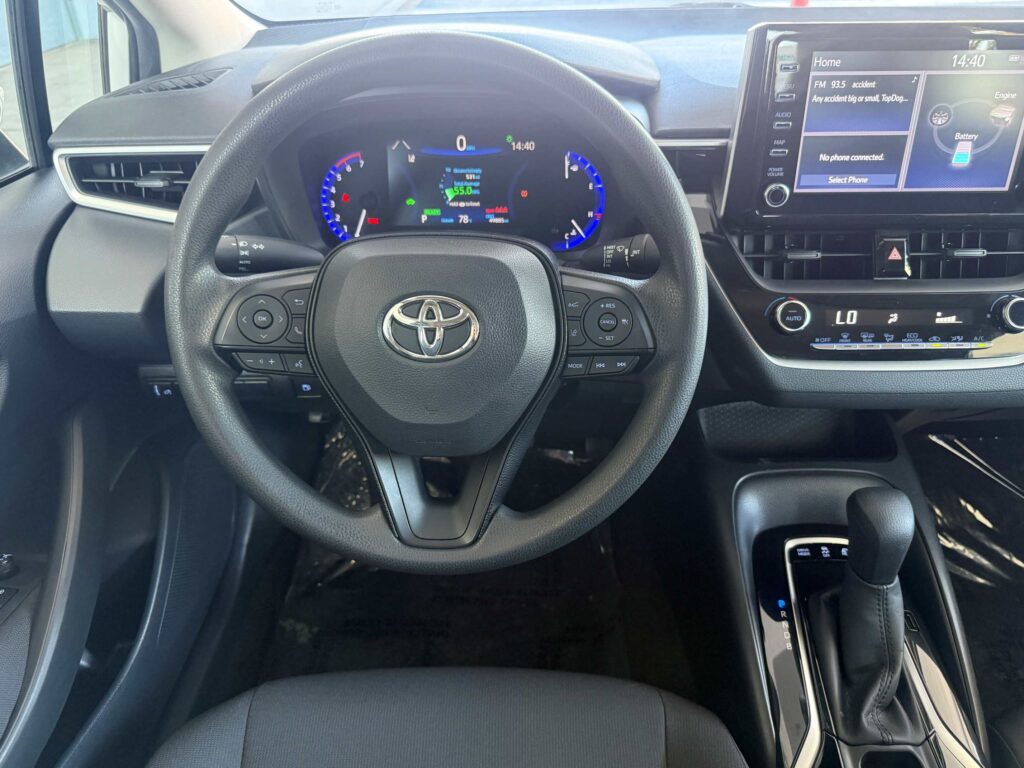
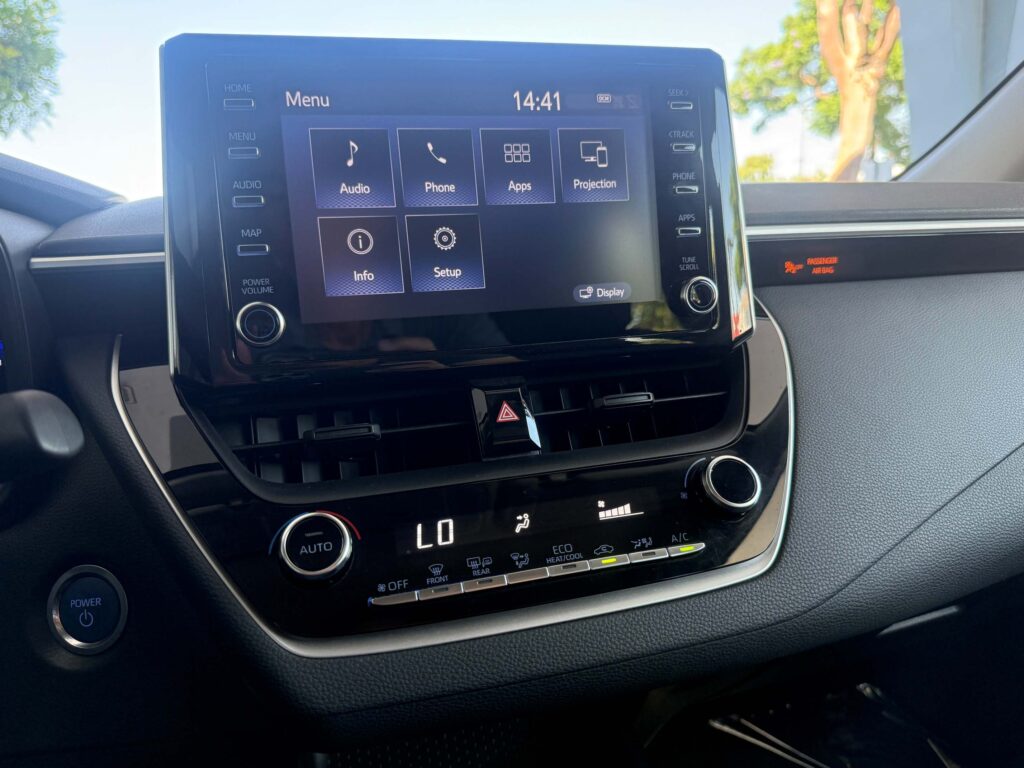
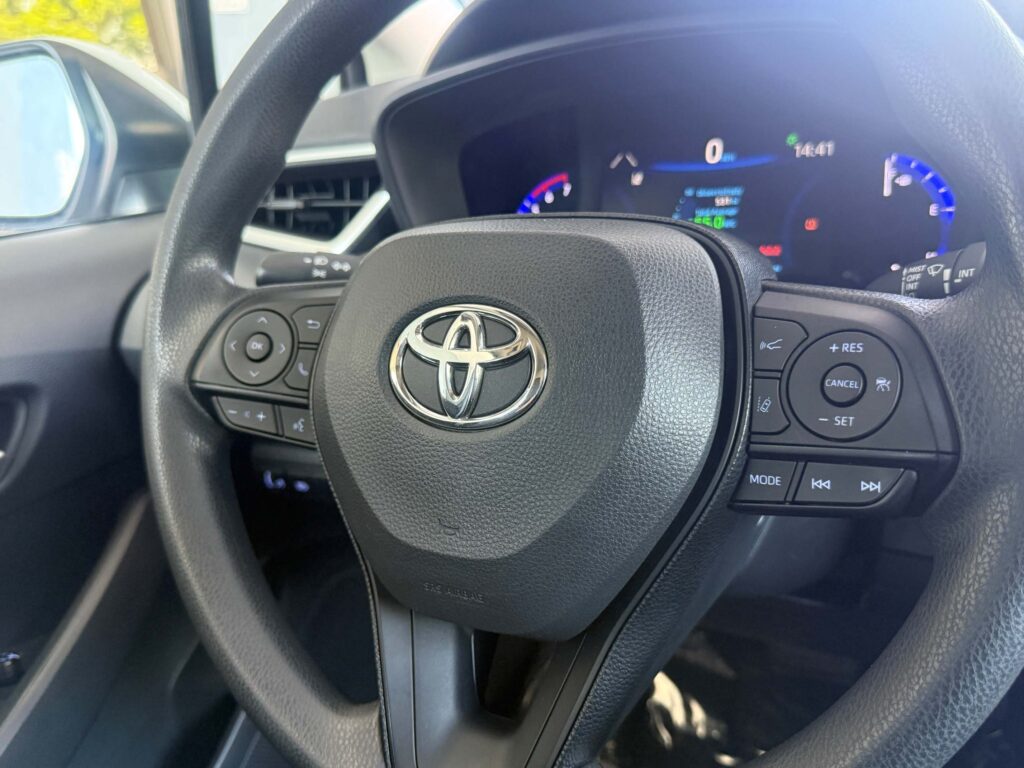
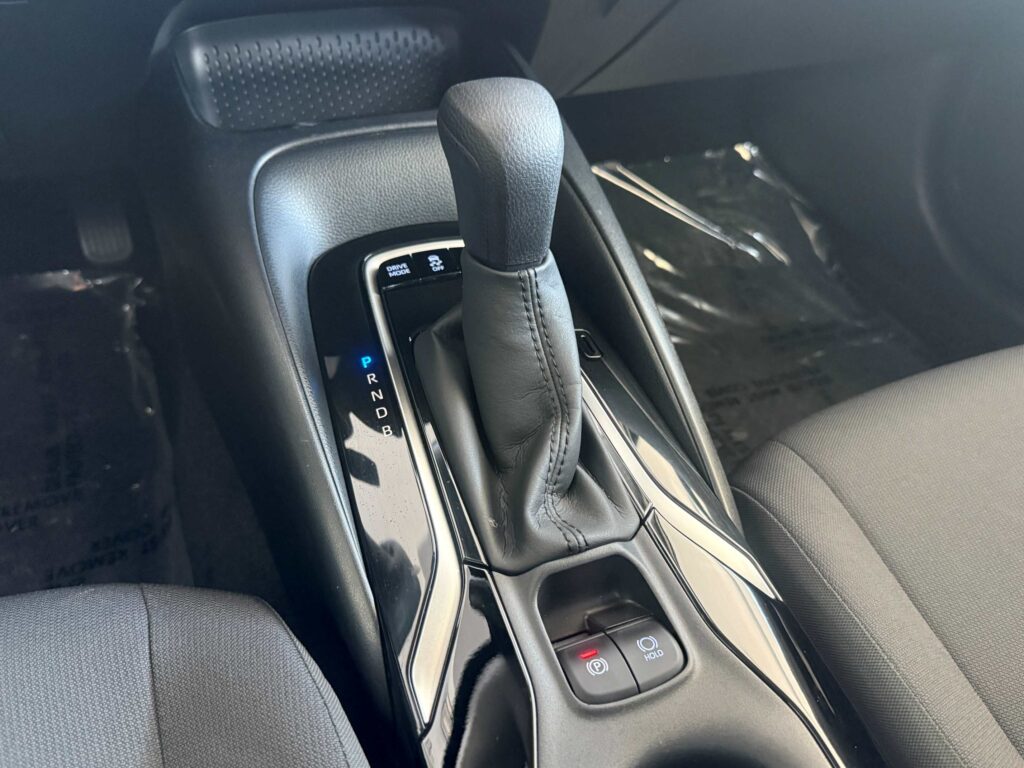
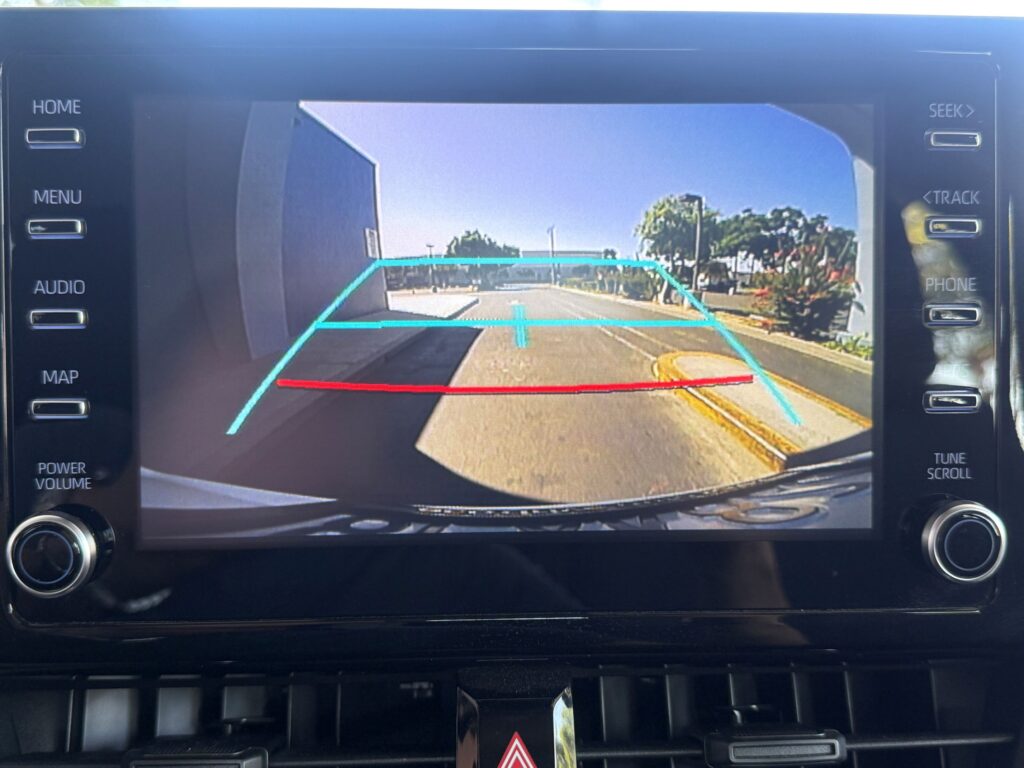
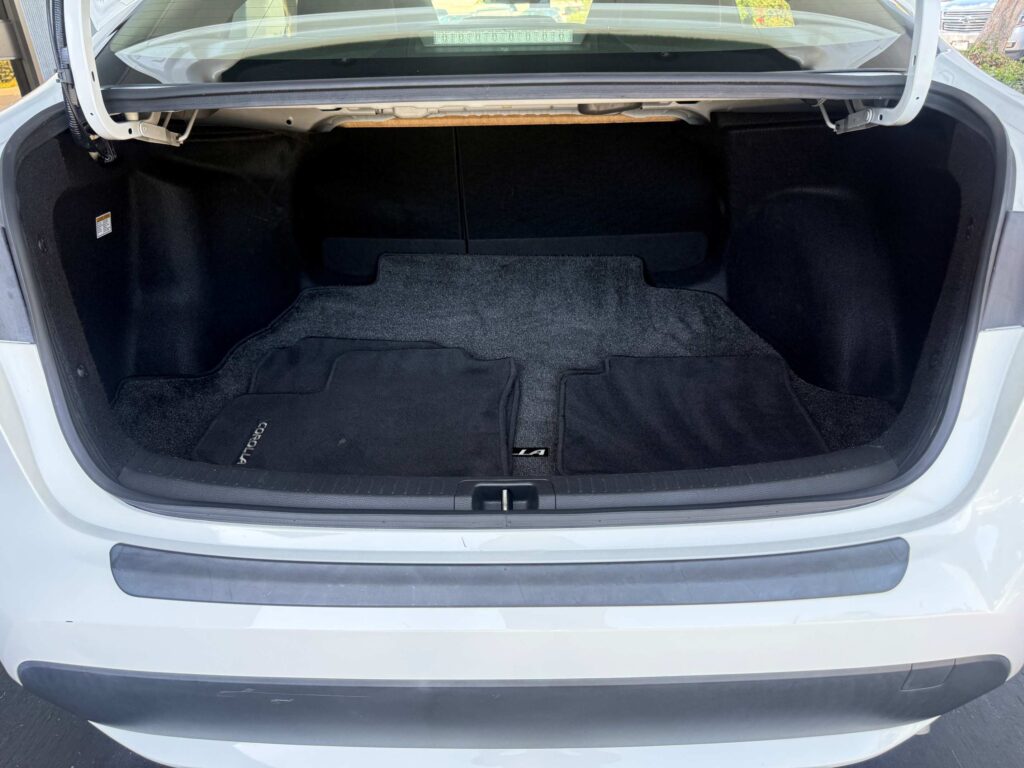
New Arrivals
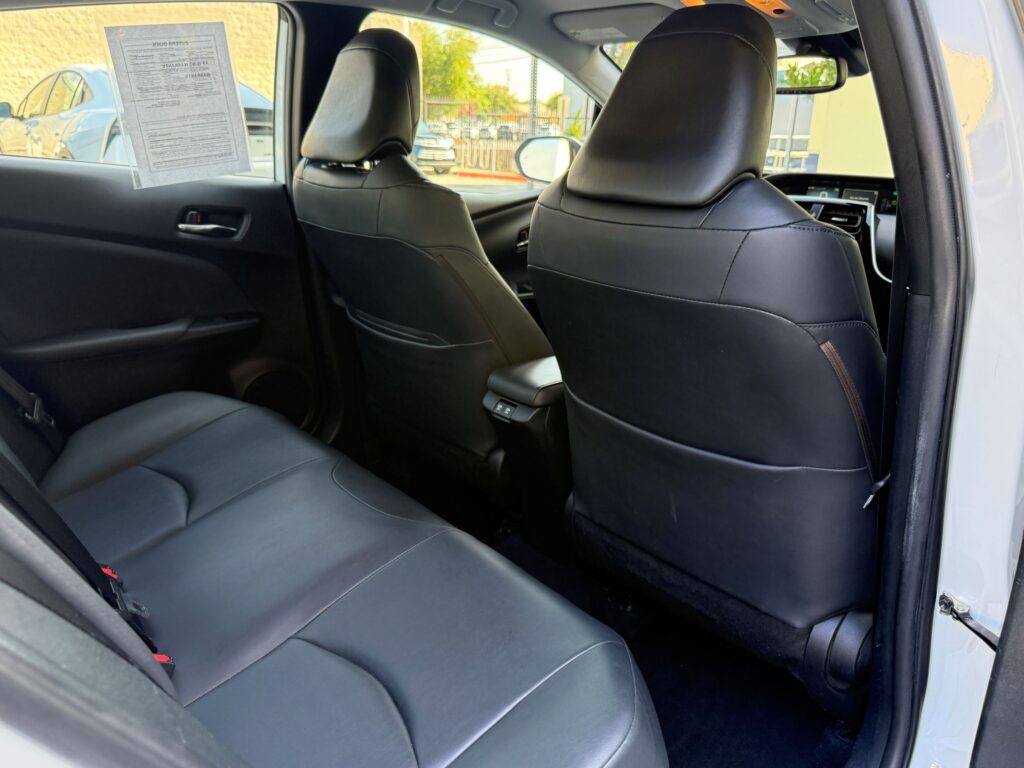
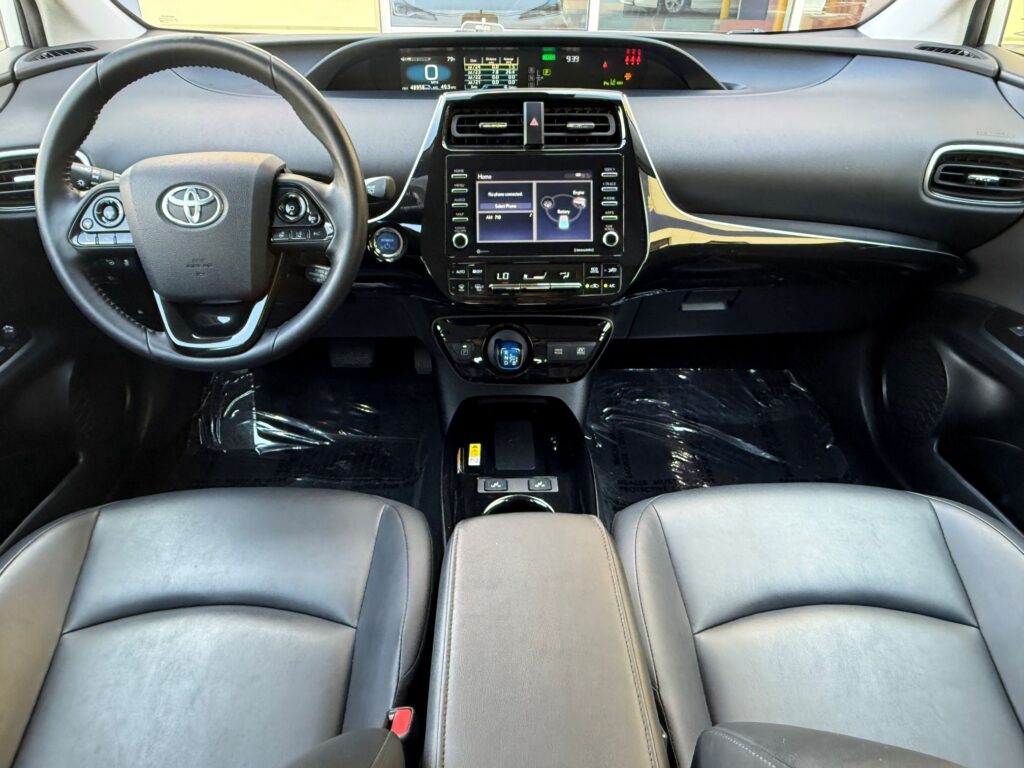
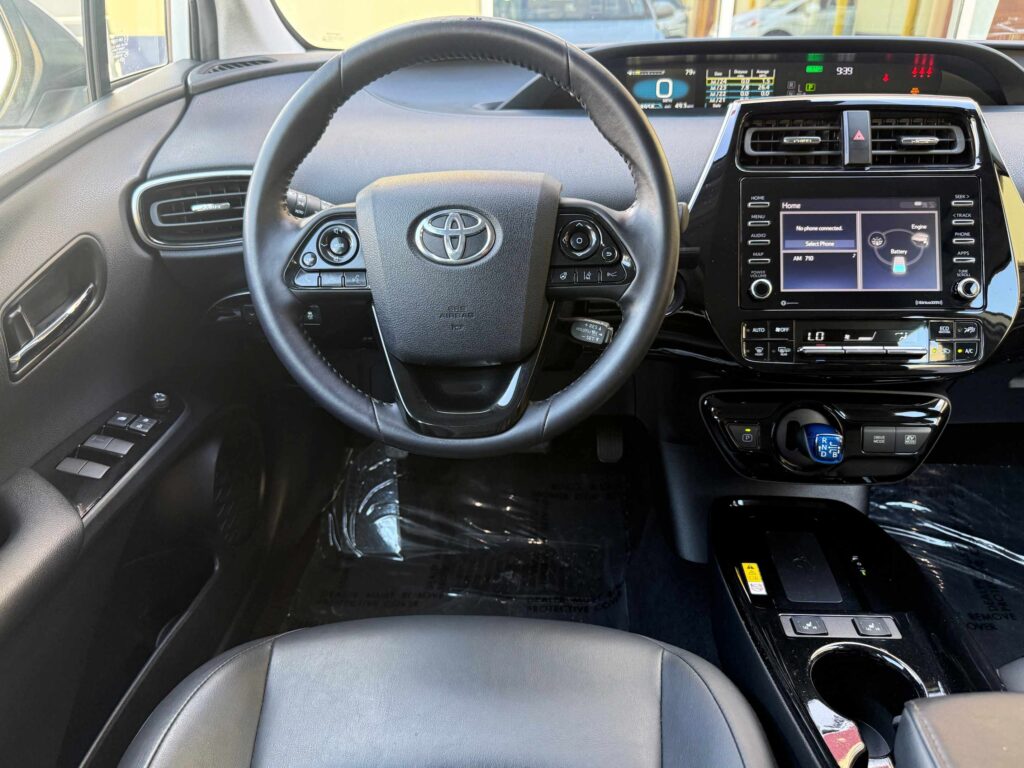
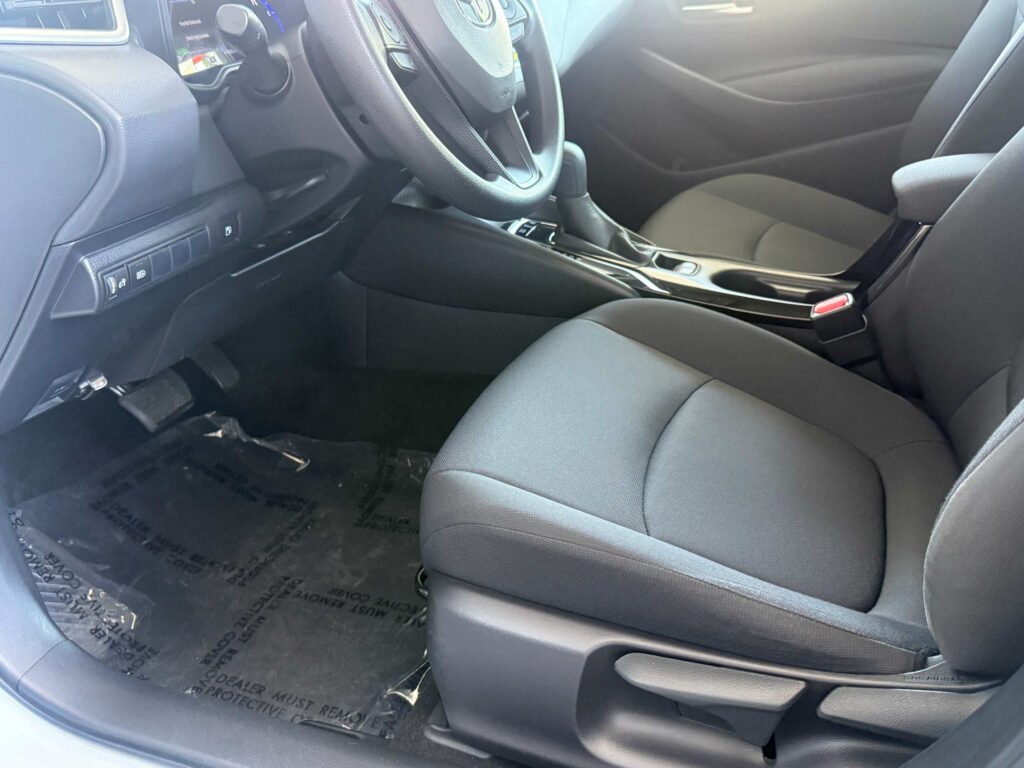
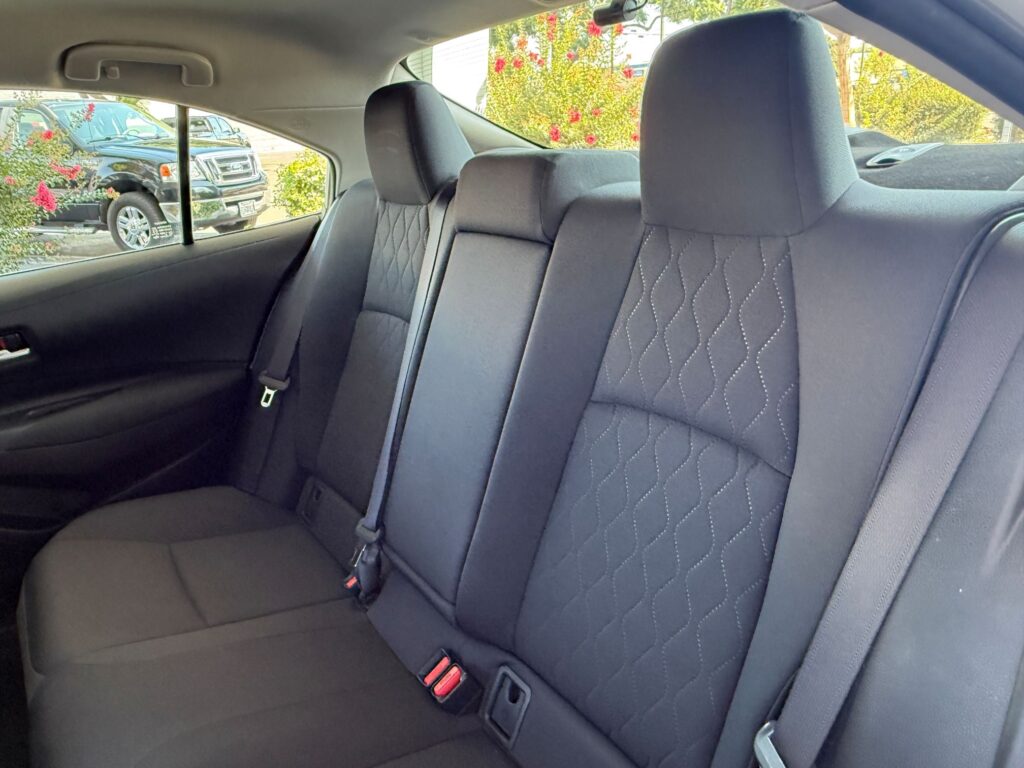
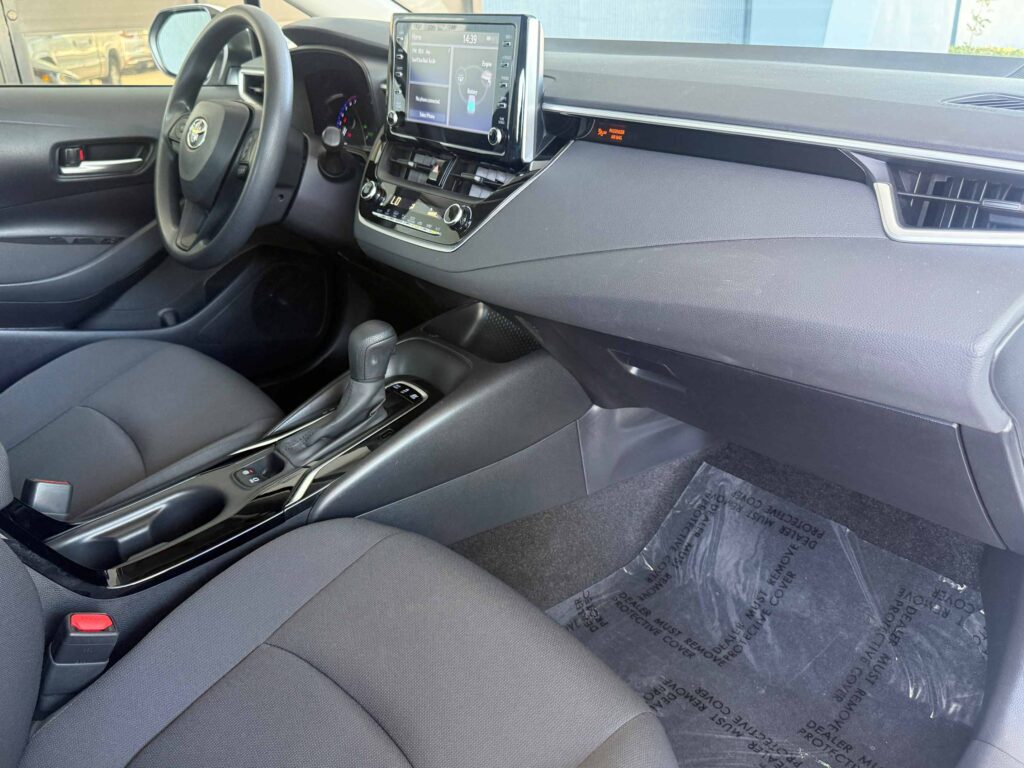
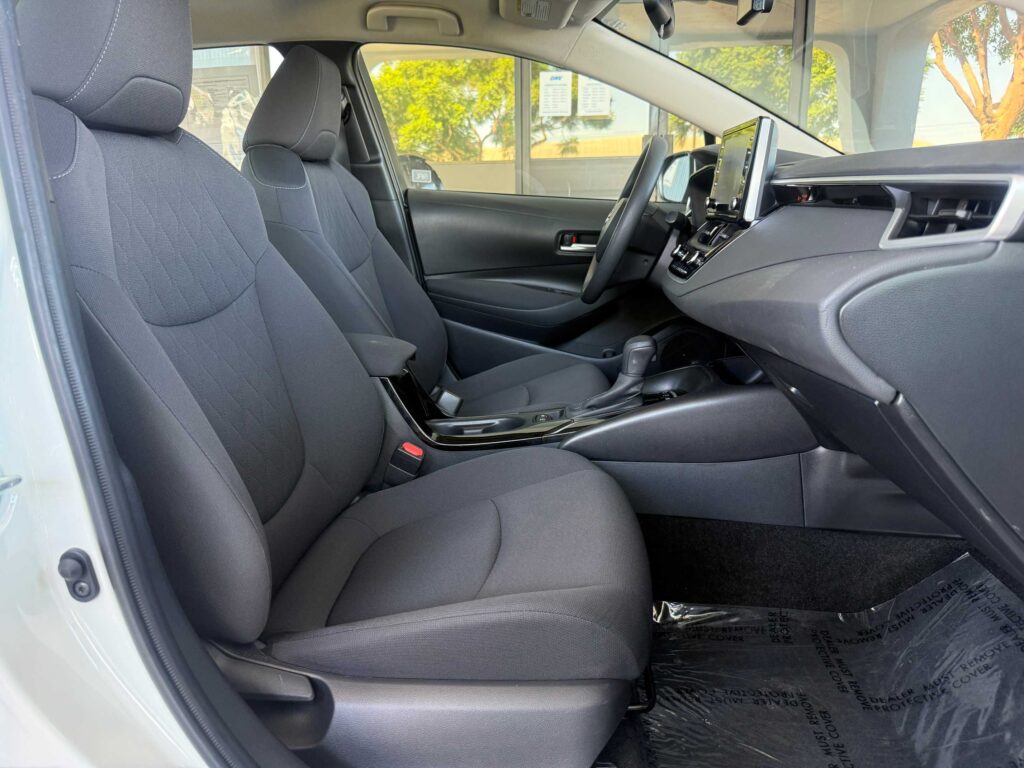
Discover our newest arrivals—available now!
6. U.S. Traffic Rules and Driving Culture
6-1. Right-Hand Traffic / Left-Hand Drive
If you’re from a country that drives on the left (such as the UK, Australia, Japan, or India), this will feel reversed at first.
A useful mental image: the driver’s seat sits closer to the center of the road.
Take extra care at intersections when turning left or right.
6-2. Lights and Signs
- Right turn on red (unless a sign or local law prohibits it)
Come to a full stop first. If it’s clear, you can turn right even on a red light. Don’t rush just because someone’s honking behind you. Note that several major cities — including New York City, Washington D.C., and parts of San Francisco — have banned or heavily restricted right turns on red, so always check local rules before driving in a new city. - Stop signs (All-Way Stop)
If all four approaches have stop signs, vehicles proceed in the order they stopped. If two cars stop at the same time, the vehicle on the right has priority.
6-3. Speed in MPH
The U.S. uses miles per hour. 1 mph ≈ 1.609 km/h. Typical limits: 25–45 mph on surface streets, 65–75 mph on highways.
6-4. Parking Rules
Cities enforce strict street-parking rules — colored curbs, time-of-day restrictions, permit zones, and more.
Violations often mean steep fines or a tow. Downtown, you’re usually better off with a paid lot or garage.
6-5. Toll Roads and Toll Bridges
- Most U.S. highways are free, but some highways and bridges charge tolls.
- Rental companies handle tolls through electronic systems (E-ZPass on the East Coast, FasTrak in California, etc.). You’ll be billed for tolls used plus a daily service fee later.
- Some toll locations accept cash or credit, but others are electronic-only. Check your route in advance.
7. Rental Car Insurance and Coverage
Medical costs and liability awards in the U.S. can be extreme, so skipping insurance is a genuinely risky move.
Here’s a quick tour of the main coverage options.
7-1. Main Types of Coverage
- CDW / LDW (Collision / Loss Damage Waiver)
· Waives or reduces what you owe if the rental is damaged or stolen.
· Without it, you could face large bills for accidents or theft.
Note: exclusions and deductibles apply — always review the contract terms. - SLI (Supplemental Liability Insurance)
· Adds to the basic liability coverage, covering injury and property damage you might cause to others.
· Liability claims in the U.S. can reach into the millions of dollars, so this is critical coverage. - PAI (Personal Accident Insurance)
· Covers injury or death of the driver and passengers.
· May duplicate travel insurance or credit card benefits you already have — check before buying. - PEC (Personal Effects Coverage)
· Covers theft or damage of personal items inside the rental car.
· Often overlaps with other insurance, so verify coverage before adding. - Roadside Assistance (RSA and similar)
· For flat tires, lockouts, dead batteries, and other on-the-road trouble. Gets you emergency service at reduced or no cost.
7-2. Using Credit Card Coverage
Some credit cards include rental-car collision coverage as a travel benefit.
However, credit card coverage typically does NOT include liability (SLI) — you’ll still need that separately.
Also, to use credit card coverage you usually have to decline the rental company’s CDW, which means you may need to pay out of pocket up front after an accident and claim reimbursement later.
If you’re not used to this kind of process or aren’t fully confident with the paperwork, going with the rental company’s CDW + SLI is the safer play.
Think of credit card coverage as supplemental, not a full replacement.
8. Dealing with Trouble (Accidents, Violations, Mechanical Issues)
8-1. If You’re in an Accident
- Get to safety: Pull onto the shoulder, turn on hazards. Call for an ambulance (911) if anyone is injured.
- Call the police (911): Even for minor fender benders, it’s standard practice. Insurance claims need the police report.
- Call your rental company: Use the emergency number on your contract. They’ll arrange towing and walk you through insurance claims.
- Exchange info with the other driver: Get their license number, insurance carrier, and contact info. Photograph the scene.
8-2. Traffic and Parking Violations
- Speeding or running a red light: If pulled over, stay calm, pull onto the shoulder, and present your documents. Keep your hands visible and wait in the vehicle. The citation will explain how to pay (online or by mail in most cases).
- Parking tickets: If there’s a ticket under your wiper, pay it as directed. Skipping payment often results in the charge being forwarded to the rental company and billed to your card — plus service fees.
- Towing: If your car is towed for violations or abandonment, retrieval costs at the impound lot can be steep.
8-3. Booking or Vehicle Issues
- Can’t find your reservation: Show your confirmation or booking number and have staff search again. If you booked through a third party, contact them.
- Flat tire or breakdown: Pull over safely and call the rental company. If you have roadside assistance, the help may be free.
- Lost key or lockout: Expect a replacement or unlock fee — sometimes a large one. Guard the key.
9. How to Get a Better Deal
9-1. Coupons and Promo Codes
- Promo codes on official sites: Hertz, Avis, and others regularly run limited-time discounts and coupons.
- Newsletters and member perks: Signing up for a rental company’s loyalty program can get you special rates and upgrade coupons.
9-2. Rates Vary by Season and Duration
- Book early in high season: Summer and winter holidays see rate surges — six months ahead isn’t too early.
- Off-season last-minute deals: Lock in a free-cancellation rate early, then watch for cheaper options to appear and rebook.
- Weekend rates and weekly rates: Some weekends are cheaper. For 5+ day rentals, it’s sometimes cheaper to book a full week.
9-3. Skip Options You Don’t Need
- Your phone can replace a GPS unit: Google Maps and offline maps get the job done without paying for navigation.
- Avoid duplicate insurance: CDW + SLI are the essentials. PAI and PEC may overlap with travel insurance you already have.
- Prepaid fuel is rarely worth it: Returning with a full tank yourself is almost always cheaper.
9-4. Check One-Way Fees
Dropping the car off in a different city (a “one-way” rental) usually comes with a fee, but some routes and companies waive or discount it.
Compare several companies at booking time — the savings can be meaningful.
10. Summary & FAQ
That covers the essentials of renting a car safely and smoothly in the U.S.
Driving abroad can feel intimidating at first, but with a little prep, the freedom of crossing the U.S. by car is hard to beat.
Quick recap:
- Documents: Home-country license + IDP, passport, credit card
- Age: 21+, with extra fees under 25
- Insurance: CDW + SLI are essentially mandatory. If using credit card coverage, still get SLI separately.
- Booking: Book early, check insurance inclusion
- Driving rules: Right-hand traffic, stop signs, right-turn-on-red — review the key differences before you hit the road
- Trouble response: Contact police and rental company after accidents or violations
- Saving money: Promos, coupons, phone GPS, one-way specials
And now for some common questions.
Q1. What if I’m not confident in English?
A. You’ll still be fine.
Use a booking site or travel agent with support in your language, and at the counter, just hand over your confirmation and documents — the process is largely standardized.
For insurance interactions, memorizing a few phrases in advance (like “No CDW please, I have insurance”) is usually enough.
If you’re nervous, pick a company that offers multi-language support.
Q2. Do I really need an International Driving Permit?
A. For driving on the U.S. mainland, treat it as required.
Some states will rent to you with just a foreign license, but to avoid issues during a police stop or with the rental company’s own rules, getting an IDP is the safe move.
Q3. How do I pay tolls?
A. Most of the time, the rental company’s electronic toll system handles it automatically.
It’s called E-ZPass in some regions, FasTrak in others. You’re charged a small daily service fee plus the actual tolls, billed to your credit card later.
Some highways still have cash lanes, but where there’s electronic-only tolling, you’ll need to use the system or pay online.
Q4. Can I just use my phone for navigation?
A. Generally yes, but download offline maps before you go, just in case.
Major cities and highways have cell coverage, but inside national parks, signal often drops. Offline-capable apps like Google Maps handle this, and skipping the rental’s GPS option saves money.
CarPlay-equipped vehicles make this even more convenient.
Q5. Can I drop the car off in a different city?
A. Most companies allow it, but they usually charge a one-way fee.
Some promos waive or reduce it for in-state drop-offs or popular tourist routes — compare quotes across several companies or on a comparison site.
Abandoning the car without telling the company leads to steep penalties.
11. Final Thoughts
A U.S. road trip delivers a kind of freedom and experience you just can’t get from a bus tour or public transit.
There are risks and things to watch for, but with the right insurance and an understanding of the traffic rules, it should be a memorable trip.
- Even if English isn’t your first language, some prep and multi-language support will cover most situations.
- Traffic rules differ from home — stay relaxed and give yourself time to drive safely.
- On long drives, take regular breaks. Don’t overpack the itinerary.
Keep these points in mind and enjoy the drive.
You May Also Like