Good Debt vs Bad Debt for Startups: SBA Loans in 2026

Do You Need Debt to Start a Business? SBA Loans and How to Tell Good Debt From Bad
Introduction
When you start a business and your own savings fall short, should you borrow money to get going anyway?
Or is it smarter to stay debt-free and build slowly?
A friend of mine asked me exactly that question recently.
Borrow, or stay debt-free. It depends on the kind of business, and honestly it depends on the person, which makes it a hard question to answer in one line.
In this article I’ll start from why I told that friend “you’re better off without the debt,” and use it to lay out a way of thinking about money at the start of a business.
Instead of arguing whether debt is good or bad, we’ll look at it through two questions: what is the money for, and what pays it back?
Watch the video version here (with English subtitles):
There’s No One-Size-Fits-All Answer on Startup Debt
The first thing to say is that there is no single right answer about borrowing money to start a business.
Two people can borrow the same amount and be in completely different situations, depending on the business, the margins, how long it takes for revenue to come in, and how much experience the owner has.
A retail business that buys goods and resells them within weeks and a service business that takes months to land its first clients need different amounts of money, and their paths to repayment can look very different.
So before you ask “should I borrow?” the better question is “does borrowing actually make sense for this business?”
Your Own Money vs. Borrowed Money
The biggest advantage of starting with your own cash is that when sales don’t land the way you planned, you’re not chased by a payment every month.
You also keep room to change direction, or to take your time building up customers.
Borrowing has its own advantage: it lets you start at a scale your own cash can’t reach, and start sooner.
And unlike raising money from investors, a loan usually doesn’t cost you any ownership of the company.
The catch is that principal and interest keep coming due whether or not the sales show up.
Why I Told My Friend to Stay Debt-Free
To get straight to the point: I told him he’d be better off without the debt.
His business wasn’t one that carries inventory from day one.
So when I asked myself what borrowed money would actually go toward, the answer wasn’t goods that turn back into cash — it was likely to go to fixed costs like rent and payroll.
Those costs are real and necessary. But covering them with borrowed money, without a clear link to sales or a path to profitability, doesn’t generate new revenue on its own.
Do that a few months running and there’s no longer a realistic way to pay any of it back.
The main reason I suggested staying debt-free was exactly that: I couldn’t see a specific use for the money that led back to repayment.
Borrowed Money Makes People Feel Bigger Than They Are
Borrowing without a plan carries another risk, and it’s one people underestimate.
It’s what a big balance in the account does to your judgment.
When someone who has never handled a large sum suddenly has one sitting in an account — even borrowed — the spending decisions can go sideways.
The classic version is spending to look successful.
Upgrading the wardrobe. Trading the daily driver for a Mercedes. Putting a luxury watch on the wrist.
Sometimes it’s putting more into how the storefront looks than the storefront needs.
Buying those things with money you earned is one thing. Buying them with borrowed money is what you want to avoid.
Investment and Ego Are Not the Same Line Item
Once a loan hits the account, it’s easy to look at the balance and feel like you simply have more money to spend.
But that number isn’t revenue and it isn’t profit — it’s money you have to hand back with interest on a deadline.
None of this means spending on your space or your appearance is automatically wasted.
The same remodel can be an investment if it makes people more likely to walk in, or raises how much they spend.
But if the only thing it buys is the owner’s satisfaction, it doesn’t create anything to repay the loan with.
The question worth asking is: what does this expense change, and when and how much of it comes back?
Losing Track of the Small Numbers
The next thing to watch for is letting the books get sloppy.
That’s the point where you stop paying attention to the small amounts.
As a business owner, I think that’s one of the worst habits you can pick up.
Especially on the spending side, there’s almost always a better way to buy the same thing.
Buy on autopilot without watching those numbers, and the problem isn’t only that money gets tight.
You also start getting taken advantage of.
When the owner’s own handle on the money is loose, duplicate charges and odd line items go unnoticed for longer, and people willing to take advantage of that looseness — inside the company or outside it — tend to find their way in.
So when it comes to money in particular, an owner wants to stay sharp and avoid leaving those openings.
What “Counting Every Penny” Actually Means
Counting every penny doesn’t mean always buying the cheapest option.
It means spending real money where it’s needed, while knowing what you spent it on and what it did.
Check monthly revenue, gross profit, fixed costs, cash on hand, and loan balance.
Compare budget against what actually happened.
Keep business spending separate from personal spending.
With those basics in place, both wasted spending and strange invoices are much easier to catch.
Watching the details isn’t only about cutting costs — it’s the internal control that protects the company.
Hiring Before the Numbers Support It

The other thing to be careful with early on is hiring before the business can carry it.
If you’re paying out of money the business earned, and you can see that one more person would bring in more sales, hiring is a good call.
But paying a salary out of borrowed money is where I’d slow down.
Employing someone costs more than the wage — there are payroll taxes, insurance, benefits, and the time that goes into recruiting and training.
Does the gross profit that person adds cover all of that plus the loan payment?
The dividing line is whether you can explain more than “things would be easier with help” — specifically, when the extra profit starts and how much of it there is.
New Arrivals
Discover our newest arrivals—available now!





















































What It’s Spent On Matters Less Than What Pays It Back

Pulling all of that together: when you think about borrowing, what the money is for is only half of it.
The more important half is what pays it back.
If you borrow to buy goods and repay from what those goods sell for, the flow of money is easy to follow.
If you borrow for rent, payroll, and miscellaneous costs, and you can’t say when or how much those raise sales, then there’s nothing specific lined up to repay the loan.
The Risk of Covering Fixed Costs With Debt
What makes fixed costs dangerous is that they come due every month whether or not you have sales.
Rent, salaries, insurance, software subscriptions — once you sign or hire, you can’t take them back to zero easily.
You may plan to cover a single month’s gap, but if sales don’t come in the following month either, you’re borrowing again.
Add the principal and interest payments on top, and your monthly outgoings from then on are heavier than they were before.
If you are going to put borrowed money toward fixed costs, work out when the business turns profitable, how much cash it takes in total to get there, and what you do if it takes longer than planned.
When Borrowing for Working Capital Makes Sense
There are of course cases where borrowing for working capital is reasonable.
Say you’ve landed a large order, but you don’t get paid until after delivery, so you need materials and labor covered until then.
When you can see the size of the order, the timing of the payment, and the costs involved, borrowing to bridge that gap makes sense.
Even within “money spent on payroll,” borrowing to keep staff on with no visible sales and borrowing to finish work that’s already under contract are completely different things.
What matters is whether you can explain the connection between the loan and the revenue in your own words.
So What Counts as Good Debt?
I’ve spent most of this article on the risks, but I’m not against borrowing money.
The kind I find reasonable is debt taken on for something that produces a return.
In a business like ours, where the product is physical inventory, that means borrowing to buy stock.
If it’s your own product and you have a reasonable read on how it sells, you repay when it sells and cover the interest out of the profit.
You end up with more cash than you started with, which is why I see that as debt worth taking.
And if the product doesn’t move the way you hoped, discounting it back into cash still gives you something to put toward the loan.
A More Concrete Definition of Good Debt
Put more precisely, good debt is debt you can reasonably expect to generate more money than the total repayment amount — principal plus interest and fees — before the due date.
That covers more than inventory: equipment that raises capacity, stock of a product with demand you’ve already confirmed, and working capital to deliver orders that are already signed.
Debt that goes toward spending with no visible link to sales, or with no clear timeline for repayment, is risky even when the amount is small.
The Risks of Borrowing to Buy Inventory
That said, inventory isn’t automatically safe.
It may not sell at the price you assumed, it may take longer to sell than you planned, or it may lose value as models age and tastes shift.
Even if you discount it back into cash, a deep enough discount won’t cover what you paid plus the interest.
That’s why it’s worth looking at past sales history, margins, how many days it takes to sell, and what the worst-case liquidation price looks like.
The point is to hold inventory where you know how likely it is to sell, by when, and at what price — not inventory you assume will sell.
The Reality of Getting a Loan as a Brand-New Business

One more piece worth covering is what happens when a brand-new business actually goes looking for that money.
Right after you start, you have no financial history and no repayment track record, so a lender has far less to go on than they would with an established company — which generally makes financing harder to get.
Conventional loans from large banks aren’t the only option, though.
There’s the SBA 7(a) program, where the Small Business Administration guarantees part of a loan made by a private lender, and there are SBA microloans aimed at new and very small businesses.
The SBA’s own overview describes microloans as going up to $50,000 through approved nonprofit intermediary lenders, with the average loan around $13,000.
Whether you qualify comes down to things like your business plan, credit history, how much of your own money is in the deal, collateral, and the outlook for repayment.
What Changed in 2026: Citizenship and Residency Rules for SBA Loans
Before any of that, there’s a requirement worth checking first: who owns the business.
As of June 2026, SBA guidance states that every owner of the applying business has to be a U.S. citizen or U.S. national whose principal residence is in the United States.
In other words, any ownership stake held by someone who isn’t a citizen or national — including a lawful permanent resident with a green card — puts the business outside the 7(a) and 504 programs.
The revised ownership rules took effect for SBA 7(a) and 504 loans on March 1, 2026, and a matching citizenship requirement for microloans took effect on April 1, 2026.
So depending on immigration status and how ownership of the company is split, a business may not be able to use SBA financing at all.
Before you get as far as the business plan and the credit review, confirm that you and any co-owners meet the program’s ownership requirements, using current information from the SBA or the lender handling the loan.
What Lenders Want to See From a New Business
With no past financial statements to look at, a lender is judging a brand-new business on its plan for the future.
That makes the business plan, the breakdown of what the money is for, the revenue and expense projections, and the repayment plan all important.
The SBA also advises putting those documents together before you apply.
Rather than starting from “how much can I borrow,” work out how much the business actually needs to open, what the monthly payment would be, and whether you could still make it if sales came in under plan.
Personal Guarantees and High-Cost Financing
One thing to be careful about: with a startup loan, “it’s in the company’s name, so the company failing doesn’t touch me personally” isn’t necessarily true.
Depending on the terms, the owner may be asked to personally guarantee the loan.
On SBA 7(a) and 504 loans, for example, individual owners holding 20% or more are generally required to give an unlimited personal guarantee.
SBA microloans work similarly, in that the intermediary lender commonly asks for collateral, a personal guarantee from the owner, or both.
So if the company can’t repay, the owner can be on the hook personally.
And when bank financing is hard to come by, fast-approval online lenders and other private financing can look appealing.
But getting the money quickly often comes with higher rates and fees, or tighter repayment terms.
Don’t decide on “can I get approved” alone — look at what you pay back in total, whether payments come out monthly or weekly, and whether you could still cover them if sales dropped.
Compare more than the interest rate: look at the annual percentage rate (APR), which reflects interest plus applicable fees, the total repayment amount, and how often payments come out.
Sorting Borrowed Money by What It’s Used For
Here’s the same thinking laid out by what the money actually goes toward.
The point isn’t that some categories of spending are good and others are bad — it’s whether the loan and the source of repayment are connected.
| What the money is used for | How clear the repayment source is | Main things to watch |
|---|---|---|
| Inventory you expect to sell | Repaid from sales proceeds | Unsold stock, discounting, how long it sits |
| Materials and labor for orders already booked | Repaid from the contract payment | Payment timing, cancellations, cost overruns |
| Equipment that increases sales | Repaid from added output or efficiency | Weak demand, breakdowns, fixed costs after purchase |
| New hires | Repaid from the gross profit they add | Recruiting and training costs, uncertain sales lift |
| Rent and payroll with no clear path to profitability | Hard to see what repays it | May just postpone the losses |
| Luxury cars, watches, over-built interiors | Generally nothing to repay it with | Easily turns into image spending |
Five Questions to Ask Yourself Before You Borrow
To finish, here are five questions worth asking yourself before taking on a loan.
- What is it for? Can you explain the amount and the use specifically?
- When does it turn into revenue? Can you see the gap between borrowing and getting paid?
- What pays it back? Are the sales or profits that repay it specific?
- What happens if the plan slips? Could you still repay at half your projected sales? Could you liquidate the inventory?
- How much are you personally on the hook for? Do you understand the personal guarantee, the collateral, and the total repayment amount?
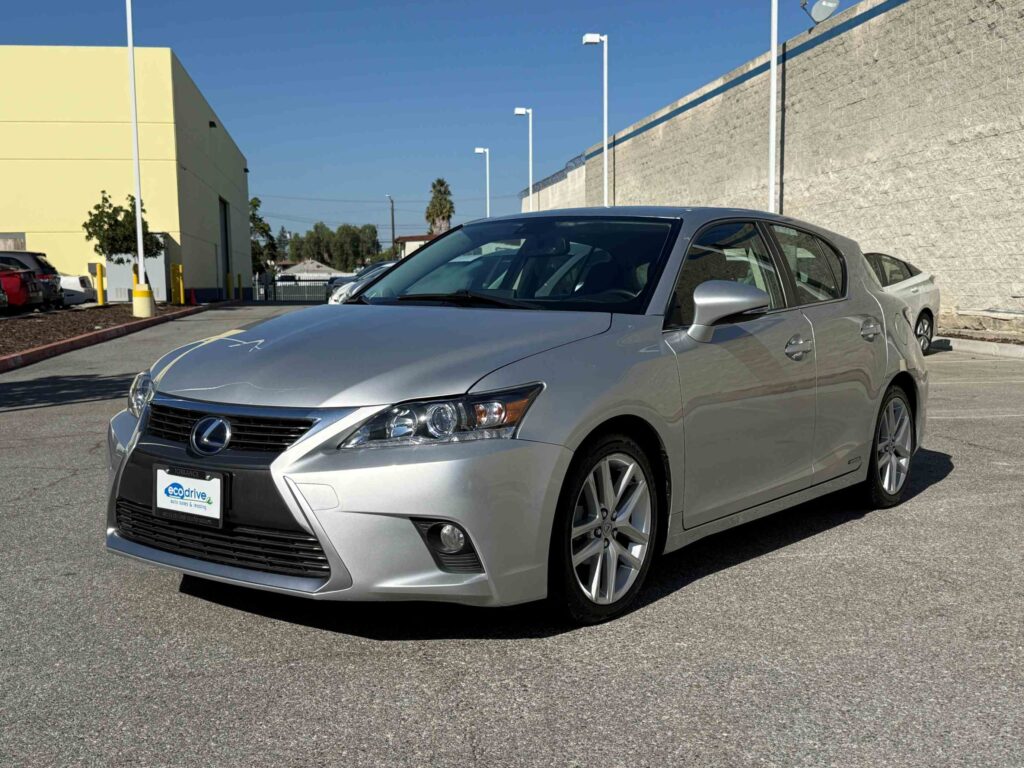
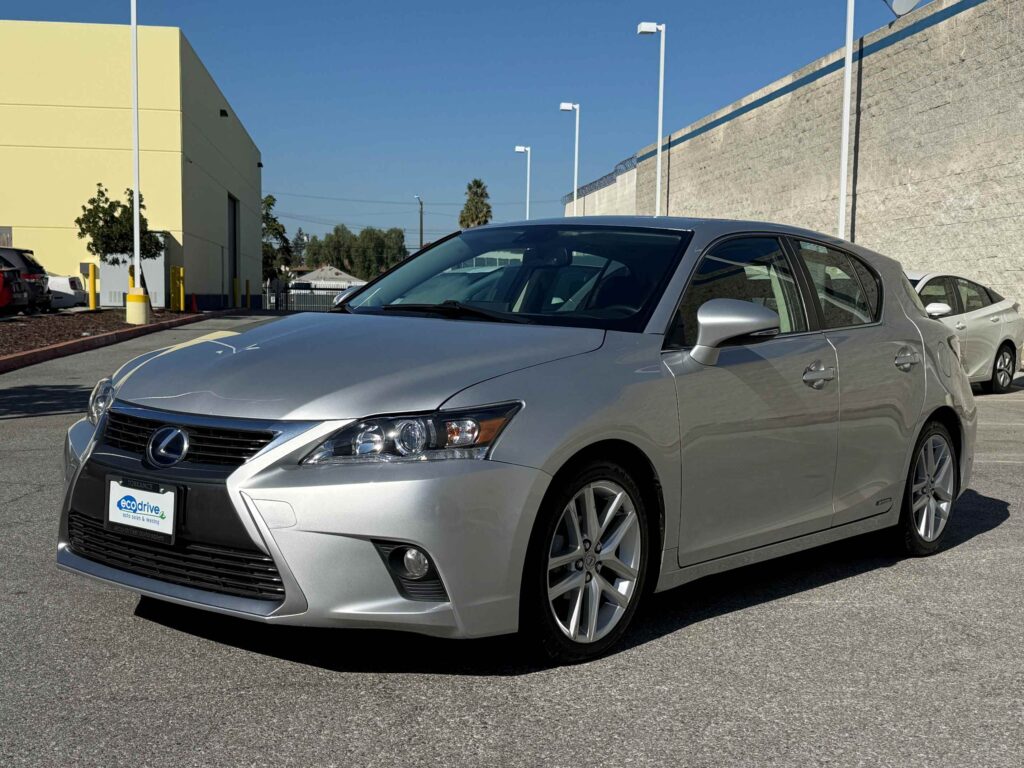
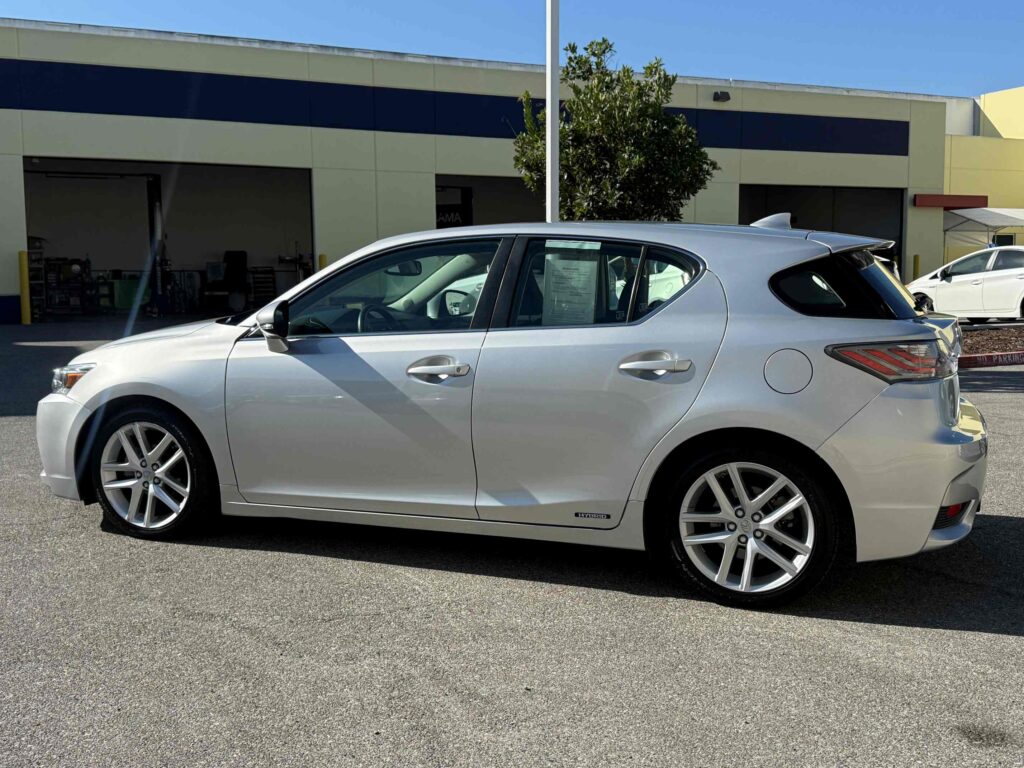
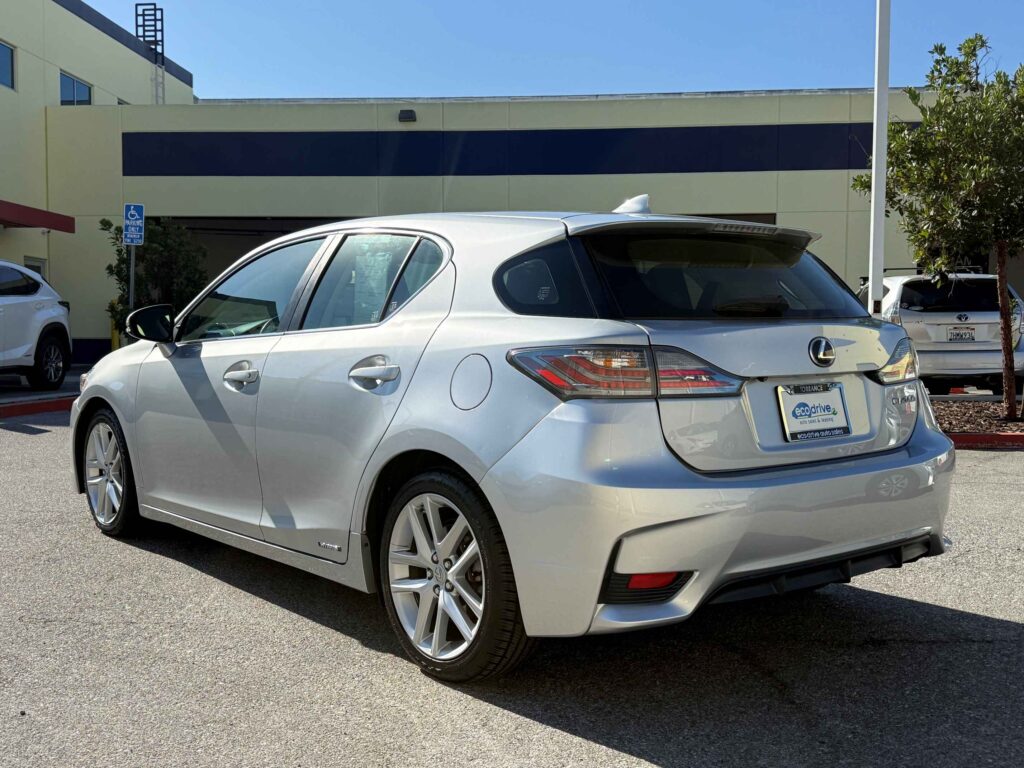
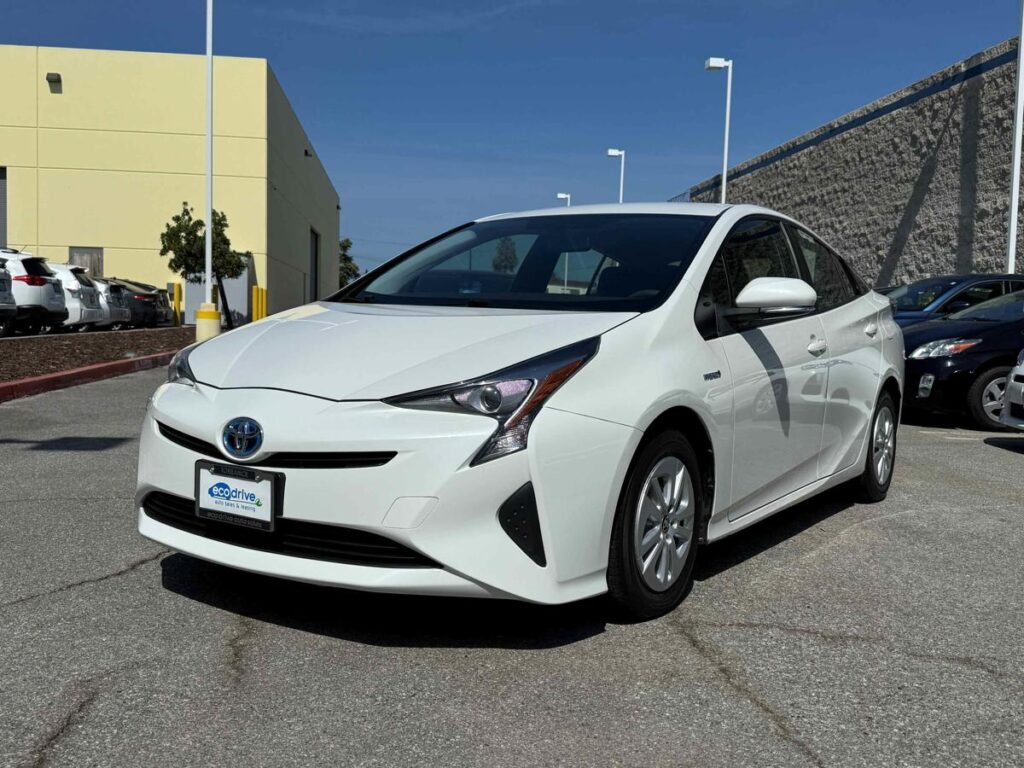
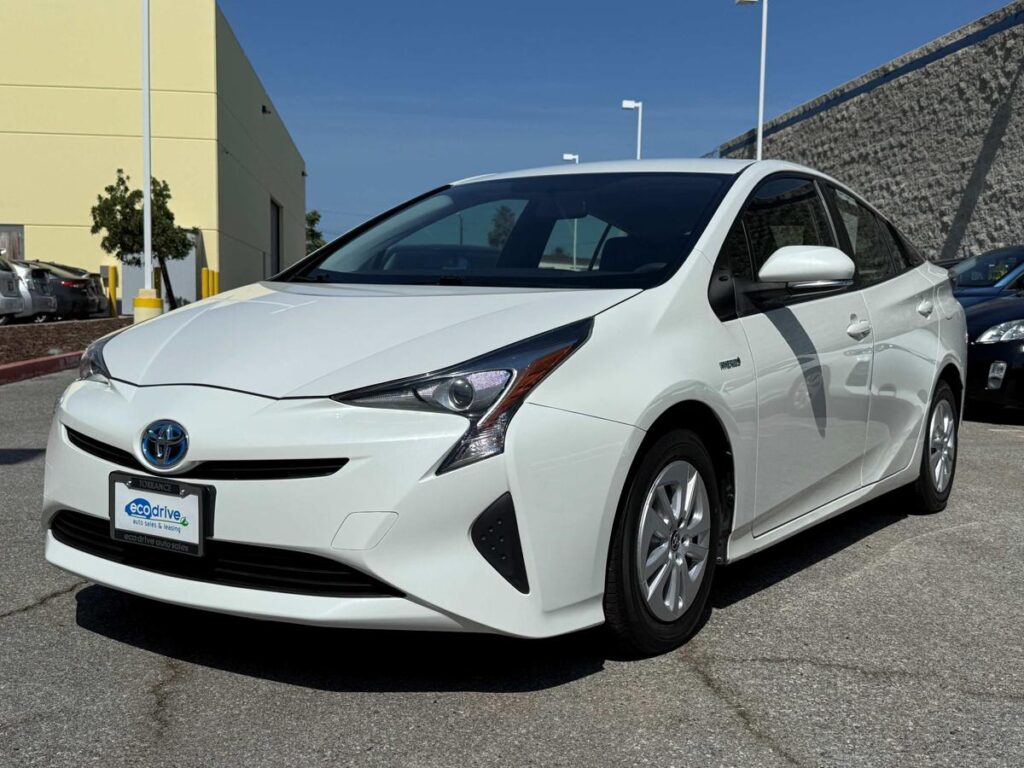
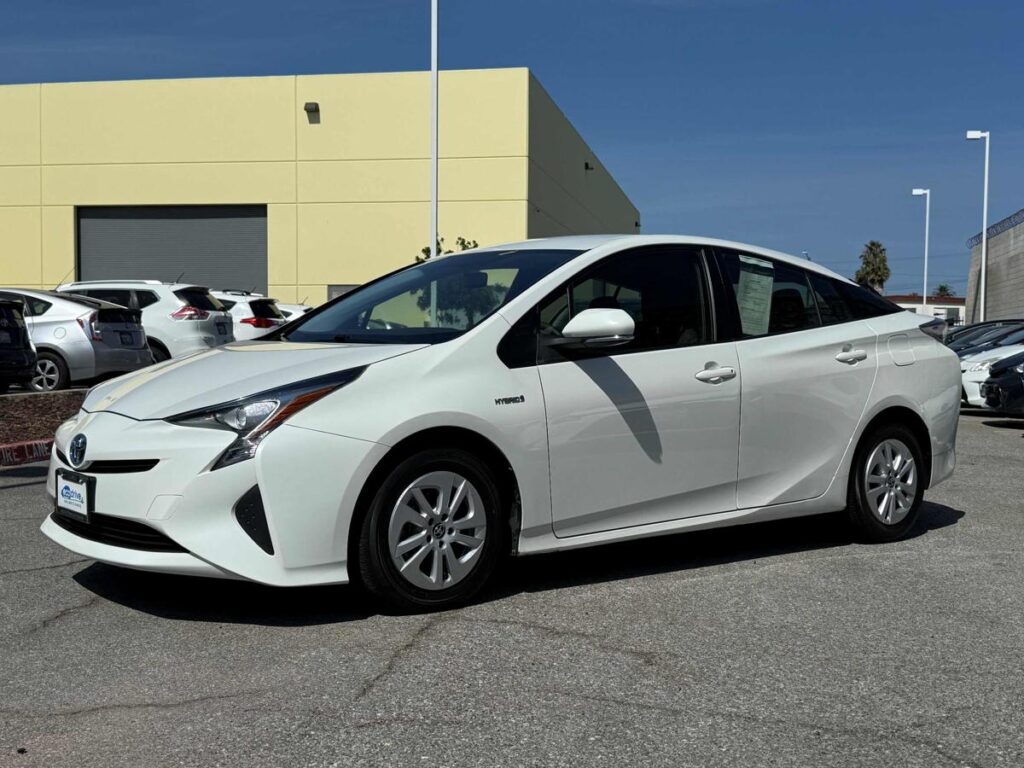
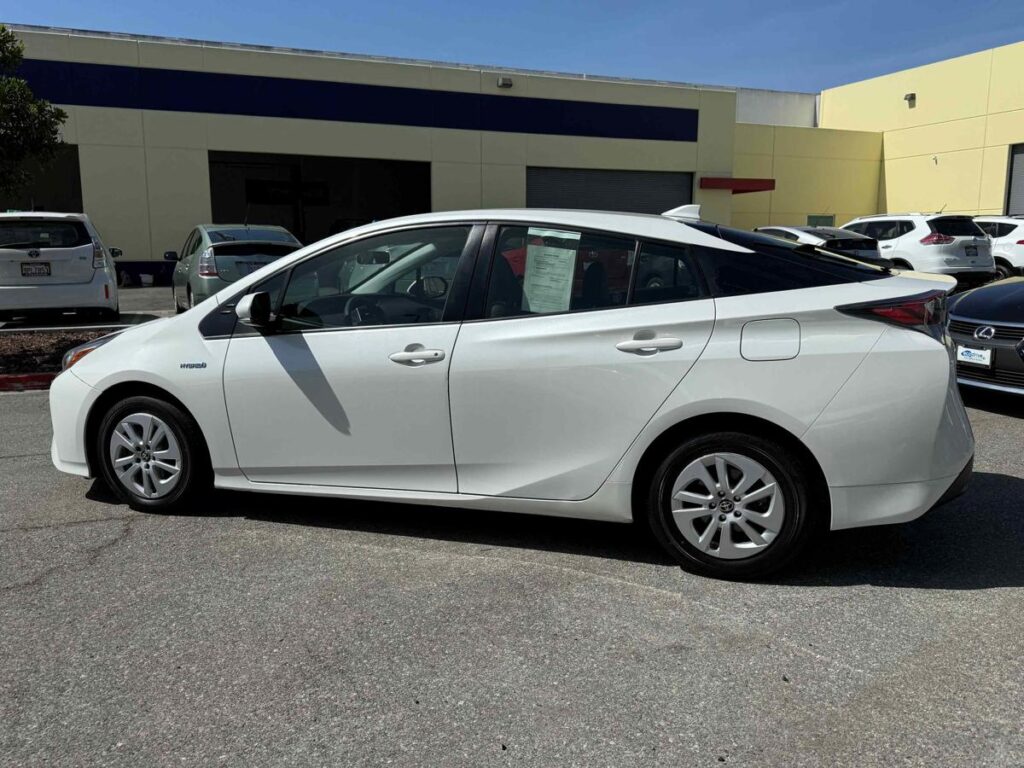
Need a vehicle for the business without tying up the cash? If you are keeping capital free in the early months, renting is one way to cover the driving without a purchase or a loan payment. Our hybrid rentals in the Los Angeles area run on daily and weekly rates with a three-day minimum — contact us to confirm current terms and availability.
Wrapping Up
Let me pull it all together.
Whether debt is good or bad at the start of a business isn’t about borrowing itself — it comes down to what the money is for and what pays it back.
Covering fixed costs like payroll and rent with borrowed money, with no visible sales ahead, mostly just postpones the losses.
On the other hand, borrowing to buy inventory with a proven sales history, orders already under contract, or equipment that raises profit — where the source of repayment is specific — can speed growth up.
Start from what you can repay, not from what you can borrow.
And don’t mistake a loan for revenue or profit.
That’s what I’d say matters most, especially the first time you do this.
This is my own view, of course, and there are other ways to look at it.
A Note on This Information
This article was put together as of June 2026, drawing on information published by the U.S. Small Business Administration (SBA) and similar sources. Loan-program details were last checked in September 2026.
Loan program details, maximum and average amounts, and personal guarantee conditions can change, and individual lending decisions depend on the business and the terms of the deal.
The citizenship, residency, and ownership requirements for SBA loans in particular changed during 2026, so check the conditions in effect at the time you apply.
When you’re actually considering financing, confirm current terms with the SBA or with the lender directly.
You May Also Like