How Many Miles Can a Prius Last? A Real 300,000-Mile Example

Hi, I’m Suzuki from Eco Drive.
Today I want to talk about cars — specifically, where the limits of a Prius actually are.
The Prius usually comes up in conversations about gas mileage, or as the car that made hybrids mainstream. Whether it actually holds up over the long haul, and how many miles you can realistically put on one, is a different question — and one a lot of people wonder about.
That goes double if you’re shopping for a used Prius. Is a high-mileage one still a safe bet? Do hybrids eventually hit you with one enormous repair bill?
Today I’m going to use a real customer’s Prius — one we’ve been servicing at our shop — to talk about what actually got it this far.
It’s a real example, so I hope it helps if you’re thinking about buying a Prius, or about keeping the one you already have for a long time.
Watch the video version here
Japanese audio, English subtitles
What Helped This Prius Reach 300,000 Miles
A Prius Past 300,000 Miles
Japanese audio, English subtitles
How far do you think a car can go?
A hundred thousand miles? Two hundred thousand? Maybe a bit more than that?
The Prius I want to tell you about today is sitting at 300,000 miles — roughly 480,000 km.
Pretty remarkable, right? You almost don’t expect a number like that.
300,000 miles is not a distance you stumble into on grocery runs and commutes.
It’s what you get after years of driving the car nearly every day and getting it inspected and repaired whenever it needed it.
Every car is different, of course, and no car is guaranteed to reach the same number.
Still, the fact that there is a Prius out there past 300,000 miles and running well says a lot when you’re trying to judge how durable these cars really are.
We’ve Been Servicing It Since 2016, When It Had About 90,000 Miles
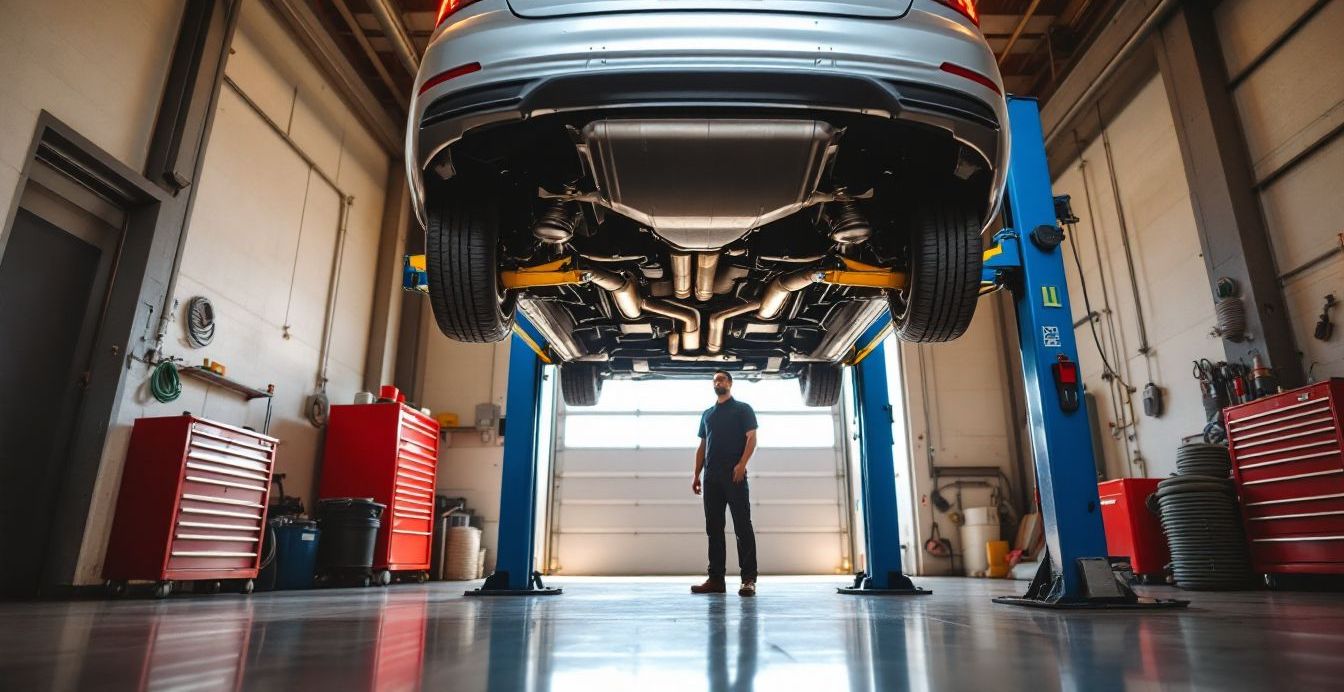
Here’s the thing about this car: we’ve actually been maintaining it since 2016.
Back then it was sitting at around 90,000 miles.
That’s already a fair amount of mileage on the odometer.
So a car that had already covered 90,000 miles has since added another 200,000-plus on top of that, and it’s still going.
That tells you something about the car itself, but it tells you just as much about how much the maintenance afterward matters.
Even a car that already has some miles on it can go a long way yet, as long as someone keeps an eye on its condition and does the work it needs.
When you’re shopping for a used car, the odometer reading by itself isn’t the whole story. How the car has been maintained up to that point matters enormously.
Shopping for a used Prius? As this car shows, how a vehicle has been maintained tells you more than the number on the odometer does. You can see what’s currently on our lot on our inventory page.
A Note From the Owner
Nobody has a better feel for a car’s condition than the person driving it every day.
Hitting 300,000 miles is impressive as a number. What matters even more is that the person actually behind the wheel says it’s running great.
To mark the 300,000-mile milestone, the owner, S, sent us a note.
They gave us permission to share it. Here it is, translated from the original Japanese.
“Thank you, as always, for everything you do.
Thanks to the care you’ve put into my Prius, it just passed 300,000 miles and it’s running great.
I think everyone knows how hard it is to find a mechanic you can trust here. With you I know the work is done honestly, so I never worry about handing the car over — and you’ve worked with me flexibly through more than a few unexpected problems, which I’m truly grateful for.
Looking forward to many more years.”
S, thank you sincerely for such a kind note.
This is starting to sound like an ad for my own shop, but honestly — it means a lot.
Finding a mechanic you can trust is a big part of keeping a car on the road here.
If you’re not deep into cars, it can be genuinely hard to tell which repairs are actually necessary and how far you should go with them.
That’s exactly why it matters to have someone who doesn’t just do repairs, but actually looks at the condition of the car and explains what it needs in plain language.
Keeping a car for the long run comes down to more than the car’s own engineering. Who looks after it is a big piece of it.
Why It Lasted: How the Owner Drives It, and How It’s Maintained
Japanese audio, English subtitles
The biggest reason this car got this far, I think, is the way the owner drives it.
When you treat a car like you actually care about it, it really does last.
Treat one carelessly and, almost as if the car can tell, things start going wrong sooner.
How you drive is a huge factor in how long a car lasts.
Hard acceleration and hard braking, ignoring odd noises or warning lights, putting off oil changes and inspections — all of that piles stress onto even a great car.
Notice when something changes, get it looked at when it needs it, drive without pushing the car, and the condition it stays in is a completely different story.
Caring about your car isn’t just a feeling. It means noticing the small changes in how it drives.
Having a Mechanic You Trust
The other big piece, as S pointed out, is this: even the best-engineered car ends up in very different shape depending on whether a good mechanic has been looking after it.
People tend to think of maintenance as what you do after something breaks.
But keeping a car for the long run means checking its condition before things break, and stacking up the right service over time.
That gets more involved as the miles add up: watching the wear items, staying on top of oil and coolant, checking the brakes and suspension, and inspecting the hybrid system.
The point isn’t just swapping parts. It’s working out what this particular car needs right now, given the shape it’s in.
And it helps enormously to have a mechanic who sees the car regularly.
Someone who knows the car’s history and condition can make better calls than you’ll get from a series of one-off repairs at whatever shop is closest.
With this Prius, being able to watch its condition over a long stretch of time is what made it possible to keep giving it the maintenance it actually needed.
New Arrivals
Discover our newest arrivals—available now!
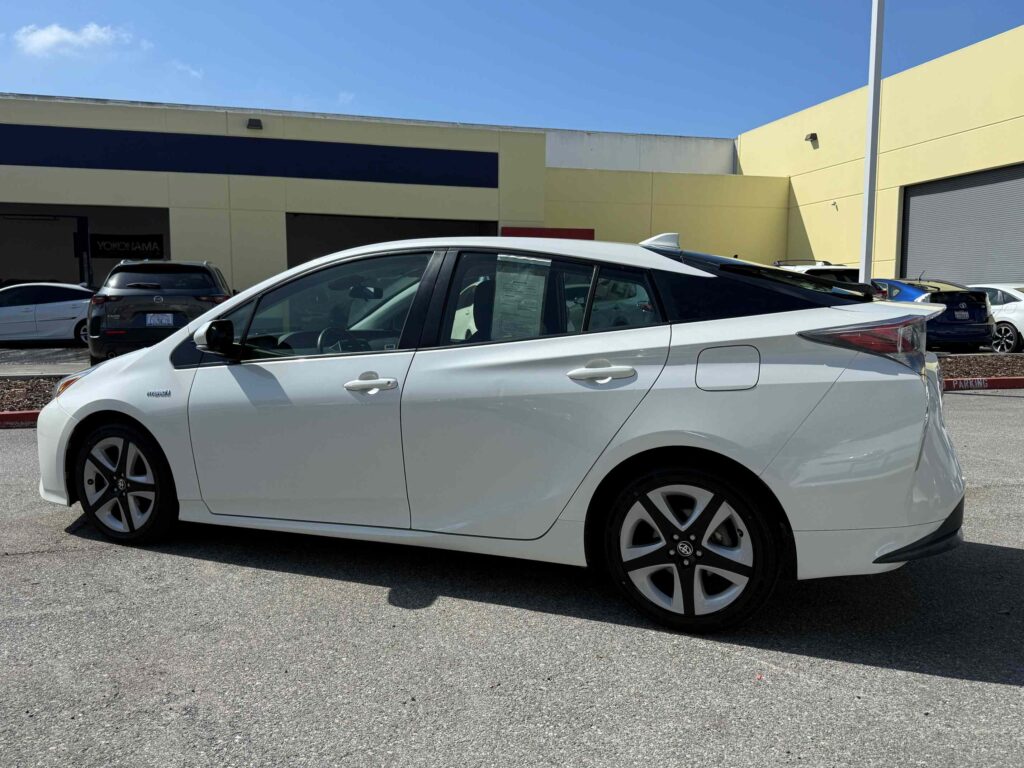
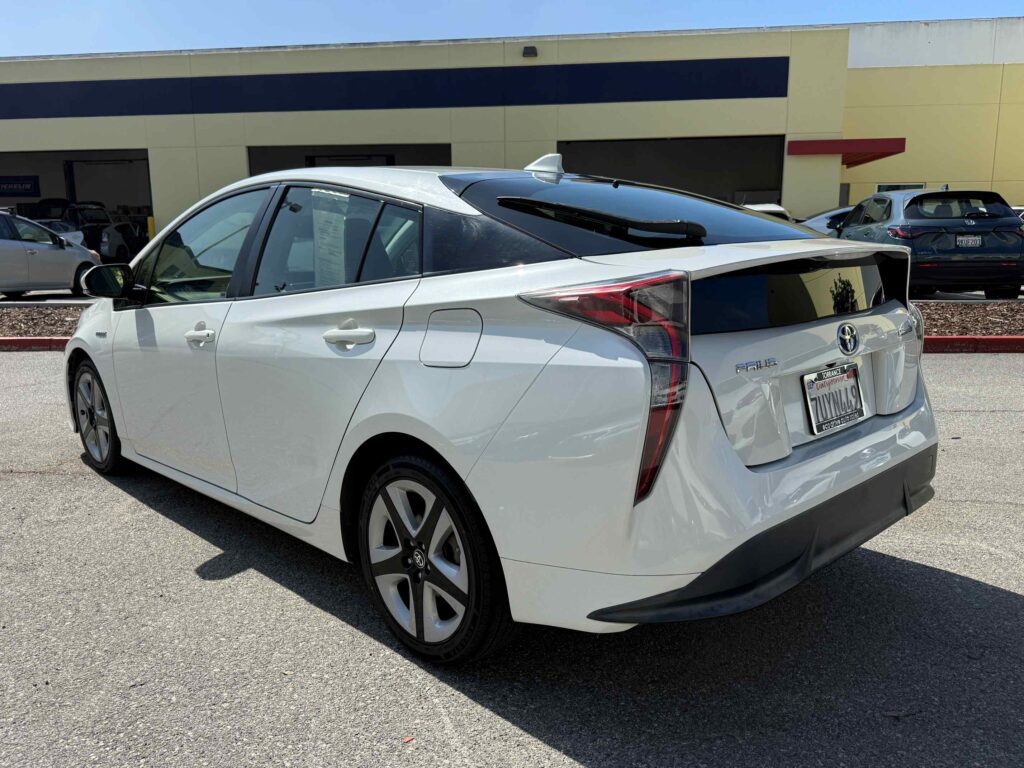
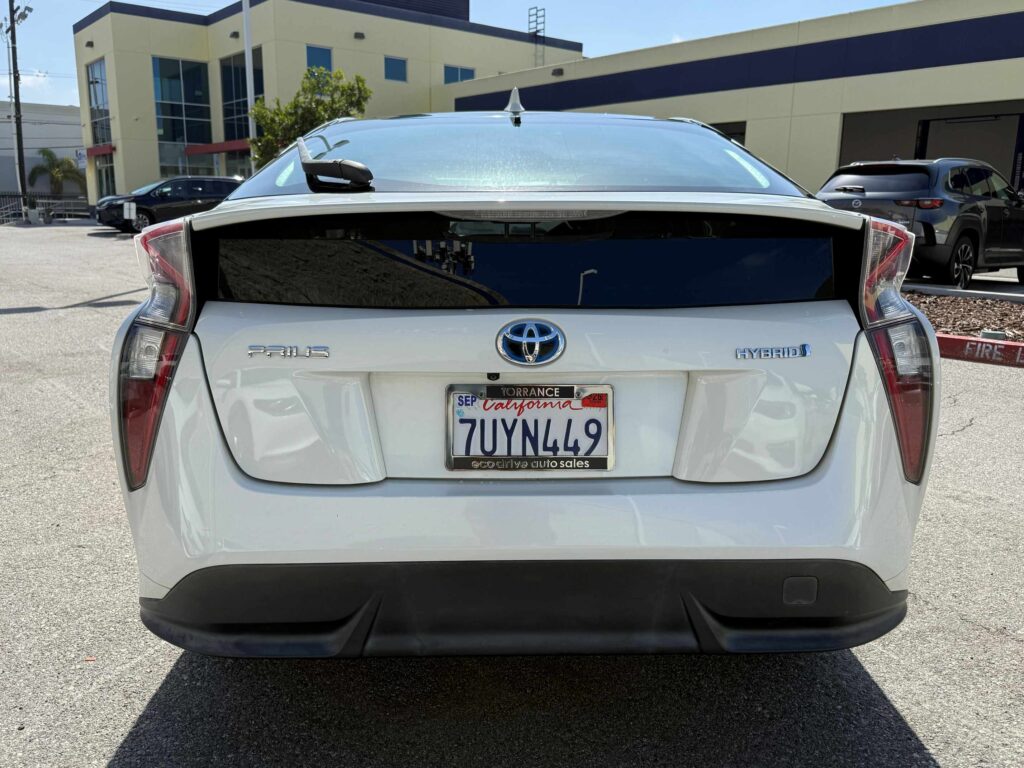
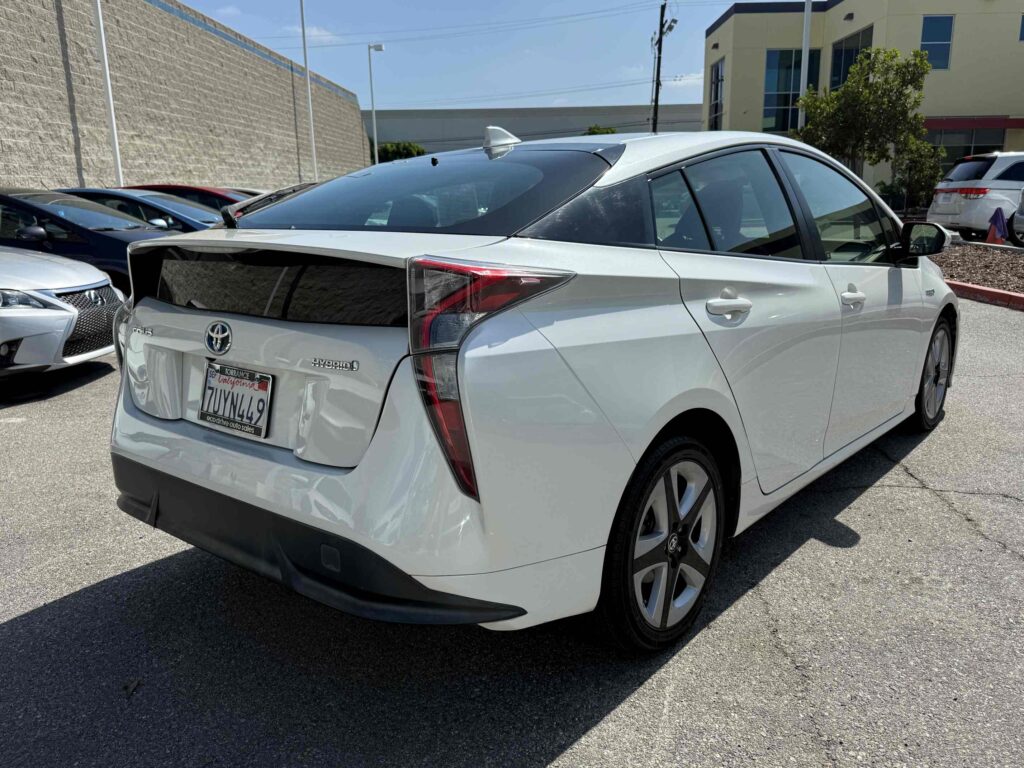
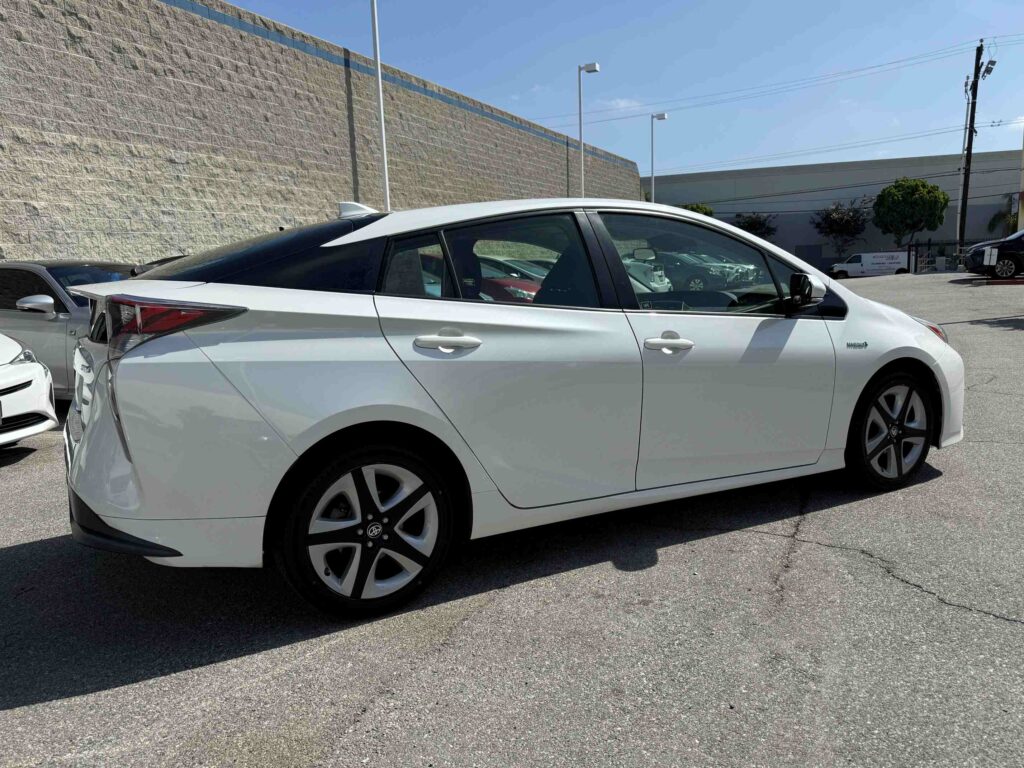
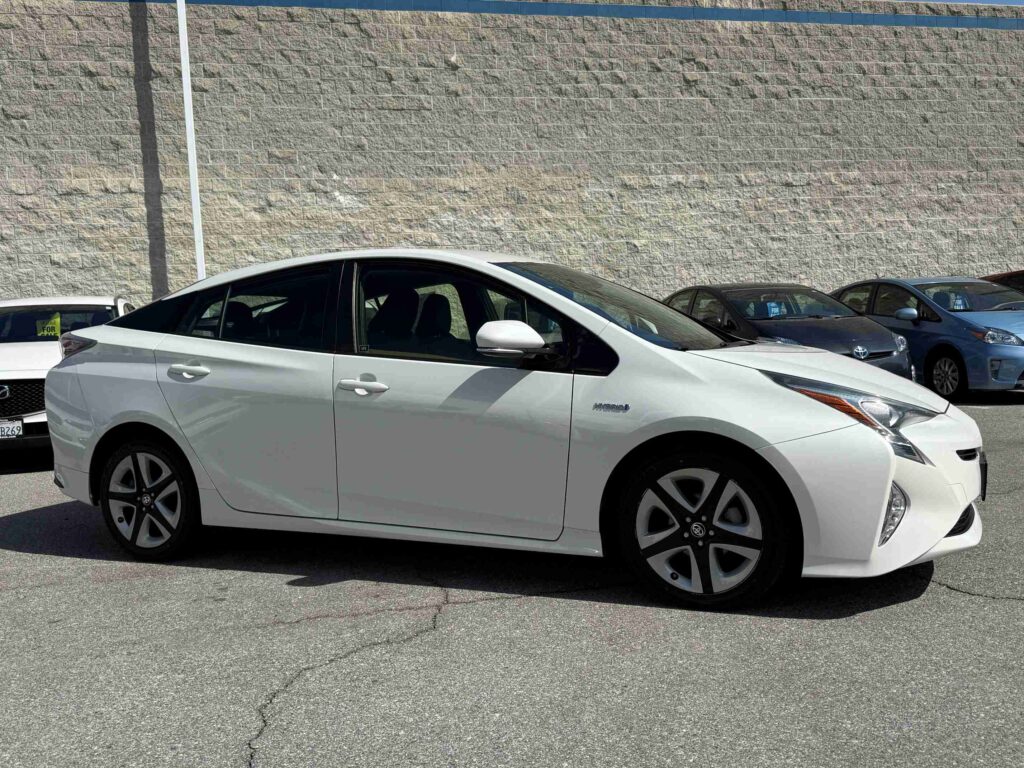
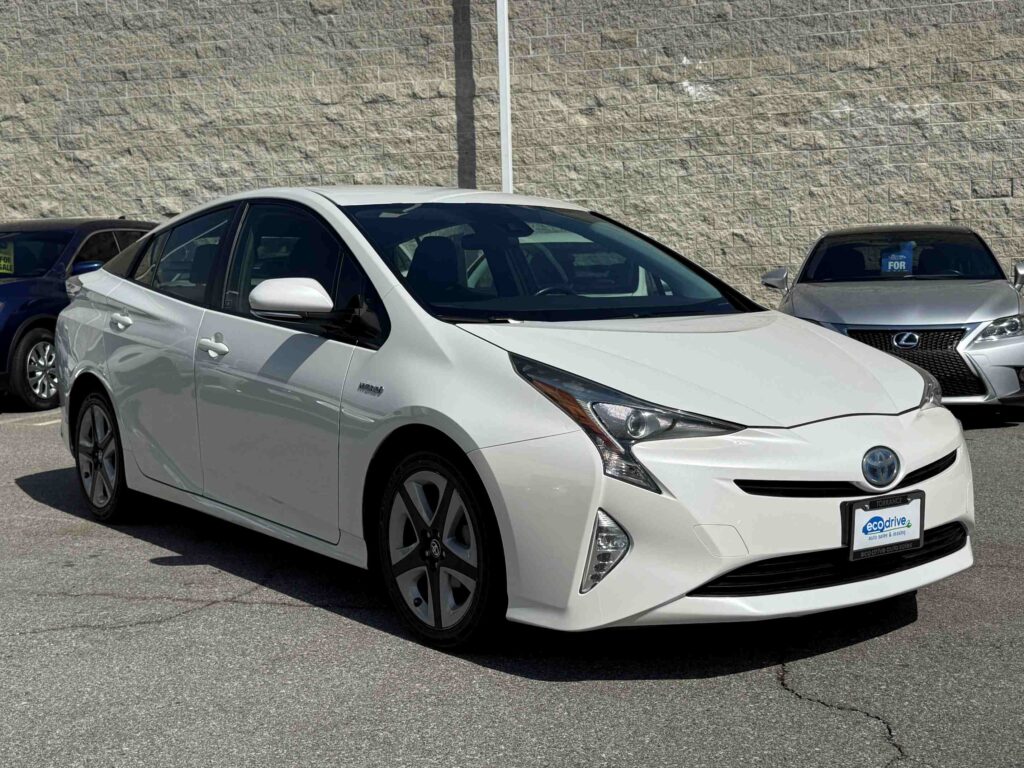
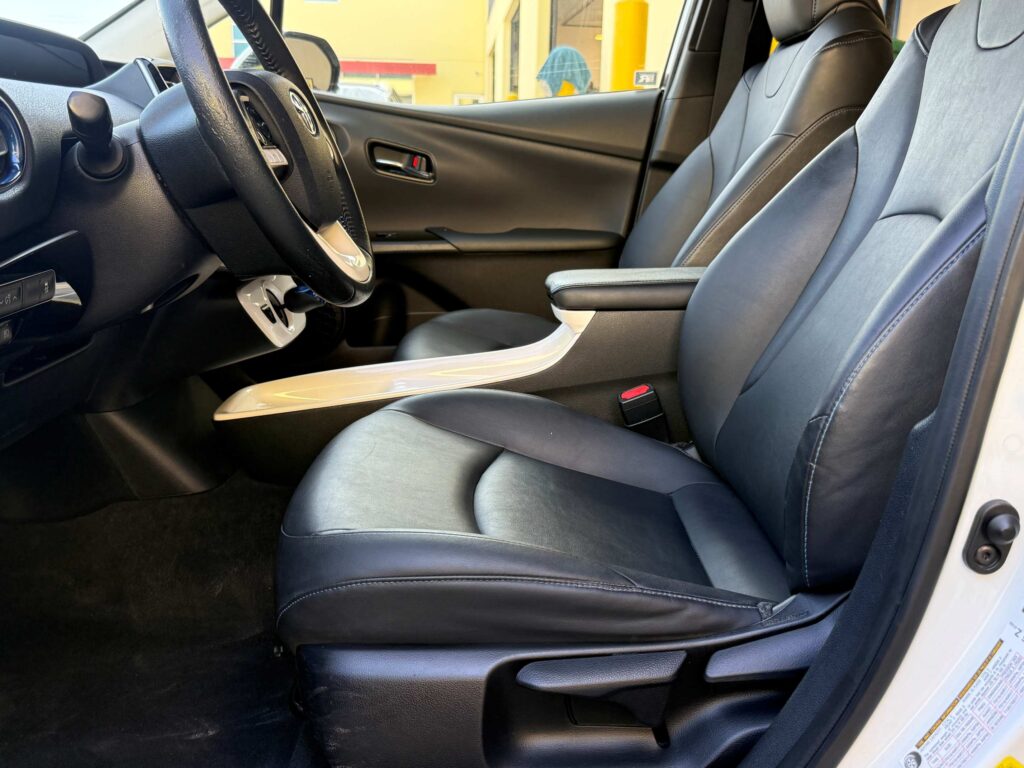
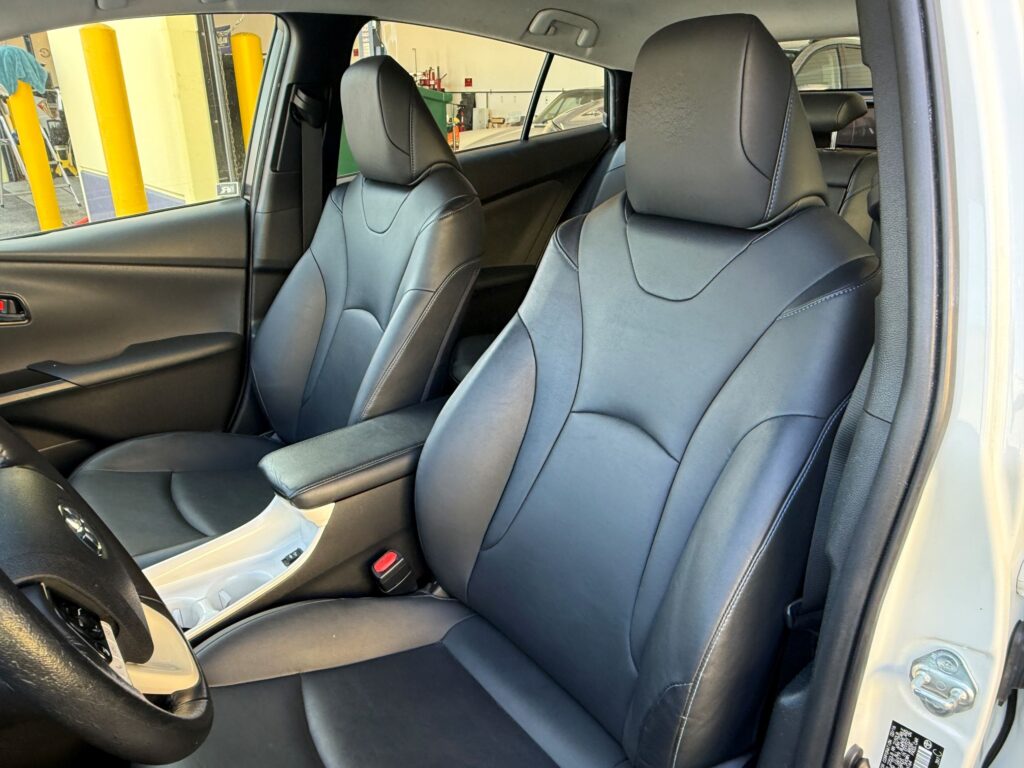
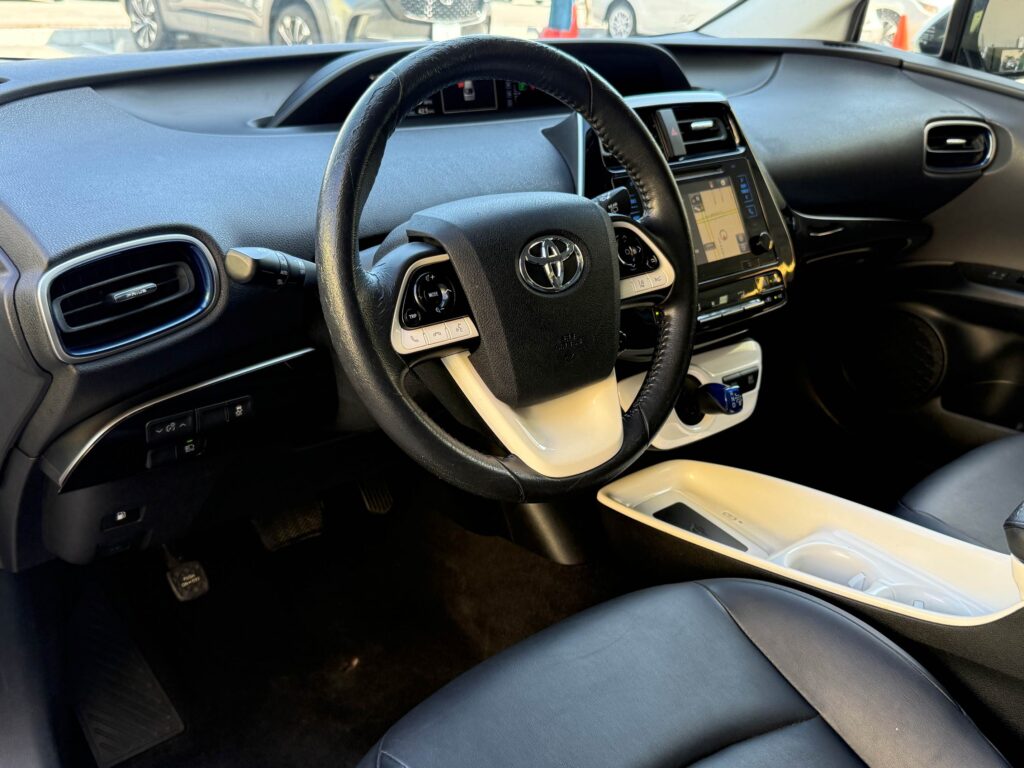
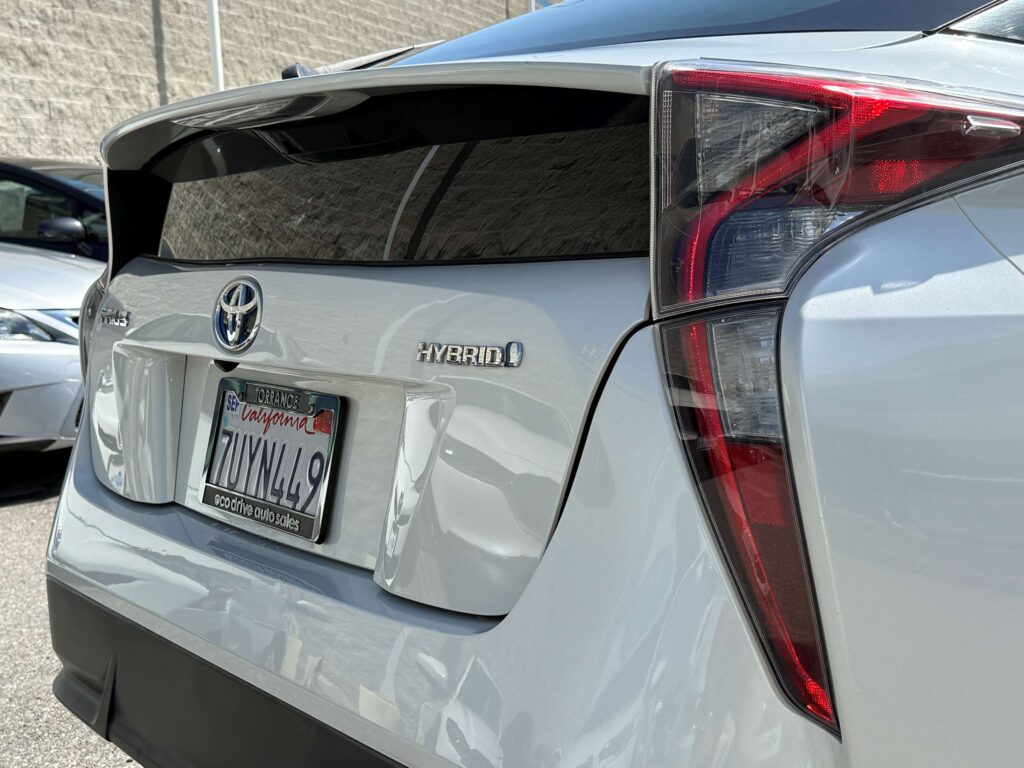
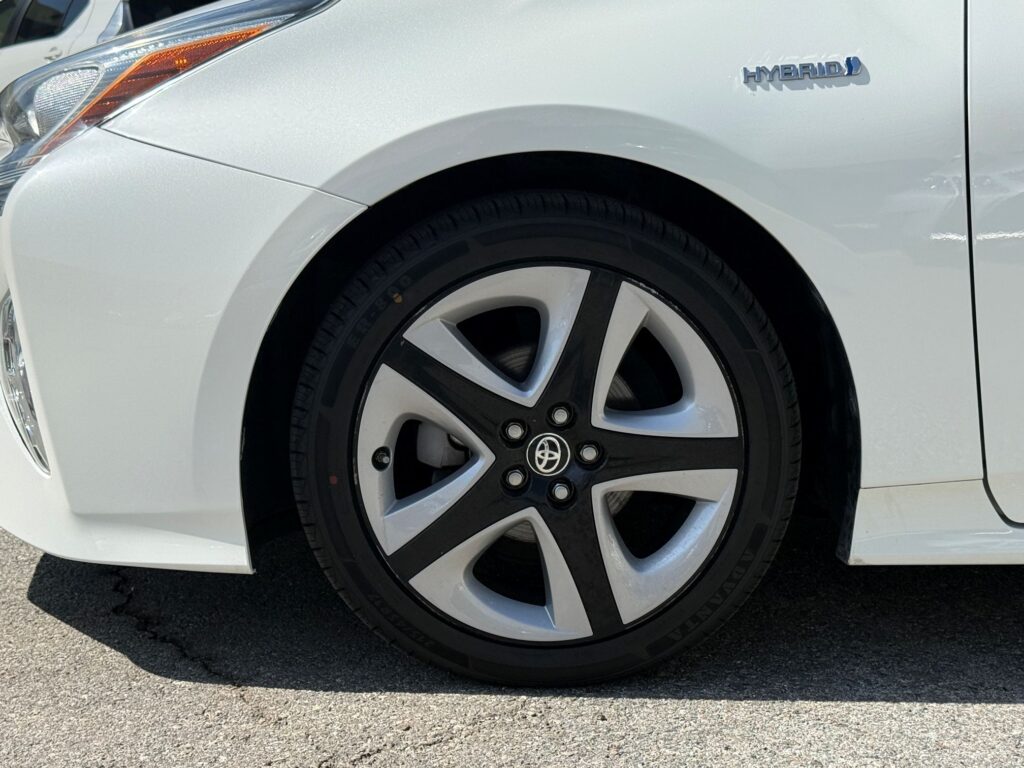
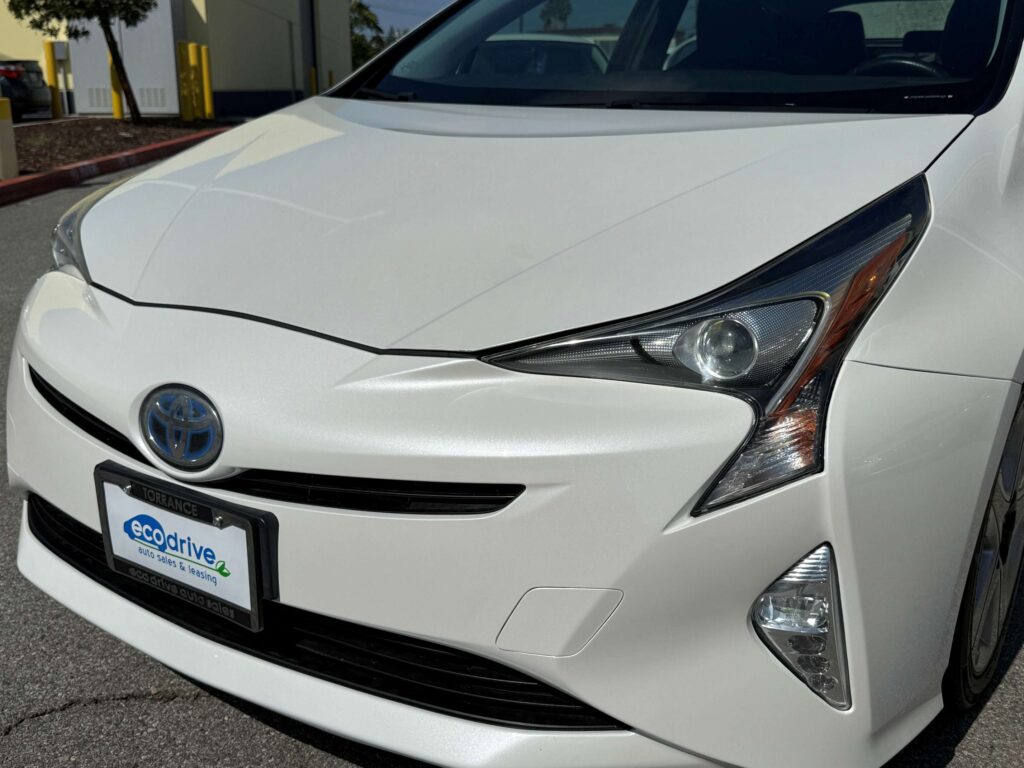
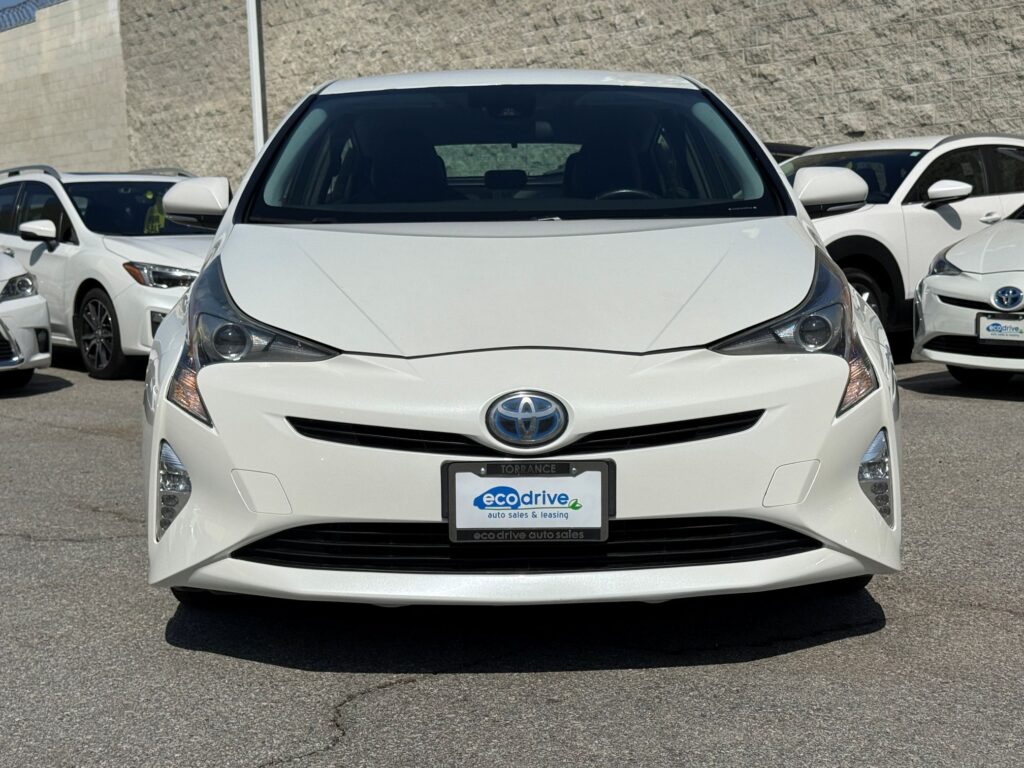
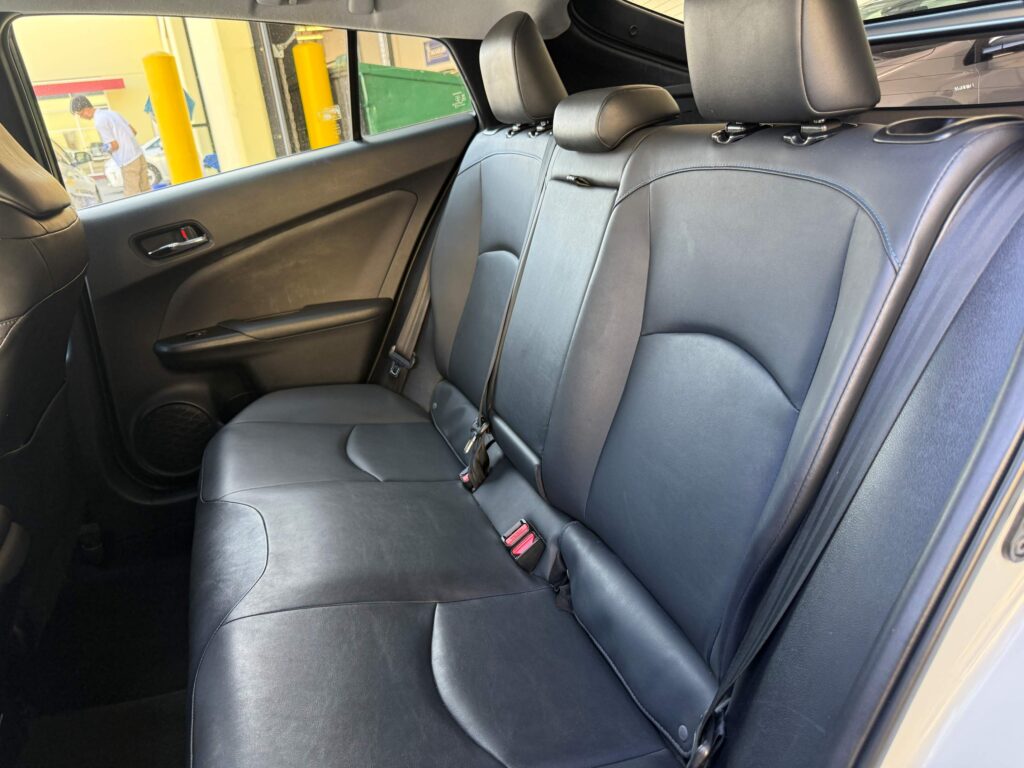
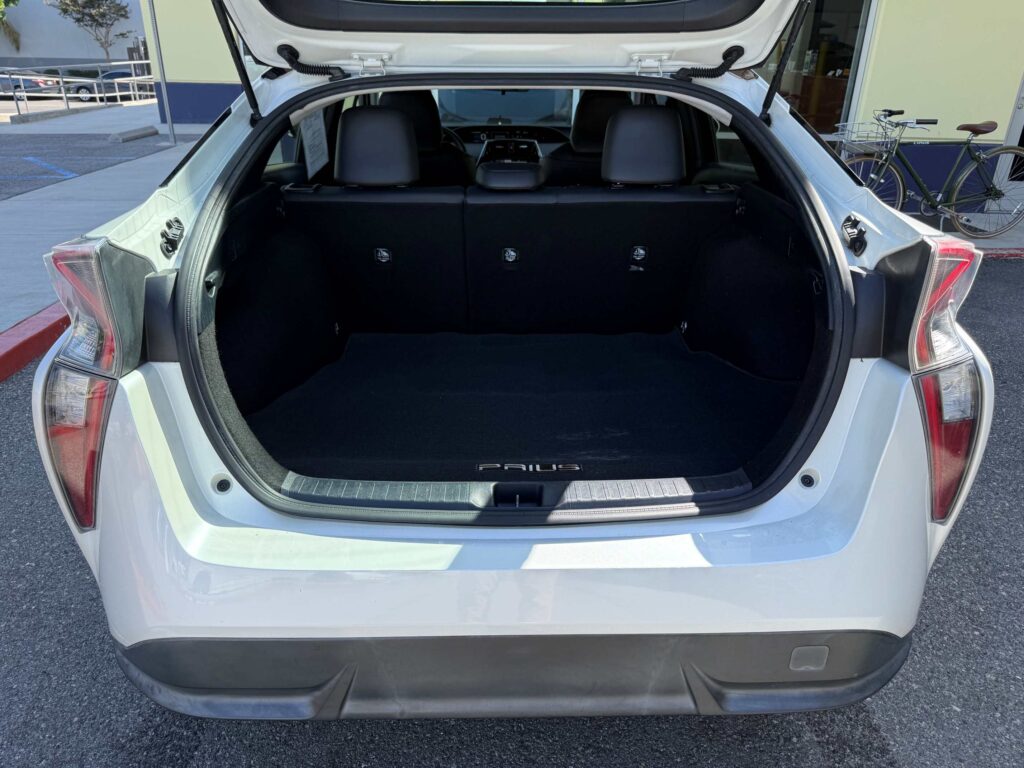
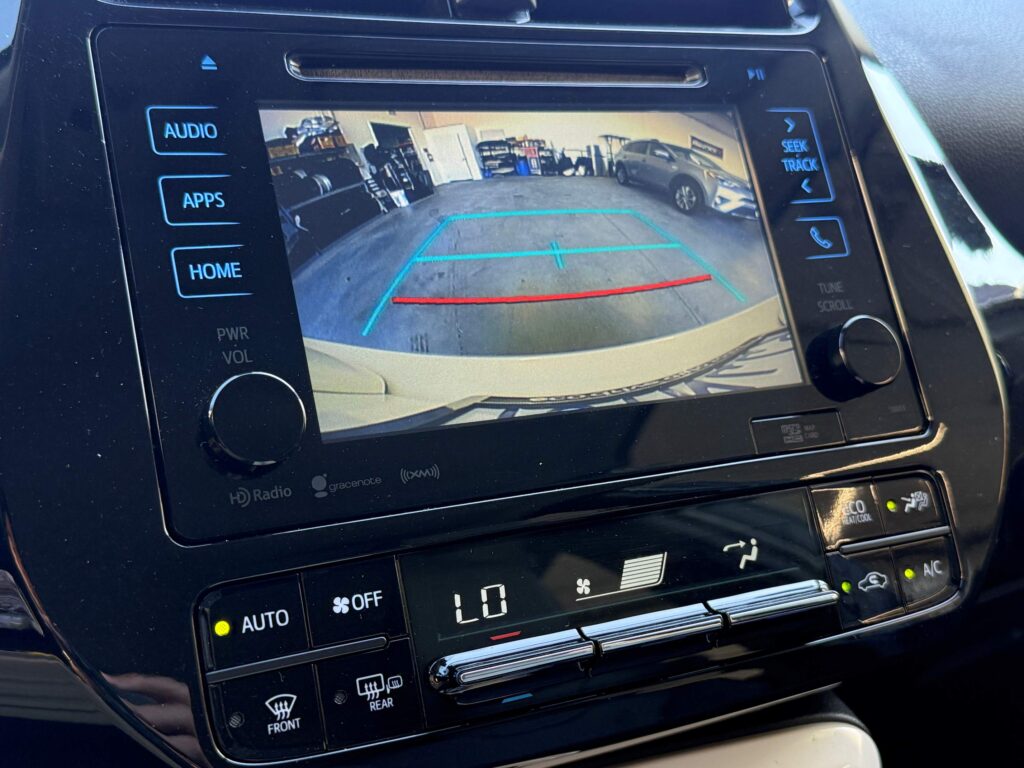
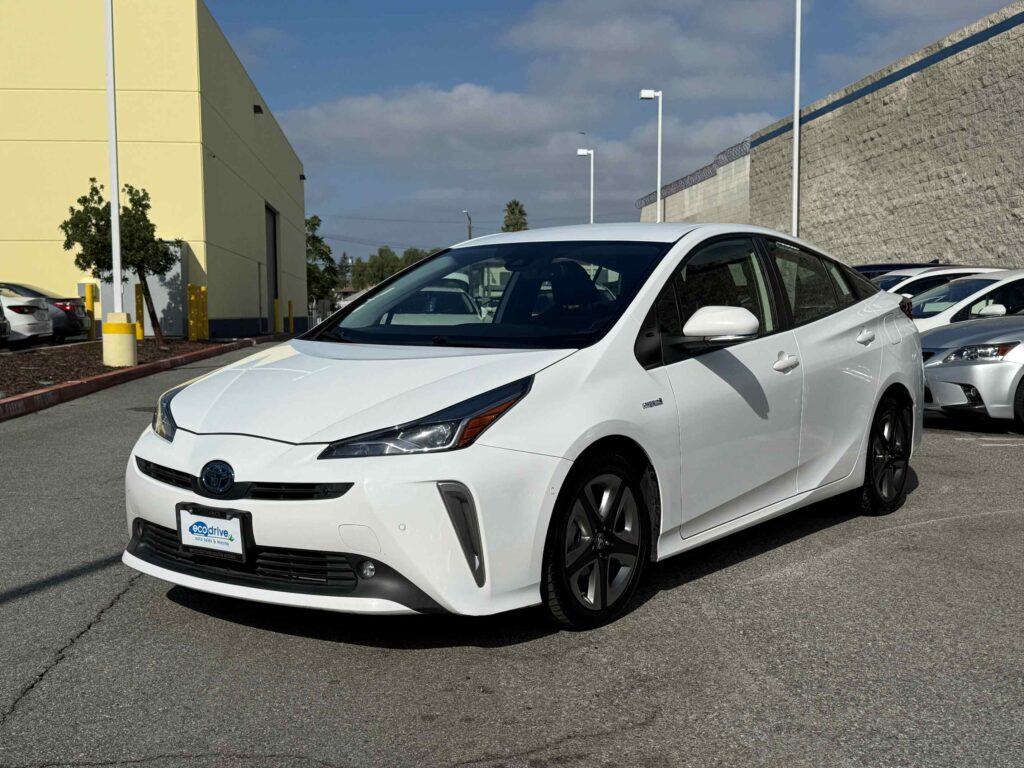
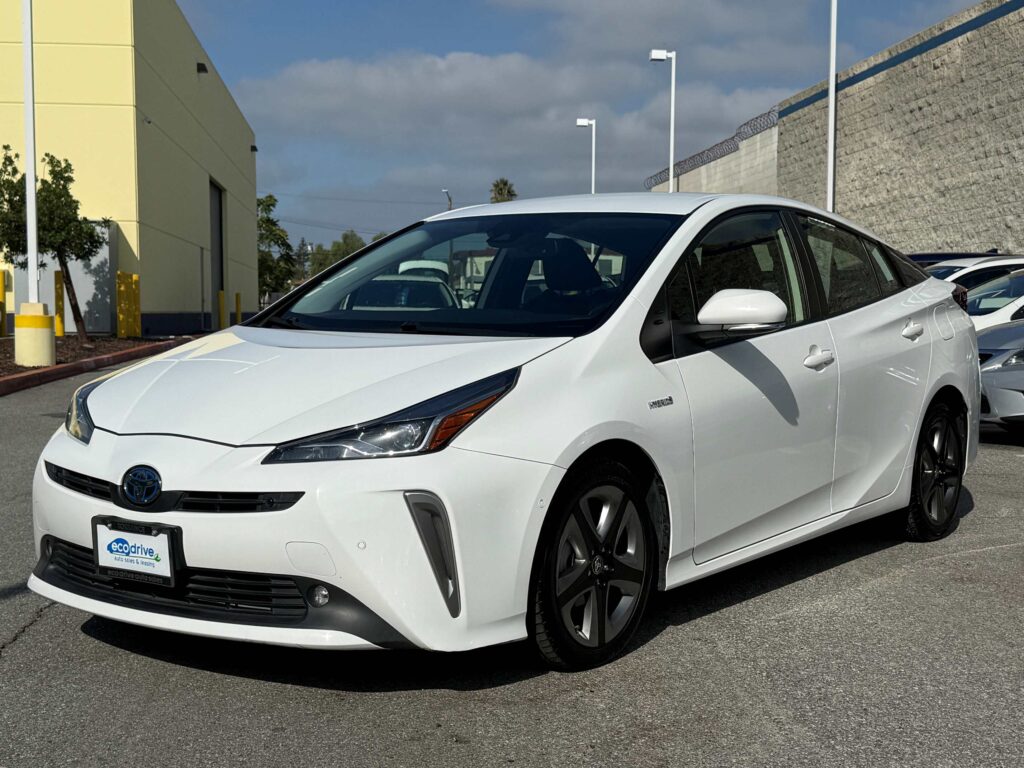
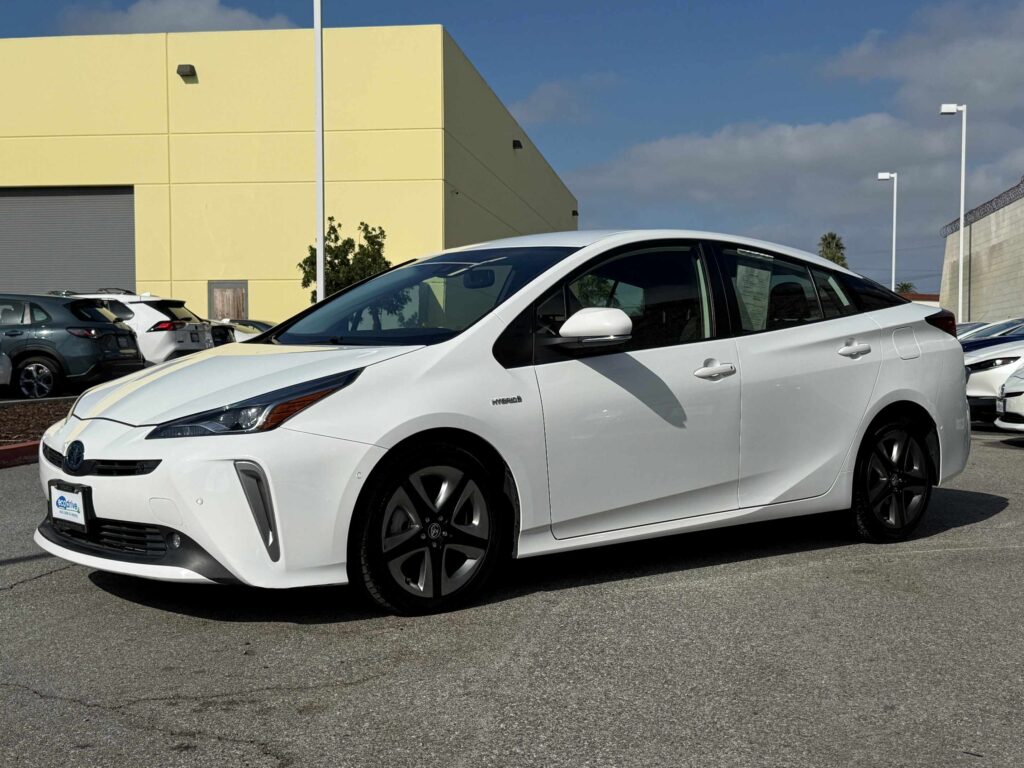
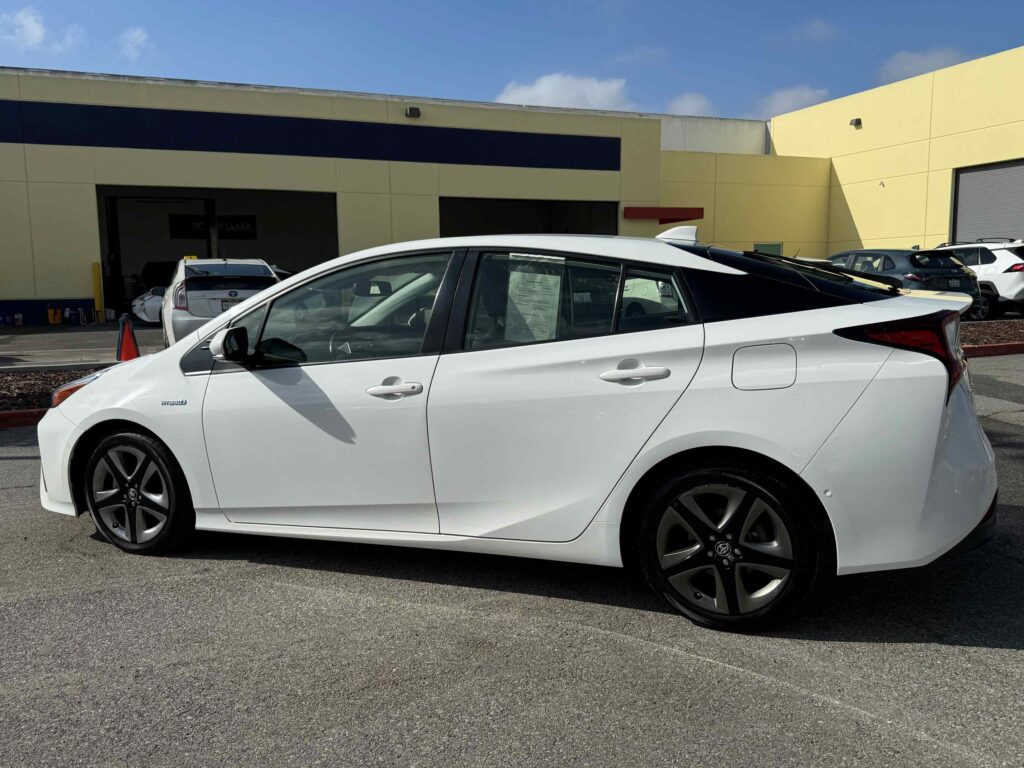
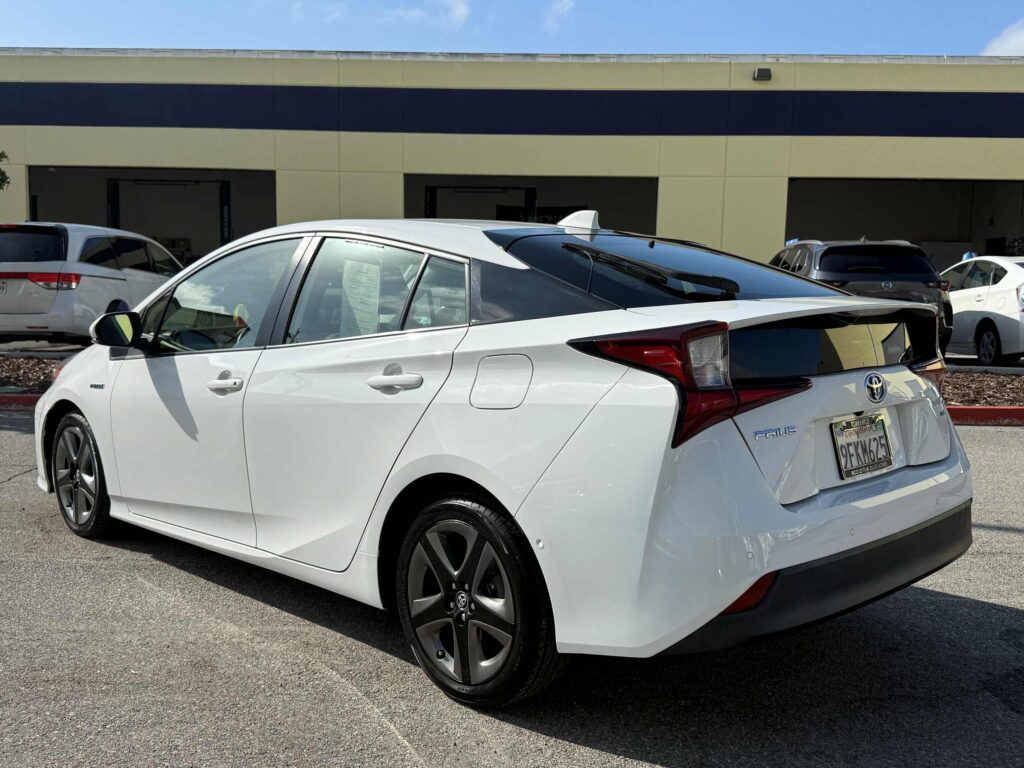
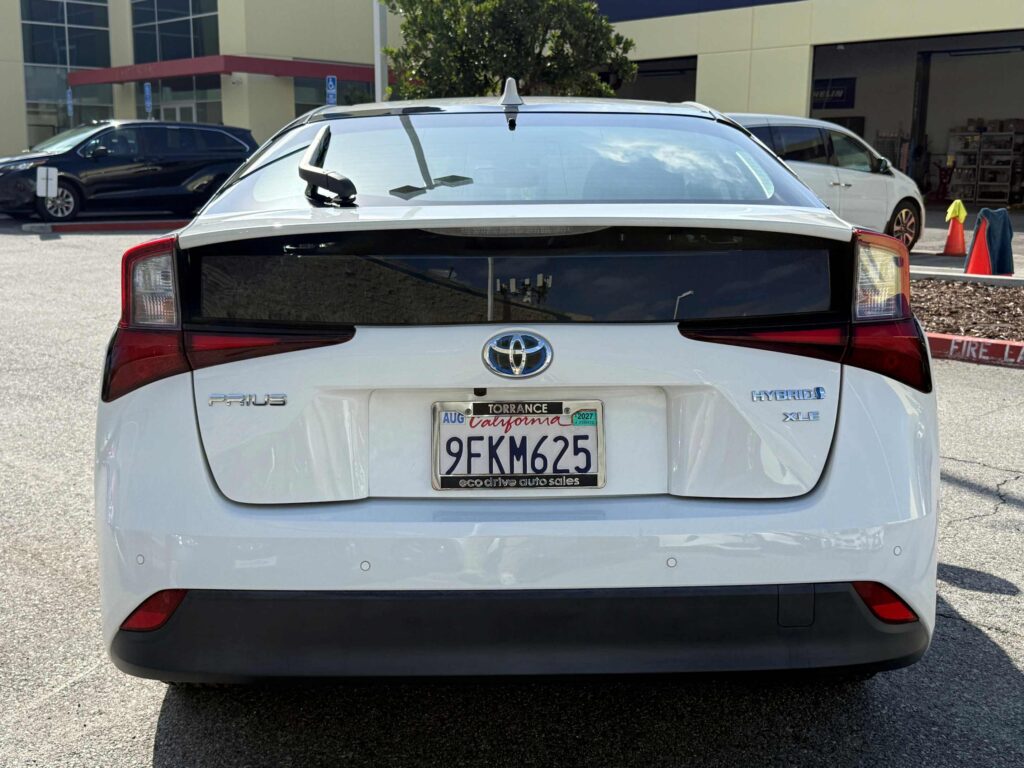
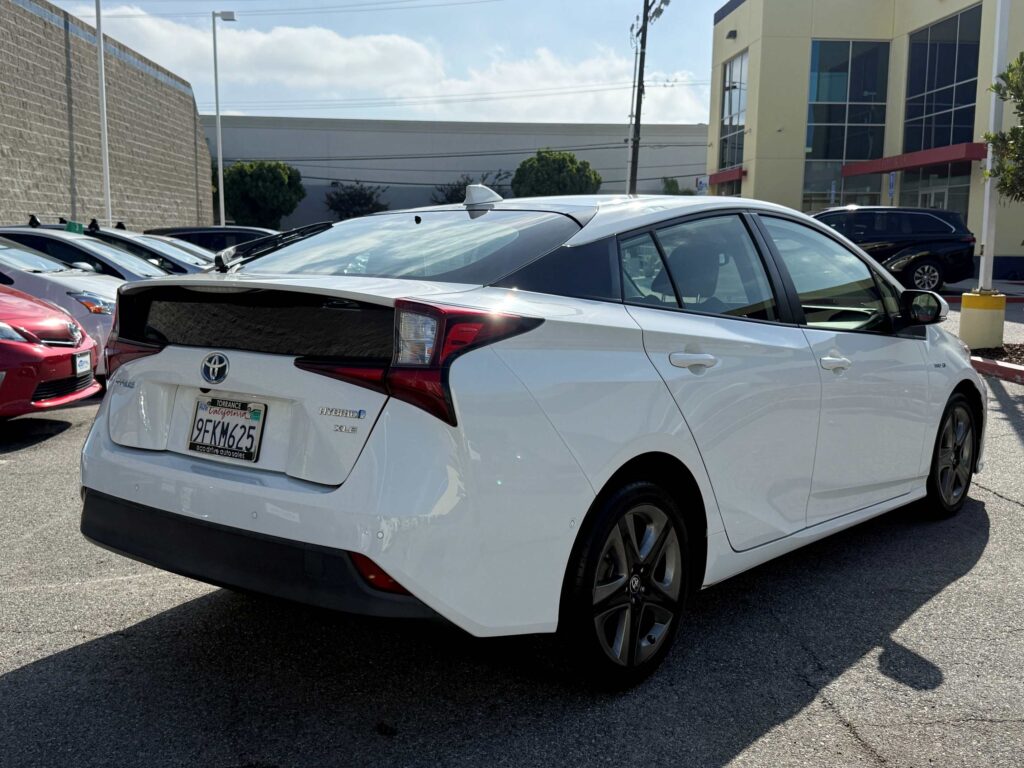
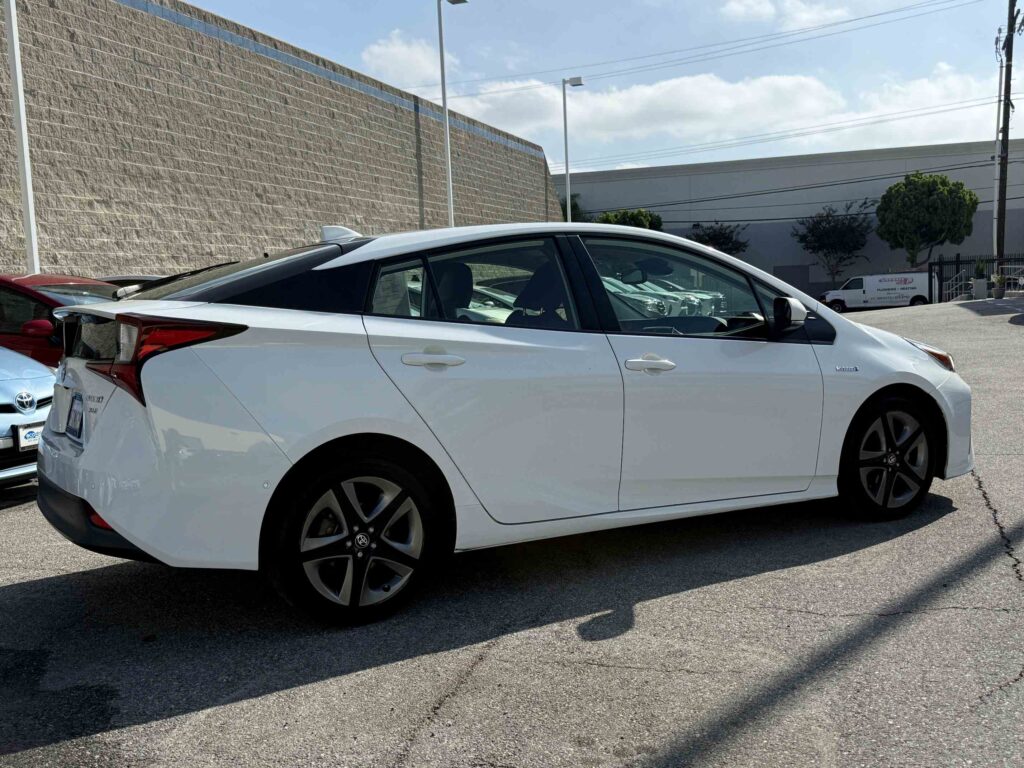
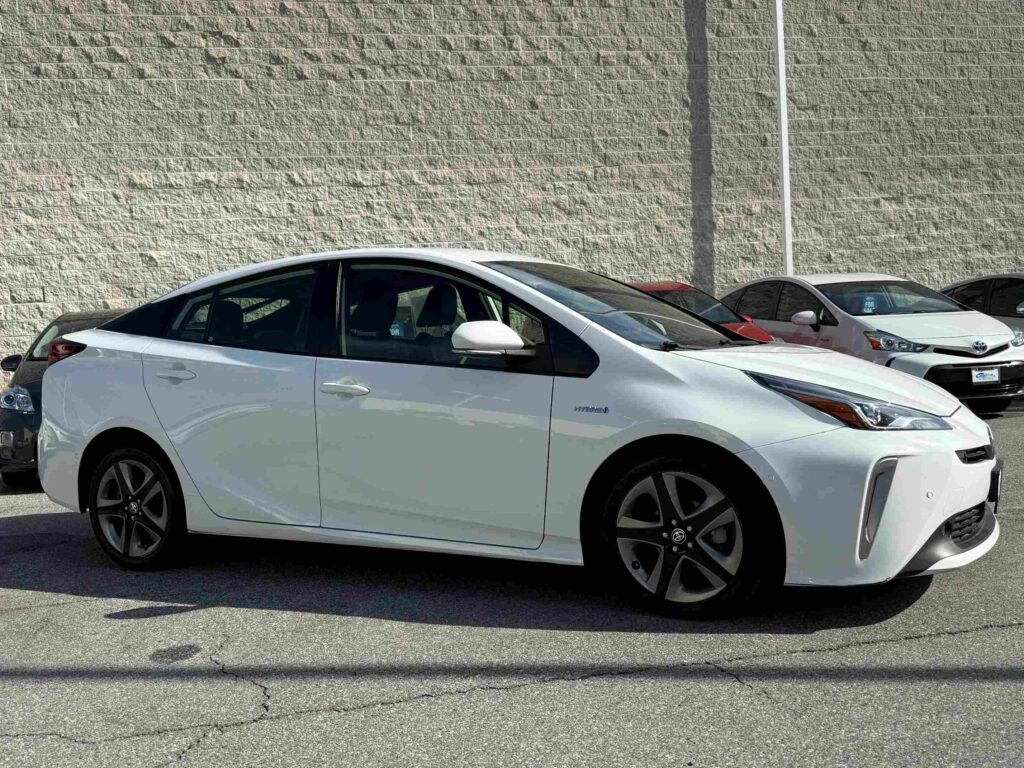
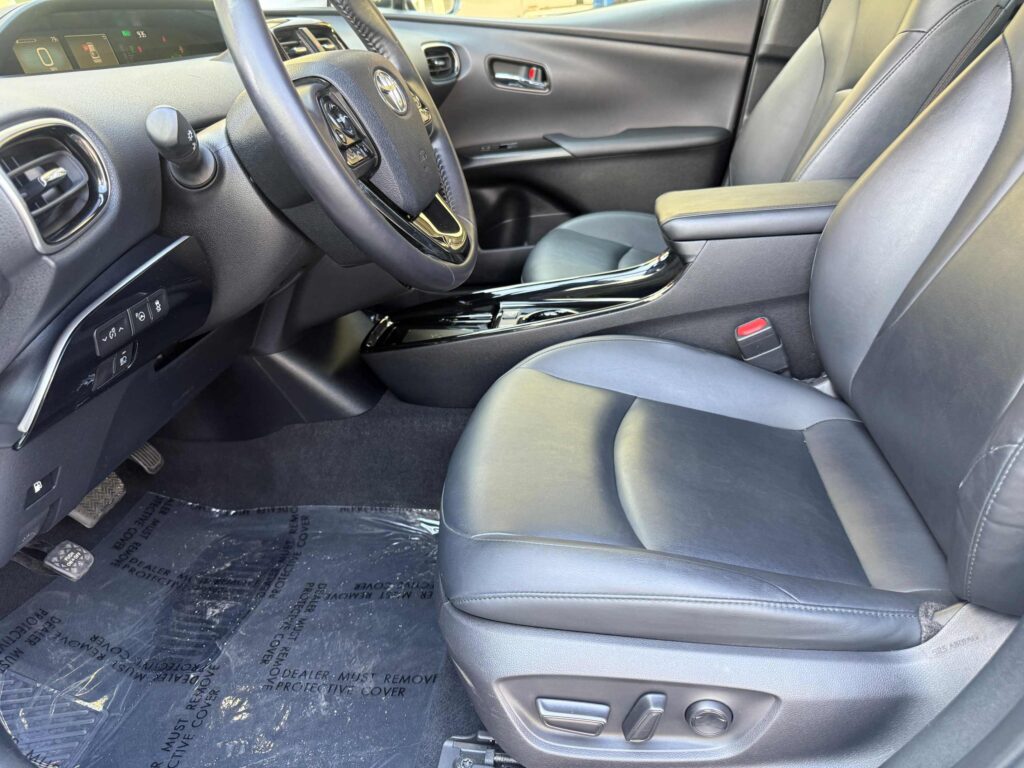
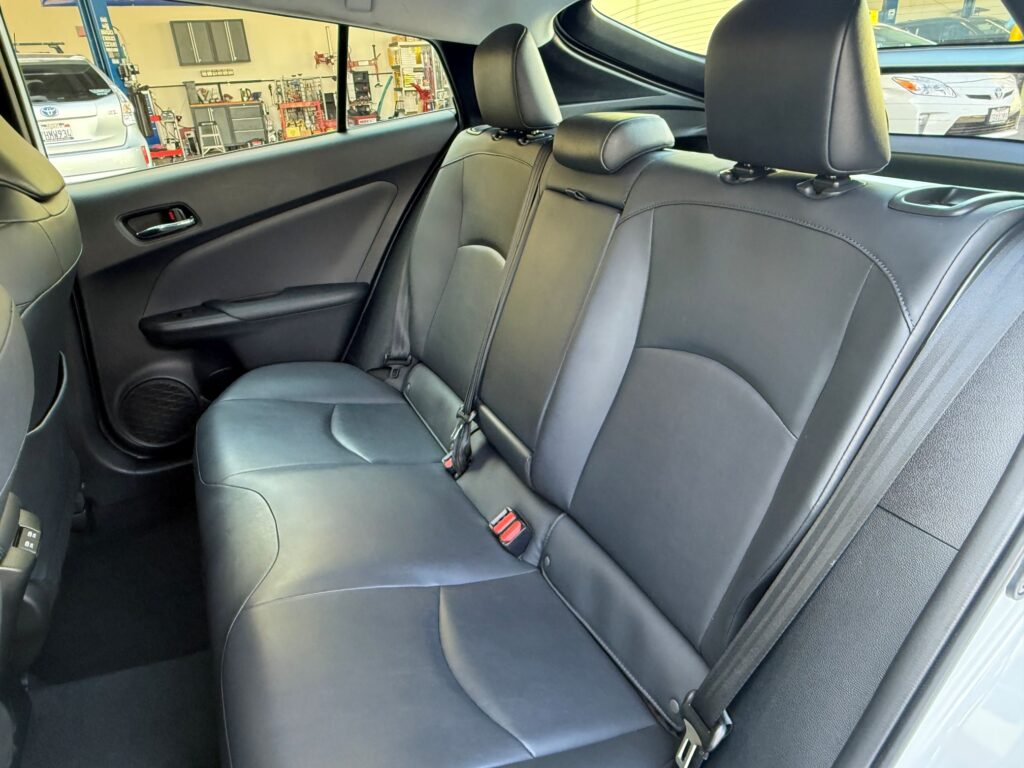
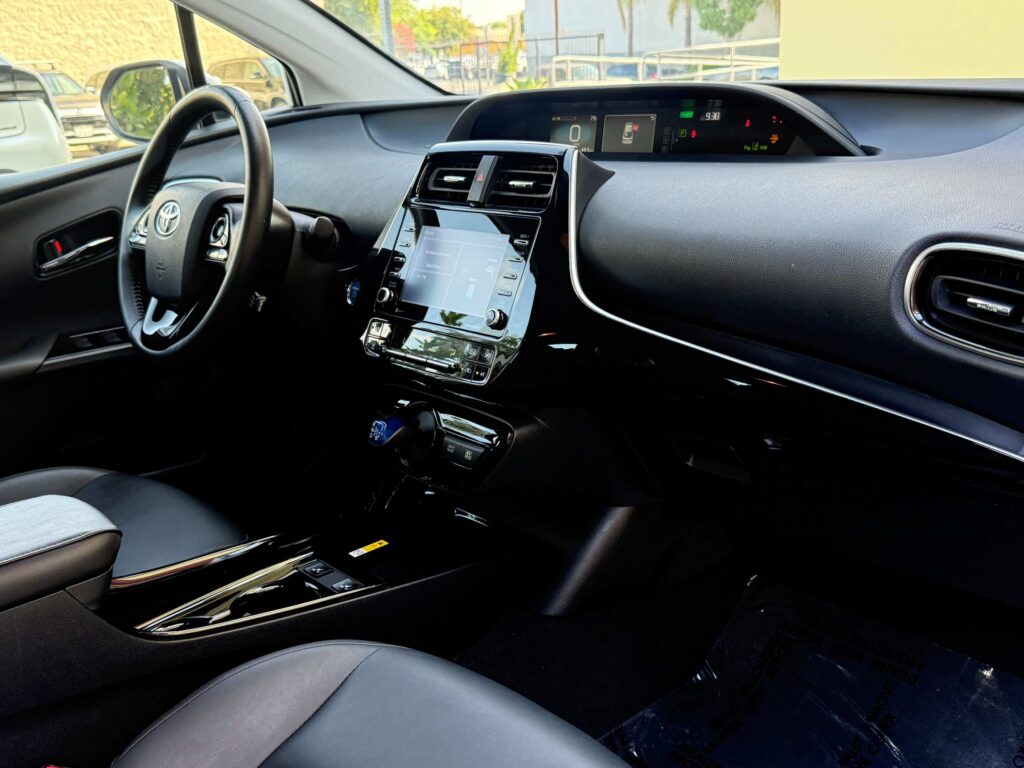
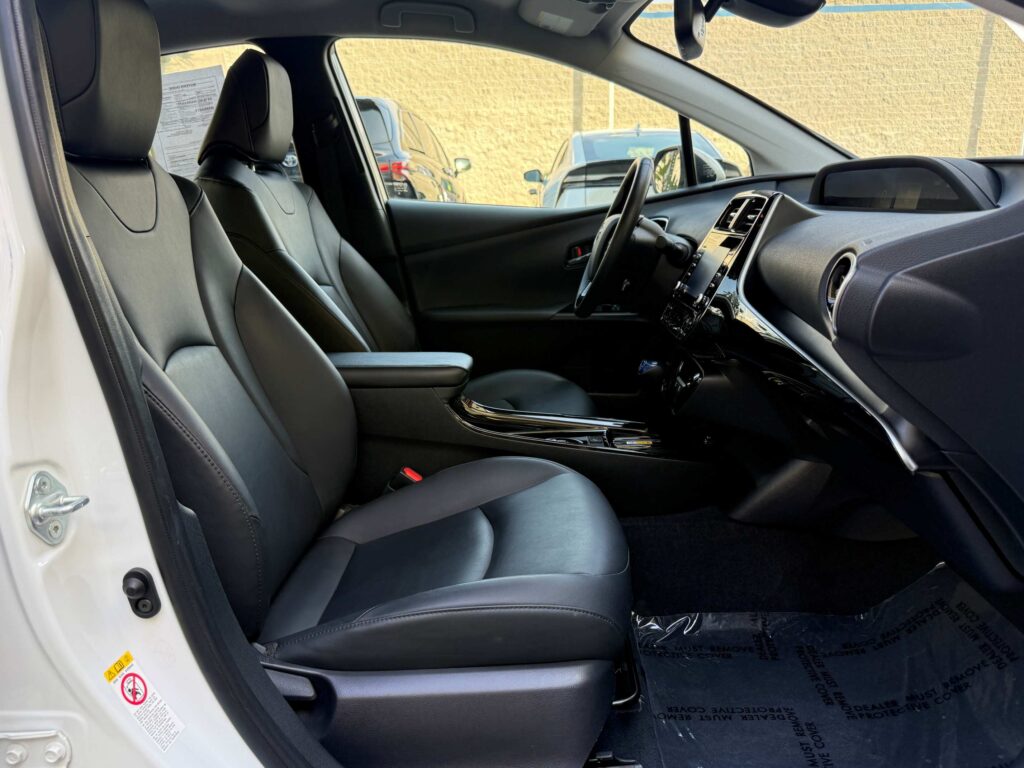
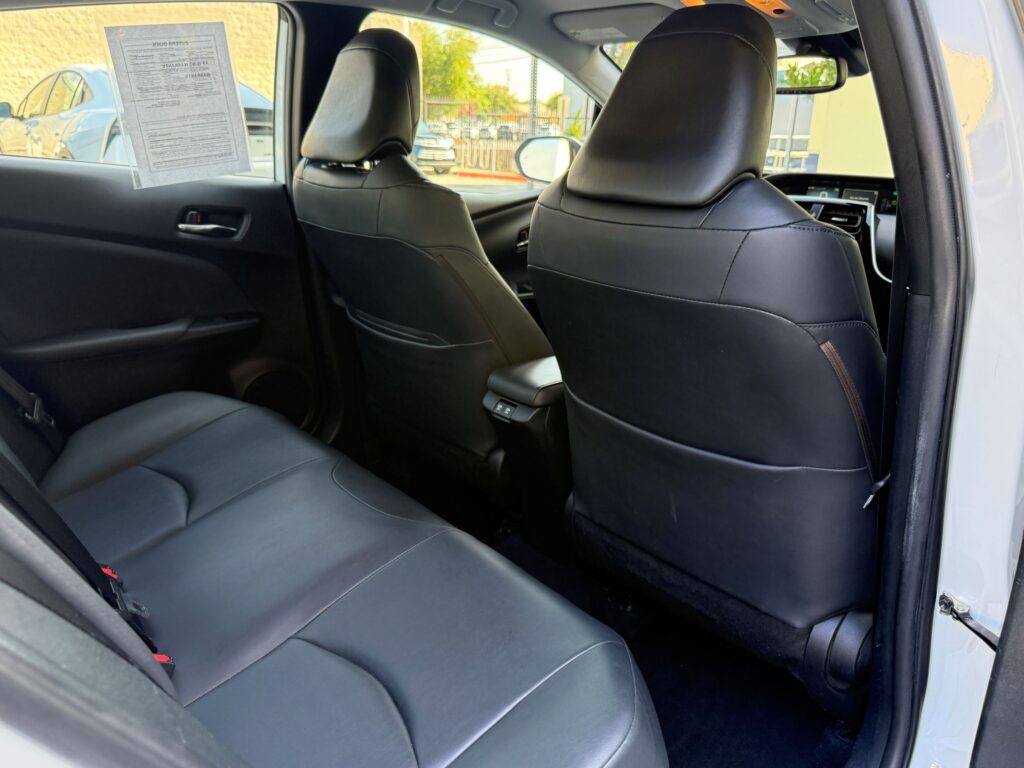
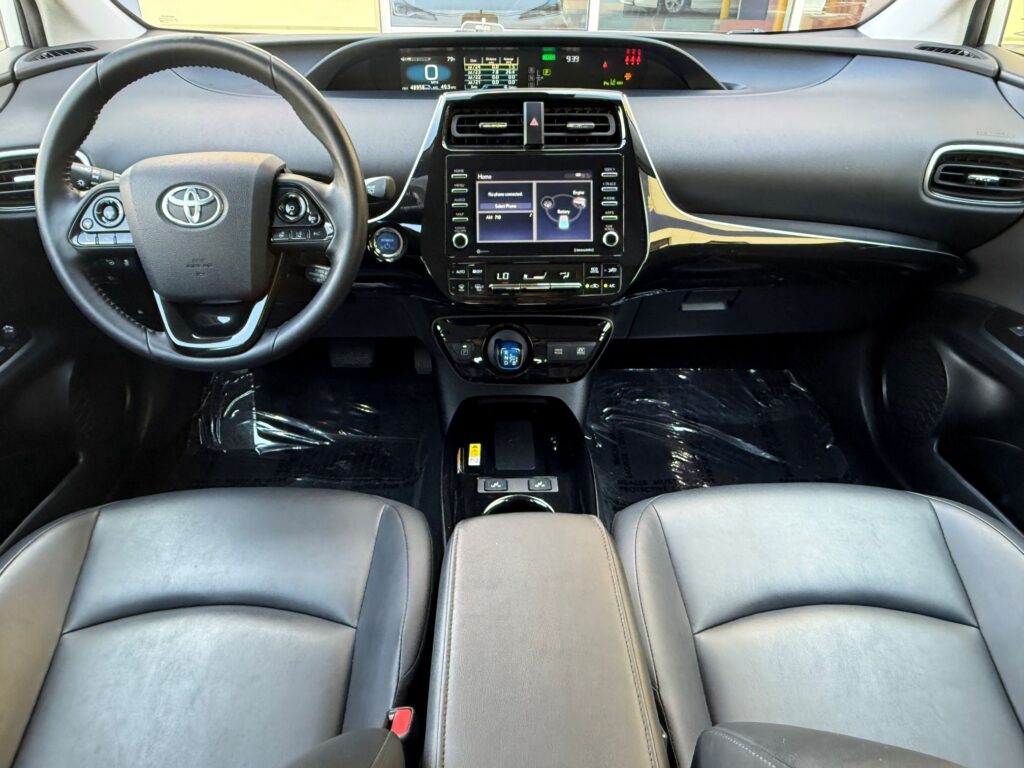
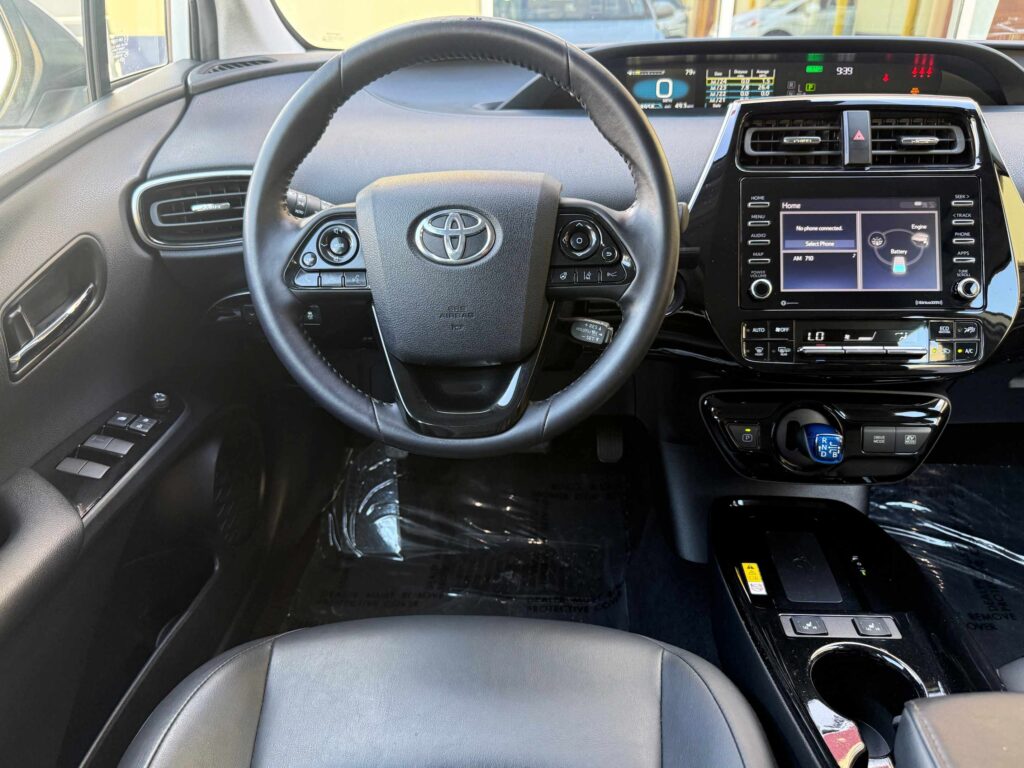
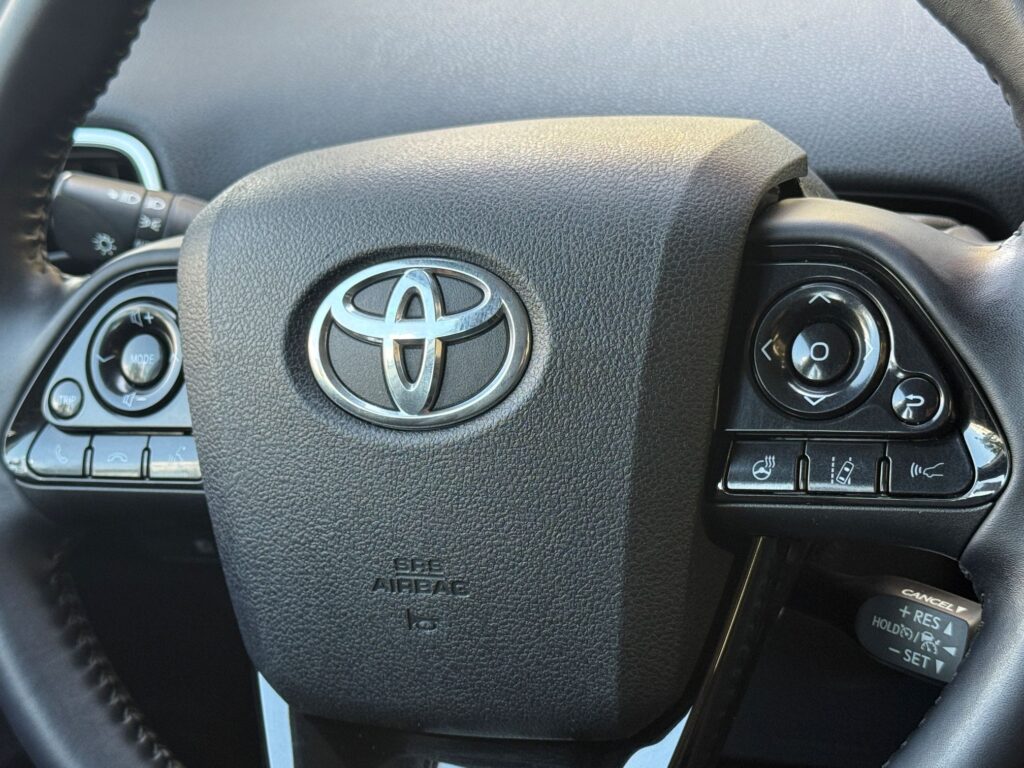
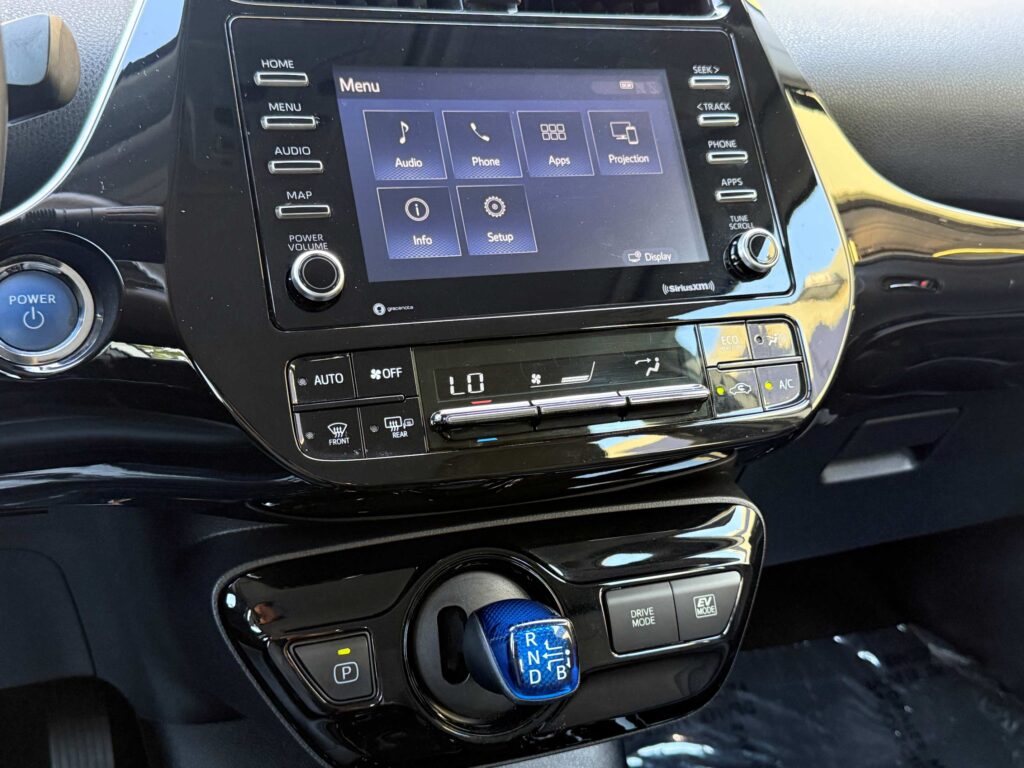
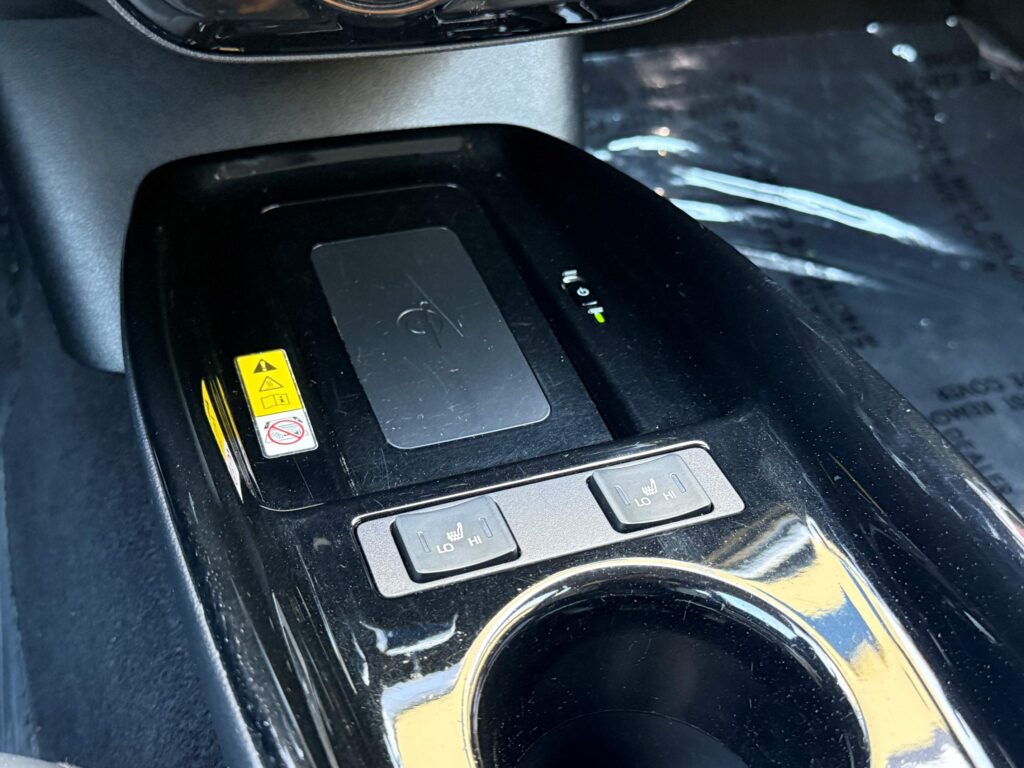
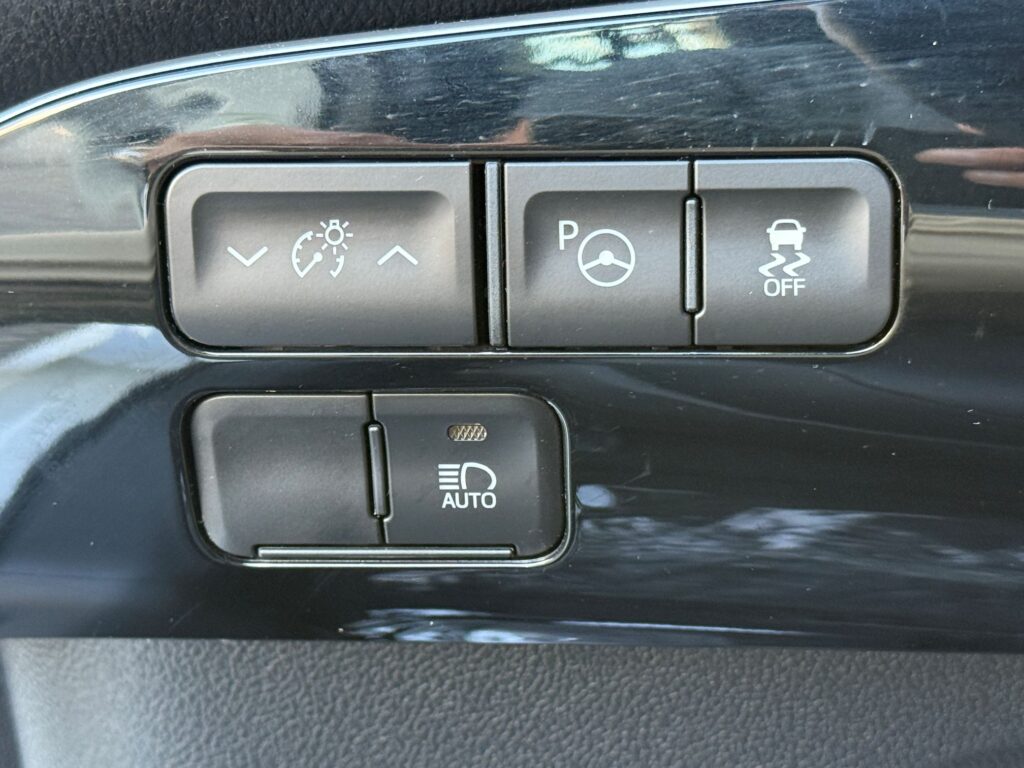
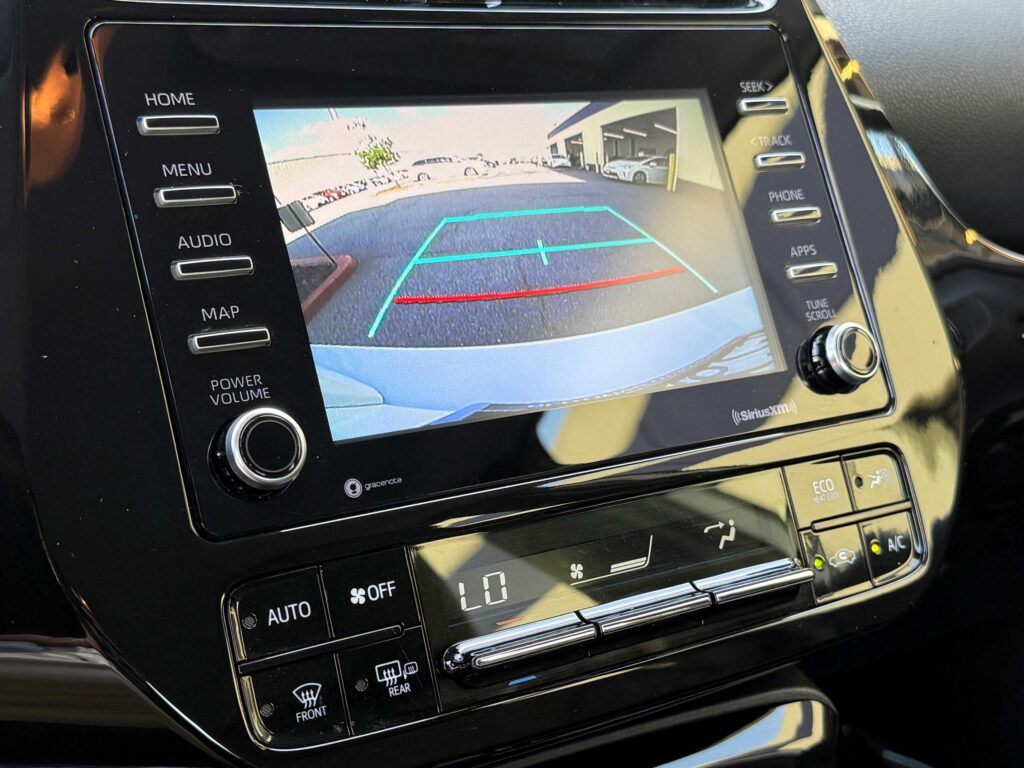
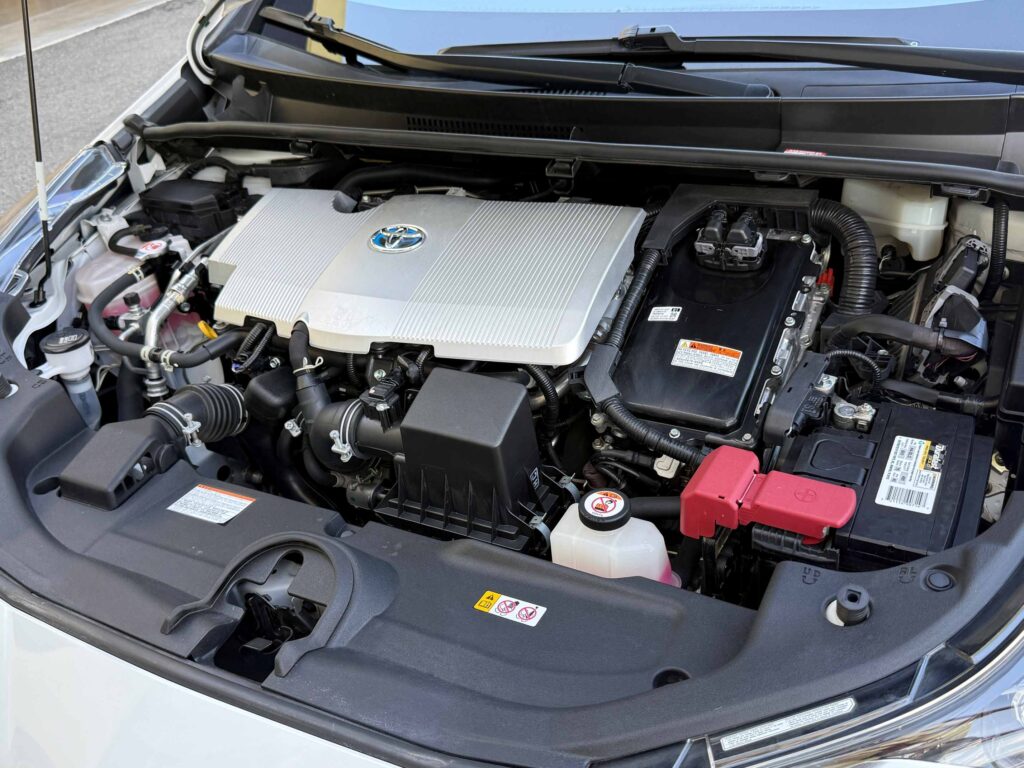
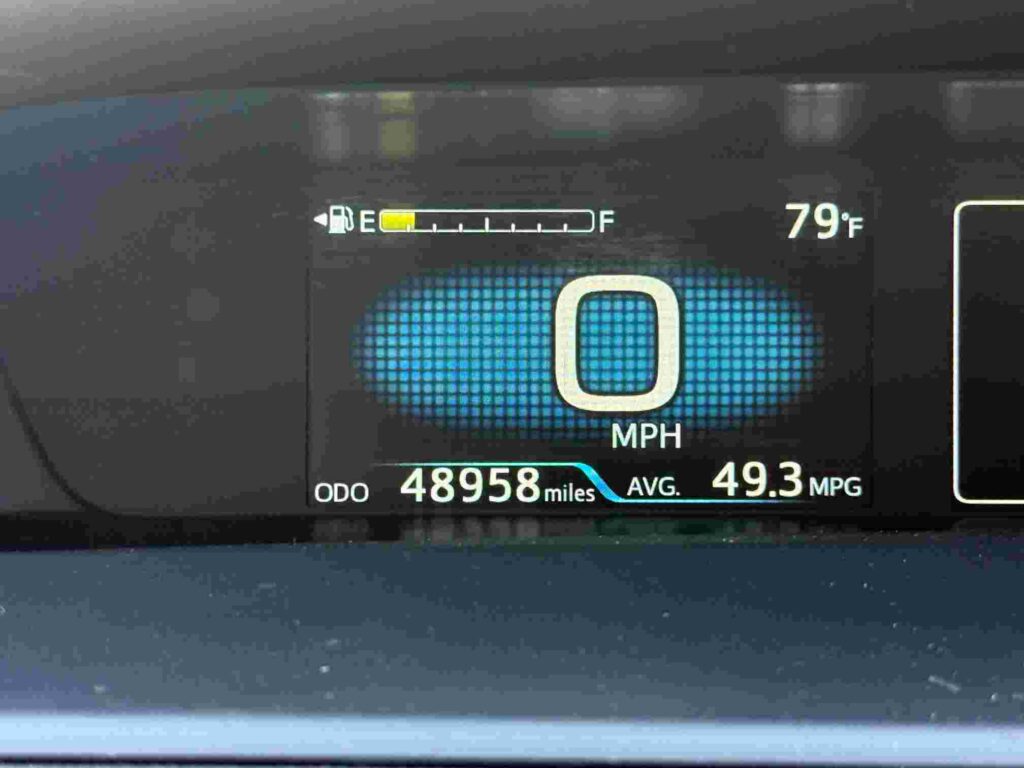
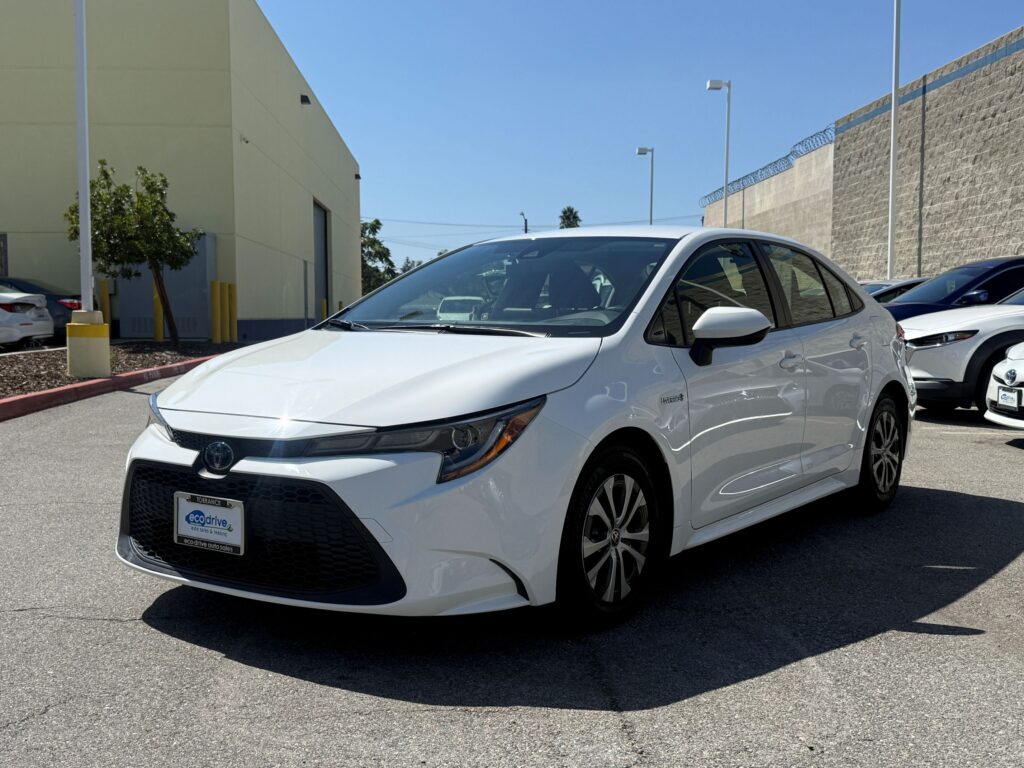
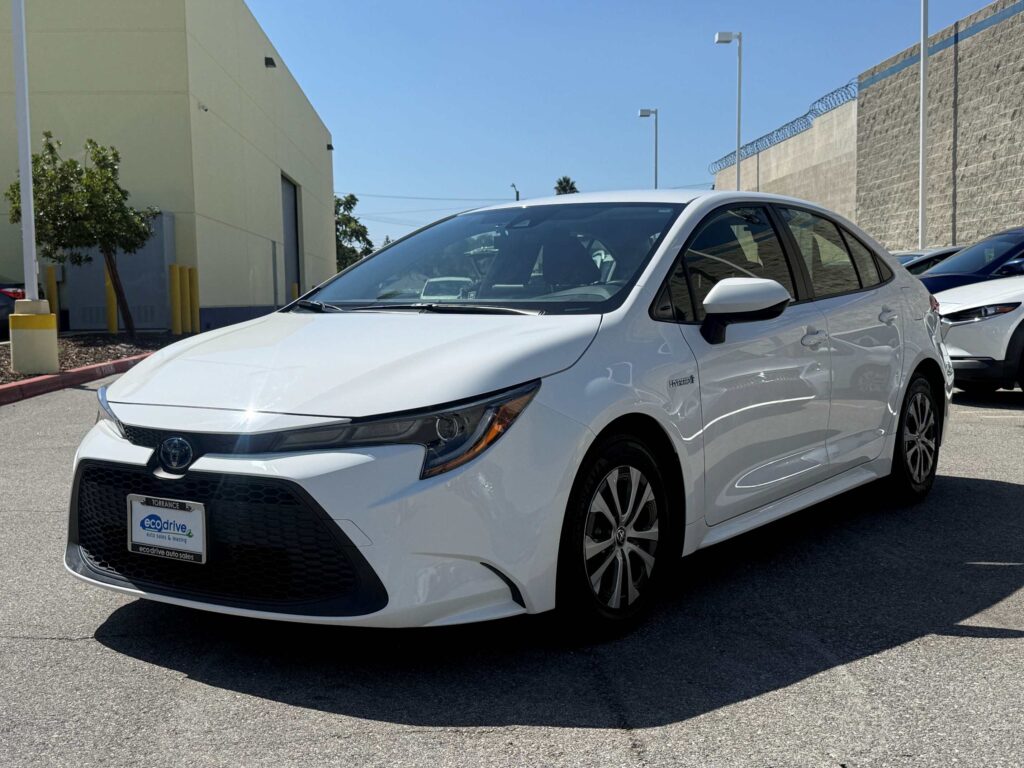
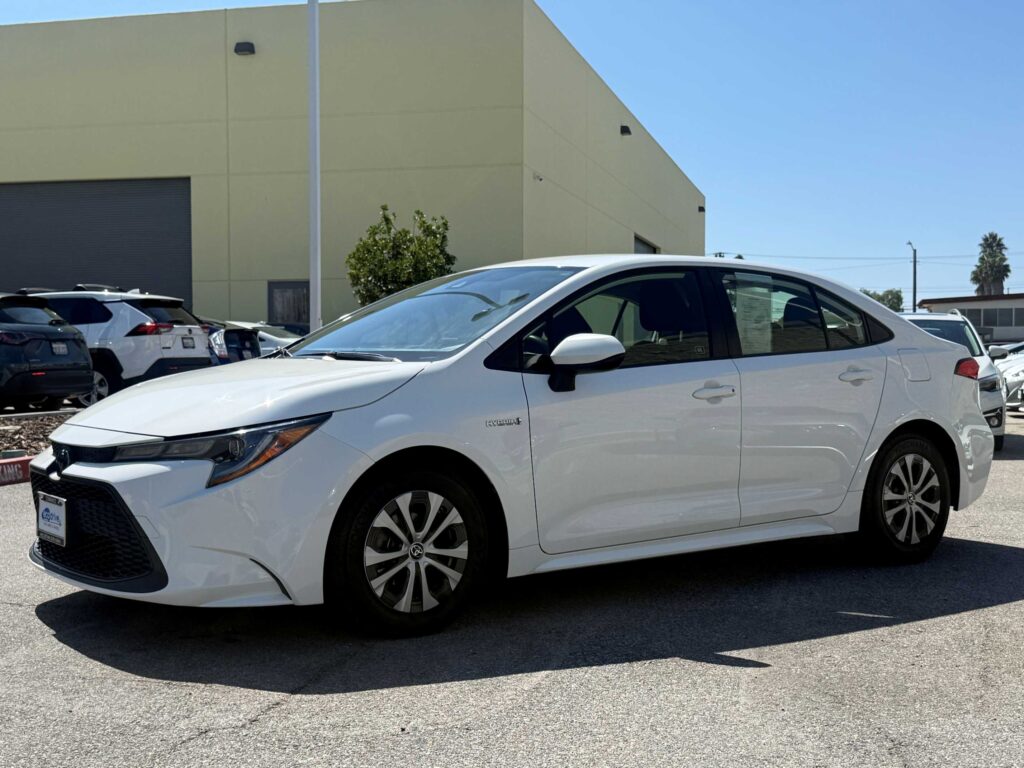
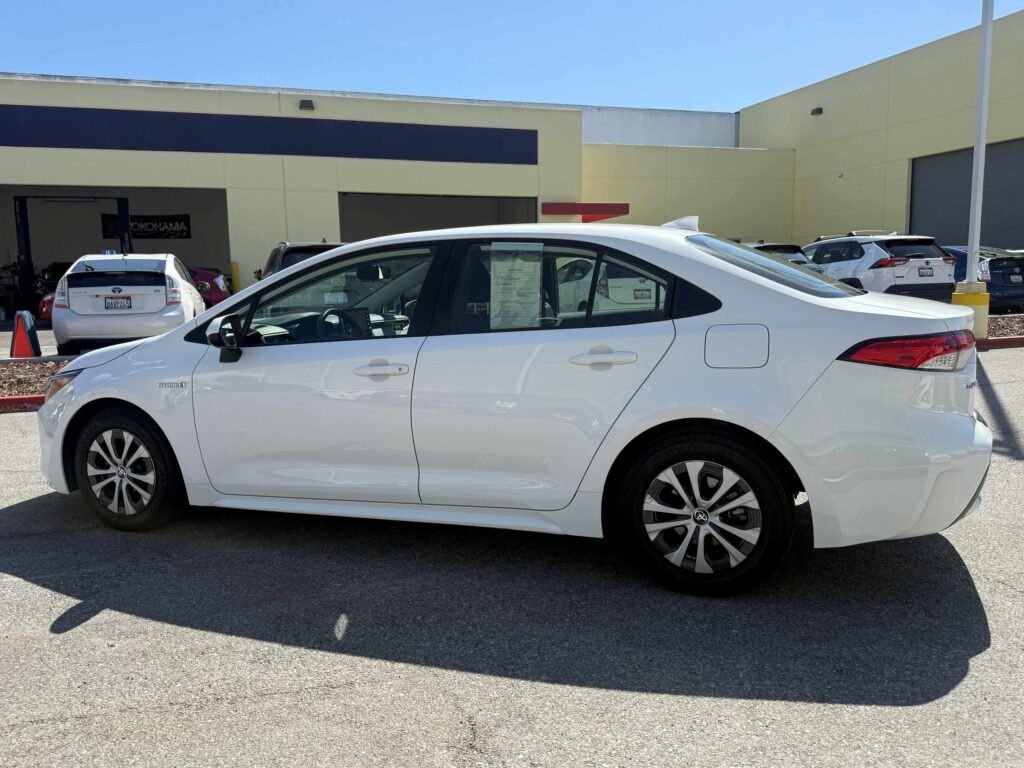
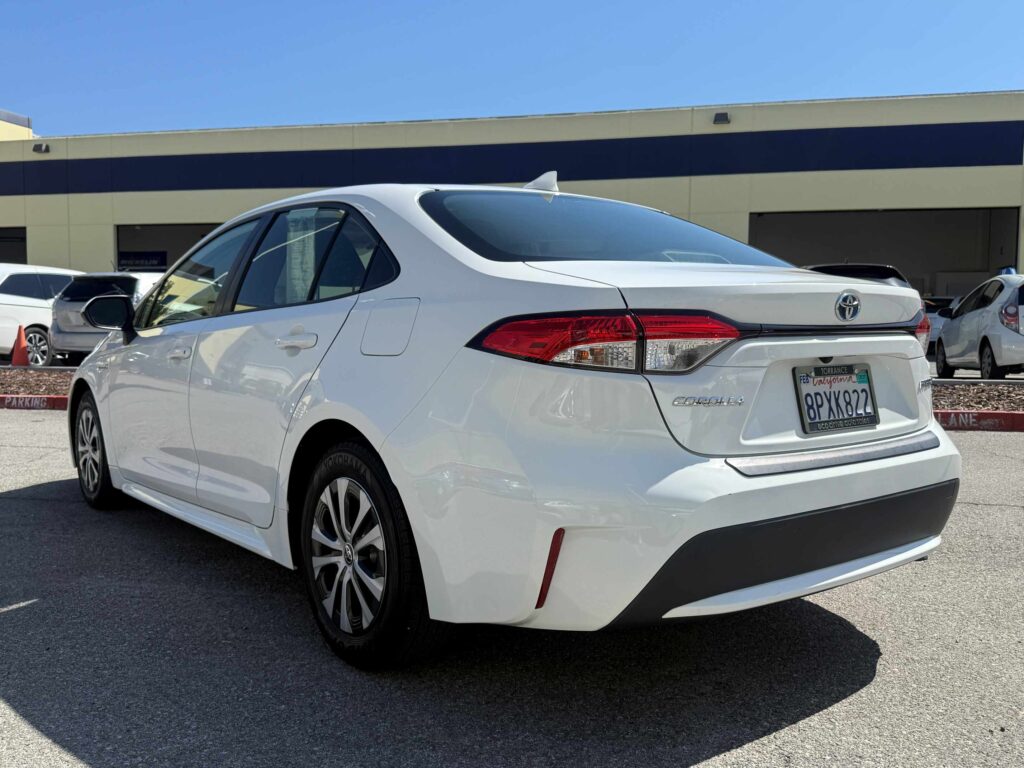
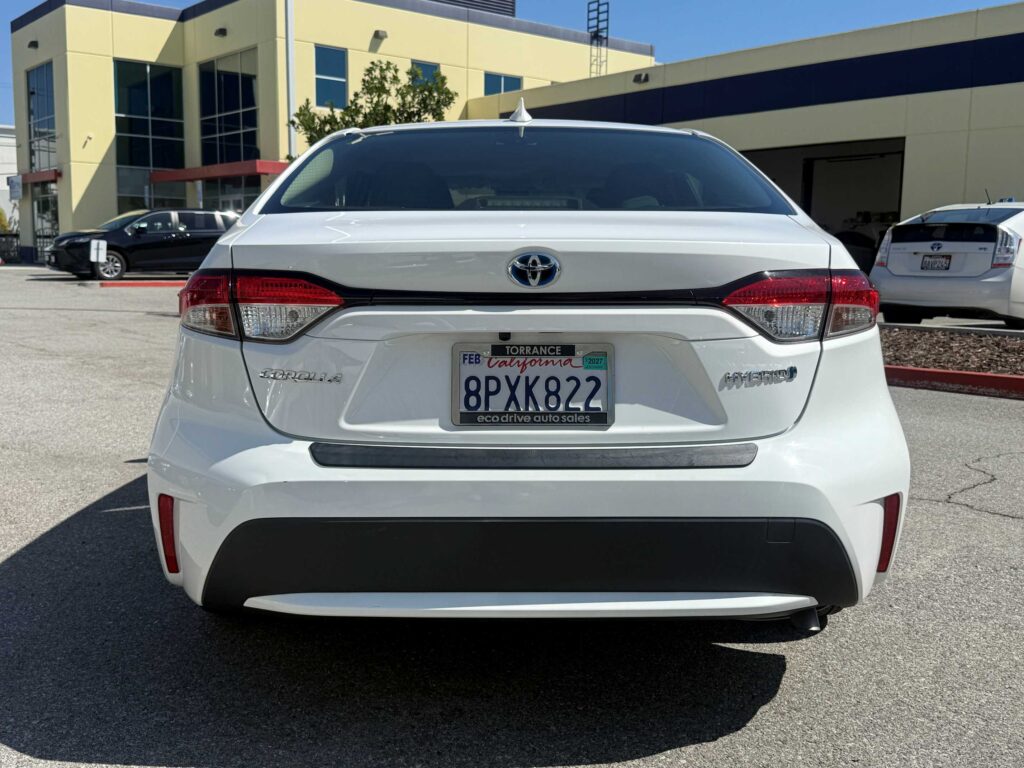
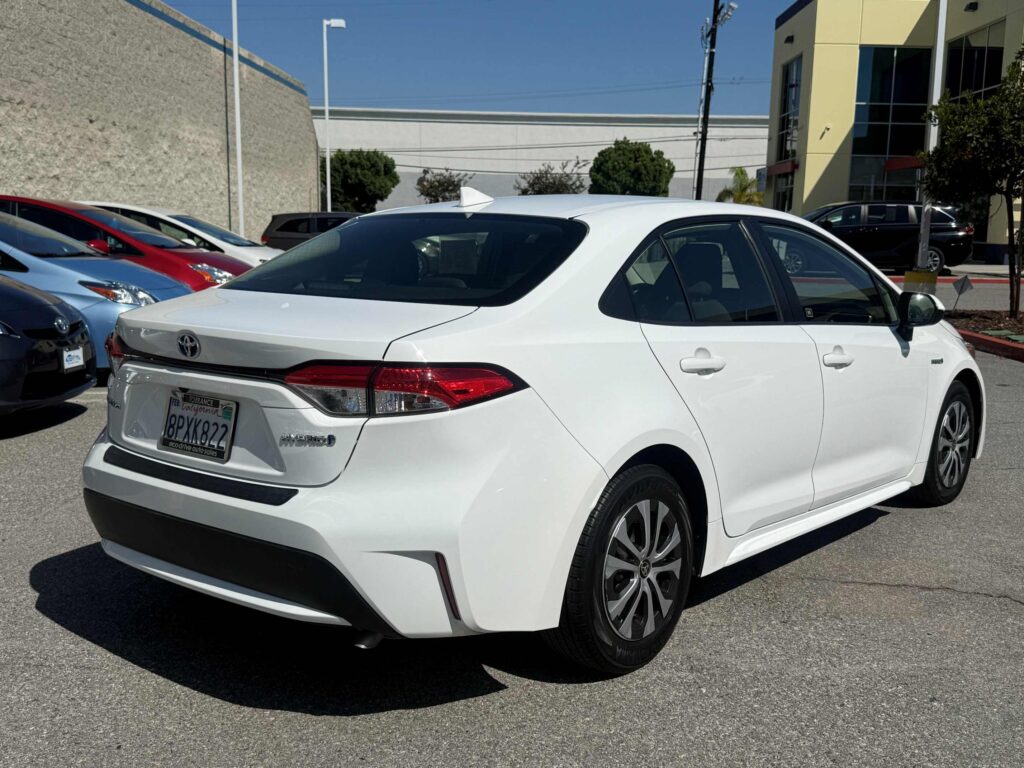
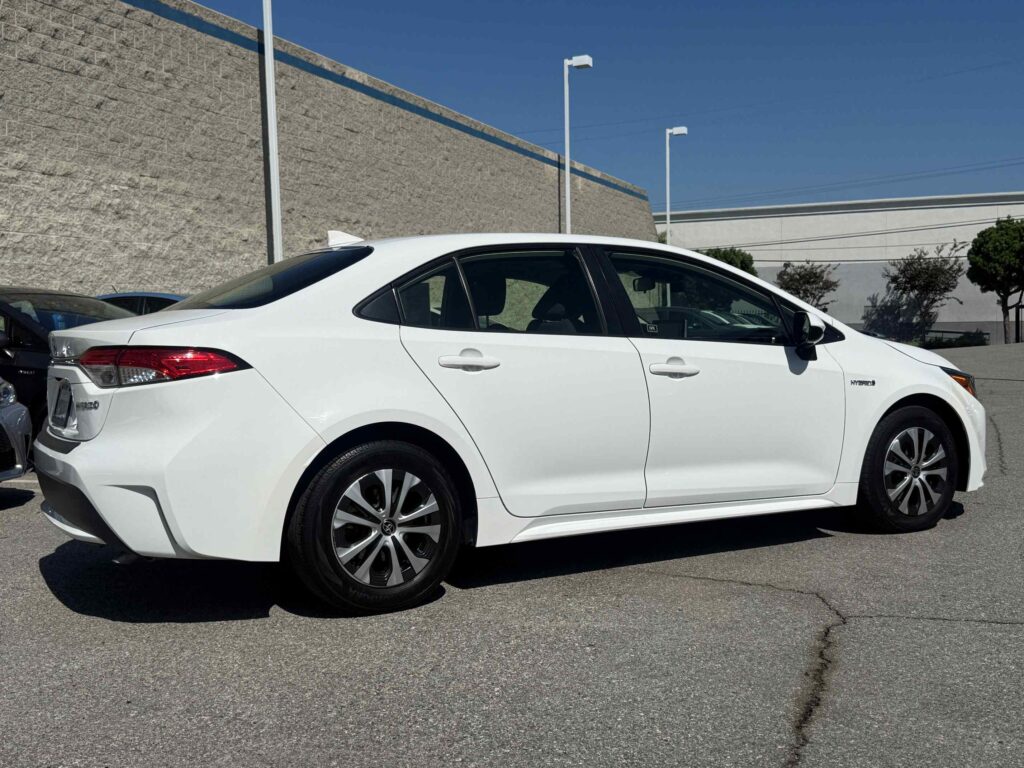
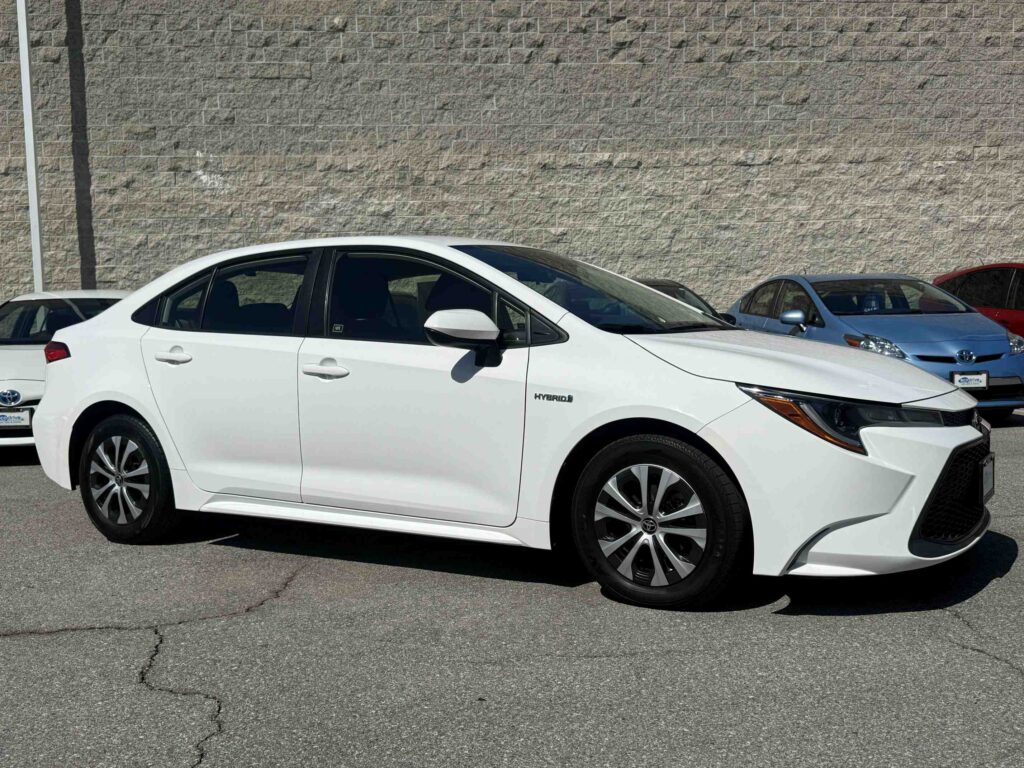
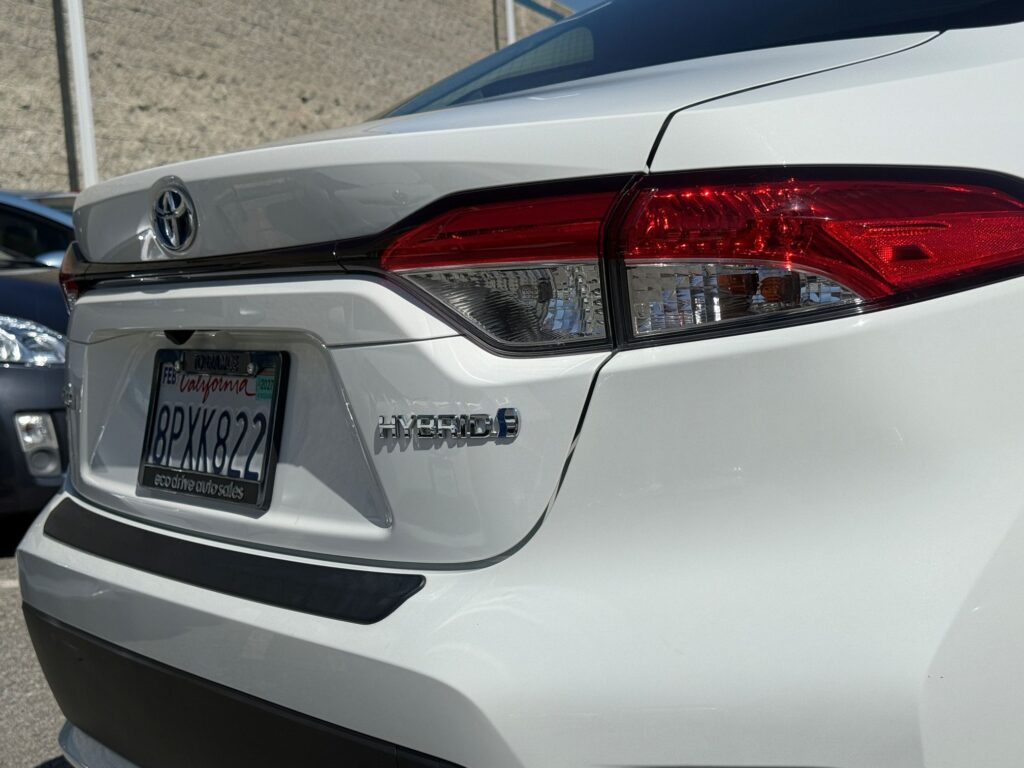
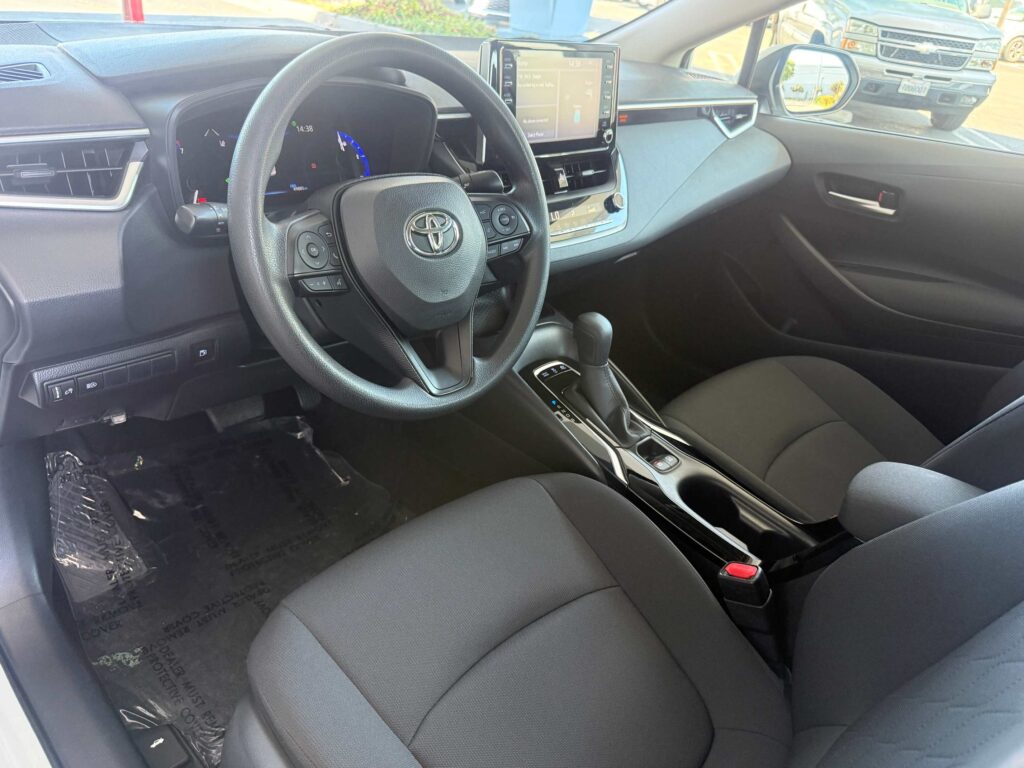
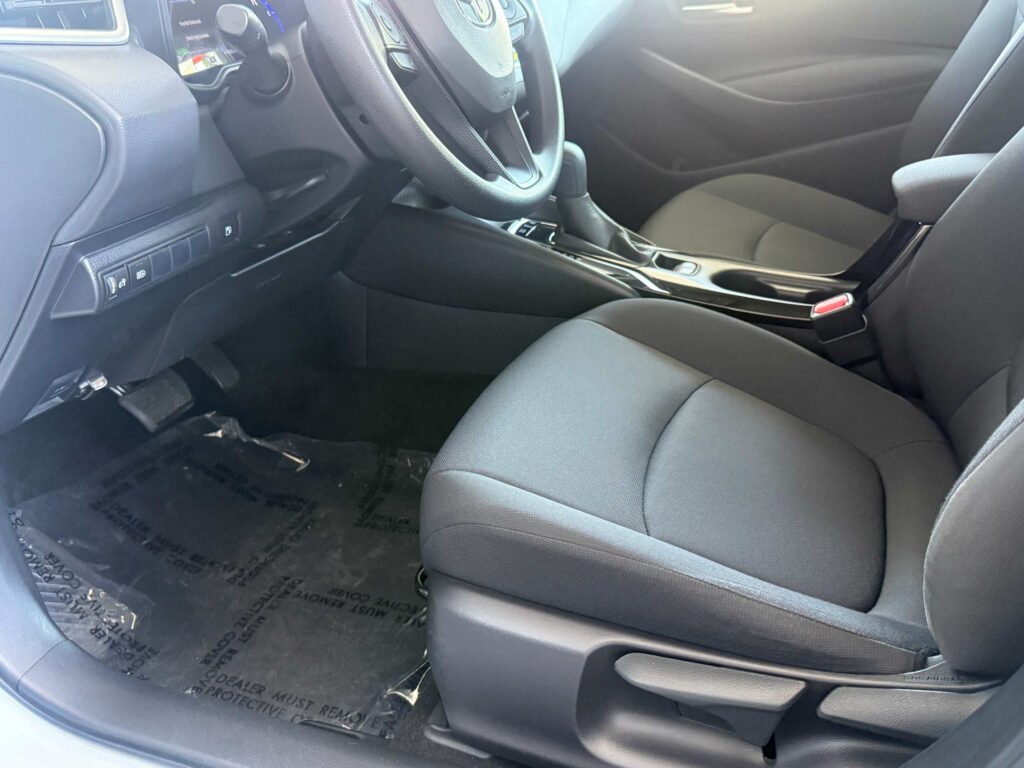
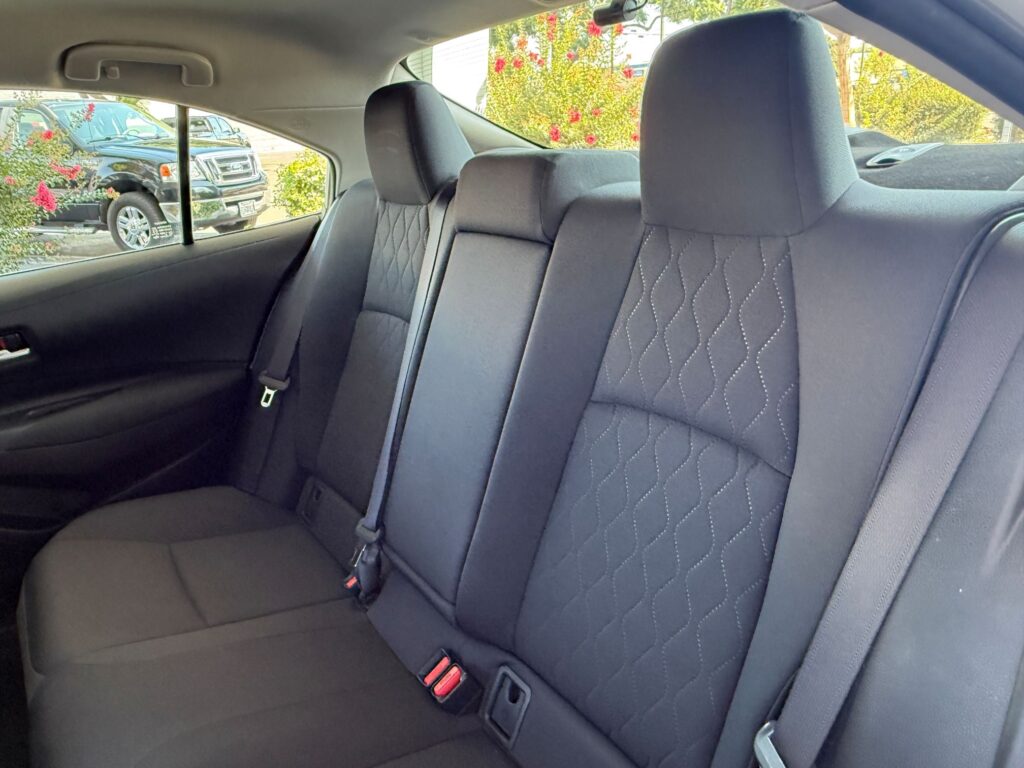
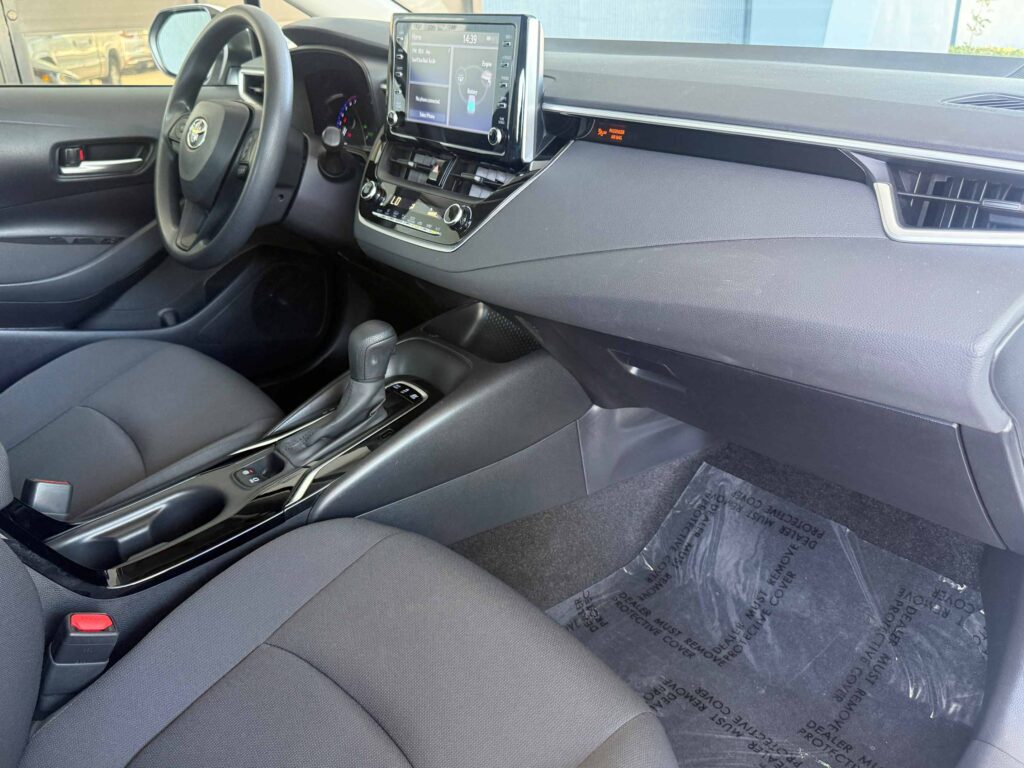
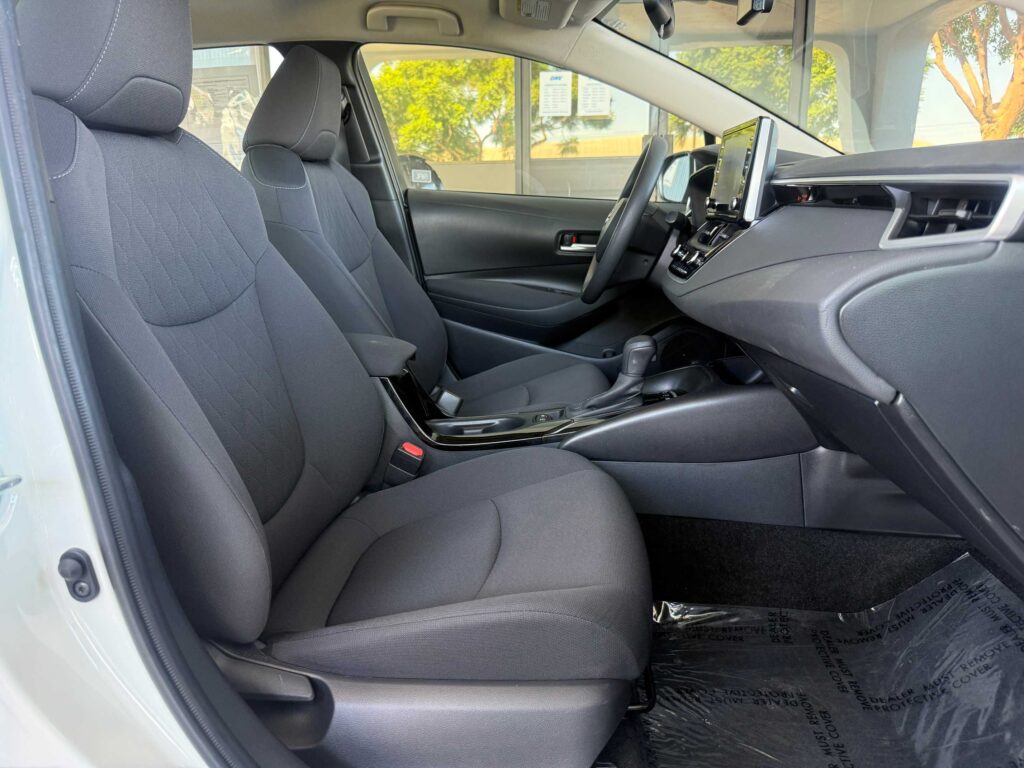
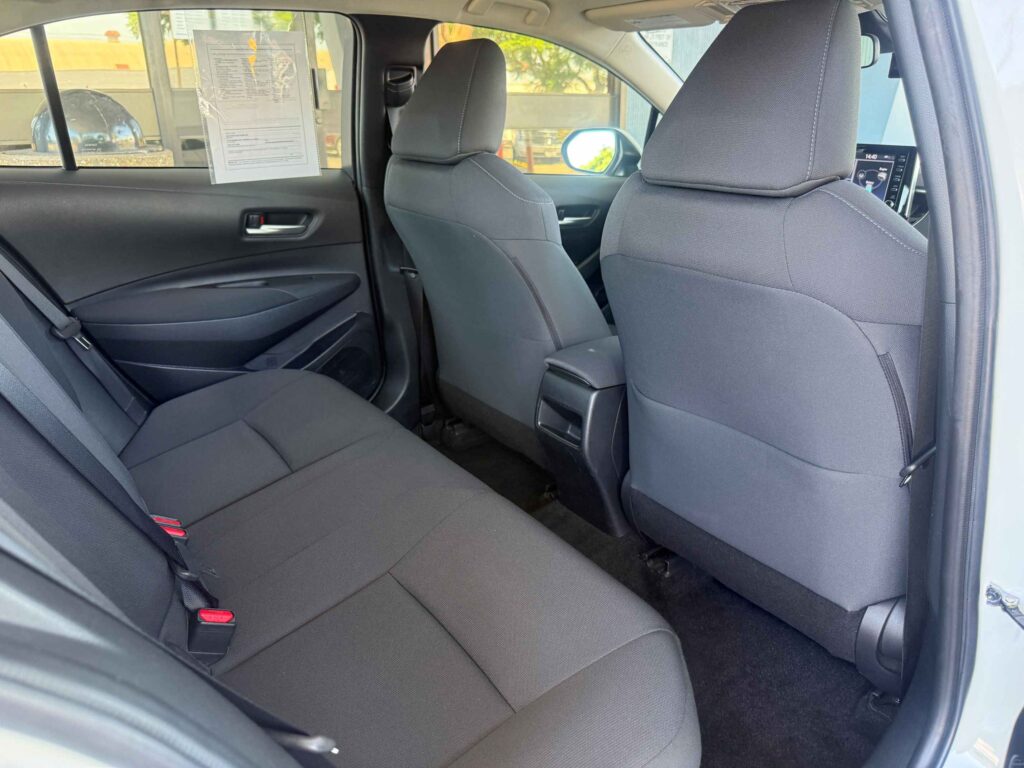
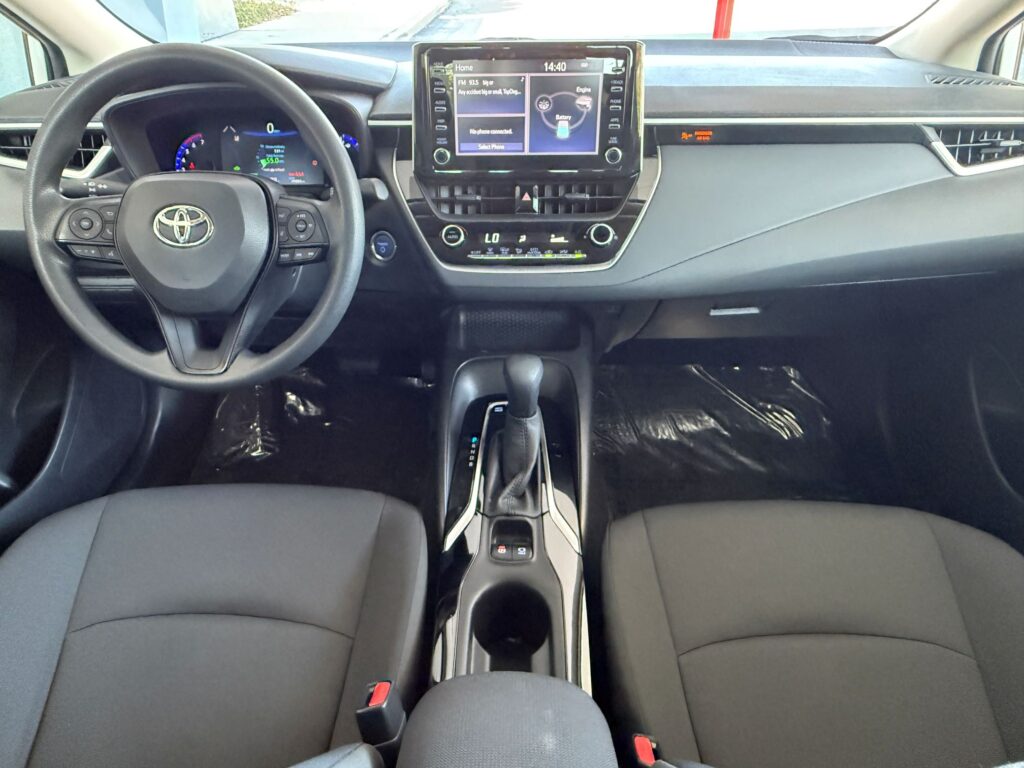
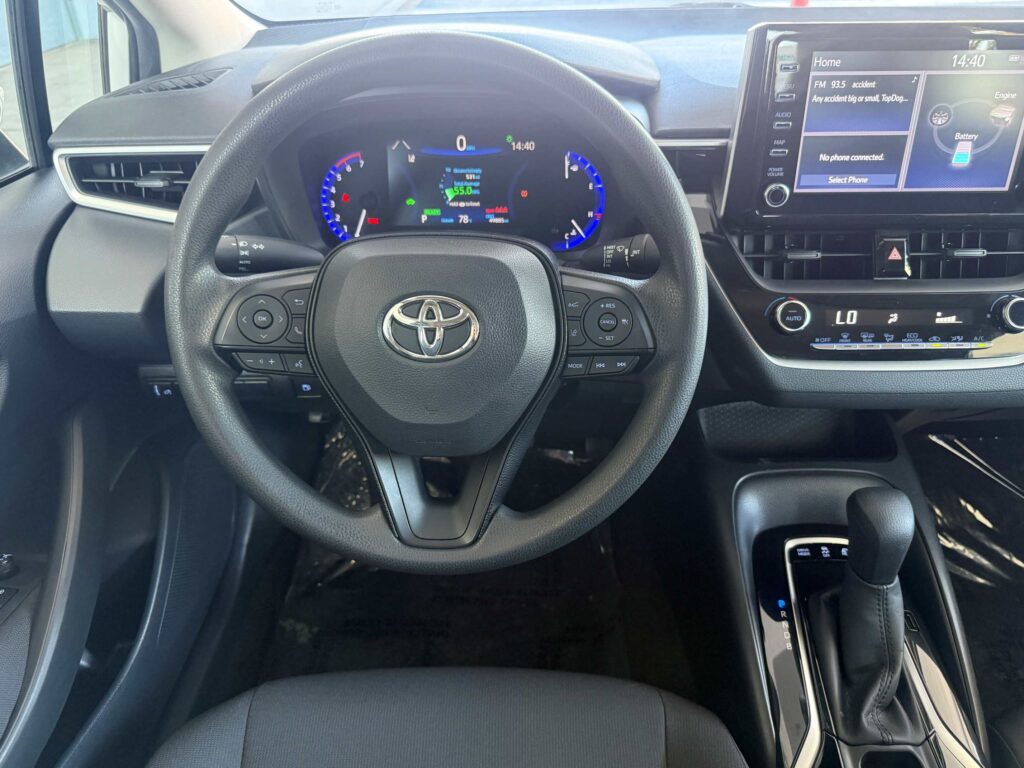
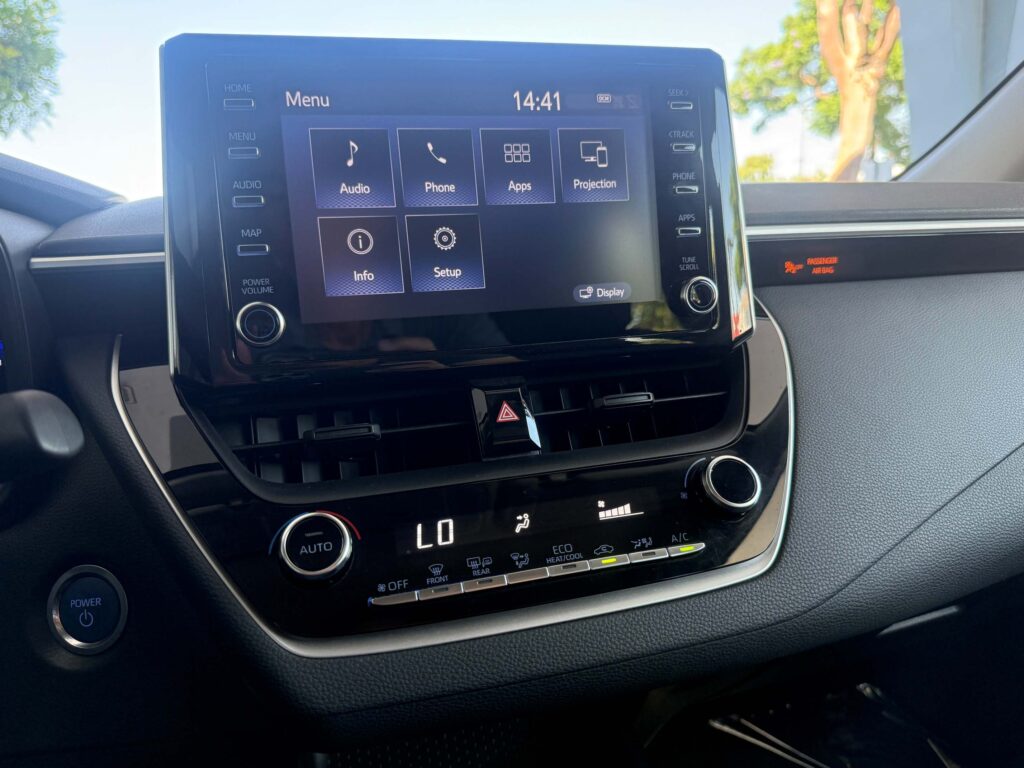
About Okuda, Our Shop Foreman
The person who’s been maintaining this Prius — eight years as of this recording — is our own shop foreman, Okuda.
He’s a superb technician, no question. But what really stands out is how well he reads what a customer needs and gives them advice that actually fits.
Some customers drive in from about 120 miles away specifically because they want him to be the one working on their cars.
Here’s the short version of his background: he spent eight years at a Toyota dealership in Japan.
While he was there, he earned Toyota’s Grade 1 service technician certification, the top grade in Toyota’s own service technician certification.
He then left Toyota because he wanted to take a shot at working in the U.S., moved here in 2009, and joined Eco Drive in 2017.
He made an impact almost immediately and has been at the center of the shop ever since, as our foreman and mechanic.
On top of that, here in the U.S. he is an ASE-Certified Master Automobile Technician, a credential that covers a broad range of the whole car.
Eco Drive is where it is today largely because of him. I owe him a great deal.
More on Toyota’s Grade 1 Service Technician Certification
A little more context: the Grade 1 certification Okuda holds sits at a very high level within Toyota’s own technical training and certification system.
Toyota’s own materials describe Grade 1 as the mark of its finest engineers.
It’s separate from Japan’s national certifications — it’s Toyota’s own way of verifying a technician’s knowledge and skill in stages.
It demands a deep understanding of how Toyota vehicles are built, serviced, and diagnosed, which is a real advantage when you’re working on a hybrid like the Prius.
What ASE Master Certification Actually Means
Let me add some context on the ASE Master Automobile Technician certification as well.
ASE stands for the National Institute for Automotive Service Excellence, and its certifications are widely recognized across the auto service industry here.
It verifies a technician’s knowledge and skill through tests in individual subject areas, and it’s one of the main ways a mechanic demonstrates expertise in the U.S.
ASE Master Automobile Technician specifically signals broad knowledge across car and light truck service.
In the Automobile & Light Truck category, passing the main A1 through A8 tests and meeting the hands-on experience requirement is what earns you Master Automobile Technician status.
A1 is engine repair, A2 automatic transmissions, A3 manual drive train, A4 suspension and steering, A5 brakes, A6 electrical and electronic systems, A7 heating and air conditioning, and A8 engine performance.
In other words, it isn’t about knowing engines alone, or brakes alone, or electrical alone. It asks for a broad grasp of the whole car.
ASE certification also isn’t only about passing tests — it requires relevant hands-on experience.
The expectation is that the knowledge comes with real time spent diagnosing and repairing cars.
On top of that, ASE certification has to be renewed every five years.
Automotive technology keeps moving, so it isn’t enough to know what you knew before — you have to keep up with what’s new.
A hybrid like the Prius pulls in a lot of systems at once: engine, motor, hybrid battery, electronic controls, brakes, cooling.
That’s exactly why keeping one on the road for the long run calls for a mechanic who can look at the whole car and make a judgment.
Having built up experience at a Toyota dealership in Japan and then earned ASE Master Automobile Technician certification here is a lot of reassurance when it comes to maintaining a Prius over time.
The A1–A8 Tests Behind ASE Master Automobile Technician
- A1 Engine Repair — diagnosing and repairing the engine itself, including its internal mechanisms and the problems that show up around it
- A2 Automatic Transmission/Transaxle — diagnosing and servicing automatic transmissions and transaxles
- A3 Manual Drive Train & Axles — manual drivetrains, clutches, driveshafts, axles
- A4 Suspension & Steering — diagnosing and servicing suspension, steering, and the rest of the chassis
- A5 Brakes — diagnosing and servicing brake systems, the part that actually stops the car
- A6 Electrical/Electronic Systems — wiring, sensors, charging systems, control systems
- A7 Heating & Air Conditioning — diagnosing and servicing heat, A/C, and climate systems
- A8 Engine Performance — engine performance, fuel control, ignition, emissions, and diagnostics
Looking at that list, you can see ASE Master isn’t a certification for one part or one kind of job.
Engine, transmission, brakes, suspension, electrical, climate, engine performance — it asks for a broad understanding of the entire car.
It’s worth noting that ASE Master Automobile Technician isn’t a hybrid-specific credential.
It signals broad service knowledge across cars and light trucks generally.
But because a hybrid like the Prius involves several systems working together — engine, electrical, brakes, cooling — being able to see the whole car at once matters a great deal.
In that sense, a broad certification like ASE Master is a real strength when it comes to servicing a Prius for the long haul.
Due for service on your hybrid? Okuda and our team work on Priuses every day — the same steady, whole-car approach we’ve used on the Prius in this article. Here’s more on our repair and maintenance services.
The Myths I Heard When I Opened a Prius Shop in 2013
Japanese audio, English subtitles
These days the Prius is widely known as a fuel-efficient hybrid.
When I started a Prius specialty shop back in 2013, though, hybrids weren’t as widely understood as they are now.
People told me all kinds of things back then.
“Buy a Prius and it’ll break down on you before long.” “They just cost money.” “I hear you have to pay a fortune to replace the battery every five years.” Some of it had a grain of truth. A lot of it didn’t.
Every time it came up, I walked that customer through how a hybrid actually works.
Splitting the work between the engine and the motor is easier on the car.
And you can see it in taxis. Those cars run from morning to night every single day, and the Prius keeps getting picked for the job, which says something about how much it’s trusted as a working vehicle.
I had that same conversation over and over.
Why People Worry About the Hybrid Battery
If you’re not familiar with hybrids, the battery is the part that tends to worry people most.
Some people picture it like a phone or laptop battery — badly degraded and unusable within a few years.
A car’s hybrid system, though, works differently from those small everyday batteries, and it’s used differently too.
Hybrid batteries do have a lifespan, and yes, they sometimes need replacing.
But assuming you’ll be paying a fortune to replace one every few years doesn’t match how these cars actually get used.
What It Means That So Many Taxis Are Priuses
Cars that cover long distances every day, like taxis, get judged on durability and running costs as much as on fuel economy.
A car that breaks down constantly keeps you from working, and one that costs too much to repair is hard to justify for commercial use.
So when a car shows up in taxi fleets in numbers, that reflects a certain level of trust in it.
The fact that Priuses get used as taxis is an easy way to see that the appeal isn’t only fuel economy — it’s how the car holds up as a working vehicle.
Why One Real 300,000-Mile Example Carries So Much Weight
An actual Prius that has covered 300,000 miles, like this one, is hard to argue with.
As someone who heard all of those things back then, it’s the kind of example that makes me want to say: see, it’s doing just fine.
One example obviously can’t prove that every Prius will go the same distance.
A car’s condition depends heavily on model year, driving environment, driving style, and maintenance history.
Even so, the fact that a Prius out there has passed 300,000 miles means a great deal.
It isn’t a case made on paper — there’s an actual car proving it.
If you want to show that a car has the potential to last, it’s hard to find a clearer example than that.
Toyota’s Engineering, and the Road to 400,000 Miles

Toyota really is something.
Japanese manufacturing at its best is genuinely impressive.
Looking at a Prius that has gone past 300,000 miles like this one reminds me all over again how much depth there is in how Toyota builds cars.
A car isn’t something that only needs to be good when it’s new.
What matters is how it holds up after years of driving, how it does once the miles pile up, how much you can count on it day to day.
Building a car that lasts is where engineering really gets tested.
I hope Toyota keeps building cars like this one.
And I hope the owner keeps telling the people around them how good this Prius has been.
Forget 350,000 — I’d love to see them aim for 400,000 miles.
That’s roughly 640,000 km.
At that point you’re in genuinely rare territory for a passenger car.
Getting there will take even more of what has gotten the car this far: watching its condition and keeping up with the maintenance it needs.
But when a car is still running well past 300,000 miles, it’s only natural to want a new target.
We’ll keep watching how it’s doing and handle the maintenance side, so they’re in good hands.
Wrapping Up
Today I walked through a real example from our shop: maintaining a Prius that has passed 300,000 miles.
What this case shows is not that “a Prius will last forever no matter what you do.”
Behind that mileage is an accumulation of things: an owner who cares about the car, who doesn’t ignore the small signs that something is off, and a mechanic they trust seeing the car consistently.
The Prius isn’t just fuel-efficient. It’s a car with the potential to last a long time.
Getting that potential out of it takes regular maintenance and a certain attitude toward the car.
Whether you’re about to buy a Prius or already driving one, I hope this 300,000-mile example gives you something to go on.
See you next time.
You May Also Like