Employee Retention Strategies From a Car Dealership Owner
Hi everyone — I’m Suzuki from Eco Drive.
Today I’m picking up the third of the three challenges I ran into starting a business here: employee retention — how hard it is to keep good people.
Last time, in Part 1: How Often Do People Change Jobs? 9 in 10 U.S. Workers Have, I wrote about how changing jobs is nothing unusual here, and how much people move around in this labor market.
A large share of people here have switched jobs at some point, and you feel it at the stores you visit and at car dealerships — the faces keep changing.
From an employer’s perspective, that’s a real challenge. You hire someone, they learn the job, they get to the point where the team runs smoothly with them in it — and then, if better pay or a better fit comes along, they move on to another company.
So why do people move around so easily here?
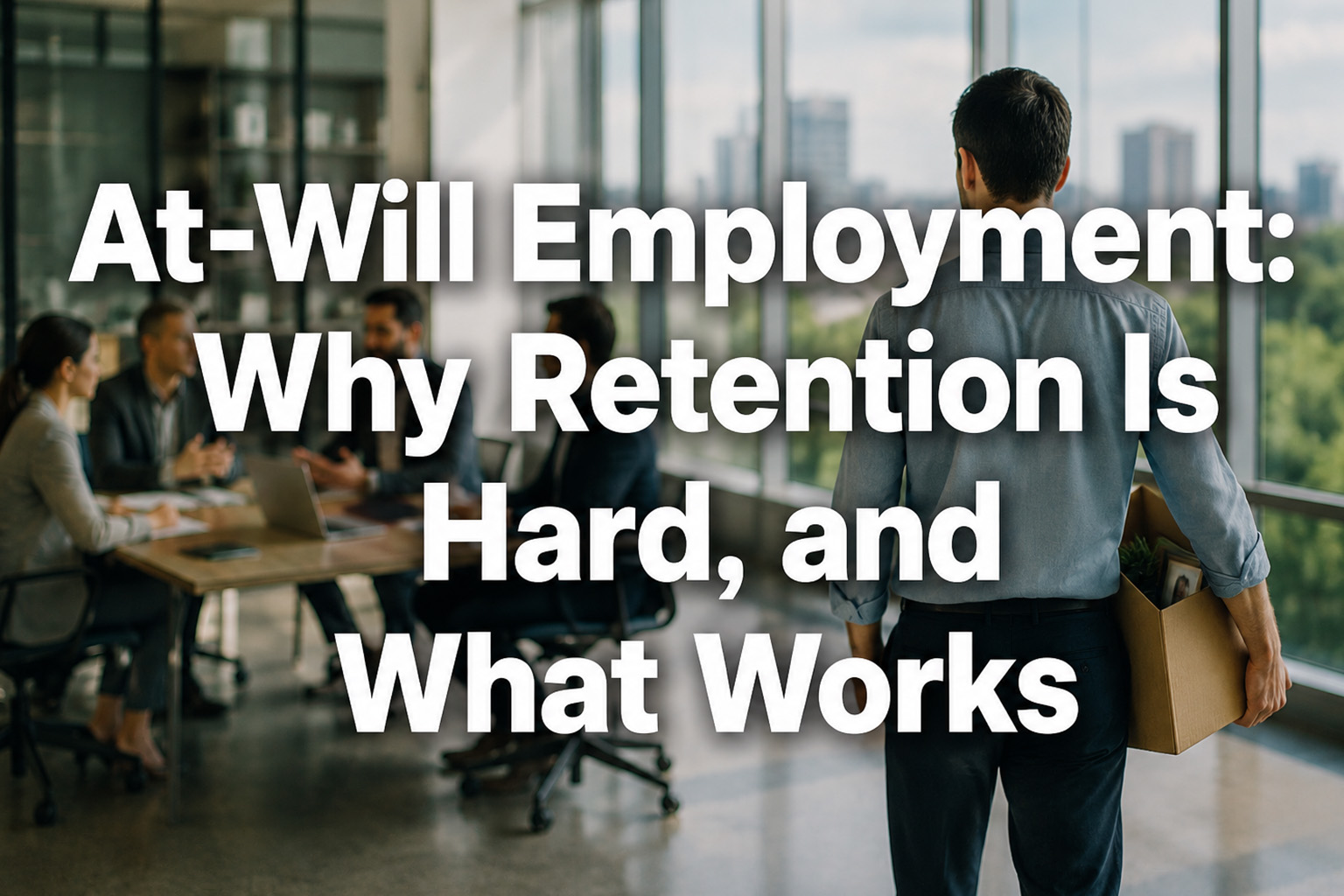
One of the reasons behind it is a concept called at-will employment.
This time, I want to talk about the employee retention strategies that have actually worked for us — how a company keeps getting chosen by its employees under at-will employment.
I’ve been running my own business here for more than a decade now, and what I’m sharing today isn’t pulled from books or seminars — it’s what I’ve learned firsthand, day after day.
Watch the video version here (with English subtitles):
The videos in this article are narrated in Japanese.
What At-Will Employment Actually Means
The reason people can change jobs so quickly comes down to how employment law works here.
Employment here generally runs on what’s known as the at-will employment doctrine.
Put simply, at-will employment means that, as a rule, either the employer or the employee can end the employment relationship.
From the employee’s side, you’re free to leave the company.
From the employer’s side, the company can make the call to end the relationship.
In that sense, it’s a fairly impersonal way of handling employment.
To take it to an extreme, an employee can tell the company, “I’m quitting today.”
The company’s reaction is, of course, “Wait, what?” — but if you ask why, “no particular reason” is a complete answer, and off they go.
It works the same way in reverse: the employer can also say, “Today is your last day.”
That can sound like a frightening setup when you first hear it.
There’s one point that’s easy to misunderstand, though.
At-will employment does not mean an employer can fire anyone for any reason at all.
Terminations based on discrimination or retaliation, or ones that violate public policy — firing someone for serving on a jury or for filing a workers’ compensation claim, for example — can be unlawful.
The specifics depend on each state’s laws, but the baseline is that employers are not free to do whatever they want.
Coming from Japan, my own first reaction to “I’m leaving today” was genuine shock.
As the company, you immediately have to think about the handover, tomorrow’s shift, and how customers will be taken care of.
On the other side, the employer also has the ability to decide to end the relationship.
Again, that doesn’t mean firing someone for an unlawful reason — but compared with what I was used to in Japan, the way employment works here can feel a lot more matter-of-fact.
Impersonal, but Fair: How At-Will Employment Works for Both Sides
The first time you hear about this arrangement, it can feel pretty cold.
For employees, there’s a certain tension in not knowing when the relationship might end.
For companies, there’s the same tension in not knowing when a great person might move to another company.
But because that tension exists, neither side ends up holding all the cards.
Employees work on making themselves more valuable.
Companies work on being the kind of place employees choose.
In the sense that both sides have to keep making an effort, I actually think it’s a very fair arrangement.
The tension from the employee’s side
From an employee’s perspective, staying with the company isn’t something you can take for granted under at-will employment.
How you work day to day, what you deliver, what you contribute to the team, how you get along with the people around you — all of it feeds directly into how you’re regarded.
That doesn’t mean working in a constant state of anxiety. But if you want to keep working where you are, it matters that you stay someone the company needs.
It’s an environment that puts more weight on how you approach the work and how much you want to keep growing.
The tension from the employer’s side
Employers feel the same kind of tension.
Someone you hired and trained — someone who came to understand how the company thinks — may still leave for better pay or a better environment somewhere else.
So it isn’t enough for a company to simply hope people won’t quit.
Pay, how the work gets done, benefits, future prospects, the atmosphere of the place, room to grow — a company has to stay competitive across all of it.
Being a company that employees keep choosing.
That’s the perspective you can’t skip when you think about retention here.
It isn’t that companies hold all the power, and it isn’t that employees have all the freedom.
Because both sides are free to choose, both sides have to keep putting in the work.
The company stays a place people want to work at.
The employee stays someone the company wants to work with.
Only when both of those are true do you start building a strong team and a strong company.
Employee Retention at Eco Drive: One Voluntary Resignation Since Founding
So where does Eco Drive stand inside this employment environment?
Running a company in a high-mobility society means retention is a topic you can’t avoid.
That said, when it comes to Eco Drive, our retention is very high.
There are a handful of things we can point to with pride as a company, and this is one of the biggest.
To put a number on it: only one employee has resigned voluntarily since we founded the company.
One person, in all that time — more than ten years, with a team of 【ここに従業員数を入れてください】 people.
There have been staff who left based on the company’s decision, but the fact that voluntary departures have stayed at that number feels like something you don’t run into often in a market where turnover is largely taken for granted.
Employees staying for the long haul isn’t just about people not quitting.
It makes it easier to share how the company thinks, and it keeps the team steady.
It also makes it easier to be consistent in how we take care of customers.
In that sense too, retention is tied to the foundation of the business.
There’s No Employee Retention Trick

So how do we get people to stay for the long run? There’s no special technique behind it.
Boiled down, it comes down to a company continuing to be attractive to the people who work there.
That’s what we care about, and I think everything comes back to that.
When people hear “retention,” they may picture some special program or clever mechanism.
Benefits, evaluation systems, and sensible work arrangements do matter, of course.
But those alone aren’t what keeps people around.
What matters most is whether someone can honestly say, “I want to keep working here.”
Is there something to look forward to?
Does the company feel honest toward its customers and the wider community?
Can people do their work without having to shade the truth, inside the company or outside it?
Those things add up, and that’s what gives people a reason to stay.
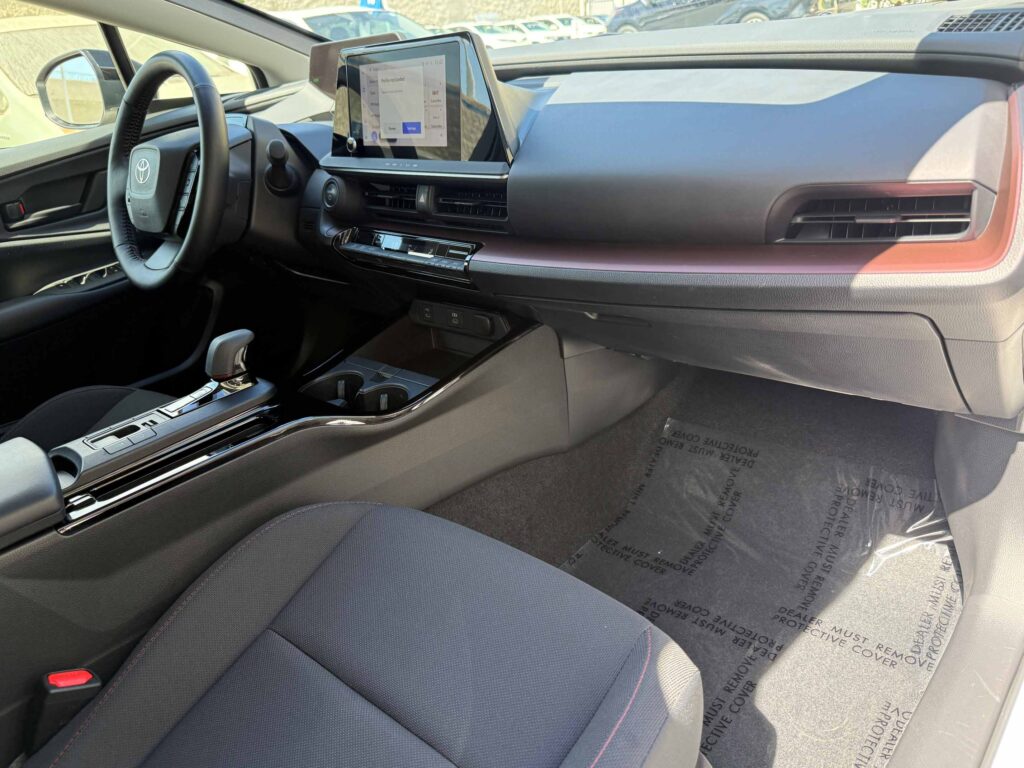
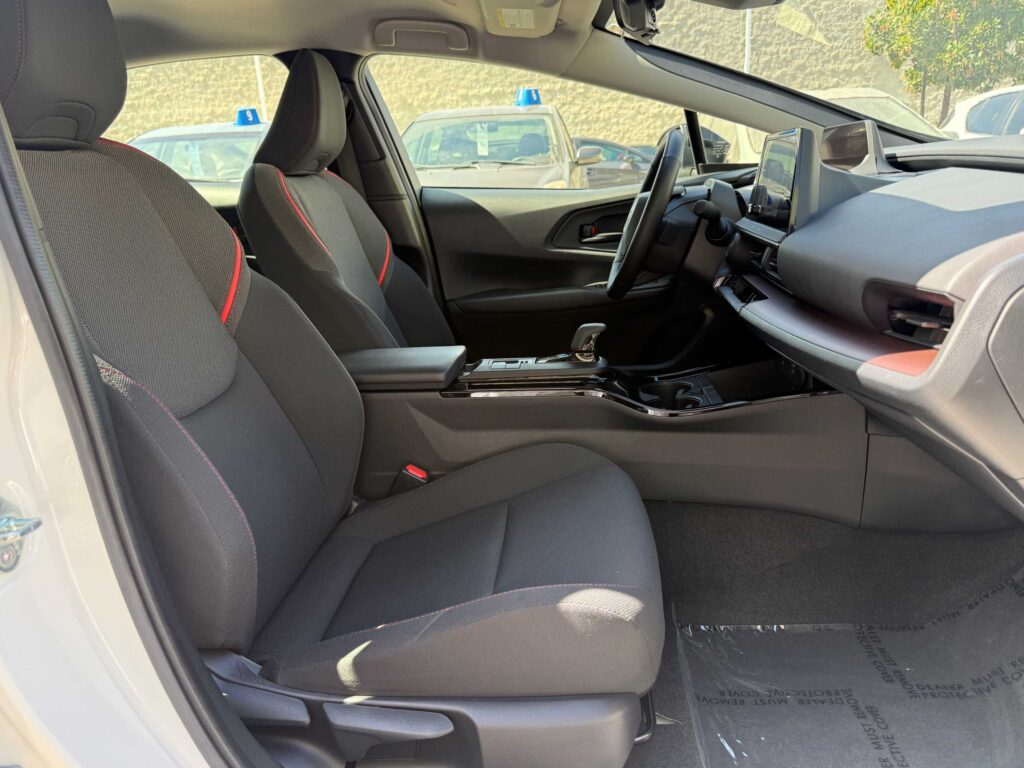
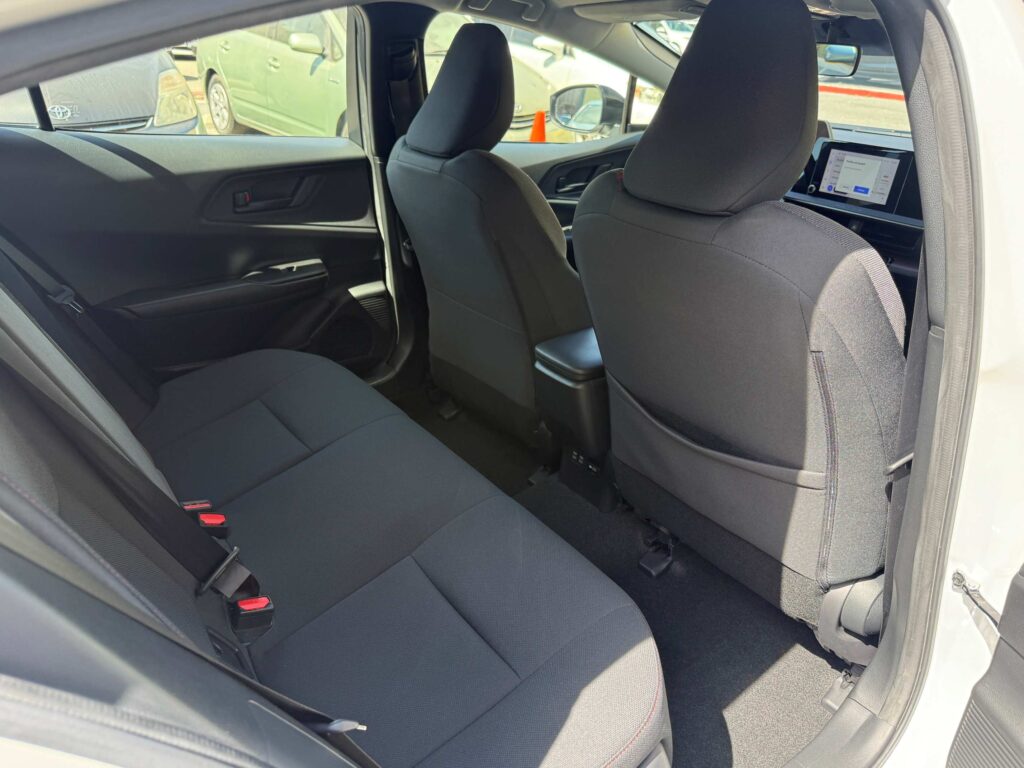
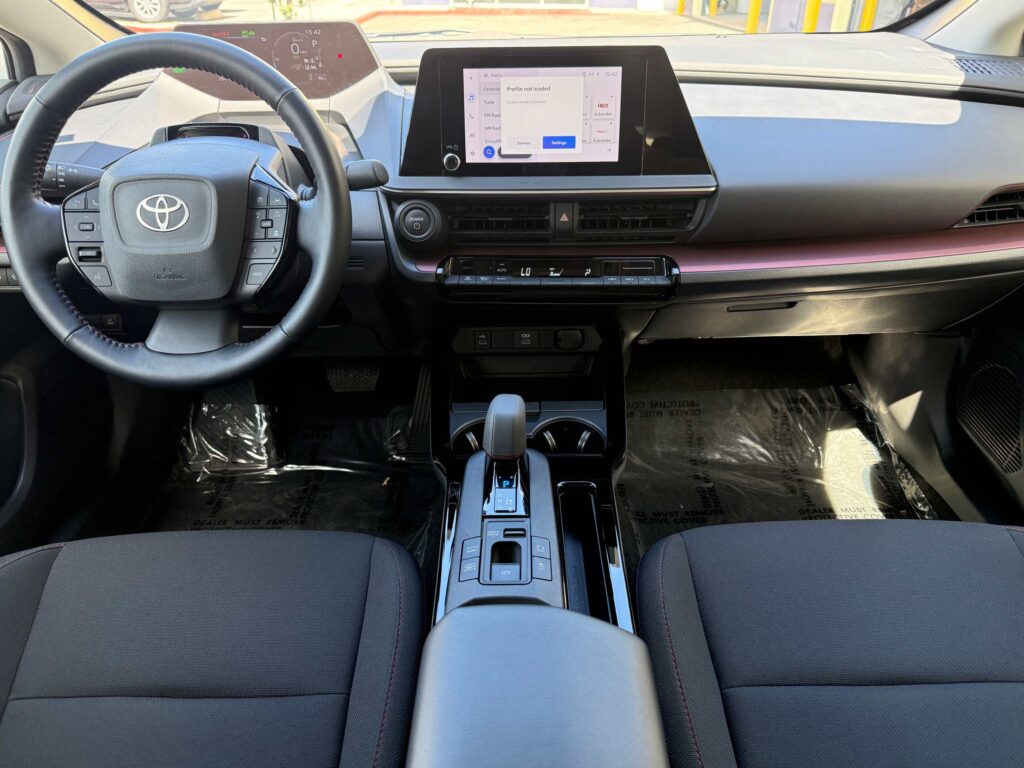
New Arrivals
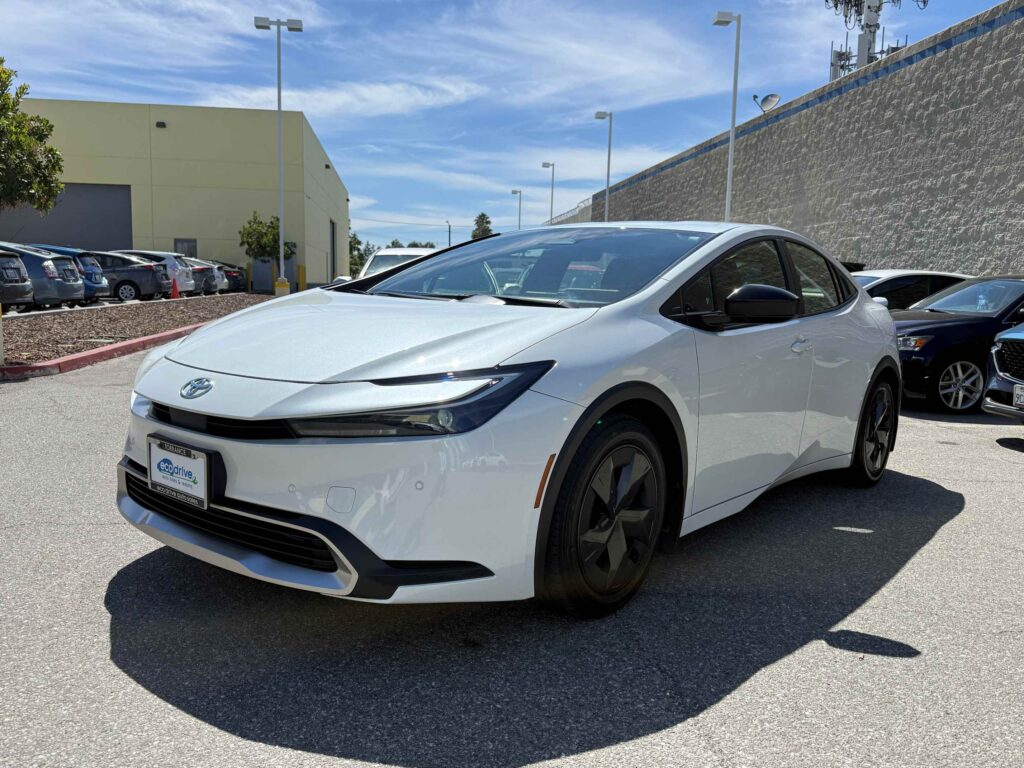
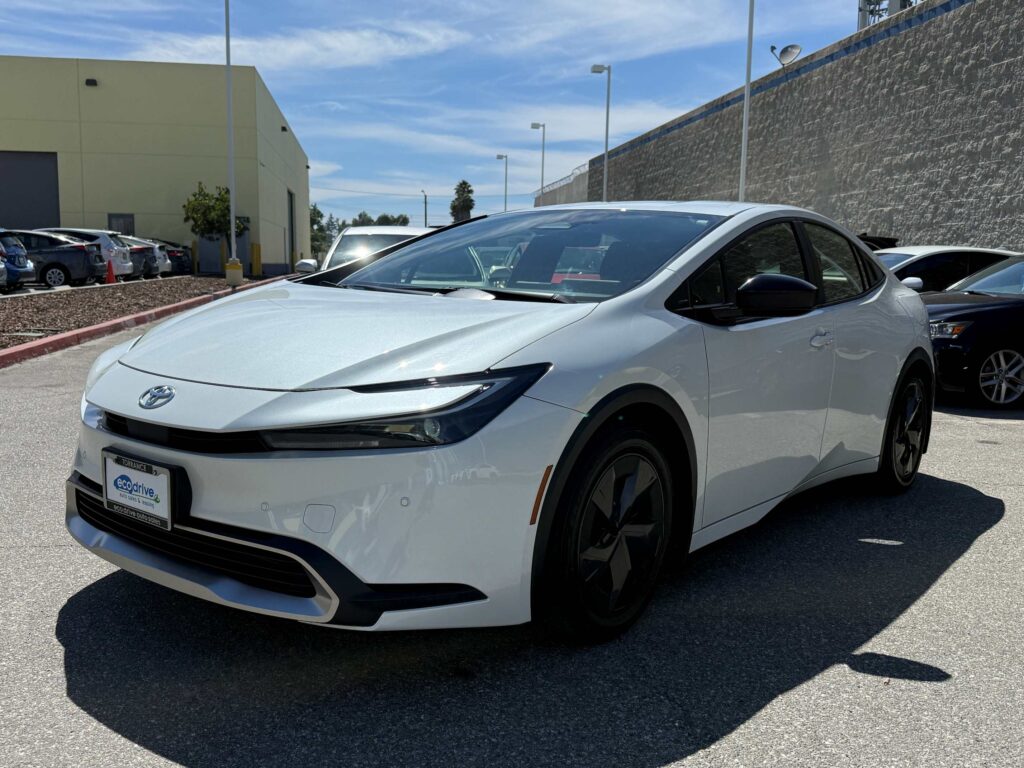
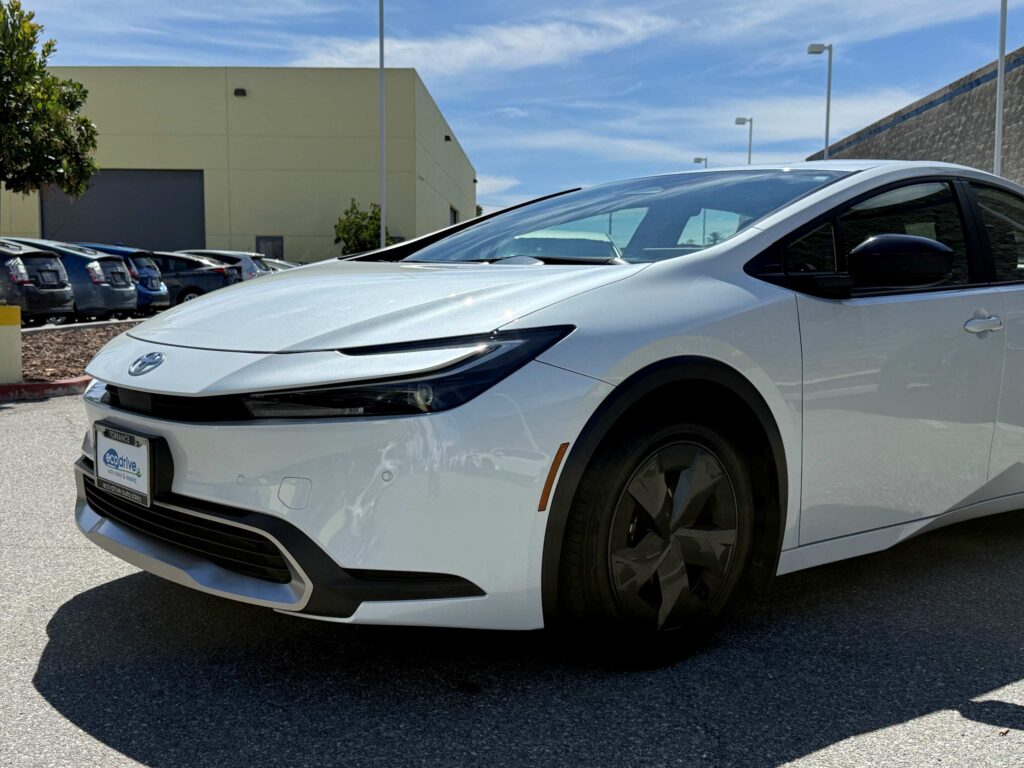
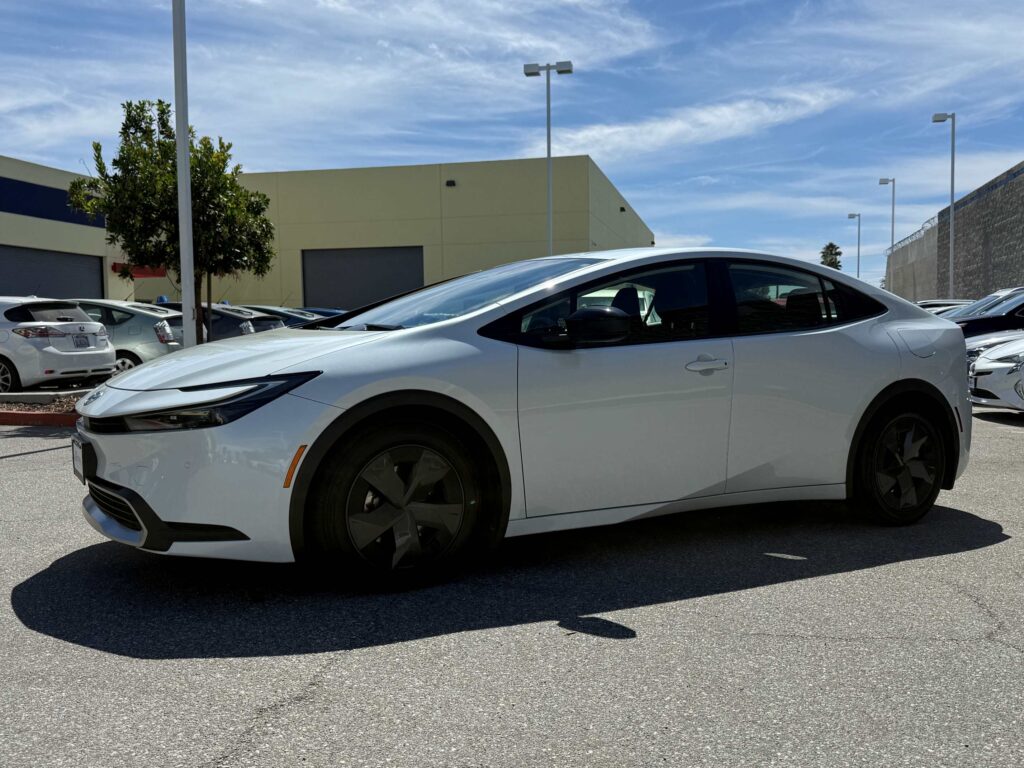
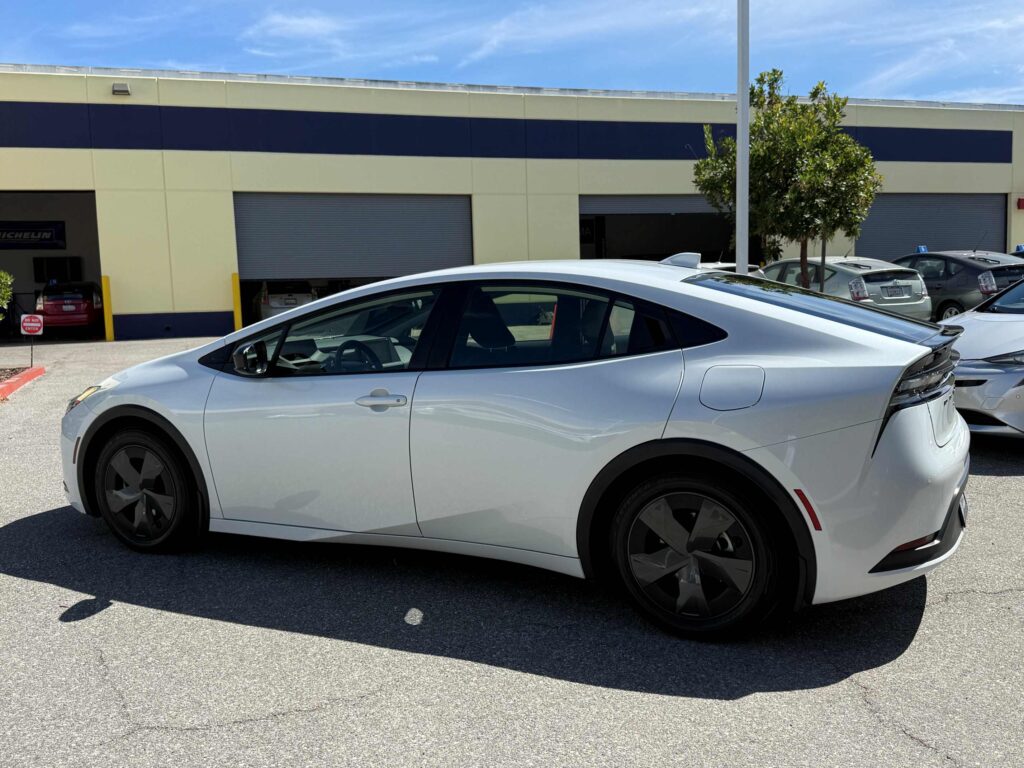
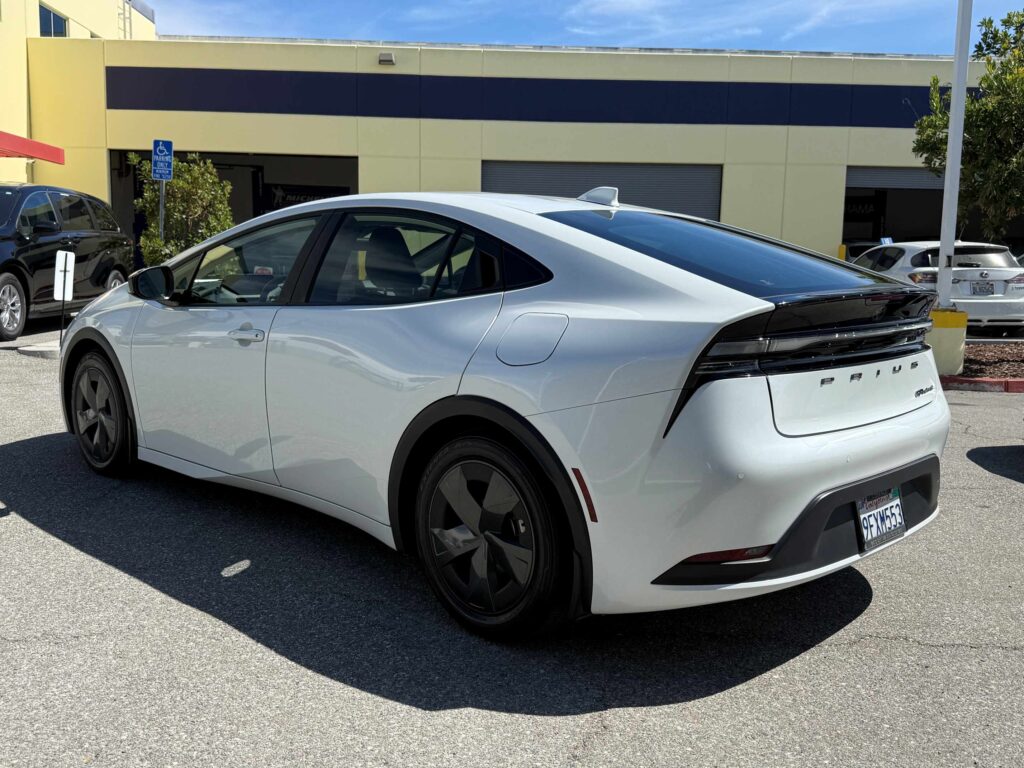
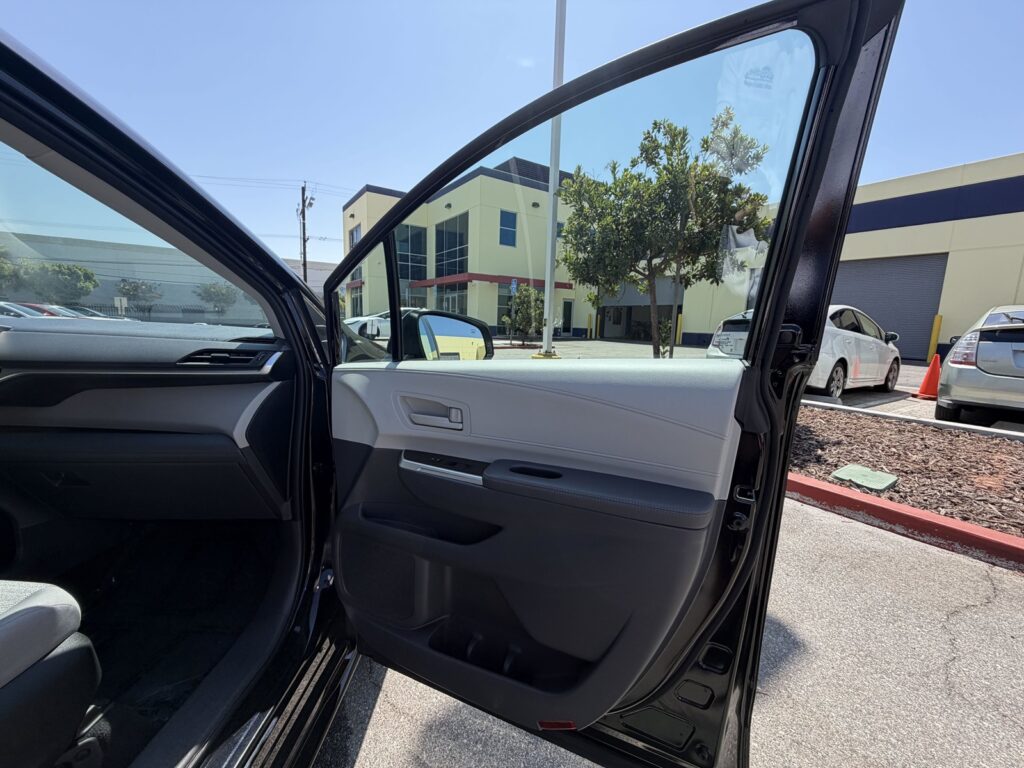
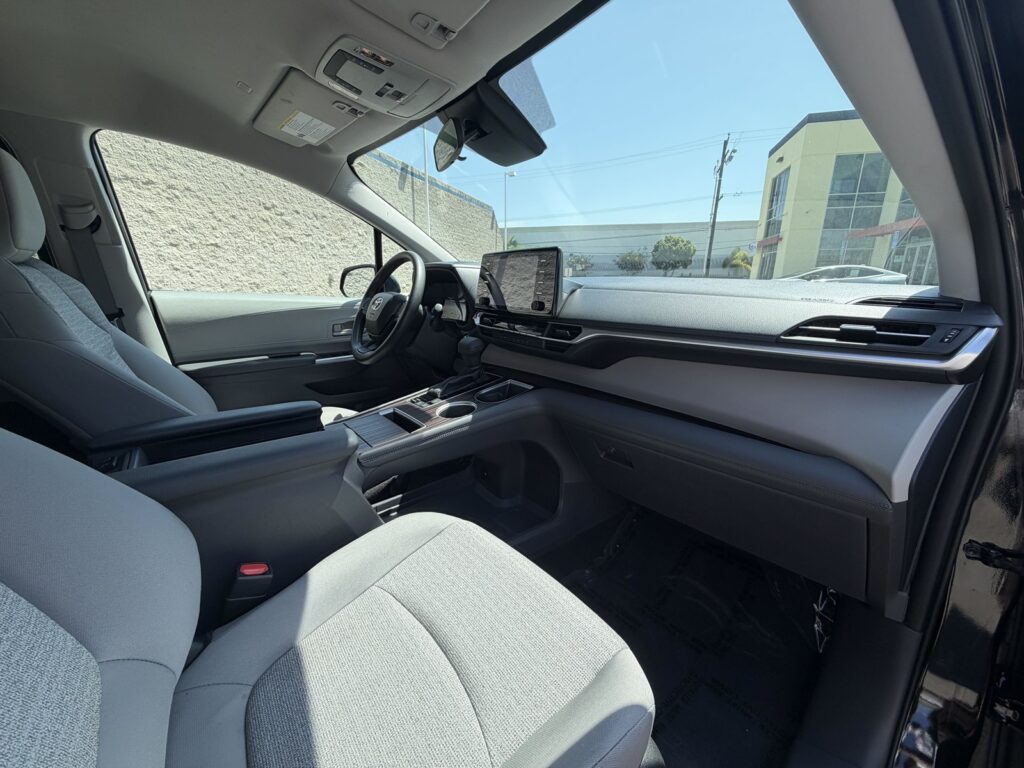
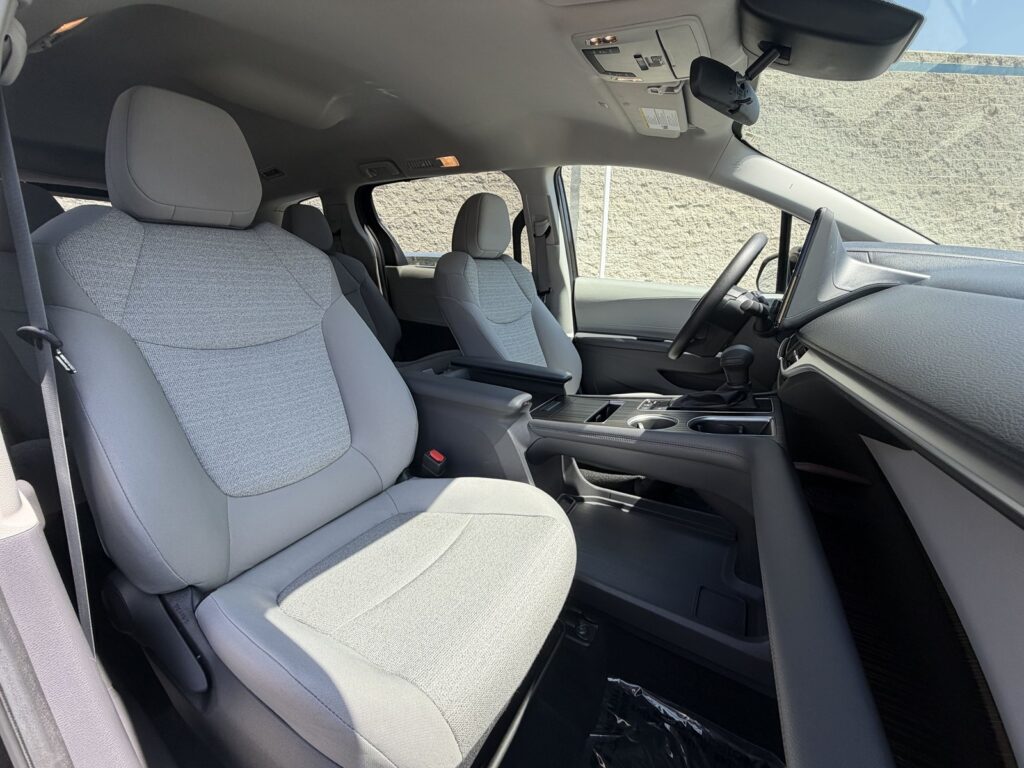
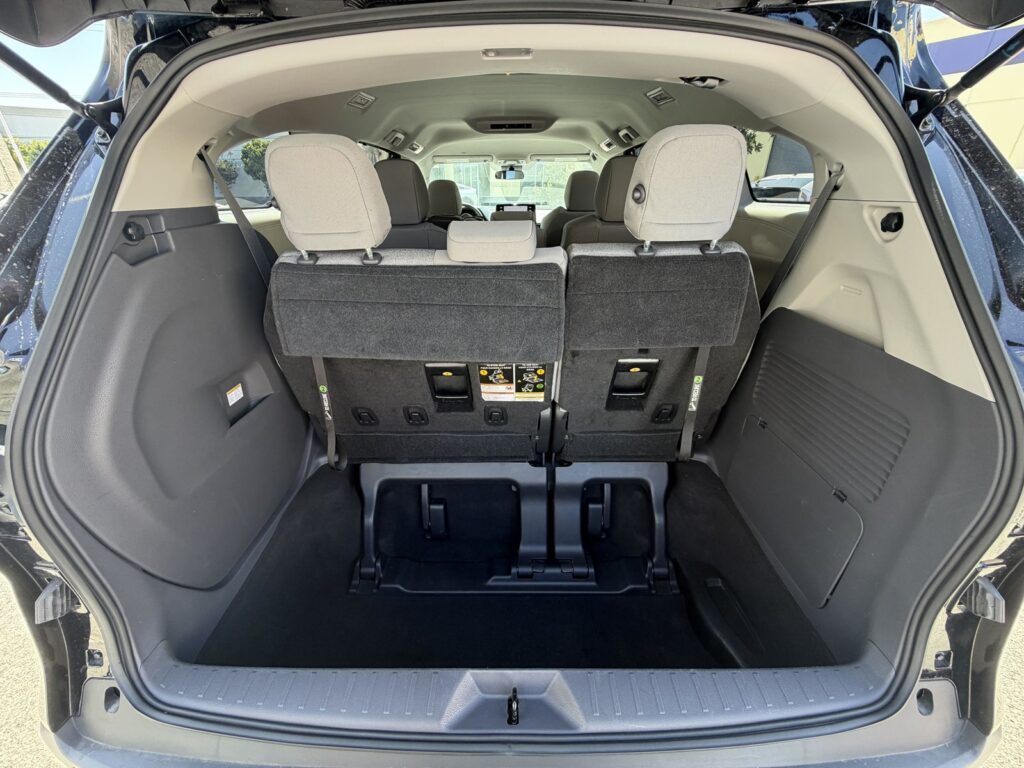
Discover our newest arrivals—available now!































Four Employee Retention Strategies That Work for Us
To get a bit more concrete, I think there are a few things a company has to get right.
Having a vision for the future
Above all, a company needs a vision for where it’s going.
At a company that only looks at the present, it’s hard for employees to picture their own future.
Where is the company headed? What services will it offer? What kind of team does it want to build?
Having that direction makes it easier for the people working there to line up their own growth with it.
Pay and terms matter, no question. But being able to believe “this company is going to keep getting better” is also a reason people want to stay.
Being honest with customers and the community
Being honest with customers and with the wider community ties directly into whether people want to work there.
For the people working there, whether the company does work they can stand behind matters a great deal.
Be straight with customers.
Don’t push a sale that shouldn’t happen.
Do work you wouldn’t be embarrassed to explain to anyone.
That posture is exactly what makes it easier for employees to think, “I want to keep working here.”
Transparency, inside and out
Transparency also matters if people are going to feel secure in their work.
Internally, that means it’s clear where the company is heading, what it values, and what standards it uses to make decisions.
Externally, it means being straight and easy to deal with for customers and partners.
Where transparency is low, employees are more likely to feel uneasy.
When the company’s thinking and its criteria for decisions are visible, people can approach their work knowing the reasoning is consistent.
Improving pay and working conditions
And improving working conditions, pay included, is essential.
Purpose and vision alone won’t keep people for the long run.
Pay that supports a life, an environment that’s workable, a pace that’s sustainable.
Those practical pieces carry a lot of the weight.
Here especially, people can move the moment a better offer comes along.
That’s exactly why a company can’t settle for how things are — it has to keep building, step by step, an environment people want to stay in.
Employees Also Have a Role to Play

One thing I want to add here is that the company isn’t the only side with work to do.
Employees also need to keep being people the company wants to work with.
While the company works on pay and conditions, employees raise their own game — their approach to the work, their appetite for growth, what they contribute to the team.
Without that kind of relationship, a good working environment doesn’t last.
It isn’t one side alone making the effort. Each has to give the other a reason to stay.
That’s where the difficulty — and the interest — of the employment environment here lies.
When Both Sides Put In the Work, Everyone Wins
The company works at being chosen by its employees.
Employees work at continuing to be people the company needs.
Once that relationship is in place, what you end up with is a better environment for both sides.
The company gets to grow alongside good people.
Employees get meaningful work and chances to grow.
And customers get better service from a team that’s stable.
Looked at that way, retention isn’t only an internal matter — it connects straight to the service customers receive.
The same thinking shapes how we sell. A team that plans to be here in five years has no reason to push a car that isn’t right for you today. You can see what we currently have on our used car inventory page.
Inside a fair setup where “you can always leave if you’re not happy,” both the company and the employee keep working to earn the other’s commitment.
That’s what ends up creating an environment where everyone comes out ahead.
It’s Hard, and It’s Worth It

Running a company here is not easy.
People can move, and a company has to keep giving them reasons not to.
There’s tension on the employer’s side and on the employee’s side. It isn’t an easy environment.
But because it’s demanding, there’s also real satisfaction in it.
A genuinely attractive company gives people more reason to stay.
When employees grow, the company gets stronger.
Growing a company step by step in that kind of demanding, competitive environment is hard work, but I think it’s a challenge worth taking on.
When I see companies and individuals delivering results in a demanding environment, I find it genuinely impressive.
The Japanese companies that succeed in a market this competitive, and the Japanese major leaguers putting up numbers far from home, keep earning their place in a demanding environment.
Eco Drive is still a small company, but there’s a lot we can learn from them.
So we keep getting a little better at it — as a company, for the people who work here, and for our customers.
Those small steps, stacked up, are what carry the company forward from here.
Wrapping Up: What Employee Retention Really Comes Down To
When you run a company here, retention is a genuinely difficult topic.
Under at-will employment, the company and the employee are in a relationship where each chooses and is chosen.
That’s exactly why a company has to keep being attractive to the people who work there.
Having a vision for the future.
Being honest with customers and the community.
Being transparent inside and out.
Improving working conditions, pay included.
Together, over time, those are what make a company a place people want to stay.
And the company isn’t the only side with work to do.
Employees, too, have to stay people the company wants on the team.
When both sides keep making the effort, the environment gets better for the company, for the employees, and for customers.
It’s hard — and that’s part of what makes it worth doing.
Eco Drive is still a small company, but we’ll keep raising our game step by step, aiming to be a place where employees want to stay for the long run.
About the information in this article: This article describes general employment practices and my own experience running a company here. Employment law varies by state and by individual situation, and it changes over time. This article is general information, not legal advice.
Thanks for reading, and I’ll see you in the next one.
You May Also Like