Cash Flow Struggles of a U.S. Startup: The Bank Loan Wall

Part 1: Why Cash Flow Can Be So Tough When Starting a Business in the U.S. — My Real Experience with the Bank-Loan Wall
Introduction
Hi everyone — I’m Suzuki from Eco Drive.
Today I want to talk about the cash-flow challenge I ran into right after starting my business here in the U.S.
I started a used-car business with $30,000 and just three cars in inventory — so why did money get tight so easily?
And why did I hit a wall the first time I asked a bank for a loan? I’ll walk you through exactly what it was like at the time.
I’ve been running a business in the U.S. for about ten years now, and none of this is secondhand advice — it’s all my own firsthand experience!
Whether you’re thinking about starting a business of your own or just curious what the early days of entrepreneurship really look like, I hope you’ll find something useful in this story.
Watch the video version here (with English subtitles):
Cash Flow: The Wall Every Entrepreneur Hits
When you run a business, there’s a rite of passage that nearly every founder runs into sooner or later: managing cash flow.
Almost every entrepreneur hits this wall at some point.
Once you start trying to grow quickly, access to capital often becomes one of the biggest challenges.
Cash flow isn’t just an early-stage problem
It’s not something you only deal with at the beginning — it keeps following you for as long as you’re growing.
That goes double for businesses like mine that buy products and resell them.
In retail, you have to pay for inventory before you can sell it, so cash goes out the door first.
The more demand you have, the more critical cash flow management becomes.
Side note: Why retail businesses get squeezed on cash flow
The hard part about selling physical products is that cash goes out before it comes back in.
And inventory doesn’t always turn back into cash right away — while products sit on your lot, that money is essentially frozen.
So it’s not just slow periods that hurt. Ironically, the busier you get, the more cash you need for the next round of inventory, and
your reserves get thinner and thinner.
Starting with $30,000 and Three Cars
Ten years ago, I started a used-car business by myself.
I launched with $30,000 in capital and an inventory of just three cars.
I was 32 years old at the time.
After buying inventory, I had about $9,000 left
I bought three cars to get started, and each one cost around $7,000 to source.
Three cars came to roughly $21,000 in inventory.
That left me with about $9,000 in hand.
Looking back now, I think, “What a risky thing to do!” — but at the time, it was the only way forward.
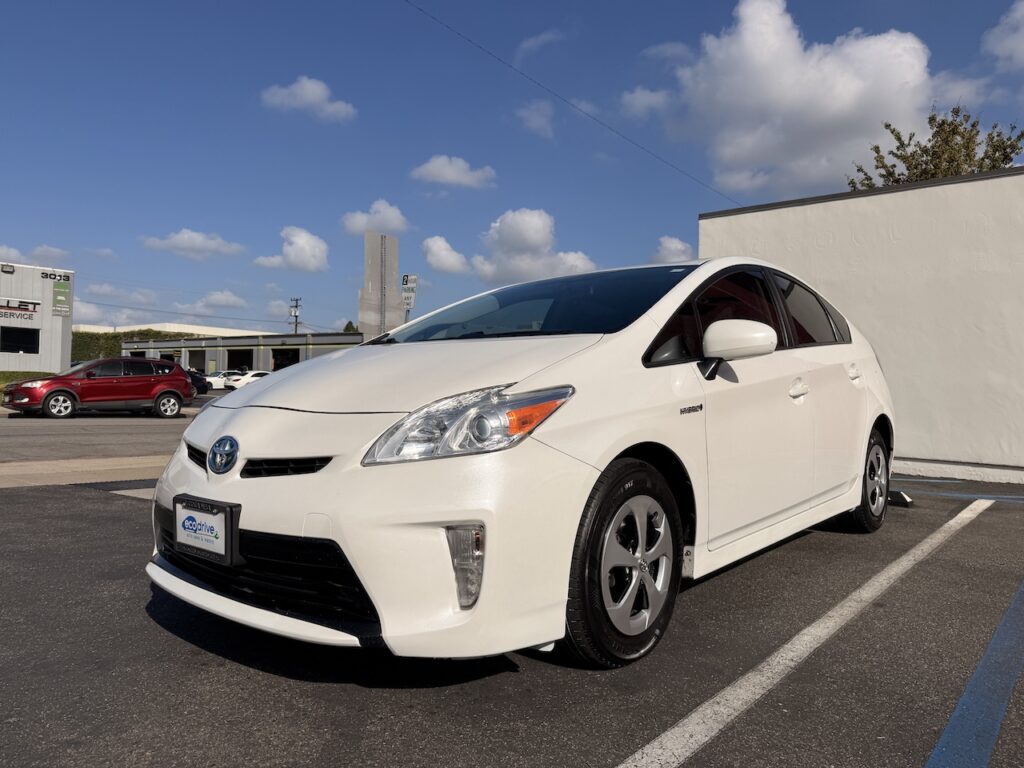
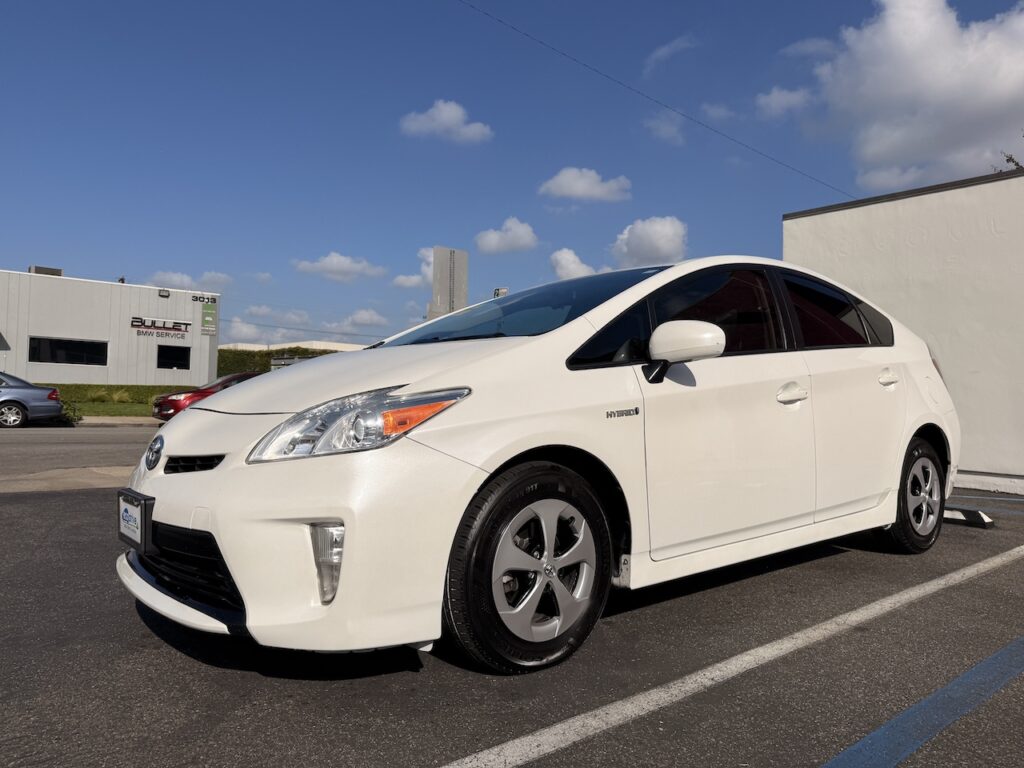
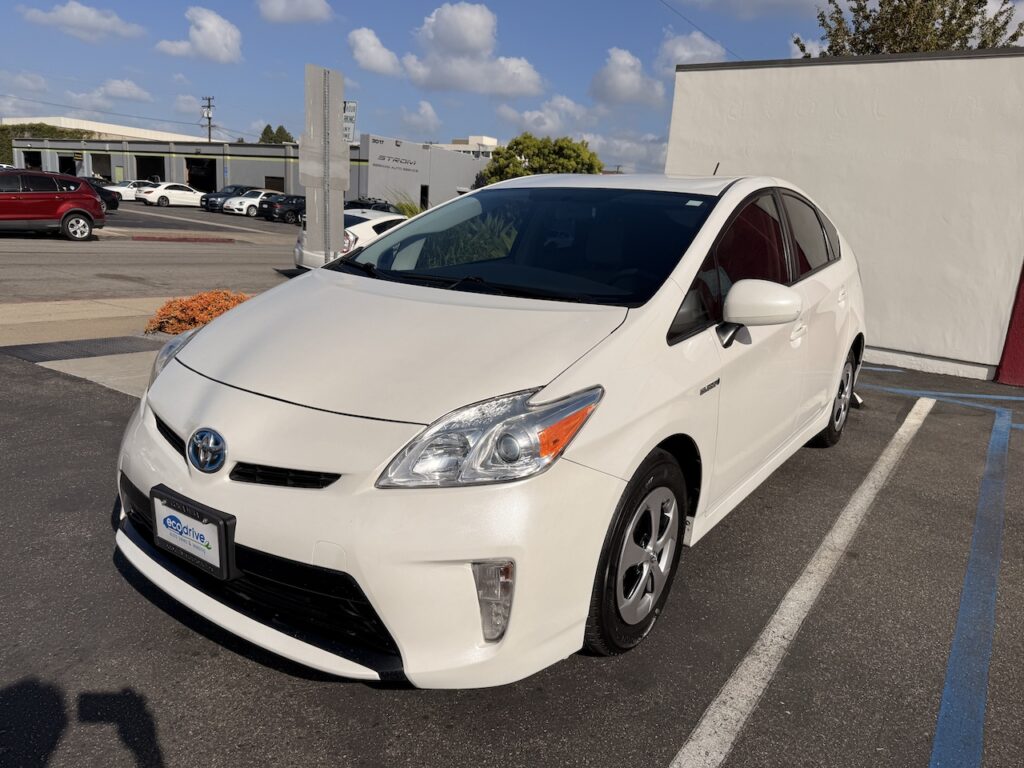
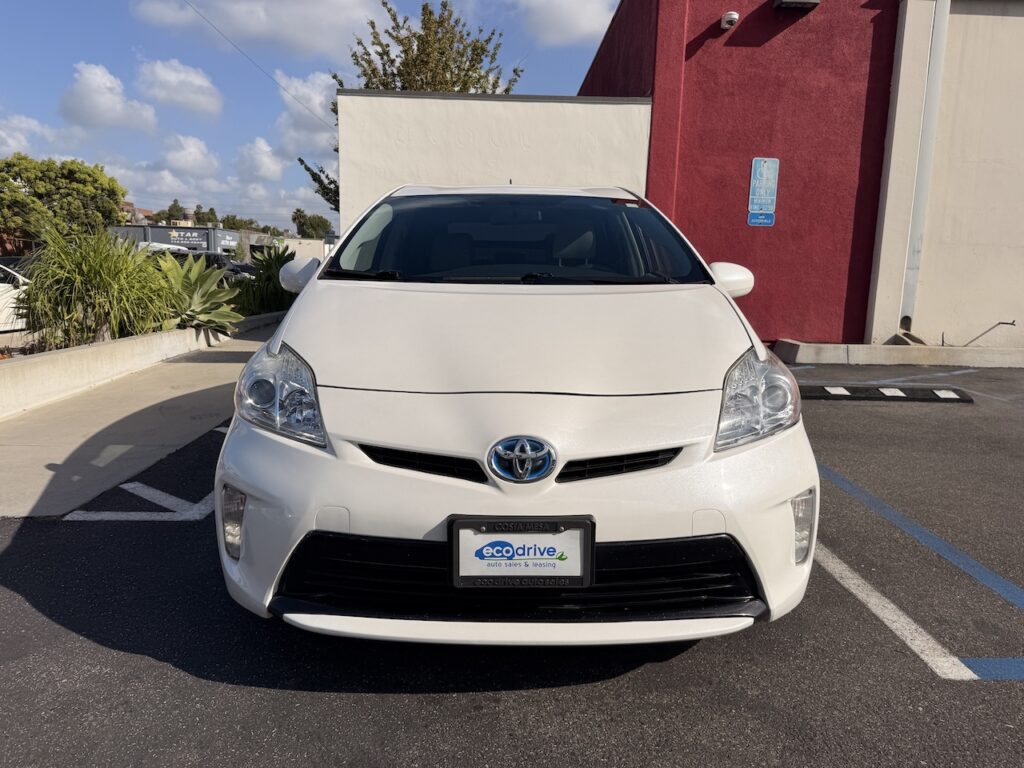
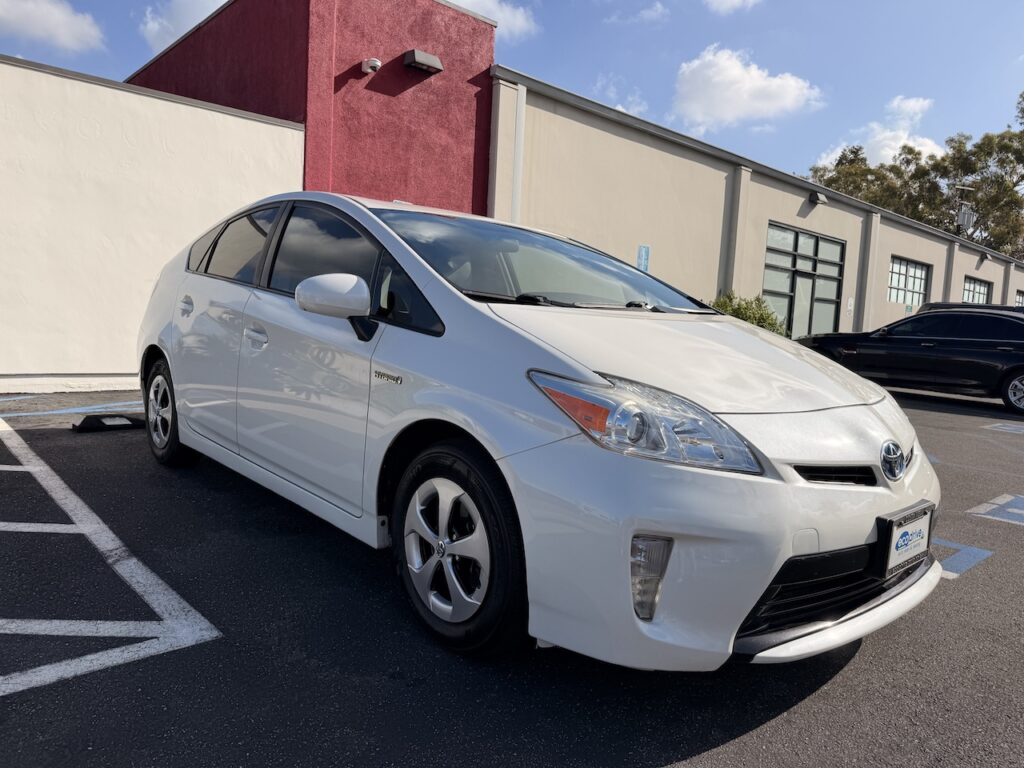
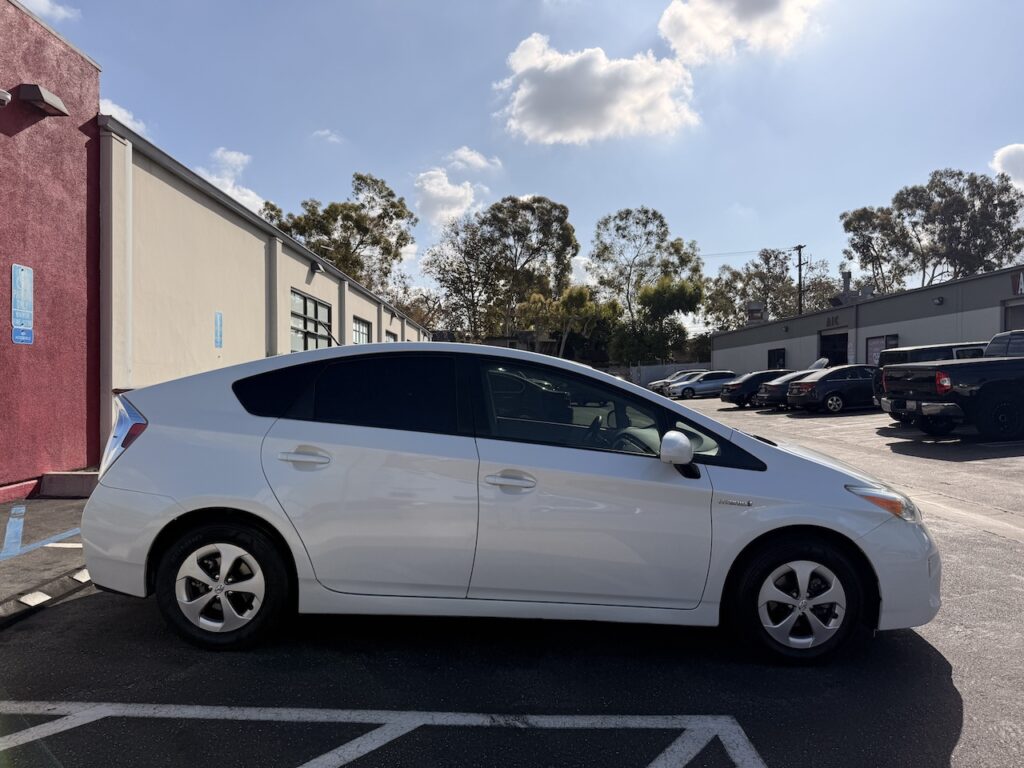
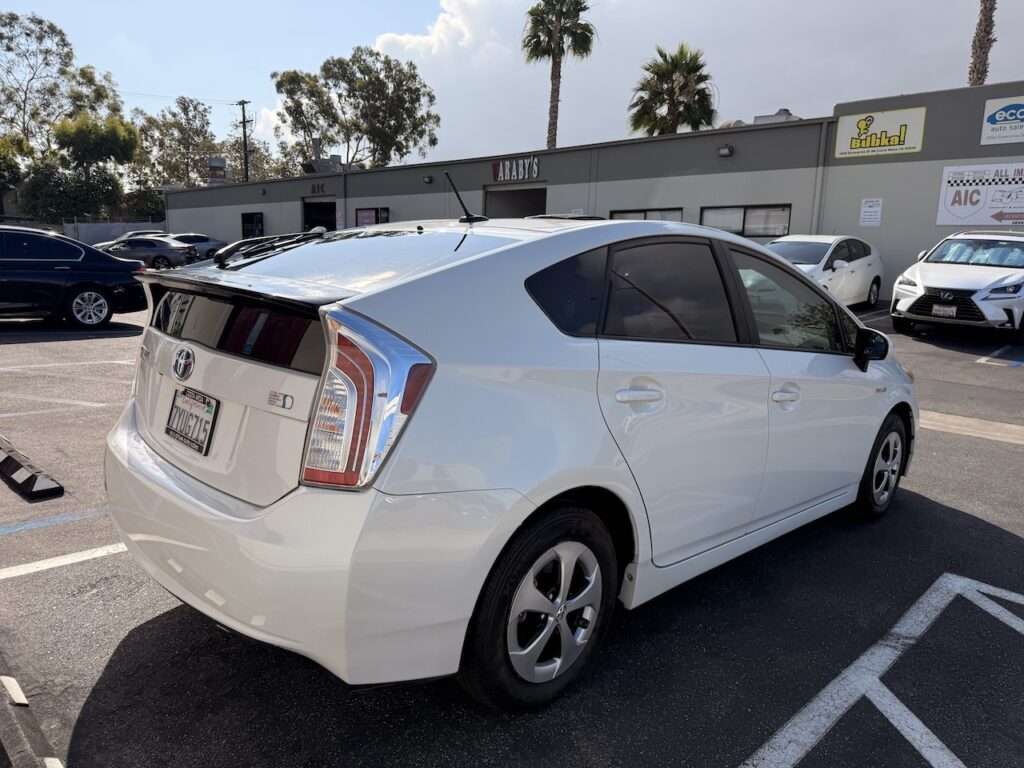
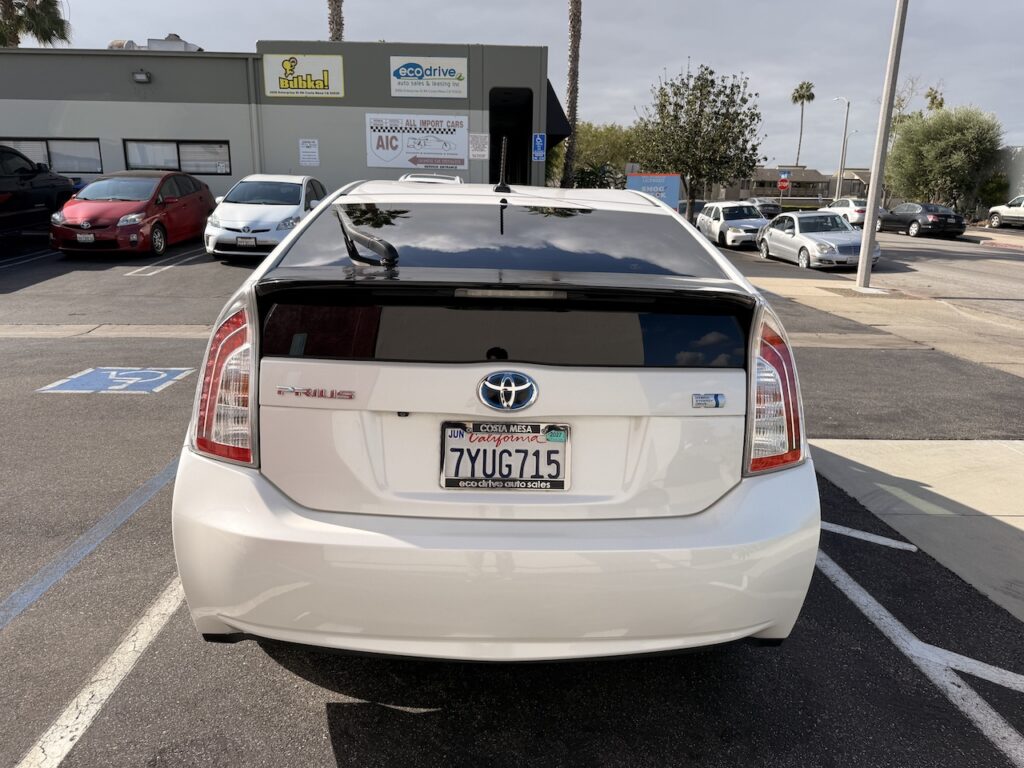
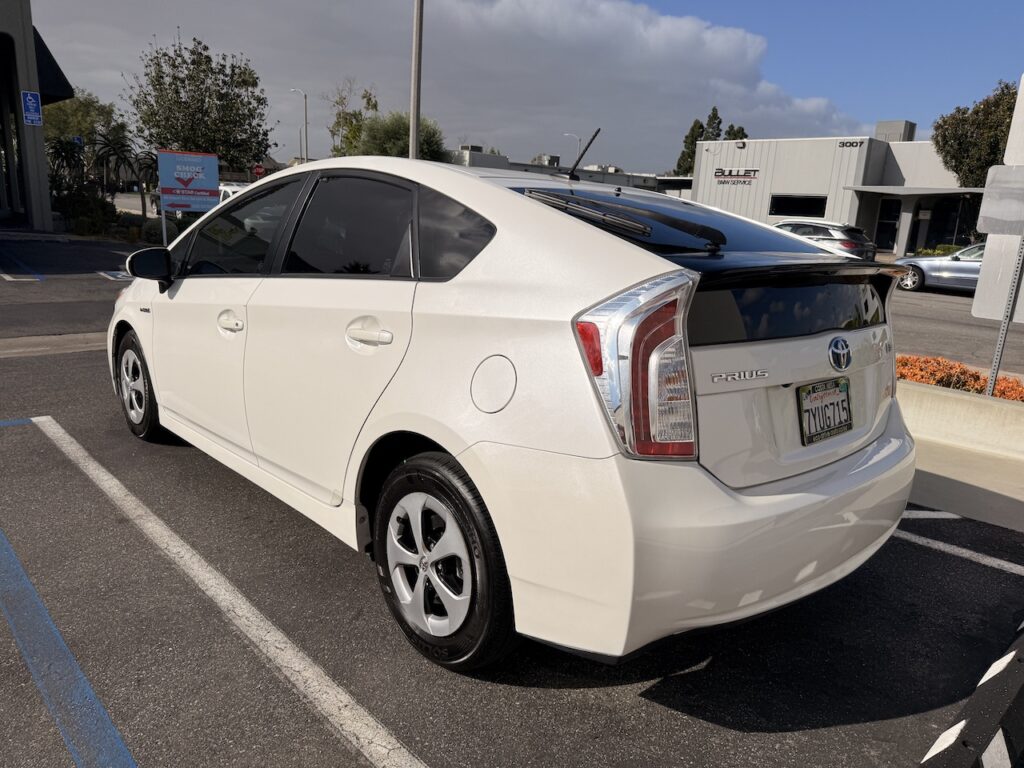
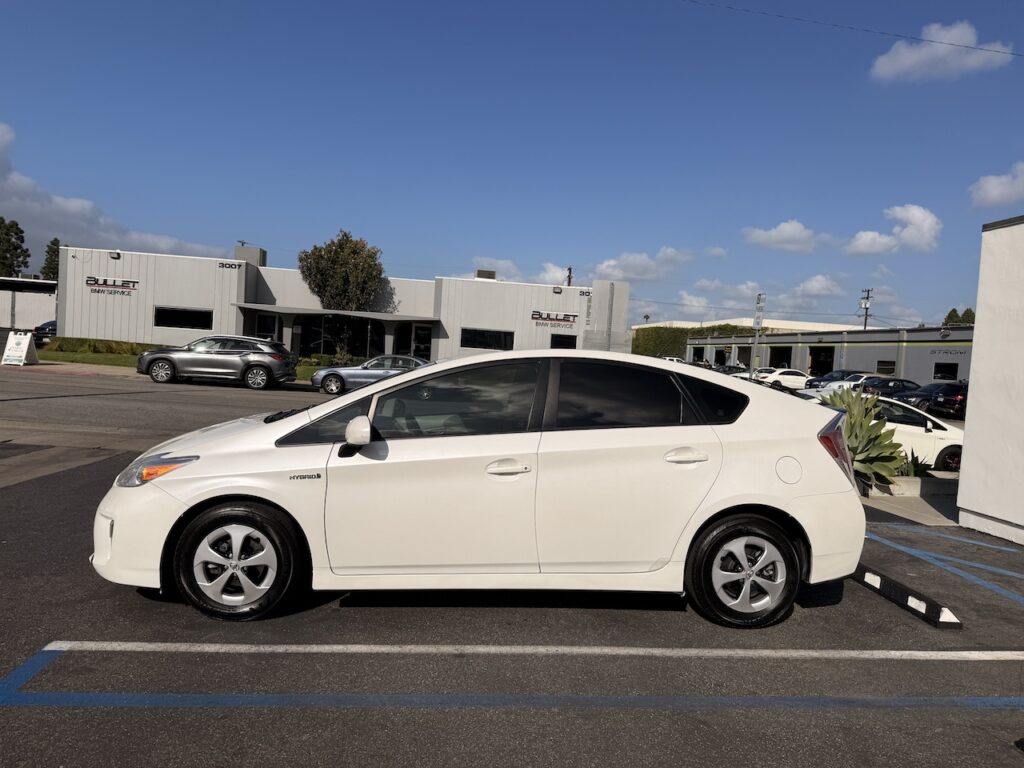
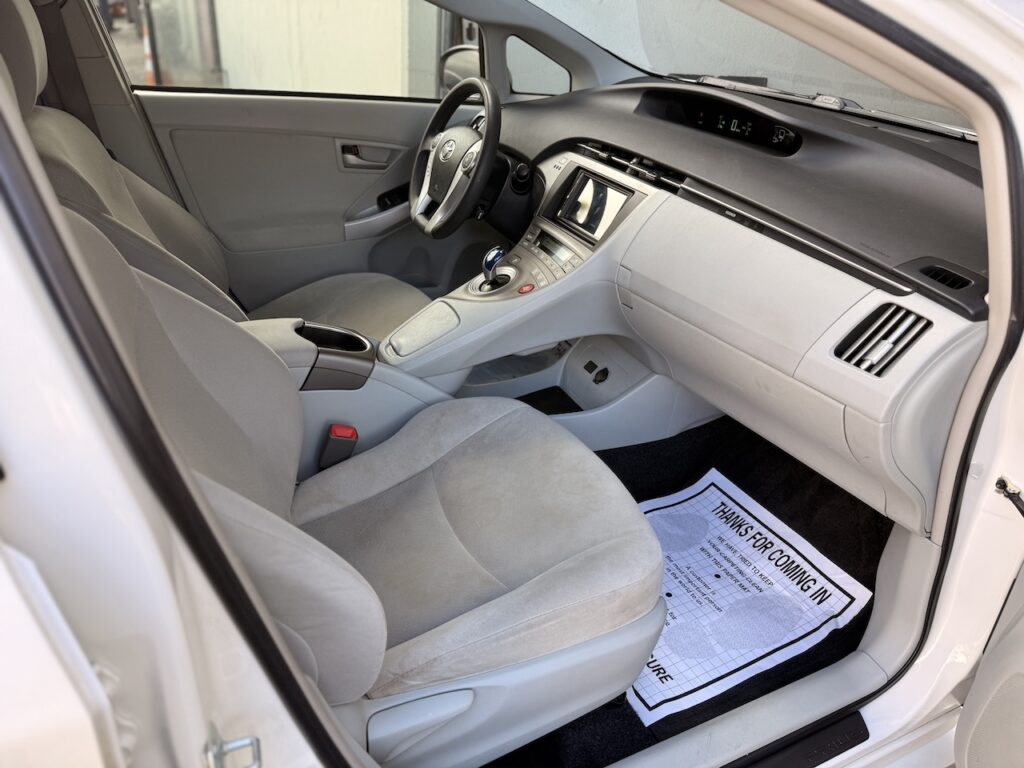
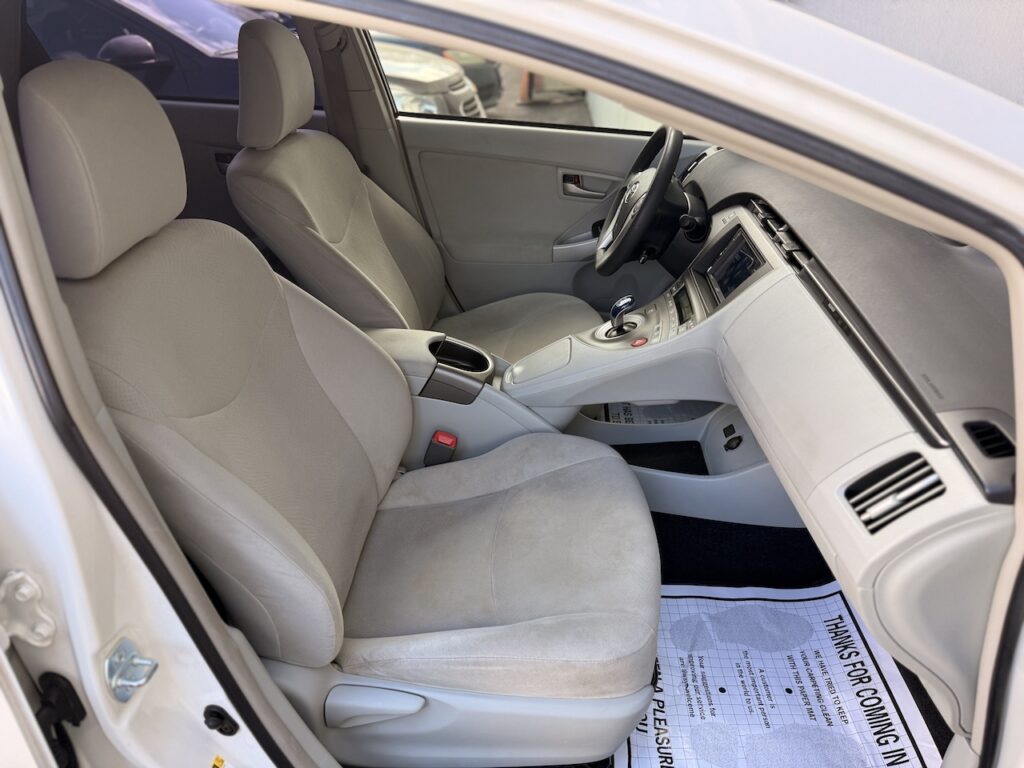
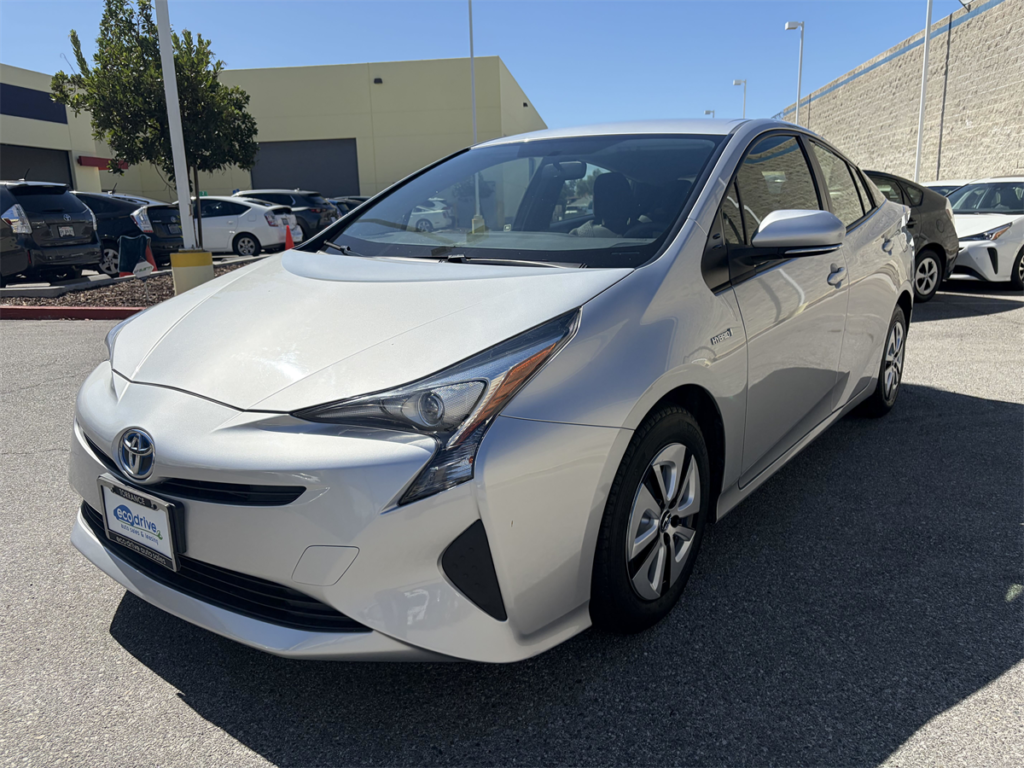
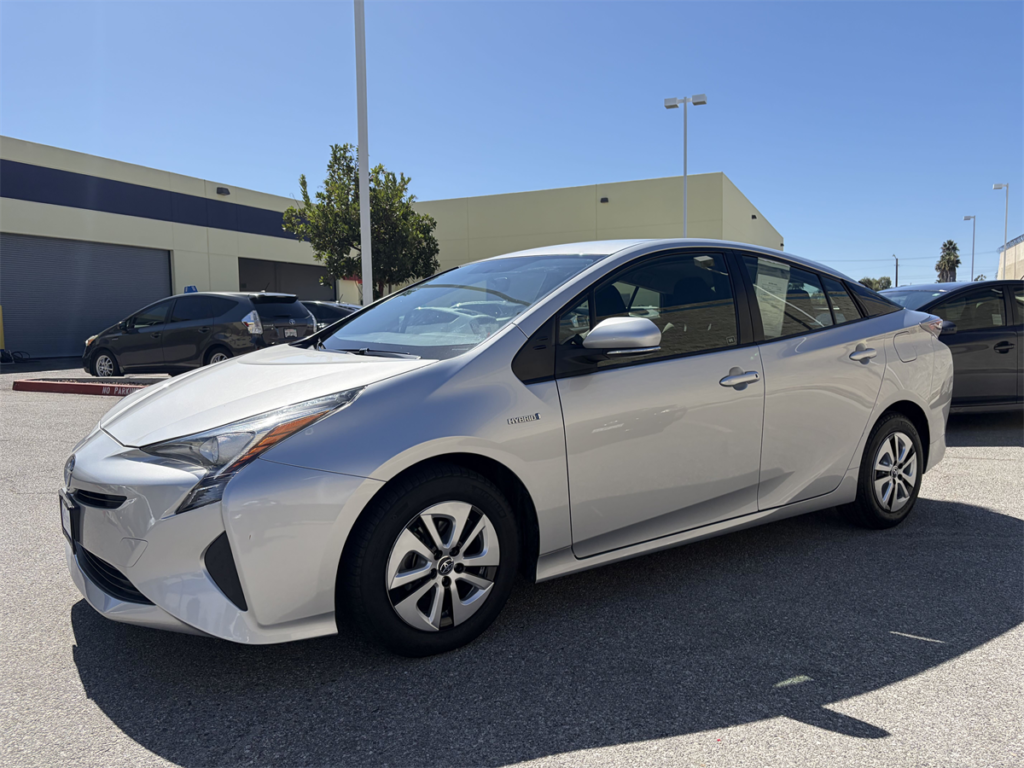
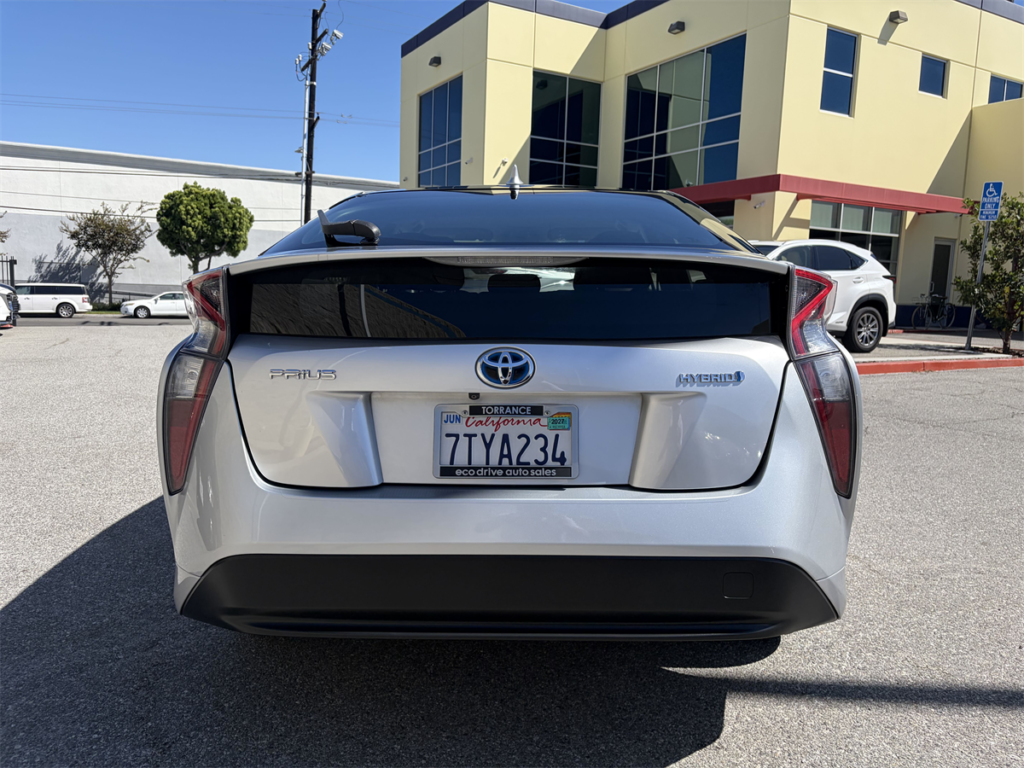
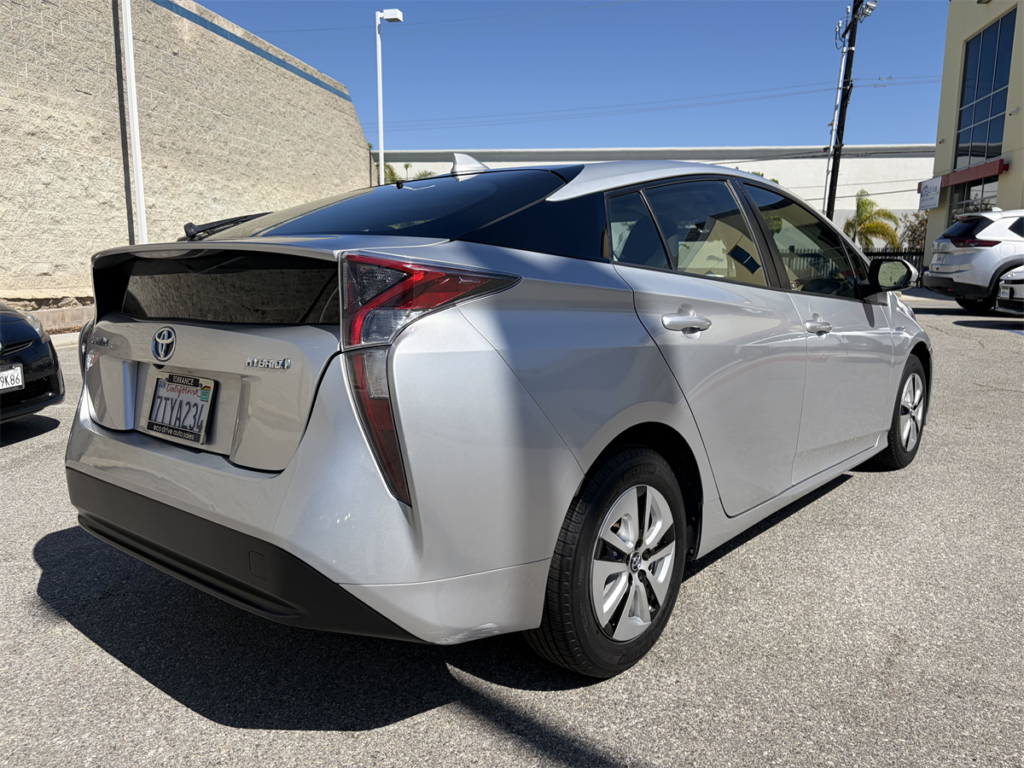
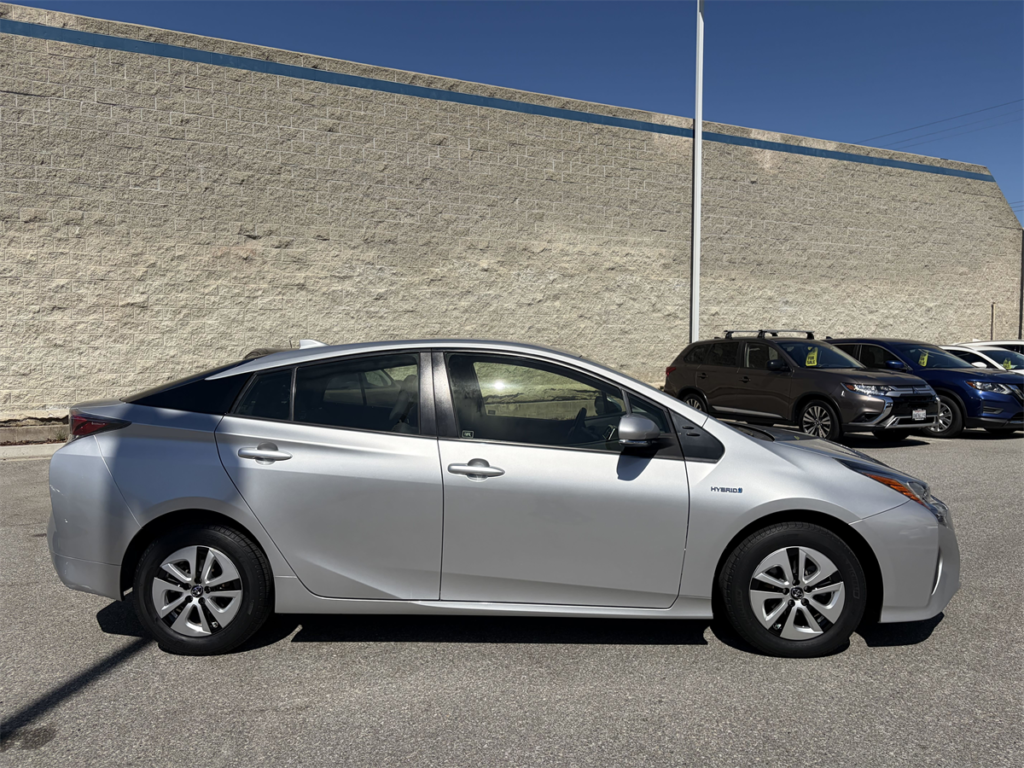
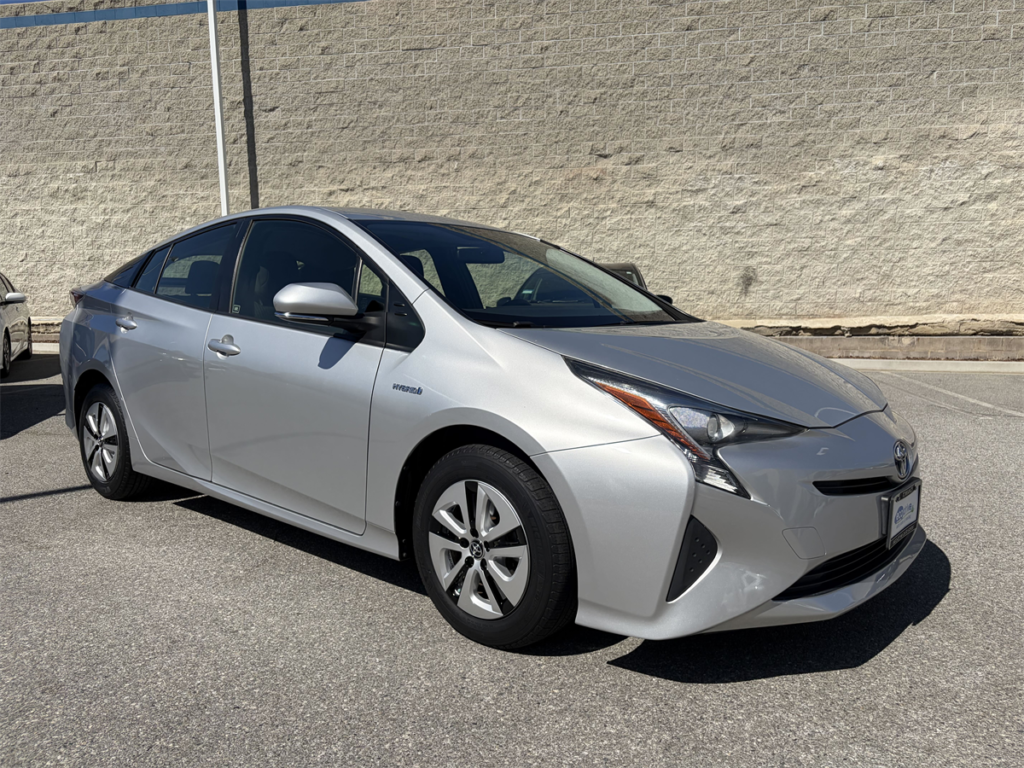
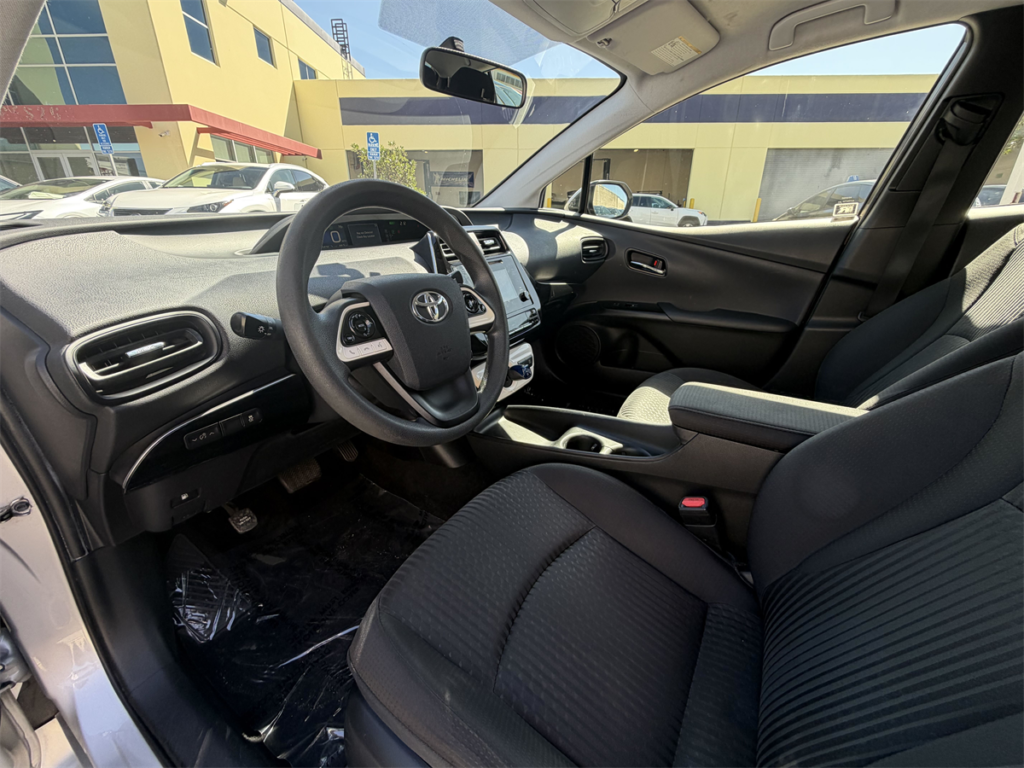
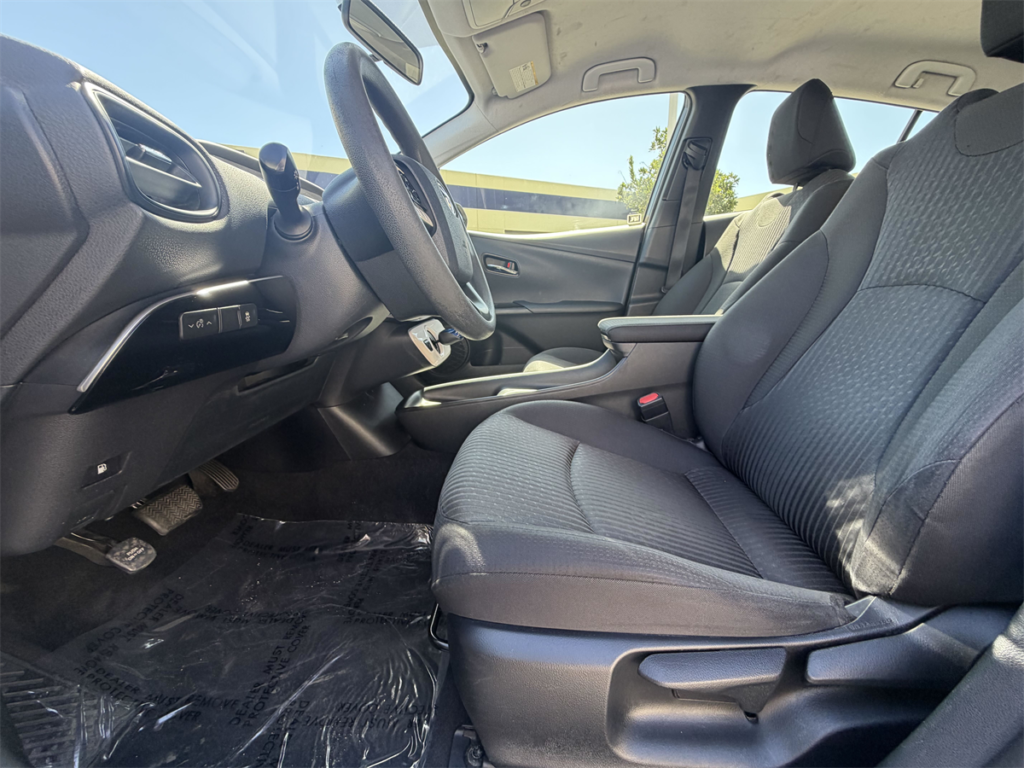
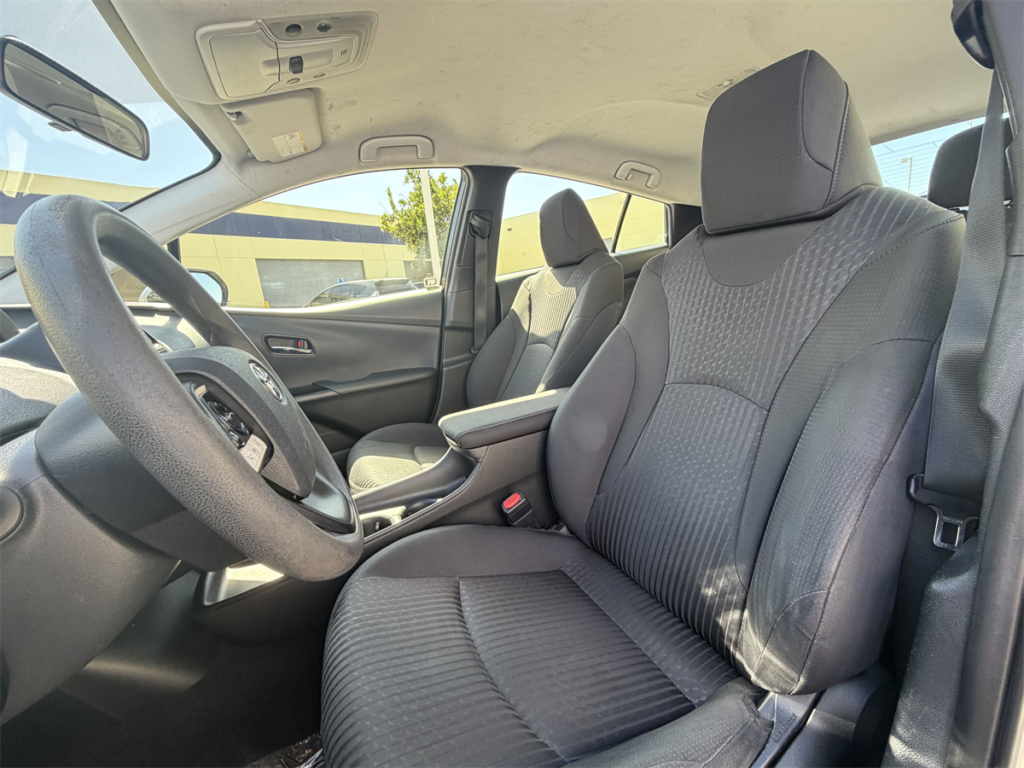
I was calling myself a “Prius specialist” with only three cars on the lot. Honestly, what a way to start.
The fear of holding inventory on thin capital
Start with $30,000, put $21,000 into inventory, and you’re left with about $9,000.
On paper it looks like you still have something left, but in reality, living expenses and all kinds of small costs keep chipping away at it.
That’s why even a slight delay in selling one car could make cash flow feel painfully tight.
Looking back, in an early-stage inventory business, before you even get to profitability, what really matters is how long your cash on hand can last.
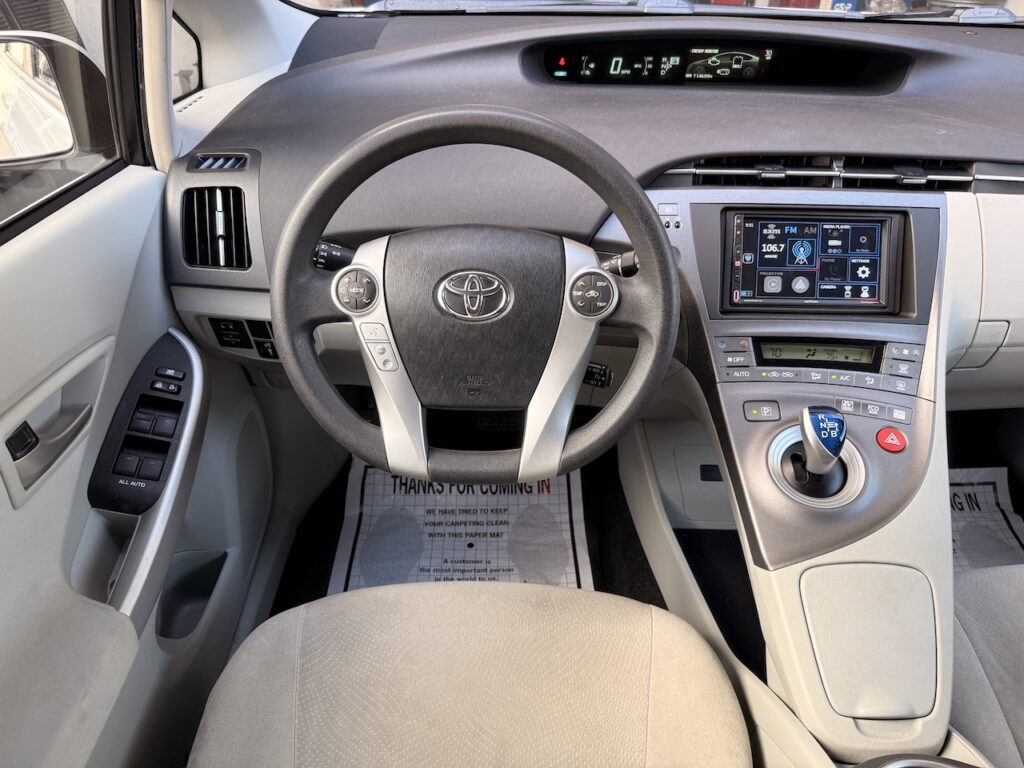
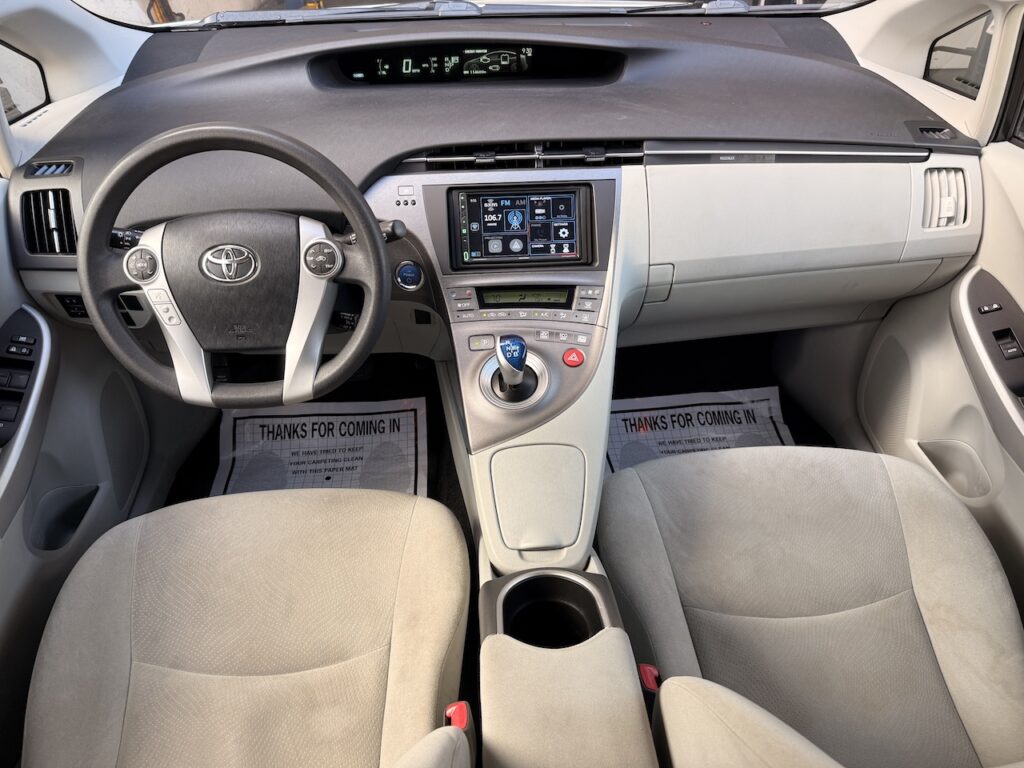
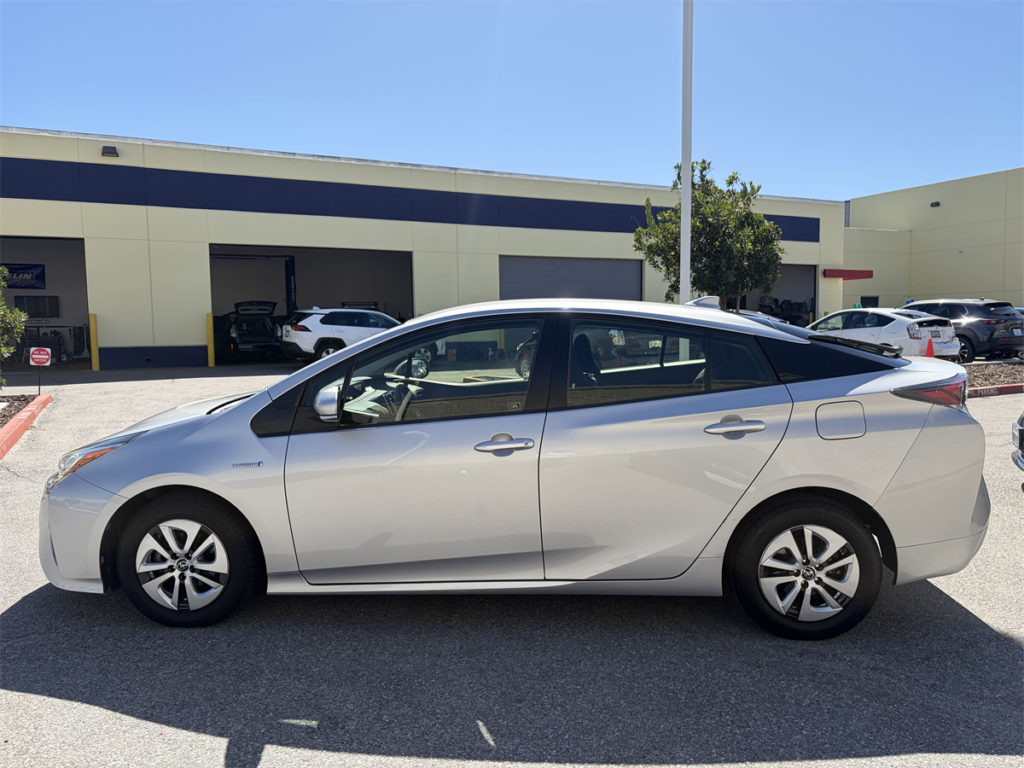
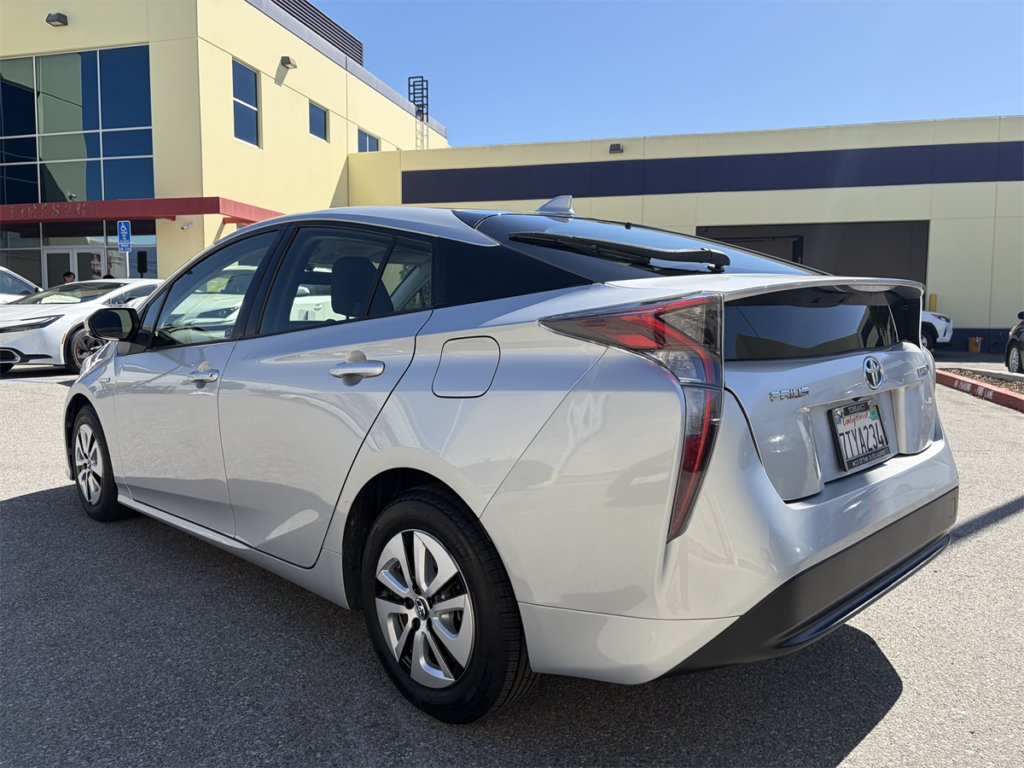
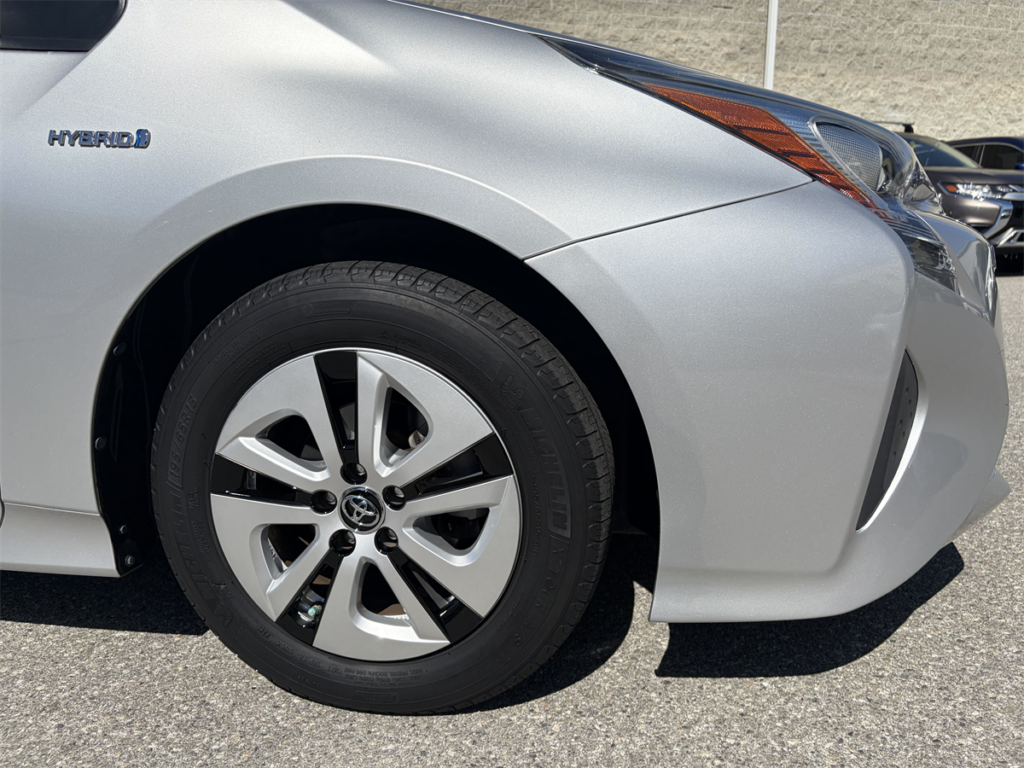
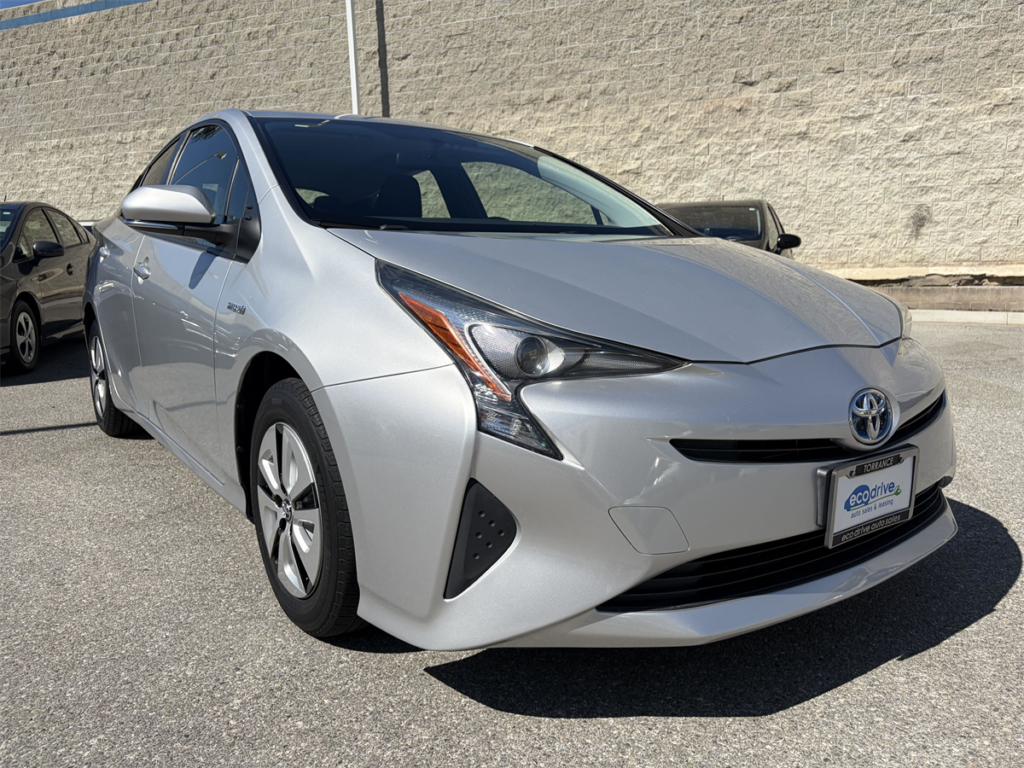
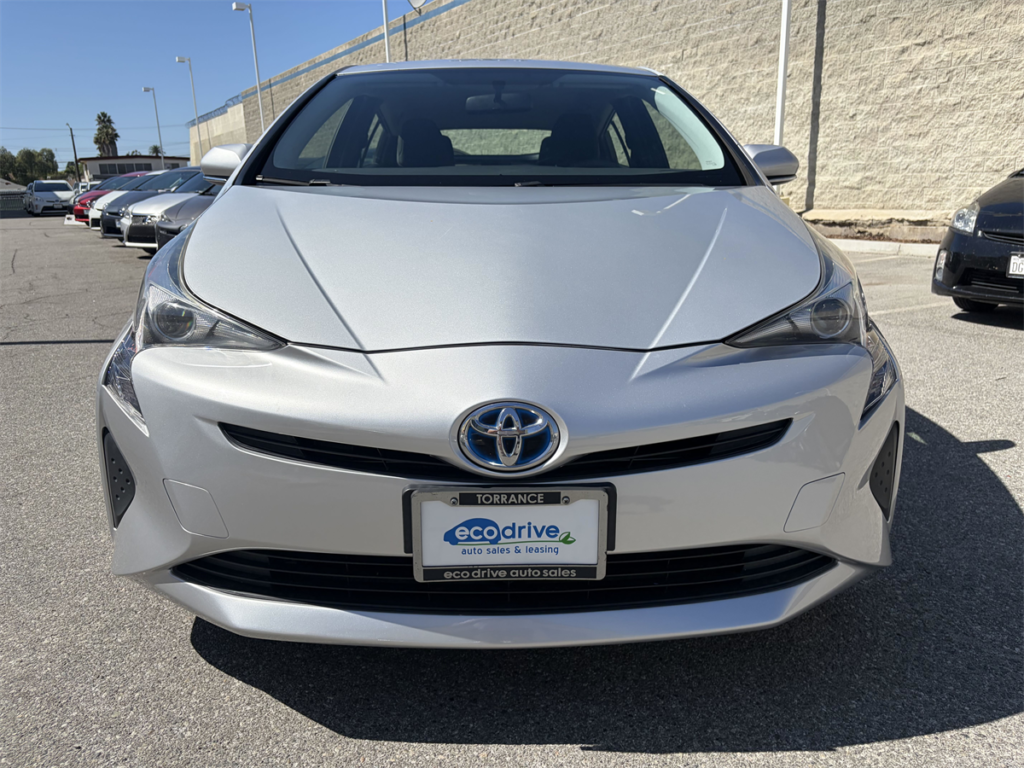
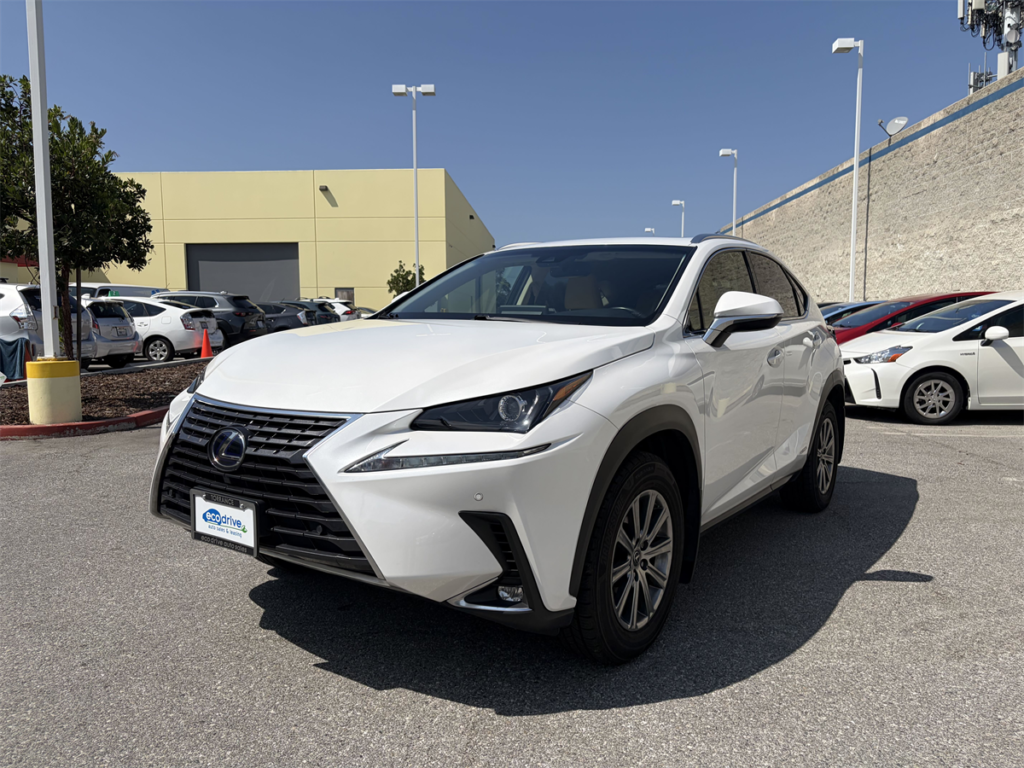
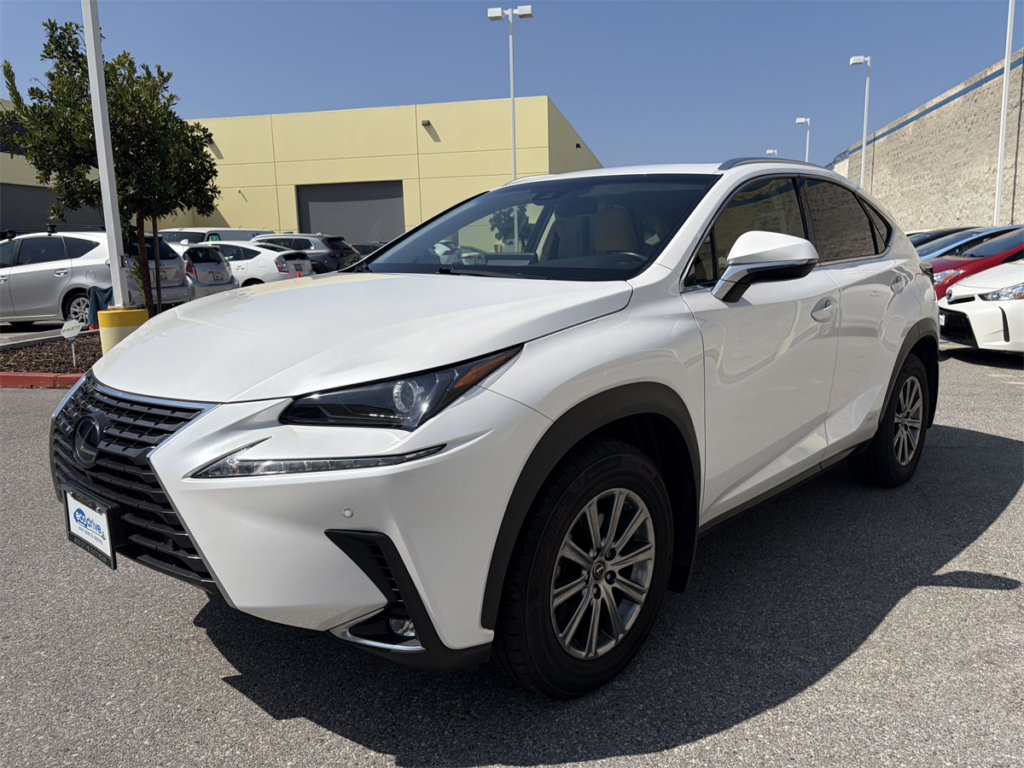
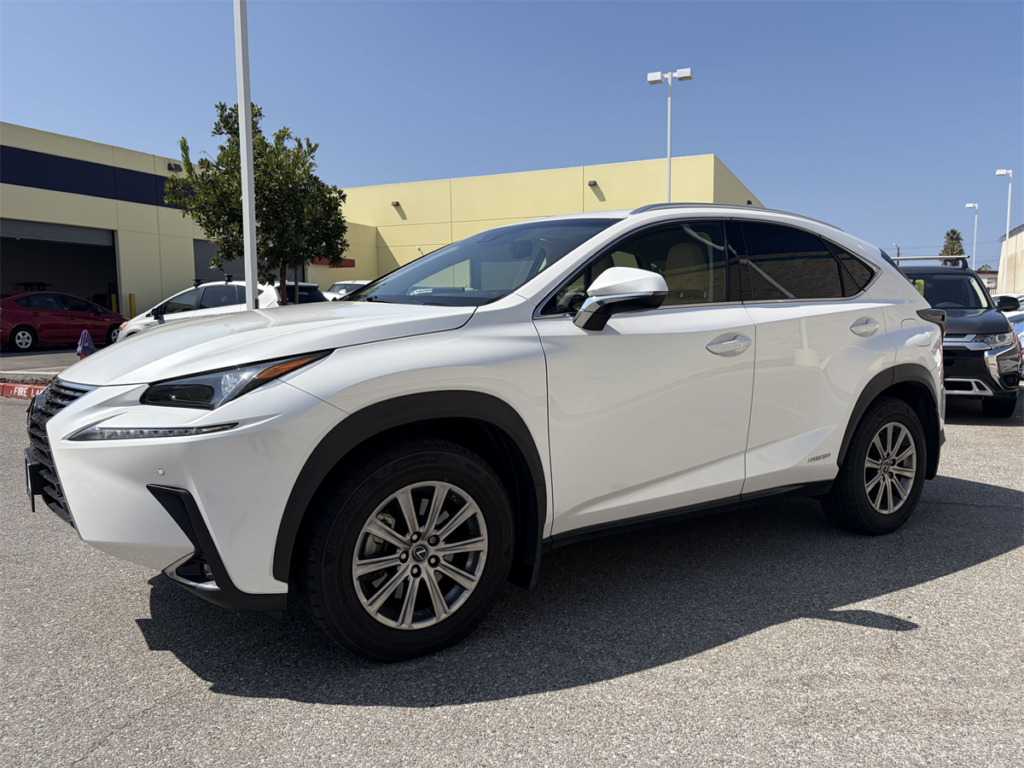
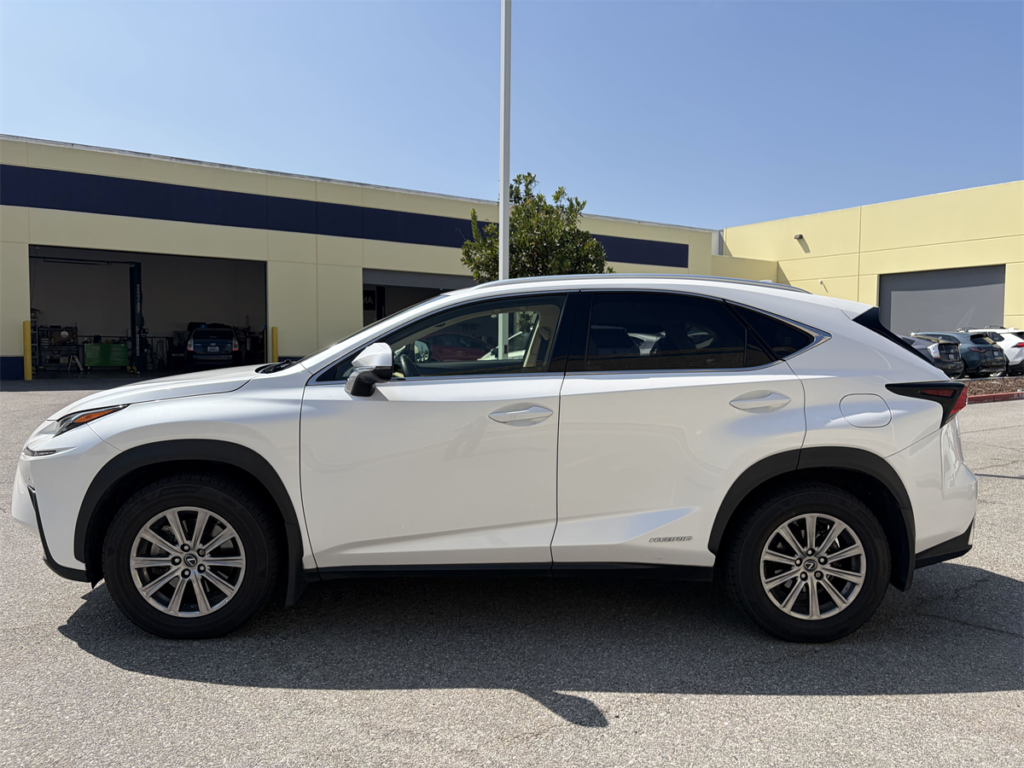
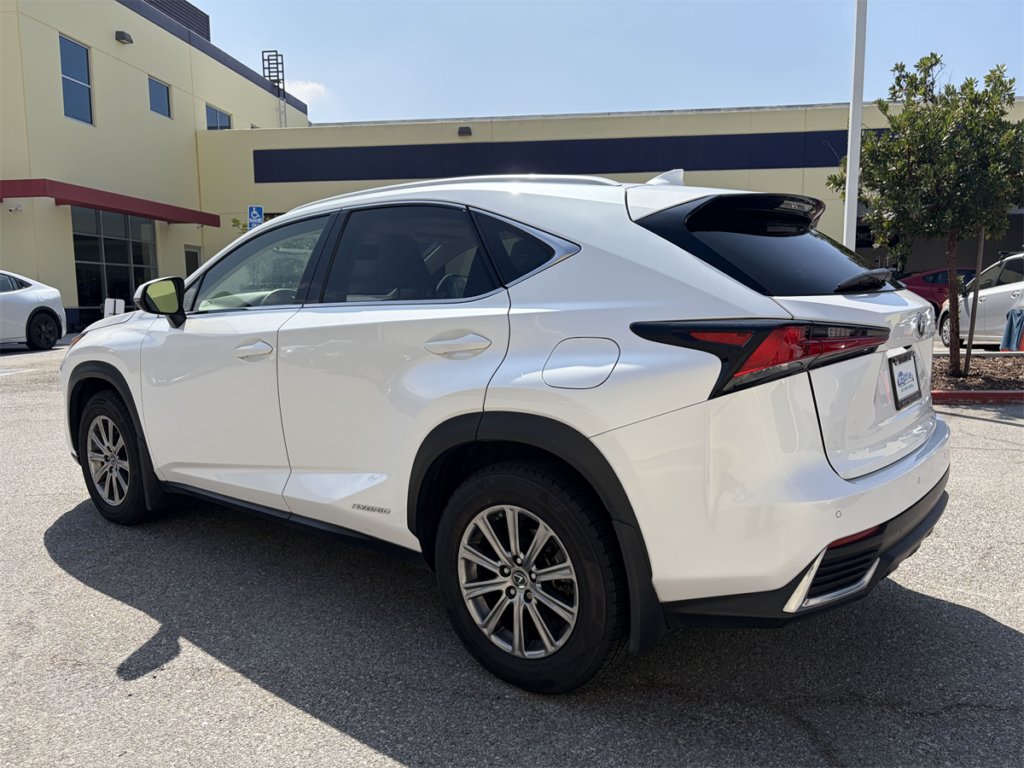
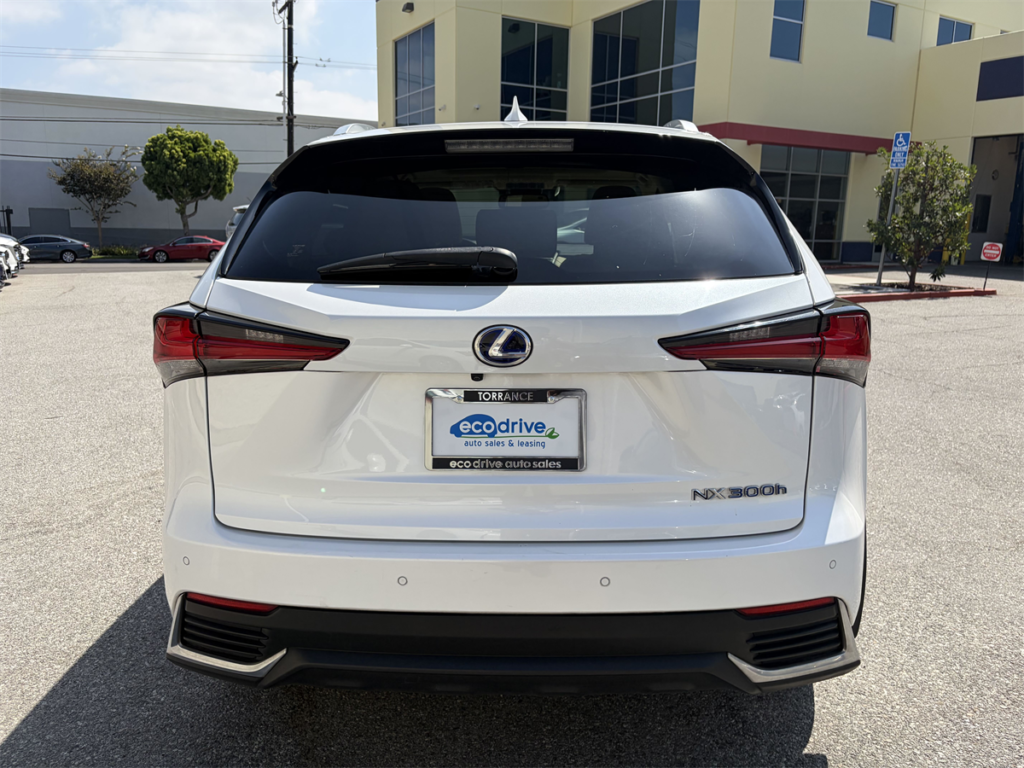
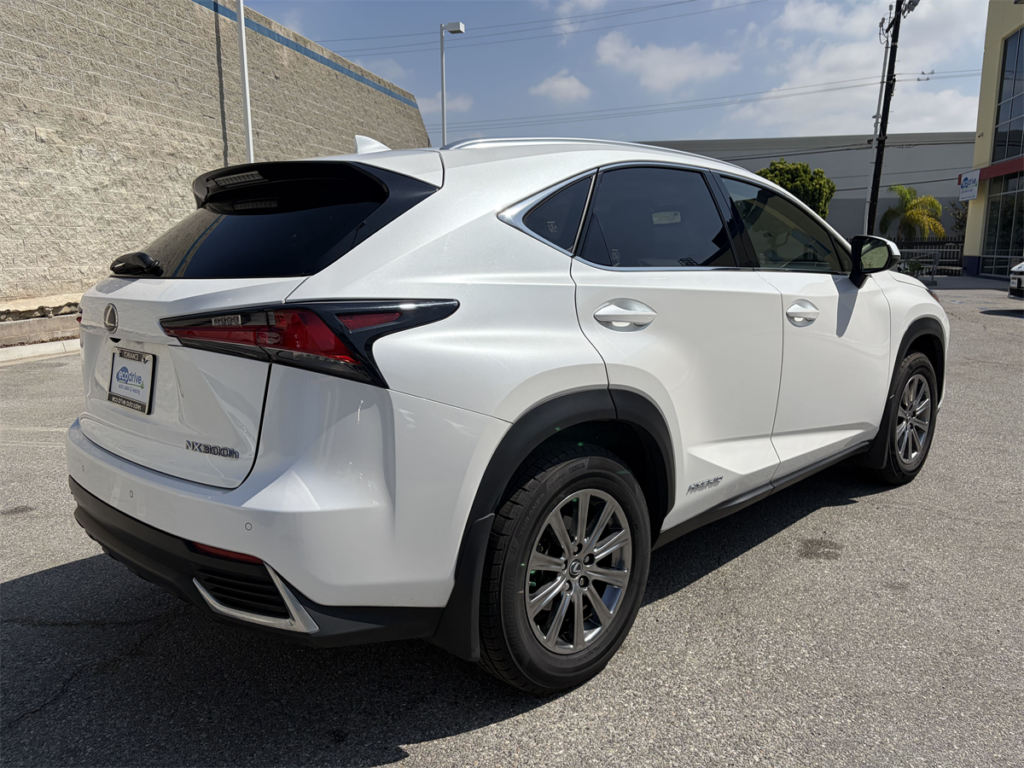
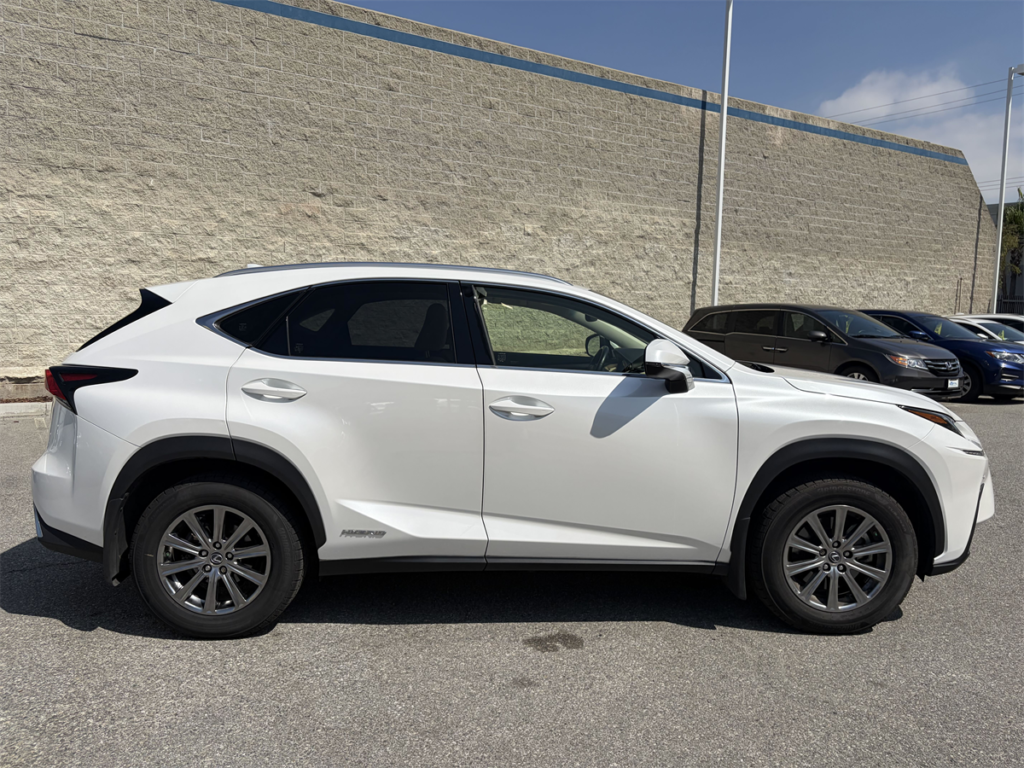
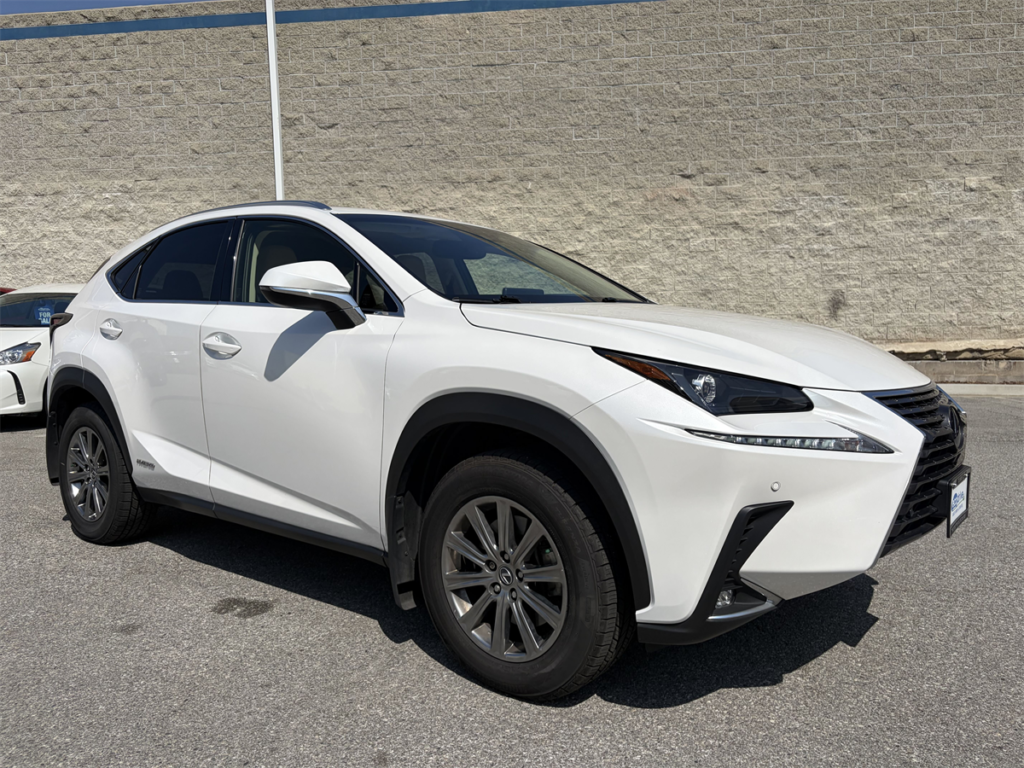
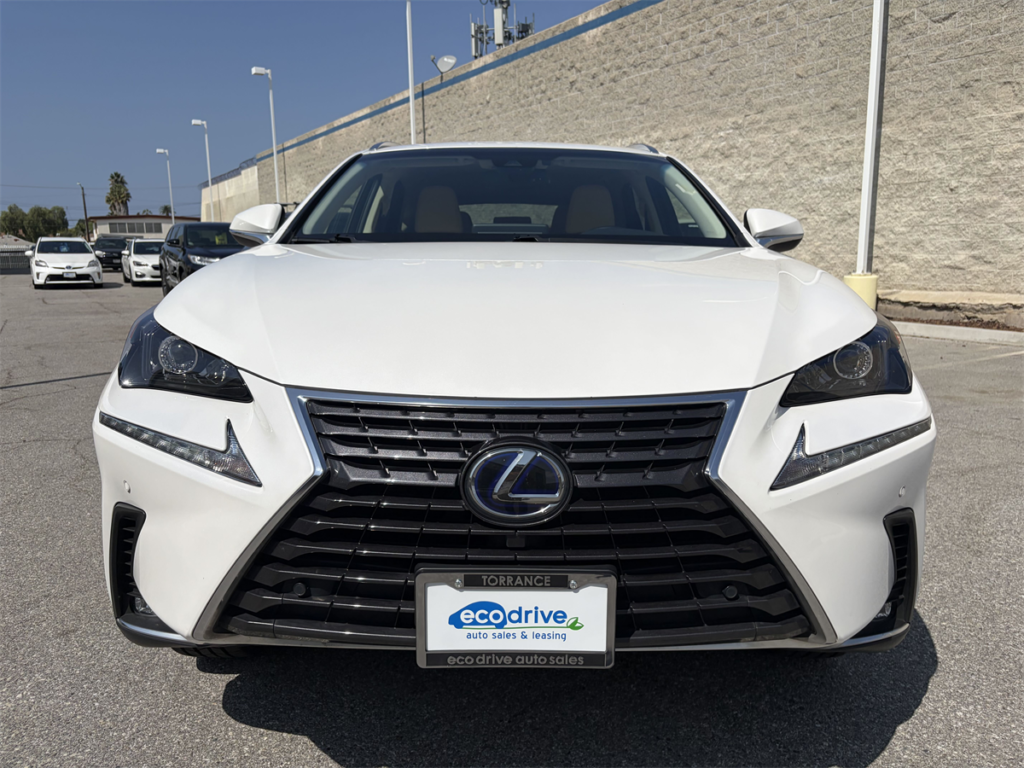
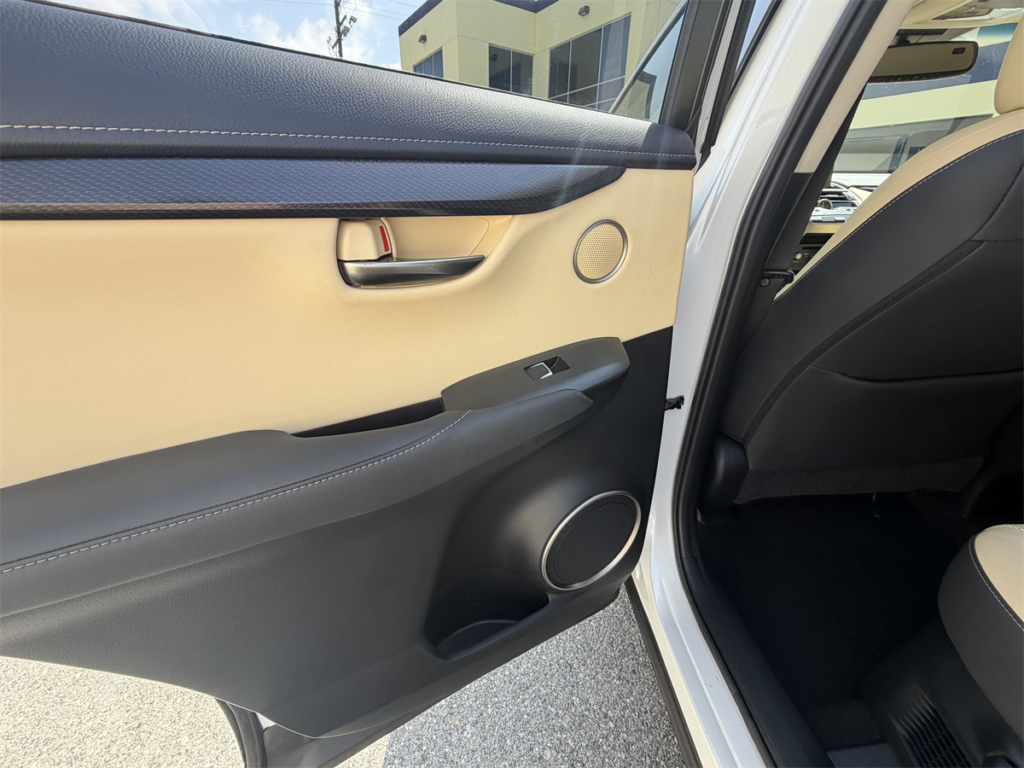
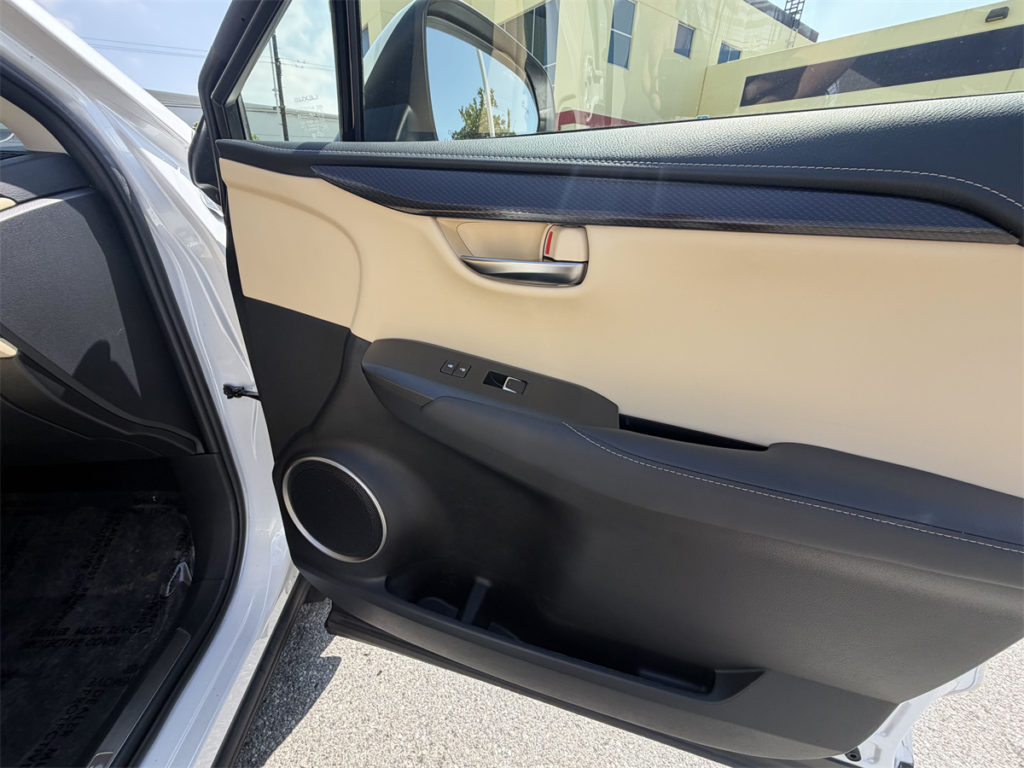
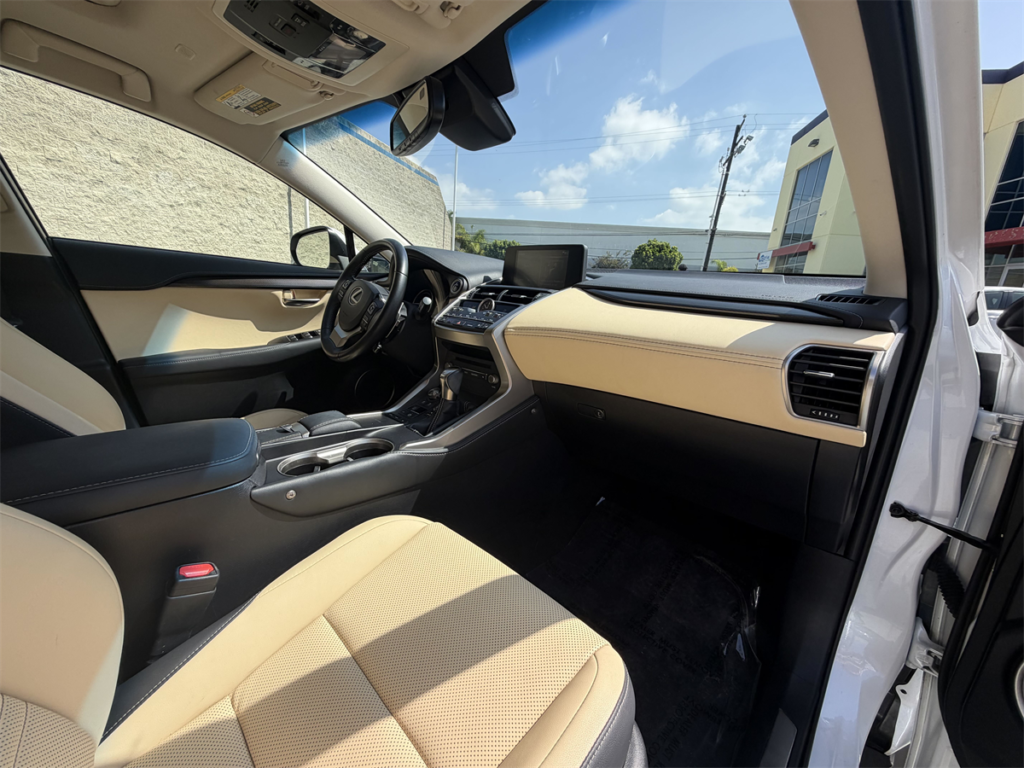
New Arrivals
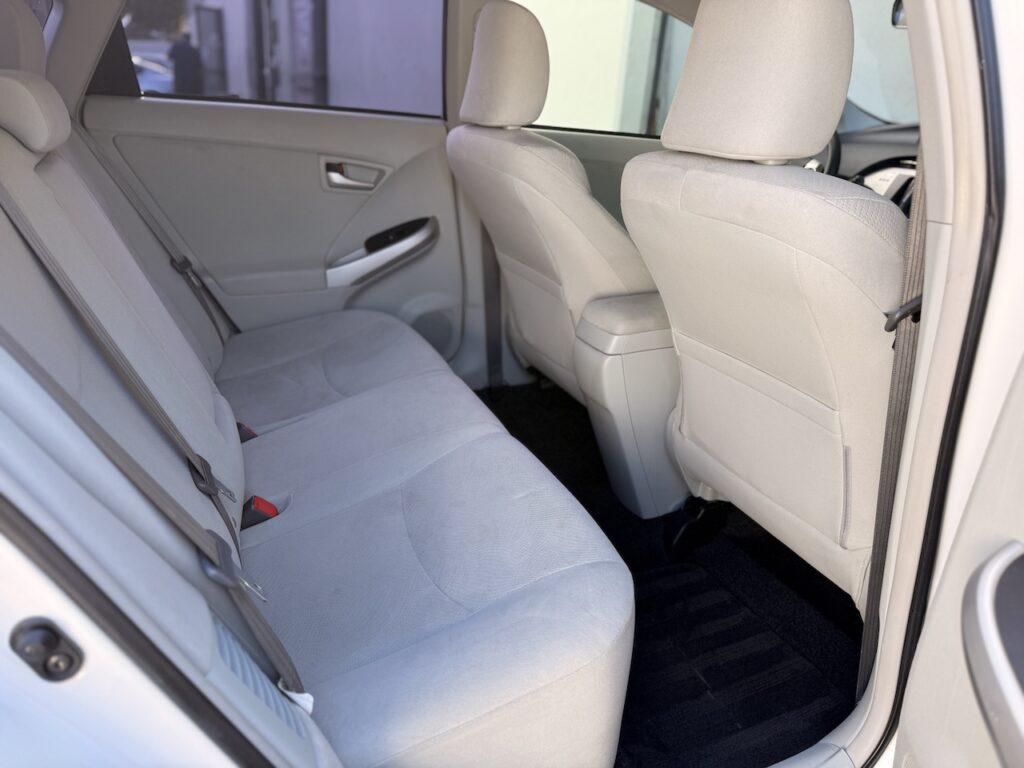
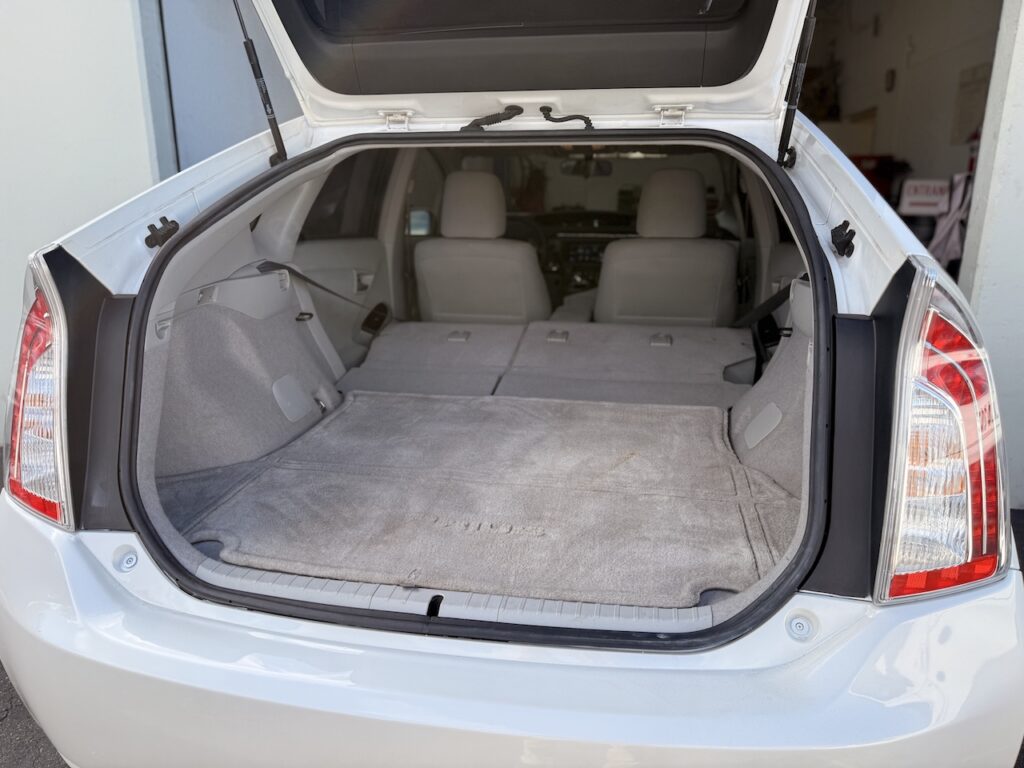
Discover our newest arrivals—available now!
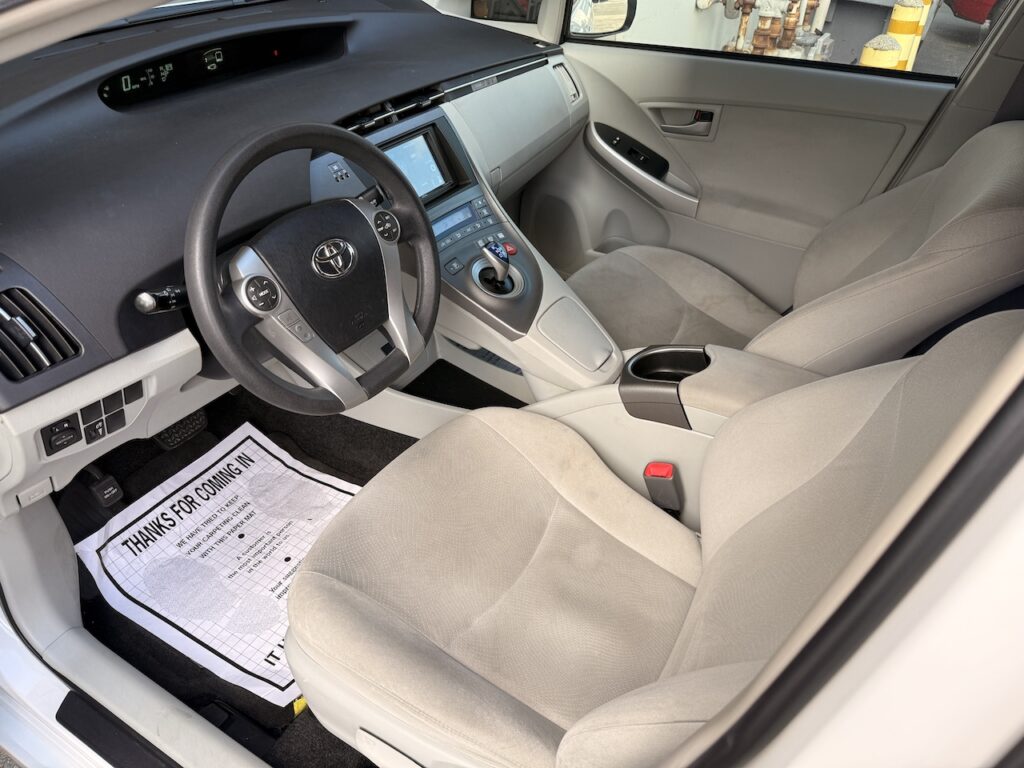
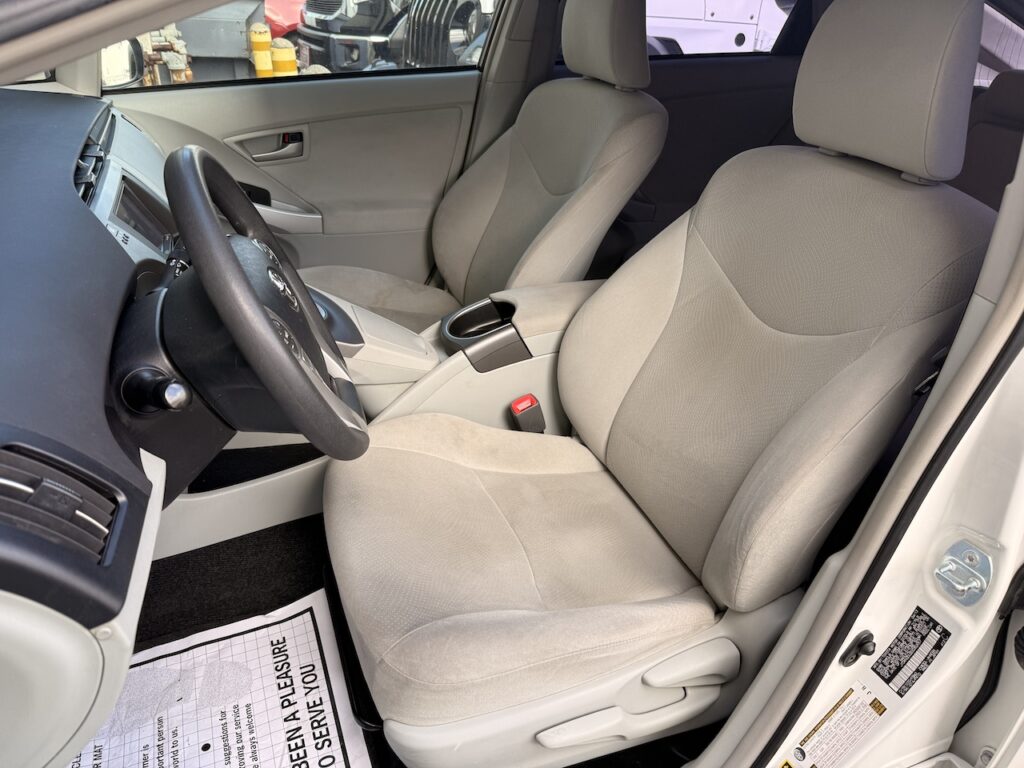
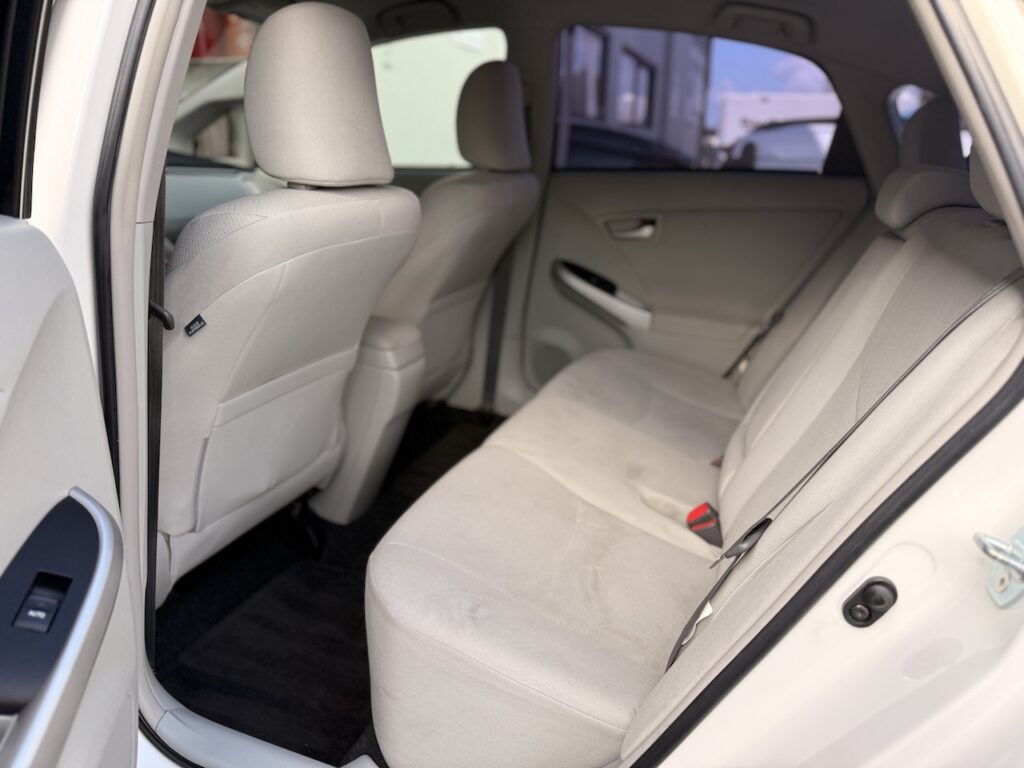
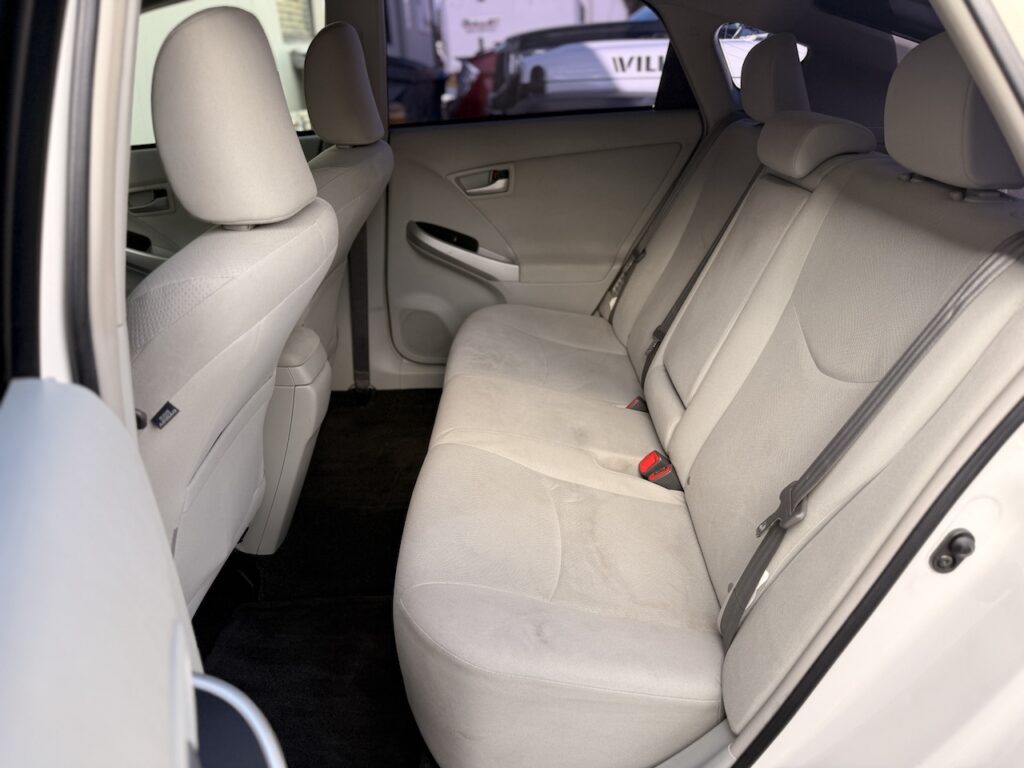

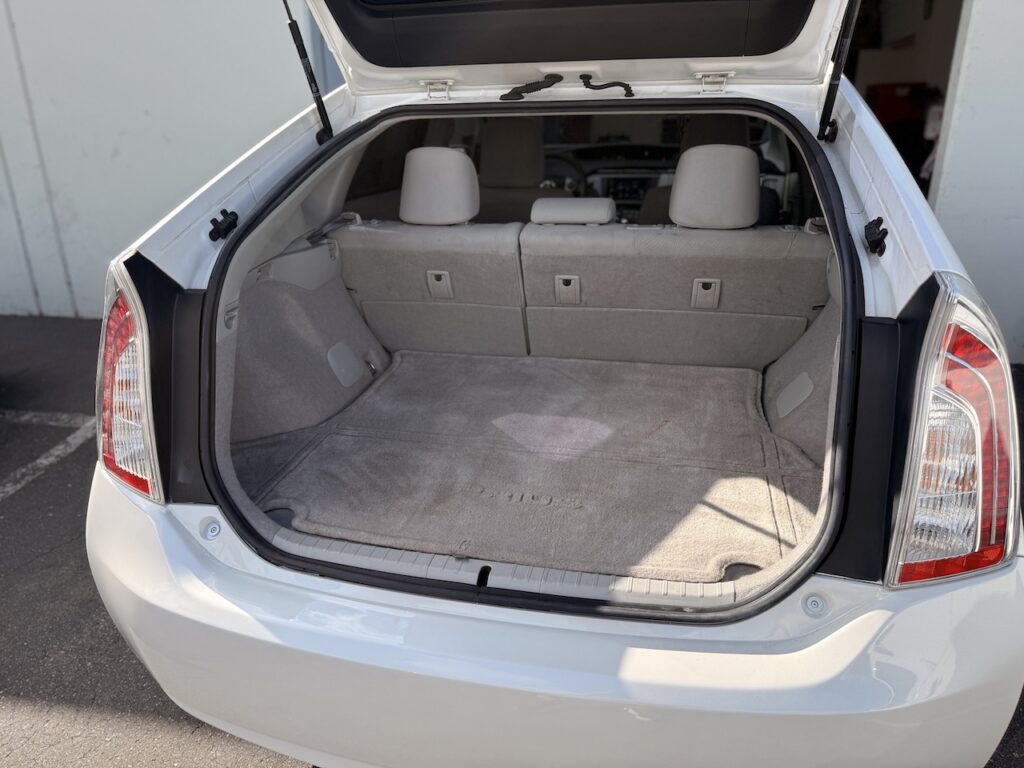
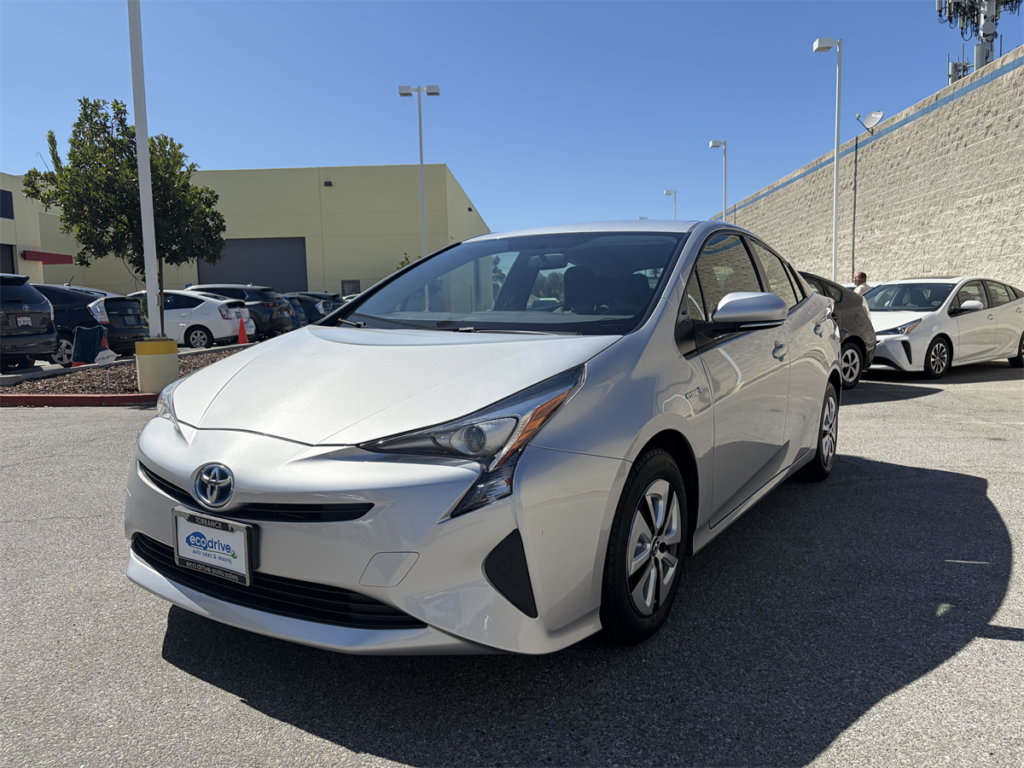

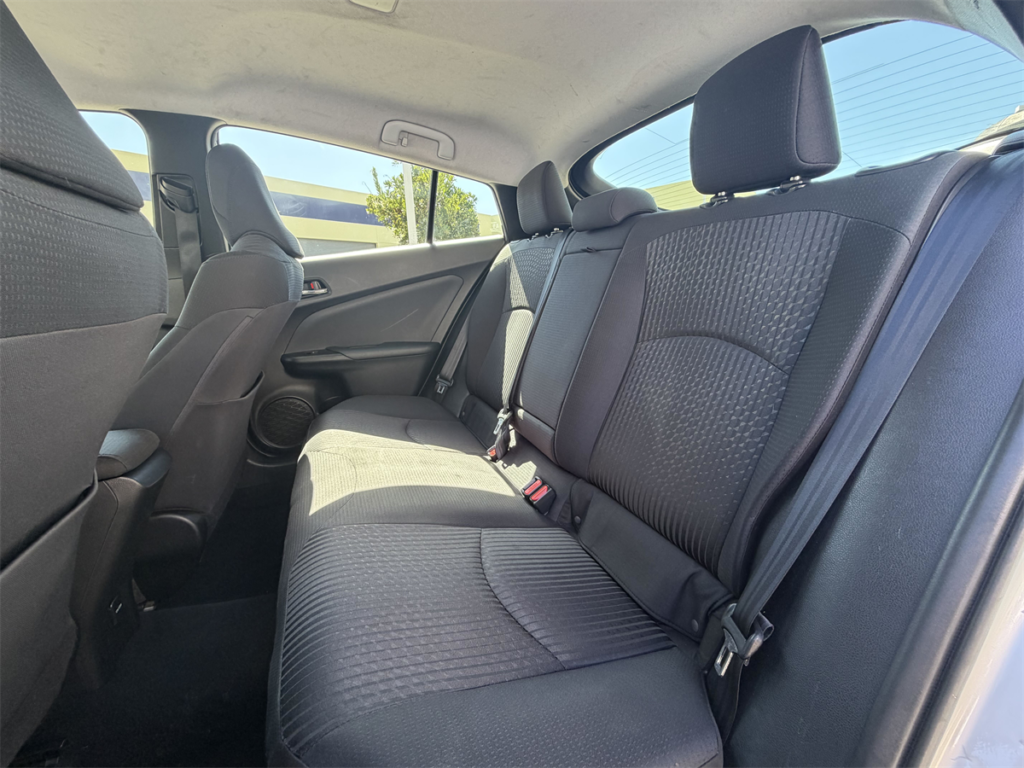
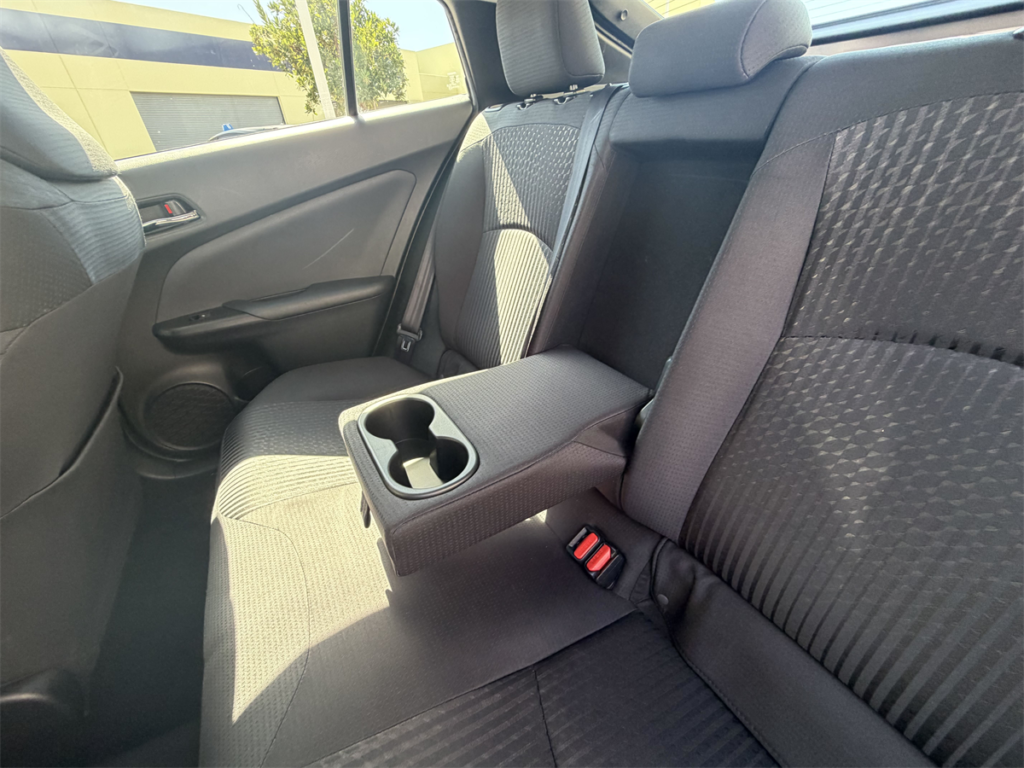
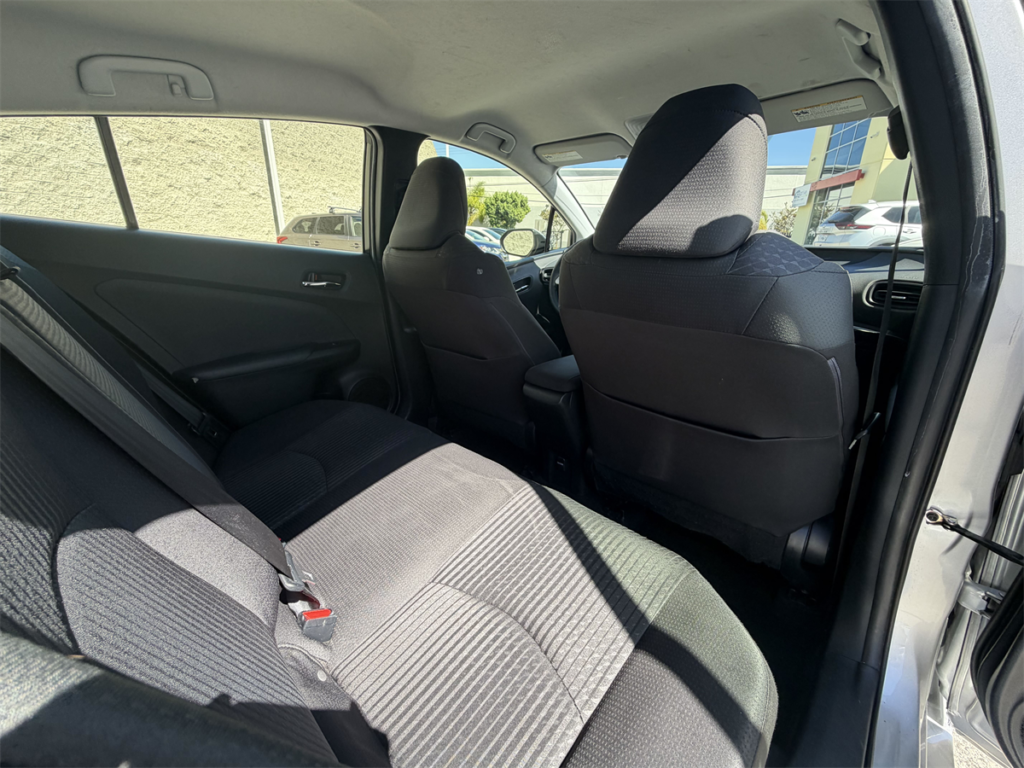
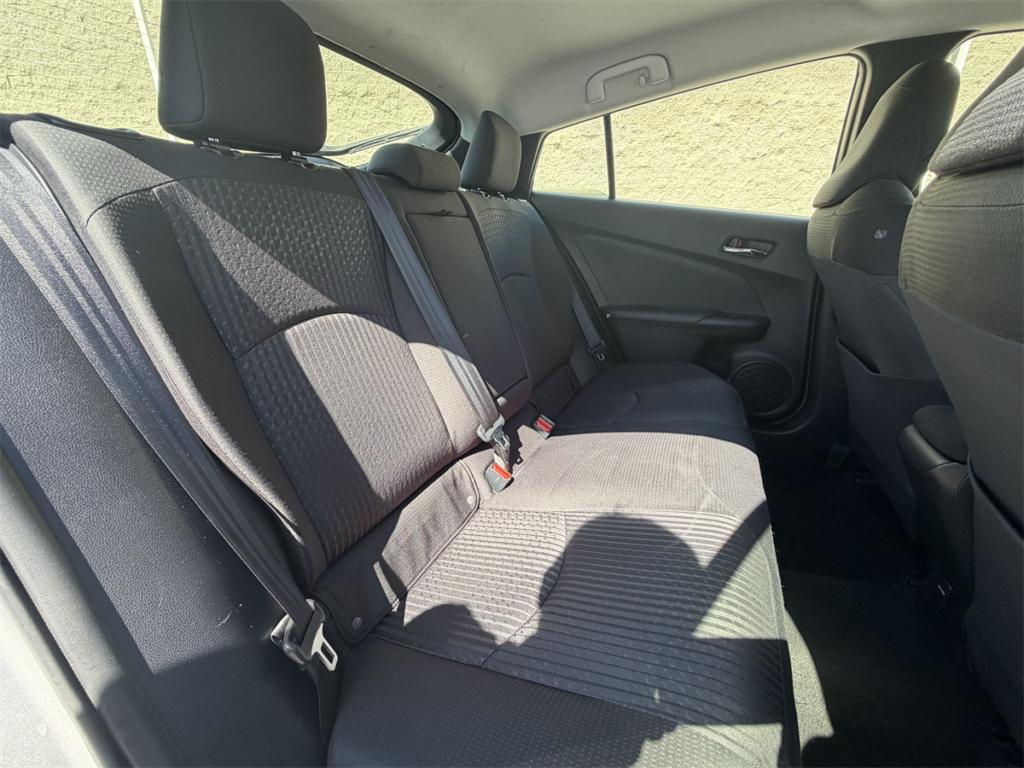
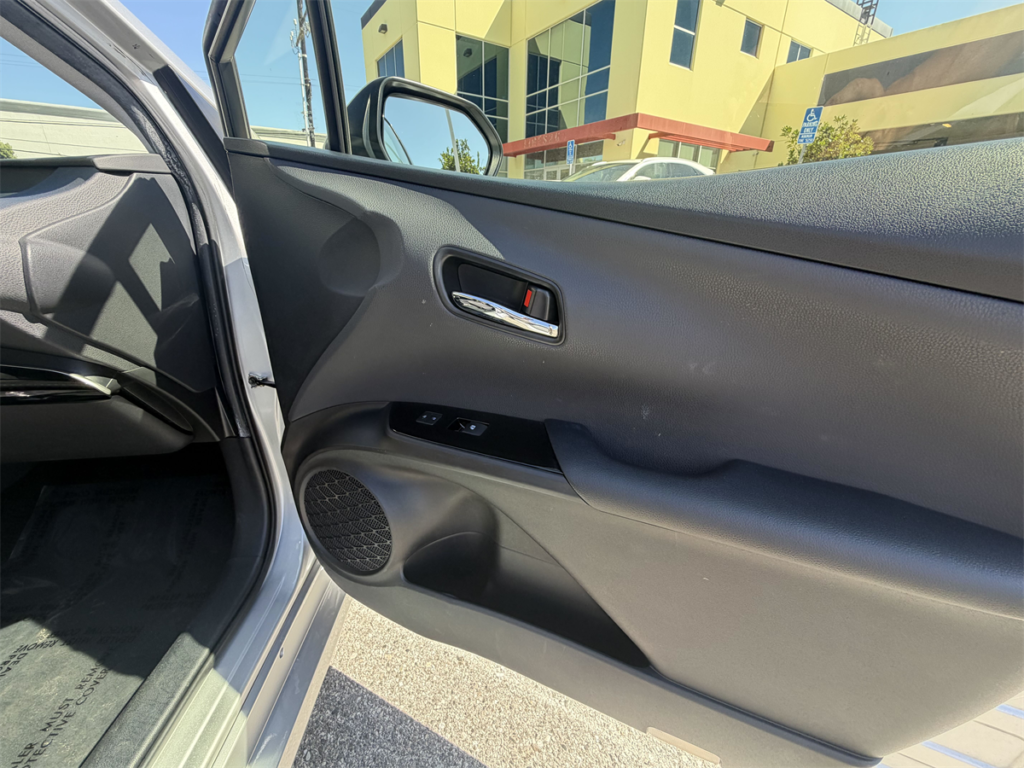
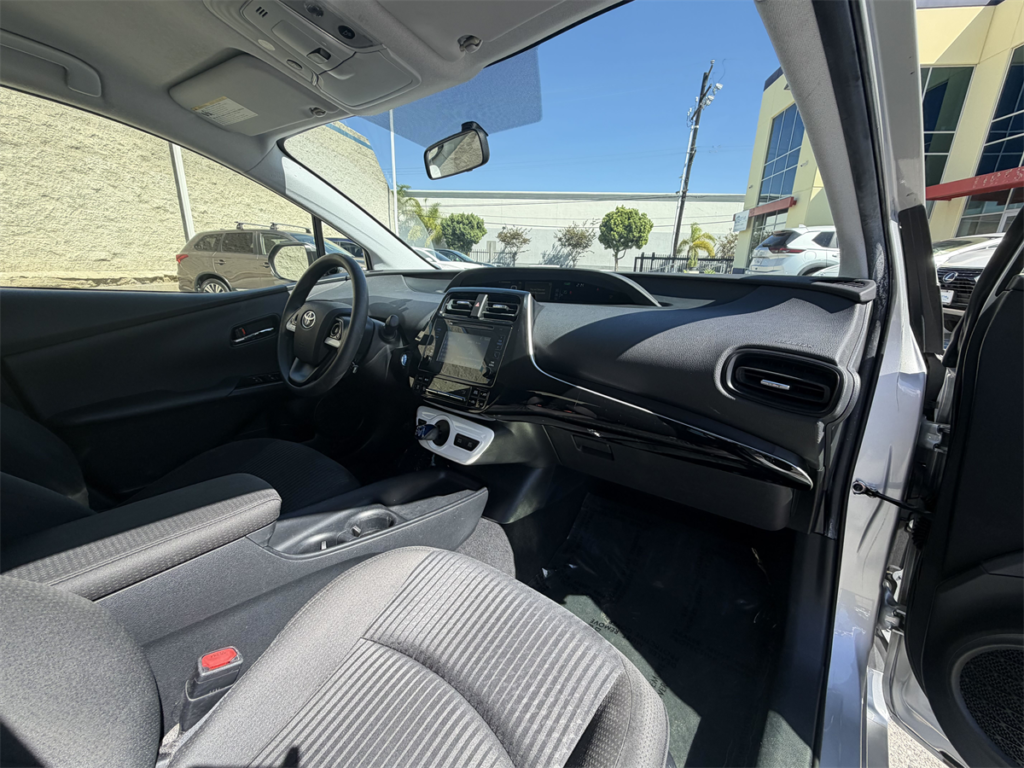

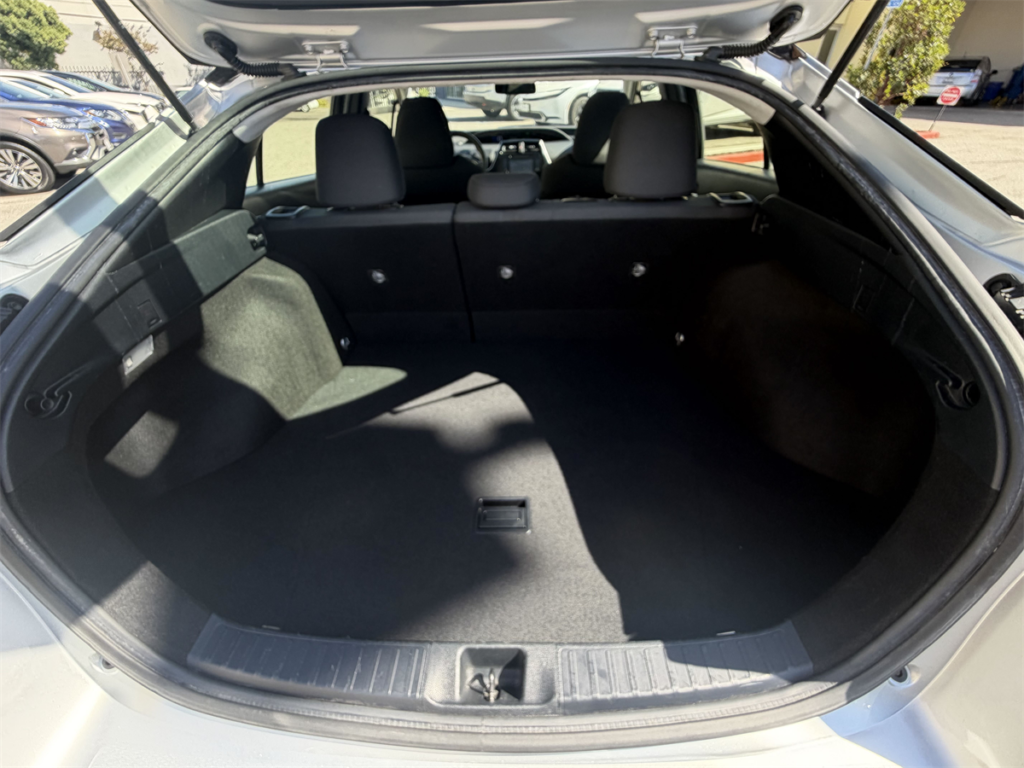
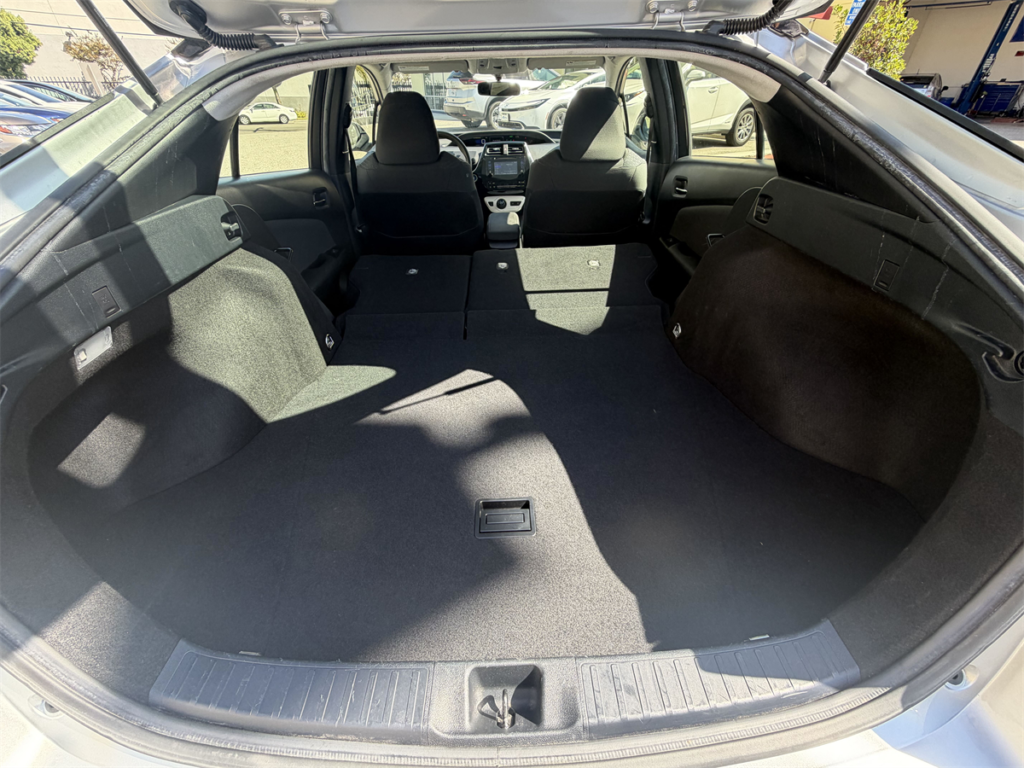
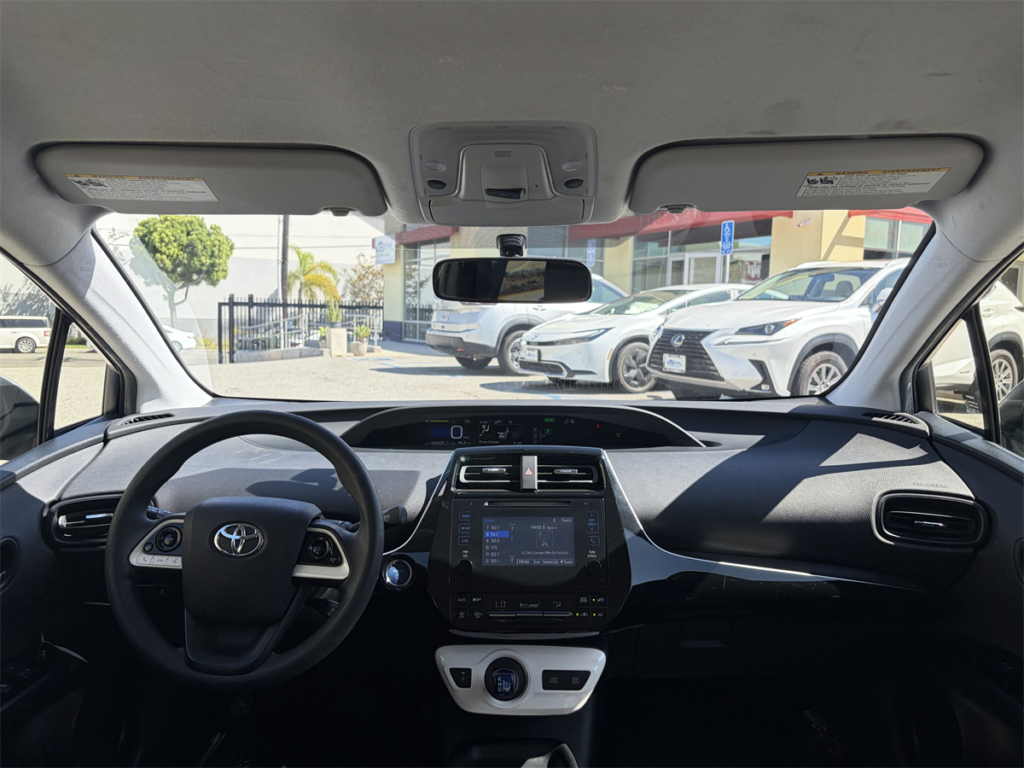

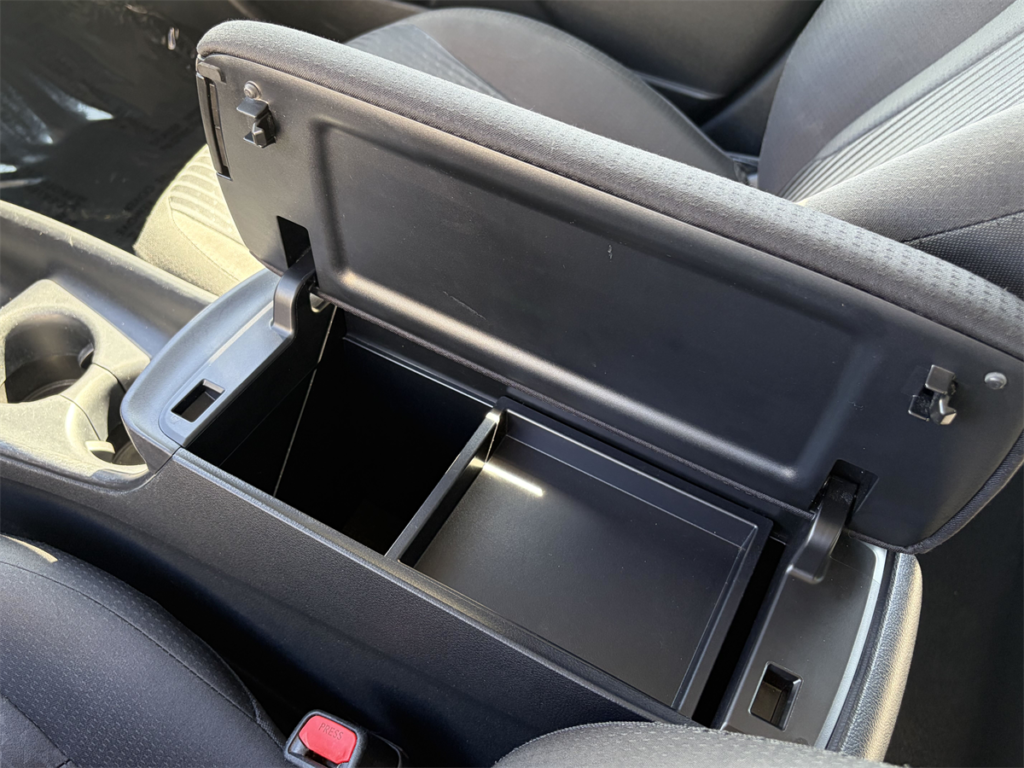
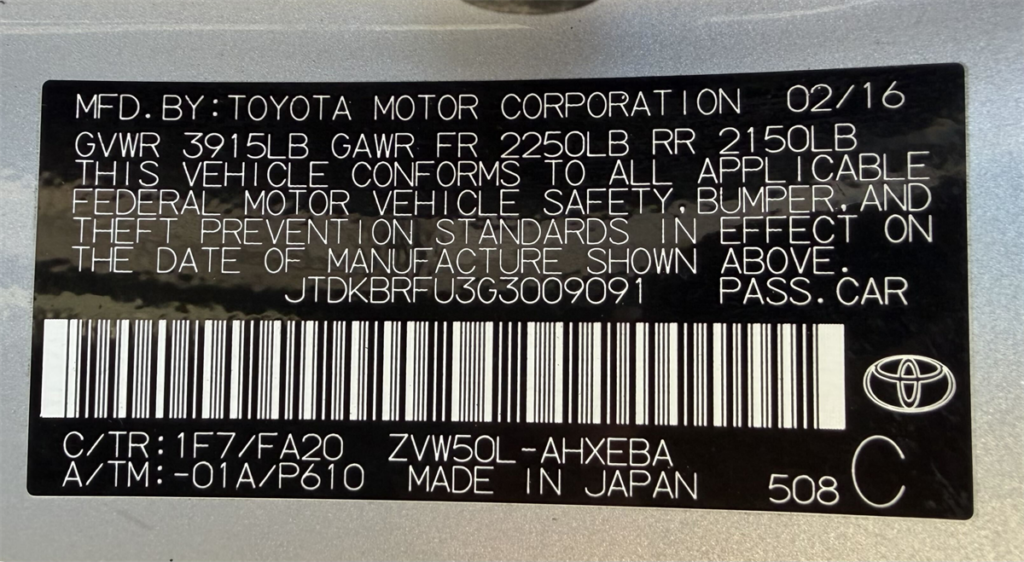
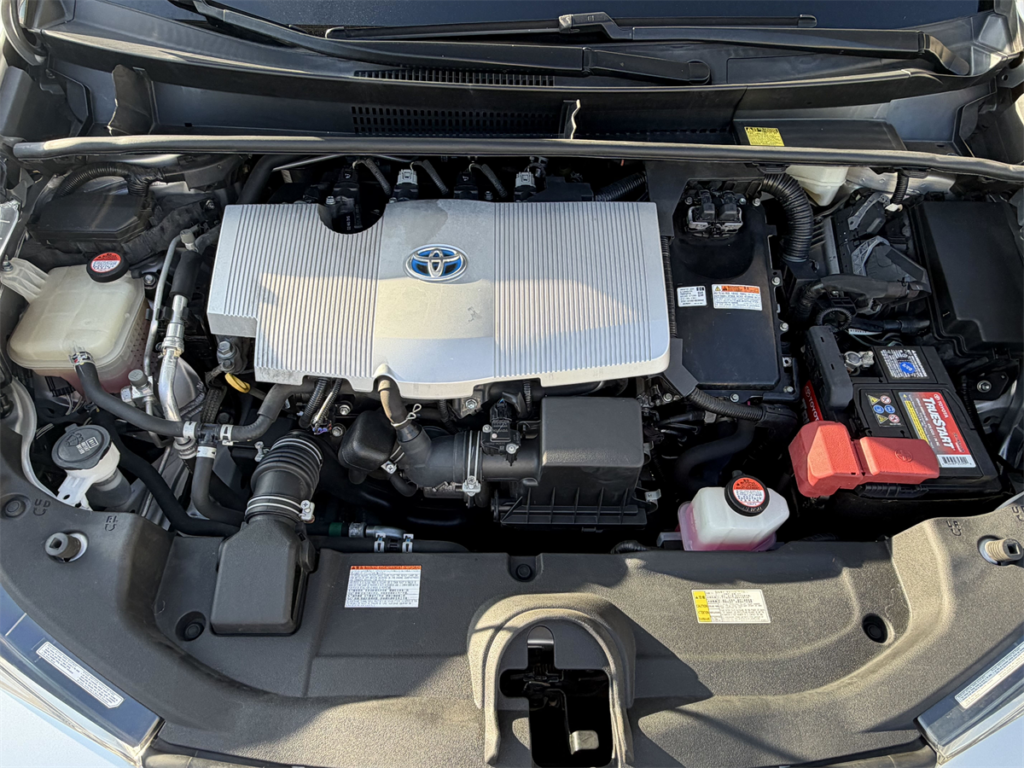
















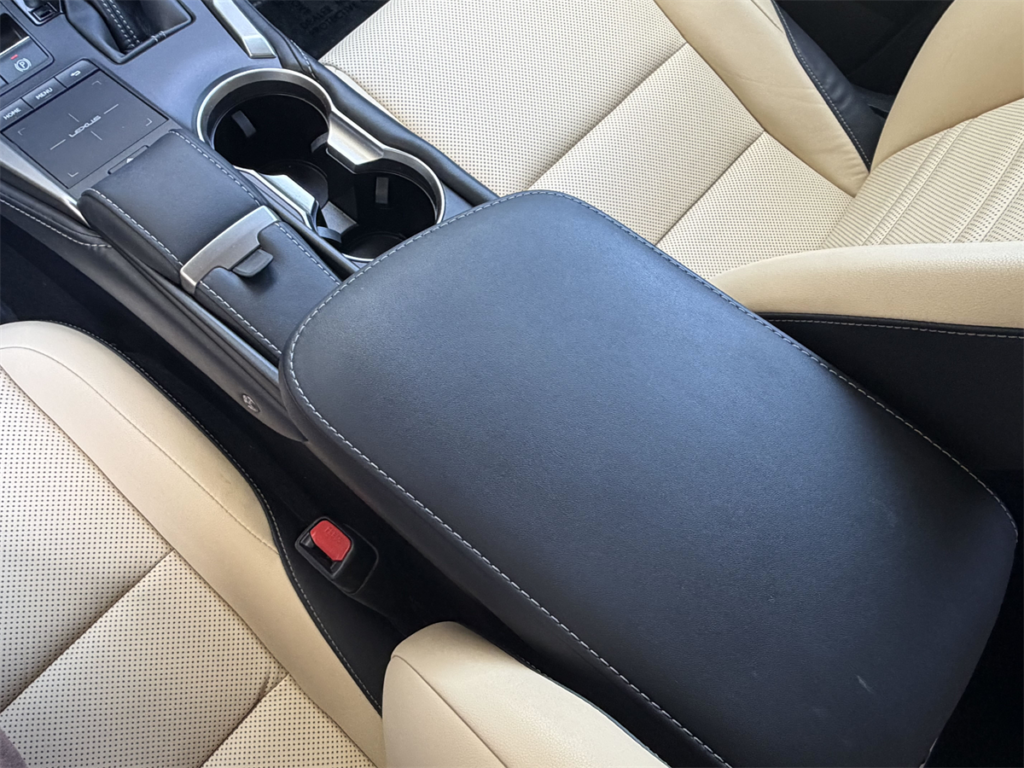
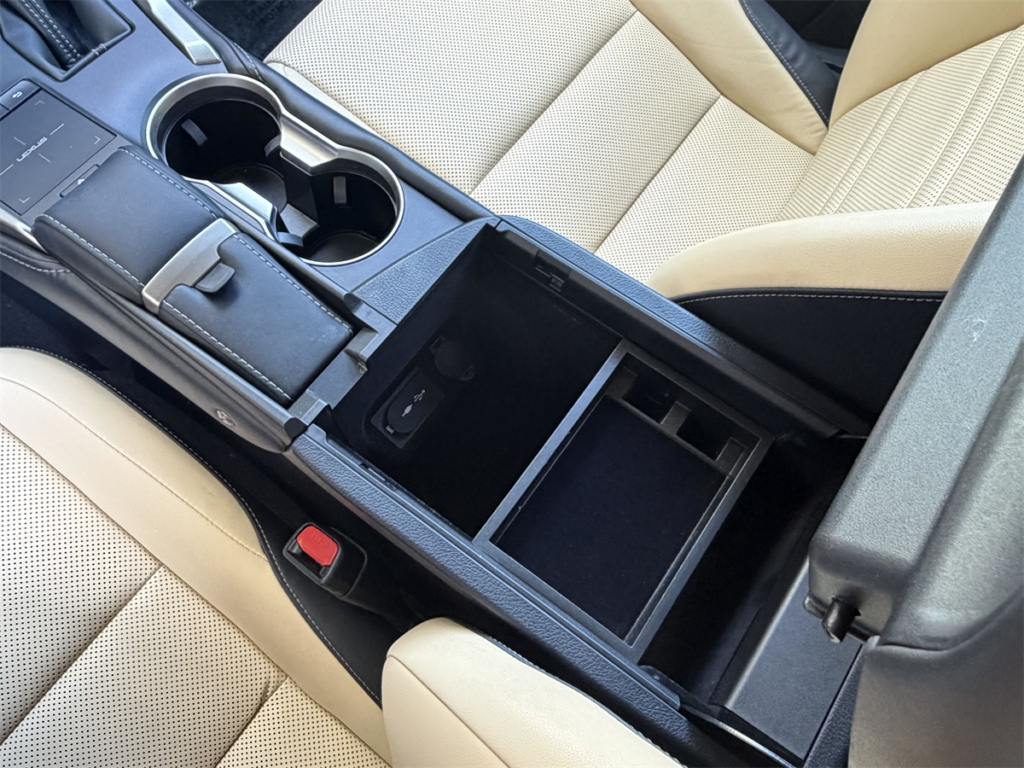
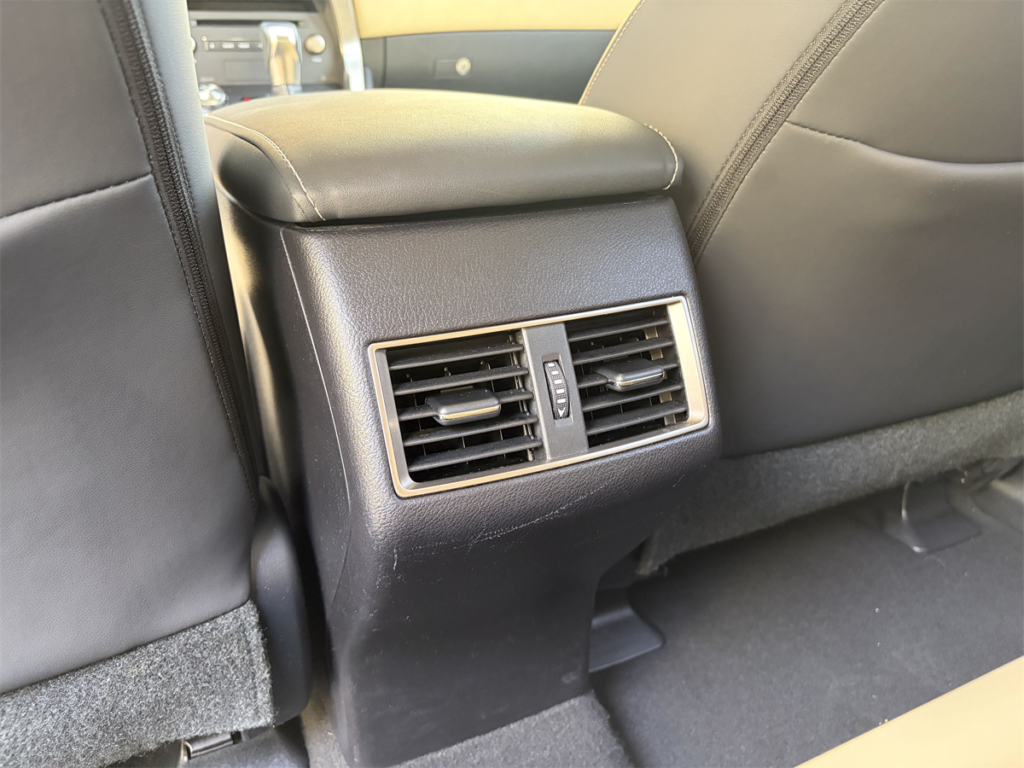
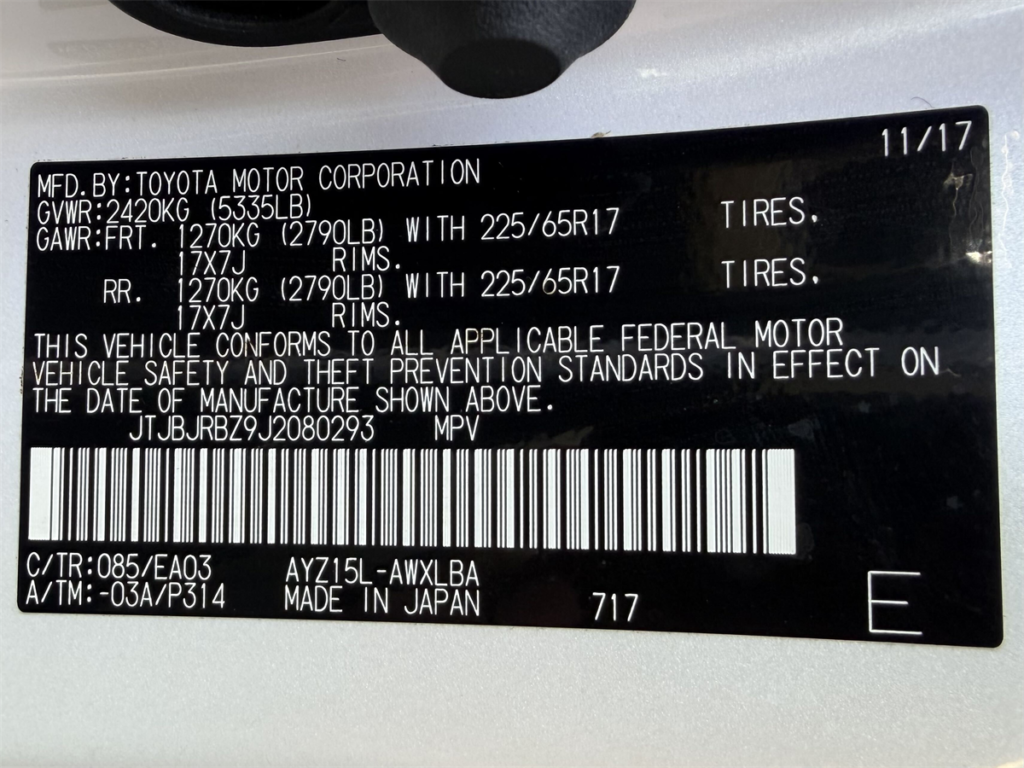
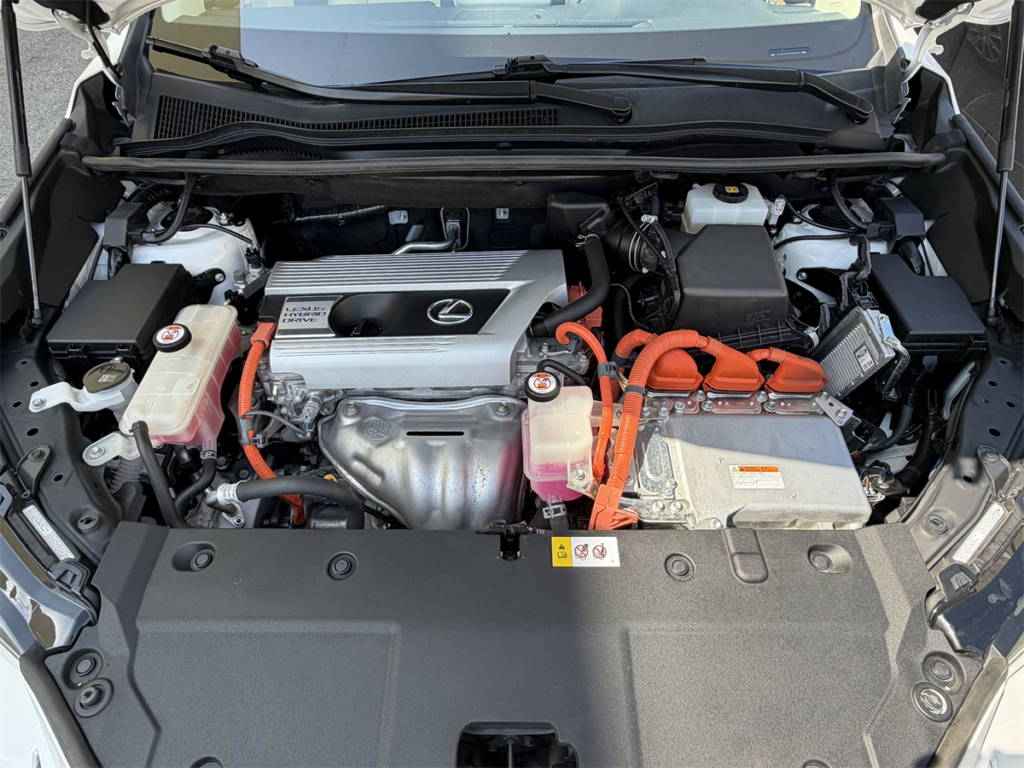
Sell, Buy, Repeat — and It Still Never Got Easier
In the beginning, the job itself was simple: sell a car, buy a car, and repeat.
But once I actually started doing it, I learned it was anything but easy.

Juggling living expenses and inventory at the same time
It sounds obvious, but I still had a life to live and a family to feed.
We had a newborn baby at the time, so there were three of us getting by on this business.
I had to cover our living expenses while also buying inventory at the same time.
Even when sales came in, there was never a sense of breathing room — the money just went straight back into the next car and the next month’s expenses. That cycle kept repeating.
Side note: In the early days, business money and personal money weigh on you at the same time
When you’re just starting out, you can’t focus on the company alone.
You need money to keep buying inventory, and you also need to keep your household running.
Especially with a family, pouring everything into the business simply isn’t an option.
So the pain of early-stage cash flow isn’t just “the company is low on cash” — it’s that
you have to keep both your business and your life running at the same time.
It’s hard to fully appreciate until you’ve lived through it.
Even after a sale, the money doesn’t always come in right away
Ideally, you sell a car and collect the money immediately — but in my experience, it usually took time.
With small, inexpensive items that’s rarely an issue, but a car — even a used one — is a big purchase, and plenty of buyers needed time to arrange payment or financing.
“Give me two weeks” — I heard that kind of thing surprisingly often.
Without cash, opportunities slip right through your fingers
While waiting for a buyer to pay, you’re holding that car for them, of course — and during that time, another customer would often come in wanting to buy.
But without cash on hand, the answer ends up being, “Sorry, I can’t source another car right now.”
The opportunity is right there in front of you, and you can’t grab it because you don’t have the cash. That’s one of the most frustrating feelings in the early days of a business.
You can be selling well and still be struggling
Most people assume that if you’re selling, things must be going well — but in retail, that’s not always true.
That’s because having sales and having cash in hand are two different things.
Even with orders coming in, if it takes time for the money to actually arrive, you can’t put anything toward the next purchase.
So even with real demand out there, you can’t grow your inventory — and chances slip away right in front of you.
Grateful for the Demand — and Wanting to Meet It
Even so, I was fortunate: plenty of people told me they wanted to buy.

Looking back, I think some of it was “friends and family” demand — people showing up to support the new business.
I had lived in the U.S. for about ten years before starting the company, so I knew quite a few people.
I’m truly grateful — a lot of people genuinely wanted to cheer me on.
Demand made me want to hold more inventory
When you’re trying to meet that kind of demand, naturally you start thinking, “I need more inventory. I need to buy more cars.”
People are telling you they want to buy, and you can’t deliver because you don’t have the stock.
At that point, the next logical step is borrowing.
“Alright — let’s go talk to a bank.”
That’s exactly what I decided to do.
Side note: The more demand you have, the more you’re pushed toward borrowing
From the outside, having people who want to buy looks like pure good news.
And it is — but in the early days, it doesn’t automatically translate into peace of mind.
If anything, demand makes you think, “I have to stock more. I can’t let this chance slip.”
But when your capital can’t keep up with that ambition, you end up in the painful position of
wanting to grow but being unable to.
For me at the time, borrowing was simply a way to meet the demand sitting right in front of me.
Hitting the Bank Loan Wall
And this is where I learned how naive I’d been.

I made up my mind to apply for a loan and walked into a bank — and I quickly learned that I didn’t yet have the track record they were looking for.
“Bring us three years of financials”
At that particular bank, the first thing they wanted to see was three years of financials.
By “financials,” they meant the company’s financial statements —
the P&L (Profit and Loss Statement), the Balance Sheet, and so on.
In my second year, the conversation was over before it started
The problem was, I was only in my second year of business.
There was no way I could produce three years of statements.
So the conversation simply couldn’t move forward.
Without that track record, there wasn’t much they could do for me.
I could only show one year. I hadn’t built up enough history to get very far.
At least back then, I never had the sense that a small, newly founded company could simply walk into a bank and walk out with funding.
From three cars to a full lot. Eco Drive started with the exact scramble you just read about — and grew into the dealership it is today. If you’re in the market, you can browse our current inventory here.
Wrapping Up: The Cash Flow Reality of a Brand-New Business
Today I shared my own experience with how hard cash flow can be in the early days of starting a business here in the U.S..
Even with a small start — $30,000 and three cars — I had to juggle living expenses and inventory purchases at the same time.
Sales didn’t always turn into cash right away, and sometimes I couldn’t buy inventory even when the demand was right there.
And when I finally went to a bank for help, I was only in my second year and had just one year of financial statements. At that point, the conversation couldn’t really move forward.
So what did I do after the bank turned me down?
How did I raise the money — and eventually work my way up to real bank financing?
I’ll dive into that in an upcoming post. In the meantime, check out my full story in How I Funded a Used-Car Startup in the U.S.: 10-Year Journey.
You May Also Like