Comparing Prices in Japan and the U.S.! How Much Does the Cost of Living Really Differ?
Introduction
Hey everyone, this is Suzuki from EcoDrive.
Today I want to talk about the differences in prices between Japan and the U.S.
I actually went back to Japan recently for the first time in a while, and the price gap I experienced was pretty shocking.
So I’d like to share that experience with you all.
【Watch the video version here!】
My Experience Living in Japan and the U.S.
I left Japan about 20 years ago.
I only worked in Japan for 2 years before moving to the U.S., so I’m basically in a situation where I haven’t really spent money in Japan in ages.
So going to Japan feels more like going on vacation to me.
I’d like to share that perspective with you all.
Blown Away by Japanese Convenience Stores
What I was most excited about was Japanese convenience stores.
As soon as I arrived in Japan, I went straight to the neighborhood 7-Eleven.
And I was seriously impressed.
The variety of prepared foods (sozai) was incredible, and they’re all in perfect single-serving sizes.
Plus, the prices were so reasonable.
Side dishes going for 100 yen, 150 yen, 200 yen each — you could grab a bunch of them and still not spend a crazy amount. It was great.
Comparing with Japanese Supermarkets in the U.S.

In the U.S., if you try to buy Japanese-style prepared foods at a Japanese supermarket, each item costs at least $8.
And they’re not even the small, single-serving sizes like in Japan — they’re pretty big.
If you buy about 3 items, it comes to around $24.
That’s about 3,600 yen.
3,600 yen for just 3 side dishes — that’s pretty shocking, right?
Meanwhile in Japan, you could get the same thing for around 800 yen.
That honestly made me so happy.
Japan’s Prices Are a Dream for Udon Lovers
I’m a huge udon fan, so I made sure to hit up an udon shop when I went back to Japan.
A regular tanuki udon (udon with tempura flakes) or kitsune udon (udon with fried tofu) was in the 400 yen range.
I was shocked.
On top of that, it was incredibly delicious, tax was already included, and there was no tipping — amazing.
Eating Udon in the U.S….

In the U.S., a bowl of udon at a restaurant I went to was $18.
Add sales tax and a 10% tip, and it comes to $24.
That’s 3,600 yen for a single bowl of udon.
3,600 yen for one bowl of udon is… a lot. That’s 7 to 8 times the price in Japan.
Honestly, I’d rather just buy the ingredients at a supermarket and make it at home.
But Americans here don’t make udon at home, so they just go to restaurants and pay that price.
Supermarket Eggs and Meal Delivery Prices
You can buy eggs at a Japanese supermarket for about 200 yen.
In the U.S., they’re $5–6, which is about 750 to 900 yen.
That’s per carton, so it’s pretty expensive.
Part of the reason I went back to Japan was to visit my elderly father, who lives alone, so I looked into meal delivery services for him.
I found one that was 540 yen, delivery and tax included.
And it was nutritionally balanced and looked delicious.
In the U.S., a bento from a Japanese supermarket costs $10–12.
With sales tax, that’s about 2,000 yen.
Japan is clearly cheaper, and the food looks better too.
The Difference I Felt at an Izakaya in Ginza
I met up with a friend in Ginza and went to an izakaya (Japanese-style pub).
It was a place known for great seafood, and we ate and drank to our hearts’ content — the bill for both of us came to 18,000 yen.
And that was tax included.
In the U.S., a similar dinner would cost about $200 per person, so $400 for two.
Add sales tax and tip, and you’re looking at $520, which is about 78,000 yen.
The cost is roughly 4 times higher, and honestly, the food in Japan tasted better too.
That gap really hit me hard.
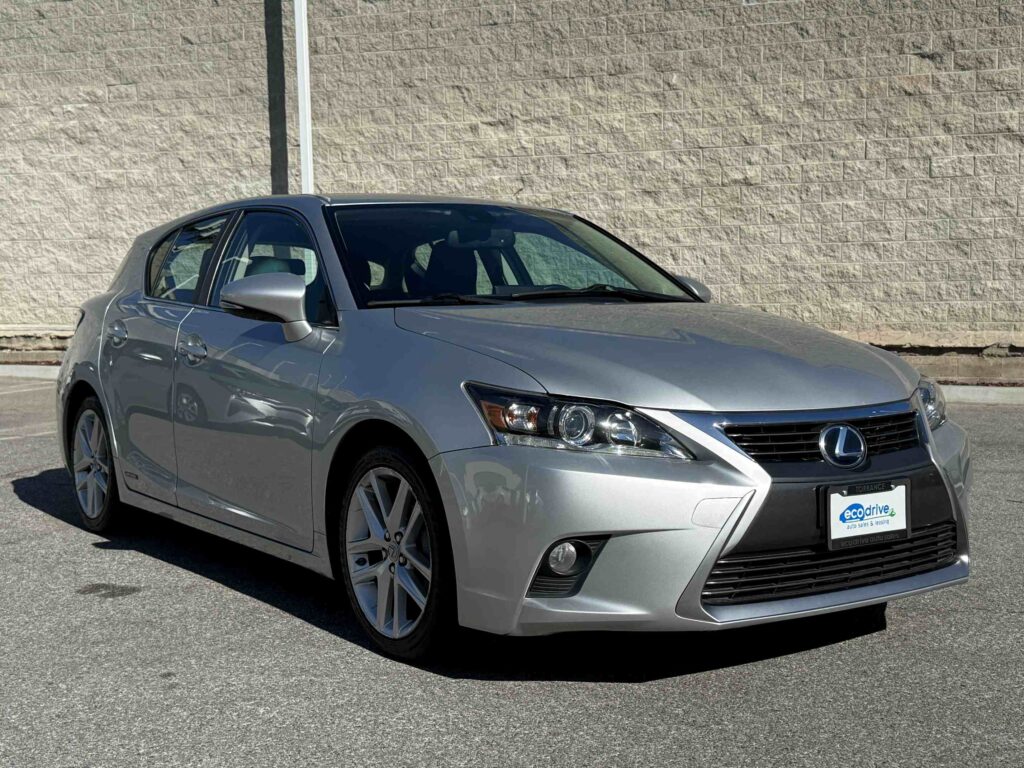
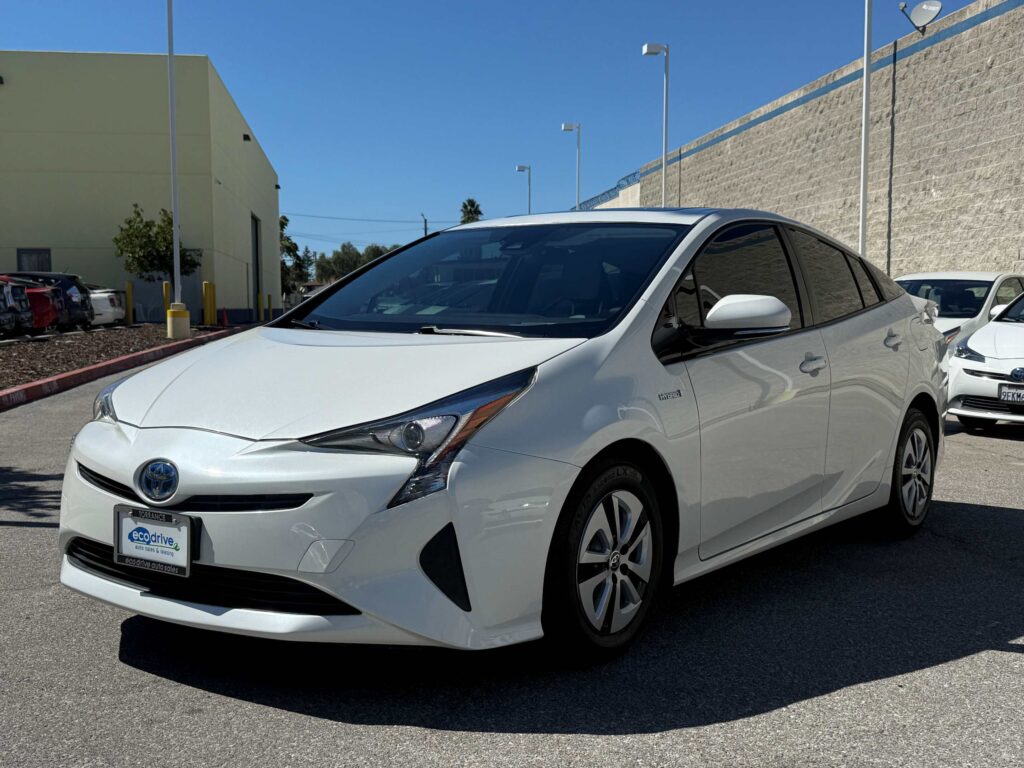
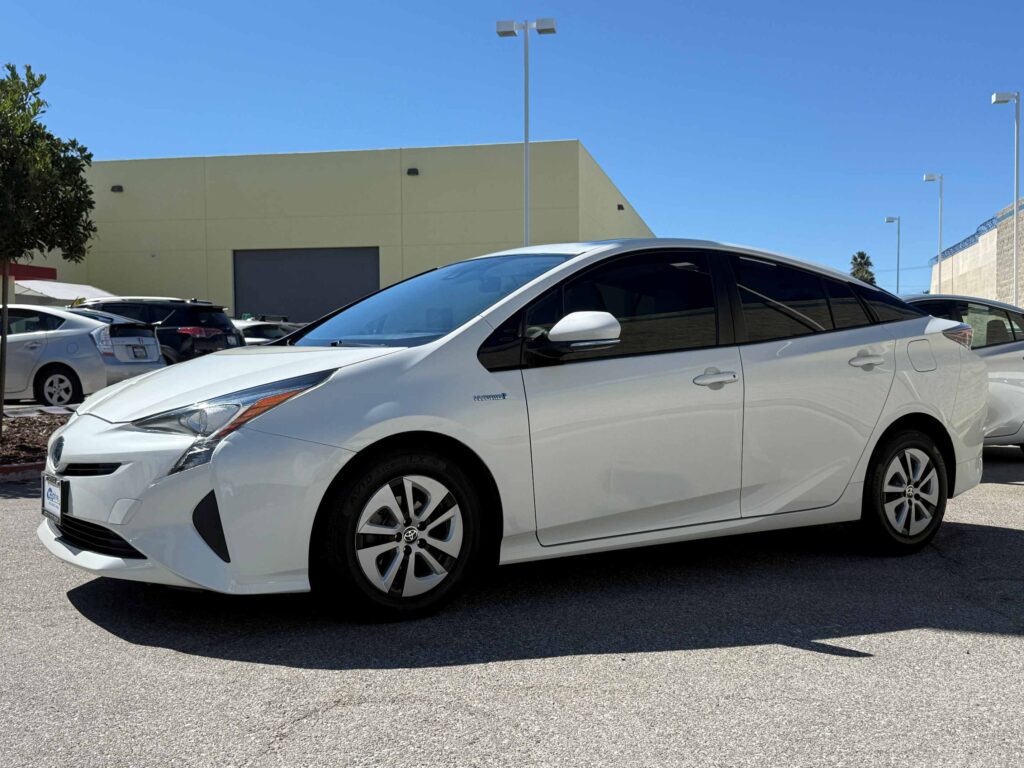
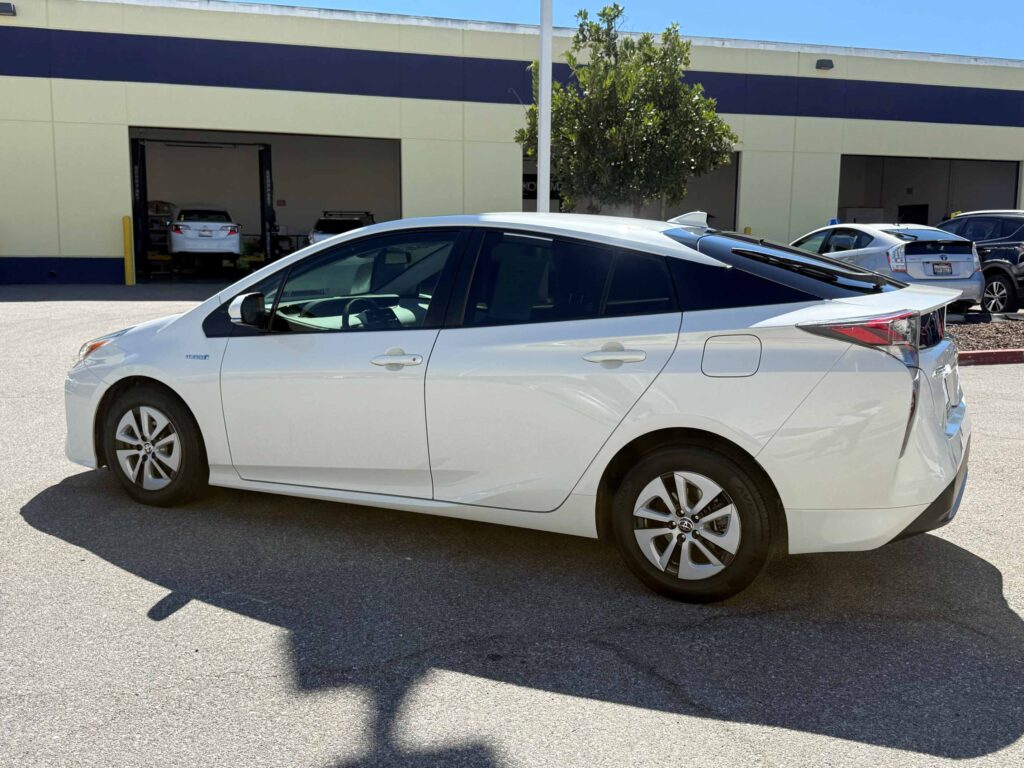
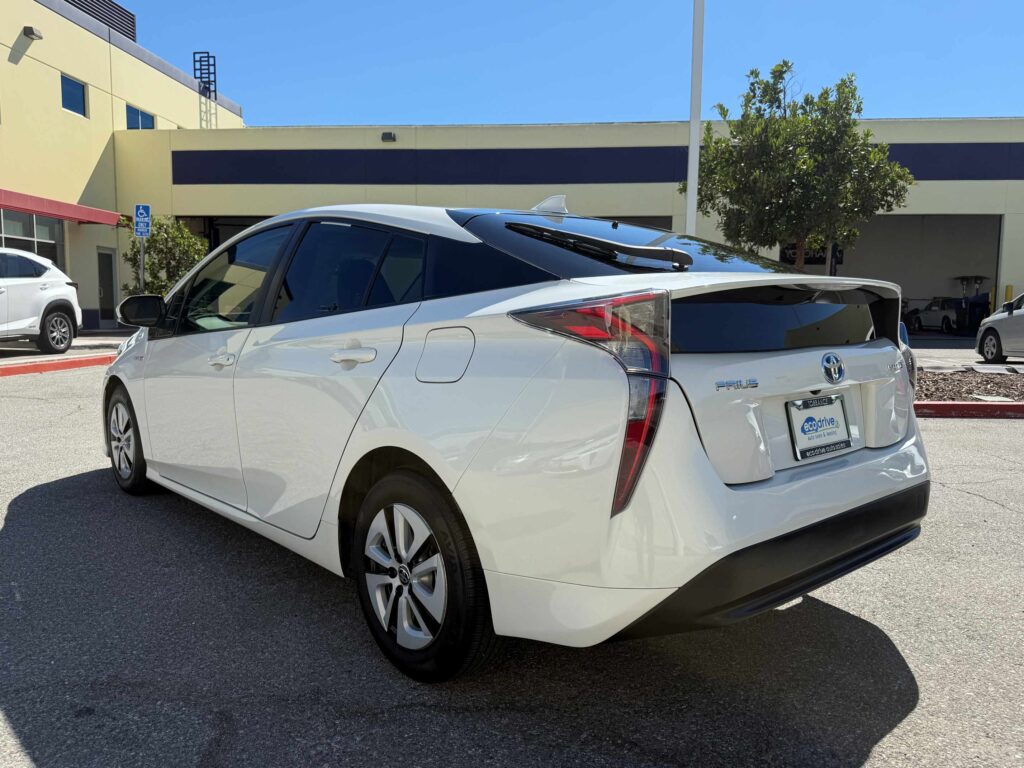
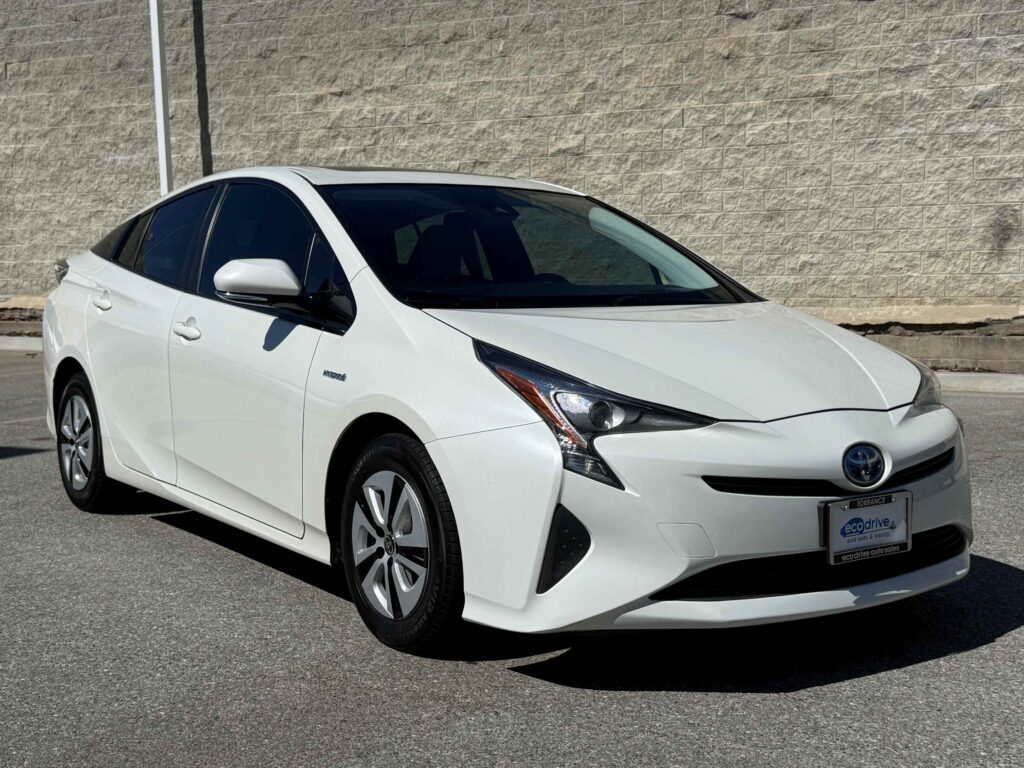
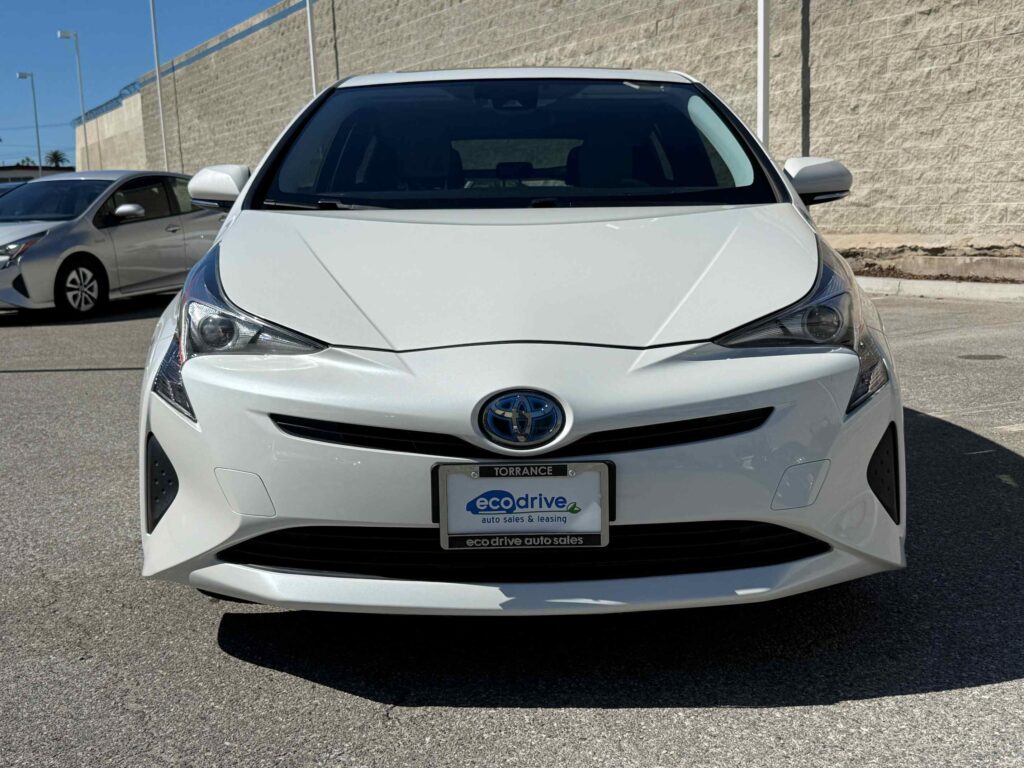
New Arrivals
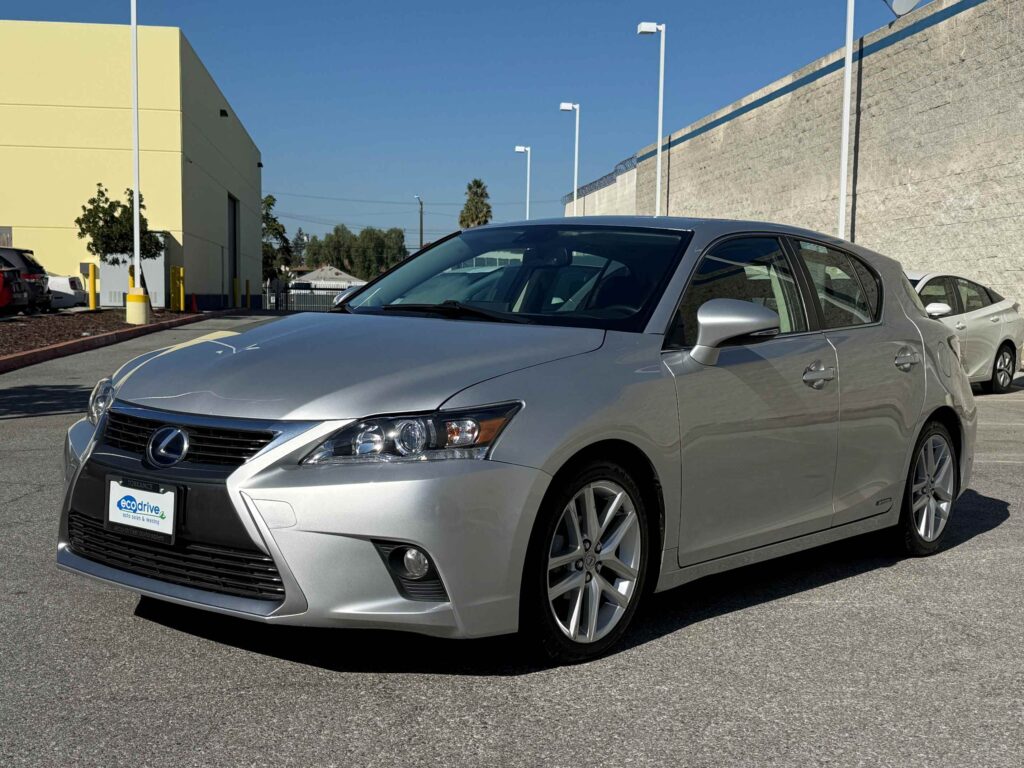
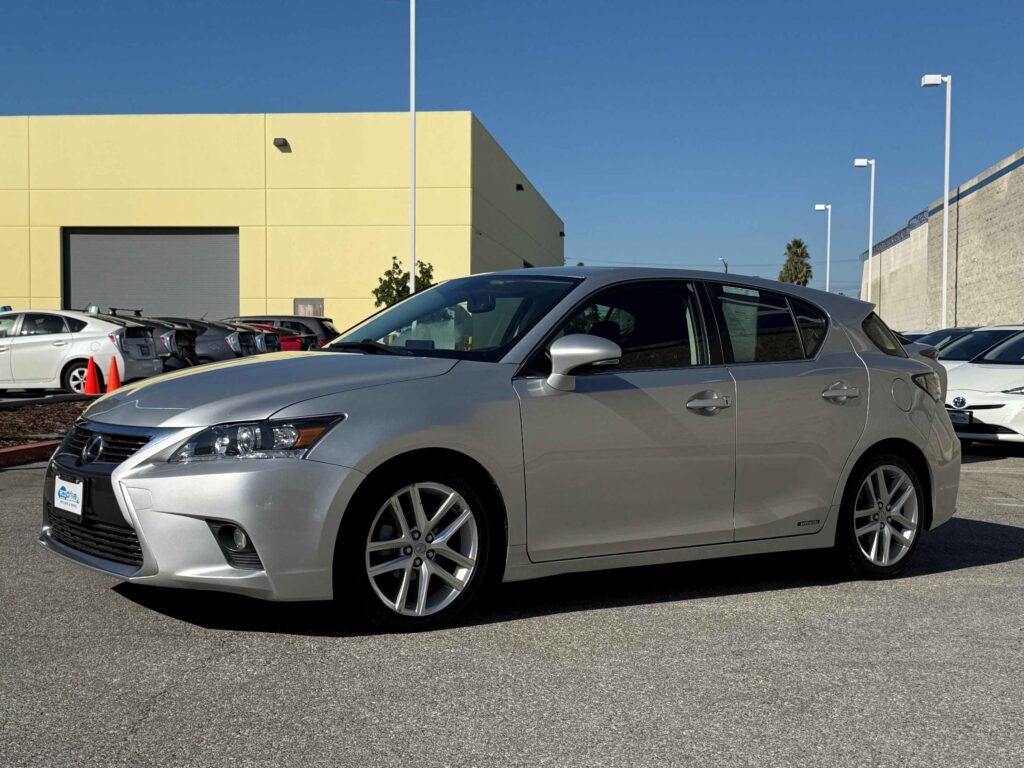
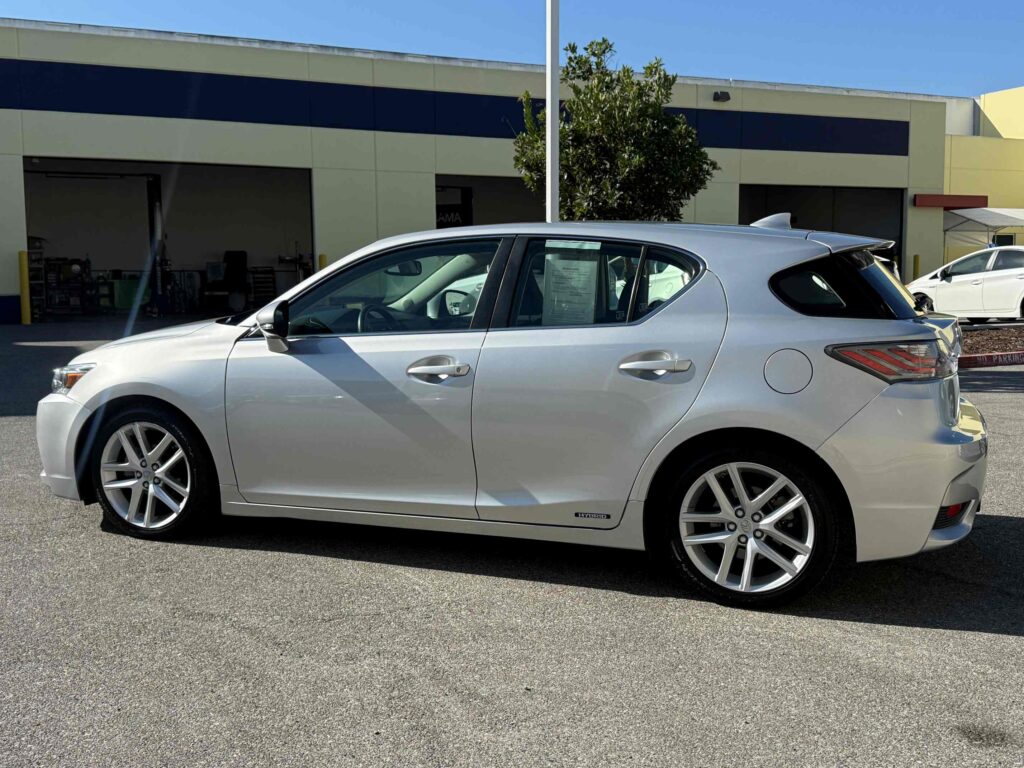
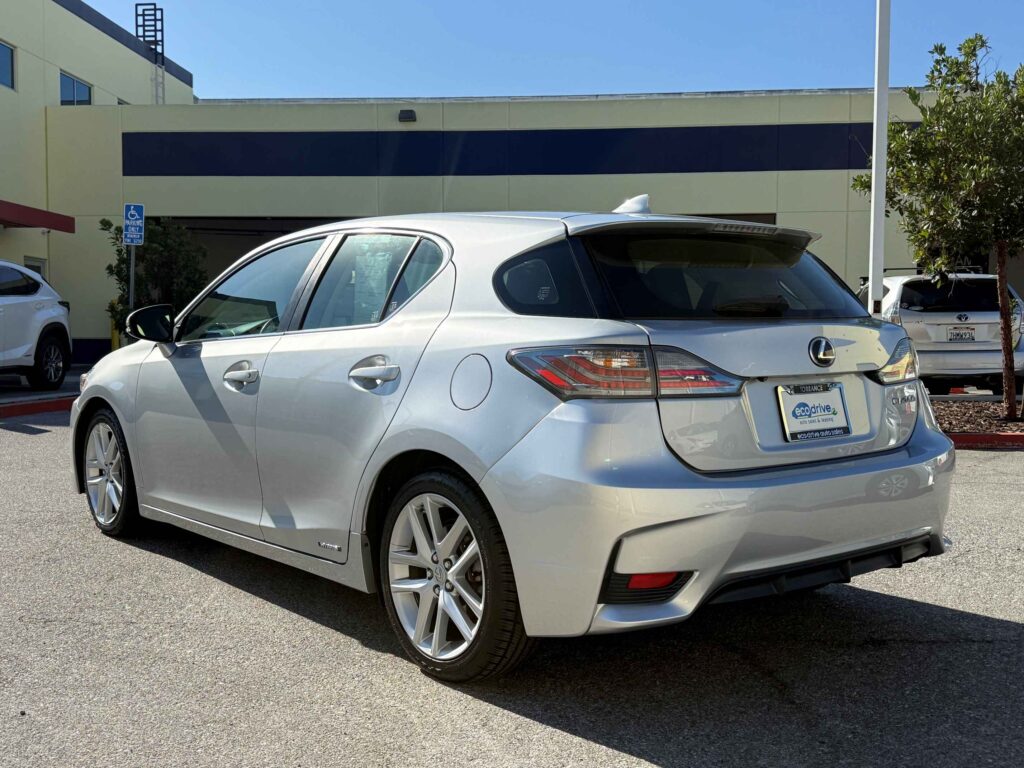
Discover our newest arrivals—available now!


The Causes of Inflation and the Weak Yen
The causes of this inflation are, needless to say, the pandemic-related lockdowns and the impact of the Ukraine crisis.
For those of us living abroad — Japanese expats and other foreigners alike — Japan’s prices feel incredibly cheap, and a big reason for that is the weak yen.
The combination of the weak yen and the price gap makes the difference feel even more dramatic.
Beyond prices, the difference in interest rates was also pretty shocking.
The Mortgage Interest Rate Gap
I happened to see an ad on the train in Japan advertising a mortgage rate of 0.17%.
I literally did a double take. Looking more carefully, it was a variable rate, not a 30-year fixed rate.
But still, 0.17% in Japan is just unthinkable from an American perspective.
In the U.S. right now, even variable rates are around 7%, and fixed rates can be 8–9%.
0.17% just seems unreal.
Comparing Auto Loan Rates
I looked into auto loan rates for used cars, and in Japan they seem to be around 1%–5%.
Some are in the 3%–4% range, and the average falls somewhere around there.
Meanwhile, in the U.S., 7.8%–12% is typical.
With an interest rate gap that big, the financial burden of buying a car is completely different.
“But Salaries Are Higher, So It’s Fine”… Right?
You often hear people say, “Sure, prices are high overseas, but salaries are higher too, so it evens out.”
And there’s some truth to that.
For example, the median household income in California (as of 2022) is about $85,000.
That’s approximately 12.75 million yen.
Meanwhile, Japan’s national average household income is 5.4 million yen.
By the numbers alone, American incomes are clearly higher.
But does that mean life is easier? That’s a whole different story.
The rate of inflation in the U.S. has been extreme — some things have tripled in price.
The Cost of Living in a Car-Dependent Society
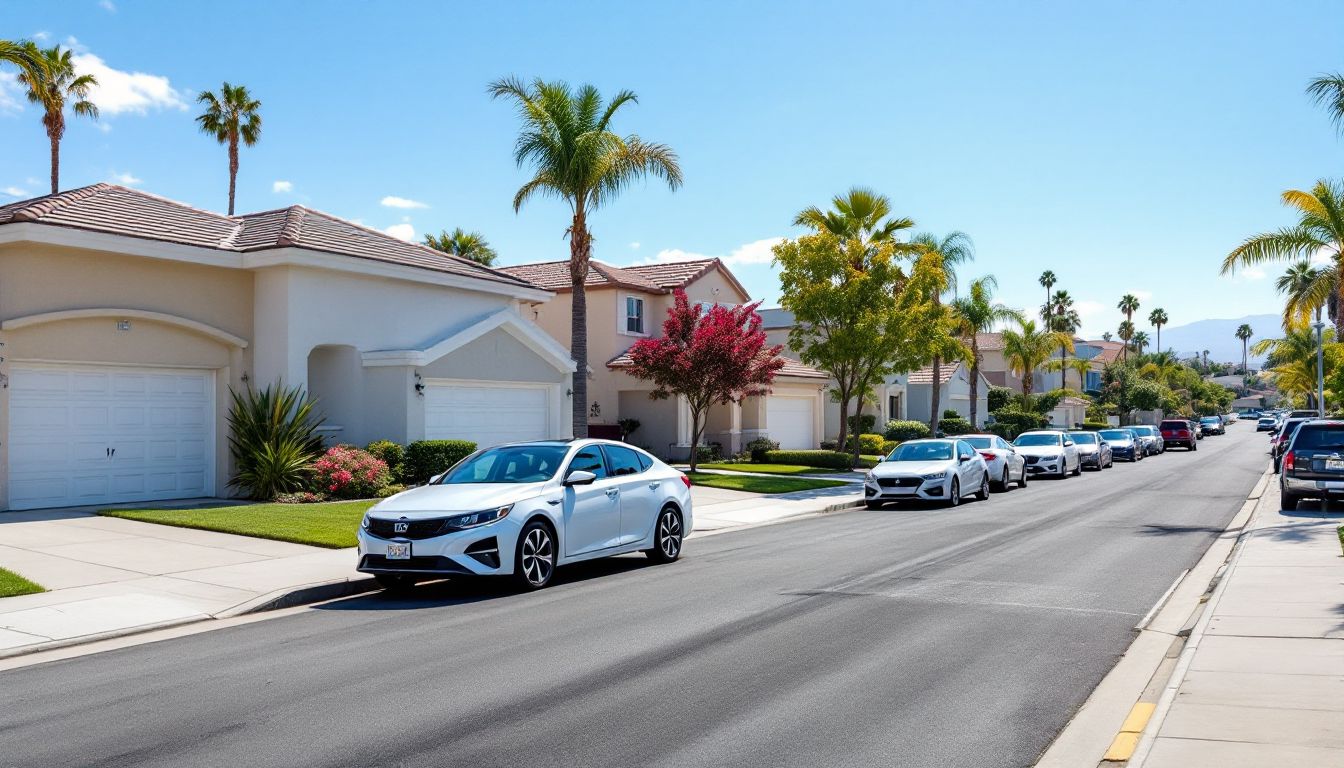
In the U.S., especially in California where we live, you can’t really get by without a car for every person in the household.
There’s nothing within walking distance, so your car is your lifeline.
For example, gas prices here are roughly 240 yen per liter.
In Japan, it’s currently around 160 yen, so gas in the U.S. is significantly more expensive.
Plus, the driving distances are totally different.
In Japan, driving 10,000 km per year is pretty standard.
In the U.S., it’s not unusual to drive 25,000–30,000 km per year.
So the impact of gas prices on the household budget is massive.
Uber and Other Ride Costs Are Expensive Too
In the U.S., people who don’t own a car often rely on Uber or taxis.
But even a short trip can easily cost around $20.
Add a tip, and you’re looking at close to 4,000 yen.
Even for a really short distance, that much money just flies out the window.
In our line of work dealing with cars, we sometimes have to go pick up vehicles or drive them back, so transportation costs really add up.
Car Prices Are “Insanely High” Right Now
It’s not just transportation costs — car prices themselves are insanely high.
Used car prices have gone up because there’s a shortage of new cars in the first place.
Since there aren’t enough new cars, used car prices have skyrocketed, and high demand keeps them elevated.
So everyone’s driving around feeling pretty anxious about their cars.
If your car breaks down, for example…
Minor issues can be fixed, but a major engine failure means you might have to scrap it.
And then if you try to buy a replacement, used car prices are so high it’s going to cost a fortune.
Paying cash would be one thing, but if you need a loan, you’re looking at interest rates around 10% — it’s tough.
The same goes for accidents. Even if your car gets totaled and insurance pays out, it’s hard to buy a replacement.
If insurance doesn’t pay out, it’s even worse.
And rental car prices are incredibly expensive too, piling on even more pressure.
That’s why people living in the U.S. are constantly on edge about their cars.
About 74% of Americans Report “Debt-Related Stress”
So while it’s true that incomes in the U.S. are high, the reality is that everyone is living on edge.
According to one survey conducted in August 2023, about 74% of Americans said they feel stressed about their debt.
Furthermore, the survey found that nearly half of all adults — about 50% — said that compared to a year ago, their savings have decreased or they have no savings at all.
Even High-Income Earners Struggle
Another survey found that 66% of high-income earners reported “struggling to pay their bills.”
Just because you have a high income doesn’t mean you can live comfortably — far from it.
I can’t say definitively whether Japan or the U.S. is better,
but the pressure from high prices and high interest rates is immense.
Even among high earners, about 70% say they’re struggling.
This current wave of inflation is clearly having a huge impact on society as a whole.
You May Also Like