Why Rich Americans Borrow Money (Good Debt, Assets & LTV)

Why Do Wealthy Americans Actively Take on Debt?
Hi, I’m Suzuki from Eco Drive.
Today, let’s explore the topic of “Why do wealthy Americans actively take on debt?”
Many people might wonder, “If they’re rich, they should have plenty of cash. Why would they need debt?”
Actually, there’s a big misconception here.
The idea that being wealthy equals having lots of cash isn’t necessarily true.
In fact, it’s more often the case that wealthy people don’t hold much cash at all.
Watch the video version here!
Looking at the Wealthy People Around Me…
I have some wealthy people around me too, but surprisingly, they don’t hold much cash.
Instead, what they have are “assets.”
Wealthy Americans focus on owning assets rather than holding cash.
This is an extremely important point.
The board game Monopoly might help you understand this concept.
Learning the Wealthy Mindset from Monopoly
Monopoly is a classic American game where the person who becomes the richest wins.
In this game, you can’t win just by collecting your salary and saving money.
To win, you need to quickly acquire assets, leverage them, sell them, and gain more wealth.
If you don’t buy assets, when you roll the dice and land on someone else’s property, you’ll end up paying hefty rent to them.
That’s why the key strategy is to acquire assets before anyone else, collect rent from others, and ultimately cash out to win.
The Key Is Converting Cash into Assets

The essence of this game is converting your salary (cash) into assets.
By having those assets “work for you,” you earn regular income and acquire even more assets.
This is exactly what wealthy Americans practice in real life.
What wealthy Americans understand is that “the sooner you acquire assets, the better.”
If you wait, you’ll naturally end up buying after prices have risen, so it’s more advantageous to buy at an earlier stage.
In other words, instead of diligently saving your salary for 10 years before buying, wealthy Americans think about buying quickly—even if it means taking on debt.
That’s why “wealthy Americans take on debt.”
Explaining the Types of Debt
Next, let’s talk about debt.
There are actually two types of debt: good debt and bad debt.
This isn’t about whether the interest rate is high or low—it’s about how the money is used.
Good debt is debt used for investment, while bad debt is debt used for consumption or wasteful spending.
The bottom line is that wealthy people are proactive about taking on good debt.
When I mentioned investment, consumption, and wasteful spending—investment refers to things like stock investments, real estate investments, or ways to grow your money.
Consumption refers to things you need to survive, like electricity, gas, and water—essentials you have to spend on.
Wasteful spending refers to things like buying unnecessary clothes or hobby items—things that aren’t essential for daily life.
Saving Is Also a Form of Investment
Another way to use money is saving, but this is actually a form of investment too.
For example, depositing money in an American bank means you’re investing in US dollars.
Saving in yen at a Japanese bank is an act of investing in Japanese yen.
So fundamentally, the ways to use money are categorized into investment and consumption/wasteful spending.
With this in mind, let me explain in more detail why wealthy Americans take on debt.
Wealthy Americans Are Proactive About Good Debt

Wealthy Americans are proactive about good debt—meaning if they borrow money and use it for investments, the borrowed money grows, so they actively pursue it.
However, if the money is used for consumption or wasteful spending, it won’t grow.
In fact, since debt always comes with interest, it keeps growing.
As a result, no matter how much you pay back, you end up just paying interest, and your assets don’t grow—they actually shrink.
In other words, the more you borrow for consumption or wasteful spending, the poorer you become.
On the other hand, the more wealthy people borrow for investments, the more their money—and assets—grow.
In this way, the same act of “borrowing” produces completely different results depending on how the money is used.
The reason wealthy Americans actively take on debt is that they understand the mechanics of this “good debt” and leverage it effectively.
【Watch the second half video here】
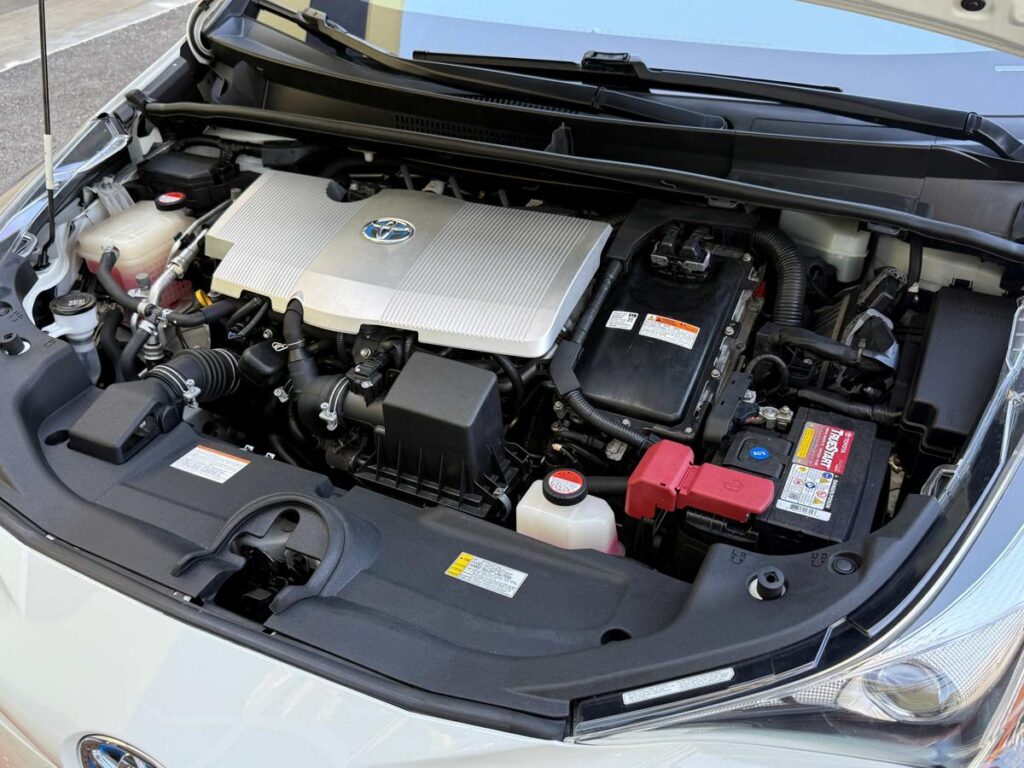
New Arrivals
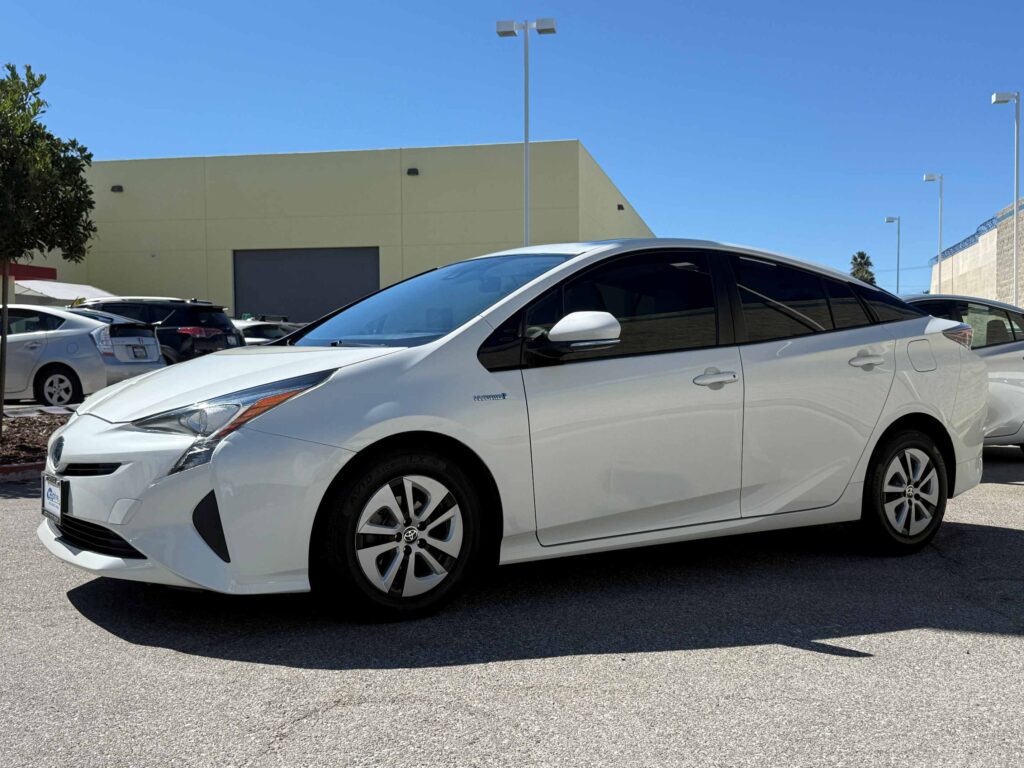
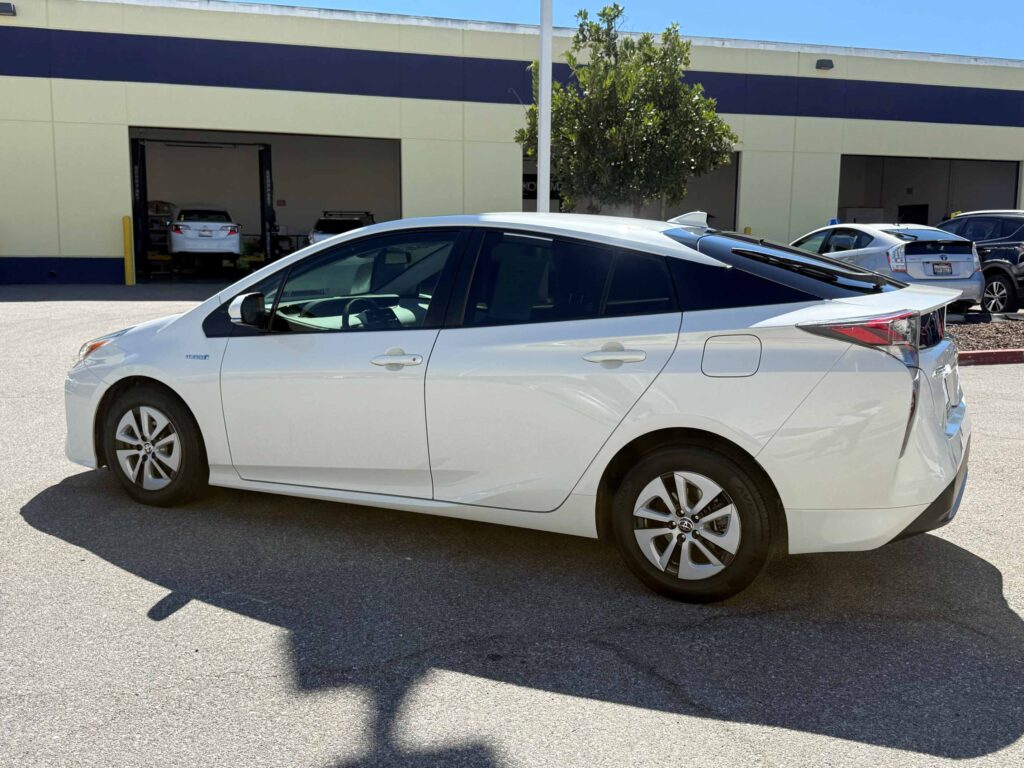
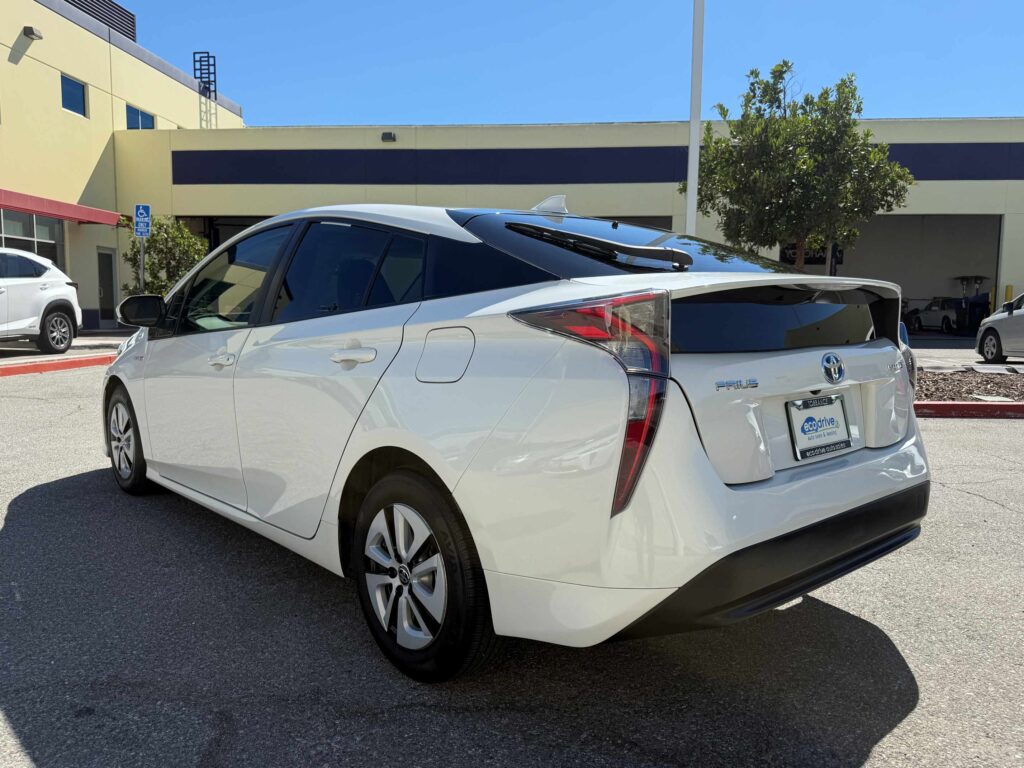
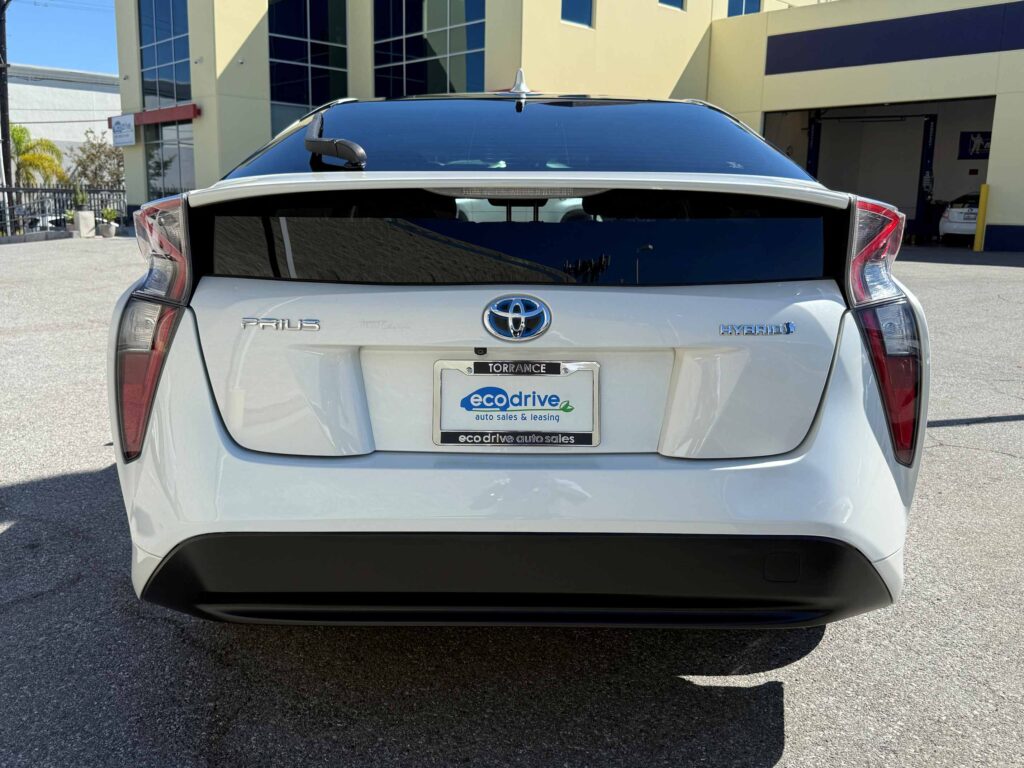
Discover our newest arrivals—available now!































































What Do They Do When They Need Cash?
So far, I’ve explained that wealthy people think about growing their assets even if it means taking on debt.
So you might wonder, what do they do when they actually need cash?
The thing is, people who own assets have creditworthiness.
Because of this, they can borrow money.
When you suddenly need cash, if your available cash isn’t enough, you can use your assets as collateral and borrow from banks based on that credit.
Using Loan-to-Value for Manageable Debt
Digging a little deeper, wealthy people don’t take on reckless debt.
They always use an indicator called “Loan-to-Value” and structure their loans to stay at around 80% or less of their asset value.
In other words, if you stay within that range, there’s no risk when it’s time to sell.
Wealthy people always know exactly what their assets are worth.
This is where America really shines—the systems for calculating your asset value are very well developed, so you can check your net worth at any time.
For example, there are systems that calculate the current market value of real estate you own, and anyone can access this information.
What Is Loan-to-Value?
Let me explain the indicator called “Loan-to-Value” (LTV) in more detail.
LTV shows how much of a loan you have relative to your asset value.
It’s generally expressed as a percentage.
For example, if your real estate is worth $1 million and your remaining loan balance is $500,000, your LTV is 50%.
Similarly, if you have $1 million in assets and your loan is $800,000, your LTV is 80%.
Generally, banks will relatively easily approve loans up to 80% of your asset value.
A Real Example of Taking on Debt

Let me give you a concrete example.
Let’s say you own $1 million worth of real estate and your current loan balance is $500,000.
In this case, you have $300,000 in borrowing capacity.
This $300,000 (the gap until LTV reaches 80%) can be borrowed relatively easily.
Many wealthy individuals use this mechanism to make new investments.
For example, when a good property comes along, they borrow this $300,000 for a down payment and purchase the next property.
This is how many American investors grow their wealth efficiently—by constantly being aware of the balance between asset value and loan amounts.
They Don’t Take on Reckless Debt
Wealthy Americans—people with significant assets—do take on debt, but they don’t take on reckless debt.
They always keep their debt at a level where there’s no risk when selling their assets.
They also constantly track their asset values, loan balances, and Loan-to-Value (LTV) ratios.
To summarize today’s discussion, here’s why wealthy Americans actively take on debt: They believe holding cash is actually a loss. They borrow to purchase assets as quickly as possible to grow their wealth. They let those assets work for them to generate even more wealth. They don’t take on reckless debt and carefully manage their LTV.
Using Debt Wisely to Grow Assets
However, this doesn’t mean everyone should necessarily take on debt.
Borrowing to acquire more assets is one option.
The important thing is that if you do borrow, you should always use it for investment—not for consumption or wasteful spending.
Additionally, I recommend avoiding reckless debt and keeping your borrowing below 80% of your assets’ market value.
Please keep these points in mind.
You May Also Like