Japan vs US Work Culture: 401(k), Health Insurance, and Why Benefits Matter

Differences in Work Culture Between Japan and America
Hi, I’m Suzuki from Eco Drive.
Today, I’ll continue from the previous article and talk about the differences in work culture between America and Japan.
Last time, we focused on working in America from the perspective of an individual worker or employee.
This time, I’d like to explain the work culture more from the perspective of relationships with supervisors and from a manager’s point of view.
I’ll also explain American employee benefits, which I think will be useful information for anyone considering working in America in the future.
Please use the following content as a reference.
Check out the previous article here!
U.S. vs Japan at Work: Evaluation, Pay, Promotion
【Watch the video version here】
4. Relationship with Supervisors

The fourth point is the relationship with supervisors.
In America, the relationship with supervisors is very casual.
People call each other by their first names.
For example, my supervisor’s name was Mike, and I would say “Hey, Mike.” He would also call me by my name, and the atmosphere was very relaxed.
In America, the role of a supervisor is defined differently than in Japan.
A supervisor is defined as “someone who works to help employees achieve results.”
It’s almost like being a coach.
There was never any military-style behavior like acting bossy or yelling at people.
Clear Authority and Responsibility for Supervisors in America
Another characteristic is that supervisors make decisions very quickly.
This is because authority and responsibility are clearly defined in America.
Supervisors are given considerable authority and responsibility, so there was an atmosphere where they could immediately say “Yes, that’s fine.”
On the other hand, when I was working in Japan, decisions seemed to take much longer.
For example, when submitting a request for gas reimbursement, there was a multi-step approval process where it would go through multiple supervisors before finally reaching upper management.
American Bosses Give Lots of Praise?
American supervisors are basically there to praise you.
They express negative feedback in very indirect ways, and they tend to praise you right away even for small things.
I think this is a very comfortable environment for people who thrive on praise.
However, it might be a bit difficult for people who need a certain amount of pressure to get motivated.
“Ho-Ren-So” Is Not Required
Also, you’re rarely required to practice “Ho-Ren-So” (Reporting, Contacting, Consulting) like in Japan.
*Note: “Ho-Ren-So” (報連相) is a Japanese business term combining the first syllables of “Hokoku” (report), “Renraku” (contact/inform), and “Sodan” (consult). It’s a fundamental communication principle in Japanese workplaces where employees are expected to constantly keep supervisors informed about their work progress.*
If your job duties are defined and your goals are clear, you don’t need to report every step of the process.
Of course, they’ll help if you ask for advice, but you’re not constantly expected to report, inform, and consult like with Japanese supervisors.
In America, managers are hired as management professionals.
Managers are professionals at achieving goals.
Because of this, they don’t necessarily know all the details of their subordinates’ work. Their job is strictly management.
Managers May Not Fully Understand Their Subordinates’ Work
This is quite different from Japan.
In Japan, there’s typically a progression where you do the work yourself, produce results, and then become a manager. But in America, “manager” is a job title in itself, and you’re paid for the job duty of being able to manage.
In other words, just because someone is a manager doesn’t mean they understand 100% of their subordinates’ work.
This point is quite different from Japanese organizational structures and reflects America’s job-based employment system.
5: Employee Benefits
The fifth point is employee benefits.
In America, benefits are a very important factor when choosing a company.
America doesn’t have a retirement bonus system like Japan does.
Instead, companies may offer plans that serve as alternatives to retirement bonuses. These are called “retirement plans,” and the 401(k) plan is the most common.
What Is a 401(k) Plan?
A 401(k) plan is a type of investment plan.
It’s a system where a set amount is automatically deducted from your salary each month and put into investments.
What’s interesting is that the company supports employees’ investments through “matching.”
For example, if an employee invests $300 per month into their 401(k), the company will also contribute $300 as a match.
As a result, the employee puts in $300, but actually $600 ends up being invested.
The advantage of this plan is that you can keep your account even if you leave the company. This means you can receive similar services even after changing jobs.
About Health Insurance in America
Another important representative benefit is health insurance.
In America, health insurance is extremely expensive, and if you purchase it individually, it can become a tremendous expense.
Therefore, whether a company provides health insurance as a benefit is very important.
For example, at my company, we cover 50% of the insurance for the employee themselves, and also 50% for the employee’s family members.
This means employees only have to pay half of the premium.
In this way, one of the major reasons to work at a company in America is to receive such comprehensive benefits.
Things like social insurance that are taken for granted in Japan are actually important benefits provided by companies in America.
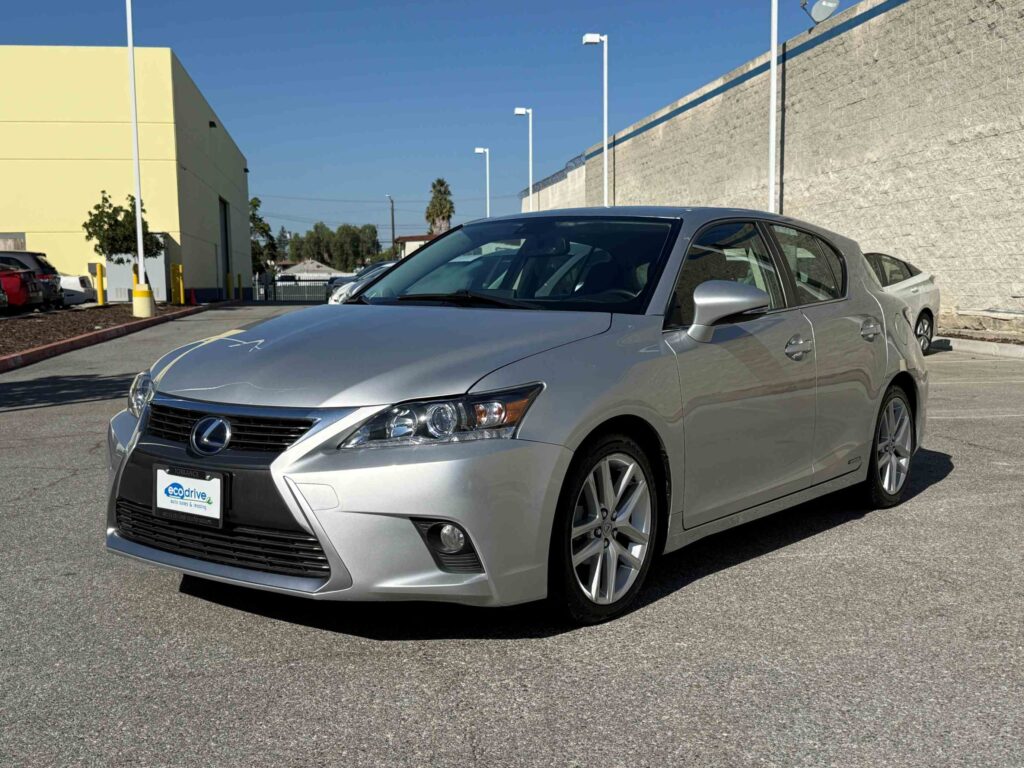
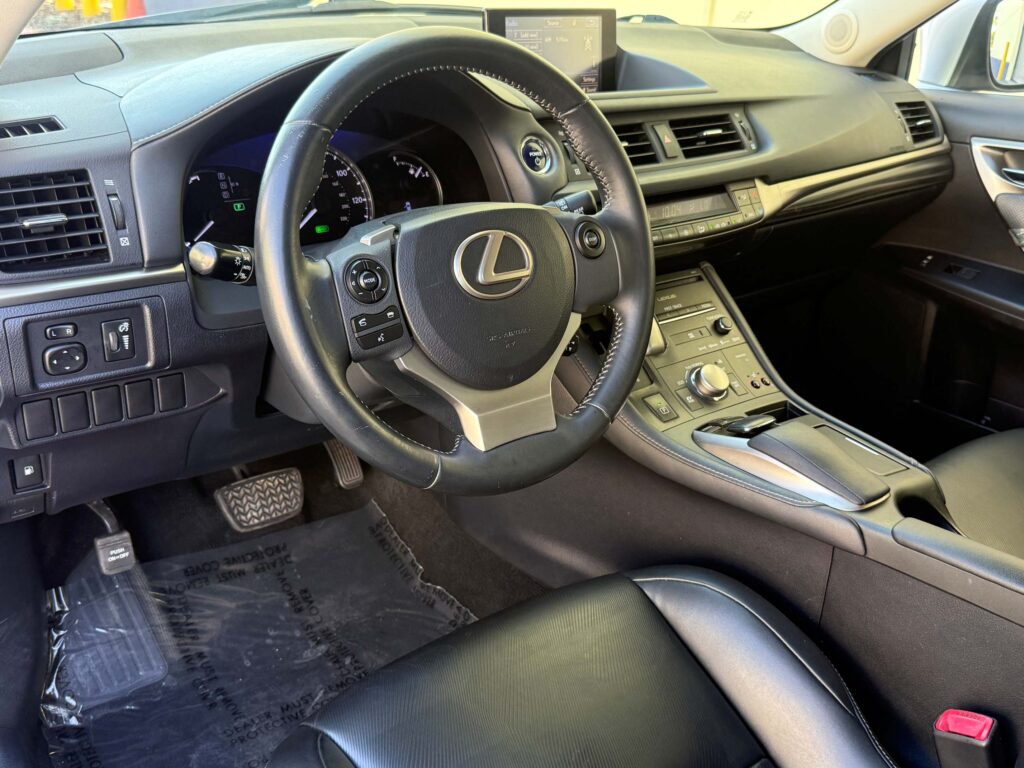
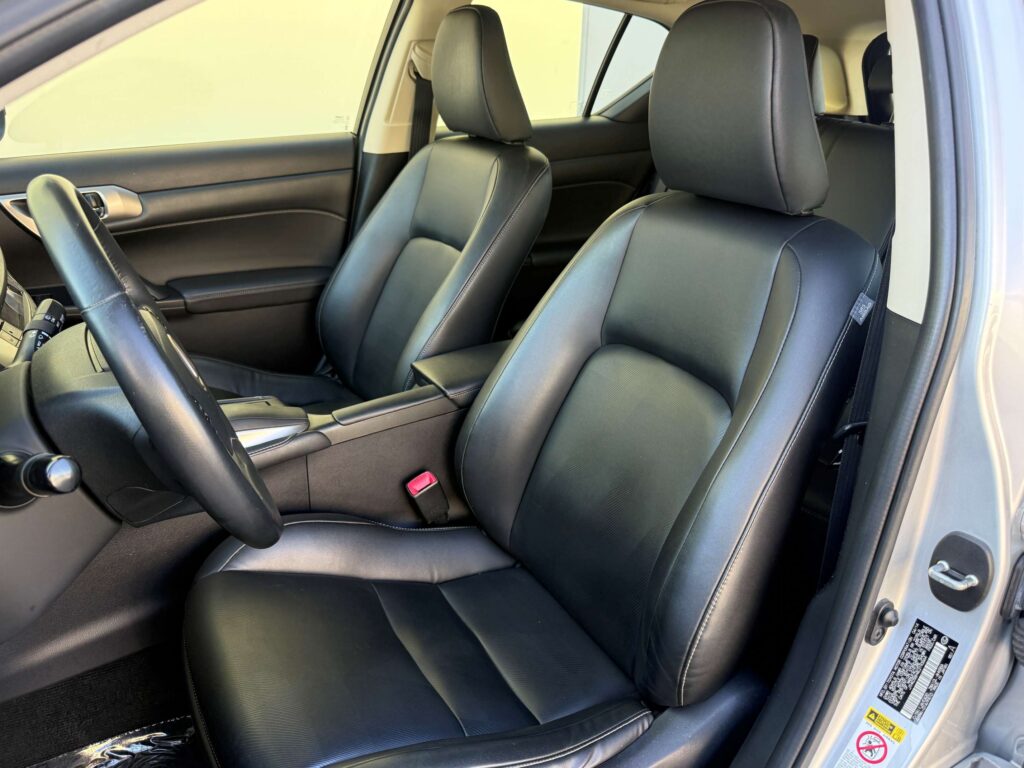
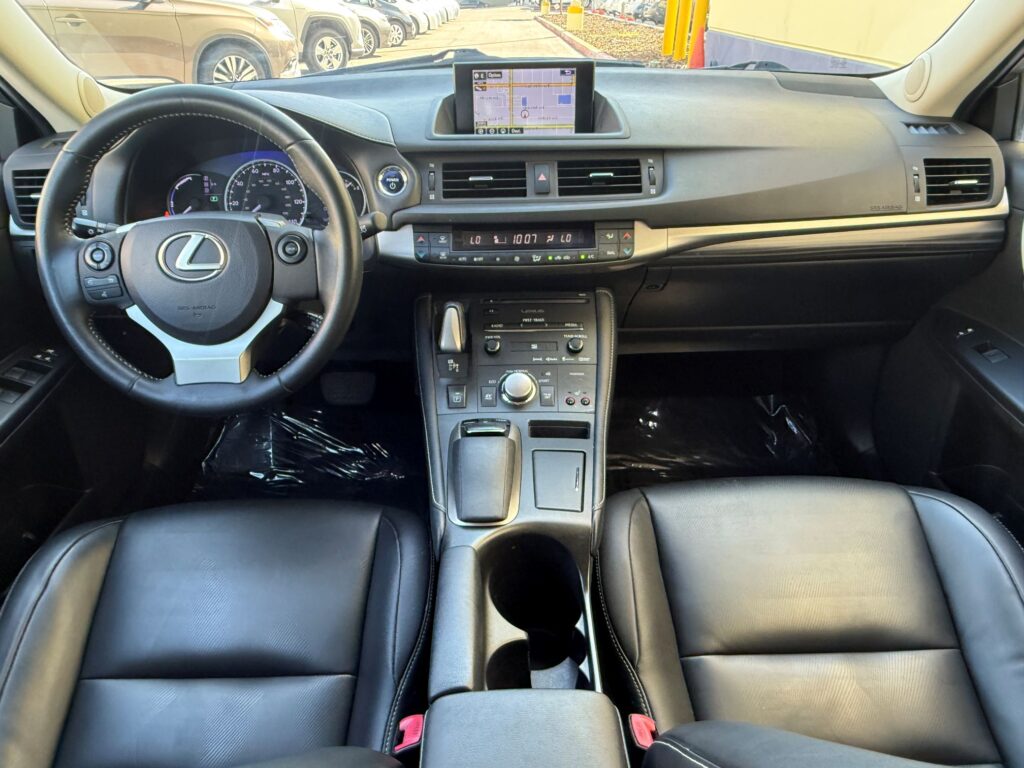
New Arrivals
Discover our newest arrivals—available now!




































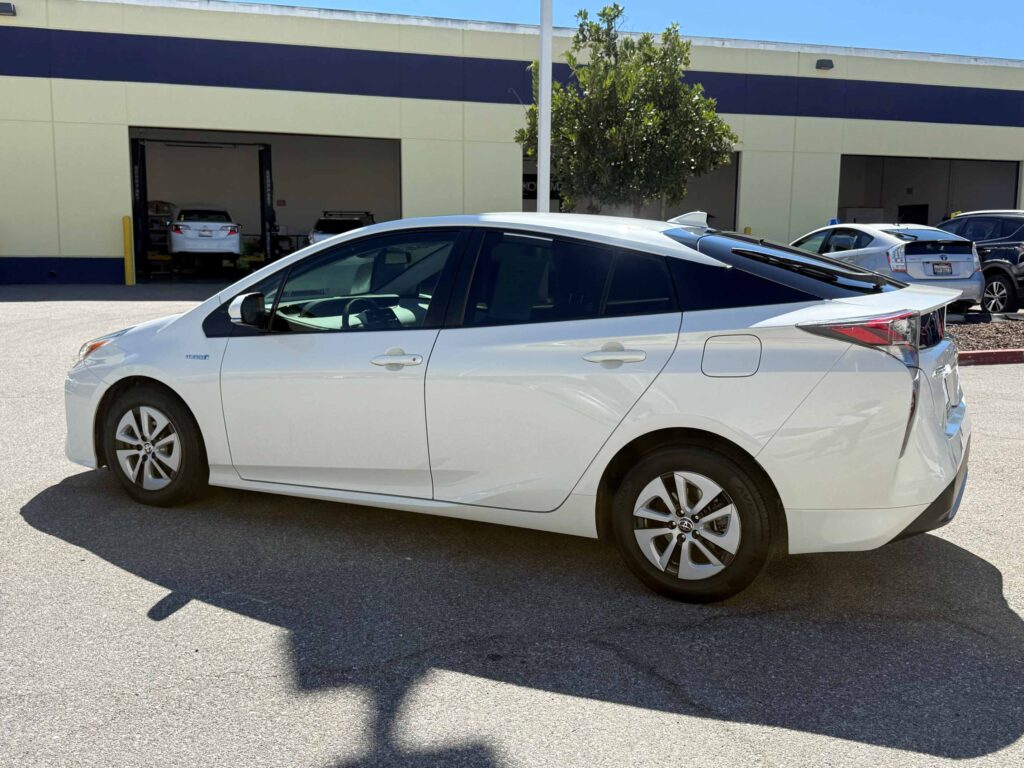
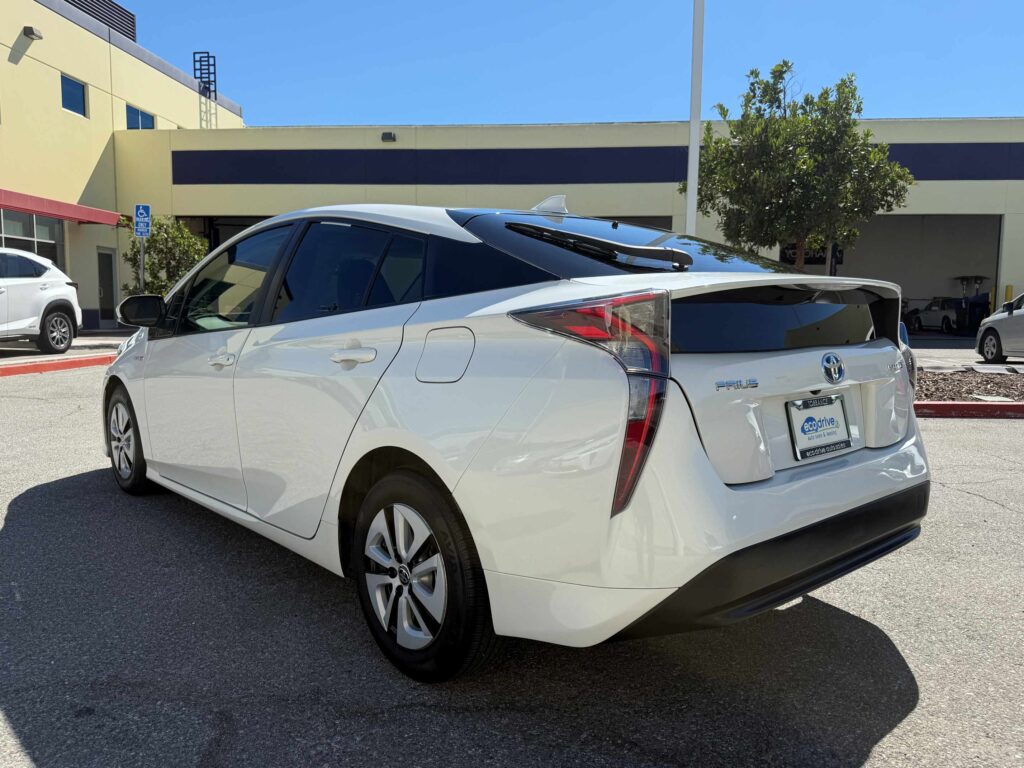

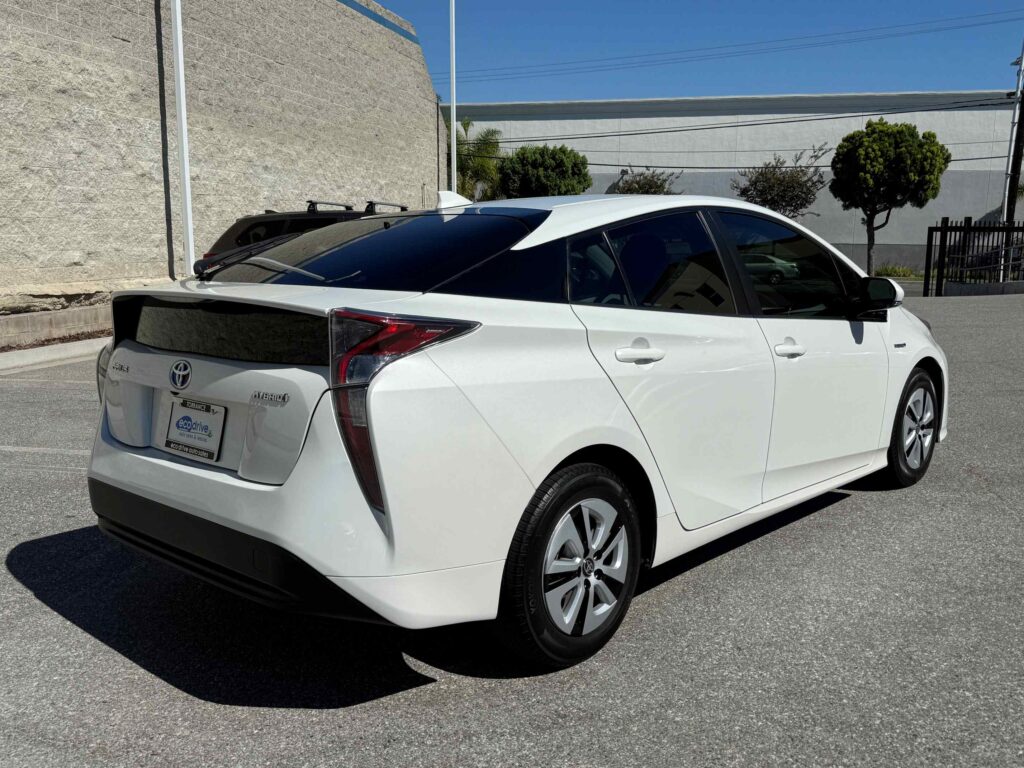
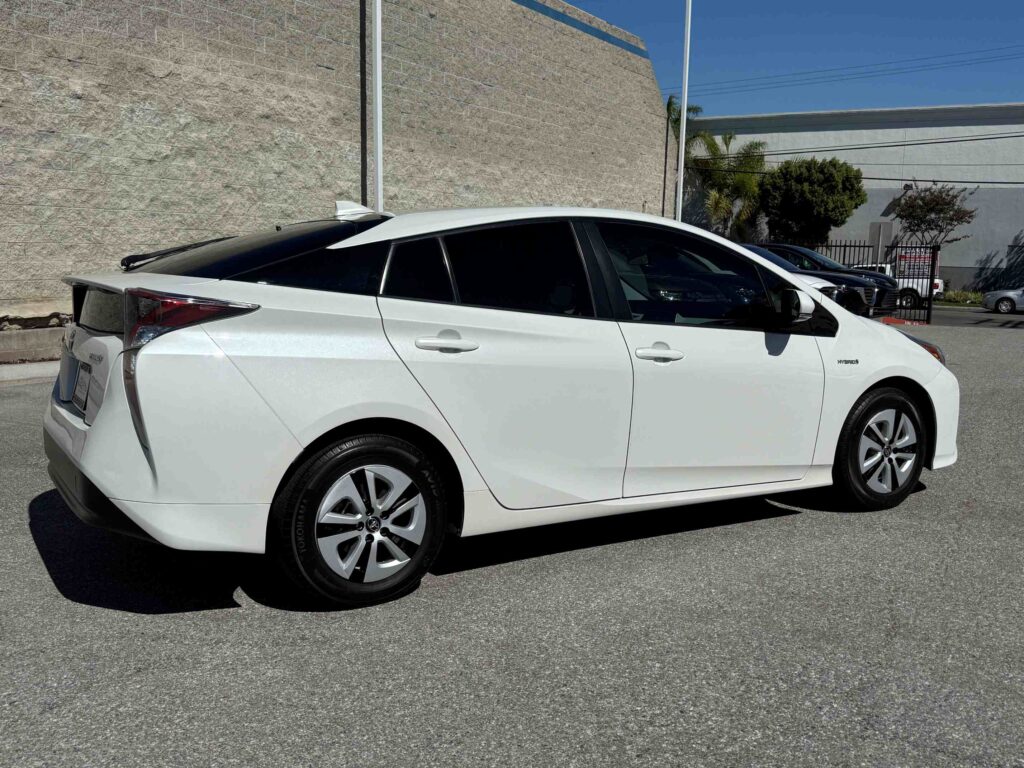






Work Culture Differences from a Company Manager’s Perspective
Next, I’ll explain the differences in work culture from a company manager’s perspective.
In Japan, it’s relatively rare for a company to be sued by employees.
However, in America, it happens quite frequently.
So you always have to keep litigation risk in mind.
To protect your company, you need to properly manage things like company policies and timesheets.
If you don’t thoroughly handle these matters, it could lead to lawsuits and you might end up paying a significant amount of money.
Management Through Employee Handbooks and Timesheets
That’s why companies need to prepare what’s called an “Employee Handbook.”
This needs to be placed somewhere everyone can access, or stored online.
Everyone works based on this employee handbook.
Timesheets also need to be properly managed, keeping track of who worked, for how long, and from when to when.
The Need to Be Fair to Employees
You also always need to be fair.
What this means is that you need to treat everyone equally regardless of age, tenure, race, or where they live.
The culture of respecting each other as people and casually exchanging opinions, regardless of whether someone is a supervisor or subordinate, is important.
If you don’t do this, the company could be accused of sexual harassment, moral harassment, or power harassment, and end up in a very weak position in a lawsuit.
Also, something quite interesting is that there are things you can’t ask during interviews.
For example, age, gender, religion, place of origin, and current place of residence.
These are things you absolutely cannot ask, and if you do, you could be sued.
In Japan, asking these kinds of questions is considered normal.
In America, there’s a culture where you can’t casually ask someone how old they are.
A Culture of Accepting Mistakes and Failures
Next is the culture of accepting mistakes and failures.
In Japan, there’s a deduction-based system where you write an incident report when you make a mistake.
When I worked in Japan, I hate to admit it, but I was someone who made a lot of mistakes.
I would accidentally make errors or careless mistakes quite often, and I remember writing many incident reports.
*Note: “Shimatsusho” (始末書) is a formal written apology or incident report that Japanese employees are often required to submit when they make mistakes at work. It’s part of the deduction-based evaluation system common in Japanese companies.*
However, in America, I never had to write incident reports or anything like that.
Of course, making the same mistake repeatedly is not okay, but for a first-time mistake, nobody said anything.
In fact, sometimes I was even thanked.
Why Do These Differences Exist?
The reason for this difference is that American companies operate under the premise that “there is no human error.”
Instead, there’s the concept of “system error.”
In other words, humans are creatures that make mistakes, and if systems aren’t in place, mistakes will happen.
When a mistake occurs, you should think about systems to prevent it.
The underlying philosophy is: “There is no human error—there is only system error.”
Fewer Meetings
The next characteristic is that America has fewer meetings.
Compared to Japan, American meetings have these characteristics: fewer meetings, smaller number of participants (often just 2-3 people), and shorter meeting times.
In Japan, there are many meetings, sometimes with 10 or more people.
In Japan, it sometimes feels like “having meetings” itself has become the job.
There seem to be many meetings with unclear purposes, like “meetings to prepare for meetings” or “meetings to create materials for meetings.”
On the other hand, in America, once you decide what to do, you don’t need many follow-up meetings.
If job duties and goals are clear, you can proceed with work just by occasionally checking the schedule.
Cultural Differences Are Reflected in Meetings Too?
The background for this difference is believed to be American culture.
In America, there’s a culture of respecting each other’s opinions, where supervisors, subordinates, and colleagues all call each other by first names, creating an environment where casual exchanges of ideas are possible.
Because of this, problems can often be solved through everyday interactions without having to set up formal meetings.
At my company as well, many things get decided this way, and we have very few meetings.
The American characteristic is that many things can be resolved through regular communication without having formal meetings.
In Closing
That’s all for today’s discussion on the differences in work culture between Japan and America.
Neither one is necessarily better than the other, but personally, I feel that the American way of working suits me better.
What’s important is respecting each other and creating systems where all employees can work comfortably and produce results.
I think this is important for both employees and employers.
You May Also Like