How Often Do People Change Jobs? 9 in 10 U.S. Workers Have
Part 1: How Often Do People Change Jobs in the U.S.?
Introduction
Hi everyone — I’m Suzuki from Eco Drive.
Today’s theme is the difficulties of starting a business here that I learned by actually doing it, and this is the third one: how hard it is to keep employees.
I’ve now been running my company here for more than a decade, and everything I’m about to share isn’t something I heard secondhand or picked up from someone else — it comes from my own experience.
There’s a lot to cover, so I’m splitting this into two parts.
In Part 1, I’ll focus on why employee retention is so difficult here.
In Part 2, I move on to the at-will employment system behind it, and what we at Eco Drive value in order to have people stay with us for the long haul.
Short answer first: about 9 in 10 U.S. workers have changed jobs at least once, and the median worker has been with their current employer for 3.9 years (U.S. Bureau of Labor Statistics, January 2024). The rest of this article is about what’s behind those two numbers — and what they mean if you run a company here.
Watch the video version here (with English subtitles):
The Third of Three Challenges of Running a Company in the U.S.
In this series, I’ve laid out three things that make starting a business here difficult:
- One: getting a bank loan
- Two: judging the quality of your inventory
- Three: keeping your employees
This time I want to zero in on the third one — retention.
Hiring people is obviously essential to keeping a company running.
But getting the people you’ve hired to stay for the long term can turn out to be an even harder problem.
Especially in a society like this one, where people move between jobs so freely, you can’t assume that hiring someone means the position is settled.
From the employee’s side, looking around for better terms or a workplace that fits them better is nothing unusual.
From the company’s side, it means there’s always a chance that someone who just got up to speed will move on to another company.
That’s exactly why retention becomes such a big issue when you’re running a business here.

How Often Do People Change Jobs? What the Survey Shows
People often say retention is hard here, and a big part of that is simply how many people here have changed jobs at least once.
There’s data on this.
One useful reference is a five-country survey on job changing conducted by Indeed Japan and published in 2023.
The survey looked at full-time permanent employees in their 20s through 50s who were currently working in Japan, the U.S., the U.K., Germany, and South Korea, and compared their attitudes toward work, their experience changing jobs, and how satisfied they were with their employers.
In total, 8,848 people took part.
Because it lines up Japan alongside the U.S., Europe, and South Korea, it makes the differences in how people approach work and job changes fairly easy to see.
The Gap Between Japan and the U.S.
The clearest finding in the survey is the difference in how many people have changed jobs.
In Japan, 59.7% had changed jobs at some point, compared with 90.1% in the U.S.
So in Japan a little under six in ten workers have changed jobs, while in the U.S. it’s closer to nine in ten.
Of course, you can’t look at that one number and conclude that people here just quit easily.
What you can say is that changing jobs is treated as a more ordinary option in the U.S. than it is in Japan.
Across All Five Countries, Japan Comes in Lowest
The survey lists the rate for all five countries side by side:
- U.K.: 92.7%
- U.S.: 90.1%
- Germany: 84.2%
- South Korea: 75.8%
- Japan: 59.7%
Japan comes in lowest of the five.
Looking at these results, the idea of staying with one company for a long time still carries weight in Japan, while in the U.S. and the other countries surveyed, changing jobs is a much more familiar option.
Job Satisfaction Also Looks Different in Japan and the U.S.
Another interesting finding is how satisfied people are with their current employer.
The share who answered “satisfied” or “very satisfied” was 41.5% in Japan, compared with 85.2% in the U.S.
That’s more than double the Japanese figure.
Looking at that alone, you might wonder: if people are satisfied, why do so many of them change jobs?
But the way I read it, people here don’t only change jobs out of dissatisfaction — plenty of them move because they’re looking for a workplace that fits them or terms that suit them better.
In my experience, folks here are pretty open, and once you become a familiar face you end up chatting with the staff at a store about all kinds of things. A lot of them will tell you, “this is a really good company to work for.”
The survey results line up with what I’ve picked up from those conversations.
Put those two things together and a picture starts to form — my own read, not something the survey establishes: in Japan more people seem to stay in a job they aren’t happy with, while here more people keep looking until they land somewhere they are.
The survey asked those as two separate questions, after all: whether someone had ever changed jobs, and how they feel about their current employer. It doesn’t show that one led to the other.
The Reasons People Change Jobs Differ by Country Too
The reasons people want to change jobs also vary from country to country.
In the survey, respondents in Japan were more likely to point to something they were unhappy about in their current workplace as the reason.
In the other four countries, including the U.S., the more common reason was along the lines of having no major complaints about the current job, but seeing a move as a potential step up.
In other words, people in Japan tend to think about changing jobs in order to resolve a problem, while people here tend to consider it whenever better terms or a chance to grow come along — even when nothing is really wrong where they are.
That difference in mindset is easy to picture.
In Japan, even when something about the job isn’t working, it’s not unusual for someone to stick it out for a while rather than jump ship right away.
Here, my impression is that a lot of people see a move as a positive option as long as the terms or the fit are better.
None of this is a blanket statement about either country, of course.
There are plenty of people in Japan who change jobs readily, and plenty of people here who spend years at the same company.
But as a general mood, the bar for changing jobs does feel lower in the U.S.
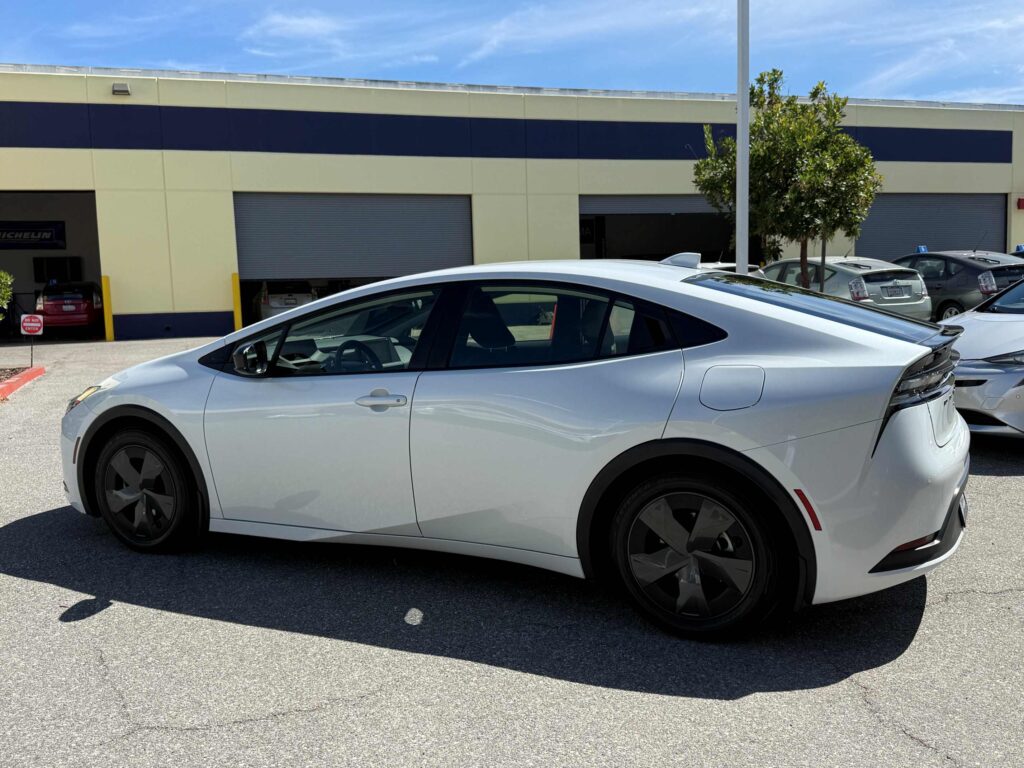
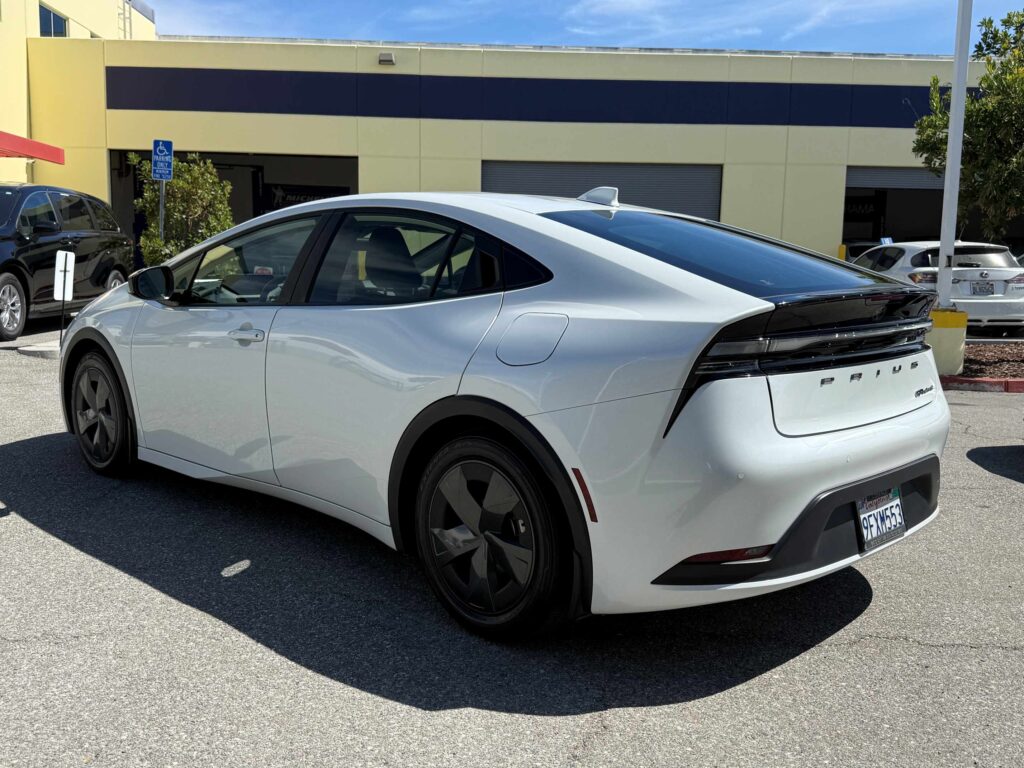
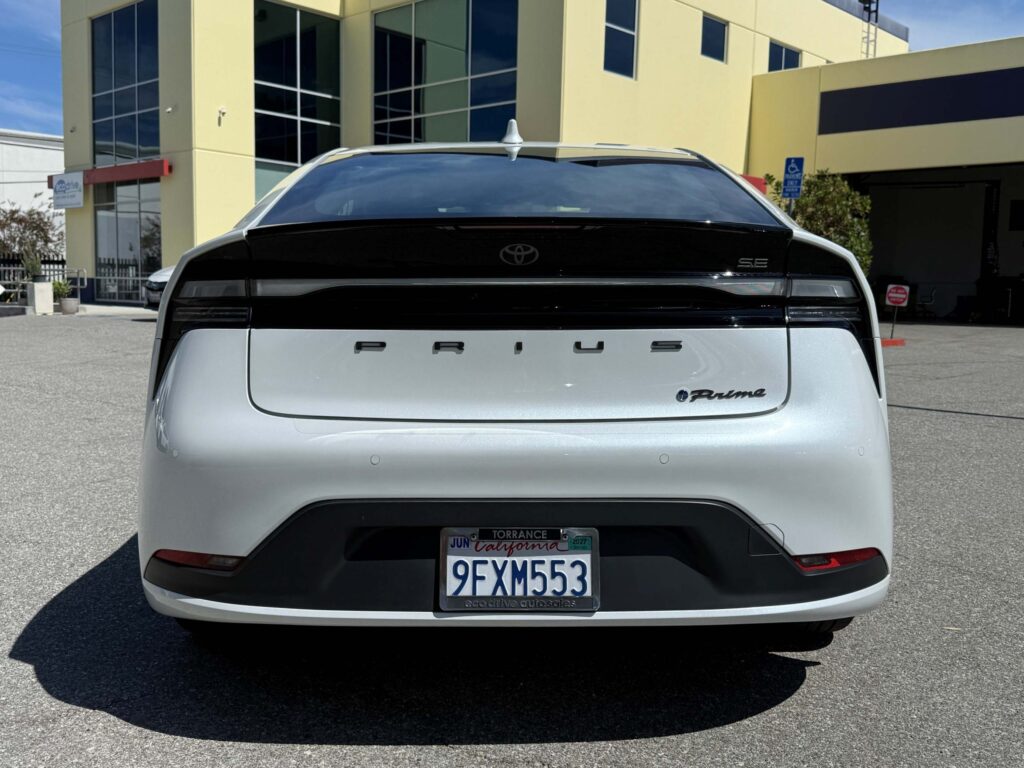
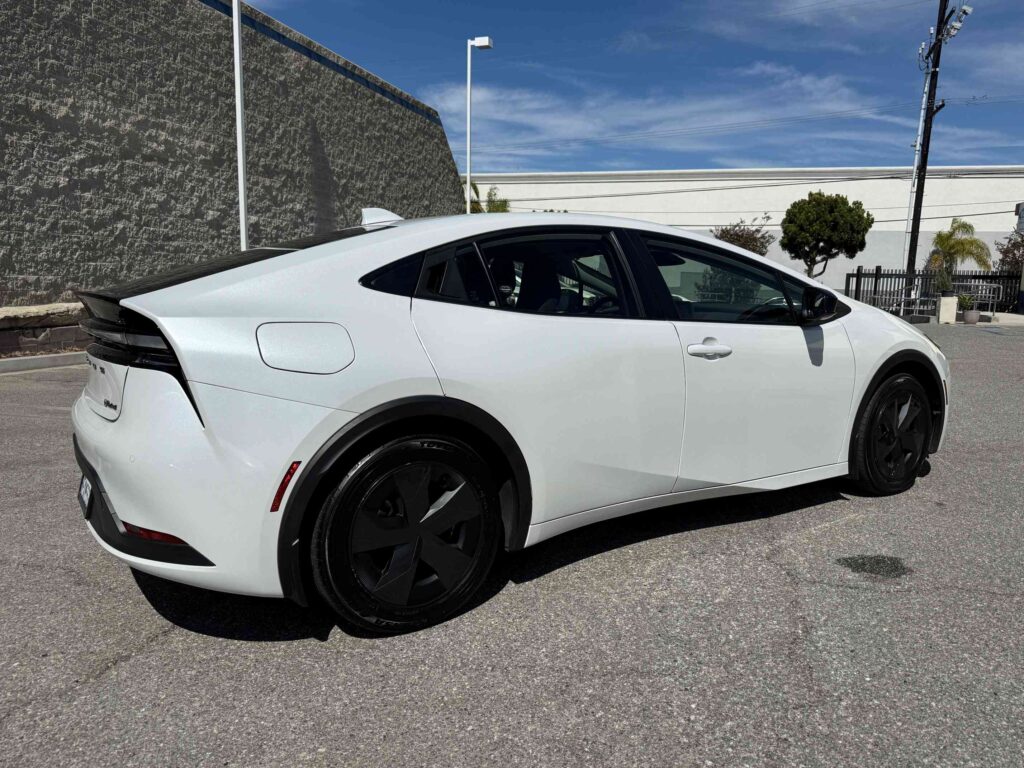
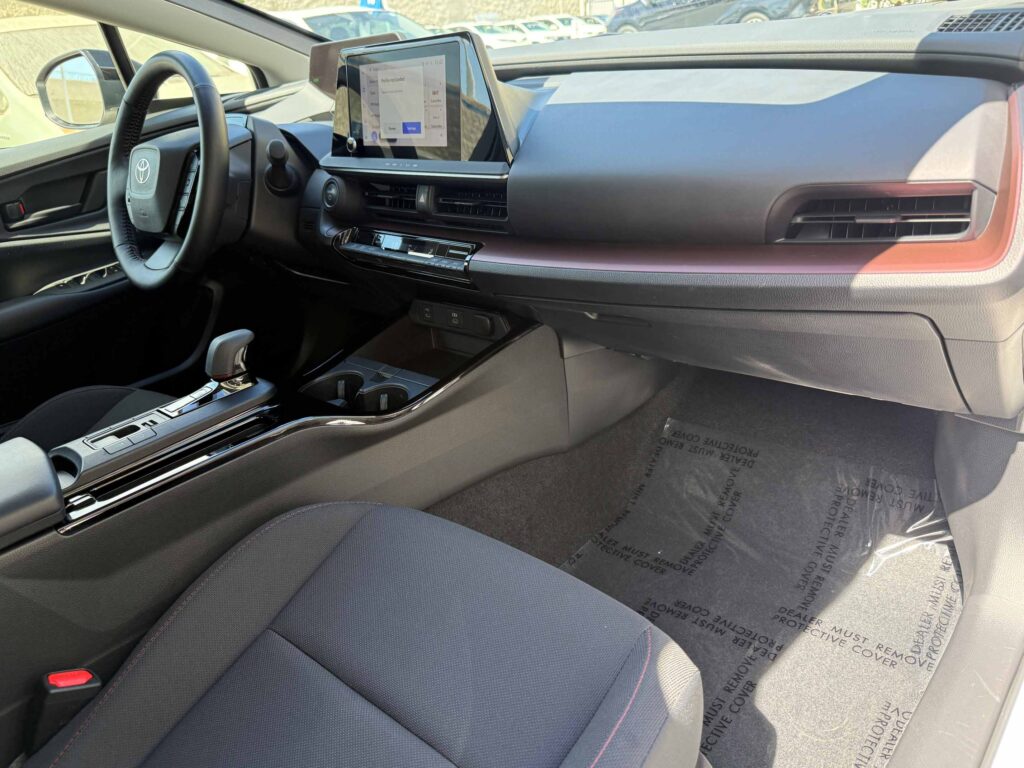
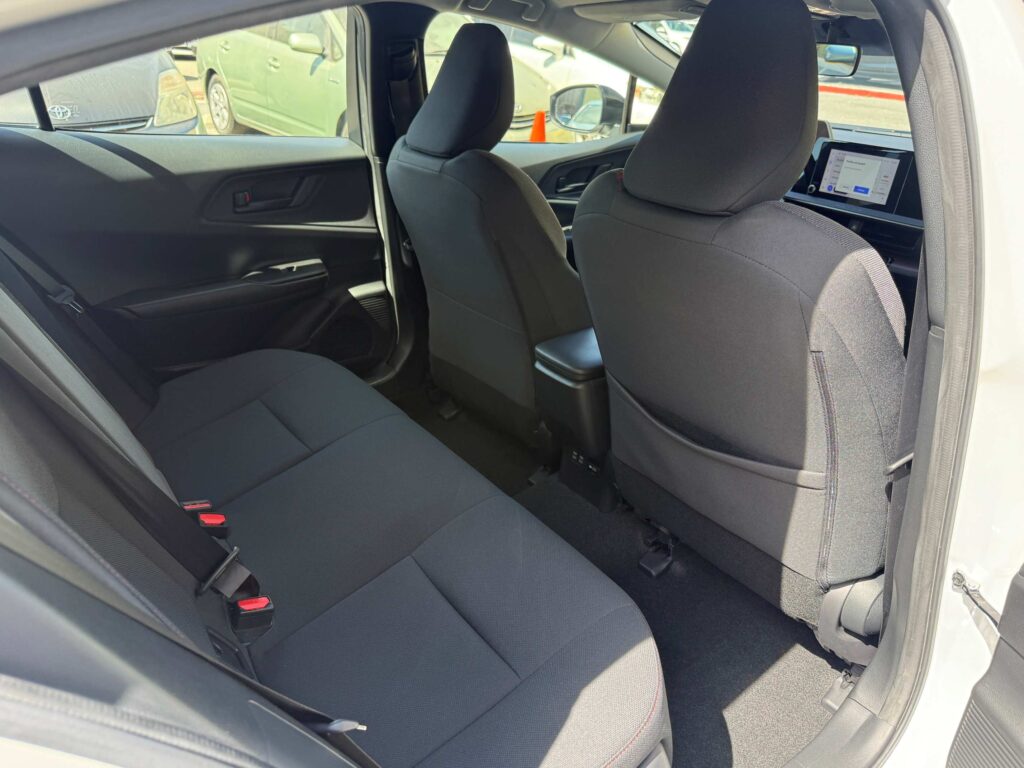
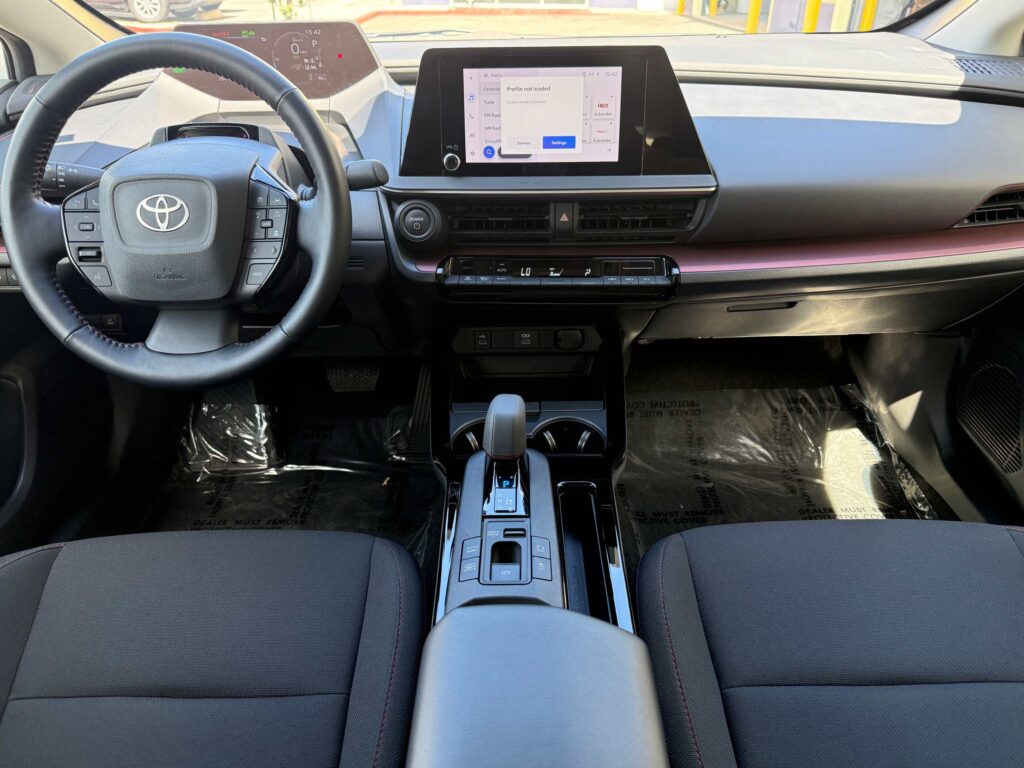
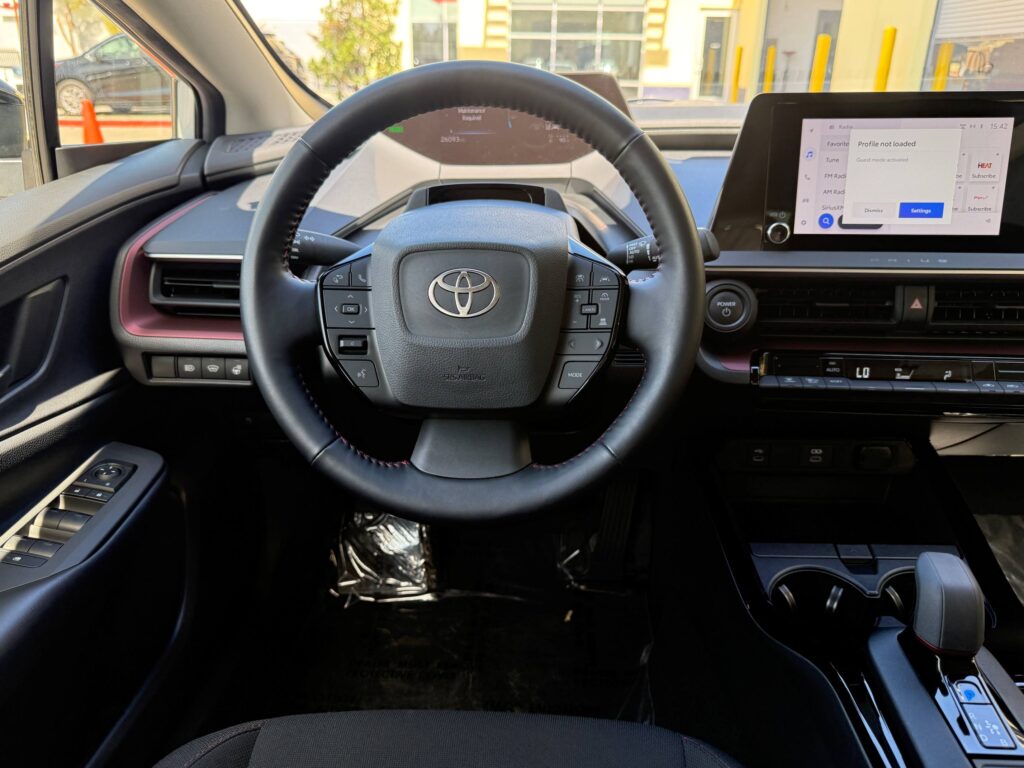
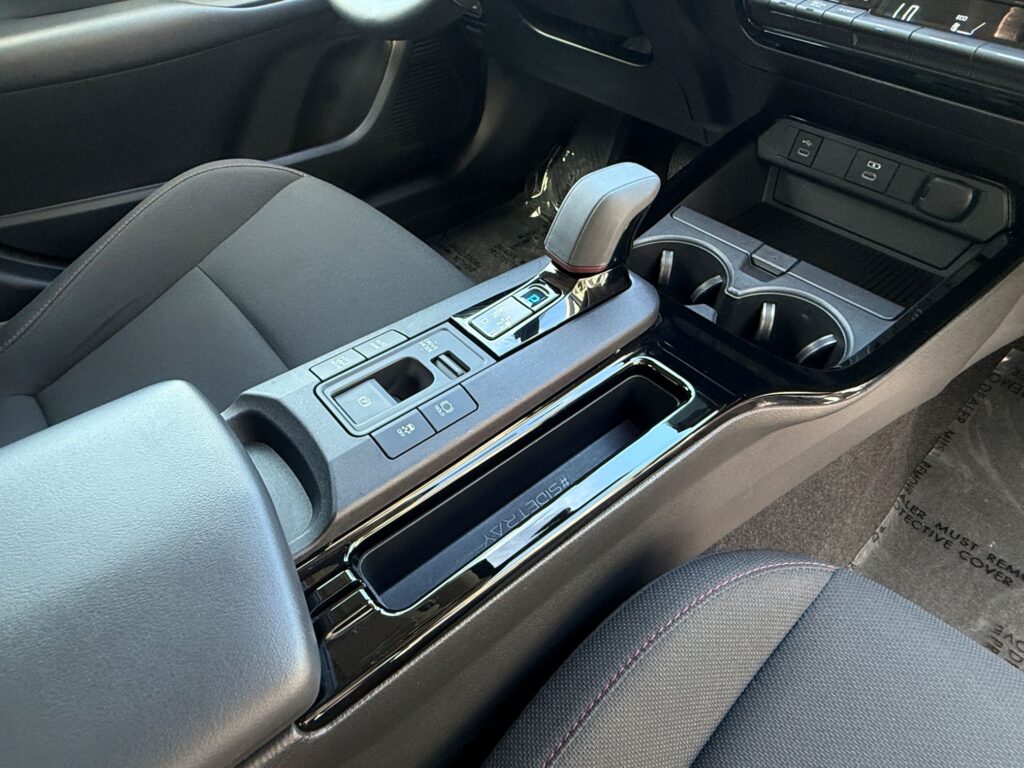
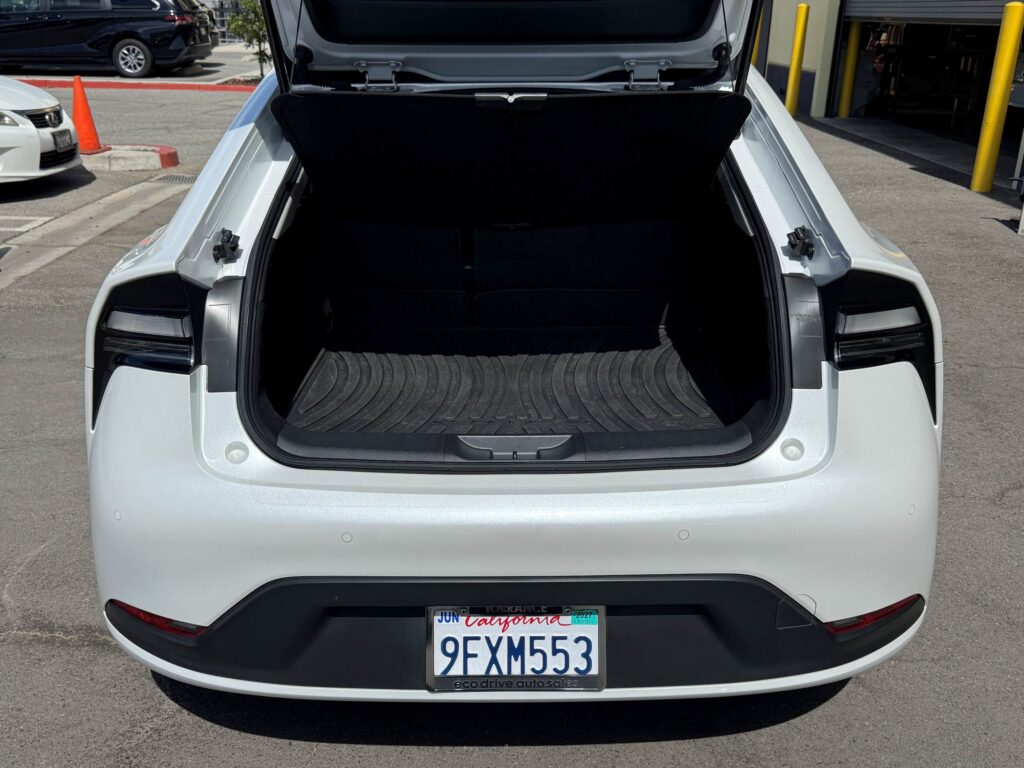
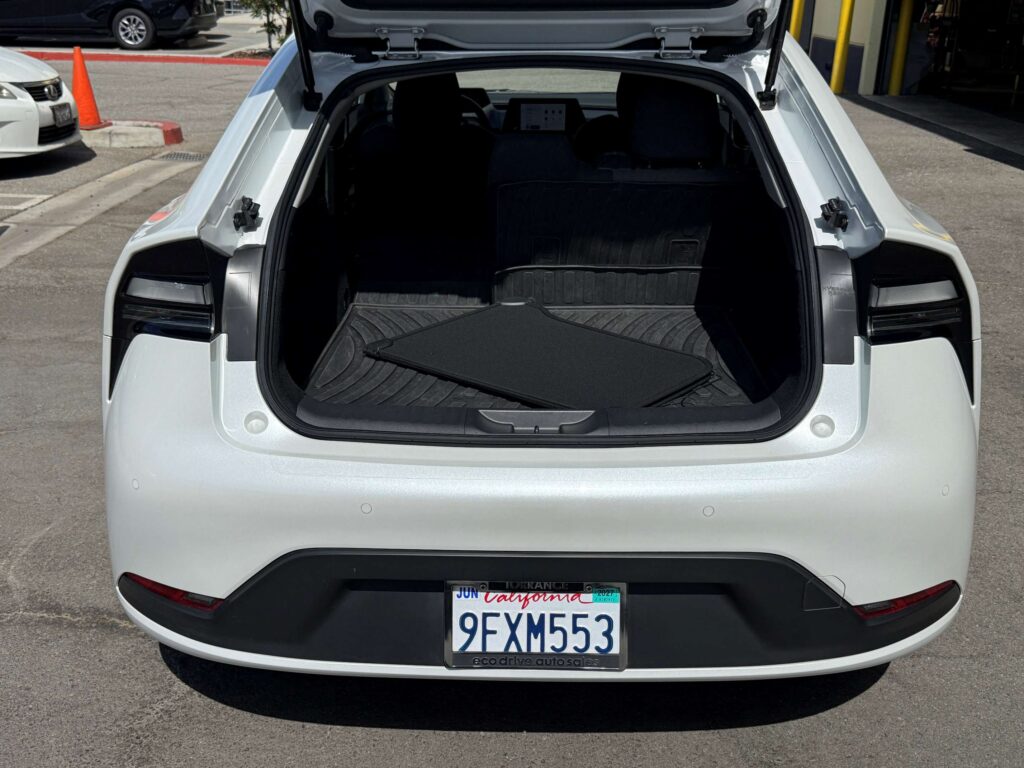
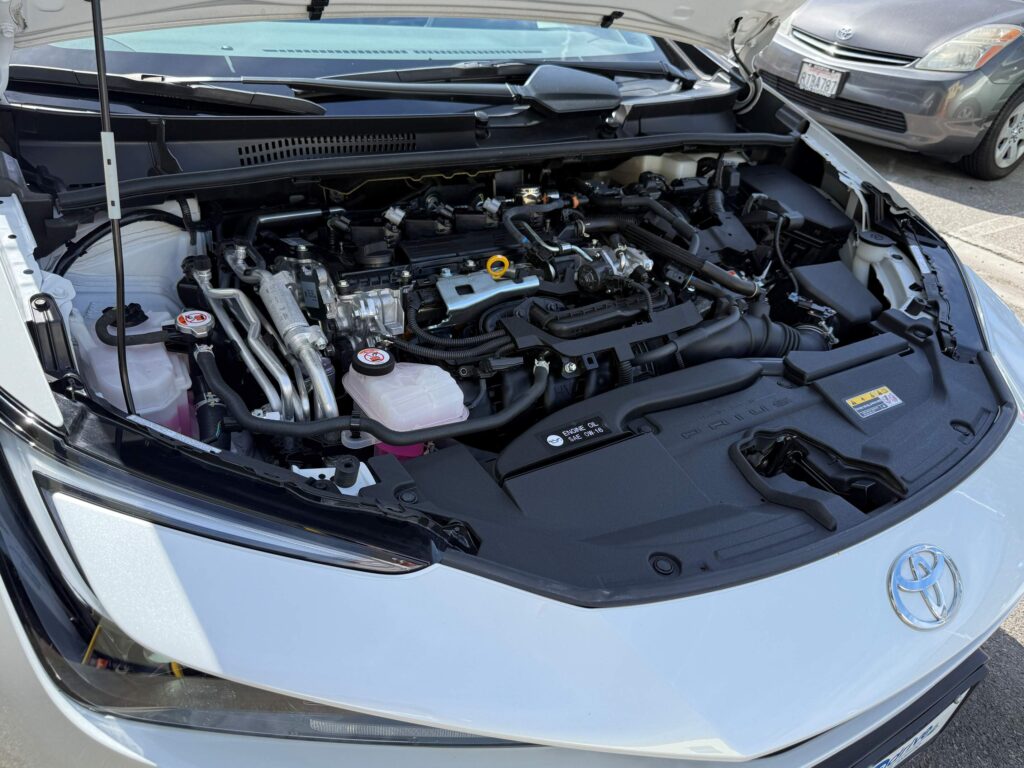
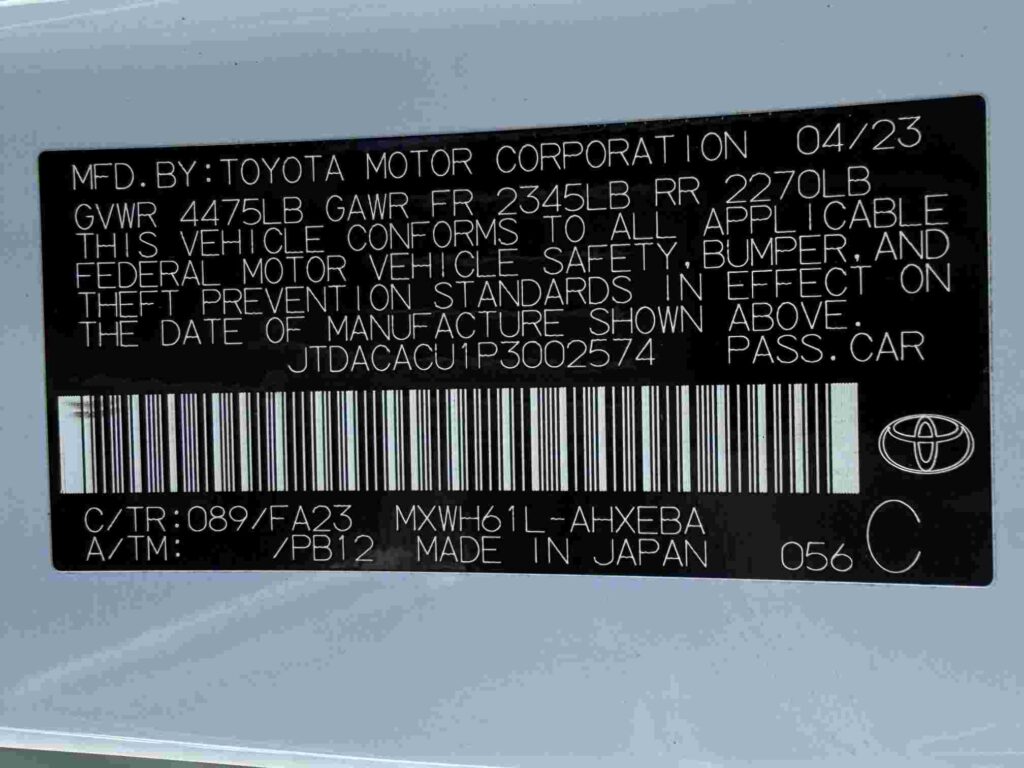
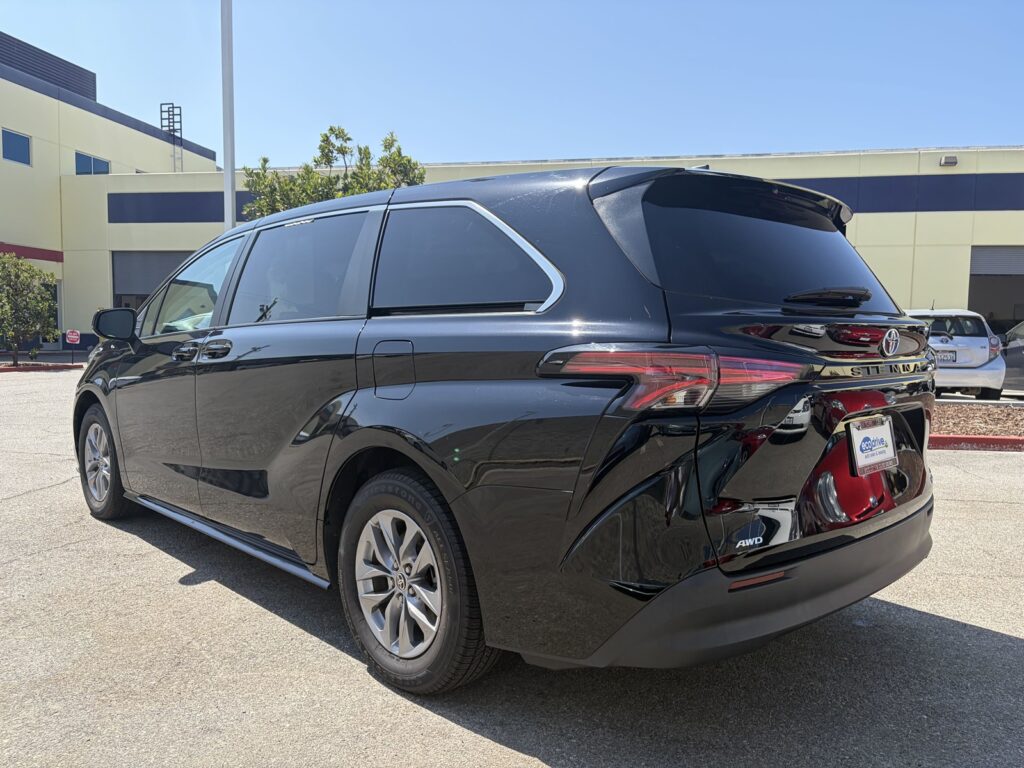
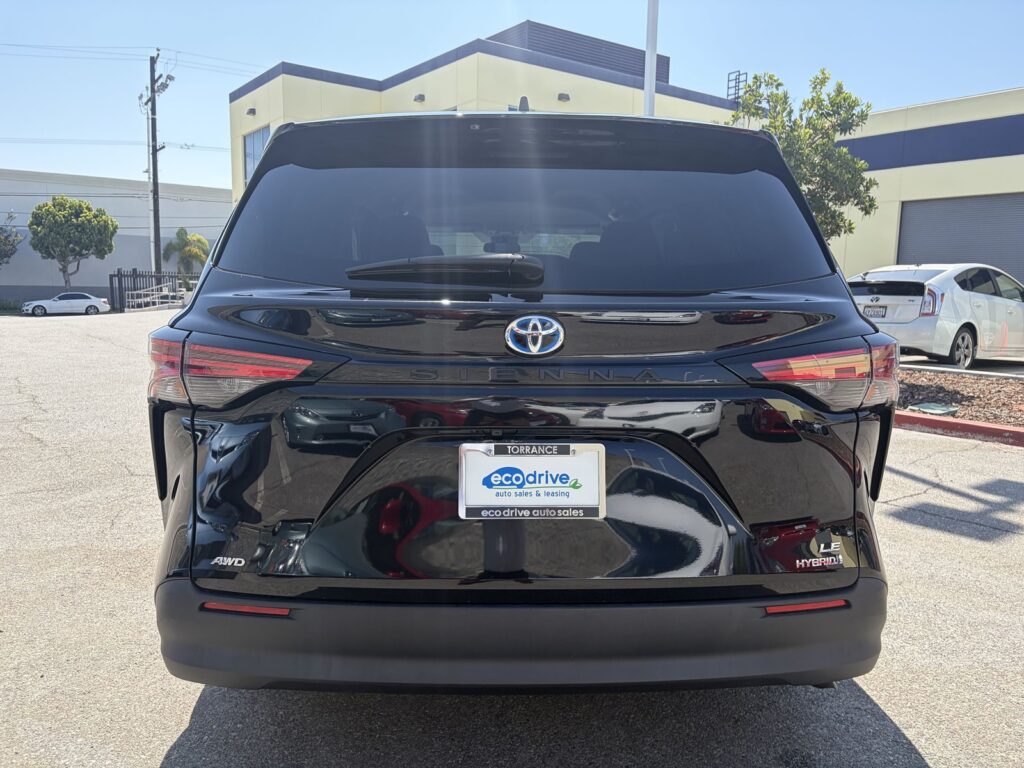
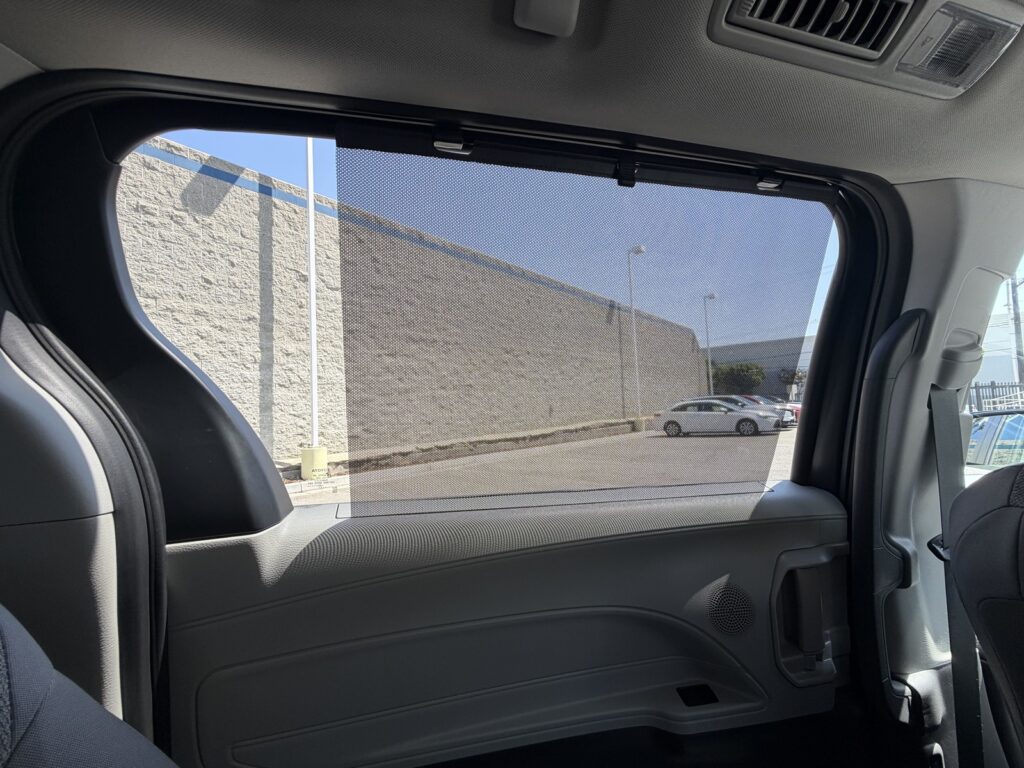
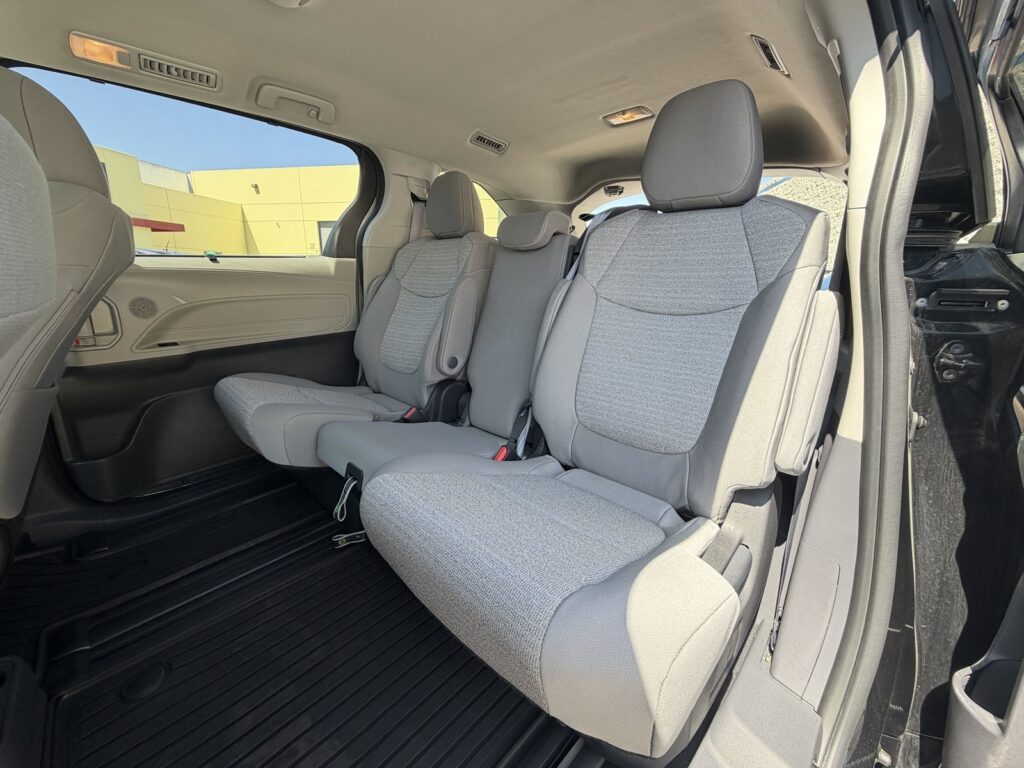
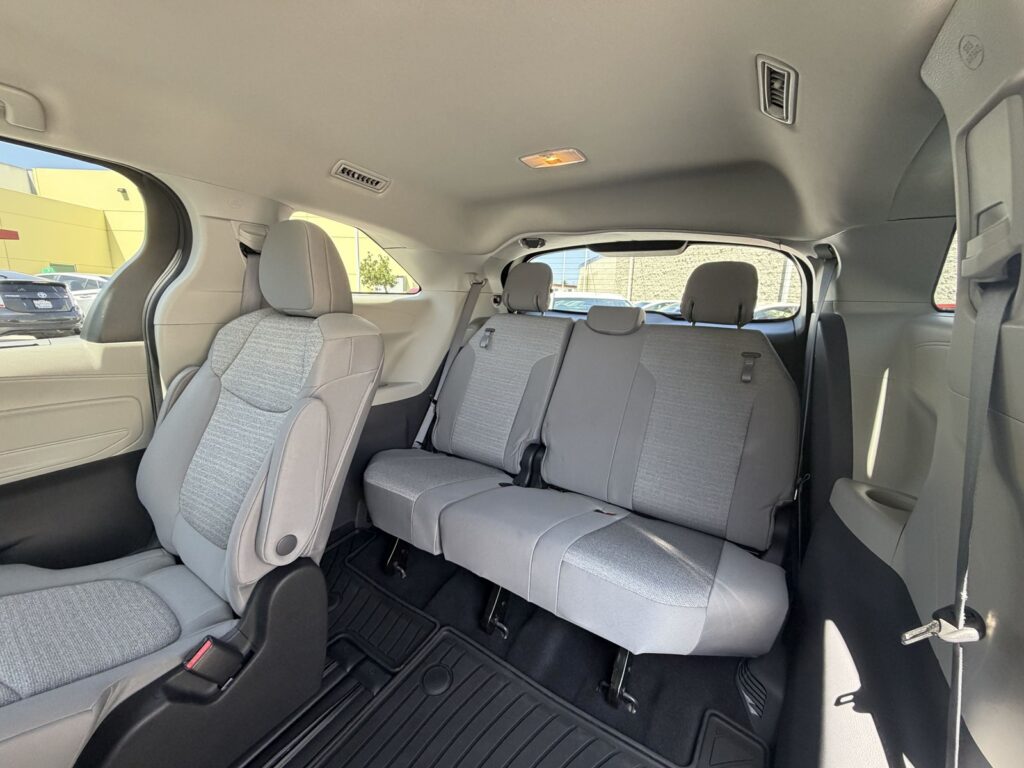
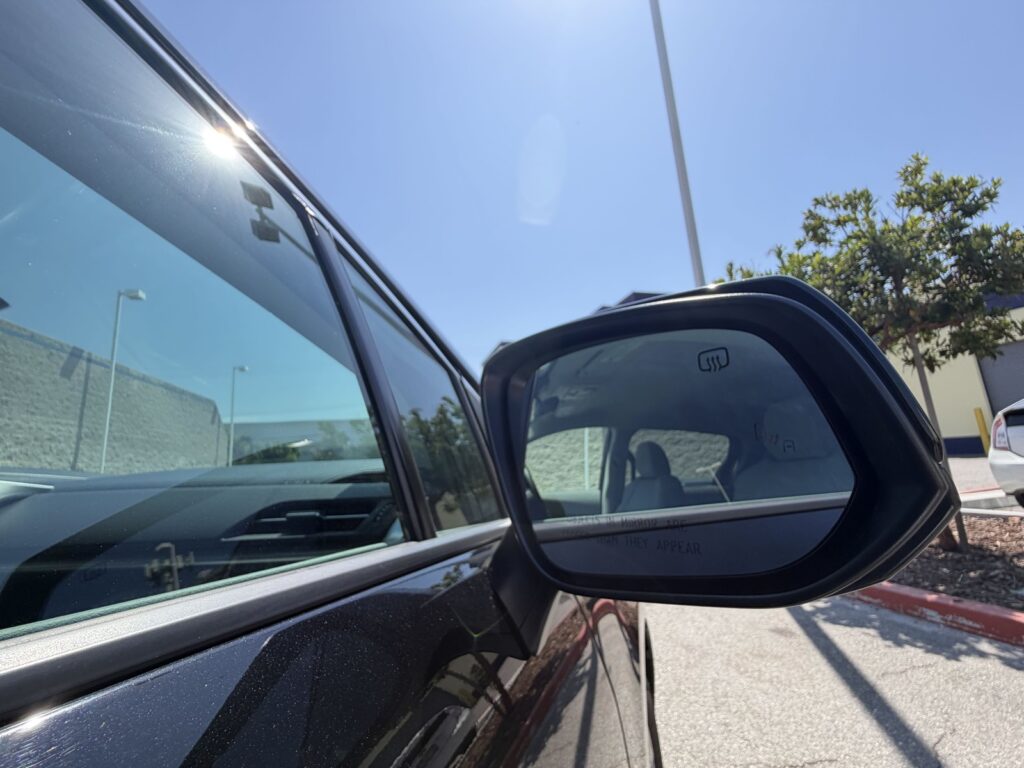
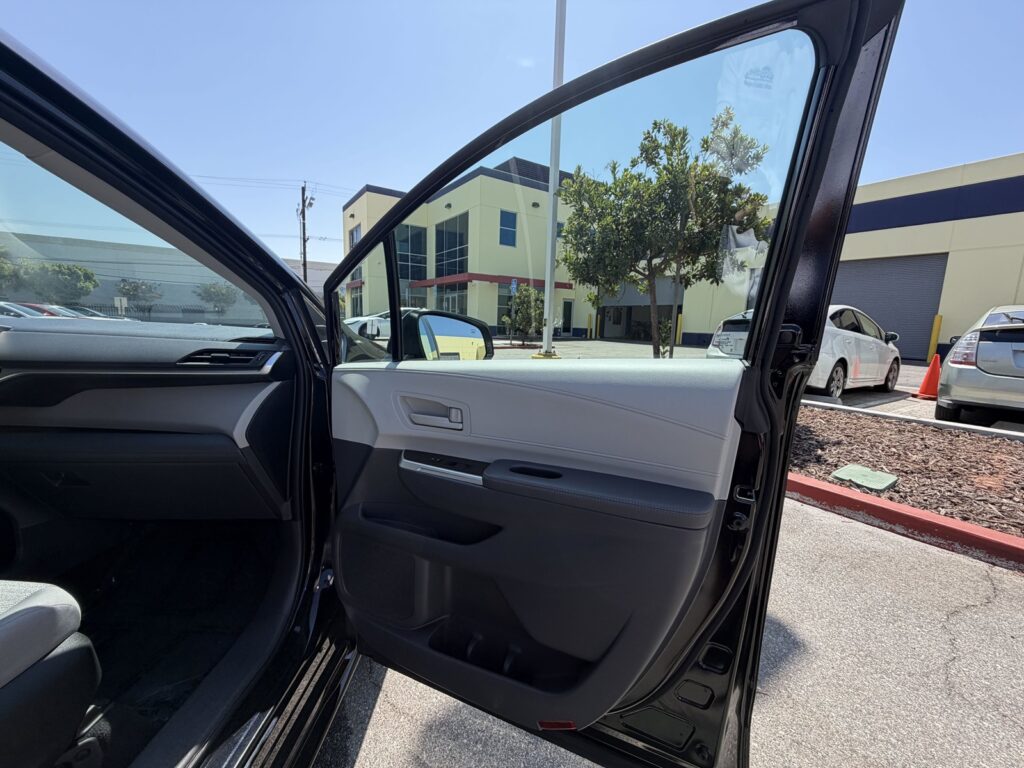
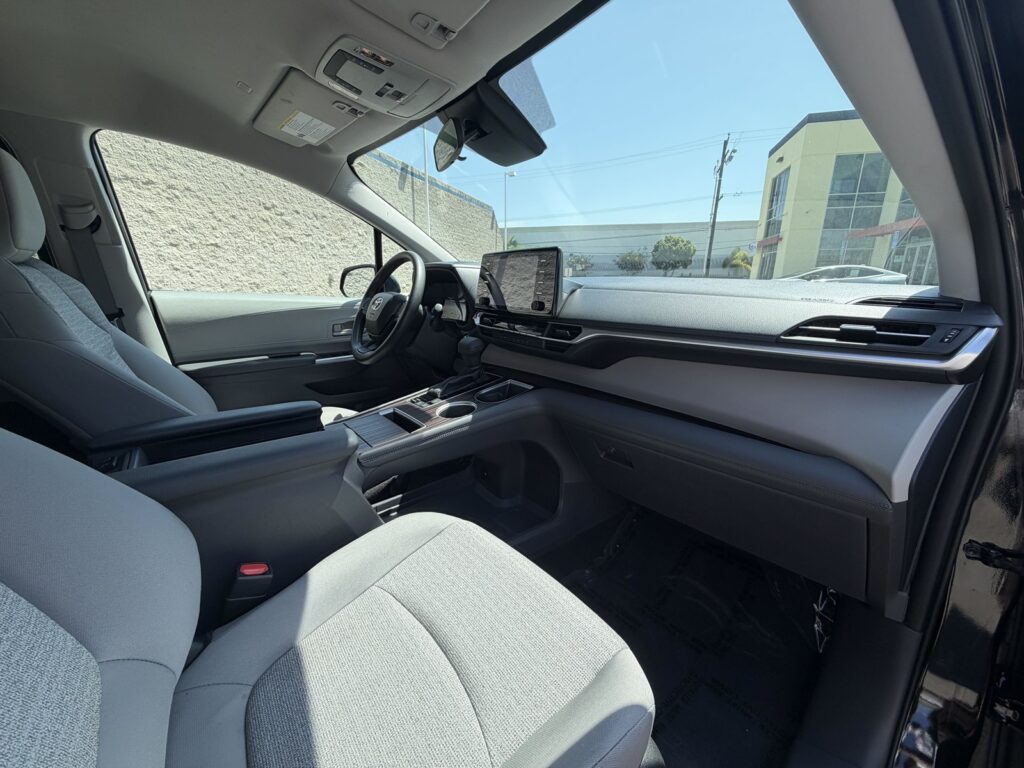
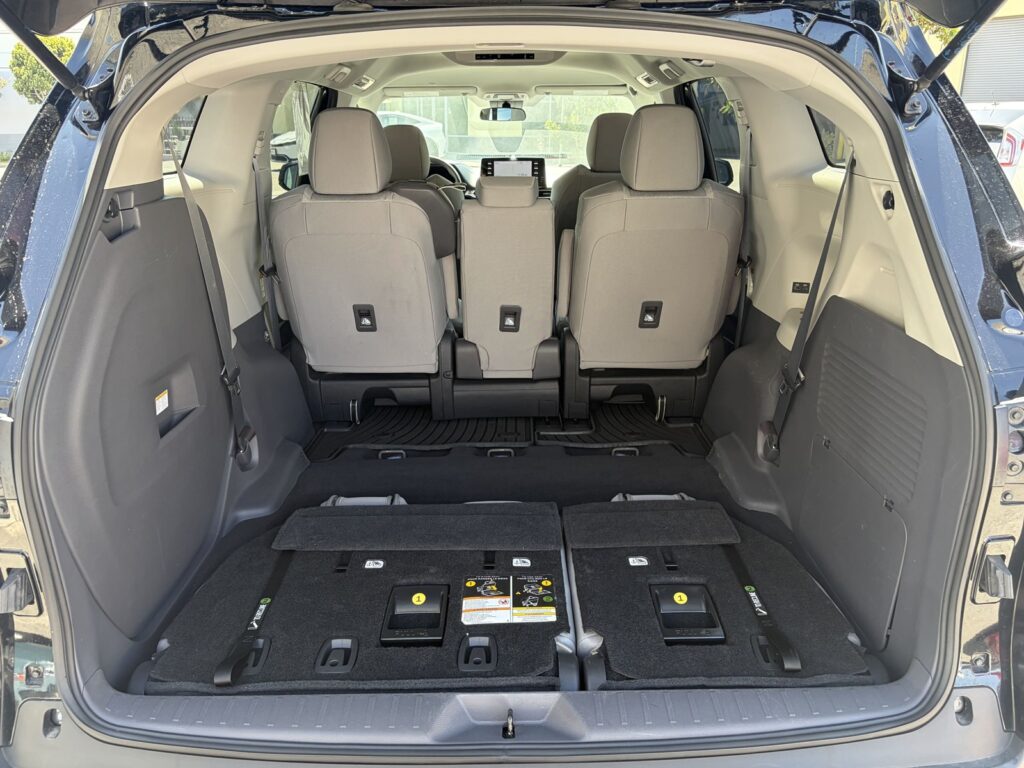
New Arrivals
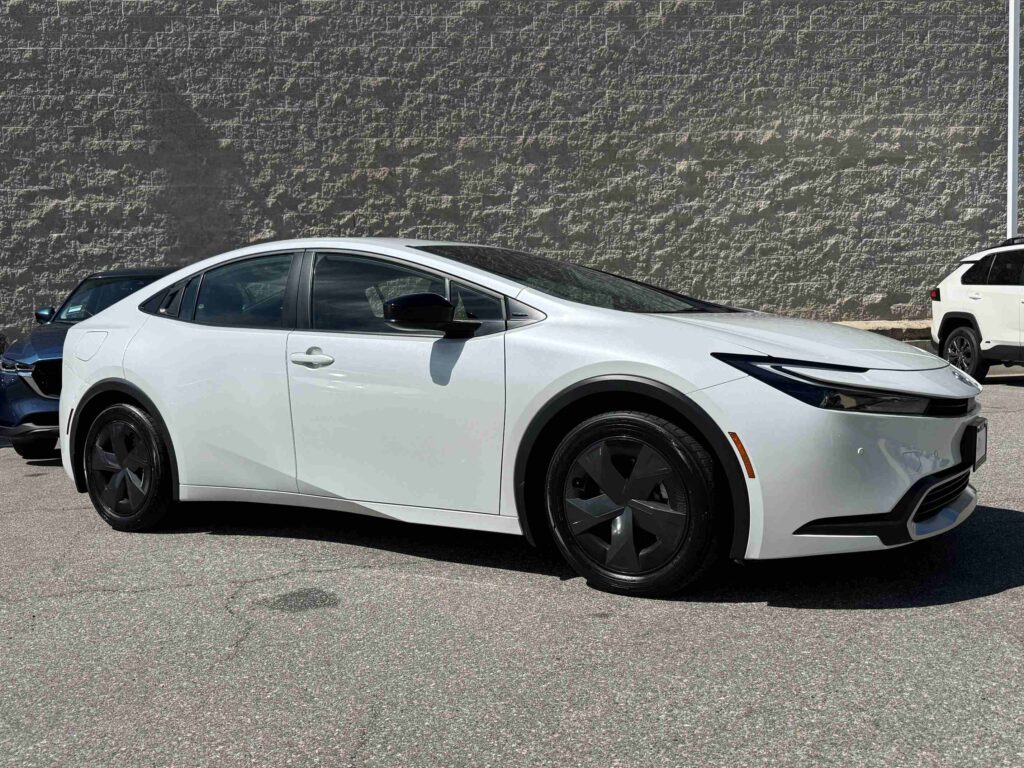
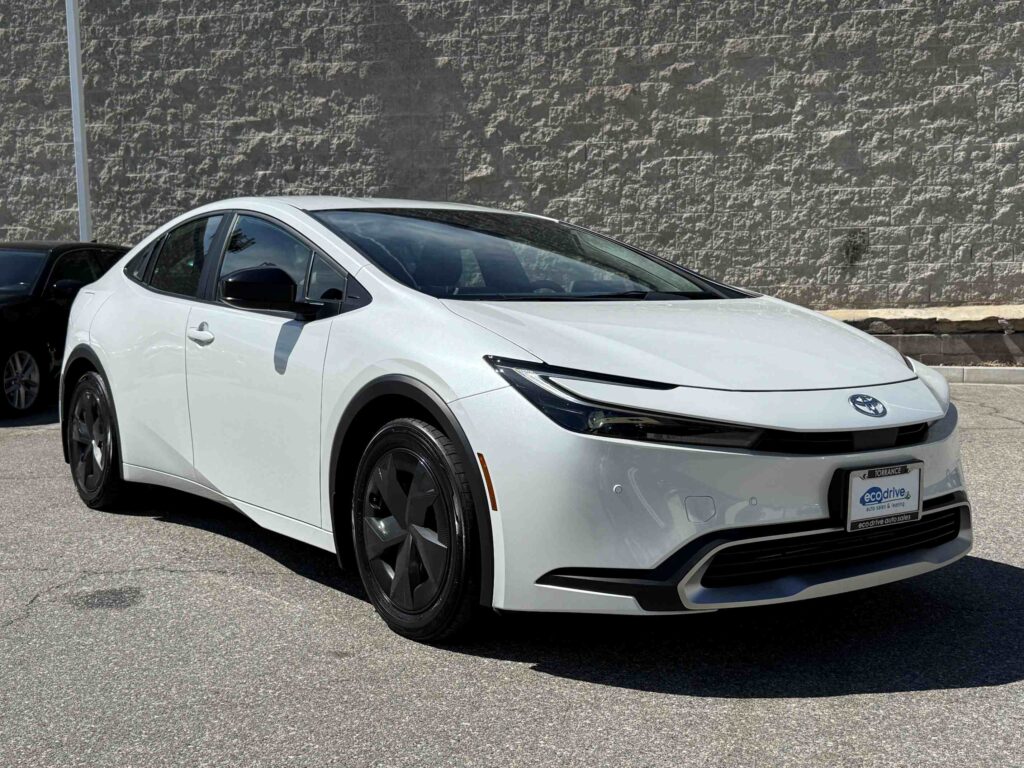
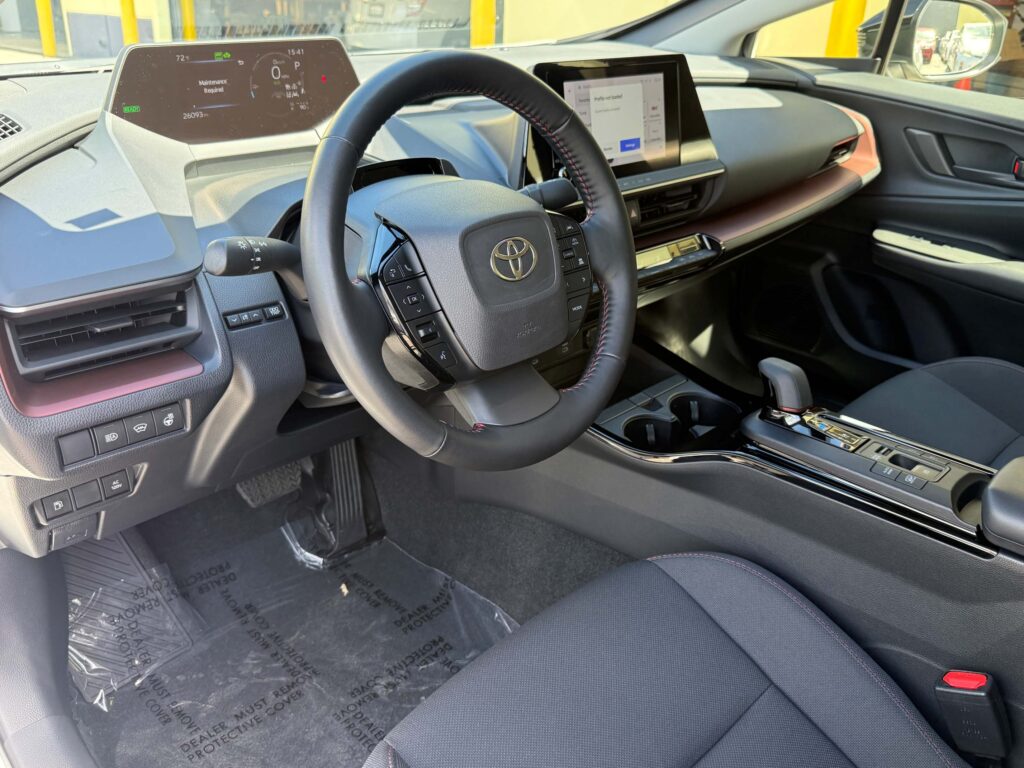
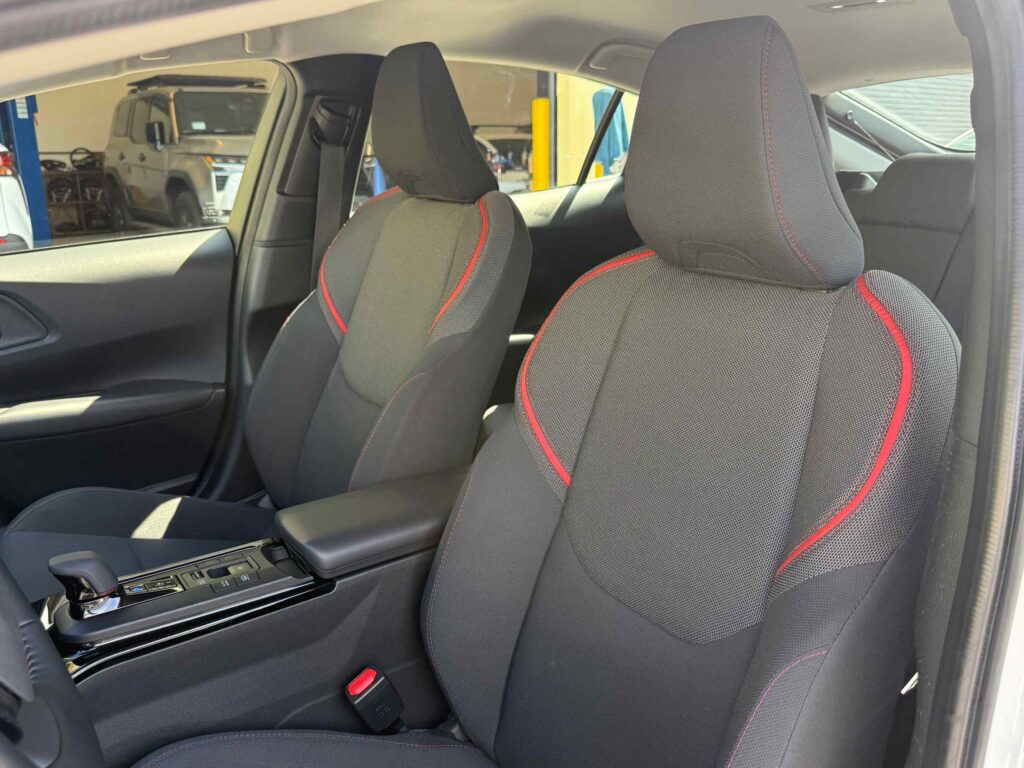
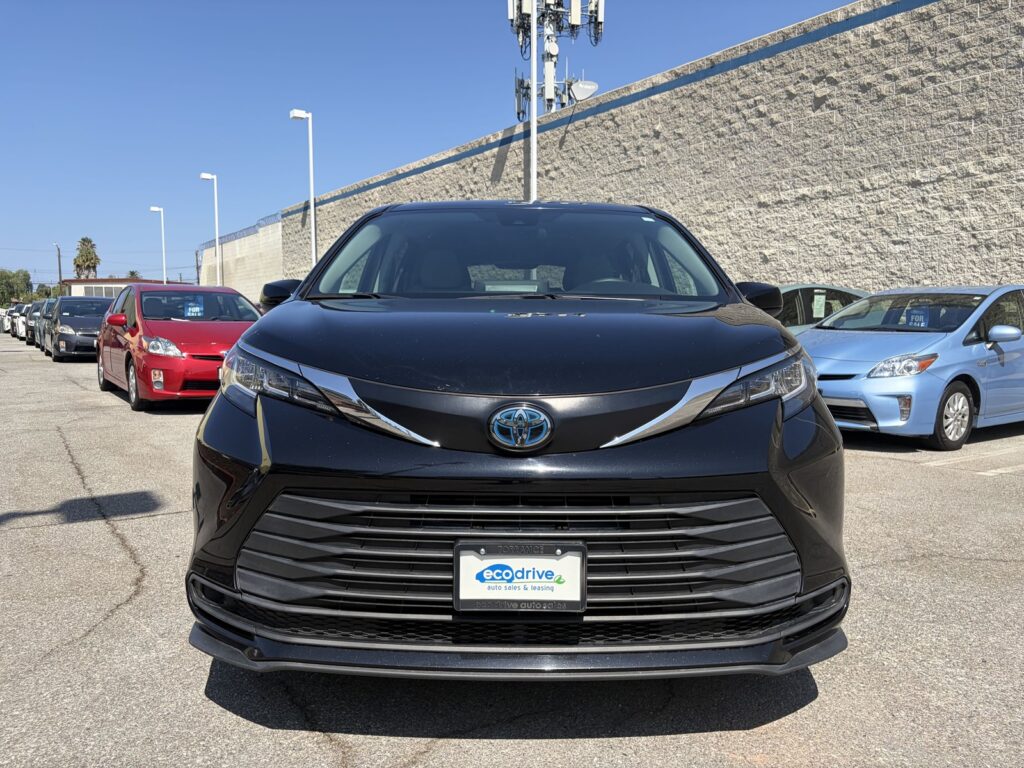
Discover our newest arrivals—available now!







































You Can Feel the Turnover at Everyday Businesses

I’ve been here for 20 years now, and this matches what I see day to day.
I shop and eat out at all kinds of places, and the staff keeps turning over.
The person who helped me last time is gone by the next visit.
I run into that constantly.
When the staff is different every time you walk in, it changes the experience a little on the customer side too.
The person you talked to before isn’t there.
The person who walked you through something has already moved to another company.
When that keeps happening, your relationship with that business feels like it resets every visit.
And on the company’s side, every time someone leaves you have to hire, train, and get the new person comfortable in the role.
That takes real time and effort.
When employees don’t stay, it’s not just a headcount problem — it can affect how consistent your service is and how well your team comes together.
At Car Dealerships, Your Salesperson Changes Fast
Car dealerships might be the classic example.
Your salesperson can change before you know it.
With a purchase as big as a car, the trust you build with that person matters.
When the person who first walked you through everything, wrote up your quote, and handled delivery and follow-up questions is suddenly gone, it can leave a customer feeling a little uneasy.
A change of salesperson isn’t a bad thing in itself.
As long as the company hands things off properly, the customer relationship can carry on.
But in an industry with a lot of movement, having a system that keeps service quality steady across the whole company becomes that much more important.
Car Sales Often Works as a Team
Car sales in particular is often a team effort here.
Each team has a leader, and it’s fairly common for that leader to get poached by another brand or dealership.
And when that happens, the team members loyal to them often get taken along.
You’ll see a salesperson who was saying “Toyota is the best, Honda is the enemy” one day show up on the Honda side the next.
And of course, they start saying Honda is the best.
From the customer’s point of view, that’s a bit of a problem.
When car sales runs on teams, the leader carries a lot of weight.
How the team operates, how they sell, how they treat customers — all of it tends to reflect the leader’s approach.
So when a leader moves to another company or dealership, the team members may well move with them.
For the employees, following someone they trust is a natural choice.
From the company’s side, though, it means you’re not just losing one person — you can lose an entire team at once.
So when we talk about how hard retention is here, it isn’t only about individuals changing jobs. It’s also about this kind of team-level mobility.
Would you rather not start over with a new salesperson every visit? Keeping the same people around long enough to actually know our customers is something we care about at Eco Drive. If you are in the market, you can browse our current inventory here.
Average Job Tenure in the U.S. Is 3.9 Years — What That Means for a Small Company
For a company, having employees stay carries a lot of weight.
When people who know the work stick around, the team coordinates better and customer service gets more consistent.
When people cycle through frequently, hiring, training, and handoffs eat up a lot of time.
At a small company especially, every single person makes an outsized difference.
At a big company, other people in the department may be able to absorb the gap when someone leaves.
At a small one, a single departure can affect how the whole operation runs.
That’s why keeping people for the long term ties directly into the stability of the business.
For reference, data from the U.S. Bureau of Labor Statistics also shows that people don’t tend to stay with the same employer all that long.
As of January 2024, the median tenure of wage and salary workers with their current employer was 3.9 years.
Which means half of all workers had been with their current employer for less than 3.9 years.
Naturally, the picture varies by industry, occupation, and age.
But from the company’s side, the takeaway is that keeping people isn’t just about hiring them — you have to build a place where they want to keep working.
Job Hopping Isn’t a Bad Thing

The important thing here is that high job mobility doesn’t have to be seen as a negative.
It’s natural for people to look for an environment that fits them.
Moving in search of better terms, a better way of working, or a place with more room to grow is a positive choice.
And the image people have of changing jobs isn’t necessarily negative either.
In the survey, the top associations in Japan included being able to take on something new, being able to change your work environment, and being able to build skills and experience.
That part is shared between Japan and the U.S.
Changing jobs isn’t simply running away from your current company — it’s also a way to take on a new challenge or find a way of working that suits you.
From the company’s side, though, it also means you have to keep being the one they choose.
In a society where people move freely, if a company doesn’t build a place where people want to stay, they’ll go somewhere else.
That’s where the difficulty of running a business here lies.
What’s Behind How Freely People Move Here
So why do people move around so much here?
One piece of the background is the concept of at-will employment.
Under at-will employment, either the employer or the employee can generally end the working relationship.
That said, it doesn’t extend to termination for illegal reasons such as discrimination or retaliation.
I go into that in more detail in Part 2.
The employment landscape here can come across as pretty impersonal.
But at the same time, it means the company and the employee are choosing each other, both ways.
Wrapping Up: What a Company Can Do in a High-Mobility Society
Here, changing jobs isn’t unusual, and people move readily in search of a satisfying workplace or an environment that fits them.
You see that turnover everywhere — at everyday stores and in specialized settings like car dealerships.
From the company’s side, that’s a serious challenge.
Even after you’ve hired someone, taught them the work, and gotten them functioning as part of the team, they’ll move on if better terms or a better environment come along.
That’s why retention is something you can’t avoid when you run a business here.
I pick that up in Part 2: Employee Retention Strategies From a Car Dealership Owner — how the system underneath all this works, and what we’ve settled on at Eco Drive.
You May Also Like